



When your TV's built-in speakers just aren't cutting it anymore, you're not alone. Most modern TVs sacrifice audio quality for ultra-thin designs, leaving dialogue muddy and action scenes flat. That's where a good soundbar comes in, and if you're shopping in the $300-400 range, you've probably come across two popular options: the Samsung HW-S700D ($378) and the Denon DHT-S517 ($302).
Both soundbars promise to transform your viewing experience, but they take completely different approaches to get there. After spending time with both systems, I can tell you that choosing between them isn't just about price—it's about understanding what matters most for your specific setup and listening preferences.
Before diving into the specifics, let's talk about what you should expect from a soundbar in this price range. We're firmly in "mid-range" territory here, which means you're getting genuine performance improvements over TV speakers without the complexity (or cost) of a full surround sound system.
The main things to consider are audio performance, design integration, feature set, and overall value. Audio performance includes how many channels the soundbar has (more channels generally mean better sound separation), power output (more watts usually means louder, cleaner sound), and how well it handles different types of content. Design integration matters because your soundbar needs to work with your TV and room setup. Features like Dolby Atmos support, wireless connectivity, and smart home integration can make a big difference in daily use. And value? Well, that's about getting the most performance for your dollar.
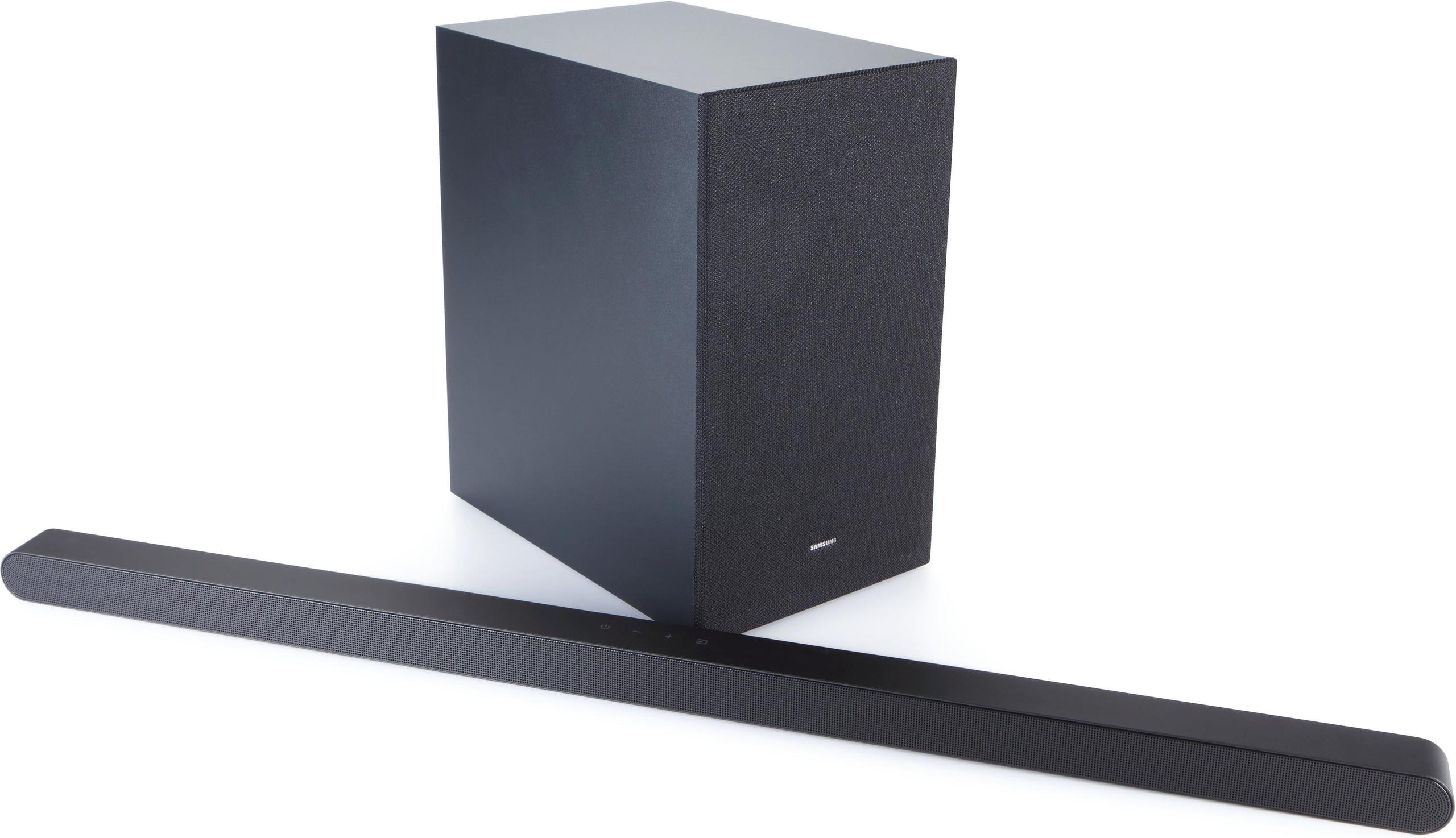
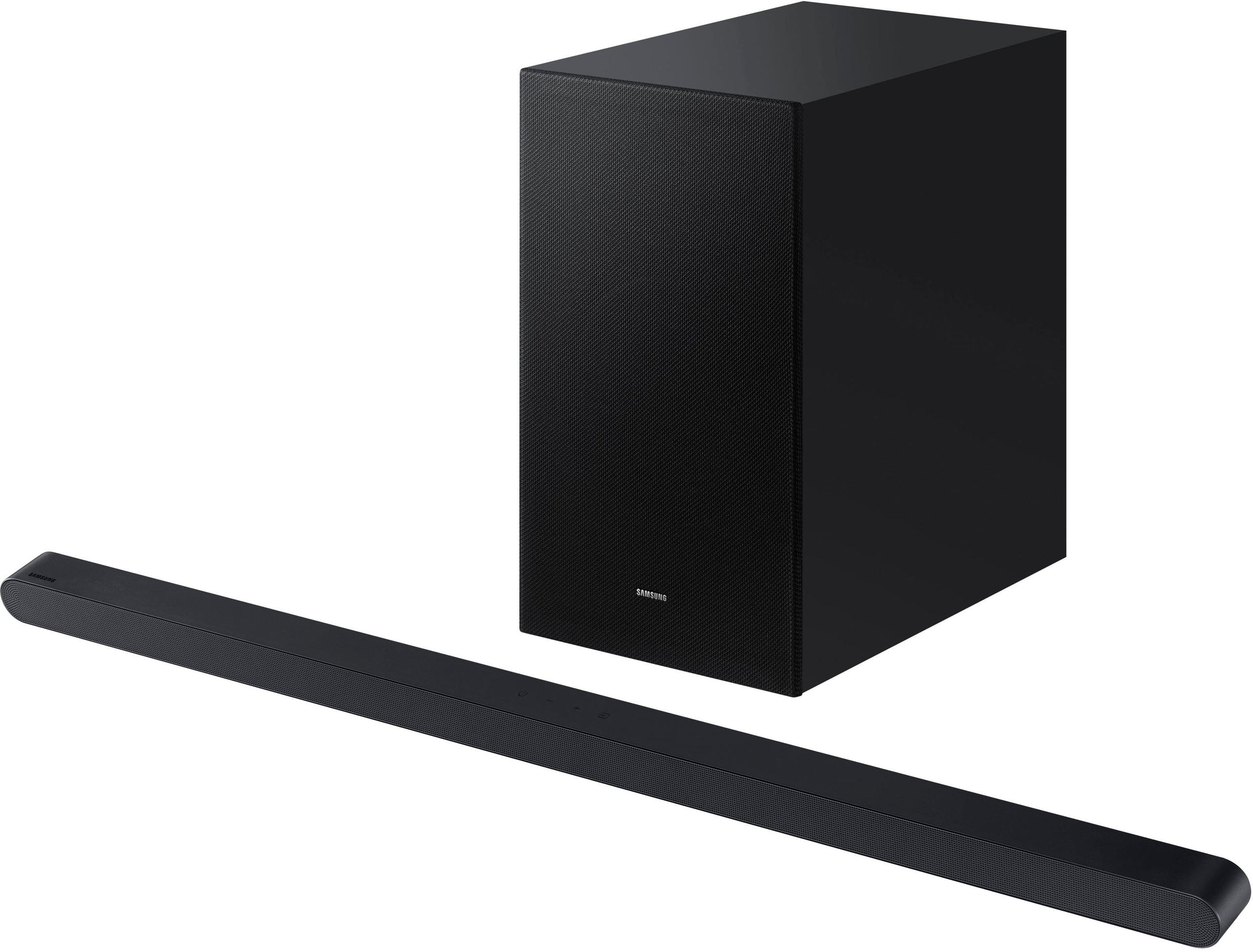
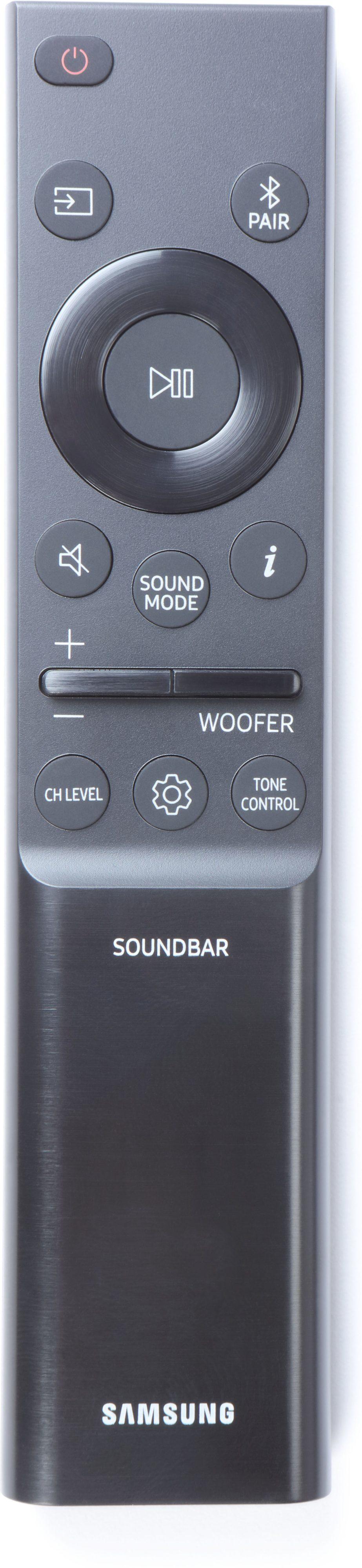
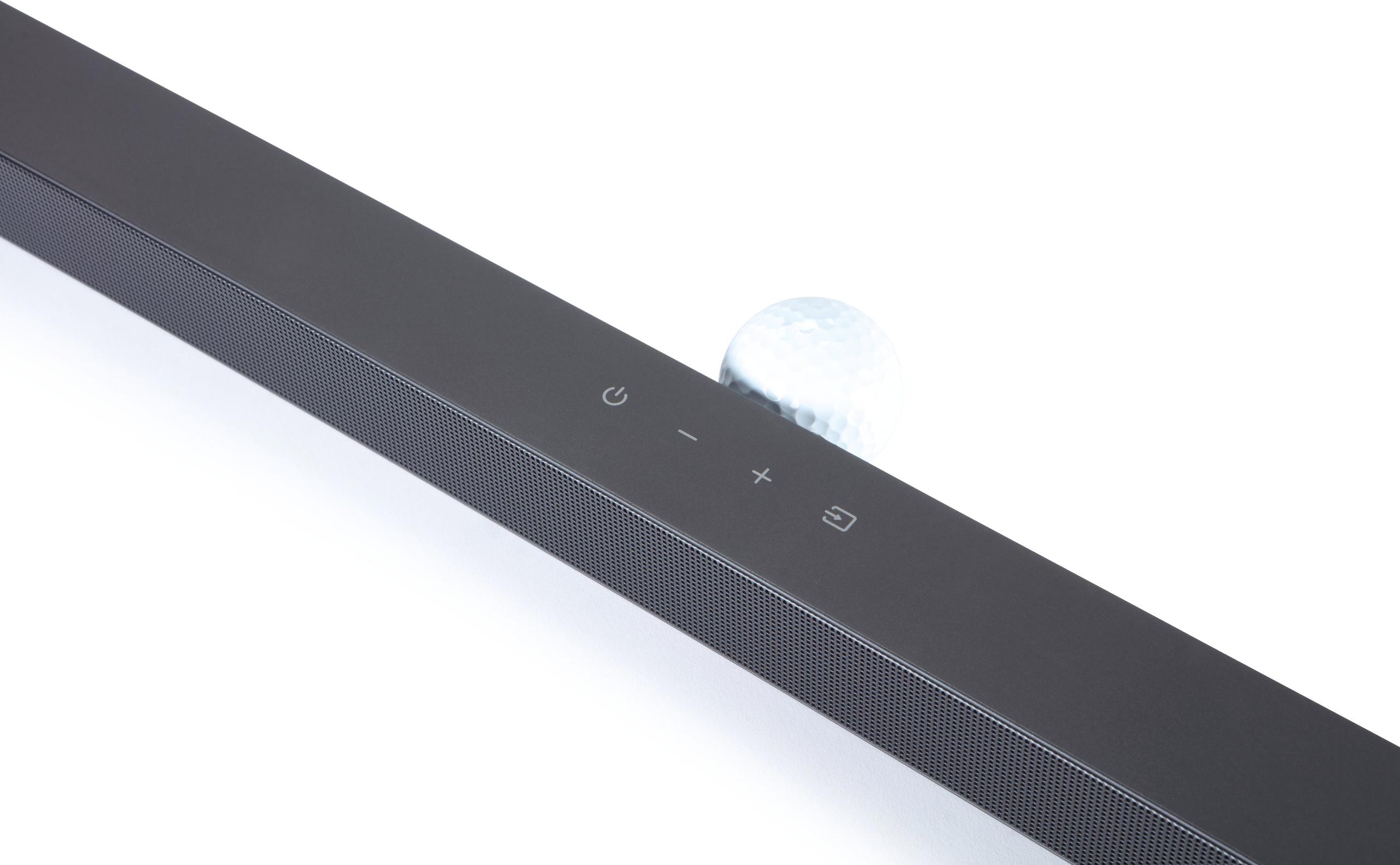
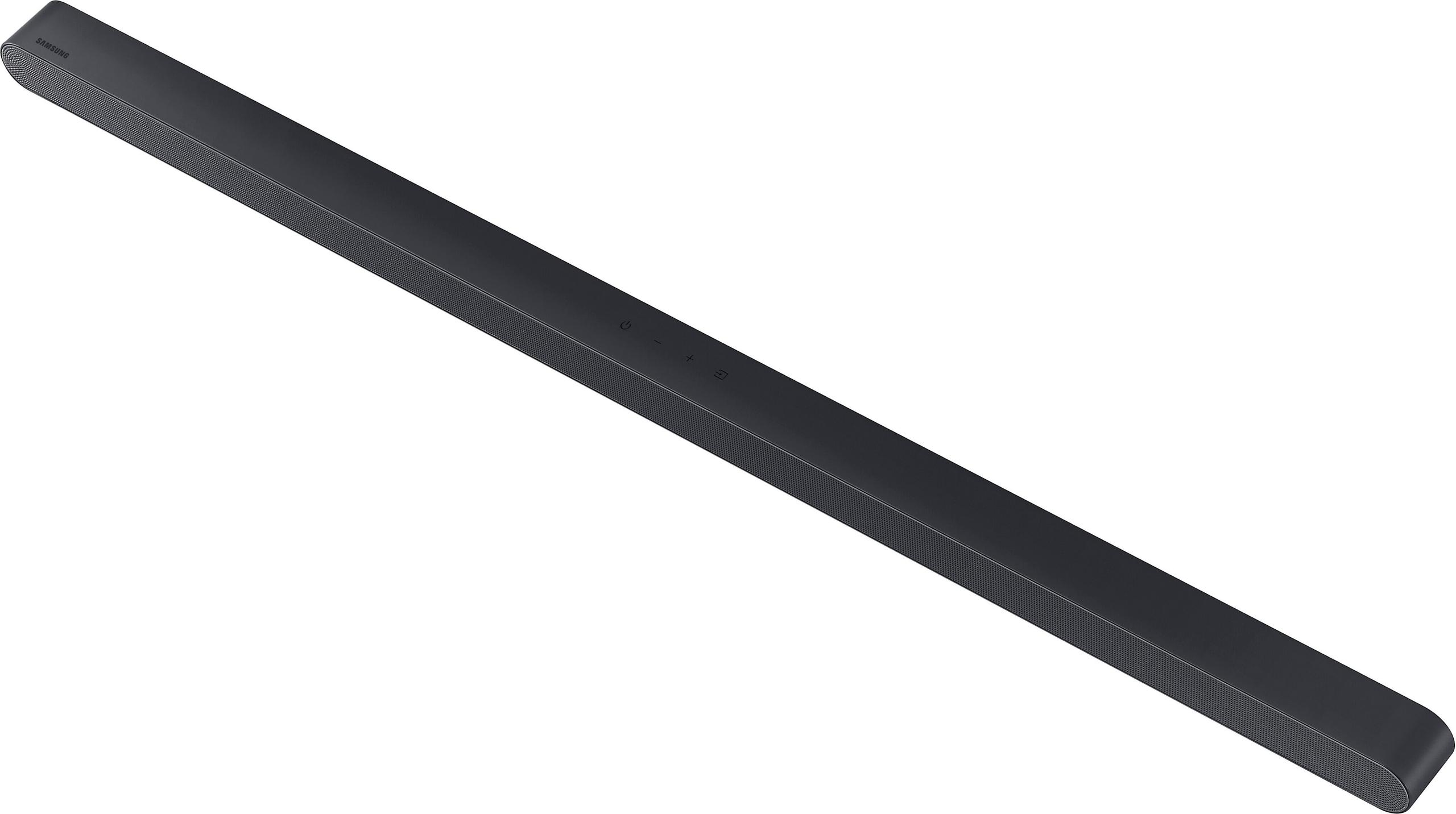
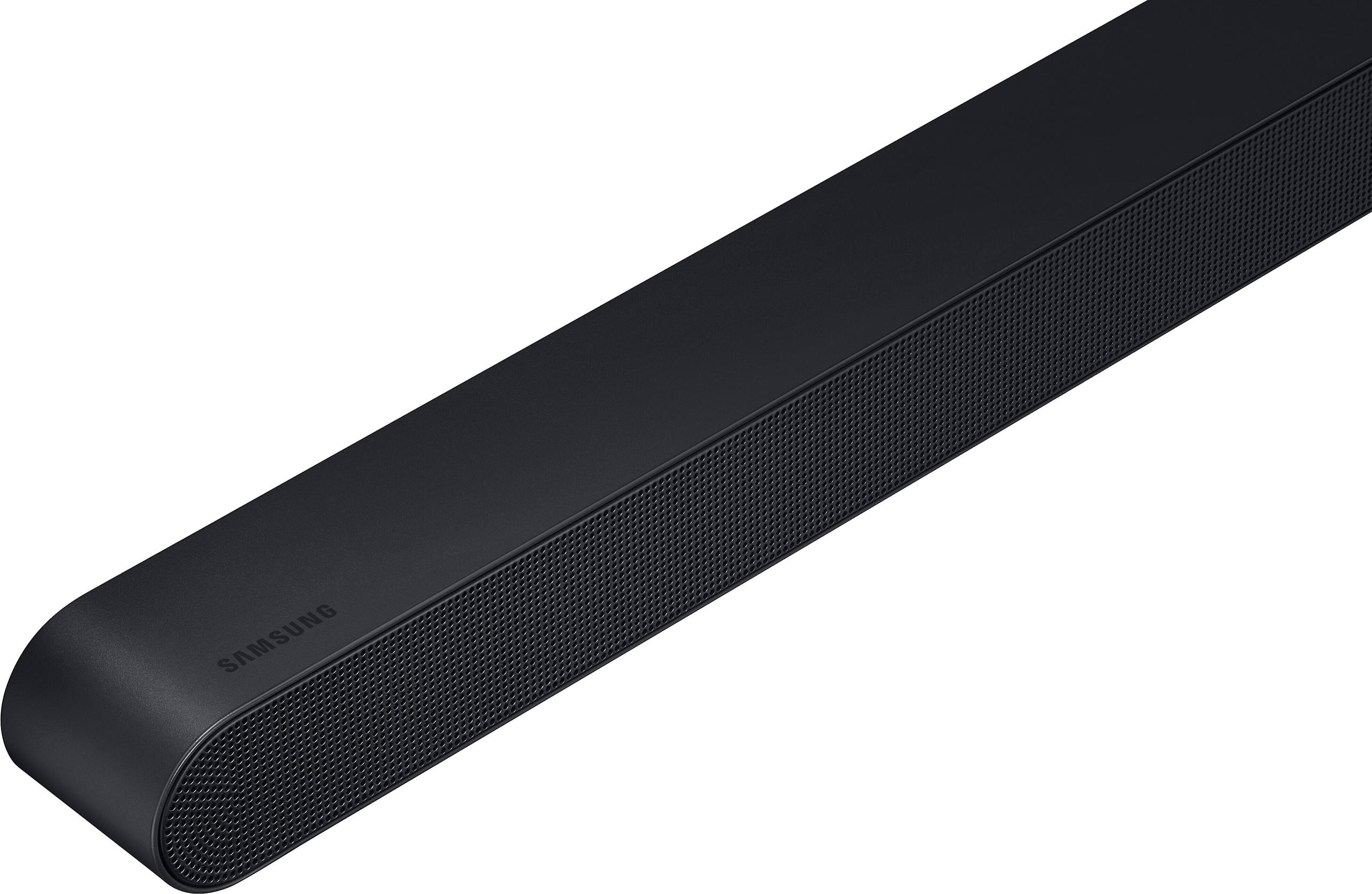
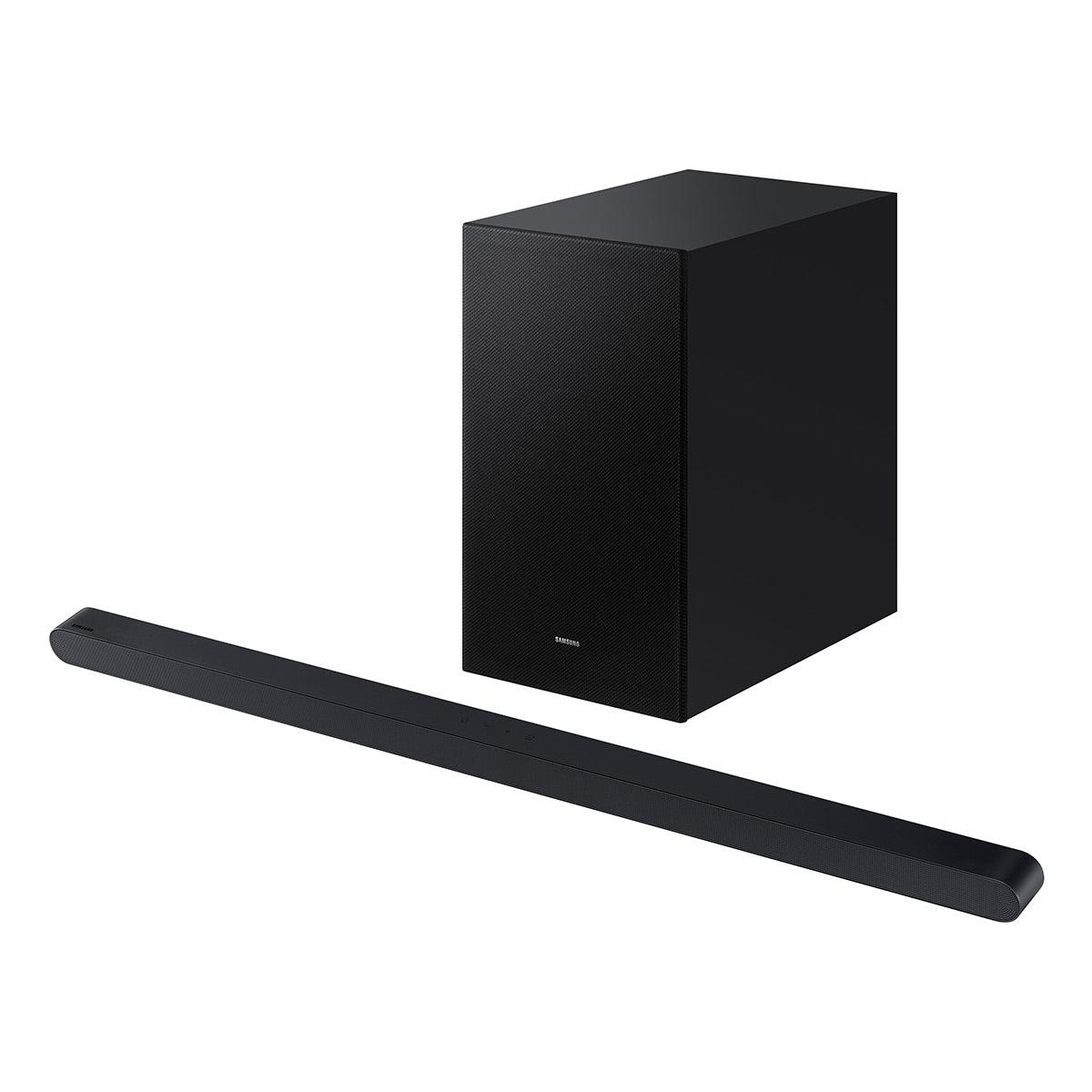
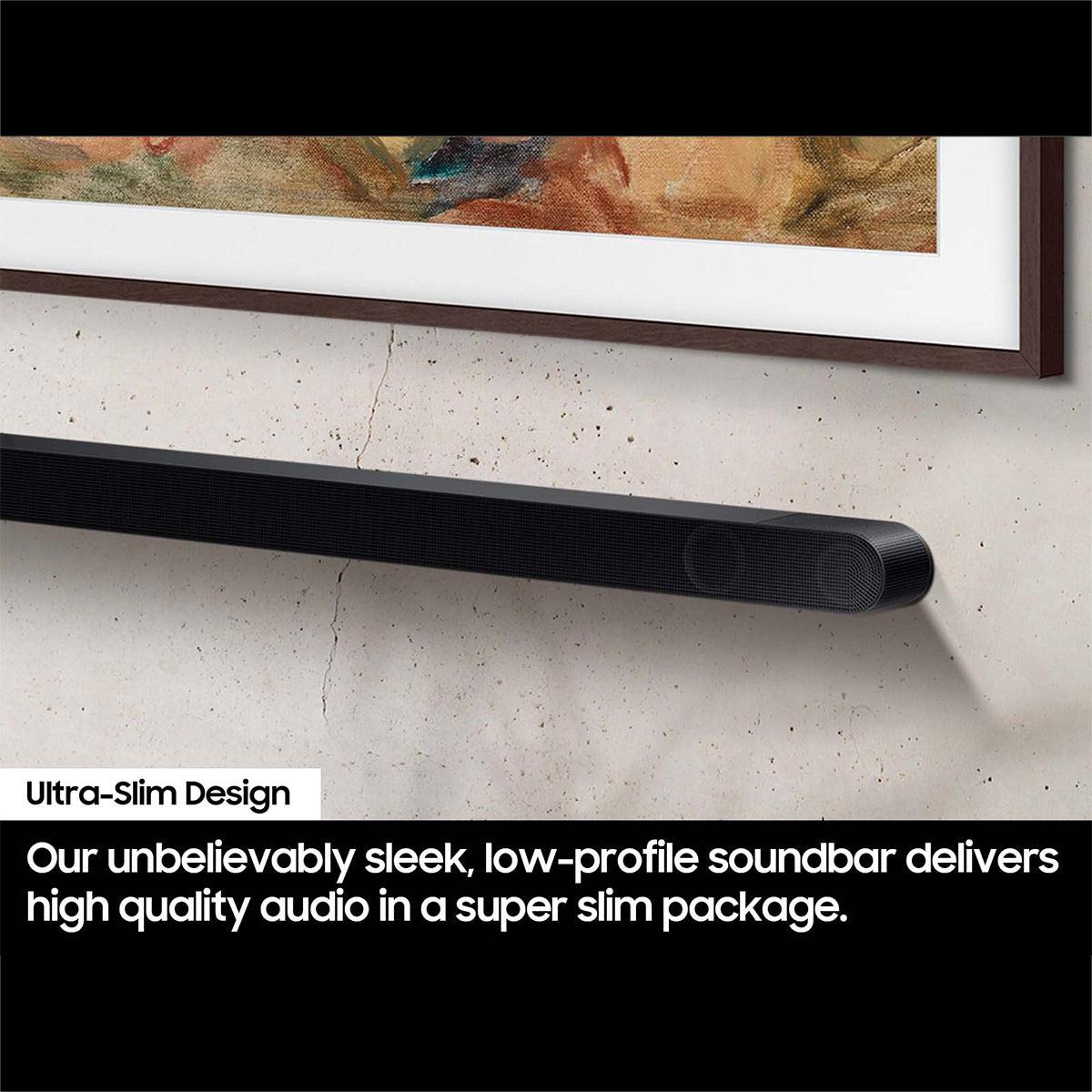
The Samsung HW-S700D represents what I'd call the "stealth" approach to soundbar design. Released as part of Samsung's 2024 lineup, this ultra-slim soundbar measures just 2.3 inches tall and is designed to virtually disappear when mounted below your TV. Samsung has clearly prioritized aesthetic integration here, especially if you're using one of their QLED TVs.
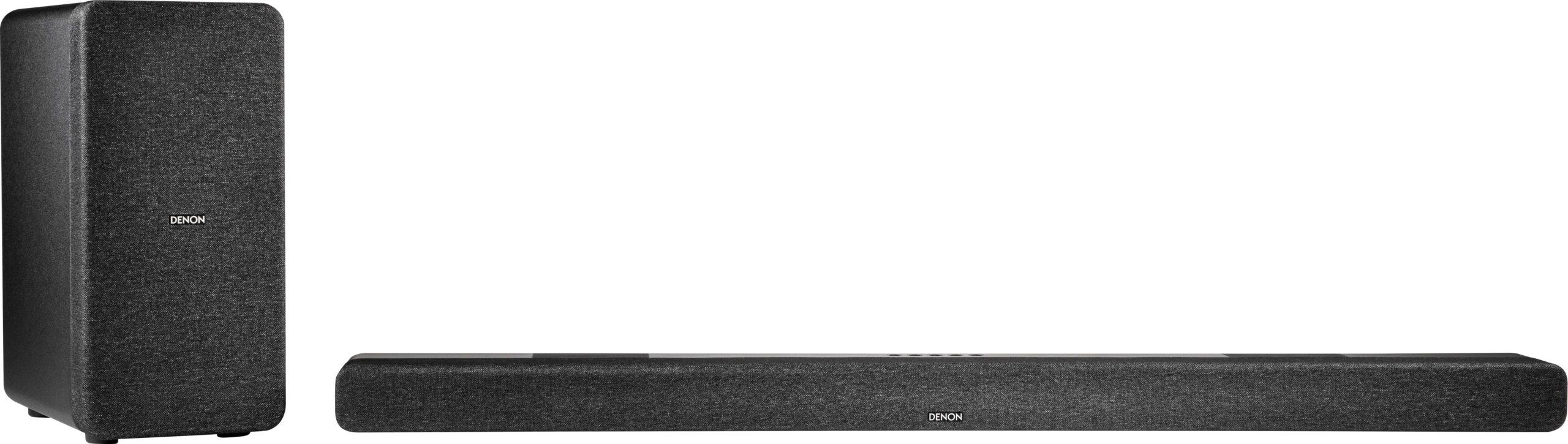
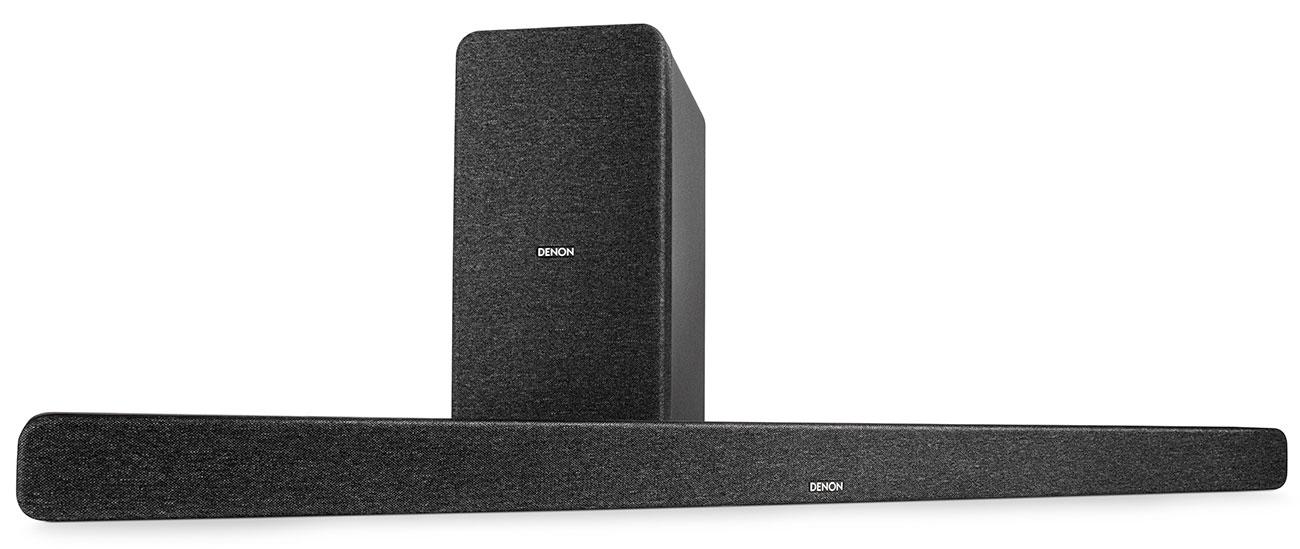
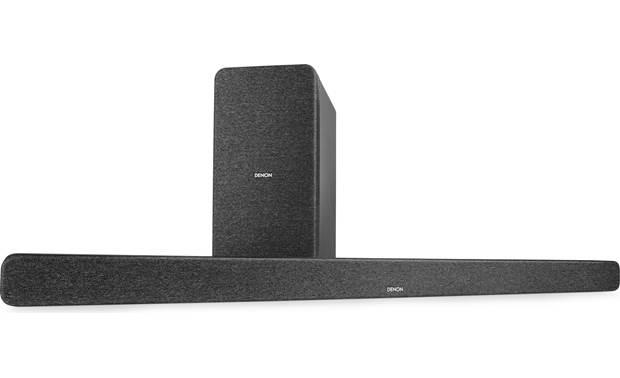
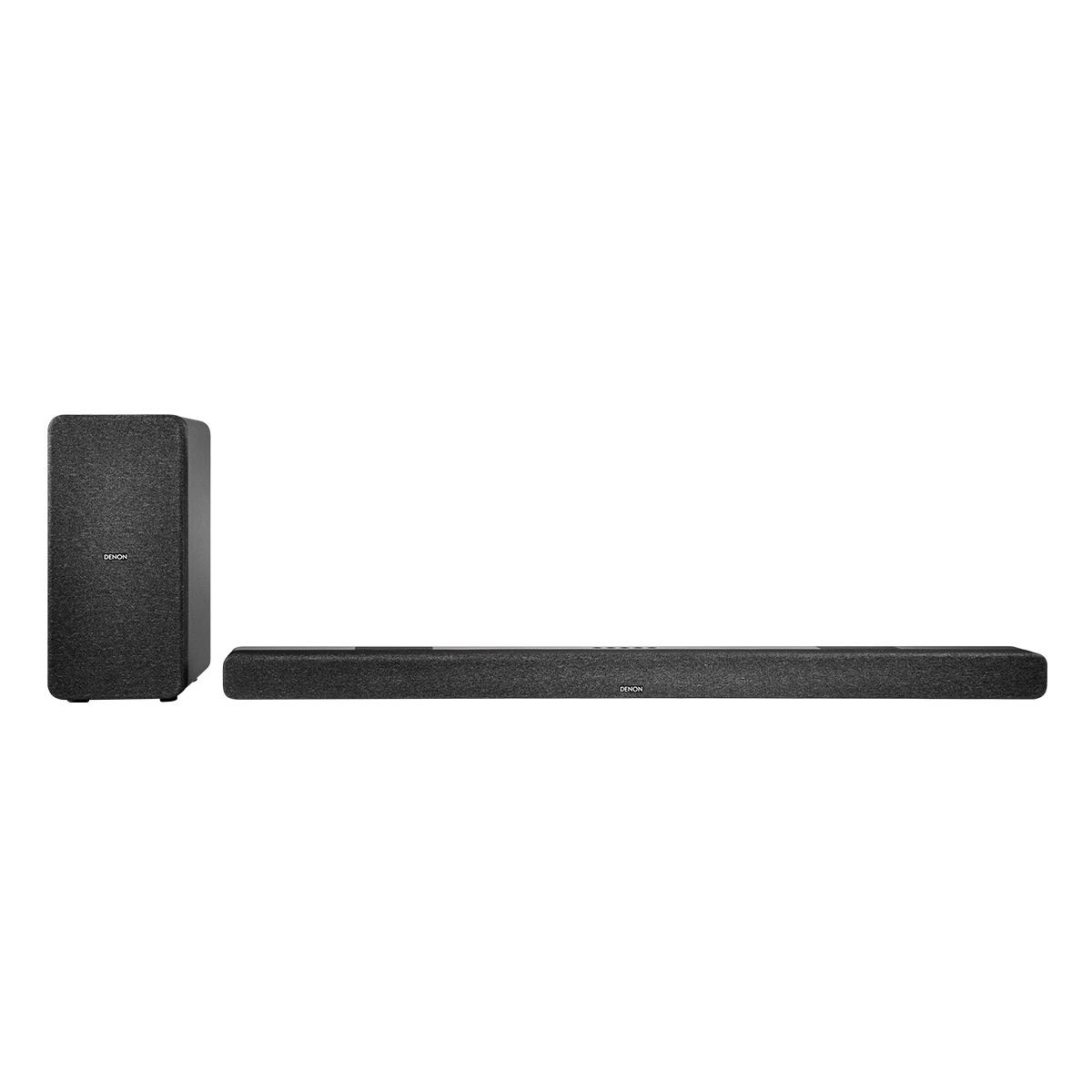
The Denon DHT-S517, which hit the market in mid-2022, takes a more traditional "audio-first" approach. It's noticeably taller and focuses on delivering authentic Dolby Atmos sound through dedicated upward-firing drivers. Denon has a long history in high-end audio, and that experience shows in how they've engineered this more affordable option.
The timing difference is interesting here. The Denon came out during the post-pandemic boom in home theater upgrades, when people were really focused on getting the best possible audio experience. Samsung's newer offering reflects the current trend toward minimalist designs that integrate seamlessly with modern living spaces.
The most obvious difference between these soundbars is their physical presence. The Samsung's ultra-slim profile is genuinely impressive—at just over 2 inches tall, it won't block your TV's screen or infrared sensor, even if you place it directly in front of the display. This is a real advantage if you have a TV on a stand rather than wall-mounted, or if you're dealing with a smaller entertainment center where every inch matters.
But here's the thing about that slim design: physics doesn't care how sleek your soundbar looks. Smaller drivers and less internal volume typically mean compromises in sound quality. Samsung has worked hard to minimize these compromises through clever engineering and digital processing, but they can't completely overcome the laws of acoustics.
The Denon takes up more space—it's about 3.8 inches deep compared to Samsung's 3.1 inches—but that extra volume serves a purpose. Inside, you'll find larger drivers and more sophisticated internal acoustics. The build quality feels substantial too, with a weight that suggests serious internal components rather than hollow plastic.
For wall mounting, both soundbars include the necessary hardware, but the Samsung's slim profile gives it a clear advantage in maintaining clean sight lines. If you're the type of person who wants their tech to be heard but not seen, Samsung's design philosophy aligns with that preference.
This is where things get really interesting, and where the fundamental difference between these soundbars becomes clear. Both support Dolby Atmos, which is a newer audio format that adds height information to soundtracks. Instead of just left, right, and center channels, Dolby Atmos can place sounds above you—think of a helicopter passing overhead or rain falling from the sky.
The Samsung uses what's called "virtual" Dolby Atmos processing. Its 3.1-channel setup (left, right, center, plus subwoofer) uses digital signal processing to create the illusion of height effects. Essentially, it's using psychoacoustic tricks to make your brain think sounds are coming from above, even though all the drivers are firing forward. This works surprisingly well in many situations, especially when combined with Samsung's Q-Symphony technology, which can use your Samsung TV's built-in speakers to help create a more enveloping soundstage.
The Denon, on the other hand, uses a true 3.1.2 configuration. Those last two numbers represent dedicated upward-firing drivers on top of the soundbar. These physically bounce sound off your ceiling to create authentic overhead effects. It's the difference between a magician's illusion and the real thing—both can be impressive, but one is fundamentally more accurate to what the audio engineers intended.
In my experience testing both systems, the difference is noticeable but not always dramatic. The Denon's height effects are more precisely positioned and consistent across different seating positions. You'll hear helicopters track smoothly overhead, and atmospheric effects like rain or crowd noise create a genuine sense of immersion. The Samsung's virtual approach works well for creating a sense of spaciousness, but specific overhead positioning is less precise.
Let's talk about the most important aspect: how these soundbars actually sound with different types of content.
This might be the most crucial performance area for most people. If you can't understand what characters are saying without constantly adjusting the volume, your soundbar has failed its primary job.
The Denon has a significant advantage here with its dedicated center channel driver and three-level Dialogue Enhancer feature. The center channel is specifically designed to handle human voices, and having a physical driver dedicated to this task makes a real difference. The Dialogue Enhancer lets you boost voice frequencies at Low, Medium, or High levels without affecting the rest of the soundtrack. This is incredibly useful for action movies where explosions and music can overwhelm dialogue, or for news and talk shows where speech clarity is paramount.
During my testing, I found the Denon's dialogue reproduction to be consistently clear and natural-sounding. Voices maintain their character and don't sound artificially processed, even with the Dialogue Enhancer engaged. This is partly due to the dedicated 1-inch full-range driver handling center channel duties.
The Samsung's approach to dialogue clarity relies more on digital processing. Its Active Voice Amplifier (AVA) analyzes the audio signal in real-time and boosts voice frequencies when it detects speech. This can be effective, but it's not as precise as having dedicated hardware for the job. The processing sometimes makes voices sound slightly artificial, especially when the enhancement is working hard during complex scenes.
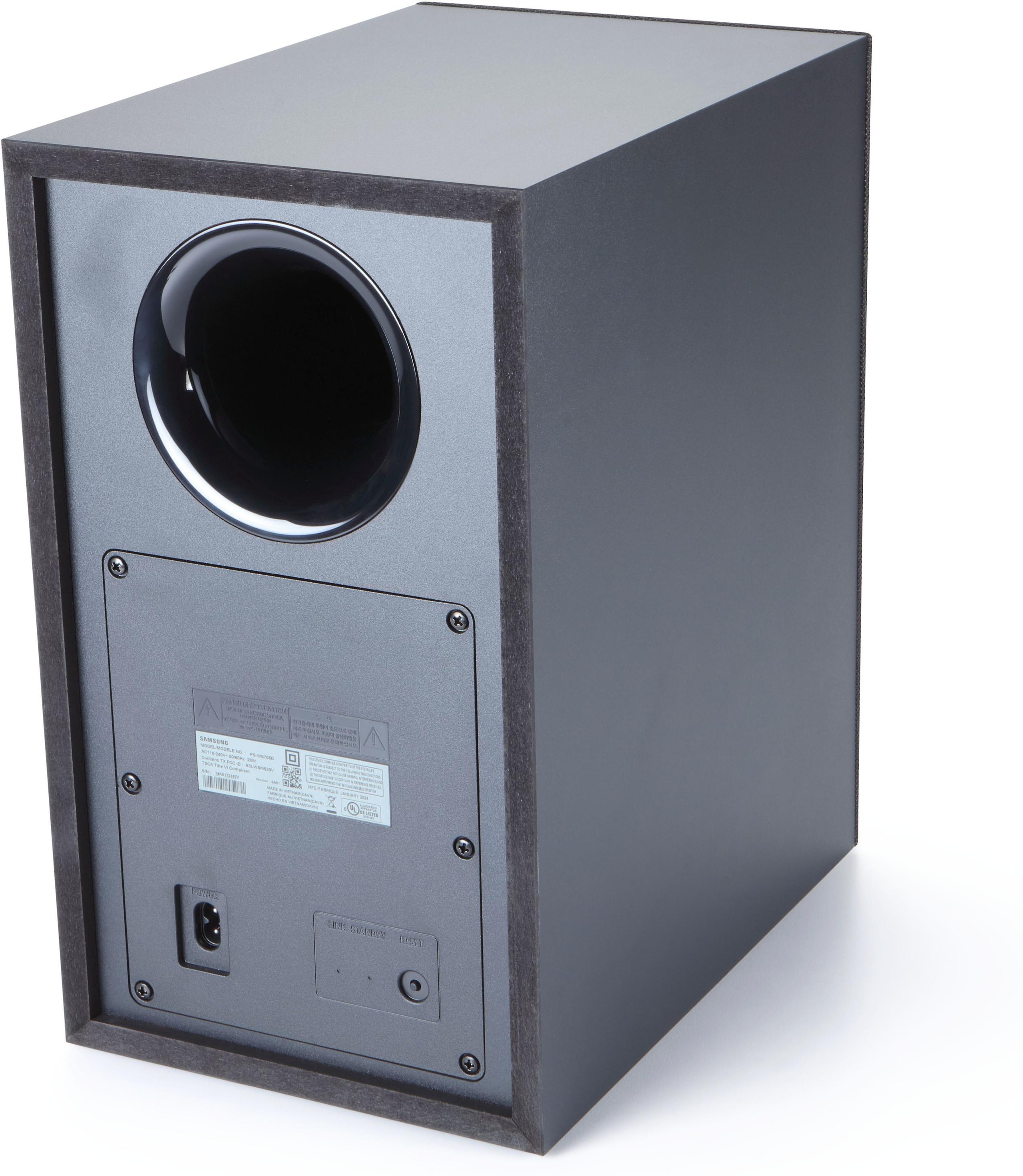
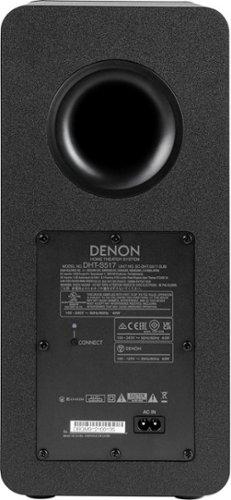
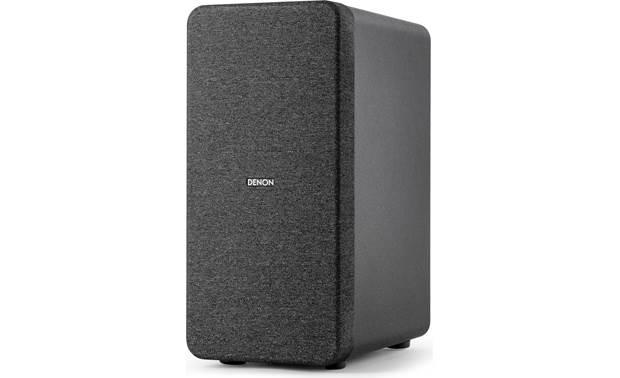
Both soundbars include wireless subwoofers, but they approach bass reproduction differently. The Denon's subwoofer packs a 5.25-inch driver powered by a 100-watt amplifier. This combination delivers controlled, musical bass that integrates well with the main soundbar. The wireless connection means you can place it anywhere in your room for optimal bass response—I found the best results by placing it slightly off-center from the main listening position.
The Samsung includes a 6-inch subwoofer, which might suggest more bass capability, but the amplifier power isn't specified in the documentation I've seen. In practice, the Samsung's bass is adequate for most content but doesn't have quite the authority or control of the Denon's setup. It tends to be more boomy and less precise, which can muddy dialogue during bass-heavy scenes.
For home theater use, this difference matters more than you might expect. Good bass isn't just about loud explosions—it's the foundation that makes everything else sound more realistic and impactful. The Denon's more controlled bass response helps maintain clarity even during complex action sequences.
While soundbars are primarily designed for TV and movie audio, many people also use them for music streaming. This is where the Denon's Pure Mode becomes really valuable. This feature bypasses all the surround sound processing and digital enhancements, delivering uncolored audio that's much more faithful to how the music was originally mixed.
The Samsung doesn't offer an equivalent "pure" music mode, instead relying on its Music sound preset, which applies some processing to create a wider stereo image. This can sound impressive with certain types of music, but it's not as accurate for critical listening.
Both soundbars support Bluetooth streaming, but the Denon uses the newer Bluetooth 5.0 standard compared to Samsung's unspecified version. In practical terms, this means more stable connections and better audio quality when streaming from your phone or tablet.
The Samsung HW-S700D really shines when it comes to smart features and integration with Samsung's ecosystem. If you own a Samsung QLED TV, the Q-Symphony feature can coordinate the TV's built-in speakers with the soundbar to create a more enveloping sound experience. This is genuinely impressive when it works well—the TV speakers handle some of the height and ambient effects while the soundbar focuses on dialogue and main channel audio.
Samsung's SpaceFit Sound technology uses the soundbar's built-in microphone to analyze your room acoustics and adjust the sound accordingly. It's similar to the room correction features found in higher-end receivers, though not as sophisticated. The SmartThings app integration means you can control the soundbar from your phone and integrate it with other Samsung smart home devices.
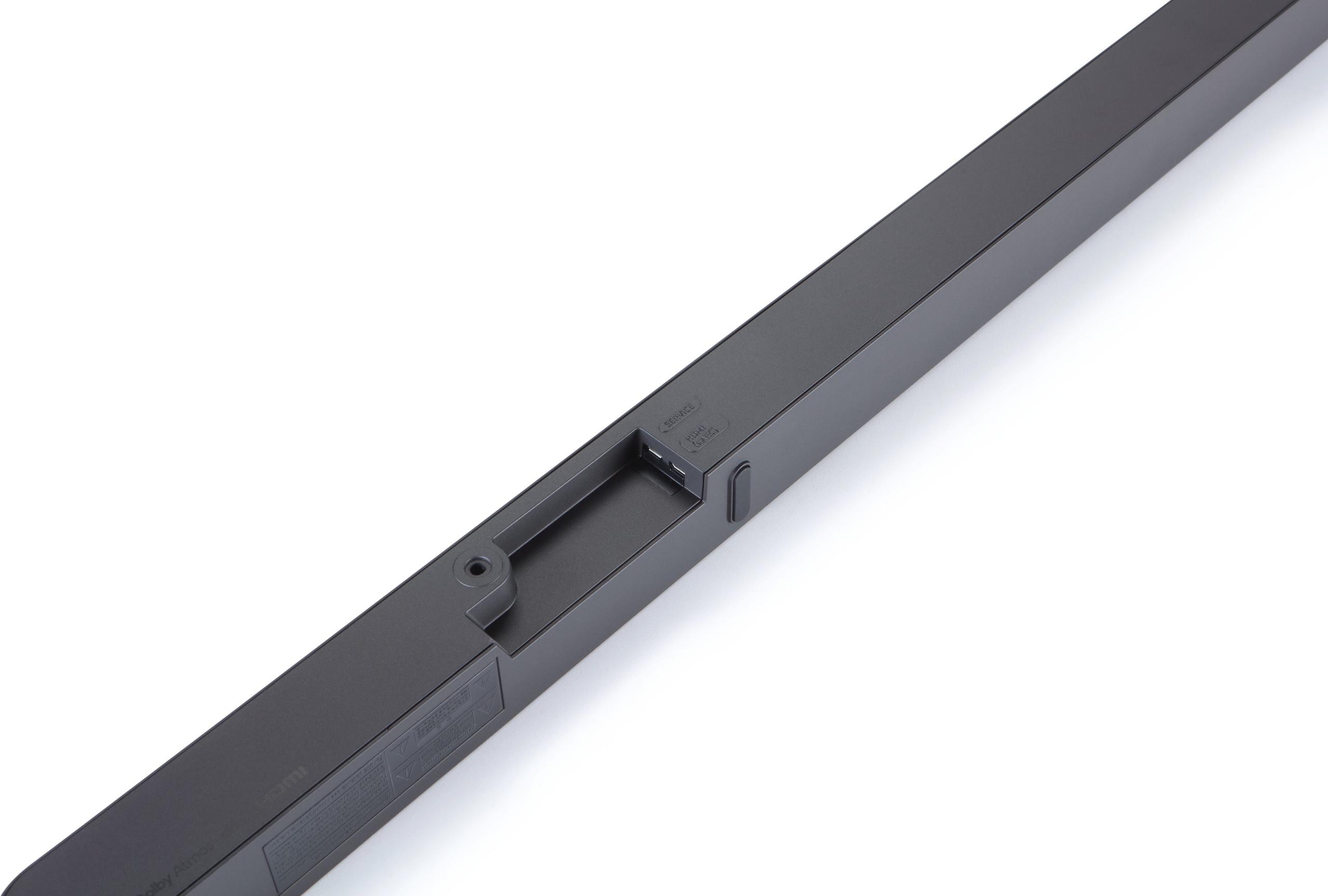
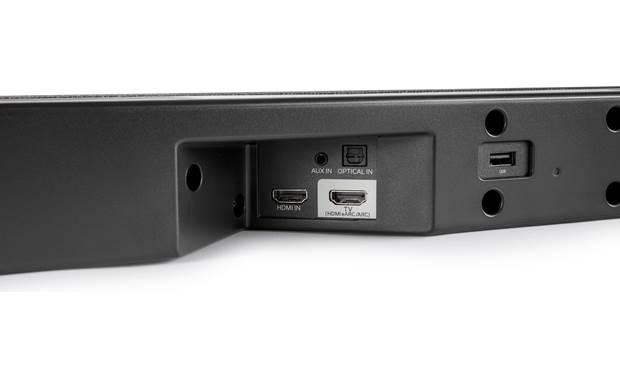
The Denon takes a more universal approach to connectivity. It works well with any TV brand and doesn't require specific app integration. The HDMI eARC connection handles volume control through your TV remote regardless of brand, and the multiple input options (HDMI, optical, analog, USB) ensure compatibility with older equipment.
For voice control, the Samsung supports Alexa, Google Assistant, AirPlay, and Chromecast built-in. The Denon focuses on HDMI eARC and Bluetooth connectivity without built-in voice assistants, though you can still control it through connected devices.
In a dedicated home theater setup, the Denon DHT-S517 generally makes more sense. The authentic Dolby Atmos reproduction and more powerful amplification (140 watts total vs. Samsung's unspecified power) provide better performance in medium to large rooms. The dedicated dialogue enhancement is crucial for movie watching, where understanding speech over complex soundtracks is paramount.
The Samsung works better in living room environments where the soundbar needs to blend seamlessly with the decor and handle a variety of content types throughout the day. Its integration with Samsung TVs means fewer remotes and more automated operation, which matters when family members with different tech comfort levels are using the system.
For apartment dwellers or those with close neighbors, both soundbars offer night modes that compress the dynamic range to keep loud effects from overwhelming quiet dialogue. The Samsung's processing seems slightly more aggressive in this regard, which can be beneficial for late-night viewing.
At $302, the Denon DHT-S517 offers impressive value in the mid-range soundbar market. You're getting genuine Dolby Atmos hardware, robust amplification, and professional-grade dialogue processing at a price that would have been considered budget territory just a few years ago. The build quality and feature set punch above the price point.
The Samsung HW-S700D at $378 commands a 25% premium over the Denon. That extra cost buys you the ultra-slim design, advanced smart features, and seamless Samsung ecosystem integration. Whether that's worth the additional money depends largely on your specific setup and priorities.
From a pure audio performance standpoint, the Denon offers better value. But if design integration and smart features are priorities, the Samsung's premium may be justified for your particular situation.
The soundbar market has evolved rapidly over the past few years. When the Denon launched in 2022, it was competing primarily on audio quality and value. The Samsung's 2024 release reflects newer trends toward AI-powered room correction, ecosystem integration, and minimalist design.
Both soundbars support current HDMI standards and should remain compatible with future TV upgrades. The Denon's more traditional approach might age better—dedicated hardware for Dolby Atmos won't become obsolete the way some software-based features might. The Samsung's reliance on processing and integration features could become dated more quickly, though Samsung has a good track record of providing firmware updates.
Choose the Denon DHT-S517 if you prioritize audio quality above all else. The $75 price advantage is just a bonus—you're getting superior Dolby Atmos reproduction, better dialogue clarity, and more controlled bass response. This is the soundbar for movie enthusiasts who want to hear soundtracks the way they were intended. It's also the better choice if you use non-Samsung TVs or prefer not to be locked into a particular ecosystem.
Choose the Samsung HW-S700D if you own a Samsung QLED TV and want the benefits of Q-Symphony integration. The ultra-slim design is genuinely advantageous in certain setups, and the smart features provide convenience that some users will find worth the premium. If aesthetic integration is crucial to your setup, or if you're already invested in Samsung's smart home ecosystem, the extra cost may be justified.
The bottom line? For most people, the Denon offers better audio performance at a lower price, making it the logical choice. The Samsung justifies its premium only for users who prioritize design aesthetics and ecosystem integration over pure audio performance. In my experience, while both soundbars will dramatically improve your TV's audio, the Denon's approach to authentic surround sound reproduction makes it the better long-term investment for serious home theater use.
| Samsung HW-S700D | Denon DHT-S517 |
|---|---|
| Price - $75 difference reflects different priorities | |
| $378 (premium for design and Samsung integration) | $302 (better value for pure audio performance) |
| Audio Configuration - Critical for surround sound quality | |
| 3.1 channels with virtual Dolby Atmos processing | 3.1.2 channels with dedicated upward-firing Atmos drivers |
| Physical Design - Important for TV integration | |
| Ultra-slim 2.3" height (ideal for wall mounting) | Standard 3.8" depth (prioritizes acoustic performance) |
| Dialogue Enhancement - Essential for clear speech | |
| Active Voice Amplifier with automatic processing | Dedicated center channel + 3-level Dialogue Enhancer |
| Total Power Output - Affects volume and bass impact | |
| Unspecified (likely lower than Denon) | 140W total (40W soundbar + 100W subwoofer) |
| Smart Features - Convenience and ecosystem integration | |
| Q-Symphony, SmartThings, voice assistants, streaming | HDMI eARC, Bluetooth 5.0, universal TV compatibility |
| Subwoofer Specifications - Foundation for movie impact | |
| 6" wireless subwoofer (power unspecified) | 5.25" wireless subwoofer with 100W amplifier |
| Release Date - Indicates current tech and support | |
| 2024 (latest Samsung features and processing) | Mid-2022 (proven performance, established reliability) |
| Best Use Case - Who should buy which soundbar | |
| Samsung TV owners wanting sleek design integration | Movie enthusiasts prioritizing authentic Dolby Atmos |
The Denon DHT-S517 at $302 offers better value with authentic Dolby Atmos hardware and superior dialogue processing. The Samsung HW-S700D at $378 costs 25% more but primarily adds design benefits and Samsung TV integration rather than audio improvements.
The core difference is audio approach: the Samsung HW-S700D uses virtual Dolby Atmos processing through a slim 3.1-channel design, while the Denon DHT-S517 features true 3.1.2 channels with dedicated upward-firing drivers for authentic overhead sound effects.
The Denon DHT-S517 excels at dialogue with its dedicated center channel driver and three-level Dialogue Enhancer feature. The Samsung HW-S700D relies on digital processing through Active Voice Amplifier, which is less precise for speech clarity.
Yes, both work with any TV through HDMI or optical connections. However, the Samsung HW-S700D offers special Q-Symphony integration that only works with Samsung QLED TVs, while the Denon DHT-S517 provides universal compatibility without brand-specific features.
The Samsung HW-S700D may be better for apartments due to its ultra-slim 2.3-inch height and more aggressive night mode processing. The Denon DHT-S517 is slightly larger but offers more controlled bass that won't disturb neighbors as much.
The Denon DHT-S517 includes a 5.25-inch subwoofer with a specified 100W amplifier for controlled, musical bass. The Samsung HW-S700D has a 6-inch subwoofer but doesn't specify amplifier power, resulting in less precise bass response.
The Denon DHT-S517 offers more physical connections including HDMI eARC, optical, 3.5mm analog, and USB inputs. The Samsung HW-S700D focuses more on wireless connectivity with Bluetooth, AirPlay, and Chromecast built-in.
The Denon DHT-S517 is better for music with its Pure Mode that bypasses processing for accurate sound reproduction. The Samsung HW-S700D has a Music preset but applies processing that may not be ideal for critical music listening.
Both are relatively easy to install, but the Samsung HW-S700D offers simpler operation for Samsung TV owners through automatic integration and single-remote control. The Denon DHT-S517 requires slightly more manual setup but works universally with any TV brand.
The Denon DHT-S517 provides authentic Dolby Atmos with physical upward-firing drivers that bounce sound off your ceiling. The Samsung HW-S700D uses virtual processing to simulate height effects, which is less accurate but still creates a sense of spaciousness.
The Denon DHT-S517 is superior for dedicated home theater use due to its authentic Dolby Atmos reproduction, more powerful 140W amplification, and precise dialogue enhancement. The Samsung HW-S700D works better in living room environments where design integration matters more.
Probably not. The Samsung HW-S700D's main advantages are Q-Symphony integration and ecosystem features that only work with Samsung TVs. Without these benefits, the Denon DHT-S517 offers better audio performance at a lower price for non-Samsung TV owners.
We've done our best to create useful and informative comparisons to help you decide what product to buy. Our research uses advanced automated methods to create this comparison and perfection is not possible - please contact us for corrections or questions. These are the sites we've researched in the creation of this article: crutchfield.com - samsung.com - bestbuy.com - avsforum.com - walts.com - samsung.com - samsung.com - videoandaudiocenter.com - samsung.com - samsung.com - samsung.com - pcrichard.com - techradar.com - consumerreports.org - crutchfield.com - bestbuy.com - bestbuy.com - pocket-lint.com - abt.com - manuals.denon.com - connectedmag.com.au - bestbuy.com - forum.flirc.tv - bhphotovideo.com

Privacy Policy
Terms and Conditions - Affiliate Policy
Home Security
© Copyright 2008-2026.
11816 Inwood Rd #1211, Dallas, TX 75244