




When your TV's built-in speakers sound like they're coming from inside a shoebox, it's time to consider a soundbar upgrade. But with so many options available, choosing between different approaches can feel overwhelming. Today we're comparing two popular but fundamentally different solutions: the Amazon Fire TV Soundbar Plus 5.1 Channel System and the Samsung HW-S700D 3.1 Channel Slim Soundbar.
These soundbars represent opposite philosophies in home audio. Amazon went all-in on hardware, giving you actual surround speakers you can place around your room. Samsung focused on intelligent software and sleek design, packing advanced processing into an ultra-thin package. At the time of writing, they're priced roughly $100 apart, with the Amazon system costing more due to those extra physical speakers.
Before diving into specifics, let's clarify what we're dealing with. A soundbar is essentially a long speaker that sits below or above your TV, designed to deliver better audio than your TV's tiny built-in drivers. The numbers in their names—5.1 and 3.1—tell you about their channel configuration.
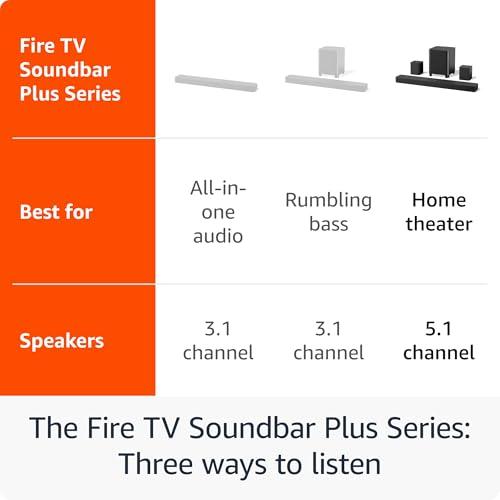
The "5.1" in the Amazon Fire TV Soundbar Plus means five main audio channels (left, center, right, left surround, right surround) plus one subwoofer channel (the ".1"). This creates true surround sound because you have actual speakers behind you. The "3.1" in the Samsung HW-S700D means three main channels (left, center, right) plus a subwoofer. It creates surround effects through digital processing rather than physical rear speakers.
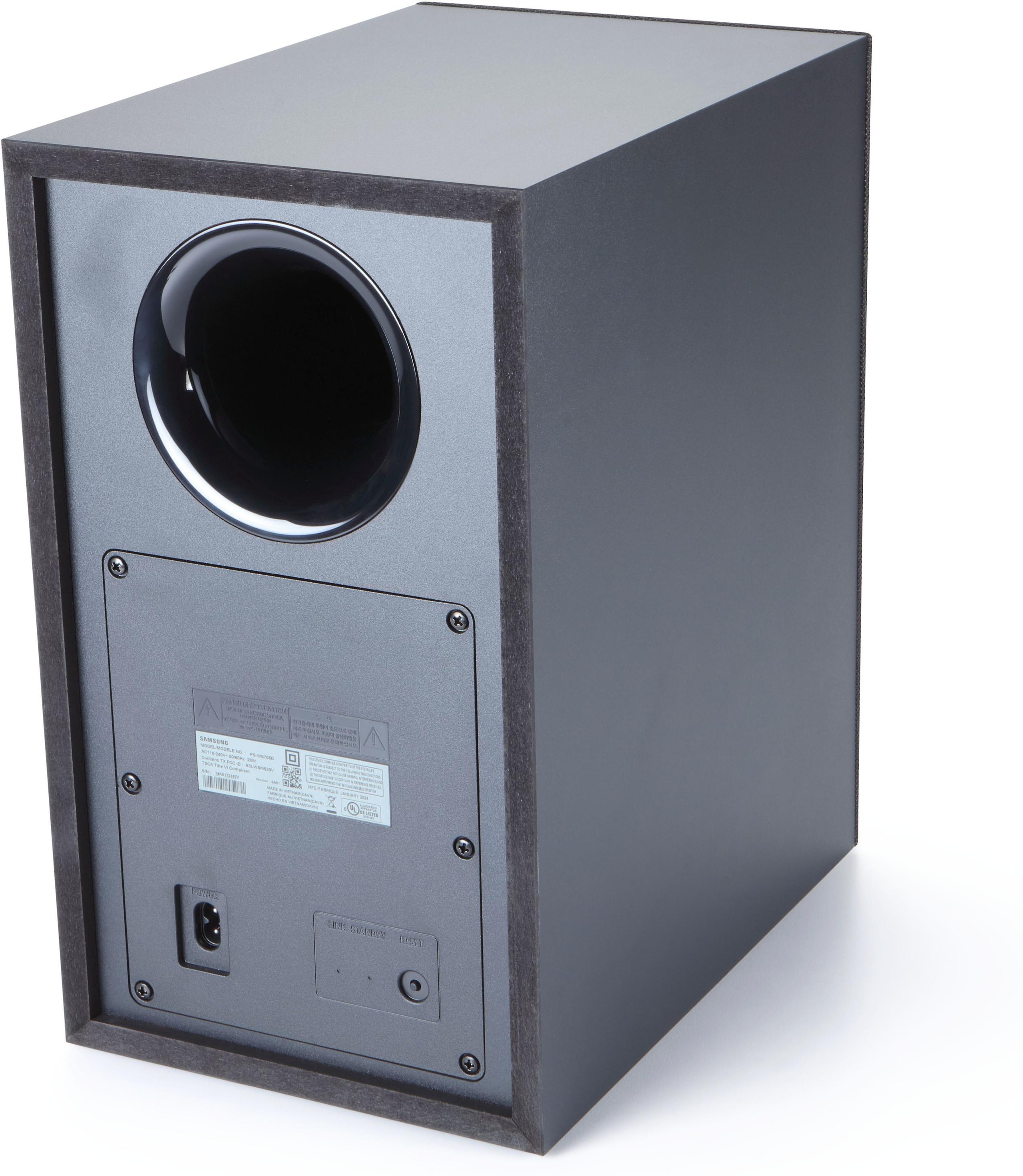
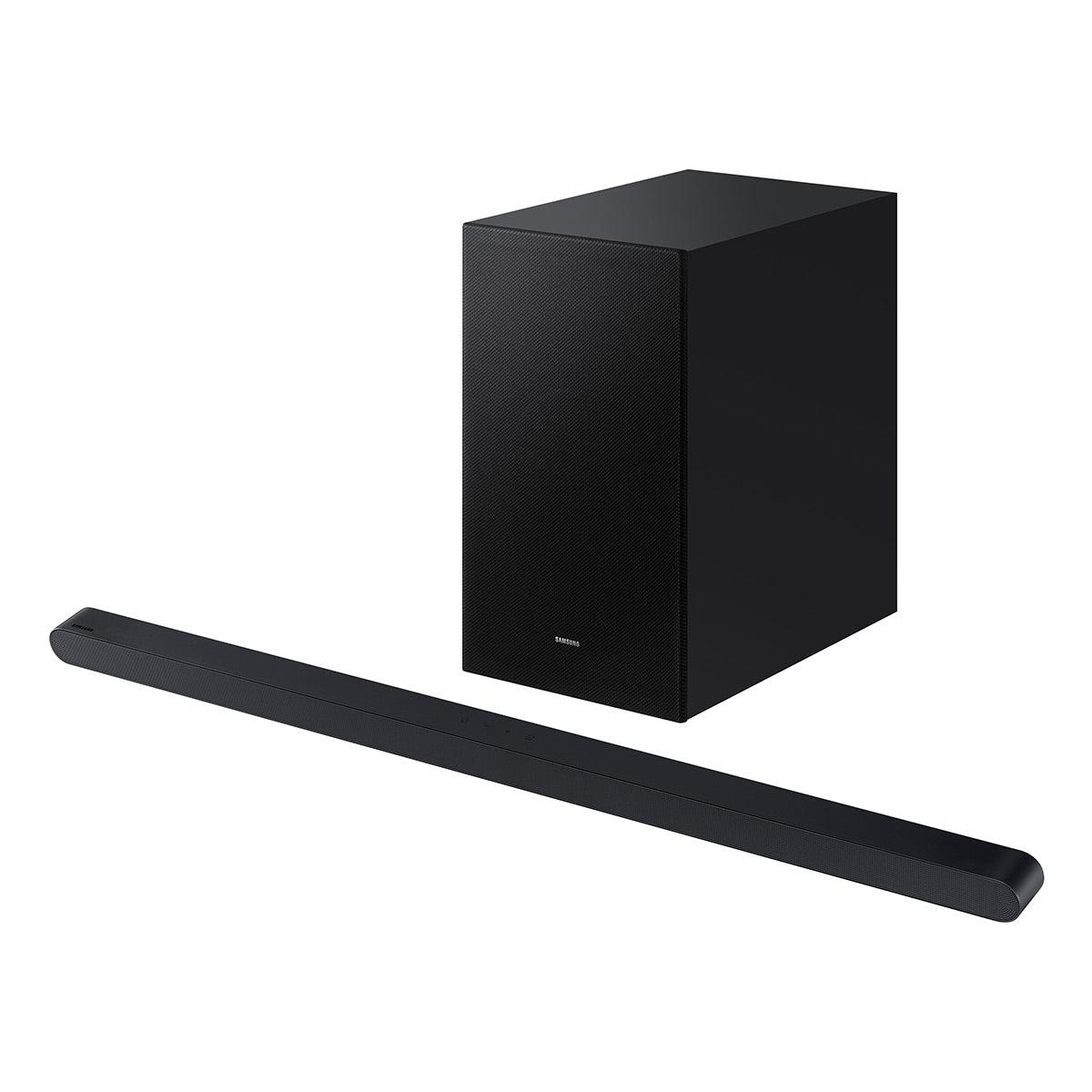
Both systems include wireless subwoofers—separate bass speakers that handle low-frequency sounds like explosions and rumbling thunder. These subwoofers connect to the main soundbar wirelessly, so you don't need to run cables across your room.
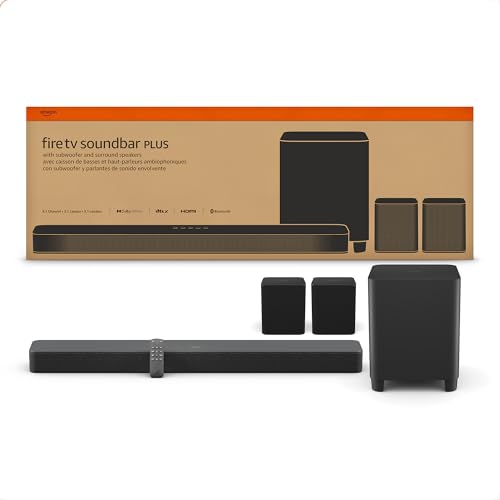
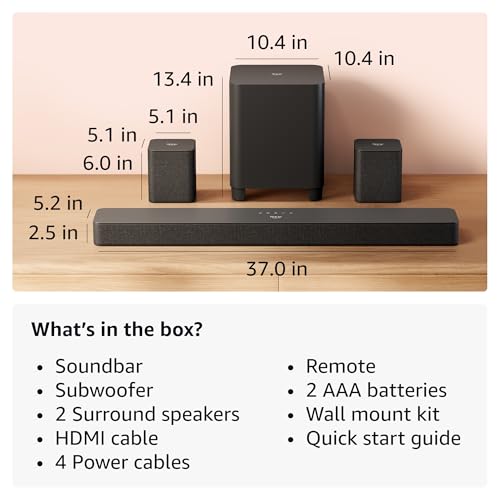
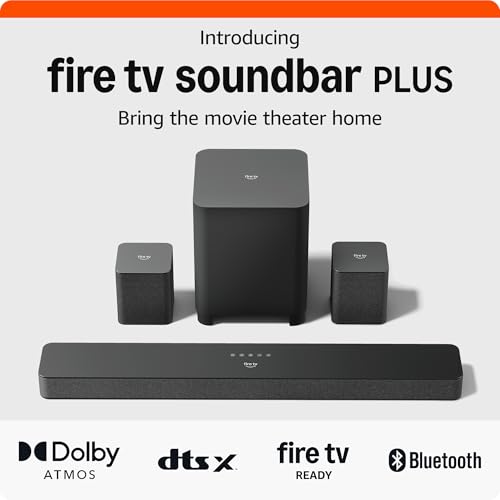
Released in 2023 as Amazon's flagship audio offering, the Amazon Fire TV Soundbar Plus 5.1 takes a straightforward approach: if you want surround sound, you need surround speakers. The system includes a main soundbar, a wireless subwoofer, and two compact satellite speakers that you place behind your listening area.
This hardware-first philosophy has real advantages. When a helicopter flies across the screen in an action movie, you'll hear it move from the front soundbar to the rear speakers—creating that genuine "surround" effect that makes movie nights feel more cinematic. For gaming, this spatial awareness is even more valuable. In first-person shooters or racing games, being able to accurately locate sounds behind you can be the difference between victory and defeat.
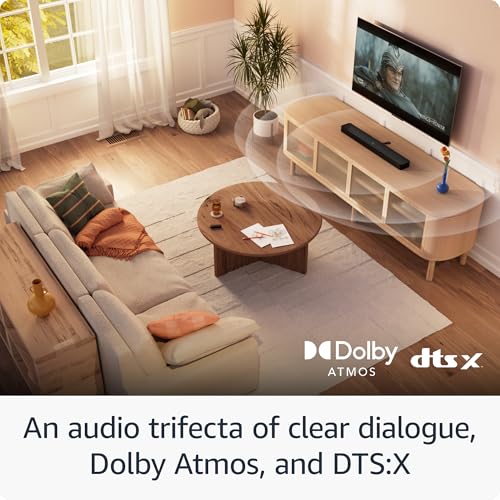
The Amazon system supports advanced audio formats including Dolby Atmos and DTS:X, though with an important caveat. These formats include "height" information—sounds that should come from above you—but since the Amazon soundbar lacks upward-firing drivers, those height effects get processed and mixed into the regular speakers. You'll still get the surround experience, but true overhead effects are simulated rather than physically created.
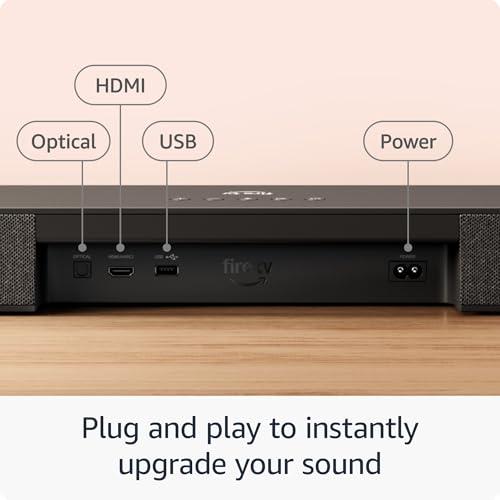
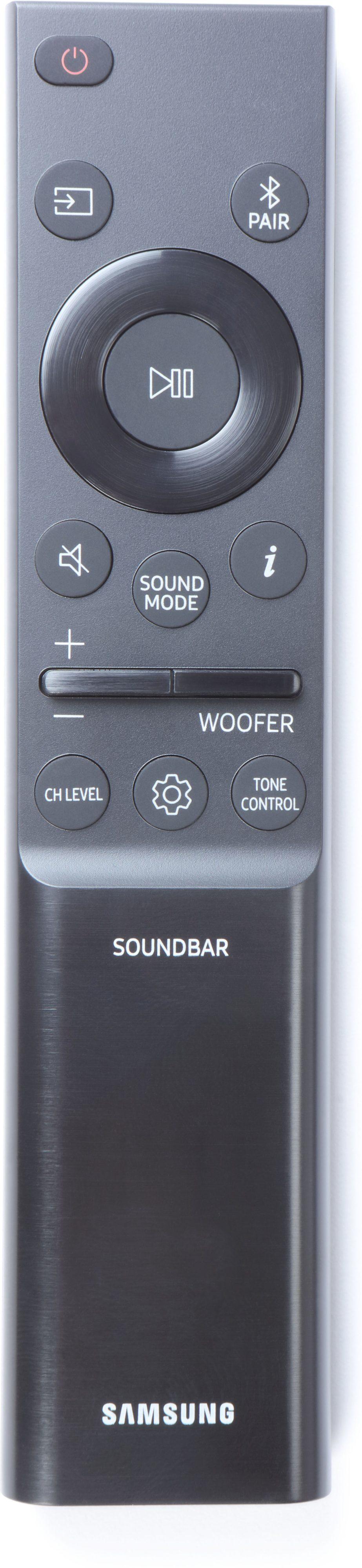
Setup is refreshingly simple. All components come pre-paired from the factory, so you just plug them in and they connect automatically. The included remote provides basic but effective controls for bass, treble, and dialogue enhancement. There's no smartphone app to download or complex calibration process—it's designed for people who want better sound without becoming audio engineers.
However, this simplicity comes with limitations. The Amazon Fire TV Plus lacks room correction technology, meaning it can't automatically adjust its sound based on your room's acoustics. The processing is basic compared to premium systems, and despite the "Fire TV" branding, it doesn't actually function as a streaming device or include Alexa voice control.
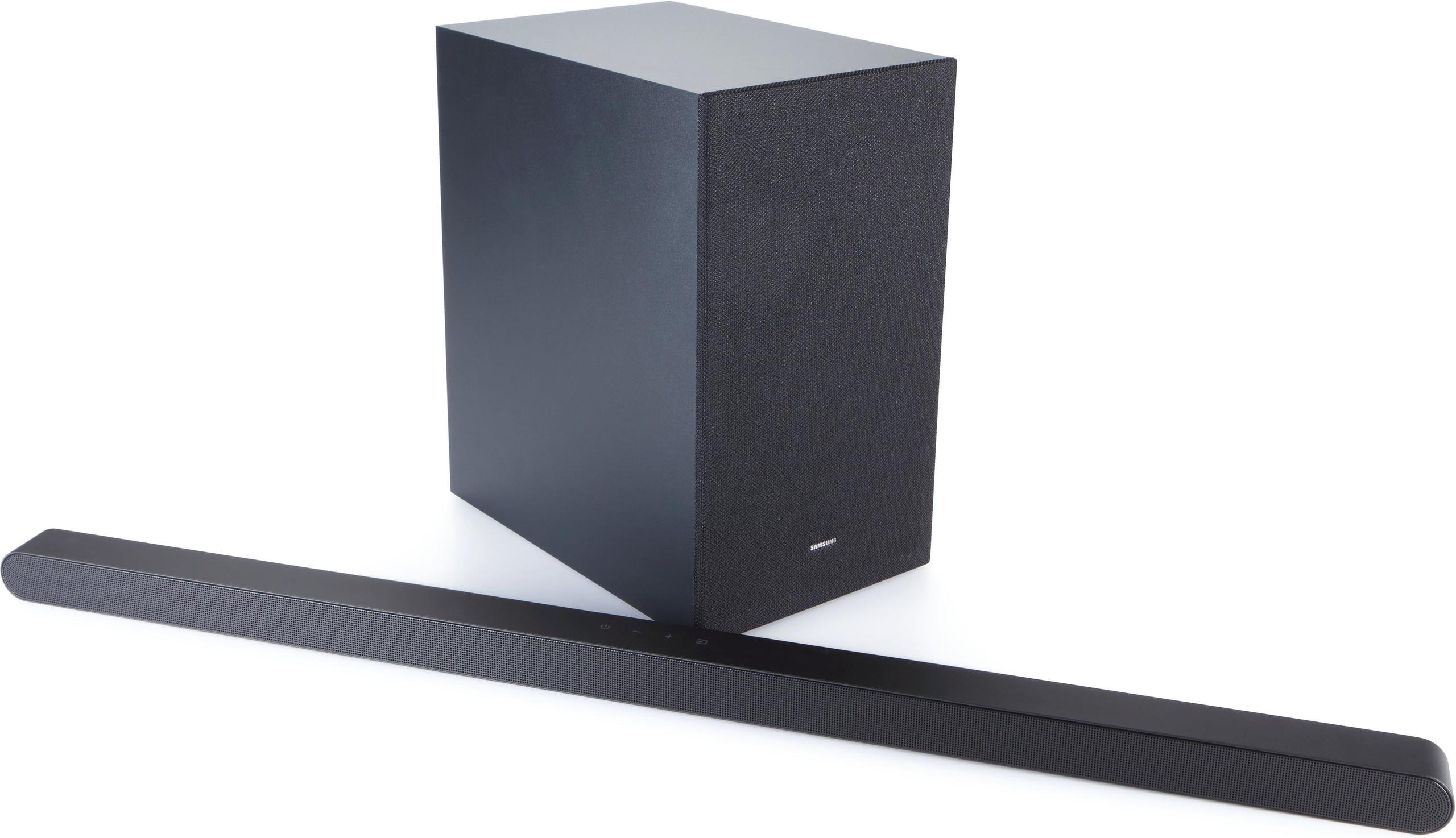
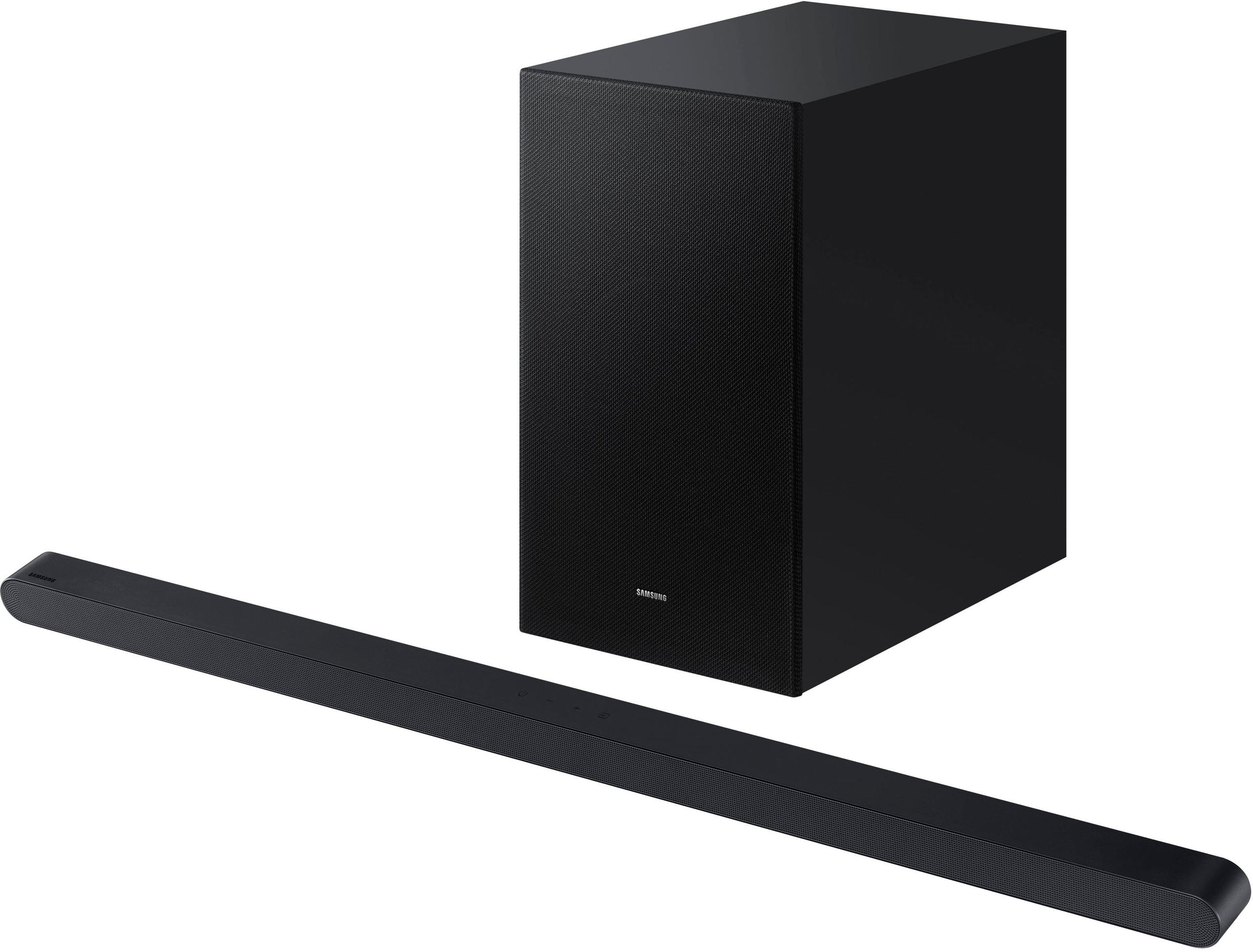
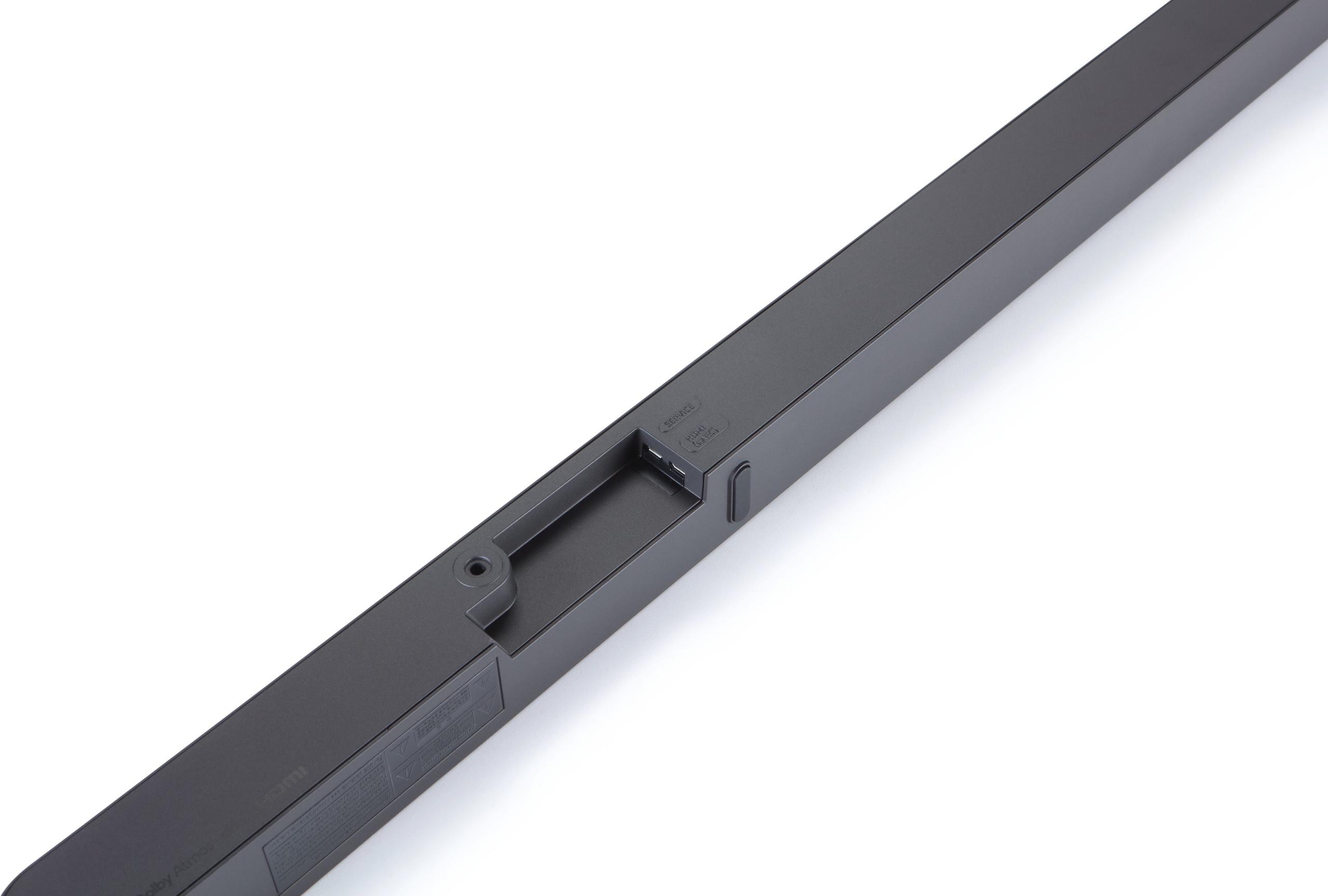
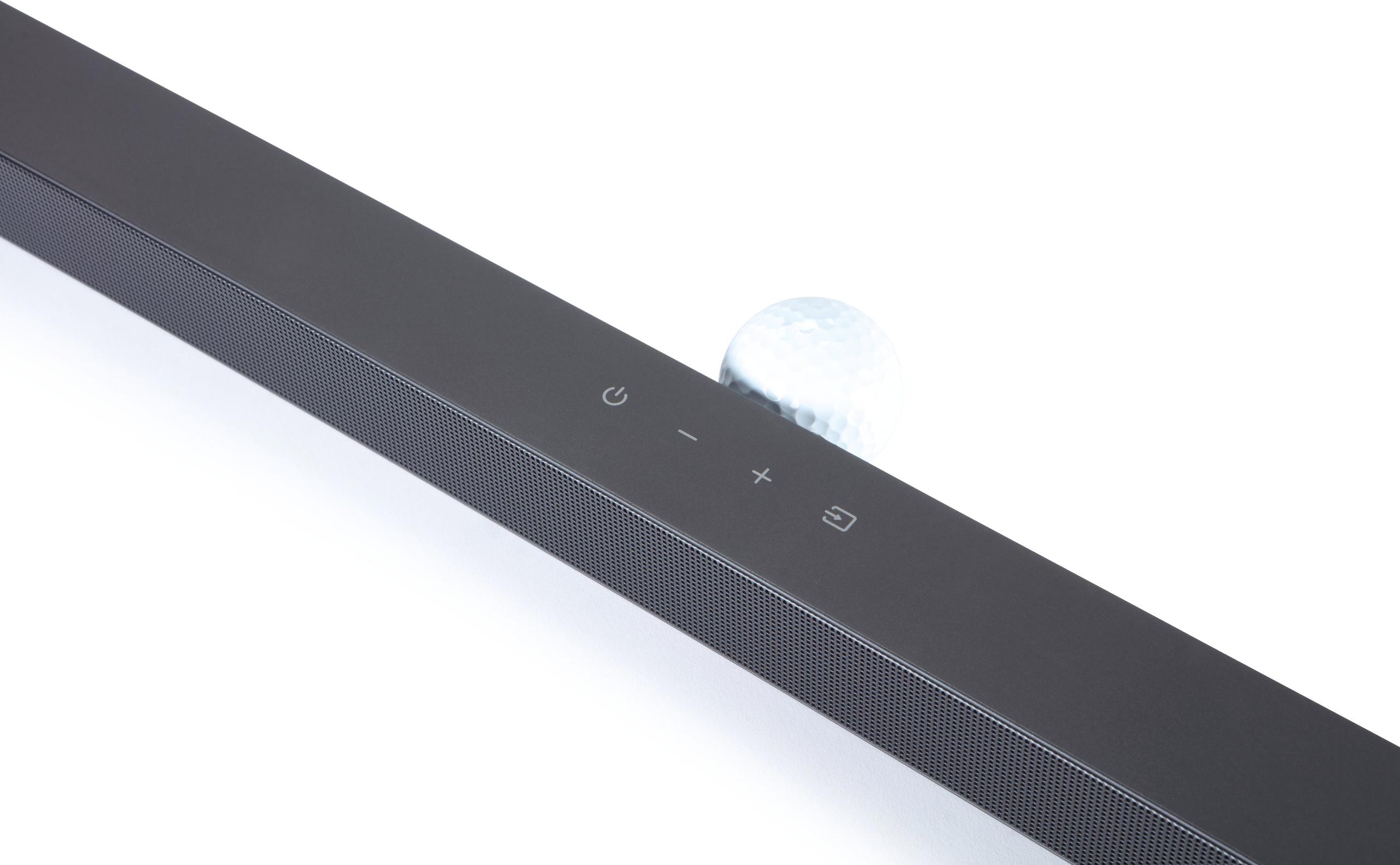
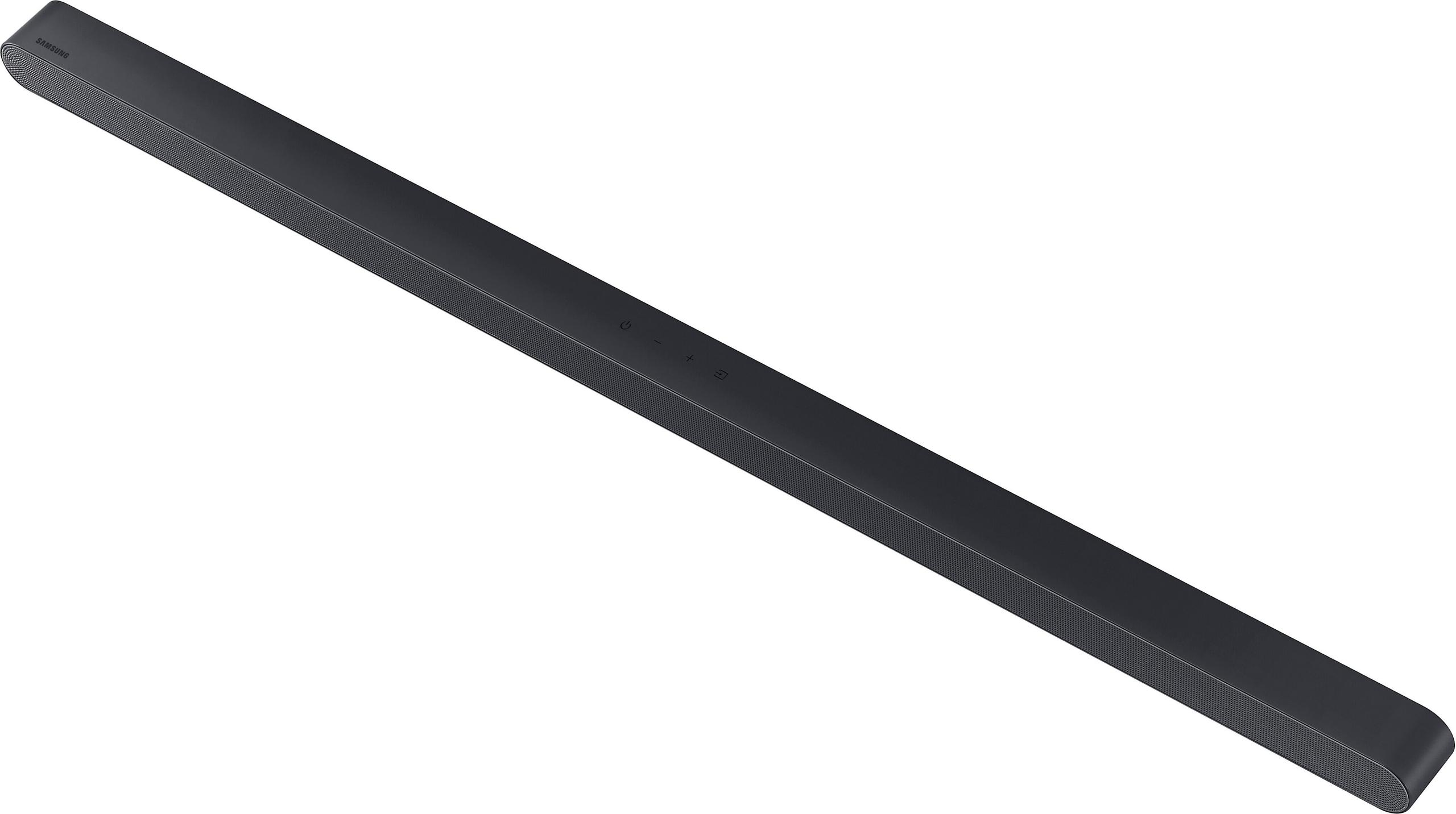
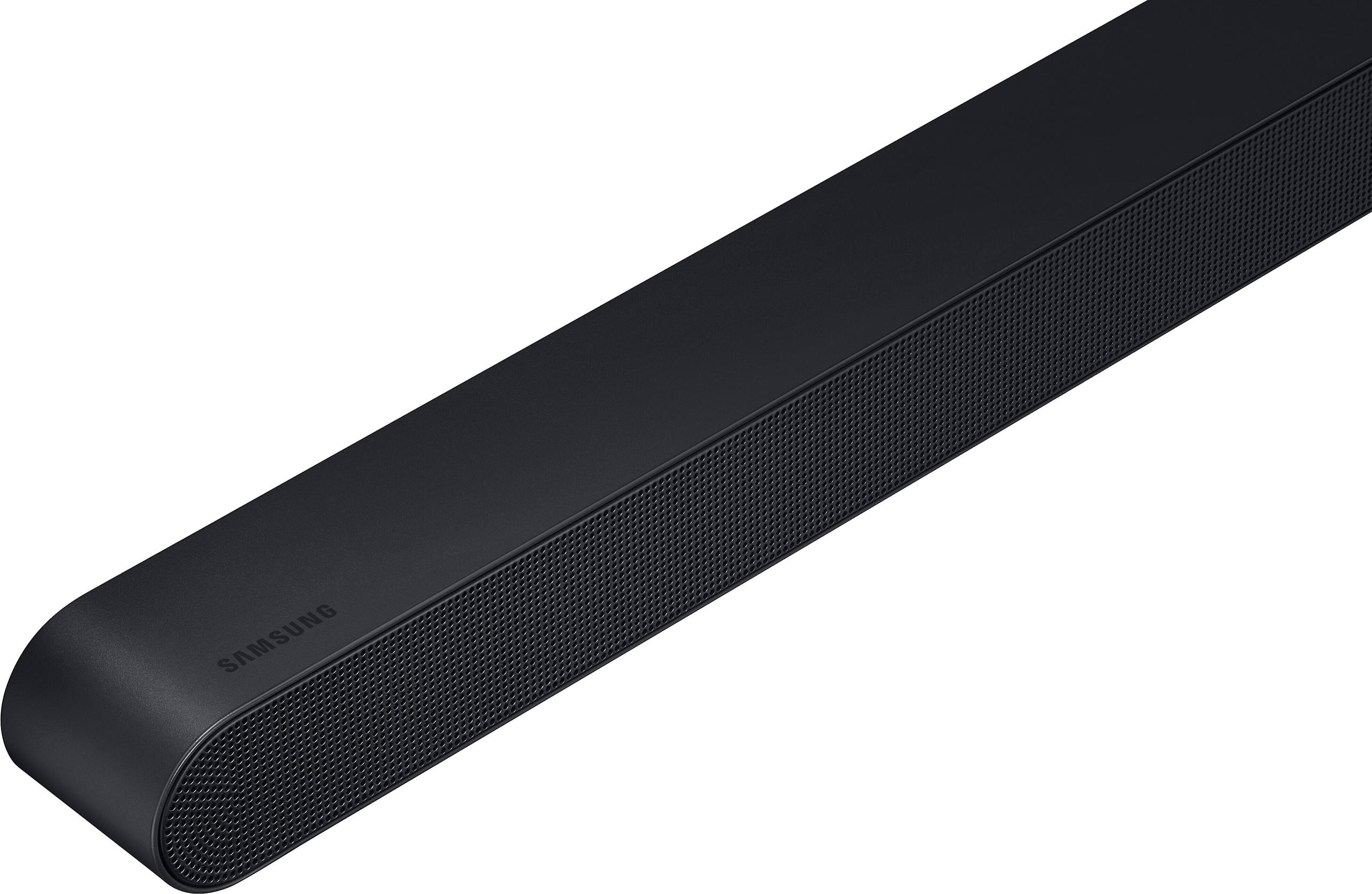
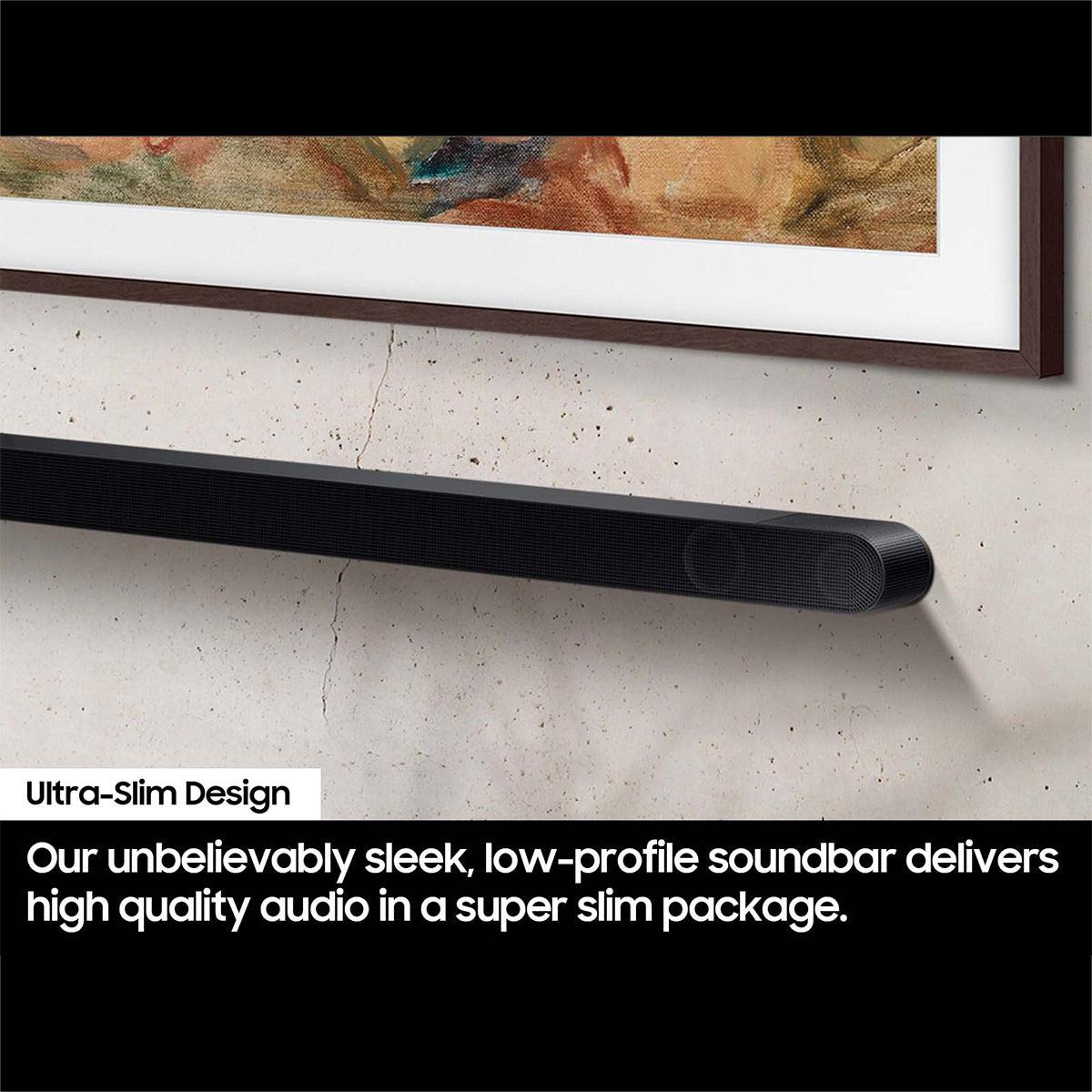
The Samsung HW-S700D, part of Samsung's current generation lineup, takes the opposite approach. Instead of adding more speakers, Samsung packed sophisticated audio processing into an impossibly thin soundbar—just 1.4 inches tall. This ultra-slim design allows it to fit in spaces where larger soundbars would block your TV screen or look awkward on a wall mount.
The star feature is SpaceFit Sound Pro, which uses built-in microphones to analyze your room's acoustics and automatically adjust the audio accordingly. Hard surfaces like walls and windows reflect sound differently than soft furniture and carpets. This room correction technology, typically found in much more expensive systems, ensures the soundbar delivers optimal performance regardless of your room's layout.
Samsung's Q-Symphony technology is particularly clever if you own a compatible Samsung TV from 2021 or later. Instead of replacing your TV's speakers, Q-Symphony synchronizes them with the soundbar, creating a larger, more enveloping soundstage. The TV speakers handle certain frequencies while the soundbar focuses on others, working together like a larger, more expensive speaker system.
The Active Voice Amplifier (AVA) represents another smart approach to common audio problems. Instead of a simple dialogue enhancement button, AVA continuously analyzes the audio content and automatically boosts speech when it detects important dialogue, then reduces that boost during action sequences. This dynamic processing means you won't constantly reach for the remote to adjust dialogue levels.
Built-in connectivity sets the Samsung HW-S700D apart from simpler soundbars. Wi-Fi support enables features like AirPlay 2 for iPhone users and Chromecast for Android devices. You can stream music directly to the soundbar without turning on your TV, and built-in Alexa voice control lets you adjust volume or switch inputs hands-free.
This is where the fundamental difference between these systems becomes apparent. The Amazon Fire TV Plus 5.1 delivers genuine surround sound because it has actual speakers positioned around your listening area. When reviewing user feedback and expert evaluations, the consensus is clear: physical rear speakers create a more convincing surround experience than any virtual processing can match.
For action movies, this translates to helicopters that convincingly fly behind you, footsteps that you can locate in space, and ambient effects that truly surround you. The rear satellites in the Amazon system are small but effective, handling surround effects and ambient sounds while the main soundbar focuses on dialogue and main audio content.
The Samsung HW-S700D's approach to surround sound relies on psychoacoustic processing—using the way our brains interpret reflected sound to create the illusion of surround effects. When combined with Q-Symphony and a compatible Samsung TV, this can be quite effective, especially for dialogue-heavy content. However, our research indicates it simply can't match the spatial accuracy of physical rear speakers for action-heavy content.
Here's where Samsung's technology focus pays dividends. The Samsung HW-S700D consistently receives praise for its refined audio quality and intelligent processing. The SpaceFit Sound Pro room correction addresses one of the biggest problems with soundbars: they're designed to work in a generic room, but your room is unique.
Hard surfaces, room dimensions, and furniture placement all affect how sound behaves. The Samsung system measures these acoustic properties and adjusts its output accordingly. In practice, this means dialogue sounds clearer and bass response is more balanced, regardless of whether your soundbar is wall-mounted, sitting on a TV stand, or placed in a corner.
The Amazon system delivers solid audio quality with strong bass output from its wireless subwoofer, but the processing is more basic. User reviews consistently mention good dialogue clarity and powerful bass, but some note that the overall tonal balance can sound thin or lightweight compared to premium alternatives. The lack of room correction means performance varies significantly based on room acoustics and placement.
Both systems include wireless subwoofers, but their approaches differ. The Amazon subwoofer is larger and designed to deliver the kind of powerful bass that makes action movies exciting. User feedback suggests it can produce impressive low-frequency output, though some compression occurs at maximum volume levels.
Samsung's subwoofer is more compact and focuses on integration with the main soundbar rather than sheer output. The system's intelligent bass management adjusts low-frequency response based on content and room acoustics, potentially delivering more balanced bass that doesn't overpower dialogue or compete with the main speakers.
For home theater use, the Amazon system's approach generally provides more impactful bass for explosions and action sequences, while Samsung's intelligent processing might be preferable for mixed content viewing where bass should support rather than dominate the overall experience.
The connectivity differences between these systems reflect their design philosophies. The Samsung HW-S700D embraces modern smart home integration with Wi-Fi connectivity, built-in voice assistants, and comprehensive streaming support. You can ask Alexa to adjust the volume, stream music directly from Spotify without involving your TV, or use AirPlay to send audio from your iPhone.
The SmartThings app provides detailed control over the soundbar's numerous features. You can access that 7-band equalizer to fine-tune frequency response, adjust individual channel levels, and access various sound modes optimized for different content types. This level of control appeals to users who want to optimize their audio experience.
In contrast, the Amazon Fire TV Plus 5.1 keeps things basic. Despite the "Fire TV" name, it doesn't include built-in streaming or Alexa integration. The included remote provides essential controls for volume, input selection, and basic sound adjustments, but there's no smartphone app or advanced customization options. This simplicity can be refreshing if you prefer straightforward operation without digital complexity.
Your room size and layout significantly impact which system makes more sense. The Amazon Fire TV Plus 5.1 works best in medium-sized rooms where you can properly position the rear speakers. The satellites need to be placed behind your main listening area, which requires available space and potentially running power cables to those locations.
The system performs optimally in rooms up to about 250 square feet, according to user feedback. In larger spaces, the rear speakers might struggle to provide adequate coverage, while in smaller rooms, the surround effect might be overwhelming or the speakers might not have proper separation for convincing directional effects.
The Samsung HW-S700D's ultra-slim design offers more placement flexibility. At just 1.4 inches tall, it fits in spaces where thicker soundbars would be impractical. The room correction technology helps it perform well in various environments, automatically adjusting for different room characteristics.
However, without physical rear speakers, the Samsung system relies more heavily on room acoustics to create surround effects. Rooms with hard surfaces and good sound reflection work better for virtual surround processing than heavily furnished spaces that absorb sound reflections.
At the time of writing, these systems occupy different value territories. The Amazon Fire TV Plus 5.1 costs approximately $100 more than the Samsung HW-S700D, but that extra cost buys you two additional wireless speakers and true 5.1 surround sound capability.
From a pure hardware perspective, getting a complete 5.1 system at Amazon's price point represents excellent value. Comparable true surround systems from established audio brands often cost significantly more, and the simplicity of Amazon's approach means you're not paying for features you might not use.
The Samsung system offers different value—you're paying for sophisticated processing technology, premium build quality, and comprehensive smart features. The room correction alone typically adds hundreds of dollars to a soundbar's price, and the Q-Symphony integration provides unique value for Samsung TV owners.
For dedicated home theater use, the choice between these systems depends on your priorities. If you watch action movies, play games, or enjoy content where surround effects matter, the Amazon Fire TV Plus 5.1 provides more convincing spatial audio. The physical rear speakers create that cinema-like experience where sounds truly come from behind you.
However, if your "home theater" is primarily watching TV shows and movies in a living room setting, the Samsung HW-S700D's intelligent processing might be more valuable. The Active Voice Amplifier ensures dialogue clarity during busy action sequences, and the room correction provides consistent performance regardless of your seating position.
Both systems represent current-generation technology, but they're positioned differently for future updates. The Samsung system's Wi-Fi connectivity and app-based control enable software updates that can add new features or improve existing ones. Samsung has a track record of providing meaningful updates to their soundbars, adding new streaming services or enhanced processing algorithms.
The Amazon system is more static in its feature set. What you buy is essentially what you get, though firmware updates can address bugs or compatibility issues. This stability can be an advantage if you prefer predictable operation, but it means missing out on new features that might become available through software updates.
The decision ultimately comes down to your priorities and usage patterns. Choose the Amazon Fire TV Soundbar Plus 5.1 if you:
The Samsung HW-S700D makes more sense if you:
After evaluating user feedback, expert reviews, and technical specifications, both systems serve their intended purposes well, but they're designed for different users. The Amazon Fire TV Plus 5.1 delivers on its promise of accessible true surround sound, making it ideal for movie enthusiasts and gamers who want maximum immersion without complexity.
The Samsung HW-S700D represents the modern soundbar approach—intelligent, connected, and adaptable. It's better suited for users who want refined daily-use audio quality with comprehensive smart features.
Your room size, content preferences, and tolerance for complexity should guide your decision. If you can properly position rear speakers and want that genuine surround experience, Amazon's hardware approach wins. If you value intelligent processing, modern connectivity, and premium build quality in a slim package, Samsung's technology-focused approach is likely the better choice.
Both systems offer solid value in their respective categories at the time of writing, making either a worthwhile upgrade from basic TV audio. The key is choosing the approach that matches your specific needs and preferences rather than simply following general recommendations.
| Amazon Fire TV Soundbar Plus 5.1 Channel System | Samsung HW-S700D 3.1 Channel Slim Soundbar |
|---|---|
| Channel Configuration - Determines surround sound capability | |
| True 5.1 with physical rear speakers | 3.1 with virtualized surround effects |
| Included Components - What you get in the box | |
| Soundbar + wireless subwoofer + 2 wireless rear speakers | Soundbar + wireless subwoofer only |
| Surround Sound Type - Impact on movie/gaming immersion | |
| Physical rear speakers create genuine directional audio | Advanced processing simulates surround from front speakers |
| Room Optimization - Adapts sound to your specific space | |
| Basic bass/treble controls only | SpaceFit Sound Pro with microphone room analysis |
| Smart Features - Modern connectivity and control | |
| Basic HDMI CEC, no app or voice control | Built-in Alexa, Wi-Fi, SmartThings app, AirPlay 2 |
| Audio Format Support - Compatibility with premium content | |
| Dolby Atmos, DTS:X, TrueHD, DTS-HD MA | Dolby Atmos, Dolby Digital, DTS (no DTS:X) |
| Design Profile - Fits under TV without blocking screen | |
| Standard height (2.5" tall), may block some TV bases | Ultra-slim (1.4" tall), fits virtually any setup |
| Setup Complexity - Time to get optimal sound | |
| Pre-paired plug-and-play, position 4 speakers around room | Automatic room calibration, single soundbar placement |
| Samsung TV Integration - Enhanced features with Samsung displays | |
| Basic HDMI control only | Q-Symphony speaker synchronization with compatible models |
| Dialogue Enhancement - Clarity for speech-heavy content | |
| Manual dialogue boost setting | Active Voice Amplifier with automatic scene analysis |
| Streaming Capabilities - Play music without turning on TV | |
| Bluetooth only, no built-in streaming | Multiple services via Wi-Fi plus Bluetooth, AirPlay, Chromecast |
| Future Updates - New features after purchase | |
| Limited firmware updates only | Regular software updates via Wi-Fi connection |
The Amazon Fire TV Soundbar Plus 5.1 Channel System is better for movies and gaming because it includes physical rear speakers that create genuine surround sound. You'll hear helicopters flying behind you and footsteps from specific directions, which enhances immersion for action movies and competitive gaming. The Samsung HW-S700D 3.1 Channel Slim Soundbar uses virtual surround processing, which is less convincing for directional audio effects.
The Amazon Fire TV Soundbar Plus 5.1 has five main speakers plus a subwoofer, including two physical rear speakers you place behind your seating area. The Samsung HW-S700D 3.1 has three main speakers (left, center, right) plus a subwoofer, with no rear speakers. The 5.1 system provides true surround sound, while 3.1 creates surround effects through audio processing.
The Samsung HW-S700D 3.1 Channel Slim Soundbar has superior dialogue clarity thanks to its Active Voice Amplifier technology, which automatically enhances speech during different scenes. It also includes room correction that optimizes audio for your specific space. The Amazon Fire TV Soundbar Plus 5.1 has good dialogue through its center channel but lacks intelligent processing.
The Samsung HW-S700D includes the SmartThings app for detailed control and customization, plus built-in Alexa for voice commands. The Amazon Fire TV Soundbar Plus 5.1 doesn't have an app or voice control - it uses a simple remote with basic controls. Choose Samsung if you want advanced features, or Amazon if you prefer straightforward operation.
The Samsung HW-S700D 3.1 Channel Slim Soundbar is better for small rooms because it doesn't require rear speaker placement and its room correction adapts to compact spaces. The Amazon Fire TV Soundbar Plus 5.1 needs space behind your seating for the rear speakers, which may be challenging in smaller rooms.
Only the Samsung HW-S700D can stream music independently through Wi-Fi, supporting services like Spotify, AirPlay, and Chromecast. The Amazon Fire TV Soundbar Plus 5.1 only supports Bluetooth streaming, so you'll need to connect your phone directly to play music without the TV.
The Amazon Fire TV Soundbar Plus 5.1 Channel System is simpler to configure since all speakers come pre-paired, but you need to position four separate components around your room. The Samsung HW-S700D requires only two components (soundbar and subwoofer) and automatically calibrates itself using built-in microphones, making the overall setup easier.
Both soundbars support Dolby Atmos, but neither has upward-firing speakers for true overhead effects. The Amazon Fire TV Plus 5.1 also supports DTS:X format, while the Samsung HW-S700D doesn't include DTS:X support. Both systems virtualize height effects rather than physically creating them above you.
The Amazon Fire TV Soundbar Plus 5.1 offers better hardware value since you get a complete 5.1 speaker system. The Samsung HW-S700D 3.1 provides better technology value with room correction, smart features, and premium processing typically found in more expensive systems. Your preference depends on whether you prioritize physical speakers or intelligent features.
Both soundbars include wall mounting hardware. The Samsung HW-S700D is easier to wall mount due to its ultra-slim 1.4-inch profile that won't block your TV screen. The Amazon Fire TV Soundbar Plus 5.1 is thicker but still wall-mountable, though you'll also need to position the rear speakers around your room.
The Samsung HW-S700D 3.1 Channel Slim Soundbar is specifically designed for Samsung TVs with Q-Symphony technology that synchronizes the TV speakers with the soundbar for enhanced sound. The Amazon Fire TV Soundbar Plus 5.1 works with any TV through HDMI but doesn't offer special Samsung TV integration.
The Amazon Fire TV Soundbar Plus 5.1 Channel System includes the main soundbar, wireless subwoofer, two wireless rear speakers, remote, and HDMI cable. The Samsung HW-S700D includes the soundbar, wireless subwoofer, remote, wall mount kit, and HDMI cable. The Amazon system includes more physical components, while Samsung focuses on the core soundbar and subwoofer setup.
We've done our best to create useful and informative comparisons to help you decide what product to buy. Our research uses advanced automated methods to create this comparison and perfection is not possible - please contact us for corrections or questions. These are the sites we've researched in the creation of this article: rtings.com - cordbusters.co.uk - techradar.com - developer.amazon.com - t3.com - hometechnologyreview.com - youtube.com - hometechnologyreview.com - whathifi.com - hometechnologyreview.com - hometechnologyreview.com - youm.design - hometechnologyreview.com - dolby.com - crutchfield.com - samsung.com - bestbuy.com - avsforum.com - walts.com - samsung.com - samsung.com - videoandaudiocenter.com - samsung.com - samsung.com - samsung.com - pcrichard.com

Privacy Policy
Terms and Conditions - Affiliate Policy
Home Security
© Copyright 2008-2026.
11816 Inwood Rd #1211, Dallas, TX 75244