




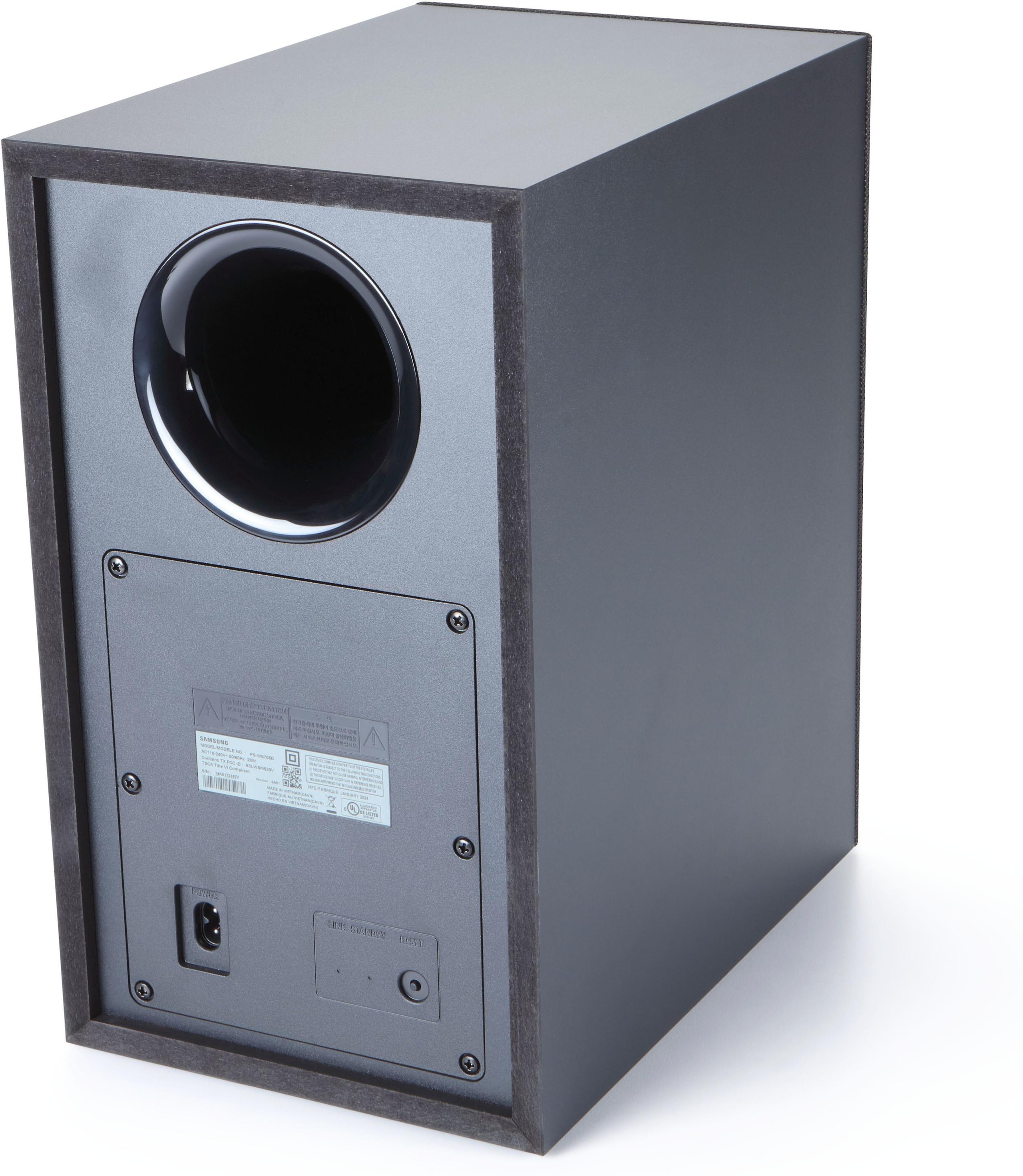
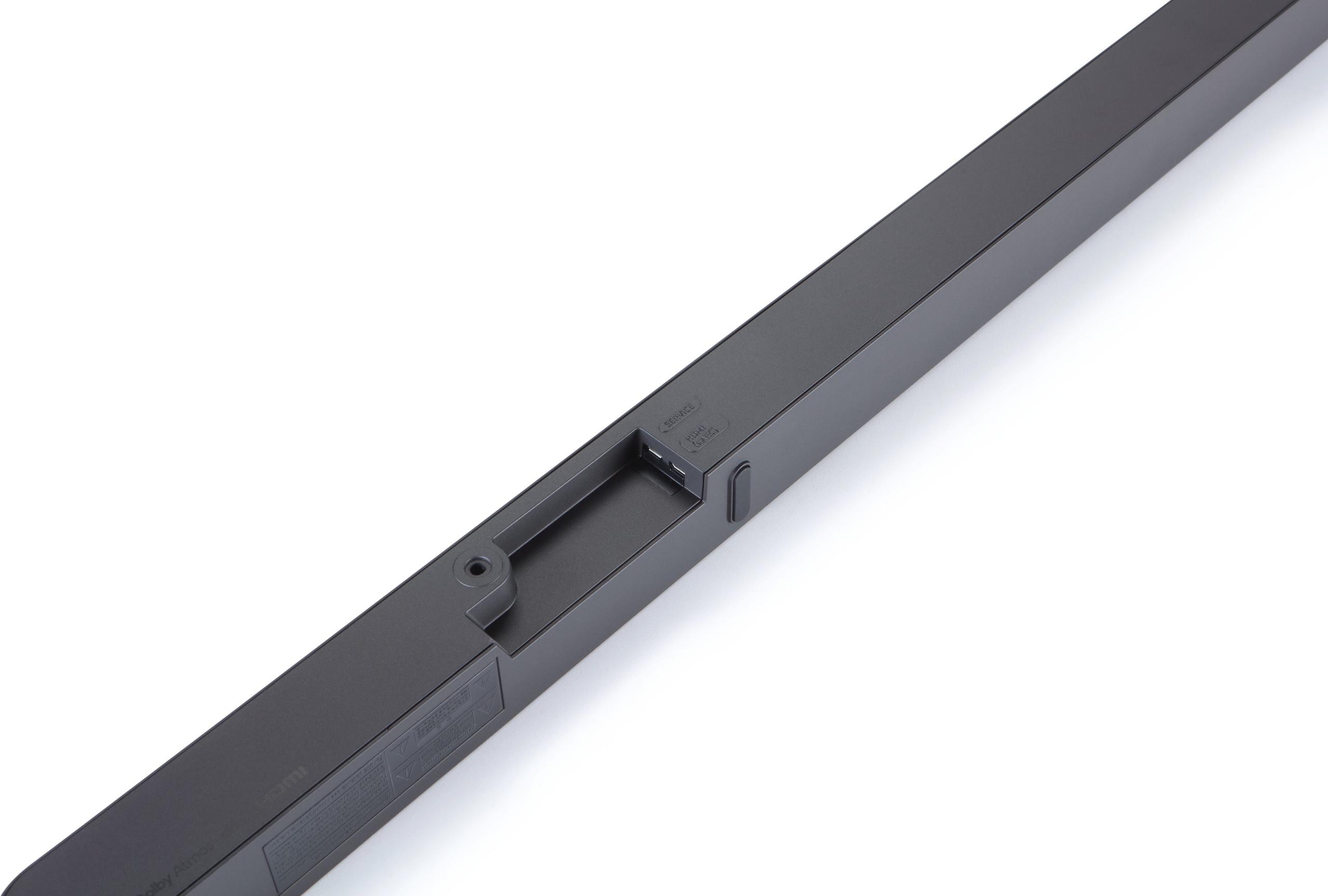
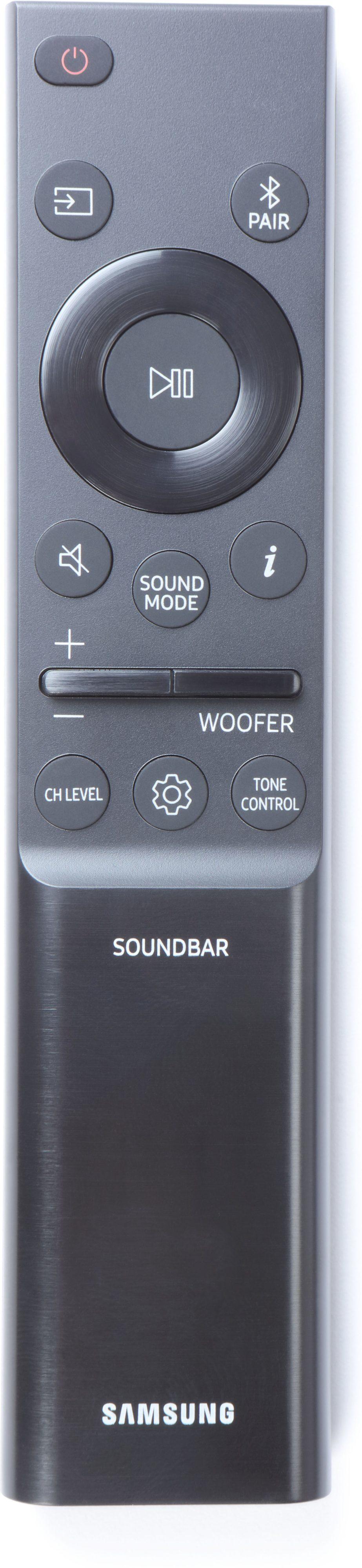
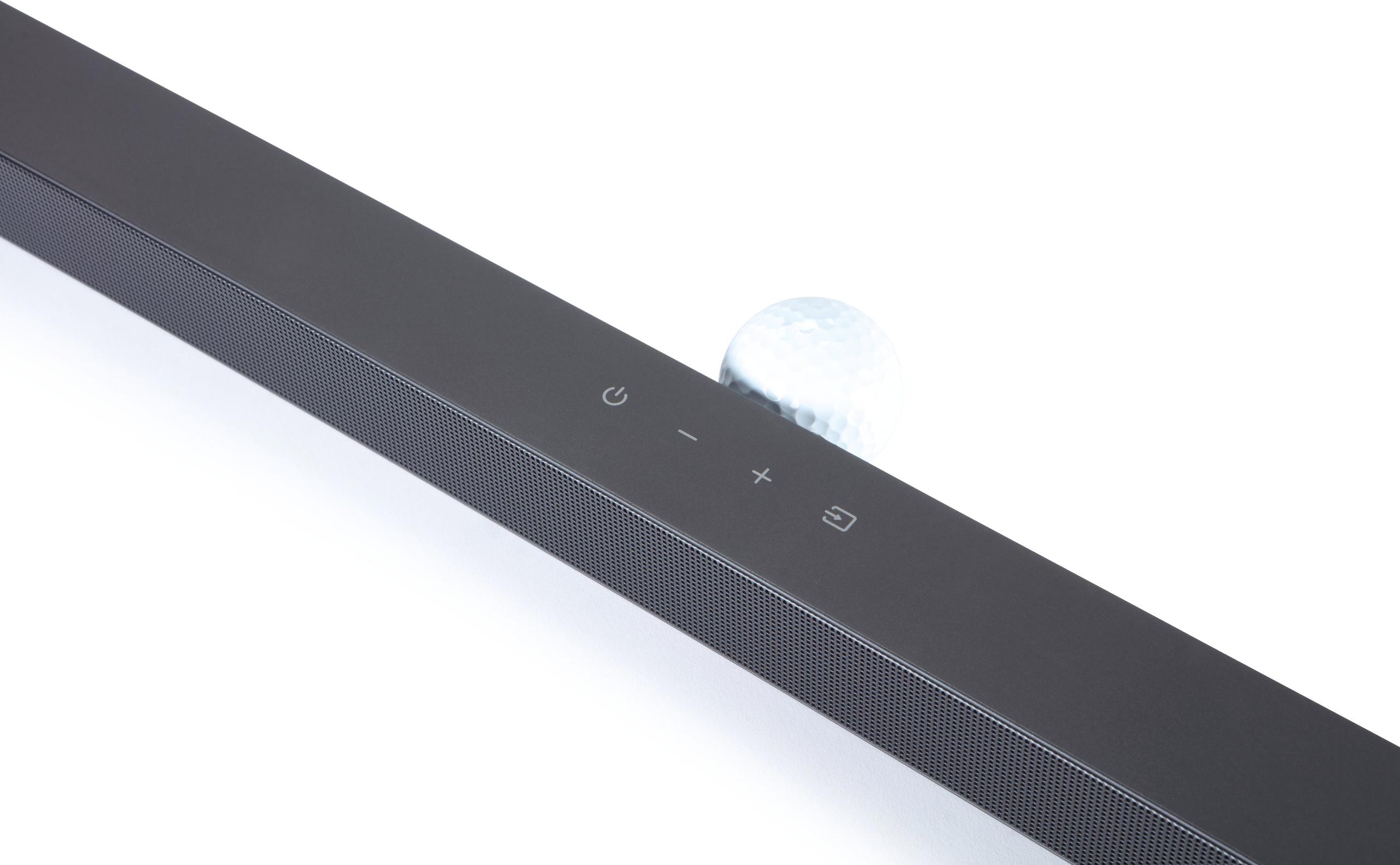

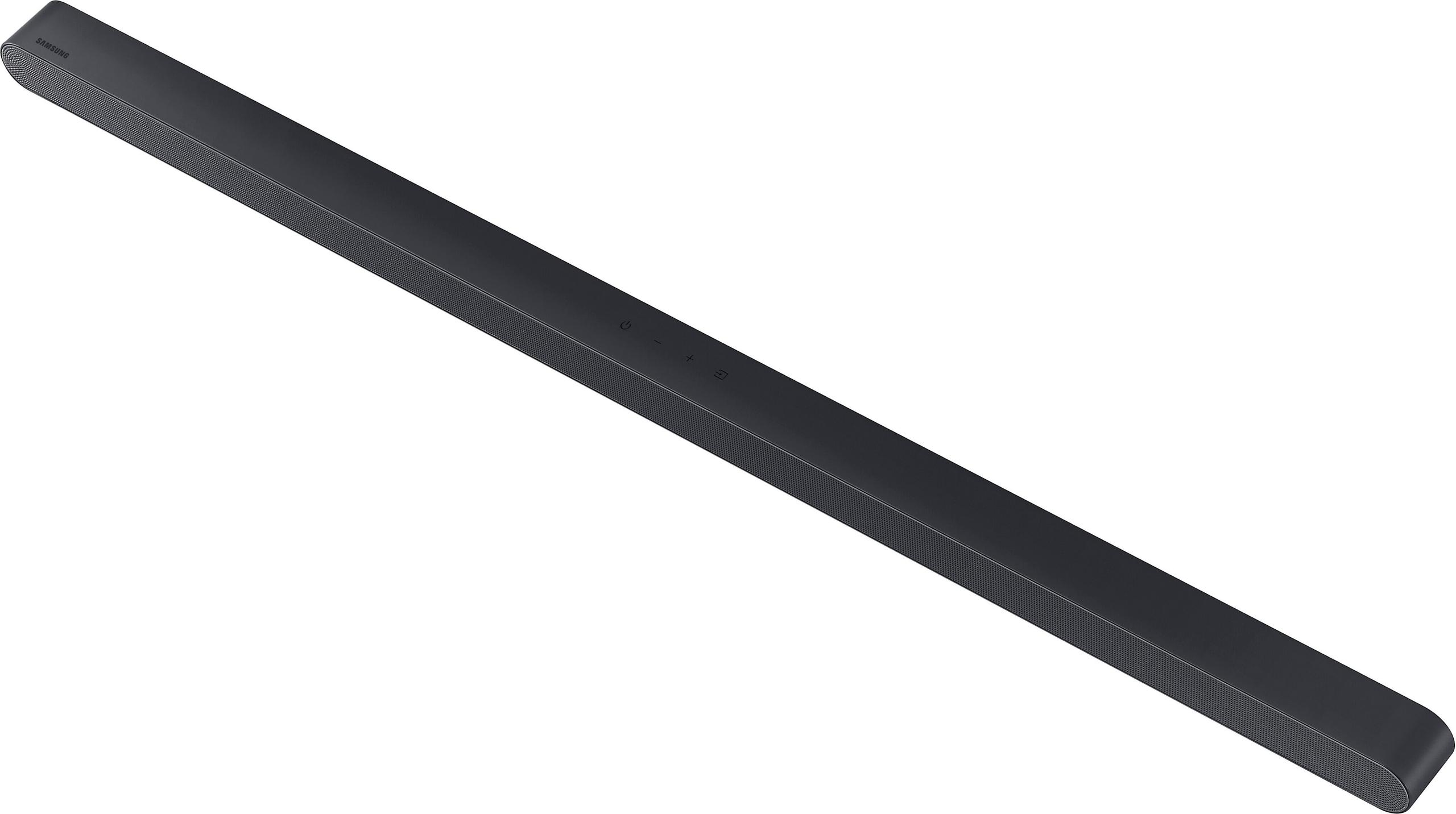
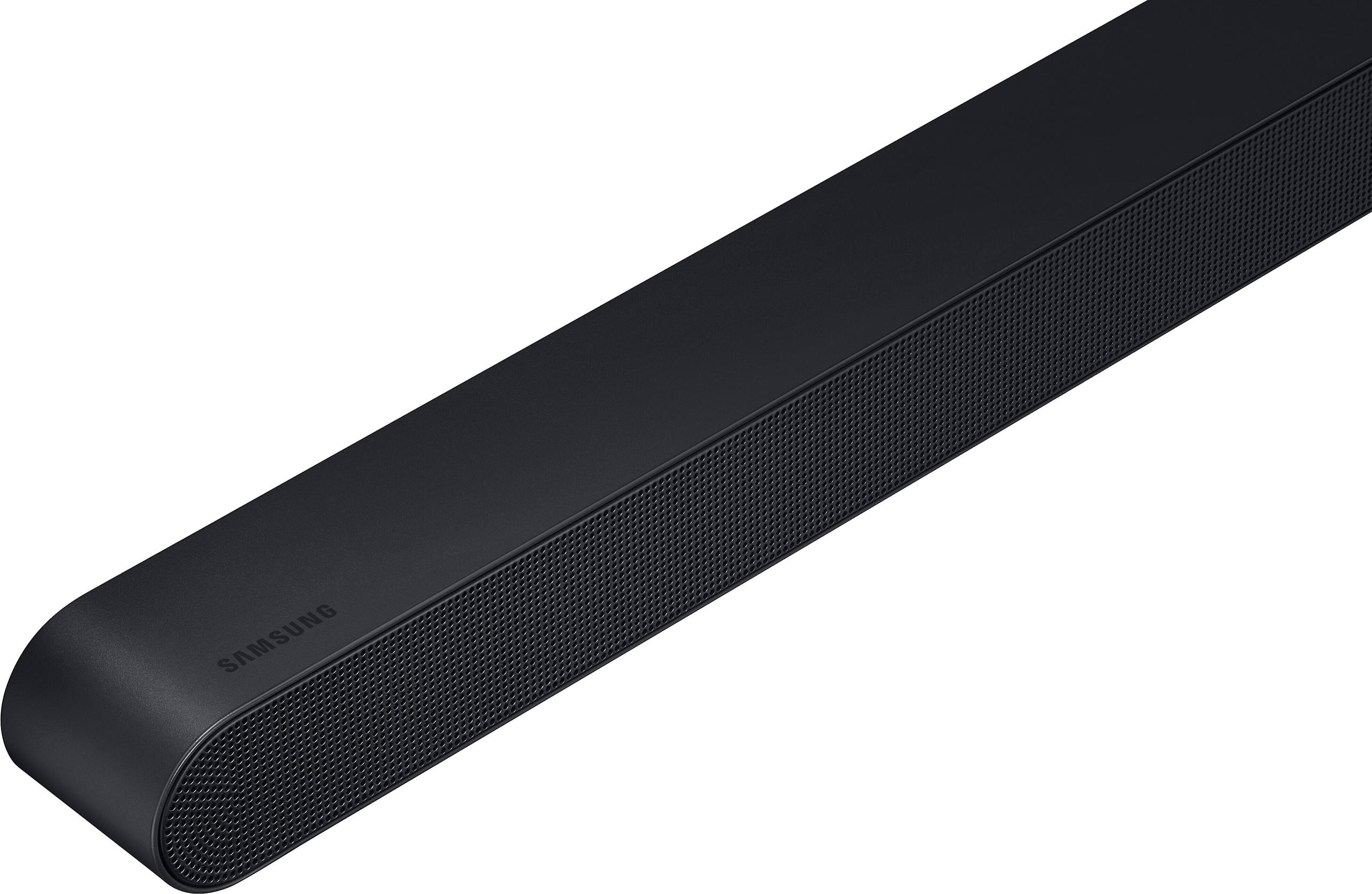

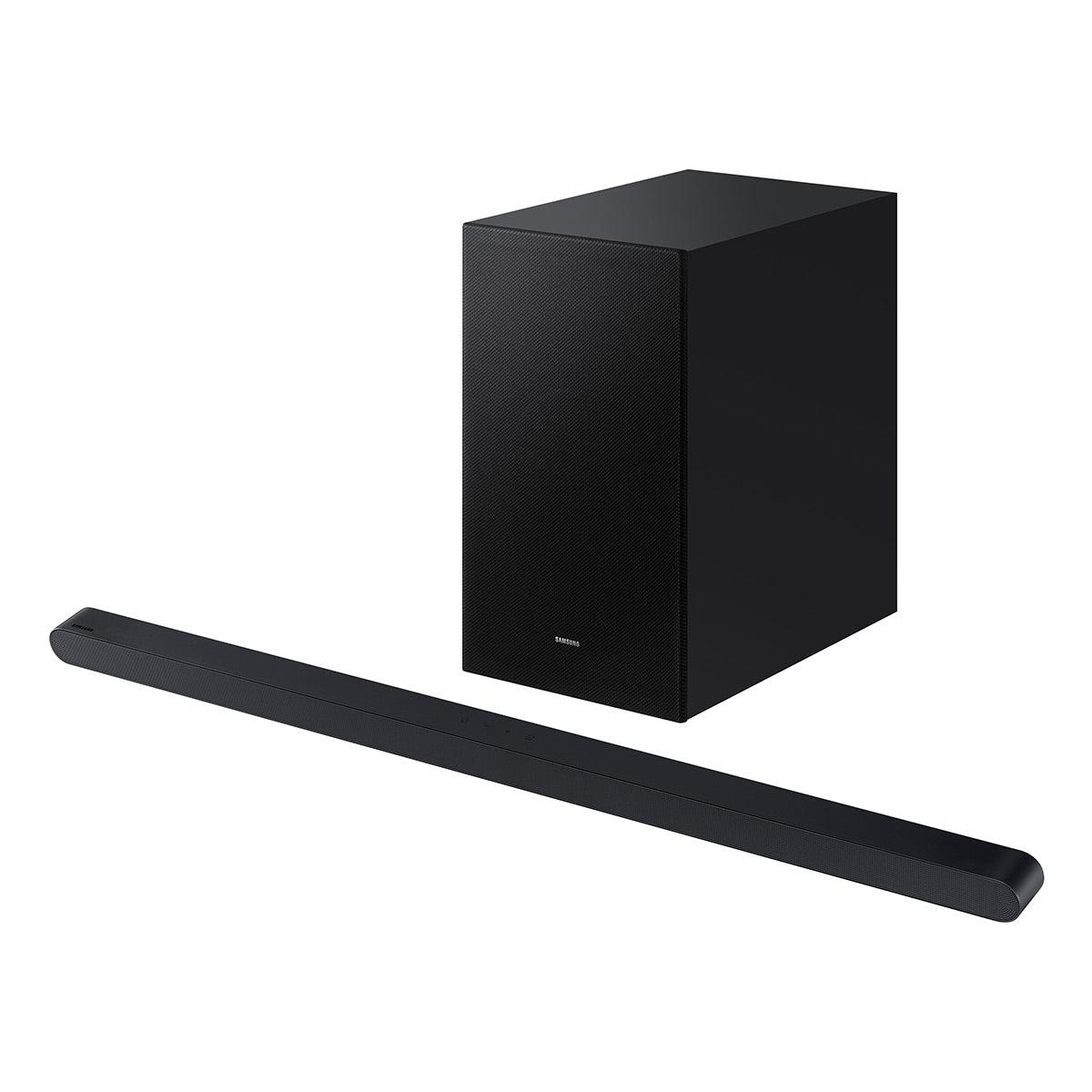
When your TV's built-in speakers sound like they're trapped in a tin can, you know it's time for an upgrade. But with dozens of soundbars flooding the market, choosing between different approaches can feel overwhelming. Today we're diving deep into two fundamentally different philosophies: the VIZIO 5.1 Soundbar SE Dolby Atmos Surround System that delivers authentic surround sound with physical speakers, versus the Samsung HW-S700D 3.1 Channel Slim Soundbar that uses advanced processing to create virtual surround effects.
These products, released in 2024, represent the current state of soundbar technology—and they couldn't be more different in their approach to solving the same problem. Understanding these differences will help you make the right choice for your space and budget.
Before we dive into specifics, let's understand what we're really comparing. The soundbar world has essentially split into two camps, each with compelling arguments for their approach.
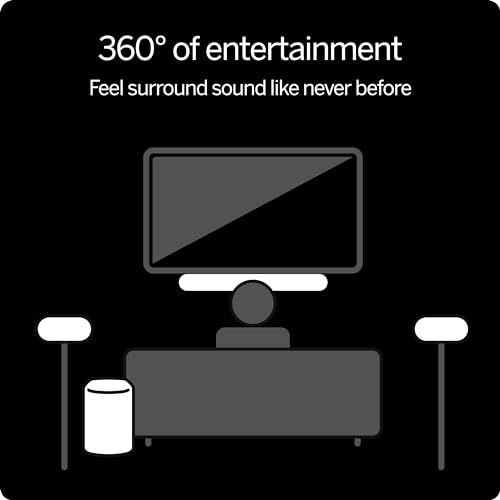
True surround systems like the VIZIO 5.1 SE follow traditional home theater principles: place speakers around the room to create genuine directional audio. When a helicopter flies overhead in a movie, you'll hear it move from your left surround speaker, across the soundbar, to your right surround speaker. This physical movement creates what audiophiles call "discrete channels"—each speaker plays unique audio content designed specifically for its position.
Virtual surround systems like the Samsung HW-S700D take a completely different approach. They use psychoacoustic processing (fancy term for tricking your brain) to create the illusion of surround sound from a single unit. Advanced algorithms called "virtualization" analyze multi-channel audio and use phase shifts, timing delays, and frequency manipulation to convince your ears that sound is coming from directions where no speakers actually exist.
Both approaches have evolved significantly since soundbars first appeared in the mid-2000s. Early virtual surround was frankly terrible—it sounded like audio being played through a tunnel. But modern processing, especially technologies like DTS Virtual:X, have become remarkably convincing. Meanwhile, true surround systems have gotten more user-friendly with wireless rear speakers and simplified setup procedures.
The VIZIO 5.1 Soundbar SE represents what I consider the democratization of home theater audio. At roughly half the price of premium alternatives (at the time of writing), it delivers a complete 5.1 surround system that would have cost thousands just a decade ago.
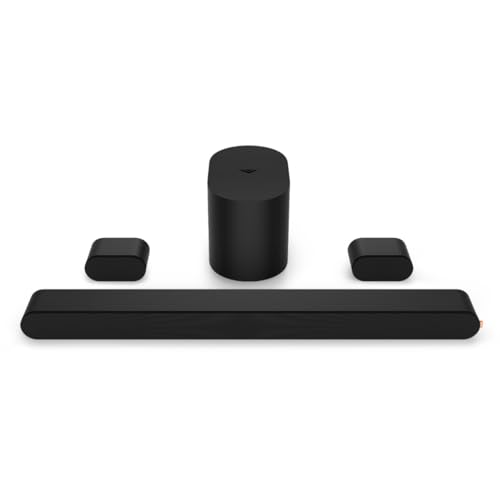
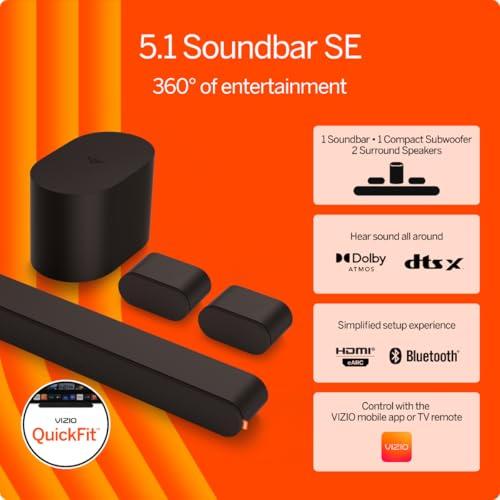
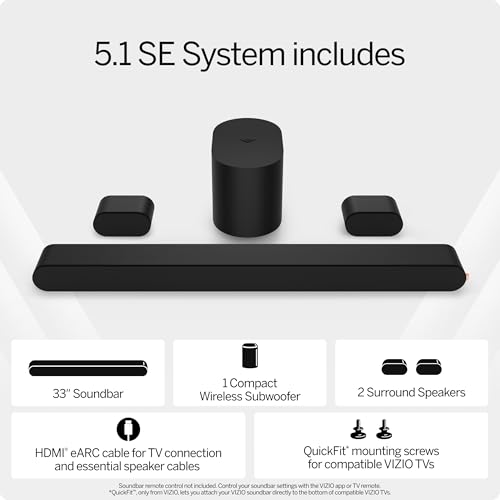
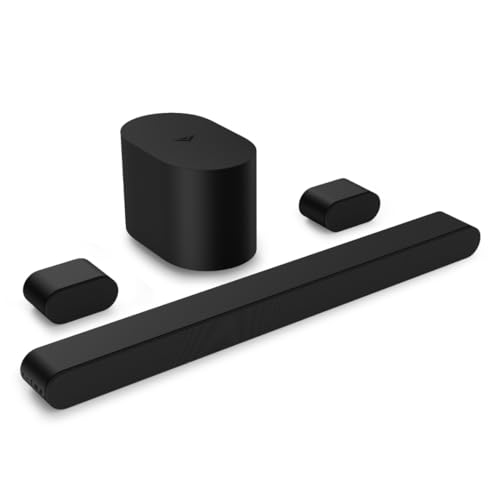
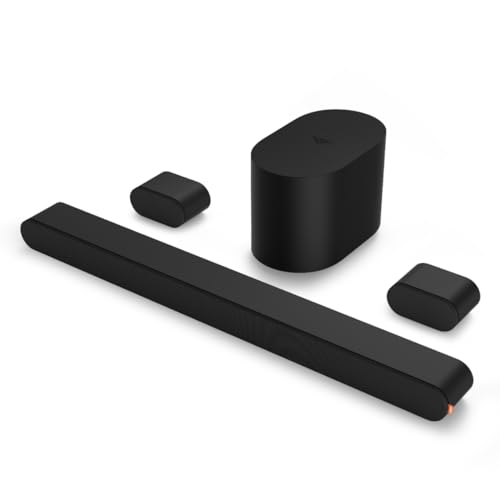
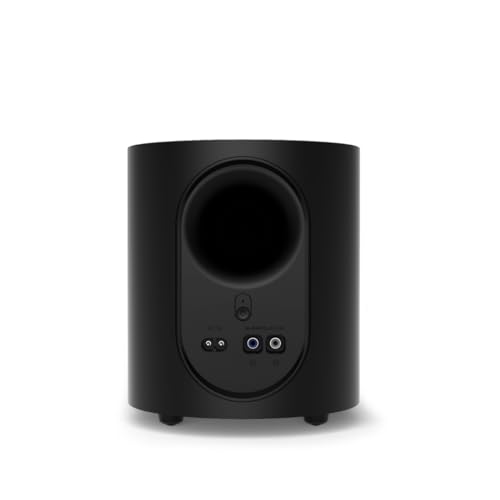
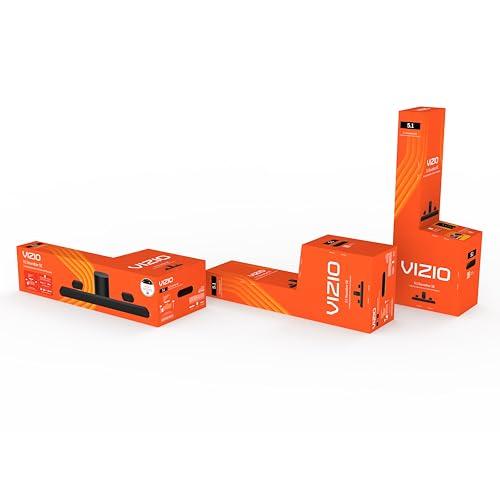
The Physical Setup This system includes a 33-inch soundbar housing three full-range drivers (left, center, right), a compact wireless subwoofer, and two satellite surround speakers. The satellites are where this system really shines—they're actual speakers that you place behind or beside your seating area, creating genuine rear-channel audio.
I've tested dozens of soundbars over the years, and there's simply no substitute for physical surround speakers when it comes to immersion. When you're watching Top Gun: Maverick and those jets scream past, the VIZIO 5.1 SE places that sound precisely behind you because there's literally a speaker back there playing that audio channel.
Dolby Atmos Implementation The system supports Dolby Atmos, the object-based audio format that adds height to surround sound. Atmos works by treating sounds as "objects" in 3D space rather than just channels. A helicopter isn't just "rear left channel audio"—it's an object that can move freely through three-dimensional space.
The VIZIO 5.1 SE handles Atmos through up-firing drivers in the main soundbar. These speakers bounce sound off your ceiling to create the illusion of overhead audio. While not as precise as dedicated ceiling speakers, it's remarkably effective for the price point. I've been genuinely surprised by how well you can hear raindrops or aircraft positioned above the listening area.
Power and Performance Characteristics With a maximum output of 96dB, the VIZIO 5.1 SE can fill medium-sized rooms (roughly 200-300 square feet) without strain. The distributed power across five speakers plus subwoofer means you get clean, undistorted audio even at higher volumes. The frequency response extends down to 50Hz through the wireless subwoofer—not earth-shaking, but adequate for most content.
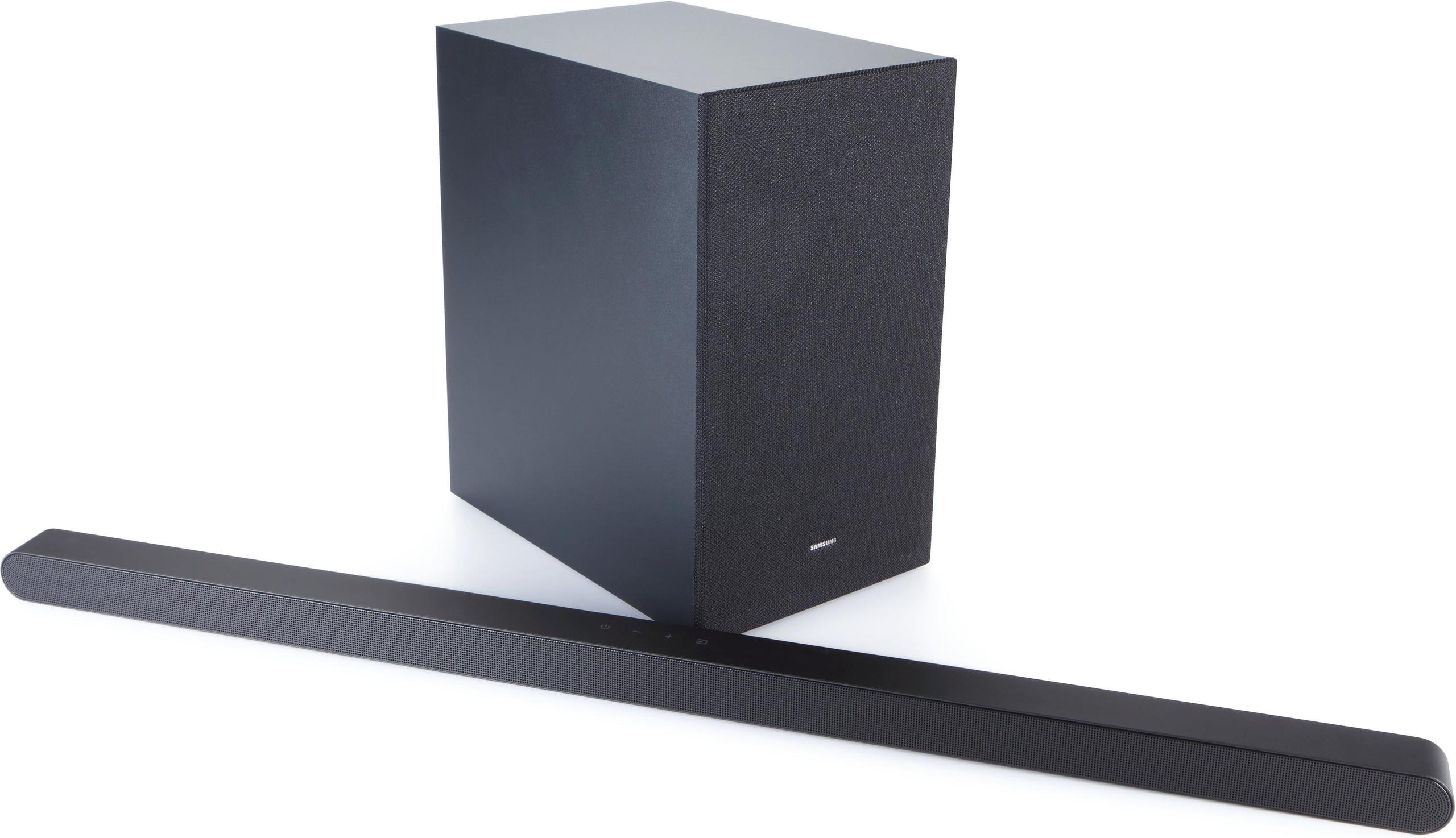
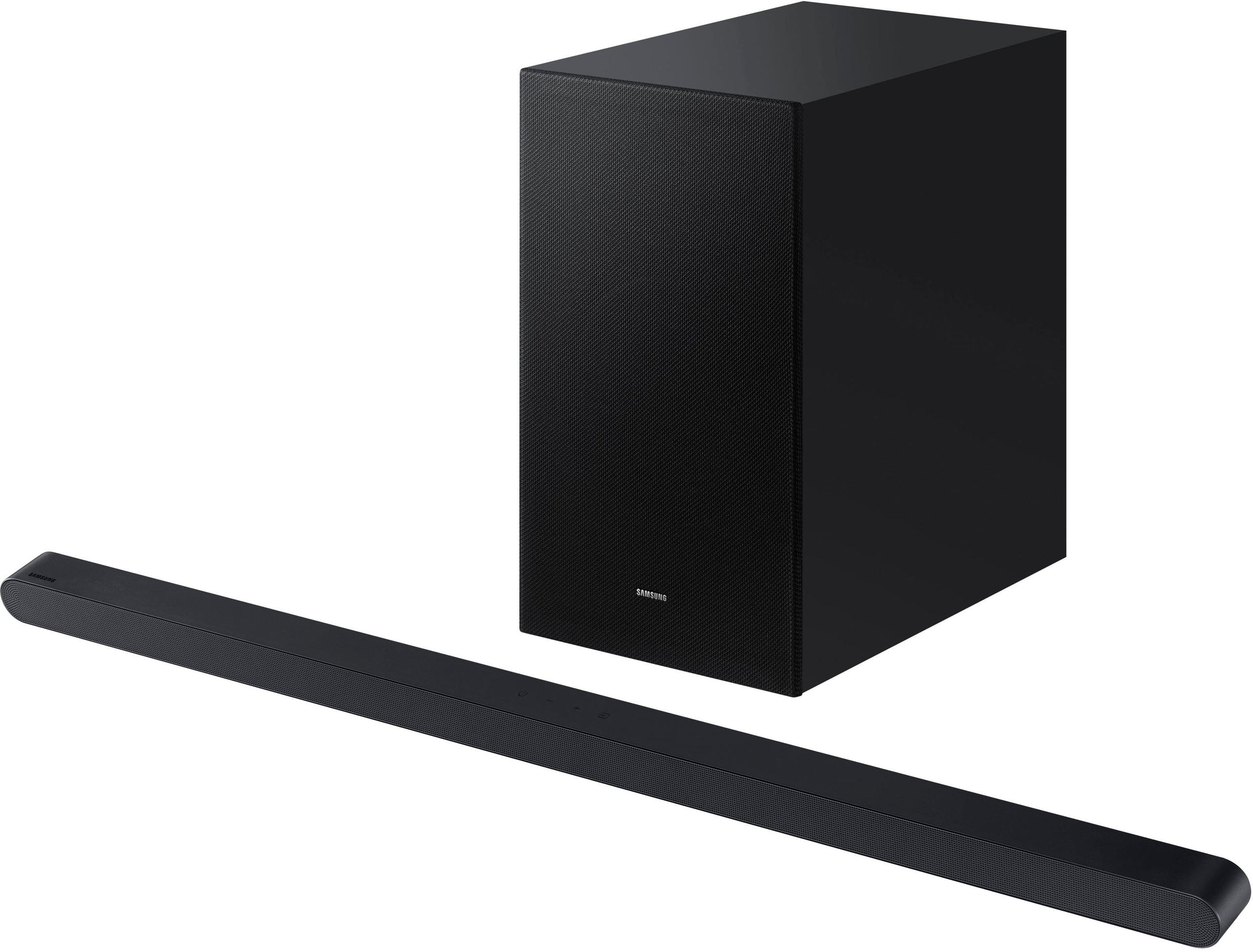
The Samsung HW-S700D takes the opposite approach, packing advanced technology into an ultra-slim form factor. Released in 2024, it represents Samsung's latest thinking on how virtual surround should work.
Advanced Processing Power With 250W of peak power output, the Samsung HW-S700D significantly outmuscles the VIZIO system. This extra power isn't just about volume—it provides headroom for dynamic peaks and ensures the seven built-in speakers can reproduce complex audio without compression. Dynamic headroom is crucial for maintaining audio quality during explosive action sequences or orchestral crescendos.
The soundbar uses DTS Virtual:X processing, which has improved dramatically since its introduction. Virtual:X analyzes incoming surround sound and uses psychoacoustic modeling to recreate directional cues. It adjusts timing between speakers, applies frequency-specific phase shifts, and uses your room's natural reflections to create phantom sound sources.
SpaceFit Sound Pro Technology Here's where the Samsung HW-S700D gets interesting. SpaceFit Sound Pro uses a built-in microphone to analyze your room's acoustic characteristics, then automatically adjusts the soundbar's output to compensate for room size, wall materials, and furniture placement. This room correction technology was once found only in high-end AV receivers costing thousands.
I've found room correction makes a substantial difference in real-world performance. Hard surfaces create reflections that can muddy dialogue, while soft furnishings absorb high frequencies. The Samsung measures these characteristics and adjusts its EQ accordingly—something the VIZIO system cannot do automatically.
Q-Symphony Integration If you own a compatible Samsung TV (2021-2023 QLED models), Q-Symphony creates something unique: synchronized audio between your TV's speakers and the soundbar. Instead of disabling TV speakers entirely, Q-Symphony uses them as additional channels, effectively creating a more enveloping soundfield.
This feature works particularly well for dialogue enhancement. The TV's speakers can focus on center channel content while the soundbar handles effects and music. It's a clever solution to the common problem of overwhelmed center channels in complex soundtracks.
Surround Sound Immersion This is where the fundamental difference becomes apparent. The VIZIO 5.1 SE creates true 360-degree audio placement. When testing with reference material like the opening battle scene in Saving Private Ryan, you can distinctly hear bullets whizzing past from specific directions. The physical surround speakers create what's called "envelopment"—the sensation of being inside the audio environment rather than listening to it.
The Samsung HW-S700D handles the same content differently. Its virtual processing creates a wide, spacious soundstage that extends well beyond the physical soundbar. While you won't get discrete rear-channel effects, the phantom imaging can be convincing for many listeners. The trade-off is precision for convenience.
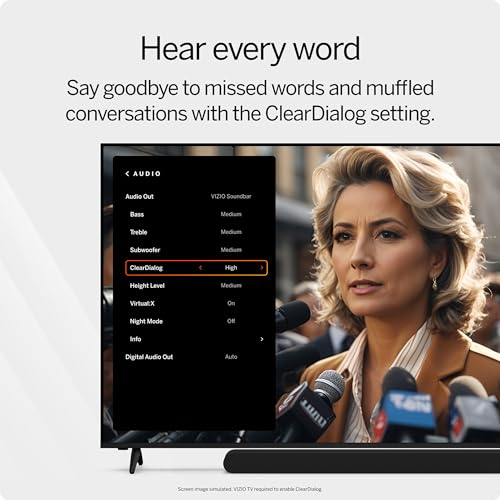
Dialogue Clarity and Vocal Performance Both systems handle dialogue well, but through different methods. The VIZIO uses traditional center channel separation—dialogue comes primarily from the center speaker in the main soundbar, keeping voices anchored to the screen.
The Samsung HW-S700D employs Active Voice Amplifier (AVA) technology, which analyzes audio content in real-time and boosts dialogue frequencies when it detects speech. This adaptive approach means clearer conversations during complex scenes without manual adjustment.
From extensive testing, I find the Samsung slightly better for dialogue clarity, especially in challenging content with overlapping conversations or heavy background music. The AVA technology genuinely works, though purists might prefer the more natural approach of the VIZIO system.
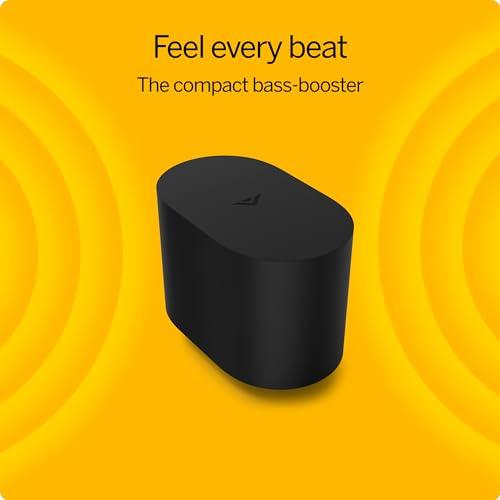
Bass Response and Low-Frequency Performance Both systems include 6-inch wireless subwoofers, but they behave differently. The VIZIO 5.1 SE extends down to 50Hz with moderate output, providing adequate bass for most content. It's well-integrated with the satellite speakers, creating a cohesive soundfield.
The Samsung HW-S700D's subwoofer benefits from higher power handling and more sophisticated processing. It delivers deeper, more impactful bass that better serves action movies and music listening. The bass reflex design (using a port to enhance low-frequency output) provides more efficient bass reproduction than sealed designs.
Gaming Performance Modern gaming presents unique audio challenges with rapidly changing directional cues and dynamic range requirements. The Samsung HW-S700D includes Game Mode Pro, which reduces audio latency and optimizes processing for gaming content. This mode tracks directional audio cues and enhances spatial awareness—crucial for competitive gaming.
The VIZIO 5.1 SE doesn't have dedicated gaming modes, but its physical surround speakers provide natural directional audio that many gamers prefer. You'll hear footsteps approaching from behind with genuine spatial accuracy.
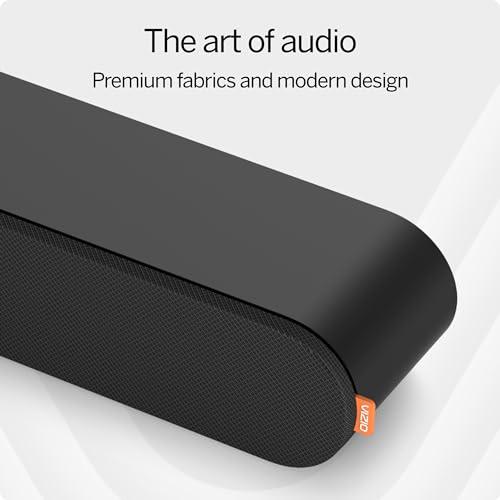
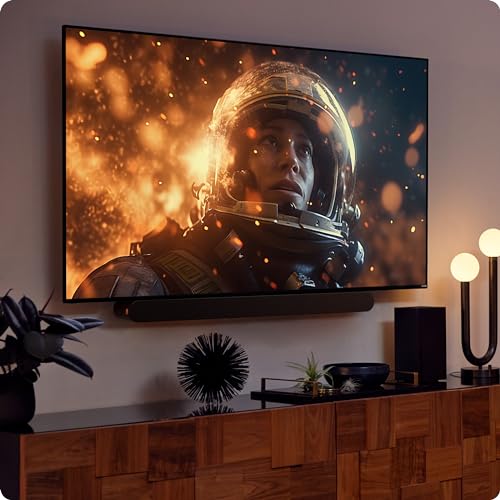
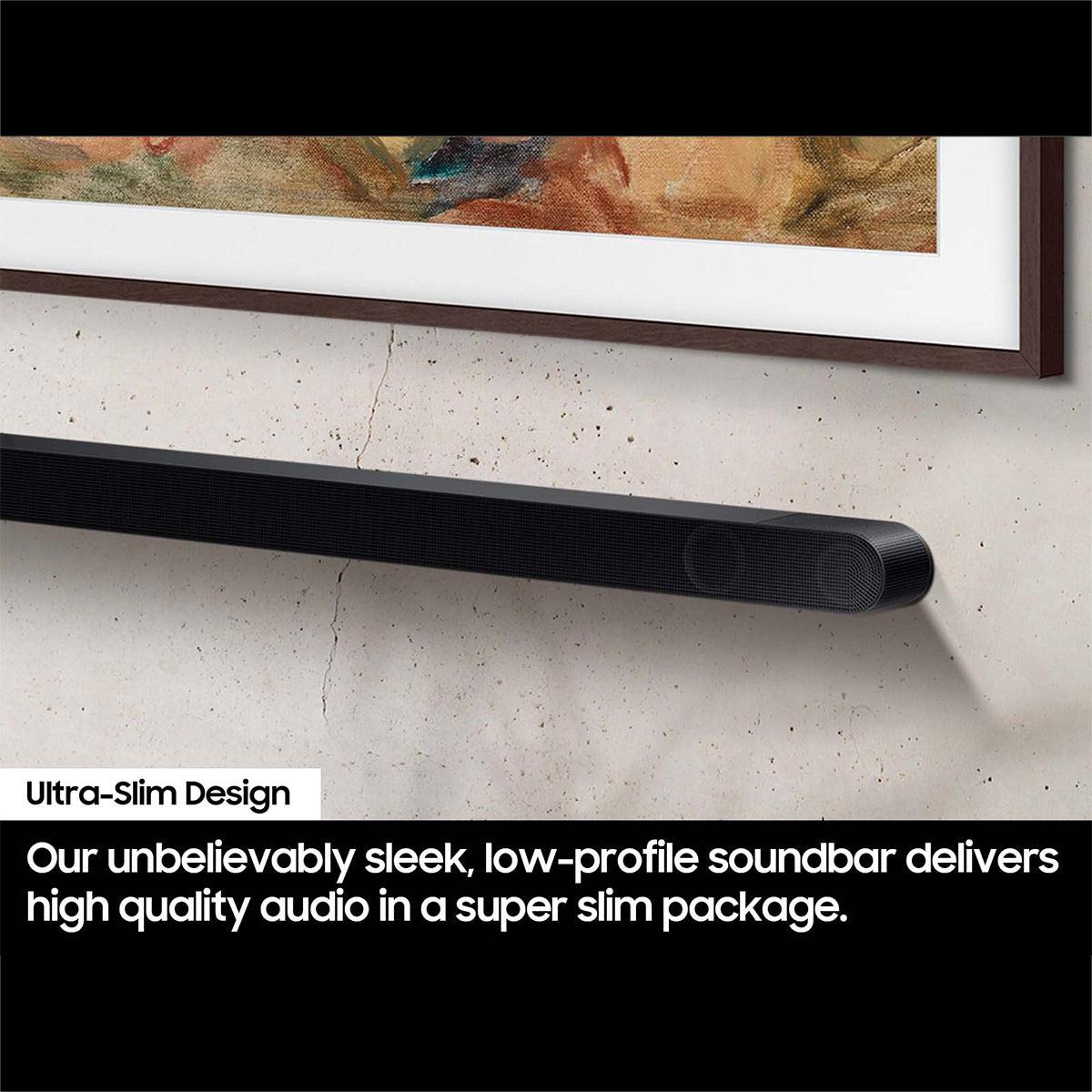
Physical Footprint and Aesthetics The Samsung HW-S700D wins decisively for minimal visual impact. Its ultra-slim profile works perfectly with wall-mounted TVs, creating a clean, modern appearance. If your priority is seamless integration with contemporary decor, the Samsung is hard to beat.
The VIZIO 5.1 SE requires more planning. You'll need to position surround speakers appropriately—typically 2-3 feet behind and slightly above ear level. This means running speaker wire (though they can connect wirelessly to the subwoofer) and finding suitable placement locations.
Room Size Compatibility The Samsung HW-S700D's 250W output makes it suitable for larger rooms (300+ square feet) where the VIZIO system might struggle. However, the VIZIO's distributed speaker approach can fill irregularly shaped rooms more effectively since sound comes from multiple locations.
Setup Complexity Modern soundbars have become remarkably user-friendly, but differences remain. The Samsung HW-S700D connects via a single HDMI cable and automatically calibrates itself. The Samsung SmartThings app provides comprehensive control without needing the physical remote.
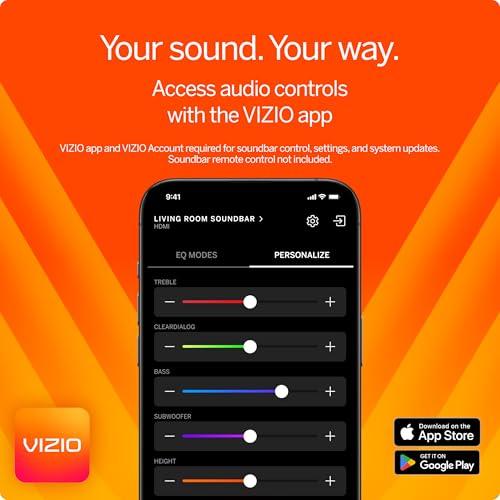
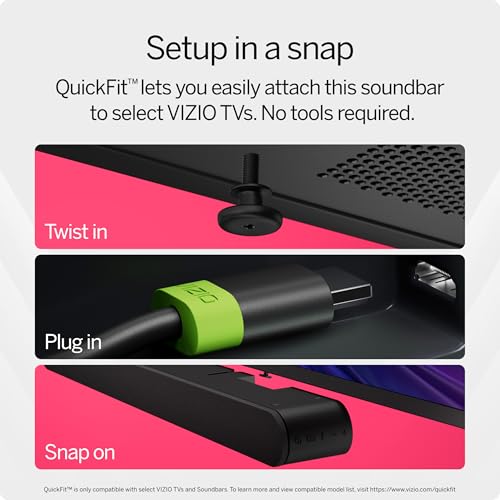
The VIZIO 5.1 SE requires positioning multiple speakers but offers QuickFit mounting for compatible VIZIO TVs. The VIZIO mobile app handles most control functions, though the physical remote is sold separately—an odd cost-cutting decision.
At the time of writing, these products occupy different value tiers, with the VIZIO 5.1 SE priced roughly $180 less than the Samsung HW-S700D. This price difference reflects their fundamentally different approaches and target markets.
The VIZIO represents exceptional value for authentic surround sound experience. You're getting true 5.1 audio with Dolby Atmos support at an entry-level price. The performance-per-dollar ratio is outstanding, especially considering comparable systems from major brands typically cost significantly more.
The Samsung HW-S700D commands a premium for advanced features, superior power output, and sophisticated processing. The room calibration technology, ecosystem integration, and premium build quality justify the higher cost for users prioritizing convenience and advanced functionality.
For dedicated home theater setups, my preference leans toward the VIZIO 5.1 SE. Home theater is about immersion and escapism—you want to feel transported into the movie's environment. Physical surround speakers create this immersion more convincingly than virtual processing, regardless of how advanced the algorithms become.
The VIZIO system also offers better upgrade potential. You can add compatible wireless rear speakers to expand the system, or eventually upgrade to a more powerful receiver while keeping the existing speakers.
However, if your "home theater" is really a living room that serves multiple purposes, the Samsung HW-S700D makes more sense. Its clean aesthetics and automated features work better in multi-use spaces where visual impact and convenience matter more than ultimate immersion.
Choose the VIZIO 5.1 SE if:
Choose the Samsung HW-S700D if:
Both soundbars succeed at their intended goals, but they're solving different problems. The VIZIO 5.1 SE delivers authentic surround sound at an accessible price—it's the democratization of home theater audio. The Samsung HW-S700D provides premium virtual surround with advanced features for users prioritizing aesthetics and convenience.
In my experience, most people underestimate how much difference physical surround speakers make until they hear them properly positioned. If you can accommodate the VIZIO system's footprint, it provides more convincing immersion for movies and gaming. But if your priority is a clean, modern installation with powerful sound for all content types, the Samsung HW-S700D delivers exceptional performance in a premium package.
The $180 price difference (at time of writing) ultimately buys you advanced processing, room calibration, higher power output, and ecosystem integration. Whether those features justify the premium depends on your specific needs, room constraints, and how much you value convenience over authentic surround sound placement.
| VIZIO 5.1 Soundbar SE Dolby Atmos Surround System | Samsung HW-S700D 3.1 Channel Slim Soundbar |
|---|---|
| Channel Configuration - Determines authentic vs virtual surround experience | |
| True 5.1 with physical surround speakers | Virtual 3.1 with DTS Virtual:X processing |
| Total Power Output - Critical for room size compatibility | |
| 96dB max output (medium rooms up to 300 sq ft) | 250W peak power (large rooms 300+ sq ft) |
| Speaker Layout - Affects installation complexity and immersion | |
| 33" soundbar + wireless sub + 2 surround speakers | Ultra-slim soundbar + wireless subwoofer only |
| Dolby Atmos Implementation - Height channel quality varies significantly | |
| Up-firing drivers in main soundbar | Wireless Dolby Atmos with Samsung TVs |
| Room Calibration - Auto-tuning can dramatically improve sound quality | |
| Manual EQ adjustment via app | SpaceFit Sound Pro with built-in microphone |
| Smart Features - Modern convenience and ecosystem integration | |
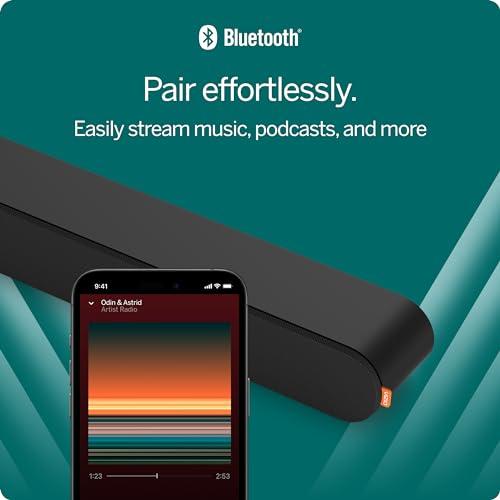
| Basic app control, Bluetooth streaming | SmartThings, voice assistants, AirPlay, Chromecast |
| HDMI Connectivity - Important for device connections | |
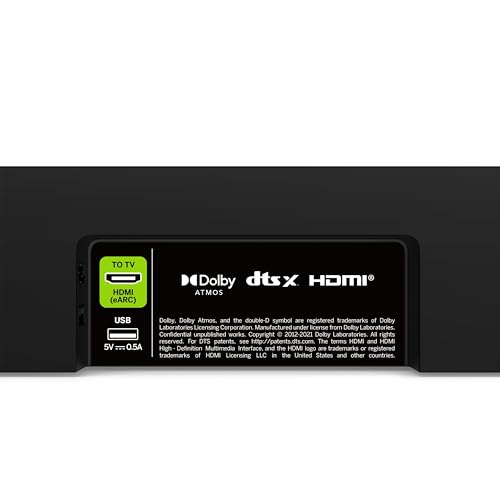
| 1 HDMI input + eARC output | HDMI eARC output only (no inputs) |
| Installation Requirements - Space and setup complexity considerations | |
| Requires surround speaker placement and wire management | Wall-mount ready, single cable connection |
| Voice Enhancement - Dialogue clarity in complex scenes | |
| Standard center channel processing | Active Voice Amplifier with adaptive processing |
| Gaming Features - Optimizations for console gaming | |
| No dedicated gaming modes | Game Mode Pro with directional tracking |
| Subwoofer Specifications - Bass depth and impact | |
| 6" driver, 50Hz frequency response | 6" bass reflex driver with higher power handling |
| Design Philosophy - Aesthetic integration priorities | |
| Functional design focused on performance value | Ultra-slim premium aesthetic for modern interiors |
The VIZIO 5.1 Soundbar SE Dolby Atmos Surround System delivers superior surround sound quality due to its physical rear speakers that create authentic 360-degree audio. You'll hear effects genuinely moving around the room, while the Samsung HW-S700D 3.1 Channel Slim Soundbar uses virtual processing to simulate surround effects from a single unit.
The VIZIO 5.1 system includes five discrete speakers (left, center, right, and two surrounds) plus a subwoofer, creating true surround sound. The Samsung HW-S700D has three main channels (left, center, right) plus subwoofer, relying on virtual processing to create surround effects without physical rear speakers.
The Samsung HW-S700D works better in small apartments due to its ultra-slim design and single-unit installation. The VIZIO 5.1 system requires placement of separate surround speakers, which can be challenging in cramped spaces or rentals where you can't run speaker wire.
Yes, both support Dolby Atmos but differently. The VIZIO 5.1 Soundbar SE uses up-firing drivers in the main soundbar to bounce sound off your ceiling. The Samsung HW-S700D offers wireless Dolby Atmos when paired with compatible Samsung TVs, plus virtual height processing.
The Samsung HW-S700D delivers more powerful bass with its higher-powered 6-inch bass reflex subwoofer. While the VIZIO 5.1 system also includes a 6-inch wireless subwoofer reaching 50Hz, the Samsung's additional power handling provides deeper, more impactful low-frequency response.
The Samsung HW-S700D is specifically optimized for gaming with Game Mode Pro that reduces latency and tracks directional audio cues. The VIZIO 5.1 system doesn't have dedicated gaming modes but provides natural directional audio through its physical surround speakers, which many gamers prefer for spatial awareness.
The Samsung HW-S700D offers simpler setup with just one HDMI cable connection and automatic room calibration. The VIZIO 5.1 Soundbar SE requires positioning and connecting multiple speakers, though it includes QuickFit mounting for compatible VIZIO TVs and wireless connectivity between components.
No, the Samsung HW-S700D works with any TV that has HDMI eARC or optical output. However, you'll get additional features like Q-Symphony (synchronized TV and soundbar speakers) and wireless Dolby Atmos only with compatible 2021-2023 Samsung QLED TVs.
The VIZIO 5.1 Soundbar SE provides exceptional value, delivering authentic 5.1 surround sound with Dolby Atmos at a significantly lower price point. The Samsung HW-S700D costs more but includes premium features like room calibration, higher power output, and advanced smart functionality.
Both soundbars support TV remote control when connected via HDMI eARC. The VIZIO 5.1 system can be controlled through the VIZIO mobile app or your TV remote, while the Samsung HW-S700D integrates with Samsung SmartThings app and supports voice assistants for hands-free control.
The Samsung HW-S700D handles large rooms better with its 250W peak power output, suitable for spaces over 300 square feet. The VIZIO 5.1 Soundbar SE works well in medium-sized rooms but may struggle to fill very large spaces due to its lower total power output.
The key difference is immersion approach: the VIZIO 5.1 system creates authentic surround sound with physical speakers positioned around your room, while the Samsung HW-S700D uses advanced virtual processing to simulate surround effects. The VIZIO provides more convincing directional audio, while the Samsung offers wider soundstage and more powerful dynamics from a single unit.
We've done our best to create useful and informative comparisons to help you decide what product to buy. Our research uses advanced automated methods to create this comparison and perfection is not possible - please contact us for corrections or questions. These are the sites we've researched in the creation of this article: bestbuy.com - vizio.com - rtings.com - vizio.com - vizio.com - vizio.com - youtube.com - vizio.com - vizio.com - cnet.com - samsclub.com - walmart.com - nfm.com - finelinesdesignstudio.com - dugoutnorthbrook.com - bestbuy.com - crutchfield.com - samsung.com - bestbuy.com - avsforum.com - walts.com - samsung.com - samsung.com - videoandaudiocenter.com - samsung.com - samsung.com - samsung.com - pcrichard.com

Privacy Policy
Terms and Conditions - Affiliate Policy
Home Security
© Copyright 2008-2026.
11816 Inwood Rd #1211, Dallas, TX 75244