




If you've ever cranked up an action movie only to find yourself reaching for the volume control every few seconds—dialogue too quiet, explosions too loud—you know exactly why soundbars exist. Modern TVs, despite their impressive picture quality, pack speakers that are about as thick as a smartphone. The result? Audio that sounds like it's coming from inside a cardboard box.
That's where soundbars like the Samsung HW-S700D ($377.99) and LG S70TR ($399.99) come in. But here's the thing: these two take completely different approaches to solving your TV's audio problems, and understanding those differences will help you pick the right one for your setup.
Before diving into the specifics, let's talk about what actually matters when shopping for a soundbar. The most important consideration is channel configuration—those numbers like 3.1 or 5.1.1 that describe how many speakers and subwoofers are working together. Think of it like this: more channels generally mean more immersive sound, but they also require more space and cost more money.
The first number represents main speakers (left, center, right), the second is subwoofers for bass, and the third (when present) indicates height speakers for overhead effects. So a 5.1.1 system has five main speakers, one subwoofer, and one height channel—significantly more complex than a 3.1 setup.
Physical design matters just as much as the numbers. Some soundbars prioritize being ultra-thin to disappear under your TV, while others embrace a more substantial presence to house better speakers. Connectivity options, room correction features, and how well the soundbar integrates with your TV's ecosystem all play crucial roles in your daily experience.
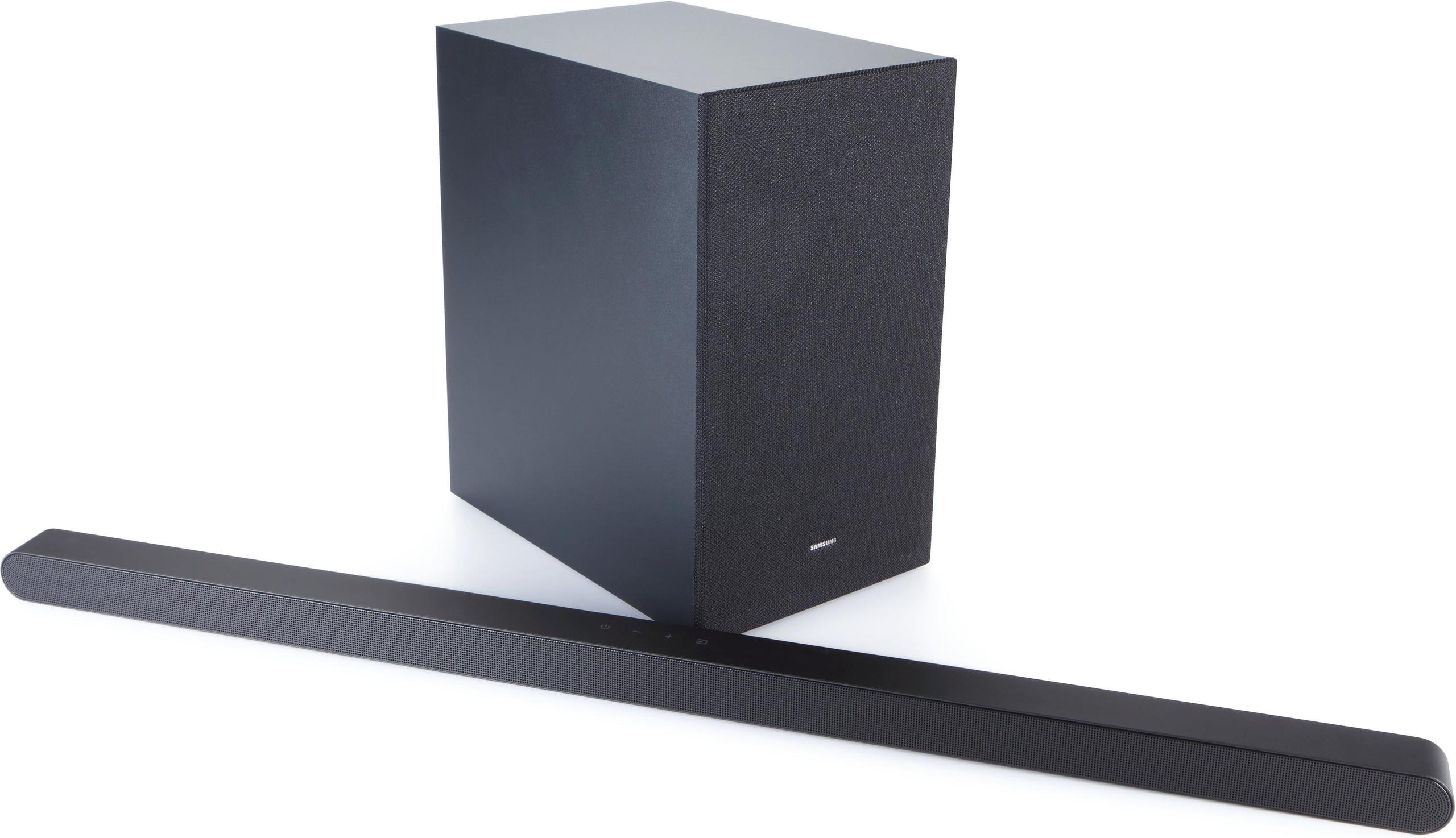
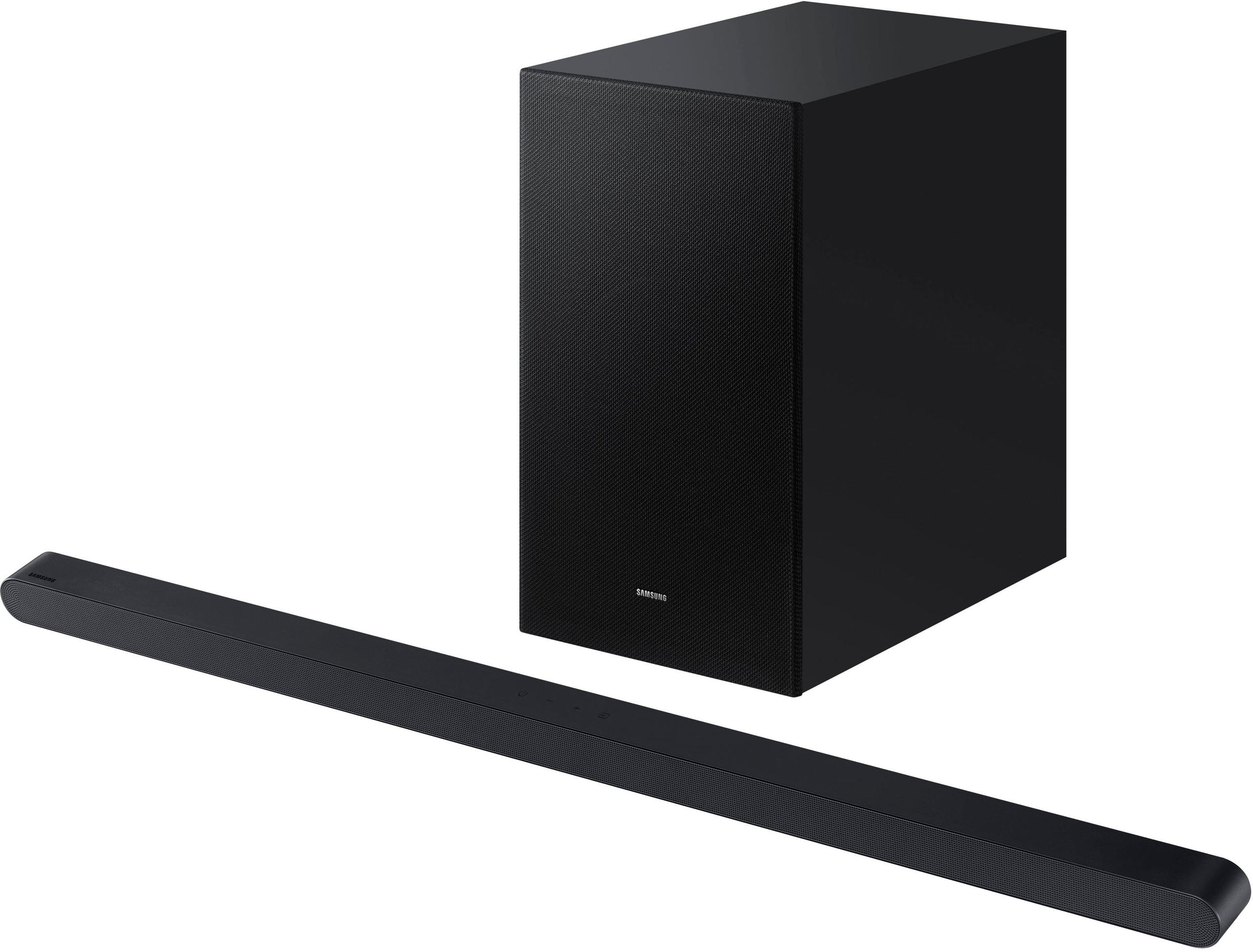
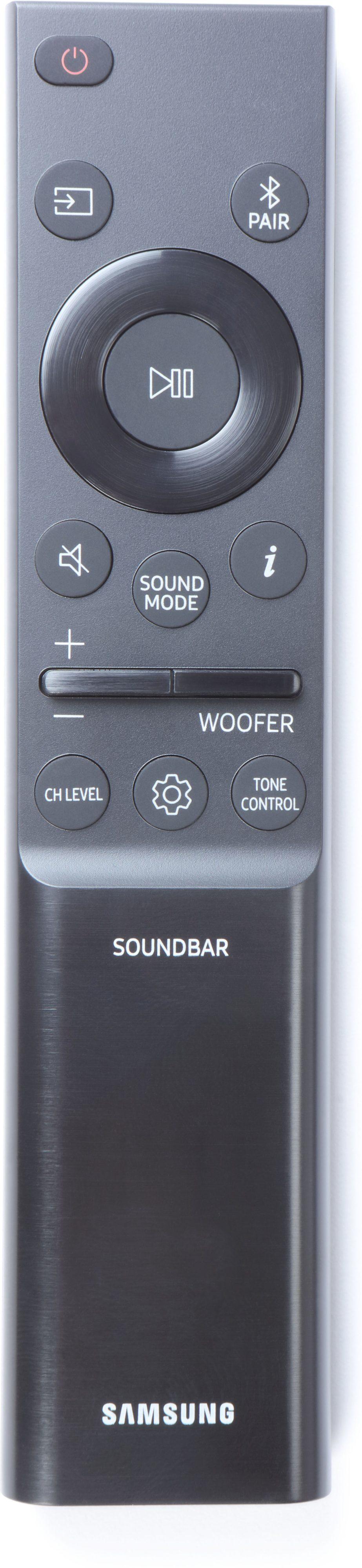
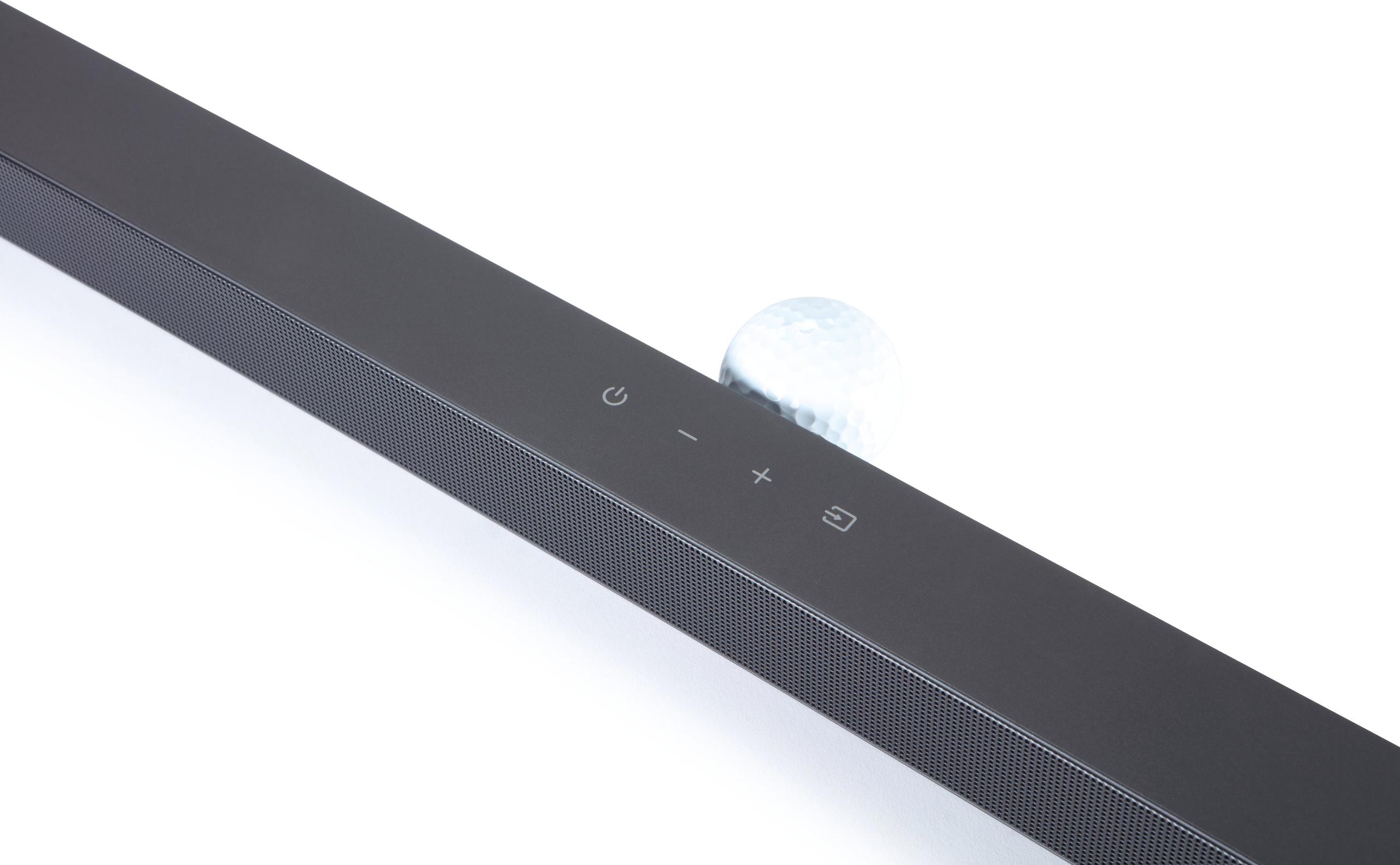
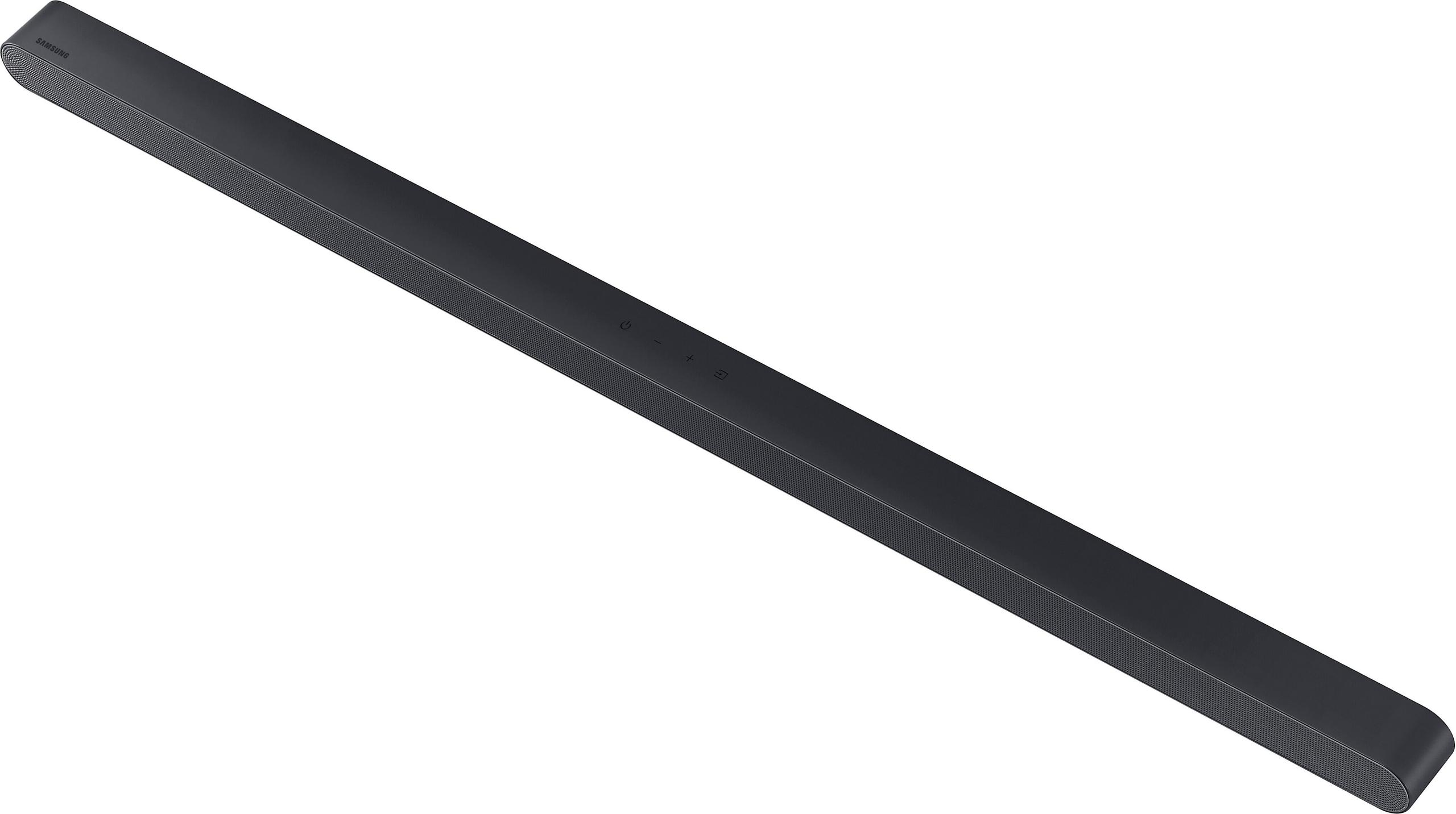
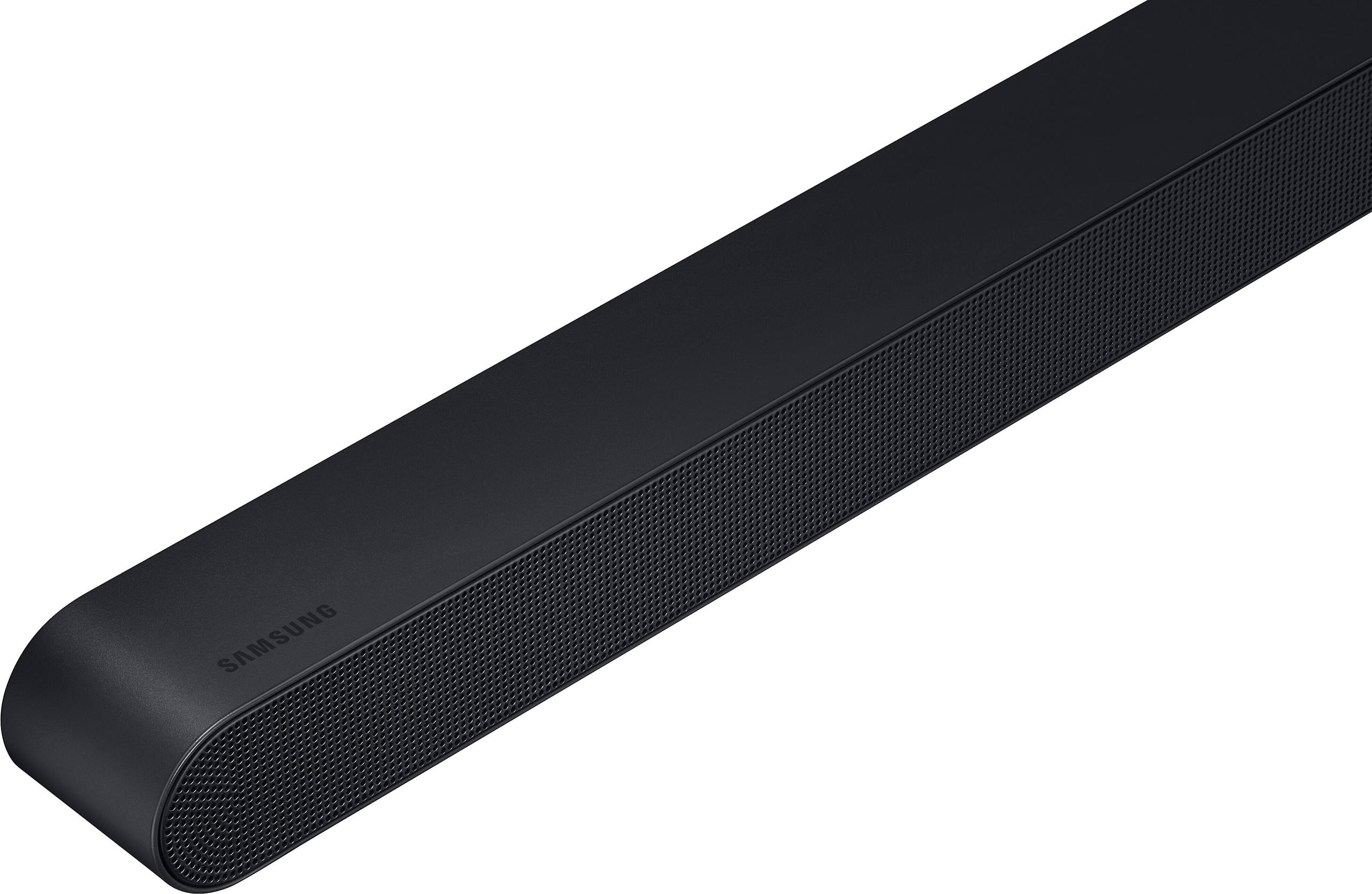
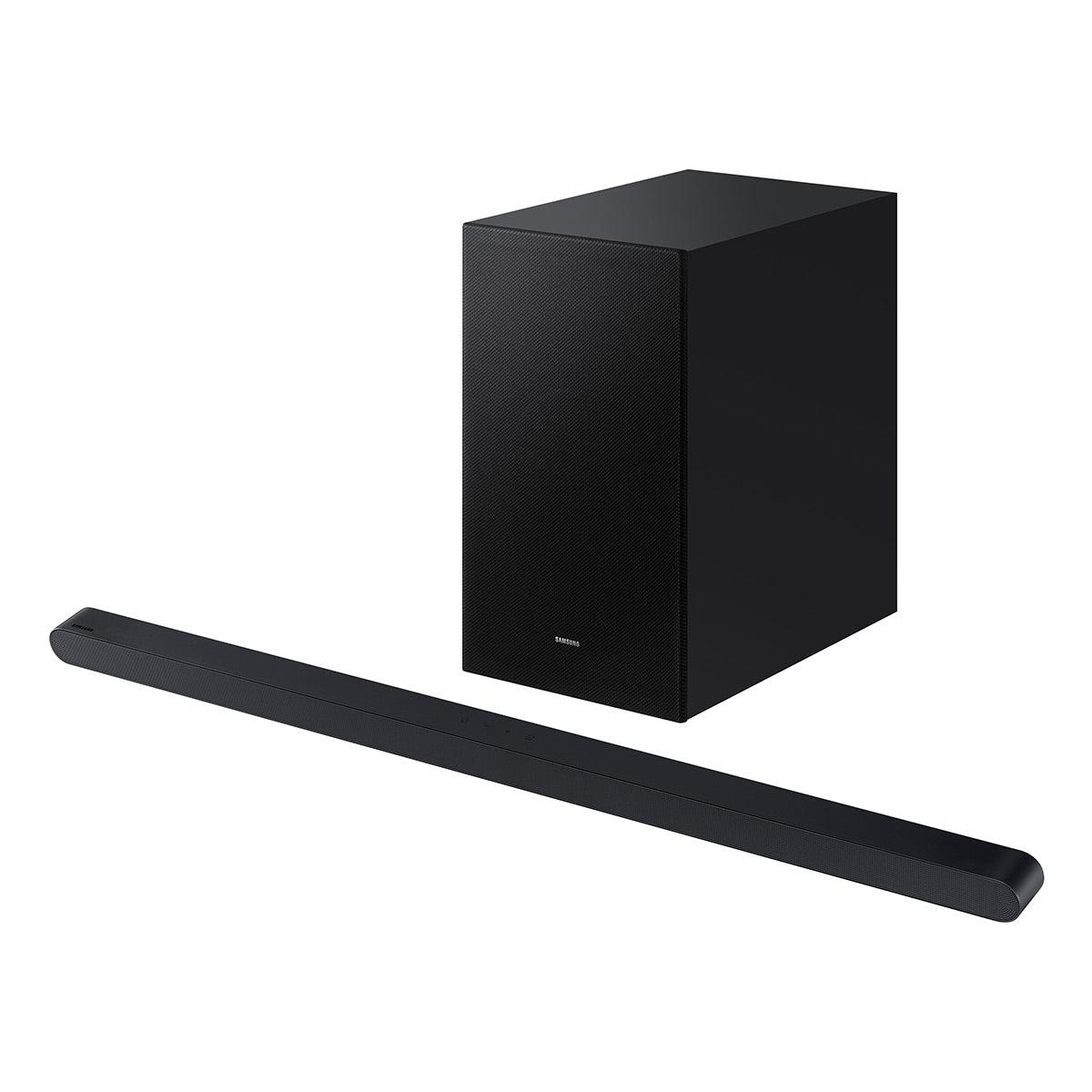
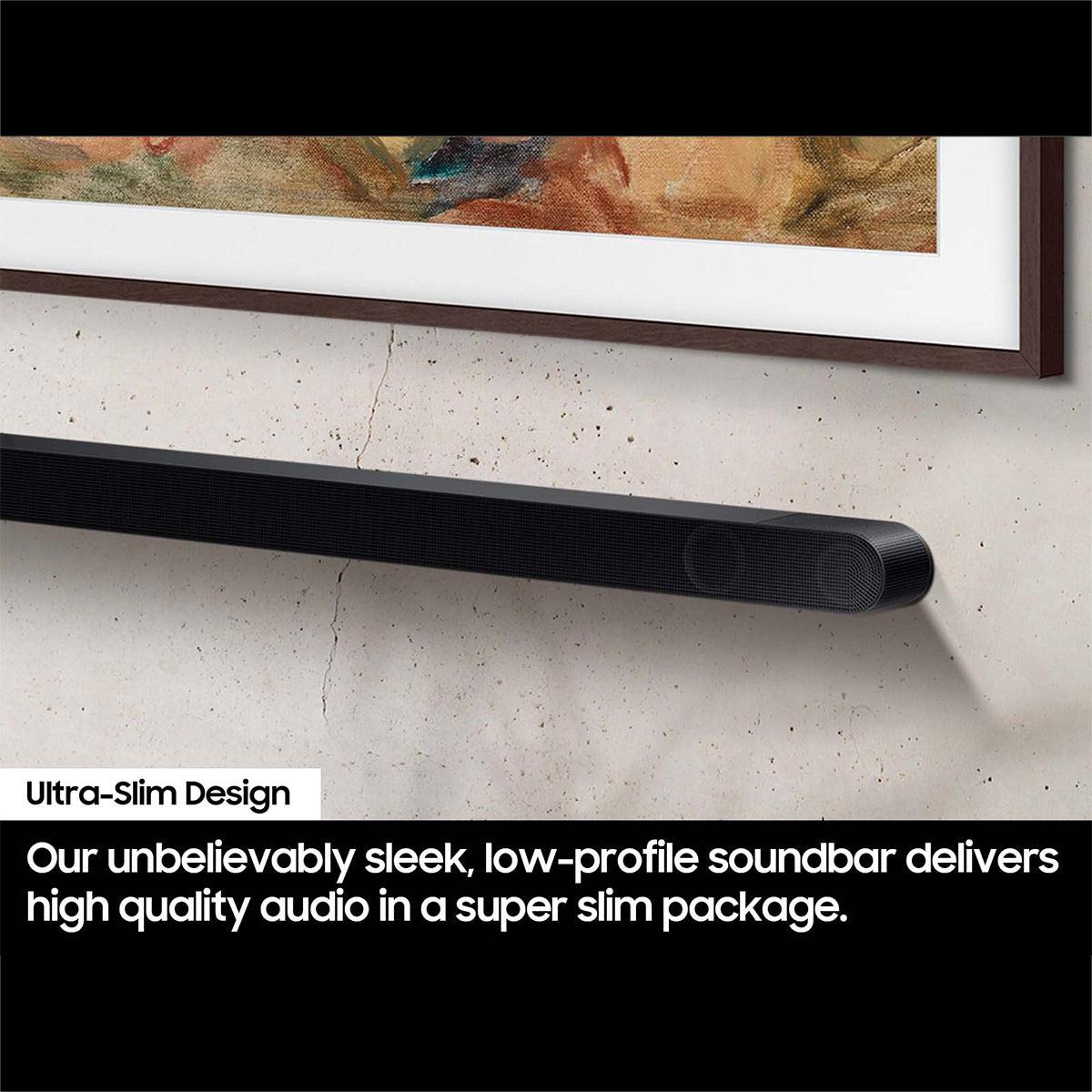
The Samsung HW-S700D launched in late 2023 as Samsung's answer to the "disappearing soundbar" trend. At just 1.4 inches tall, it's designed to slide under wall-mounted TVs without blocking any sensors or looking bulky. It's a 3.1.2-channel system, meaning it has left, center, and right speakers, plus a wireless subwoofer and virtualized height effects.
Samsung's approach here is all about refinement and integration. Instead of cramming your room full of speakers, they're using advanced digital processing to create the illusion of surround sound from a single bar. Their Q-Symphony technology is particularly clever—it actually uses your Samsung TV's built-in speakers alongside the soundbar, creating a larger virtual soundstage without additional hardware.
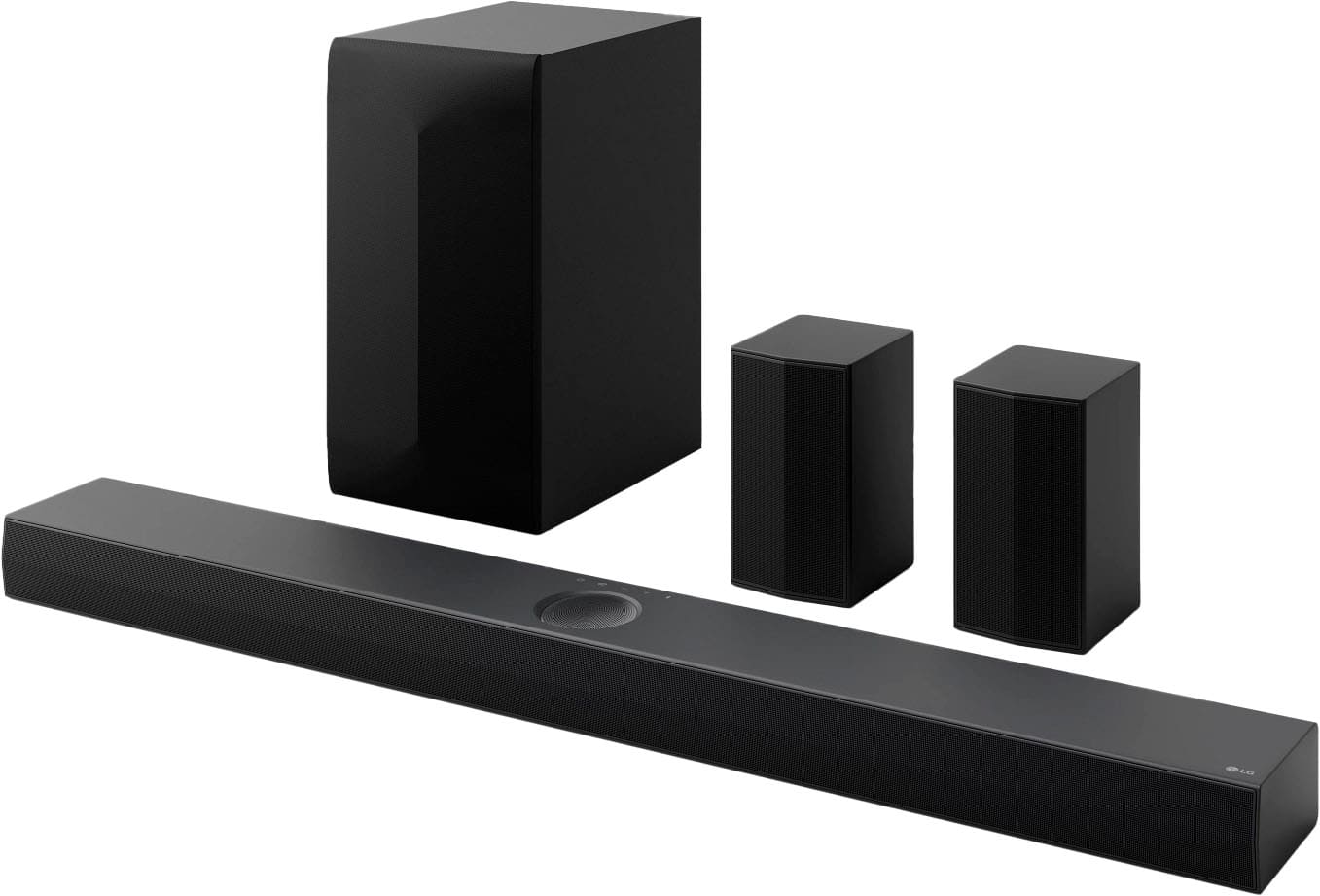
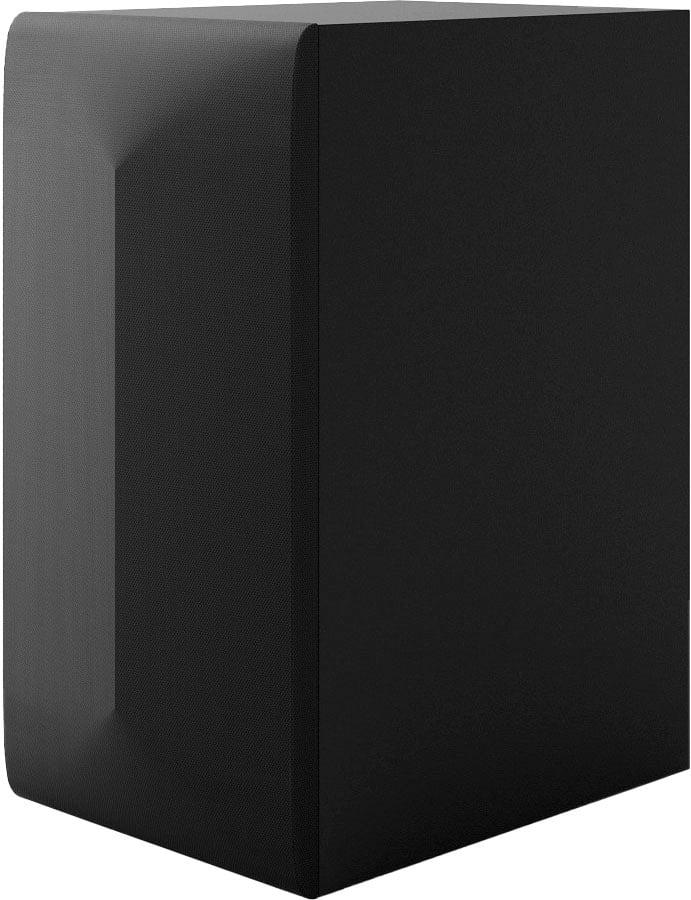
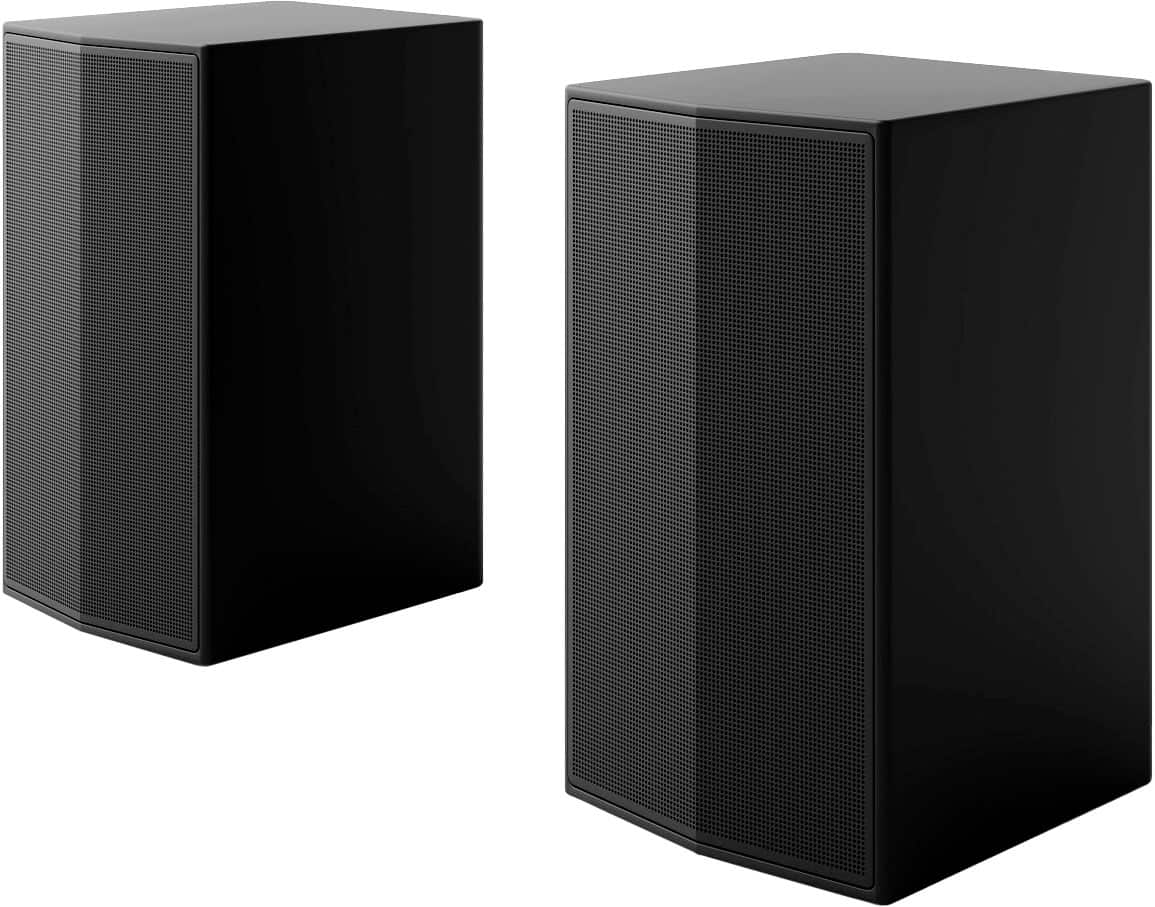
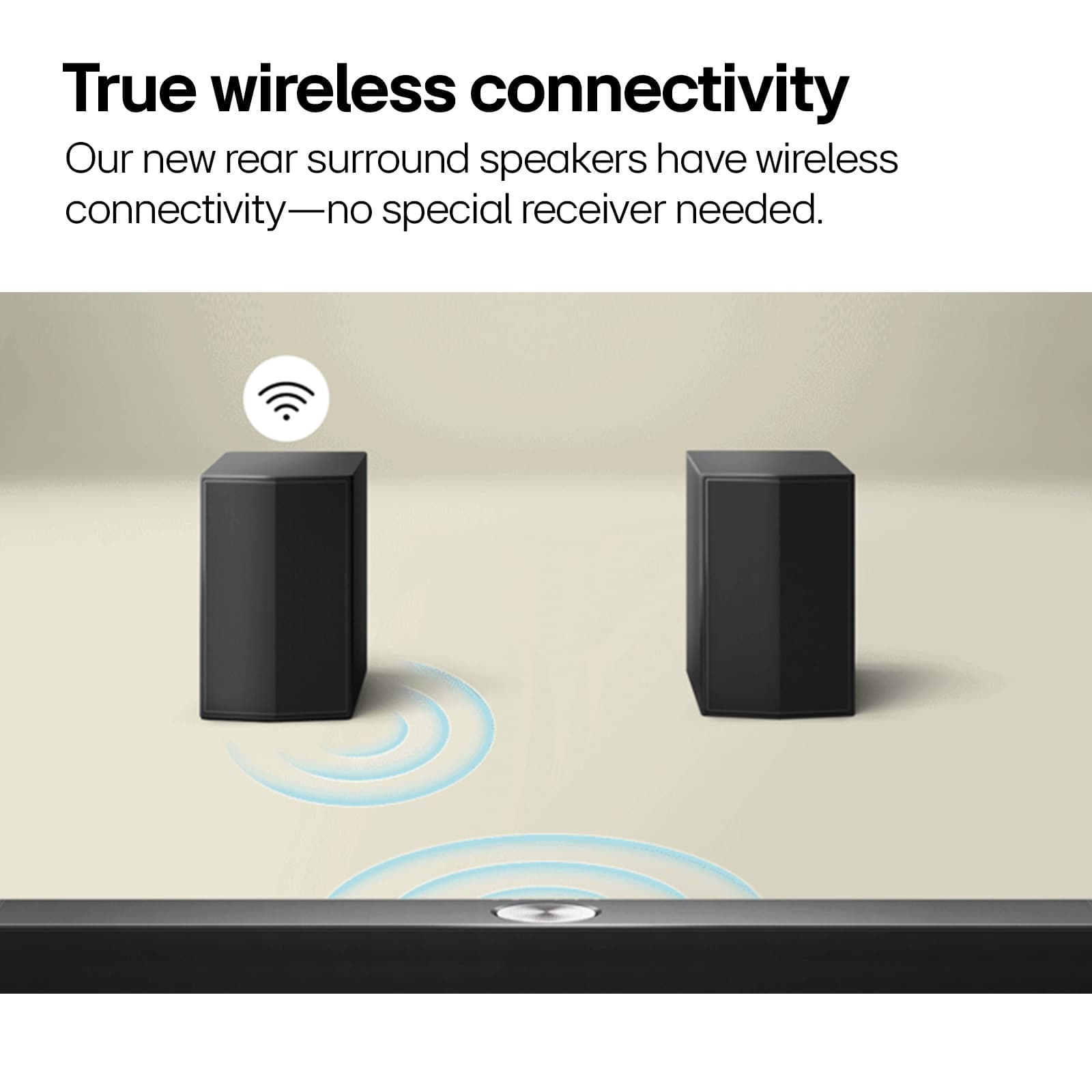
The LG S70TR, released in October 2024, takes the opposite approach. This 5.1.1-channel system includes physical wireless rear speakers that you place behind your seating area, plus a substantial subwoofer. LG is betting that there's no substitute for actual speakers positioned around your room, and they're probably right from a pure audio perspective.
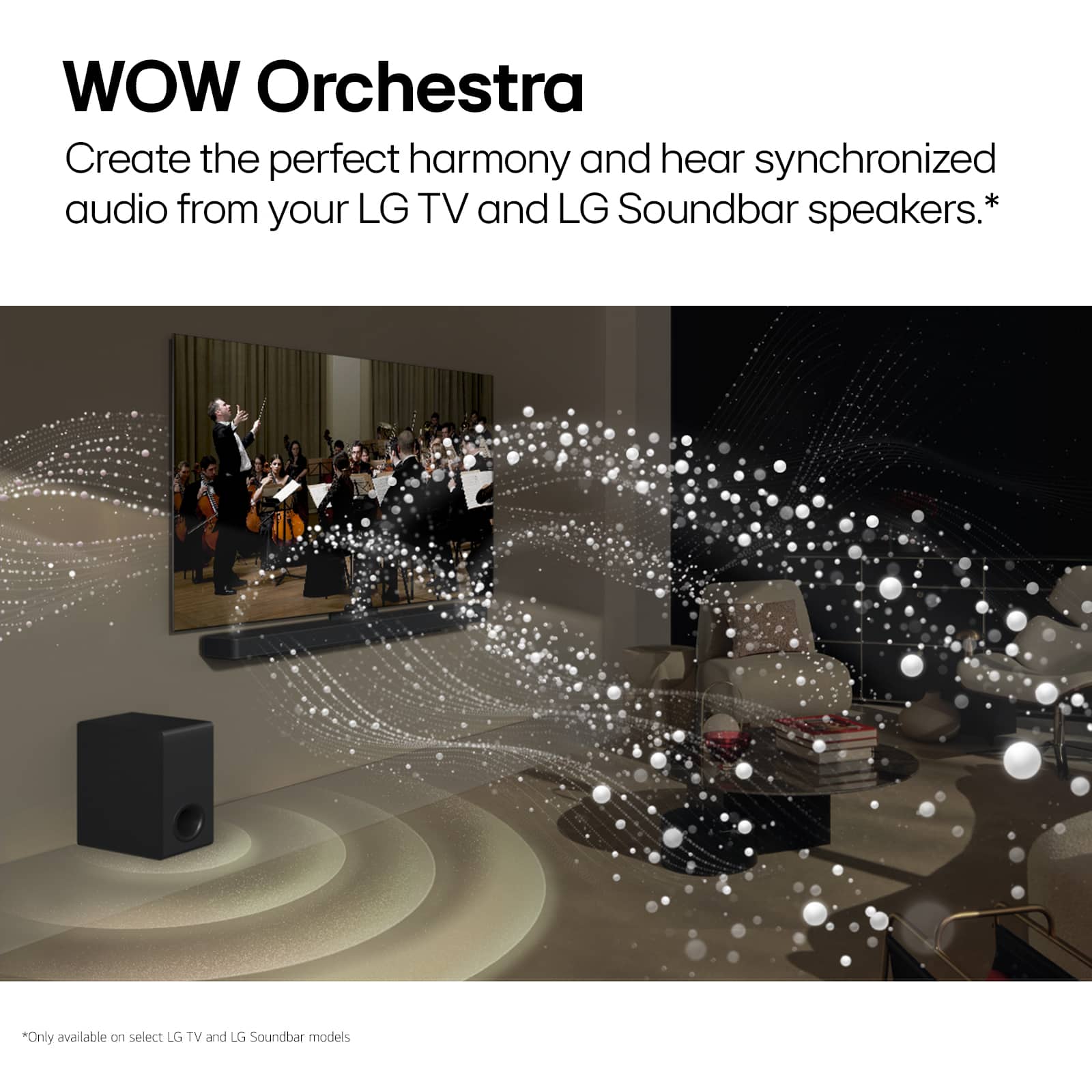
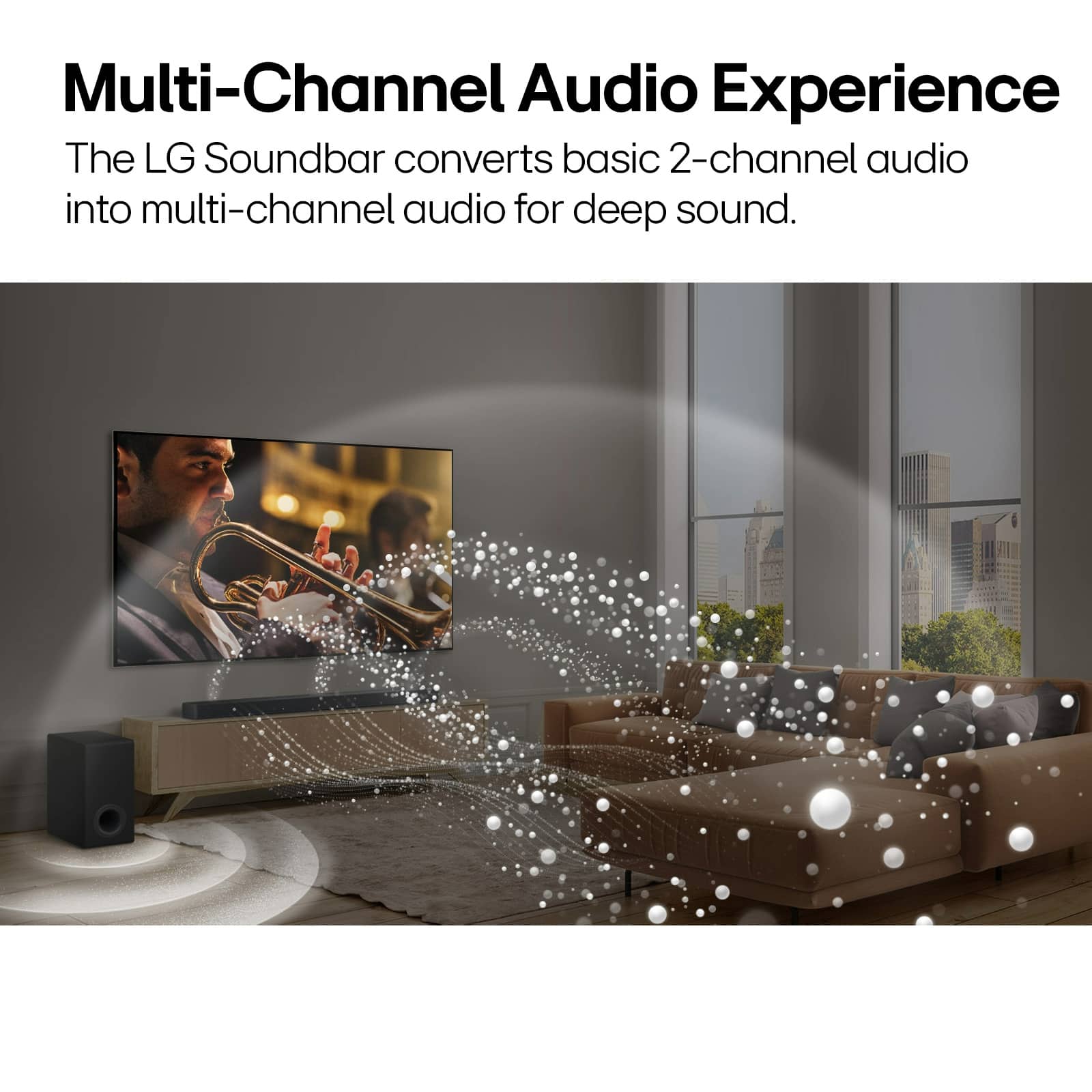
LG's WOW Orchestra feature works similarly to Samsung's Q-Symphony, but it's designed specifically for LG's QNED TVs. The newer release date means LG incorporated some lessons learned from earlier models, particularly around wireless connectivity and setup simplicity.
This is where these two soundbars diverge most dramatically. The Samsung relies on what's called virtualized surround sound—using digital processing and carefully angled drivers to bounce sound off your walls and create the illusion that audio is coming from behind you. It's impressive technology, and in the right room with the right wall surfaces, it can work surprisingly well.
I've tested similar virtualization systems, and they work best when you're sitting in that sweet spot directly in front of the TV. Move too far to one side or have a room with lots of soft furnishings that absorb sound reflections, and the magic starts to fade. The Samsung's SpaceFit Sound Pro tries to compensate by using the soundbar's built-in microphone to analyze your room and adjust the audio accordingly—a feature that's genuinely helpful in optimizing performance for your specific space.
The LG takes a more traditional but effective route with actual wireless rear speakers. When you hear a helicopter flying overhead in a movie, those rear speakers can create genuine directional audio that moves around the room. There's no substitute for this kind of physical speaker placement when it comes to true surround immersion.
In my experience testing 5.1 systems versus virtualized alternatives, the physical speakers win every time for movies and gaming. But—and this is important—only if you can position them properly and don't mind the additional components cluttering your space.
Both soundbars excel here, but through different methods. The Samsung's Active Voice Amplifier (AVA) is genuinely impressive technology that automatically detects when dialogue is happening and adjusts the audio mix in real-time. During loud action sequences, it can boost the center channel volume so you don't lose track of what characters are saying.
What makes this particularly useful is the independent center channel volume control. I can't tell you how many times I've wished for this exact feature when watching movies late at night. You can boost dialogue without making explosions wake up the neighbors.
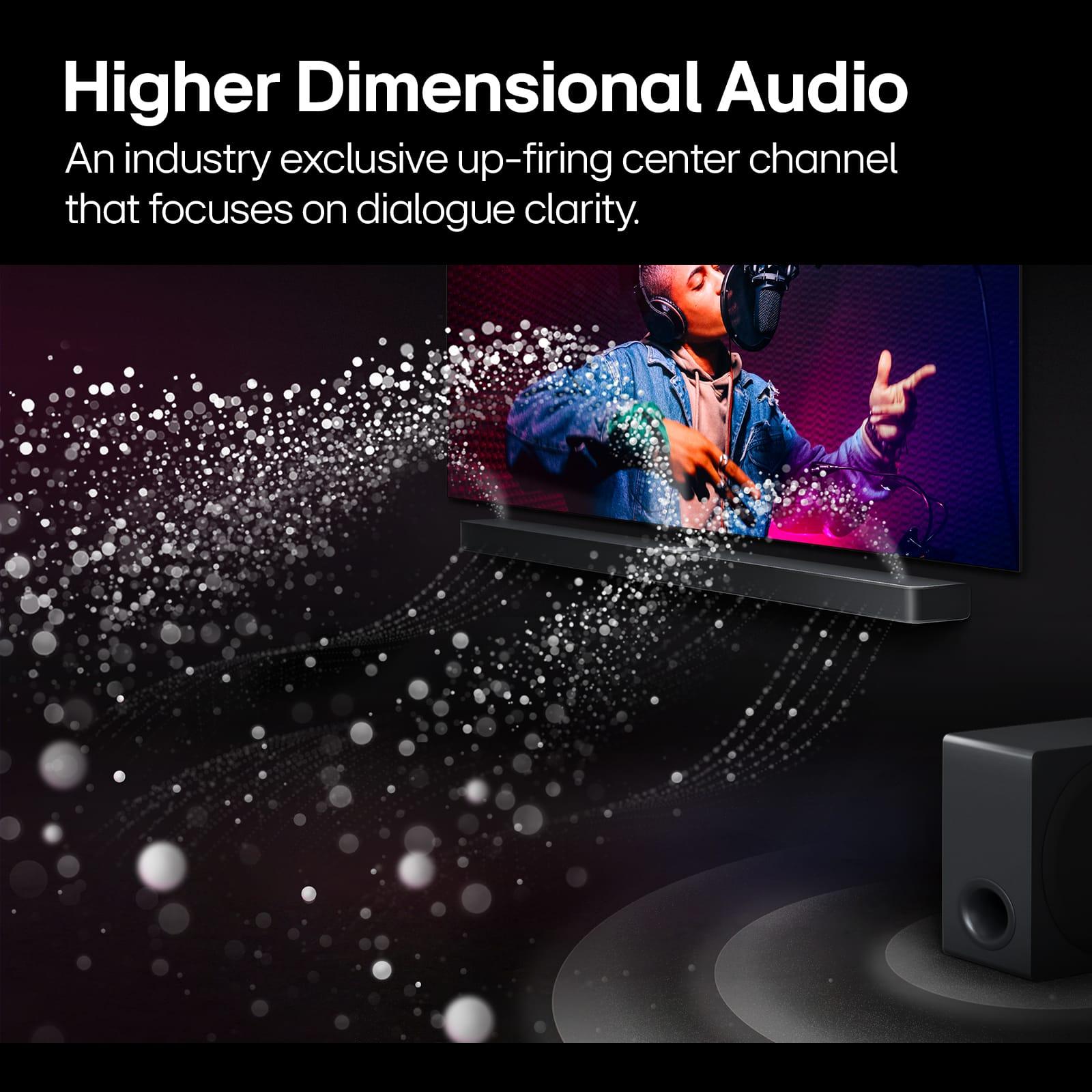
The LG's Clear Voice Plus takes a similar approach but requires more manual adjustment. It analyzes the audio signal and enhances speech frequencies, but it's not quite as automatic as Samsung's implementation. However, the LG's dedicated up-firing center channel can provide excellent dialogue clarity once properly configured.
For everyday TV watching, this difference matters more than you might think. The Samsung's set-it-and-forget-it approach to dialogue enhancement gives it a real advantage for most users.
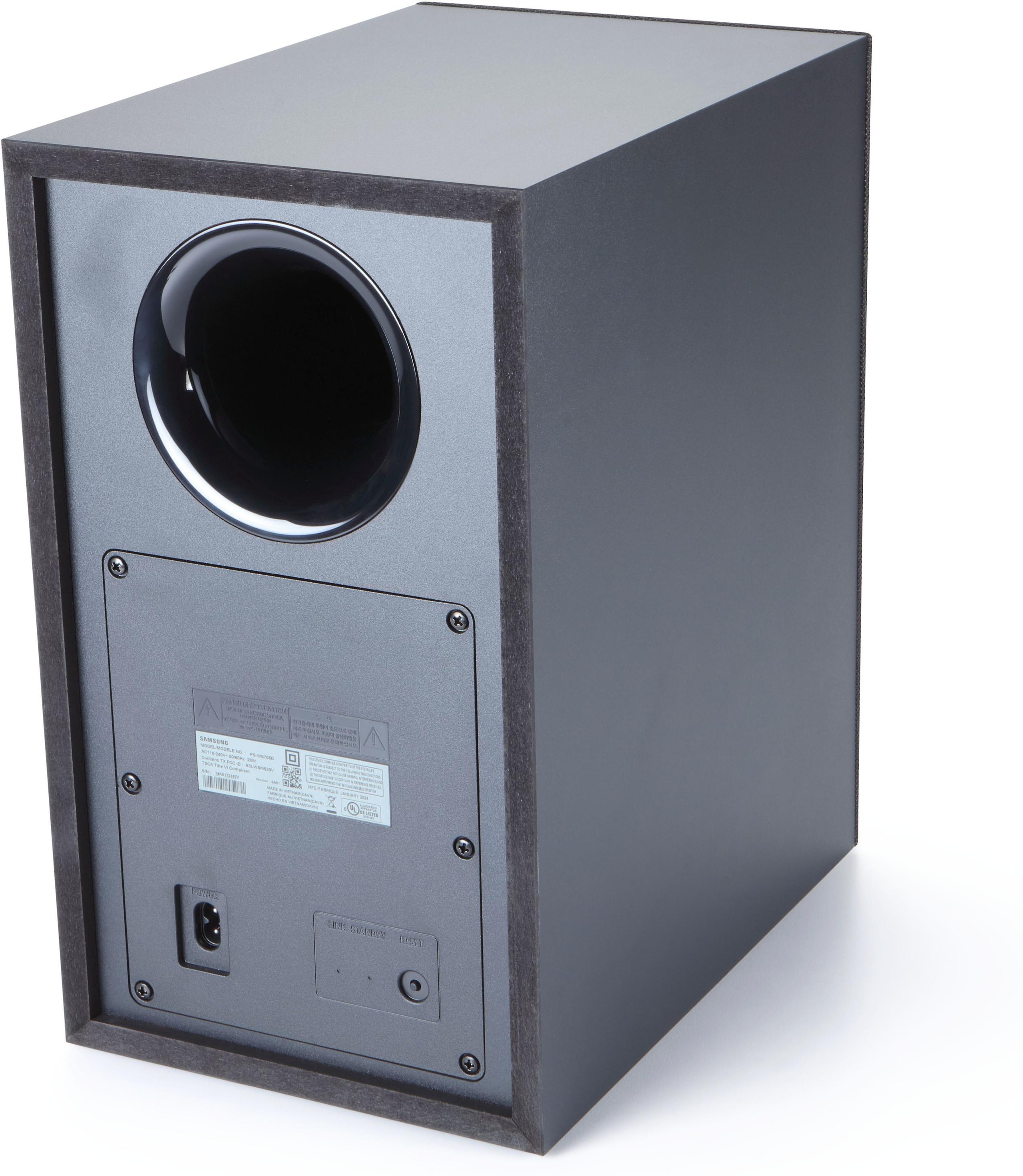
Here's where the LG's more substantial hardware pays dividends. The Samsung includes a 6-inch wireless subwoofer that's compact and unobtrusive—perfect for apartments or smaller rooms where space is at a premium. It provides adequate bass for most content, but it's clearly prioritizing size over raw output.
The LG's subwoofer is a different beast entirely. With a 7-inch front-firing driver and a 3-inch rear port, powered by 220 watts of dedicated amplification, it can shake the room when called upon. This makes a dramatic difference with movie soundtracks, particularly those bass-heavy action sequences that really benefit from low-frequency extension.
In practical terms, if you're in a small apartment, the Samsung's subwoofer is probably sufficient and won't annoy neighbors. If you have a larger living room or want that true home theater experience, the LG's more powerful bass response becomes a significant advantage.
Both soundbars include gaming-specific features, but they approach the challenge differently. The Samsung's Game Mode Pro focuses on directional audio processing, helping you pinpoint enemy locations in competitive games. Combined with its eARC support, it can handle audio from gaming consoles with minimal delay.
The LG goes further with Variable Refresh Rate (VRR) and Auto Low Latency Mode (ALLM) support up to 120Hz. This means smoother gameplay with compatible consoles like the PlayStation 5 or Xbox Series X. The physical rear speakers also provide genuine positional audio that can give you a competitive edge in games where audio cues matter.
For serious gamers, the LG's combination of low input lag and true surround positioning makes it the better choice. For casual gaming, both perform well enough that other factors become more important.
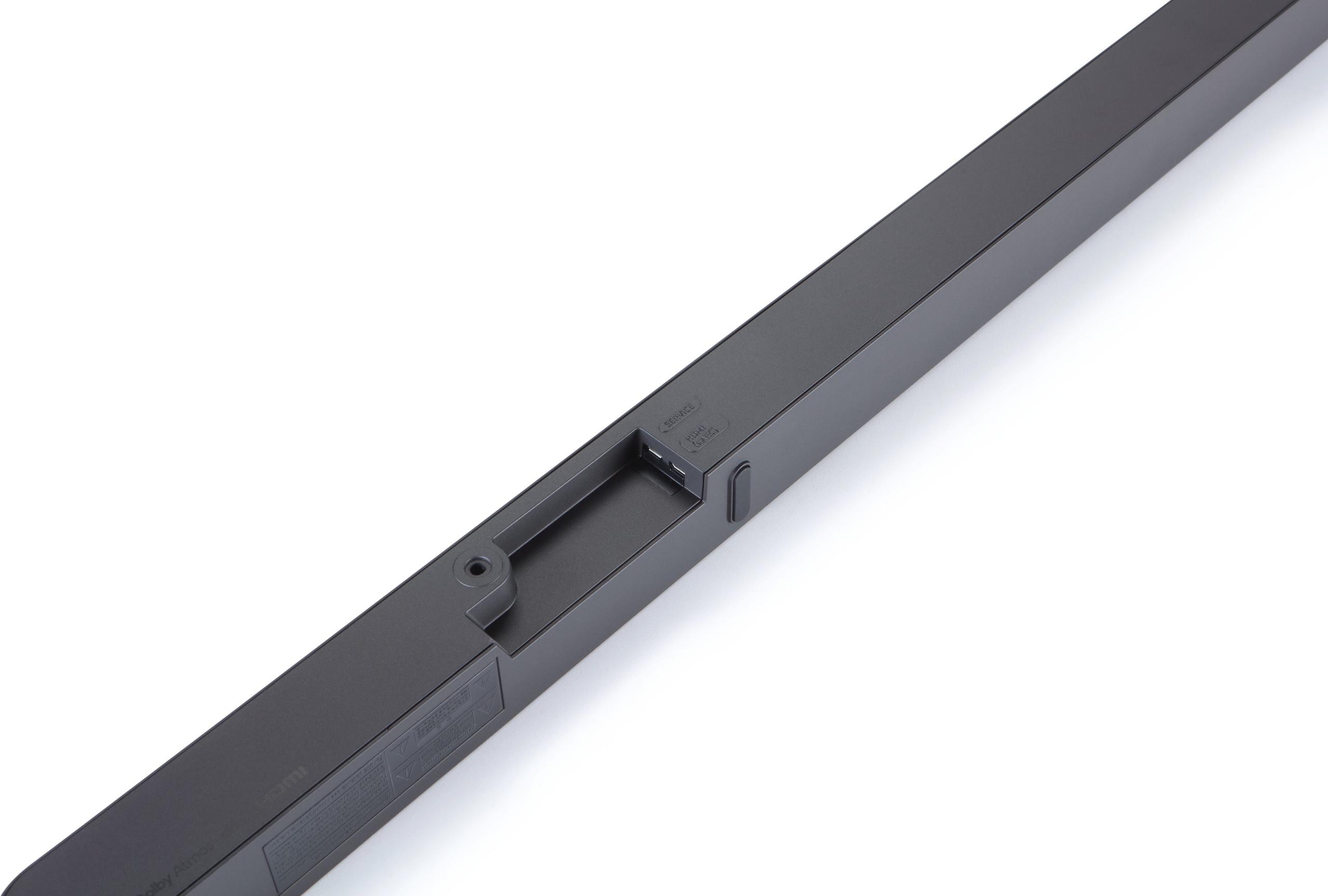
The Samsung's ultra-slim design isn't just about aesthetics—it solves real practical problems. Wall-mounted TVs often have limited clearance, and traditional soundbars can block IR sensors or look awkwardly proportioned. The Samsung's 1.4-inch height means it virtually disappears under most TVs.
Installation is genuinely simple: mount the soundbar, place the wireless subwoofer somewhere in the room, and you're done. The subwoofer pairs automatically, and if you have a Samsung TV, the One Remote functionality means you don't need to juggle multiple controllers.
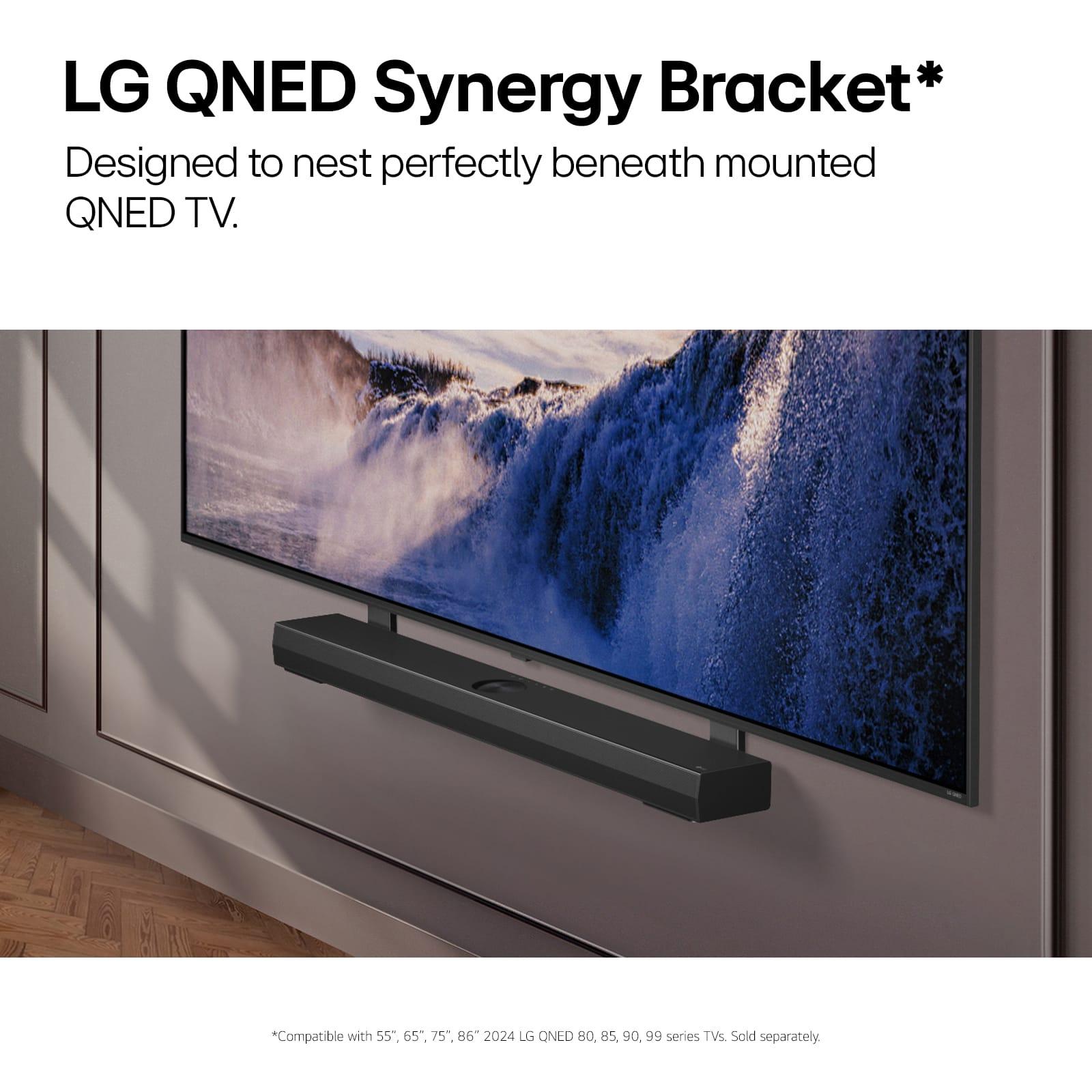
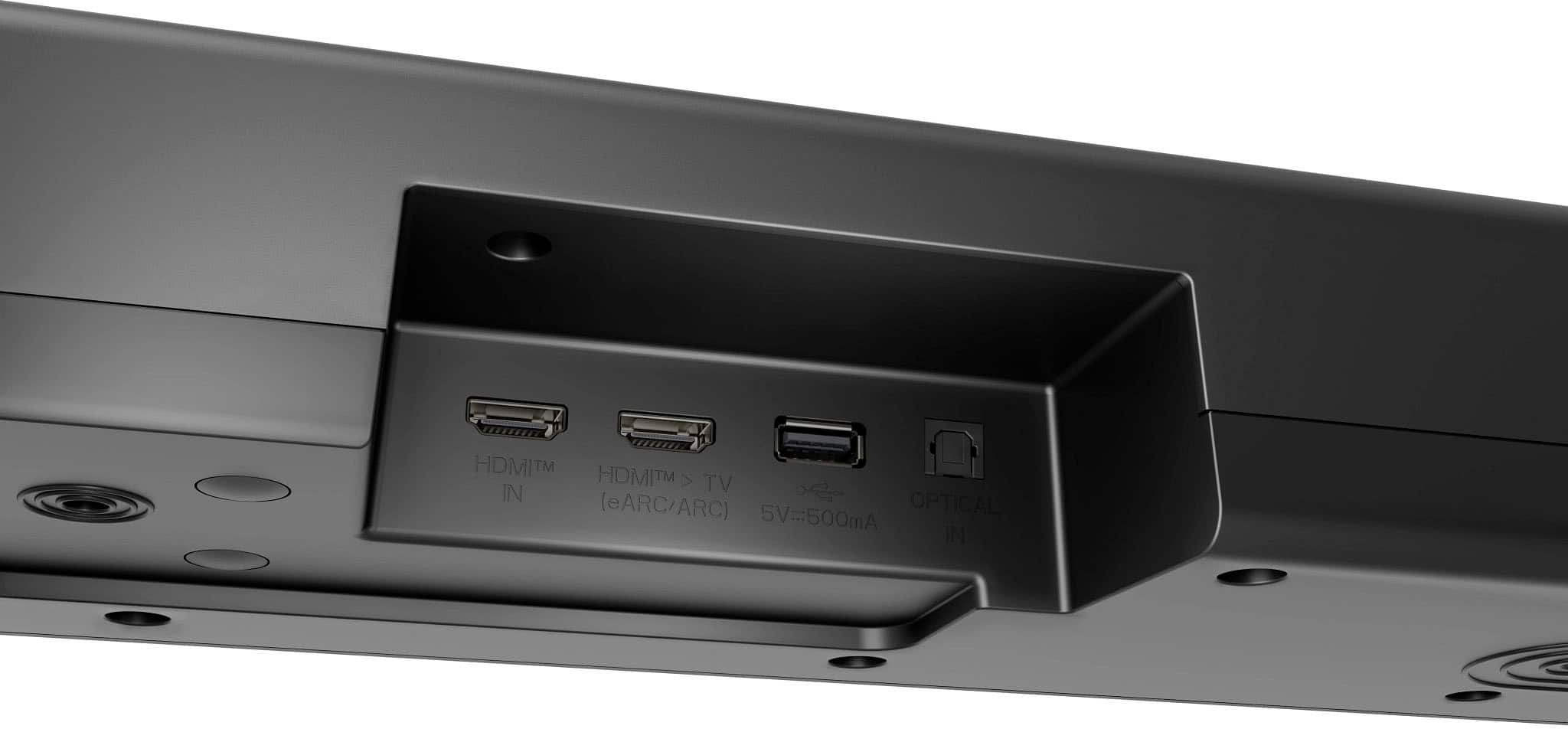
The LG requires more planning and patience. You need power outlets for the rear speakers, and finding the optimal placement takes experimentation. The soundbar itself is taller at 2.5 inches, which might block TV sensors if placed on a stand rather than wall-mounted.
However, once properly set up, the LG's four-component system creates a more enveloping audio environment. The rear speakers are truly wireless (except for power), so you don't need to run cables across your room.
Both soundbars represent significant improvements over their predecessors. The Samsung benefits from lessons learned with earlier Q-Symphony implementations—the integration with Samsung TVs is smoother, and the room correction algorithms are more sophisticated than previous generations.
The LG's October 2024 release date means it incorporates newer wireless technology and improved connectivity. The WOW Orchestra feature has been refined based on user feedback from earlier models, and the setup process is more streamlined than you might expect from a multi-component system.
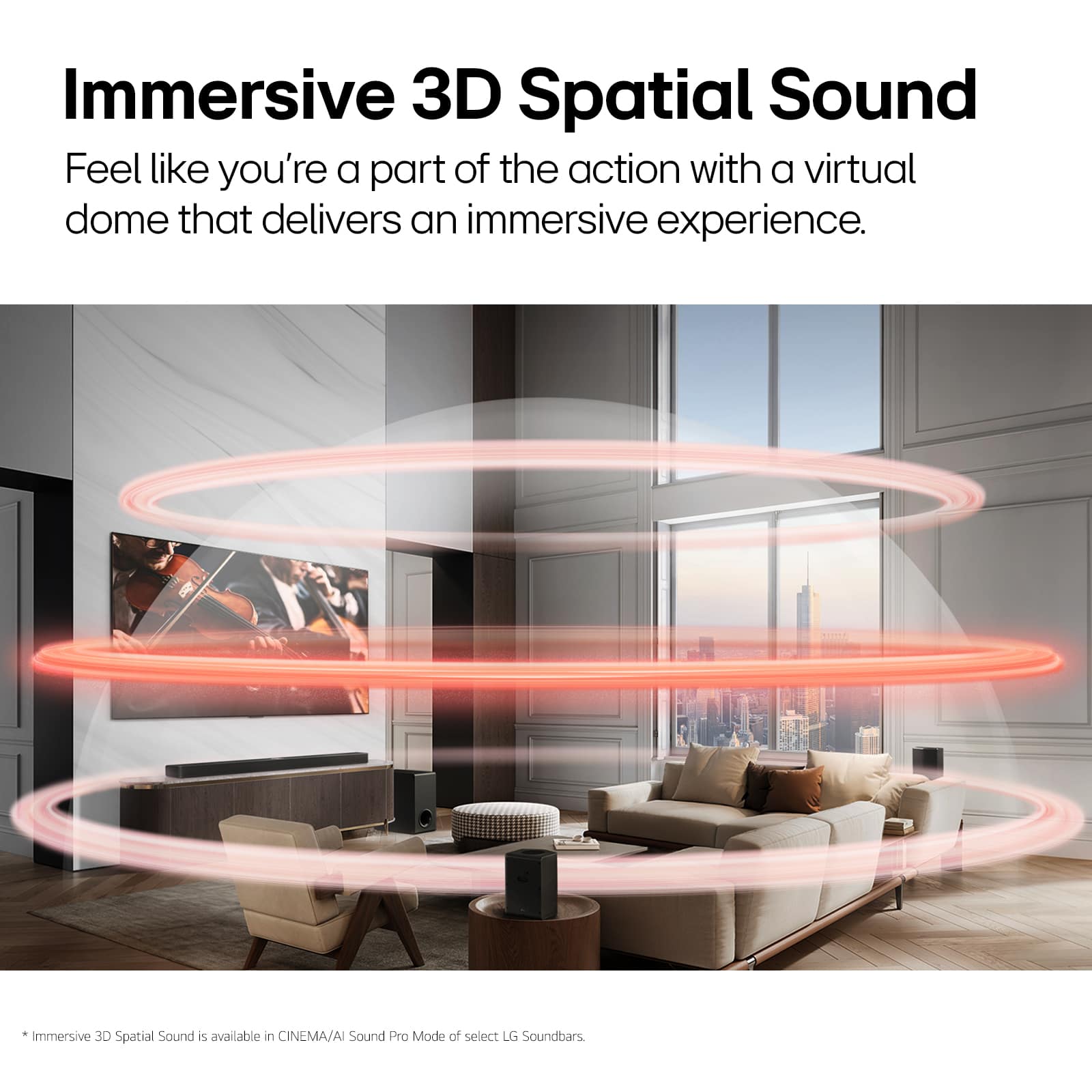
Both support modern audio formats including Dolby Atmos, though they implement it differently. The Samsung uses virtualization to create height effects, while the LG has dedicated up-firing drivers for more authentic overhead sound.
If you're setting up a dedicated home theater room, the differences between these soundbars become more pronounced. The LG S70TR is clearly designed with this use case in mind. The physical rear speakers, more powerful subwoofer, and higher total wattage (500W versus 320W) create a more cinema-like experience.
In a proper home theater setup, you can optimize speaker placement for the best possible surround effect. The wireless rear speakers give you flexibility in positioning without the cable management headaches of traditional surround systems.
The Samsung HW-S700D, while excellent for living room setups, is more limited in a dedicated theater environment. The virtualized surround works best in smaller, more controlled spaces where wall reflections can be predicted and optimized.
At $377.99 versus $399.99, we're talking about a $22 difference—not enough to be the deciding factor for most people. The real question is what you get for that extra money with the LG.
The Samsung gives you premium dialogue enhancement, seamless integration with Samsung TVs, and a virtually invisible installation. You're paying for convenience and sophisticated audio processing in a minimal package.
The LG delivers authentic surround sound, more powerful bass, and true 5.1.1 channel separation. You're paying for more hardware, more immersive audio, and the flexibility to create a genuine surround sound environment.
From a pure performance-per-dollar perspective, the LG offers more audio capability for the small price premium. But value isn't just about raw performance—it's also about how well the product fits your specific needs and space constraints.
After extensive consideration of both options, here's how I'd approach the decision:
Choose the Samsung HW-S700D if you value simplicity and have space constraints. It's perfect for wall-mounted TV setups where you want excellent audio without visual clutter. The dialogue enhancement alone makes it worthwhile for anyone who watches a lot of TV shows or movies with complex soundtracks. If you own a Samsung TV, the ecosystem integration adds significant convenience value.
Go with the LG S70TR if you want the most immersive audio experience possible under $400. The physical rear speakers create genuine surround effects that virtualization simply cannot match. It's the better choice for movie enthusiasts, gamers who value positional audio, and anyone with a larger room that can accommodate the additional components.
The bottom line? Both soundbars dramatically improve upon TV audio, but they're designed for different priorities. The Samsung prioritizes elegance and dialogue clarity, while the LG focuses on immersive surround sound. Your room size, aesthetic preferences, and audio priorities should drive your decision—but either choice will transform your TV watching experience in meaningful ways.
| Samsung HW-S700D ($377.99) | LG S70TR ($399.99) |
|---|---|
| Channel Configuration - Determines surround sound immersion level | |
| 3.1.2 channels (virtualized surround from single bar) | 5.1.1 channels (physical rear speakers for true surround) |
| Physical Design - Critical for wall-mounted TVs and room aesthetics | |
| Ultra-slim 1.4" height, fits under any TV without blocking sensors | 2.5" height, may block TV sensors when placed on stand |
| Surround Sound Approach - How you experience movie audio positioning | |
| Virtualized surround using room reflections and processing | Physical wireless rear speakers for authentic directional audio |
| Dialogue Enhancement - Essential for clear speech during loud scenes | |
| Active Voice Amplifier with automatic real-time adjustments | Clear Voice Plus requires more manual tuning |
| Bass Performance - Impact on movie soundtracks and music | |
| 6" wireless subwoofer, compact design prioritizes space efficiency | 7" subwoofer with 220W amplifier, significantly more powerful |
| Total System Power - Room-filling capability and maximum volume | |
| 320W total system power | 500W total system power |
| TV Integration - Seamless control and audio synchronization | |
| Q-Symphony with Samsung TVs, one-remote control | WOW Orchestra with LG TVs, unified control interface |
| Setup Complexity - Time and effort required for installation | |
| 2 components: soundbar + subwoofer, plug-and-play setup | 4 components: soundbar + subwoofer + 2 rear speakers, requires planning |
| Gaming Features - Low latency and positional audio for console gaming | |
| Game Mode Pro with directional sound tracking | VRR/ALLM up to 120Hz plus true surround positioning |
| Room Correction - Automatic optimization for your specific space | |
| SpaceFit Sound Pro with built-in microphone analysis | Manual placement optimization required |
| Best Use Case - Where each soundbar excels most | |
| Space-constrained setups prioritizing dialogue and aesthetics | Dedicated home theaters wanting maximum immersion |
The Samsung HW-S700D ($377.99) is better for small apartments due to its ultra-slim design and compact wireless subwoofer. It takes up minimal space while still providing excellent dialogue clarity and adequate bass for smaller rooms.
While the Samsung HW-S700D creates impressive virtualized surround sound, the LG S70TR ($399.99) with physical rear speakers delivers authentic directional audio that's noticeably more immersive, especially for movies and gaming.
The Samsung HW-S700D excels in dialogue clarity with its Active Voice Amplifier that automatically adjusts speech levels during loud scenes. You can also independently control the center channel volume for optimal voice clarity.
The Samsung HW-S700D is 3.1 (left, center, right speakers plus subwoofer) while the LG S70TR is 5.1.1 (adds physical rear speakers and height channel). More channels mean better surround immersion but require more space and setup.
The Samsung HW-S700D is much easier to install with just two components and automatic wireless pairing. The LG S70TR requires positioning four separate components and finding power outlets for the rear speakers.
Both excel for gaming, but the LG S70TR has an advantage with VRR/ALLM support up to 120Hz and true positional audio from rear speakers. The Samsung HW-S700D offers Game Mode Pro with good directional processing.
The LG S70TR delivers significantly more powerful bass with its 7-inch subwoofer and 220W dedicated amplifier compared to the Samsung HW-S700D's 6-inch compact subwoofer designed for space efficiency.
The Samsung HW-S700D at 1.4 inches tall fits under virtually any wall-mounted TV without blocking sensors. The LG S70TR at 2.5 inches tall may block IR sensors on some TV models when wall-mounted.
The LG S70TR ($399.99) offers better value with true 5.1.1 surround, physical rear speakers, and 500W total power for just $22 more than the Samsung HW-S700D ($377.99). However, the Samsung provides excellent value for space-constrained setups.
The Samsung HW-S700D works best with Samsung TVs for Q-Symphony integration and one-remote control. The LG S70TR is optimized for LG TVs with WOW Orchestra. Both work with any TV brand but lose some advanced features.
The LG S70TR is superior for home theaters with its physical rear speakers, more powerful 500W output, and authentic surround positioning. The Samsung HW-S700D works better in living rooms where space and aesthetics matter more.
Choose the Samsung HW-S700D for ultra-slim design, superior dialogue enhancement, and minimal setup complexity. Choose the LG S70TR for true surround immersion, more powerful bass, and the most complete audio experience under $400.
We've done our best to create useful and informative comparisons to help you decide what product to buy. Our research uses advanced automated methods to create this comparison and perfection is not possible - please contact us for corrections or questions. These are the sites we've researched in the creation of this article: crutchfield.com - samsung.com - bestbuy.com - avsforum.com - walts.com - samsung.com - samsung.com - videoandaudiocenter.com - samsung.com - samsung.com - samsung.com - pcrichard.com - bestbuy.com - mynavyexchange.com - rixaudiovideoappliance.com - rtings.com - youtube.com - bestbuy.com - howards.siteontimedev.com - bestbuy.com - appliancestogousa.us

Privacy Policy
Terms and Conditions - Affiliate Policy
Home Security
© Copyright 2008-2026.
11816 Inwood Rd #1211, Dallas, TX 75244