

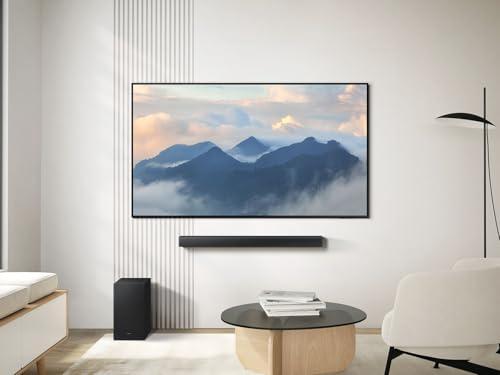
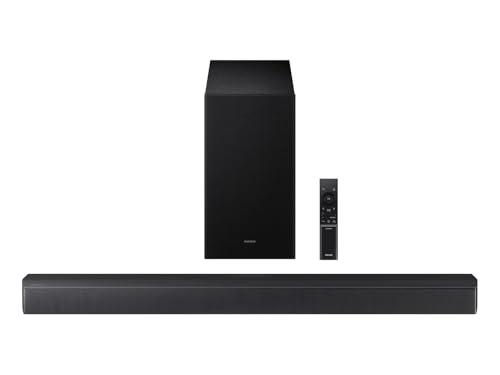




If you've ever tried to follow dialogue in an action movie while your TV speakers struggle against explosions and music, you understand why soundbars exist. These sleek audio systems transform weak TV audio into something that actually enhances your viewing experience. But choosing between different soundbar tiers can feel overwhelming, especially when you're comparing Samsung's budget-friendly HW-B630F against their more premium HW-Q800D.
At the time of writing, these two soundbars sit in different price brackets—the HW-B630F typically costs around half as much as the HW-Q800D. The question isn't just whether the more expensive option sounds better (it does), but whether those improvements justify the significant price difference for your specific needs and viewing habits.
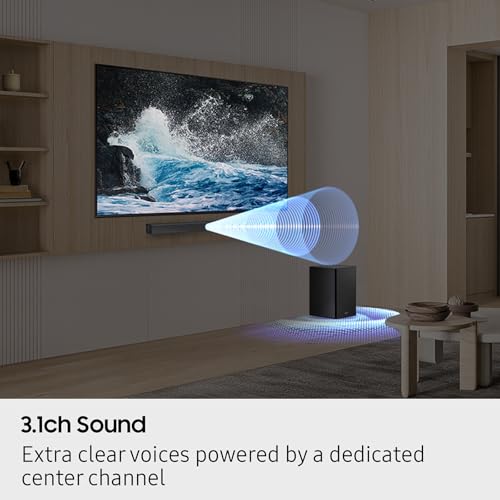
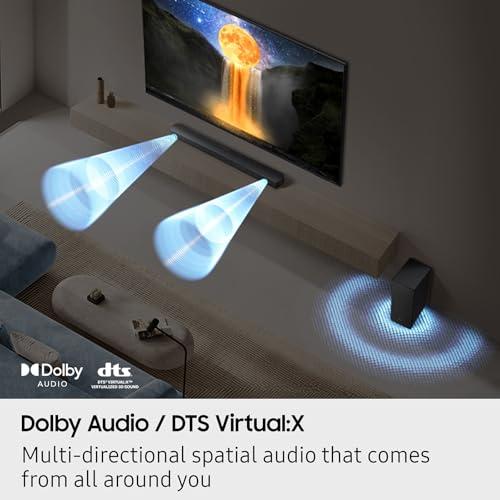
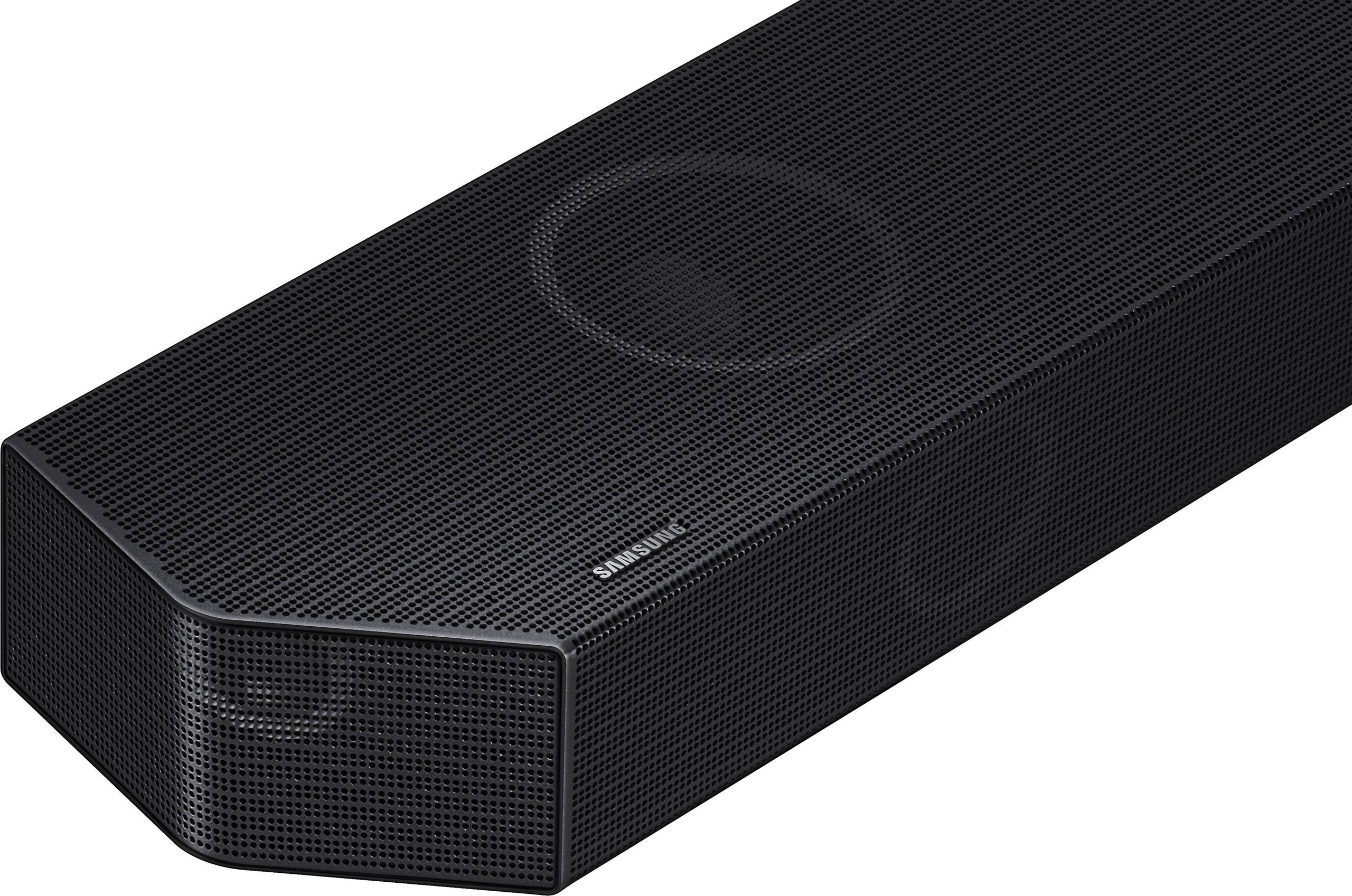
Before diving into specifics, let's clarify what these channel configurations actually mean. When you see "3.1 channel" on the HW-B630F, that breaks down to three front-facing speakers (left, center, right) plus one subwoofer (the ".1" indicates the dedicated bass channel). The HW-Q800D's "5.1.2 channel" configuration includes those same front speakers and subwoofer, but adds two side-firing speakers for surround effects and two up-firing speakers that bounce sound off your ceiling to create height effects.
This difference in speaker arrangement fundamentally changes how these soundbars reproduce audio. Virtual surround processing—what the HW-B630F uses—relies on clever digital signal processing to trick your brain into hearing sounds from directions where no speakers actually exist. True surround sound, like what the HW-Q800D delivers, uses physical speakers positioned to create genuine directional audio.
The technology has evolved significantly since these models launched. The HW-B630F represents Samsung's 2025 B-Series entry-level approach, while the HW-Q800D came out in 2024 as part of their mid-range Q-Series lineup. Samsung has continued refining their room correction algorithms and Atmos processing, making even year-old models like the Q800D feel current with firmware updates.
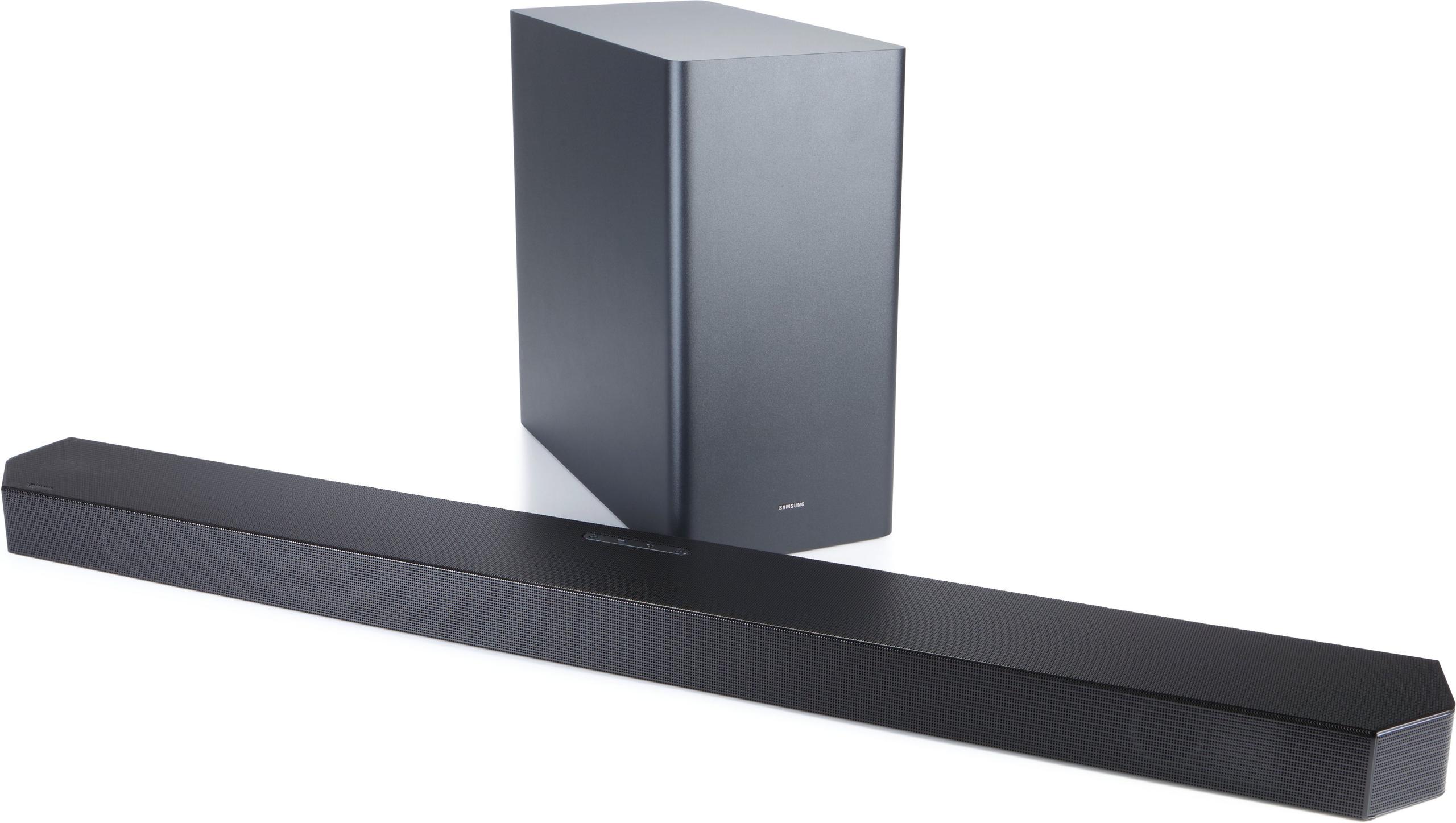
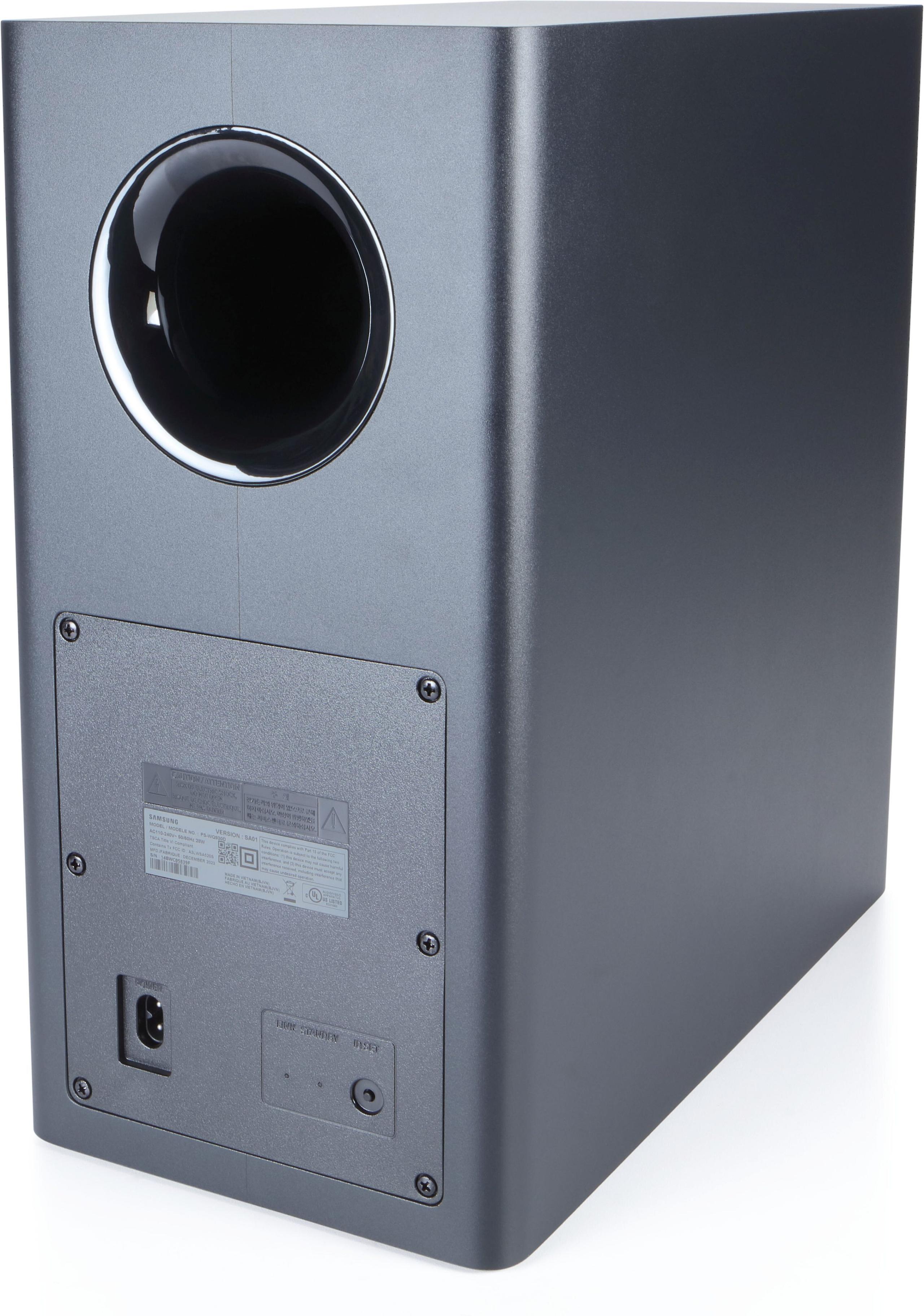
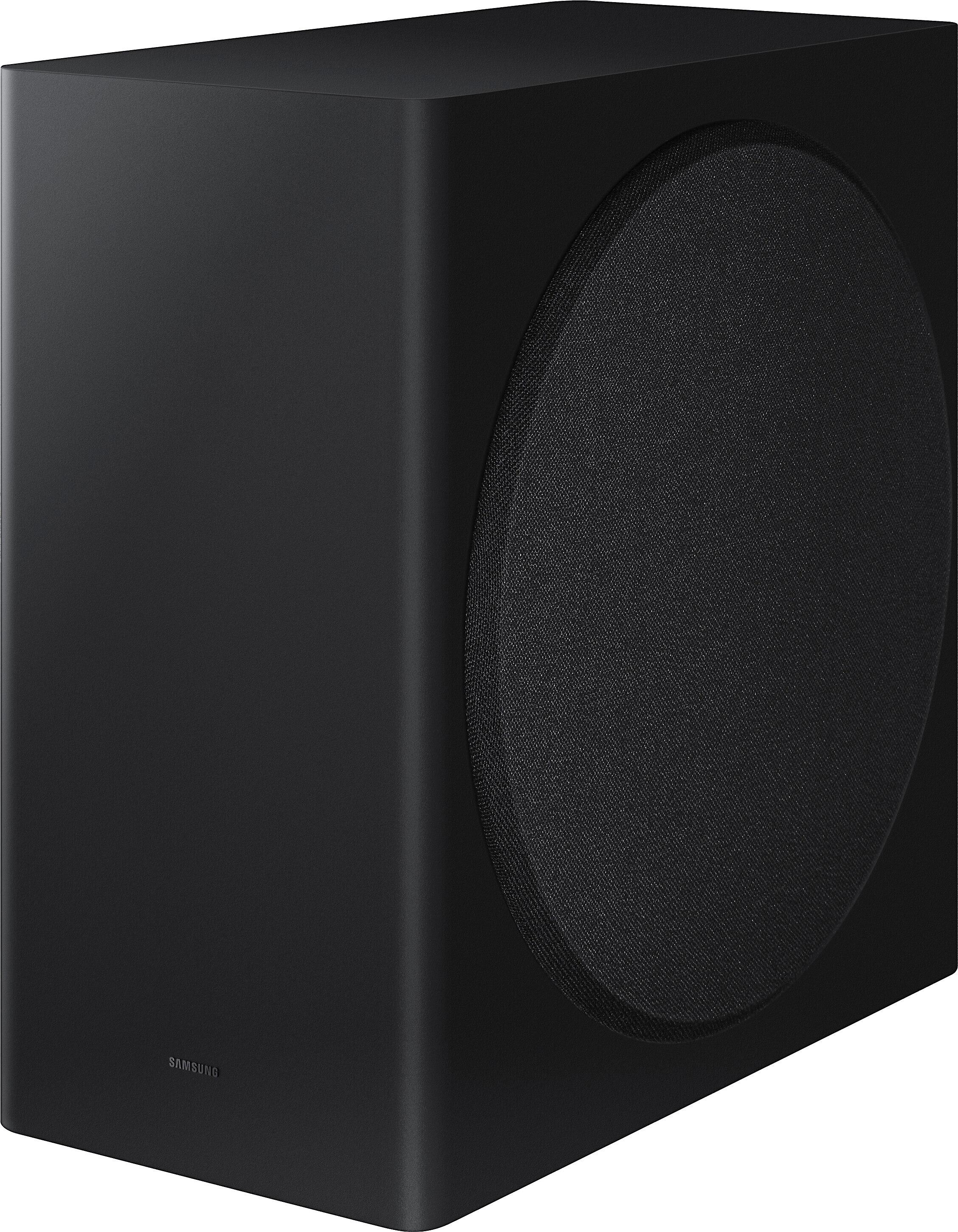
The most significant difference between these soundbars lies in their fundamental approach to creating immersive audio. The HW-B630F takes a minimalist approach with four total drivers—three in the main bar handling left, center, and right channels, plus a 6.5-inch wireless subwoofer for bass frequencies below about 200Hz.
This setup works well for its intended purpose. The dedicated center channel ensures dialogue stays anchored to the screen rather than floating somewhere between the left and right speakers, which happens with basic 2.0 or 2.1 soundbars. The wireless subwoofer adds the impact that modern movie soundtracks demand, delivering the rumble of explosions and the thump of hip-hop beats that thin TV speakers simply cannot reproduce.
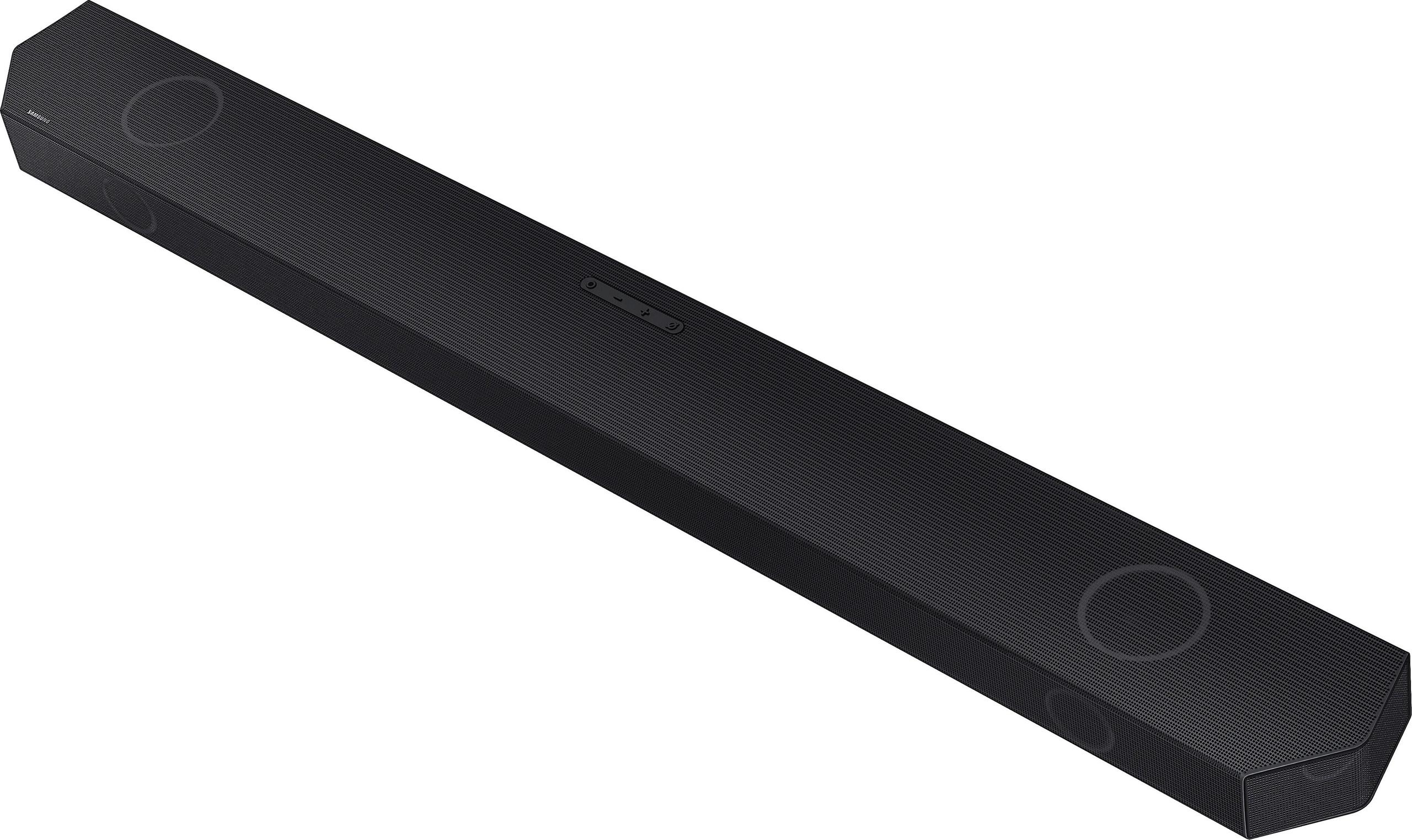
The HW-Q800D takes a dramatically different approach with ten total drivers spread across multiple speaker arrays. Beyond the basic left-center-right configuration, it includes side-firing speakers that create genuine surround effects and up-firing speakers designed specifically for Dolby Atmos content. The larger 8-inch subwoofer extends deeper into bass frequencies, reaching down to about 35Hz compared to the B630F's 55Hz limit.
These frequency numbers matter more than they might initially seem. That extra bass extension means you'll feel the low-frequency rumble in movie soundtracks that adds visceral impact to action scenes. The difference between 55Hz and 35Hz represents nearly a full octave of additional bass response—like adding an extra set of piano keys at the bottom end.
Here's where the performance gap becomes most apparent. Both soundbars support advanced audio formats, but they handle them in fundamentally different ways. The HW-B630F processes Dolby Digital and DTS content through its DTS Virtual:X engine, which analyzes the audio signal and uses psychoacoustic tricks to simulate surround and height effects from its front-facing speakers.
Virtual surround processing has improved dramatically over the past few years, and Samsung's implementation performs admirably for its price point. During quieter scenes with subtle environmental effects—like rain or distant traffic—the processing creates a convincing sense of space that extends beyond the soundbar's physical dimensions. However, during complex action sequences with multiple simultaneous effects, the virtual processing can sound artificial or congested.
The HW-Q800D handles the same audio formats with dedicated physical speakers positioned to create genuine three-dimensional soundfields. When a helicopter flies overhead in an Atmos-encoded movie, the up-firing speakers actually bounce sound off your ceiling to create the perception of movement above your head. Side-firing speakers handle ambient effects and rear-channel information with spatial precision that virtual processing cannot match.
This difference becomes particularly noticeable with modern streaming content. Netflix, Disney+, Apple TV+, and other services increasingly offer Atmos soundtracks that take advantage of object-based audio—where sound engineers can place individual audio elements anywhere in three-dimensional space. The HW-Q800D can decode and reproduce these object-based soundtracks as intended, while the HW-B630F must downmix them to its simpler channel configuration.
Modern soundbars need to work well in real-world living rooms, not ideal acoustic environments. This is where Samsung's SpaceFit Sound Pro technology gives the HW-Q800D a significant advantage. Using built-in microphones, this system analyzes your room's acoustic characteristics—ceiling height, wall materials, furniture placement—and automatically adjusts the sound processing to compensate for acoustic problems.
In practice, this means the Q800D sounds consistently good whether you place it in a small, carpeted bedroom or a large living room with hardwood floors and high ceilings. The system can detect acoustic reflections and resonances that color the sound, then apply corrective processing to maintain balanced frequency response and proper soundstage imaging.
The HW-B630F lacks this automatic room correction, relying instead on manual adjustment and your ability to position the soundbar and subwoofer optimally. While this isn't necessarily problematic in smaller or more acoustically friendly rooms, it can lead to inconsistent performance depending on your specific setup.
Both soundbars include dedicated gaming modes, but the HW-Q800D's Game Mode Pro offers advantages that competitive gamers will appreciate. Beyond reducing audio latency—the delay between on-screen action and corresponding sound—it emphasizes directional audio cues that help locate enemies or important game elements through sound alone.
The multiple speaker arrays in the Q800D create more precise spatial imaging, making it easier to distinguish whether footsteps are approaching from the left or right, or whether that gunfire is coming from in front or behind your character. For single-player games, this enhances immersion. For competitive multiplayer games, it can provide a genuine tactical advantage.
The HW-B630F's gaming features focus more on overall audio clarity and reduced latency rather than spatial precision. It performs well for casual gaming and single-player experiences where dramatic effect is more important than pinpoint audio positioning.
While soundbars are primarily designed for TV and movie audio, many people also use them for music streaming via Bluetooth or other wireless connections. The HW-Q800D excels in this area with its wider frequency response and more sophisticated driver arrangement.
The seven-band graphic equalizer allows precise tuning for different music genres or personal preferences, while the larger subwoofer and extended frequency range deliver satisfying bass response for everything from classical orchestral pieces to electronic dance music. The wider soundstage created by the multiple speaker arrays makes stereo music sound more spacious and engaging.
The HW-B630F handles music playback competently but without the refinement of its more expensive sibling. The smaller subwoofer and limited frequency range mean some music will lack the deep bass extension or high-frequency detail that audiophiles prefer, though it remains perfectly adequate for casual listening.
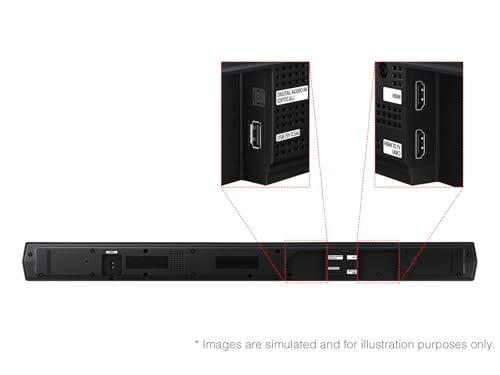
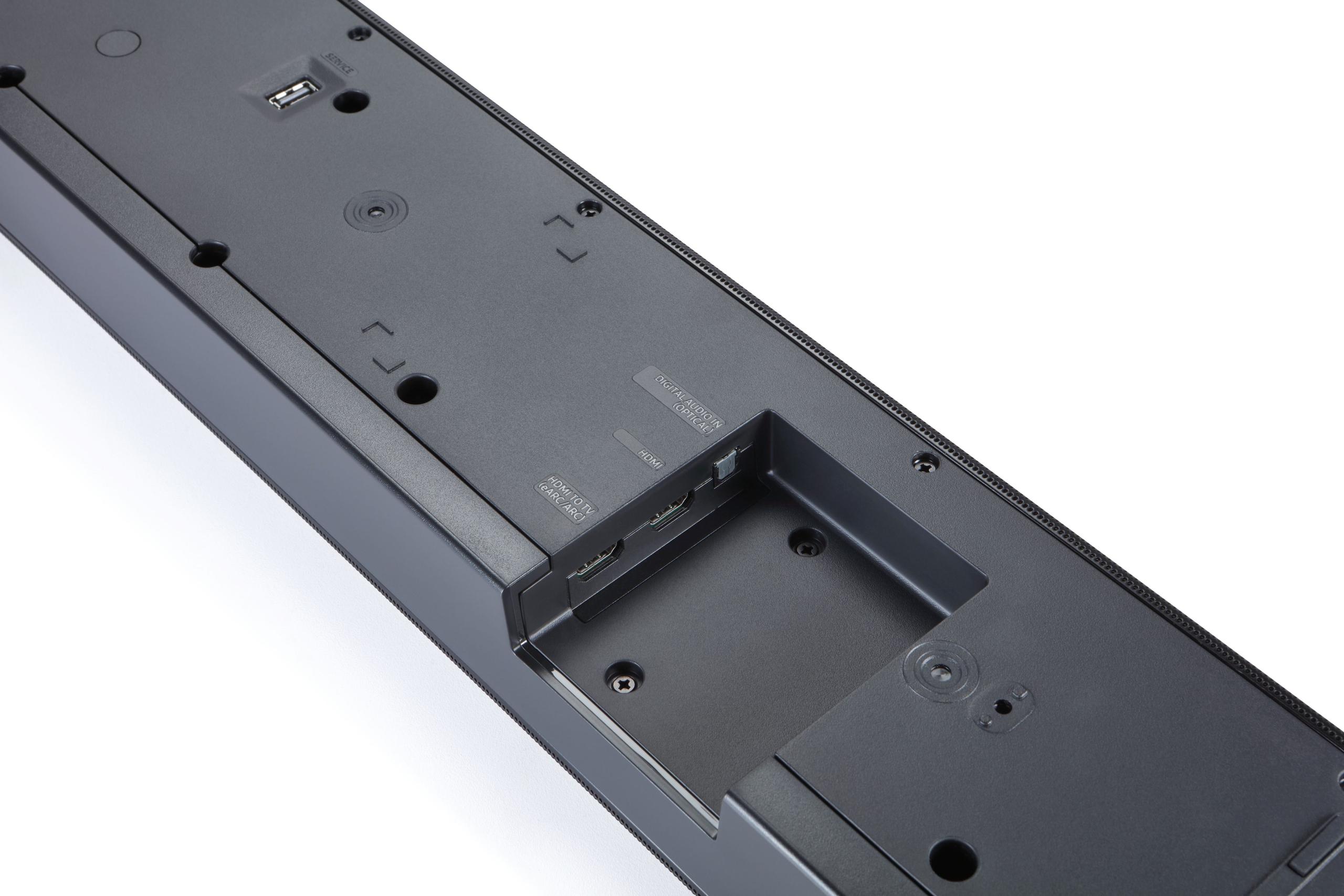
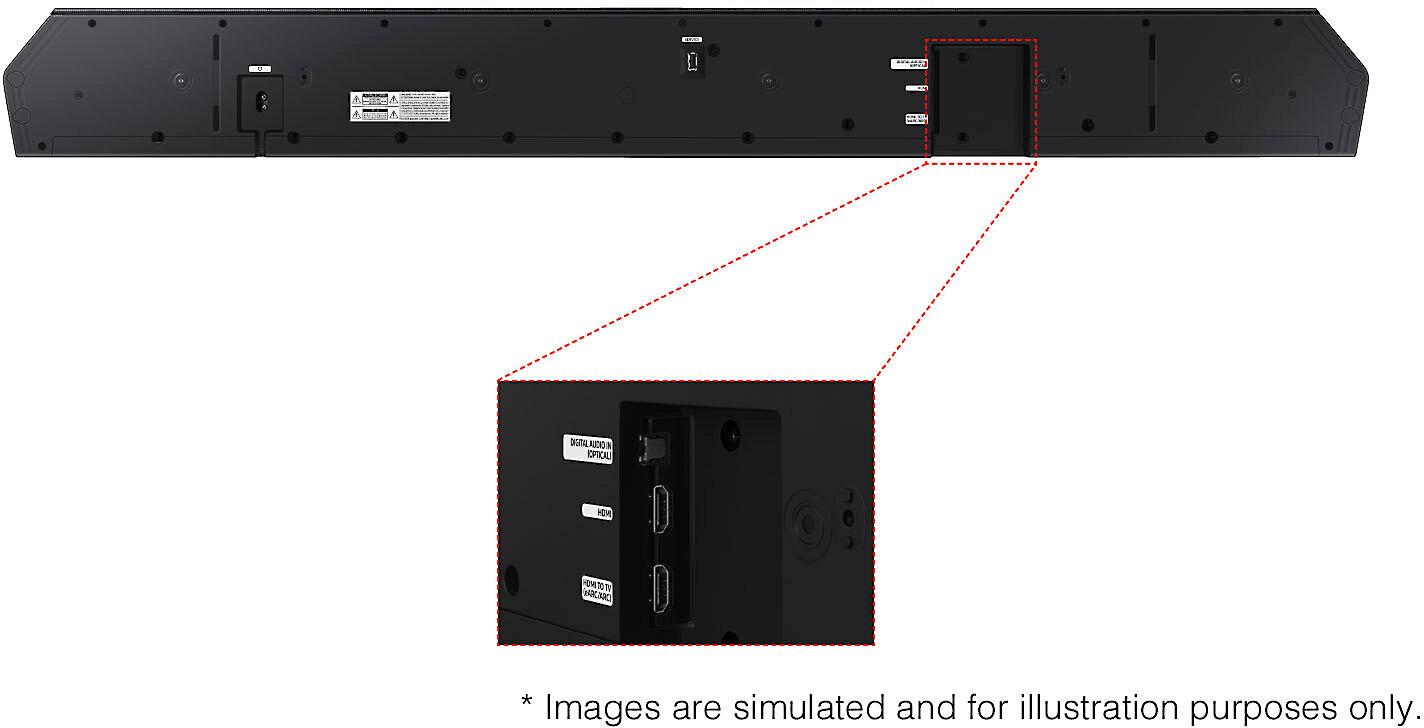
Both soundbars include modern connectivity options, but the HW-Q800D offers better future-proofing for evolving display technologies. Its HDMI input supports 8K video passthrough at 30Hz and 1080p at 120Hz, making it compatible with the latest gaming consoles and high-refresh-rate content.
The enhanced HDMI eARC support on the Q800D can handle higher-quality audio formats, including uncompressed multichannel audio and advanced Atmos streams that exceed the bandwidth limitations of older ARC implementations. This becomes increasingly important as streaming services continue improving their audio quality.
Both models include Samsung's Q-Symphony technology, which can coordinate the soundbar with compatible Samsung TV speakers for enhanced output. However, this feature works more effectively with the Q800D's more sophisticated processing capabilities.
At the time of writing, the HW-B630F typically costs roughly half what you'd pay for the HW-Q800D. This price difference raises important questions about value and diminishing returns.
The B630F delivers exceptional value for its price point. It provides a dramatic improvement over TV speakers, clear dialogue reproduction, and satisfying bass response for most content types. For casual viewers who primarily watch standard TV programming, news, and occasional movies, it offers most of what you'll realistically use on a daily basis.
However, the Q800D delivers significantly more than twice the performance despite costing roughly twice as much. The true Atmos support, room correction technology, superior bass extension, and enhanced gaming features create a qualitatively different listening experience that justifies the premium for enthusiasts.
Consider the long-term value proposition as well. As streaming services continue expanding their high-quality audio offerings and gaming consoles emphasize immersive audio, the Q800D's advanced capabilities become more relevant over time. The B630F may struggle to take advantage of future content improvements that rely on object-based audio or advanced surround processing.
The Samsung HW-B630F makes sense for specific user profiles and scenarios. If you live in an apartment with space constraints, primarily watch standard TV programming or news, have a limited budget, or simply want a significant but straightforward improvement over TV speakers, this soundbar delivers excellent results. It's also ideal for secondary rooms like bedrooms or kitchens where advanced features matter less than basic audio quality improvement.
The Samsung HW-Q800D targets a different audience with different priorities. Home theater enthusiasts who regularly watch movies with high-quality soundtracks will appreciate its Atmos capabilities and sophisticated processing. Gamers benefit from its enhanced spatial audio and reduced latency. Anyone planning to keep their soundbar for many years should consider the Q800D's superior future-proofing and room adaptation features.
The decision often comes down to content consumption habits and audio priorities. If you frequently stream movies from services like Netflix or Disney+, play modern video games, or simply care deeply about audio quality, the Q800D's advanced features justify their cost through daily use. If you primarily need better dialogue clarity and moderate bass improvement for standard TV viewing, the B630F provides excellent value without paying for features you won't regularly use.
Based on extensive research into user experiences and expert reviews, both soundbars succeed in their intended markets. The HW-B630F consistently receives praise for delivering impressive performance at its price point, while the HW-Q800D earns recognition for bringing near-premium audio technology to a more accessible price tier.
Your choice should align with both your current needs and future expectations. If you're satisfied with your current viewing and gaming habits and simply want better audio quality, the B630F represents smart spending. If you're building a more serious entertainment setup or anticipate expanding into higher-quality content over time, the Q800D's additional capabilities will prove valuable long-term.
The audio landscape continues evolving rapidly, with new formats and higher-quality content becoming standard rather than premium features. In this context, investing in more capable hardware often proves wise, even if some features seem unnecessary today. Your future self—and your favorite movies—will thank you for choosing the soundbar that can grow with improving content quality rather than being quickly outpaced by technological advancement.
| Samsung HW-B630F B-Series 3.1ch Soundbar System | Samsung HW-Q800D 5.1.2 Channel Soundbar |
|---|---|
| Channel Configuration - Determines surround sound capabilities and immersion level | |
| 3.1 channels (L/C/R + subwoofer) with virtual surround processing | 5.1.2 channels with physical surround and height speakers for true Atmos |
| Audio Format Support - Critical for streaming and Blu-ray compatibility | |
| Dolby Digital, DTS 5.1, DTS Virtual:X (simulated height effects) | Dolby Atmos, DTS:X, Dolby TrueHD (full object-based 3D audio) |
| Total System Power - Affects maximum volume and dynamic range | |
| ~150W total system power | 360W total system power |
| Frequency Response - Determines bass depth and treble extension | |
| 55Hz-20kHz (limited deep bass extension) | 35Hz-40kHz (superior bass depth and high-frequency detail) |
| Driver Count - More drivers typically mean better sound separation | |
| 4 drivers total (3 in bar + 1 subwoofer) | 10 drivers total (including dedicated height and surround speakers) |
| Subwoofer Size - Larger drivers produce deeper, more controlled bass | |
| 6.5" wireless subwoofer | 8" wireless subwoofer with side-firing design |
| Room Correction Technology - Automatically optimizes sound for your space | |
| None (manual adjustment only) | SpaceFit Sound Pro with automatic room analysis |
| HDMI Video Support - Important for gaming and future display compatibility | |
| 4K@60Hz passthrough, HDMI ARC | 8K@30Hz, 4K@60Hz, 1080p@120Hz, HDMI eARC |
| Gaming Features - Enhanced audio for competitive and immersive gaming | |
| Basic Game Mode with standard latency reduction | Game Mode Pro with enhanced directional audio and reduced latency |
| Advanced Audio Processing - Smart features that adapt to content automatically | |
| Basic sound modes (Standard, Movie, Music) | Adaptive Sound, 7-band EQ, Voice Enhance, Q-Symphony TV integration |
| Physical Dimensions - Consider TV size compatibility and room constraints | |
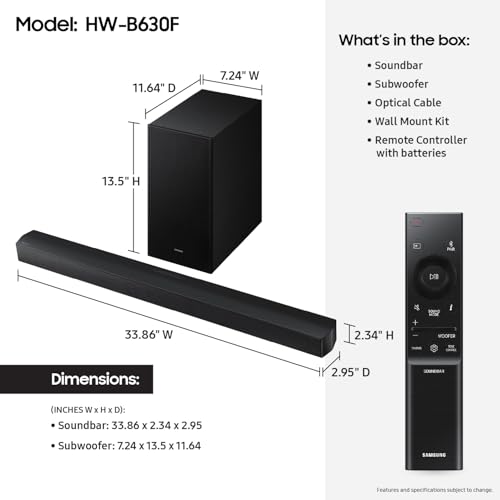
| Soundbar: 33.9" × 2.3" × 3.0", Subwoofer: 7.2" × 13.5" × 11.6" | Soundbar: Larger profile, Subwoofer: 8.3" × 15.9" × 16.4" |
| Bluetooth Version - Affects connection stability and audio quality | |
| Bluetooth 5.2 with multi-device pairing | Bluetooth 5.3 with enhanced connectivity |
| Voice Control Integration - Hands-free operation convenience | |
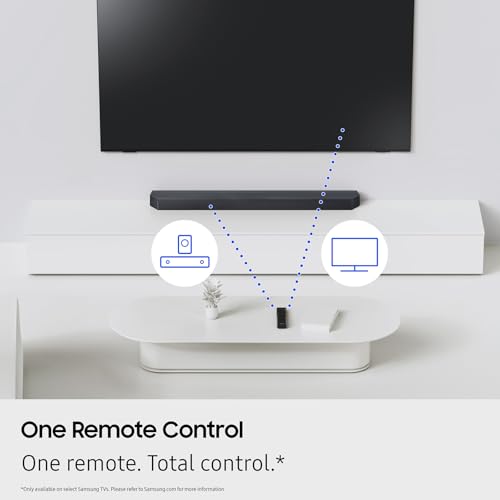
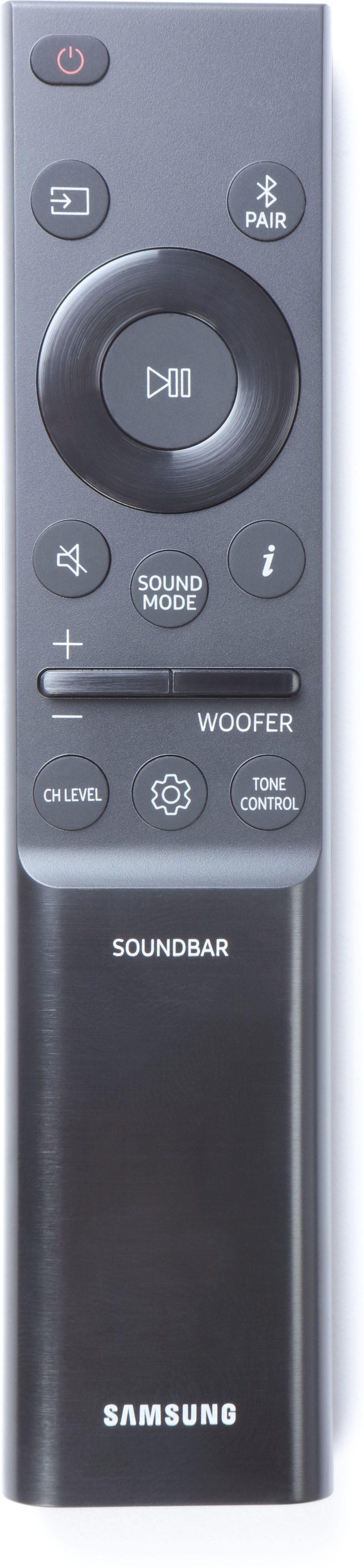
| None (remote control only) | Built-in Alexa voice assistant |
| Best Use Cases - Who should choose each model | |
| Budget-conscious buyers, apartments, basic TV enhancement, secondary rooms | Home theater enthusiasts, gamers, Atmos content viewers, primary entertainment rooms |
The primary difference is that the Samsung HW-B630F is a 3.1 channel soundbar with virtual surround sound, while the Samsung HW-Q800D is a 5.1.2 channel system with true Dolby Atmos support and physical height speakers. The HW-Q800D delivers genuine 3D audio with overhead effects, whereas the HW-B630F simulates surround sound through digital processing.
The Samsung HW-Q800D is significantly better for home theater use. It supports true Dolby Atmos and DTS:X formats with dedicated up-firing speakers that create authentic overhead sound effects. The HW-Q800D also has more powerful amplification and deeper bass extension, making it ideal for cinematic experiences with modern streaming content and Blu-ray movies.
No, the Samsung HW-B630F does not support true Dolby Atmos. It uses DTS Virtual:X technology to simulate height effects from its front-facing speakers. Only the Samsung HW-Q800D has the physical up-firing speakers and processing power needed for genuine Dolby Atmos playback.
The Samsung HW-B630F offers excellent value for budget-conscious buyers who want a significant upgrade from TV speakers. However, the Samsung HW-Q800D provides better long-term value for serious home theater enthusiasts, delivering significantly more advanced features and future-proofing that justify the higher investment.
Both the Samsung HW-B630F and Samsung HW-Q800D can connect wirelessly via Bluetooth. However, for the best audio quality, both should be connected using HDMI ARC or eARC. The HW-Q800D supports the more advanced eARC standard for higher-quality audio transmission.
The Samsung HW-Q800D is superior for gaming, featuring Game Mode Pro with enhanced directional audio that helps locate enemies and game elements through sound. It also supports 1080p@120Hz passthrough for next-gen gaming consoles. The HW-B630F has basic gaming features but lacks the spatial precision of the HW-Q800D.
Both the Samsung HW-B630F and Samsung HW-Q800D include wireless subwoofers in the box. The HW-B630F comes with a 6.5-inch subwoofer, while the HW-Q800D includes a larger 8-inch subwoofer that provides deeper bass extension and more powerful low-frequency output.
The Samsung HW-B630F is more suitable for smaller rooms due to its compact size and simpler setup. However, the Samsung HW-Q800D includes SpaceFit Sound Pro technology that automatically optimizes audio for any room size, making it adaptable to both small and large spaces.
Both soundbars support Samsung's wireless rear speaker expansion kits. However, adding rear speakers to the Samsung HW-Q800D creates a more effective surround system since it already has dedicated processing for discrete channel separation, unlike the HW-B630F which relies more heavily on virtual processing.
Both soundbars feature dedicated center channels for dialogue, but the Samsung HW-Q800D offers superior voice clarity with Active Voice Amplifier technology and more advanced processing. The HW-B630F provides good dialogue clarity for its price range, but the HW-Q800D excels in complex scenes with multiple audio elements.
The Samsung HW-Q800D is significantly better for music with its wider frequency response, more powerful amplification, and 7-band equalizer for precise tuning. While the HW-B630F handles casual music listening adequately, the HW-Q800D delivers audiophile-level performance with greater detail and soundstage width.
Choose the Samsung HW-B630F if you're budget-conscious and primarily watch standard TV content, or the Samsung HW-Q800D if you want a premium experience with modern streaming services and plan to keep the soundbar for many years. The HW-Q800D offers better future-proofing as more content adopts Atmos and advanced audio formats.
We've done our best to create useful and informative comparisons to help you decide what product to buy. Our research uses advanced automated methods to create this comparison and perfection is not possible - please contact us for corrections or questions. These are the sites we've researched in the creation of this article: samsung.com - bhphotovideo.com - crutchfield.com - youtube.com - bestproducts.com - videoandaudiocenter.com - pcrichard.com - bhphotovideo.com - samsung.com - youtube.com - requiremints.com - karlsonline.com - crutchfield.com - youtube.com - donstv.com - samsung.com - bhphotovideo.com - youtube.com - youtube.com - crutchfield.com - costco.ca - rtings.com - crutchfield.com - accio.com - bhphotovideo.com - manuals.plus - samsung.com - saraappliance.com - techradar.com - valueelectronics.com - samsung.com - rtings.com - samsung.com - crutchfield.com - samsung.com - samsung.com - samsung.com - shidirect.com

Privacy Policy
Terms and Conditions - Affiliate Policy
Home Security
© Copyright 2008-2026.
11816 Inwood Rd #1211, Dallas, TX 75244