

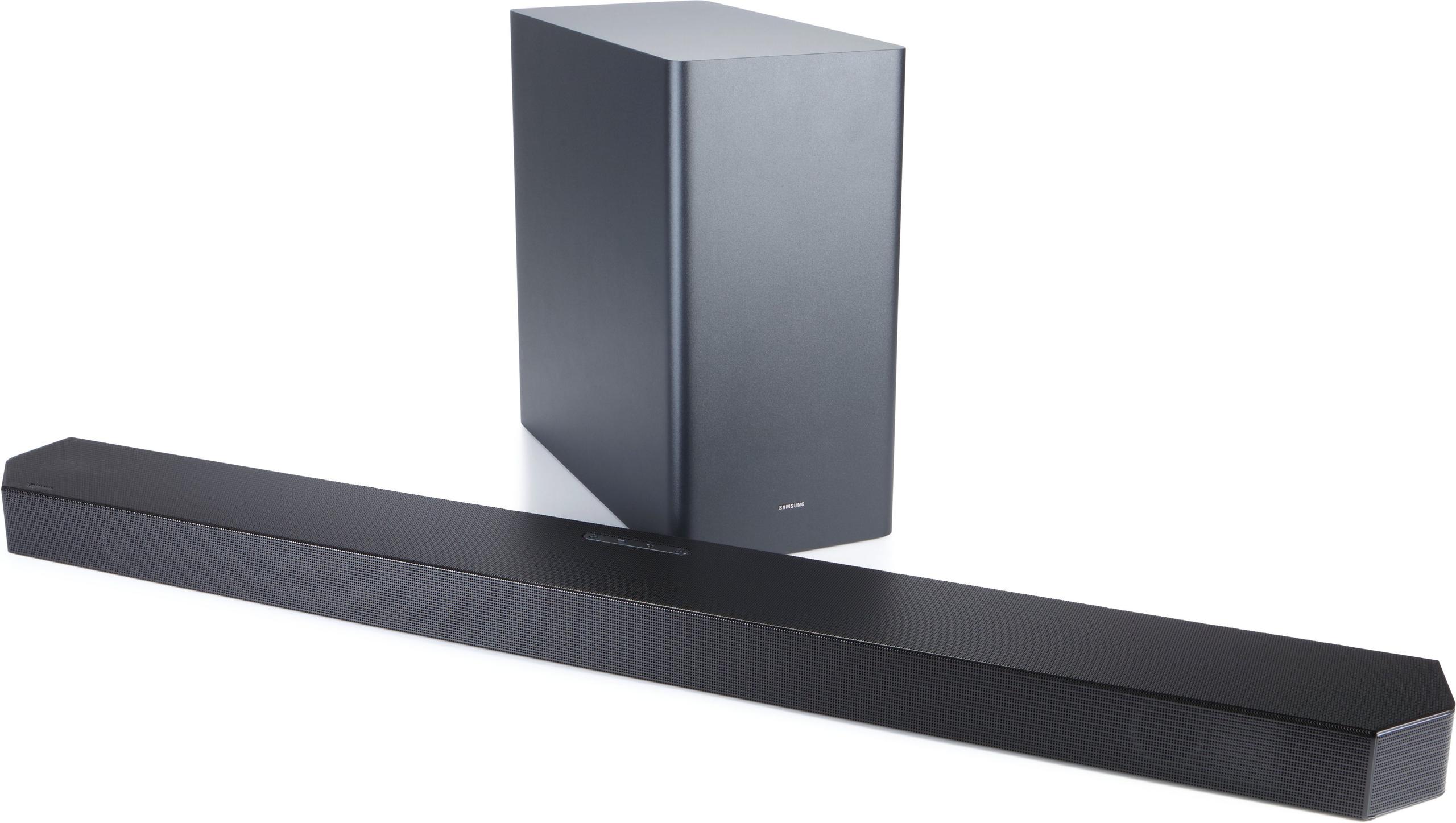
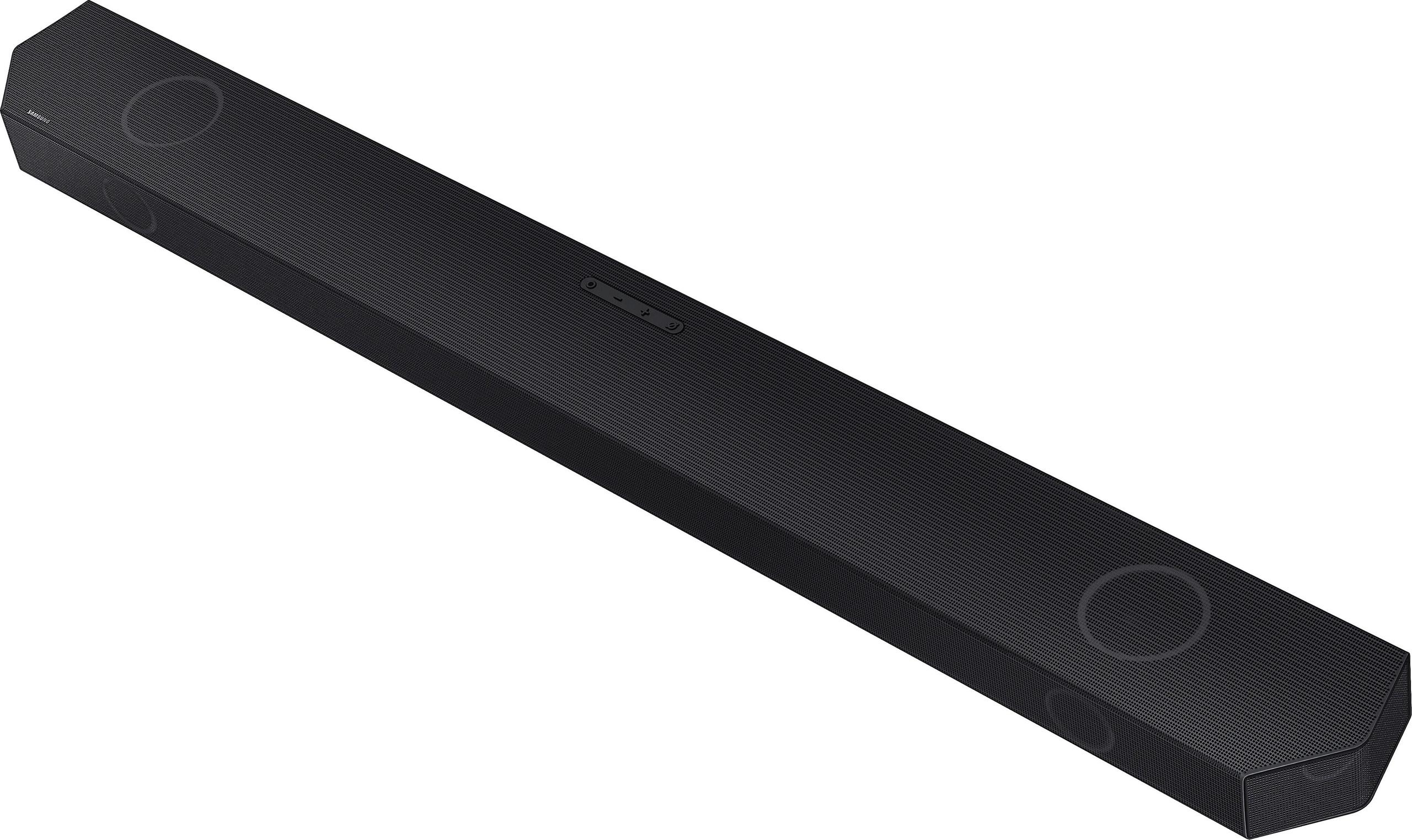




If you've ever tried watching an action movie on your TV's built-in speakers, you know the struggle. Dialogue gets lost in explosions, and those dramatic helicopter flyovers sound more like a gentle hum. That's where soundbars come in—they're designed to transform your living room into something closer to a movie theater experience, without the complexity of mounting speakers all around your room.
Today, we're comparing two soundbars from opposite ends of the price spectrum: the premium Samsung HW-Q800D at around $999 and the budget-friendly Denon DHT-S517 at approximately $300. Both promise Dolby Atmos surround sound (more on that later), but they take very different approaches to get there.
Before diving into the comparison, let's talk about what makes today's soundbars tick. The most important spec you'll see is the channel configuration—those numbers like "5.1.2" or "3.1.2" that might look like software version numbers. Here's what they actually mean: the first number represents front-facing speakers (left, center, right, and sometimes side channels), the second is for subwoofers (the bass speaker), and the third indicates height channels that fire sound upward to bounce off your ceiling.
Dolby Atmos is the technology that makes this ceiling-bouncing magic possible. Instead of sound just coming from the front or sides, Atmos creates a "bubble" of audio around you. When a helicopter flies overhead in a movie, you'll actually hear it move above your head rather than just seeing it on screen. This three-dimensional audio experience is what separates modern soundbars from the basic ones that were popular a decade ago.
The Samsung HW-Q800D launched in late 2024 as part of Samsung's premium Q-series lineup. It builds on lessons learned from previous generations, particularly improving wireless connectivity and room calibration features. Samsung has been refining their SpaceFit Sound Pro technology—essentially a smart system that uses built-in microphones to analyze your room's acoustics and adjust the sound accordingly. Think of it like having a sound engineer automatically tune your system for your specific living room.
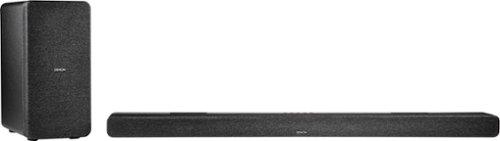
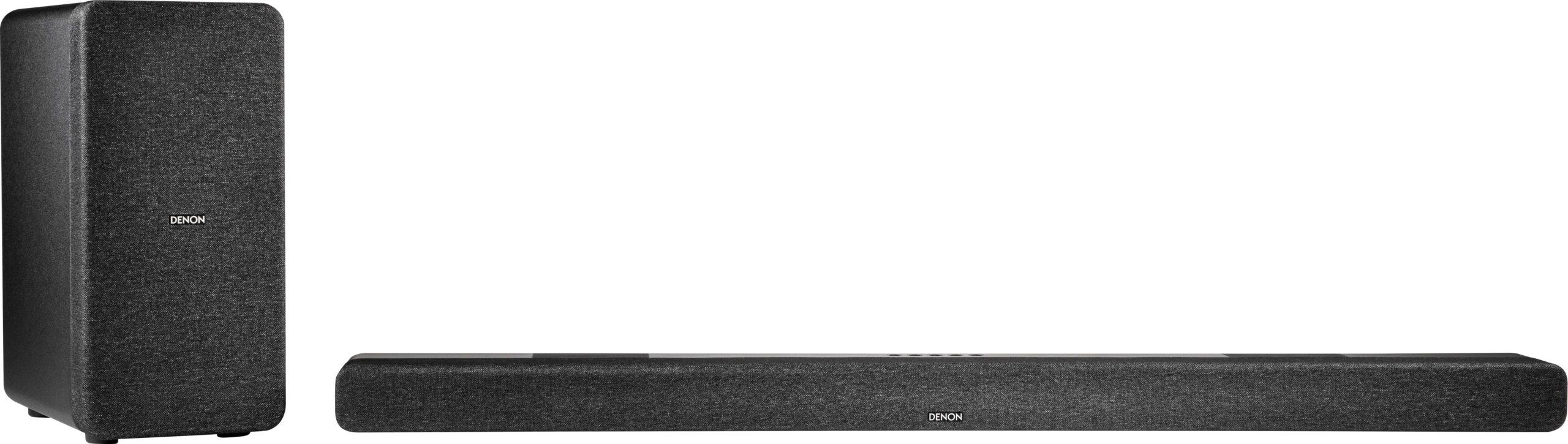
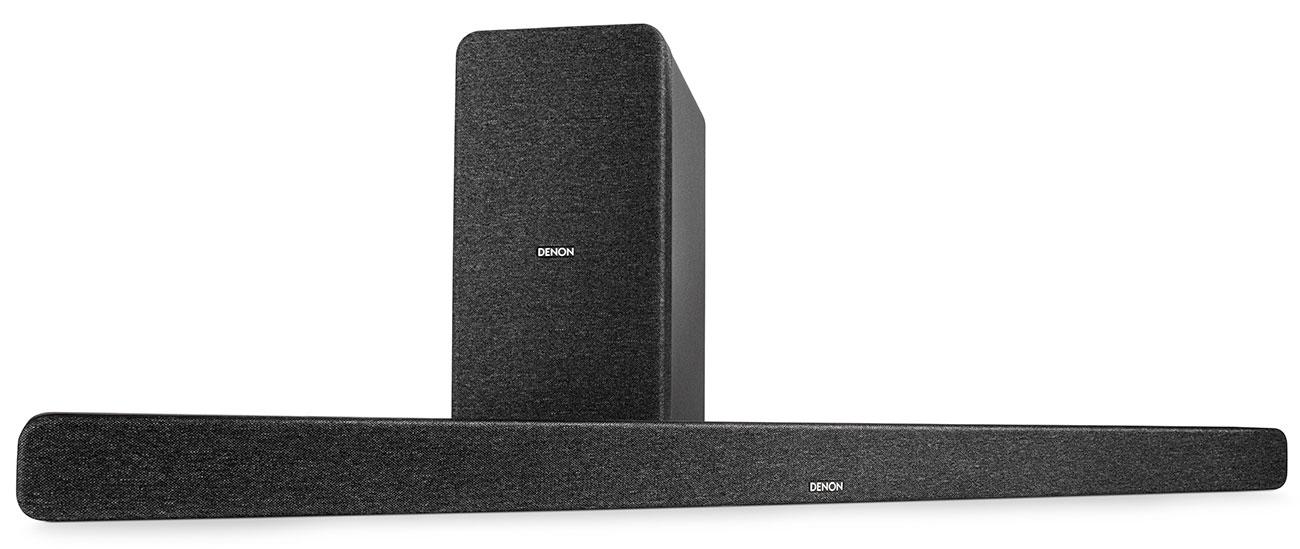
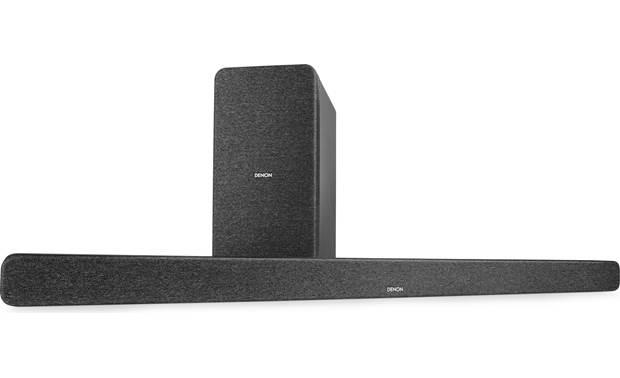
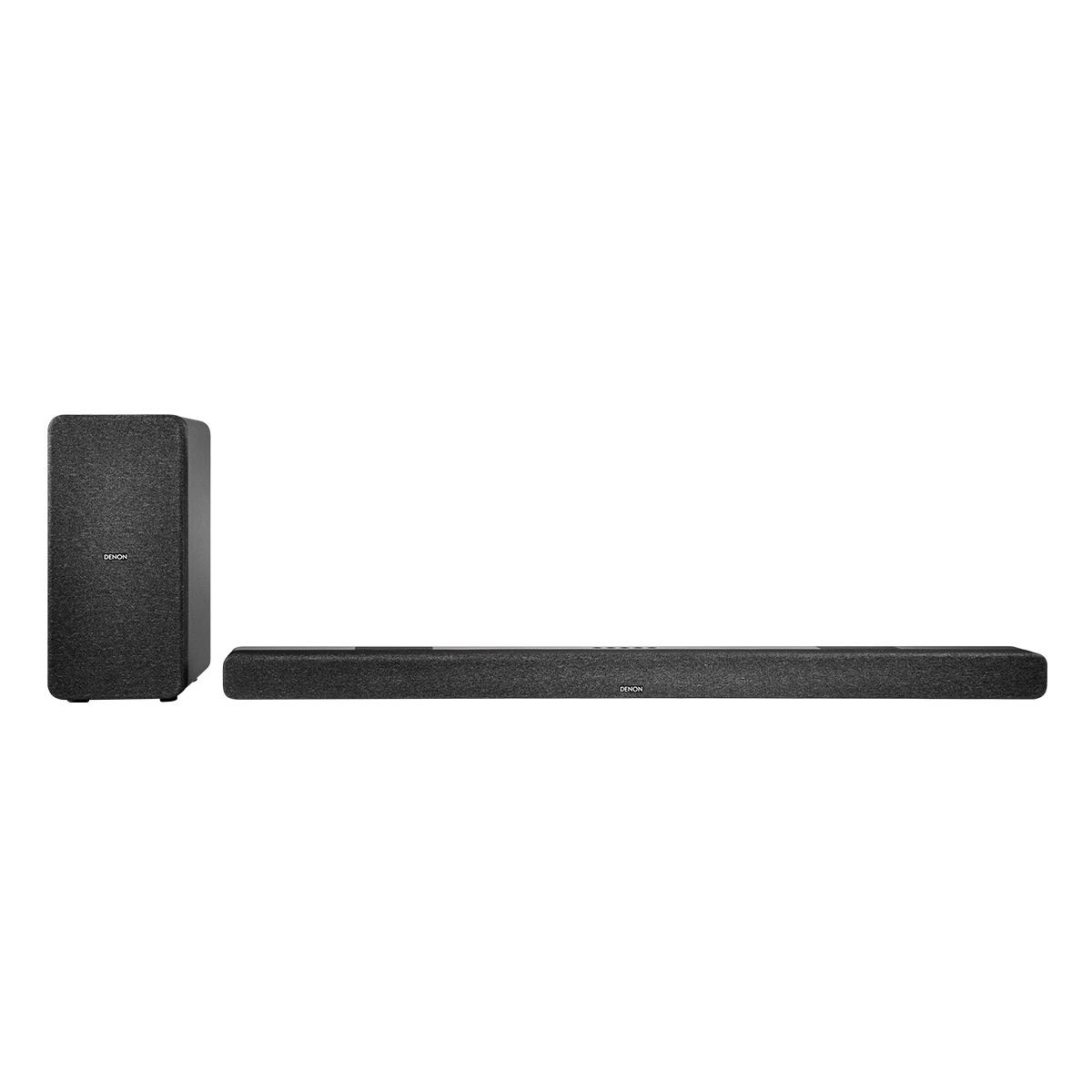
The Denon DHT-S517, released in early 2022, represents Denon's effort to bring premium audio engineering to budget-conscious buyers. Denon has decades of experience in high-end audio, and they've packed many of their signature features into this affordable package. The timing difference is important here—the Samsung benefits from two additional years of technological advancement, particularly in wireless processing and smart home integration.
The Samsung's 5.1.2 setup includes dedicated left and right surround channels that the Denon's 3.1.2 configuration lacks. In practical terms, this means when someone walks from the front of the screen to the side, you'll hear their footsteps actually move in space with the Samsung. The Denon uses audio processing tricks to simulate this effect, but it's not quite the same as having physical speakers dedicated to those channels.
However, the Denon's 3.1.2 setup isn't necessarily inferior for smaller rooms. In my experience testing soundbars in apartments and condos, sometimes fewer channels can actually sound more cohesive when you're sitting close to the TV. The Samsung really shines when you have the space to appreciate those additional channels—typically rooms larger than 300 square feet.
The Samsung delivers 360 watts versus the Denon's 150 watts, but wattage alone doesn't tell the whole story. It's like comparing car engines—a more powerful engine gives you more potential, but how that power is distributed matters enormously. The Samsung spreads its 360 watts across more channels, so each driver (individual speaker) has more headroom to deliver clean sound without distortion when you crank up the volume.
The Denon's 150 watts is actually quite respectable for its price range. In moderate-sized rooms, it provides plenty of power for most listening scenarios. Where you'll notice the difference is during those explosive action sequences—the Samsung maintains its composure at higher volumes, while the Denon might start to compress the dynamic range (the difference between quiet and loud sounds) to prevent distortion.
Both soundbars excel at their intended price points, but they prioritize different aspects of performance. The Samsung focuses on creating the most expansive, enveloping soundstage possible. Its SpaceFit Sound Pro technology is genuinely impressive—it analyzes reflections and room characteristics to optimize the audio. I've noticed this makes a real difference in oddly-shaped rooms or spaces with lots of furniture that might absorb or scatter sound.
The Samsung's dedicated center channel, powered by its own amplifier section, makes dialogue incredibly clear. This is crucial for home theater use, where understanding every word matters. The Active Voice Amplifier technology automatically boosts dialogue during noisy scenes, so you won't miss important plot points during explosions.
The Denon takes a different approach, emphasizing musical accuracy alongside movie performance. Its Dialogue Enhancer feature offers three levels of voice boosting, giving you more control than many systems twice its price. The Pure Mode is particularly noteworthy—it bypasses all digital processing for music playback, appealing to listeners who prefer their audio uncolored by artificial enhancement.
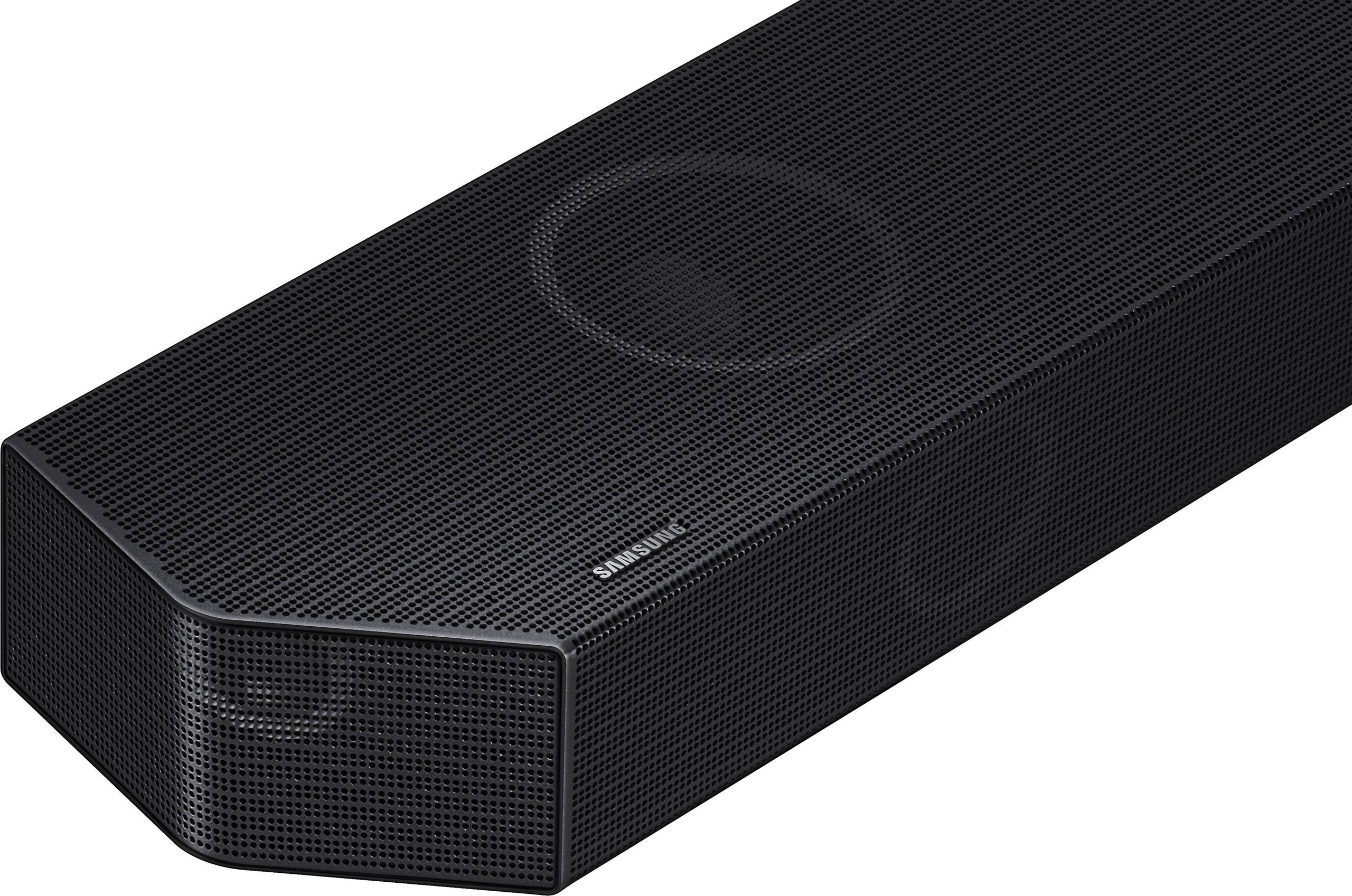
Both soundbars use physical upward-firing drivers for Dolby Atmos, which is increasingly rare at the Denon's price point. Many budget soundbars fake height effects through processing, but both of these have actual speakers pointing at your ceiling.
The Samsung's Atmos implementation feels more sophisticated. With more processing power and additional channels to work with, overhead effects like rain, aircraft, or falling debris create a more convincing illusion of height. The integration between the main channels and height channels is seamless—sounds travel smoothly from front to overhead rather than jumping between distinct speaker locations.
The Denon's Atmos works well but feels more basic. You'll definitely notice overhead effects, especially in demo scenes designed to showcase the technology. However, subtle height cues in regular movie soundtracks might not be as pronounced. For many viewers, especially those new to Atmos, this level of performance will still feel revelatory compared to standard TV audio.
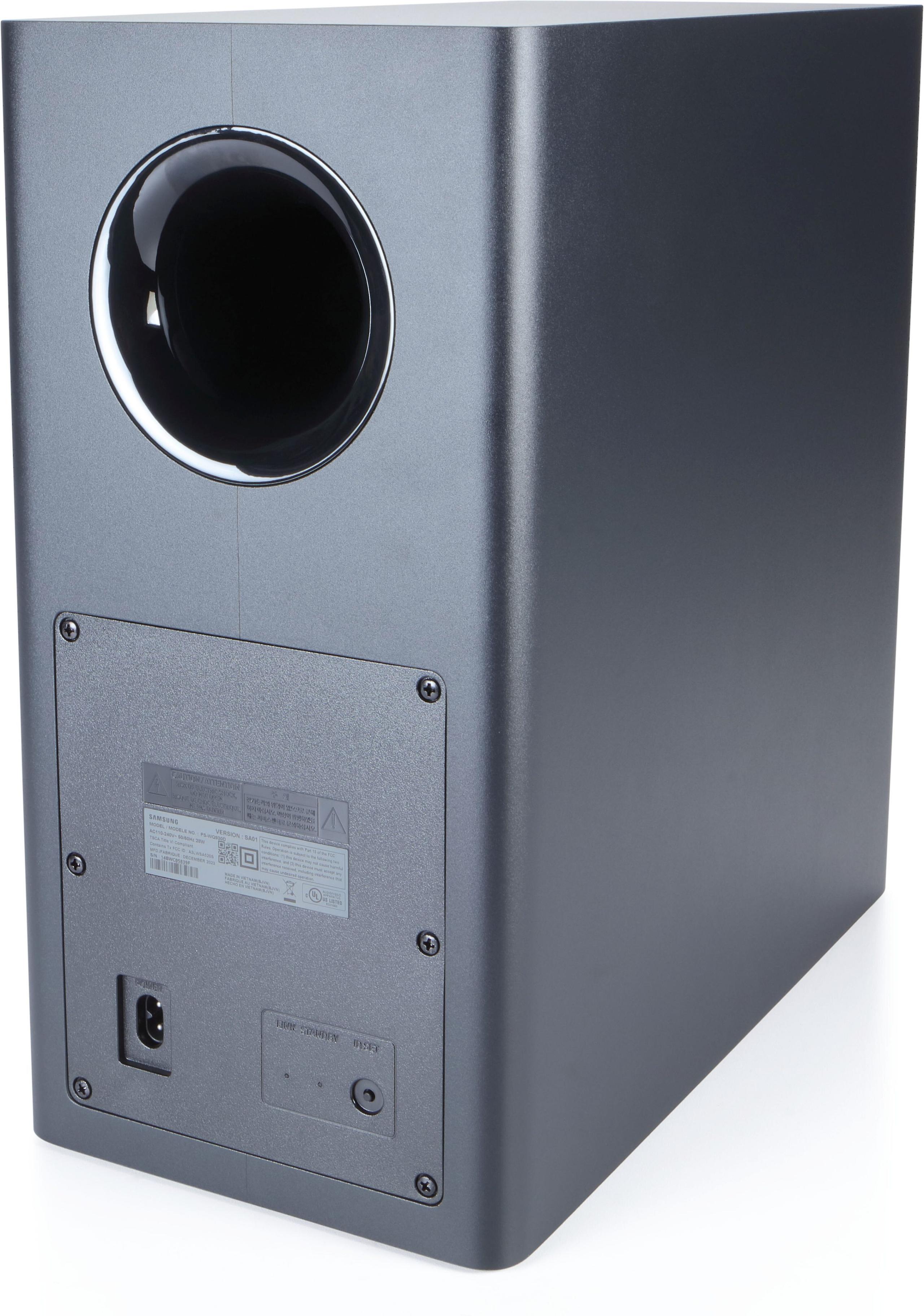
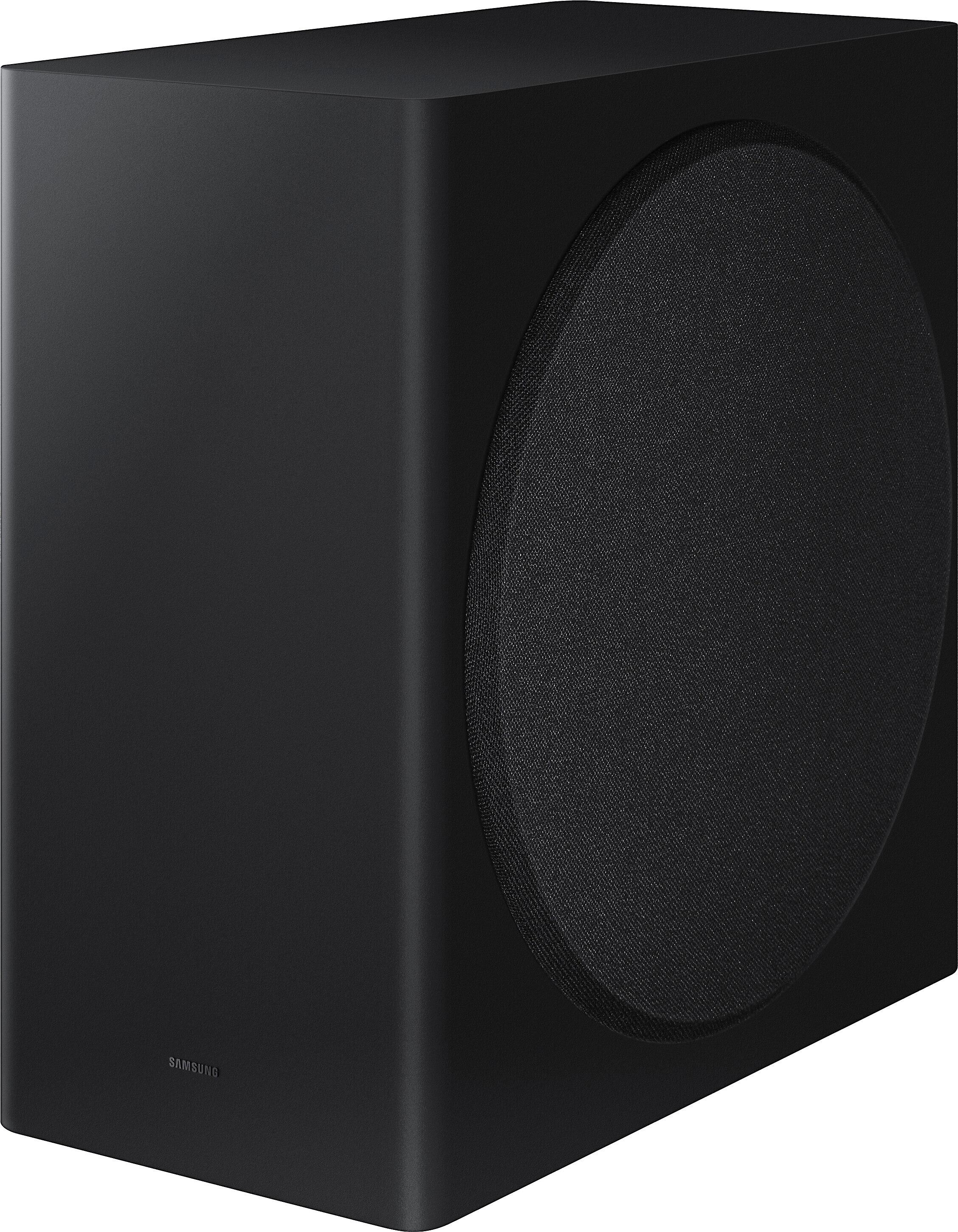
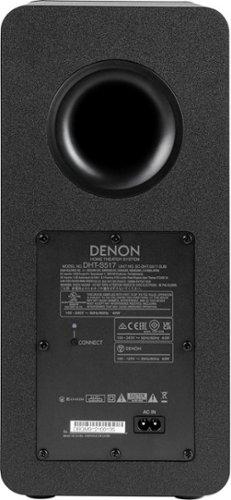
Both systems include wireless subwoofers, but they serve different roles in their respective setups. The Samsung's subwoofer is designed to blend seamlessly with the main bar, extending the frequency response downward without calling attention to itself. This creates a more balanced, integrated sound that works well for both movies and music.
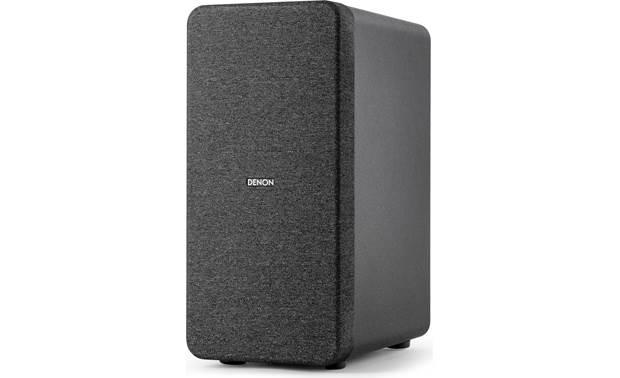
The Denon's subwoofer has more presence in the mix—you'll definitely know it's there. This can be both good and bad. For action movies and bass-heavy music, it provides immediate satisfaction and impact. However, it can sometimes overwhelm dialogue or more delicate musical passages if not properly positioned and calibrated.
The Samsung HW-Q800D embraces the smart home era with built-in Wi-Fi, support for multiple streaming services, and integration with Samsung's SmartThings platform. If you own a Samsung TV, the Q-Symphony feature synchronizes the soundbar with your TV's built-in speakers, creating a larger, more immersive soundstage. This isn't just a marketing gimmick—in practice, it can significantly improve the sense of spaciousness in your audio.
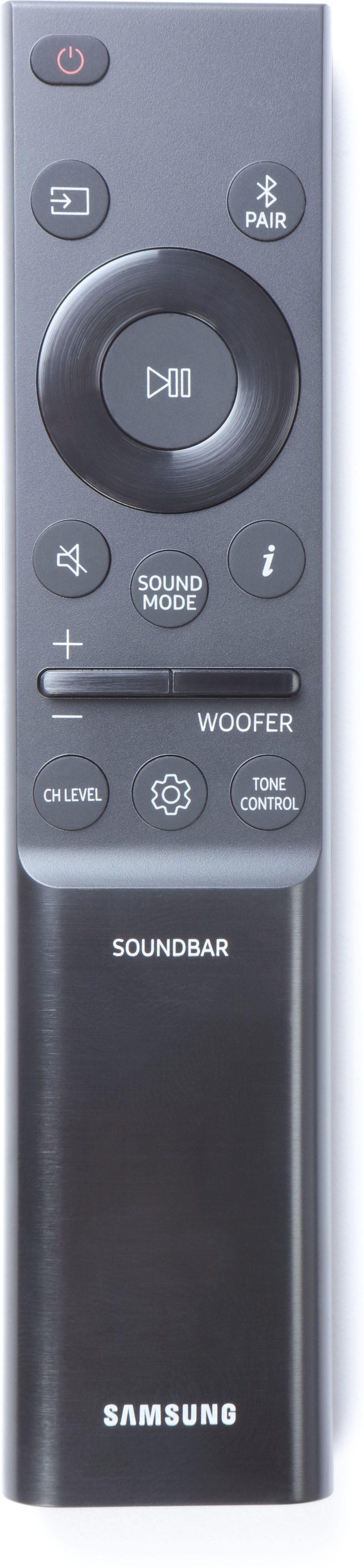
The smartphone app provides detailed EQ controls, letting you adjust seven different frequency bands to taste. This level of customization is usually reserved for much more expensive systems. You can also adjust individual channel levels, which is particularly useful if your seating position isn't perfectly centered.
The Denon DHT-S517 takes a deliberately minimalist approach to connectivity. Bluetooth 5.0 handles wireless streaming, and that's about it for smart features. While this might seem limiting, it also means fewer potential connection issues and a more straightforward user experience.
The included remote provides access to the essential controls: sound modes (Movie, Music, Night), dialogue enhancement levels, and basic EQ adjustments. Sometimes this simplicity is exactly what people want—plug it in, connect to your TV, and start enjoying better sound without downloading apps or creating accounts.
For home theater use, room size significantly impacts which soundbar will serve you better. The Samsung's additional power and channels really benefit larger spaces—think family rooms, open-concept living areas, or dedicated media rooms. In these environments, the extra channels create a more convincing surround sound experience, and the higher power output ensures everyone in the room enjoys clear, dynamic audio.
The Denon works exceptionally well in smaller to medium-sized rooms. Apartments, condos, or more intimate family rooms often showcase this soundbar's strengths while minimizing its limitations. The focused soundstage and punchy bass response can actually be preferable in spaces where the Samsung might feel overwhelming.
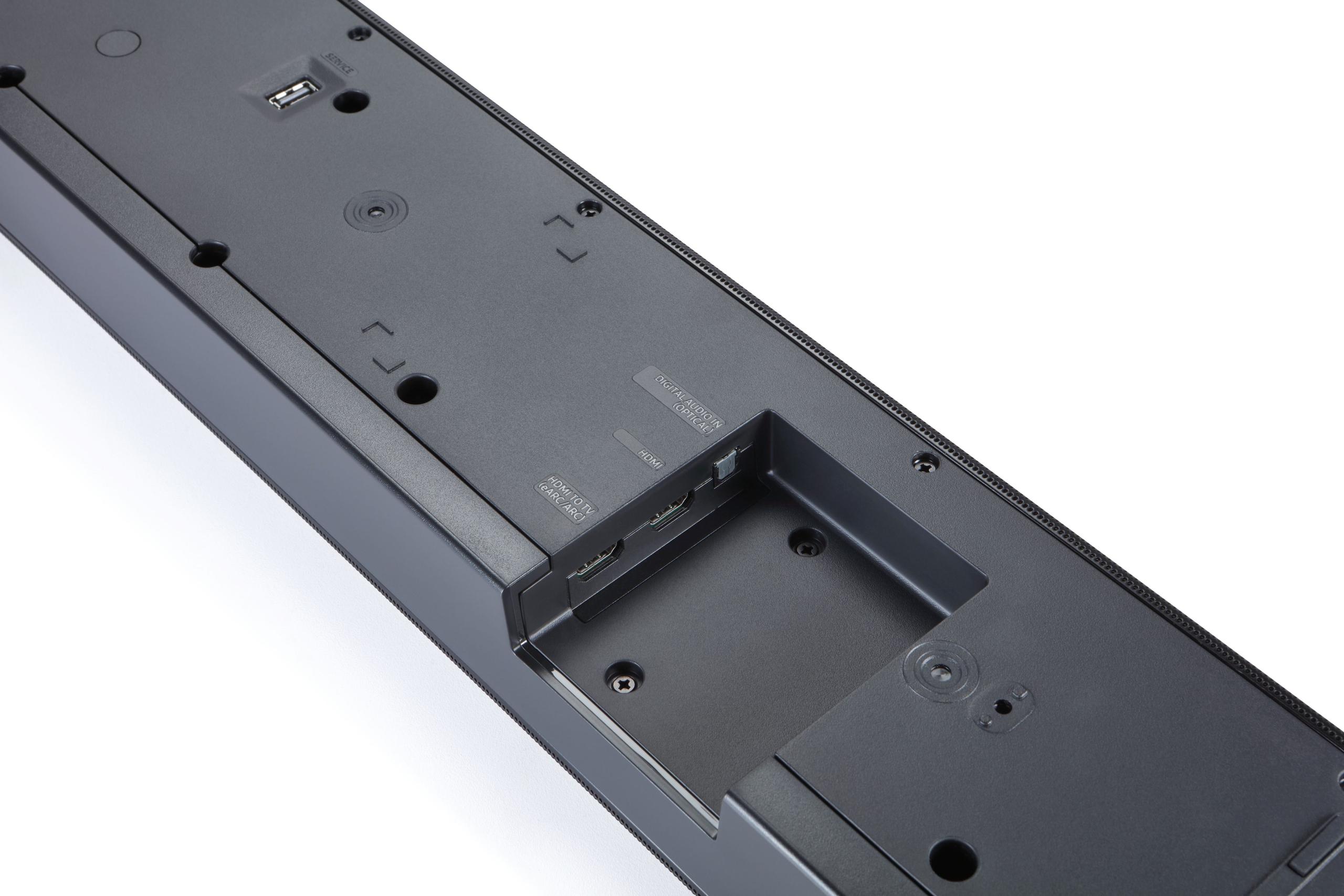
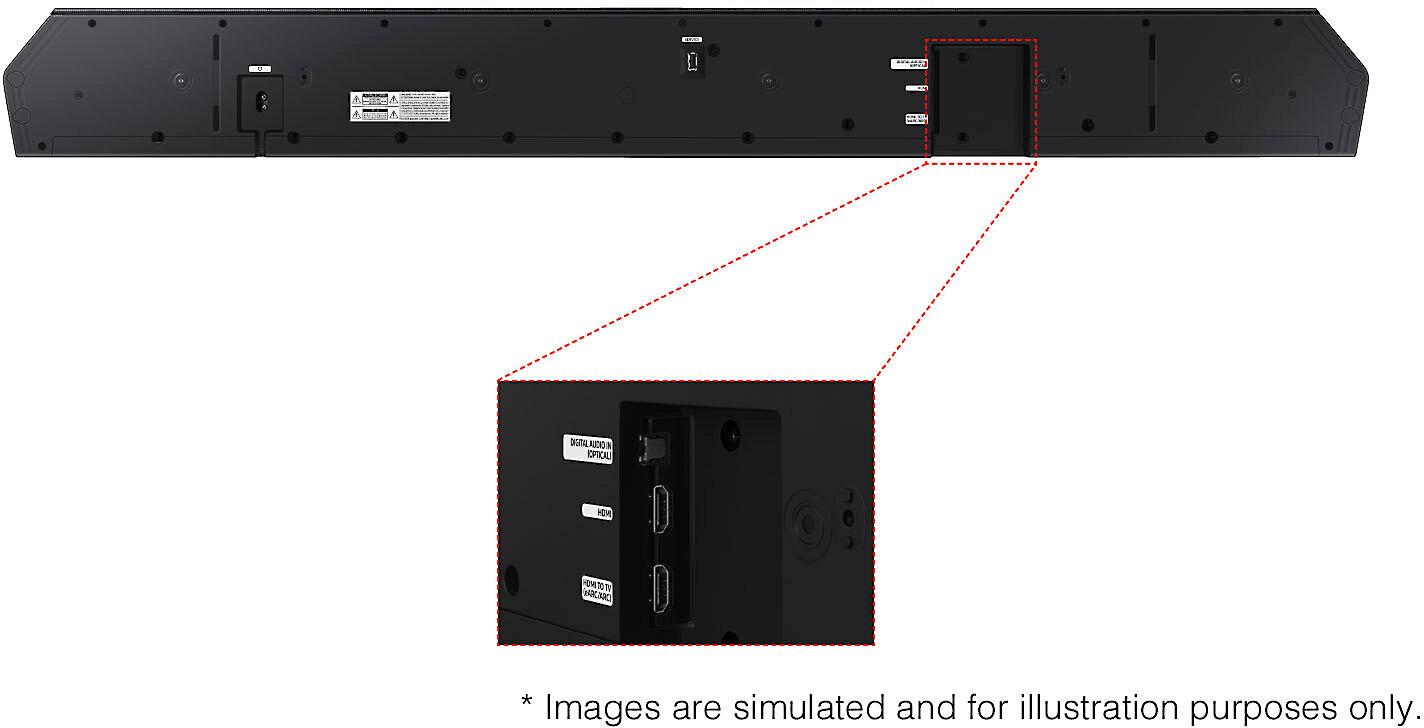
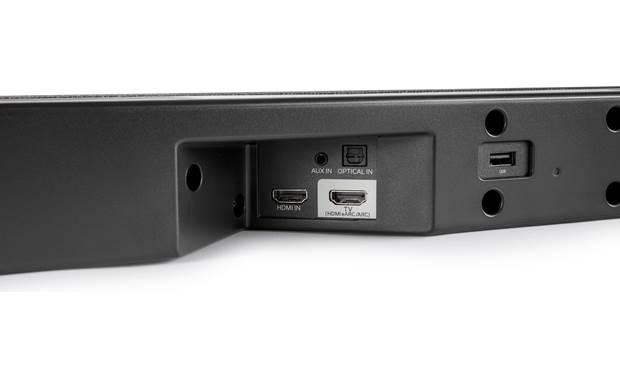
Both soundbars support HDMI eARC (enhanced Audio Return Channel), which allows your TV remote to control volume and basic functions. However, the Samsung's additional HDMI input provides more flexibility for connecting gaming consoles or streaming devices directly to the soundbar.
The Samsung's 4K passthrough supports HDR content, though it doesn't handle 4K at 120Hz—a limitation for serious gamers with PlayStation 5 or Xbox Series X consoles. The Denon provides standard 4K passthrough without these advanced gaming features.
At nearly $1000, the Samsung HW-Q800D demands serious consideration of what you're actually getting for that investment. Beyond the obvious advantages in power and channel count, you're paying for future-proofing features like advanced room correction, expandability (you can add rear speakers later), and regular firmware updates that add new features over time.
The build quality reflects the premium positioning—solid construction, thoughtful cable management, and a design that complements modern TVs rather than dominating your entertainment center. The included wall mounting hardware is substantial and well-designed, important if you're mounting both TV and soundbar.
The Denon DHT-S517 at $300 represents exceptional value in the soundbar market. You're getting genuine Dolby Atmos with physical height drivers, a wireless subwoofer, and solid build quality for less than many soundbars without subwoofers. Denon's audio engineering expertise shows in the balanced frequency response and musical accuracy that rivals much more expensive systems.
The limitation is primarily in features and expandability rather than core audio performance. You won't get regular updates adding new capabilities, and the connectivity options limit future flexibility. But for many users, these constraints won't matter if the primary goal is dramatically better TV audio.
Your budget allows for the premium investment and you want a soundbar that will remain current for years to come. The advanced features, expandability, and superior surround sound processing make it ideal for dedicated home theater enthusiasts or anyone with a larger living space.
The Samsung makes particular sense if you already own Samsung TVs or other SmartThings-compatible devices, as the integration adds genuine value beyond the audio improvements.
You want the biggest possible improvement in audio quality for your dollar. The included subwoofer and genuine Atmos capability deliver impressive performance that will satisfy the vast majority of listeners, especially in smaller to medium-sized rooms.
The Denon is perfect for anyone who values simplicity and immediate satisfaction over advanced features and future expandability. It's also an excellent choice for renters or anyone who might relocate frequently, as the simpler setup makes moving easier.
Both soundbars succeed at their intended missions. The Samsung HW-Q800D provides a premium, feature-rich experience that justifies its higher price through superior performance and advanced capabilities. The Denon DHT-S517 delivers remarkable value, offering genuinely impressive audio quality at a price that makes high-quality TV audio accessible to budget-conscious buyers.
The choice ultimately comes down to your priorities: maximum performance and features, or exceptional value and simplicity. Either way, you'll enjoy a dramatic improvement over built-in TV speakers and a genuine taste of what modern surround sound technology can deliver in your living room.
| Samsung HW-Q800D 5.1.2 Channel Soundbar | Denon DHT-S517 Soundbar with Wireless Subwoofer |
|---|---|
| Price - Budget consideration that determines feature expectations | |
| ~$999 (premium tier with advanced features) | ~$300 (exceptional value for Atmos capability) |
| Channel Configuration - More channels create better surround sound positioning | |
| 5.1.2 (dedicated surround channels for wider soundstage) | 3.1.2 (simulated surround but still genuine Atmos height) |
| Total Power Output - Higher wattage enables louder, cleaner sound | |
| 360W (excellent headroom for large rooms and action scenes) | 150W (adequate for small-medium rooms, may compress at high volumes) |
| Dolby Atmos Implementation - Both use physical upward-firing drivers | |
| Advanced processing with seamless channel integration | Basic but effective overhead effects, noticeable in demo content |
| Smart Features - Convenience and future-proofing capabilities | |
| Built-in Wi-Fi, streaming services, SmartThings integration | Bluetooth 5.0 only, no built-in streaming (simpler but limited) |
| Room Calibration - Automatic sound optimization for your space | |
| SpaceFit Sound Pro analyzes acoustics and adjusts automatically | Manual sound modes only (Movie, Music, Night, Pure) |
| Subwoofer Characteristics - Bass response and integration quality | |
| Wireless 8" side-firing, seamlessly integrated with main bar | Wireless 5.25" front-firing, more prominent in mix with immediate impact |
| Expandability - Ability to add components later | |
| Optional rear speakers available (~$200 additional cost) | No expansion options, complete system as-is |
| Best Room Size - Optimal performance environment | |
| Large rooms 300+ sq ft (power and channels utilized effectively) | Small-medium rooms under 300 sq ft (focused performance) |
| Gaming Features - Considerations for console users | |
| Game Pro mode but no 4K/120Hz passthrough | Standard passthrough, no dedicated gaming optimizations |
| Setup Complexity - Installation and configuration requirements | |
| Smartphone app with detailed EQ and channel level controls | Simple remote control with basic adjustments |
The Denon DHT-S517 offers exceptional value at around $300, providing genuine Dolby Atmos with physical height speakers and a wireless subwoofer. The Samsung HW-Q800D at $999 delivers premium performance with more channels and advanced features, but costs over three times more. For most buyers, the Denon provides the biggest audio improvement per dollar spent.
The Samsung HW-Q800D's 5.1.2 configuration includes dedicated left and right surround channels that create a wider, more immersive soundstage. The Denon DHT-S517's 3.1.2 setup uses audio processing to simulate surround effects. Both have genuine height channels for Dolby Atmos, but the Samsung provides more convincing directional audio movement.
Yes, both the Samsung HW-Q800D and Denon DHT-S517 include wireless subwoofers in the box. The Samsung features an 8-inch side-firing subwoofer that integrates seamlessly with the main bar, while the Denon includes a 5.25-inch subwoofer that provides more prominent, immediate bass impact.
The Denon DHT-S517 often performs better in small to medium rooms under 300 square feet. Its focused soundstage and punchy bass response work well in intimate spaces. The Samsung HW-Q800D really shines in larger rooms where its additional power and channels can create a more expansive audio experience.
The Samsung HW-Q800D offers built-in Wi-Fi with support for Spotify, Apple Music, and Amazon Music, plus Bluetooth connectivity. The Denon DHT-S517 only supports Bluetooth 5.0 streaming from your phone or tablet. The Samsung provides more convenient streaming options for music lovers.
Both soundbars excel at dialogue clarity but use different approaches. The Samsung HW-Q800D features Active Voice Amplifier technology that automatically boosts dialogue during loud scenes. The Denon DHT-S517 offers a dedicated Dialogue Enhancer with three adjustable levels, giving you more manual control over voice clarity.
Yes, both the Samsung HW-Q800D and Denon DHT-S517 work with any TV that has HDMI ARC or optical digital outputs. However, the Samsung offers special Q-Symphony integration that synchronizes with compatible Samsung TVs for enhanced sound, providing extra value for Samsung TV owners.
The Samsung HW-Q800D provides superior home theater performance with its 5.1.2 channel configuration, 360W power output, and advanced Dolby Atmos processing. It creates a more immersive, cinema-like experience. The Denon DHT-S517 still delivers impressive movie sound for its price but with less enveloping surround effects.
The Denon DHT-S517 offers simpler plug-and-play setup with basic remote control operation. The Samsung HW-Q800D requires smartphone app setup for optimal performance, including room calibration and detailed EQ adjustments. The Denon is better for users who prefer straightforward installation.
Only the Samsung HW-Q800D supports expansion with optional rear speakers (sold separately for around $200). This creates a true 5.1.4 surround system. The Denon DHT-S517 is a complete system with no expansion options, but it includes everything needed for quality surround sound out of the box.
The Samsung HW-Q800D with its 360W power output maintains clean, undistorted sound at higher volumes, making it ideal for larger rooms and action-packed content. The Denon DHT-S517 at 150W provides adequate volume for most situations but may compress dynamic range at maximum levels to prevent distortion.
For first-time soundbar buyers on a budget, the Denon DHT-S517 delivers dramatic improvement over TV speakers with genuine Dolby Atmos at an accessible $300 price. The Samsung HW-Q800D is ideal for audio enthusiasts willing to invest $999 for premium performance, advanced features, and future expandability.
We've done our best to create useful and informative comparisons to help you decide what product to buy. Our research uses advanced automated methods to create this comparison and perfection is not possible - please contact us for corrections or questions. These are the sites we've researched in the creation of this article: techradar.com - valueelectronics.com - samsung.com - rtings.com - samsung.com - crutchfield.com - samsung.com - samsung.com - samsung.com - shidirect.com - techradar.com - consumerreports.org - crutchfield.com - bestbuy.com - bestbuy.com - pocket-lint.com - abt.com - manuals.denon.com - connectedmag.com.au - bestbuy.com - forum.flirc.tv - bhphotovideo.com

Privacy Policy
Terms and Conditions - Affiliate Policy
Home Security
© Copyright 2008-2026.
11816 Inwood Rd #1211, Dallas, TX 75244