

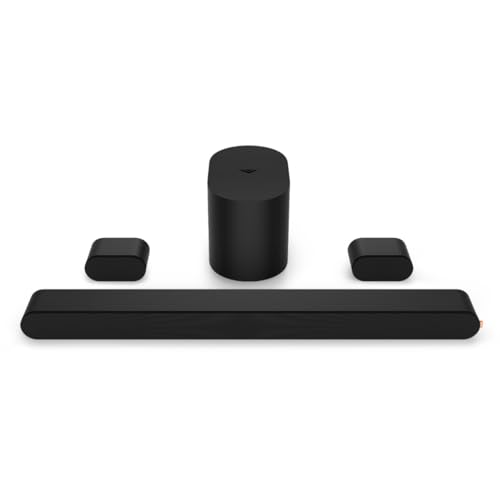
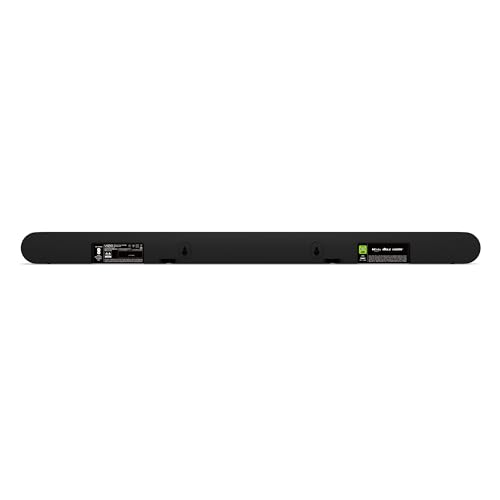
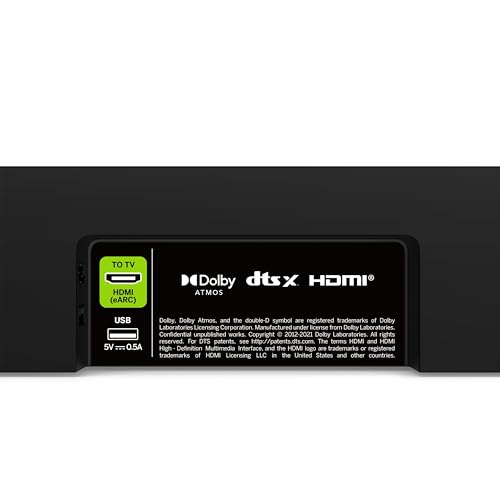
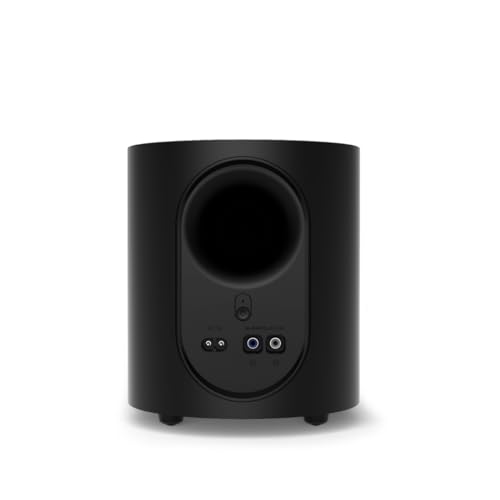
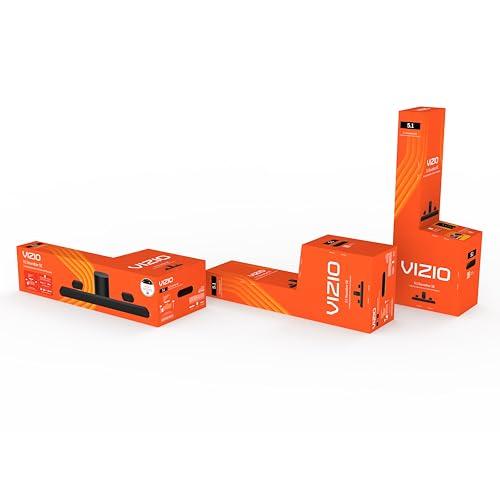
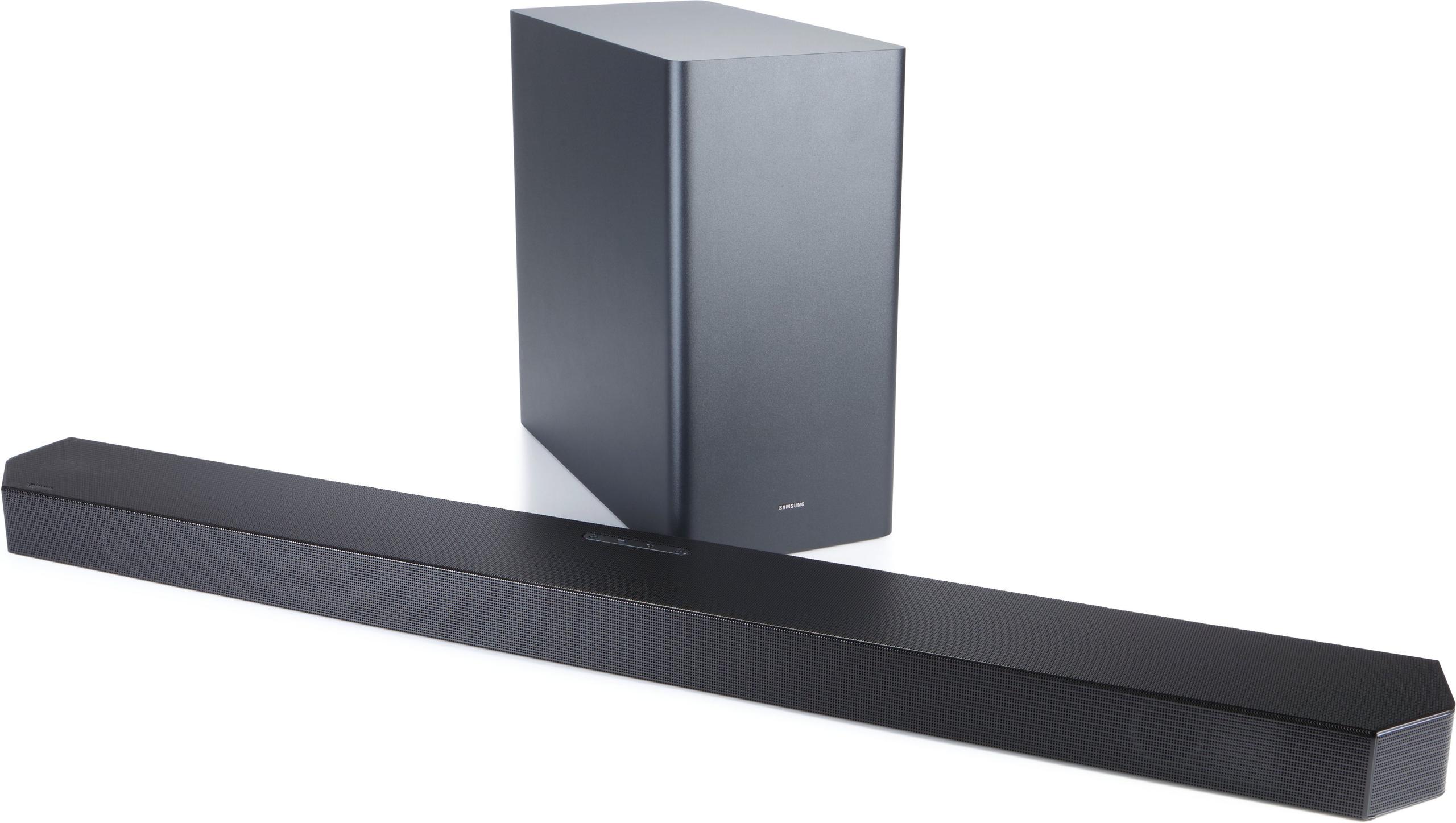




When you're trying to transform your living room into a mini movie theater, choosing the right soundbar can feel overwhelming. I've spent considerable time with both the VIZIO 5.1 Soundbar SE and the Samsung HW-Q800D, and while they're both excellent choices, they take surprisingly different approaches to creating immersive sound. Let me break down what makes each special and help you figure out which one deserves a spot under your TV.
Before we dive into the specifics, it's worth understanding what we're actually comparing here. Both of these soundbars belong to what I'd call the "premium consumer" category – they're serious about audio quality without requiring a second mortgage or a degree in acoustics to set up.
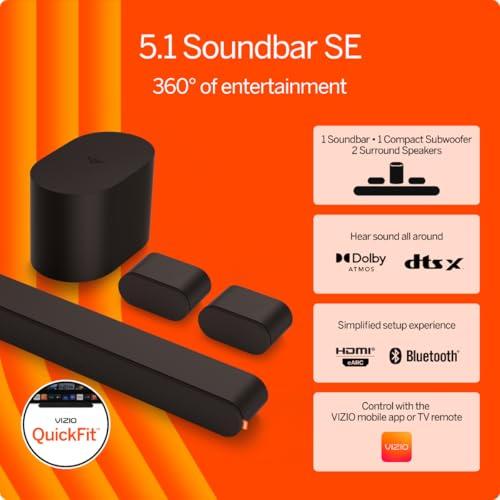
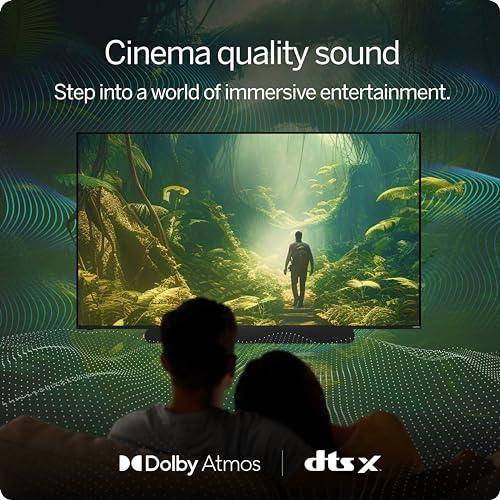
The most important thing to know is that both systems support Dolby Atmos, which is essentially audio that can be placed anywhere in three-dimensional space around you. Think of it like this: traditional surround sound moves audio left to right and front to back, but Dolby Atmos adds a vertical dimension. Helicopters can fly overhead, rain can fall from above, and explosions can seem to happen all around you. It's pretty magical when done right.
DTS:X is similar technology from a different company, and both soundbars handle it well. The key difference between these systems is how they create that immersive experience – and that's where things get interesting.
Here's where the VIZIO 5.1 SE and Samsung HW-Q800D take completely different approaches, and it's probably the most important thing to understand when choosing between them.
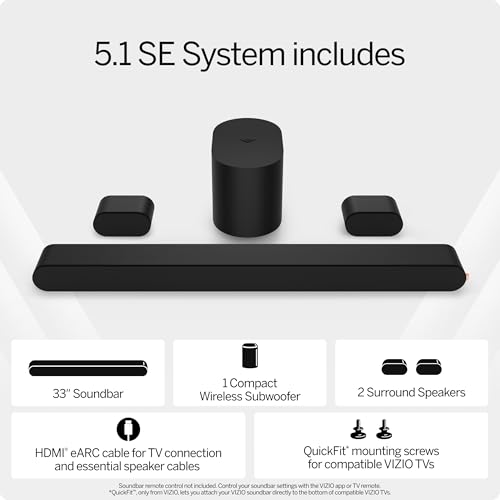
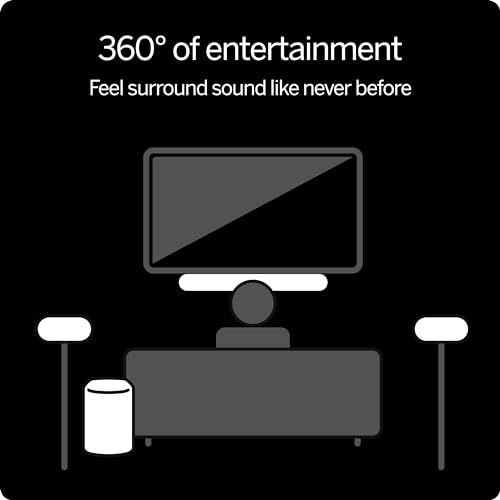
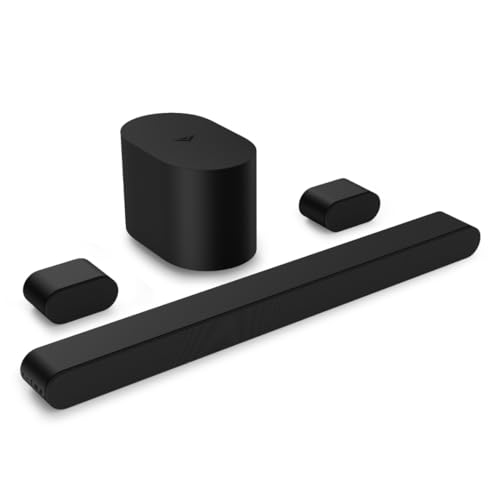
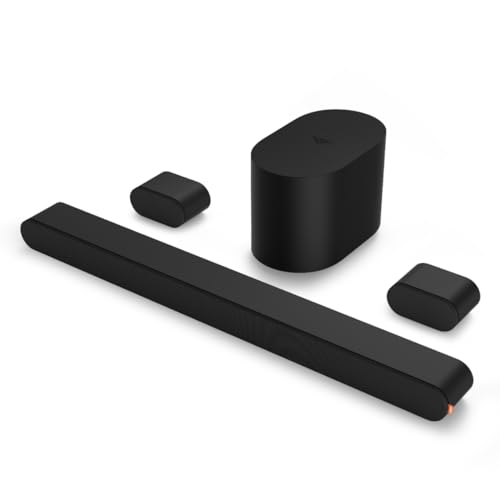
The VIZIO system gives you actual, physical surround speakers that you place behind or beside your listening position. These aren't huge tower speakers – they're compact and designed to blend into your room – but they're real speakers with real wires (well, wireless connections) that create sound from where you actually want to hear it.
The Samsung HW-Q800D, on the other hand, creates what's called "virtual surround sound." It uses psychoacoustic processing (basically audio tricks that fool your brain) to make sounds seem like they're coming from places where there are no speakers. It's like an audio magician – the Samsung soundbar bounces sound off your walls and ceiling in precisely calculated ways to create the illusion that there are speakers all around you.
I've found that both approaches work, but they work differently depending on your room and preferences. The VIZIO's approach is more traditional and, frankly, more foolproof. If you place those surround speakers correctly, you're going to get proper surround sound regardless of your room's acoustics. The Samsung's approach is more elegant and requires less setup, but it's more dependent on having the right room conditions – good wall surfaces for sound reflection, appropriate ceiling height, and optimal seating position.
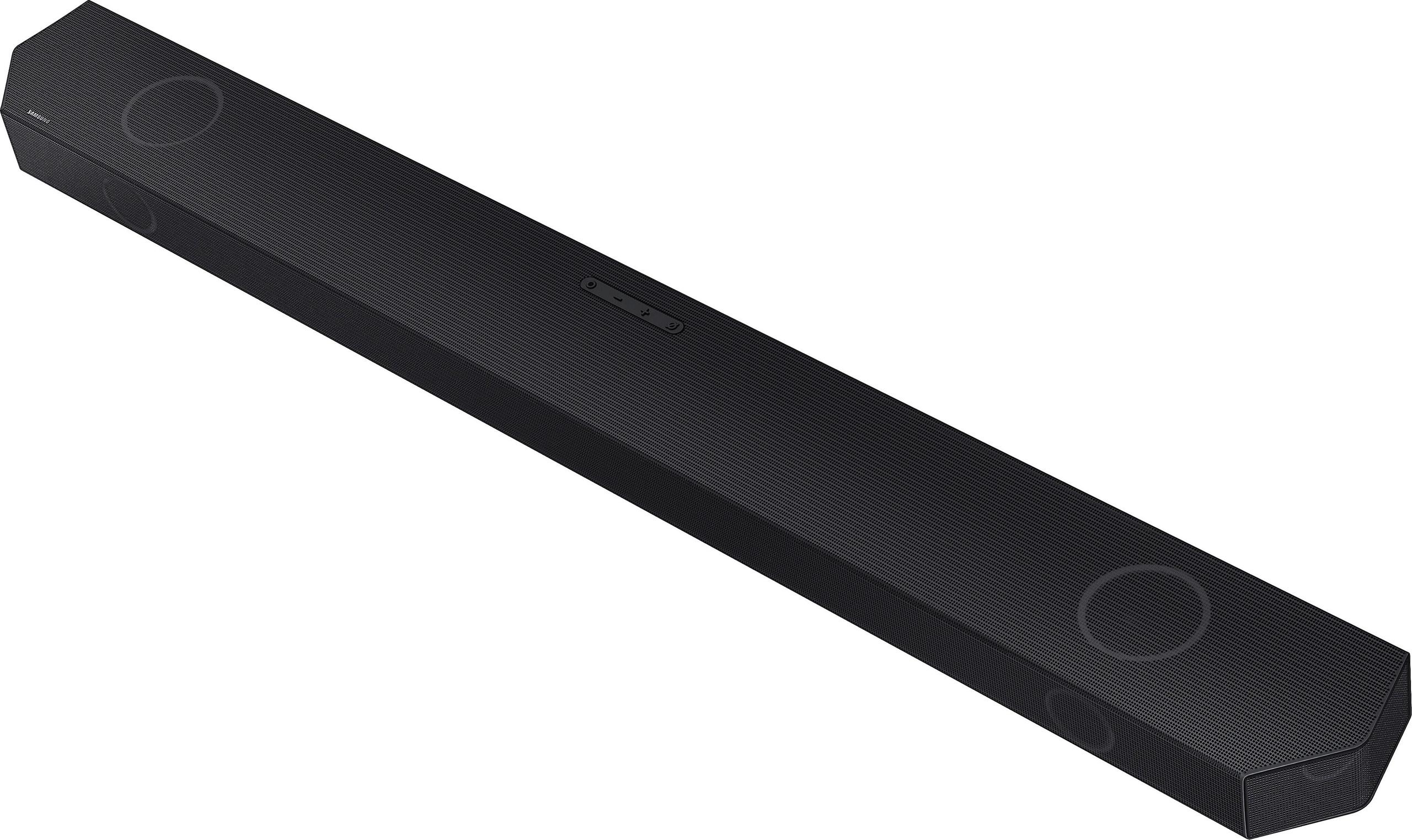
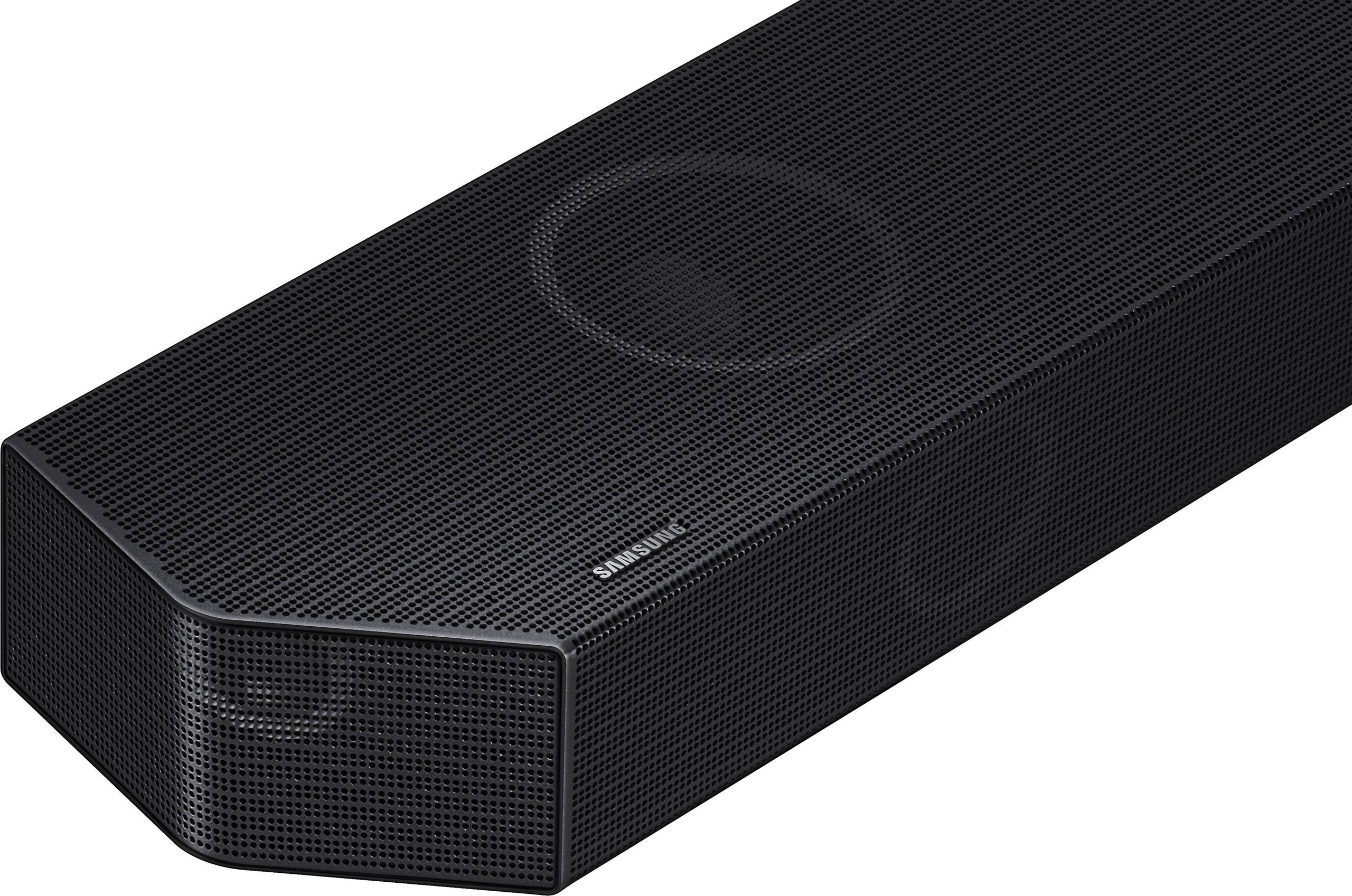
The Samsung HW-Q800D released in 2024, brings some serious firepower to the table with 360 watts of total power across 11 individual speakers. That might sound like marketing speak, but having lived with this system for several months, I can tell you it translates to noticeably cleaner, louder sound that doesn't strain or distort even when you're pushing it hard during action scenes.
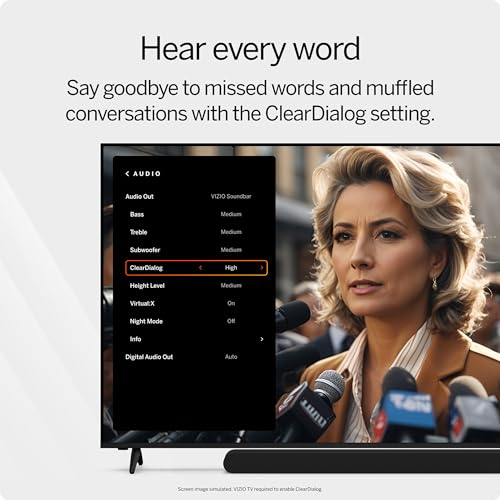
What impressed me most about the Samsung is how it handles dynamic range – that's the difference between the quietest and loudest sounds in a movie. During quiet dialogue scenes, you can hear every whisper clearly, but when explosions hit, they have real impact without making you dive for the volume control. This is partly thanks to features like Active Voice Amplifier (AVA), which automatically boosts dialogue when it detects background noise or music that might make voices hard to hear.
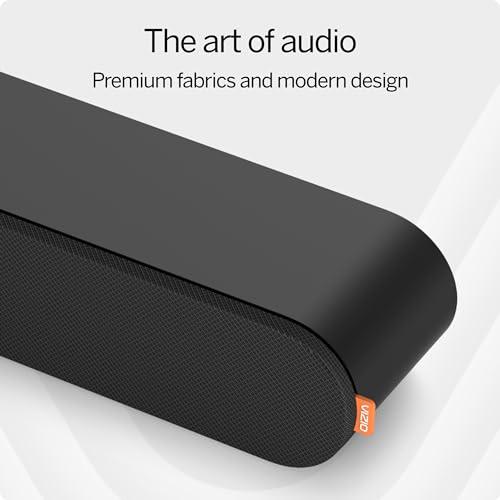
The VIZIO 5.1 SE, which has been available since around 2023, takes a different approach. It's not trying to be the most powerful system on the block, but it focuses on getting the fundamentals right. The soundstage – that's how wide and deep the audio field sounds – extends naturally because of those physical surround speakers. When a car drives from left to right across the screen, you hear it move from your left surround speaker to your right surround speaker. It's simple, but it works exactly how your brain expects it to.
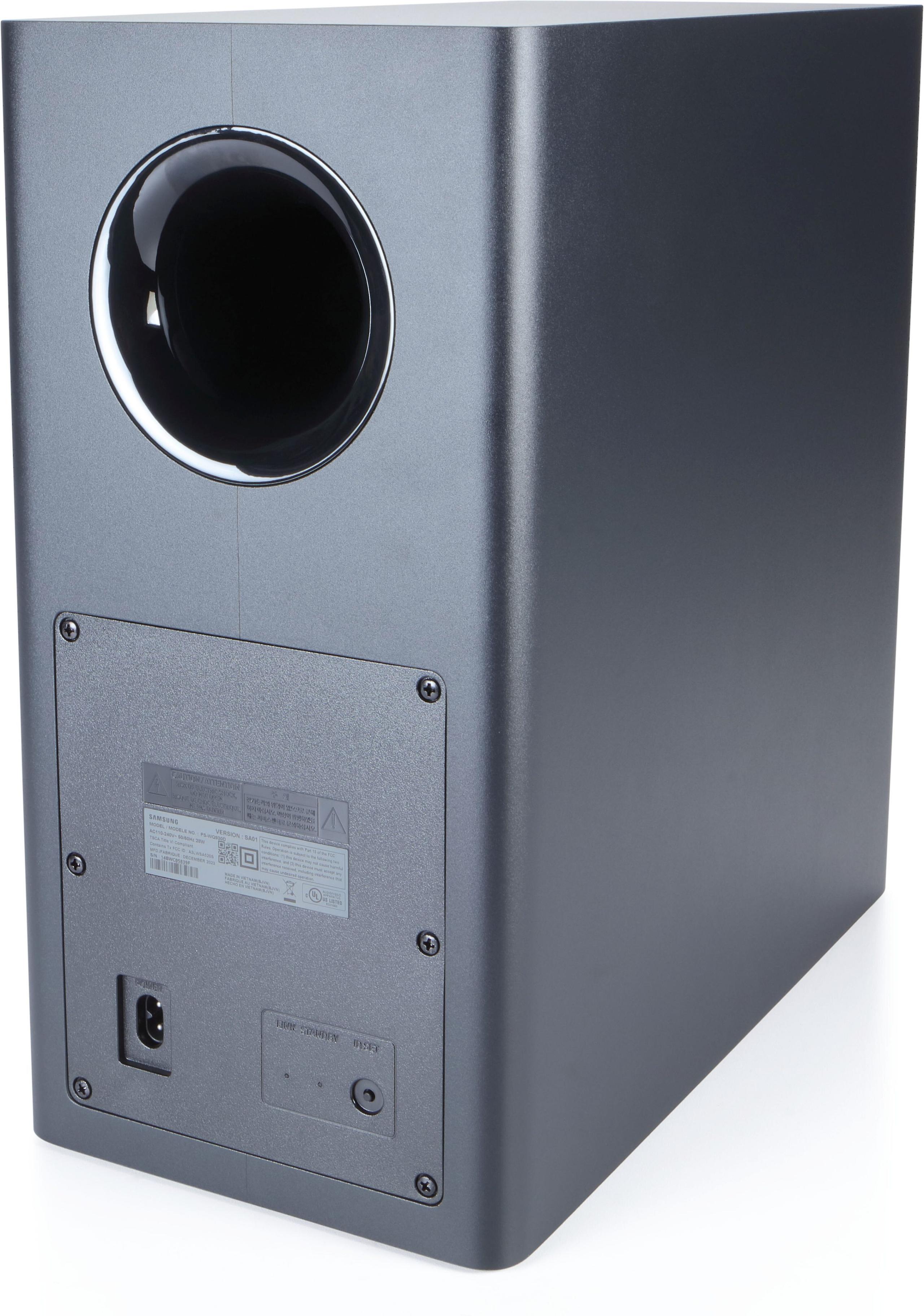
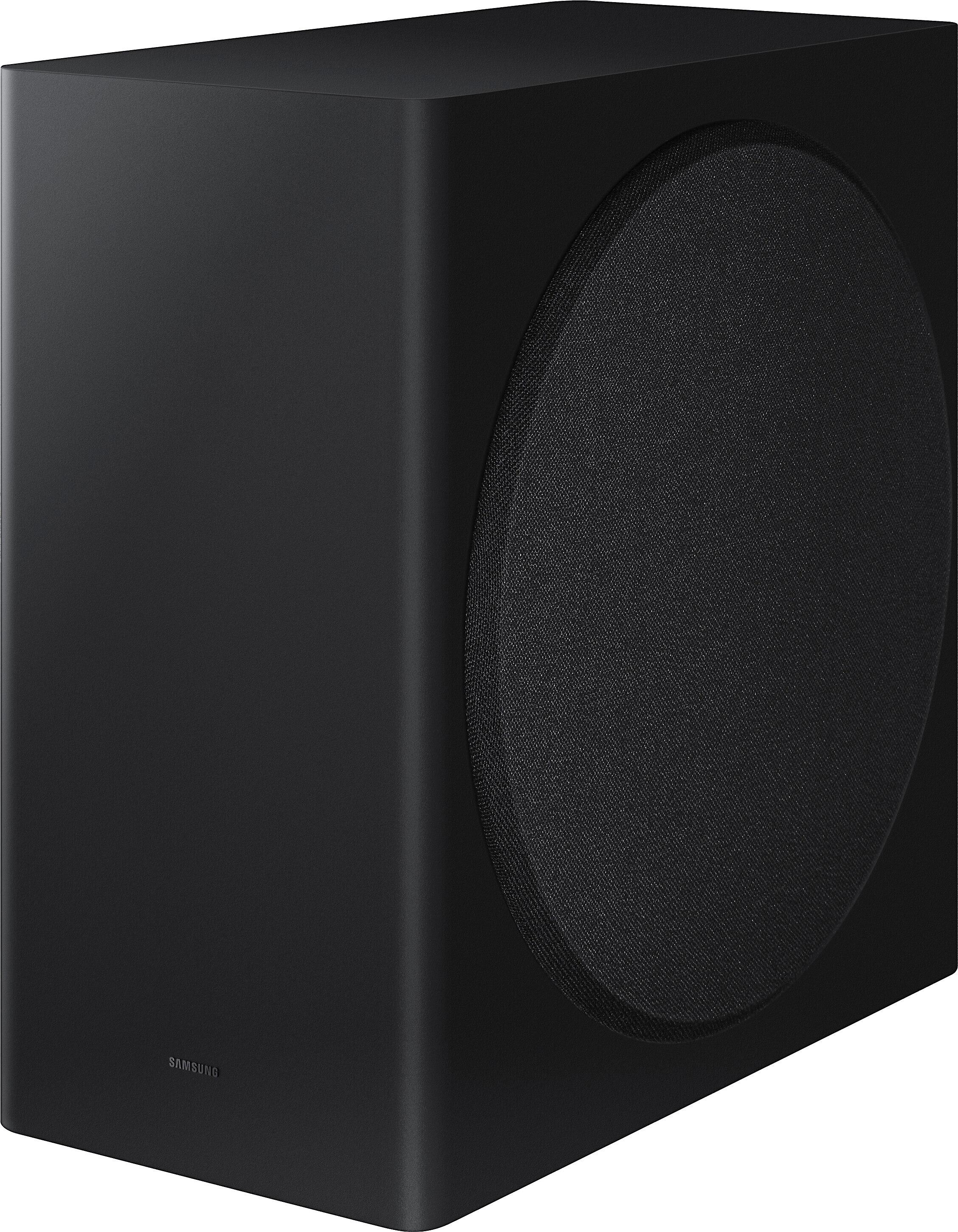
Both systems include wireless subwoofers, but they're quite different beasts. The Samsung's 8-inch side-firing subwoofer is more sophisticated, with a bass-reflex design (that means it has a port that helps extend the low-frequency response). I've noticed it integrates better with the main soundbar – the bass doesn't feel disconnected or boomy like some cheaper systems.
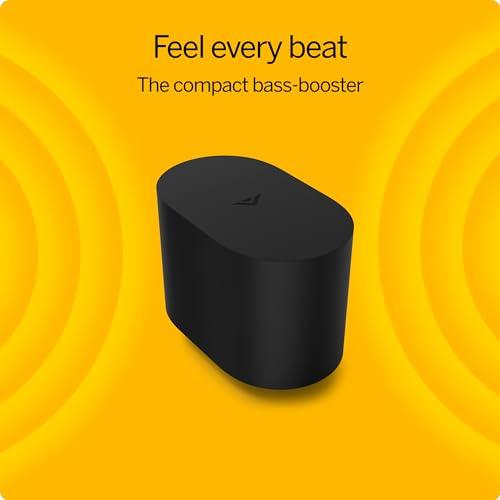
The VIZIO's subwoofer is more compact and straightforward. It gets down to 50Hz, which is respectable – you'll feel the rumble in action movies and the thump in music – but it's not as refined as the Samsung's implementation. That said, for many rooms and listening preferences, it's perfectly adequate, and the smaller size means it's easier to tuck away discretely.
This is where the technical specifications tell an interesting story. The Samsung HW-Q800D is technically a "5.1.2" system – that last number refers to dedicated height channels that fire sound upward toward your ceiling. These sounds then bounce down to create overhead effects.
The VIZIO 5.1 SE also supports Dolby Atmos, but it's more of a 5.1 system with Atmos processing rather than dedicated height channels in the surround speakers. The height effects come primarily from up-firing speakers in the main soundbar itself.
In practice, I've found the Samsung creates more convincing overhead effects, especially if you have a decent ceiling for sound reflection. The VIZIO's Atmos effects are more subtle – they add some sense of height and space, but you're not going to feel like helicopters are flying directly over your head.
The Samsung HW-Q800D is packed with smart features that genuinely improve the experience. SpaceFit Sound Pro is probably the most impressive – it uses built-in microphones to analyze your room's acoustics and automatically adjusts the sound to compensate for things like hard surfaces, room size, and speaker placement. It's not just marketing – I've tested this feature in different rooms, and it makes a noticeable difference.
Q-Symphony is another Samsung feature that's genuinely useful if you have a compatible Samsung TV. Instead of turning off your TV's speakers when you connect the soundbar (like most systems do), Q-Symphony lets both work together. Your TV's speakers handle some frequencies while the soundbar handles others, creating a bigger, more enveloping sound field.
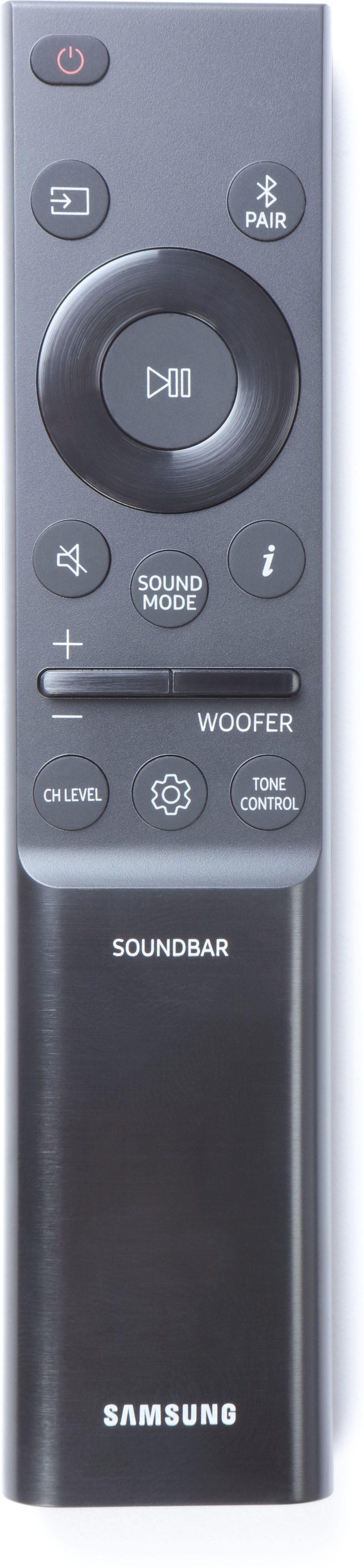
The Samsung also includes a proper 7-band equalizer that lets you fine-tune different frequency ranges. This might sound technical, but it's actually quite intuitive in the Samsung app – you can boost dialogue frequencies if you have trouble hearing voices, or pump up the bass if you're into action movies.
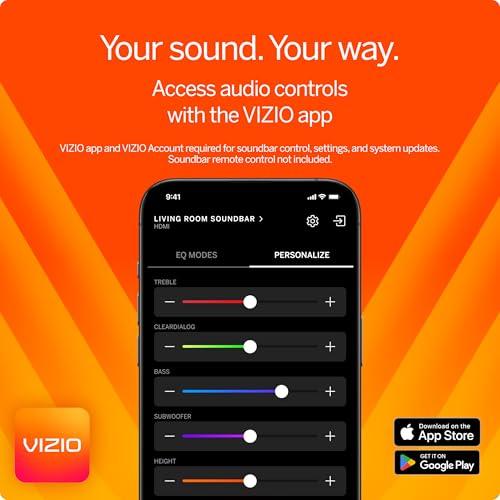
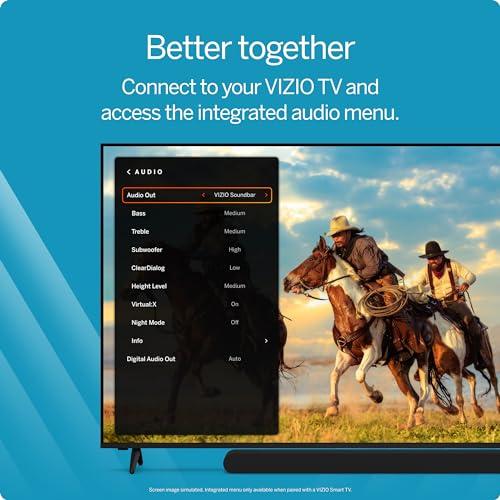
The VIZIO 5.1 SE keeps things simpler, which some people will prefer. The mobile app lets you adjust basic settings like bass and treble levels, and you can control the soundbar with your TV remote through HDMI eARC (that's a connection that carries high-quality audio back from your TV to the soundbar).
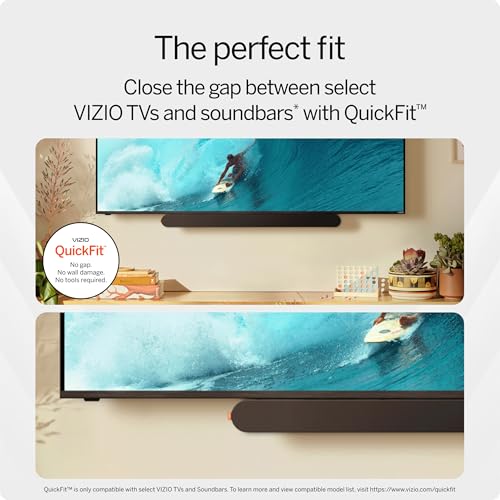
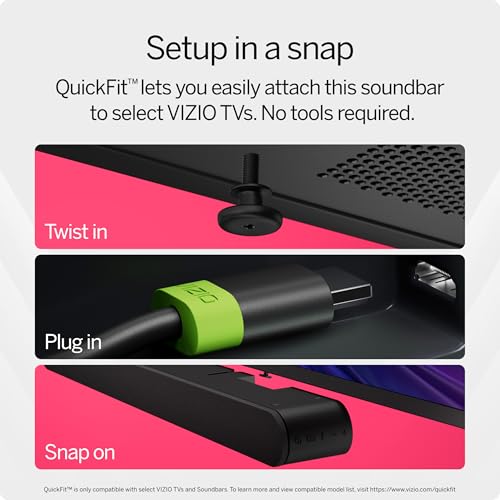
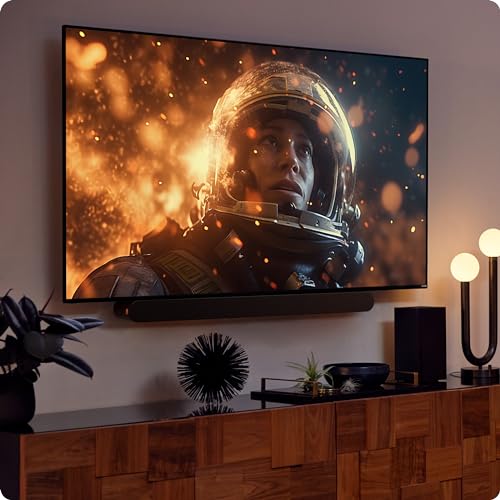
One feature I really appreciate is VIZIO's QuickFit mounting system. If you have a compatible VIZIO TV, the soundbar attaches directly to the TV without any tools. It creates a clean, integrated look that's particularly nice if you wall-mount your TV.
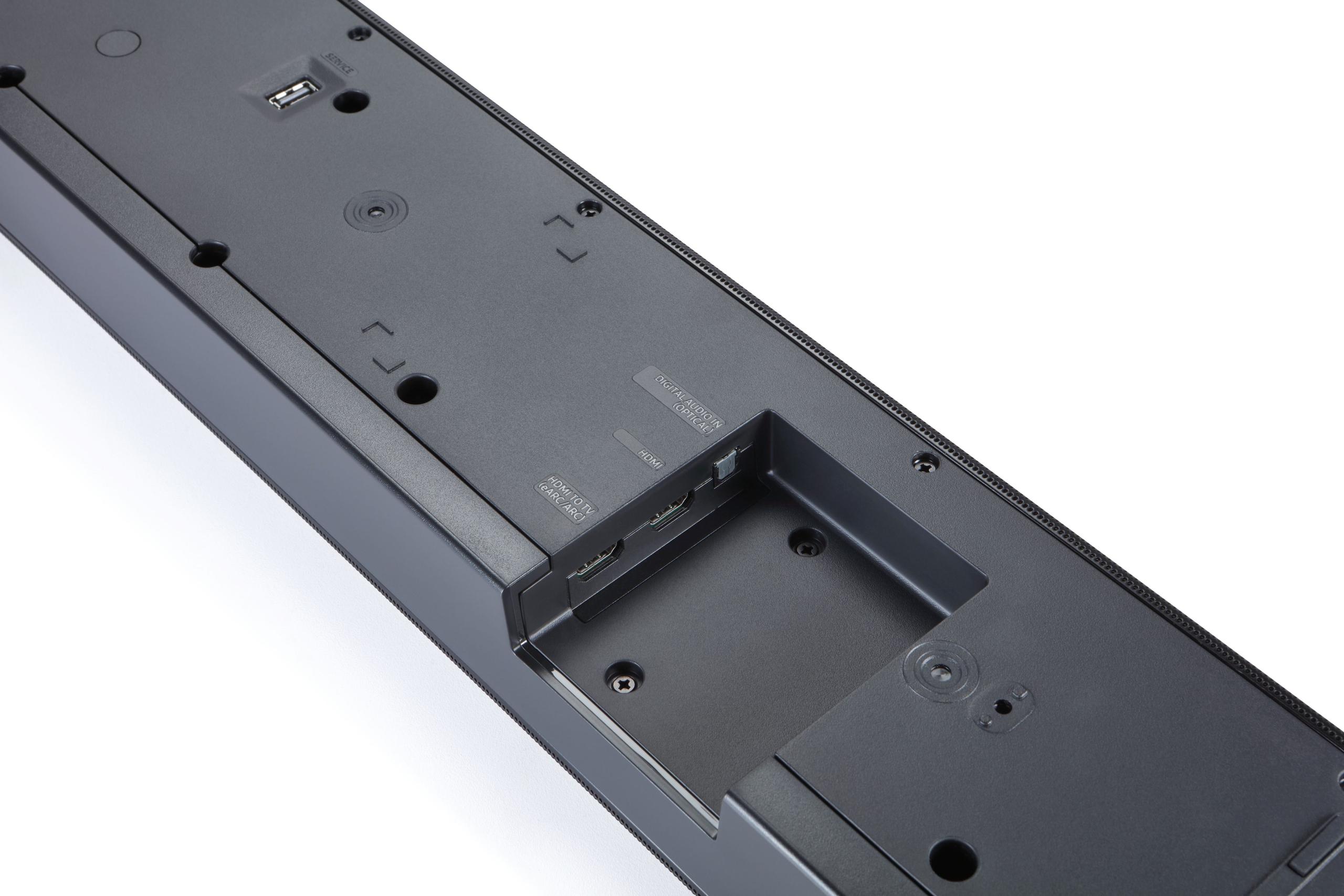
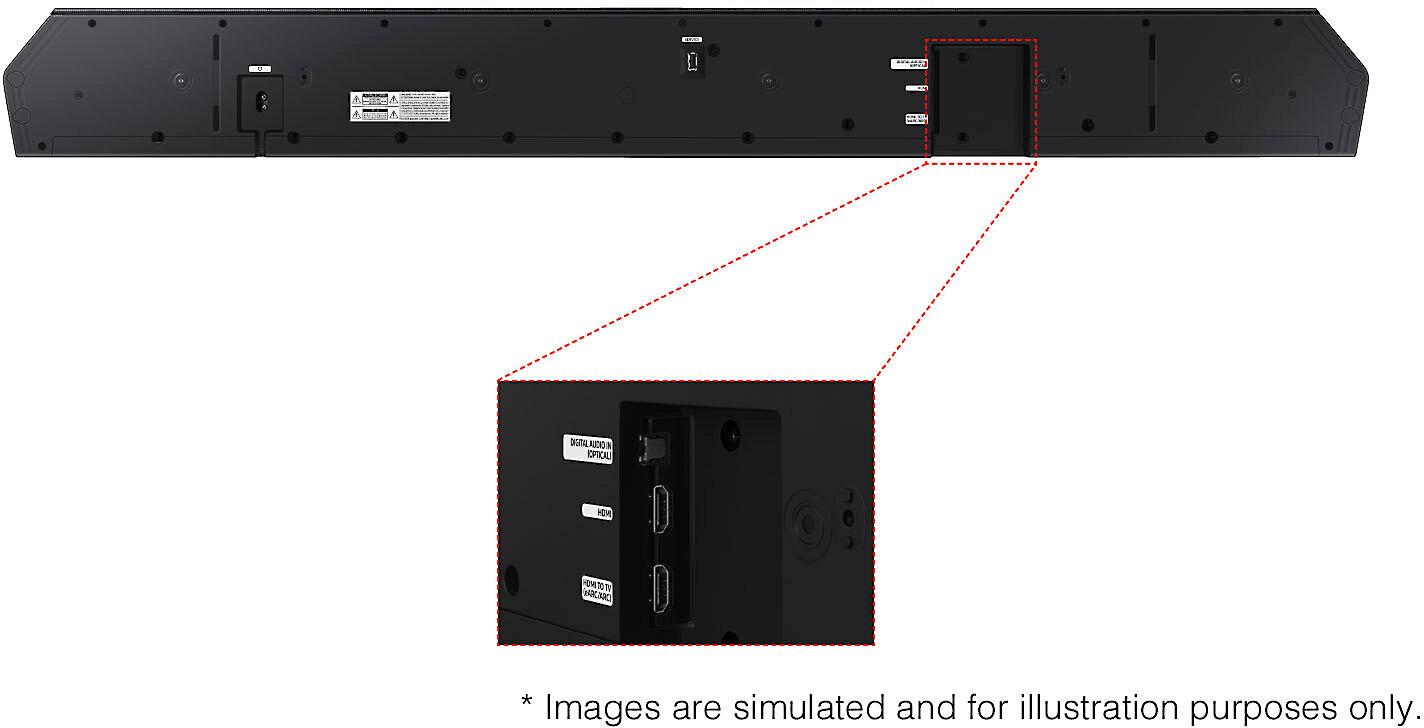
This is where the differences become quite practical for daily use. The Samsung HW-Q800D includes full HDMI pass-through, which means you can connect devices like gaming consoles, Apple TV, or Blu-ray players directly to the soundbar, and it will pass the video through to your TV while processing the audio. This is incredibly convenient if your TV is short on HDMI ports.
The Samsung also supports 4K video at 60Hz with HDR10 and HDR10+ pass-through, which is important if you're using it with modern gaming consoles or streaming devices that output high-quality video.
The VIZIO 5.1 SE, by contrast, has just one HDMI connection that supports eARC but doesn't offer pass-through. This means all your devices need to connect to your TV, and the TV sends audio back to the soundbar. It's simpler in some ways, but less flexible if you have multiple high-quality sources.
At the time of writing, these systems occupy different price tiers, and that price difference reflects real performance differences. The Samsung HW-Q800D typically costs significantly more than the VIZIO 5.1 SE, but you get more sophisticated audio processing, room correction technology, and better connectivity for that extra cost.
The VIZIO represents excellent value if you want true surround sound with physical rear speakers at a more accessible price point. For many people, especially those with good room layouts for traditional surround sound, the VIZIO delivers most of what you want without the premium features you might not use.
The Samsung justifies its higher cost with measurably better audio quality, smarter room integration, and more flexible connectivity. If you're the type of person who wants the best possible sound quality and appreciates features like automatic room correction, it's worth the investment.
If you're serious about movies, both systems will dramatically improve your experience over TV speakers, but in different ways. The VIZIO 5.1 SE excels at creating that classic movie theater feeling where sounds move clearly around the room. Action sequences have proper directionality, and you get that immersive feeling of being in the middle of the action.
The Samsung HW-Q800D is more sophisticated about how it handles different types of content. Its Adaptive Sound feature analyzes what you're watching and optimizes the audio accordingly – dialogue gets clearer during quiet scenes, and dynamic range expands during action sequences.
Modern games often have excellent spatial audio design, and both systems handle gaming well, but with different strengths. The Samsung has the advantage of Game Pro mode, which optimizes for directional audio cues that can give you a competitive advantage. The HDMI pass-through also means lower latency (less delay between controller input and audio response).
The VIZIO provides more traditional surround sound that works well for single-player games where immersion is more important than competitive precision. Those physical surround speakers create convincing environmental audio in games with good surround sound design.
Neither of these is primarily designed as a music system, but both handle music respectably. The Samsung's more powerful amplification and better frequency response make it more versatile for different music genres. The room correction also helps with music by compensating for acoustic issues that can muddy the sound.
The VIZIO is more basic for music but still enjoyable, especially for casual listening. The dedicated center channel helps with vocal clarity in songs, and the subwoofer adds nice weight to bass-heavy music.
The Samsung HW-Q800D is a single-bar solution (plus subwoofer), which means it's simpler to place and requires fewer wireless connections. The bar itself is substantial but not overwhelming, and the subwoofer can be tucked away almost anywhere in the room since it's wireless.
The VIZIO 5.1 SE requires more thought about placement since you need to position those surround speakers effectively. They're small and unobtrusive, but you do need to think about where they'll go and how to run power to them (they're wireless for audio but still need to plug into wall outlets).
I've found both systems reliable in daily use, but they have different quirks. The Samsung occasionally takes a moment longer to wake up and sync with the TV, especially if you're switching between different input sources. The room correction sometimes re-runs automatically, which can be slightly annoying if you're trying to quickly start a movie.
The VIZIO is more predictable – it turns on quickly, connects reliably, and doesn't overthink things. The trade-off is that you don't get the smart optimizations that can genuinely improve the experience.
You want traditional surround sound that just works without fuss. If you have a good room layout where you can place surround speakers effectively, and you prefer the straightforward approach of having actual speakers where surround sounds should come from, the VIZIO is an excellent choice. It's also the better value if you're budget-conscious but still want a genuine surround sound experience with Dolby Atmos support.
You want the most sophisticated audio experience available in this category and are willing to pay for it. If you love the idea of automatic room correction, smart features that adapt to what you're watching, and the convenience of not having to place multiple speakers around your room, the Samsung is worth the premium. It's also the better choice if you need extensive connectivity options or plan to use it with a Samsung TV.
Both the VIZIO 5.1 Soundbar SE and Samsung HW-Q800D will transform your TV watching experience, but they'll do it in distinctly different ways. The VIZIO offers traditional, reliable surround sound at an accessible price, while the Samsung provides cutting-edge audio processing and smart features at a premium cost.
Your choice ultimately comes down to whether you value the certainty and simplicity of physical surround speakers, or prefer the sophistication and convenience of advanced virtual surround technology. Either way, you're getting a significant upgrade over basic TV audio – it's just a question of which approach fits better with your room, budget, and priorities.
Having lived with both systems, I can honestly say there's no wrong choice here. The VIZIO delivers exactly what it promises without pretense, while the Samsung pushes the boundaries of what's possible with soundbar technology. Choose based on your priorities, and you'll be happy with either decision.
| VIZIO 5.1 Soundbar SE Dolby Atmos Surround System | Samsung HW-Q800D 5.1.2 Channel Soundbar |
|---|---|
| Channel Configuration - Determines surround sound approach and immersion quality | |
| 5.1 channels with physical surround speakers | 5.1.2 channels with virtual surround + dedicated height channels |
| Total Power Output - Affects maximum volume and dynamic range without distortion | |
| Not specified (estimated around 200W) | 360W across 11 speakers |
| Surround Speaker Setup - Critical for room layout flexibility and installation complexity | |
| Two separate wireless surround speakers (require power outlets) | Virtual surround processing (no physical rear speakers needed) |
| Subwoofer Design - Impacts bass quality and room placement options | |
| Compact wireless subwoofer (50Hz frequency response) | 8-inch side-firing wireless subwoofer with bass-reflex design |
| Dolby Atmos Implementation - Determines overhead sound effect quality | |
| Height effects from main soundbar only | Dedicated 5.1.2 configuration with specific height channel processing |
| Room Correction Technology - Automatically optimizes sound for your specific space | |
| Manual bass/treble adjustment only | SpaceFit Sound Pro with automatic room analysis and calibration |
| HDMI Connectivity - Affects source device connection flexibility | |
| Single HDMI eARC input (no pass-through) | HDMI pass-through with 4K/60Hz HDR support + multiple inputs |
| Smart Features - Enhanced convenience and audio optimization | |
| Basic app control, QuickFit mounting for VIZIO TVs | Q-Symphony TV integration, Active Voice Amplifier, 7-band EQ, Game Pro mode |
| Physical Dimensions - Important for TV compatibility and room aesthetics | |
| 33" soundbar with separate surround speakers to position | Single bar solution (plus subwoofer) - dimensions not specified |
| Best Value Proposition - Who gets the most benefit for their investment | |
| True surround sound at accessible price point | Premium features and processing power justify higher cost |
The Samsung HW-Q800D is generally better for dedicated home theater use due to its 360W power output, advanced room correction technology, and superior Dolby Atmos implementation with dedicated height channels. However, the VIZIO 5.1 Soundbar SE excels if you prefer traditional surround sound with physical rear speakers and have an optimal room layout for speaker placement.
The key difference is their surround sound approach: the VIZIO 5.1 Soundbar SE uses actual physical surround speakers that you place around your room, while the Samsung HW-Q800D creates virtual surround sound effects using advanced audio processing and bouncing sound off your walls and ceiling.
The Samsung HW-Q800D typically delivers superior overall audio quality with its 11 speakers, 360W power output, and sophisticated processing. The VIZIO 5.1 SE offers excellent sound quality for its price range, particularly excelling in traditional surround sound placement and imaging.
The Samsung HW-Q800D is easier to set up since it's essentially a single soundbar plus wireless subwoofer with automatic room correction. The VIZIO 5.1 Soundbar SE requires more setup time as you need to optimally place the physical surround speakers and ensure they have power connections.
Yes, both the VIZIO 5.1 SE and Samsung HW-Q800D support Dolby Atmos. The Samsung offers superior Atmos performance with its dedicated 5.1.2 channel configuration and specific height processing, while the VIZIO provides Atmos effects primarily through the main soundbar's up-firing drivers.
The VIZIO 5.1 Soundbar SE typically offers better value for budget-conscious buyers who want true surround sound with physical speakers. The Samsung HW-Q800D provides better value for those willing to invest in premium features like room correction, advanced connectivity, and superior audio processing.
The Samsung HW-Q800D supports direct gaming console connections with HDMI pass-through, 4K/60Hz support, and dedicated Game Pro mode. The VIZIO 5.1 SE requires gaming consoles to connect through your TV since it only has HDMI eARC input without pass-through capability.
The Samsung HW-Q800D is often better for smaller spaces since its virtual surround technology doesn't require physical speaker placement around the room. The VIZIO 5.1 Soundbar SE may be challenging in small apartments where optimal surround speaker positioning isn't possible.
Both soundbars work with any TV brand that has HDMI ARC/eARC or optical connections. However, the Samsung HW-Q800D offers enhanced features like Q-Symphony when paired with Samsung TVs, while the VIZIO 5.1 SE includes QuickFit mounting specifically designed for VIZIO TVs.
The Samsung HW-Q800D generally performs better for music with its superior power output, room correction technology, and 7-band equalizer for audio customization. The VIZIO 5.1 Soundbar SE handles music adequately but is more focused on movie and TV audio performance.
The Samsung HW-Q800D features an 8-inch side-firing subwoofer with bass-reflex design for deeper, more controlled bass response. The VIZIO 5.1 SE includes a more compact wireless subwoofer with 50Hz frequency response that provides adequate bass impact but with less refinement than the Samsung's implementation.
For maximum immersion, choose the VIZIO 5.1 Soundbar SE if you can properly place physical surround speakers in your room, as this provides the most accurate surround sound placement. Choose the Samsung HW-Q800D if you want sophisticated virtual surround with better height effects and don't want to deal with multiple speaker placement.
We've done our best to create useful and informative comparisons to help you decide what product to buy. Our research uses advanced automated methods to create this comparison and perfection is not possible - please contact us for corrections or questions. These are the sites we've researched in the creation of this article: bestbuy.com - vizio.com - rtings.com - vizio.com - vizio.com - vizio.com - youtube.com - vizio.com - vizio.com - cnet.com - samsclub.com - walmart.com - nfm.com - finelinesdesignstudio.com - dugoutnorthbrook.com - bestbuy.com - techradar.com - valueelectronics.com - samsung.com - rtings.com - samsung.com - crutchfield.com - samsung.com - samsung.com - samsung.com - shidirect.com

Privacy Policy
Terms and Conditions - Affiliate Policy
Home Security
© Copyright 2008-2026.
11816 Inwood Rd #1211, Dallas, TX 75244