

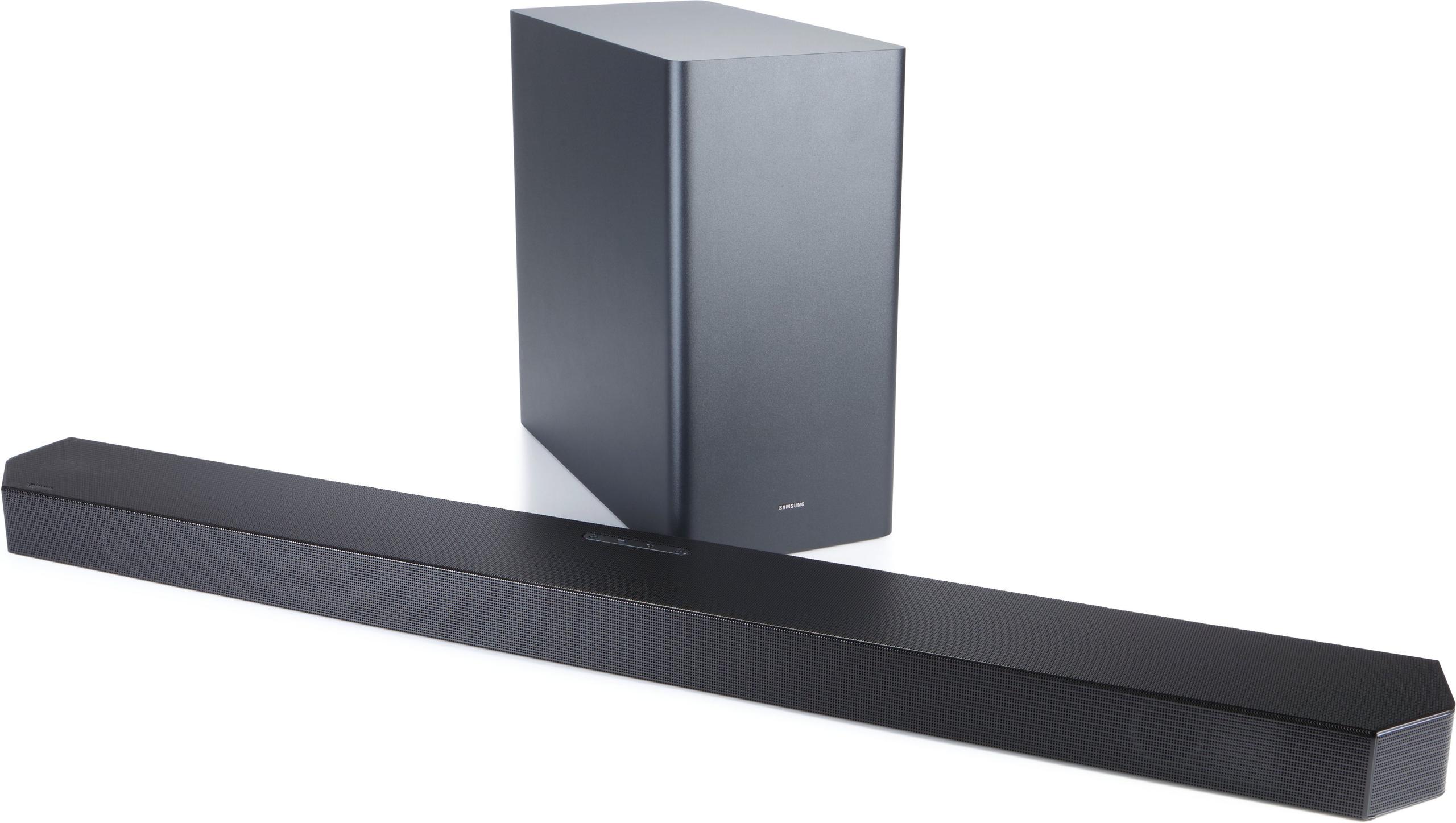





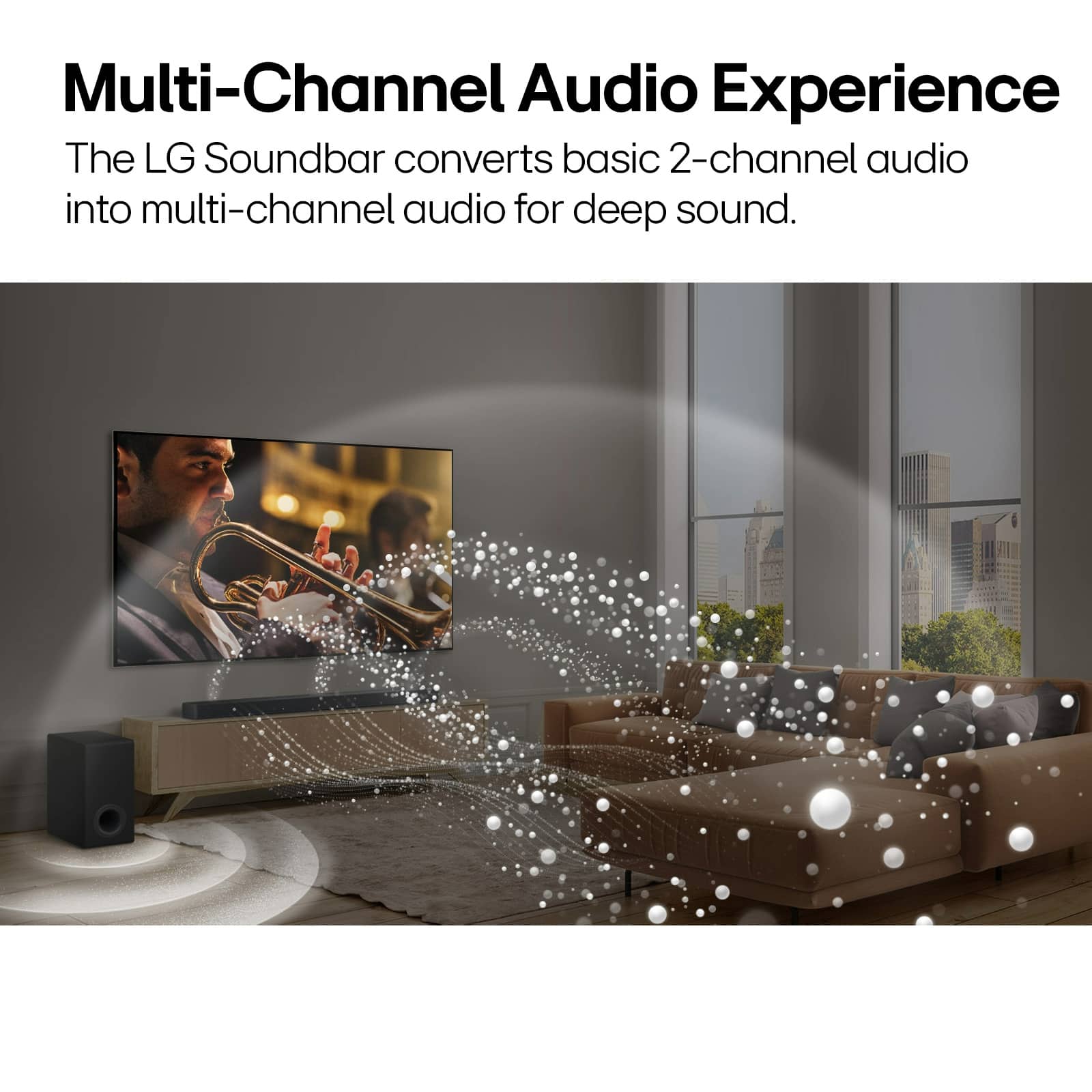
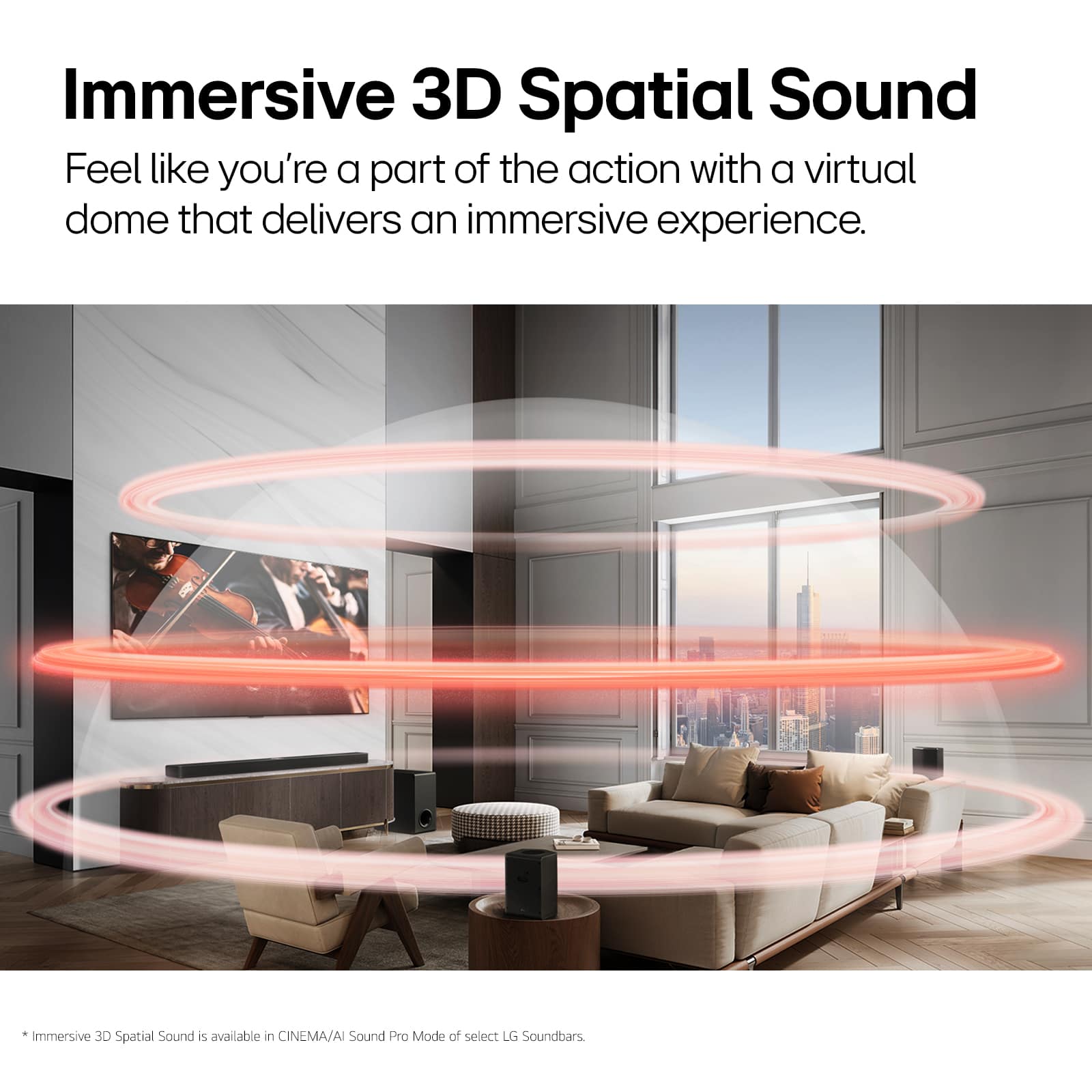
If you've ever watched a movie where the explosions sound like whispers but the dialogue is impossible to hear, you know why soundbars exist. These sleek audio devices have become essential for modern home entertainment, transforming thin TV speakers into something that actually does justice to your favorite shows and movies.
Today's soundbars do much more than just make things louder. They create virtual surround sound, enhance dialogue clarity, and can even sync with your TV's built-in speakers for a more immersive experience. The technology has evolved rapidly, especially with features like Dolby Atmos—a format that adds height to sound, making it feel like audio is coming from above and around you rather than just from the front.
When choosing between the Samsung HW-Q800D ($799) and LG S70TR ($399), you're looking at two very different approaches to solving the same problem. The Samsung represents the premium virtual surround approach, while the LG takes the value-packed true surround route. Understanding these differences will help you pick the right system for your space and budget.
Before diving into specifics, let's talk about what makes a great soundbar. The numbers you see—like 5.1.2 or 5.1.1—tell you about the speaker configuration. The first number represents main channels (left, right, center, and two surrounds), the second is for subwoofers, and the third indicates height channels for Dolby Atmos effects.
Room size plays a huge role in performance. A soundbar that sounds amazing in a showroom might feel overwhelming in a small apartment or get lost in a large living room. Connectivity matters too, especially if you're a gamer who needs features like Variable Refresh Rate (VRR)—technology that syncs your console's frame rate with your display to eliminate screen tearing.
The biggest consideration is whether you want virtual surround sound (created through clever audio processing) or true surround sound (using actual speakers placed around your room). Each approach has its merits, and your choice often comes down to space, budget, and how much setup complexity you're willing to handle.
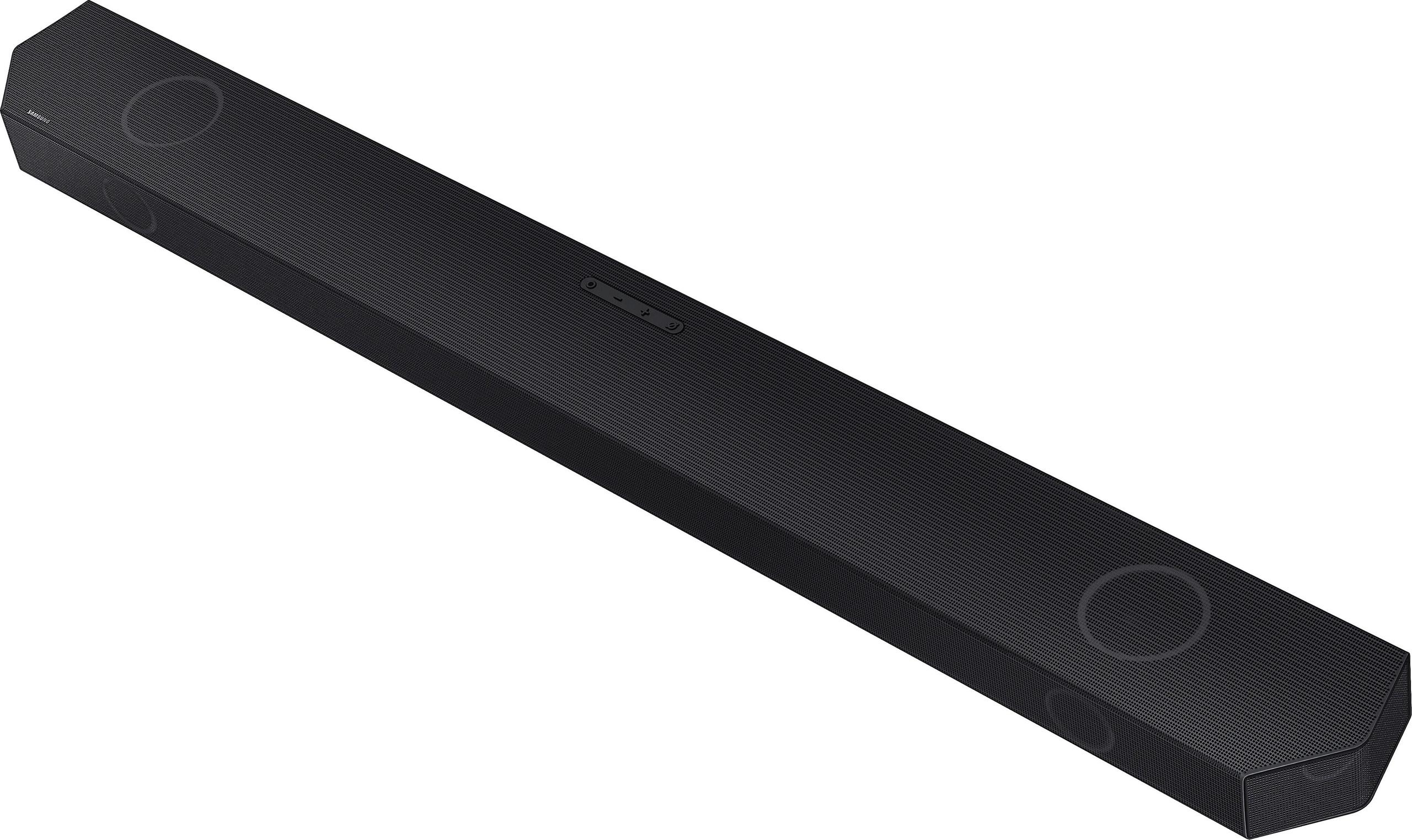
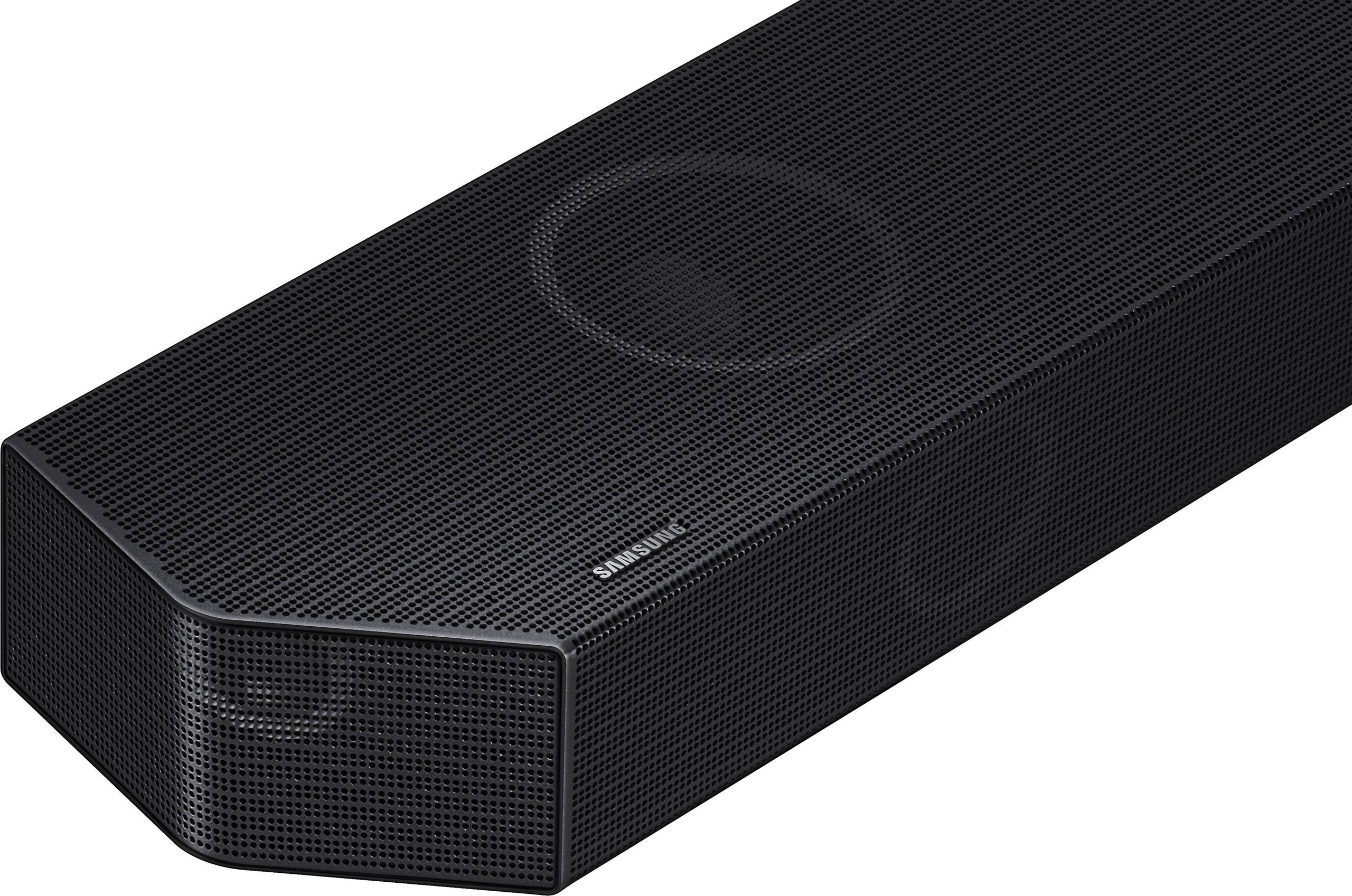
Released in 2024, the Samsung HW-Q800D represents Samsung's refined approach to soundbar design. At $799, it's positioned as a premium option that focuses on sophisticated audio processing rather than sheer component count. Samsung has improved their SpaceFit Sound Pro technology significantly since previous generations—this system now uses built-in microphones to analyze your room's acoustics and automatically adjust the sound profile.
The 5.1.2 configuration means you get five main channels, one subwoofer, and two height channels for Dolby Atmos. What's clever about Samsung's approach is how they use psychoacoustics—the science of how our brains interpret sound—to create convincing surround effects from just the main bar and subwoofer. The system includes 11 total drivers with a combined 360W of power, which is substantial for a two-piece setup.
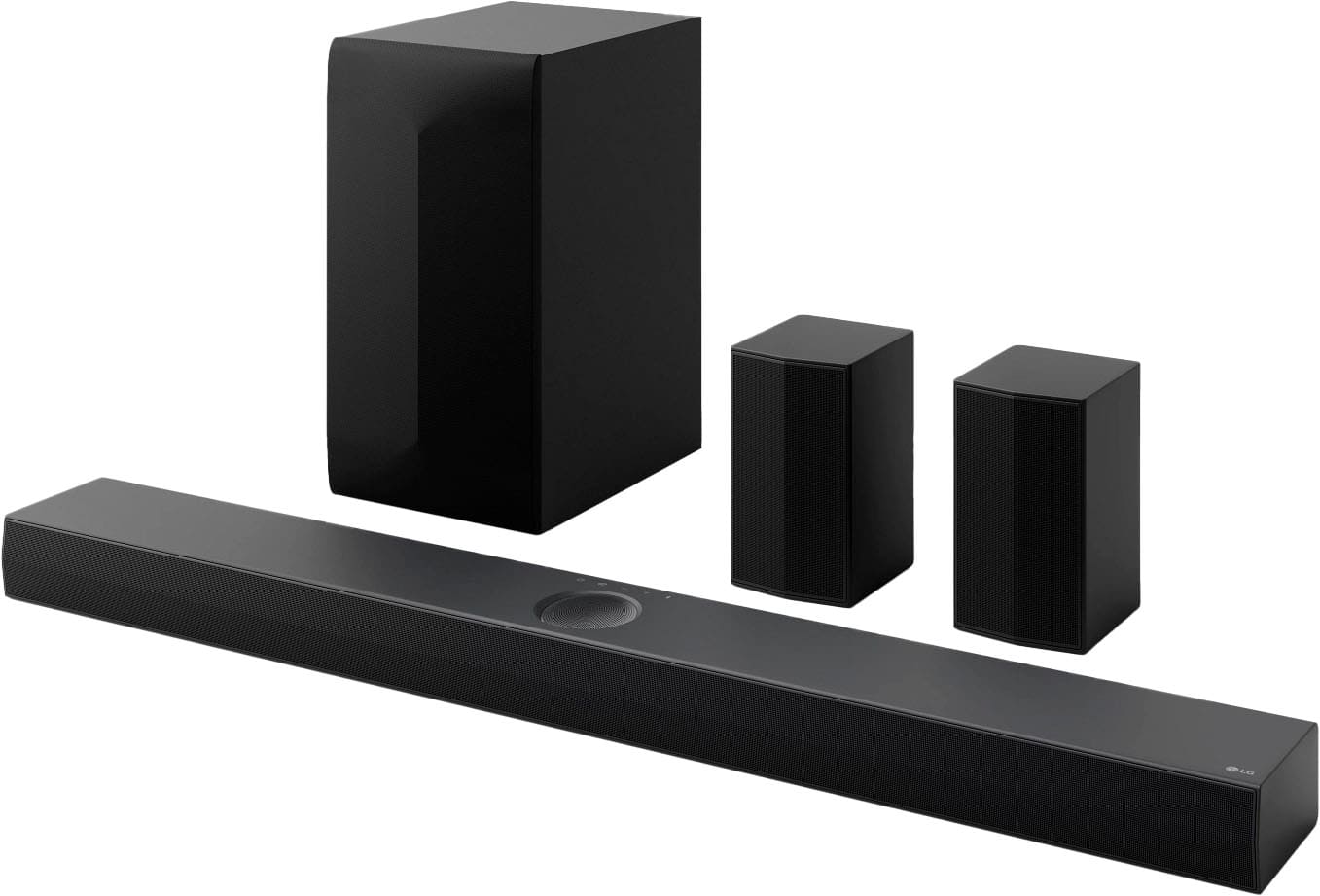
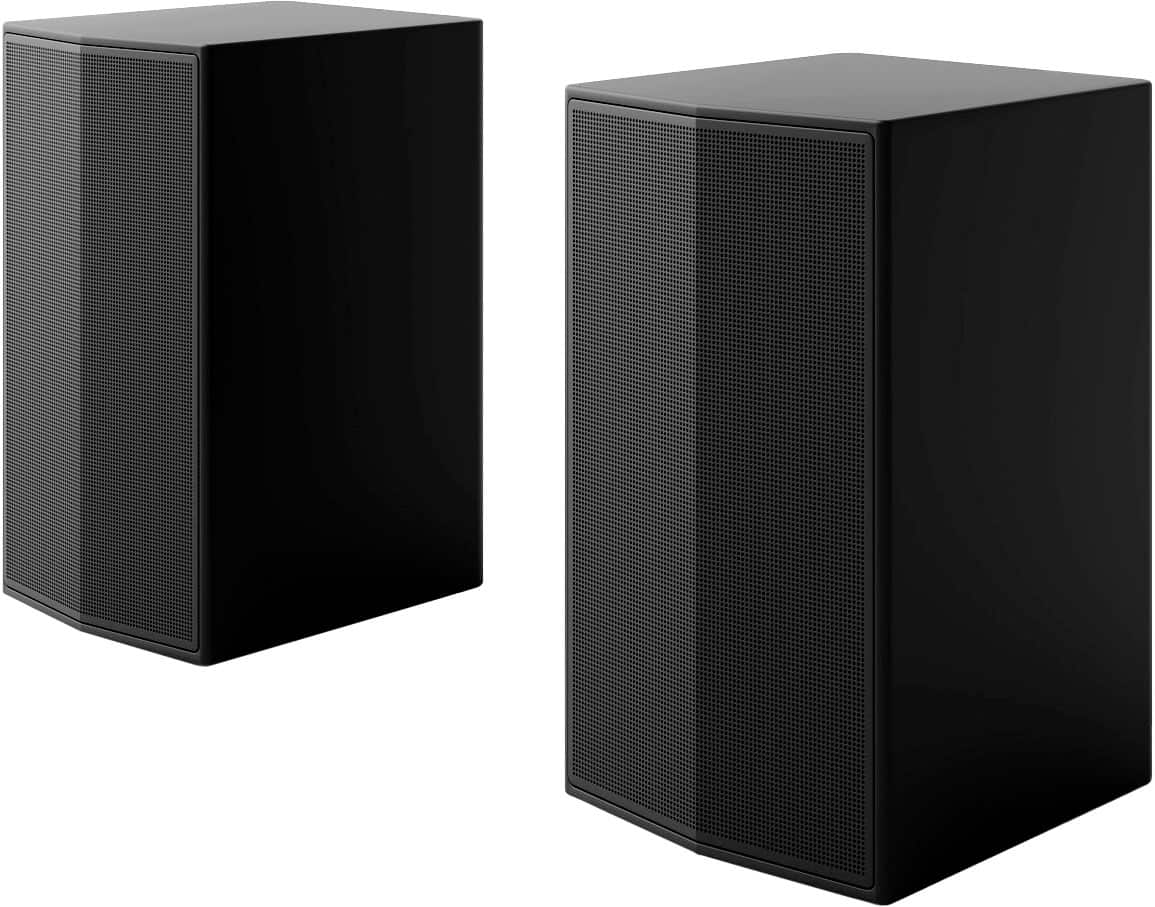
The LG S70TR, launched in 2025, takes a different philosophy entirely. At $399, LG includes everything you'd expect in a complete surround system: the main soundbar, a wireless subwoofer, and crucially, wireless rear speakers. This 5.1.1 setup (five main channels, one subwoofer, one height channel) gives you true surround sound where audio actually comes from behind you.
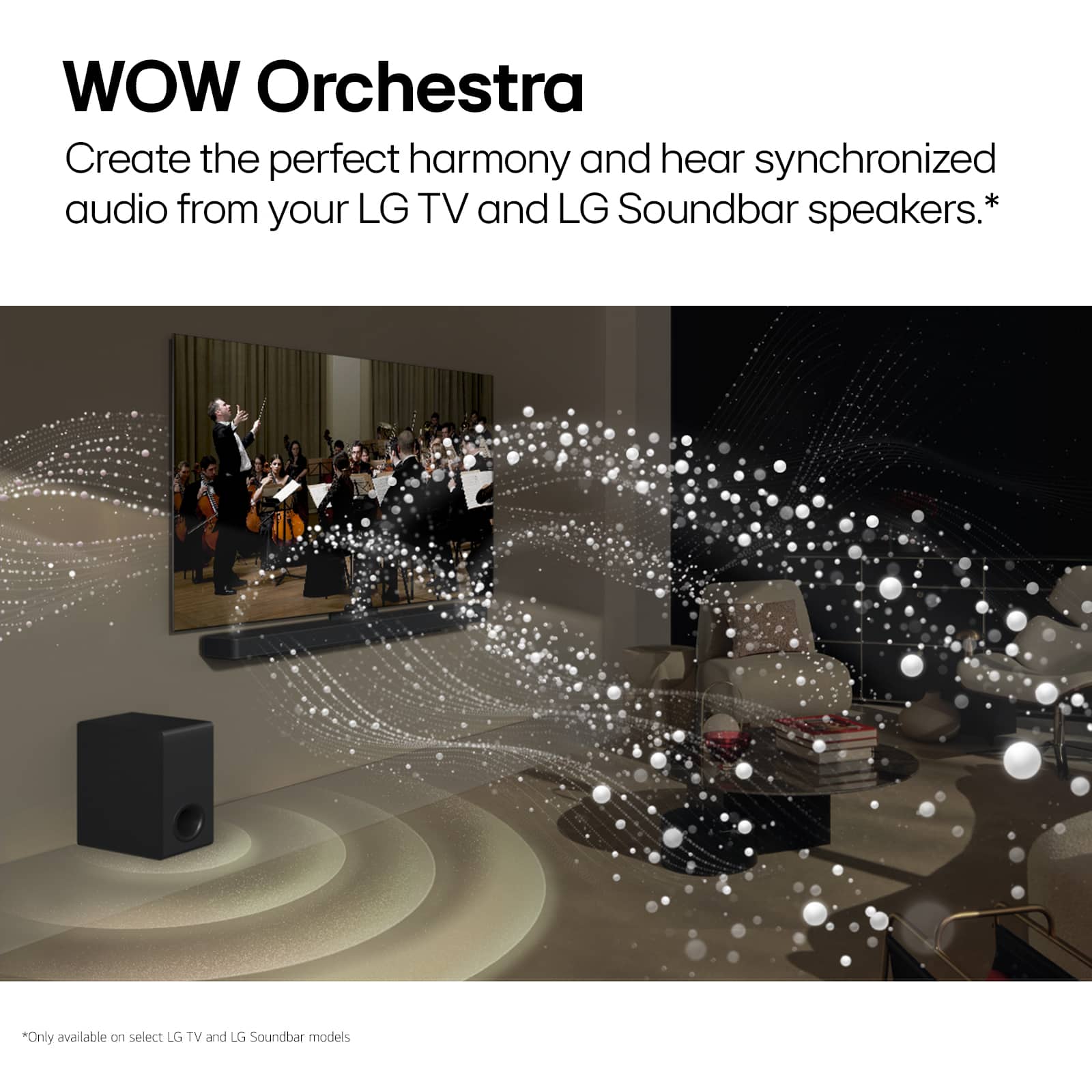
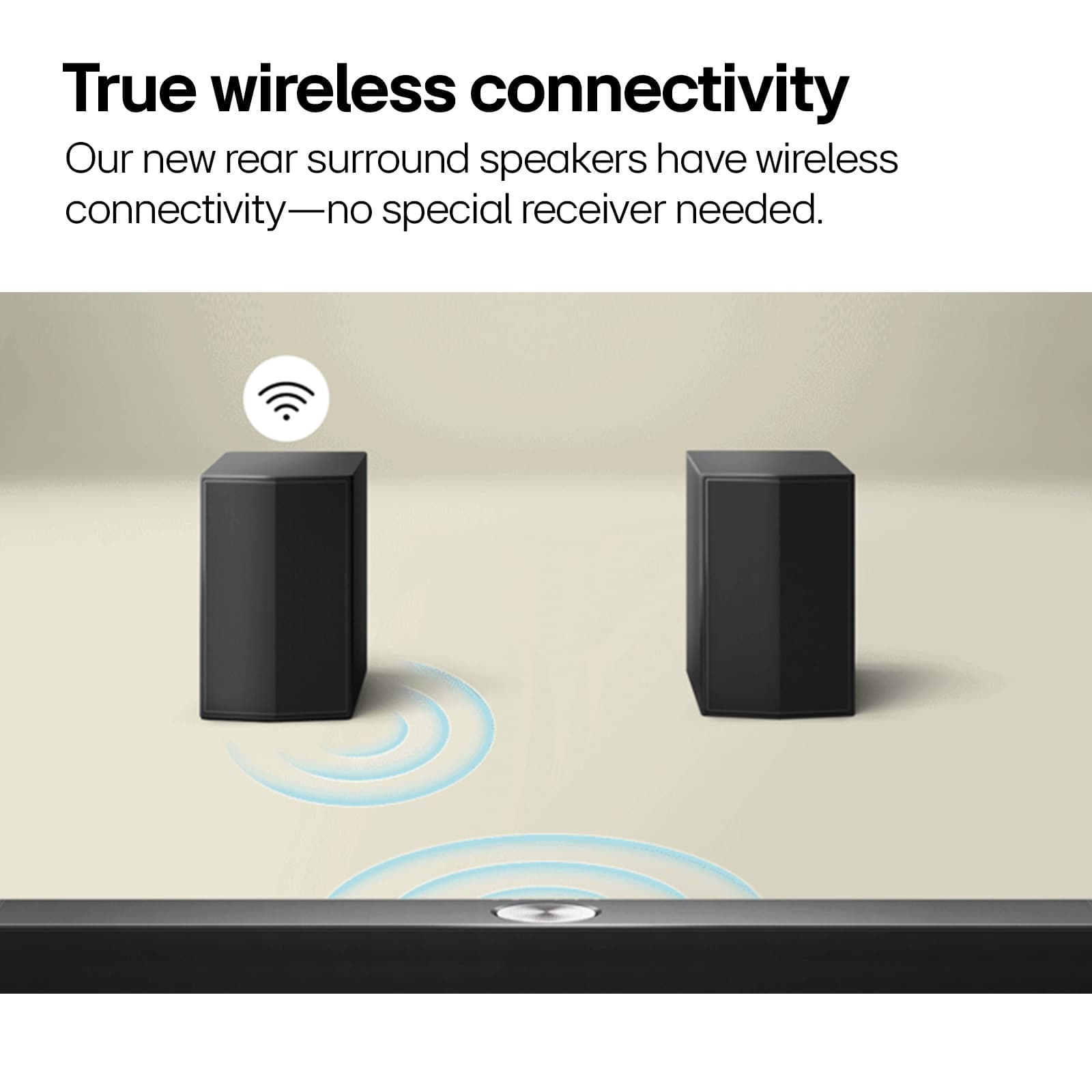
LG's major innovation here is WOW Orchestra, which works with compatible LG TVs to use the TV's built-in speakers alongside the soundbar speakers. This creates what LG calls a "wall of sound" by utilizing every available driver in your entertainment setup. The rear speakers connect wirelessly, eliminating the cable runs that traditionally made surround systems complicated to install.
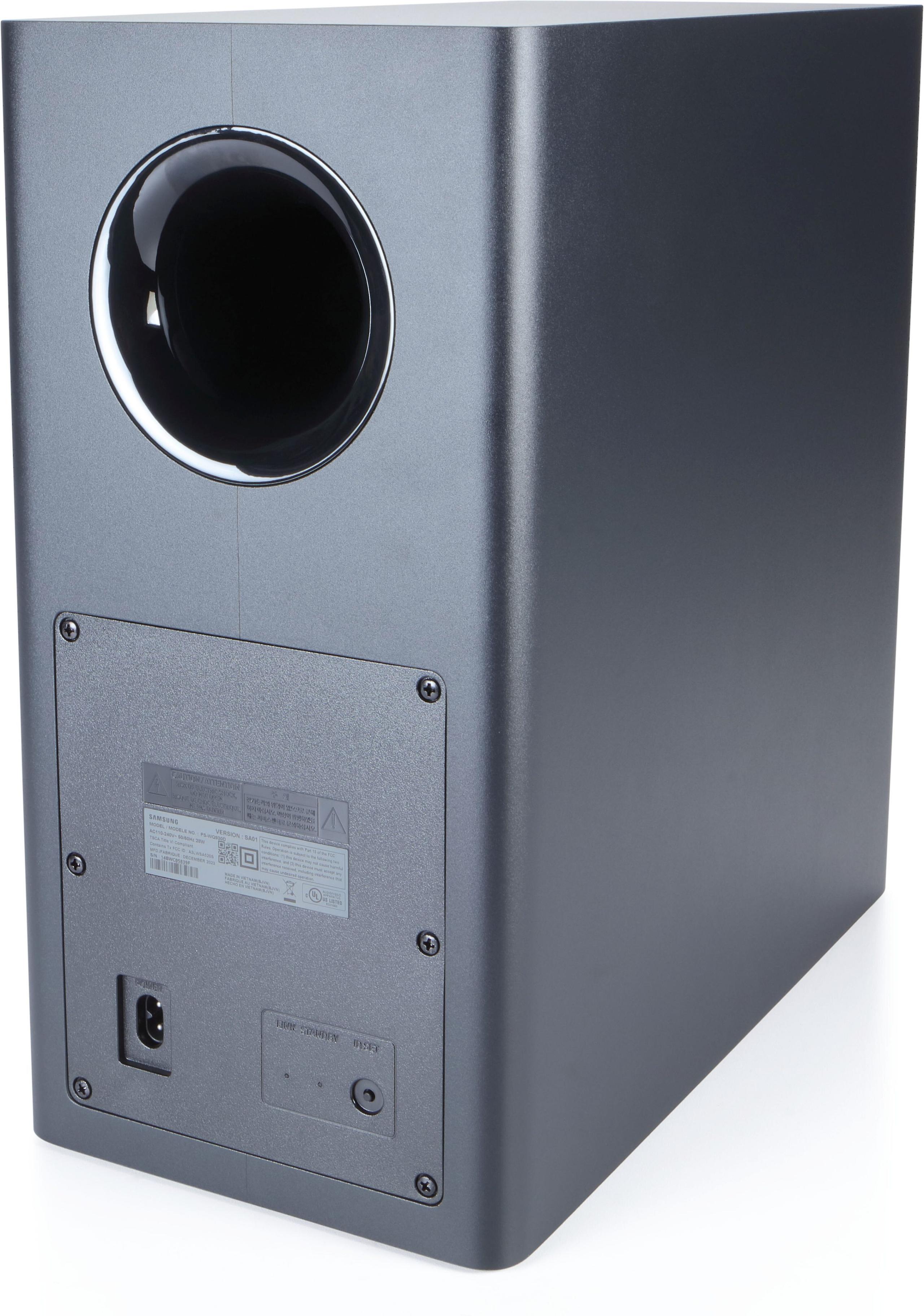
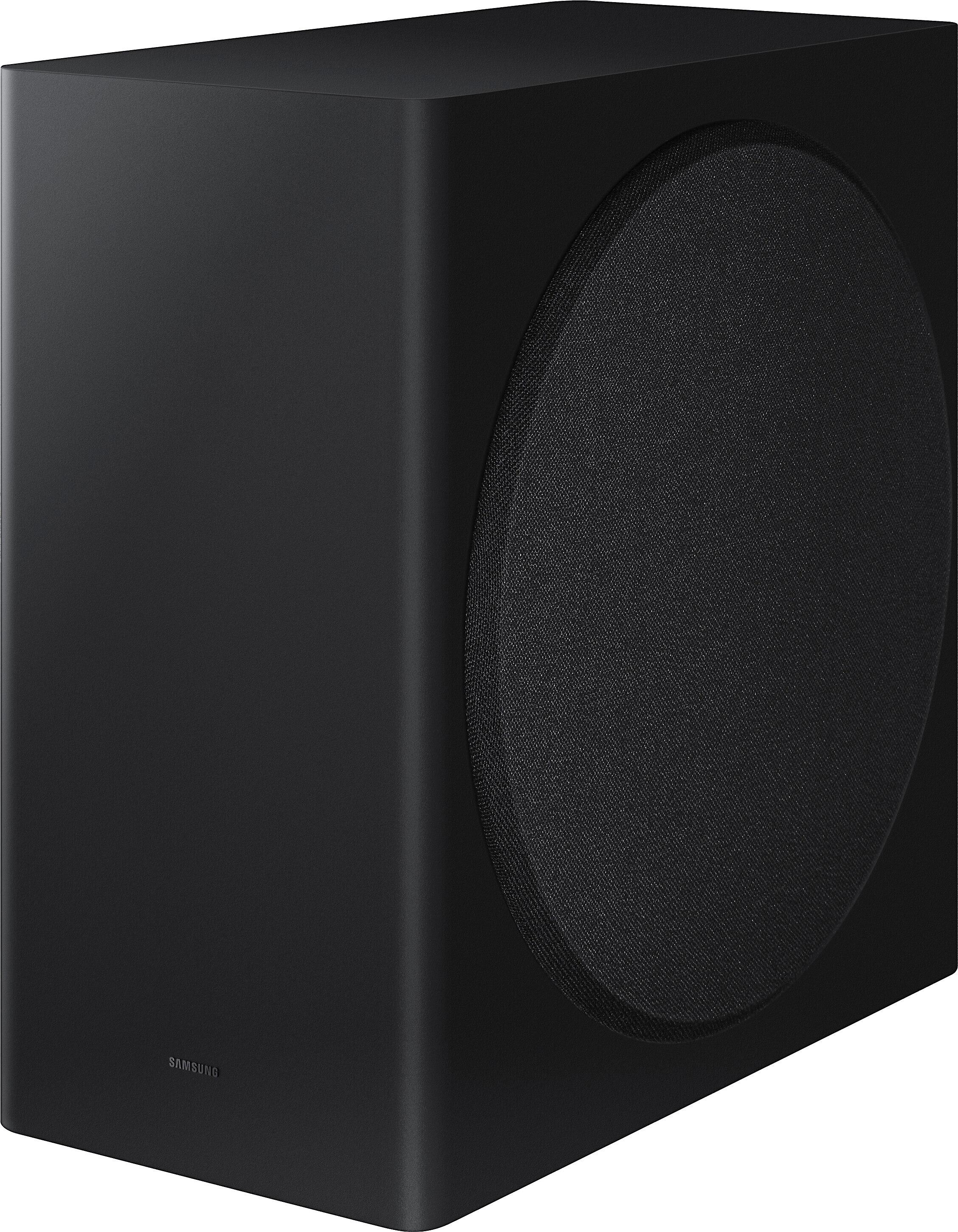
The Samsung HW-Q800D produces what I'd call "refined" audio. Its virtual surround processing is remarkably sophisticated—when watching action movies, you genuinely feel like sounds are coming from different directions, even though they're not. The 8-inch subwoofer delivers controlled, musical bass that complements rather than overwhelms the main speakers.
Samsung's approach to frequency response is notably neutral. This means vocals sound natural, music reproduction is accurate, and you won't experience the "boomy" bass or "harsh" treble that some soundbars exhibit. For dialogue-heavy content like dramas or news, this neutrality is fantastic. The Active Voice Amplifier feature analyzes each scene and boosts dialogue when needed, though it does this subtly.
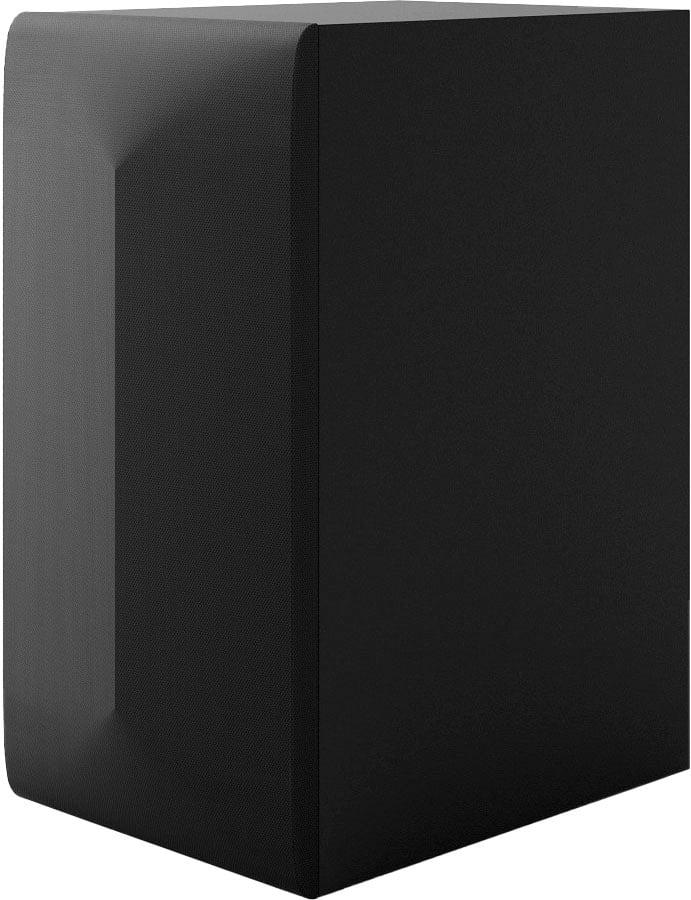
The LG S70TR takes a more exciting approach. With physical rear speakers, sounds truly come from behind you—rustling leaves, approaching footsteps, or ambient music feel authentic in a way virtual processing can't match. The 7-inch ported subwoofer with 220W of dedicated power creates room-shaking bass that's particularly impressive for action movies and electronic music.
However, the LG's more aggressive tuning can be overwhelming in smaller rooms. The bass response is emphasized, which sounds thrilling but isn't always accurate. For music listening, particularly acoustic or classical genres, the Samsung's neutrality often sounds more natural.
Both soundbars support Dolby Atmos, but they implement it differently. The Samsung uses upward-firing drivers and clever processing to bounce sound off your ceiling, creating the illusion of height. In rooms with standard 8-9 foot ceilings, this works surprisingly well. Rain sounds genuinely seem to fall from above, and helicopter flyovers create convincing overhead movement.
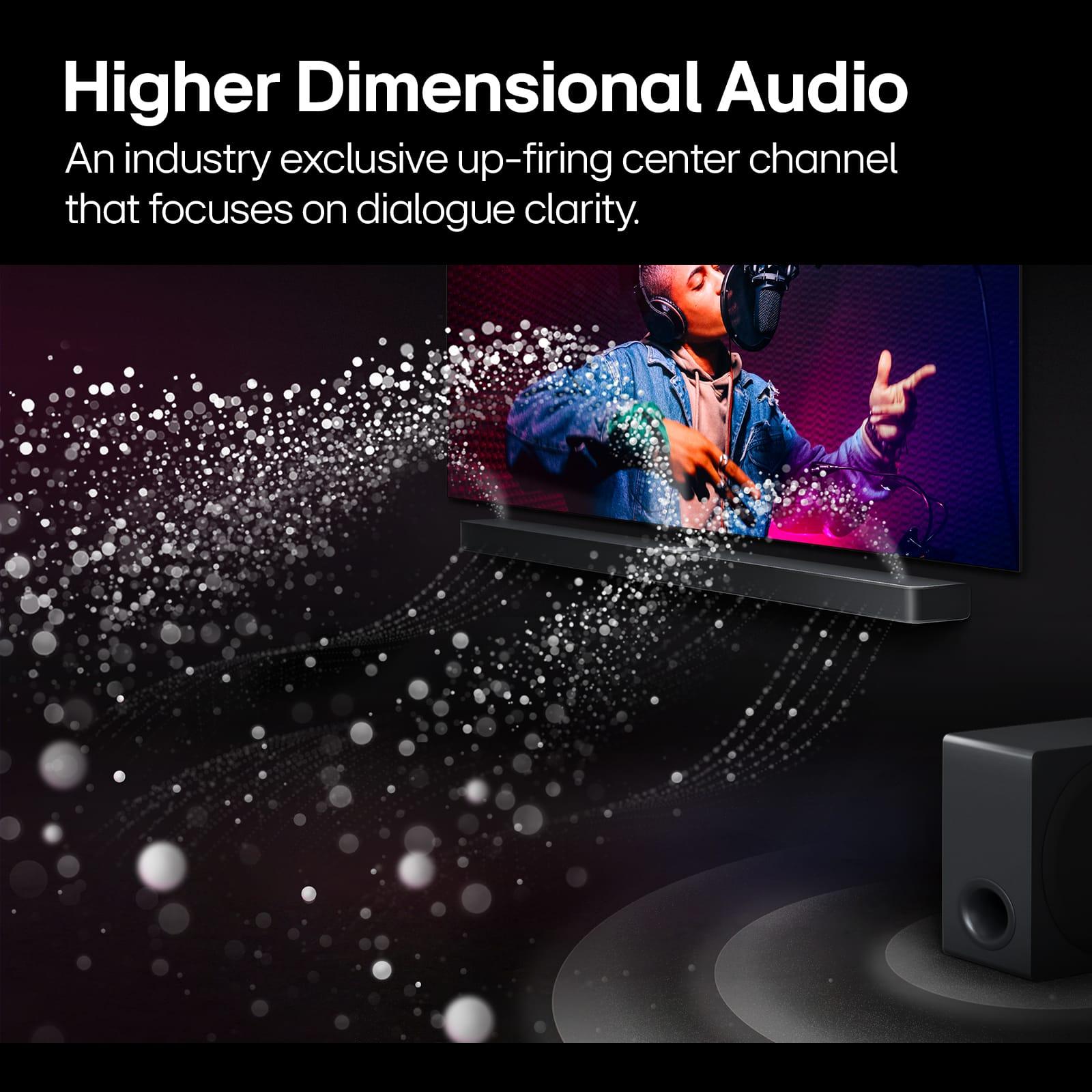
The LG S70TR has fewer dedicated height channels (just one compared to Samsung's two), but its physical rear speakers help create a more enveloping soundscape. The up-firing center channel focuses specifically on dialogue clarity, which is noticeable when watching content with complex audio mixes.
For true home theater enthusiasts, the Samsung's height implementation is more sophisticated. However, if you've never experienced Dolby Atmos before, both systems will feel like a significant upgrade from TV speakers.
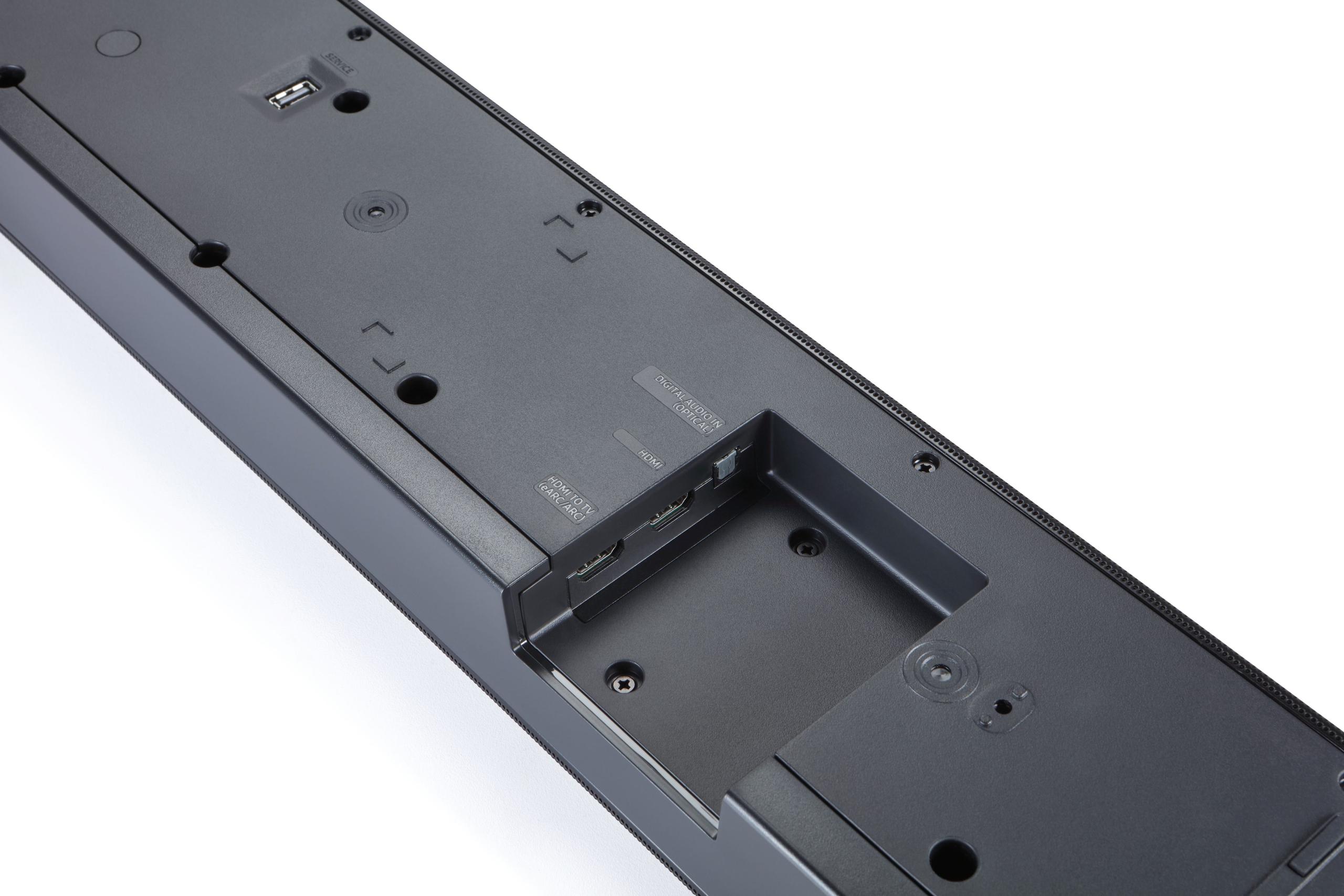
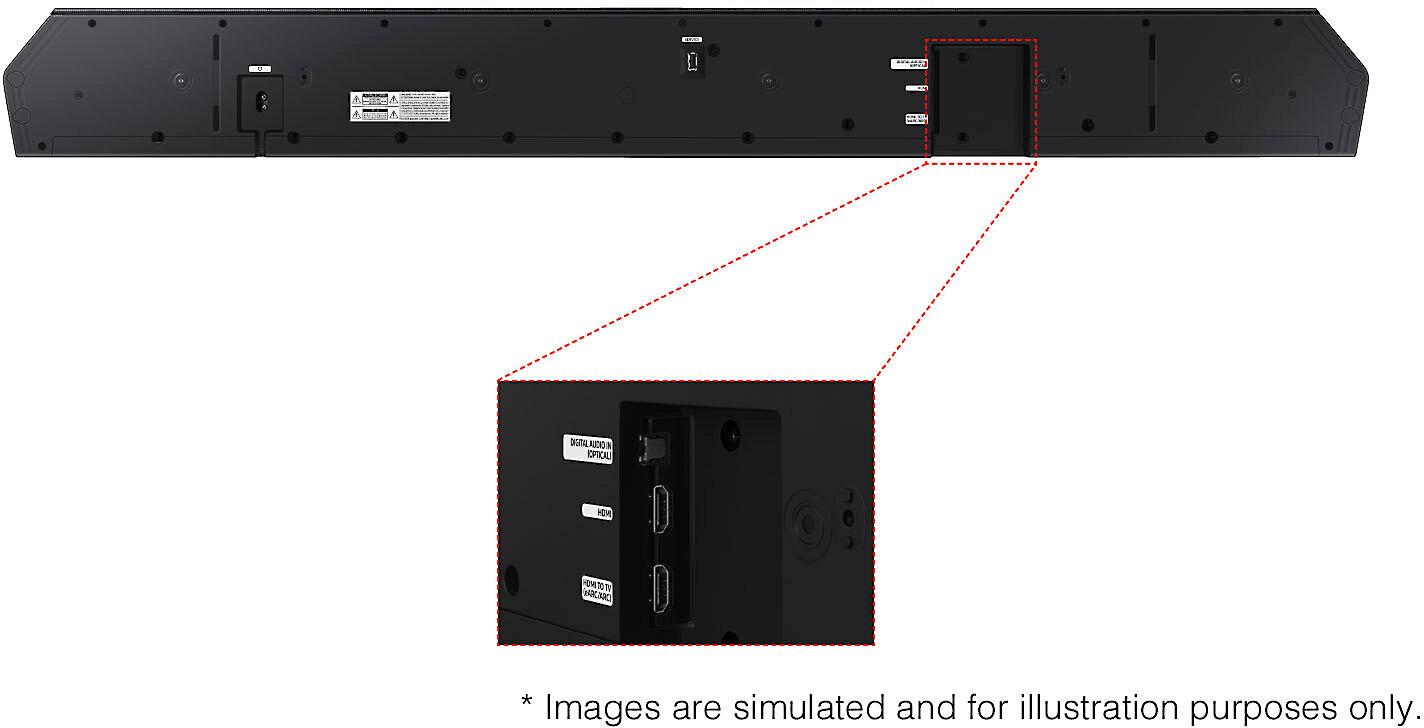
This is where the differences become stark. The Samsung supports 4K video passthrough at 60Hz, which covers most content and older gaming consoles adequately. However, it lacks HDMI 2.1 features like Variable Refresh Rate (VRR) and Auto Low Latency Mode (ALLM). For casual gaming, this isn't a problem, but competitive gamers or those with PlayStation 5 or Xbox Series X will notice the limitations.
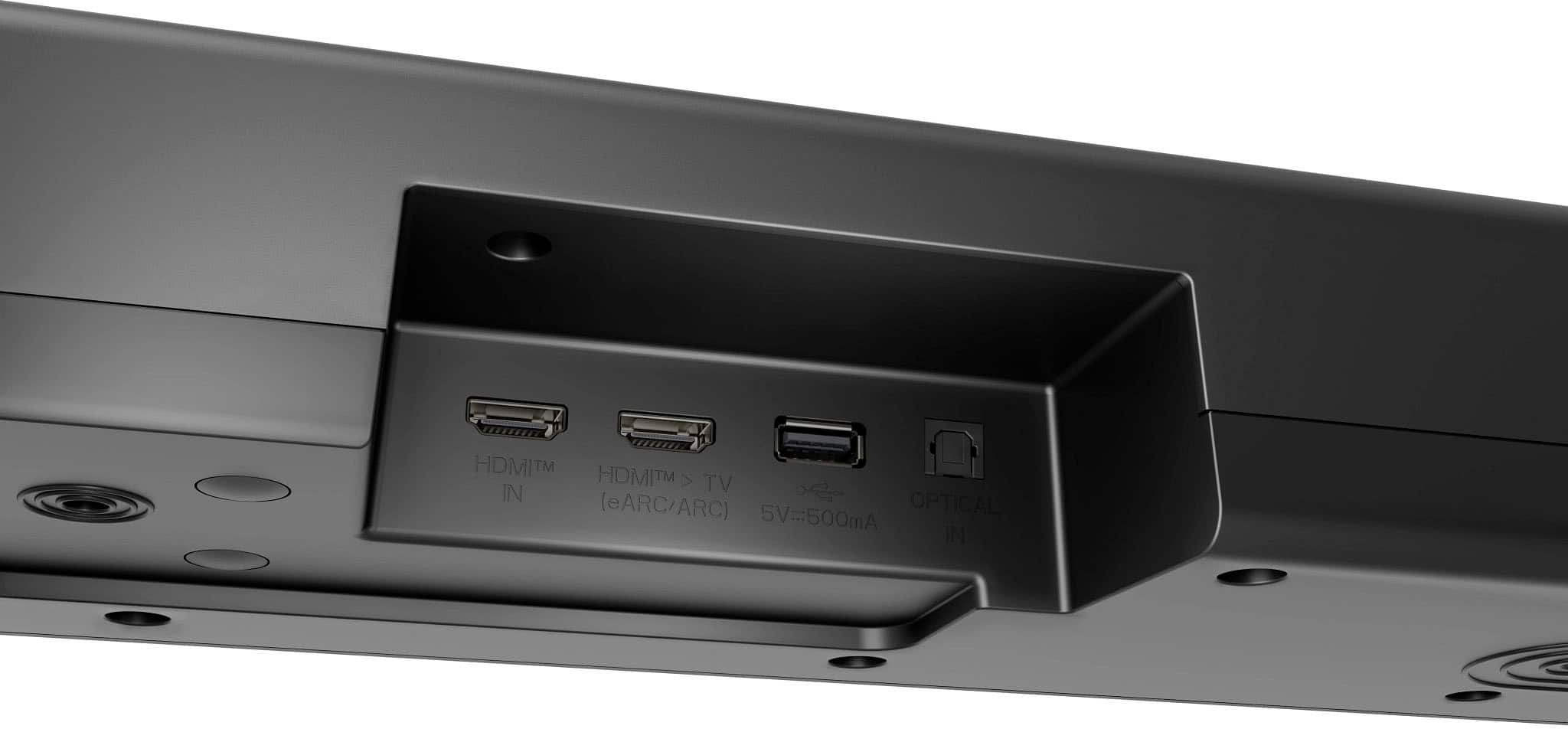
The LG S70TR includes full HDMI 2.1 support with VRR and ALLM up to 120Hz. These features eliminate screen tearing and reduce input lag—the delay between pressing a button and seeing the action on screen. For fast-paced games like first-person shooters or racing games, this makes a noticeable difference in responsiveness.
Having tested both systems with modern consoles, the LG's gaming advantages are substantial if you're serious about gaming. The Samsung's audio processing might be more sophisticated, but the LG's technical capabilities align better with current gaming hardware.
Both manufacturers have developed impressive TV integration features, but they work best within their respective ecosystems. Samsung's Q-Symphony technology synchronizes the soundbar with compatible Samsung QLED TV speakers, essentially turning your TV into an additional center channel. When properly calibrated, this creates a wider, more immersive soundstage.
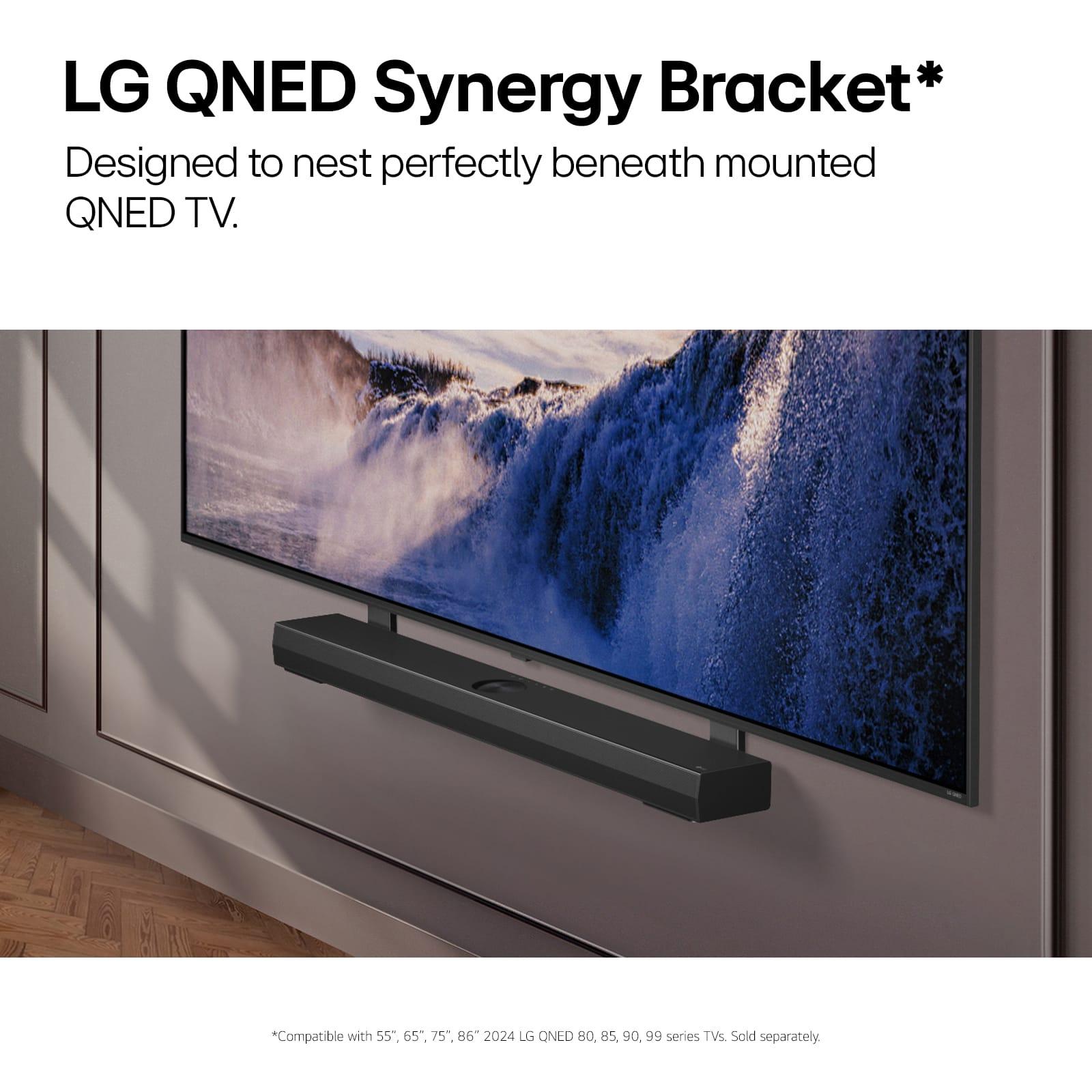
The LG S70TR offers WOW Orchestra, which performs a similar function with LG TVs. What's particularly clever is how LG has optimized the soundbar's dimensions to perfectly complement their QNED TV lineup—the soundbar sits naturally beneath these TVs without looking oversized or undersized.
If you don't own a Samsung or LG TV, both soundbars work fine with other brands, but you'll miss out on these integration benefits. The features aren't deal-breakers, but they do enhance the experience if you're already invested in either ecosystem.
The Samsung's SpaceFit Sound Pro represents a significant technological advancement. Using built-in microphones, it analyzes your room's acoustic properties—ceiling height, wall materials, furniture placement—and adjusts the sound accordingly. This process takes about 30 seconds and runs automatically when you first set up the system.
In my experience, this calibration makes a meaningful difference, particularly in acoustically challenging rooms with hard surfaces or irregular layouts. The system compensates for reflections and standing waves (audio interference patterns) that can muddy the sound.
The LG S70TR takes a more manual approach. While it includes various EQ presets and a 3-band equalizer through the mobile app, there's no automatic room correction. For users who enjoy tweaking settings, this isn't necessarily a disadvantage, but it does require more setup time and acoustic knowledge.
At $799, the Samsung HW-Q800D costs exactly double the LG, so the value proposition requires careful consideration. What you're paying for is sophisticated audio processing, premium build quality, and advanced room calibration. The virtual surround sound is convincing enough that many users won't feel the need for physical rear speakers.
However, Samsung does sell optional rear speakers (model SWA-9500S) for around $300, which brings the total system cost to over $1,000. At that price point, you're competing with much more capable home theater systems.
The Samsung makes sense if you value audio refinement, have a medium-sized room where virtual surround works well, and prefer a simpler two-component setup. The processing quality is genuinely impressive, and the room calibration feature adds convenience that many competing soundbars lack.
The LG S70TR at $399 includes everything needed for a complete surround sound experience. When you consider that the wireless rear speakers alone would typically cost $200-300 as an add-on, the value proposition becomes compelling. You're getting true 5.1.1 surround sound for less than the Samsung's soundbar-only price.
The trade-offs are in refinement rather than features. The audio tuning is more aggressive, the build materials feel less premium, and there's no automatic room correction. However, for most users, these compromises are easily offset by having actual surround speakers and modern gaming connectivity.
The Samsung setup is straightforward: position the soundbar, place the subwoofer (it connects wirelessly), run one HDMI cable to your TV, and let the room calibration do its work. Total setup time is typically 15-20 minutes.
The LG requires more consideration. You'll need to find appropriate locations for the rear speakers, ensure they have power access, and manage the wireless pairing process for multiple components. Setup can take 30-45 minutes, but the wireless rear speakers eliminate the cable runs that traditional surround systems require.
Both systems integrate well into daily routines. The Samsung's voice enhancement features work automatically, making late-night viewing more comfortable without constantly adjusting volume. The night mode compresses dynamic range, preventing loud explosions from waking the household while keeping dialogue audible.
The LG's multiple components mean more things to manage, but the wireless connectivity is reliable. The rear speakers rarely lose connection, and the system remembers your preferences between uses. The gaming features activate automatically when connected to compatible devices.
You're looking for refined, sophisticated audio processing and don't mind paying a premium for it. The virtual surround sound works particularly well in medium-sized rooms (up to about 300 square feet) where rear speaker placement would be challenging. If you own a Samsung TV, the integration benefits add meaningful value.
The Samsung is ideal for users who prioritize music listening alongside movies and TV shows. Its neutral tuning and advanced processing create an excellent all-around performer. The simpler two-component setup appeals to those who want great sound without complexity.
You want the most complete surround sound experience at an exceptional price point. The included rear speakers create authentic directional audio that virtual processing simply cannot match. If you're a gamer with modern consoles, the HDMI 2.1 features are practically essential.
The LG S70TR makes sense for larger rooms where the physical speakers can create a truly immersive environment. It's also the better choice if you prioritize features and completeness over audio refinement, or if you already own an LG TV and want the WOW Orchestra benefits.
Both soundbars represent excellent value in their respective categories, but they serve different needs. The Samsung HW-Q800D justifies its premium price through superior processing and refinement, while the LG S70TR delivers remarkable value by including a complete surround system at an accessible price.
Your decision ultimately comes down to priorities: Do you want the most sophisticated audio processing available, or do you prefer a complete surround system with modern connectivity features? Both approaches have merit, and both will dramatically improve your TV audio experience over built-in speakers.
The soundbar market continues evolving rapidly, with both manufacturers regularly updating their processing algorithms and adding new features through firmware updates. Whichever system you choose, you're getting technology that would have cost thousands of dollars just a few years ago, packaged in an elegant, user-friendly format that fits seamlessly into modern living spaces.
| Samsung HW-Q800D | LG S70TR |
|---|---|
| Price - Major factor in overall value proposition | |
| $799 (soundbar + wireless subwoofer only) | $399 (complete system with rear speakers included) |
| Audio Configuration - Determines surround sound authenticity | |
| 5.1.2 channels (virtual surround from main bar) | 5.1.1 channels (true surround with physical rear speakers) |
| What's Included - Affects total system cost and setup complexity | |
| Soundbar, wireless subwoofer, wall mount kit | Soundbar, wireless subwoofer, wireless rear speakers, all mounting hardware |
| Total Power Output - Impacts volume and dynamic range | |
| 360W across 11 drivers | Not specified, but includes dedicated 220W subwoofer amplifier |
| Subwoofer Size - Affects bass depth and room-filling capability | |
| 8-inch side-firing driver (wireless) | 7-inch front-firing with 3-inch rear port (wireless) |
| Room Calibration - Optimizes sound for your specific space | |
| SpaceFit Sound Pro with automatic microphone-based calibration | Manual EQ adjustment via app, no automatic room correction |
| Gaming Features - Critical for console gaming performance | |
| 4K@60Hz passthrough, no VRR/ALLM support | Full HDMI 2.1 with VRR/ALLM up to 120Hz |
| TV Integration Features - Enhanced experience with matching TV brands | |
| Q-Symphony (works with Samsung QLED TVs) | WOW Orchestra (works with LG QNED/OLED TVs) |
| Height Channels - Dolby Atmos overhead sound effectiveness | |
| 2 dedicated height channels with upward-firing drivers | 1 up-firing center channel focused on dialogue clarity |
| Audio Processing Approach - Virtual vs. physical surround trade-offs | |
| Sophisticated virtual surround with psychoacoustic processing | True directional audio from physically positioned speakers |
| Setup Complexity - Time and effort required for installation | |
| Simple 2-component setup (15-20 minutes) | Multi-component system requires speaker placement (30-45 minutes) |
| Best Room Size - Optimal performance based on acoustic design | |
| Medium rooms up to 300 sq ft (virtual surround works best) | Large rooms 300+ sq ft (benefits from distributed speakers) |
The LG S70TR at $399 provides exceptional value by including wireless rear speakers, subwoofer, and full HDMI 2.1 gaming features in a complete package. The Samsung HW-Q800D at $799 offers premium audio processing and room calibration but only includes the main bar and subwoofer. For most buyers, the LG delivers more features and true surround sound at half the price.
The Samsung HW-Q800D uses 5.1.2 channels, meaning it has 5 main speakers, 1 subwoofer, and 2 height channels for Dolby Atmos effects. The LG S70TR features 5.1.1 channels with 5 main speakers, 1 subwoofer, and 1 height channel. The Samsung has more dedicated height speakers for overhead sound, while the LG focuses on true surround with physical rear speakers.
The LG S70TR is significantly better for gaming, offering full HDMI 2.1 support with Variable Refresh Rate (VRR) and Auto Low Latency Mode (ALLM) up to 120Hz. This eliminates screen tearing and reduces input lag for modern consoles like PS5 and Xbox Series X. The Samsung HW-Q800D only supports 4K@60Hz passthrough without VRR or ALLM features.
The LG S70TR includes physical wireless rear speakers that create authentic directional audio from behind you. The Samsung HW-Q800D uses virtual surround processing to simulate rear effects without physical speakers. While Samsung's virtual surround is sophisticated, physical rear speakers provide more convincing surround sound, especially in larger rooms.
Both soundbars work with any TV brand, but offer special features with their matching brands. The Samsung HW-Q800D includes Q-Symphony technology that syncs with Samsung QLED TVs for enhanced audio. The LG S70TR features WOW Orchestra that combines with LG TV speakers for a wider soundstage. These brand-specific features add value but aren't essential for good performance.
The Samsung HW-Q800D offers simpler setup with just two components (soundbar and subwoofer) that can be installed in 15-20 minutes. The LG S70TR requires more time (30-45 minutes) due to positioning and pairing the wireless rear speakers, but eliminates the need for speaker wire runs that traditional surround systems require.
The LG S70TR delivers more powerful bass with its 7-inch ported subwoofer and 220W dedicated amplifier, creating room-shaking low-end for action movies. The Samsung HW-Q800D features an 8-inch subwoofer with more controlled, musical bass that complements rather than overwhelms the main speakers. Choose LG for impact, Samsung for balance.
The Samsung HW-Q800D performs optimally in medium rooms up to 300 square feet where its virtual surround processing and room calibration work most effectively. The LG S70TR excels in larger spaces over 300 square feet where the physical rear speakers can create authentic surround effects and the powerful subwoofer can fill the room.
The Samsung HW-Q800D offers superior music performance with its neutral frequency response and sophisticated audio processing that reproduces vocals and instruments accurately. The LG S70TR has more aggressive tuning that emphasizes bass and excitement, making it better for electronic music but less accurate for acoustic genres and critical listening.
Both support Dolby Atmos but implement it differently. The Samsung HW-Q800D uses two dedicated height channels and upward-firing drivers for more pronounced overhead effects. The LG S70TR has one height channel but compensates with physical rear speakers for better overall immersion. Samsung provides better height effects, while LG offers more complete surround sound.
The Samsung HW-Q800D includes SpaceFit Sound Pro automatic room calibration and comprehensive app control with 7-band EQ adjustment. The LG S70TR offers a 3-band EQ through its app and includes AI Sound Pro for content-based audio optimization. Samsung provides more advanced calibration, while LG focuses on practical everyday features.
Choose the Samsung HW-Q800D if you want premium audio processing, automatic room calibration, and refined sound quality in a simpler two-component setup. Choose the LG S70TR if you want complete surround sound with rear speakers, modern gaming features, and exceptional value at half the price. The Samsung prioritizes quality, while the LG maximizes features and value.
We've done our best to create useful and informative comparisons to help you decide what product to buy. Our research uses advanced automated methods to create this comparison and perfection is not possible - please contact us for corrections or questions. These are the sites we've researched in the creation of this article: techradar.com - valueelectronics.com - samsung.com - rtings.com - samsung.com - crutchfield.com - samsung.com - samsung.com - samsung.com - shidirect.com - bestbuy.com - mynavyexchange.com - rixaudiovideoappliance.com - rtings.com - youtube.com - bestbuy.com - howards.siteontimedev.com - bestbuy.com - appliancestogousa.us

Privacy Policy
Terms and Conditions - Affiliate Policy
Home Security
© Copyright 2008-2026.
11816 Inwood Rd #1211, Dallas, TX 75244