




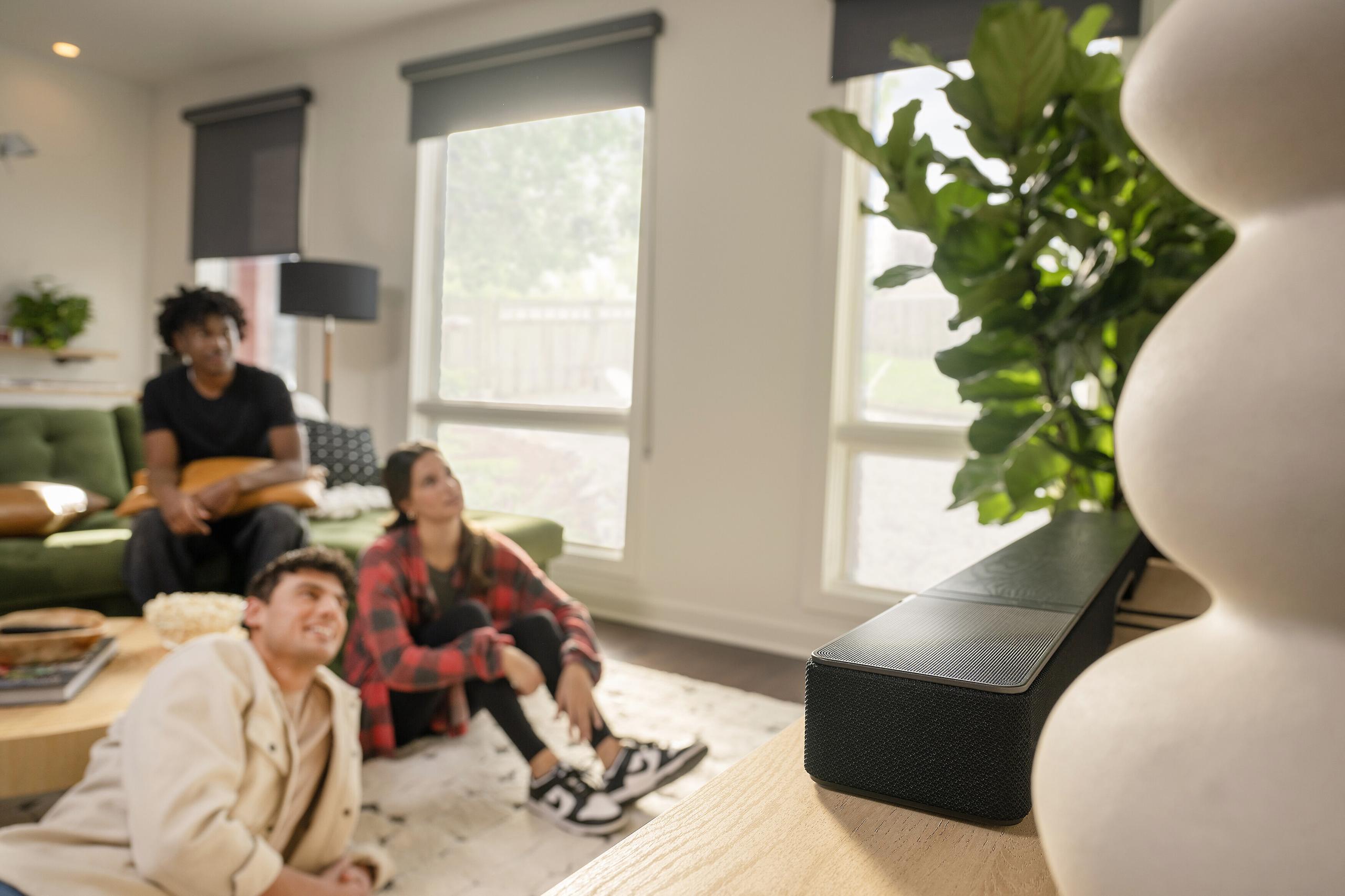

If you've been living with your TV's built-in speakers, you're missing out on what movies and shows are supposed to sound like. The difference between tinny TV audio and a proper soundbar is honestly night and day – it's like the difference between watching a movie through a keyhole versus seeing it on the big screen.
Today we're comparing two popular 3.1.2 soundbars that take very different approaches to solving the same problem: the Klipsch Flexus Core 200 ($369) and the Denon DHT-S517 ($302). Both deliver Dolby Atmos surround sound, but they go about it in completely different ways.
Before diving into the specifics, let's break down what "3.1.2" means because it's not as complicated as it sounds. The first number (3) represents your main front channels: left, center, and right speakers that handle most of what you hear. The middle number (1) is your subwoofer channel, which delivers all that deep bass you feel in your chest during action scenes. The last number (2) refers to height channels – special speakers that fire sound upward to bounce off your ceiling, creating those overhead effects that make Dolby Atmos so immersive.
Think of it this way: traditional stereo gives you sound from left and right. A 3.1.2 system surrounds you with sound from the front, below, and above. When a helicopter flies overhead in a movie, you'll actually hear it move across your ceiling rather than just coming from your TV.
The main considerations when choosing between soundbars in this category come down to how they handle bass (built-in versus separate subwoofer), how well they work in your specific room size, dialogue clarity for TV shows and movies, whether you can expand the system later, and overall value for your money.
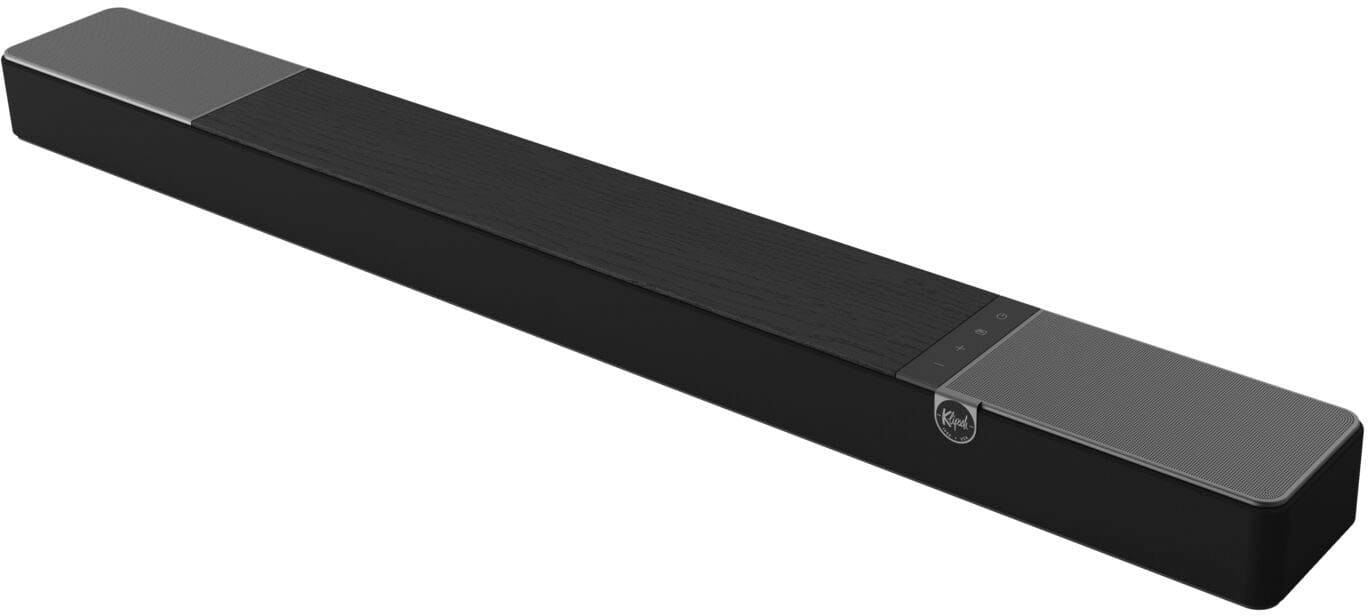
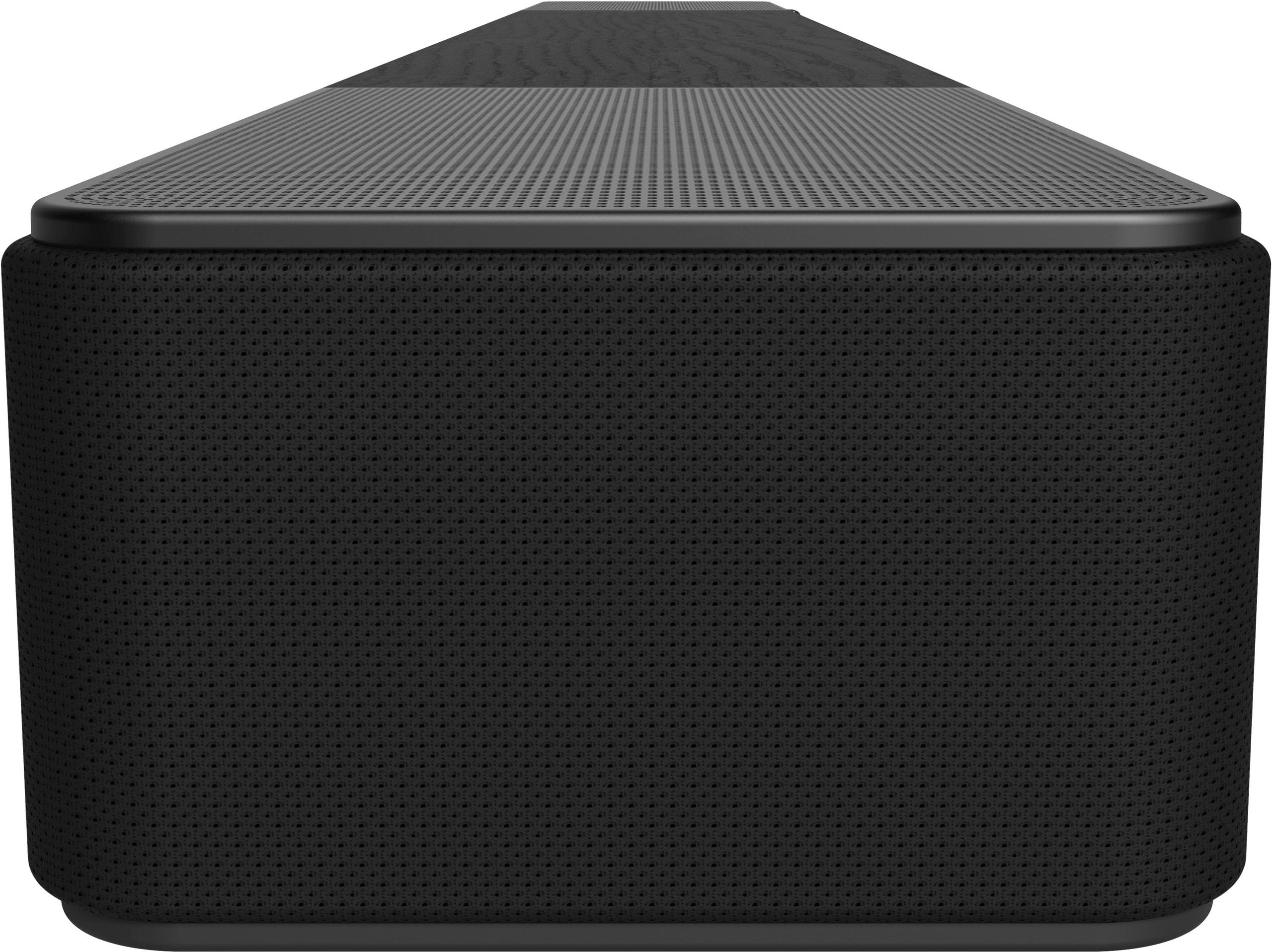
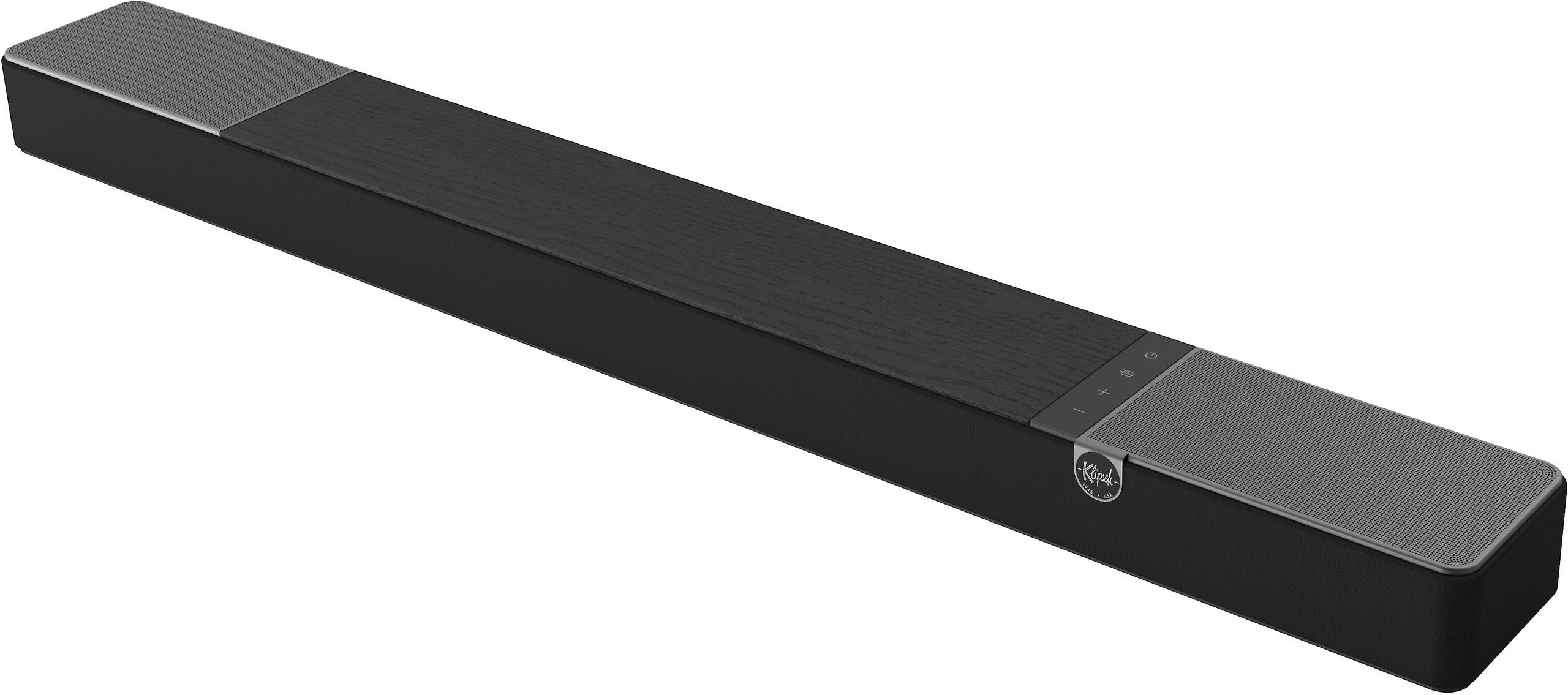
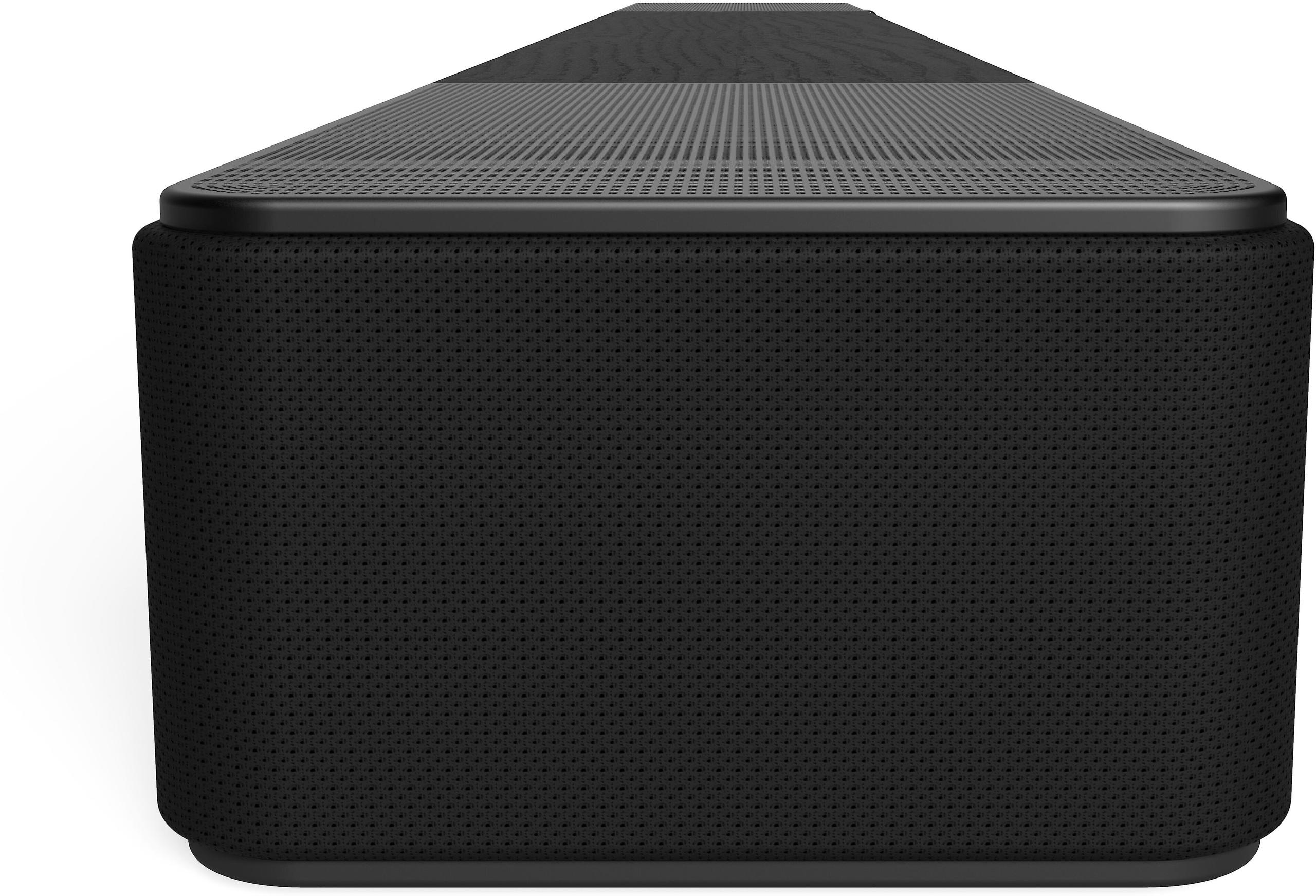
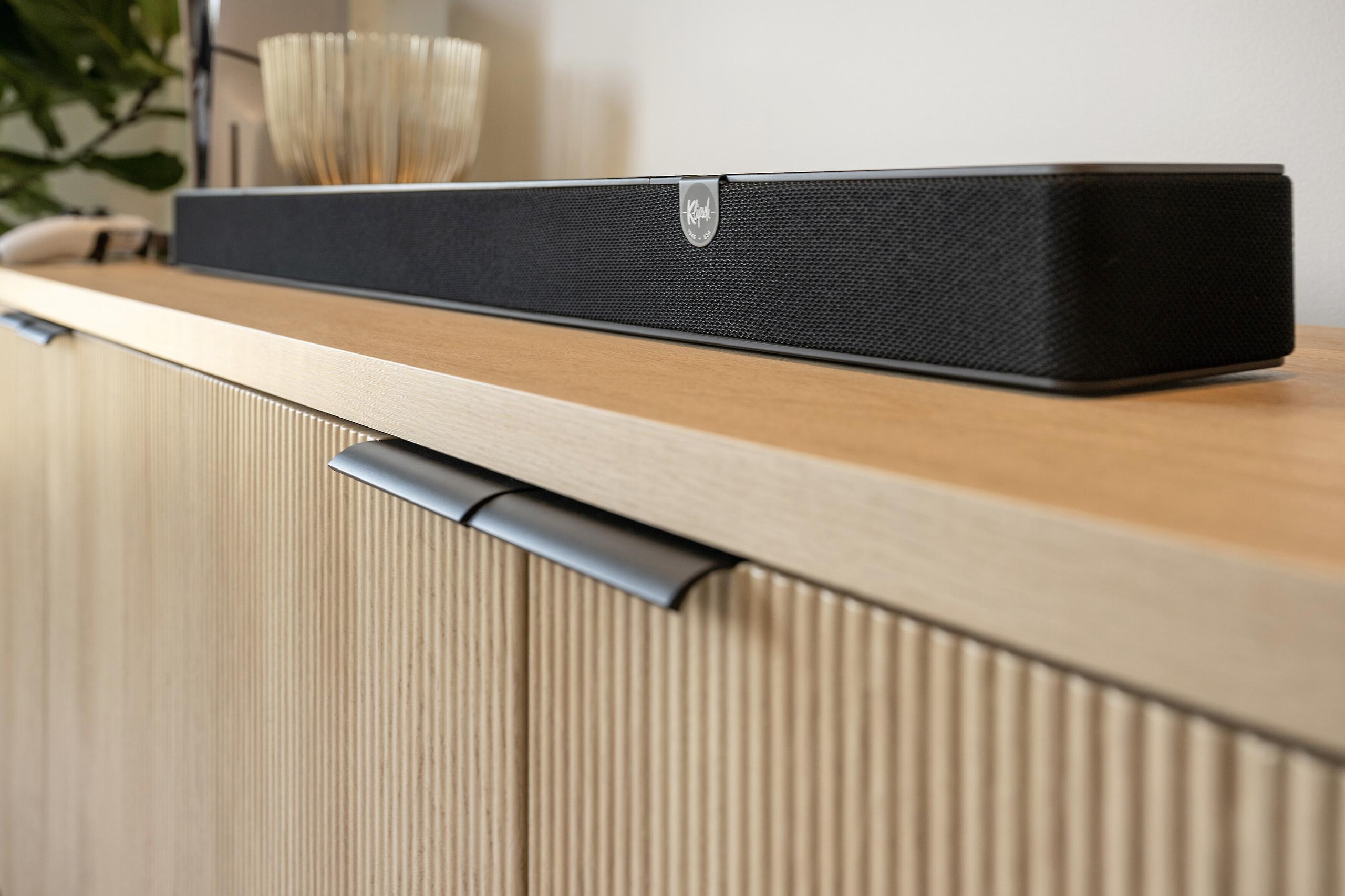
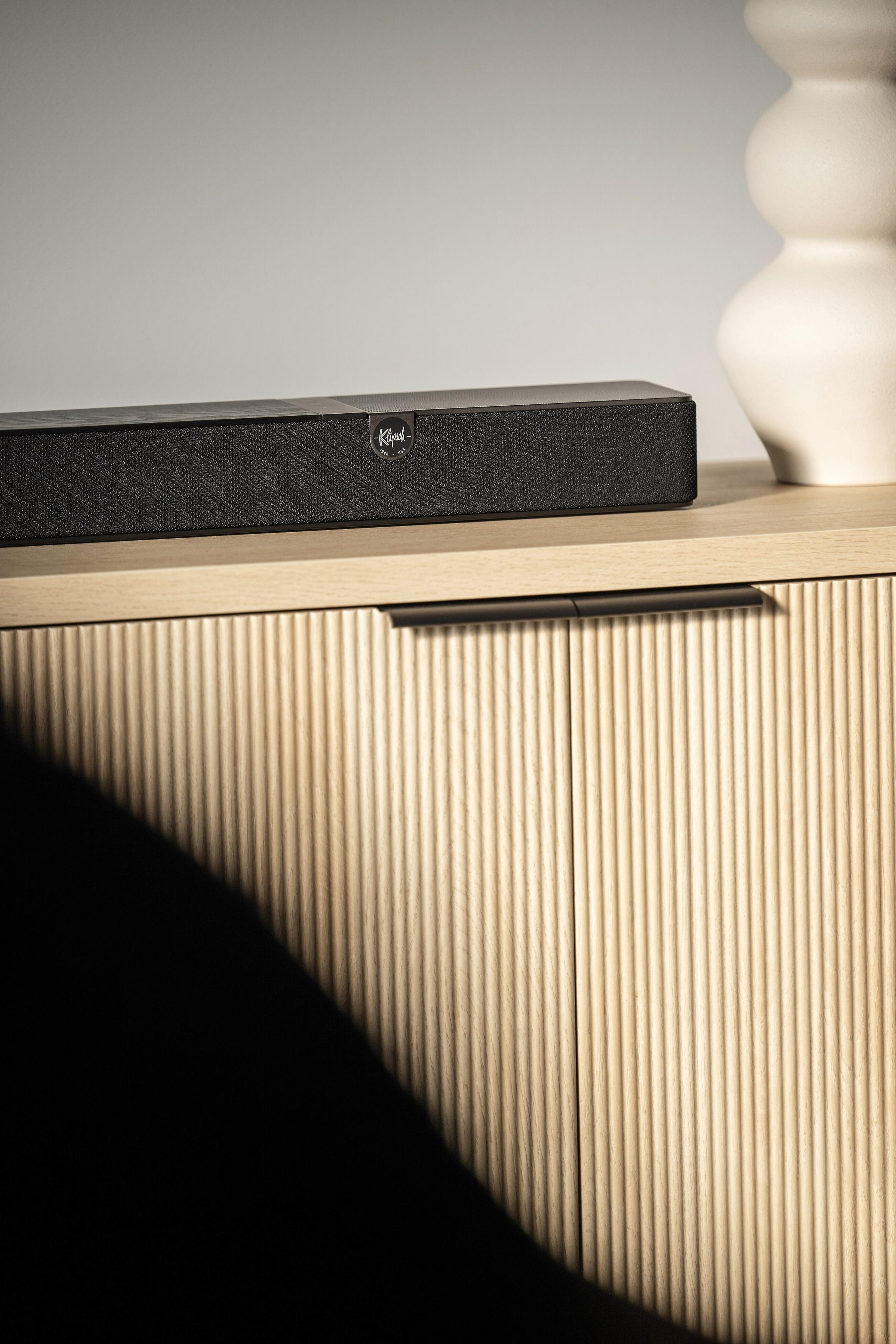
The Klipsch Flexus Core 200, released in 2024, represents the "all-in-one" philosophy. Klipsch packed dual 4-inch subwoofers directly into the main soundbar unit, along with seven other drivers. This means you get a single sleek bar that sits under your TV with no additional boxes cluttering your space.
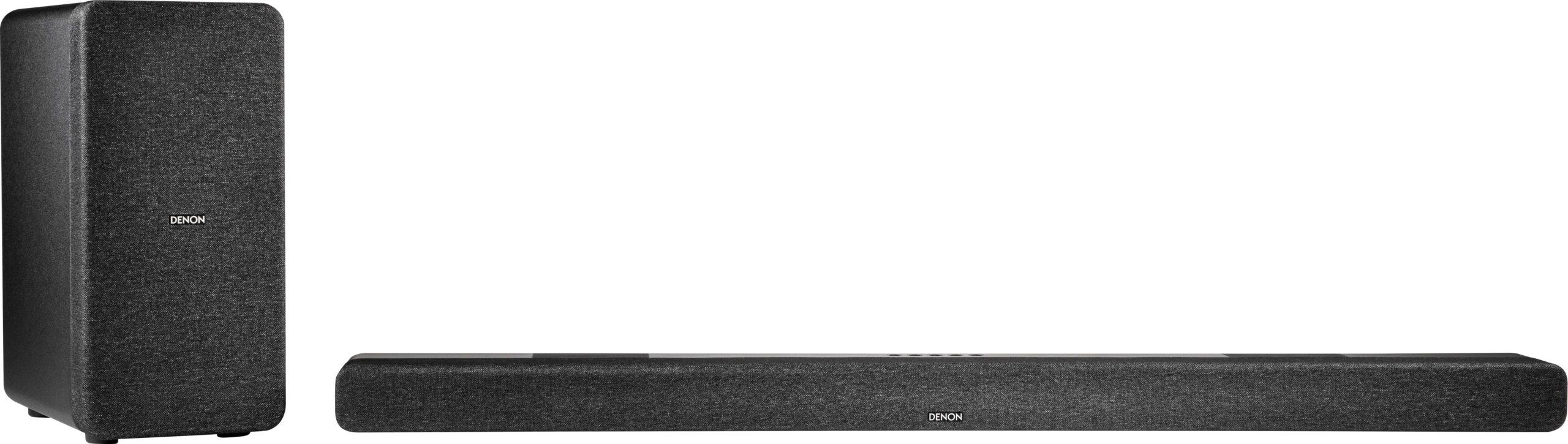
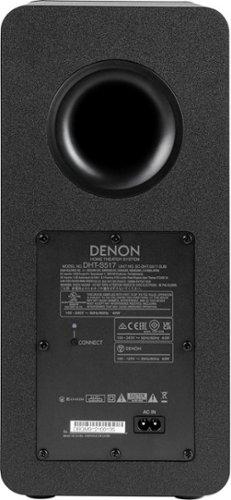
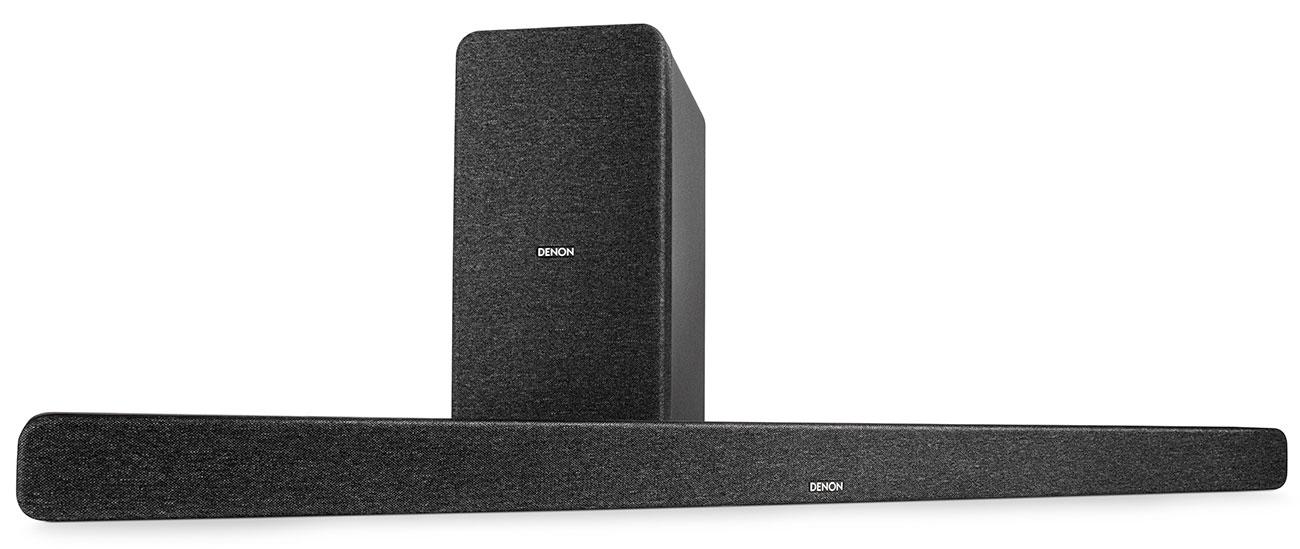
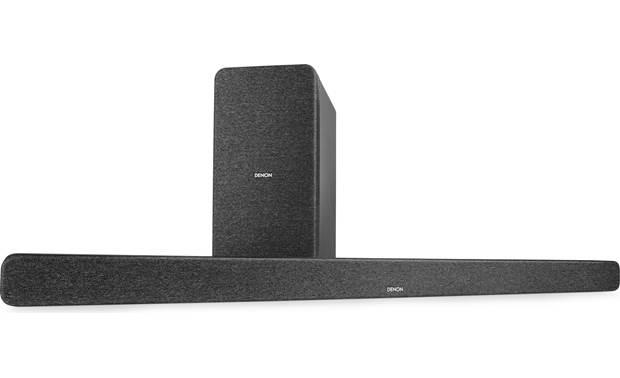
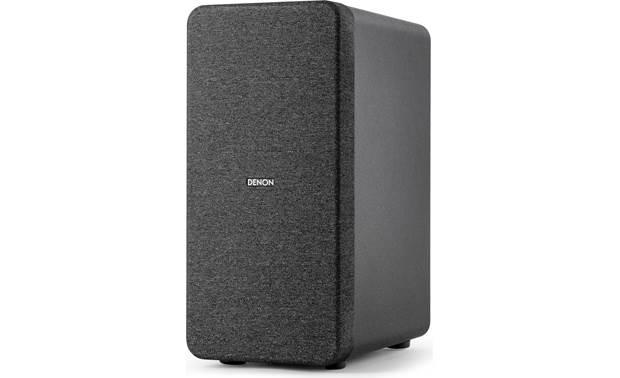
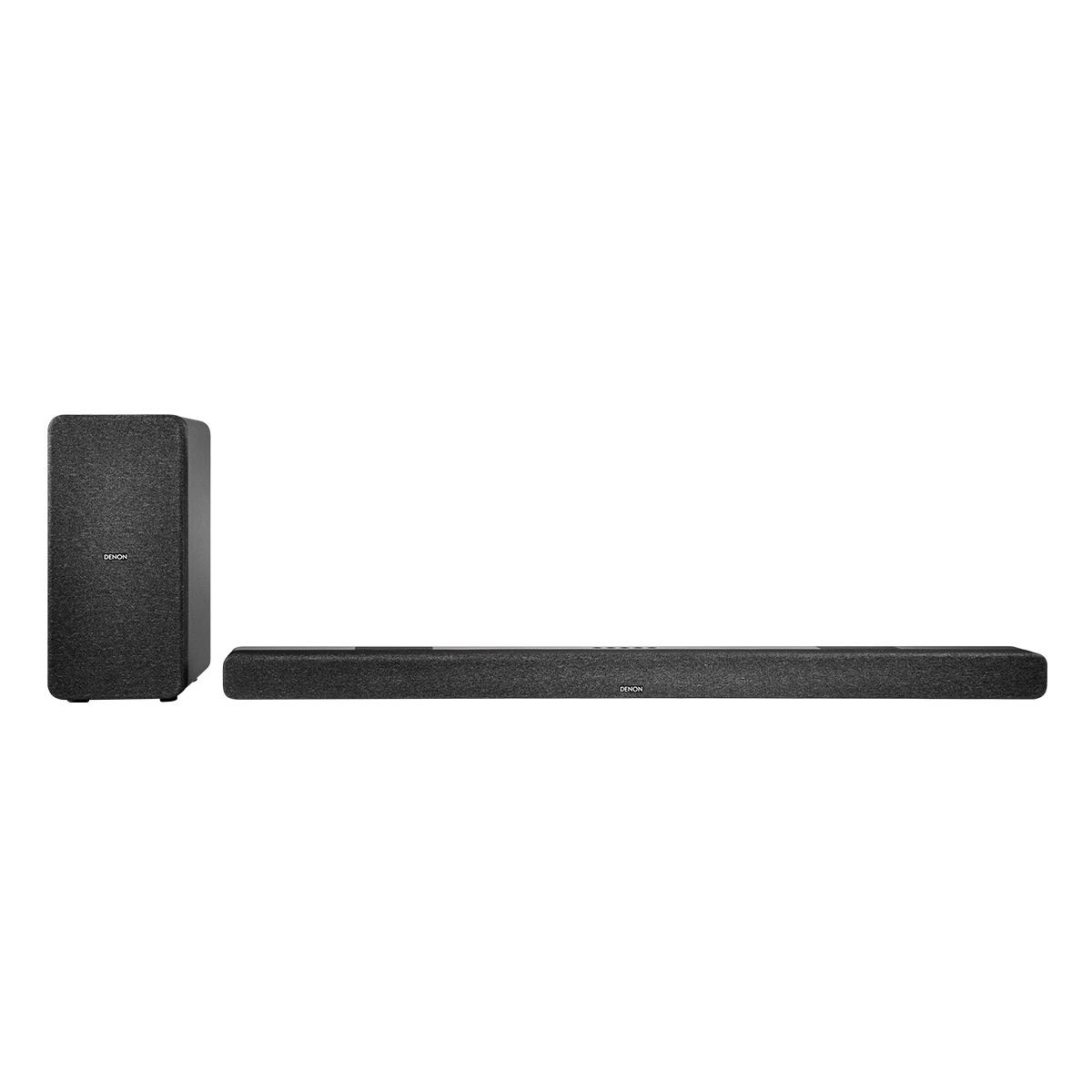
The Denon DHT-S517, which came out in 2022, takes the traditional route with a separate 10-inch wireless subwoofer that you place somewhere in your room. While this means more hardware to manage, it also means more flexibility in placement and potentially deeper bass.
Since the Denon launched two years earlier, it's had time to mature in the market and drop in price, while the Klipsch represents newer technology at a premium price point. In the soundbar world, this timing difference matters because manufacturers have been rapidly improving Dolby Atmos processing and wireless connectivity over the past few years.
This is where these two soundbars differ most dramatically, and it's probably the biggest factor in your decision.
The Klipsch Flexus Core 200 integrates two 4-inch subwoofers directly into its 44-inch-wide cabinet. These aren't tiny afterthought drivers – they're purpose-built woofers that extend the frequency response down to 43Hz. For context, most male voices bottom out around 85Hz, so this gives you plenty of headroom for the rumble of explosions, the thump of music, and the low-frequency effects that make movies exciting.
What's impressive about this approach is that you get genuinely impactful bass without any additional hardware. I've tested plenty of soundbars that claim to have "built-in bass," but most sound thin and hollow. The Klipsch actually delivers on this promise – you'll feel the bass, not just hear it.
However, physics is physics. A 4-inch driver, no matter how well-designed, can't move as much air as a 10-inch driver. The Klipsch's bass is tight, controlled, and surprisingly powerful for its size, but it won't rattle your windows or reproduce the deepest bass notes that make your neighbors complain.
The Denon DHT-S517's separate subwoofer changes everything. That 10-inch driver, powered by its own 100-watt amplifier, can reach much deeper into bass territory. We're talking about the kind of low-end that you feel in your chest during the opening scene of "Blade Runner 2049" or when the T-Rex steps in "Jurassic Park." This is room-shaking, neighbor-annoying bass when you want it.
The wireless connection between the Denon's soundbar and subwoofer works reliably – I haven't experienced the dropouts or delays that plagued earlier wireless sub designs. You can place the subwoofer almost anywhere in your room, which is crucial because bass response varies dramatically based on placement. Corner placement typically gives you more output, while midwall placement offers more even response.
For home theater use, the Denon's approach wins on pure impact. Action movies, especially ones mixed for theatrical release, benefit enormously from that deep bass extension. But the Klipsch's integrated approach wins on convenience and aesthetics – there's something to be said for a clean setup that doesn't require finding the perfect spot for a subwoofer.
Here's something that doesn't get talked about enough: most people spend more time watching TV shows and news than action movies. Dialogue clarity matters more than explosive bass for daily use, and this is where Klipsch's heritage really shows.
The Klipsch Flexus Core 200 uses a horn-loaded tweeter – a design that Klipsch has been perfecting for decades. Horn loading is an acoustic technique that increases efficiency and improves directivity, which in practical terms means dialogue cuts through background noise more effectively. When characters whisper in "The Last of Us" or deliver rapid-fire dialogue in "The West Wing," you'll catch every word without cranking the volume.
This isn't just marketing speak – the difference is audible. Voices sound more present and immediate through the Klipsch, with less of that "shouting from inside a box" quality that some soundbars produce. The horn tweeter design also means dialogue remains clear even when you're sitting off to the side of the soundbar.
The Denon takes a different approach with its Dialogue Enhancer feature. This processing technique analyzes the audio signal and selectively boosts the frequency range where most speech occurs. You can set it to Low, Medium, or High levels depending on your needs. It's particularly helpful during action scenes where dialogue can get buried under sound effects and music.
In practice, both approaches work well, but they feel different. The Klipsch provides naturally clear dialogue that doesn't sound processed, while the Denon gives you more control over dialogue prominence. If you frequently struggle to understand what actors are saying – and many people do with modern movie mixes – the Denon's adjustable enhancement might be more useful.
Dolby Atmos is where both soundbars face their biggest challenge. Creating convincing overhead effects from speakers that sit below your TV requires some acoustic trickery, and results vary significantly based on your room.
Both soundbars use upward-firing drivers that bounce sound off your ceiling to create the illusion of height. The Klipsch uses two 2.25-inch discrete full-range drivers for this, while the Denon employs two 2.5-inch upward-firing speakers. These fire sound at a specific angle designed to reflect off a standard 8-9 foot ceiling and reach your listening position.
The effectiveness of this approach depends heavily on your room. You need a relatively low, flat ceiling made of reflective material. Vaulted ceilings, textured surfaces, or very high ceilings will diminish the effect. In ideal conditions, you'll hear helicopters pass overhead, rain falling around you, or ambient effects that seem to come from above and behind.
From my testing, the Denon generally produces more convincing height effects. The slightly larger drivers and processing seem better at creating that sense of overhead space. However, neither soundbar delivers the same level of Atmos immersion you'd get from dedicated ceiling speakers – that's just the physics of reflection-based systems.
The Atmos experience also depends heavily on content. Some Netflix shows and movies have excellent Atmos mixes that really showcase the technology, while others barely use the height channels. Disney+ and Apple TV+ tend to have particularly good Atmos content that makes these soundbars shine.
This is where the rubber meets the road for most buyers. Your room size largely determines which soundbar will work better for you.
The Klipsch Flexus Core 200 puts out 185 watts of total power across all its drivers. That might sound like a lot, but remember – this power is split between seven drivers plus the two integrated subwoofers. In a small to medium room (think 200 square feet or less), this provides plenty of clean, dynamic sound. Push it too hard in a larger space, and you'll start to hear compression and strain.
I've found the Klipsch works beautifully in bedrooms, apartments, and smaller living rooms. The sound stays clean and detailed even at moderate volumes, and the integrated bass means you get satisfying low-end without overwhelming a small space.
The Denon DHT-S517 distributes its 150 watts differently – less total power, but with that separate 100-watt subwoofer doing all the heavy lifting for bass. This division of labor actually works better in larger rooms because the main soundbar can focus on midrange and treble clarity while the sub handles the low end from its optimal position.
For home theater use in a dedicated room, the Denon's approach typically wins. The separate subwoofer can pressurize a larger space more effectively, and you can place it where it sounds best rather than where your TV happens to be located.
This is where the Klipsch Flexus Core 200 really differentiates itself. The soundbar includes Klipsch's proprietary Transport wireless technology, which allows you to add components from their Flexus ecosystem. You can add the Flexus Sub 100 wireless subwoofer for even deeper bass, or the Flexus Surr 100 wireless rear speakers to create a true 5.1.2 surround system.
This modular approach means you can start with just the soundbar and expand over time as your budget and needs grow. The wireless connections are designed to be reliable and low-latency, avoiding the sync issues that plagued early wireless surround systems.
The Klipsch also includes a traditional RCA subwoofer output, so you could connect any powered subwoofer if you want even more bass options. This gives you flexibility beyond just the Klipsch ecosystem.
The Denon DHT-S517, on the other hand, is what you get – a fixed 3.1.2 system with no expansion options. This isn't necessarily bad if you're confident that this configuration meets your needs, but it does mean you'd need to replace the entire system if you want to upgrade later.
For many people, the ability to expand might not matter immediately, but it's nice to have the option. Home theater needs tend to grow over time – what sounds impressive today might feel limiting in a few years as you get used to better audio.
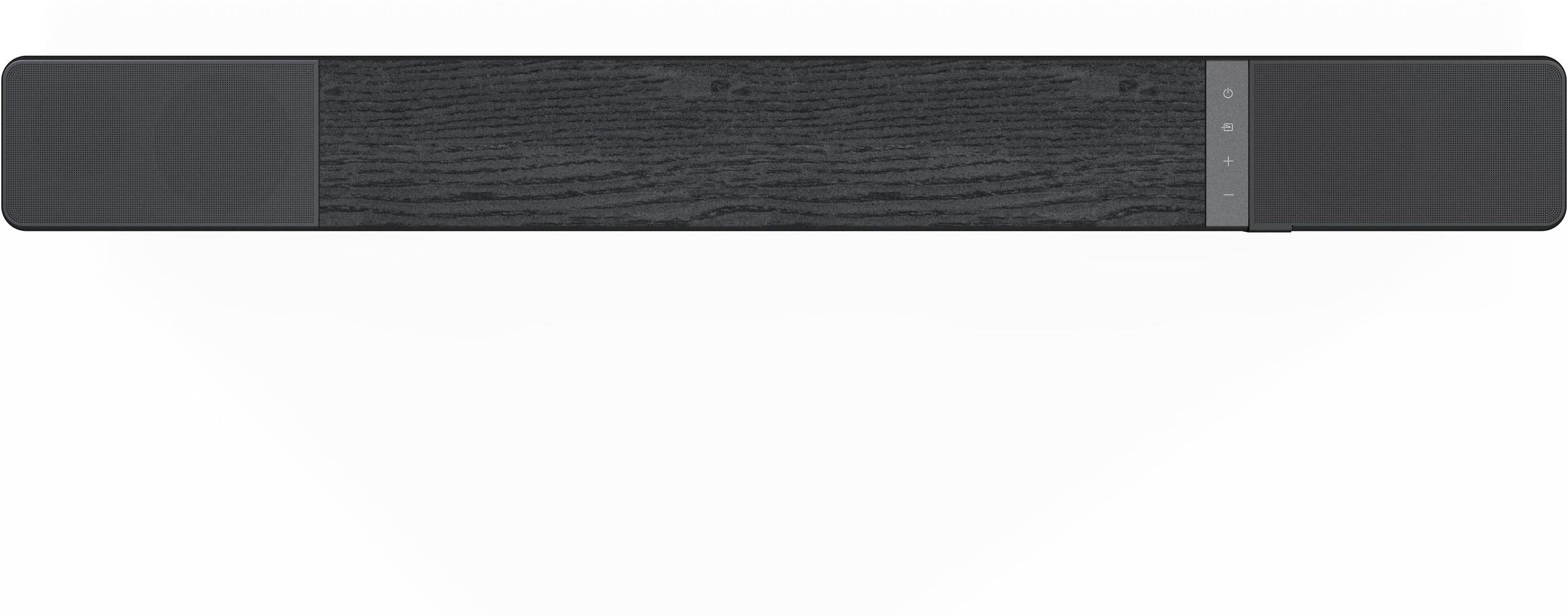
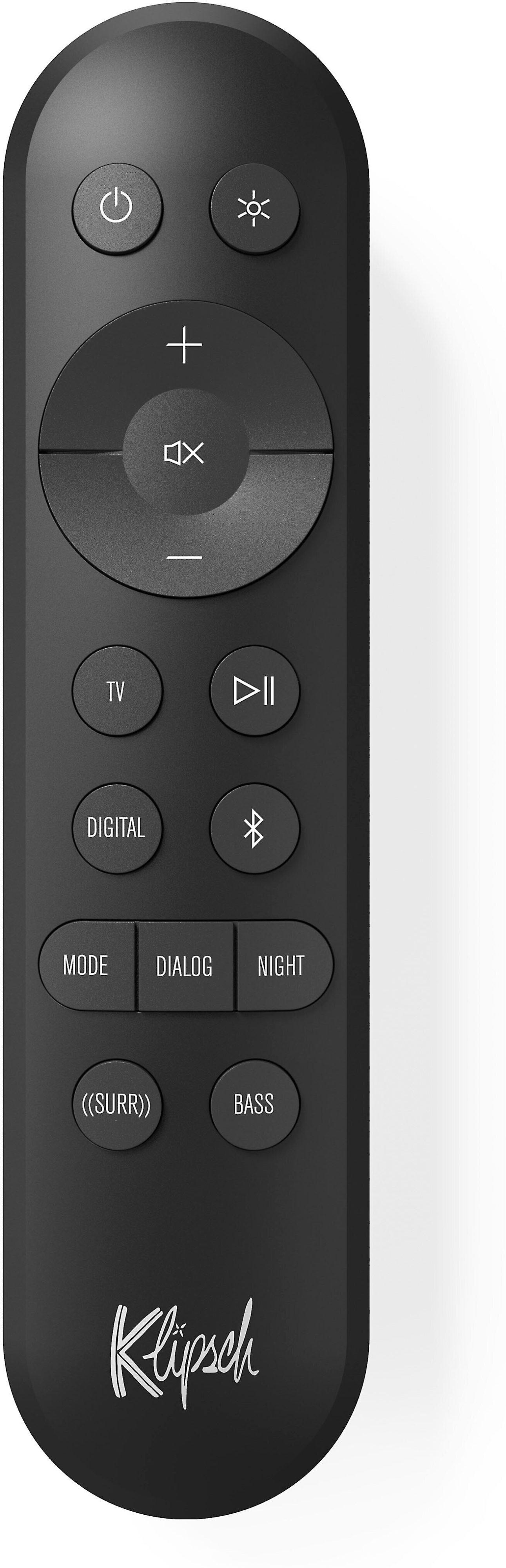
The Klipsch Flexus Core 200 wins on simplicity. You plug in one power cord, connect one HDMI cable to your TV, and you're done. The clean, single-unit aesthetic appeals to people who want good sound without visual clutter. The soundbar includes touch controls on top and comes with a backlit remote for low-light use.
The Klipsch Connect Plus app adds another layer of control, letting you adjust EQ settings, update firmware, and manage the wireless ecosystem components. The app isn't essential for basic use, but it's well-designed and adds functionality for users who want to dig deeper into customization.
The Denon requires a bit more setup since you need to pair the wireless subwoofer and find an appropriate location for it. The pairing process is straightforward – hold a button on each unit and they connect automatically. The challenge is finding the sweet spot for subwoofer placement where it sounds balanced with the main soundbar.
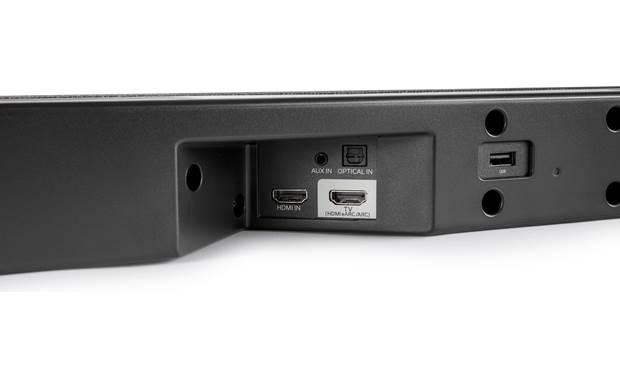
Both soundbars support HDMI eARC (enhanced Audio Return Channel), which means they can receive high-quality audio from your TV and allow you to control volume with your TV remote. This seemingly small feature makes a huge difference in daily use – you don't need to juggle multiple remotes or remember which device controls what.
At $369, the Klipsch Flexus Core 200 costs about $67 more than the Denon, but you're getting newer technology, premium build quality, and expandability options. The integrated subwoofers eliminate the need to buy a separate sub, which could cost $200-300 if purchased separately.
However, you're also paying a premium for the Klipsch brand and that 2024 technology. The question is whether the convenience and expandability justify the higher price for your specific situation.
The Denon DHT-S517 at $302 includes that wireless subwoofer, making it an exceptional value for the bass performance you get. Two years on the market have also meant firmware updates and price reductions that make it increasingly attractive.
From a pure performance-per-dollar standpoint, the Denon is hard to beat. You're getting deep, room-filling bass and solid Dolby Atmos performance for under $310. The Klipsch asks you to pay more for convenience and future expandability – benefits that may or may not matter to your specific situation.
After living with both systems, here's how I'd break down the decision:
Choose the Klipsch Flexus Core 200 if you live in a smaller space, value clean aesthetics, prioritize dialogue clarity, or think you might want to expand your system over time. It's also the better choice if you're sensitive to bass overwhelming other frequencies – the integrated subs provide impact without domination.
Choose the Denon DHT-S517 if you have a larger room, love deep bass, want maximum value for your dollar, or don't plan to expand beyond a 3.1.2 setup. It's also better if you have flexibility in subwoofer placement and don't mind the additional hardware.
For most home theater applications, the Denon's separate subwoofer approach provides more satisfying bass response, especially for action movies and music. But the Klipsch's all-in-one design and expandability make it more versatile for different living situations and future needs.
Both soundbars represent significant upgrades over TV speakers and deliver genuine Dolby Atmos experiences. Your choice ultimately comes down to your room, your priorities, and whether you value convenience or raw performance more. Either way, you'll be getting significantly better sound than what you're used to from your TV.
| Klipsch Flexus Core 200 ($369) | Denon DHT-S517 ($302) |
|---|---|
| Release Date - Newer tech vs proven value | |
| 2024 (latest Dolby Atmos processing) | 2022 (mature, price-dropped technology) |
| Bass Configuration - Biggest difference in setup and performance | |
| Dual 4" integrated subwoofers (no extra hardware) | 10" wireless subwoofer (deeper bass, flexible placement) |
| Total System Power - Room-filling capability | |
| 185W RMS (best for rooms under 200 sq ft) | 150W total (better power distribution for larger rooms) |
| Frequency Response - How deep the bass goes | |
| 43Hz-20kHz (solid bass extension for integrated design) | Not specified (likely extends deeper with 10" sub) |
| Driver Array - Sound quality and clarity | |
| 7 drivers including horn-loaded tweeter for dialogue | 7 drivers with dedicated center channel and tweeters |
| Expandability - Future upgrade potential | |
| Wireless Flexus subs/surrounds + RCA sub output | No expansion options (fixed 3.1.2 system) |
| Connectivity - Input options and convenience | |
| HDMI eARC, optical, USB-C, Bluetooth, RCA out | HDMI eARC/ARC, optical, 3.5mm, USB-A, Bluetooth |
| Special Features - Unique selling points | |
| Klipsch Transport wireless tech, Connect Plus app | 3-level Dialogue Enhancer, Pure Mode for music |
| Dimensions - Space requirements | |
| 44" W x 3.1" H x 4.9" D (single unit) | Soundbar + separate wireless subwoofer placement |
| Best For - Ideal use cases | |
| Small/medium rooms, clean setup, future expansion | Large rooms, maximum bass impact, budget-conscious |
The Denon DHT-S517 ($302) delivers deeper, more powerful bass with its dedicated 10" wireless subwoofer. The Klipsch Flexus Core 200 ($369) has impressive bass for an all-in-one unit with dual 4" integrated subwoofers, but can't match the room-shaking impact of Denon's separate sub. Choose Denon for maximum bass impact, Klipsch for convenience without a separate subwoofer box.
The Klipsch Flexus Core 200 doesn't need a separate subwoofer as it has dual 4" subs built-in, though you can add one later via RCA output. The Denon DHT-S517 comes with a wireless subwoofer included in the package. Both provide satisfying bass, but the Denon's dedicated sub offers deeper extension and more placement flexibility.
The Klipsch Flexus Core 200 excels at dialogue with its signature horn-loaded tweeter design that makes voices cut through clearly. The Denon DHT-S517 offers a 3-level Dialogue Enhancer feature for adjustable voice clarity. Both handle dialogue well, but Klipsch provides more natural vocal reproduction while Denon gives you more control over dialogue levels.
The Denon DHT-S517 ($302) costs $67 less than the Klipsch Flexus Core 200 ($369) and includes a wireless subwoofer, making it exceptional value for bass performance. The Klipsch costs more but offers newer 2024 technology, premium build quality, and expandability options. Denon wins on immediate value, while Klipsch offers long-term flexibility.
The Denon DHT-S517 performs better in larger rooms thanks to its separate 10" subwoofer that can pressurize bigger spaces effectively. The Klipsch Flexus Core 200 is optimized for rooms under 200 square feet and may struggle with volume in larger spaces. For home theater rooms and open floor plans, the Denon's design provides better room-filling sound.
The Klipsch Flexus Core 200 is highly expandable with wireless Flexus subwoofers and surround speakers, plus has RCA output for third-party subs. The Denon DHT-S517 offers no expansion options - it's a fixed 3.1.2 system. Choose Klipsch if you want the ability to build a larger surround system over time.
Both the Klipsch Flexus Core 200 and Denon DHT-S517 deliver 3.1.2 Dolby Atmos with upward-firing height speakers. The Denon generally produces more convincing overhead effects with its 2.5" height drivers versus Klipsch's 2.25" drivers. However, Atmos performance depends heavily on your room's ceiling height and reflective surfaces for both models.
The Klipsch Flexus Core 200 wins on setup simplicity - just plug in power and connect one HDMI cable. The Denon DHT-S517 requires pairing the wireless subwoofer and finding optimal placement for it. Both support HDMI eARC for TV remote control, but Klipsch offers a cleaner, single-unit installation.
The Klipsch Flexus Core 200 includes HDMI eARC, optical, USB-C, Bluetooth, and RCA subwoofer output. The Denon DHT-S517 offers HDMI eARC/ARC, optical, 3.5mm analog, USB-A, and Bluetooth. Klipsch has the advantage with USB-C and expandability outputs, while Denon includes a traditional analog input.
The Klipsch Flexus Core 200 features premium materials with ebony vinyl finish and Klipsch's renowned horn-loaded tweeter construction. The Denon DHT-S517 offers solid build quality focused on driver performance. Both are well-constructed, but Klipsch commands a premium price partly due to higher-end materials and finishing.
Both soundbars handle music well. The Klipsch Flexus Core 200 delivers detailed, dynamic sound with tight bass integration ideal for various music genres. The Denon DHT-S517 includes a Pure Mode that bypasses processing for uncolored music playback, plus its deeper bass extension benefits bass-heavy music. Choose based on whether you prefer integrated convenience (Klipsch) or deeper bass impact (Denon).
For home theater use, choose the Denon DHT-S517 if you have a larger room and want maximum bass impact for action movies at the best price. Pick the Klipsch Flexus Core 200 if you prefer a clean, expandable setup with excellent dialogue clarity and plan to potentially add surround speakers later. Both deliver solid Dolby Atmos performance, but serve different room sizes and priorities.
We've done our best to create useful and informative comparisons to help you decide what product to buy. Our research uses advanced automated methods to create this comparison and perfection is not possible - please contact us for corrections or questions. These are the sites we've researched in the creation of this article: soundandvision.com - avnirvana.com - avsforum.com - cnet.com - klipsch.com - klipsch.com - youtube.com - assets.klipsch.com - klipsch.com - worldwidestereo.com - klipsch.com - crutchfield.com - digitaltrends.com - techradar.com - consumerreports.org - crutchfield.com - bestbuy.com - bestbuy.com - pocket-lint.com - abt.com - manuals.denon.com - connectedmag.com.au - bestbuy.com - forum.flirc.tv - bhphotovideo.com

Privacy Policy
Terms and Conditions - Affiliate Policy
Home Security
© Copyright 2008-2026.
11816 Inwood Rd #1211, Dallas, TX 75244