


If you're tired of constantly asking "what did they just say?" during your favorite shows, you're probably ready to upgrade from your TV's built-in speakers. Both the Bose Smart Soundbar 1100 and Denon DHT-S517 promise to solve this problem while adding immersive Dolby Atmos effects, but they take completely different approaches to get there.
Released in 2023, these soundbars represent two distinct philosophies in home audio. The Bose Smart Soundbar 1100 focuses on sophisticated audio processing packed into an ultra-slim design, while the Denon DHT-S517 takes a more traditional route with separate components including a dedicated wireless subwoofer. Understanding which approach works better for your situation—and your budget—requires digging into what makes each system tick.
Before diving into specifics, it's worth understanding what we're dealing with here. Both products belong to the "compact Dolby Atmos soundbar" category, which has exploded in popularity over the past few years. Dolby Atmos, in simple terms, is audio technology that creates three-dimensional sound by bouncing effects off your ceiling and around your room, making you feel like you're inside the action rather than just watching it.
The key considerations when shopping in this category haven't changed much: you want better dialogue clarity than your TV provides, some level of immersive surround sound, and ideally, you don't want to turn your living room into a Best Buy showroom with speakers everywhere. However, the approaches to achieving these goals have become increasingly sophisticated—and increasingly different between brands.
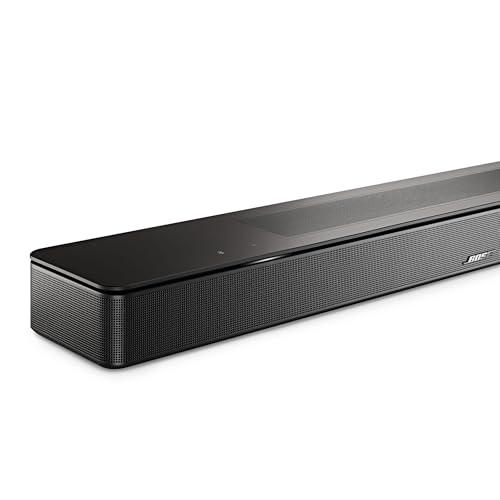
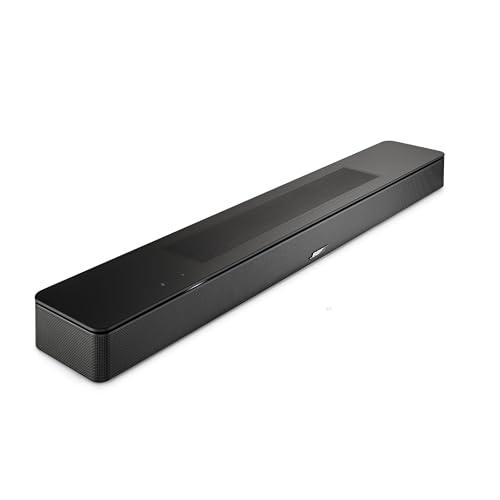
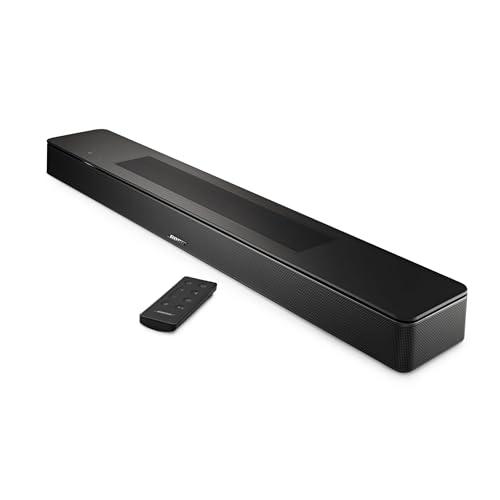
The Bose Smart Soundbar 1100 represents Bose's "less is more" philosophy taken to its logical extreme. At just 2.2 inches tall and weighing under 7 pounds, this soundbar practically disappears under your TV. But don't let the minimal footprint fool you—Bose has packed serious technology into this compact package.
The centerpiece is what Bose calls PhaseGuide technology. Think of it as acoustic trickery that uses precisely timed sound waves to create the illusion of speakers placed around your room, even though the sound is coming from a single bar in front of your TV. It's similar to how a magician makes you think they're pulling a rabbit from an empty hat—except in this case, the magic is making dialogue seem to come from the center of your screen while effects spread wide around your room.
Even more impressive is the A.I. Dialogue Mode, which uses artificial intelligence to automatically detect when people are speaking and adjusts the sound balance in real-time. This means clearer conversations during whispered dramatic moments without the explosions later in the scene blowing out your eardrums—a common problem that drives many people to soundbars in the first place.
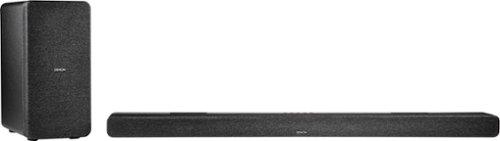
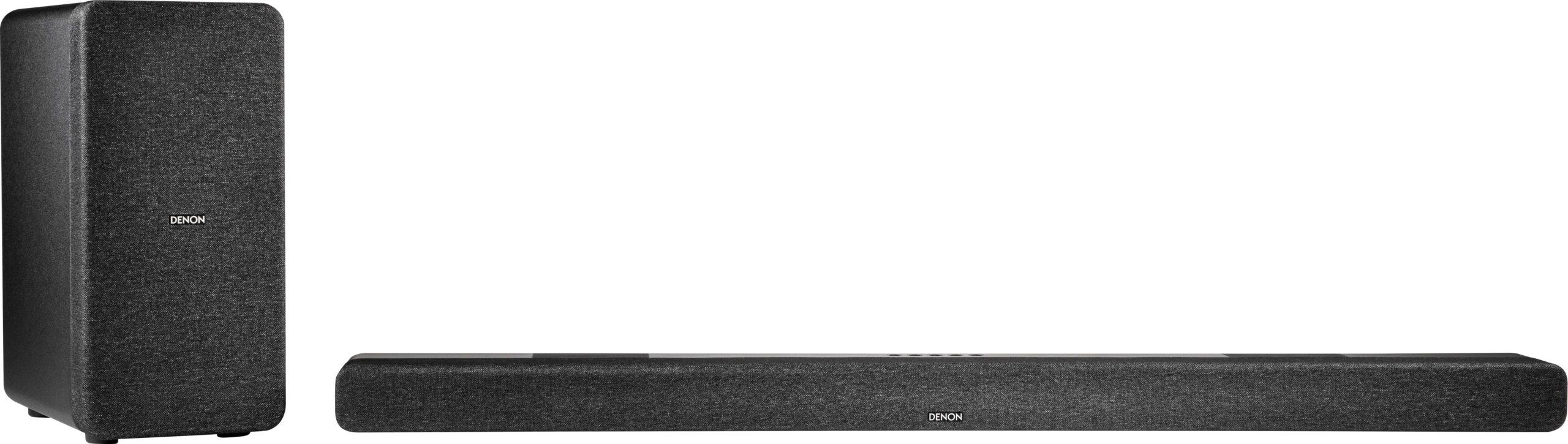
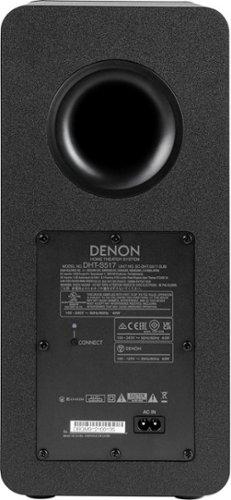
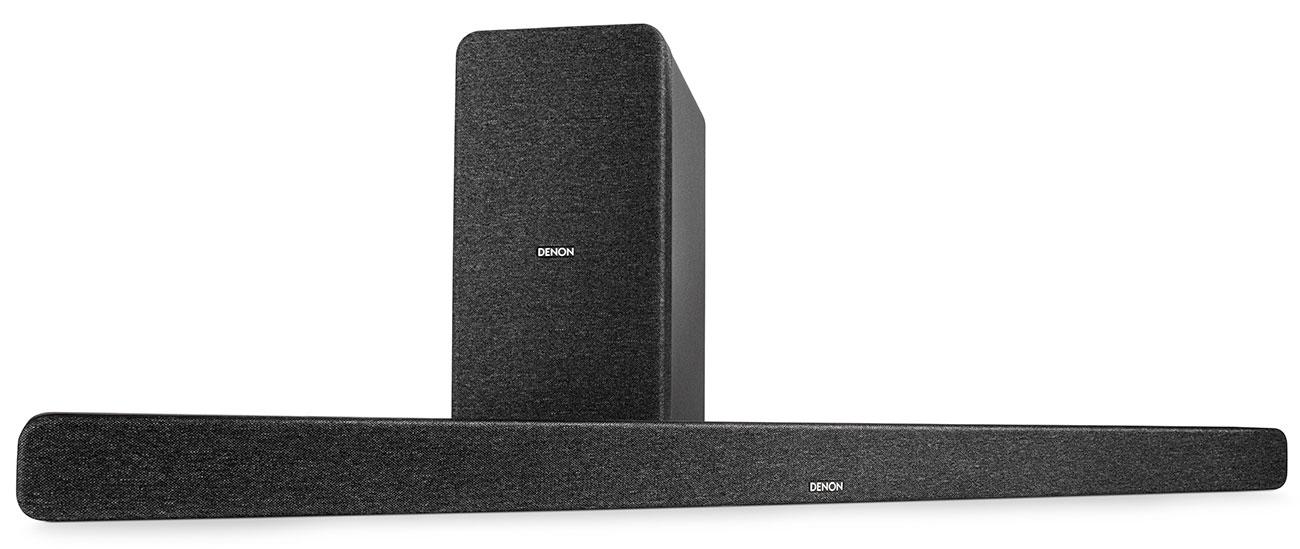
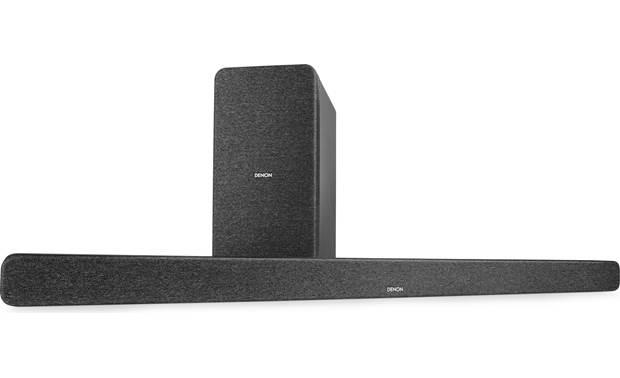
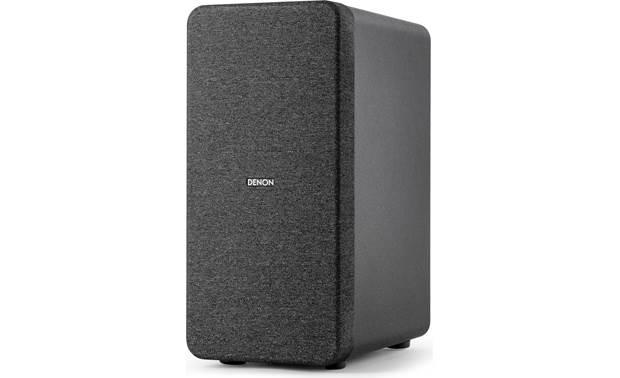
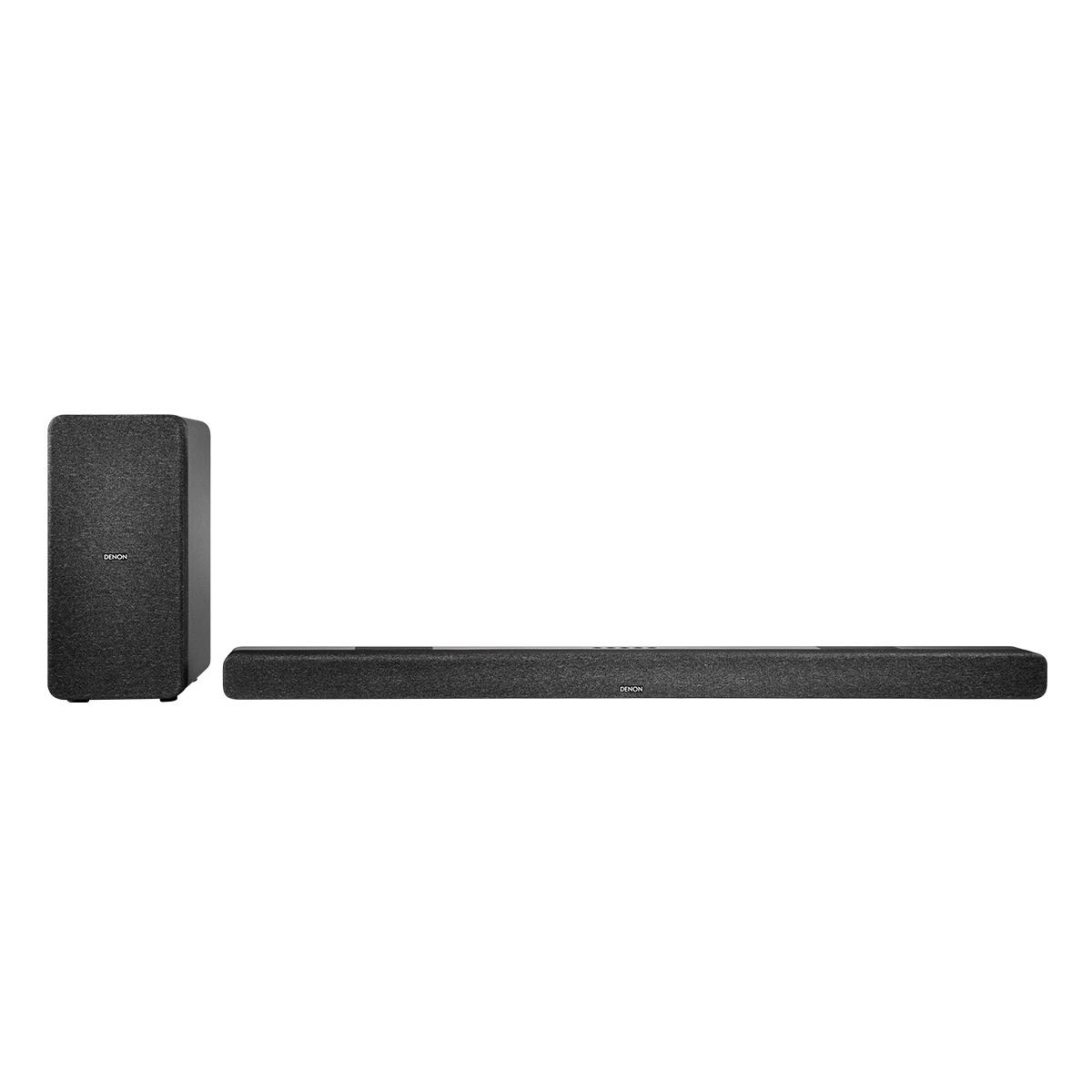
The Denon DHT-S517, released in early 2023, takes a more conventional but proven approach. Instead of trying to create bass from thin air, Denon includes a dedicated 5.25-inch wireless subwoofer powered by a 100-watt amplifier. This isn't just about having more boxes—it's about physics.
The soundbar itself houses seven individual drivers: two tweeters for crisp highs, two midrange drivers for vocals and most effects, one dedicated center channel for dialogue, and two upward-firing speakers for Dolby Atmos height effects. Meanwhile, that wireless subwoofer handles everything your living room floor can feel—the rumble of explosions, the thump of music bass, and the low-frequency effects that make action scenes visceral rather than just loud.
What's particularly smart about the Denon's approach is the three-level Dialogue Enhancer feature. Unlike Bose's automatic system, this gives you manual control over how much you want to boost speech clarity. Some people prefer subtle enhancement, while others—especially those with hearing difficulties—benefit from maximum vocal emphasis.
Here's where things get interesting. Our research into professional reviews and user feedback reveals that both soundbars excel at their intended strengths, but in notably different ways.
The Bose Smart Soundbar 1100 consistently impresses reviewers with its ability to create a soundstage that seems much larger than the physical bar itself. That PhaseGuide technology isn't just marketing speak—it genuinely makes effects feel like they're coming from well beyond the soundbar's physical boundaries. Dialogue clarity is exceptional, with the A.I. processing doing an admirable job of keeping voices front and center even during complex audio scenes.
However, the Bose reveals its limitations when it comes to bass response. Without a dedicated subwoofer, it relies on QuietPort technology—essentially specially designed ports that minimize distortion—to create low-end response from relatively small drivers. While this works reasonably well for dialogue-heavy content and even music at moderate volumes, action movies and bass-heavy genres expose the physics limitations of trying to move serious air with compact drivers.
The Denon DHT-S517 takes the opposite approach and largely succeeds. That included subwoofer transforms the experience for any content with meaningful low-frequency information. Explosions have weight, music has depth, and the overall presentation feels more complete and satisfying. The seven-driver array in the main bar provides clear channel separation, making it easier to distinguish different elements in complex audio scenes.
Professional reviewers consistently note that the Denon provides a more traditional surround sound experience—effects are more distinctly placed rather than creating an ambient wash of sound. This appeals to home theater enthusiasts who want to clearly hear effects moving from speaker to speaker, though some casual listeners prefer the more seamless integration that the Bose provides.
Both soundbars support Dolby Atmos, but their implementations reveal philosophical differences. The Bose Smart Soundbar 1100 uses two up-firing drivers combined with TrueSpace processing, which analyzes non-Atmos content and creates height effects even from regular stereo or surround sound sources. This means more of your existing content benefits from the processing, creating a consistently immersive experience.
The Denon DHT-S517 uses a more traditional approach with dedicated 2.5-inch drivers for height channels. These create distinct overhead effects that reviewers describe as more "directional" and easier to pinpoint. If you're the type who enjoys pointing out "did you hear that helicopter fly overhead?" during movies, the Denon's approach is more satisfying.
Neither system creates the dome of sound you'd get from a full 7.2.4 system with ceiling speakers, but both provide meaningful height information that enhances the viewing experience. The choice comes down to whether you prefer seamless ambient effects (Bose) or more distinct directional placement (Denon).
This is where the fundamental difference in approaches becomes most apparent. Our analysis of user reviews reveals a consistent pattern: people who buy the Bose Smart Soundbar 1100 are initially impressed by its dialogue clarity and overall refinement, but a significant percentage eventually feel the need to add a subwoofer for complete satisfaction.
Bose offers optional Bass Module 500 and 700 subwoofers, but at the time of writing, these cost nearly as much as the entire Denon system. This transforms what appears to be a moderate price difference into a substantial one when you factor in the cost of achieving comparable bass response.
The Denon's included subwoofer doesn't just add low-end extension—it changes the entire character of the system. Music becomes more engaging, action sequences feel more impactful, and even dialogue benefits from the fuller frequency response. The wireless connection works reliably in our research, and the subwoofer's compact size makes it easier to place than many alternatives.
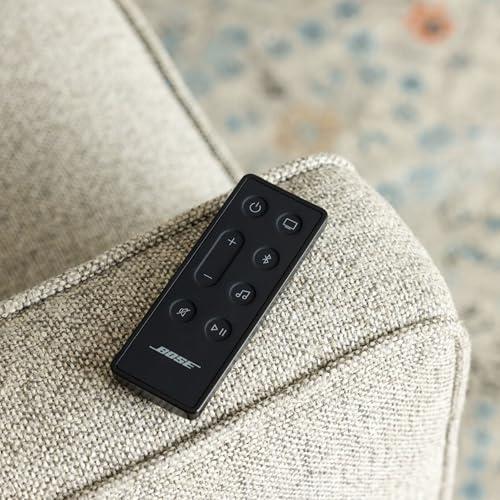
The Bose Smart Soundbar 1100 runs away with this category. Built-in Amazon Alexa with a sophisticated microphone array means you can control not just the soundbar, but your entire smart home setup. Even more impressive is Voice4Video technology, which extends Alexa's capabilities to control your TV and cable box through voice commands. This integration feels genuinely useful rather than gimmicky.
The Bose Music app provides comprehensive control and integrates with other Bose speakers for multi-room audio. Perhaps most uniquely, the system can pair with Bose Ultra Open Earbuds to create "personal surround sound"—essentially using the earbuds as rear surround speakers for late-night viewing without disturbing others.
The Denon DHT-S517 takes a more traditional approach with standard Bluetooth connectivity and app control, but lacks built-in voice assistants or smart home integration. While this simplicity appeals to some users who prefer devices that focus solely on audio performance, it does mean missing out on the convenience features that increasingly define modern home entertainment systems.
The Bose Smart Soundbar 1100 wins the aesthetics game handily. Its ultra-slim profile disappears under most TVs, and the premium materials feel substantial despite the compact size. Installation is genuinely simple—one power cord, one HDMI cable, and you're essentially done.
The Denon DHT-S517 presents more installation complexity. Beyond the larger soundbar itself, you need to find appropriate placement for the subwoofer and run power to it. While the wireless connection eliminates the need for audio cables to the sub, you still need to consider room acoustics and neighbor-friendly placement.
However, this complexity brings benefits. The Denon's larger driver array and separate subwoofer simply move more air and fill larger rooms more effectively. If you have a spacious living room or open floor plan, the Denon has the acoustic horsepower to fill the space properly.
At the time of writing, the Denon DHT-S517 represents significantly better value for most buyers. You're getting a complete 3.1.2 system with meaningful bass response for less money than the Bose alone. When you factor in that achieving comparable bass performance from the Bose system requires an additional purchase that costs nearly as much as the entire Denon system, the value equation becomes quite stark.
However, value isn't just about immediate cost. The Bose Smart Soundbar 1100 offers superior smart home integration, more sophisticated audio processing, and a modular upgrade path. If these features matter to your usage patterns, the premium might be justified.
Our research suggests that most buyers fall into clear categories: those who prioritize immediate, complete audio performance gravitate toward the Denon, while those who value aesthetic integration and smart features lean toward the Bose.
For dedicated home theater use, the Denon DHT-S517 generally provides a more satisfying experience. The dedicated subwoofer makes action movies feel more impactful, and the clear channel separation helps with complex audio scenes. Movie dialogue benefits from the manual Dialogue Enhancer controls, which let you fine-tune speech clarity based on the content.
The Bose Smart Soundbar 1100 excels with dialogue-heavy content and provides a more refined presentation for casual viewing. The automatic processing works well for mixed content where you don't want to constantly adjust settings.
Choose the Bose Smart Soundbar 1100 if you value aesthetic integration, smart home features, and sophisticated audio processing over immediate bass impact. It's ideal for smaller rooms, tech enthusiasts, and those who prefer gradual system building with future expansion options.
Choose the Denon DHT-S517 if you want complete audio performance immediately at an excellent price. It's better for larger rooms, movie enthusiasts, and anyone who prioritizes traditional hi-fi engineering approaches over smart features.
Both systems deliver meaningful improvements over TV audio, but they serve different priorities and usage patterns. The Denon provides more complete performance for less money, while the Bose offers superior technology integration and future flexibility at a premium. Your choice should align with whether you value immediate satisfaction or long-term ecosystem building.
In our analysis, the Denon DHT-S517 emerges as the better choice for most buyers, simply because it delivers a complete, satisfying audio experience from day one without requiring additional purchases to achieve its full potential.
| Bose Smart Soundbar 1100 | Denon DHT-S517 Soundbar with Wireless Subwoofer |
|---|---|
| Channel Configuration - Determines surround sound capability | |
| 3.0.2 (no dedicated subwoofer channel) | 3.1.2 (includes dedicated subwoofer channel) |
| Subwoofer Inclusion - Critical for bass response and movie impact | |
| Not included (optional Bass Module sold separately) | 5.25" wireless subwoofer with 100W amplifier included |
| Dimensions - Important for TV compatibility and room aesthetics | |
| 27.3" W x 2.2" H x 4.6" D, 6.9 lbs (ultra-compact) | 41.3" W x 2.3" H x 3.8" D, 5.5 lbs (plus separate subwoofer) |
| Driver Array - Affects sound quality and channel separation | |
| 5 speakers + center tweeter with up-firing drivers | 7-driver array with dedicated tweeters, midrange, and center drivers |
| Smart Features - Voice control and home automation integration | |
| Built-in Alexa, Voice4Video, Google Assistant compatible | Bluetooth 5.0 only, no built-in voice assistants |
| Audio Processing Technology - Proprietary sound enhancement features | |
| PhaseGuide, TrueSpace, A.I. Dialogue Mode, QuietPort | Dialogue Enhancer (3 levels), Pure Mode, traditional processing |
| Connectivity Options - Flexibility for different audio sources | |
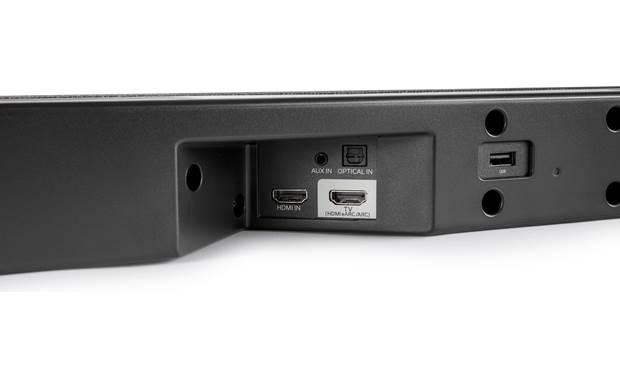
| HDMI eARC, Optical, Bluetooth 5.0, Wi-Fi, AirPlay 2, Chromecast | HDMI eARC, HDMI input, Optical, 3.5mm, USB-A, Bluetooth 5.0 |
| Streaming Integration - Built-in music service support | |
| Amazon Music, Spotify Connect, Pandora, TuneIn, multi-room audio | Bluetooth streaming only, no built-in service integration |
| Expansion Options - Ability to add components for fuller system | |
| Optional Bass Module 500/700, Surround Speakers, Ultra Open Earbuds | Complete system included, limited expansion options |
| Wall Mounting - Installation flexibility | |
| Yes (bracket sold separately, ultra-slim profile ideal) | Yes (but larger profile, subwoofer requires floor placement) |
| Voice Assistant Integration - Hands-free control capabilities | |
| Built-in microphone array, noise-rejecting, always-listening | Requires external smart speakers for voice control |
| Audio Format Support - Compatibility with different sound standards | |
| Dolby Atmos, Dolby Digital, Dolby TrueHD, Dolby Digital Plus | Dolby Atmos, Dolby Digital, Dolby TrueHD, Dolby Digital Plus |
| Room Calibration - Automatic sound optimization | |
| Wall EQ preset only | No automatic room calibration |
| Multi-room Audio - Integration with other speakers | |
| Bose Smart Soundbar 1100 works with other Bose Smart speakers | No multi-room capabilities |
The Bose Smart Soundbar 1100 is ideal for small rooms due to its ultra-compact 27.3-inch width and advanced PhaseGuide technology that creates a wide soundstage from a minimal footprint. Its sophisticated audio processing makes it perfect for apartments or bedrooms where space is limited.
No, only the Denon DHT-S517 includes a wireless subwoofer in the box. The Bose Smart Soundbar 1100 relies on its built-in drivers for bass and requires purchasing an optional Bass Module separately for deeper low-end response.
The Bose Smart Soundbar 1100 has superior voice control with built-in Amazon Alexa, noise-rejecting microphones, and Voice4Video technology that can control your TV and cable box. The Denon DHT-S517 lacks built-in voice assistants and requires external smart speakers for voice control.
The Denon DHT-S517 delivers significantly better bass performance with its included 5.25-inch wireless subwoofer and 100-watt amplifier. The Bose Smart Soundbar 1100 provides adequate bass for dialogue but lacks the deep low-frequency extension needed for action movies without an optional subwoofer.
The Bose Smart Soundbar 1100 is easier to set up with just one power cord and one HDMI connection, plus guided app setup. The Denon DHT-S517 requires additional setup for the wireless subwoofer pairing and optimal room placement.
Yes, both the Bose Smart Soundbar 1100 and Denon DHT-S517 support Dolby Atmos with up-firing drivers. However, the Bose uses TrueSpace technology to enhance non-Atmos content, while the Denon provides more traditional directional height effects.
The Bose Smart Soundbar 1100 offers extensive streaming with built-in Wi-Fi, AirPlay 2, Chromecast, Spotify Connect, and integration with multiple music services. The Denon DHT-S517 is limited to Bluetooth 5.0 streaming from connected devices.
Both soundbars excel at dialogue clarity but use different approaches. The Bose Smart Soundbar 1100 features automatic A.I. Dialogue Mode that adjusts in real-time, while the Denon DHT-S517 offers manual Dialogue Enhancer with three adjustable levels for customized speech optimization.
The Denon DHT-S517 is better for large rooms thanks to its separate subwoofer that can fill bigger spaces with bass, plus its larger driver array that moves more air. The Bose Smart Soundbar 1100 is optimized for small to medium rooms up to approximately 10x12 feet.
The Bose Smart Soundbar 1100 offers more expansion options including optional Bass Modules, Surround Speakers, and unique pairing with Bose Ultra Open Earbuds. The Denon DHT-S517 comes as a complete system with limited official expansion options.
The Denon DHT-S517 provides better immediate value by including a complete 3.1.2 system with wireless subwoofer. The Bose Smart Soundbar 1100 costs more initially and requires additional purchases for comparable bass performance, but offers premium smart features and processing technology.
For dedicated home theater use, the Denon DHT-S517 generally provides a more complete experience with its included subwoofer for impactful action sequences and clear channel separation. The Bose Smart Soundbar 1100 excels with dialogue-heavy content and offers more refined processing for mixed viewing scenarios.
We've done our best to create useful and informative comparisons to help you decide what product to buy. Our research uses advanced automated methods to create this comparison and perfection is not possible - please contact us for corrections or questions. These are the sites we've researched in the creation of this article: bestbuy.com - rtings.com - rtings.com - youtube.com - staples.com - youtube.com - soundguys.com - businessinsider.com - youtube.com - rtings.com - crutchfield.com - youtube.com - youtube.com - smart.dhgate.com - dolby.com - bose.com - assets.bose.com - bose.com - connection.com - bestbuy.com - cdw.com - dell.com - device.report - techradar.com - consumerreports.org - crutchfield.com - bestbuy.com - bestbuy.com - pocket-lint.com - abt.com - manuals.denon.com - connectedmag.com.au - bestbuy.com - forum.flirc.tv - bhphotovideo.com

Privacy Policy
Terms and Conditions - Affiliate Policy
Home Security
© Copyright 2008-2026.
11816 Inwood Rd #1211, Dallas, TX 75244