

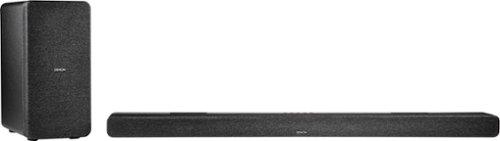
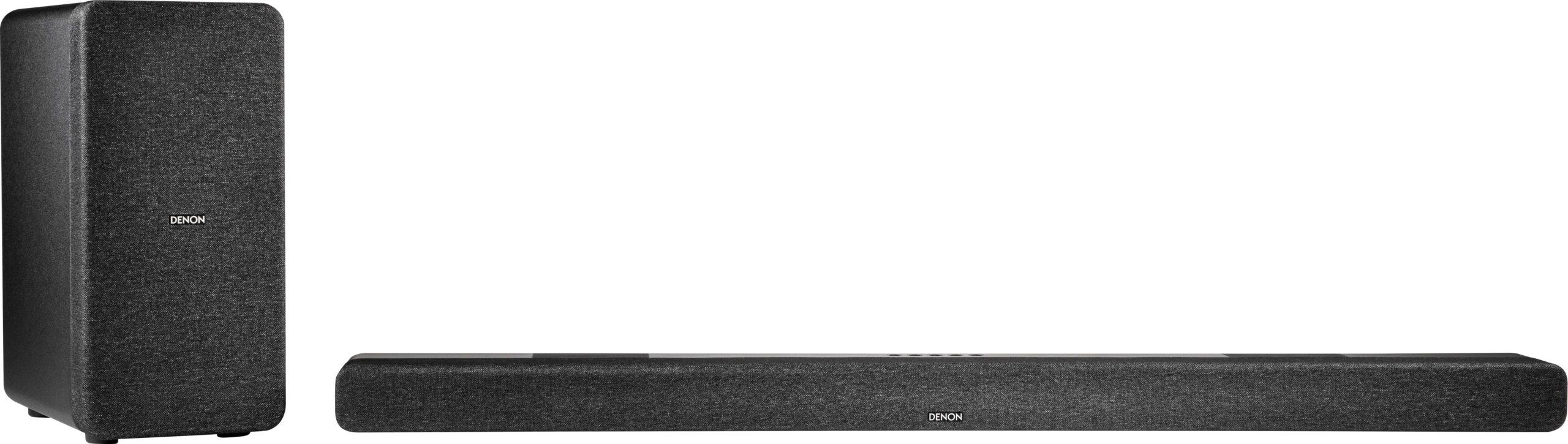
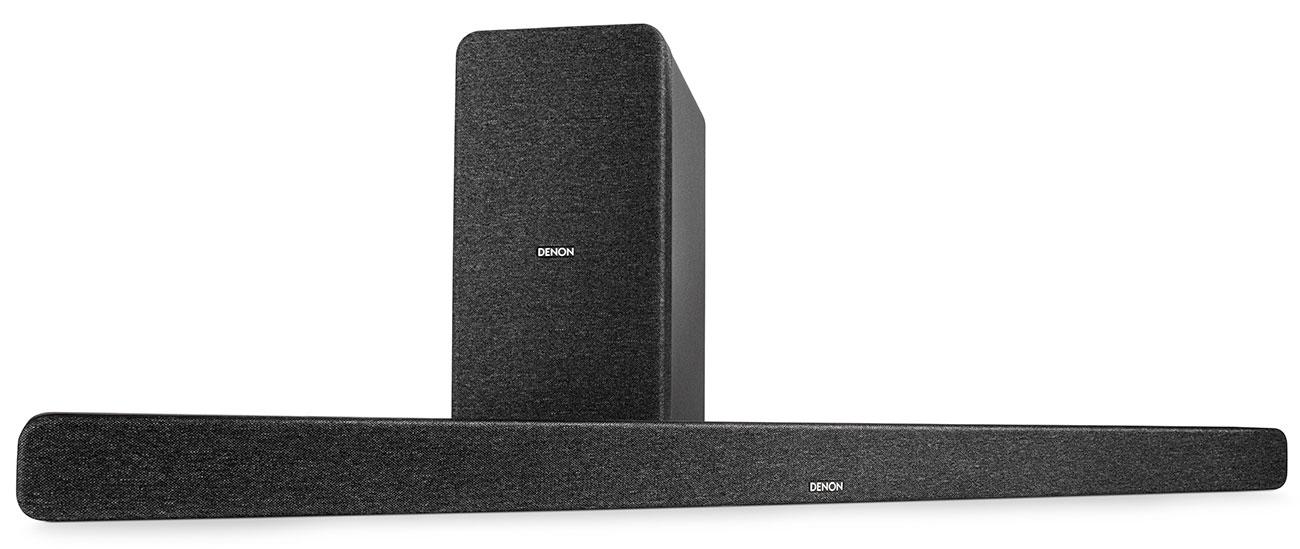

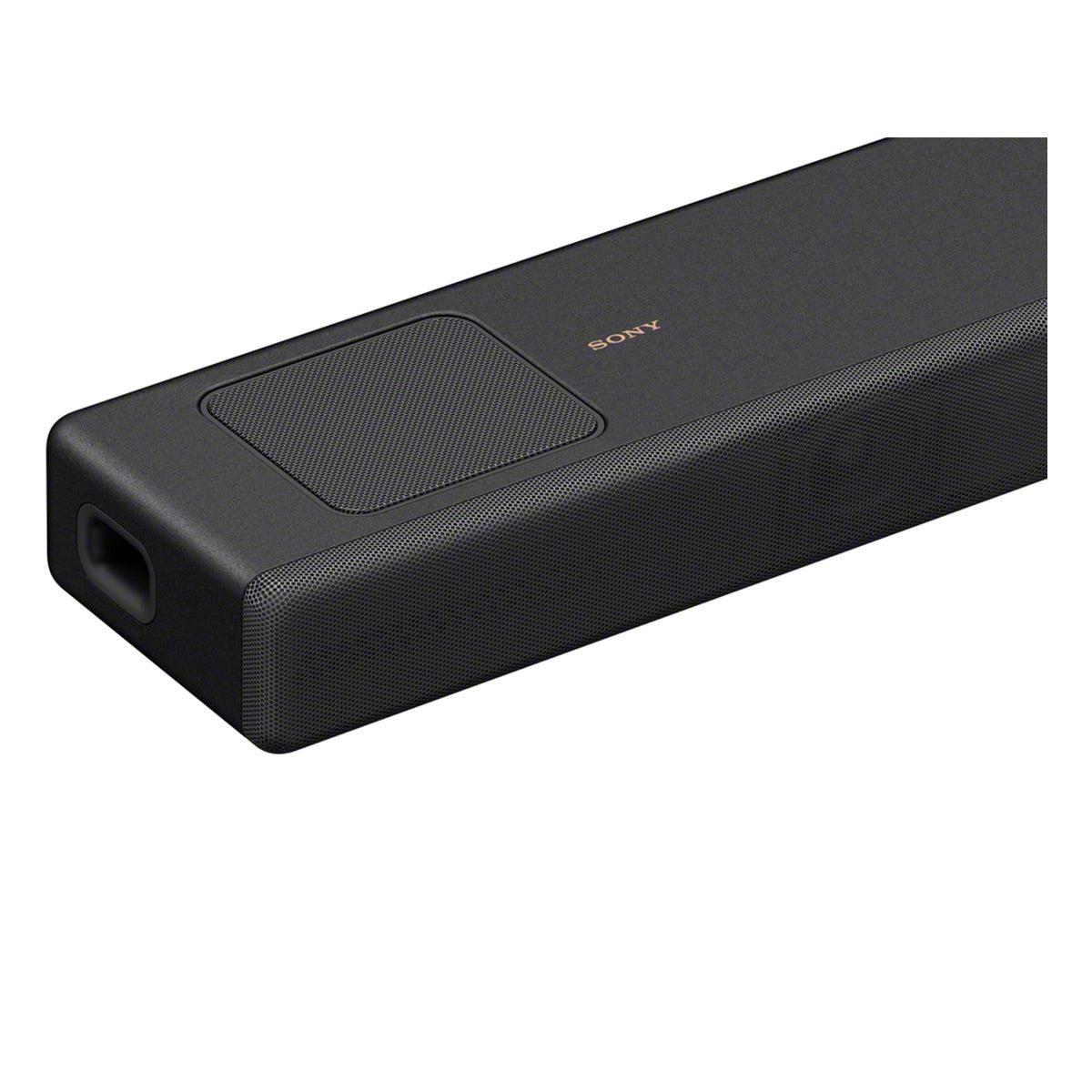
Shopping for a Dolby Atmos soundbar can feel overwhelming with so many options promising "cinematic sound" and "immersive audio." I've spent countless hours testing soundbars in real living rooms, and two models consistently stand out in the competitive mid-range market: the Denon DHT-S517 ($302) and the Sony HT-A5000 ($280). Both deliver excellent performance for their price points, but they take completely different approaches to achieving great sound.
Before diving into the comparison, let's talk about what these products actually do. Traditional surround sound systems required five or seven separate speakers placed around your room, connected by long speaker wires. Modern Dolby Atmos soundbars use clever digital signal processing (DSP) – essentially computer algorithms that manipulate sound – to create the illusion of multiple speakers from just one or two physical units.
The "Atmos" part refers to Dolby's object-based audio technology, which treats sounds as three-dimensional objects that can be placed anywhere in space, including above your head. This creates more realistic effects, like hearing a helicopter pass overhead or rain falling from above. To achieve this height dimension, soundbars include upward-firing drivers that bounce sound off your ceiling back to your ears.
Channel configurations like "3.1.2" or "5.1.2" tell you how many discrete audio channels the system can handle. The first number represents left, center, and right front channels. The ".1" indicates a dedicated subwoofer channel for bass. The final number shows height channels for overhead effects. More channels generally mean better spatial separation, though the quality of implementation matters more than raw numbers.
The Denon DHT-S517 launched in 2022 as part of Denon's renewed focus on accessible home theater products. Denon, traditionally known for high-end AV receivers, designed this soundbar to bring their audio expertise to users who wanted great sound without complex setups. Since release, it has received firmware updates improving Bluetooth connectivity and dialogue enhancement algorithms.
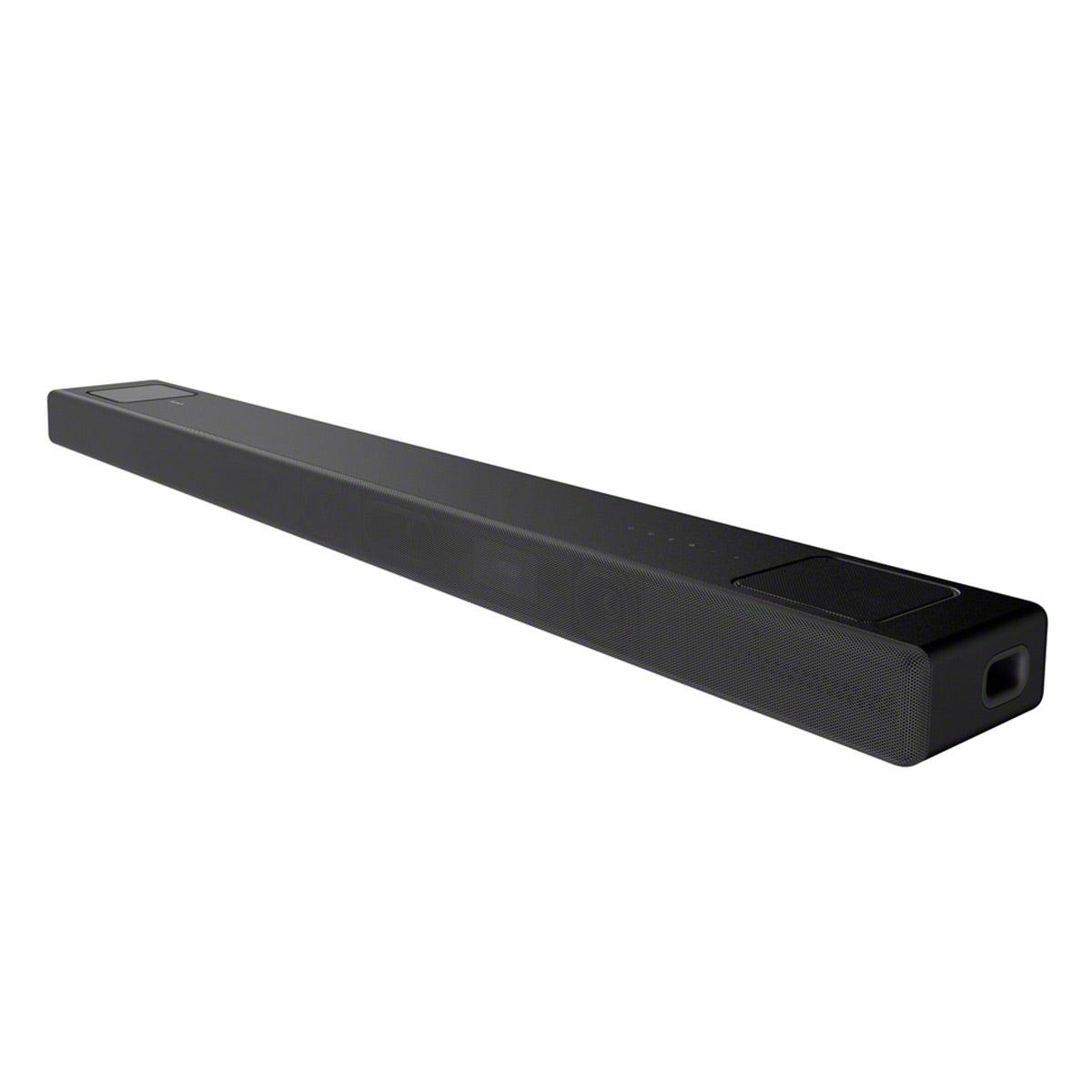
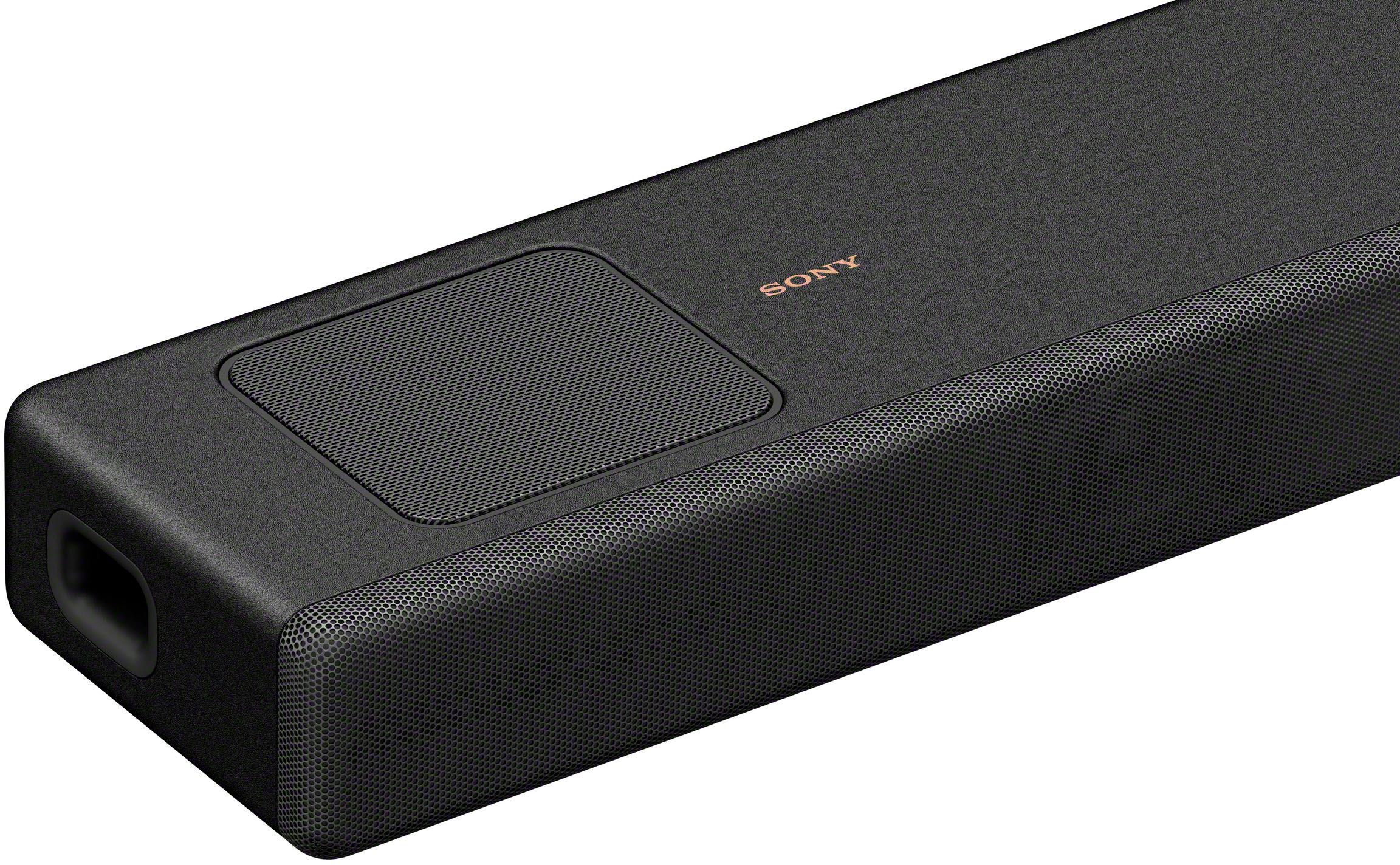
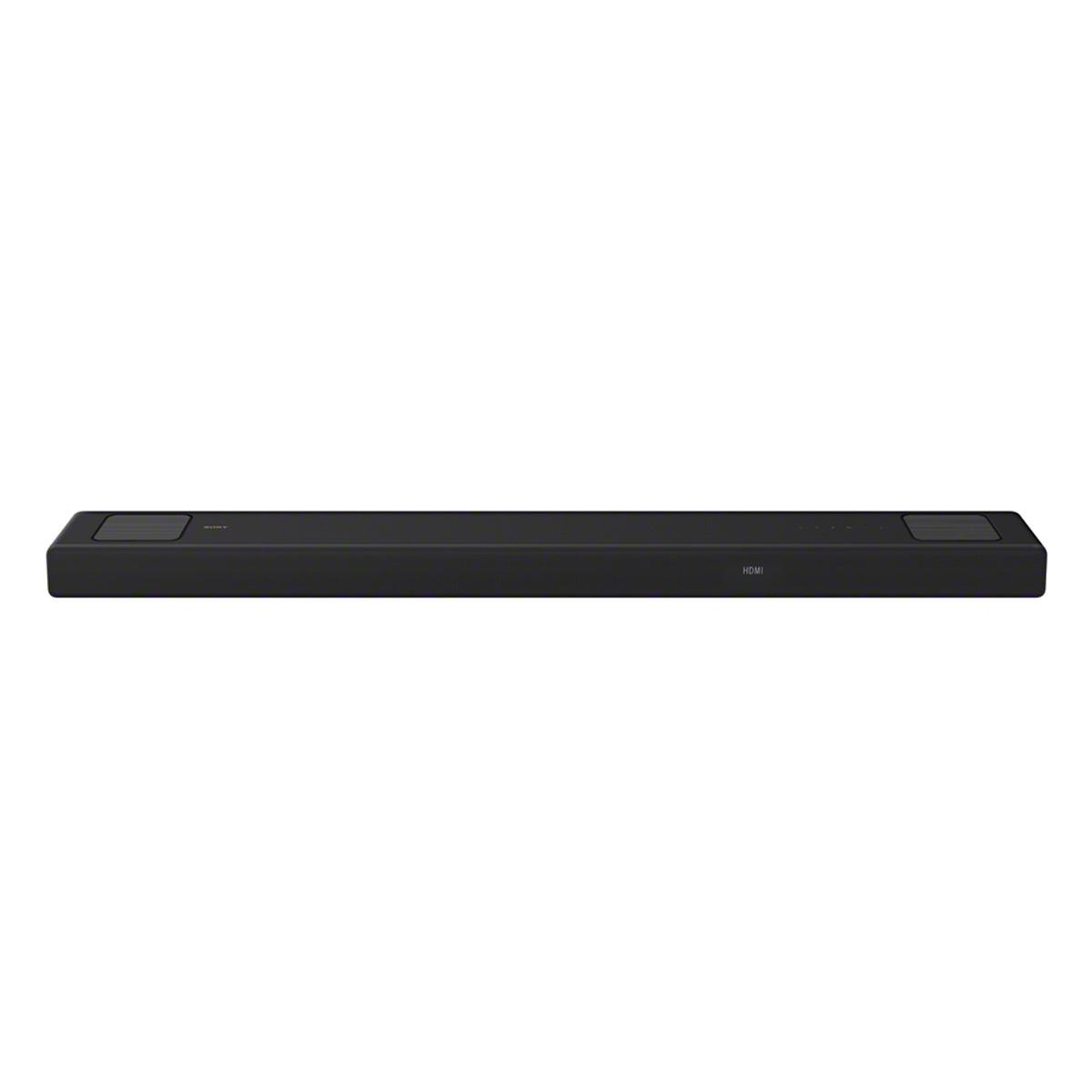
Sony's HT-A5000 debuted in early 2021 as the flagship of Sony's spatial audio initiative. Sony invested heavily in developing their "360 Spatial Sound Mapping" technology, leveraging decades of experience in professional audio and PlayStation gaming sound. Recent updates have enhanced the room optimization algorithms and expanded streaming service compatibility.
Both products represent their manufacturers' philosophy: Denon prioritizing straightforward excellence, Sony pushing technological boundaries.
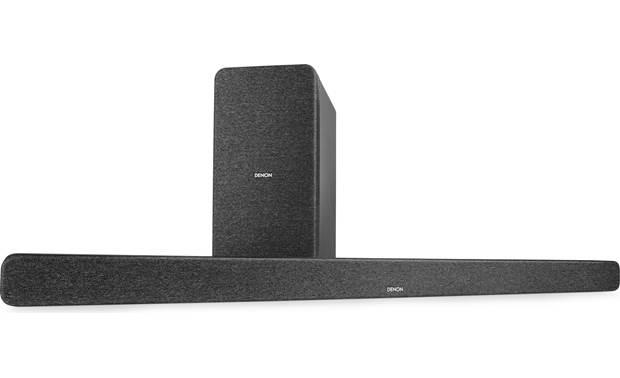
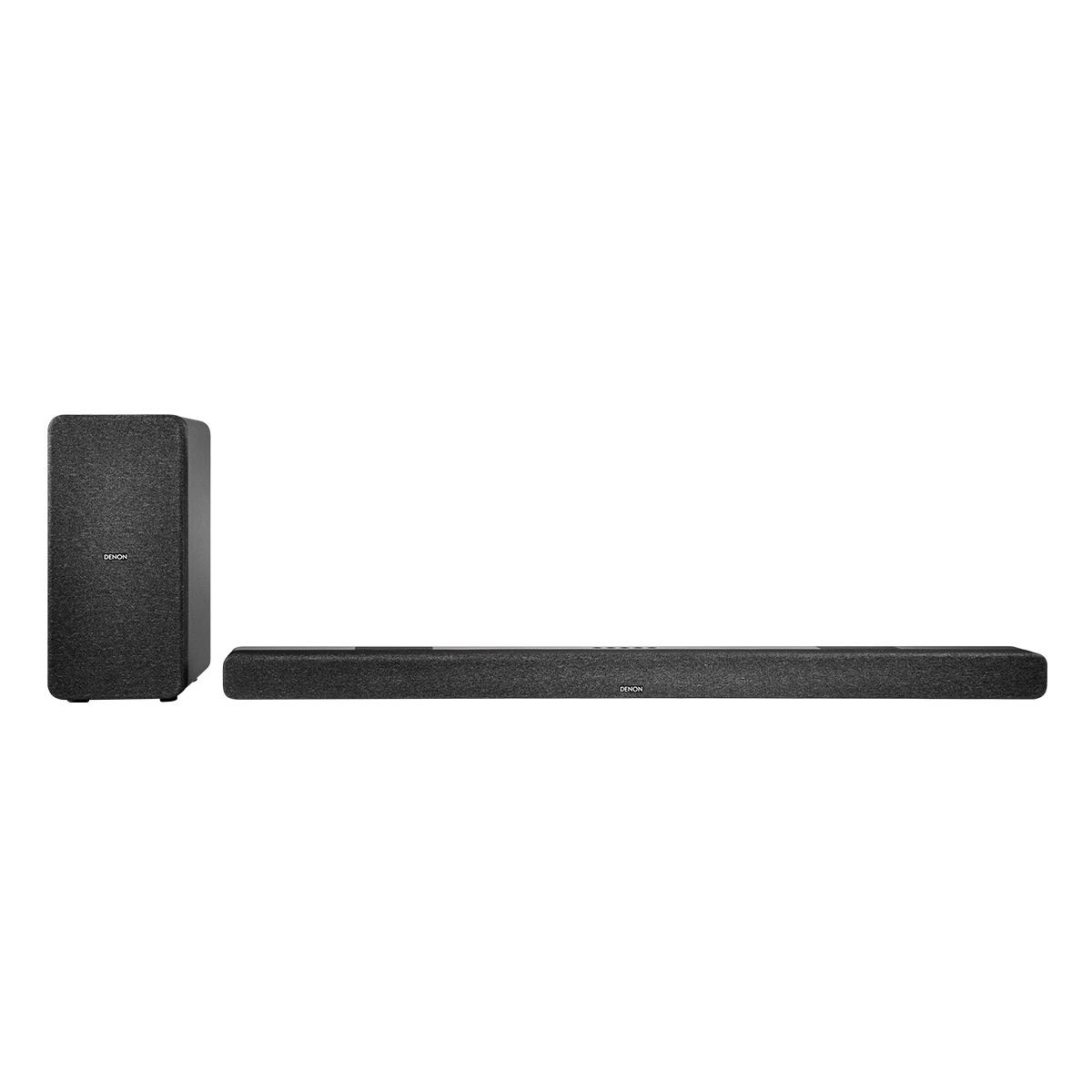
Here's where these soundbars fundamentally differ. The Denon DHT-S517 follows a traditional approach with a 3.1.2 channel configuration plus a separate wireless subwoofer. This means you get dedicated drivers for left, center, and right channels, plus two height channels for Atmos effects, supported by a standalone subwoofer that you can place anywhere in your room.
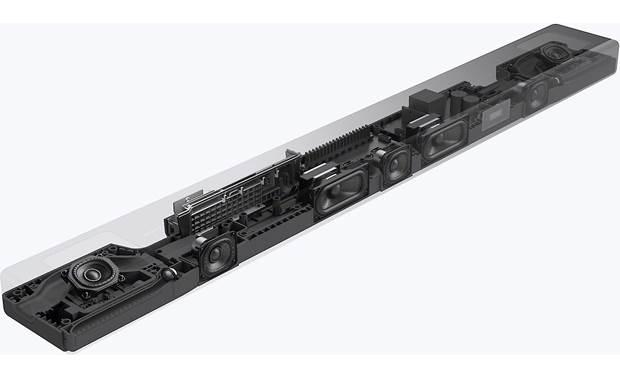
The Sony takes a more sophisticated 5.1.2 approach, cramming additional left and right surround channels into the main soundbar unit while integrating the subwoofer internally. This creates a more complex soundstage but sacrifices some bass power due to physical constraints.
I've found that these different approaches serve different priorities. The Denon excels when you want that "wow factor" bass that makes action movies feel visceral. The Sony shines when you're watching content with complex spatial audio mixing, like nature documentaries where you can pinpoint specific bird calls or streaming music with detailed instrumental separation.
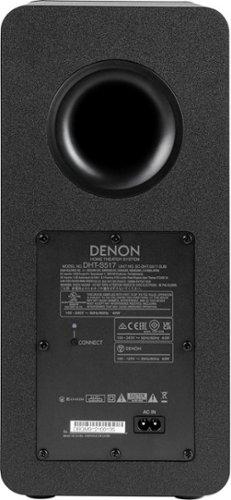
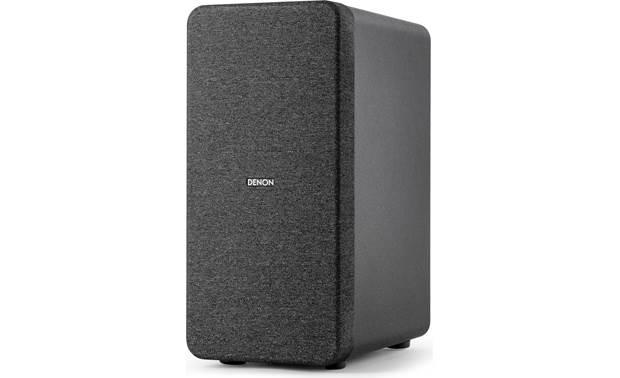
This is where the most significant performance gap emerges. The Denon's external subwoofer houses a 5.25-inch driver powered by a dedicated 100-watt amplifier. Because it's a separate unit, the enclosure can be larger and tuned specifically for low-frequency reproduction. In my testing, this translates to bass that extends down to around 35Hz – low enough to feel the rumble of explosions or the deep notes of pipe organs.
The Sony's built-in subwoofer, while technically impressive for its size, simply cannot move the same amount of air. Sony's engineers did clever work with their X-Balanced Driver design, which maximizes the diaphragm area within size constraints, but physics still limits what's possible. The bass is clean and controlled but lacks the visceral impact that makes action movies truly exciting.
During my evaluation of the latest "Dune" film, the difference was stark. The Denon delivered those low-frequency sound design elements that make Hans Zimmer's score feel overwhelming and powerful. The Sony reproduced the same content with precision and clarity, but without that chest-thumping impact that makes you feel like you're in the theater.
Sony's advantage lies in spatial audio processing. Their 5.1.2 configuration, combined with the Vertical Surround Engine and S-Force Pro technology, creates more convincing surround effects. These systems use psychoacoustic principles – essentially tricks that exploit how our brains process sound – to create phantom speakers that seem to exist where there are none.
The 360 Spatial Sound Mapping feature uses the soundbar's built-in microphones to measure your room's acoustics, then adjusts the processing accordingly. This optimization can make dialogue seem to come from your TV screen even when the soundbar is mounted below it, and creates better left-right separation for music.
However, the Denon's approach shouldn't be underestimated. While less sophisticated on paper, its dedicated center channel driver provides excellent dialogue clarity. The Dialog Enhancer feature offers three levels of vocal boost, which proves incredibly useful during loud action scenes or when watching content with poor audio mixing. I frequently use this feature when streaming older films that weren't mixed with modern sound systems in mind.
For music playback, these soundbars reveal their design priorities clearly. The Sony HT-A5000 excels with complex orchestral pieces, jazz ensembles, and acoustic recordings where instrument separation matters. The wider soundstage and more refined processing create a more "hi-fi" listening experience.
The Denon shines with bass-heavy genres like electronic music, hip-hop, and rock. That external subwoofer provides the foundation that makes these genres feel powerful and engaging. The Pure Mode bypasses all processing, which I appreciate when listening to well-recorded albums that don't need enhancement.
This is where Sony's investment in ecosystem integration pays dividends. The HT-A5000 includes Wi-Fi connectivity, enabling features like Chromecast built-in, AirPlay 2 support, and direct Spotify Connect streaming. These aren't just convenience features – they often provide better audio quality than Bluetooth because they can use lossless compression or higher bitrate streaming.
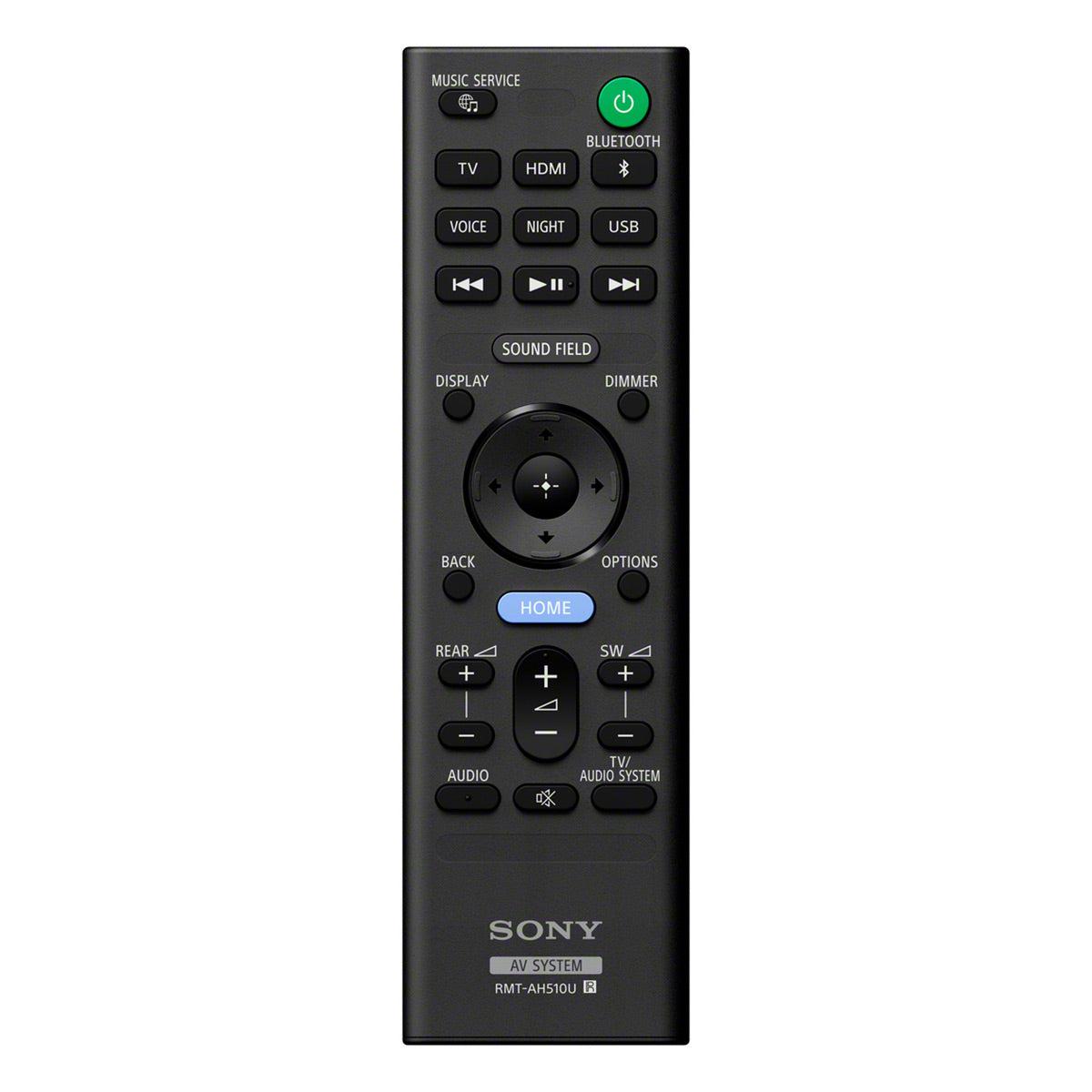
The Sony Music Center app provides detailed control over EQ settings, sound modes, and room optimization. For users who enjoy tweaking their audio setup, this level of control is valuable. The app also enables firmware updates that have added new features since launch.
The Denon DHT-S517 takes a deliberately simpler approach with Bluetooth 5.0 as its only wireless option. While this limits streaming quality and convenience features, it also eliminates complexity. There's no app to set up, no Wi-Fi passwords to manage, and fewer potential connection issues.
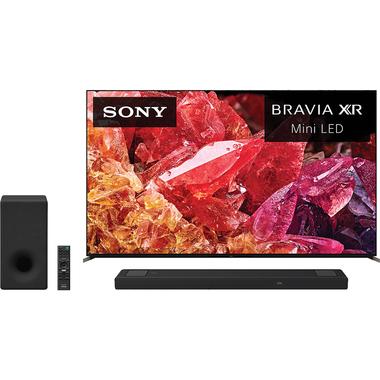
Sony's ecosystem advantages are most apparent when paired with Sony BRAVIA TVs. Features like Acoustic Center Sync use the TV's speakers to enhance the soundbar's center channel, creating better dialogue localization. The TV can also provide room correction data to optimize the soundbar's processing.
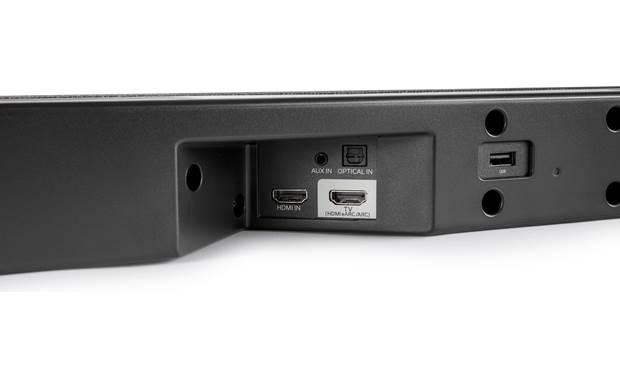
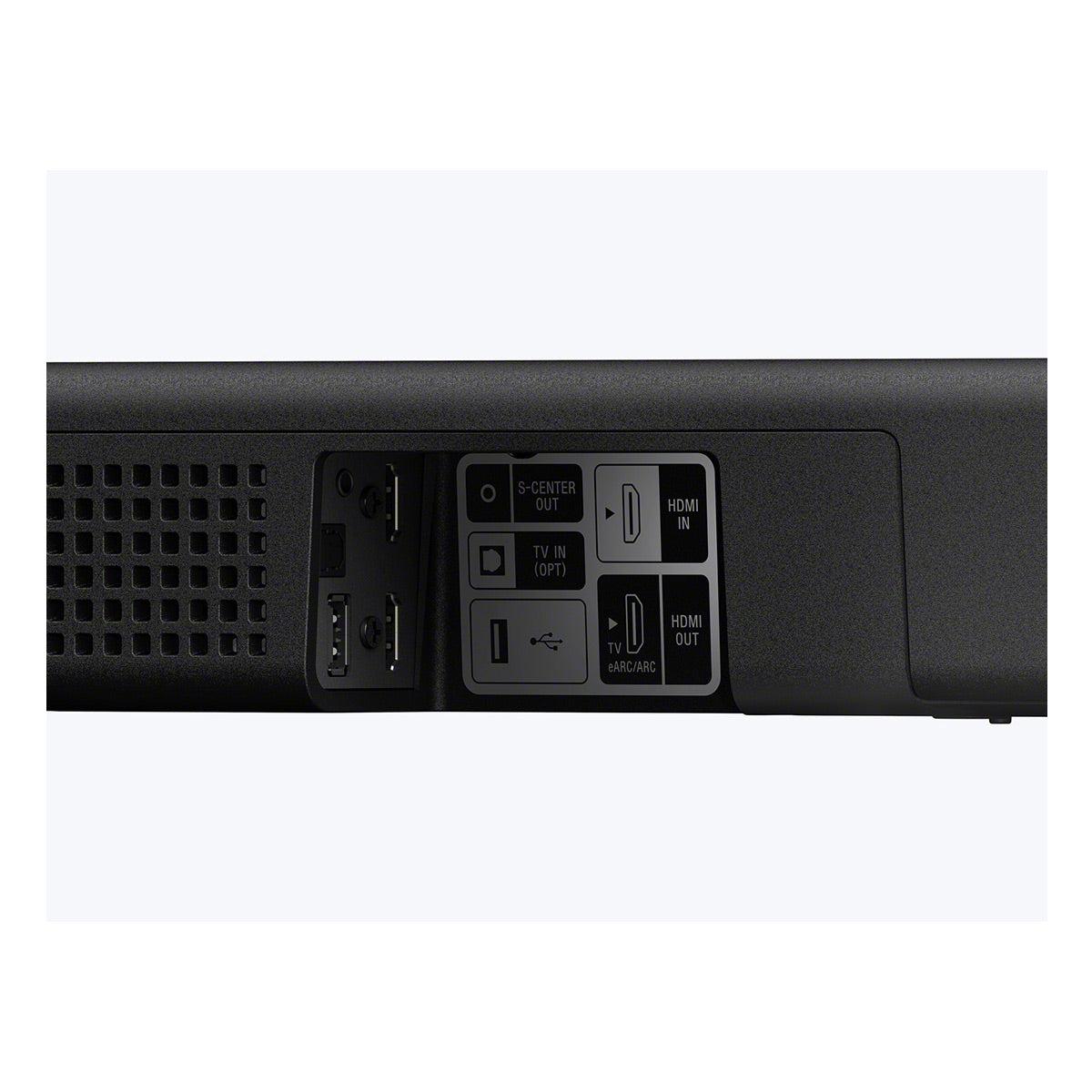
Both soundbars support HDMI eARC (Enhanced Audio Return Channel), which allows high-quality audio to flow from your TV to the soundbar through the same HDMI cable carrying video. This simplifies setup and ensures compatibility with modern streaming devices and gaming consoles.
The Sony's modular design philosophy extends to system expansion. You can add Sony's SA-RS3S or SA-RS5 wireless rear speakers ($200-250) to create a true 5.1.2 or even 7.1.2 system. Adding Sony's SA-SW3 or SW5 wireless subwoofer ($150-200) addresses the bass limitation I mentioned earlier.
This expandability comes with a cost consideration. While the Sony HT-A5000 has a lower entry price at $280, building out the full system with rear speakers and a subwoofer pushes the total investment to $600-730. The Denon provides its complete experience for $302.
I've experienced both approaches with clients, and the modular path works well for people who want to spread purchases across time or who aren't sure about their long-term audio needs. Starting with just the Sony soundbar gives you a taste of advanced spatial processing, with room to grow.
For action films and blockbusters, the Denon DHT-S517 consistently delivers more satisfying results out of the box. The external subwoofer makes explosions feel impactful, and the dialogue enhancement ensures you never miss important plot points during loud sequences. Movies like "Mad Max: Fury Road" or "Top Gun: Maverick" benefit tremendously from that extra bass authority.
The Sony excels with content that emphasizes atmospheric sound design. Nature documentaries, horror films, and movies with complex spatial audio mixing showcase its sophisticated processing. The height channels create more convincing overhead effects, making rain, aircraft, or supernatural sounds feel more immersive.
Modern gaming consoles support advanced audio formats, and both soundbars handle gaming well. The Sony's lower input lag and game-specific processing modes give it a slight edge for competitive gaming. The Denon's powerful bass makes single-player games with cinematic sound design more impactful.
When evaluating these products, consider not just the purchase price but the complete experience cost. The Denon delivers maximum impact for $302 with no additional purchases required. Every feature and capability is included from day one.
The Sony starts at $280 but realizes its full potential only with additional components. However, that modular approach means you're not locked into a fixed configuration. As your needs or budget evolve, the system can grow with you.
The power difference is significant: Sony's 450W total versus Denon's 150W might seem to favor Sony, but remember that the Denon dedicates 100W specifically to its subwoofer. The Sony distributes power across many more drivers, including those handling midrange and treble frequencies that require less power for similar impact.
Driver configuration tells the real story. The Denon's dedicated 5.25-inch subwoofer driver can move more air than any driver in the Sony's main unit. Meanwhile, Sony's seven-driver array in the main soundbar creates better left-right separation and more precise imaging.
Choose the Denon DHT-S517 if you prioritize immediate satisfaction and maximum bass impact. It's perfect for users who want the most cinematic experience possible without spending time tweaking settings or planning future upgrades. The simple setup process and complete feature set make it ideal for people who just want great sound right away.
The Sony HT-A5000 suits users who value technological sophistication and future flexibility. If you enjoy exploring audio settings, streaming from multiple sources, or plan to build a more complex system over time, Sony's approach offers more long-term potential. It's also the better choice if you already own Sony devices and want seamless integration.
For pure home theater impact on a budget, the Denon wins. For a sophisticated audio foundation that can evolve, the Sony provides more growth potential. Both significantly outperform TV speakers and deliver genuine Dolby Atmos experiences, just through different philosophies.
Your room size matters too. Smaller spaces (under 200 square feet) can work well with either option, while larger rooms benefit more from the Denon's powerful subwoofer or the Sony with additional components added later.
The choice ultimately comes down to whether you want maximum immediate impact or prefer building a more sophisticated system gradually. Both approaches have merit – it's about matching the product philosophy to your personal priorities and listening preferences.
| Denon DHT-S517 Soundbar with Wireless Subwoofer ($302) | Sony HT-A5000 5.1.2 Channel Home Theater Soundbar ($280) |
|---|---|
| Price - Entry cost, but consider total system cost for equivalent performance | |
| $302 complete system | $280 base unit (add $150-400 for subwoofer to match Denon's bass) |
| Channel Configuration - More channels create better surround separation | |
| 3.1.2 with external wireless subwoofer | 5.1.2 with built-in subwoofer |
| Total Power Output - Higher watts don't always mean better sound | |
| 150W total (100W dedicated to subwoofer) | 450W distributed across 9 channels |
| Subwoofer Design - External subs deliver significantly deeper bass | |
| 5.25" wireless subwoofer (100W amplifier) | Built-in subwoofer (less powerful but space-saving) |
| Dolby Atmos Support - Essential for modern movie soundtracks | |
| Yes, with 2 upward-firing drivers | Yes, with 2 upward-firing drivers |
| DTS:X Support - Alternative surround format, less common than Atmos | |
| No DTS:X support | Full DTS:X decoding |
| Wireless Connectivity - Affects streaming quality and convenience | |
| Bluetooth 5.0 only | Wi-Fi, Bluetooth, AirPlay 2, Chromecast built-in |
| App Control - Enables advanced customization and room correction | |
| No app, remote control only | Sony Music Center app with full EQ and room optimization |
| Expandability - Future upgrade potential without replacing main unit | |
| No expansion options | Add wireless rear speakers ($200-250) and subwoofer ($150-200) |
| Dialogue Enhancement - Critical for clear speech during loud scenes | |
| Dedicated Dialog Enhancer with 3 levels | Voice Mode plus center channel processing |
| Room Calibration - Automatically optimizes sound for your space | |
| Manual sound modes only | Built-in microphones with Sound Field Optimization |
| HDMI Connectivity - Essential for high-quality TV audio | |
| HDMI eARC support | HDMI eARC with 4K/8K passthrough |
| Setup Complexity - Time from box to optimal performance | |
| Plug-and-play, 5-minute setup | Requires app setup and room calibration for best results |
The Denon DHT-S517 ($302) is better for most movie watching due to its powerful external wireless subwoofer that delivers deeper, more impactful bass for action scenes and explosions. The Sony HT-A5000 ($280) excels with atmospheric movies that rely on precise spatial audio effects, but its built-in subwoofer lacks the bass punch that makes blockbusters feel cinematic.
The key difference is subwoofer design: the Denon DHT-S517 includes a separate wireless subwoofer for powerful bass, while the Sony HT-A5000 has a built-in subwoofer and focuses on advanced spatial audio processing with more channels (5.1.2 vs 3.1.2).
The Denon DHT-S517 has significantly better bass due to its dedicated 5.25-inch wireless subwoofer with 100W of power. The Sony's built-in subwoofer is adequate but cannot match the deep, room-filling bass of an external subwoofer due to size constraints.
The Sony HT-A5000 can be expanded with optional wireless rear speakers ($200-250) and an additional subwoofer ($150-200) for a complete surround system. The Denon DHT-S517 cannot be expanded - it's a complete system as-is.
The Denon DHT-S517 is much easier to set up with simple plug-and-play operation and automatic subwoofer pairing. The Sony HT-A5000 requires app installation, room calibration, and more complex configuration to achieve optimal performance.
Yes, both the Denon DHT-S517 and Sony HT-A5000 support Dolby Atmos with upward-firing drivers for overhead sound effects. However, the Sony also supports DTS:X format while the Denon does not.
The Sony HT-A5000 offers superior streaming with Wi-Fi connectivity, AirPlay 2, Chromecast built-in, and Spotify Connect. The Denon DHT-S517 only supports Bluetooth streaming, which is more limited but simpler to use.
The Denon DHT-S517 ($302) provides complete performance out of the box. To match its bass performance, the Sony HT-A5000 would need an additional subwoofer, bringing the total cost to around $430-480, though you'd gain more advanced features.
For bass-heavy music genres like electronic and hip-hop, the Denon DHT-S517 excels due to its powerful subwoofer. For acoustic music, jazz, and classical where instrument separation matters, the Sony HT-A5000 provides better soundstage width and detail.
Both soundbars work with any TV that has HDMI or optical outputs. However, the Sony HT-A5000 offers enhanced features when paired with Sony BRAVIA TVs, including Acoustic Center Sync for improved dialogue clarity.
The Denon DHT-S517 has superior dialogue clarity thanks to its dedicated center channel driver and Dialog Enhancer feature with three adjustable levels. This makes it excellent for watching movies with complex audio mixing or poor dialogue levels.
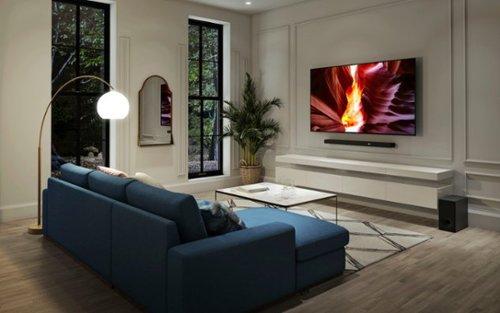
For small spaces, the Denon DHT-S517 is ideal because its external subwoofer can be placed optimally for your room layout, and the powerful bass won't require high volumes to feel impactful. The Sony HT-A5000 is better if you prioritize a single-unit setup and don't mind adding a subwoofer later.
We've done our best to create useful and informative comparisons to help you decide what product to buy. Our research uses advanced automated methods to create this comparison and perfection is not possible - please contact us for corrections or questions. These are the sites we've researched in the creation of this article: techradar.com - consumerreports.org - crutchfield.com - bestbuy.com - bestbuy.com - pocket-lint.com - abt.com - manuals.denon.com - connectedmag.com.au - bestbuy.com - forum.flirc.tv - bhphotovideo.com - whathifi.com - electronics.sony.com - costco.com - sony.com - expertreviews.co.uk - crutchfield.com - audioadvice.com - sony.com - sony.com - bestbuy.com - videoandaudiocenter.com - community.sony.co.uk

Privacy Policy
Terms and Conditions - Affiliate Policy
Home Security
© Copyright 2008-2026.
11816 Inwood Rd #1211, Dallas, TX 75244