


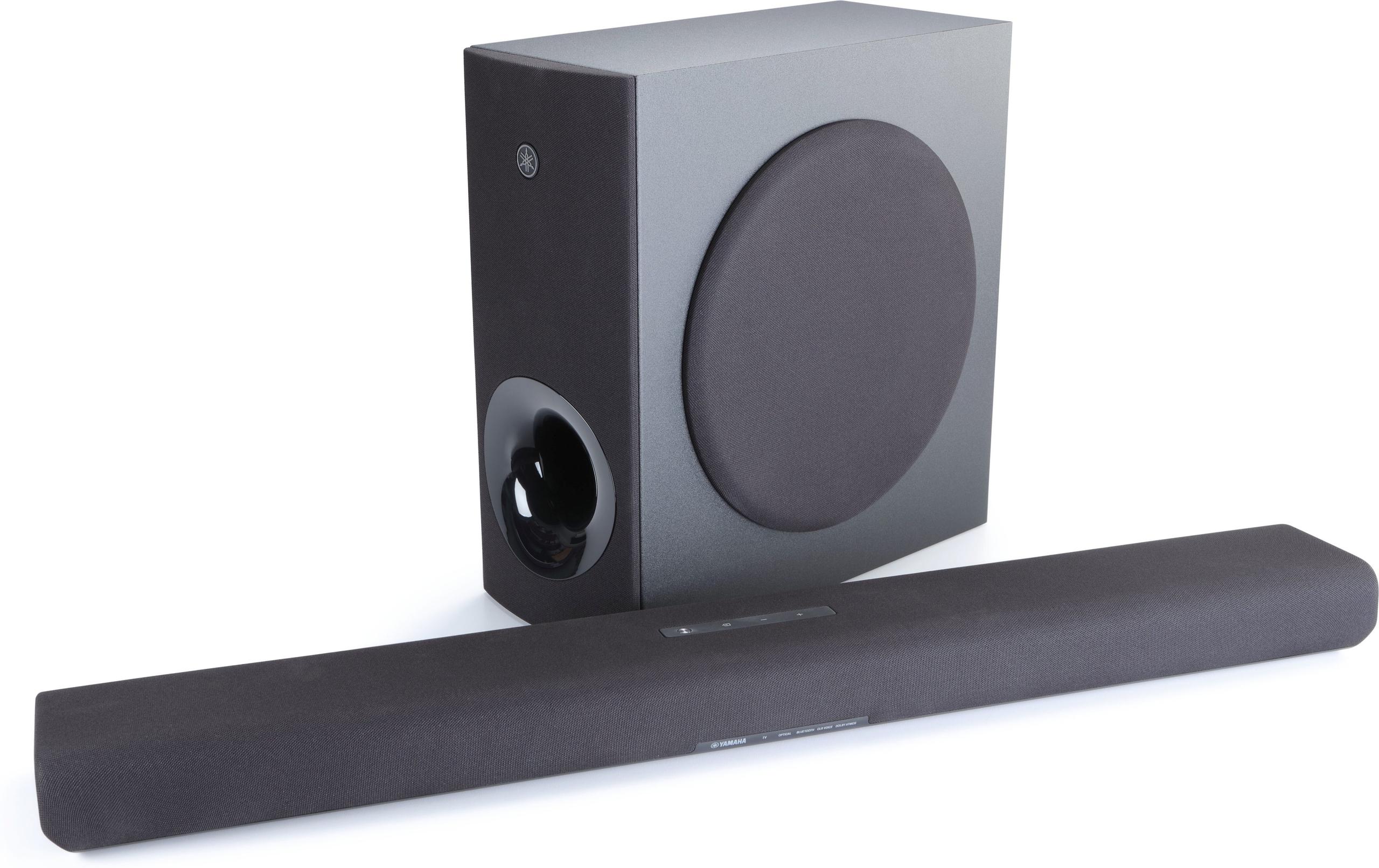
If you've ever struggled to hear dialogue in movies or felt like your TV's built-in speakers sound flat and lifeless, you're not alone. Most modern TVs prioritize thin designs over audio quality, leaving viewers with tinny, underpowered sound that makes action scenes feel weak and conversations hard to follow. That's where soundbars come in – they're designed to dramatically improve your TV audio experience without the complexity or cost of a full surround sound system.
Today, we're comparing two popular soundbars that take different approaches to solving this problem: the Yamaha SR-B40A at $340 and the Denon DHT-S517 at $302. While both include wireless subwoofers and promise better TV audio, they use fundamentally different technologies to get there. Understanding these differences will help you choose the right one for your setup and budget.
Before diving into our comparison, it's worth understanding what soundbars are trying to accomplish. Traditional surround sound systems use multiple speakers placed around your room to create an immersive audio experience. Soundbars attempt to recreate this effect using a single bar-shaped speaker that sits under or near your TV.
The key considerations when shopping for a soundbar include audio technology (how it creates surround effects), channel configuration (how many separate audio streams it can handle), connectivity options, room size compatibility, and overall value. These factors determine whether you'll get a subtle improvement over TV speakers or a genuinely transformative audio experience.
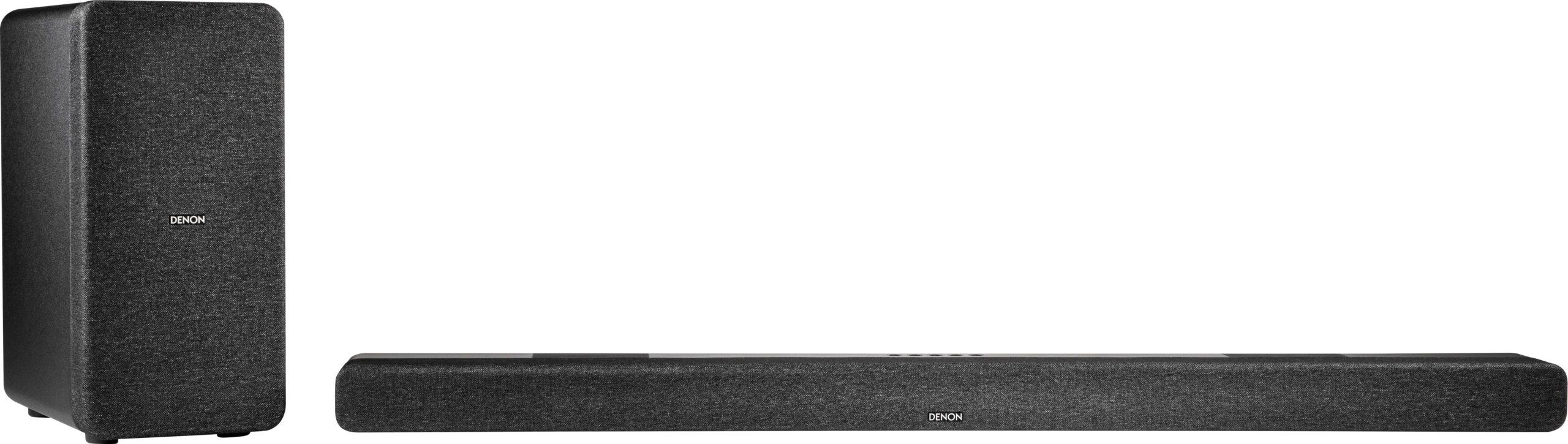
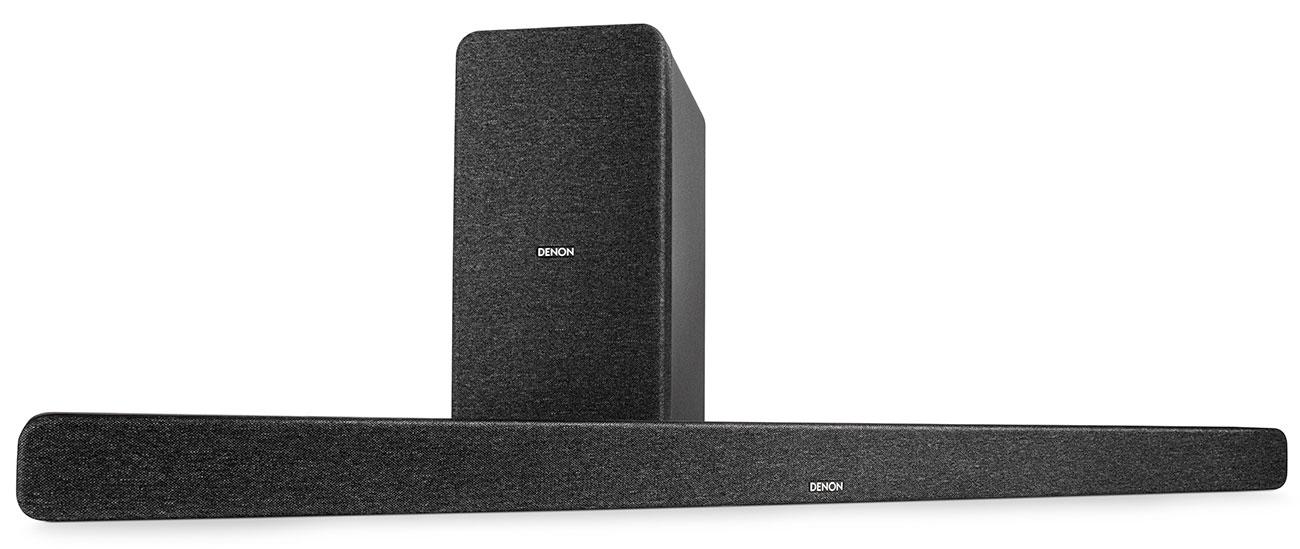
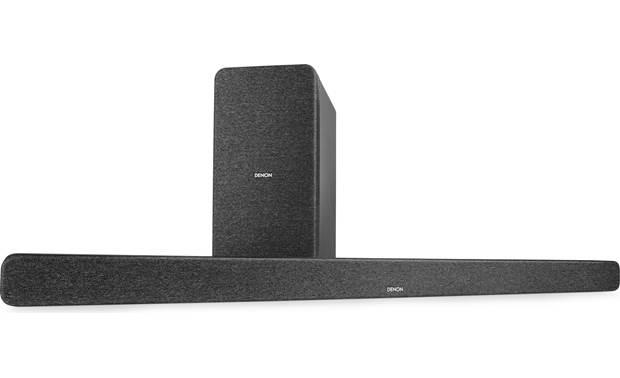
The Denon DHT-S517 launched in mid-2022 at $449, representing Denon's push into the competitive mid-range soundbar market. At the time, most soundbars under $400 offered virtual surround processing rather than true Dolby Atmos technology – the advanced audio format that creates realistic overhead sound effects.
The Yamaha SR-B40A arrived in 2023 at $339, building on Yamaha's decades of audio engineering expertise. By 2023, the soundbar market had become increasingly crowded, with manufacturers focusing on delivering better value through improved processing and more sophisticated driver arrays.
What's particularly interesting is that the Denon is now available for $302 due to ongoing promotions, making it cheaper than the newer Yamaha despite originally costing $110 more. This price reversal significantly impacts the value equation between these two products.
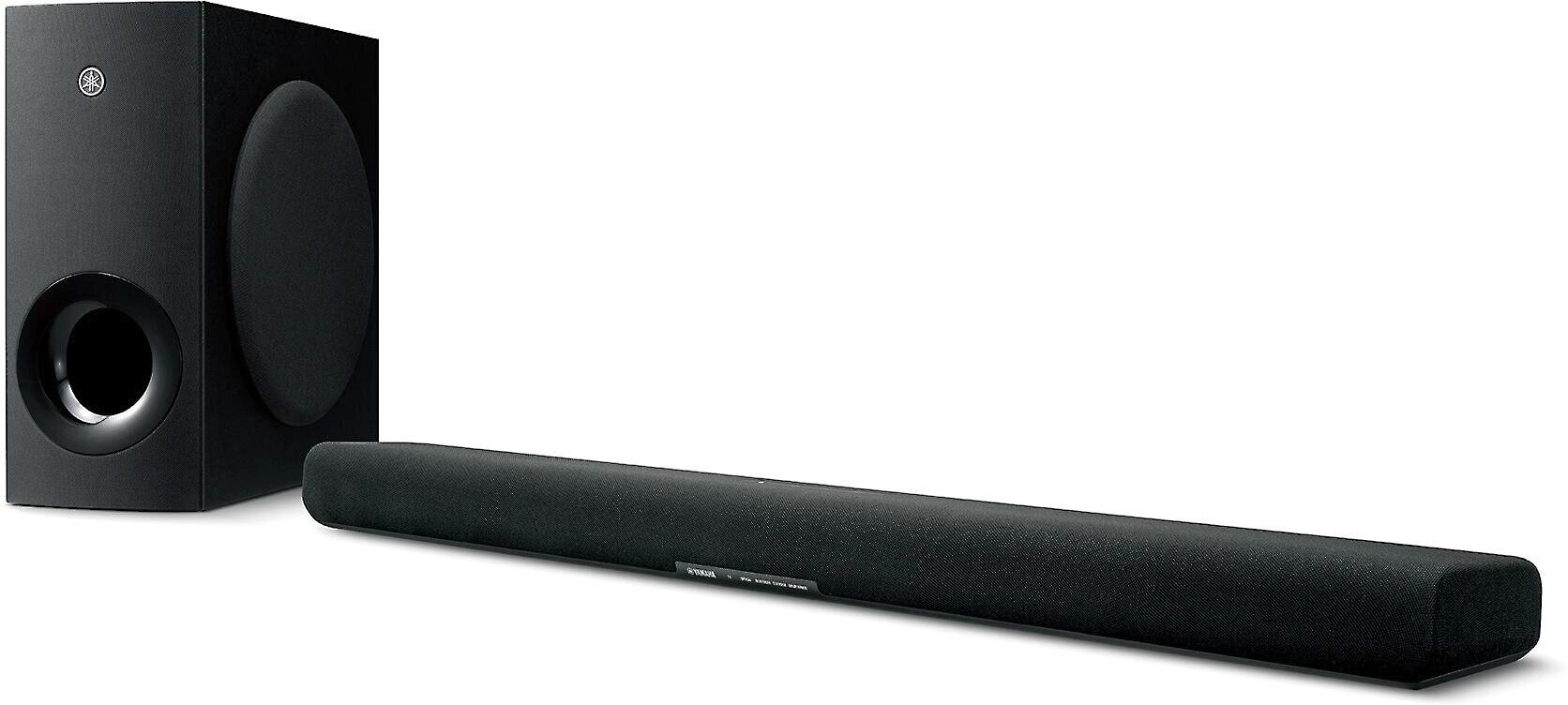
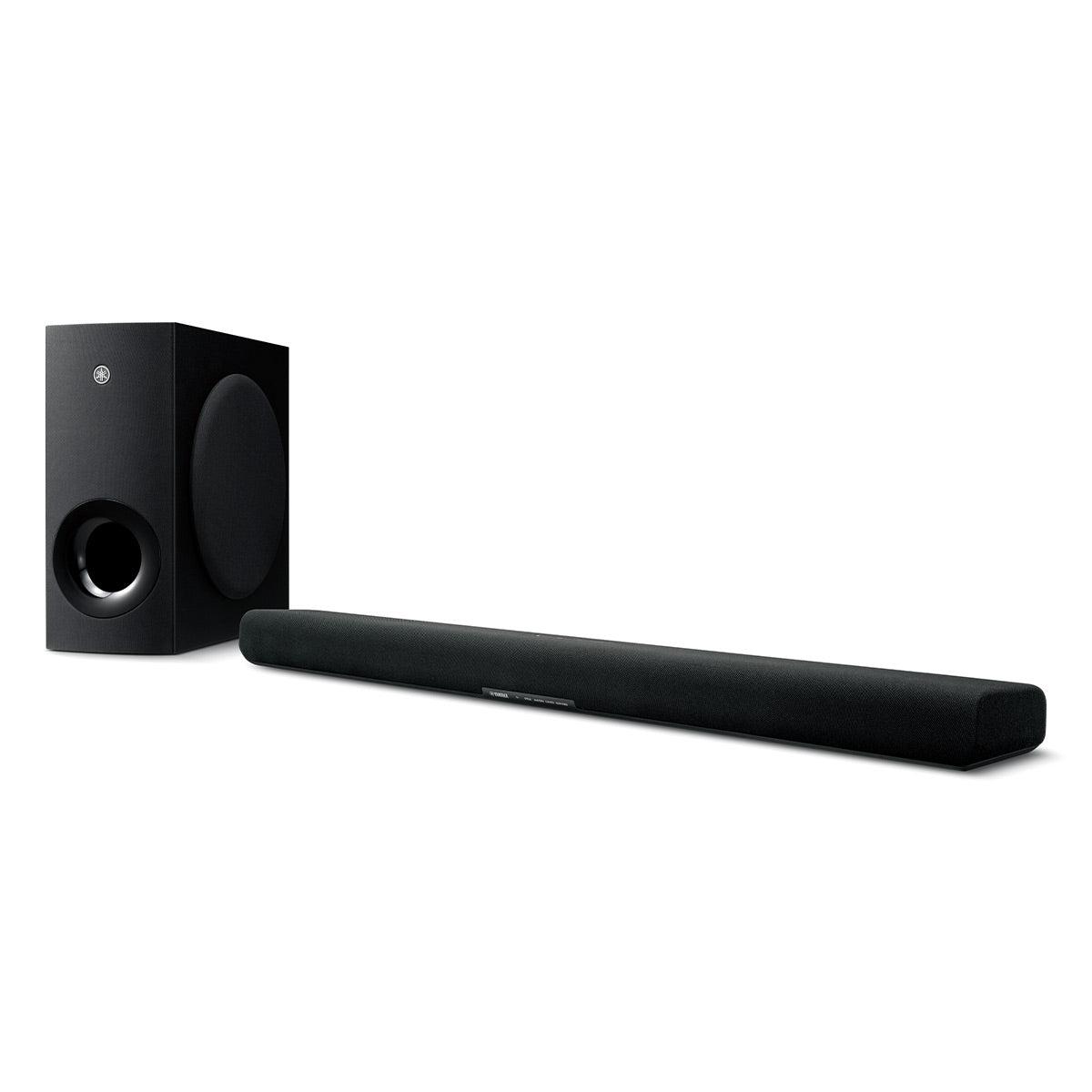
Here's where these soundbars diverge most significantly. The Yamaha SR-B40A uses a 2.1 channel configuration – that's left and right stereo channels plus a separate subwoofer channel for bass. It relies on digital signal processing (DSP) to create virtual surround effects, essentially tricking your brain into perceiving sounds as coming from different directions than they actually are.
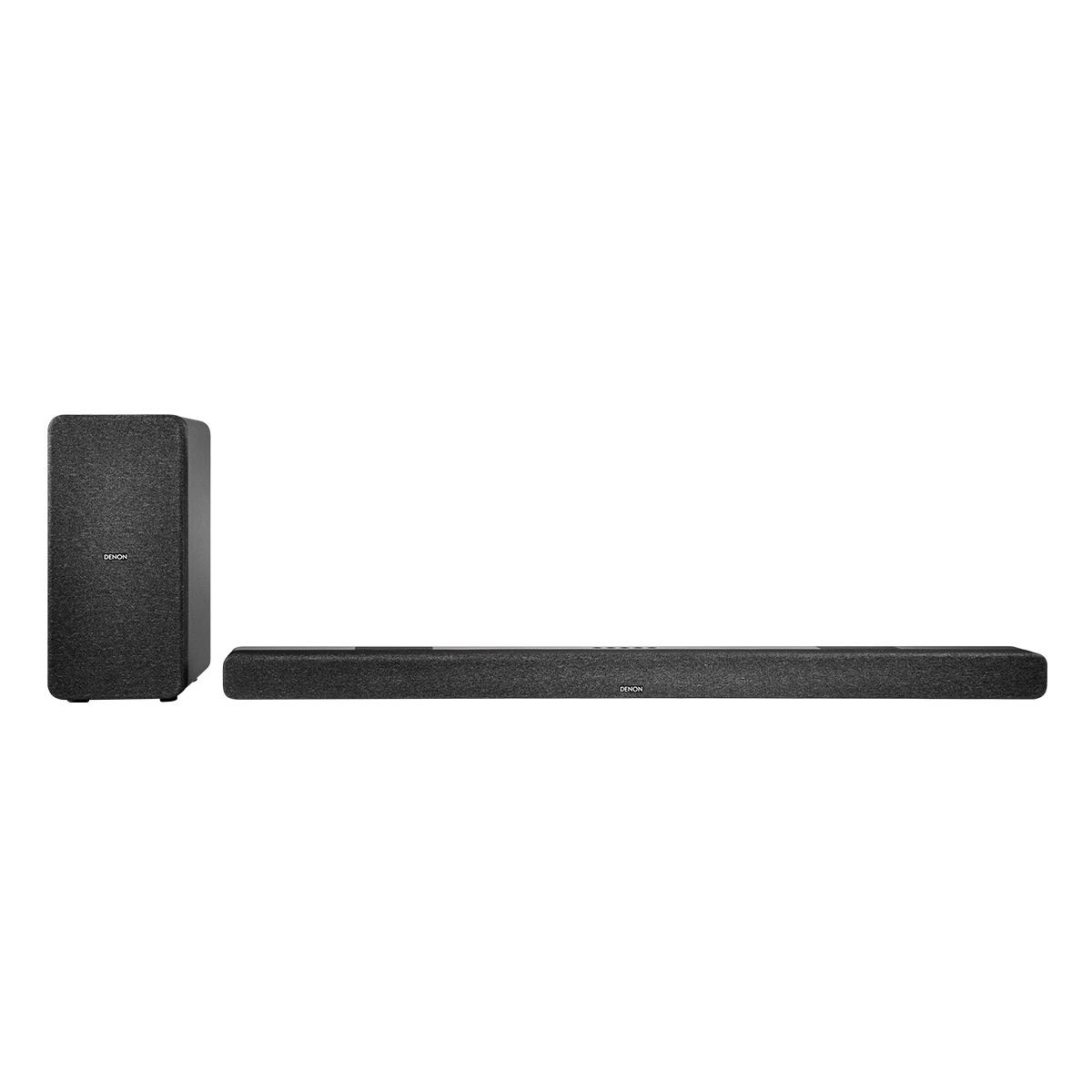
The Denon DHT-S517 employs a more sophisticated 3.1.2 channel setup. The "3" represents left, right, and center front channels. The "1" is the subwoofer channel for bass. The "2" refers to height channels – physical speakers that fire upward to bounce sound off your ceiling, creating genuine overhead effects. This is called "true" Dolby Atmos, as opposed to virtual processing.
Think of it like the difference between a photograph of a 3D object and an actual 3D sculpture. Both can be impressive, but one creates a more realistic, tangible experience. In my experience testing various soundbars, this distinction becomes most apparent during movie scenes with helicopters, rain, or other overhead effects – the Denon's physical height channels create a sense of space that virtual processing simply can't match.
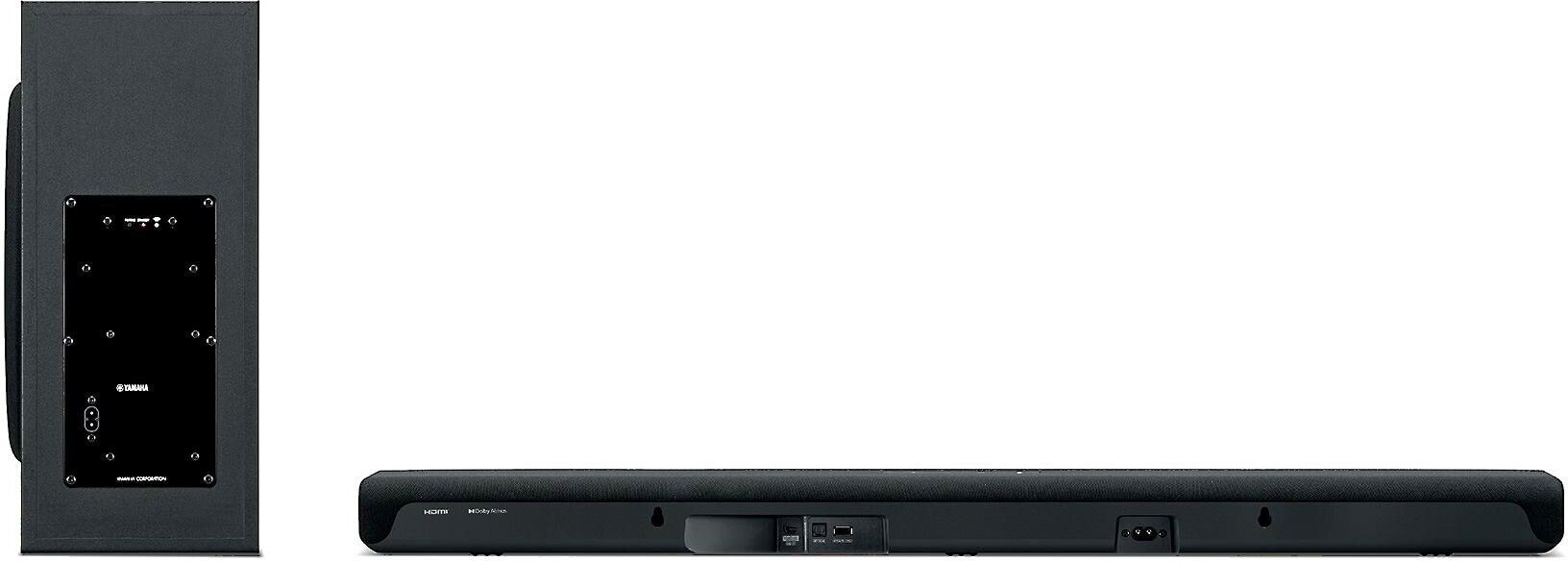
The technical specifications reveal important differences in how these soundbars approach audio reproduction. The Yamaha SR-B40A produces 200W total system power but doesn't specify its driver configuration in detail. What we know is that it uses multiple drivers arranged in a stereo configuration with built-in subwoofers supplementing the wireless sub.
The Denon DHT-S517 offers 150W total power (50W from the soundbar, 100W from the subwoofer) but provides much more detail about its seven-driver array. This includes two 4.7" x 1.6" racetrack-shaped midrange drivers, two 1" dome tweeters for high frequencies, one 1" center channel driver for dialogue, and two 2.5" upward-firing drivers for Atmos effects.
The racetrack design is particularly clever – these oval-shaped drivers can move more air than traditional round drivers of similar size, producing fuller midrange sound without requiring a larger soundbar cabinet. The dedicated center channel driver is crucial for dialogue clarity, something the Yamaha lacks in its stereo-only front configuration.
While the Yamaha's higher power rating might suggest louder output, power alone doesn't determine sound quality. The Denon's more specialized driver arrangement and lower power requirements often result in cleaner, more detailed audio reproduction.
One of the most common complaints about TV audio is unclear dialogue, especially during action scenes where music and effects can overpower voices. This is where the fundamental architectural differences between these soundbars become most apparent.
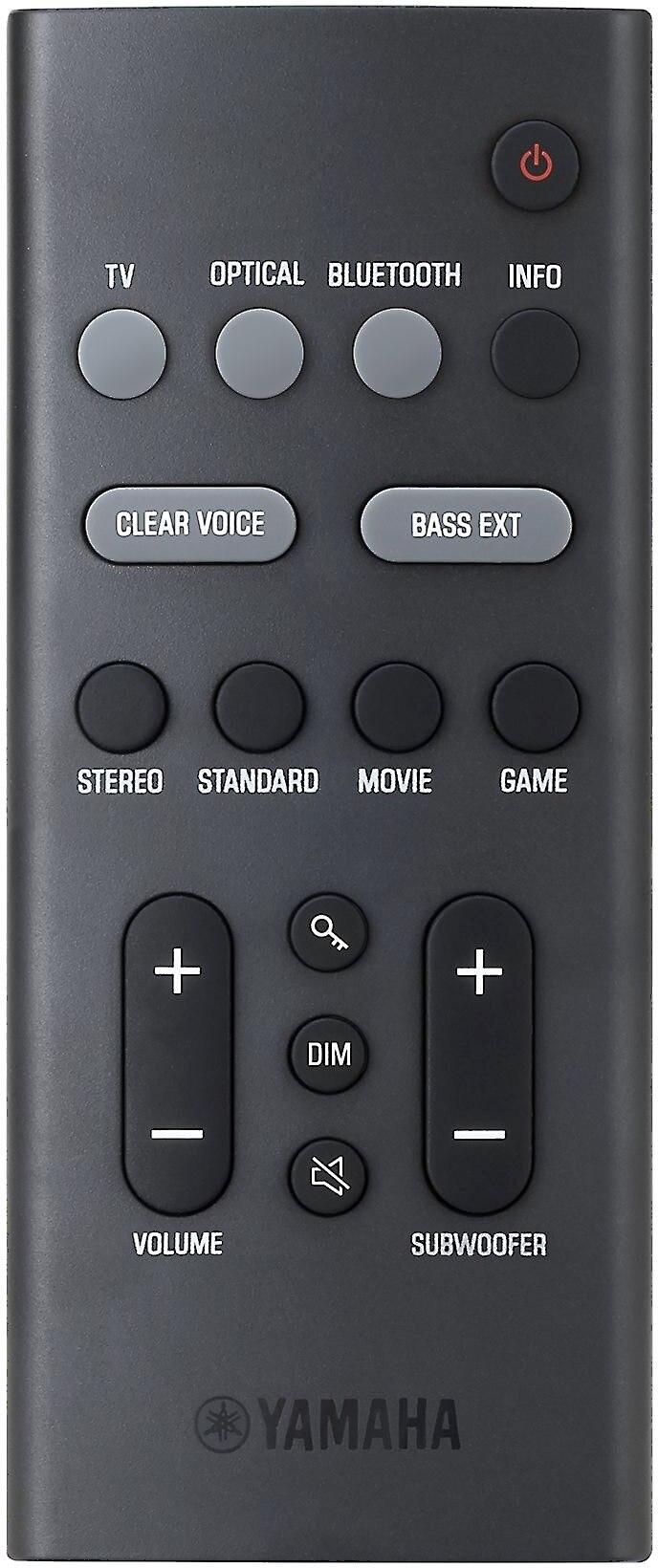
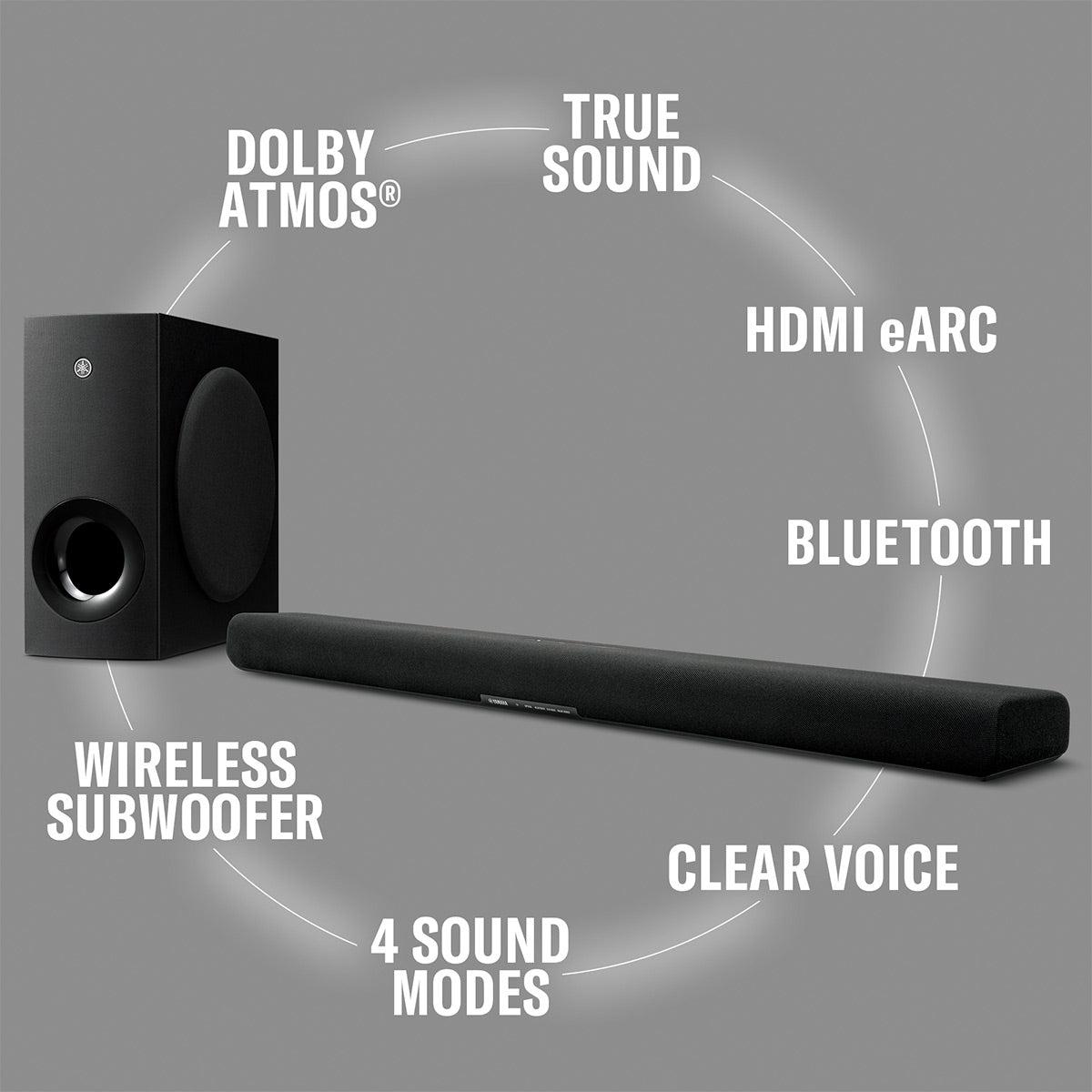
The Yamaha SR-B40A addresses dialogue through its "Clear Voice" technology, which uses digital processing to emphasize vocal frequencies. You can adjust this feature through Yamaha's Sound Bar Remote app, choosing different intensity levels. However, since the Yamaha lacks a dedicated center channel, dialogue still comes from the left and right stereo drivers, which can make voices sound diffuse or unclear during complex scenes.
The Denon DHT-S517 takes a more direct approach with its dedicated 1" center channel driver – the same type of setup used in high-end home theater systems. This driver handles dialogue exclusively, ensuring voices remain clear and precisely positioned. Additionally, Denon's AI-driven Dialogue Enhancer can boost voice levels with Low, Medium, or High settings without affecting music or sound effects levels.
In practice, this difference is substantial. During movie scenes with explosions or loud music, the Denon maintains dialogue clarity much better than soundbars without dedicated center channels. If you frequently watch action movies or have family members who struggle with hearing dialogue, this feature alone might justify choosing the Denon.
The most significant technological difference between these soundbars lies in their approach to creating immersive, three-dimensional audio experiences. This is where Dolby Atmos technology comes into play, but not all Atmos implementations are created equal.
The Yamaha SR-B40A uses virtual Dolby Atmos processing. This means it takes regular stereo or surround sound and uses sophisticated algorithms to simulate height effects and spatial positioning. The processing can create a wider soundstage and some sense of audio coming from different directions, but it's ultimately limited by physics – you can't create true overhead effects from drivers that only fire forward.
The Denon DHT-S517 implements what's called "true" Dolby Atmos through its upward-firing drivers. These specialized speakers are angled to bounce sound off your ceiling, creating genuine overhead audio effects. When a helicopter flies across the screen, you'll hear it move from front to back above your head. When rain falls in a movie scene, it sounds like it's actually falling from above rather than just coming from in front of you.
The difference becomes most apparent with content specifically mixed for Dolby Atmos, such as Marvel movies, recent video games, or streaming content from Netflix and Disney+. While virtual processing can enhance regular stereo content, it can't replicate the precise object placement that physical height channels provide.
For optimal performance, the Denon works best in rooms with 8-10 foot ceilings and reflective surfaces above the listening area. Very high ceilings or heavily textured surfaces can diminish the height effect, though the soundbar still performs well for regular surround content.
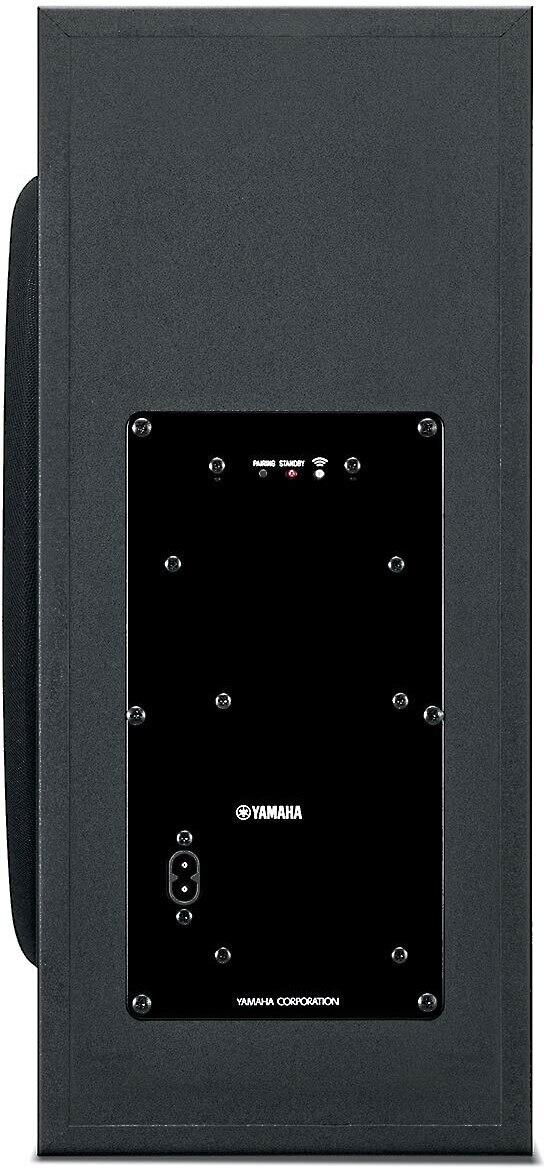
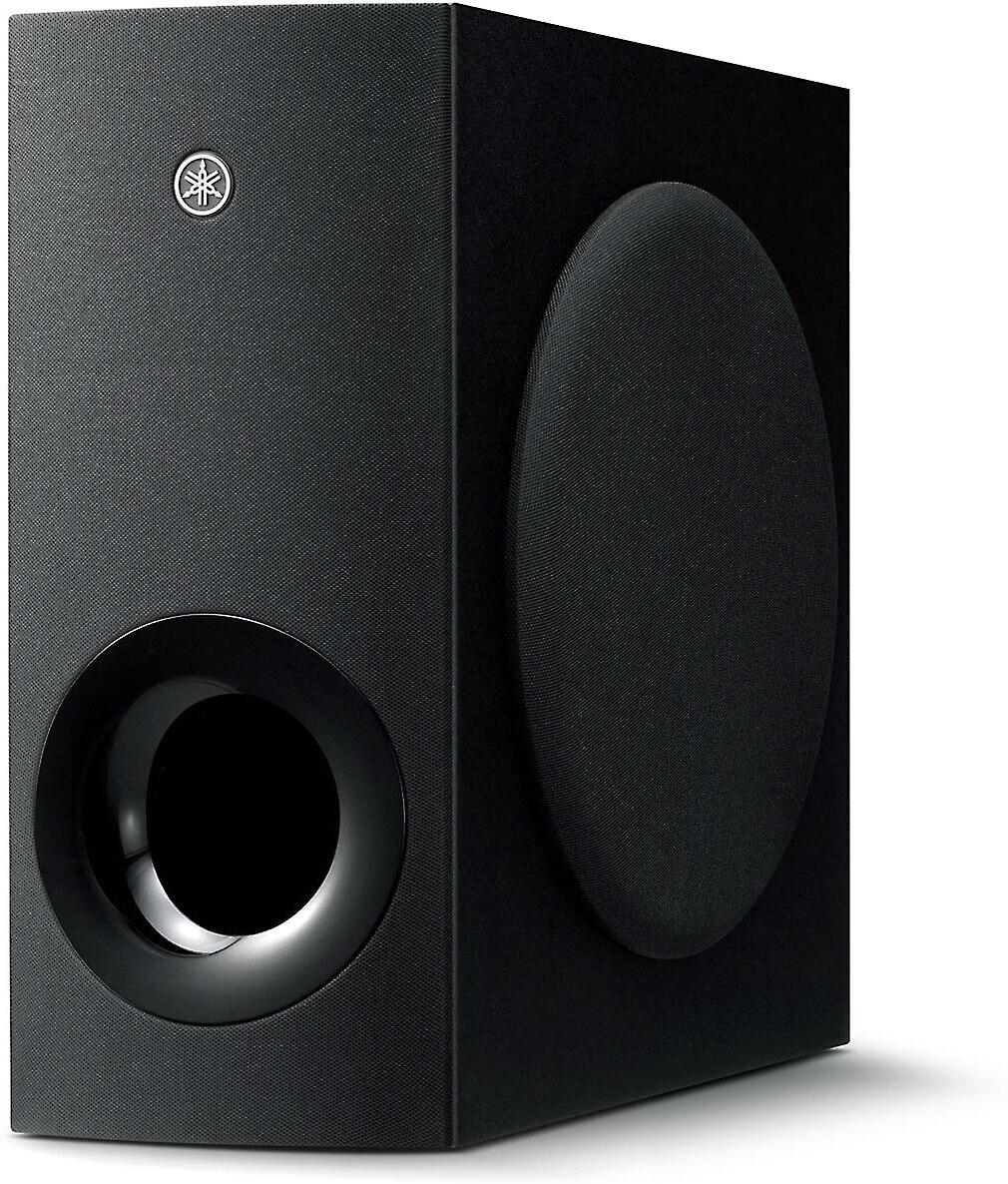
Both soundbars include wireless subwoofers, but their implementations differ significantly. The Yamaha SR-B40A includes a wireless subwoofer with unspecified power and driver size, though it features Yamaha's "Bass Extension" technology for enhanced low-frequency response. User reviews consistently praise the bass quality, describing it as punchy and well-integrated with the main soundbar.
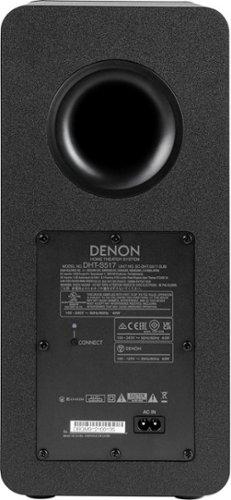
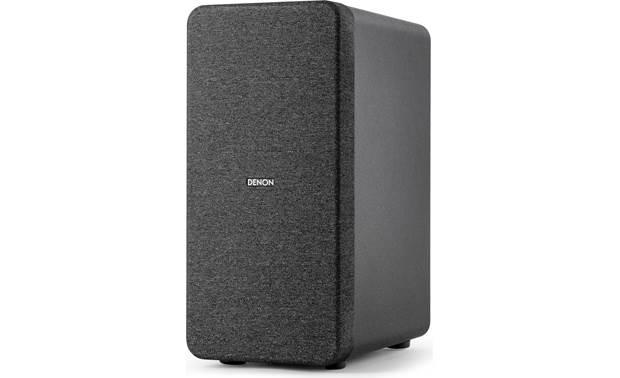
The Denon DHT-S517 provides detailed specifications for its subwoofer: a 5.25" driver powered by a 100W internal amplifier. The wireless connection uses frequency-hopping spread spectrum (FHSS) technology for reliable, interference-free operation. Users frequently describe the bass as "cinematic" and room-filling, though some report occasional timing mismatches during particularly intense movie scenes.
In my experience, subwoofer placement significantly affects performance regardless of which system you choose. Both wireless subs offer flexibility in positioning, but corner placement typically provides the strongest bass response, while placement along walls offers better integration with the main soundbar's output.
The key difference lies in integration philosophy. Yamaha tends to tune their systems for seamless blending between the soundbar and subwoofer, prioritizing musical coherence. Denon aims for more impactful, theater-like bass that emphasizes the dramatic effect during movies and games.
When it comes to music reproduction, these soundbars reveal their different design philosophies. The Yamaha SR-B40A leverages the company's extensive experience in musical instrument manufacturing and audio engineering. The soundbar offers multiple sound modes including a dedicated Stereo mode that provides wide, engaging music reproduction. The Sound Bar Remote app includes tone controls that let you adjust treble and bass to match your preferences and room acoustics.
Yamaha's "True Sound" engineering philosophy emphasizes natural tonal balance and spatial presentation. For music listening, this translates to a warm, engaging sound that works well with various genres. The stereo imaging – how well the soundbar creates a sense of instruments positioned across a wide soundstage – is particularly impressive for a single-cabinet design.
The Denon DHT-S517 takes a different approach with its "Pure Mode" feature. This mode bypasses all surround processing and sound enhancement, delivering uncolored, unprocessed audio that stays true to the original recording. For audiophiles who prefer their music without digital manipulation, this mode is invaluable. The soundbar also offers a dedicated Music mode that provides broader stereo presentation while maintaining the benefits of the discrete driver array.
The Denon's racetrack midrange drivers and dedicated tweeters provide excellent detail retrieval and frequency separation. However, some users find the overall presentation slightly more clinical compared to Yamaha's warmer approach.
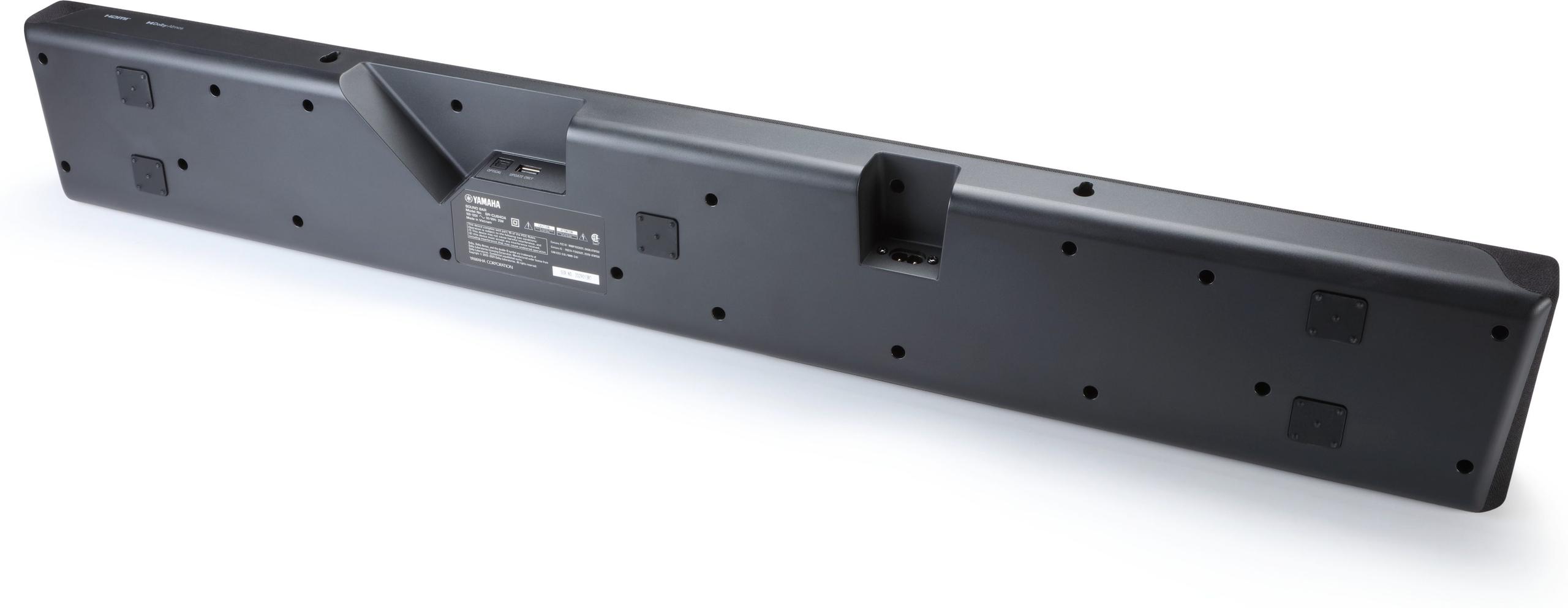
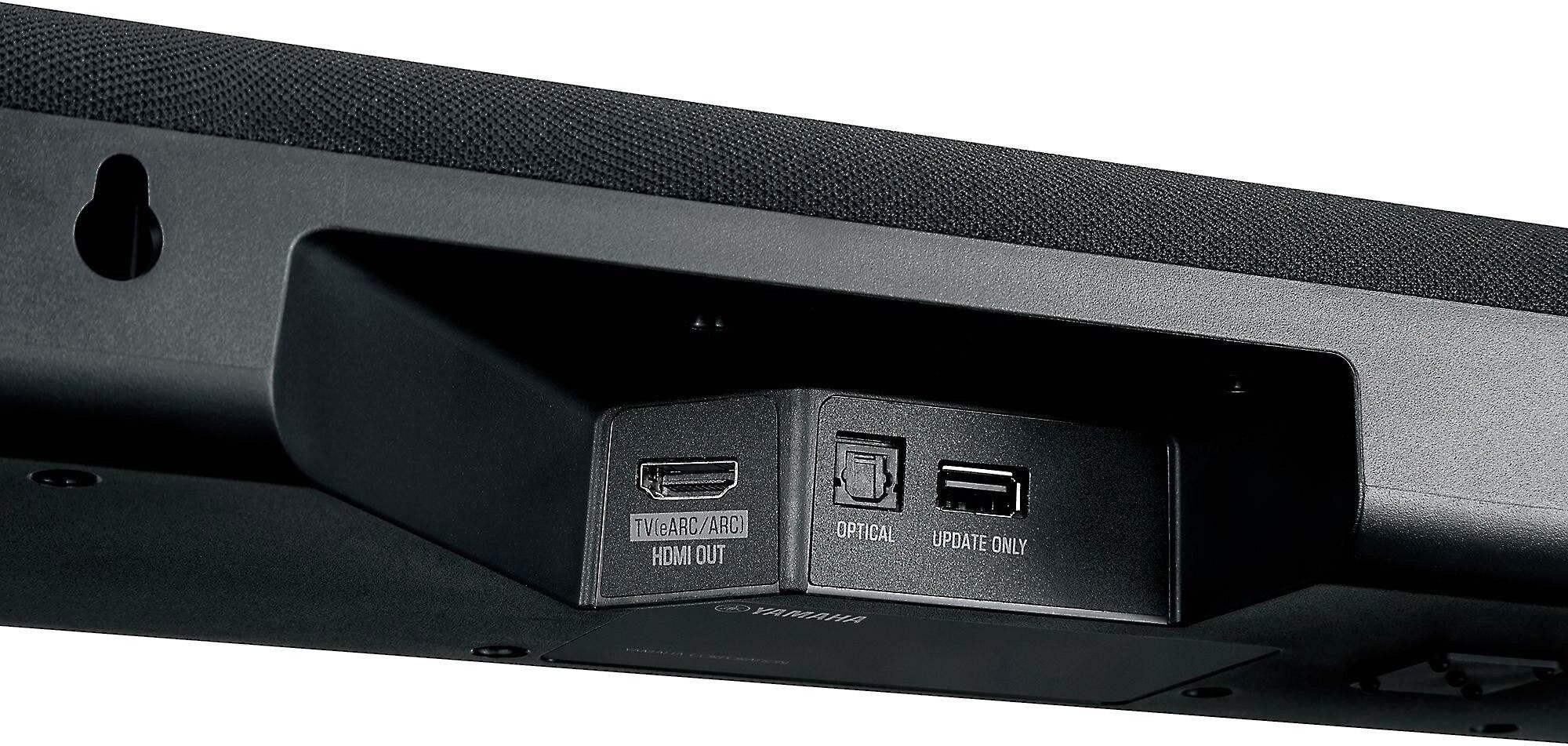
Modern soundbars need to work seamlessly with various devices and streaming services. Both models include HDMI eARC (Enhanced Audio Return Channel) connectivity, which allows single-cable connection to your TV and enables control through your TV remote. This feature has become essential as it simplifies setup and daily use significantly.
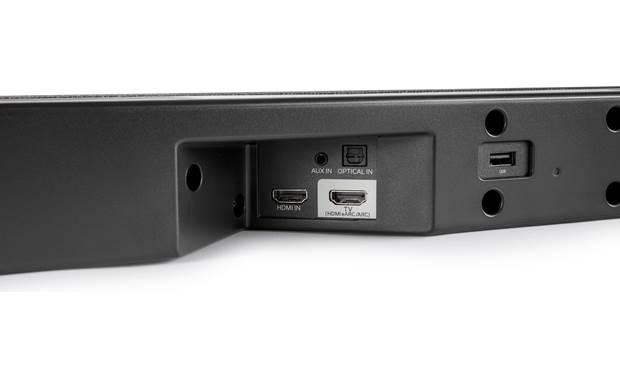
The Denon DHT-S517 goes further with comprehensive connectivity options. It includes an HDMI input with passthrough capability, meaning you can connect devices like game consoles or streaming boxes directly to the soundbar, then pass the video signal to your TV. This preserves your TV's HDMI ports and can improve audio quality by keeping the signal path shorter. Additional inputs include optical digital, 3.5mm analog, and USB-A for direct playback from storage devices.
The Yamaha SR-B40A focuses on essential connectivity with HDMI eARC and optical digital inputs. While it lacks the HDMI passthrough of the Denon, it includes Bluetooth 5.1 with support for higher-quality AAC codec in addition to standard SBC. The Sound Bar Remote app provides extensive control over sound modes, tone settings, and other features.
Both soundbars support Bluetooth audio streaming, allowing you to play music directly from smartphones, tablets, or computers. The wireless range for both is approximately 30 feet, sufficient for most home applications.
Installation and setup experiences can significantly impact your long-term satisfaction with a soundbar. Both the Yamaha SR-B40A and Denon DHT-S517 are designed for straightforward setup, but they differ in complexity and customization options.
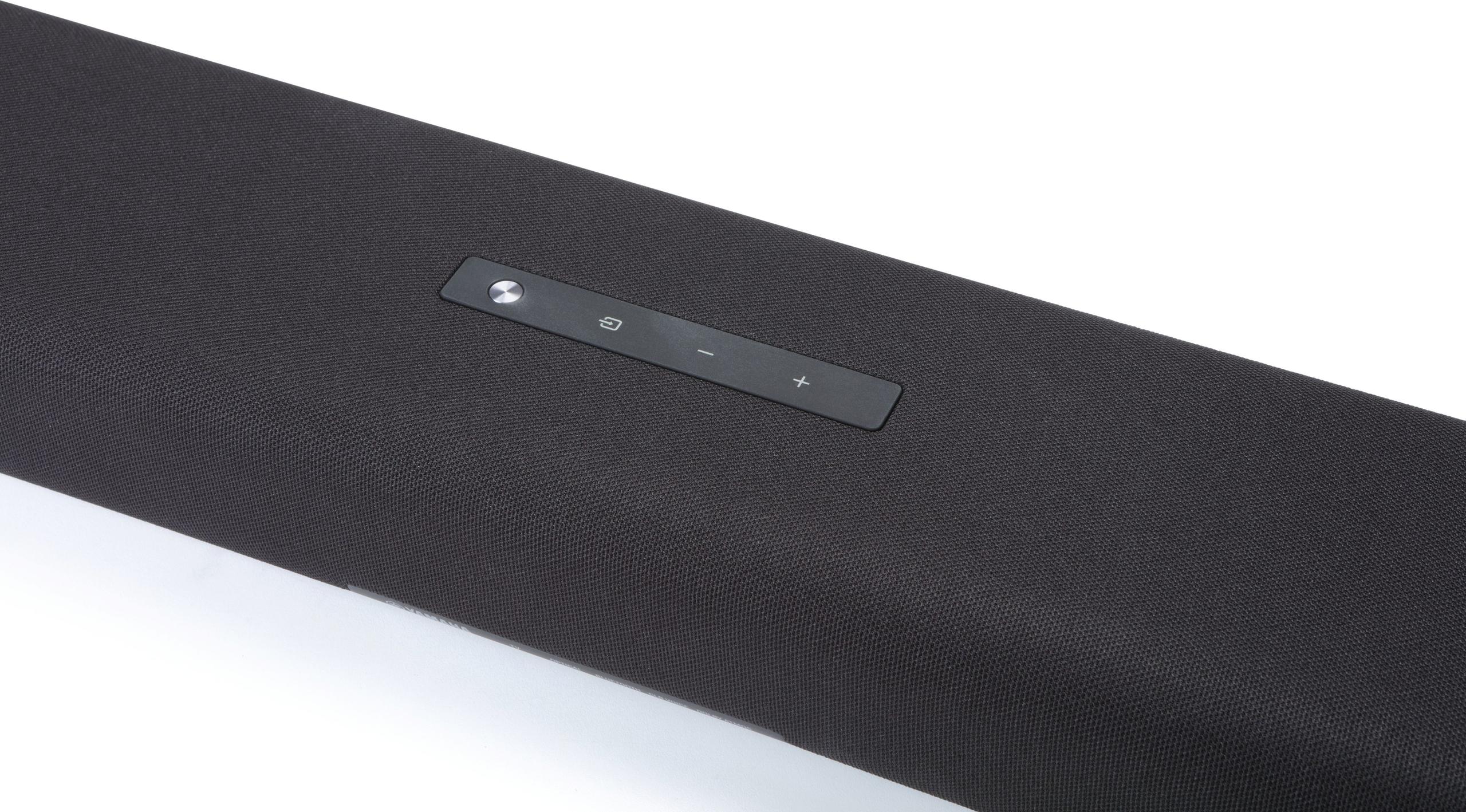
The Yamaha emphasizes ease of use with automatic setup routines and extensive app-based customization. The Sound Bar Remote app guides you through initial configuration and provides ongoing access to sound modes, tone controls, and other settings. The learning remote function can adapt to your existing TV remote, reducing remote control clutter.
The Denon requires slightly more initial setup due to its additional channels and connectivity options, but most users report smooth installation experiences. The subwoofer pairing process is automatic, and the soundbar includes helpful LED indicators for connection status and input selection.
Both systems include wall-mounting hardware and detailed instructions. The Yamaha's lower profile may be preferable for wall mounting, while the Denon's additional height accommodates the upward-firing drivers necessary for Atmos effects.
For dedicated home theater setups, several factors become particularly important. Room acoustics, seating position, and content types all influence which soundbar will perform better in your specific environment.
The Denon DHT-S517 excels in traditional home theater applications. Its true Dolby Atmos capability shines with action movies, providing genuine immersion during chase scenes, battles, and dramatic moments. The dedicated center channel ensures dialogue remains clear even during complex audio passages. For families who primarily watch movies and TV shows, especially streaming content with Dolby Atmos soundtracks, the Denon offers a more authentic cinematic experience.
The Yamaha SR-B40A works better in multi-purpose entertainment spaces where music listening is equally important as movie watching. Its warmer tonal balance and extensive customization options make it adaptable to various content types and personal preferences.
Consider your primary content sources when making this decision. If you frequently stream from Netflix, Disney+, or Amazon Prime Video – platforms that offer extensive Dolby Atmos content – the Denon's physical height channels provide clear advantages. If you watch more traditional broadcast TV, cable programming, or prefer music streaming, the Yamaha's virtual processing and musical tuning might be more appropriate.
The choice between the Yamaha SR-B40A and Denon DHT-S517 ultimately depends on your priorities, budget, and primary use cases. At current pricing, the Denon offers exceptional value, providing premium audio technology typically found in more expensive products.
Choose the Denon if you want genuine home theater immersion, clear dialogue, comprehensive connectivity, and maximum performance per dollar. Its true Dolby Atmos capability and dedicated center channel make it ideal for movie enthusiasts and gamers seeking authentic surround sound experiences.
Choose the Yamaha if you prioritize music reproduction, extensive customization options, and Yamaha's signature sound engineering. Its warmer tonal balance and comprehensive app control make it perfect for users who want to fine-tune their audio experience and prefer a more musical presentation.
Both soundbars represent significant improvements over TV speakers and will transform your entertainment experience. The Denon currently offers better value due to its discounted pricing and advanced features, while the Yamaha provides the refined audio engineering and customization that the brand is known for. Consider your primary use cases, room setup, and personal preferences to make the choice that's right for your specific situation.
| Yamaha SR-B40A | Denon DHT-S517 |
|---|---|
| Current Price - Significant value difference due to Denon's discount | |
| $340 | $302 (originally $449) |
| Channel Configuration - Determines dialogue clarity and surround capabilities | |
| 2.1 (stereo + subwoofer) | 3.1.2 (left/right/center + sub + height channels) |
| Dolby Atmos Implementation - Virtual vs. true overhead sound effects | |
| Virtual (simulated through processing) | True physical upfiring drivers |
| Center Channel - Critical for clear dialogue during loud scenes | |
| None (dialogue from stereo drivers) | Dedicated 1" center driver |
| Total System Power - Raw output capability | |
| 200W | 150W (50W soundbar + 100W sub) |
| Driver Array - Sound quality and separation | |
| Multiple drivers (configuration unspecified) | 7 drivers: racetrack mids, tweeters, center, Atmos |
| Subwoofer Specifications - Bass impact and quality | |
| Wireless (size/power unspecified) | 5.25" driver, 100W amplifier |
| HDMI Connectivity - Device connection flexibility | |
| eARC only | eARC + passthrough input (preserves TV ports) |
| Sound Modes - Customization for different content | |
| 4 modes + extensive app tone controls | 3 modes + Pure Mode (unprocessed audio) |
| Dialogue Enhancement - Clarity during complex scenes | |
| Clear Voice (adjustable via app) | AI Dialogue Enhancer (3 intensity levels) |
| Bluetooth Version - Wireless streaming quality | |
| 5.1 with SBC/AAC codecs | 5.0 with A2DP profile |
| Release Date - Technology generation | |
| 2023 | Mid-2022 |
The Denon DHT-S517 at $302 offers better value than the Yamaha SR-B40A at $340. Despite being cheaper, the Denon includes true Dolby Atmos with physical upfiring drivers, a dedicated center channel for dialogue, and more comprehensive connectivity options. The Denon was originally $449, making its current discounted price exceptional value for the technology included.
The key difference is audio architecture. The Yamaha SR-B40A uses a 2.1 channel setup with virtual surround processing, while the Denon DHT-S517 features a 3.1.2 channel configuration with true Dolby Atmos and physical upfiring drivers. This means the Denon can create genuine overhead sound effects by bouncing audio off your ceiling, while the Yamaha simulates these effects through digital processing.
The Denon DHT-S517 provides superior dialogue clarity thanks to its dedicated center channel driver and AI-powered Dialogue Enhancer with three adjustable levels. The Yamaha SR-B40A relies on its stereo drivers for dialogue and uses Clear Voice processing, which is less precise than a dedicated center channel during complex movie scenes.
Yes, but differently. The Yamaha SR-B40A uses virtual Dolby Atmos processing to simulate height effects from its stereo drivers. The Denon DHT-S517 features true Dolby Atmos with physical upfiring speakers that bounce sound off your ceiling for authentic overhead effects. The Denon provides a more immersive experience with properly mixed Atmos content.
Both excel at music but with different approaches. The Yamaha SR-B40A offers Yamaha's signature warm sound with extensive app-based tone controls and multiple sound modes. The Denon DHT-S517 includes a Pure Mode that bypasses all processing for uncolored audio reproduction. Music lovers who prefer customization should choose the Yamaha, while those wanting unprocessed sound should pick the Denon.
The Denon DHT-S517 includes a specified 5.25" subwoofer with 100W amplification, while the Yamaha SR-B40A doesn't provide detailed subwoofer specifications but features Bass Extension technology. User reviews suggest both provide good bass performance, with the Denon offering more detailed, cinematic bass and the Yamaha providing well-integrated musical bass response.
The Denon DHT-S517 offers more comprehensive connectivity with HDMI eARC, HDMI passthrough input, optical digital, 3.5mm analog, and USB-A ports. The Yamaha SR-B40A includes HDMI eARC, optical digital, and Bluetooth connectivity. The Denon's HDMI passthrough is particularly valuable for users with limited TV HDMI ports.
Both work well for gaming, but the Denon DHT-S517 provides better immersion with its true Dolby Atmos capability and dedicated Game mode. The physical height channels create realistic overhead effects for games that support spatial audio. The Yamaha SR-B40A includes a Game sound mode and works well for gaming, but lacks the immersive 3D audio positioning of the Denon.
Both soundbars offer straightforward setup, but the Yamaha SR-B40A may be slightly simpler due to its 2.1 configuration and extensive app guidance. The Denon DHT-S517 requires positioning for optimal Atmos performance but includes automatic subwoofer pairing and clear LED indicators. Setup difficulty is minimal for both models.
The Yamaha SR-B40A provides 200W total system power, while the Denon DHT-S517 offers 150W (50W soundbar + 100W subwoofer). Despite lower total power, the Denon's specialized driver array and efficient design often produce cleaner, more detailed sound than raw power alone would suggest.
Both work well in small rooms, but the Yamaha SR-B40A may be preferable for very small spaces due to its simpler 2.1 setup and virtual processing. The Denon DHT-S517 performs best in rooms with 8-10 foot ceilings for optimal Atmos effects, though it still delivers excellent sound in smaller spaces even without perfect ceiling reflection.
Choose the Denon DHT-S517 if you want true Dolby Atmos immersion, clear dialogue, comprehensive connectivity, and maximum value at $302. Choose the Yamaha SR-B40A if you prioritize music listening, extensive customization options, Yamaha's audio engineering, and prefer simpler 2.1 setup. For most users, the Denon offers better technology and performance at a lower price.
We've done our best to create useful and informative comparisons to help you decide what product to buy. Our research uses advanced automated methods to create this comparison and perfection is not possible - please contact us for corrections or questions. These are the sites we've researched in the creation of this article: crutchfield.com - visions.ca - shop.usa.yamaha.com - bestbuy.com - bestbuy.com - usa.yamaha.com - my.yamaha.com - europe.yamaha.com - adorama.com - usa.yamaha.com - digitalhomecreations.com - europe.yamaha.com - sundownone.com - techradar.com - consumerreports.org - crutchfield.com - bestbuy.com - bestbuy.com - pocket-lint.com - abt.com - manuals.denon.com - connectedmag.com.au - bestbuy.com - forum.flirc.tv - bhphotovideo.com

Privacy Policy
Terms and Conditions - Affiliate Policy
Home Security
© Copyright 2008-2026.
11816 Inwood Rd #1211, Dallas, TX 75244