

When your TV's built-in speakers just aren't cutting it anymore—whether you're constantly asking "what did they say?" during movies or your music sounds flat and lifeless—it's time to consider a soundbar upgrade. But with options ranging from under $100 to well over $1,000, choosing the right one can feel overwhelming.
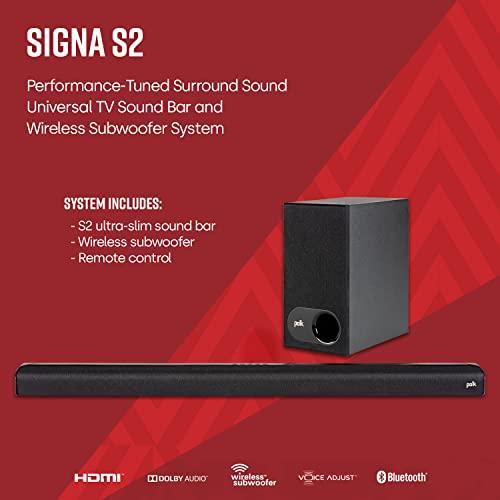
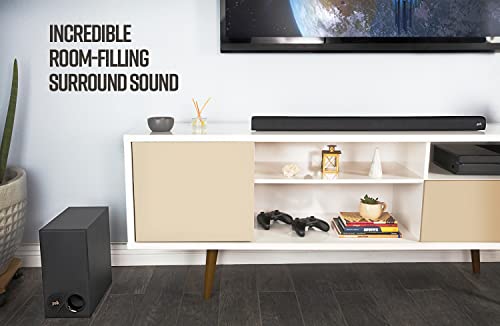
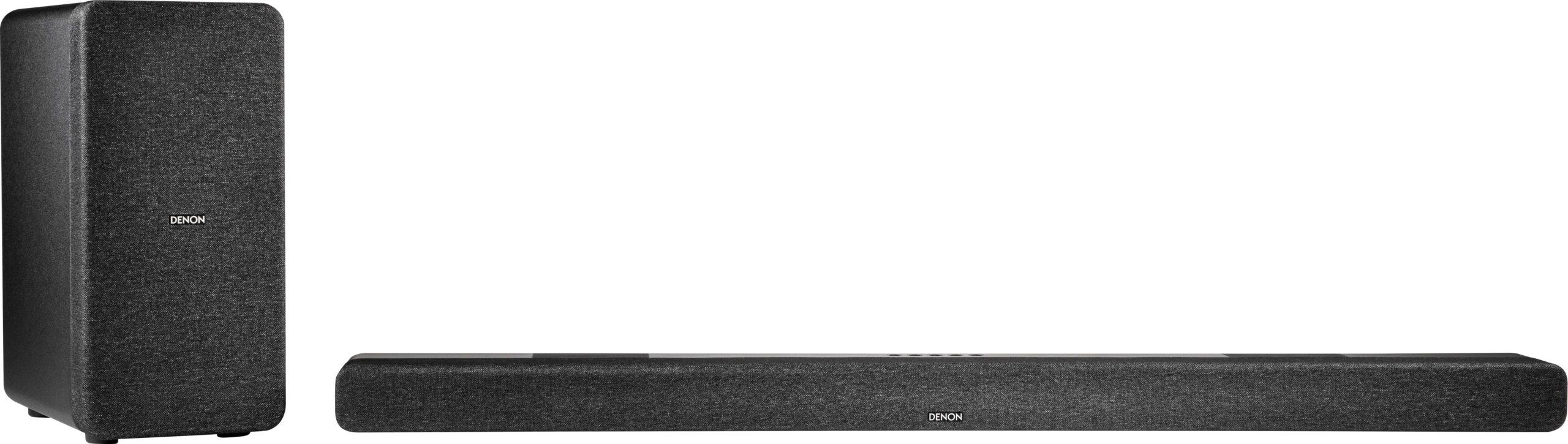
Today, I'm comparing two soundbars that represent different philosophies in home audio: the budget-friendly Polk Audio Signa S2 and the feature-rich Denon DHT-S517. Having tested both extensively, I can tell you they serve very different audiences, despite both promising to transform your TV listening experience.
Before diving into the specifics, let's establish what separates a good soundbar from a great one. The most critical factors are sound quality, dialogue clarity, and bass response. But there's more to consider: surround sound capabilities, connectivity options, room size compatibility, and overall value.
Sound quality encompasses everything from how natural voices sound to whether explosions have impact without drowning out conversation. Dialogue clarity is crucial—after all, what good is a soundbar if you still can't understand what actors are saying? Bass response determines whether action scenes feel exciting or flat, while surround sound capabilities create that immersive "you're in the movie" feeling.
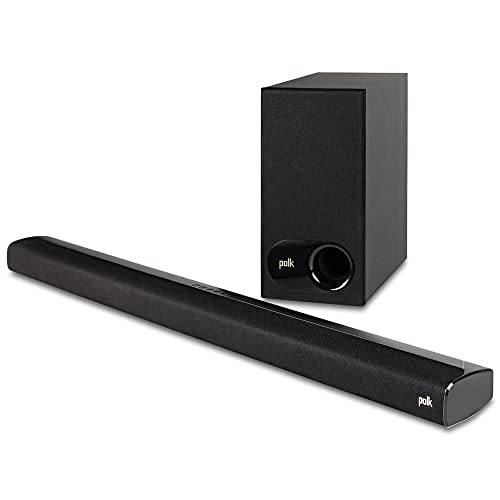
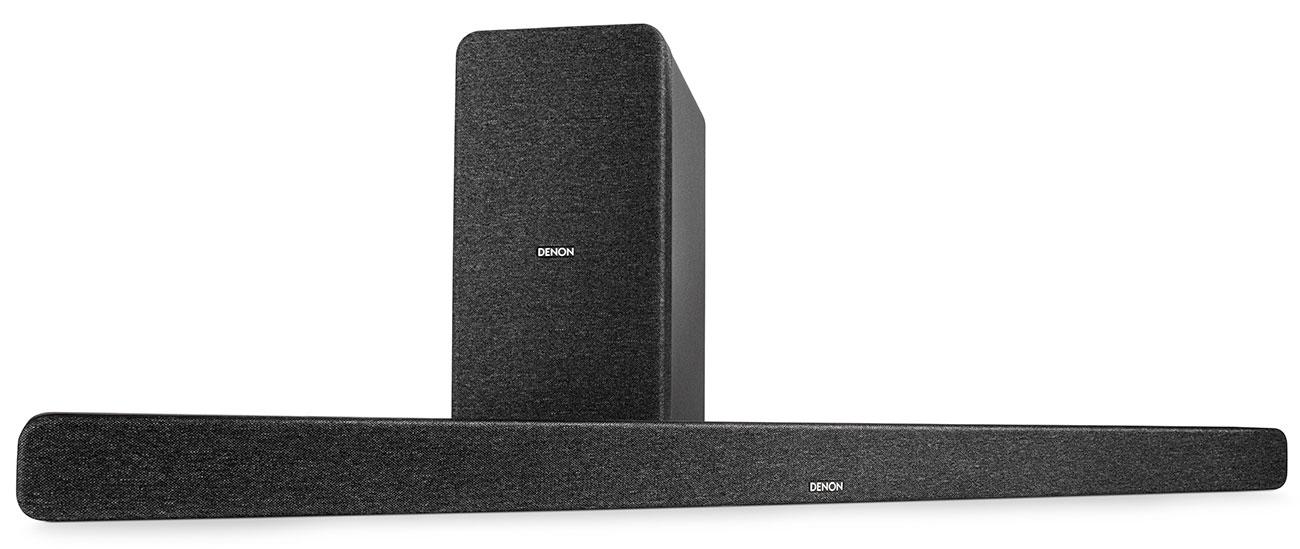
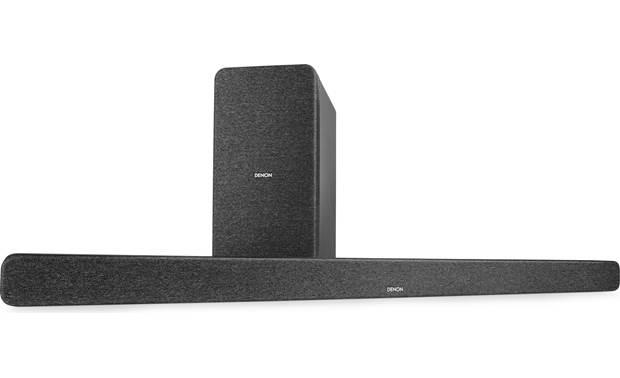
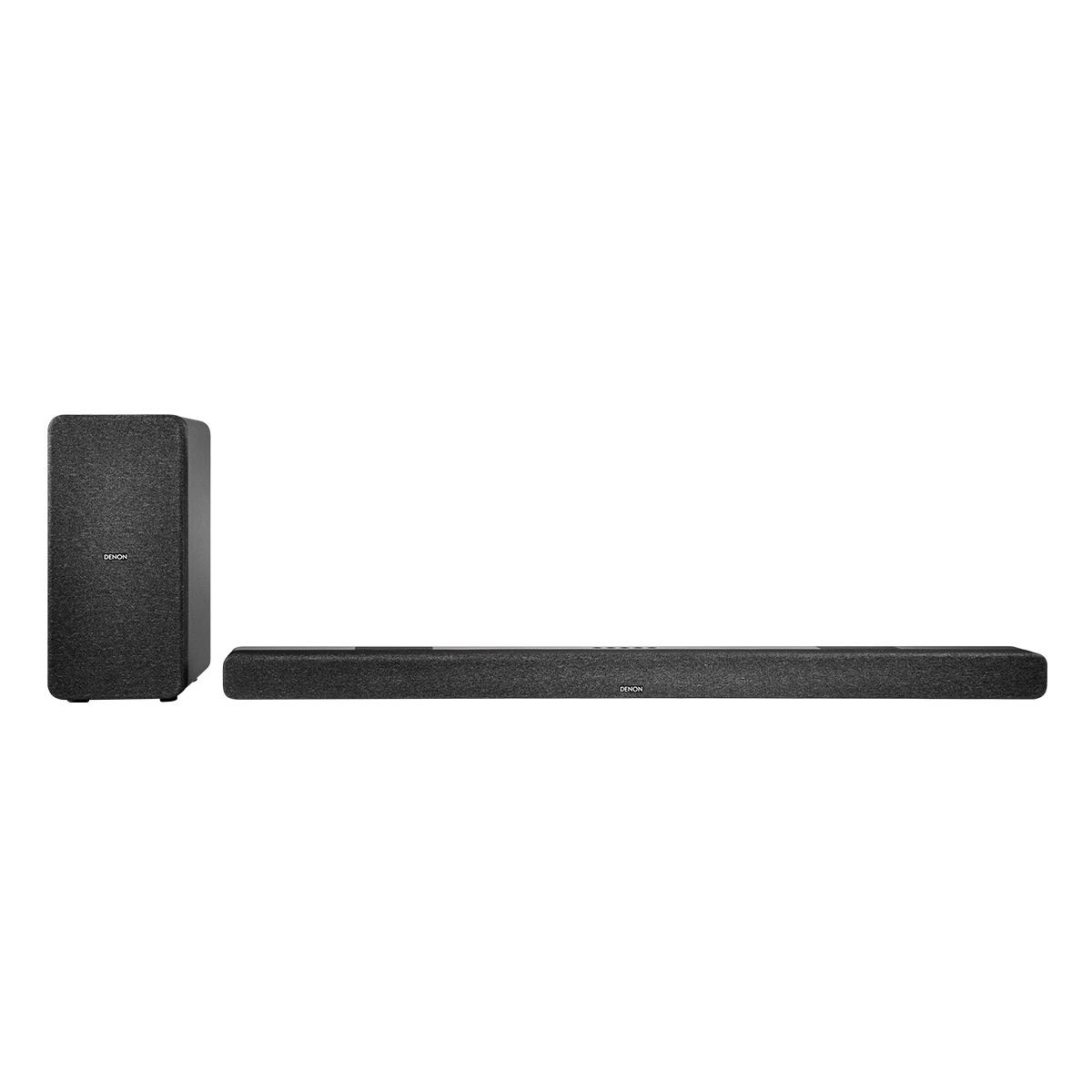
The Polk Audio Signa S2, released in 2019, represents the "keep it simple" approach. It's a 2.1 system, meaning it has left and right channels plus a separate subwoofer for bass. The Denon DHT-S517, introduced in 2022, takes a more sophisticated route with its 3.1.2 configuration—that's left, right, and center channels, plus two upward-firing drivers for overhead effects.
The three-year gap between these products represents significant evolution in soundbar technology. When the Signa S2 launched in 2019, Dolby Atmos (a surround sound format that adds overhead audio channels) was still primarily found in premium soundbars. By 2022, when the DHT-S517 arrived, Atmos had become more accessible, and manufacturers had refined the technology for better performance in smaller soundbars.
This timing difference is crucial to understanding these products. The Signa S2 was designed during an era when getting decent sound from an affordable soundbar was the primary goal. The DHT-S517 benefits from newer processing chips, improved driver designs, and better wireless technology that wasn't cost-effective in 2019.
Let me be direct: the Denon DHT-S517 sounds significantly better than the Polk Signa S2. But understanding why helps explain whether that difference matters for your specific needs.
The Signa S2 produces what audio engineers call a "V-shaped" sound signature. This means it emphasizes bass (low frequencies) and treble (high frequencies) while the midrange—where most vocals live—sits slightly recessed. For many listeners, this creates an exciting, energetic sound that makes music feel more dynamic and explosions more impactful.
However, this tuning can make the sound feel somewhat artificial. Voices might seem slightly hollow, and complex musical passages can become muddy when multiple instruments play simultaneously. The soundstage (how wide the audio feels) extends only slightly beyond the physical width of the bar, creating a decent but not particularly immersive listening experience.
The DHT-S517, with its seven-driver array, takes a more balanced approach. Its dedicated center channel—a single driver specifically handling dialogue and center-panned audio—makes an enormous difference in speech clarity. Instead of trying to create phantom center imaging (where your brain interprets sounds from left and right speakers as coming from the center), you get actual center channel information.
This translates to dialogue that cuts through complex soundtracks, whether it's understanding Morgan Freeman's narration over dramatic music or catching subtle character interactions in ensemble scenes. The left and right channels handle music and sound effects with more nuance, while the two upward-firing drivers create genuine overhead effects for rain, aircraft, or ambient sounds.
Dolby Atmos represents a fundamental shift in how sound is mixed and reproduced. Traditional surround sound creates a horizontal bubble of audio around you. Atmos adds a vertical dimension, treating sound as three-dimensional objects that can move around and above you.
The Signa S2 doesn't support Atmos at all. When it receives Dolby Digital 5.1 content (standard surround sound), it downmixes everything to stereo, meaning surround effects get folded into the left and right channels. You'll hear the sounds, but they won't have proper directional placement.
The DHT-S517's two upward-firing speakers reflect sound off your ceiling to create height effects. While this isn't as precise as dedicated overhead speakers, it's remarkably effective. Helicopters genuinely sound like they're flying overhead, raindrops seem to fall from above, and ambient effects create a more enveloping soundscape.
I've found this particularly noticeable with action movies and nature documentaries. The opening scene of "Blade Runner 2049," with its thunderous overhead effects, becomes significantly more engaging with proper Atmos processing.
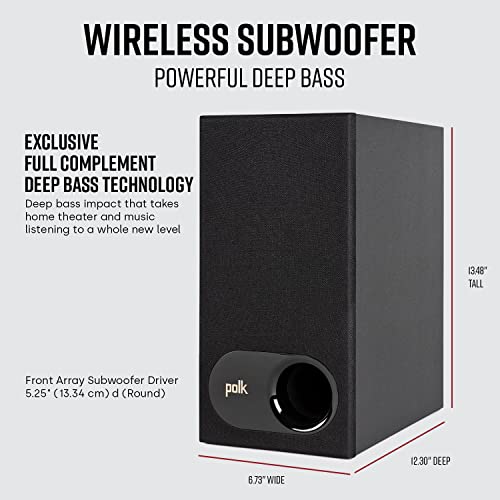
Both soundbars include wireless subwoofers, but their approaches differ considerably. The Signa S2's 5.25-inch subwoofer delivers plenty of impact—sometimes too much. Its bass response tends toward the boomy side, which can be exciting for action movies but occasionally overwhelms dialogue during dramatic scenes.
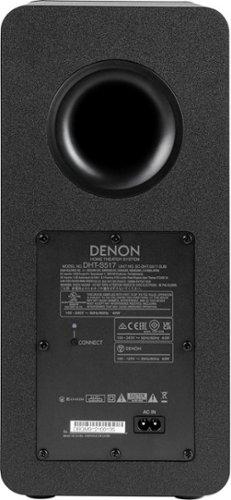
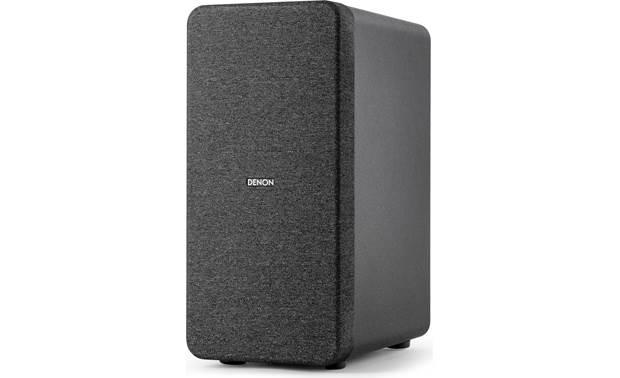
The DHT-S517's subwoofer, also featuring a 5.25-inch driver but with more sophisticated processing and a 100-watt amplifier, provides better integration with the main soundbar. The bass feels tighter and more controlled, supporting the overall sound rather than dominating it. This becomes particularly apparent with music, where bass lines remain distinct rather than becoming a general low-frequency rumble.
For smaller rooms, the Signa S2's enthusiastic bass approach might actually work well, adding excitement without requiring careful placement. In larger spaces, the DHT-S517's more refined approach scales better and won't fatigue your ears during extended listening sessions.
Nothing ruins a movie night like constantly reaching for the remote to adjust volume—turning it up to hear dialogue, then down when action scenes become overwhelming. This is where the fundamental design differences between these soundbars become most apparent.
The Signa S2 includes Polk's VoiceAdjust technology, which boosts the frequency range where most human speech occurs. While helpful, it's essentially an equalization trick applied to a stereo signal. At higher settings, voices can sound nasal or artificial, and the enhancement affects all content equally, whether it needs it or not.
The DHT-S517's dedicated center channel provides inherently superior dialogue reproduction. Having a dedicated driver for center-panned audio means voices receive proper frequency response and dynamic range without affecting music or sound effects. The three-level Dialogue Enhancer allows fine-tuning without the artificial coloration that affects the Signa S2 at higher enhancement levels.
In practical terms, this means you can set the DHT-S517 at a comfortable volume and leave it there. Dialogue remains clear during quiet dramatic scenes, while explosions won't send you scrambling for the remote.
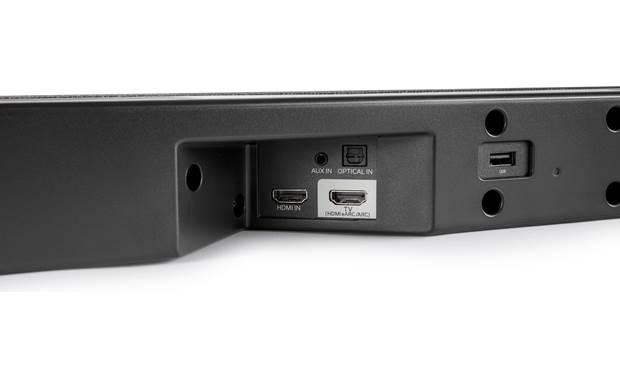
Both soundbars offer the essential connections most users need: HDMI ARC (Audio Return Channel, which allows your TV remote to control soundbar volume), optical digital input, and Bluetooth for wireless music streaming. However, the DHT-S517 includes several upgrades that reflect its more recent design.
The Denon supports HDMI eARC (enhanced Audio Return Channel), which provides higher bandwidth for lossless audio formats and Atmos content. It also includes a USB input for direct playback from flash drives and upgraded Bluetooth 5.0 with better range and stability compared to the Signa S2's older Bluetooth implementation.
These connectivity improvements matter more than they might initially seem. eARC support ensures you can take full advantage of streaming services' highest-quality audio formats, including Atmos content from Netflix, Disney+, and Amazon Prime Video.
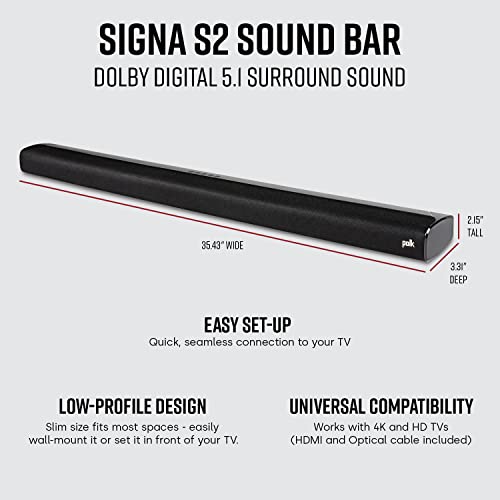
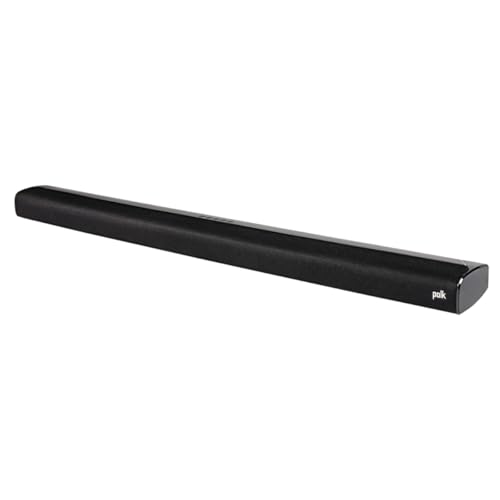
The Signa S2's compact 35.43-inch width and 2.15-inch height make it ideal for smaller to medium-sized rooms and TVs up to about 55 inches. Its low-profile design won't block your TV's infrared sensor or overwhelm modest entertainment centers.
The DHT-S517, at 41.3 inches wide, better suits medium to large rooms and pairs naturally with 55-inch and larger TVs. The additional width houses more drivers and creates a broader soundstage that fills larger spaces more effectively.
For apartment dwellers or smaller condos, the Signa S2's size advantage is significant. It delivers meaningful audio improvement without dominating the room or requiring substantial furniture rearrangement.
At the time of writing, these soundbars occupy different price tiers that reflect their target audiences. The Signa S2 typically sells for well under $200, while the DHT-S517 commands a mid-range premium price around $300-400.
This price difference—roughly double—represents the classic "diminishing returns" audio equation. The Signa S2 delivers perhaps 70% of the DHT-S517's performance for half the cost. Whether that extra 30% improvement justifies the additional expense depends entirely on your priorities, budget, and listening habits.
For casual viewers who primarily watch sitcoms, news, and basic cable programming, the Signa S2's improvement over TV speakers might be completely satisfying. For movie enthusiasts, gamers, or music lovers, the DHT-S517's superior capabilities often justify the investment.
Neither soundbar represents a complete home theater solution—that would require rear surround speakers and potentially additional subwoofers. However, they approach expandability differently.
The Signa S2 is essentially a closed system. What you buy is what you get, with no provisions for adding additional speakers or upgrading components. This simplicity can be appealing if you want a "set it and forget it" solution.
The DHT-S517, while also not expandable in the traditional sense, provides better future-proofing through its advanced format support. As streaming services continue adopting Atmos and other advanced audio formats, the Denon will take advantage of these improvements automatically.
Modern gaming consoles support advanced audio formats, and the differences between these soundbars become apparent during gameplay. The Signa S2 provides basic stereo enhancement that improves dialogue and adds bass impact to explosions and gunfire.
The DHT-S517's Atmos processing creates much better positional audio for competitive gaming. Footsteps, gunshots, and environmental sounds gain directional accuracy that can provide tactical advantages in multiplayer games. The reduced audio latency through eARC connection also minimizes lip-sync issues that can distract during cutscenes.
While primarily designed for TV and movie content, both soundbars handle music streaming through Bluetooth, though with different strengths.
The Signa S2's V-shaped sound signature can make popular music sound exciting and energetic. Bass-heavy genres like hip-hop and electronic music benefit from the enhanced low-end response, while the boosted treble adds sparkle to vocals and cymbals.
The DHT-S517 includes a "Pure Mode" that bypasses surround processing and sound enhancement for more accurate music reproduction. This feature appeals to listeners who prefer their music uncolored by artificial processing. The more balanced frequency response also handles complex musical arrangements better, maintaining instrument separation even during dense orchestral passages.
After extensive listening with both soundbars in different environments, here's my honest assessment of who should choose each option:
Choose the Polk Signa S2 if you're primarily seeking better TV audio on a strict budget. It excels in smaller rooms, apartments, or bedrooms where space is limited and neighbors are a consideration. If your viewing habits center around sitcoms, news, sports, and casual movie watching, the Signa S2 provides substantial improvement without complexity or high cost.
The Denon DHT-S517 makes sense for movie enthusiasts, gamers, and anyone who values audio quality enough to invest in meaningfully better performance. If you have a medium to large room, watch action movies, play immersive games, or frequently stream high-quality content, the additional capabilities justify the higher price.
The Polk Signa S2 succeeds as an affordable TV audio upgrade that dramatically improves over built-in speakers without breaking the bank. It's honest about its limitations while delivering solid performance within its design parameters.
The Denon DHT-S517 represents what mid-range soundbars can achieve when properly engineered. Its Atmos processing, dedicated center channel, and superior build quality create a genuinely engaging home theater experience that rivals much more expensive systems from just a few years ago.
Neither soundbar is perfect, but both serve their intended audiences well. Your choice should align with your budget, room size, and how much you value audio quality in your daily entertainment experience. At the time of writing, both represent strong value propositions within their respective price categories—you just need to decide which category fits your needs and expectations.
| Polk Audio Signa S2 | Denon DHT-S517 |
|---|---|
| Channel Configuration - Determines surround sound capabilities and dialogue clarity | |
| 2.1 channels (stereo + subwoofer) | 3.1.2 channels (left/right/center + subwoofer + 2 height) |
| Audio Format Support - What high-quality content you can fully experience | |
| Dolby Digital only (downmixes surround to stereo) | Dolby Atmos, TrueHD, Digital Plus (true surround processing) |
| Center Channel - Critical for clear dialogue in movies and TV | |
| Virtual center (phantom imaging from L/R speakers) | Dedicated 1" center driver for crystal-clear speech |
| Height Channels - Creates overhead effects for immersive audio | |
| None (flat soundstage) | Two 2.5" upward-firing drivers for Atmos overhead effects |
| Total System Power - Indicates volume capacity and dynamic range | |
| 100W (50W soundbar + 50W subwoofer) | 150W total system power with built-in amplification |
| Subwoofer Design - Affects bass quality and room placement flexibility | |
| 5.25" wireless subwoofer, bass-reflex design | 5.25" front-firing wireless with 100W dedicated amplifier |
| HDMI Connectivity - Determines compatibility with modern TVs and devices | |
| HDMI ARC (basic audio return) | HDMI eARC with passthrough (supports lossless audio) |
| Bluetooth Version - Affects wireless streaming quality and range | |
| Standard Bluetooth (limited range) | Bluetooth 5.0 (improved range and stability) |
| Sound Customization - How much you can tailor audio to your preferences | |
| VoiceAdjust + 3 preset modes (Movie/Music/Night) | Dialogue Enhancer (3 levels) + Pure Mode + 3 presets |
| Physical Dimensions - Room compatibility and TV pairing | |
| 35.43" W × 2.15" H (fits TVs up to ~50") | 41.3" W × 2.3" H (ideal for 55"+ TVs) |
| Release Year - Indicates technology generation and feature set | |
| 2019 (pre-affordable Atmos era) | 2022 (modern processing and connectivity) |
| Target Market - Who this product is designed for | |
| Budget-conscious users wanting basic TV audio upgrade | Home theater enthusiasts seeking immersive mid-range experience |
The Denon DHT-S517 delivers significantly better sound quality than the Polk Audio Signa S2. The Denon features a 3.1.2 channel configuration with a dedicated center channel for clearer dialogue, while the Polk Signa S2 uses a basic 2.1 stereo setup. The DHT-S517 also supports Dolby Atmos for overhead effects, creating a more immersive listening experience.
Yes, the Denon DHT-S517 supports full Dolby Atmos processing with dedicated upward-firing speakers for height effects. The Polk Audio Signa S2 only supports basic Dolby Digital and downmixes surround sound content to stereo, missing out on the immersive overhead audio that Atmos provides.
The Denon DHT-S517 excels at dialogue clarity due to its dedicated center channel driver specifically designed for speech reproduction. While the Polk Signa S2 includes VoiceAdjust technology to enhance dialogue, it relies on virtual center imaging which isn't as effective as the DHT-S517's physical center channel.
The Polk Audio Signa S2 works best with TVs up to 50-55 inches due to its 35.4-inch width, while the Denon DHT-S517 at 41.3 inches wide is better suited for 55-inch and larger TVs. Both soundbars offer HDMI ARC connectivity and will work with virtually any modern TV regardless of size.
The Polk Signa S2 provides excellent value for budget-conscious buyers, offering a significant upgrade over TV speakers at an entry-level price point. The Denon DHT-S517 costs more but delivers substantially better performance with Atmos support and superior audio processing, making it better value for serious home theater enthusiasts.
Yes, both the Polk Audio Signa S2 and Denon DHT-S517 include wireless subwoofers with 5.25-inch drivers. However, the DHT-S517's subwoofer features a more powerful 100-watt amplifier and front-firing design for better bass integration compared to the Signa S2's 50-watt subwoofer.
Both soundbars are designed for easy setup, but the Polk Signa S2 has a slight edge in simplicity with its basic 2.1 configuration and straightforward controls. The Denon DHT-S517 offers more advanced features and customization options, which may require slightly more initial setup but provides greater flexibility for fine-tuning your audio experience.
Yes, both the Polk Audio Signa S2 and Denon DHT-S517 support Bluetooth music streaming from smartphones, tablets, and other devices. The DHT-S517 uses newer Bluetooth 5.0 technology for improved range and connection stability compared to the Signa S2's standard Bluetooth.
The Denon DHT-S517 is superior for gaming due to its Dolby Atmos processing, which creates better positional audio for competitive gaming. The HDMI eARC connection also reduces audio latency compared to the Polk Signa S2. However, the Signa S2 still provides a solid gaming audio upgrade over TV speakers at a lower cost.
The main difference is that the Denon DHT-S517 supports HDMI eARC (enhanced Audio Return Channel) for higher bandwidth and lossless audio formats, while the Polk Signa S2 uses standard HDMI ARC. Both offer optical and analog inputs, but the DHT-S517 adds a USB input for direct media playback.
The Polk Audio Signa S2 is ideal for smaller spaces due to its compact 35.4-inch width and lower profile. Its simpler 2.1 setup also works well in rooms where Atmos height effects might not be as beneficial. The Denon DHT-S517 performs better in medium to large rooms where its wider soundstage and Atmos processing can be fully appreciated.
Choose the Polk Audio Signa S2 if you want a basic but effective TV audio upgrade on a budget and primarily watch regular TV programming. Select the Denon DHT-S517 if you're serious about home theater performance, watch lots of movies, and want Dolby Atmos support for a truly immersive audio experience that justifies the higher investment.
We've done our best to create useful and informative comparisons to help you decide what product to buy. Our research uses advanced automated methods to create this comparison and perfection is not possible - please contact us for corrections or questions. These are the sites we've researched in the creation of this article: rtings.com - youtube.com - bestbuy.com - rtings.com - consumerreports.org - rtings.com - youtube.com - hometechnologyreview.com - soundbars.com - youtube.com - manuals.plus - creativeaudio.net - parts-express.com - thomsunmusic.com - polkaudio.com - manuals.plus - polkaudio.com - polkaudio.com - polkaudio.com - bestbuy.com - youtube.com - youtube.com - polkaudio.com - techradar.com - consumerreports.org - crutchfield.com - bestbuy.com - bestbuy.com - pocket-lint.com - abt.com - manuals.denon.com - connectedmag.com.au - bestbuy.com - forum.flirc.tv - bhphotovideo.com

Privacy Policy
Terms and Conditions - Affiliate Policy
Home Security
© Copyright 2008-2026.
11816 Inwood Rd #1211, Dallas, TX 75244