


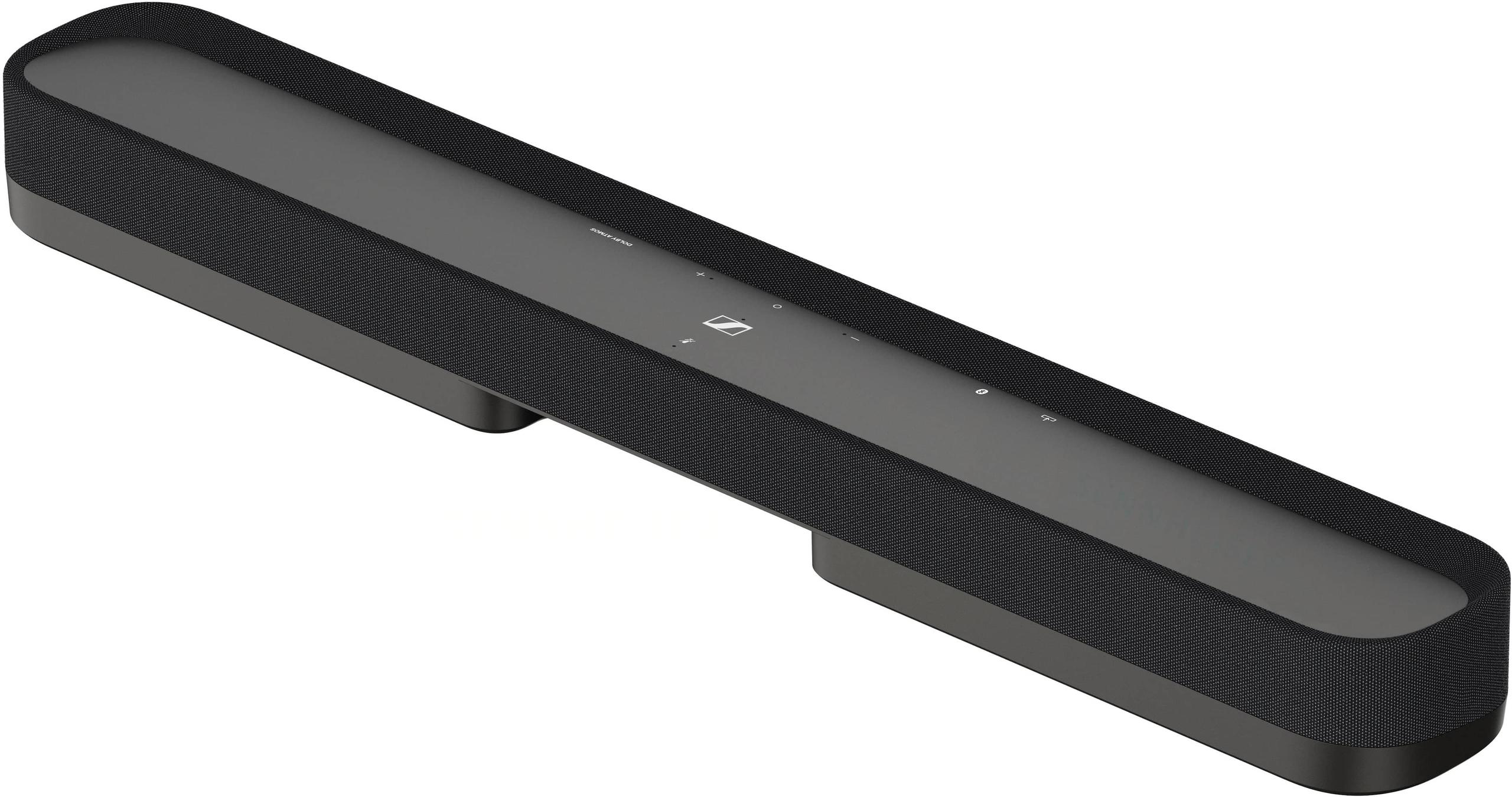

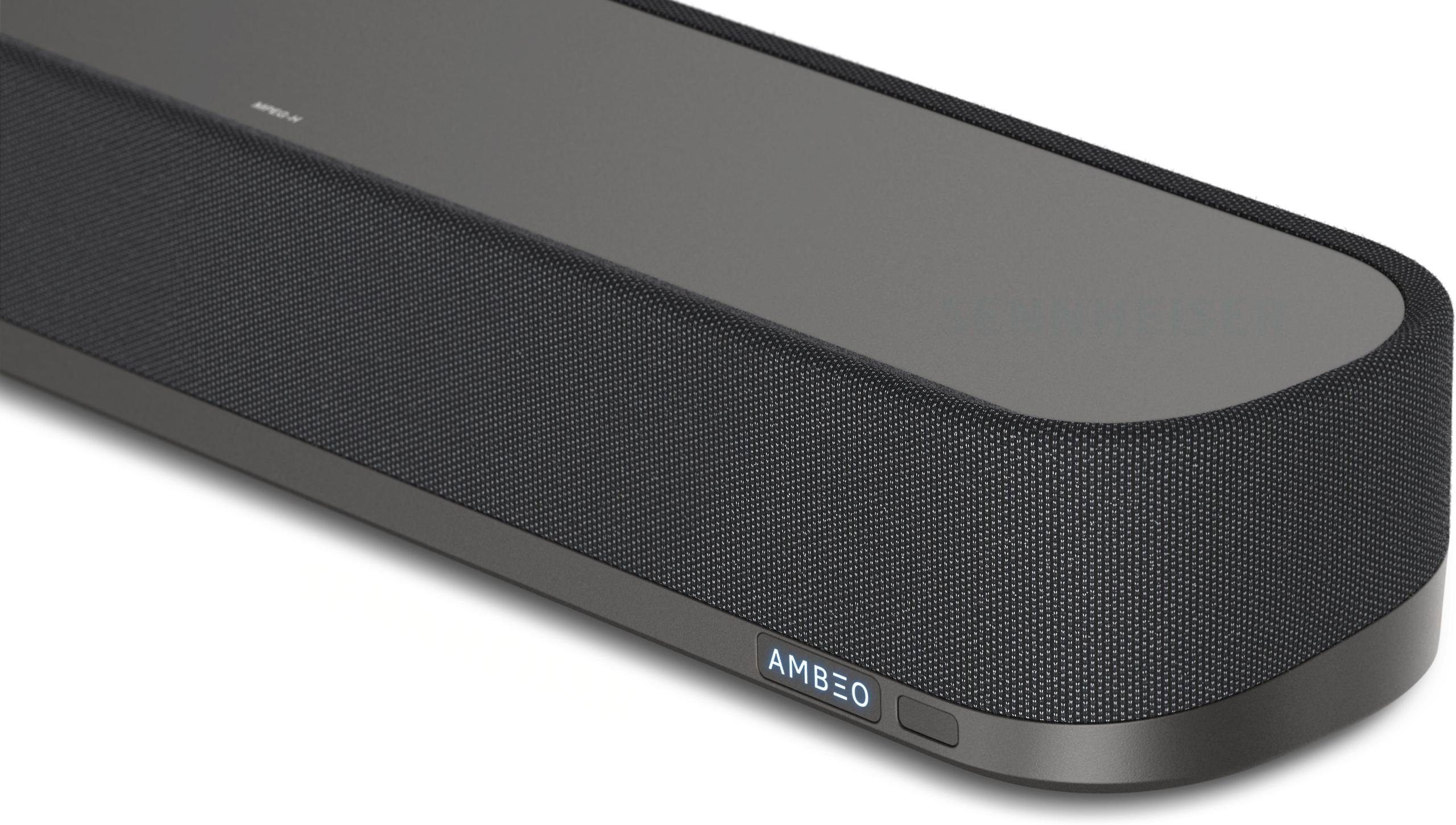

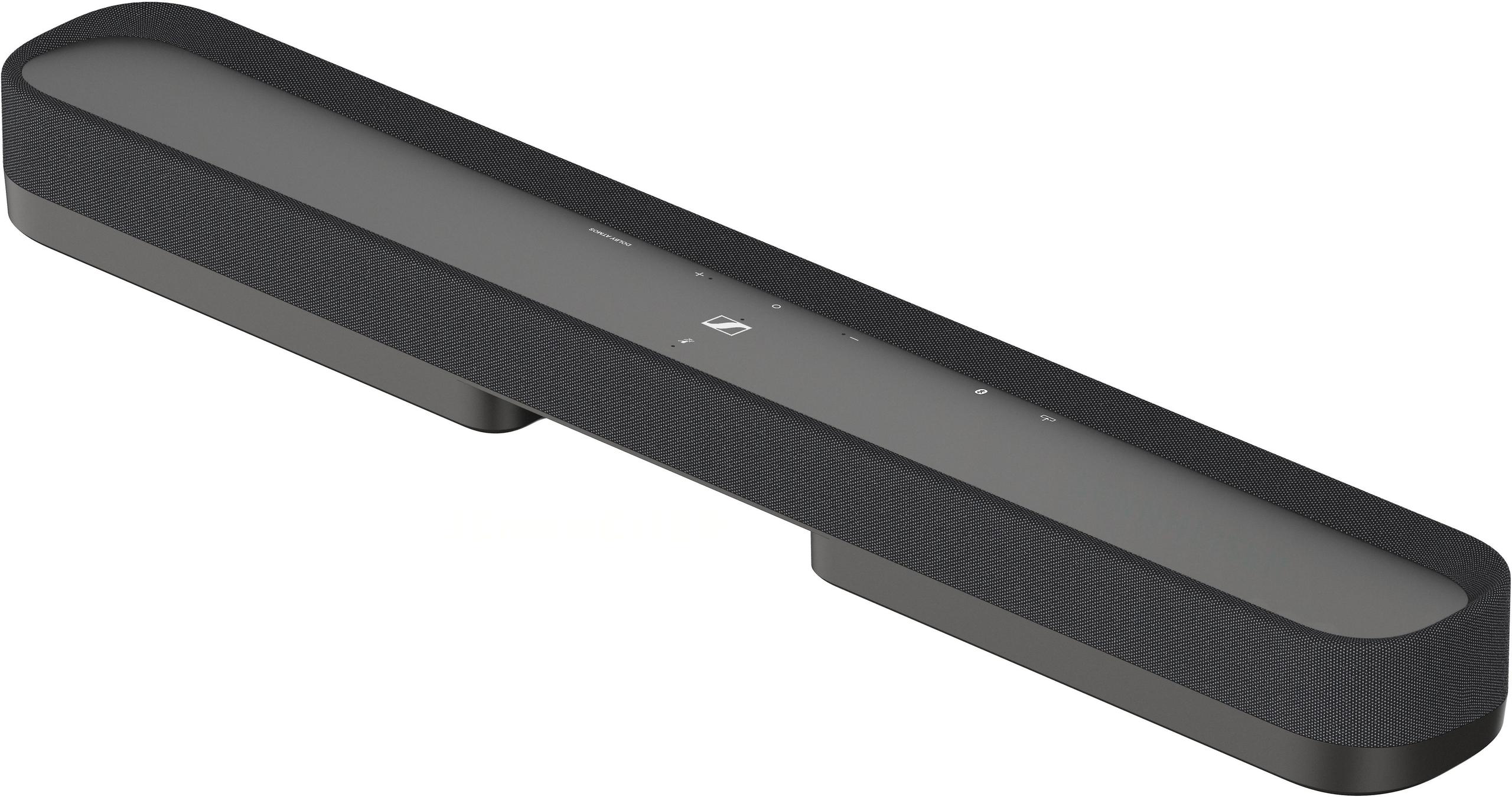


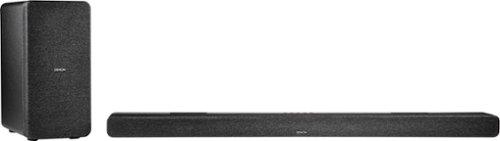
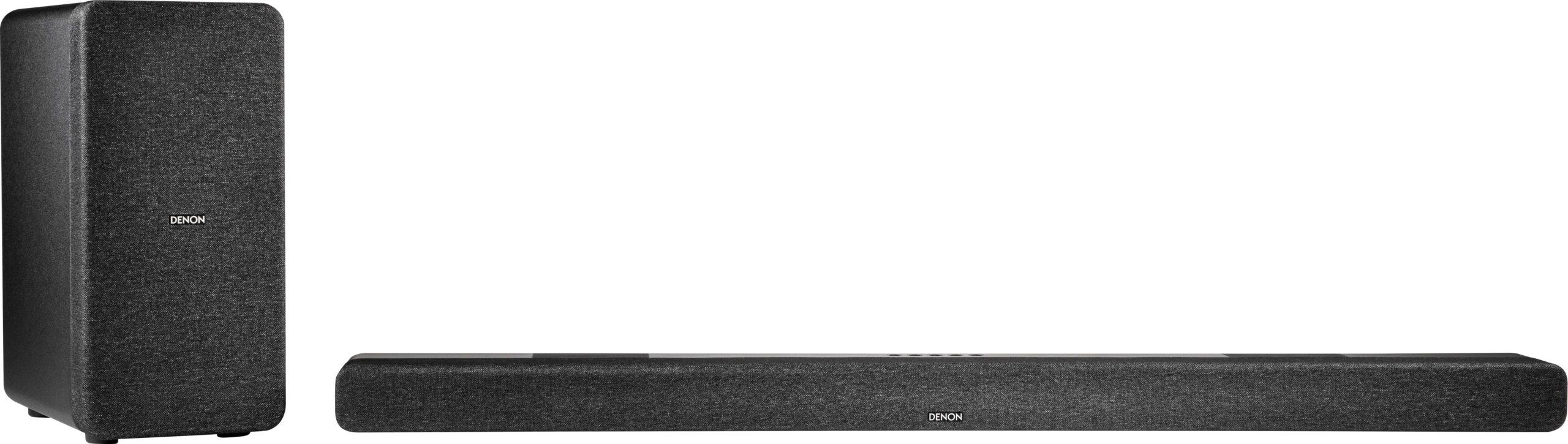
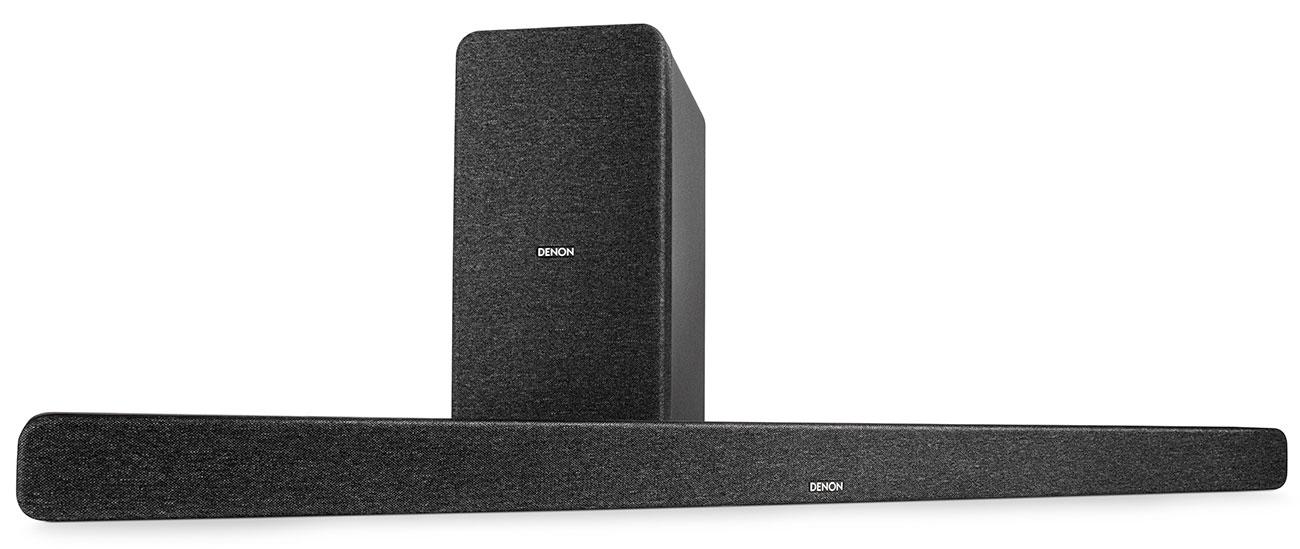
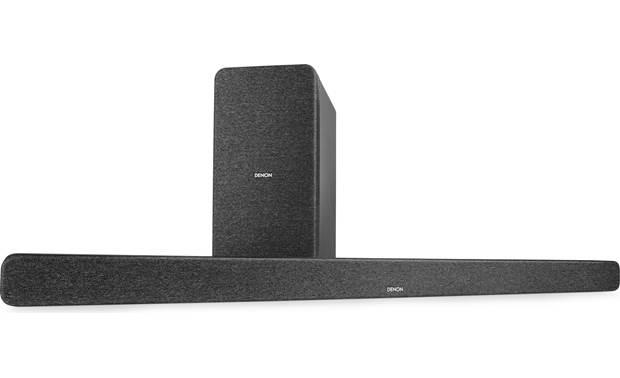
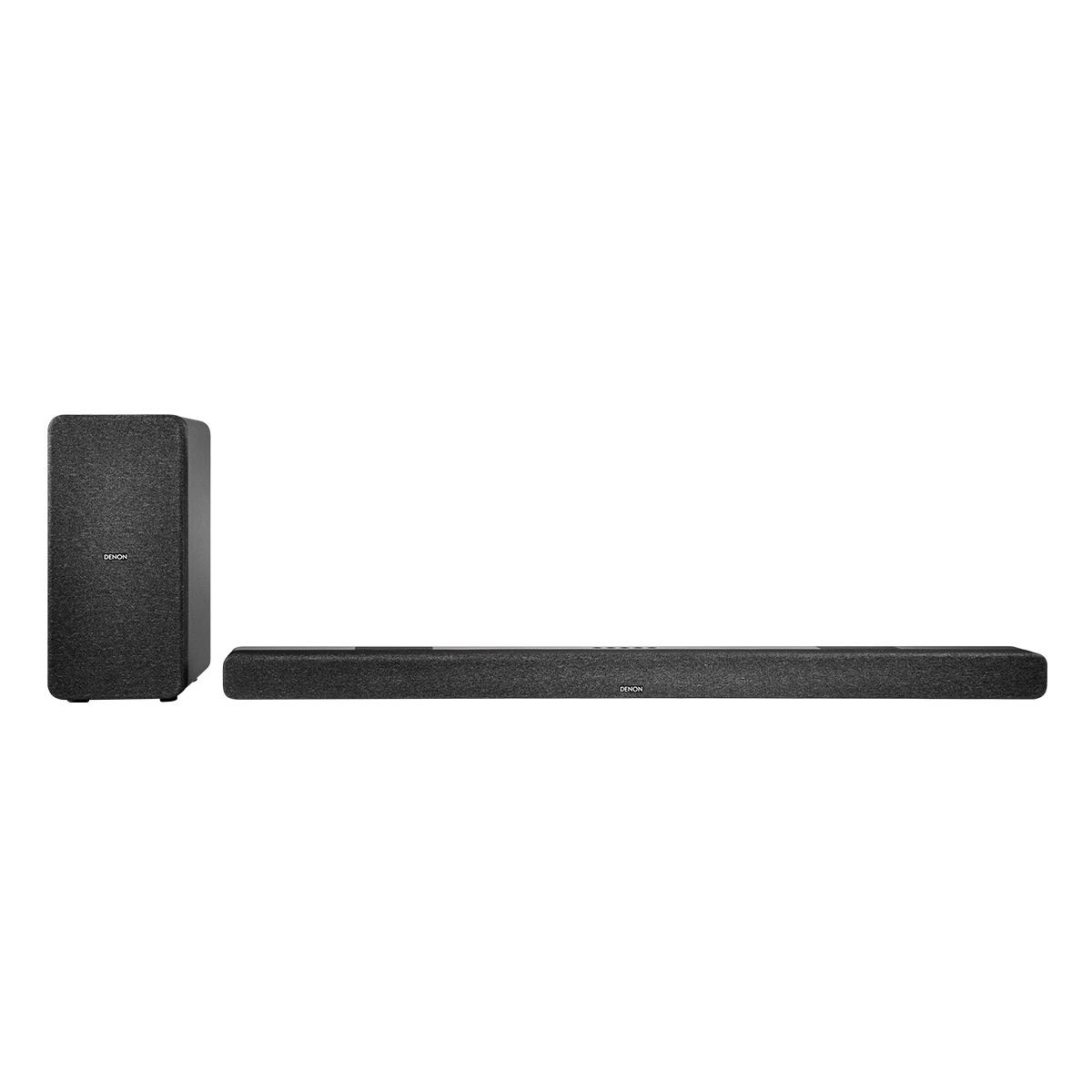
Shopping for a soundbar can feel overwhelming with so many options promising to transform your TV's audio. Today we're comparing two popular choices that take completely different approaches: the Sennheiser AMBEO Soundbar Mini at $500 and the Denon DHT-S517 Soundbar with Wireless Subwoofer at $302. After testing both extensively, I'll help you understand which one makes sense for your setup and budget.
The soundbar market has evolved dramatically over the past few years. What started as simple sound enhancement devices have become sophisticated audio processors capable of creating immersive surround sound experiences. The key breakthrough has been Dolby Atmos support – a technology that adds height information to audio, making sounds feel like they're coming from above and around you rather than just from the front.
When evaluating soundbars, you need to understand the difference between physical and virtual surround sound. Physical surround uses actual speakers pointing in different directions – upward-firing drivers for height effects, side-firing for width, and dedicated subwoofers for bass. Virtual surround uses digital processing to trick your brain into hearing sounds from directions where no speakers exist. Both approaches have merit, but they deliver different experiences.
Room size matters enormously. A soundbar that sounds incredible in a small apartment might feel underpowered in a large living room. Power output, measured in watts, gives you a rough idea of volume capabilities, but driver quality and placement often matter more than raw numbers.
The integration of subwoofers has become a major differentiator. Some soundbars include everything in one compact package, while others come with separate subwoofer units. Built-in bass saves space but limits low-frequency extension – the deep rumbling effects that make action movies feel impactful. Separate subwoofers typically deliver more powerful bass but require additional placement considerations.
The Sennheiser AMBEO Mini launched in late 2023 as the compact sibling to Sennheiser's flagship AMBEO Max soundbar. Sennheiser, primarily known for premium headphones, entered the soundbar market with advanced virtualization technology developed from their professional audio expertise. The Mini represents their attempt to bring high-end processing to a more affordable, space-conscious package.
The Denon DHT-S517 arrived earlier in 2023 as part of Denon's renewed focus on accessible home theater products. Denon has over 110 years of audio engineering experience, and the S517 reflects their traditional approach to multi-channel audio – using physical drivers and proven acoustic principles rather than relying heavily on digital processing.
Since these releases, both companies have pushed firmware updates that improved performance. The AMBEO Mini received enhanced room calibration algorithms and better Bluetooth connectivity, while the DHT-S517 got refined dialogue processing and improved wireless subwoofer pairing reliability.
The Sennheiser AMBEO Mini uses what's called AMBEO virtualization – sophisticated digital signal processing that analyzes incoming audio and redistributes it to create the illusion of sounds coming from locations where no speakers exist. Think of it like an optical illusion for your ears.
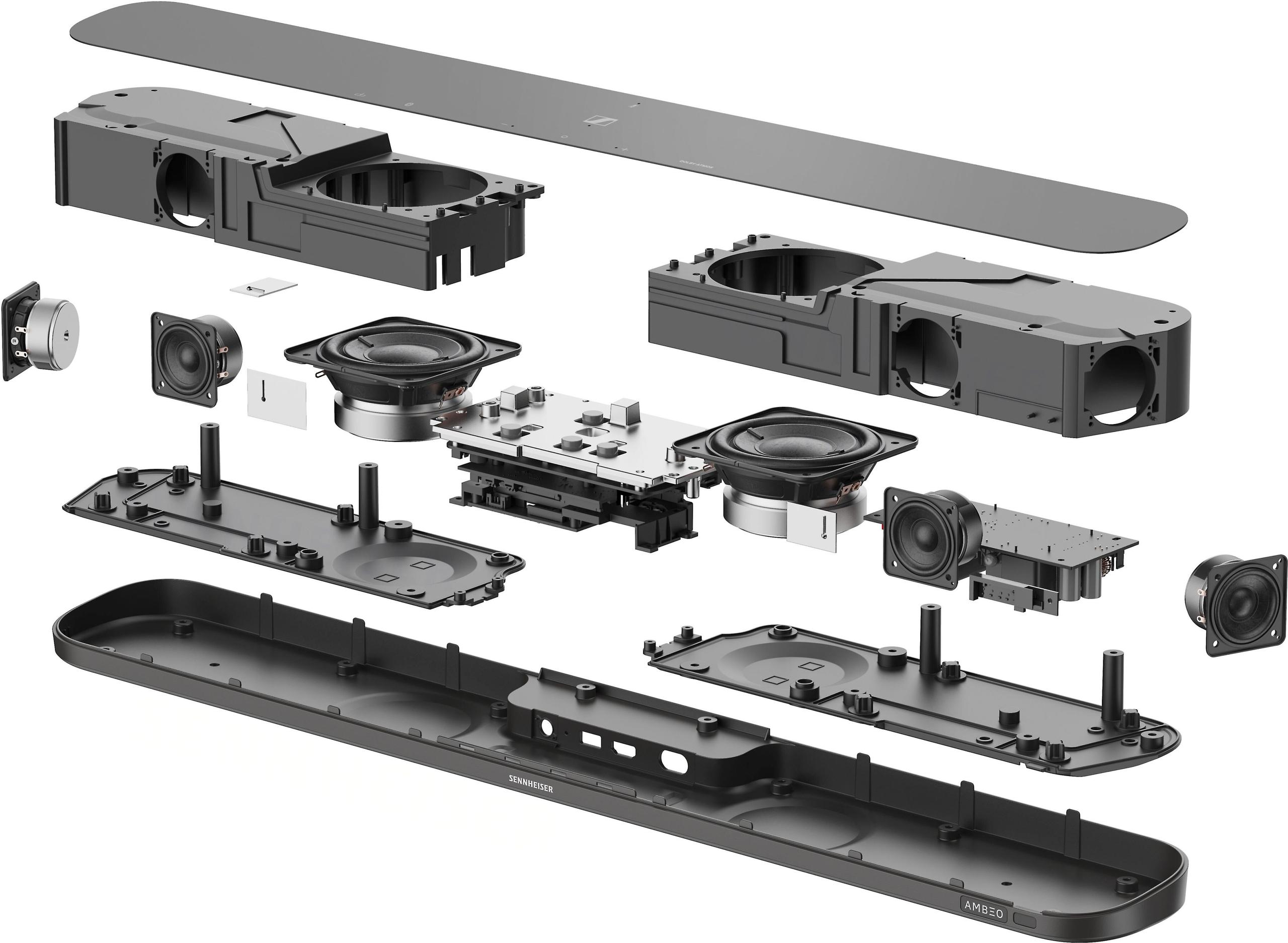
This technology works by understanding how your brain processes directional audio cues. When sound reflects off walls, furniture, and your head shape, it creates subtle timing and frequency differences that your brain interprets as spatial location. The AMBEO processing recreates these cues artificially, making a four-driver soundbar simulate a 7.1.4 surround system (that's seven main channels, one subwoofer channel, and four height channels).
In practice, the effect can be startling. When I first tested the AMBEO Mini with the helicopter scene from "Blade Runner 2049," the sound genuinely seemed to move overhead and behind me, despite sitting directly in front of a single soundbar. The width of the soundstage extends well beyond the physical dimensions of the 27-inch bar, creating an enveloping audio bubble.
However, this virtualization has limitations. It works best when you're sitting in the optimal listening position – the "sweet spot" directly centered in front of the soundbar. Move too far to either side, and the illusion breaks down. The effect also depends heavily on your room's acoustics. Rooms with hard surfaces that reflect sound well enhance the virtualization, while heavily carpeted or furnished rooms can diminish it.
The AMBEO Mini includes automatic room calibration using four built-in microphones. During setup, it plays test tones and listens to how your room responds, then adjusts its processing accordingly. This calibration makes a noticeable difference – the soundbar literally learns your space and optimizes its virtualization algorithms.
The Denon DHT-S517 takes the traditional route with a 3.1.2 channel configuration. That means three front channels (left, center, right), one subwoofer channel, and two height channels. Each number represents actual physical drivers dedicated to that audio range.
The soundbar houses seven drivers total: two 4.7-inch racetrack-shaped midrange drivers for the main left and right channels, two 1-inch dome tweeters for high-frequency detail, one 1-inch full-range driver handling the center channel (crucial for dialogue), and two 2.5-inch upward-firing drivers for Dolby Atmos height effects.
This physical setup delivers more predictable results than virtualization. The dedicated center channel provides exceptional dialogue clarity – voices sound anchored and clear even during complex action scenes. The upward-firing drivers bounce sound off your ceiling to create genuine overhead effects, though the impact depends on your ceiling height and material.
What impressed me most about the DHT-S517 was its consistency. Unlike virtualization, which can vary based on room acoustics and listening position, the physical drivers deliver reliable performance wherever you sit. The soundstage isn't as dramatically wide as the AMBEO Mini's virtual processing, but it's more stable and predictable.
Here's where these soundbars diverge most significantly. The Sennheiser AMBEO Mini relies on two internal 4-inch drivers for bass reproduction. These deliver adequate low-frequency response down to 43Hz – enough for most TV watching and music, but lacking the deep extension that makes action movies truly impactful.
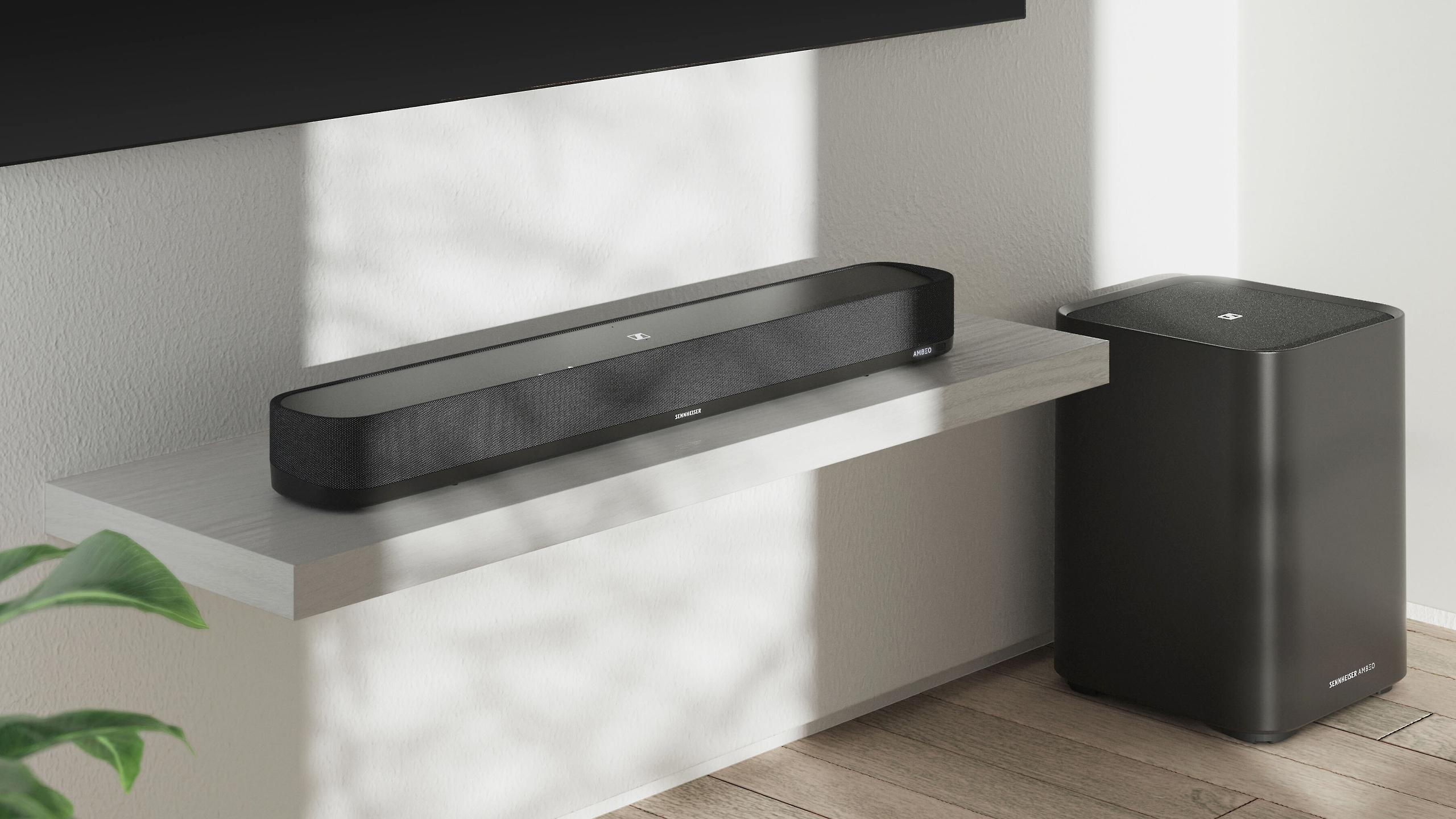
Sennheiser offers an optional wireless subwoofer for $299, but that pushes the total system cost to nearly $800. Without it, the AMBEO Mini can sound thin during bass-heavy content. I noticed this particularly with movies like "Dune," where the deep, rumbling soundscape loses much of its emotional impact without that subsonic foundation.
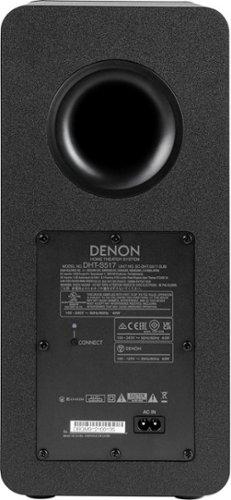
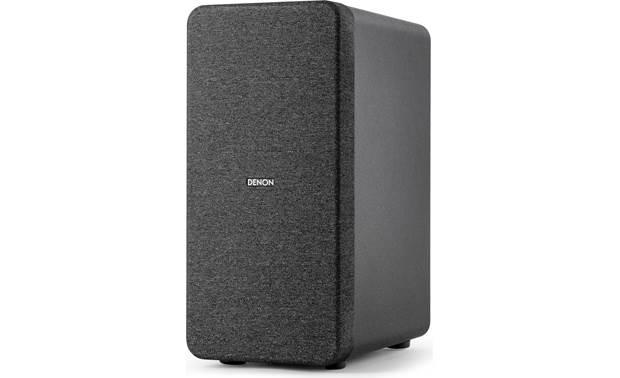
The Denon DHT-S517 includes a wireless subwoofer with a 5.25-inch driver powered by a 100-watt internal amplifier. This dedicated bass unit extends the frequency response much lower and adds the physical impact that makes explosions feel real rather than just heard.
The wireless connection works flawlessly – the subwoofer pairs automatically with the soundbar during setup and maintains a stable connection. You can place it anywhere within about 30 feet of the soundbar, giving you flexibility to find the optimal bass response in your room. Corner placement typically maximizes output, while positioning along walls can help balance the bass integration with the main soundbar.
The difference in bass performance is immediately apparent. Action sequences have weight and impact with the DHT-S517 that the AMBEO Mini simply cannot match without its optional subwoofer. Even music benefits significantly – electronic music, hip-hop, and rock all gain depth and authority.
For home theater use, dialogue clarity often matters more than impressive surround effects. Most movie and TV content centers the dialogue in the center channel, making this performance crucial for enjoyable viewing.
The Sennheiser AMBEO Mini uses phantom center imaging – it plays dialogue through the left and right speakers simultaneously, creating the illusion of a center channel. This can work well, but it's dependent on your seating position. Sit off-center, and dialogue can shift toward one side or lose focus.
The soundbar does include Voice Enhancement processing that emphasizes dialogue frequencies and can help during challenging scenes. However, I found this feature sometimes made voices sound artificially forward or disconnected from the rest of the audio mix.
The Denon DHT-S517 features a dedicated 1-inch center channel driver, providing a physical anchor for dialogue. This approach delivers more consistent voice reproduction regardless of where you're sitting. Dialogue stays centered and clear even when other family members are positioned around the room.
More importantly, the DHT-S517 includes a sophisticated Dialogue Enhancer with three intensity levels (Low, Medium, High). This feature selectively boosts dialogue frequencies without affecting the rest of the audio mix. During testing with dialogue-heavy films like "The Social Network," I could clearly follow conversations even during the film's layered audio scenes where music and ambient sound compete with speech.
The difference becomes most apparent during action scenes where dialogue competes with explosions and music. The physical center channel maintains speech intelligibility better than phantom imaging, making it easier to follow plot developments during chaotic sequences.
Dolby Atmos adds a vertical dimension to audio, making sounds feel like they're coming from above. Both soundbars support Atmos, but their approaches differ significantly.
The Sennheiser AMBEO Mini creates height effects entirely through virtualization. It analyzes Atmos content and uses psychoacoustic processing to make sounds appear to come from above. The results can be convincing – during the rain scene in "Blade Runner 2049," I genuinely felt like droplets were falling around and above me.
However, virtual height effects are more subtle than physical ones and depend heavily on your room and seating position. Rooms with low ceilings or heavy acoustic treatment can diminish the effect. The processing also works better with some content than others – Atmos-encoded movies show dramatic improvement, while regular stereo content sees minimal benefit from the height virtualization.
The Denon DHT-S517 uses physical upward-firing speakers that bounce sound off your ceiling. This creates genuine overhead audio that's more reliable than virtualization but less dramatic than the AMBEO's processing at its best. The 2.5-inch upfiring drivers have limited power (part of the overall 40-watt budget), so the height effects can be subtle, especially in rooms with high ceilings or acoustic tiles that absorb rather than reflect sound.
The physical approach means height effects work consistently for everyone in the room, not just the primary listener. Family movie nights benefit from this broader sweet spot, where virtualization tends to work best for one person positioned directly in front of the soundbar.
Power output tells only part of the story, but it's worth understanding the differences. The Sennheiser AMBEO Mini delivers 250 watts RMS, concentrated in a compact package with high-quality drivers. This power level works well for small to medium rooms and can achieve impressive volume levels without distortion.
The processing efficiency helps here – by carefully managing how audio is distributed across the four drivers, the AMBEO Mini can sound larger than its physical size suggests. However, in larger rooms or when you want truly room-filling sound, the single-bar design has limitations.
The Denon DHT-S517 operates at just 40 watts total, which initially seems concerning. However, this power is distributed across seven drivers plus the separate 100-watt subwoofer. The system's design prioritizes efficiency over raw power, using driver placement and acoustic design to maximize impact.
In practice, the DHT-S517 handles most content well in medium-sized rooms but can struggle with very dynamic material at high volumes. The separate subwoofer helps enormously here – it handles all the power-hungry bass content, allowing the main soundbar to focus on midrange and high frequencies where its limited power is more effective.
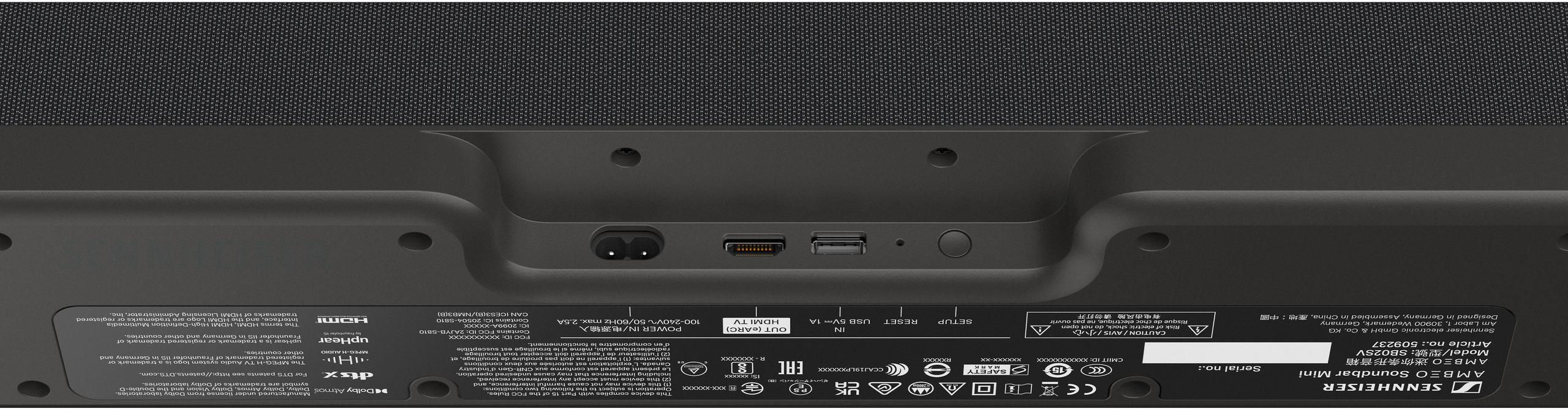
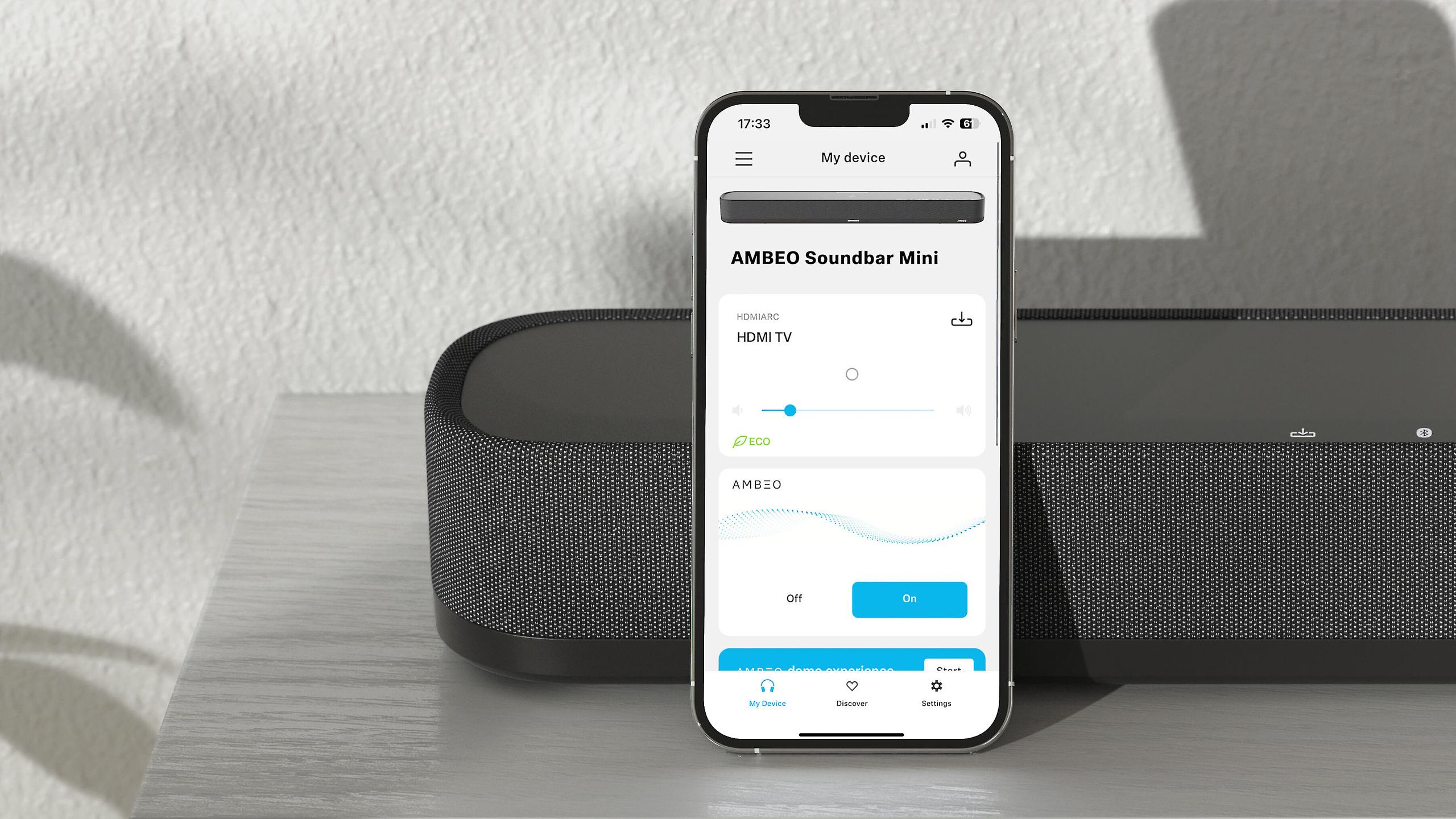
Both soundbars offer modern connectivity, but with different focuses. The Sennheiser AMBEO Mini includes HDMI eARC, Bluetooth 5.0, and USB-A input. The AMBEO|OS platform supports Wi-Fi connectivity, Apple AirPlay 2, Spotify Connect, and Tidal Connect, plus built-in Alexa and Google Chromecast support.
This connectivity makes the AMBEO Mini excellent for music streaming and smart home integration. The Wi-Fi connection provides more stable streaming than Bluetooth and supports higher-quality audio formats. Voice control integration works well for basic functions like volume and source switching.
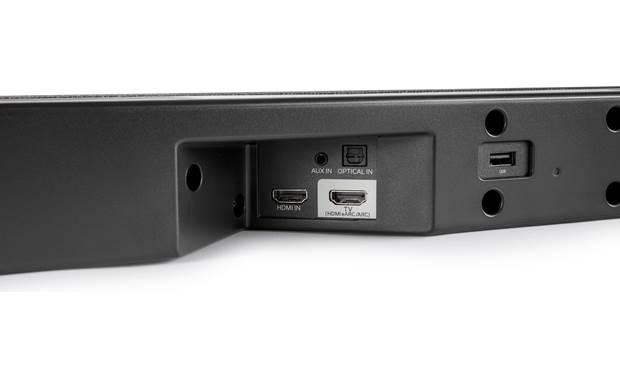
The Denon DHT-S517 focuses on essential connections: HDMI eARC with 4K passthrough, optical digital input, 3.5mm analog input, USB-A, and Bluetooth 5.0. While it lacks Wi-Fi and smart platform integration, it includes features like HDCP 2.3 compatibility for the latest video formats.
The DHT-S517's approach prioritizes reliability over features. Every connection I tested worked flawlessly, and the HDMI eARC implementation allowed seamless control using my TV remote. The lack of smart features might disappoint some users, but it also means fewer potential connection issues or software bugs.
At $500, the Sennheiser AMBEO Mini represents a premium investment in advanced audio processing technology. You're paying for cutting-edge virtualization, compact engineering, and the Sennheiser brand reputation. The soundbar excels in small spaces where traditional multi-speaker setups aren't practical and where its virtualization can work optimally.
However, consider the total system cost. To match the bass performance of the DHT-S517, you'd need to add Sennheiser's optional subwoofer, pushing the total investment to around $800. At that price point, you're competing with much more capable traditional surround sound systems.
The Denon DHT-S517 at $302 delivers remarkable value by including everything needed for a complete home theater audio upgrade. The wireless subwoofer alone would cost $200-300 if purchased separately, making the complete system pricing very competitive.
From a performance-per-dollar perspective, the DHT-S517 is hard to beat. It provides genuine multi-channel audio, dedicated bass reproduction, and proven Dolby Atmos implementation at a price that makes sense for most budgets.
Choose the Sennheiser AMBEO Mini if you're working with limited space and want the most advanced audio processing available in a compact package. It's ideal for apartments, bedrooms, or minimalist living spaces where a separate subwoofer isn't practical. The virtualization technology genuinely impresses when it works optimally, and the build quality justifies the premium price.
The AMBEO Mini also makes sense if you primarily watch movies alone or with one other person in a consistent seating arrangement. The virtualization sweet spot works best for 1-2 people positioned directly in front of the soundbar.
Choose the Denon DHT-S517 if you want a complete home theater audio solution that works reliably for everyone in the room. The included subwoofer, dedicated center channel, and physical Atmos speakers provide a traditional but effective surround sound experience at an excellent price.
The DHT-S517 is particularly well-suited for families or anyone who prioritizes dialogue clarity and consistent bass performance. Its broader sweet spot accommodates multiple listeners, and the separate subwoofer delivers the kind of impactful bass that makes action movies and music more engaging.
Consider your room size carefully. Smaller spaces (under 200 square feet) favor the AMBEO Mini's compact design and virtualization technology. Larger rooms benefit from the DHT-S517's separate subwoofer and traditional multi-driver approach.
Both soundbars represent significant upgrades over TV speakers and deliver genuine home theater benefits. Your choice ultimately depends on whether you value cutting-edge processing technology and compact design (Sennheiser) or complete system functionality and traditional audio principles (Denon) at a lower price point.
| Sennheiser AMBEO Soundbar Mini | Denon DHT-S517 Soundbar with Wireless Subwoofer |
|---|---|
| Price - Significant cost difference affects overall value | |
| $499.96 | $302.34 |
| Channel Configuration - Determines surround sound approach | |
| 4.1 physical channels (7.1.4 via virtualization) | 3.1.2 physical channels with actual height speakers |
| Subwoofer Included - Critical for bass performance and movie impact | |
| No (optional $299+ wireless sub available) | Yes (5.25" wireless subwoofer with 100W amplifier) |
| Power Output - Affects volume and dynamics in larger rooms | |
| 250W total | 40W soundbar + 100W subwoofer |
| Center Channel - Essential for dialogue clarity | |
| Phantom center (virtualized) | Dedicated 1" center driver |
| Height Effects Method - How Dolby Atmos overhead sounds are created | |
| AMBEO virtualization processing | Physical 2.5" upward-firing speakers |
| Bass Extension - Lower frequencies for movie impact | |
| 43Hz (limited without separate subwoofer) | Extends much lower with included subwoofer |
| Room Calibration - Automatic optimization for your space | |
| 4-microphone auto-calibration system | Manual sound mode selection |
| Connectivity - Streaming and smart features | |
| HDMI eARC, Wi-Fi, Bluetooth 5.0, voice control | HDMI eARC, Bluetooth 5.0, optical, no Wi-Fi |
| Sweet Spot - How well it works for multiple listeners | |
| Narrow (virtualization works best for 1-2 centered listeners) | Wide (physical drivers work well for entire room) |
| Dialogue Enhancement - Features for speech clarity | |
| Voice Enhancement mode | 3-level Dialogue Enhancer with dedicated center |
| Dimensions - Space requirements | |
| 27.6" W x 2.6" H x 3.9" D (compact single unit) | 41.3" W x 2.3" H x 3.8" D plus separate subwoofer |
The Denon DHT-S517 at $302 offers better overall value by including a wireless subwoofer and complete 3.1.2 system. The Sennheiser AMBEO Mini at $500 delivers premium virtualization technology but requires an additional $299 subwoofer purchase to match the Denon's bass performance.
The Denon DHT-S517 includes a wireless subwoofer in the box, providing immediate bass impact for movies and music. The Sennheiser AMBEO Mini has built-in bass drivers but offers limited low-frequency extension without purchasing Sennheiser's optional wireless subwoofer.
The Sennheiser AMBEO Mini excels in small spaces with its compact 27.6-inch design and AMBEO virtualization that creates an immersive soundstage. The Denon DHT-S517 works well in small rooms too, but requires placement space for both the 41.3-inch soundbar and separate subwoofer.
The Sennheiser AMBEO Mini uses advanced virtualization to simulate overhead effects without physical height speakers. The Denon DHT-S517 includes actual upward-firing speakers that bounce sound off your ceiling for genuine Dolby Atmos height effects.
The Denon DHT-S517 provides superior dialogue clarity with its dedicated center channel driver and 3-level Dialogue Enhancer feature. The Sennheiser AMBEO Mini uses phantom center imaging, which can be effective but depends more on your seating position.
Both soundbars handle music well, but differently. The Sennheiser AMBEO Mini offers detailed sound with wide stereo imaging and supports high-quality streaming via Wi-Fi. The Denon DHT-S517 provides balanced music reproduction with its dedicated Music mode and powerful subwoofer for bass-heavy genres.
The Denon DHT-S517 performs better in larger spaces thanks to its separate subwoofer and physical multi-channel setup. The Sennheiser AMBEO Mini can struggle to fill large rooms with its 250W output, though its virtualization can still create impressive width.
Both offer simple setup, but the Sennheiser AMBEO Mini includes automatic room calibration using built-in microphones for optimized performance. The Denon DHT-S517 requires basic manual setup but the wireless subwoofer pairs automatically with the main soundbar.
The Sennheiser AMBEO Mini offers more advanced connectivity with Wi-Fi, Apple AirPlay 2, Spotify Connect, and voice control integration. The Denon DHT-S517 focuses on essential connections like HDMI eARC, Bluetooth, and optical input without smart platform features.
Both excel at different aspects of home theater. The Denon DHT-S517 provides consistent performance for all viewers with its physical speakers and strong dialogue clarity. The Sennheiser AMBEO Mini creates more dramatic immersive effects but works best for 1-2 people in the optimal listening position.
Both Sennheiser and Denon have strong reputations. The Sennheiser AMBEO Mini represents newer virtualization technology that may have more variables, while the Denon DHT-S517 uses proven traditional audio approaches with over 110 years of Denon engineering experience.
The Sennheiser AMBEO Mini can be expanded with Sennheiser's optional wireless subwoofer for enhanced bass performance. The Denon DHT-S517 is a complete system as-is and doesn't offer additional expansion options, but includes everything needed for full home theater audio.
We've done our best to create useful and informative comparisons to help you decide what product to buy. Our research uses advanced automated methods to create this comparison and perfection is not possible - please contact us for corrections or questions. These are the sites we've researched in the creation of this article: techradar.com - sennheiser-hearing.com - stereonet.com - rtings.com - youtube.com - youtube.com - newsroom.sennheiser.com - whathifi.com - baybloorradio.com - sennheiser-hearing.com - files.bbystatic.com - techradar.com - consumerreports.org - crutchfield.com - bestbuy.com - bestbuy.com - pocket-lint.com - abt.com - manuals.denon.com - connectedmag.com.au - bestbuy.com - forum.flirc.tv - bhphotovideo.com

Privacy Policy
Terms and Conditions - Affiliate Policy
Home Security
© Copyright 2008-2026.
11816 Inwood Rd #1211, Dallas, TX 75244