




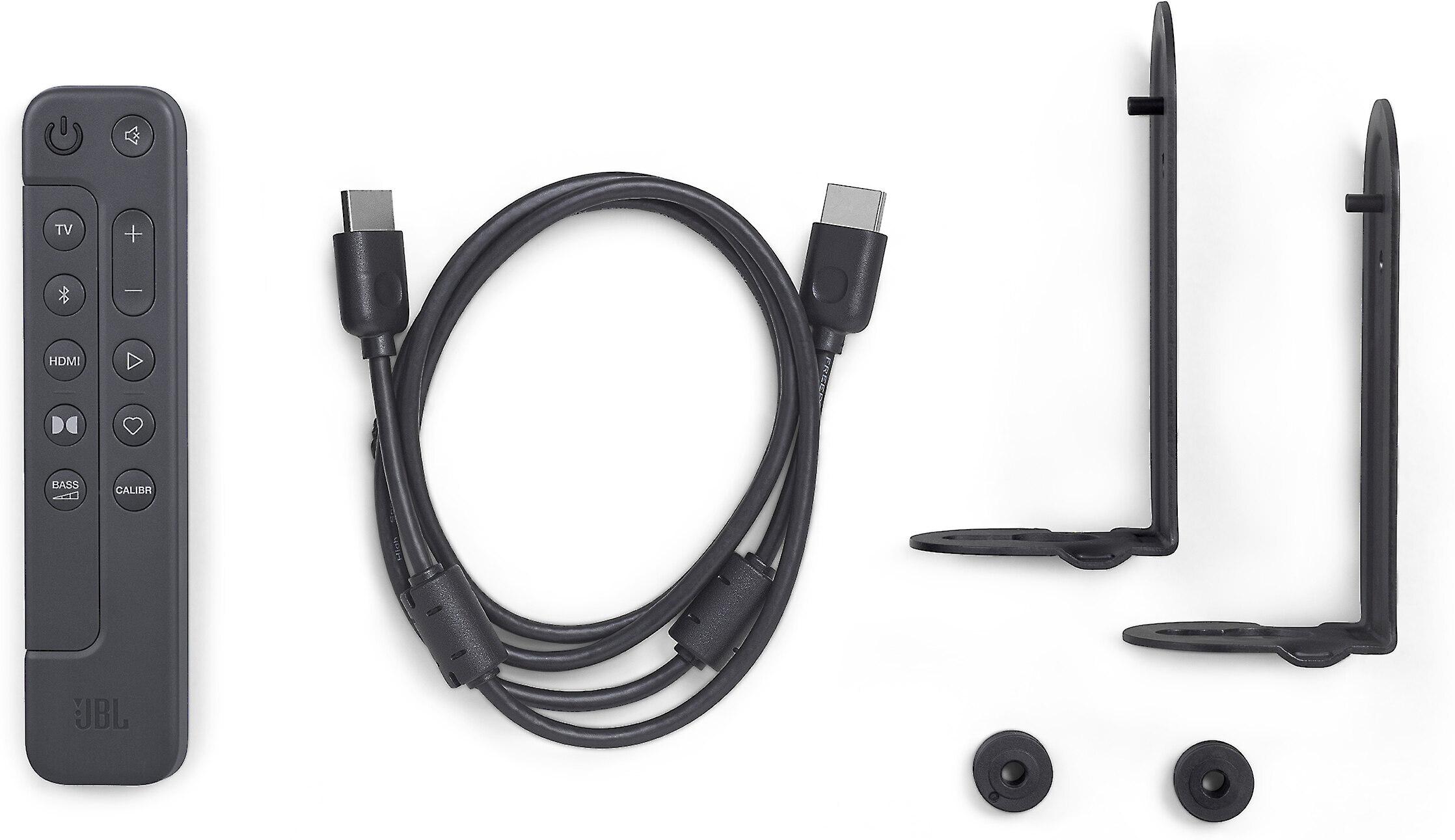
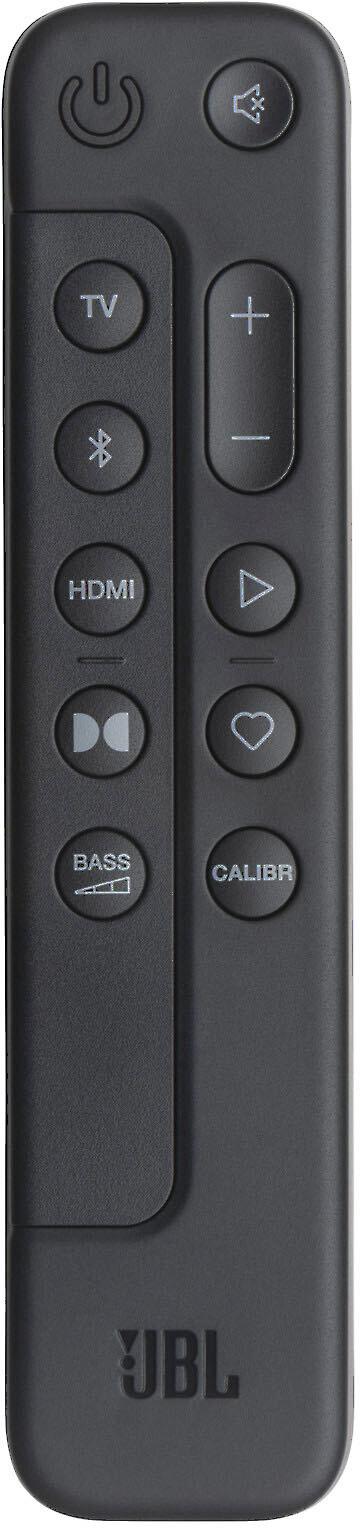
When your TV's built-in speakers just aren't cutting it anymore, you'll find yourself diving into the soundbar market – and it can be surprisingly complex. The good news is that both the JBL Bar 300 ($300) and Denon DHT-S517 ($300) offer compelling solutions at the same price point, but they take fundamentally different approaches to solving your audio problems.
Before we dive into comparing these two models, it's worth understanding what soundbars are trying to accomplish. Your TV's speakers are tiny and usually fire downward or backward, creating thin, lifeless sound. Soundbars aim to fix this by providing larger drivers (the components that actually move air to create sound), better amplification, and clever processing to create a more immersive experience.
The main considerations when shopping for a soundbar include how well it handles different types of content, whether it can create convincing surround sound effects, how much bass it produces, and increasingly, how well it integrates with your streaming habits and smart home setup. Some soundbars try to do everything in one sleek package, while others split duties between a main bar and a separate subwoofer.
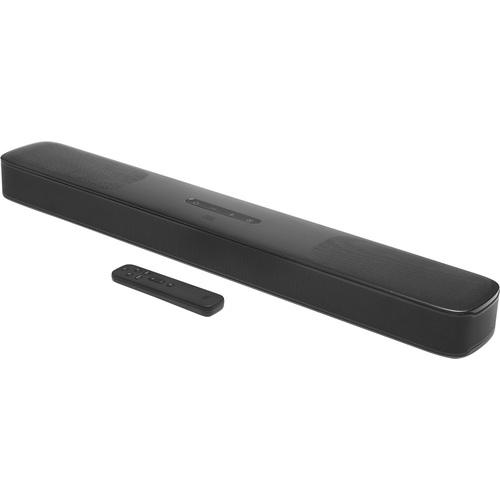
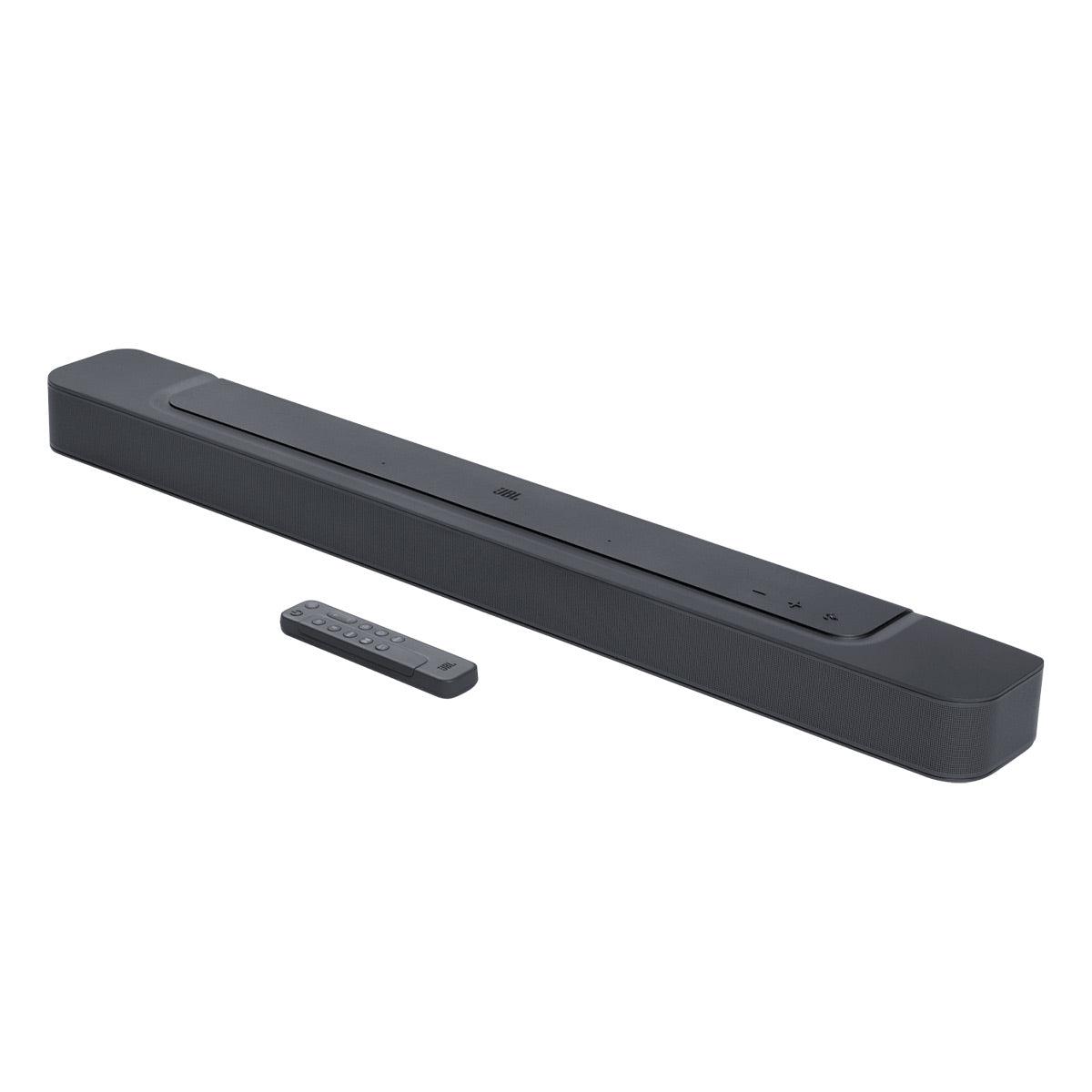
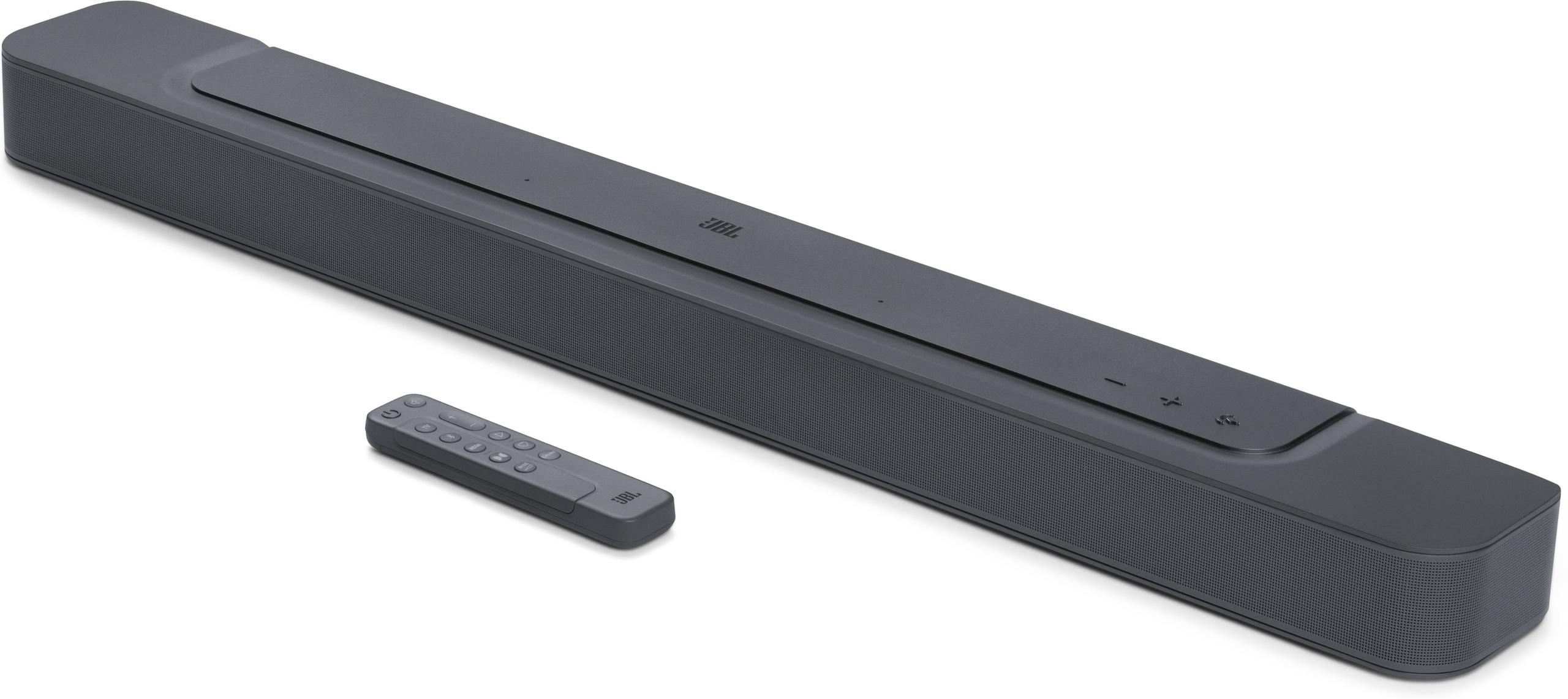
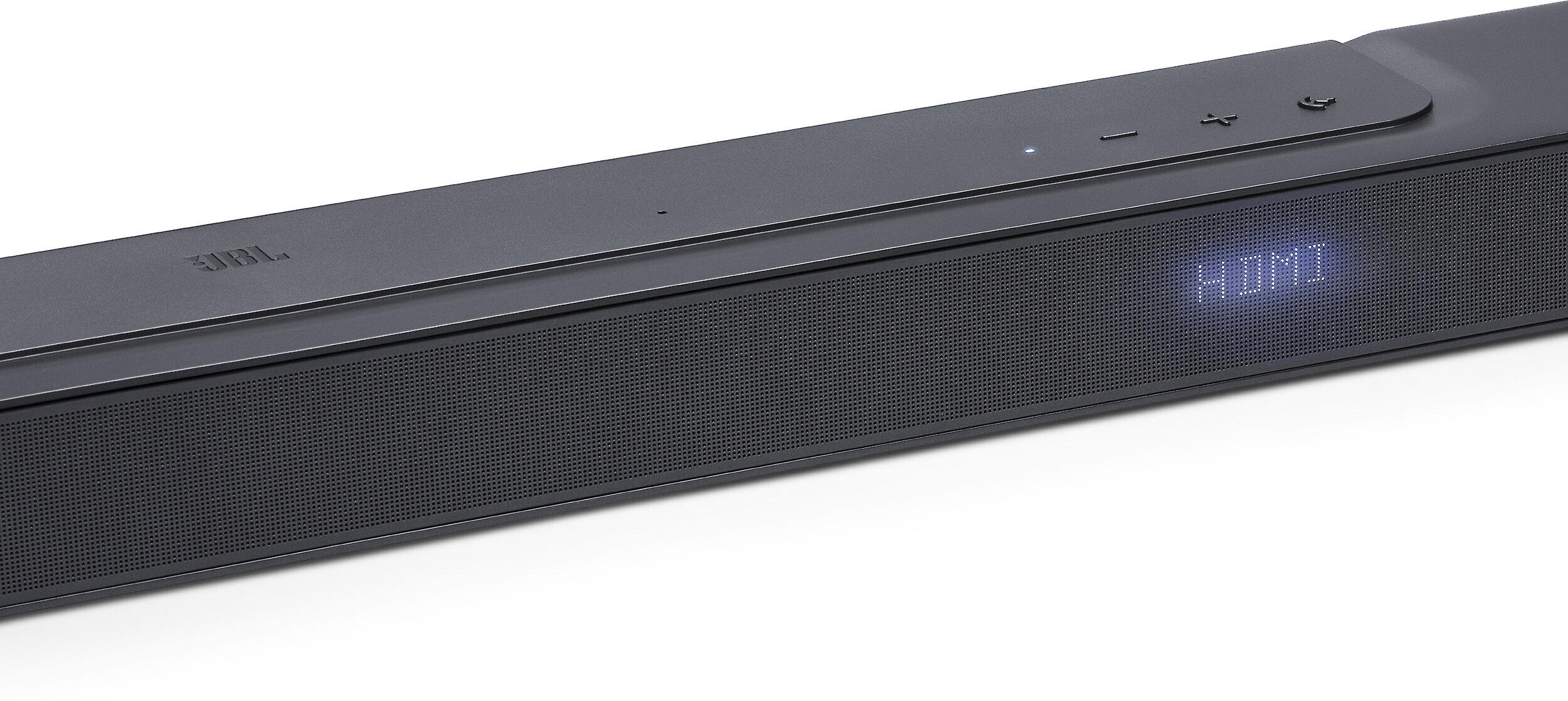
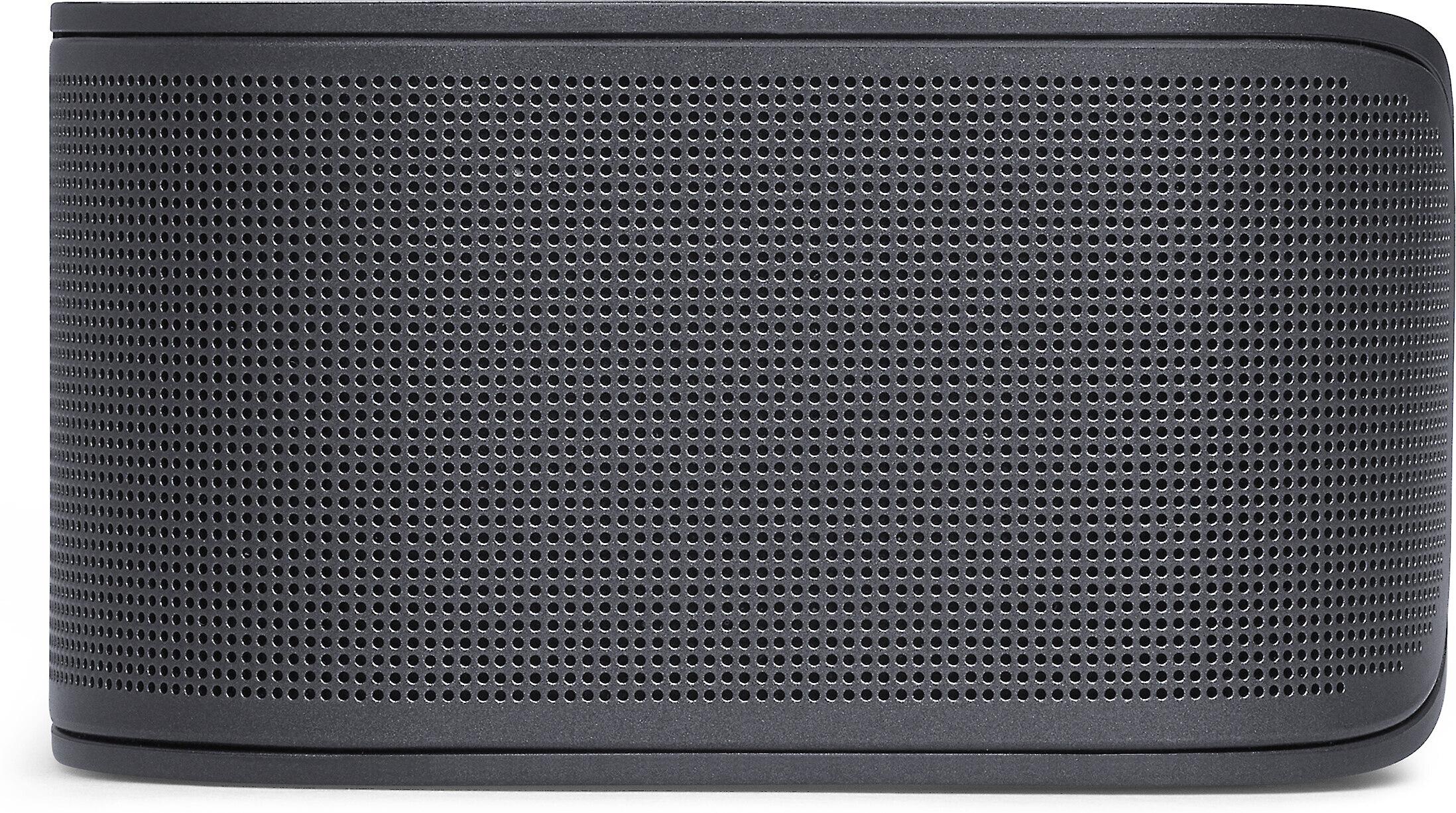
The JBL Bar 300, released in 2024, represents the modern all-in-one approach. JBL packed everything into a single 32-inch bar that sits neatly under your TV. It's part of JBL's latest generation of soundbars that emphasize smart connectivity and virtual processing over physical components.
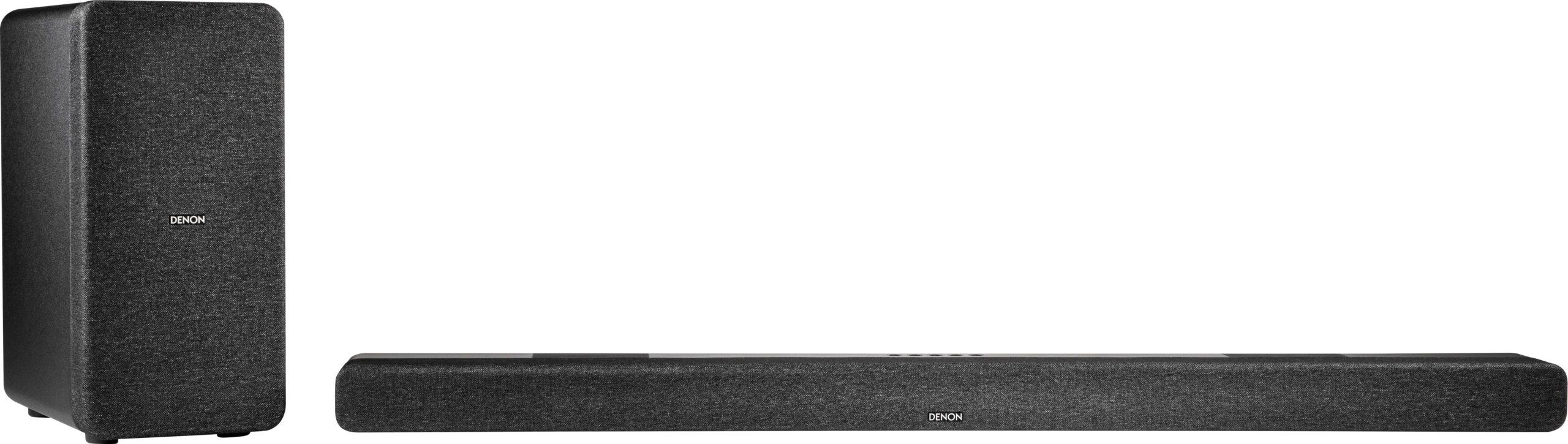
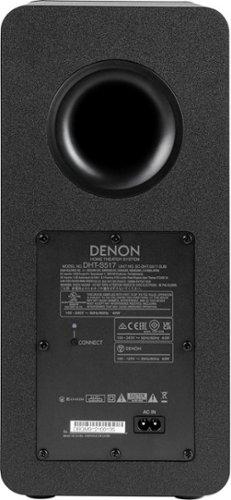
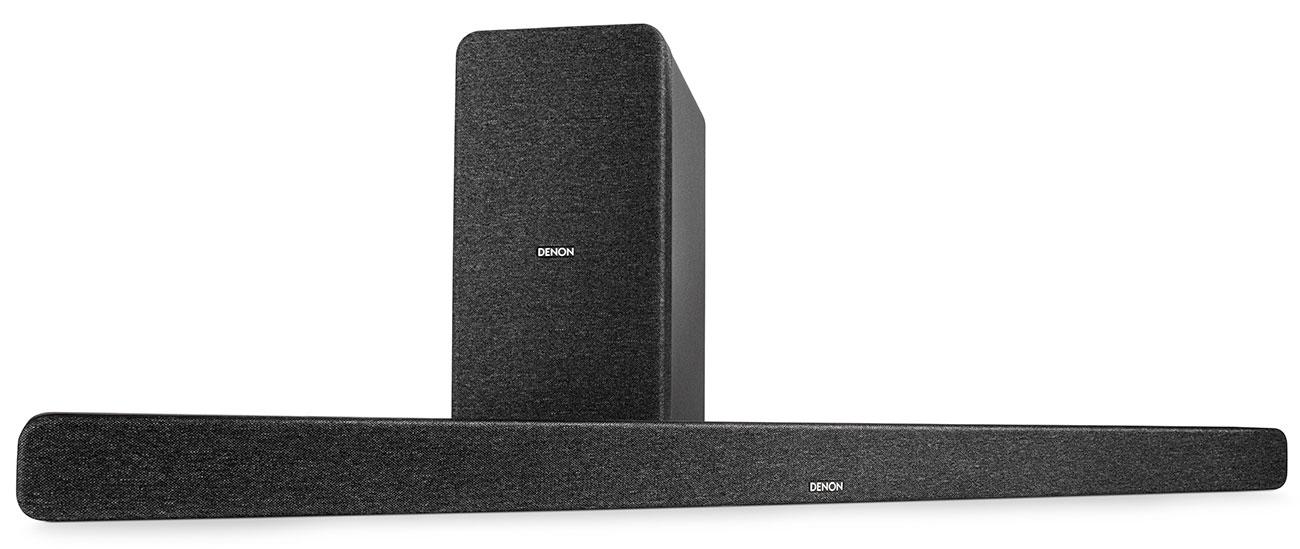
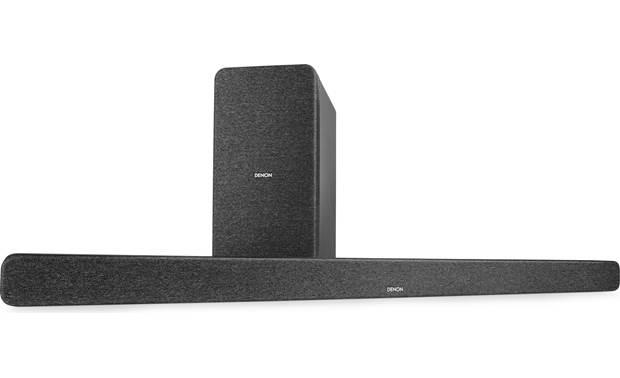
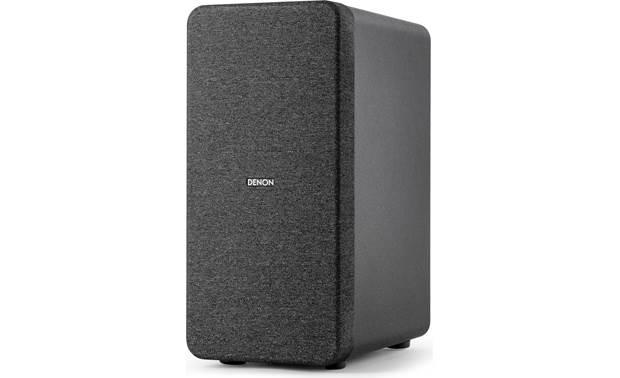
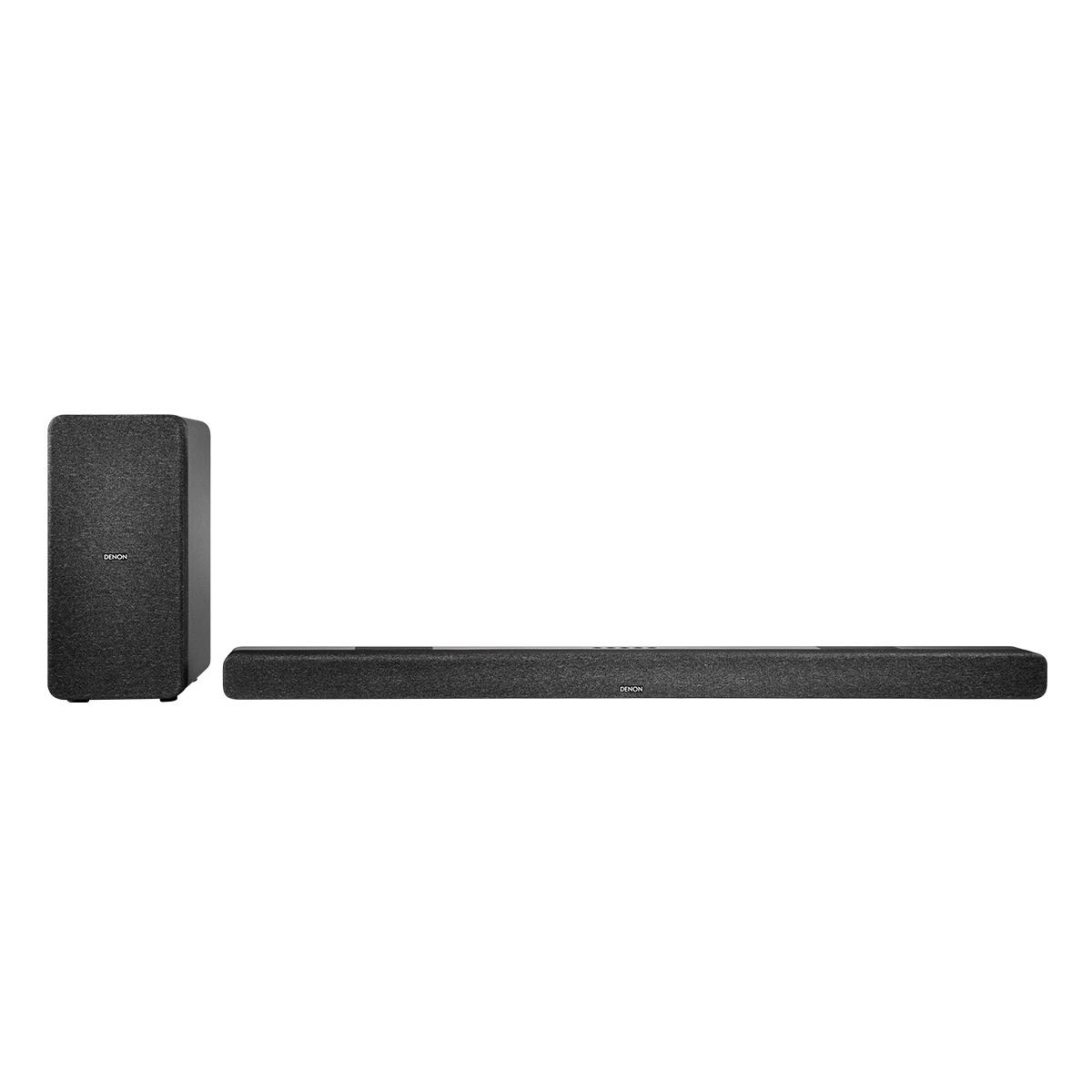
The Denon DHT-S517, which hit the market in 2022, takes the traditional route with a soundbar plus separate wireless subwoofer. Denon, known for their home theater receivers, applied their audio expertise to create a system that prioritizes authentic sound reproduction over convenience.
These different approaches reflect broader trends in the audio industry. As streaming services have exploded and apartments have gotten smaller, there's been a push toward compact, smart-enabled audio solutions. At the same time, home theater enthusiasts still want the physical bass response that only a dedicated subwoofer can provide.
The JBL Bar 300 uses what they call MultiBeam technology – essentially sophisticated signal processing that bounces sound off your room's walls to create a wider soundstage. Think of it like acoustic billiards, where the soundbar calculates how to use your room's surfaces to make audio seem like it's coming from multiple directions. In my experience with similar JBL systems, this works surprisingly well in typical living rooms, though you'll need some wall space on either side of your TV for the reflections to work properly.
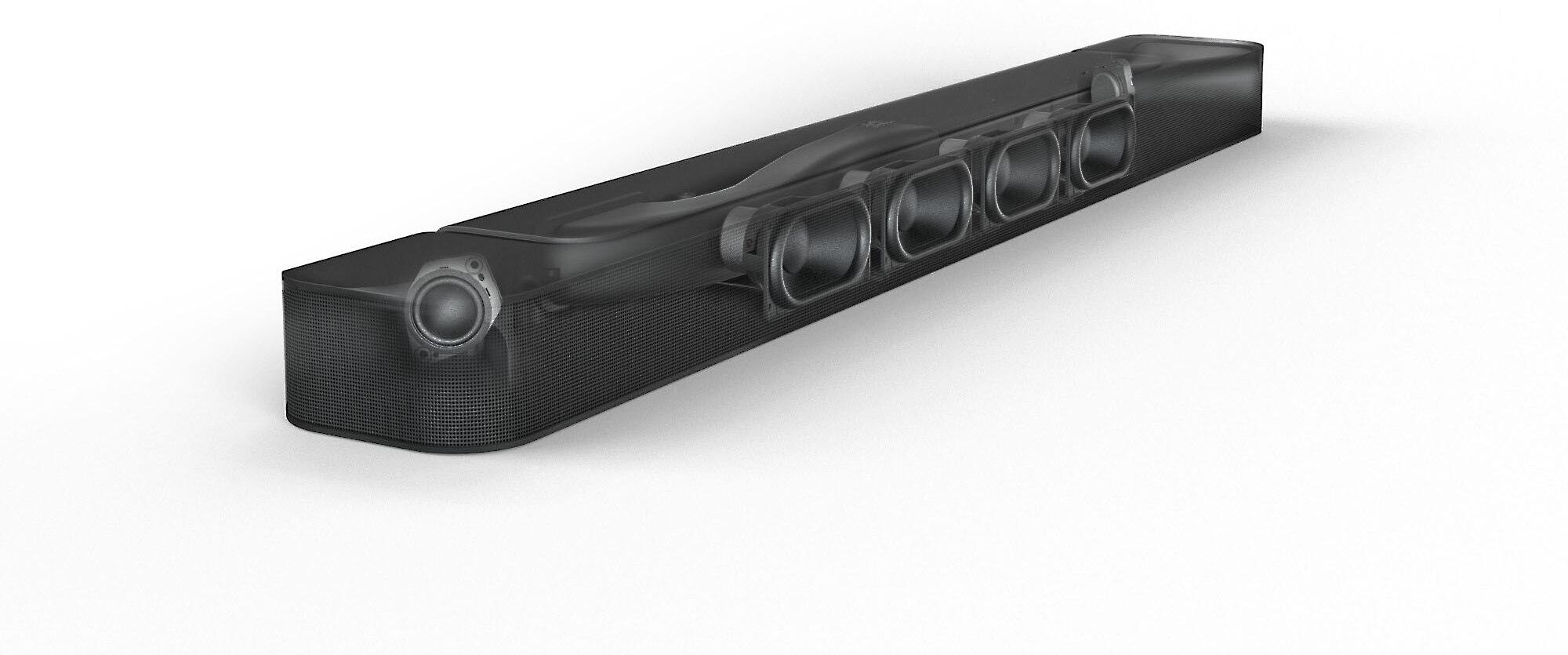
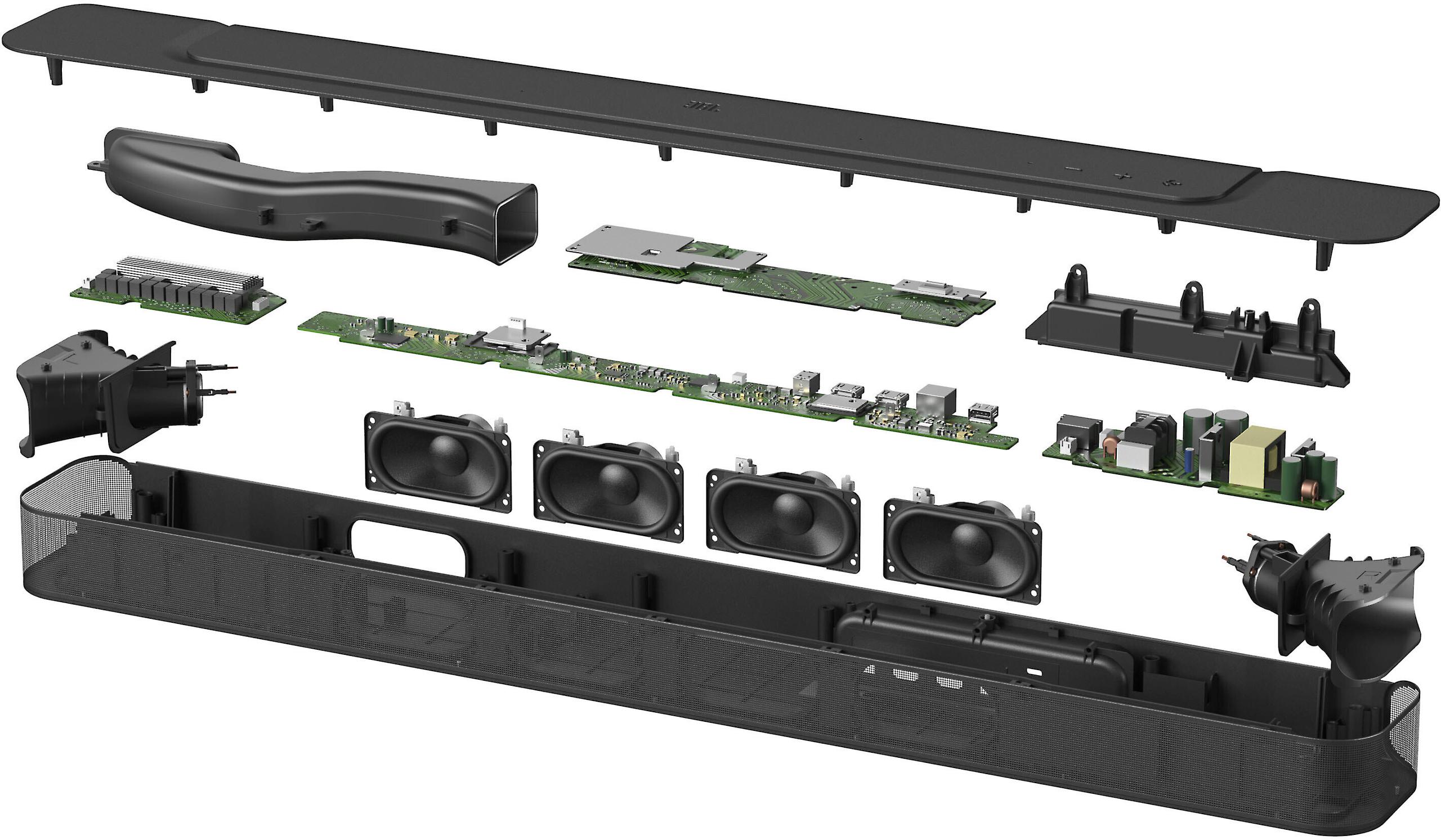
The bar houses six drivers total: four racetrack-shaped drivers (these are oval rather than round, allowing for more surface area in a thin enclosure), plus two tweeters for high-frequency detail. The racetrack design is particularly clever – it lets JBL fit larger driver surface area into the slim profile that modern TV setups demand.
The Denon takes a more straightforward approach with its seven-driver array, but here's where it gets interesting: two of those drivers fire upward specifically for Dolby Atmos height effects. Dolby Atmos is a surround sound format that includes overhead audio – think of helicopters flying over or rain falling from above. Most budget soundbars fake these effects through processing, but the Denon actually has physical speakers pointed at your ceiling to bounce height information back down to your listening position.
From a pure sound quality standpoint, the Denon typically delivers more natural-sounding audio. The dedicated center channel driver handles dialogue more cleanly, while the separate subwoofer takes the burden of bass reproduction off the main bar. This division of labor generally results in less distortion and cleaner overall sound, especially at higher volumes.
This is where the fundamental design differences really show up. The JBL Bar 300 generates bass through its built-in drivers and a bass port – essentially a tuned opening that helps extend low-frequency response. For a single-unit design, it's impressive, but physics is physics. You can only move so much air with small drivers in a compact enclosure.
The Denon's approach is more traditional but more effective: offload bass duties to a dedicated 5.25-inch subwoofer with its own 100-watt amplifier. This isn't just about volume – it's about the quality of bass reproduction. When you have a larger driver in a properly designed enclosure, you get better control over bass frequencies, less distortion, and the ability to reproduce the really deep notes that make movie soundtracks feel cinematic.
I've noticed that the difference becomes most apparent during action sequences. Explosions, thunderstorms, and the deep rumble of spaceships hit with much more impact through the Denon's dedicated sub. The JBL handles bass adequately for most content, but it can't match the physical presence of a larger, dedicated driver.
Both soundbars support Dolby Atmos, but they achieve it differently, and the distinction matters more than you might think. The JBL Bar 300 uses virtual processing – sophisticated algorithms analyze the audio signal and use psychoacoustic tricks (basically fooling your brain about where sounds are coming from) to create the impression of overhead effects.
The Denon DHT-S517 includes actual up-firing drivers that bounce sound off your ceiling. This 3.1.2 configuration (3 front channels, 1 subwoofer, 2 height channels) creates more convincing overhead effects, assuming you have a reasonably flat ceiling at a normal height. The difference is most noticeable with content specifically mixed for Atmos – Netflix originals, recent movies, and some video games.
In practice, both approaches work, but the Denon's physical height channels feel more natural and precise. The virtual processing in the JBL is clever and works well for creating a general sense of spaciousness, but it can't quite match the pinpoint accuracy of dedicated drivers for overhead effects.
Here's where the generational difference between these products really shows. The JBL Bar 300, being newer, includes built-in Wi-Fi and supports pretty much every streaming protocol you've heard of: AirPlay for Apple devices, Chromecast for Google users, and even Alexa Multi-Room for voice control integration.
The JBL One app deserves special mention – it's genuinely useful. You can adjust EQ settings, run room calibration (the soundbar uses a built-in microphone to analyze your room's acoustics), and access over 300 streaming services directly. This means you can play Spotify, Apple Music, or Pandora without even turning on your TV. The app also handles software updates automatically, so your soundbar can get new features and improvements over time.
The Denon, being from 2022, takes a more traditional approach. It includes Bluetooth 5.0 for wireless audio, but that's about it for smart features. No Wi-Fi, no streaming apps, no voice control. Some people actually prefer this simplicity – there's something to be said for audio equipment that just focuses on audio.
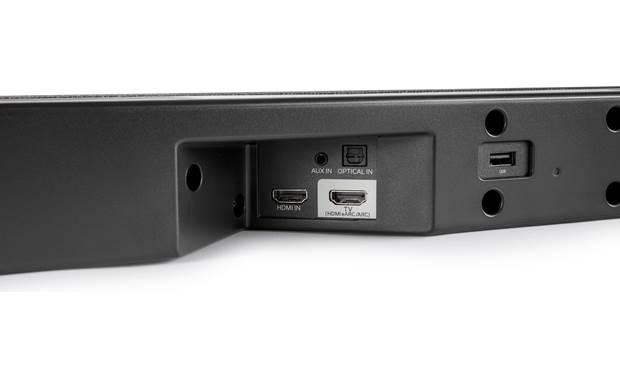
However, the Denon does include something the JBL lacks: multiple HDMI inputs. While the JBL has just one HDMI input plus eARC output, the Denon can handle multiple HDMI sources. This might matter if you have several devices (gaming console, streaming box, Blu-ray player) that you prefer to connect directly to your soundbar rather than running everything through your TV.
The JBL Bar 300 runs on 260 watts of total power, though this figure needs context. Soundbar power ratings can be misleading because they often represent peak power rather than continuous output. What matters more is the quality of the amplification and how efficiently it drives the speakers.
JBL's PureVoice technology is worth understanding – it's an AI-driven dialogue enhancement system that analyzes the audio signal in real-time and boosts voice frequencies while suppressing background noise. This is particularly useful if you watch a lot of TV shows or news, where clear dialogue is crucial. Traditional dialogue enhancement just boosts certain frequency ranges, but PureVoice uses more sophisticated processing to identify and enhance actual speech patterns.
The Denon operates on 140 watts total (40 watts for the soundbar, 100 watts for the subwoofer), but again, raw power numbers don't tell the whole story. Denon has decades of experience in home theater amplification, and their expertise shows in how cleanly the system handles dynamic range – the difference between the quietest and loudest parts of a soundtrack.
The Denon's dialogue enhancement is more basic – three simple levels (Low, Medium, High) that boost voice frequencies. It's effective but not as sophisticated as JBL's AI-driven approach. However, the Denon includes something interesting: a Pure Mode that bypasses all processing for completely uncolored audio reproduction. Audiophiles appreciate this because it lets them hear exactly what the original recording sounds like without any digital manipulation.
For music, the JBL Bar 300 has distinct advantages. The streaming integration means you can easily access your entire music library, and the tuning tends to favor a more balanced, musical presentation. The all-in-one design also means better stereo imaging – when all the drivers are in the same enclosure, it's easier to create a cohesive soundstage.
The Denon can sound excellent for music, especially if you use the Pure Mode, but the separate subwoofer can sometimes feel overwhelming for certain genres. However, if you listen to a lot of electronic music, hip-hop, or rock, that extra bass impact can be welcome.
This is where the Denon DHT-S517 really shines. The dedicated subwoofer makes action sequences significantly more impactful, and the physical Atmos height channels create better immersion during well-mixed content. The dialogue enhancement, while simpler than JBL's, is still effective for most content.
The JBL handles movies well too, but you'll miss some of the low-frequency impact that makes big-budget films feel cinematic. However, for TV shows, news, and dialogue-heavy content, the PureVoice technology often provides clearer, more intelligible speech.
Gaming performance depends on what you play. For action games with lots of explosions and environmental audio, the Denon's subwoofer provides better immersion. The physical Atmos speakers also help with positional audio in games that support it.
For competitive gaming where hearing footsteps and subtle audio cues matters, the JBL's more balanced approach and superior dialogue processing can actually be an advantage.
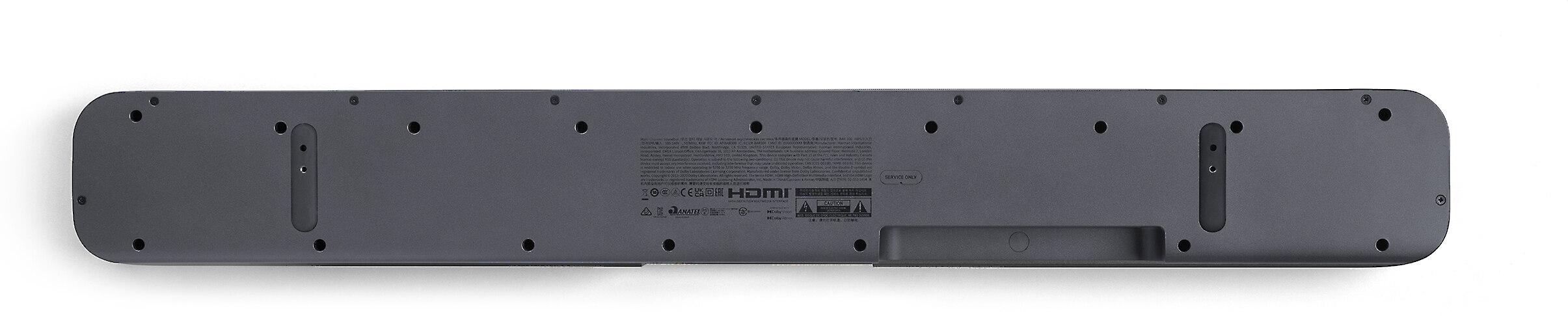
Both soundbars work well in home theater setups, but they serve different needs. The JBL Bar 300 is ideal for modern, minimalist setups where you want excellent performance without visual clutter. Its slim profile and single-cable connection (via HDMI eARC) keep things clean.
The Denon DHT-S517 requires more consideration for subwoofer placement, but this can actually be an advantage. You can position the sub for optimal bass response in your specific room, something you can't do with an all-in-one design. The wireless connection between the bar and sub gives you flexibility in placement.
Both support 4K video passthrough with HDR (High Dynamic Range, which provides better contrast and color), so they won't create bottlenecks in your video signal chain.
At $300 each, both soundbars offer excellent value, but in different ways. The JBL Bar 300 provides more future-focused features – streaming integration, app control, automatic updates – that will likely remain useful for years. If you value convenience and modern connectivity, the JBL delivers more bang for your buck.
The Denon DHT-S517 gives you more immediate audio improvement, especially for bass response and Atmos effects. If you primarily care about sound quality and don't need smart features, the Denon provides better pure audio value.
Choose the JBL Bar 300 if you live in an apartment or smaller space where a subwoofer isn't practical, frequently stream music from your phone or tablet, value modern smart features and app control, primarily watch TV shows and dialogue-heavy content, or want a future-proof device with ongoing software improvements.
Choose the Denon DHT-S517 if you have space for a subwoofer and want significantly better bass response, primarily watch movies and action content where bass impact matters, value authentic Dolby Atmos height effects over virtual processing, don't need advanced streaming features, or are setting up a dedicated home theater space.
The bottom line is that both soundbars represent excellent value at $300, but they serve different priorities. The JBL is the modern, connected choice for convenience-focused users, while the Denon delivers traditional home theater performance with authentic bass and Atmos effects. Your decision should ultimately be based on your space constraints, content preferences, and whether you prioritize smart features or pure audio performance.
| JBL Bar 300 5.0 Soundbar | Denon DHT-S517 Soundbar with Wireless Subwoofer |
|---|---|
| Channel Configuration - Determines surround sound capability and bass response | |
| 5.0 channels (all-in-one design) | 3.1.2 channels (soundbar + wireless subwoofer) |
| Total Power Output - Affects maximum volume and dynamic range | |
| 260W (integrated amplification) | 140W (40W soundbar + 100W subwoofer) |
| Bass Solution - Critical for movie impact and music fullness | |
| Built-in bass ports and racetrack drivers | Dedicated 5.25" wireless subwoofer |
| Dolby Atmos Implementation - Creates overhead sound effects | |
| Virtual processing (no physical height speakers) | True 3.1.2 with dedicated up-firing drivers |
| Smart Connectivity - Streaming and voice control capabilities | |
| Built-in Wi-Fi, AirPlay, Chromecast, 300+ services | Bluetooth 5.0 only (no Wi-Fi streaming) |
| HDMI Connections - Important for multiple device setups | |
| 1 HDMI input + 1 eARC output | 1 HDMI input + 1 eARC output |
| App Control - Customization and room optimization features | |
| JBL One app with EQ, room calibration, updates | Basic remote only (no app support) |
| Dialogue Enhancement - Clarity for TV shows and movies | |
| PureVoice AI-driven processing | 3-level basic dialogue enhancer |
| Physical Footprint - Space requirements in your room | |
| Single 32" soundbar only | Soundbar + separate subwoofer placement needed |
| Release Year - Indicates feature currency and support longevity | |
| 2024 (latest generation) | 2022 (established but older) |
| Price - Value proposition at time of comparison | |
| $300 | $300 |
The Denon DHT-S517 has significantly better bass due to its dedicated 5.25" wireless subwoofer with 100W amplification. The JBL Bar 300 relies on built-in drivers and bass ports, which provide adequate low-end but can't match the impact and depth of a separate subwoofer for movies and music.
Yes, both support Dolby Atmos but use different approaches. The JBL Bar 300 uses virtual processing to simulate overhead effects, while the Denon DHT-S517 includes physical up-firing speakers that bounce sound off your ceiling for more authentic height channel effects.
The JBL Bar 300 is superior for music streaming with built-in Wi-Fi, AirPlay, Chromecast, and access to 300+ streaming services directly through the soundbar. The Denon DHT-S517 only offers Bluetooth connectivity, requiring you to stream from your phone or other devices.
The JBL Bar 300 is a single 32-inch unit that sits under your TV with no additional components. The Denon DHT-S517 requires space for both the soundbar and wireless subwoofer placement, though the subwoofer can be positioned flexibly around your room.
The JBL Bar 300 has superior dialogue enhancement with PureVoice AI-driven technology that intelligently boosts speech while reducing background noise. The Denon DHT-S517 offers basic 3-level dialogue enhancement that's effective but less sophisticated.
Only the JBL Bar 300 offers comprehensive app control through the JBL One app, which provides EQ adjustment, room calibration, and streaming service access. The Denon DHT-S517 uses only a basic remote control with no smartphone app support.
For home theater use, the Denon DHT-S517 typically performs better due to its dedicated subwoofer delivering impactful bass for action movies and true Dolby Atmos height channels. However, the JBL Bar 300 offers a cleaner, more minimalist setup if space is limited.
Both soundbars offer similar HDMI connectivity with one HDMI input and one HDMI eARC output. Neither provides multiple HDMI inputs, so you'll likely need to connect most devices directly to your TV rather than the soundbar.
Both are priced at $300, but offer different value propositions. The JBL Bar 300 provides better value for smart features and convenience, while the Denon DHT-S517 delivers superior audio performance with its dedicated subwoofer and authentic Atmos implementation.
The Denon DHT-S517 is generally better for gaming due to its powerful bass response for action games and physical Atmos speakers for positional audio. The JBL Bar 300 works well for competitive gaming where clear audio cues matter more than bass impact.
The JBL Bar 300 is easier to set up as a single unit with one HDMI cable connection and automatic room calibration via the app. The Denon DHT-S517 requires positioning both the soundbar and subwoofer, plus pairing the wireless connection between them.
The JBL Bar 300 supports voice assistant integration with Alexa compatibility and works with voice-enabled devices. The Denon DHT-S517 does not offer voice assistant support or smart home integration features.
We've done our best to create useful and informative comparisons to help you decide what product to buy. Our research uses advanced automated methods to create this comparison and perfection is not possible - please contact us for corrections or questions. These are the sites we've researched in the creation of this article: whathifi.com - safeandsoundhq.com - youtube.com - cnet.com - mm.jbl.com - jbl.com - bestbuy.com - support.jbl.com - dell.com - walmart.com - techradar.com - consumerreports.org - crutchfield.com - bestbuy.com - bestbuy.com - pocket-lint.com - abt.com - manuals.denon.com - connectedmag.com.au - bestbuy.com - forum.flirc.tv - bhphotovideo.com

Privacy Policy
Terms and Conditions - Affiliate Policy
Home Security
© Copyright 2008-2026.
11816 Inwood Rd #1211, Dallas, TX 75244