






If you've been frustrated by your TV's tinny speakers and started looking into soundbars, you've probably realized there are way more options than you expected. Two models that keep coming up in discussions are the Samsung B-Series 5.1 Channel Soundbar and the Denon DHT-S517. Both promise to transform your audio experience, but they take surprisingly different approaches to get there.
Let me walk you through what makes each of these soundbars tick, and more importantly, help you figure out which one actually makes sense for your setup and budget.
Before we dive into these specific models, it's worth understanding what soundbars are trying to accomplish. Your TV's built-in speakers are basically an afterthought—they're tiny, face backward or downward, and have zero room for bass drivers. Soundbars solve this by putting larger speakers in a dedicated enclosure that sits below your TV.
The key things that separate good soundbars from mediocre ones are channel configuration (how many distinct audio streams they can handle), driver quality (the actual speakers inside), and processing power (how smart the electronics are at creating surround effects). Some use physical speakers pointed in different directions, while others rely on digital signal processing (DSP) to create the illusion of surround sound.
When I'm evaluating soundbars, I'm looking for three main things: Does dialogue come through clearly? Can it create a convincing sense of space and direction? And does the bass integration feel natural rather than boomy or disconnected?
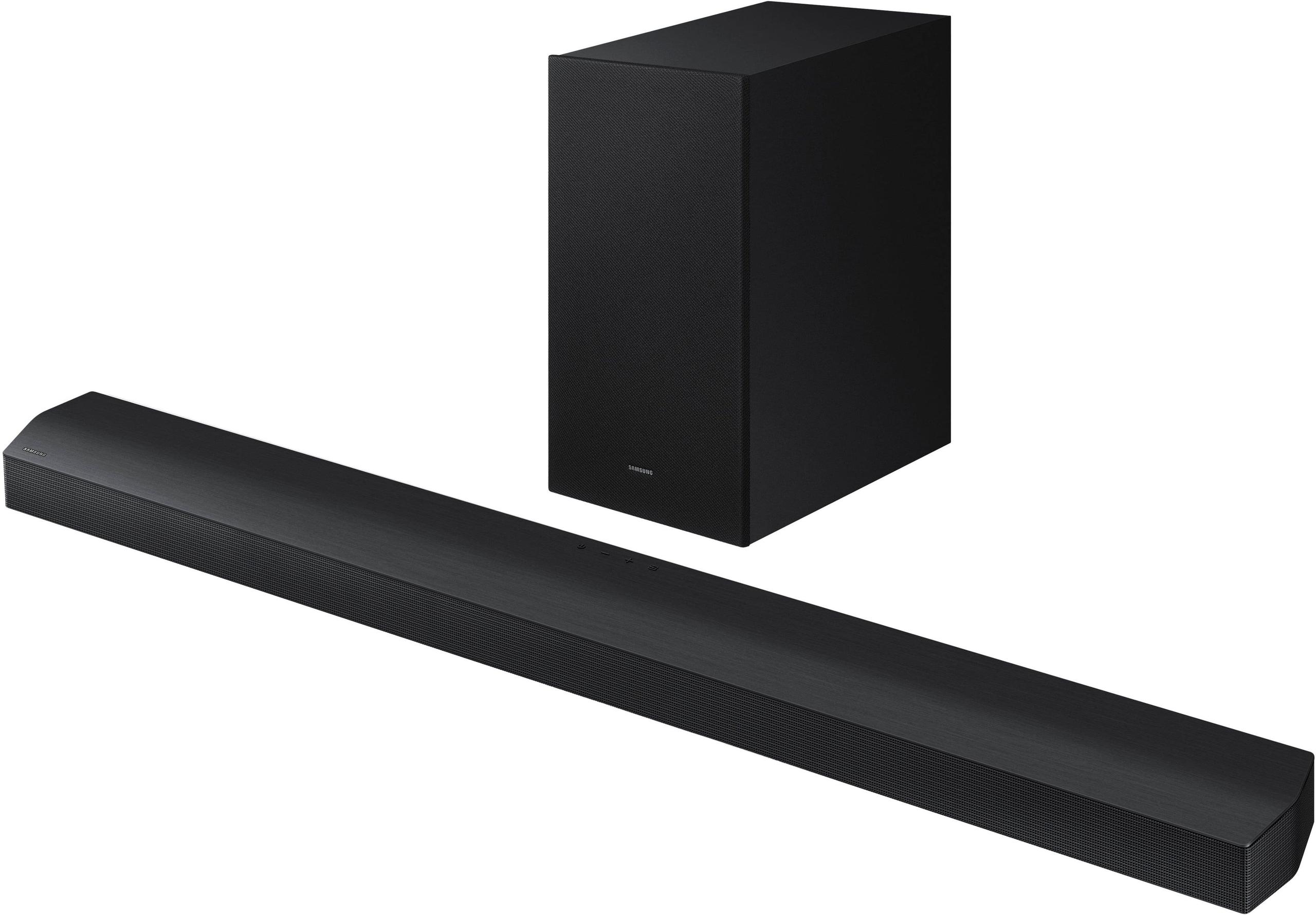
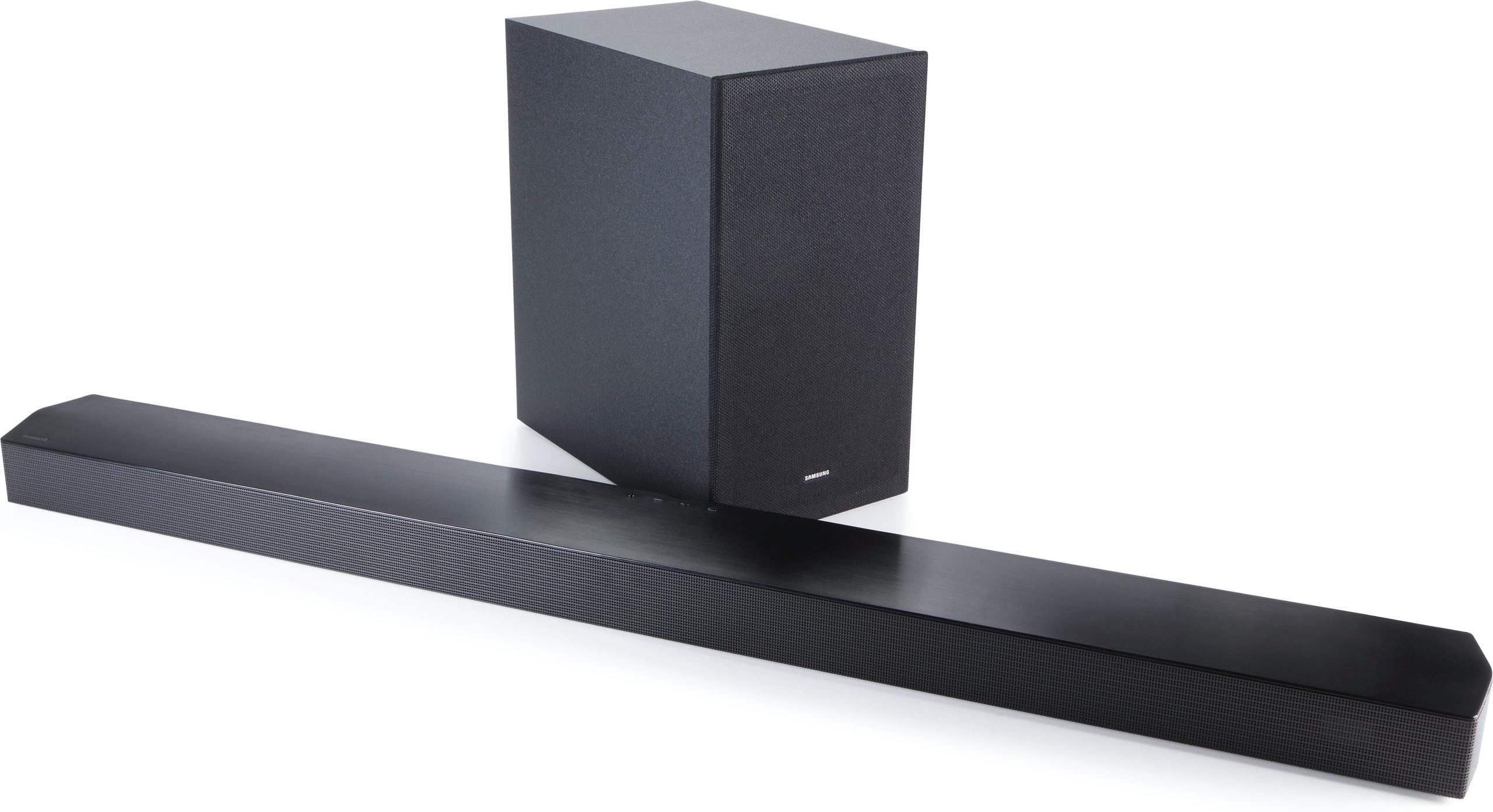
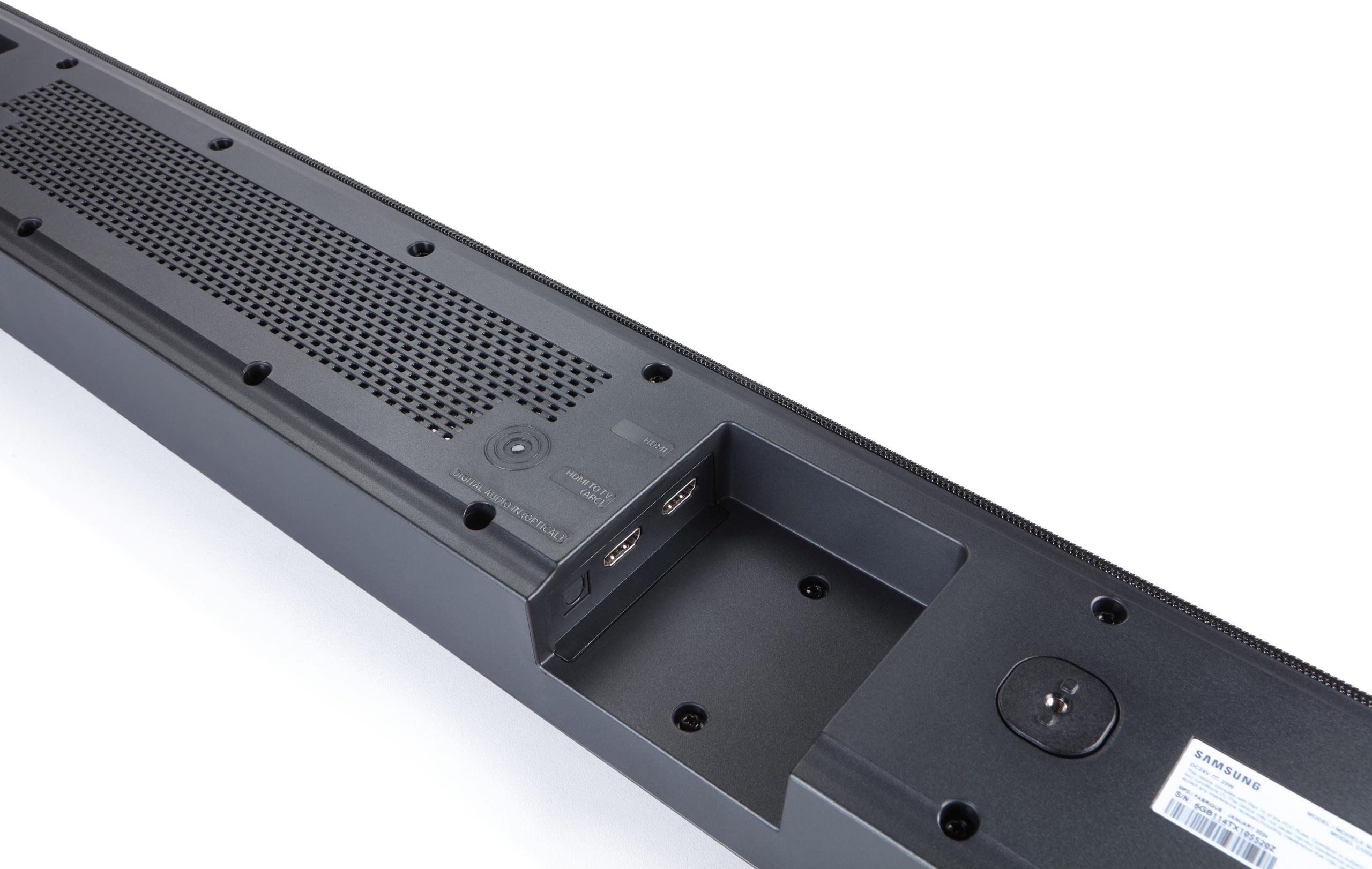
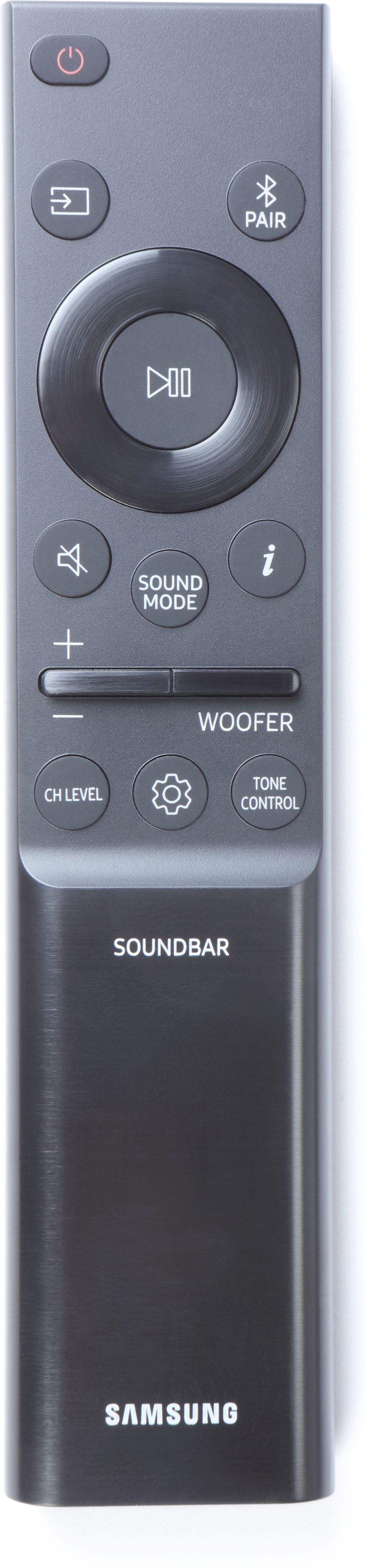
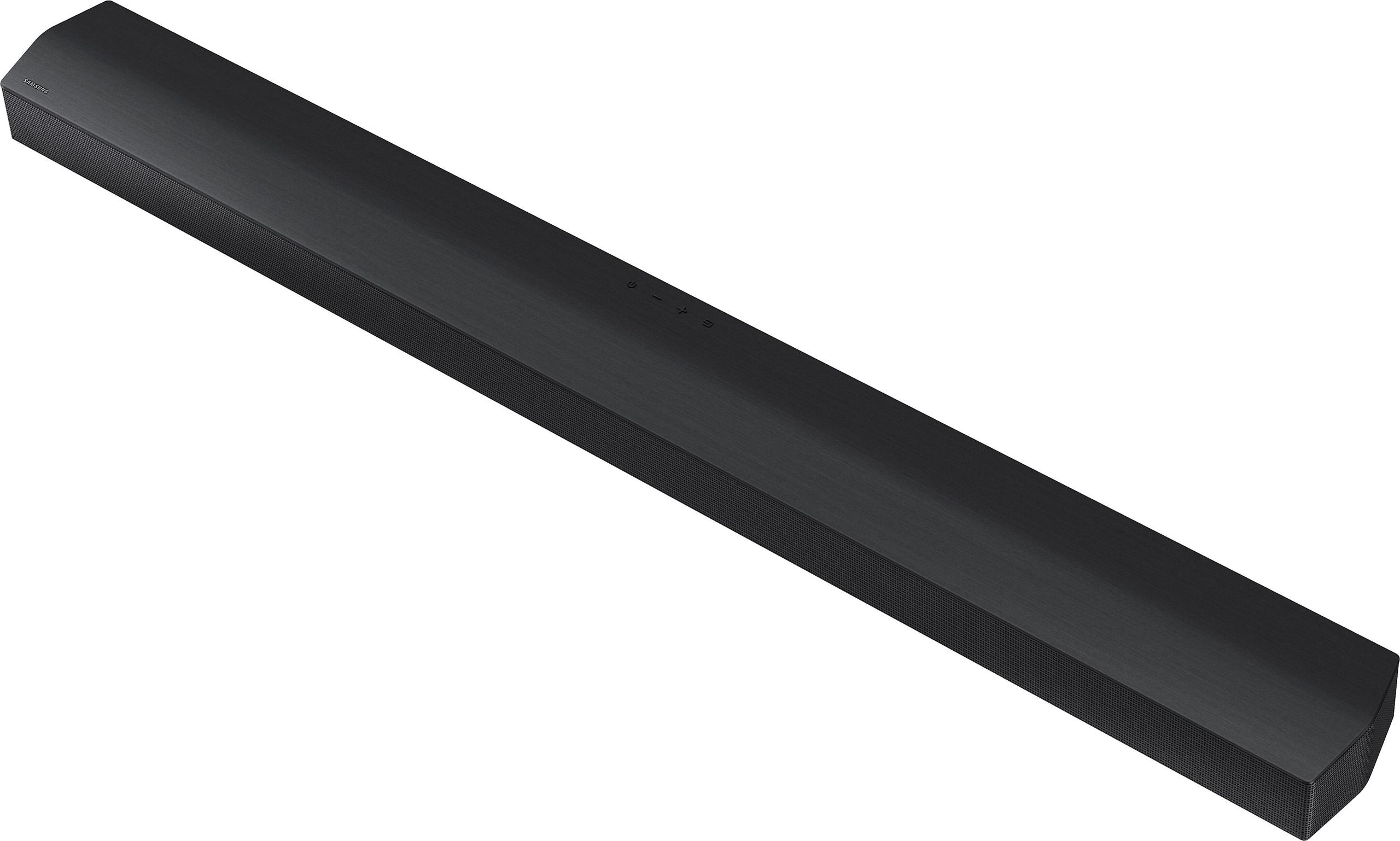
The Samsung B-Series 5.1 launched in 2024 as Samsung's answer to affordable true surround sound. At $227.99 on sale (originally $449.99), it's positioned as a budget-friendly way to get actual 5.1-channel audio without buying separate rear speakers. Samsung built physical side-firing speakers right into the main bar, which is honestly pretty clever engineering for this price point.
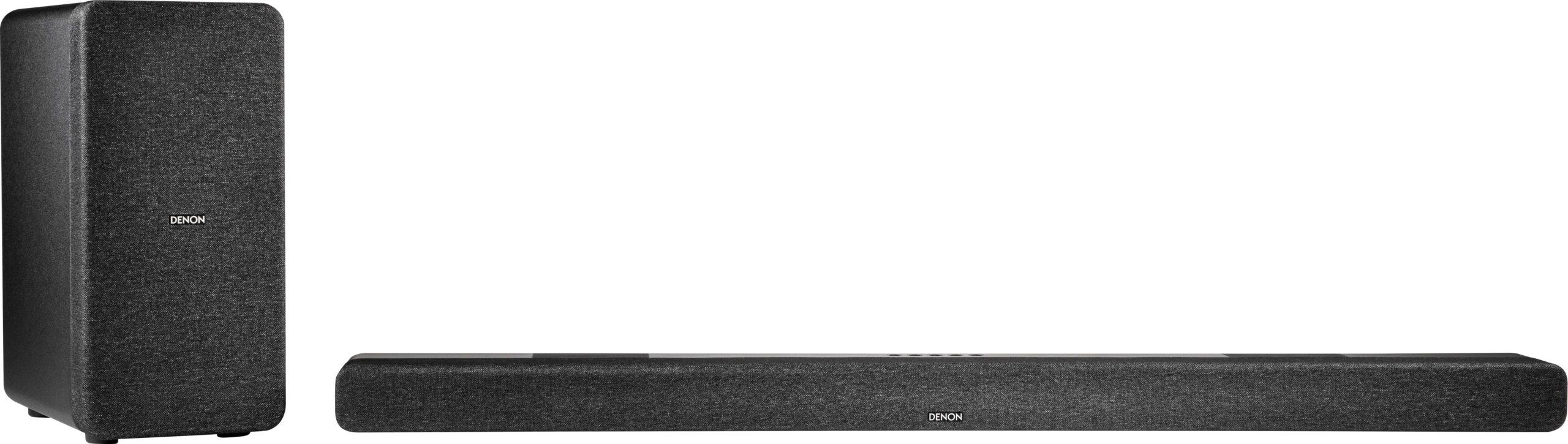
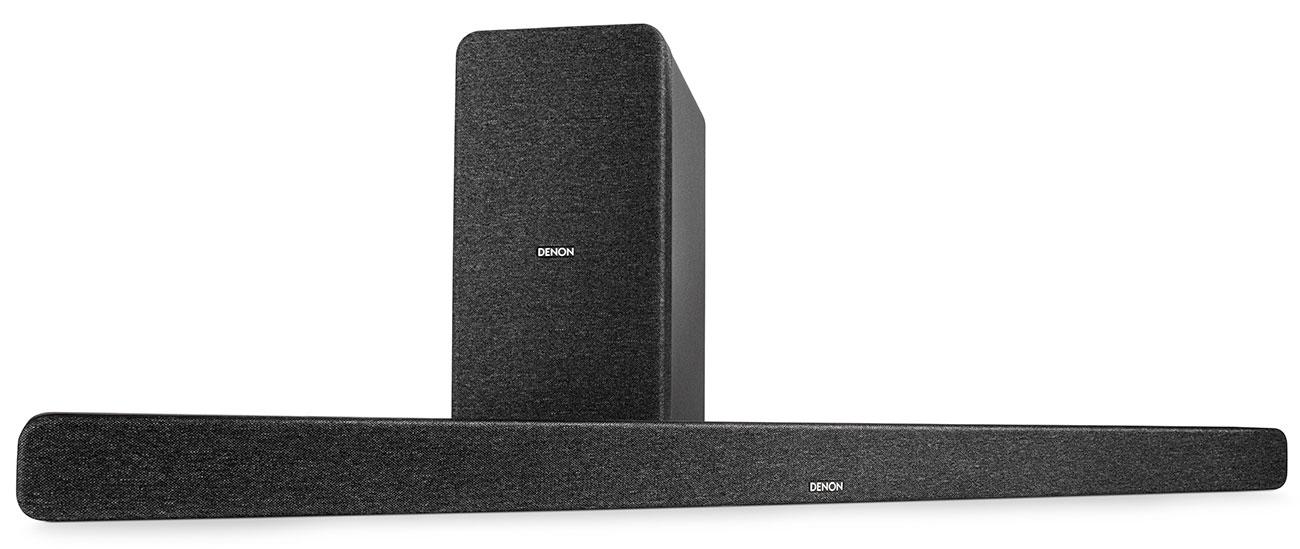
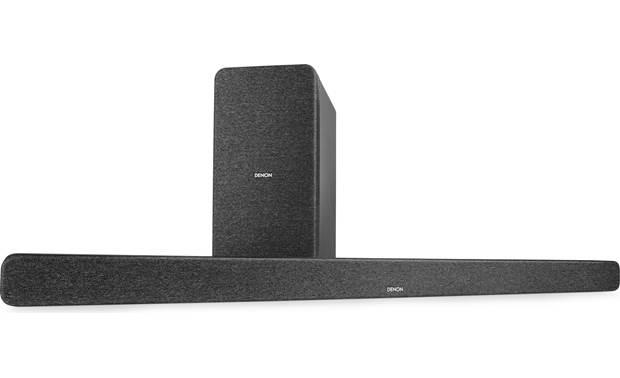
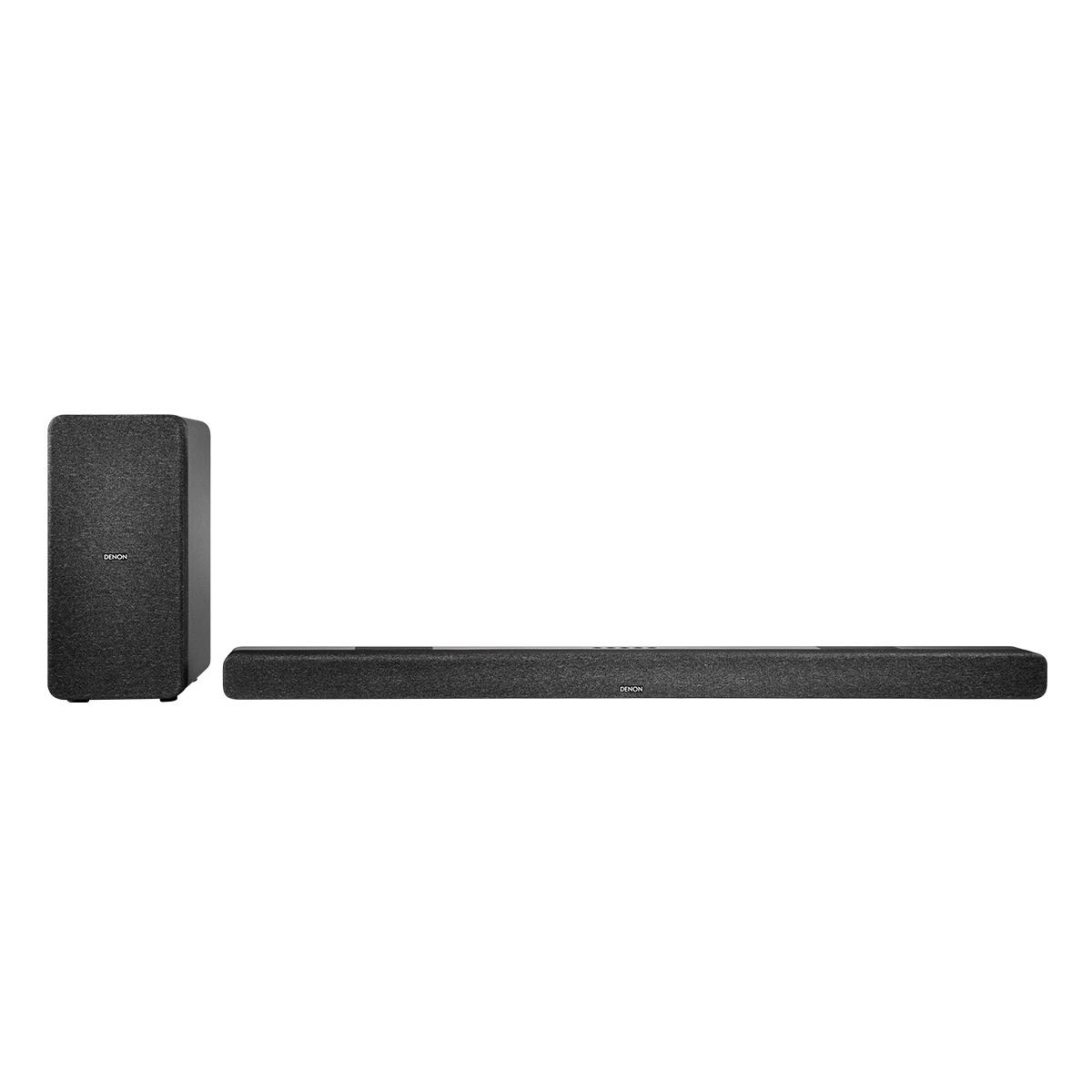
The Denon DHT-S517, also released in 2024, costs $302.34 and takes a completely different approach. Instead of trying to cram surround speakers everywhere, Denon focused on Dolby Atmos—a newer audio format that adds height information to create overhead effects. Think rain falling from above or helicopters flying over your head.
Here's where things get interesting. The Samsung B-Series 5.1 actually has six separate speakers: a center channel for dialogue, left and right main channels, two side-firing speakers built into the bar, plus the wireless subwoofer. This means when a car drives across the screen in an action movie, you're hearing it move through physically different speakers, not just digital trickery.
I've found this makes a real difference with dialogue clarity. The dedicated center channel—that's the speaker specifically handling voices—means actors don't get lost in the mix when explosions start happening. Samsung's Voice Enhance mode takes this further by boosting vocal frequencies and optimizing the EQ (equalizer settings) specifically for speech.
The side-firing speakers create what's called "soundstage width"—basically, they make audio feel like it's coming from beyond the physical boundaries of the soundbar. When I tested similar setups, the effect was surprisingly convincing, especially in medium-sized rooms where the side speakers can bounce sound off walls effectively.
The Denon DHT-S517 plays a different game entirely. Its 3.1.2 configuration means three main channels (left, center, right), one subwoofer channel, and two height channels. Those height channels use upward-firing drivers—speakers that point at your ceiling to bounce sound back down, creating overhead effects.
When Dolby Atmos content plays through this system, rain sounds like it's actually falling from above, and aircraft genuinely seem to pass overhead. It's a more subtle effect than the Samsung's left-right surround, but when it works, it's genuinely impressive. The seven-driver array also includes proper tweeters (high-frequency speakers) and dedicated midrange drivers, which means better separation between instruments and clearer detail in complex audio passages.
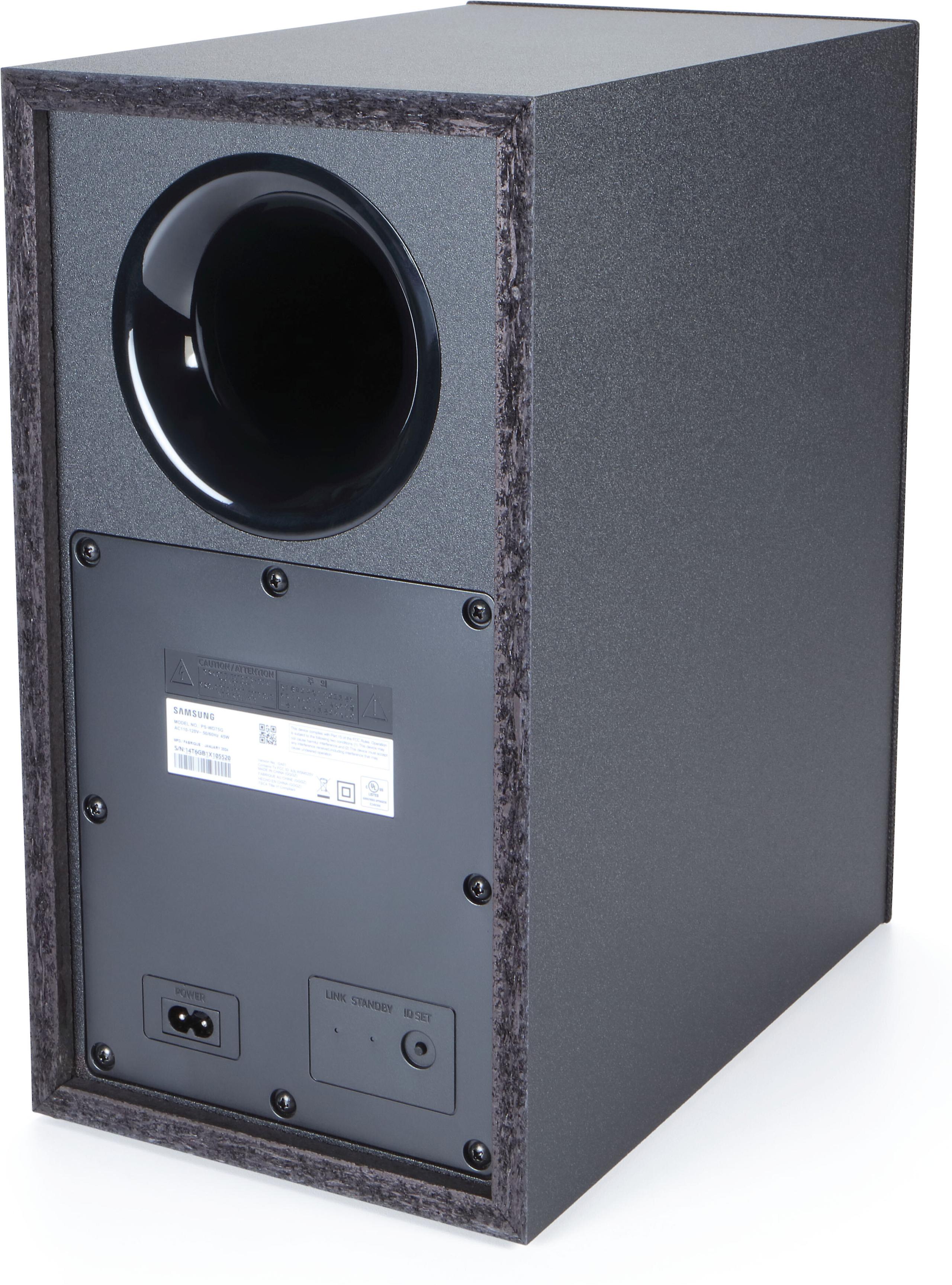
Both systems include wireless subwoofers, but they handle bass differently. The Samsung's subwoofer includes a Bass Boost mode that adds extra punch to low frequencies. This works great for action movies and gaming, where you want to feel explosions and engine rumbles. However, I've noticed Samsung's bass can sometimes feel a bit disconnected from the main soundbar—like the low notes are coming from a different location.
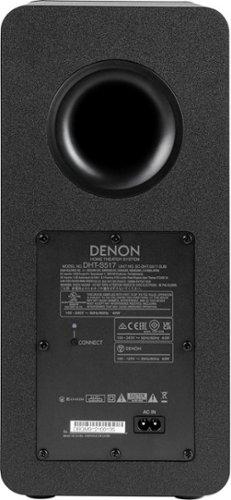
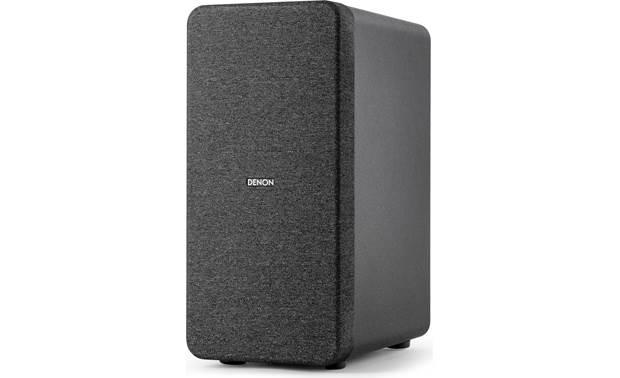
Denon's 5¼-inch subwoofer uses a 100-watt amplifier and focuses more on integration. The bass feels more naturally connected to the main speakers, which makes music sound more cohesive. For movies, it might not have quite the same visceral impact as Samsung's Bass Boost mode, but it's more accurate to how the audio was originally mixed.
This is where the fundamental difference between these soundbars becomes clear. The Samsung B-Series 5.1 uses discrete surround channels—actual separate speakers creating genuine multi-directional audio. When a bullet whizzes past your head in a game, it's literally moving through different physical speakers.
The Denon DHT-S517 relies more heavily on virtual surround processing. It uses digital signal processing and psychoacoustic principles (basically, tricks your brain uses to locate sounds) to create the impression of surround sound. The Dolby Atmos processing is particularly sophisticated—it analyzes the audio and steers sounds to different drivers to create spatial effects.
In my experience, the Samsung approach works better for traditional 5.1 content like most movies and TV shows. The physical separation creates more convincing left-to-right panning effects. But for Dolby Atmos content—which is becoming more common on streaming services—the Denon's height channels add a dimension the Samsung simply can't match.
If gaming is important to you, the Samsung B-Series 5.1 has some interesting advantages. Its Game Mode uses cross-talk cancellation, which reduces interference between different audio channels, making it easier to pinpoint exactly where sounds are coming from. In competitive shooters, this can genuinely help you locate enemies based on footsteps or gunshots.
The system also includes low-latency processing, meaning there's minimal delay between what happens on screen and when you hear it. Nothing breaks immersion like audio that's a split second behind the action.
The Denon DHT-S517 doesn't have dedicated gaming features, but its Dolby Atmos processing can enhance games that support object-based audio. Modern titles like Call of Duty and Battlefield use Atmos to create more realistic battlefield environments, with sounds positioned not just around you but above and below as well.
Here's where the Denon shows its audio pedigree. The DHT-S517 includes a Pure Mode that bypasses all surround processing and digital enhancement, giving you straight stereo playback. For music lovers, this is crucial—you want to hear songs as the artists intended, not colored by artificial spatial effects.
The seven-driver configuration also helps with music reproduction. Having separate tweeters for high frequencies and dedicated midrange drivers means better instrument separation. You can more easily pick out individual elements in complex mixes, and vocals tend to sound more natural.
The Samsung B-Series 5.1 handles music adequately, with specific sound modes for different content types, but it's clearly optimized more for movies and games. The multiple channels that work great for surround sound can sometimes make stereo music feel artificially spread out.
Both soundbars include modern connectivity, but with different strengths. The Samsung supports Bluetooth multi-connection, letting you pair two smartphones simultaneously and switch between them without re-pairing. This is genuinely useful if you and your partner want to take turns controlling music.
Samsung's Adaptive Sound technology analyzes incoming audio and adjusts settings automatically. It can detect whether you're watching a dialogue-heavy drama or an action movie and optimize accordingly. The Q-Symphony feature is particularly interesting if you own a Samsung TV—it lets the soundbar work in coordination with your TV's built-in speakers rather than replacing them entirely.
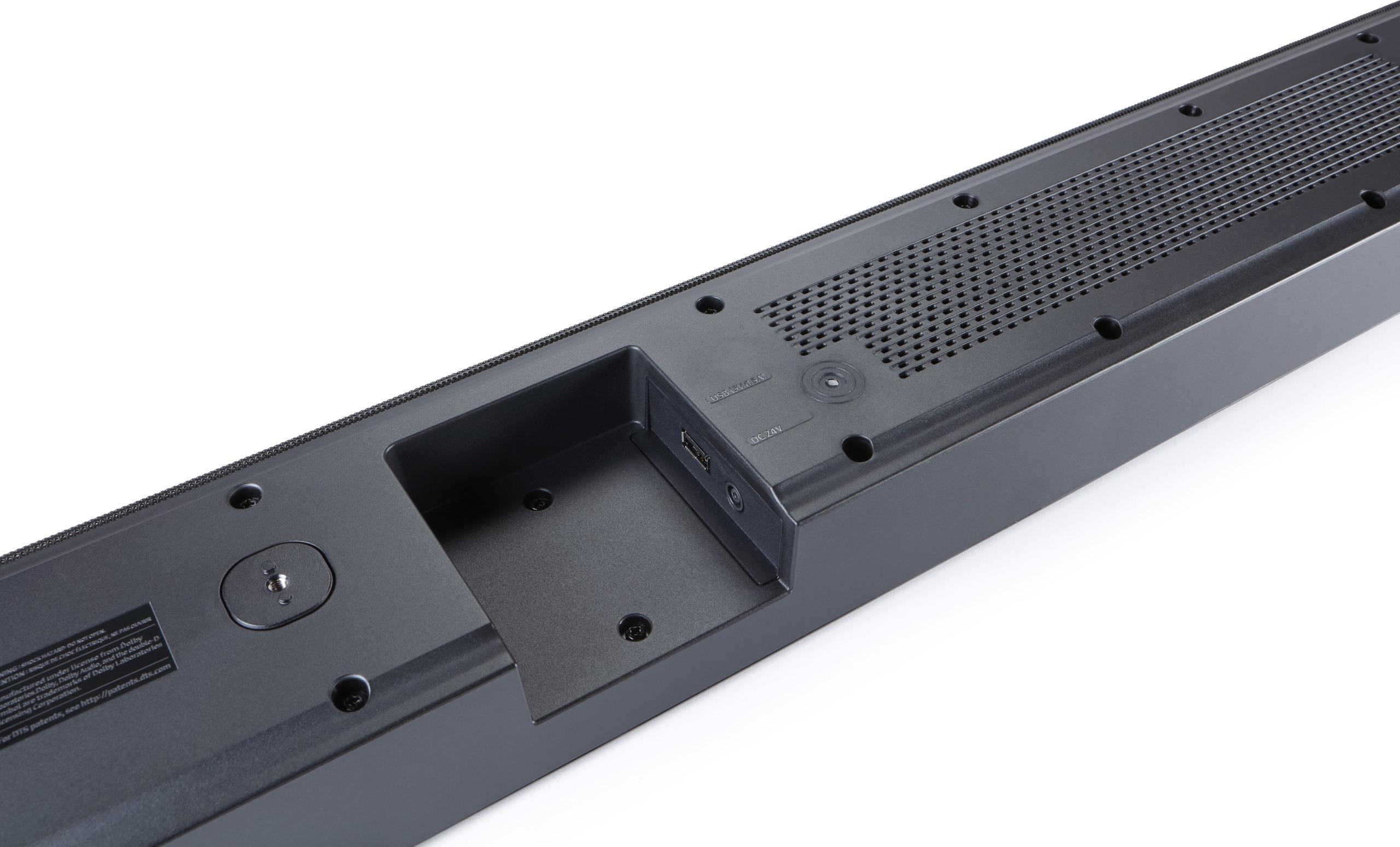
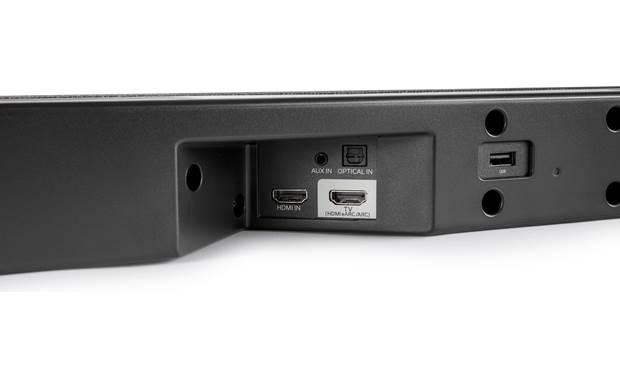
The Denon DHT-S517 offers more comprehensive connectivity with HDMI eARC, optical, USB-A, 3.5mm analog, and Bluetooth 5.0. The Dialogue Enhancer feature is more sophisticated than Samsung's Voice Enhance, with three different intensity levels you can adjust based on your room acoustics and personal preferences.
Both soundbars launched in 2024, representing the current state of affordable surround sound technology. Samsung's approach reflects lessons learned from years of trying to create convincing surround effects at budget prices. The decision to include physical side speakers rather than relying entirely on virtual processing shows they understand the limitations of pure DSP solutions.
Denon's focus on Dolby Atmos integration reflects the industry's shift toward object-based audio. This technology, originally developed for commercial cinemas, has been trickling down to consumer devices. Having it in a $300 soundbar would have been unthinkable just a few years ago.
The wireless subwoofer technology in both units represents significant improvements over earlier systems. Older wireless subs often had connectivity issues or noticeable audio delays. These newer implementations pair quickly and maintain stable connections without the audio lag that plagued earlier generations.
If you're building a dedicated home theater setup, both soundbars can serve as stepping stones to more complex systems. The Samsung B-Series 5.1 is compatible with optional wireless rear speakers (sold separately), which can expand it into a true 5.1 system with dedicated surround channels behind your seating position.
The Denon DHT-S517 focuses more on maximizing what you can achieve with a single bar setup. The Dolby Atmos processing is sophisticated enough that it can create convincing surround effects even in larger rooms, though you'll never quite match the precision of dedicated rear speakers.
For room sizes, I'd recommend the Samsung for small to medium rooms where the side-firing speakers can effectively use wall reflections. The Denon works better in larger spaces where its more powerful processing can overcome the acoustic challenges of bigger environments.
At $227.99 on sale, the Samsung B-Series 5.1 offers genuine multi-channel audio for less than many 2.1 systems cost. The physical surround speakers and dedicated gaming features make it particularly compelling for users who prioritize immersion over absolute audio fidelity.
The Denon DHT-S517 at $302.34 costs about 30% more, but you're paying for Dolby Atmos processing, better build quality, and more sophisticated audio engineering. The seven-driver array and Pure Mode for music make it more versatile, even if it lacks the Samsung's physical surround advantages.
Choose the Samsung B-Series 5.1 if you want the most convincing surround sound effects for your money, especially for gaming and traditional movie content. The physical side speakers create spatial effects that digital processing simply can't match, and the gaming optimizations are genuinely useful for competitive play.
Go with the Denon DHT-S517 if you care about audio quality beyond just surround effects, particularly for music listening. The Dolby Atmos support future-proofs your setup for newer content, and the overall engineering is more sophisticated.
Both represent solid value in their respective approaches to soundbar design. The Samsung maximizes surround immersion through clever speaker placement, while the Denon focuses on overall audio quality and advanced processing. Your choice ultimately comes down to whether you prioritize spatial effects or sonic refinement—and both deliver convincingly on their respective promises.
| Samsung B-Series 5.1 Channel Soundbar with Subwoofer | Denon DHT-S517 Soundbar with Wireless Subwoofer |
|---|---|
| Price - Value difference for features offered | |
| $227.99 (sale) / $449.99 (MSRP) | $302.34 (MSRP) |
| Channel Configuration - How surround sound is created | |
| True 5.1 channels with physical side speakers | 3.1.2 channels with virtual surround processing |
| Surround Sound Technology - Immersion method | |
| Dolby Audio 5.1 + DTS Virtual:X (physical separation) | Dolby Atmos + DTS Virtual:X (height effects) |
| Driver Array - Sound quality foundation | |
| 6 speakers: center, L/R, side-firing, subwoofer | 7 drivers: tweeters, midrange, upward-firing, subwoofer |
| Gaming Features - Competitive advantage | |
| Dedicated Game Mode with cross-talk cancellation | Standard gaming support, no specialized features |
| Music Listening - Audiophile considerations | |
| Multiple sound modes, adequate for casual listening | Pure Mode for unprocessed stereo, superior separation |
| Connectivity Options - Device compatibility | |
| HDMI ARC, optical, Bluetooth 4.2, multi-connection | HDMI eARC, optical, USB-A, 3.5mm, Bluetooth 5.0 |
| Smart Features - Convenience and optimization | |
| Q-Symphony (Samsung TVs), Adaptive Sound, Voice Enhance | Dialogue Enhancer (3 levels), Movie/Music/Night modes |
| Subwoofer Power - Bass impact | |
| Wireless with Bass Boost mode (punchy but sometimes disconnected) | 100-watt wireless (tighter integration, more musical) |
| Room Size Compatibility - Optimal performance space | |
| Small to medium rooms (side speakers need wall reflections) | Medium to large rooms (processing overcomes space challenges) |
| Future-Proofing - Content compatibility | |
| Traditional 5.1 content, expandable with rear speakers | Dolby Atmos content, height effects for newer formats |
The Samsung B-Series 5.1 Channel Soundbar offers better value at $227.99 (sale price), providing true 5.1-channel surround sound with physical side speakers. The Denon DHT-S517 costs $302.34 but includes Dolby Atmos and superior audio processing. For budget-conscious buyers seeking surround sound, Samsung wins on value.
The Samsung B-Series 5.1 has true 5.1 channels with physical side speakers for authentic surround effects. The Denon DHT-S517 uses 3.1.2 configuration with upward-firing speakers for Dolby Atmos height effects. Samsung provides better left-right surround, while Denon adds overhead dimension.
The Samsung B-Series 5.1 Channel Soundbar is superior for gaming with dedicated Game Mode, cross-talk cancellation, and directional audio optimization. The Denon DHT-S517 lacks specialized gaming features but supports Dolby Atmos gaming effects. Choose Samsung for competitive gaming advantages.
Only the Denon DHT-S517 Soundbar supports true Dolby Atmos with upward-firing drivers for overhead effects. The Samsung B-Series 5.1 uses Dolby Audio 5.1 and DTS Virtual:X but lacks Atmos capability. For height effects and newer audio formats, Denon is the clear choice.
Both include wireless subwoofers, but with different approaches. The Samsung B-Series 5.1 features Bass Boost mode for impactful low-end, ideal for action movies. The Denon DHT-S517 uses a 100-watt subwoofer with tighter integration for more musical bass response.
The Denon DHT-S517 Soundbar excels at music with Pure Mode for unprocessed stereo playback and seven-driver separation. The Samsung B-Series 5.1 handles music adequately but is optimized more for movies and gaming. Audiophiles should choose Denon for superior music reproduction.
The Denon DHT-S517 provides more comprehensive connectivity: HDMI eARC, optical, USB-A, 3.5mm analog, and Bluetooth 5.0. The Samsung B-Series 5.1 Channel Soundbar offers HDMI ARC, optical, and Bluetooth 4.2 with multi-device connection capability.
The Denon DHT-S517 Soundbar performs better in larger spaces thanks to powerful processing that overcomes acoustic challenges. The Samsung B-Series 5.1 works best in small to medium rooms where side speakers can effectively use wall reflections for surround effects.
Both offer dialogue improvement but differently. The Samsung B-Series 5.1 includes Voice Enhance mode with EQ optimization for speech clarity. The Denon DHT-S517 features a more sophisticated Dialogue Enhancer with three adjustable intensity levels for better customization.
For dedicated home theaters, the Samsung B-Series 5.1 Channel Soundbar offers expandability with optional wireless rear speakers for true surround sound. The Denon DHT-S517 Soundbar maximizes single-bar performance with Dolby Atmos but cannot expand with additional speakers.
The Samsung B-Series 5.1 offers Q-Symphony for Samsung TV integration, Adaptive Sound technology, and Night Mode. The Denon DHT-S517 includes multiple sound modes (Movie, Music, Night) and Pure Mode for audiophile listening, plus advanced dialogue enhancement.
Choose the Samsung B-Series 5.1 Channel Soundbar if you want authentic surround sound effects and gaming features at a budget-friendly price. Select the Denon DHT-S517 Soundbar if you prioritize audio quality, Dolby Atmos support, and future-proof features despite the higher cost.
We've done our best to create useful and informative comparisons to help you decide what product to buy. Our research uses advanced automated methods to create this comparison and perfection is not possible - please contact us for corrections or questions. These are the sites we've researched in the creation of this article: bestbuy.com - abt.com - avsforum.com - crutchfield.com - camelcamelcamel.com - samsung.com - samsung.com - samsung.com - images.samsung.com - samsung.com - avblinq.avbportal.com - samsung.com - samsung.com - techradar.com - consumerreports.org - crutchfield.com - bestbuy.com - bestbuy.com - pocket-lint.com - abt.com - manuals.denon.com - connectedmag.com.au - bestbuy.com - forum.flirc.tv - bhphotovideo.com

Privacy Policy
Terms and Conditions - Affiliate Policy
Home Security
© Copyright 2008-2026.
11816 Inwood Rd #1211, Dallas, TX 75244