






When I first started reviewing soundbars five years ago, most options under $300 were pretty basic affairs—glorified desktop speakers that made dialogue slightly clearer but didn't transform your TV watching experience. That's changed dramatically. Today's budget soundbars pack technology that was reserved for premium systems just a few years back, giving you genuinely tough choices between different approaches to better TV audio.
The Denon DHT-S517 ($302) and Polk Audio React ($230) perfectly illustrate this evolution, but they've taken completely different paths to solving the same problem: making your TV sound dramatically better without breaking the bank or cluttering your living room with speakers.
Before diving into these specific models, it helps to understand what we're actually talking about when we discuss soundbar technology. A soundbar is essentially a horizontal speaker cabinet designed to sit under or mount below your TV. Inside that sleek exterior, engineers pack multiple drivers (individual speakers) that work together to create a much wider, more detailed soundstage than your TV's tiny built-in speakers ever could.
The magic happens through a combination of driver placement, digital signal processing (DSP), and increasingly sophisticated audio formats. Modern soundbars can create the illusion of surround sound using just the speakers in front of you, or in some cases, actually bounce sound off your ceiling and walls to create genuine overhead effects.
The key things to understand are channels and audio formats. When you see "3.1.2," that breaks down as: 3 front channels (left, center, right), 1 subwoofer channel, and 2 height channels. Dolby Atmos—which we'll discuss extensively—adds those height channels to create a three-dimensional soundscape rather than just left-to-right stereo.
Think of it this way: traditional surround sound spreads audio horizontally around you, while Atmos adds the vertical dimension. When a helicopter flies overhead in a movie, Atmos-enabled systems can actually make it sound like it's moving above your head, not just from side to side.
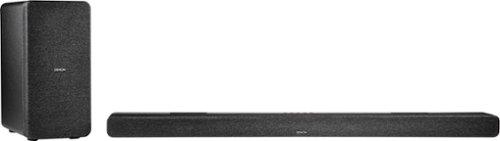
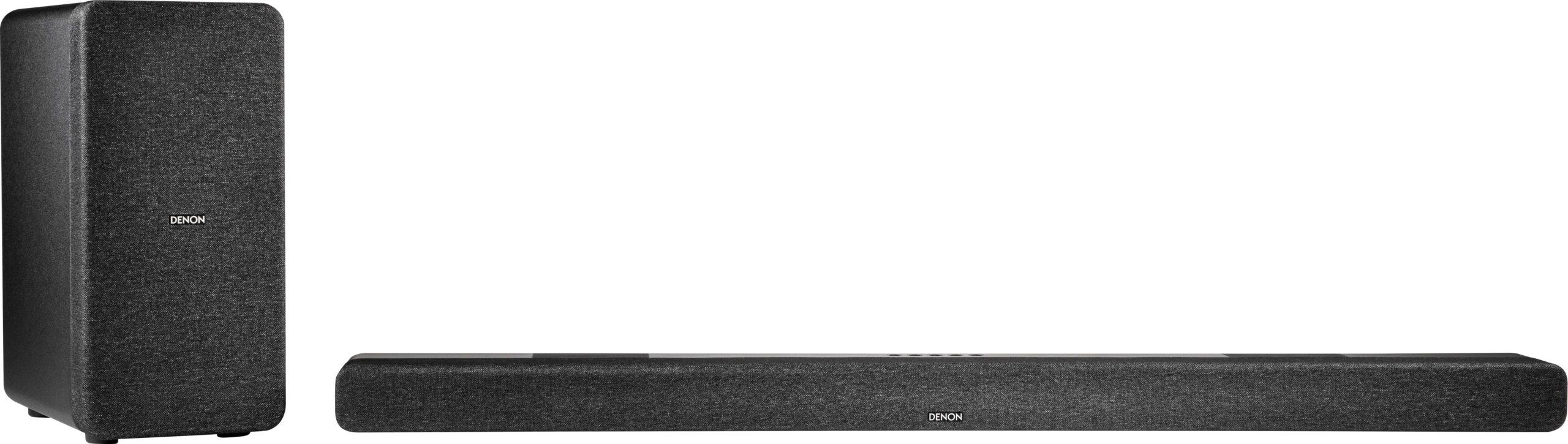
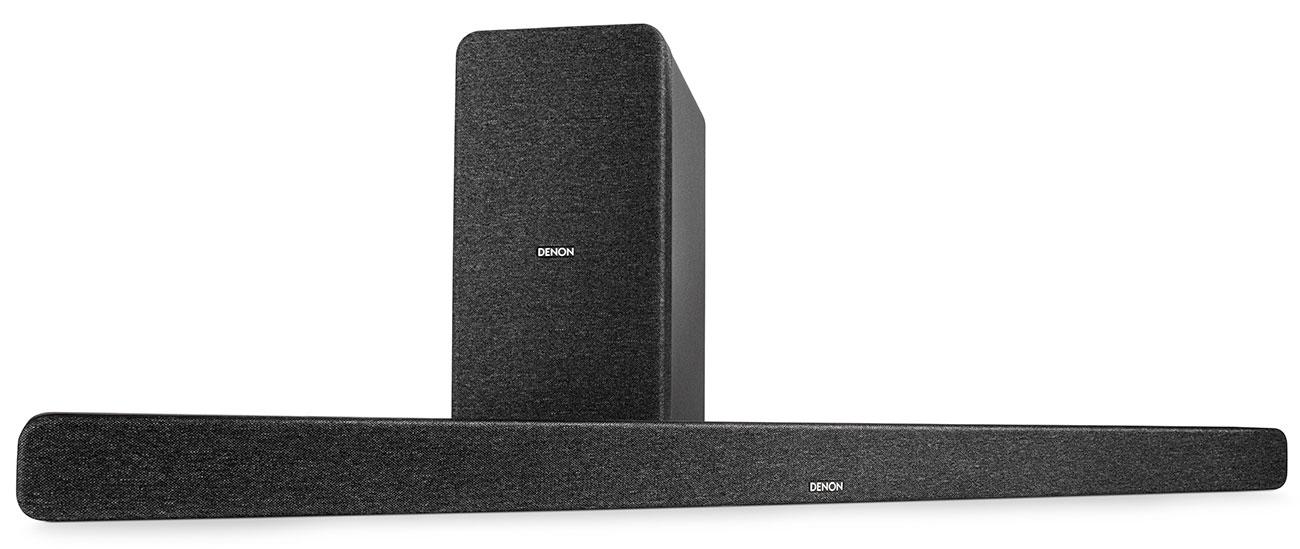
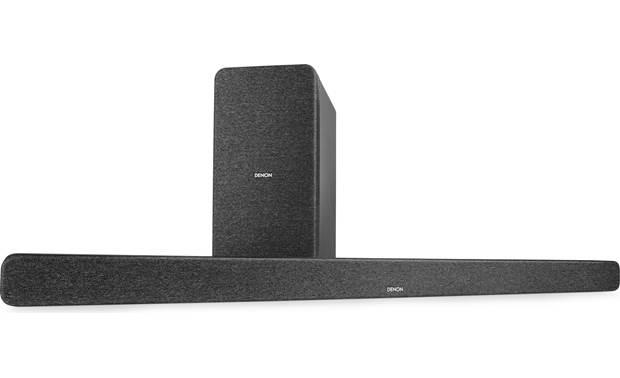
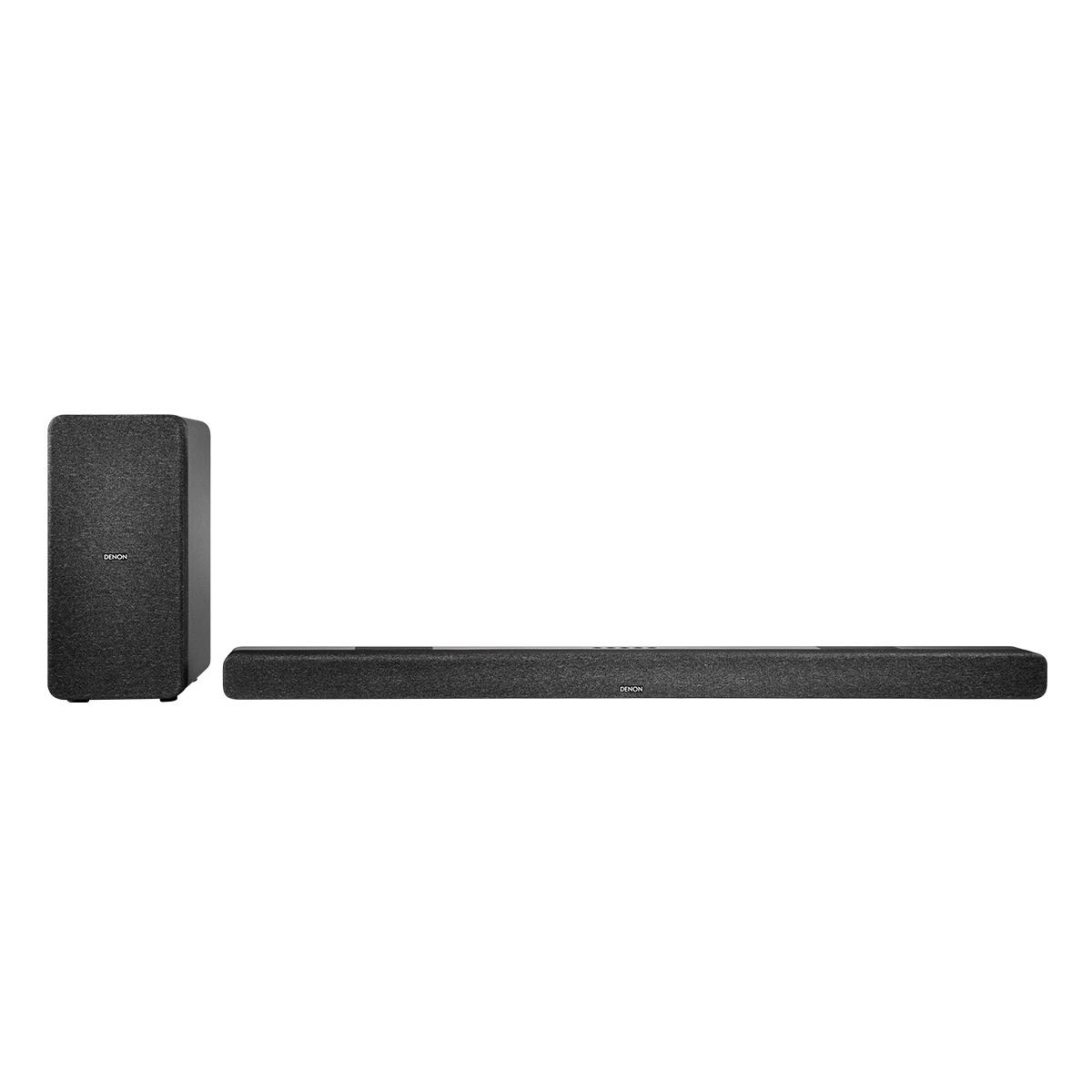
The Denon DHT-S517, released in 2022, represents the "audio-first" philosophy. Denon, a company with serious audiophile credentials, decided to pack genuine Dolby Atmos capability into a sub-$350 package. This was significant timing—2022 marked when streaming services like Netflix and Disney+ had built substantial Atmos content libraries, making the format accessible to mainstream viewers rather than just Blu-ray enthusiasts.
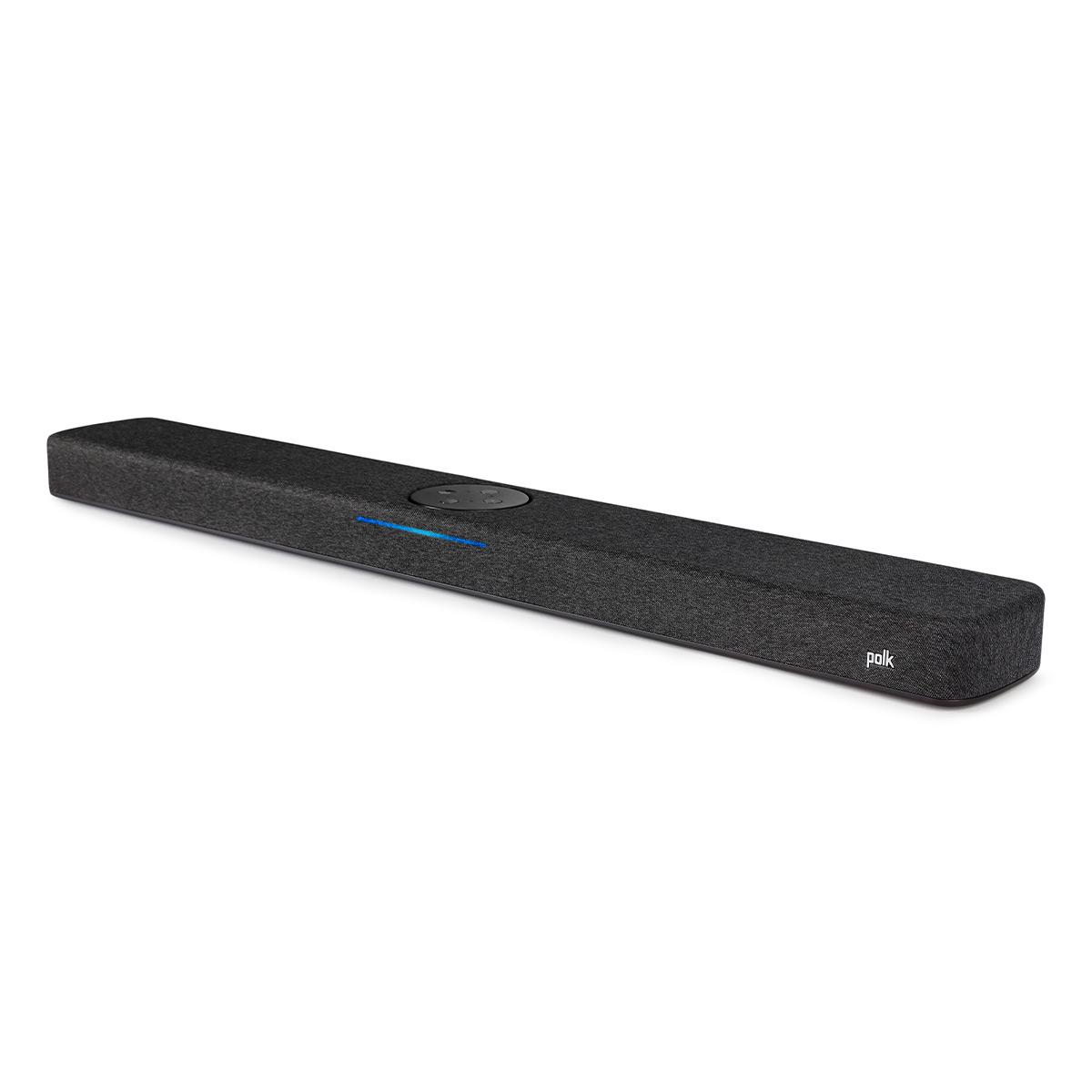
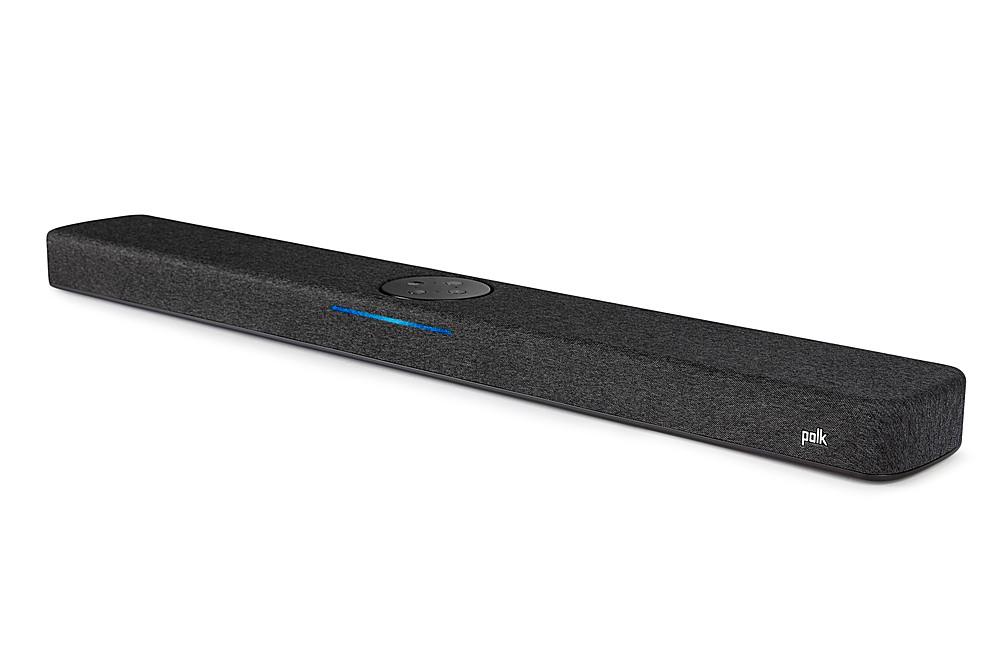
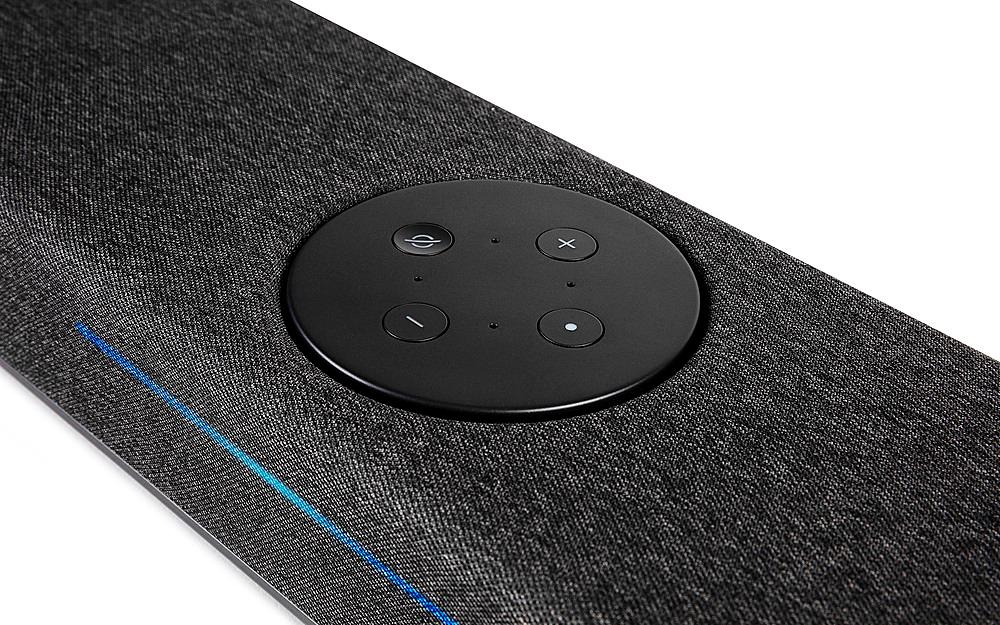
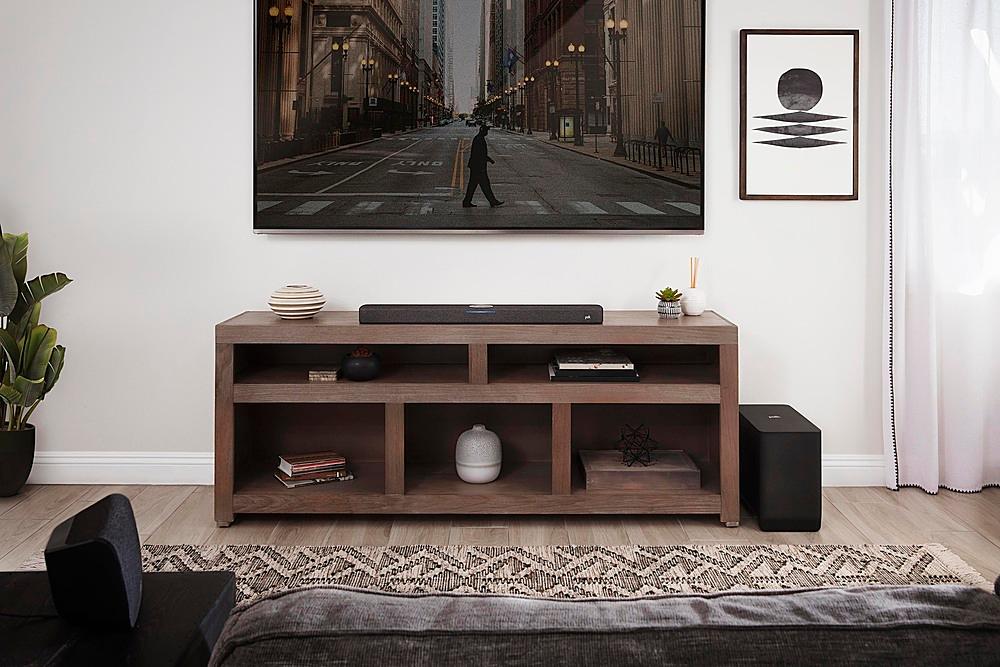
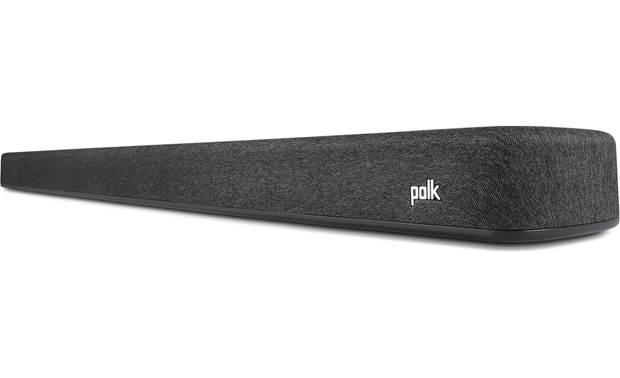
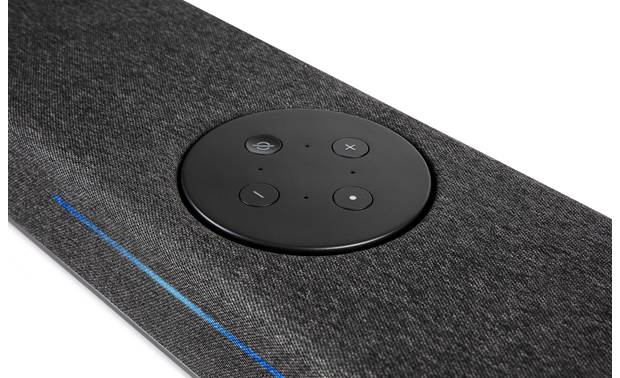
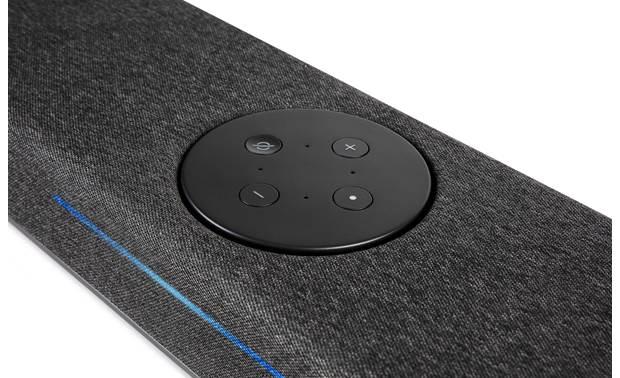
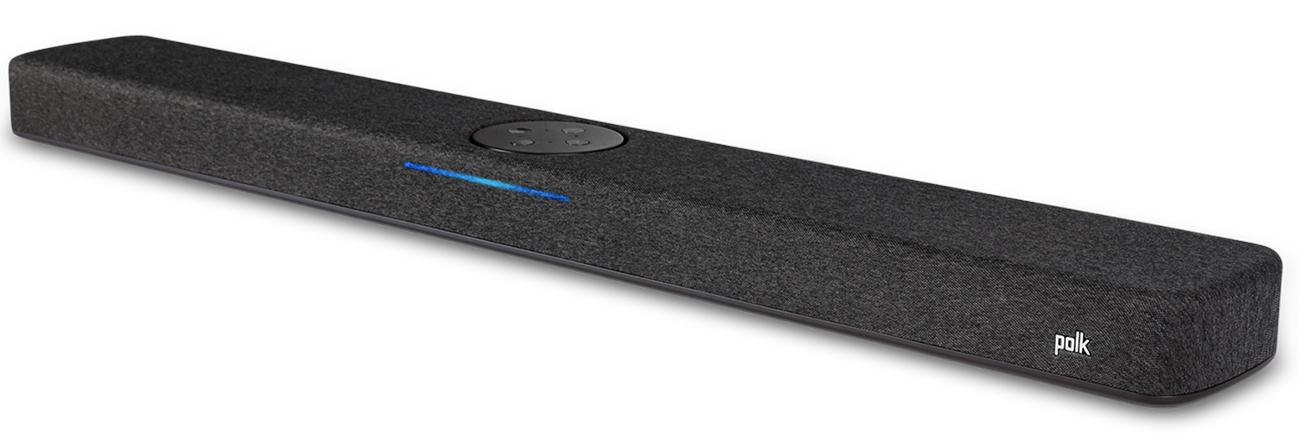
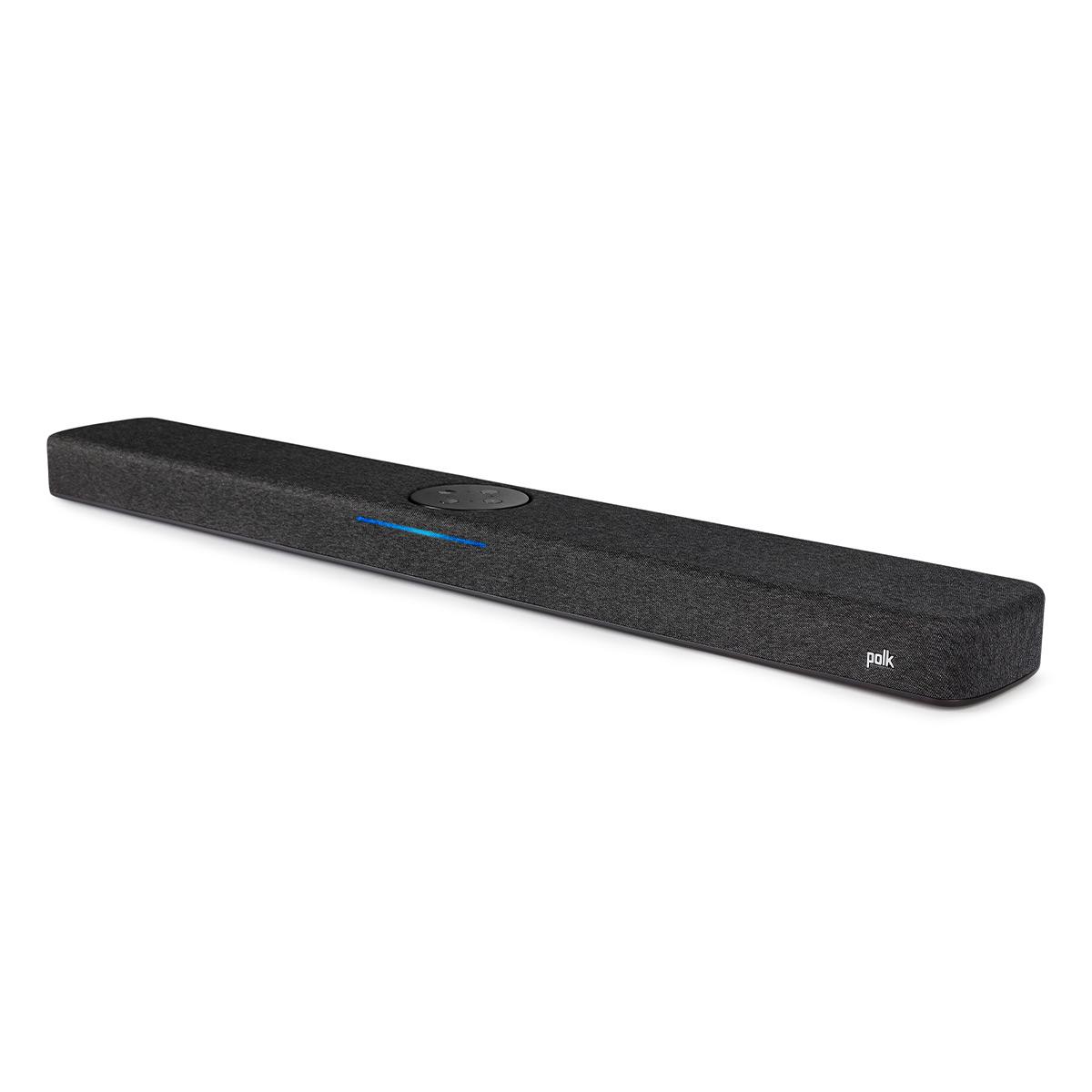
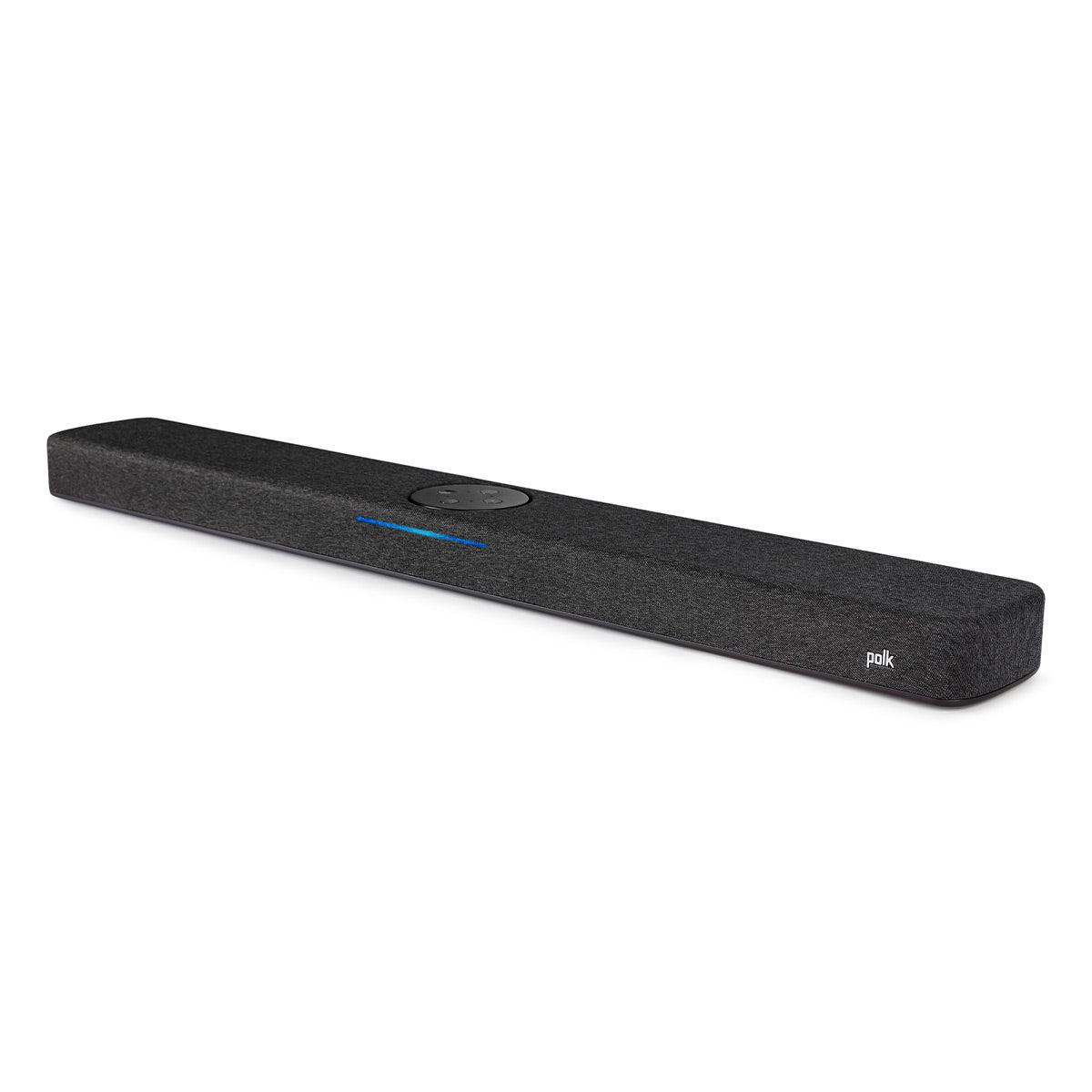
The Polk Audio React, launched in 2020, took a different approach entirely. Polk recognized that many people wanted their soundbar to do more than just improve TV audio—they wanted it integrated into their smart home ecosystem. By building Amazon Alexa directly into the soundbar, complete with far-field microphones, they created something that's part audio upgrade, part smart speaker.
These different release timelines matter more than you might think. The Denon benefits from newer Bluetooth 5.0 technology and HDMI eARC support that wasn't standard in 2020. The Polk, however, was ahead of the curve on voice integration, launching when most soundbars still required physical remotes for everything.
Let me be clear about something: genuine Dolby Atmos in a soundbar this affordable was nearly impossible just three years ago. The Denon DHT-S517's 3.1.2 configuration includes dedicated up-firing speakers—small drivers that literally point toward your ceiling to bounce sound back down to your listening position. This creates actual height effects, not just the virtual processing that many budget soundbars use.
The seven-driver array is where Denon's audio engineering really shows. You get dedicated 1-inch tweeters for crisp high frequencies, 4.75" x 1.625" midrange drivers for vocals and most instruments, a center channel driver specifically for dialogue, and those crucial 2.5" up-firing drivers for Atmos effects. Each driver is optimized for its specific frequency range, rather than asking one speaker to handle everything.
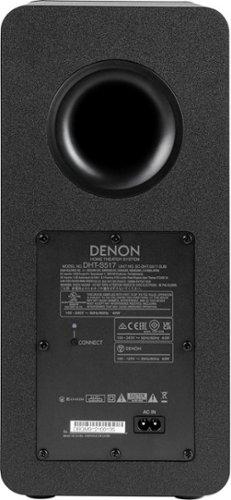
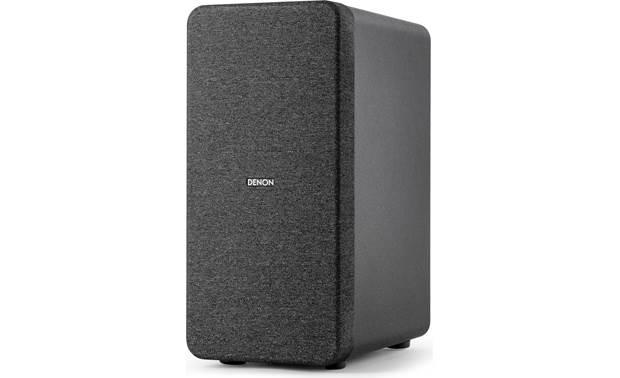
In practice, this translates to remarkably clear separation between different audio elements. During complex movie scenes—think of the opening sequence in "Top Gun: Maverick" with multiple jets, radio chatter, and engine noise—the Denon keeps everything distinct and properly positioned in the soundstage. The wireless subwoofer, with its 5.25" driver and 100-watt amplifier, handles the low-frequency effects that make those jet engines feel visceral rather than just loud.
I've found the Dialogue Enhancer particularly clever. Rather than just boosting mid-range frequencies (which can make everything sound hollow), it uses sophisticated processing to identify and enhance human speech patterns specifically. The three intensity levels let you fine-tune this based on your room acoustics and personal hearing preferences.
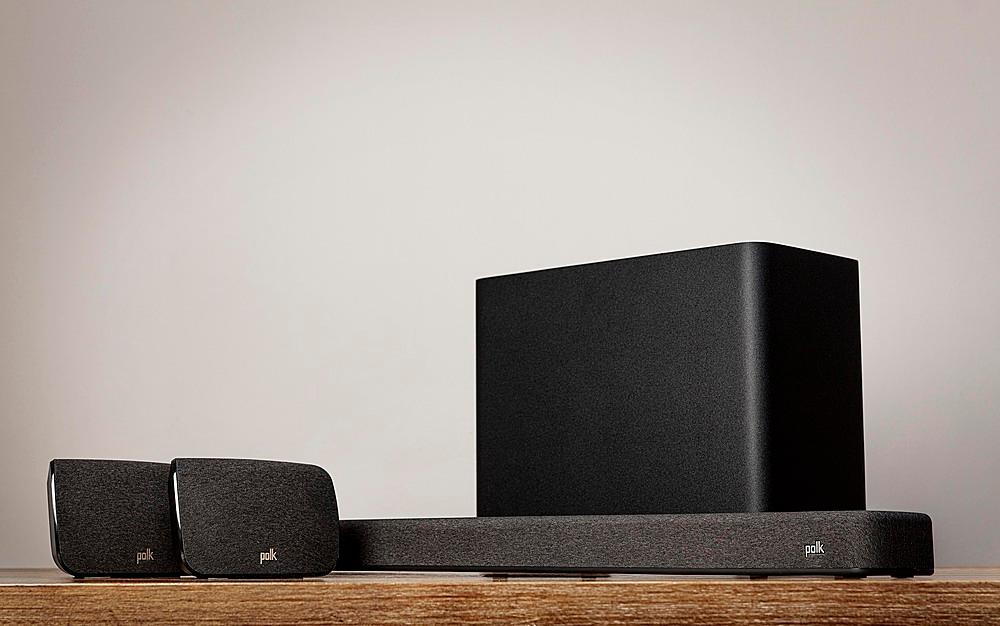
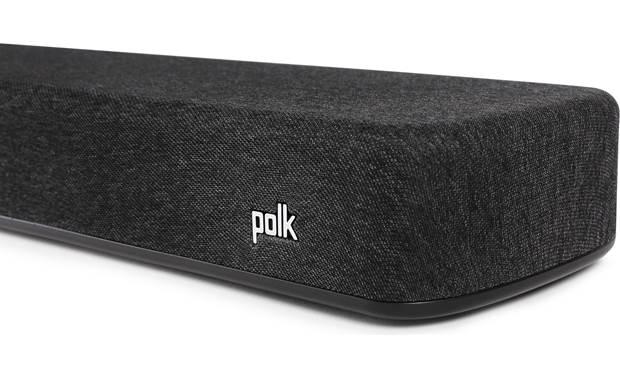
The Polk Audio React's 2.1-channel configuration might seem limited compared to the Denon's complexity, but Polk made smart choices within those constraints. The two 3.75" x 2.67" midrange drivers are larger than typical budget soundbar drivers, allowing them to move more air and produce fuller mid-range frequencies where most dialogue and music fundamentals live.
Polk's Voice Adjust technology deserves special mention. While the Denon enhances dialogue through processing, the React lets you manually adjust voice levels relative to other sounds. This gives you more direct control, which can be particularly useful if you have hearing challenges or frequently watch content with poor audio mixing.
The virtual surround processing, while not as sophisticated as true Atmos, does create a noticeably wider soundstage than your TV speakers. It uses psychoacoustic principles—essentially tricks that exploit how your brain processes audio cues—to make sounds seem to come from beyond the physical boundaries of the soundbar.
Here's where personal preference really matters. The Denon DHT-S517 includes a Pure Mode that bypasses all surround processing and presents music as the artists intended. For serious music listening, this is crucial—you don't want dialogue enhancement or virtual surround effects coloring your favorite albums.
The Denon's driver separation also helps with complex musical arrangements. Classical music, jazz with multiple instruments, or dense rock mixes benefit from having dedicated tweeters handling cymbals and strings while the midrange drivers focus on vocals and guitars.
The Polk React, on the other hand, excels at casual music listening through its Alexa integration. Voice commands like "Alexa, play jazz in the living room" make it incredibly convenient for background music or parties. The sound quality is perfectly adequate for this use case, though it lacks the refinement that dedicated music listeners will appreciate.
This is where the products diverge most dramatically. The Polk Audio React's built-in Alexa functionality transforms it into a genuine smart home hub. Four far-field microphones can hear you from across the room, even when music is playing. This isn't just about controlling the soundbar—you can control smart lights, check weather, set timers, and access thousands of Alexa skills.
The multi-room capabilities are particularly compelling if you're already invested in the Alexa ecosystem. You can group the React with other Alexa devices for whole-home audio, or use it as an intercom system to communicate with other rooms. The calling and messaging features essentially give you a hands-free phone system through your TV setup.
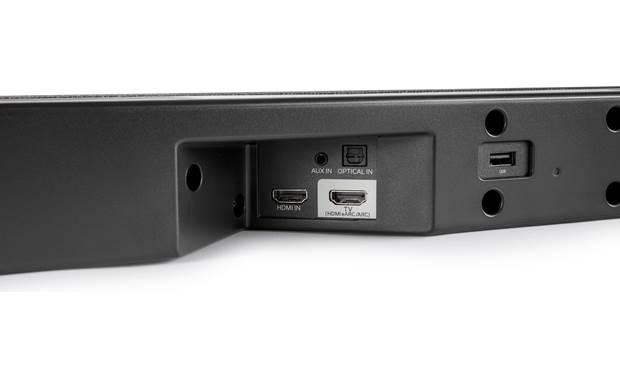
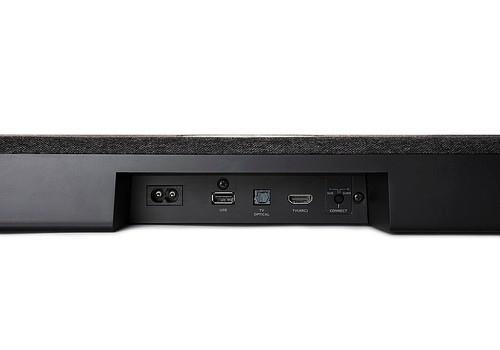
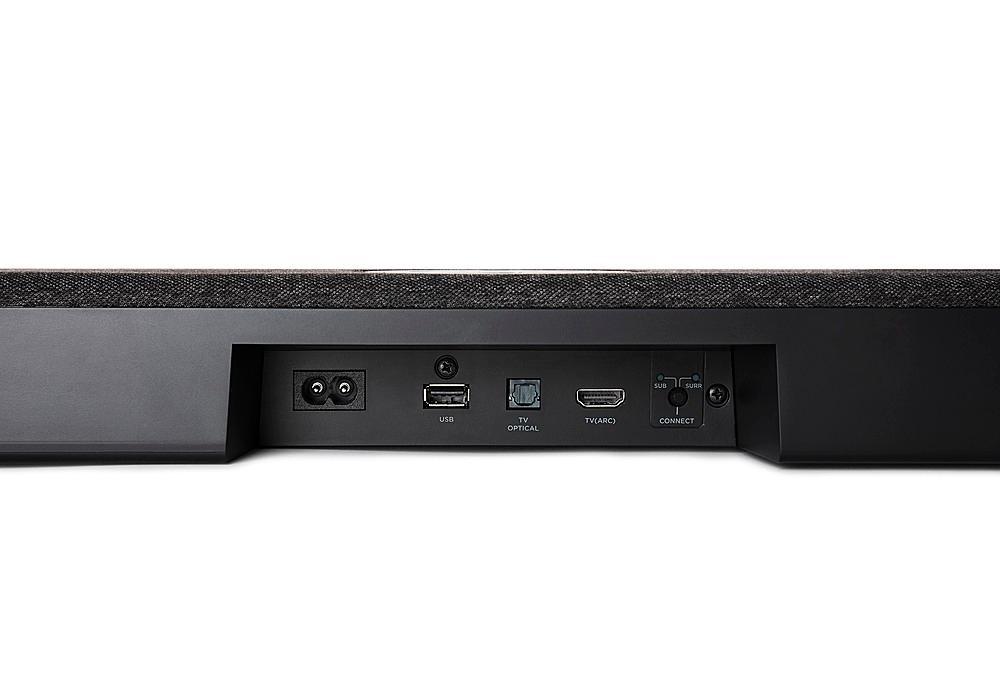
The Denon DHT-S517 takes a more traditional approach, focusing on audio excellence rather than smart features. However, its HDMI eARC support provides sophisticated TV integration that the Polk lacks. eARC (enhanced Audio Return Channel) allows the soundbar to receive high-quality audio signals from your TV's streaming apps while also passing 4K video signals through to the display. This means you can connect all your devices to the soundbar and run a single cable to your TV.
The Denon's Bluetooth 5.0 support also provides more reliable wireless connections and better range than the Polk's older Bluetooth implementation. For streaming music from your phone or laptop, this translates to fewer dropouts and clearer audio quality.
If you're building a dedicated home theater setup, the Denon DHT-S517 is the clear winner. Dolby Atmos content is becoming standard on streaming platforms, and the difference is genuinely dramatic with properly mixed content. I recently watched "Dune" on HBO Max through the Denon, and the overhead effects during the sandworm sequences created an immersion level that's remarkable for a $300 soundbar.
The Denon's sound modes also cater to different content types. Movie mode enhances those surround effects and low-frequency impact, while Music mode provides a more neutral response curve for albums and concerts. Night mode compresses the dynamic range, preventing those sudden loud explosions that wake up the household while maintaining dialogue clarity.
For home theater enthusiasts, the ability to add optional rear speakers to the Denon (though not currently available) future-proofs your investment. The Polk, being a 2.1 system, is limited to its current configuration.
However, if your "home theater" is really just a living room where you watch TV casually while doing other things, the Polk React's convenience features might serve you better. Voice control means you never lose the remote, and the multi-room capabilities let you extend audio to other areas of your home.
After extensive testing with both systems, some practical differences emerge. The Denon DHT-S517's wireless subwoofer occasionally has timing sync issues—you'll notice dialogue that doesn't quite match lip movement during certain scenes. This is a common issue with wireless subs, and usually resolves itself after a few seconds, but it can be momentarily distracting.
The Polk's Alexa integration, while generally reliable, sometimes struggles with background noise during loud movie scenes. The far-field microphones are excellent for normal room noise, but explosions and gunfire can confuse the voice recognition system.
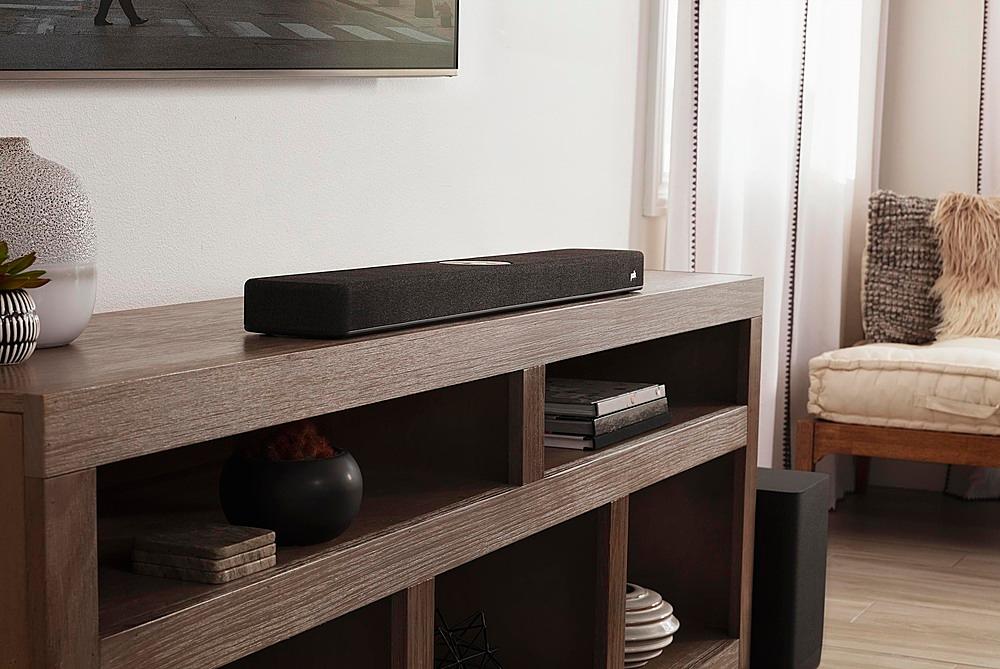
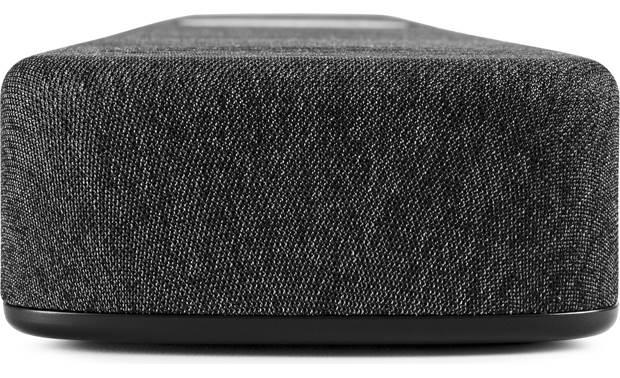
Both soundbars handle daily use well, but their different designs affect placement flexibility. The Denon's up-firing speakers require adequate ceiling clearance and work best when not enclosed in an entertainment cabinet. The Polk's more traditional design is less picky about placement, making it easier to integrate into existing furniture setups.
At $302, the Denon DHT-S517 delivers technology that cost twice as much just two years ago. Genuine Dolby Atmos, wireless subwoofer, and seven discrete drivers represent exceptional value for the audio performance delivered. If you primarily use your TV for movies, sports, and premium streaming content, the extra $72 over the Polk provides a dramatically better experience.
The Polk Audio React at $230 offers different value entirely. You're getting competent audio improvement plus smart home functionality that would require separate devices costing at least $150 combined. For casual viewers who want convenience and smart features, this represents excellent value.
Consider your upgrade path too. The Denon's superior audio foundation makes it a better long-term investment if you plan to eventually add rear speakers or upgrade your TV to one with more advanced audio capabilities. The Polk's value is more immediate but harder to expand upon.
Both products reflect important trends in soundbar development. The Denon DHT-S517 represents the democratization of premium audio technology—bringing Atmos and sophisticated driver arrays to mainstream pricing. This trend continues accelerating, with 2023 models offering even more advanced features at similar price points.
The Polk React exemplifies the smart home integration wave that peaked around 2020-2021. While still relevant, voice control has become more standard, making dedicated smart soundbars less unique than when the React launched.
Looking forward, HDMI eARC support (which the Denon offers) is becoming essential as streaming services deliver higher-quality audio formats. The Polk's standard HDMI ARC limits its compatibility with future audio developments.
Start with honest self-assessment. If you're someone who notices and cares about audio quality—if you can hear the difference between compressed and lossless music, or if poorly mixed movie dialogue annoys you—the Denon DHT-S517 justifies its price premium through measurably superior performance.
If you're more focused on convenience and integration with existing smart home systems, the Polk Audio React provides better value for your specific use case. The voice control alone might be worth the trade-off in audio sophistication.
Consider your content sources carefully. Netflix, Disney+, Apple TV+, and Amazon Prime Video all offer substantial Atmos libraries now. If you subscribe to these services and watch action movies, documentaries with immersive sound design, or nature programming, the Denon's height channels create genuinely compelling experiences.
Your room size and layout matter too. The Denon's additional drivers and subwoofer make it better suited for larger spaces, while the Polk works well in bedrooms, apartments, or smaller living areas where immersive effects are less critical.
Finally, think about your usage patterns. If you primarily use your TV for background noise while doing other activities, the Polk's smart features provide more daily utility. If you set aside time for focused movie watching or music listening, the Denon's audio excellence becomes more valuable.
Both soundbars represent significant upgrades over TV speakers and offer genuine value within their respective approaches. The choice ultimately comes down to whether you prioritize audio performance and future-proofing (Denon DHT-S517) or convenience and smart home integration (Polk Audio React). Either choice will dramatically improve your TV audio experience—they just do it in refreshingly different ways.
| Denon DHT-S517 Soundbar with Wireless Subwoofer ($302) | Polk Audio React Sound Bar with Alexa Built-In ($230) |
|---|---|
| Audio Channels - Determines immersion and surround sound capability | |
| 3.1.2 with Dolby Atmos (dedicated height channels for overhead effects) | 2.1 stereo with virtual surround (no height channels) |
| Driver Configuration - More specialized drivers typically mean better sound quality | |
| 7-driver array: dedicated tweeters, midrange, center, and up-firing height speakers | 4-driver setup: midrange drivers, tweeters, and passive radiators |
| Subwoofer Included - Essential for full-range bass in movies and music | |
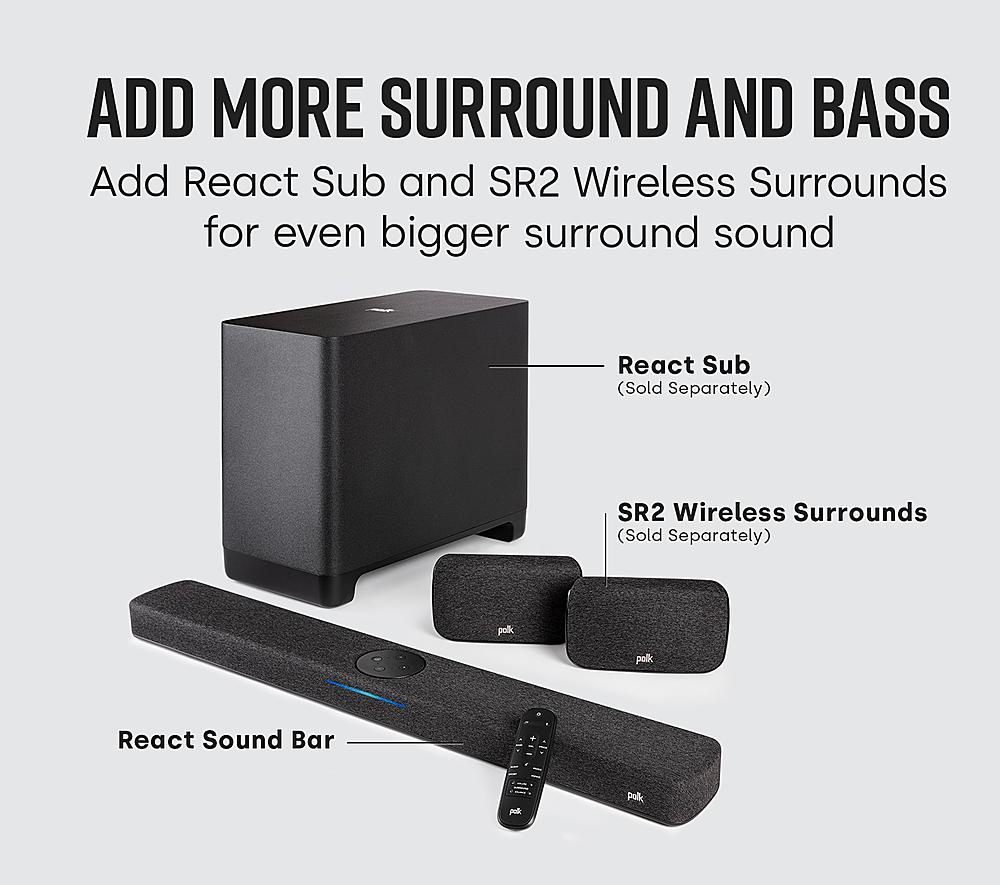
| Wireless 5.25" subwoofer with 100W amplifier (included) | Optional wireless subwoofer (sold separately for ~$150) |
| Smart Features - Voice control and home automation capabilities | |
| Basic Bluetooth 5.0 streaming only | Built-in Alexa with far-field mics, multi-room audio, calling |
| HDMI Connectivity - Affects TV integration and 4K compatibility | |
| HDMI eARC with 4K passthrough and advanced audio format support | HDMI ARC only (older standard with limited audio format support) |
| Dialogue Enhancement - Critical for clear speech during loud scenes | |
| Dialogue Enhancer with 3 intensity levels using advanced processing | Voice Adjust technology with manual level control |
| Release Date - Newer products often have better technology and connectivity | |
| 2022 (benefits from latest Bluetooth 5.0 and eARC standards) | 2020 (ahead of curve on voice integration but older connectivity) |
| Dimensions - Affects placement flexibility under TV or on wall | |
| 41.3" W x 2.3" H x 3.8" D (requires ceiling clearance for Atmos) | 34.1" W x 2.25" H x 4.8" D (more compact, flexible placement) |
| Best For - Primary use case where each product excels | |
| Movie enthusiasts wanting immersive Atmos effects and superior audio quality | Smart home users prioritizing voice control and Alexa ecosystem integration |
The Denon DHT-S517 ($302) delivers superior sound quality with its 3.1.2 Dolby Atmos configuration and seven-driver array. It includes dedicated tweeters, midrange drivers, and up-firing speakers for height effects, plus a wireless subwoofer. The Polk Audio React ($230) offers good 2.1-channel sound but lacks the channel separation and immersive capabilities of the Denon.
Yes, the Denon DHT-S517 includes a wireless 5.25" subwoofer with 100-watt amplifier in the box. The Polk Audio React does not include a subwoofer but can be paired with an optional wireless Polk React subwoofer sold separately for around $150.
The Denon DHT-S517 ($302) is significantly better for movies and home theater use. Its Dolby Atmos support creates genuine overhead effects for helicopters, rain, and other atmospheric sounds. The dedicated center channel and dialogue enhancer also provide clearer speech during action scenes compared to the Polk Audio React.
Only the Polk Audio React ($230) has built-in voice control with Amazon Alexa and far-field microphones. You can adjust volume, change sources, and control smart home devices using voice commands. The Denon DHT-S517 requires the included remote or your TV remote for control.
The Denon DHT-S517 offers superior TV connectivity with HDMI eARC support, which provides better audio quality and 4K video passthrough. The Polk Audio React uses older HDMI ARC technology, which has more limited audio format support but still works with most TVs.
The Denon DHT-S517 ($302) costs $72 more than the Polk Audio React ($230). The price difference is justified if you want Dolby Atmos, better sound quality, and a wireless subwoofer included. However, the Polk offers better value if you prioritize smart home integration and voice control.
Both handle music streaming well but differently. The Polk Audio React excels at convenience with Alexa voice commands and multi-room audio capabilities. The Denon DHT-S517 offers better music quality with its Pure Mode and superior driver separation, making it better for serious music listening.
Only the Denon DHT-S517 ($302) supports genuine Dolby Atmos with dedicated up-firing speakers for height effects. The Polk Audio React supports Dolby Digital decoding but does not have Atmos capability or height channels.
Both soundbars are relatively easy to set up. The Polk Audio React may have a slight edge due to its simpler 2.1 configuration and voice-guided Alexa setup. The Denon DHT-S517 requires positioning the wireless subwoofer and ensuring adequate ceiling clearance for the up-firing Atmos speakers.
The Polk Audio React ($230) is designed specifically for smart home integration with built-in Alexa, multi-room audio, and compatibility with other Alexa devices. The Denon DHT-S517 focuses purely on audio performance and only offers basic Bluetooth connectivity for smart features.
The Polk Audio React works well in smaller spaces due to its compact size and less demanding acoustic requirements. The Denon DHT-S517 ($302) can work in small rooms but benefits more from medium-sized spaces where its Atmos effects and subwoofer have room to perform properly.
The Denon DHT-S517 lacks smart features and voice control, requires more careful placement, and occasionally has wireless subwoofer sync issues. The Polk Audio React ($230) has limited audio capabilities compared to Atmos systems, no included subwoofer, and voice recognition can struggle during loud movie scenes.
We've done our best to create useful and informative comparisons to help you decide what product to buy. Our research uses advanced automated methods to create this comparison and perfection is not possible - please contact us for corrections or questions. These are the sites we've researched in the creation of this article: techradar.com - consumerreports.org - crutchfield.com - bestbuy.com - bestbuy.com - pocket-lint.com - abt.com - manuals.denon.com - connectedmag.com.au - bestbuy.com - forum.flirc.tv - bhphotovideo.com - techradar.com - crutchfield.com - popsci.com - youtube.com - tomsguide.com - bestbuy.com - polkaudio.com - crutchfield.com - forum.polkaudio.com - soundunited.com - youtube.com

Privacy Policy
Terms and Conditions - Affiliate Policy
Home Security
© Copyright 2008-2026.
11816 Inwood Rd #1211, Dallas, TX 75244