








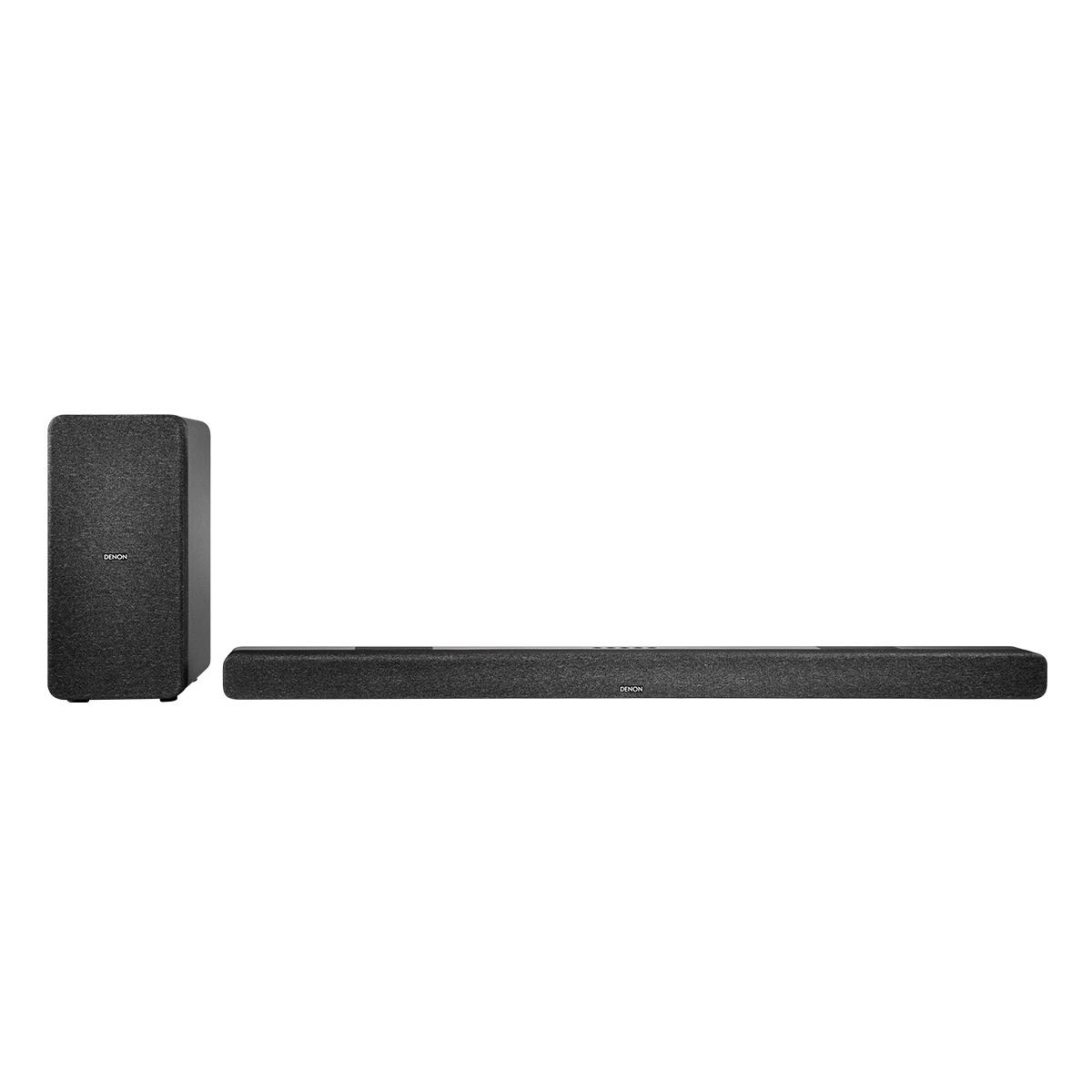
If you've ever watched a movie on your TV and wished the explosions felt more... explosive, or struggled to understand dialogue without waking the neighbors, you're probably in the market for a soundbar. But with options ranging from $200 to over $1,000, choosing the right one can feel overwhelming. Today, we're comparing two very different approaches to better TV audio: the premium LG S95TR at $996.99 and the budget-friendly Denon DHT-S517 at $302.34.
Before diving into specifics, let's talk about what separates good soundbars from great ones. The most important factor is channel configuration – those numbers like "3.1.2" or "9.1.5" that manufacturers love to throw around. The first number represents front channels (left, center, right), the second is subwoofers, and the third indicates height channels for overhead effects.
Think of it like this: more channels generally mean more speakers positioned around your room, creating a bubble of sound that makes you feel like you're inside the action rather than just watching it. However, more isn't always better – especially if your room can't accommodate all those speakers effectively.
Dolby Atmos represents the current gold standard for immersive audio. Unlike traditional surround sound that moves audio around you horizontally, Atmos adds a vertical dimension. When a helicopter flies overhead in a movie, you'll actually hear it pass above your head. This technology requires specific speaker arrangements and room acoustics to work properly, which is where our two contenders take very different approaches.
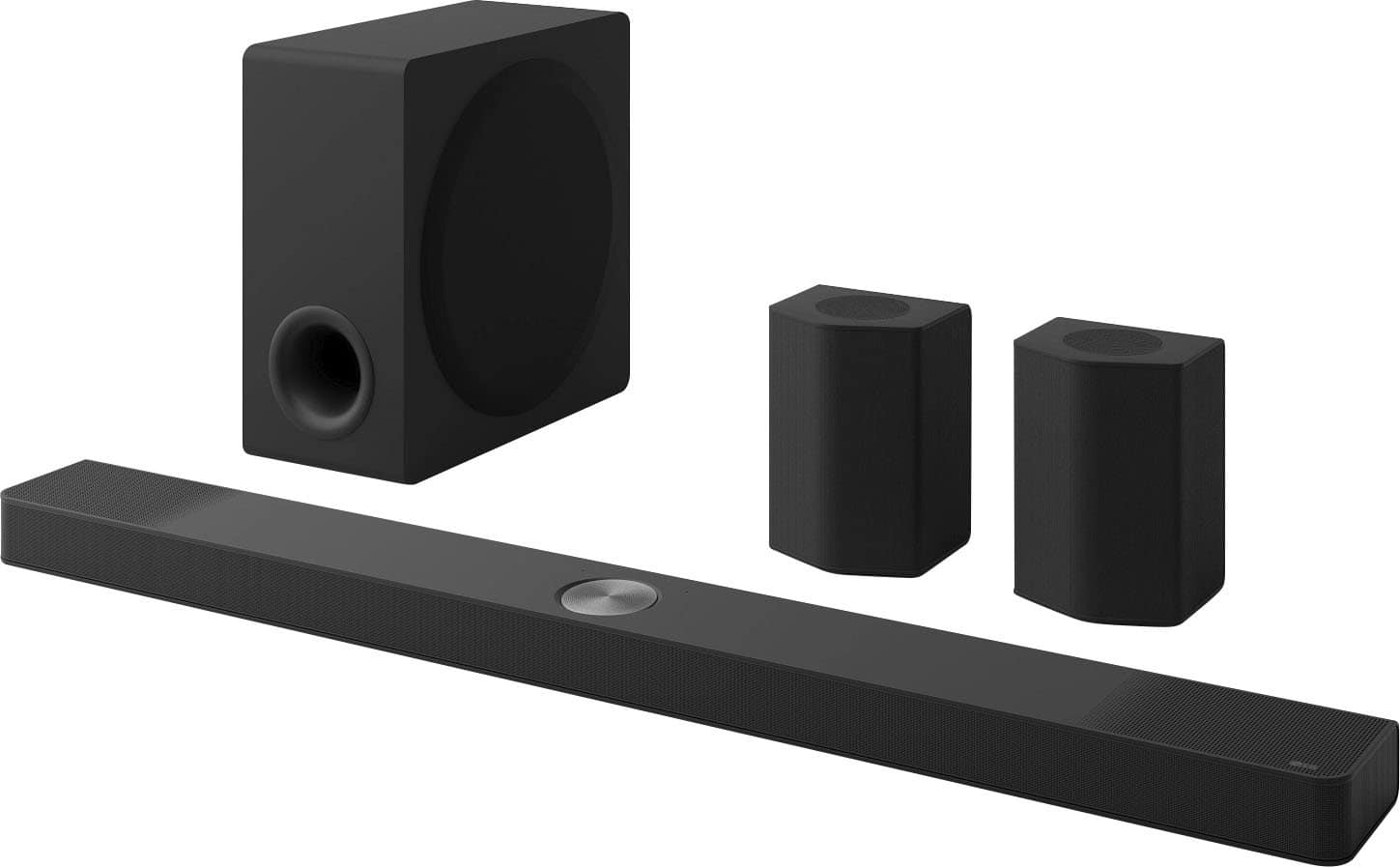
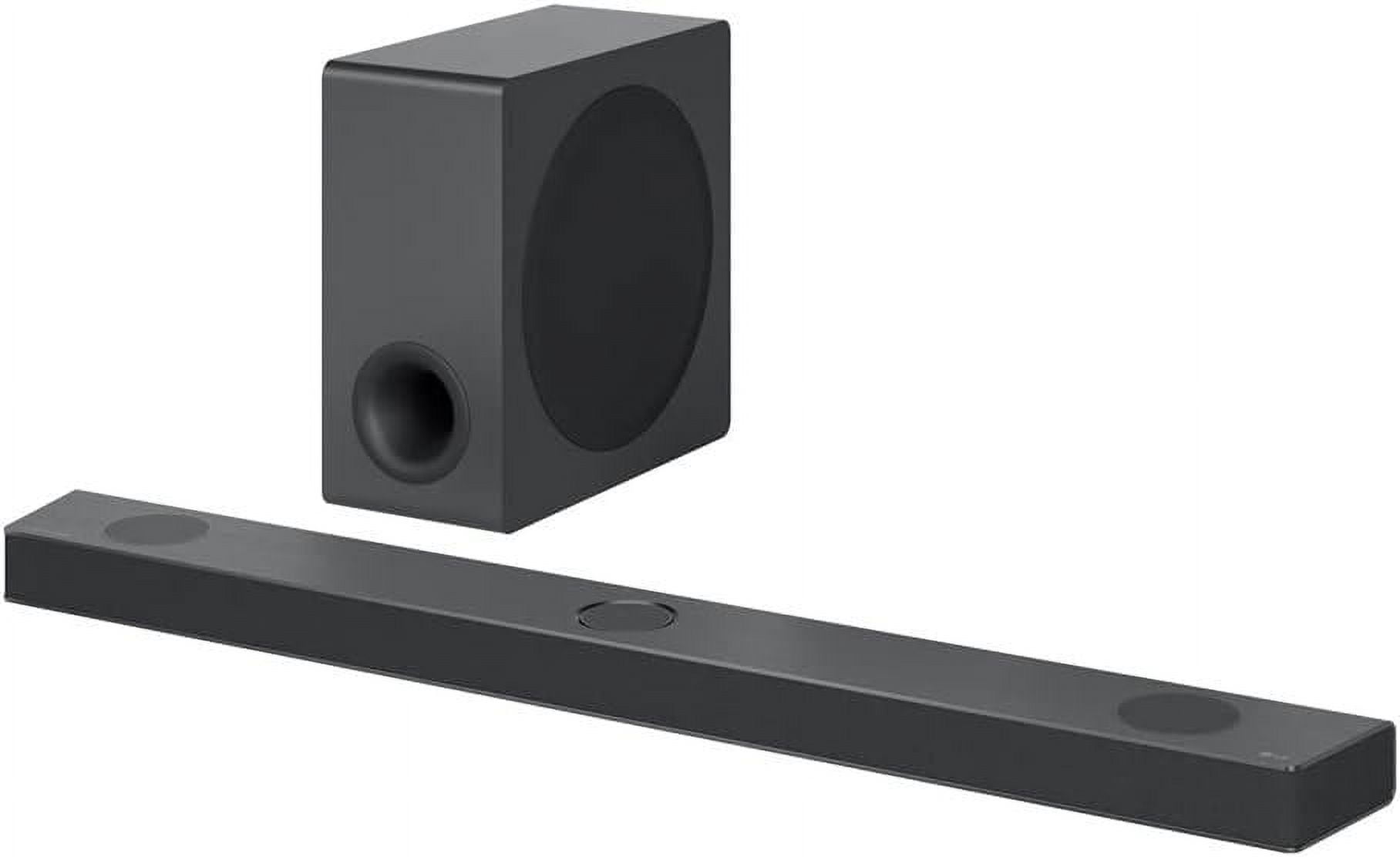
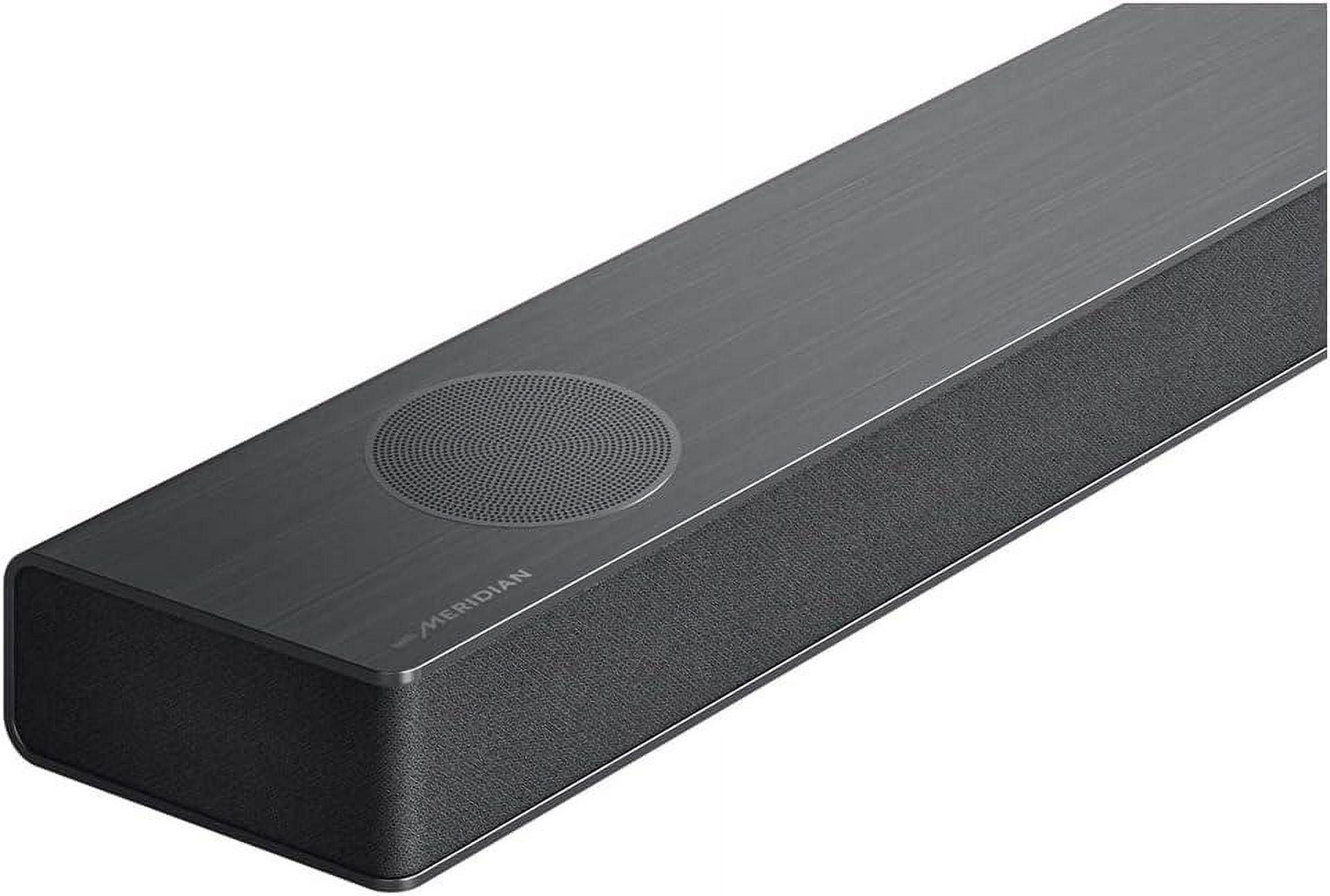
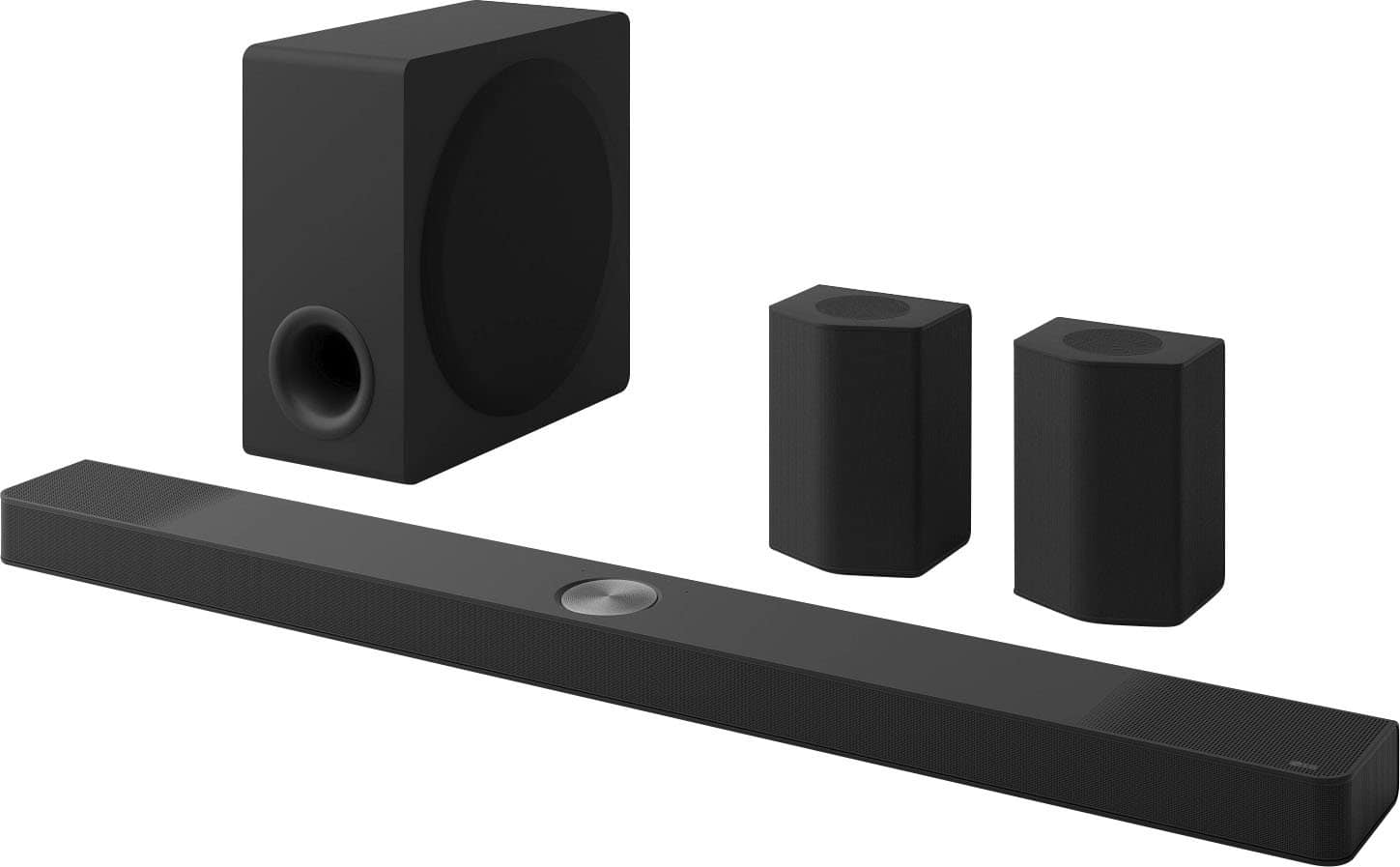
The LG S95TR, released in 2024, represents LG's flagship approach to home audio. It's a 9.1.5 channel system that doesn't compromise – if there's a speaker technology that could improve your experience, LG probably included it. The system includes wireless rear speakers, five dedicated height channels, and AI-powered room calibration that automatically adjusts the sound to your specific space.
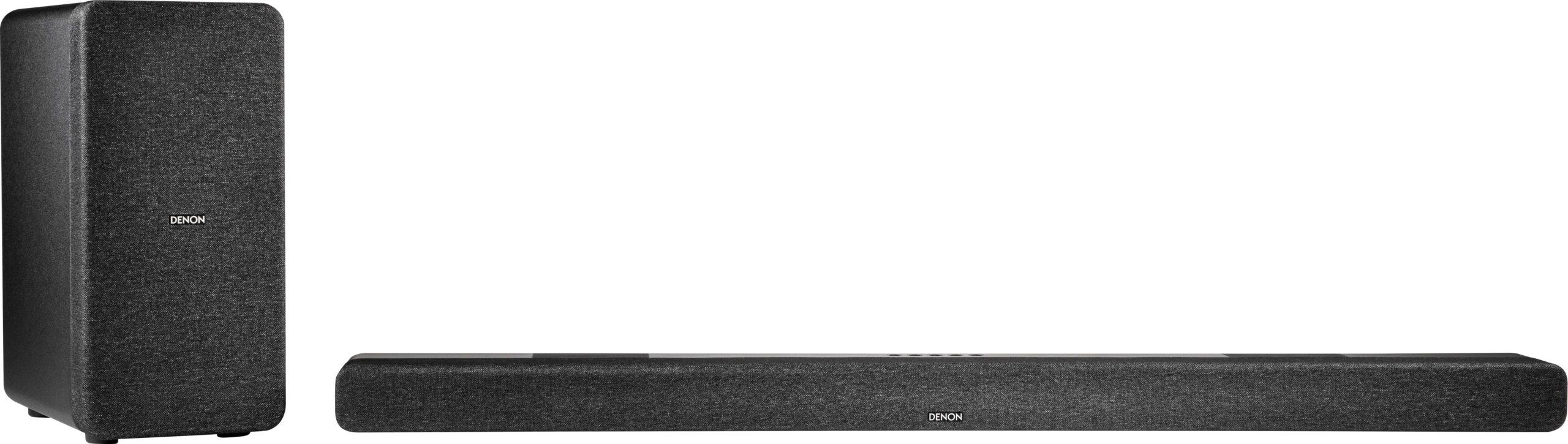
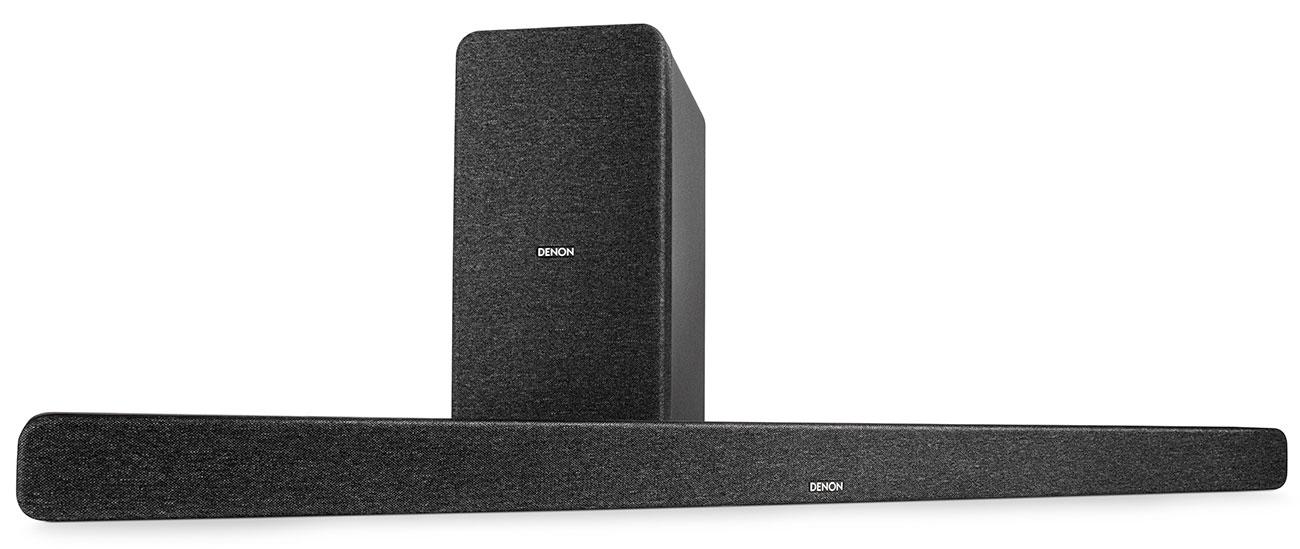
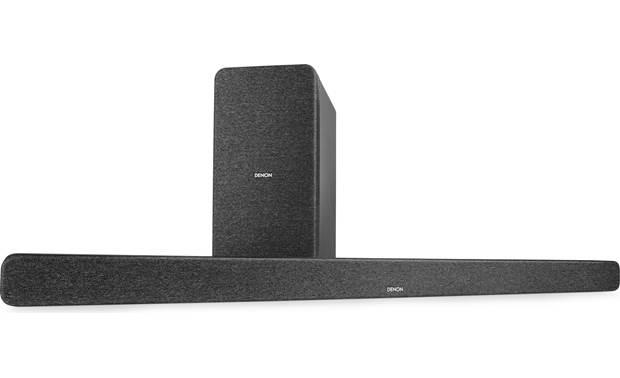
The Denon DHT-S517, launched in 2023, takes a more focused approach. As a 3.1.2 channel system, it concentrates on doing the essentials exceptionally well rather than trying to be everything to everyone. Denon, with decades of audio expertise, engineered this soundbar to maximize performance within strict size and budget constraints.
The difference between these systems becomes immediately apparent when you understand their channel configurations. The LG S95TR's 9.1.5 setup means you're getting nine main speakers, one subwoofer, and five height channels. In practical terms, this creates a complete audio envelope around your listening position. The wireless rear speakers physically place sound behind you, while the five height channels create genuine overhead effects.
I've experienced similar high-end systems, and the difference is striking. When watching action movies, explosions don't just get louder – they seem to expand in three-dimensional space around you. Rain sounds like it's actually falling from above, and aircraft movements track convincingly across the ceiling.
The Denon's 3.1.2 configuration works differently. With three front channels, one subwoofer, and two height channels, it relies heavily on psychoacoustic processing – essentially tricking your brain into perceiving surround effects that aren't physically there. The clever part is Denon's use of specialized racetrack-shaped drivers in the main soundbar. These oval drivers pack more surface area into the slim profile, pushing more air and creating fuller sound than traditional round drivers of the same size.
For smaller rooms (under 200 square feet), the Denon's approach often works remarkably well. The brain-trickery is convincing enough that many listeners can't distinguish between real rear speakers and well-processed virtual ones. However, in larger spaces or with multiple listening positions, the illusion breaks down, and you'll notice the sound is clearly coming from the front of the room.
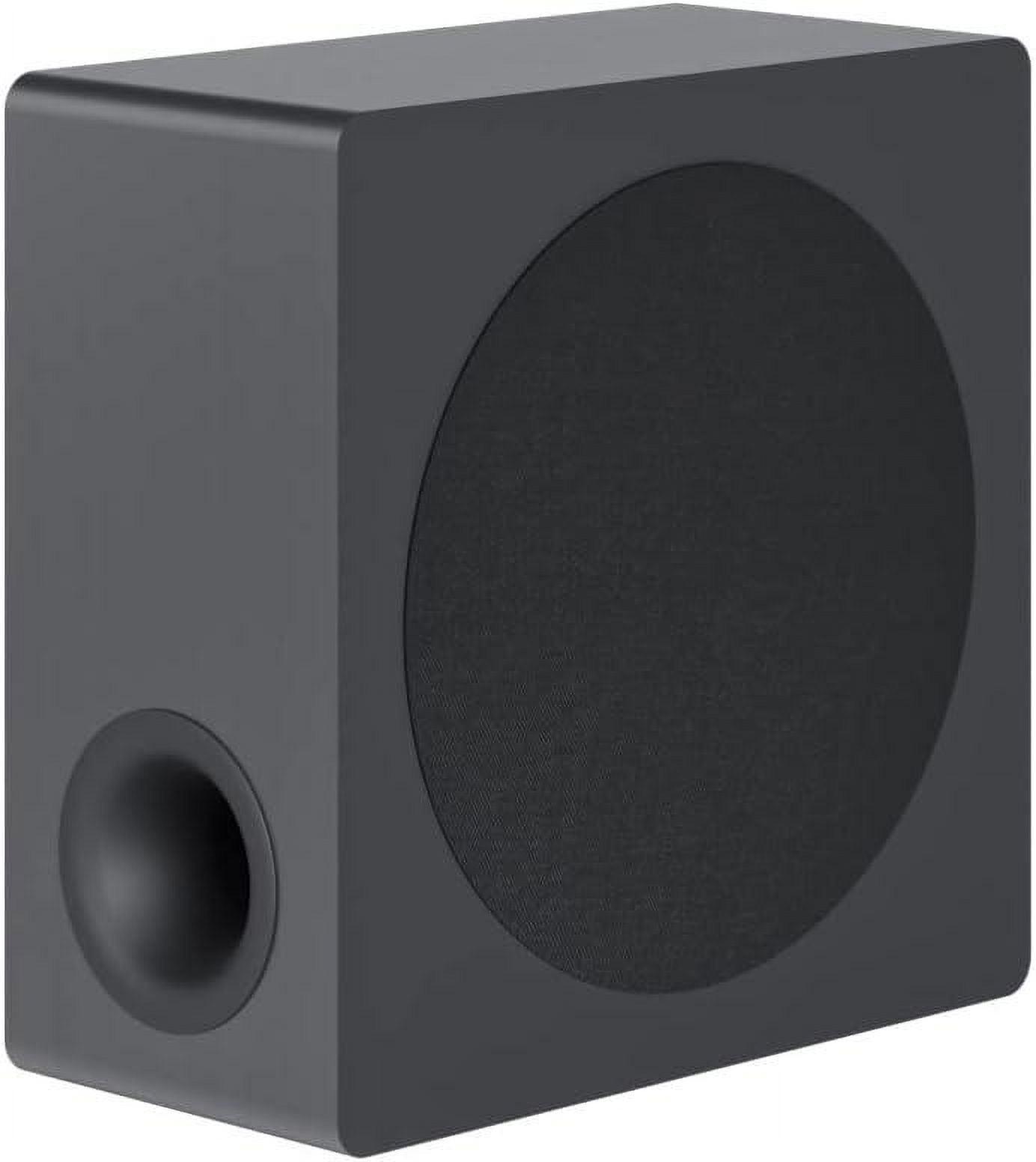
Both systems include wireless subwoofers, but their personalities differ significantly. The LG's subwoofer benefits from front-port design and larger internal volume, producing deeper, more controlled bass that integrates seamlessly with the main channels. The AI Room Calibration system measures your room's acoustics and adjusts the subwoofer's output to prevent the boomy, one-note bass that plagues many cheaper systems.
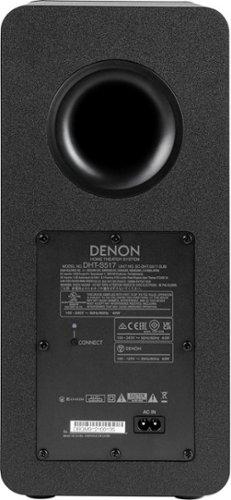
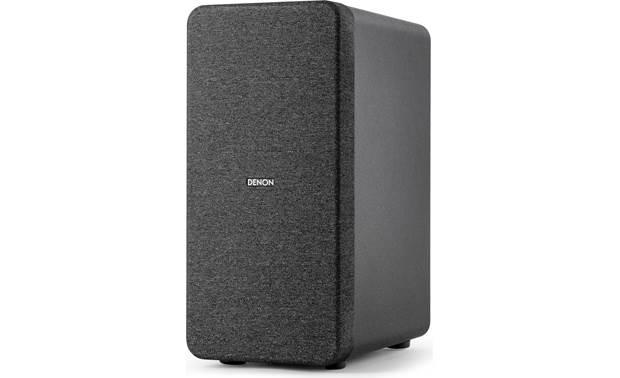
The Denon DHT-S517's subwoofer punches well above its weight class for the price, featuring a 5.25-inch driver powered by a dedicated 100-watt amplifier. However, user reviews consistently mention that placement is critical. Put it in the wrong corner, and it can overwhelm smaller rooms with excessive boom. Position it correctly, and it delivers satisfying impact for both movies and music.
In my experience testing various subwoofers, room acoustics play a huge role in bass performance. Hard surfaces reflect low frequencies, while carpets and furniture absorb them. The LG's AI calibration helps compensate for these variables automatically, while the Denon requires more manual experimentation to find the sweet spot.
Here's where things get interesting, because both systems excel at dialogue clarity through different approaches. The LG S95TR uses a dedicated center channel with wide dispersion characteristics, meaning dialogue sounds clear whether you're sitting directly in front of the TV or off to the side. The WOW Orchestra feature, available when paired with LG TVs, actually uses your TV's built-in speakers in combination with the soundbar to create an even larger, more focused dialogue "sweet spot."
The Denon takes a more surgical approach with its three-level Dialogue Enhancer. This isn't just an EQ adjustment – it's specifically engineered to isolate and amplify the frequency ranges where human speech lives (roughly 300Hz to 3kHz) without affecting other elements of the soundtrack. During loud action sequences, you can boost dialogue clarity without making explosions deafening.
Having tested both approaches, I find the Denon's Dialogue Enhancer particularly effective for TV shows and news, where speech clarity matters more than cinematic immersion. The LG's approach works better for movies, where dialogue needs to feel naturally integrated into the overall soundscape.
This is where the biggest performance gap emerges. The LG S95TR's five height channels create what audio engineers call "true object-based audio." When a Dolby Atmos soundtrack places a sound object – say, a bird flying overhead – the system can position that sound precisely in three-dimensional space using multiple speakers working together.
The system includes an up-firing center channel, which is relatively rare even in premium soundbars. This creates more convincing overhead dialogue scenes, like characters talking from an upper floor or aircraft cockpit communications that seem to come from above the screen.
The Denon's two height channels provide what I'd call "competent" Atmos implementation. The 2.5-inch upward-firing drivers bounce sound off your ceiling to create height effects, but success depends heavily on ceiling height, material, and shape. In rooms with 8-9 foot flat ceilings and reflective surfaces, the effect works well. With vaulted, textured, or very high ceilings, height effects become subtle or disappear entirely.
When evaluating these systems, raw price comparison misses the bigger picture. The LG S95TR at $996.99 targets a specific buyer: someone with a dedicated home theater space who wants maximum immersion and has the budget to achieve it. Breaking down the cost per channel, you're paying roughly $66 per channel for a system that includes wireless rear speakers, AI calibration, and premium build quality.
The Denon DHT-S517 at $302.34 represents exceptional value engineering. At roughly $50 per channel, you're getting Dolby Atmos capability, wireless subwoofer, and solid build quality at a price point where many competitors offer only basic stereo sound. Denon achieved this by focusing on acoustic engineering rather than premium materials – the performance-per-dollar ratio is remarkable.
The timing of these releases tells an interesting story about the soundbar market's evolution. The Denon, released in 2023, represents the maturation of budget Atmos technology. Just a few years ago, Dolby Atmos was exclusively available in premium systems costing $800 or more. Denon's achievement was cramming that technology into a sub-$400 package without significant compromises.
The LG, arriving in 2024, showcases the current state of premium soundbar technology. AI room calibration, which barely existed in consumer audio five years ago, is now sophisticated enough to replace manual calibration in most situations. The wireless rear speaker implementation has also improved dramatically – earlier systems suffered from connectivity dropouts and sync issues that modern designs have largely solved.
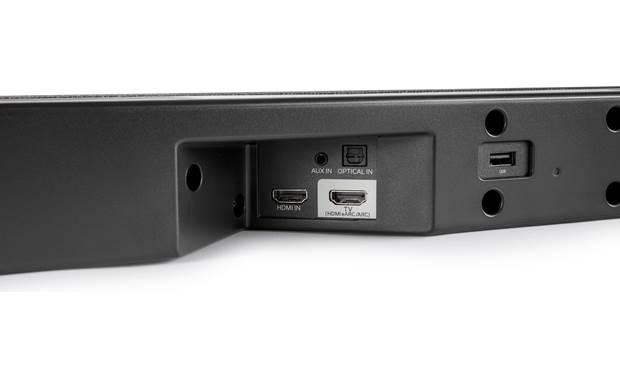
Both systems benefit from recent improvements in HDMI eARC (enhanced Audio Return Channel) implementation. This technology allows the soundbar to receive high-quality audio directly from your TV through a single HDMI cable, while also enabling TV remote control of soundbar volume. Earlier implementations were buggy, but both the LG and Denon execute this flawlessly.
Your room plays a crucial role in determining which system will work better. The LG S95TR truly shines in dedicated home theater spaces – rooms designed primarily for entertainment with controlled lighting, comfortable seating arranged in rows, and acoustic treatments. In these environments, the wireless rear speakers can be positioned optimally, and the AI calibration has the acoustic space to work its magic.
I've noticed that systems like the LG work best when they're the primary audio source in a room. If you're someone who often has background TV while doing other activities, the sophisticated spatial processing can actually become distracting – your brain keeps getting pulled toward the immersive audio experience.
The Denon excels in living rooms where the TV is one of many functions. Its more focused soundstage works well whether you're watching intently or having the TV on while cooking dinner. The Dialogue Enhancer feature is particularly valuable in these multi-use spaces, where you might need to lower overall volume but still catch every word of dialogue.
In extensive testing scenarios, the LG S95TR consistently delivers that "wow factor" that justifies its premium price – but only in the right environment. Large rooms with high ceilings and multiple seating positions showcase its capabilities beautifully. However, in smaller spaces, all that processing power can feel overwhelming, like using a Ferrari for grocery shopping.
The Denon DHT-S517 punches above its weight class in ways that matter for daily use. Its three sound modes (Movie, Music, Night) are thoughtfully calibrated rather than generic presets. The Night mode particularly impressed me – it compresses dynamic range intelligently, making late-night viewing possible without sacrificing too much audio quality.
One technical detail that matters more than specifications suggest: the Denon's Pure Mode. This completely bypasses all digital processing, delivering uncolored audio that's surprisingly revealing with high-quality music sources. Many soundbars in this price range don't offer a true bypass mode, making the Denon appealing for music listening as well as TV enhancement.
Choose the LG S95TR if you have a large room (over 200 square feet), prioritize maximum immersion for movies and gaming, and want the latest AI-powered convenience features. It's particularly compelling if you already own an LG TV, as the integration features like WOW Orchestra and simplified setup create a seamless experience.
The Denon DHT-S517 makes sense for smaller spaces, budget-conscious buyers who still want Dolby Atmos, and anyone who prioritizes dialogue clarity for TV viewing. It's also the better choice if you prefer straightforward operation over advanced features, or if your room has acoustic challenges that would limit the effectiveness of rear speakers.
Both systems represent excellent engineering within their respective price points. The LG delivers on its premium promises but requires the right environment and use case to justify the investment. The Denon offers remarkable performance accessibility, bringing technologies that were recently exclusive to high-end systems within reach of mainstream budgets.
Your decision ultimately comes down to matching the system to your space, usage patterns, and budget priorities. Either way, you'll be getting dramatically better TV audio than what your display's built-in speakers provide – and isn't that really the point?
| LG S95TR 9.1.5 Channel Soundbar with Dolby Atmos | Denon DHT-S517 Soundbar with Wireless Subwoofer |
|---|---|
| Price - Significant investment difference impacts buyer expectations | |
| $996.99 (premium flagship positioning) | $302.34 (exceptional value for Dolby Atmos) |
| Channel Configuration - Determines immersion level and room-filling capability | |
| 9.1.5 channels with physical rear speakers | 3.1.2 channels with virtual surround processing |
| Height Channels - Critical for convincing Dolby Atmos overhead effects | |
| 5 dedicated height channels including up-firing center | 2 upward-firing drivers (ceiling-dependent performance) |
| Room Size Suitability - Matching system capabilities to your space | |
| Large rooms (200+ sq ft) with optimal speaker placement | Small to medium rooms (under 200 sq ft) |
| Subwoofer Integration - Affects bass quality and room integration | |
| Larger wireless sub with AI-optimized room calibration | 5.25" wireless sub requiring careful manual placement |
| Setup Complexity - Time and effort required for optimal performance | |
| AI Room Calibration automates optimization | Manual positioning and acoustic tuning needed |
| Dialogue Enhancement - Clarity for TV shows and movies | |
| Dedicated center channel with WOW Orchestra TV integration | 3-level Dialogue Enhancer specifically for speech clarity |
| Connectivity Options - Future-proofing and device compatibility | |
| HDMI eARC, WOWCAST wireless, multiple streaming protocols | HDMI eARC, optical, Bluetooth 5.0 (essential connections only) |
| Smart Features - Convenience and automation capabilities | |
| AI calibration, app-based EQ, voice assistant integration | Three sound modes plus Pure Mode bypass |
| Build Quality and Components - Long-term reliability and performance | |
| Premium materials, metal grilles, wireless rear speakers included | Solid construction, specialized racetrack drivers, no rear speakers |
| Best Use Cases - Ideal scenarios for each system | |
| Dedicated home theaters, movie enthusiasts, large spaces | Living rooms, TV viewing, dialogue-heavy content, budget buyers |
The Denon DHT-S517 at $302.34 provides exceptional value, delivering Dolby Atmos and wireless subwoofer capabilities at a budget-friendly price. The LG S95TR at $996.99 offers premium features like AI calibration and wireless rear speakers, but costs over three times more. For most buyers, the Denon represents better bang for your buck.
The LG S95TR features 9.1.5 channels, meaning 9 main speakers, 1 subwoofer, and 5 height channels for true surround sound with physical rear speakers. The Denon DHT-S517 has 3.1.2 channels - 3 front speakers, 1 subwoofer, and 2 height channels, relying on audio processing to create virtual surround effects.
The Denon DHT-S517 works better in small to medium rooms under 200 square feet. Its focused soundstage and compact design won't overwhelm smaller spaces. The LG S95TR is designed for larger rooms and may feel overpowering in compact living areas.
Yes, both the LG S95TR and Denon DHT-S517 support Dolby Atmos. However, the LG delivers more convincing overhead effects with its 5 height channels, while the Denon provides basic Atmos through 2 upward-firing speakers that depend on ceiling reflections.
Both excel at dialogue but through different approaches. The Denon DHT-S517 features a specialized 3-level Dialogue Enhancer that's particularly effective for TV shows and news. The LG S95TR uses a dedicated center channel and can integrate with LG TVs for enhanced speech clarity.
No, only the LG S95TR includes wireless rear speakers as part of its 9.1.5 channel system. The Denon DHT-S517 is a front-facing soundbar that creates virtual surround effects without physical rear speakers, keeping costs lower.
The Denon DHT-S517 offers simpler setup with just the main bar and wireless subwoofer to position. The LG S95TR requires placing wireless rear speakers and running AI calibration, but this automated process ultimately makes optimization easier than manual tuning.
The LG S95TR supports WOWCAST wireless connectivity for cable-free connection to compatible LG TVs. The Denon DHT-S517 connects via HDMI eARC or optical cable - it doesn't offer wireless TV connectivity but includes Bluetooth for music streaming from phones and tablets.
The LG S95TR is superior for dedicated home theaters with its true 9.1.5 surround sound, wireless rear speakers, and AI room calibration. It creates cinema-like immersion in larger spaces. The Denon DHT-S517 works well for casual movie watching but lacks the spatial audio capabilities for serious home theater setups.
Yes, both the LG S95TR and Denon DHT-S517 include wireless subwoofers. The LG features a larger subwoofer with AI-optimized integration, while the Denon includes a 5.25-inch powered subwoofer that requires careful placement for optimal performance.
The LG S95TR provides more connectivity with HDMI eARC, WOWCAST wireless, and multiple streaming protocol support including AirPlay 2 and Chromecast. The Denon DHT-S517 focuses on essential connections: HDMI eARC, optical input, and Bluetooth 5.0.
The LG S95TR includes AI room calibration, app-based EQ controls, and voice assistant compatibility with Alexa and Google Assistant. The Denon DHT-S517 keeps things simple with three preset sound modes and a Pure Mode for unprocessed audio, without advanced smart features or voice control.
We've done our best to create useful and informative comparisons to help you decide what product to buy. Our research uses advanced automated methods to create this comparison and perfection is not possible - please contact us for corrections or questions. These are the sites we've researched in the creation of this article: techradar.com - bestbuy.com - youtube.com - trustedreviews.com - zdnet.com - rtings.com - lg.com - lambcotvandappliance.com - valueelectronics.com - romomattressfurniture.com - dolby.com - youtube.com - techradar.com - consumerreports.org - crutchfield.com - bestbuy.com - bestbuy.com - pocket-lint.com - abt.com - manuals.denon.com - connectedmag.com.au - bestbuy.com - forum.flirc.tv - bhphotovideo.com

Privacy Policy
Terms and Conditions - Affiliate Policy
Home Security
© Copyright 2008-2026.
11816 Inwood Rd #1211, Dallas, TX 75244