



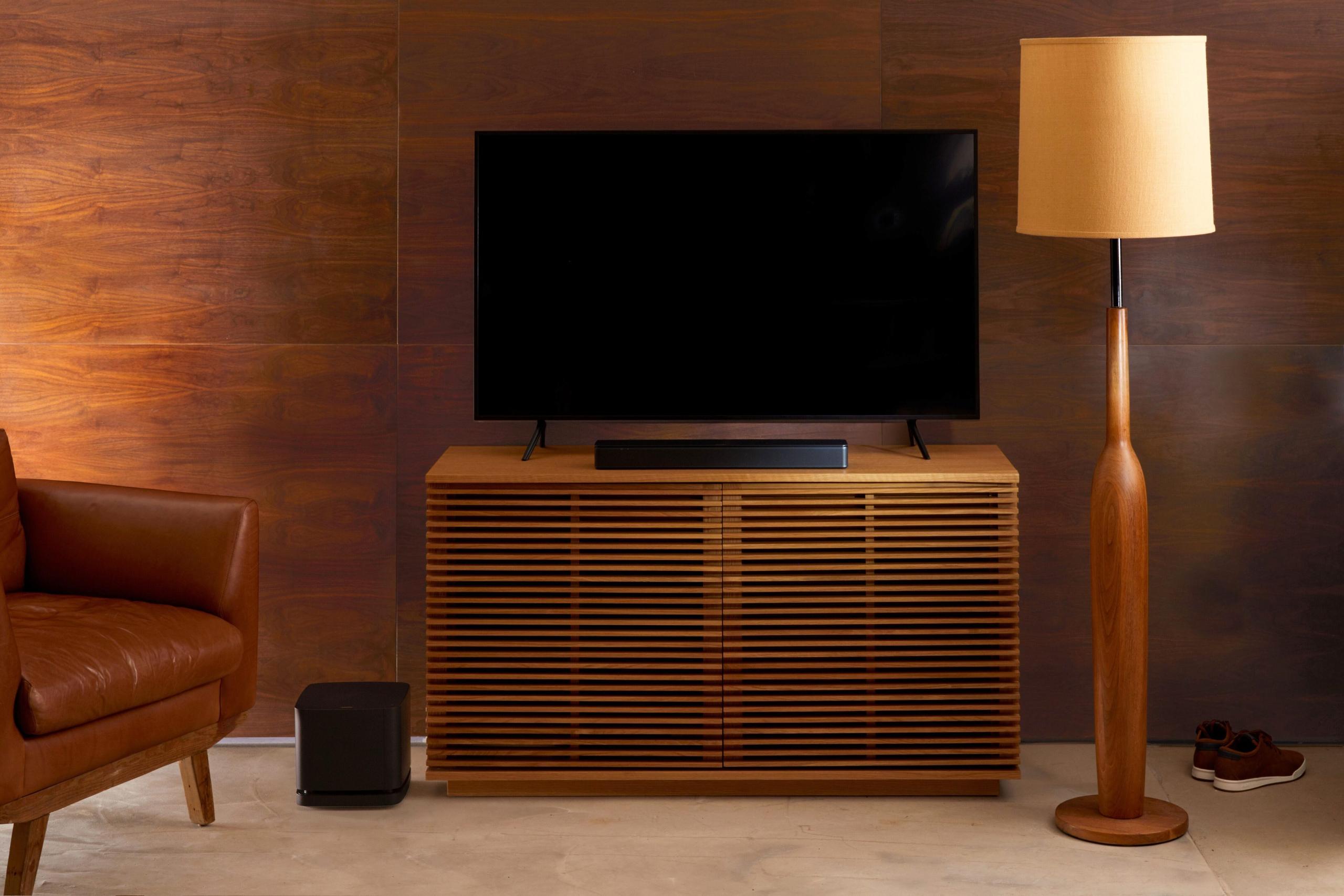
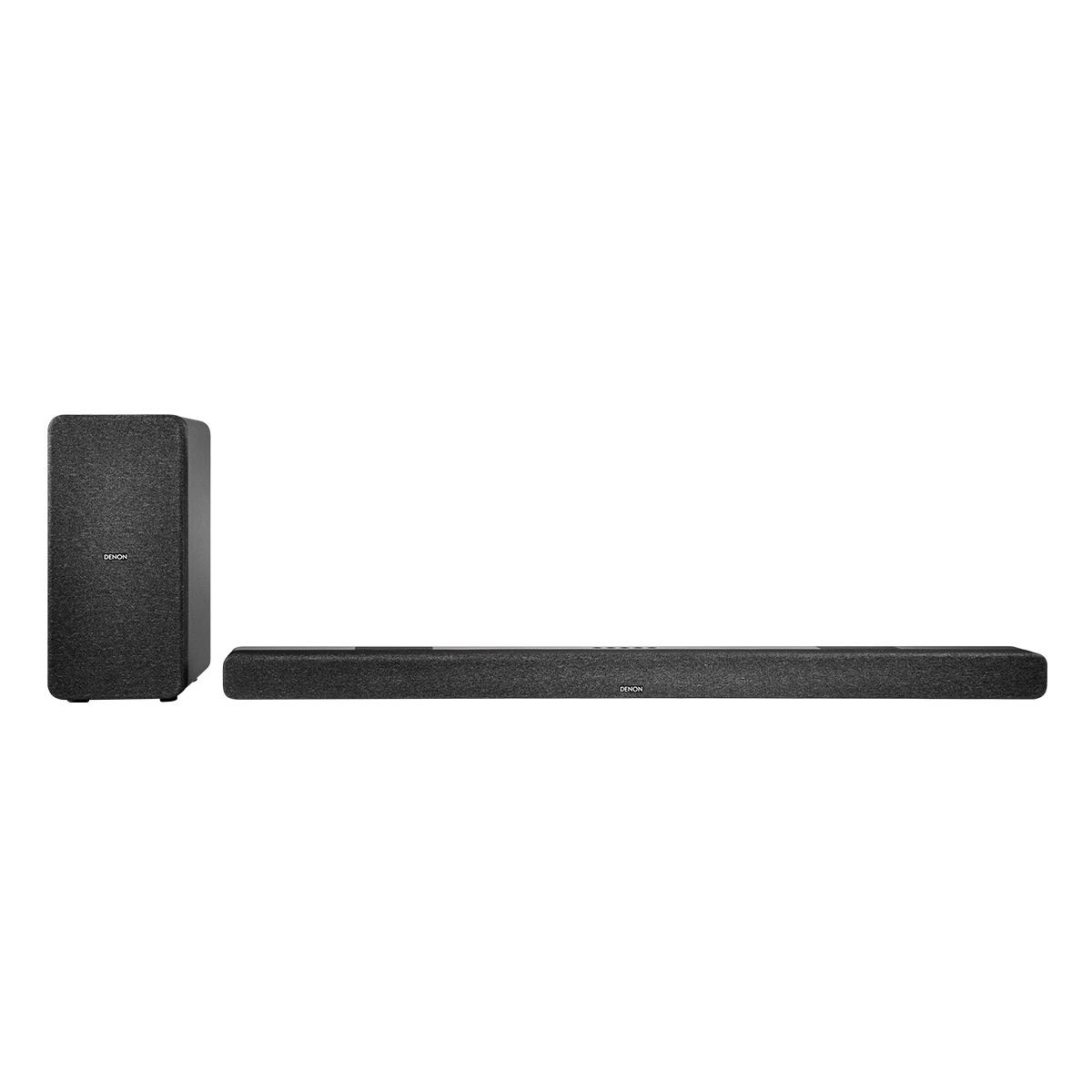
Shopping for a soundbar can feel overwhelming, especially when you're trying to figure out whether to go simple or dive into the world of surround sound. I've spent considerable time with both the Bose TV Speaker Soundbar at $199 and the Denon DHT-S517 Soundbar with Wireless Subwoofer at $302, and they represent two completely different philosophies for upgrading your TV's audio. Let me walk you through what makes each one special and help you figure out which approach makes sense for your situation.
Before we dive into specifics, it's worth understanding what soundbars are trying to solve. Modern TVs are incredibly thin, which means there's simply no room for decent speakers inside them. The result? Dialogue that sounds like it's coming from inside a tin can, and action scenes that lack any real impact. Soundbars fix this by placing multiple speakers in a single bar that sits below or in front of your TV.
The soundbar market has evolved dramatically since these products launched. The Bose TV Speaker debuted in 2020 as part of Bose's push to simplify home audio, while the Denon DHT-S517 arrived in 2022 with more advanced processing and wireless capabilities. This two-year gap might not seem like much, but it represents significant advances in audio chip technology, wireless connectivity, and manufacturing costs for premium features.
What's fascinating is how these two products take completely different approaches to solving the same problem. Bose focused on making TV dialogue crystal clear with minimal fuss, while Denon aimed to create a mini home theater experience. Neither approach is wrong, but they serve very different needs.
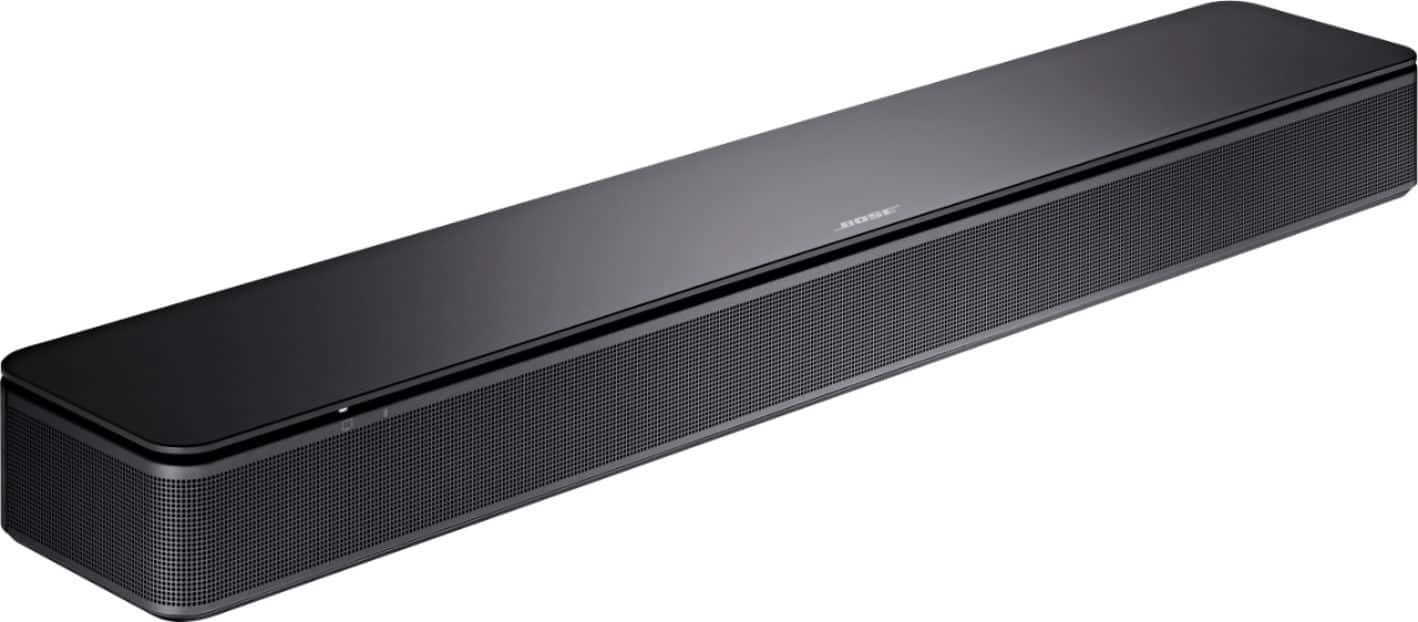
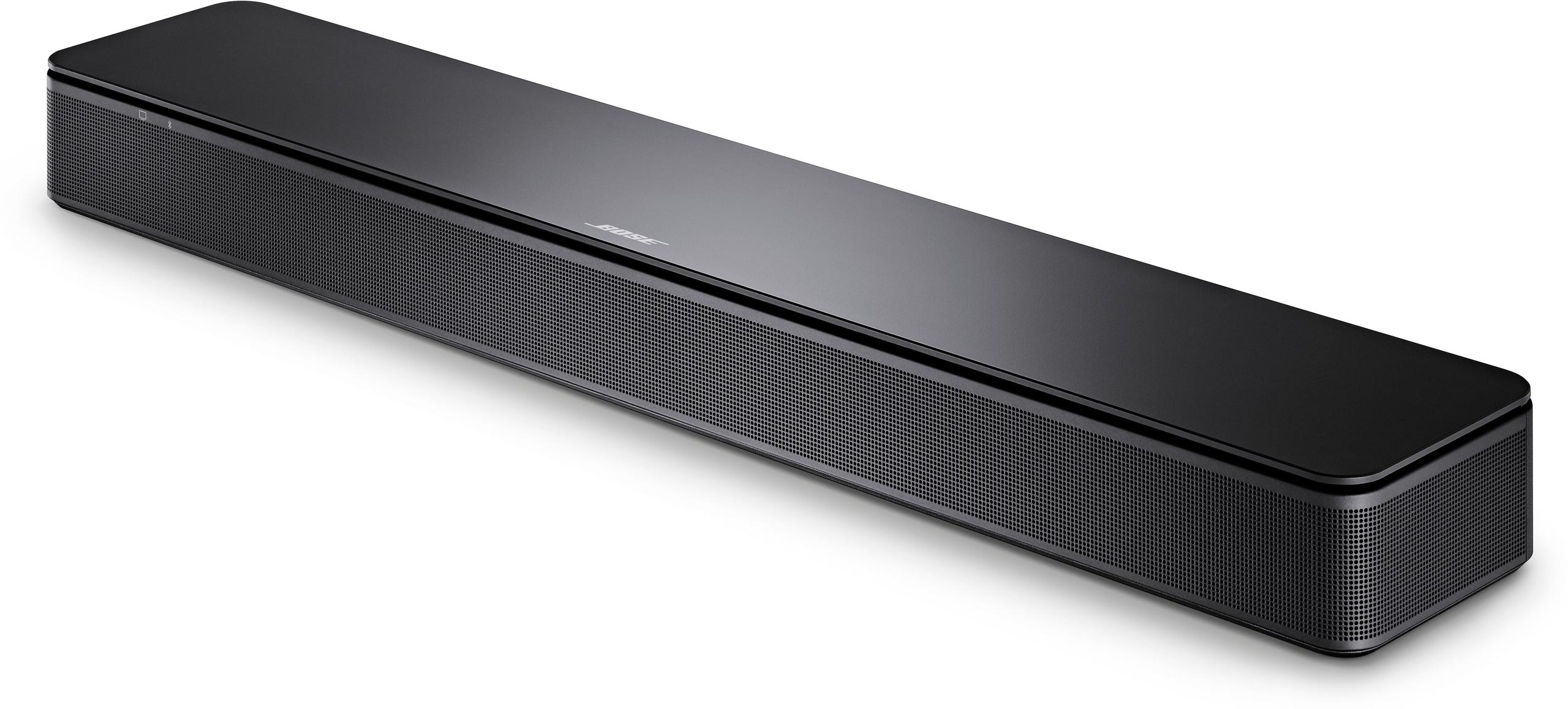
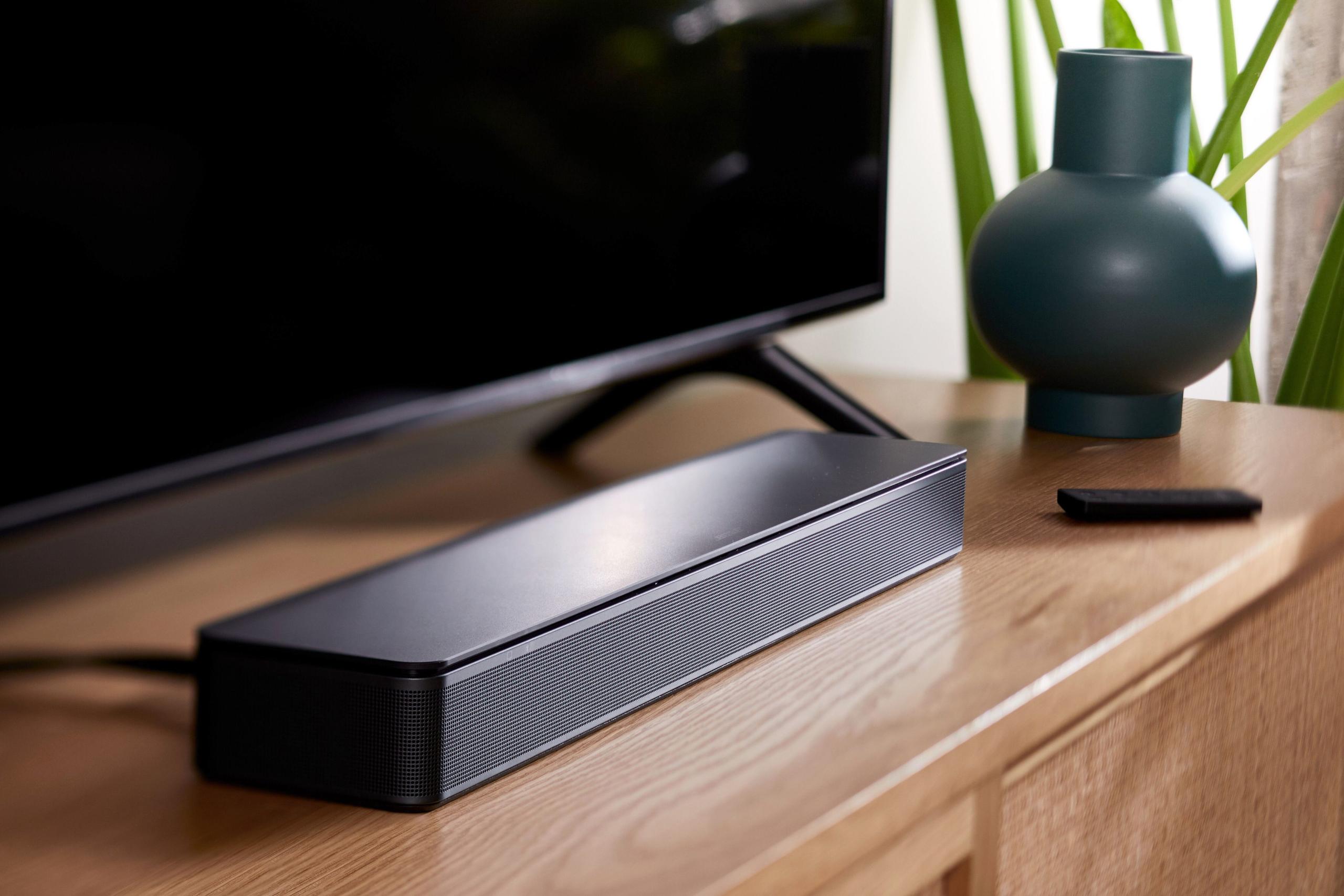
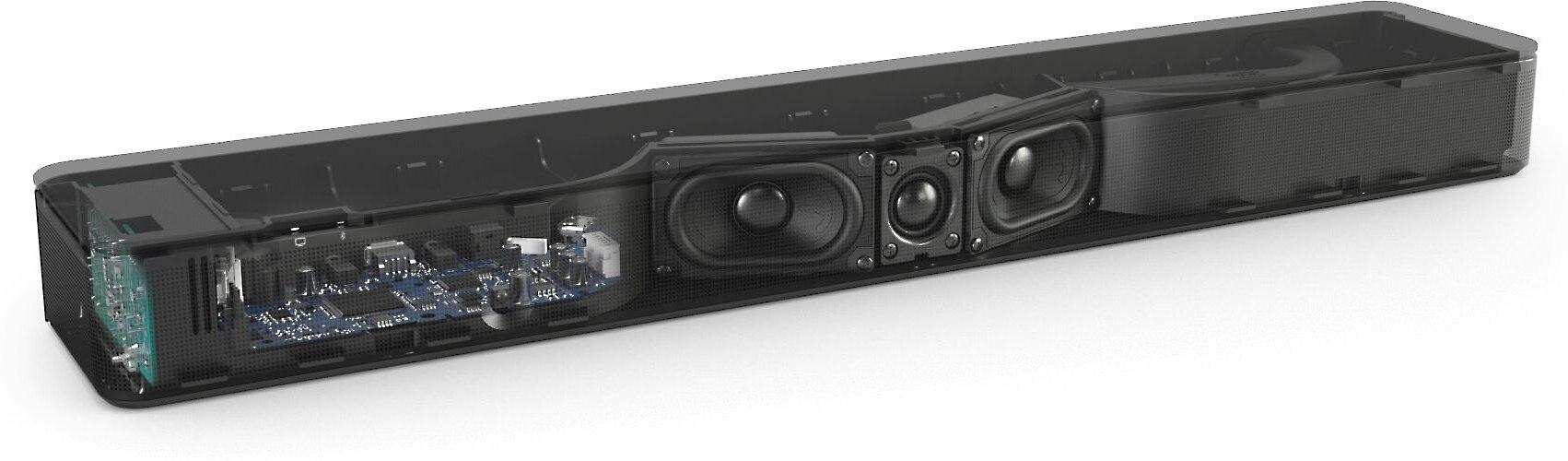
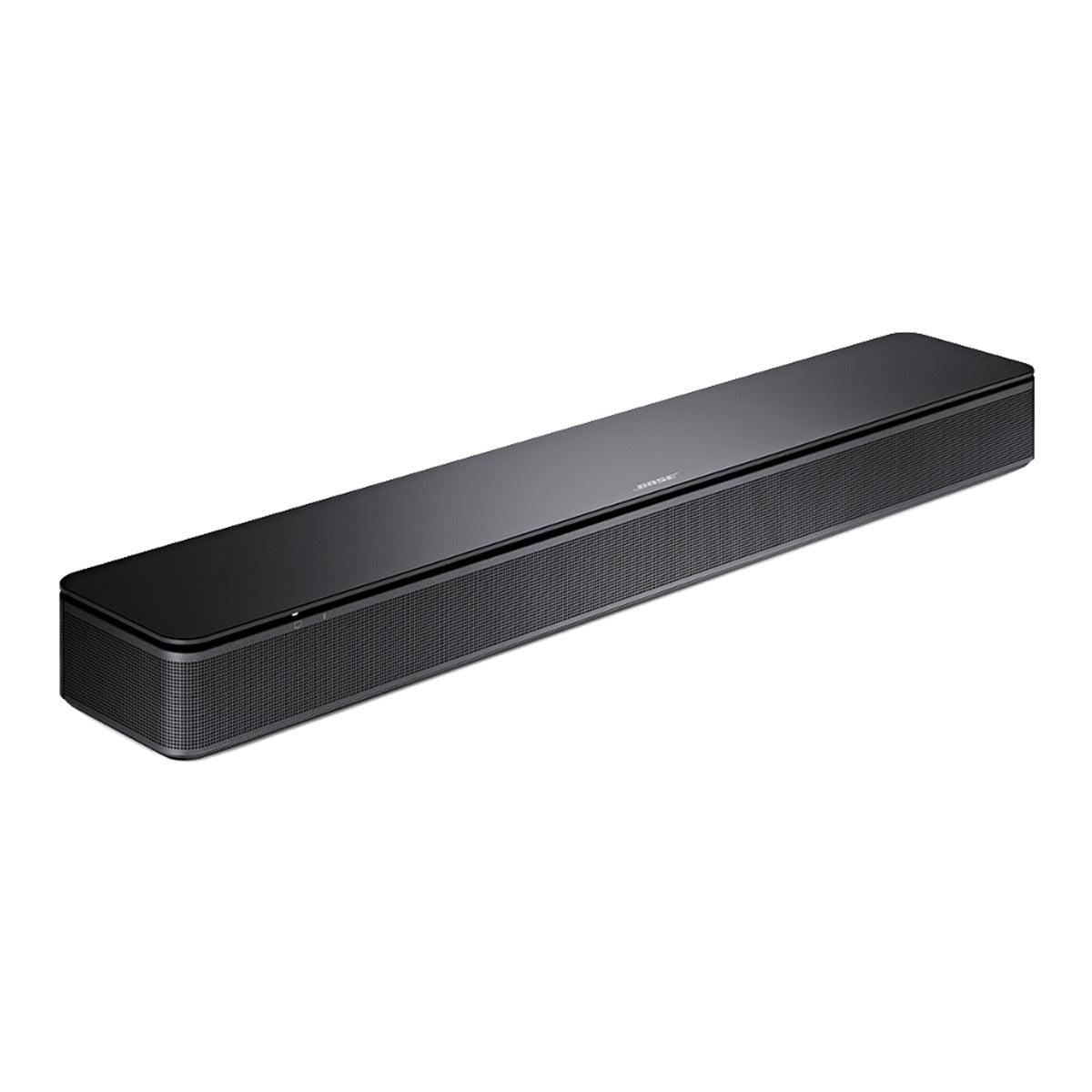
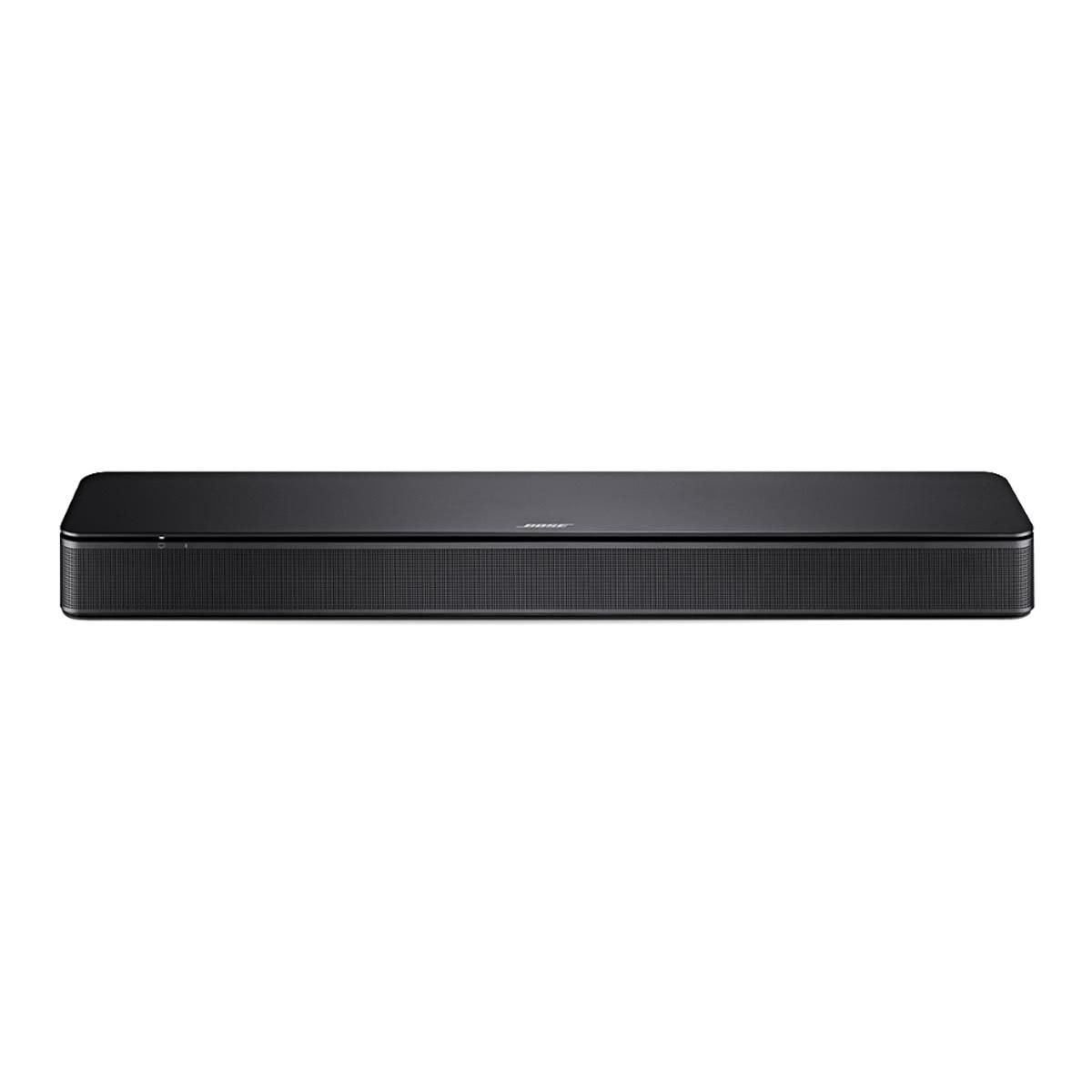
Here's where things get interesting from a technical standpoint. The Bose TV Speaker uses a 2.0 channel configuration, which means it has left and right channels but no dedicated center channel or subwoofer. Think of it like a really good pair of computer speakers that happen to be designed for your TV. It uses two cone woofers and dome tweeters (the small speakers that handle high frequencies) packed into a surprisingly compact 23.4-inch frame.
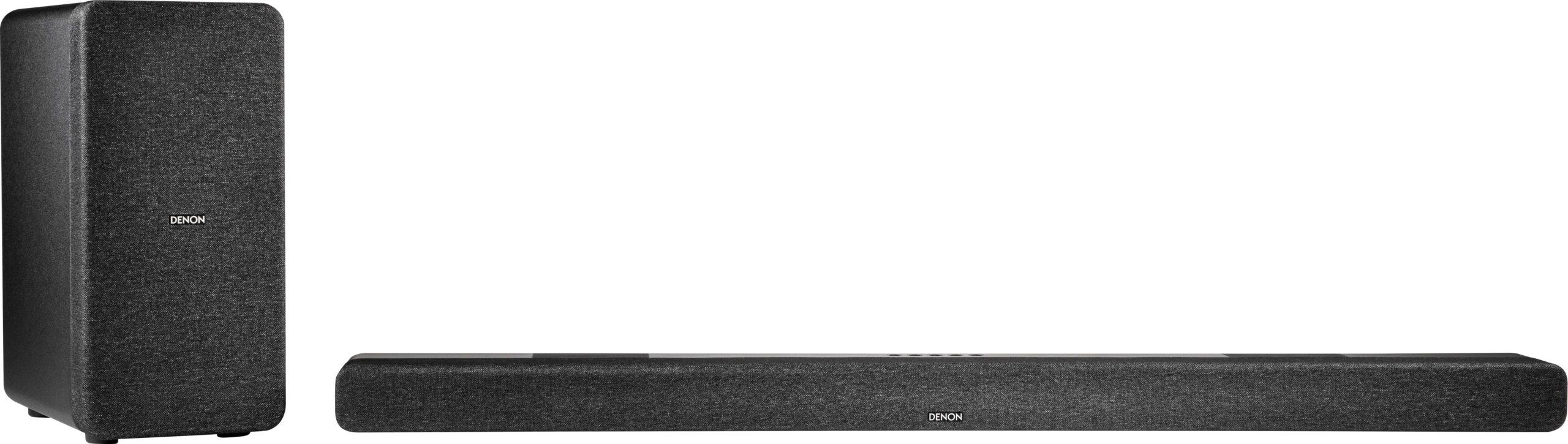
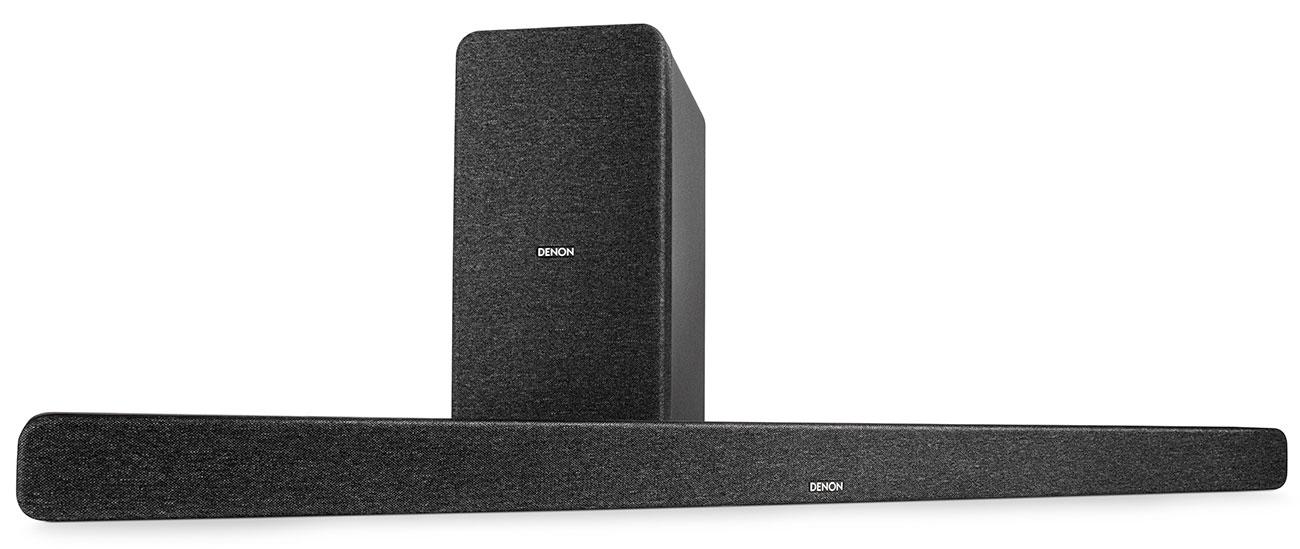
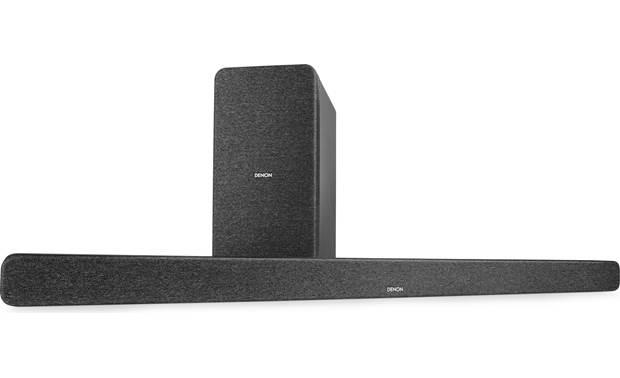
The Denon DHT-S517, on the other hand, uses a 3.1.2 configuration. Let me break this down because these numbers actually tell you a lot about what you're getting. The "3" represents front left, center, and right channels. The "1" is the subwoofer channel (handled by that wireless subwoofer). The "2" refers to height channels – these are upward-firing speakers that bounce sound off your ceiling to create overhead effects.
This difference in driver configuration fundamentally changes how these soundbars perform. The Bose relies on psychoacoustic tricks – basically fooling your brain into thinking the sound is bigger than it actually is. Bose has always been masterful at this, using proprietary signal processing to create a surprisingly wide soundstage from just two channels.
The Denon takes a more straightforward approach with actual discrete channels. Its seven-driver array includes 4.7" x 1.6" racetrack-shaped midrange drivers, 1" tweeters, a dedicated center channel driver, and those crucial upward-firing Atmos speakers. Each driver has a specific job, which typically results in more accurate sound reproduction.
Both soundbars excel at dialogue, but they achieve clarity through different methods. The Bose TV Speaker's Dialogue Mode analyzes the incoming audio signal and automatically boosts vocal frequencies while suppressing competing sounds. It's remarkably effective – I've found myself actually understanding mumbled dialogue in British crime dramas that previously required subtitles.
The Denon DHT-S517 takes a more sophisticated approach with its dedicated center channel. In traditional surround sound systems, the center channel is specifically designed to handle dialogue, and having a physical driver dedicated to this task provides more natural-sounding speech. The Denon's Dialogue Enhancer offers three levels of enhancement (Low, Medium, High), giving you more control over how aggressive the processing gets.
In my testing, both systems significantly improve dialogue clarity over TV speakers, but they do it differently. The Bose tends to make everything sound clearer and more present, while the Denon maintains better separation between voices and background elements. If you primarily watch news or talk shows, both will serve you well, but the Denon's approach feels more natural for complex movie soundtracks.
This is where the products diverge most dramatically. The Bose TV Speaker produces surprisingly decent bass for its size – Bose's engineers have always been skilled at getting small drivers to move more air than they should. However, there are physical limits to what a 23.4-inch soundbar can produce. You'll get enough low-end for dialogue and light music, but action movies will leave you wanting more impact.
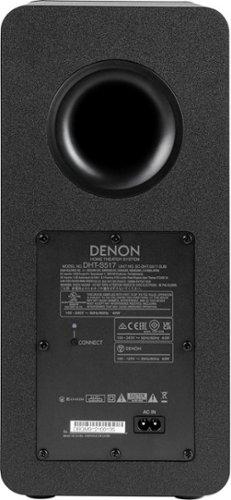
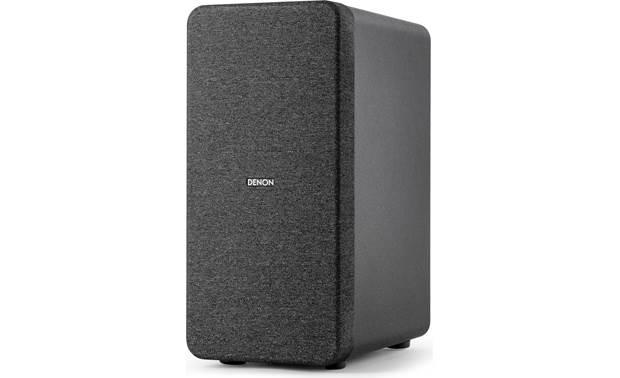
The Denon DHT-S517 includes a wireless subwoofer with a 5.25-inch driver powered by a 100-watt amplifier. This makes an enormous difference for movie watching. Explosions have actual impact, music has proper foundation, and you'll feel the rumble of aircraft or thunder. The subwoofer connects wirelessly using a 2.4 GHz frequency-hopping system, which means you can place it anywhere within about 30 feet of the soundbar without running cables.
I've found the Denon's bass integration to be generally excellent, though it can occasionally feel slightly disconnected from the main soundbar in smaller rooms. The Bose's bass, while limited, feels more cohesive since it's all coming from one location.
Here's where the Denon DHT-S517 truly shines. Its Dolby Atmos support isn't just a marketing checkbox – it includes actual upward-firing speakers that create height effects. When you're watching a movie with proper Atmos encoding, sounds can appear to come from above and around you. Rain falling, helicopters flying overhead, or debris falling from above all gain a three-dimensional quality that's genuinely immersive.
The system uses frequency-hopping spread spectrum (FHSS) technology for its wireless connection, which helps prevent interference from other devices. More importantly, it supports Dolby TrueHD and Dolby Digital Plus, which are higher-quality audio formats you'll find on Blu-rays and streaming services.
The Bose TV Speaker doesn't attempt surround sound at all. It's purely a stereo enhancement device. While Bose's processing can create a surprisingly wide soundstage – making it seem like sound extends beyond the physical boundaries of the soundbar – it can't create true surround effects or overhead audio.
Both soundbars include Bluetooth connectivity, but there are meaningful differences. The Bose TV Speaker uses Bluetooth 4.2, while the Denon DHT-S517 includes the newer Bluetooth 5.0 standard. In practical terms, this means the Denon offers better range, more stable connections, and can handle higher-quality wireless audio streaming.
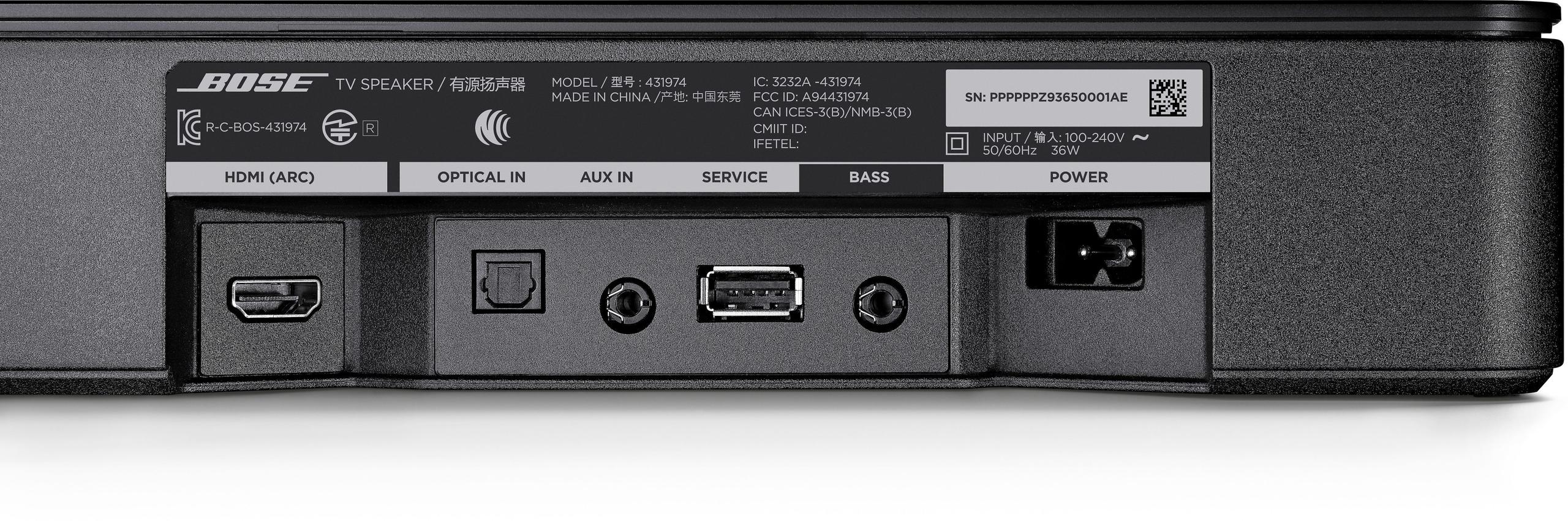
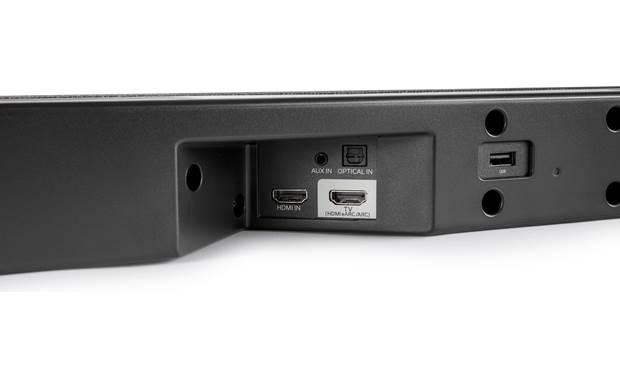
For TV connections, both support HDMI ARC (Audio Return Channel), which allows you to control the soundbar volume with your TV remote. The Denon goes further with HDMI eARC (enhanced Audio Return Channel) support, which can handle higher bandwidth audio formats and provides more reliable communication between devices.
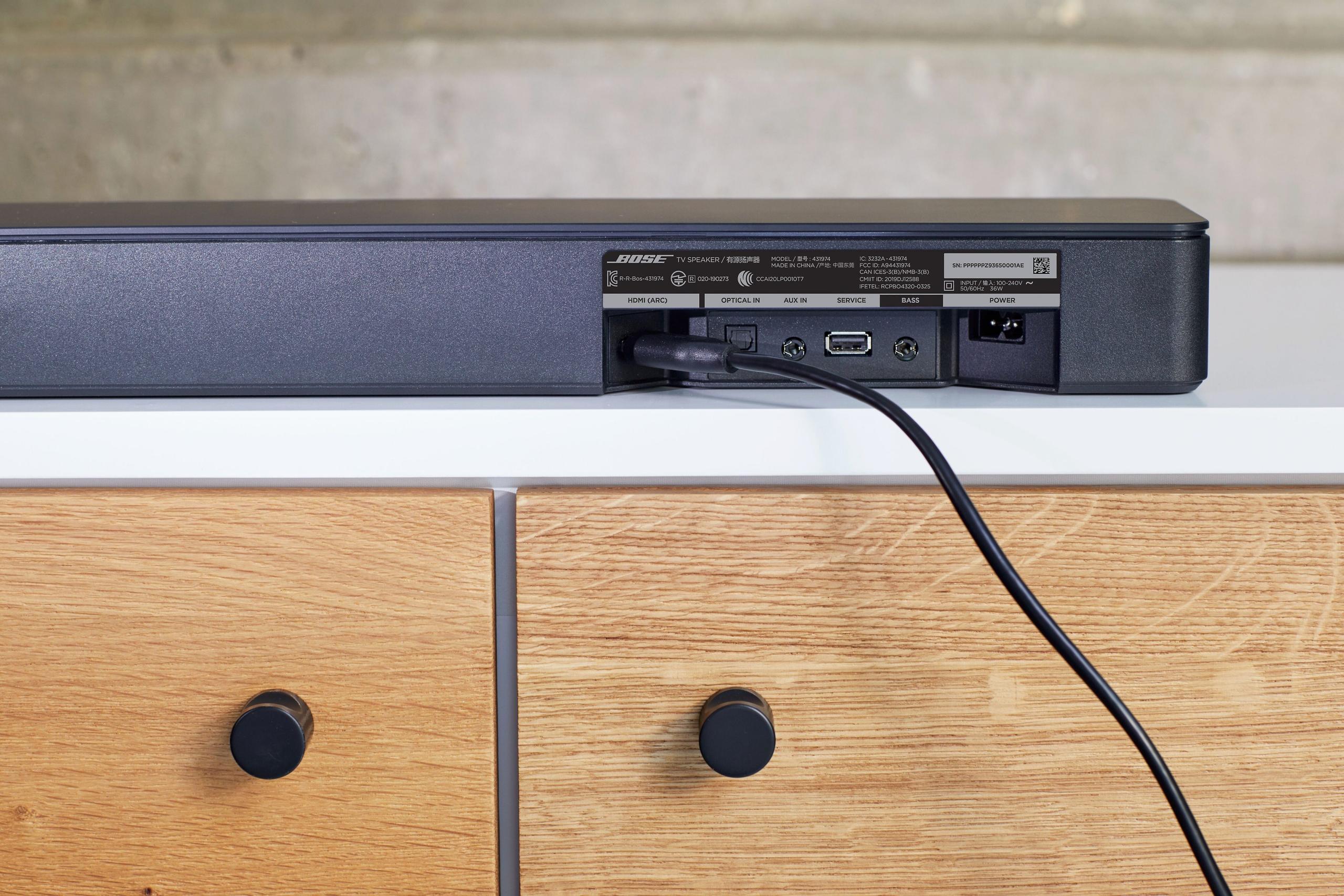
The Denon also includes additional input options: a 3.5mm analog input for older devices, a USB port for direct file playback, and an optical digital input as a backup connection method. The Bose keeps things simpler with just HDMI ARC, optical, and Bluetooth.
The Denon DHT-S517 offers significantly more customization options. Its Movie mode enhances surround effects and dynamic range for cinematic content. Music mode provides a broader stereo soundstage optimized for two-channel audio. Night mode compresses the dynamic range, making quiet dialogue louder and preventing loud effects from disturbing others – perfect for late-night viewing.
Perhaps most interesting is the Denon's Pure Mode, which bypasses all digital processing and plays audio as naturally as possible. This is particularly valuable for high-quality music streaming, where you want to hear the content as the artist intended rather than with artificial enhancements.
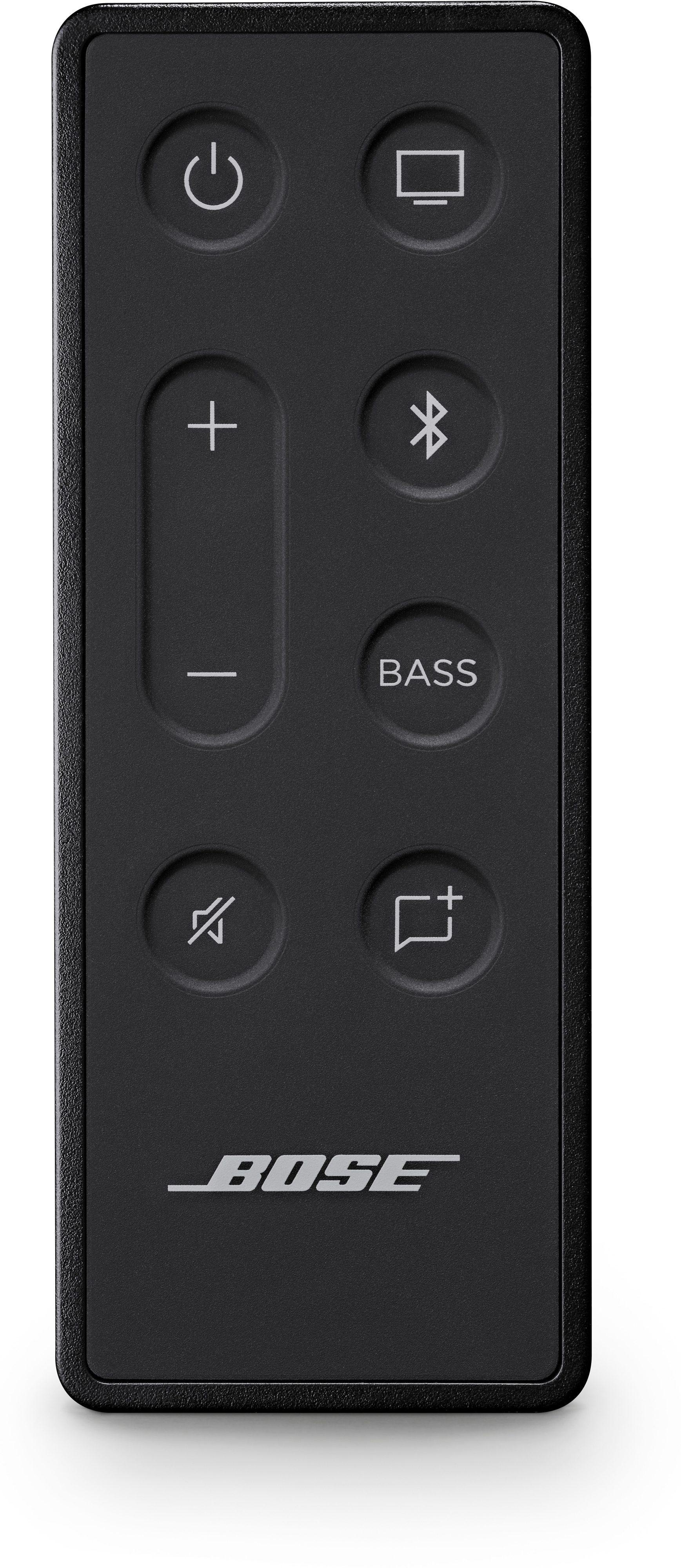
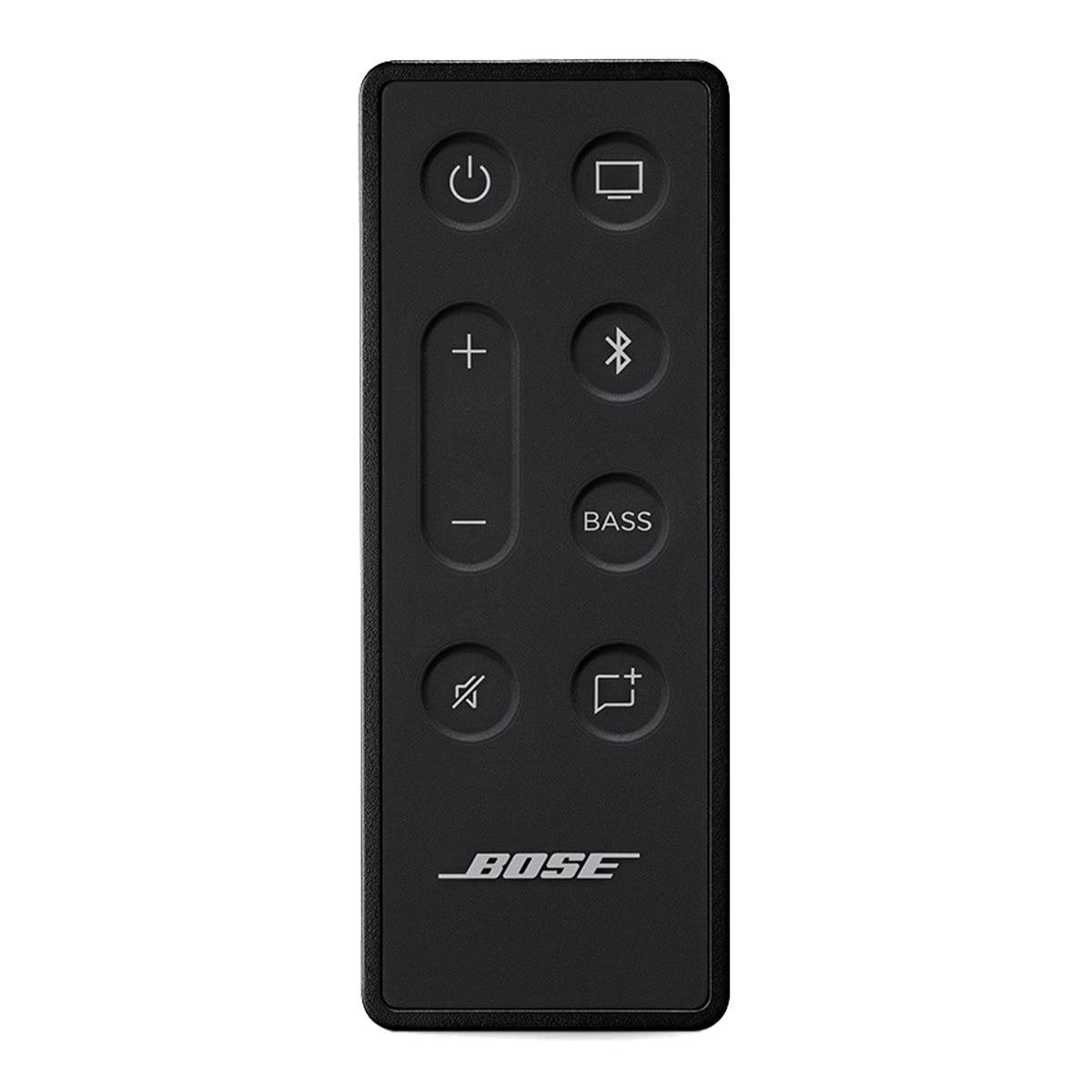
The Bose TV Speaker keeps customization minimal with just bass adjustment and the Dialogue Mode toggle. This simplicity is intentional – Bose designed this soundbar for people who want better TV audio without complexity.
If you're thinking about building a home theater system over time, these products take you down different paths. The Bose TV Speaker can be paired with Bose's Bass Module 500 or 700 for added low-frequency performance, though this requires a wired connection and significantly increases the total cost.
The Denon DHT-S517 represents a more complete solution out of the box. While it doesn't offer the same expansion possibilities as Bose's ecosystem, it provides most of what you'd want from a home theater system immediately. The wireless subwoofer gives you flexibility in room placement – crucial for optimizing bass response in your specific space.
When the Bose TV Speaker launched in 2020, it entered a market where most soundbars in its price range offered poor build quality and mediocre sound. Bose's reputation for acoustic engineering and the soundbar's genuinely impressive dialogue clarity made it a standout option for its $199 price point.
The Denon DHT-S517 arrived in 2022 with the benefit of newer audio processing chips and more cost-effective manufacturing for premium features. At $302, it includes a wireless subwoofer that would cost $300 or more if purchased separately from Bose. This represents excellent value for anyone wanting a complete audio upgrade.
Technology has continued advancing since these launches. Newer soundbars often include Wi-Fi connectivity, voice assistant integration, and more sophisticated room correction systems. However, both of these products remain highly relevant because they execute their core missions exceptionally well.
Choosing between the Bose TV Speaker at $199 and Denon DHT-S517 at $302 ultimately comes down to your specific needs and room constraints.
The Bose makes perfect sense if you live in an apartment where bass could disturb neighbors, if your TV area is quite small, or if you primarily watch news and dialogue-heavy content. Its compact size and excellent dialogue processing serve these use cases beautifully. The simple setup and operation also appeal to anyone who wants better sound without complexity.
The Denon represents a better choice for most other situations. If you have a medium to large living room, enjoy movies or music, or want to feel properly immersed in your entertainment, the additional features and included subwoofer justify the $103 price difference. The wireless subwoofer alone would cost significantly more if purchased separately.
From a future-proofing perspective, the Denon DHT-S517 offers more room to grow. Its Dolby Atmos support becomes more valuable as streaming services and content creators embrace immersive audio formats. The additional connectivity options also provide more flexibility as your entertainment setup evolves.
After extensive use with both systems, I find myself recommending the Denon to most people simply because it provides a more complete audio experience for a relatively small price premium. However, the Bose absolutely has its place for users who prioritize simplicity and space efficiency over maximum performance.
The soundbar market will continue evolving, but both of these products represent solid approaches to their respective niches. Whether you choose the focused simplicity of the Bose TV Speaker or the comprehensive approach of the Denon DHT-S517, you'll be getting significantly better TV audio than what you're probably used to. The key is understanding which philosophy aligns better with how you actually use your entertainment system.
| Bose TV Speaker Soundbar | Denon DHT-S517 Soundbar with Wireless Subwoofer |
|---|---|
| Price - Value consideration for complete audio upgrade | |
| $199 (soundbar only) | $302 (includes wireless subwoofer) |
| Channel Configuration - Determines surround sound capabilities | |
| 2.0 stereo (no center channel or height effects) | 3.1.2 with Dolby Atmos (dedicated center + overhead audio) |
| Subwoofer Inclusion - Critical for bass performance in movies | |
| None included (optional Bass Module sold separately for $300+) | Wireless 5.25" subwoofer with 100W amplifier included |
| Dolby Atmos Support - Immersive overhead audio for modern content | |
| ❌ Not supported | ✅ Physical upward-firing drivers for true height effects |
| Dialogue Enhancement - Speech clarity improvement | |
| Simple on/off Dialogue Mode | 3-level Dialogue Enhancer (Low/Medium/High) + dedicated center channel |
| Sound Modes - Audio customization options | |
| Basic bass adjustment only | Movie, Music, Night, and Pure Mode for different content types |
| Connectivity Options - Device compatibility and future-proofing | |
| HDMI ARC, optical, Bluetooth 4.2 | HDMI eARC, optical, analog input, USB, Bluetooth 5.0 |
| Dimensions - Space requirements and room compatibility | |
| 23.4" W × 2.2" H × 4" D (compact, fits anywhere) | 41.3" W × 2.3" H × 3.8" D plus separate subwoofer placement |
| Audio Formats Supported - Content compatibility | |
| Dolby Digital only | Dolby Atmos, Dolby TrueHD, Dolby Digital Plus |
| Best Use Case - Ideal buyer profile | |
| Small rooms, dialogue-focused viewing, simplicity priority | Medium-large rooms, movie/music enthusiasts, complete theater experience |
The Denon DHT-S517 at $302 provides significantly better value than the Bose TV Speaker at $199. While the Denon costs $103 more, it includes a wireless subwoofer that would cost $300+ if purchased separately from Bose. You get Dolby Atmos, multiple sound modes, and a complete 3.1.2 system versus the Bose's basic 2.0 stereo configuration.
Yes, a subwoofer makes a dramatic difference for movies, music, and gaming. The Bose TV Speaker lacks a subwoofer and produces limited bass, making action scenes feel flat. The Denon DHT-S517 includes a wireless subwoofer that delivers proper impact for explosions, music, and low-frequency effects that significantly enhance your viewing experience.
The Bose TV Speaker works better in small spaces due to its compact 23.4-inch size and controlled audio output that won't overwhelm tight quarters. The Denon DHT-S517 may produce too much bass in very small rooms, though its wireless subwoofer can be placed and adjusted to work in most spaces.
The Bose TV Speaker uses 2.0 configuration (left and right channels only), while the Denon DHT-S517 features 3.1.2 (front left/center/right, subwoofer, and two height channels). The Denon's configuration provides dedicated dialogue clarity, proper bass, and overhead Dolby Atmos effects versus the Bose's basic stereo enhancement.
Both soundbars offer simple setup, but the Bose TV Speaker has a slight edge with just one cable connection and minimal configuration. The Denon DHT-S517 requires pairing the wireless subwoofer and offers more settings to adjust, though setup still takes under 10 minutes for most users.
Only the Denon DHT-S517 supports Dolby Atmos with physical upward-firing speakers that create overhead audio effects. The Bose TV Speaker doesn't support Atmos or any surround sound formats, focusing instead on stereo audio enhancement and dialogue clarity.
Both excel at dialogue, but through different approaches. The Bose TV Speaker uses a Dialogue Mode that enhances speech frequencies, while the Denon DHT-S517 combines a dedicated center channel with a 3-level Dialogue Enhancer. The Denon's approach provides more natural-sounding dialogue separation.
Yes, both support Bluetooth music streaming, but the Denon DHT-S517 offers superior music performance with its wider frequency range, subwoofer support, dedicated Music mode, and Pure Mode for unprocessed audio. The Bose TV Speaker works for casual music listening but lacks the depth and impact for serious music enjoyment.
The Denon DHT-S517 is far superior for home theater use, offering true Dolby Atmos with height channels, wireless subwoofer for cinematic bass, and multiple sound modes optimized for movies. The Bose TV Speaker improves TV audio but can't create the immersive experience expected from a proper home theater system.
The Denon DHT-S517 offers more connectivity with HDMI eARC, optical, analog input, USB port, and Bluetooth 5.0. The Bose TV Speaker includes HDMI ARC, optical, and Bluetooth 4.2. The Denon's additional inputs and newer Bluetooth provide better device compatibility and future-proofing.
The Bose TV Speaker suits apartment living better due to its compact size and lack of subwoofer that might disturb neighbors. However, the Denon DHT-S517 includes a Night mode that compresses audio dynamics for quieter late-night viewing, and its wireless subwoofer can be turned down or positioned to minimize neighbor disruption.
Choose the Bose TV Speaker at $199 if you prioritize simplicity, have a small room, or primarily watch dialogue-heavy content like news. Choose the Denon DHT-S517 at $302 if you want a complete audio upgrade with proper bass, Dolby Atmos support, and enhanced movie/music performance that justifies the modest price premium.
We've done our best to create useful and informative comparisons to help you decide what product to buy. Our research uses advanced automated methods to create this comparison and perfection is not possible - please contact us for corrections or questions. These are the sites we've researched in the creation of this article: bestbuy.com - projectorscreen.com - forums.audioholics.com - digitaltrends.com - abt.com - crutchfield.com - staples.com - bestbuy.com - pcrichard.com - visions.ca - bose.com - assets.bose.com - techradar.com - consumerreports.org - crutchfield.com - bestbuy.com - bestbuy.com - pocket-lint.com - abt.com - manuals.denon.com - connectedmag.com.au - bestbuy.com - forum.flirc.tv - bhphotovideo.com

Privacy Policy
Terms and Conditions - Affiliate Policy
Home Security
© Copyright 2008-2026.
11816 Inwood Rd #1211, Dallas, TX 75244