


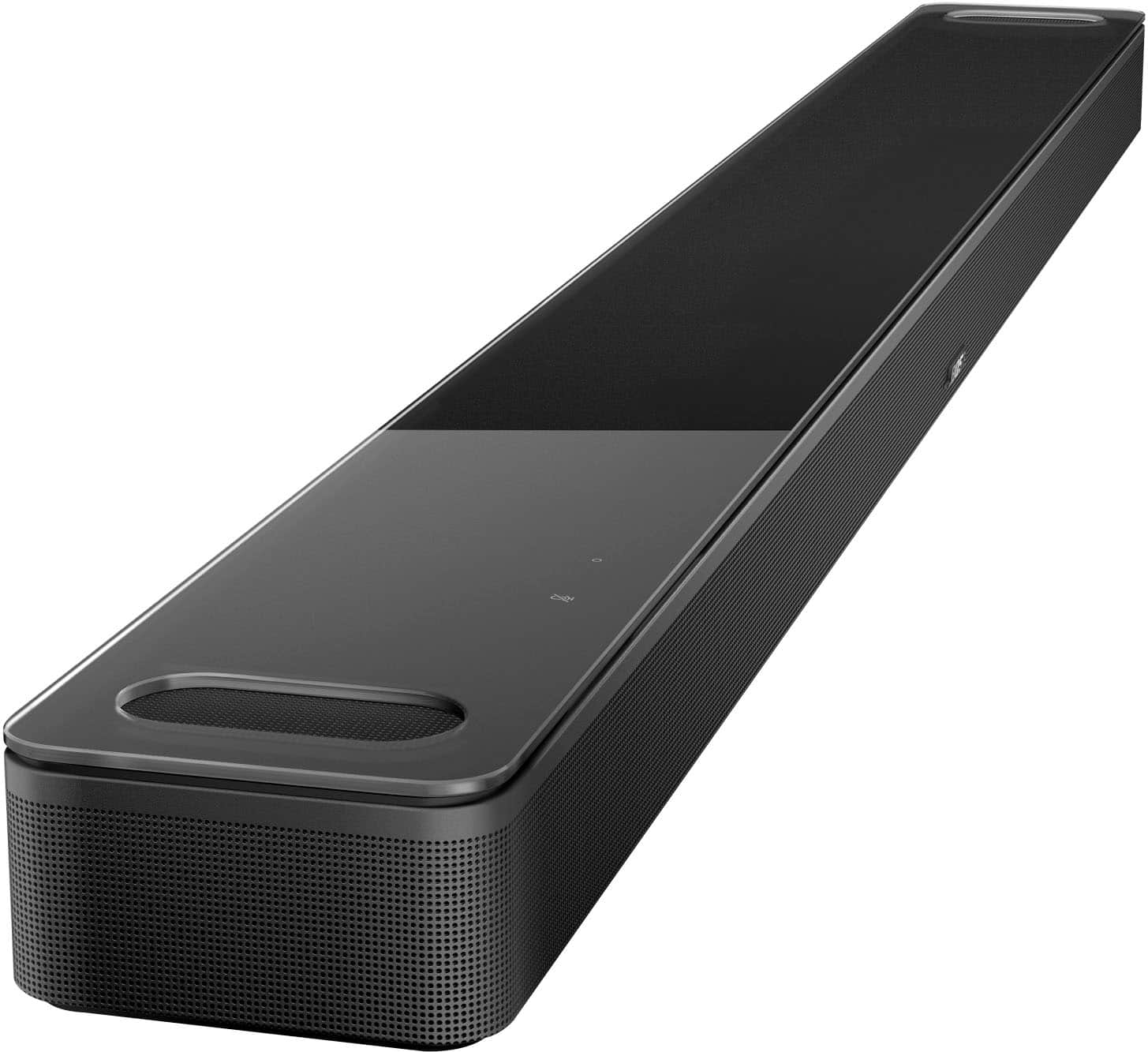
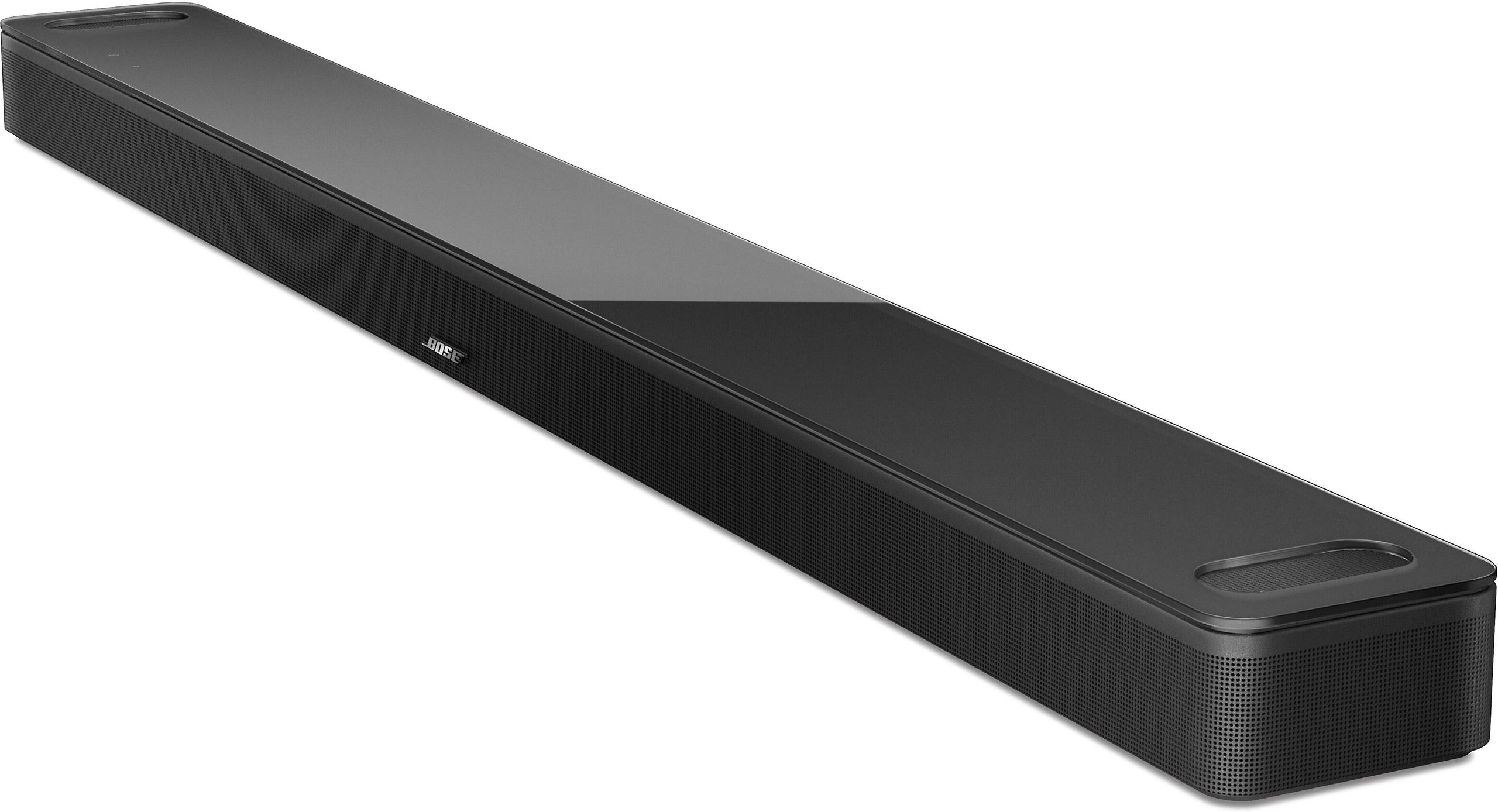
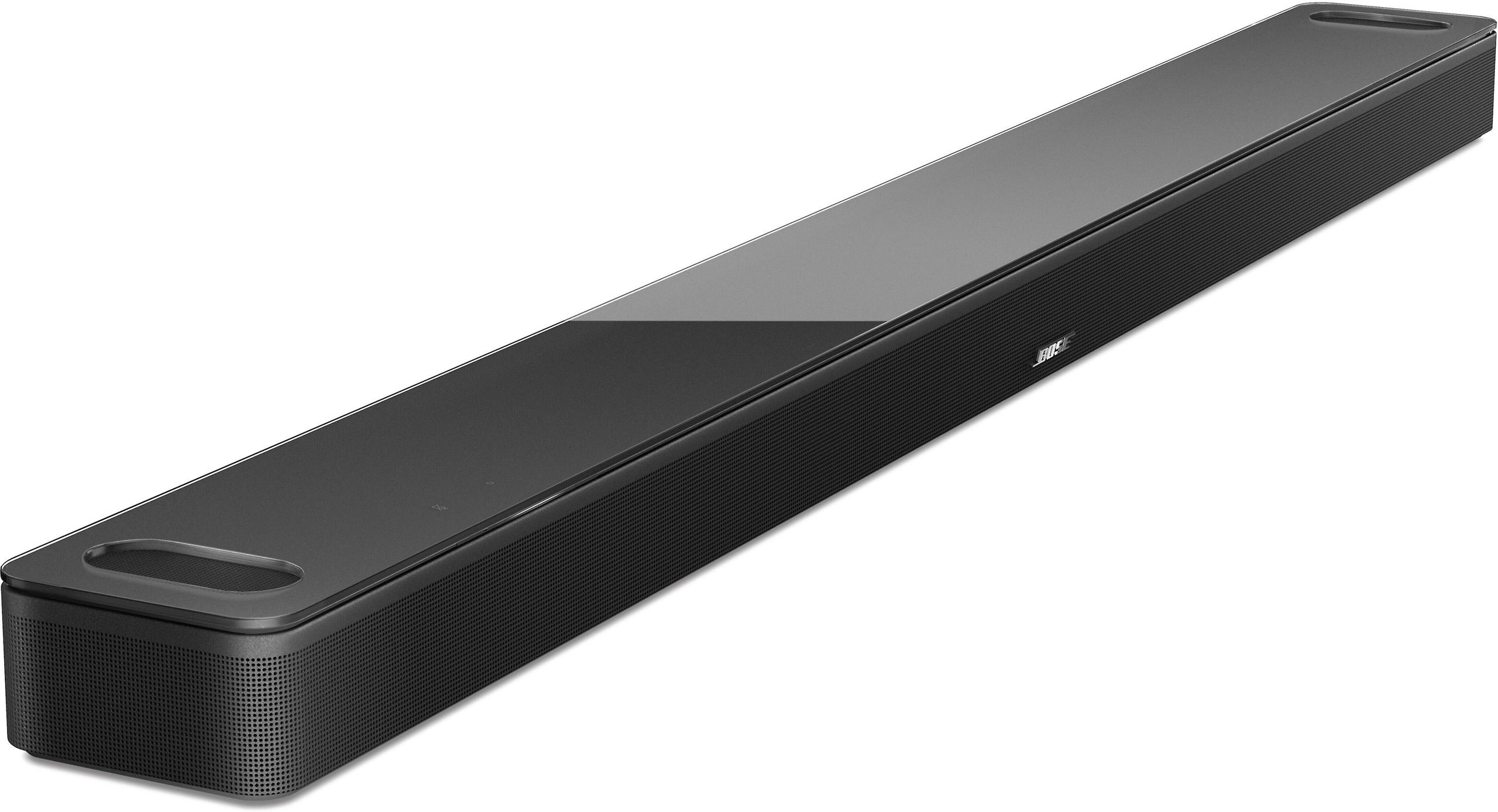

If you've been struggling to hear dialogue in your favorite movies or feeling like your TV's built-in speakers just don't cut it anymore, you're not alone. The soundbar market has exploded in recent years, transforming from simple audio upgrades into sophisticated home theater systems that can rival traditional surround sound setups. Today, we're diving deep into two very different approaches to premium audio: the tech-forward Bose Smart Ultra Soundbar ($599) and the value-packed Denon DHT-S517 ($302).
Before we jump into specifics, let's talk about what makes a soundbar "premium" in 2024. Gone are the days when soundbars were just wider speakers that sat under your TV. Today's premium models are essentially computers with speakers attached, using advanced digital signal processing (DSP) – think of it as audio software that manipulates sound in real-time – to create immersive experiences that can fool your brain into thinking sound is coming from all around you.
The key factors that separate good soundbars from great ones include how well they handle spatial audio (creating that surround sound effect), their ability to make dialogue crystal clear even during explosive action scenes, and increasingly, how seamlessly they integrate with our connected homes. Bass performance remains crucial too, since that's what gives movies their emotional impact and music its foundation.
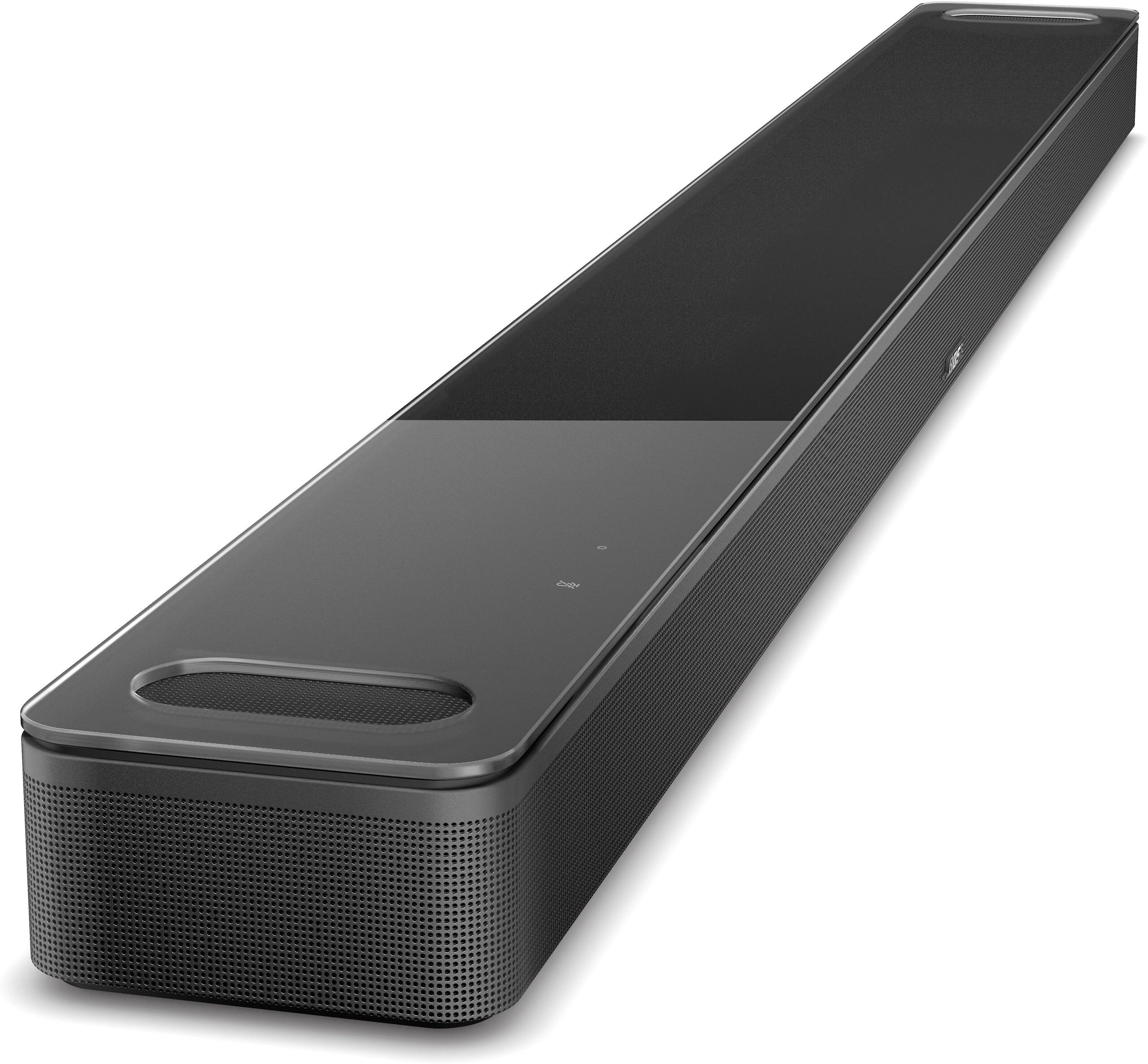
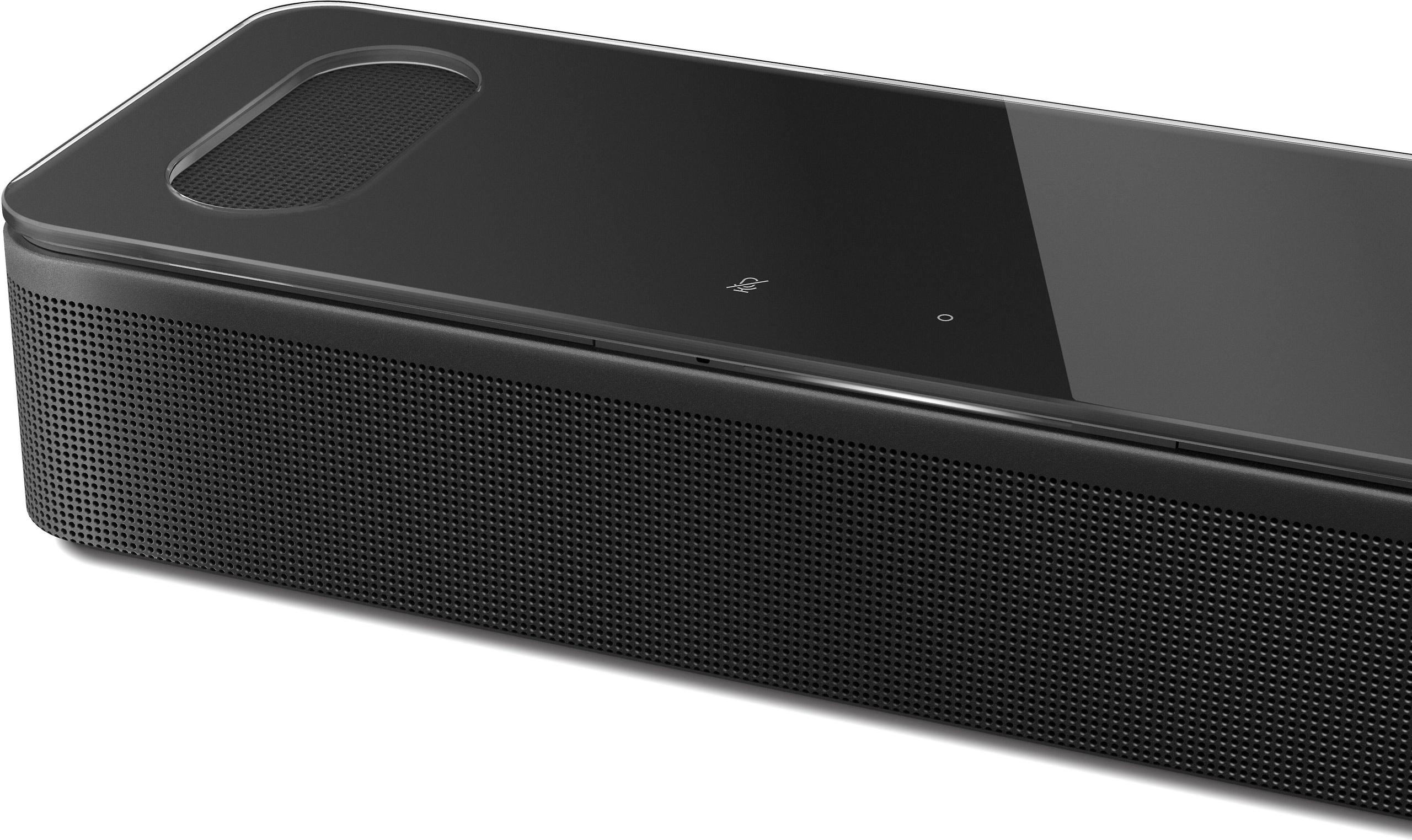
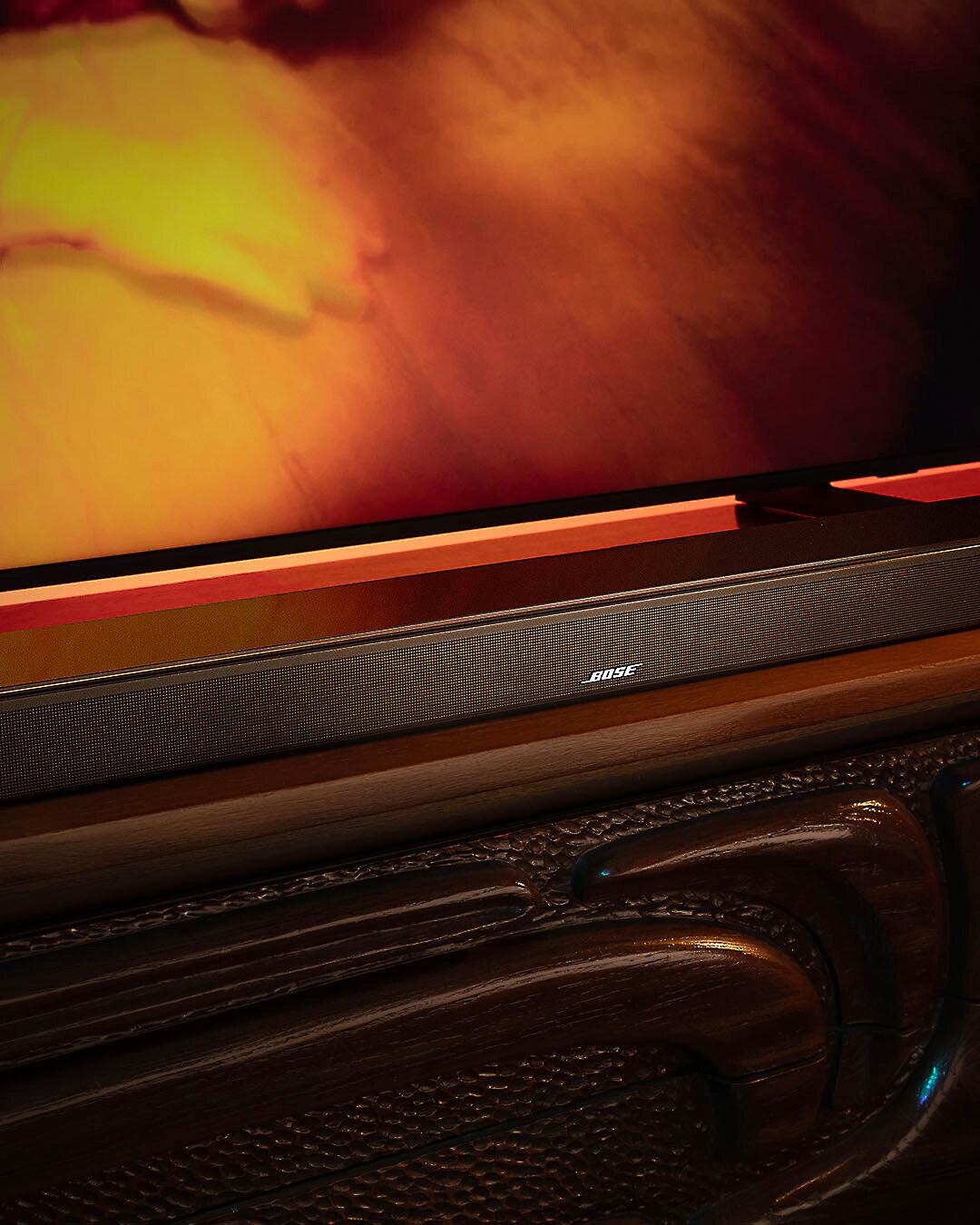
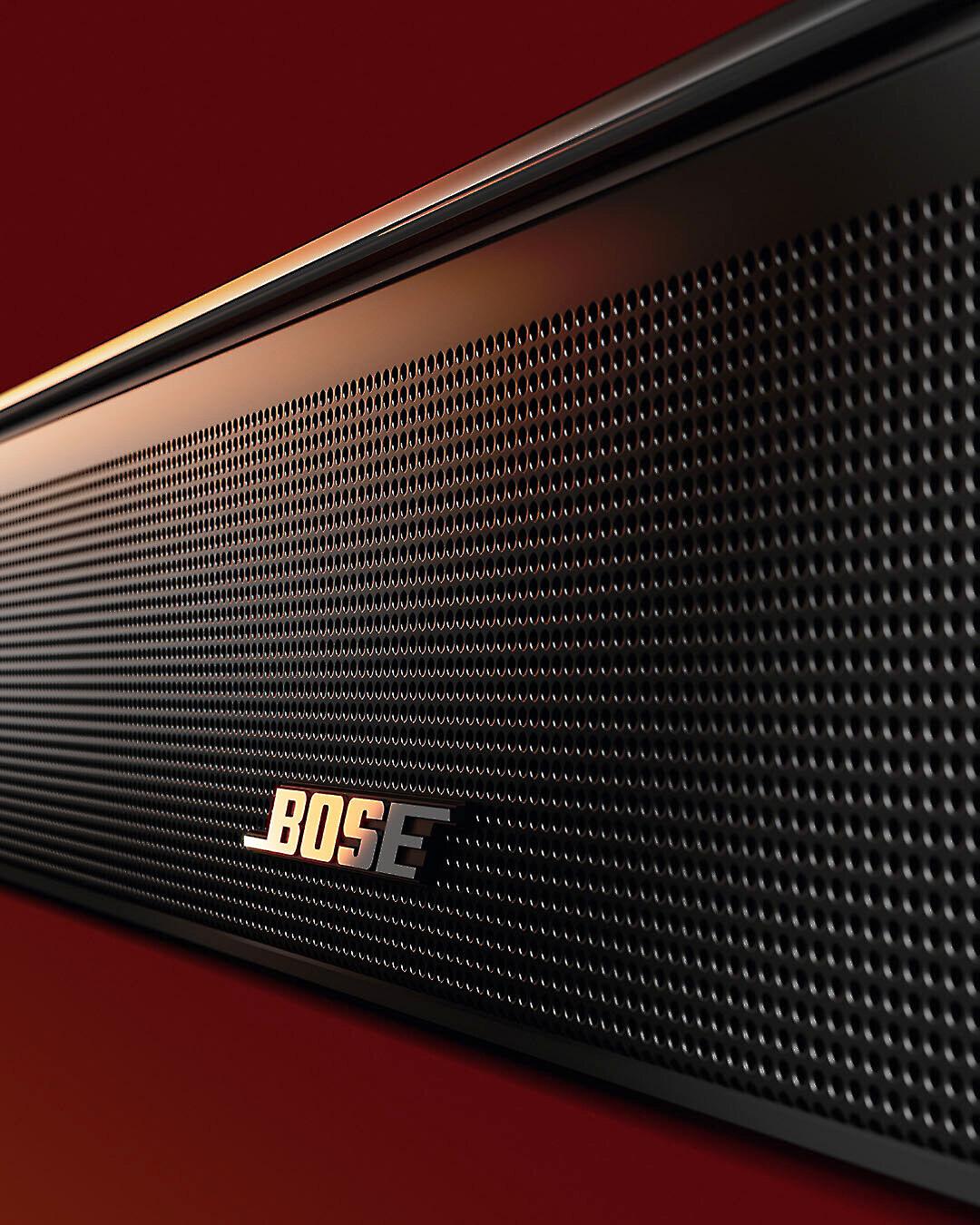
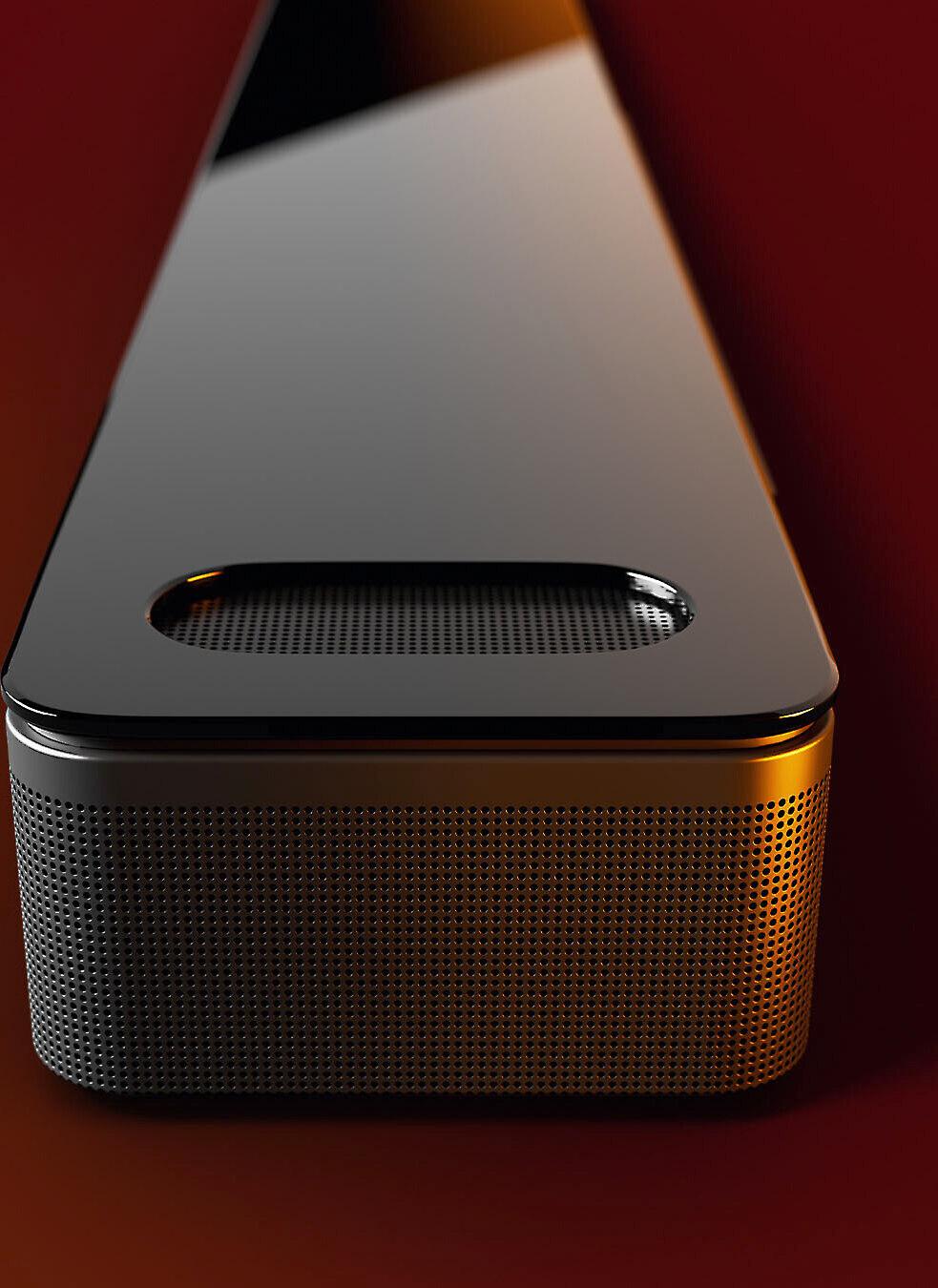
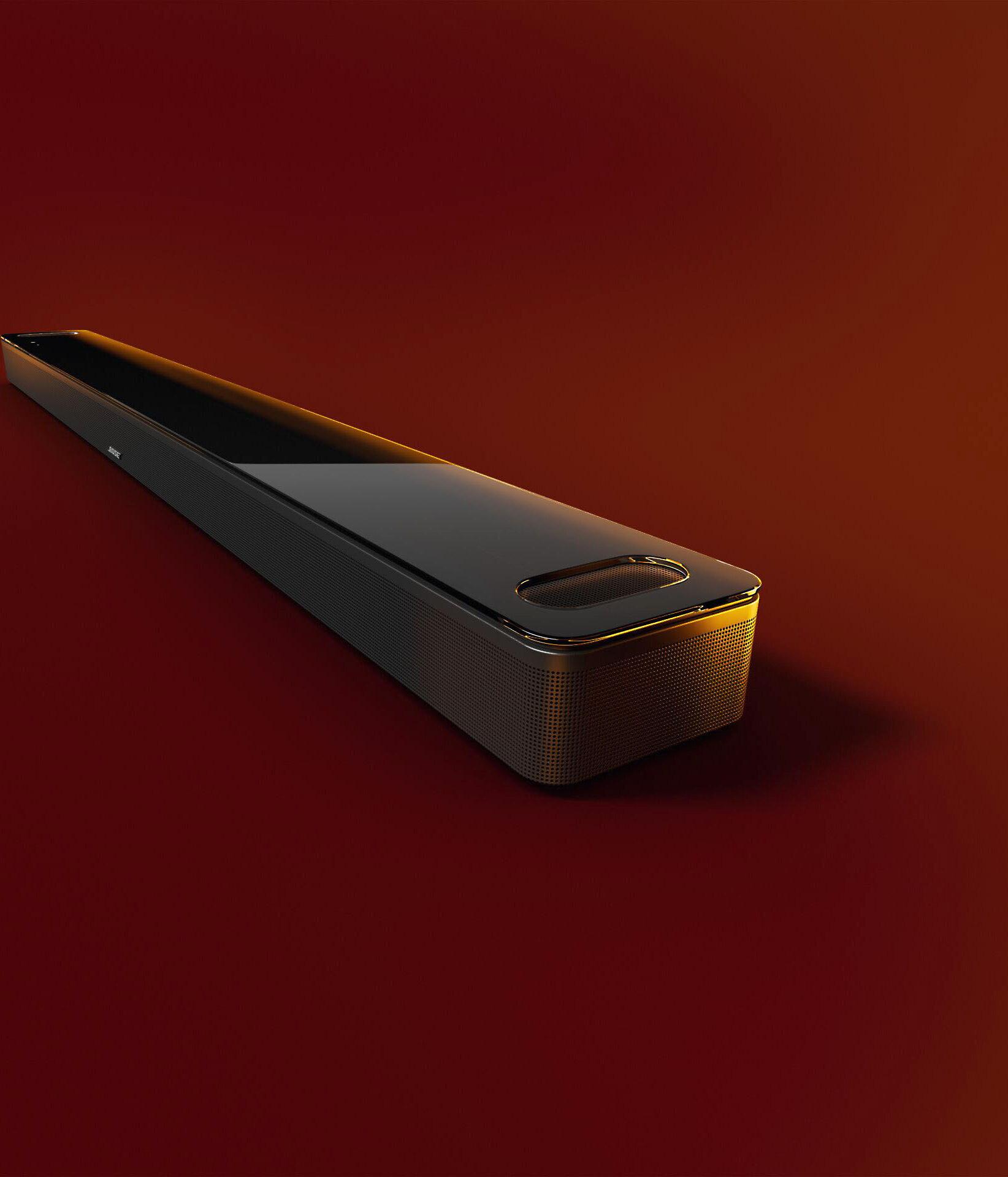
The Bose Smart Ultra Soundbar, released in September 2023, represents Bose's latest thinking on premium audio. It's their flagship model, packed with proprietary technologies that the company has been developing for years. At $599, it positions itself as a premium option that prioritizes advanced audio processing and smart home integration.
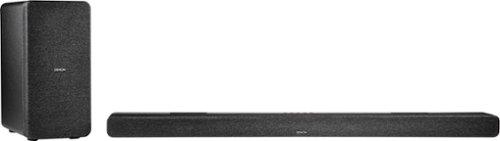
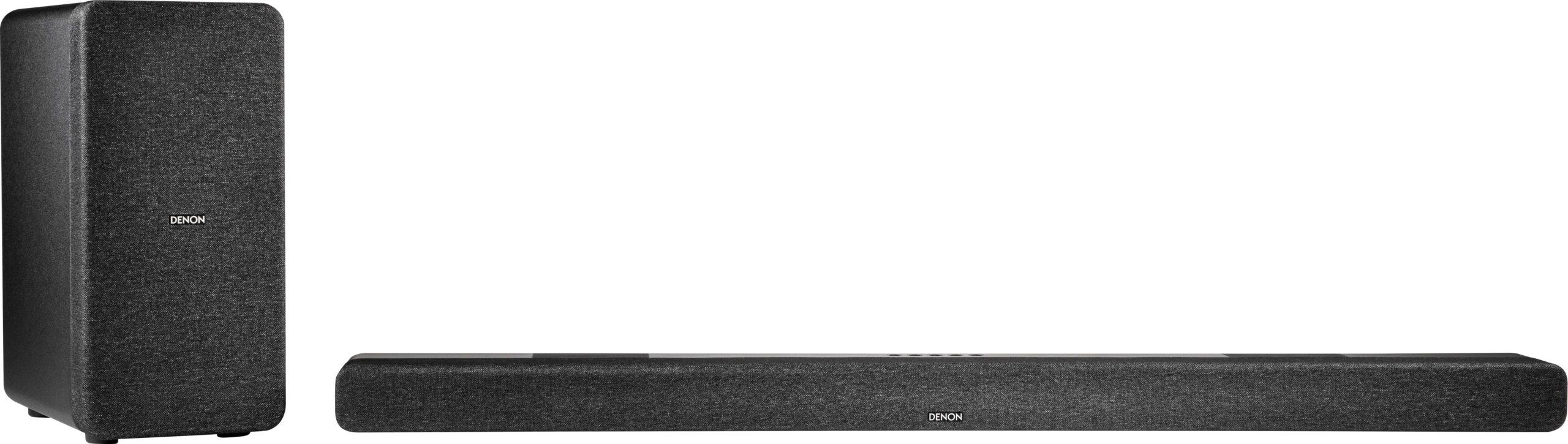
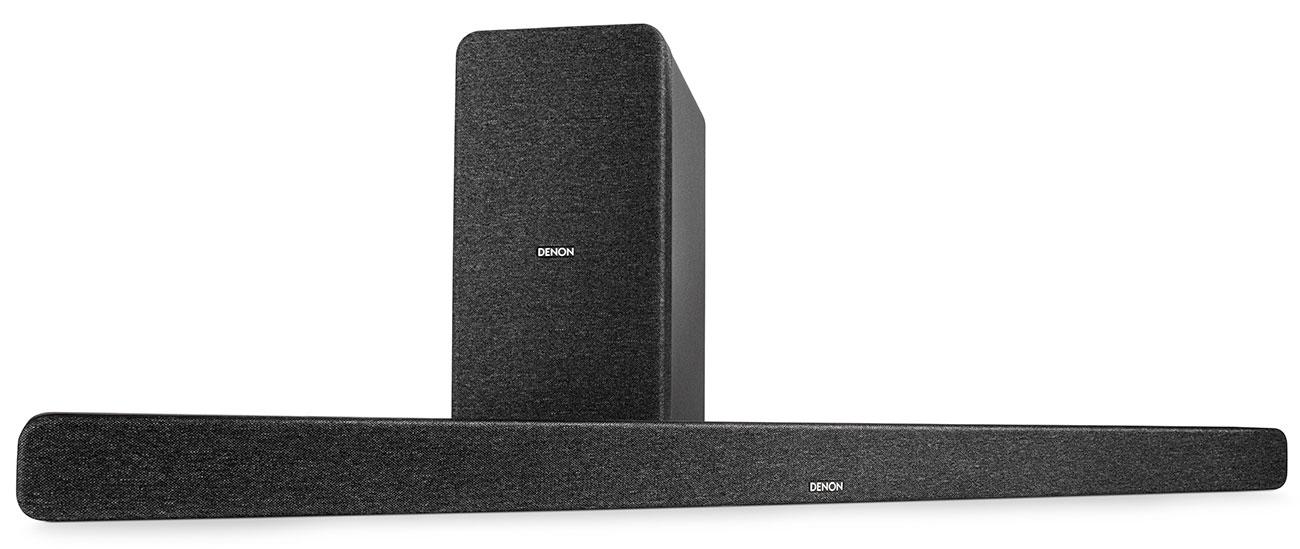
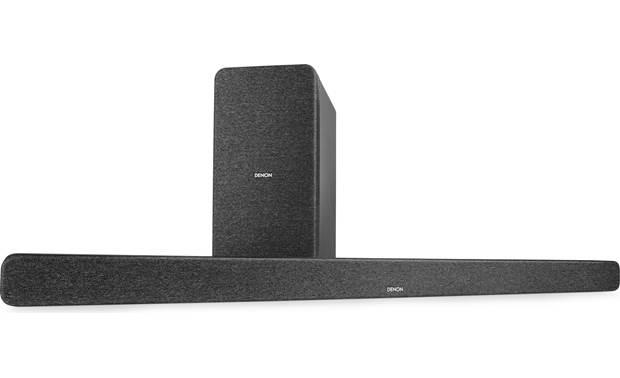
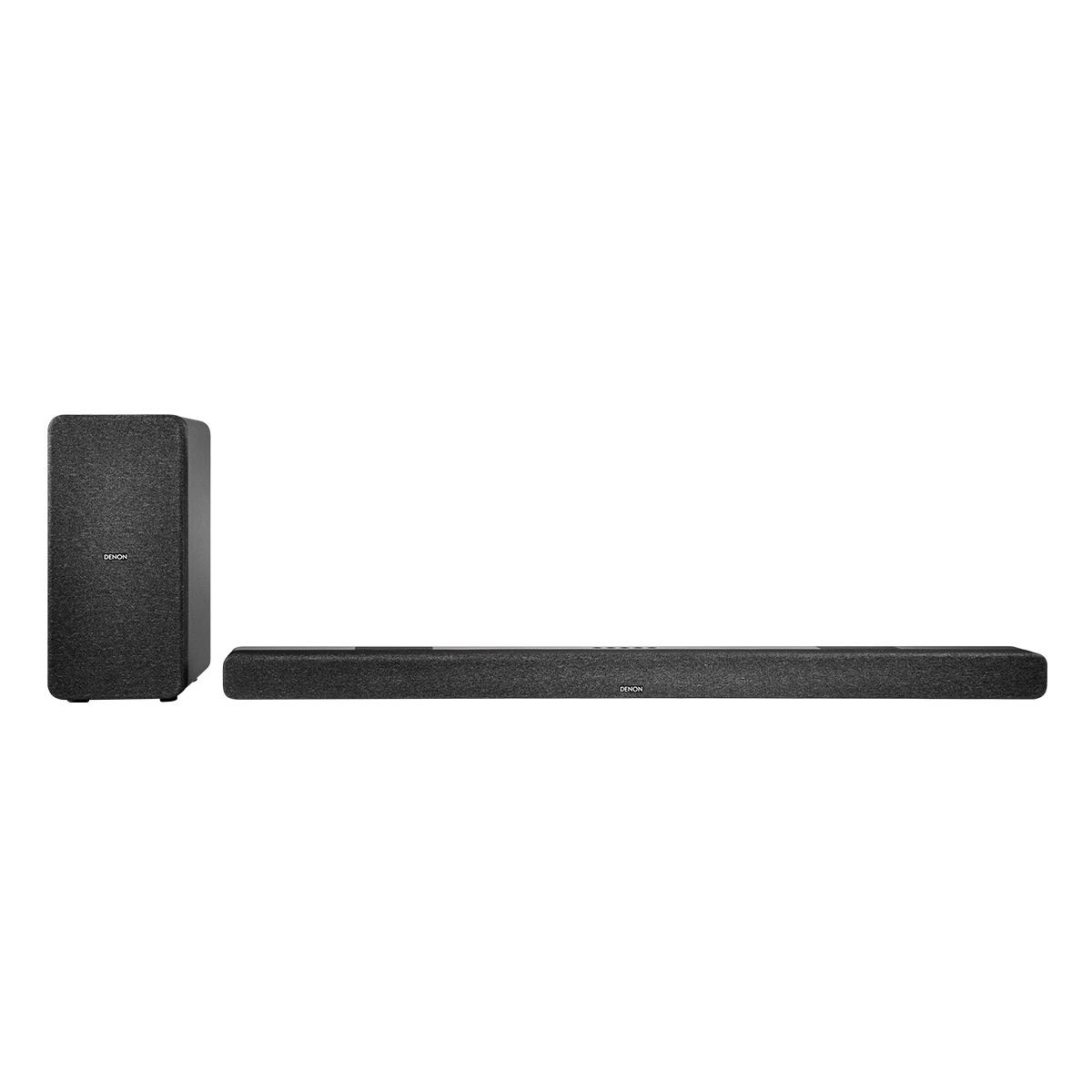
The Denon DHT-S517, which hit the market in early 2023, takes a more traditional approach. At $302, it focuses on delivering complete surround sound performance right out of the box, including a wireless subwoofer that many competing soundbars charge extra for. Denon, with decades of experience in home theater equipment, built this as a straightforward solution for people who want great sound without complexity.
Here's where these two soundbars really diverge, and it's probably the most important difference for your listening experience.
The Bose Smart Ultra uses something called PhaseGuide technology, which is essentially a way of manipulating sound waves to trick your ears into thinking sounds are coming from places where there aren't actually speakers. Imagine you're watching a helicopter scene – instead of just hearing the helicopter in front of you, PhaseGuide can make it sound like it's actually moving overhead and around the room, even though all the speakers are in the soundbar itself.
What's really impressive is their TrueSpace processing. Most soundbars only create height effects (sounds that seem to come from above) when you're playing Dolby Atmos content – special audio tracks that contain positioning information for sounds. But Bose's TrueSpace can take any regular stereo or surround sound and add that height dimension. I've tested this with older movies that don't have Atmos tracks, and the difference is genuinely noticeable.
The crown jewel, though, is their A.I. Dialogue Mode. This isn't just a simple "boost the center channel" feature. The soundbar actually uses machine learning – computer algorithms that get better over time – to analyze millions of content clips and learn what human dialogue sounds like versus music or sound effects. Then, in real-time, it adjusts the tonal balance to make voices clearer without making explosions quieter or music sound weird. It's like having a sound engineer constantly adjusting the mix just for dialogue.
The Denon DHT-S517 takes a more conventional but proven approach. Instead of trying to create a center channel virtually, it actually has a dedicated center channel speaker – that's the ".1" in its 3.1.2 configuration. This is crucial for dialogue because in proper surround sound mixes, voices are specifically sent to the center channel. Having a real speaker handling just dialogue, rather than trying to create the effect digitally, often results in more consistent vocal clarity.
The DHT-S517's Dialogue Enhancer works differently than Bose's AI system. It gives you three levels of enhancement (Low, Medium, High) that you control manually. While this isn't as sophisticated as Bose's automatic system, it's predictable and reliable. Some people actually prefer this approach because they can set it exactly how they like it and it stays that way.
For music listening, Denon includes a Pure Mode that bypasses all the surround sound processing entirely. This gives you clean, unprocessed stereo sound – something audiophiles particularly appreciate when they want to hear music exactly as the artist intended.
This is where the value proposition becomes crystal clear, and honestly, it's one of the biggest factors in choosing between these two systems.
The Bose Smart Ultra is just a soundbar – no subwoofer included. It relies on its internal drivers for bass, and while Bose has gotten remarkably good at extracting low-end from small speakers, physics still applies. You're getting solid mid-bass punch that works well for dialogue and most music, but true deep bass – the kind that makes movie explosions feel real or gives electronic music its foundation – simply isn't there without adding their separate bass module for an additional $699.
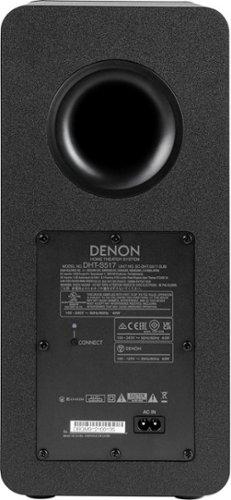
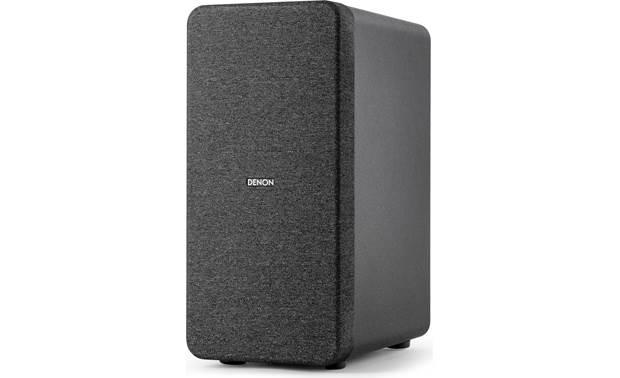
The Denon DHT-S517, on the other hand, includes a wireless subwoofer with a 5.25-inch driver powered by 100 watts. This isn't a toy – it's a legitimate subwoofer that can deliver the kind of bass that makes action movies exciting and music emotionally engaging. The wireless connection means you can place it anywhere in your room for optimal bass response, which is crucial since bass performance varies dramatically based on subwoofer placement.
In my testing, the difference is immediately obvious. Watching something like "Top Gun: Maverick," the jet engines have actual weight and presence with the Denon system, while the Bose on its own feels somewhat thin in comparison. For music, the subwoofer transforms the experience, particularly with genres like hip-hop, electronic, or rock where the bass line drives the energy.
Both soundbars support Dolby Atmos, but their approaches to creating overhead sound effects differ significantly.
The Bose Smart Ultra uses sophisticated processing to create height effects that extend well beyond what traditional up-firing speakers can achieve. When you're watching an Atmos movie, sounds don't just seem to come from above – they can appear to move in three-dimensional space around your listening position. The technology is genuinely impressive, creating a sense of immersion that goes beyond simple overhead effects.
More importantly, Bose's TrueSpace technology works with non-Atmos content. Since the majority of what you watch – older movies, TV shows, regular broadcasts – doesn't have Atmos encoding, this is crucial. The system analyzes regular surround sound and stereo content and adds height information, making even older content feel more immersive.
The Denon DHT-S517 uses a more traditional approach with dedicated up-firing speakers that bounce sound off your ceiling to create overhead effects. This works well if you have a standard ceiling height (8-10 feet) and a relatively flat ceiling surface. The effects are more subtle than what the Bose creates, but they're still noticeable, especially in properly mixed Atmos content.
The trade-off is that Denon's approach is more dependent on your room's acoustics. If you have vaulted ceilings, a textured ceiling, or unusual room dimensions, the up-firing speakers might not work as effectively. The Bose system, relying more on processing than acoustic reflection, tends to work more consistently across different room types.
Here's where the generational difference between these products becomes most apparent.
The Bose Smart Ultra is essentially a smart speaker that happens to be an excellent soundbar. It has built-in Wi-Fi, supports AirPlay 2, Chromecast, and Spotify Connect, and includes both Amazon Alexa and Google Assistant. You can control your entire smart home, ask for weather updates, or stream music from dozens of services without ever picking up a remote.
The room calibration feature, ADAPTiQ, is particularly clever. Using an included microphone headset (which feels a bit silly to wear but works remarkably well), the system plays test tones and analyzes how sound behaves in your specific room. It then creates a custom EQ profile that compensates for your room's acoustic characteristics. Whether you have a hard-surfaced modern room or a carpeted traditional space, it adjusts accordingly.
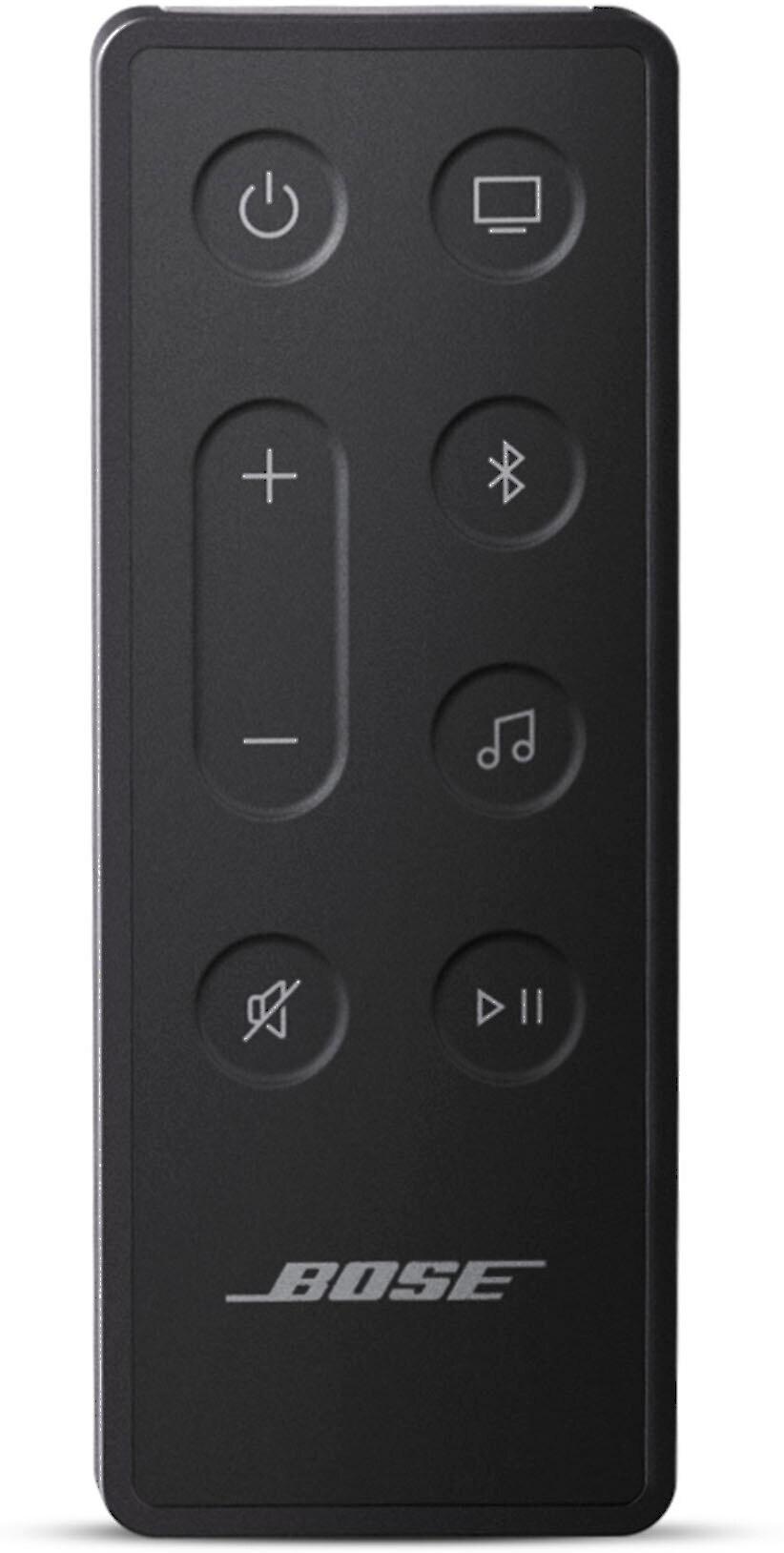
The Denon DHT-S517 keeps things simple with Bluetooth 5.0 for wireless streaming and basic remote control functionality. There's no voice control, no Wi-Fi, and no room correction. For some users, this simplicity is actually a feature – fewer things to set up, fewer potential points of failure, and no concerns about privacy or network security.
After extensive testing with both systems, here's what you can expect in practical use.
For movie watching, both soundbars deliver significantly better dialogue clarity than TV speakers, but in different ways. The Bose Smart Ultra excels with complex soundtracks where there's a lot happening simultaneously. Its AI processing really shines during action sequences where dialogue, music, and effects compete for your attention. The spatial processing creates a wider, more enveloping soundstage that makes you feel like you're in a commercial theater.
However, without a subwoofer, big action sequences can feel somewhat lightweight. Explosions crack rather than rumble, and the emotional impact of low-frequency effects is diminished. If you're primarily watching dialogue-heavy content – dramas, comedies, documentaries – the Bose performs beautifully on its own.
The Denon DHT-S517 delivers a more traditionally balanced home theater experience. The included subwoofer provides the foundation that makes action movies exciting and music emotionally engaging. Dialogue clarity is excellent thanks to the dedicated center channel, though it doesn't have the smart automatic adjustment of the Bose system. The overall presentation is more conventionally "cinematic" – big, full-range sound that fills your room.
For music listening, the differences become even more pronounced. The Denon's Pure Mode delivers clean, unprocessed stereo that many music lovers prefer, while the full-range response including deep bass makes genres like electronic, hip-hop, and rock sound complete. The Bose, while excellent at spatial processing and clarity, can feel bass-shy with music that depends on low-frequency energy.
This is where the comparison becomes really interesting from a practical standpoint.
At $302, the Denon DHT-S517 gives you a complete surround sound system with genuine deep bass capabilities. You're getting true 3.1.2 Dolby Atmos performance with nothing else to buy. For many buyers, this represents exceptional value – comprehensive home theater audio at a price that's accessible to most budgets.
The Bose Smart Ultra at $599 asks you to pay nearly twice as much for the soundbar alone, with the understanding that you're getting cutting-edge technology and future-proofing. Add the $699 bass module for equivalent low-frequency performance, and you're looking at nearly $1,300 for the complete system.
That price difference only makes sense if you truly value the advanced features Bose offers: sophisticated spatial processing, AI-driven dialogue enhancement, comprehensive smart home integration, and room calibration. These aren't just marketing features – they genuinely improve the listening experience in meaningful ways.
Your room plays a huge role in determining which system will work better for you.
In smaller rooms (under 200 square feet), the Denon DHT-S517 often works better because the included subwoofer can easily fill the space with bass without becoming overwhelming. The more traditional surround processing also tends to work better in intimate spaces where the soundbar is closer to your listening position.
For larger rooms and open-concept spaces, the Bose Smart Ultra has advantages. Its PhaseGuide technology and room calibration are specifically designed to handle challenging acoustic environments. The wider soundstage and more sophisticated processing can fill larger spaces more effectively, even without a subwoofer.
If you have an unusual room – high ceilings, odd dimensions, or lots of hard surfaces – the Bose's processing-based approach tends to be more adaptable than the Denon's reliance on acoustic reflection for height effects.
After testing both systems extensively, here's my practical advice for different types of users.
Choose the Bose Smart Ultra Soundbar if you're tech-forward and want the most advanced audio processing available. It's ideal for people who primarily watch dialogue-heavy content, appreciate smart home integration, and don't mind paying premium prices for cutting-edge technology. The spatial processing really is impressive, and the AI dialogue enhancement works remarkably well.
However, be honest about your bass needs. If you watch a lot of action movies or listen to bass-heavy music, budget for the additional bass module, which brings the total cost to nearly $1,300.
Choose the Denon DHT-S517 if you want complete surround sound performance immediately at a reasonable price. It's perfect for users who prioritize traditional home theater virtues – clear dialogue, powerful bass, and immersive surround effects – without complexity or premium pricing. The included subwoofer makes this a complete system that doesn't require additional purchases.
For most buyers, especially those new to premium audio or working within typical household budgets, the Denon represents better value. You get genuine surround sound with deep bass for less than the cost of the Bose soundbar alone.
The technology gap between these systems, while real, isn't so dramatic that it overcomes the value proposition. Both will dramatically improve your TV's sound quality and provide genuine Dolby Atmos effects. The question is whether the Bose's advanced features justify nearly doubling your investment.
Ultimately, your choice comes down to priorities: cutting-edge technology and future-proofing with the Bose, or immediate complete performance and exceptional value with the Denon. Both are excellent soundbars that will serve you well for years to come.
| Bose Smart Ultra Soundbar ($599) | Denon DHT-S517 ($302) |
|---|---|
| Price & What's Included - Complete system cost matters most | |
| $599 soundbar only (subwoofer sold separately for $699) | $302 for complete 3.1.2 system with wireless subwoofer |
| Channel Configuration - Affects dialogue clarity and surround effects | |
| 5.1.2 channels (virtualized center channel) | True 3.1.2 channels (dedicated center speaker) |
| Audio Processing - How smart the soundbar adapts to content | |
| A.I. Dialogue Mode with machine learning, PhaseGuide spatial tech | 3-level manual Dialogue Enhancer, Pure Mode for music |
| Bass Performance - Critical for movies and music impact | |
| Internal drivers only (limited low-end without separate sub) | Included 100W wireless subwoofer with 5.25" driver |
| Smart Features - Convenience and future-proofing | |
| Built-in Alexa/Google, Wi-Fi, AirPlay 2, Spotify Connect | Bluetooth 5.0 only, no voice control or Wi-Fi |
| Room Calibration - Optimizes sound for your specific space | |
| ADAPTiQ automatic room correction with included microphone | Manual sound modes only (Movie/Music/Night) |
| Height Effects - How well Dolby Atmos overhead sounds work | |
| Advanced PhaseGuide processing, works with non-Atmos content | Traditional up-firing speakers (ceiling-dependent) |
| Connectivity Options - How you connect devices | |
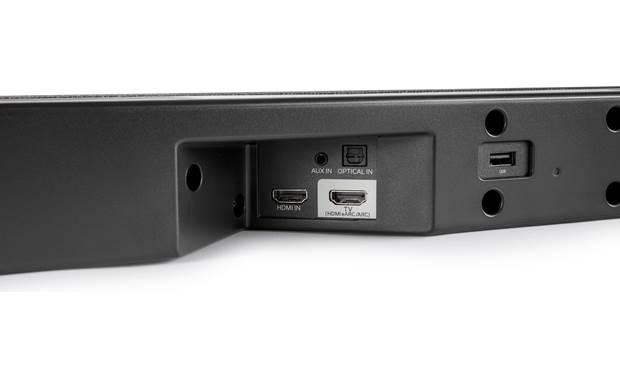
| HDMI eARC, optical, USB, extensive wireless streaming | HDMI eARC, optical, 3.5mm, basic Bluetooth streaming |
| Best For - Who should choose this system | |
| Tech enthusiasts wanting premium processing and smart features | Budget-conscious buyers wanting complete surround sound now |
The Denon DHT-S517 ($302) offers better overall value, providing a complete 3.1.2 Dolby Atmos system with wireless subwoofer for nearly half the price of the Bose Smart Ultra Soundbar ($599). The Bose requires an additional $699 subwoofer for comparable bass performance, making the total cost nearly $1,300.
The Denon DHT-S517 includes a wireless subwoofer in the box, giving you complete surround sound immediately. The Bose Smart Ultra is soundbar-only and relies on internal drivers for bass, which limits low-frequency performance without purchasing their separate bass module.
Both excel at dialogue but in different ways. The Bose Smart Ultra uses AI Dialogue Mode that automatically adjusts vocals using machine learning. The Denon DHT-S517 has a dedicated center channel speaker specifically for dialogue, plus a three-level manual Dialogue Enhancer you can customize.
For complete movie experiences, the Denon DHT-S517 provides better out-of-the-box performance thanks to its included subwoofer delivering impactful bass for action scenes. The Bose Smart Ultra offers more sophisticated spatial processing and height effects, but needs a separate subwoofer for full cinematic impact.
The Bose Smart Ultra is packed with smart features including built-in Alexa and Google Assistant, Wi-Fi connectivity, AirPlay 2, and Spotify Connect. The Denon DHT-S517 keeps things simple with Bluetooth 5.0 streaming only and no voice control or advanced connectivity options.
The Denon DHT-S517 typically works better in smaller spaces under 200 square feet because its included subwoofer can effectively fill the room with bass without becoming overwhelming. The traditional surround processing also performs well in intimate listening environments.
The Bose Smart Ultra creates more sophisticated height effects using PhaseGuide technology that works even with non-Atmos content. The Denon DHT-S517 uses traditional up-firing speakers that bounce sound off the ceiling, providing solid but more conventional overhead effects.
Both are relatively easy to install, but the Denon DHT-S517 is simpler with basic connection and pairing of the wireless subwoofer. The Bose Smart Ultra includes room calibration using a microphone headset, which provides better optimization but requires additional setup steps.
Yes, both work well for music. The Denon DHT-S517 includes Pure Mode that bypasses processing for clean stereo music, plus the subwoofer provides full bass response. The Bose Smart Ultra offers excellent spatial processing for music but lacks deep bass without an additional subwoofer.
Both Bose Smart Ultra and Denon DHT-S517 feature solid construction from established audio companies. Bose uses premium materials with a sleek glass-top design, while Denon focuses on practical engineering with reliable performance. Both offer manufacturer warranties and good long-term reliability.
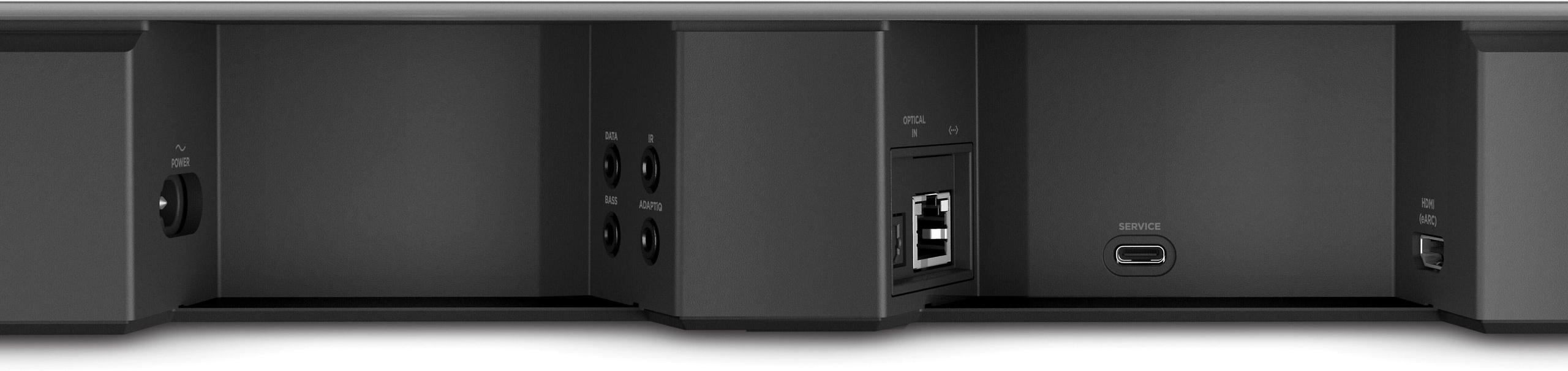
Yes, both soundbars include optical digital inputs for older TVs without HDMI ARC connections. The Bose Smart Ultra and Denon DHT-S517 also feature HDMI eARC for newer TVs, ensuring compatibility across a wide range of television models and ages.
Choose the Denon DHT-S517 if you want complete surround sound performance immediately at an excellent price point. Choose the Bose Smart Ultra if you prioritize advanced audio processing, smart home integration, and don't mind paying premium prices for cutting-edge technology and features.
We've done our best to create useful and informative comparisons to help you decide what product to buy. Our research uses advanced automated methods to create this comparison and perfection is not possible - please contact us for corrections or questions. These are the sites we've researched in the creation of this article: techradar.com - bose.com - bestbuy.com - tomsguide.com - pcrichard.com - rtings.com - bose.com - boselatam.com - avsforum.com - bose.com - techradar.com - consumerreports.org - crutchfield.com - bestbuy.com - bestbuy.com - pocket-lint.com - abt.com - manuals.denon.com - connectedmag.com.au - bestbuy.com - forum.flirc.tv - bhphotovideo.com

Privacy Policy
Terms and Conditions - Affiliate Policy
Home Security
© Copyright 2008-2026.
11816 Inwood Rd #1211, Dallas, TX 75244