






If you've ever tried watching an action movie with your TV's built-in speakers, you know the struggle. Explosions sound like popping balloons, dialogue gets lost in the mix, and forget about feeling the rumble of a spaceship flying overhead. That's where soundbars come in – they're designed to fix these problems without turning your living room into a maze of wires and speakers.
Today we're comparing two popular options: the JBL Bar 700 ($650) and the Denon DHT-S517 ($300). While both aim to improve your TV's audio, they take very different approaches to get there. Understanding these differences will help you choose the right one for your space, budget, and listening habits.
Before diving into specifics, let's talk about what really matters when choosing a soundbar. The most important factors are audio quality (how clear and balanced the sound is), surround sound capabilities (whether you get that "theater" feeling), room compatibility (will it work well in your space), connectivity options (how easily it connects to your devices), and overall value for money.
Think of a soundbar as the middle ground between your TV's tiny speakers and a full home theater system. The best ones manage to deliver much of the impact of a traditional surround sound setup while keeping installation simple and your living room looking clean.
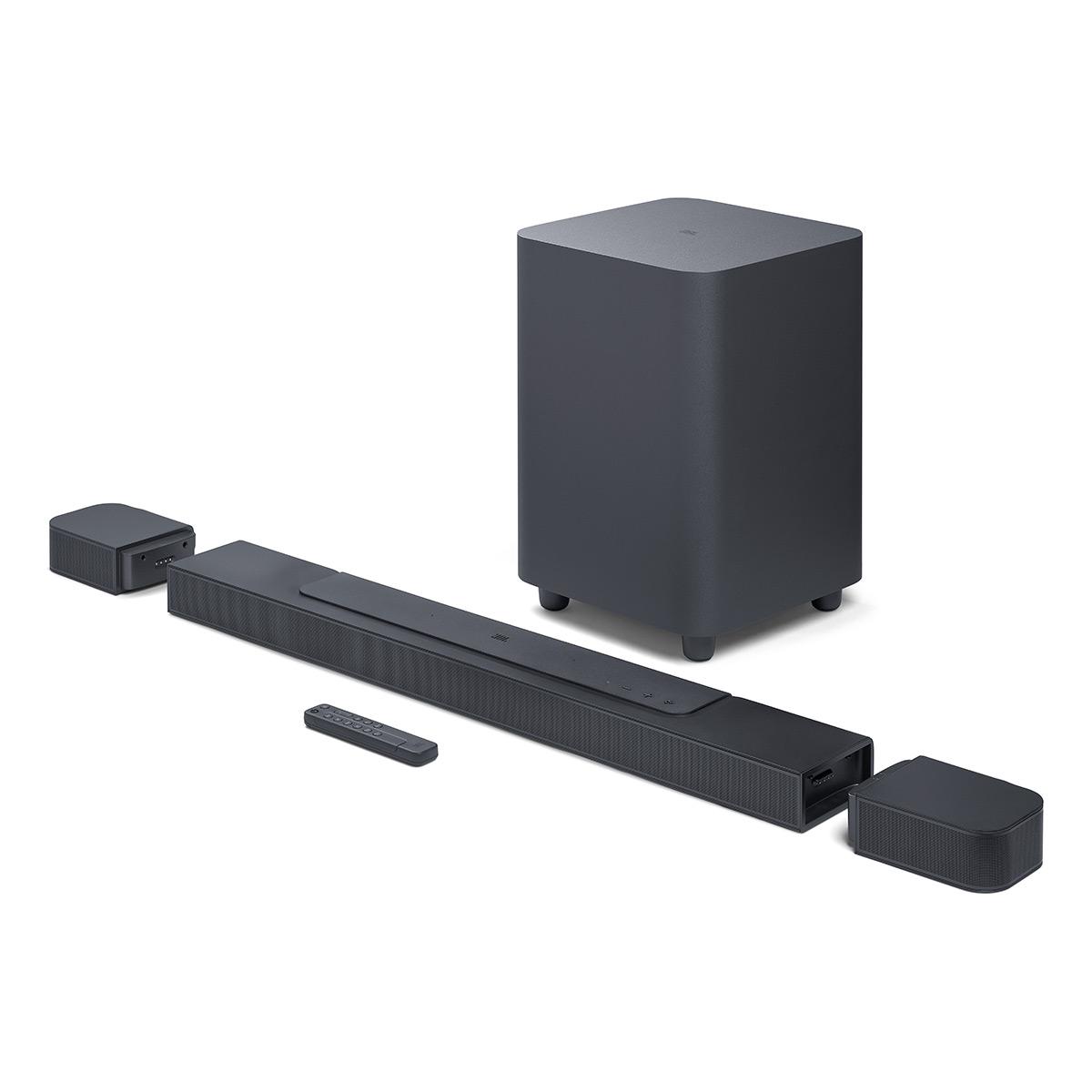
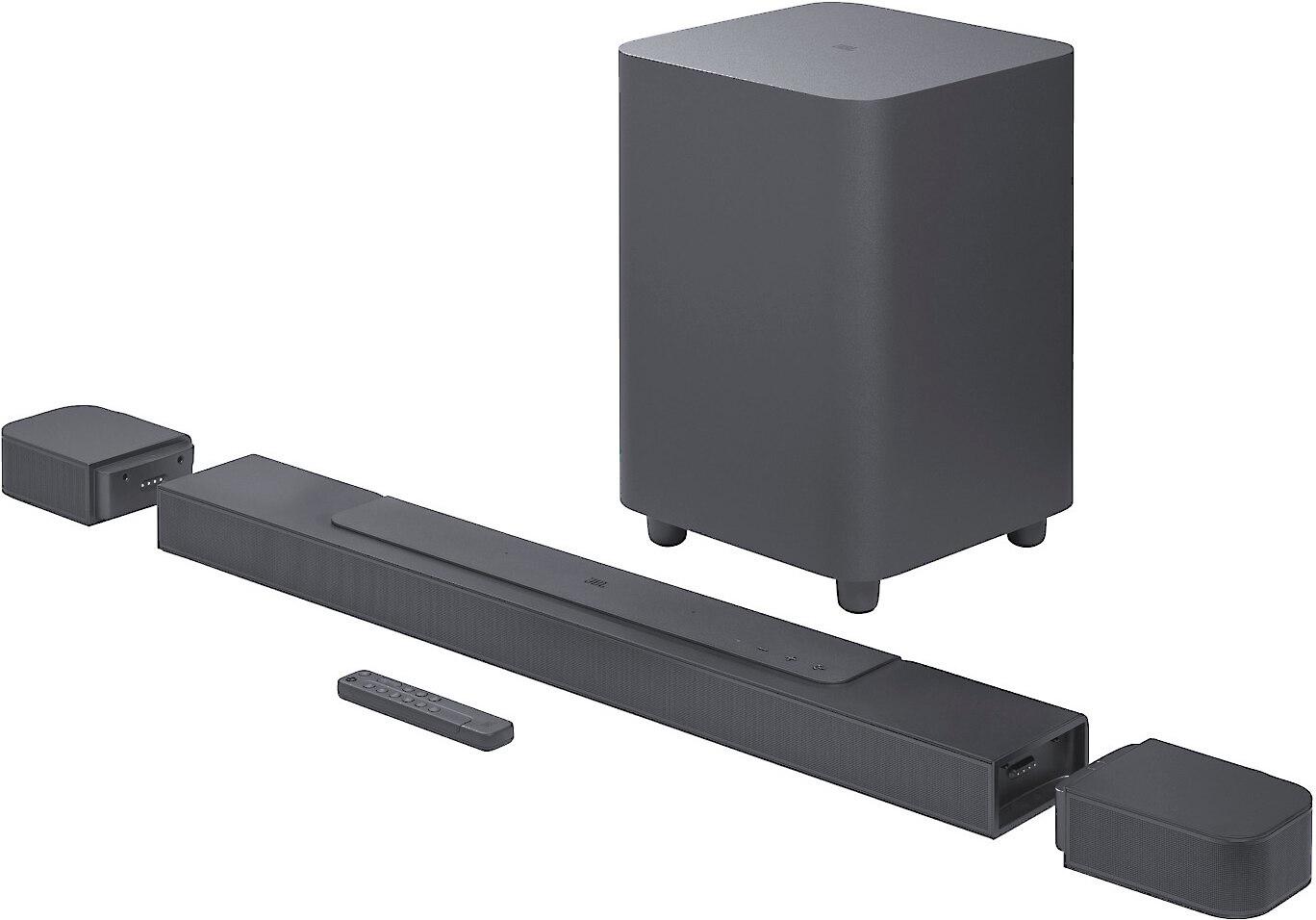
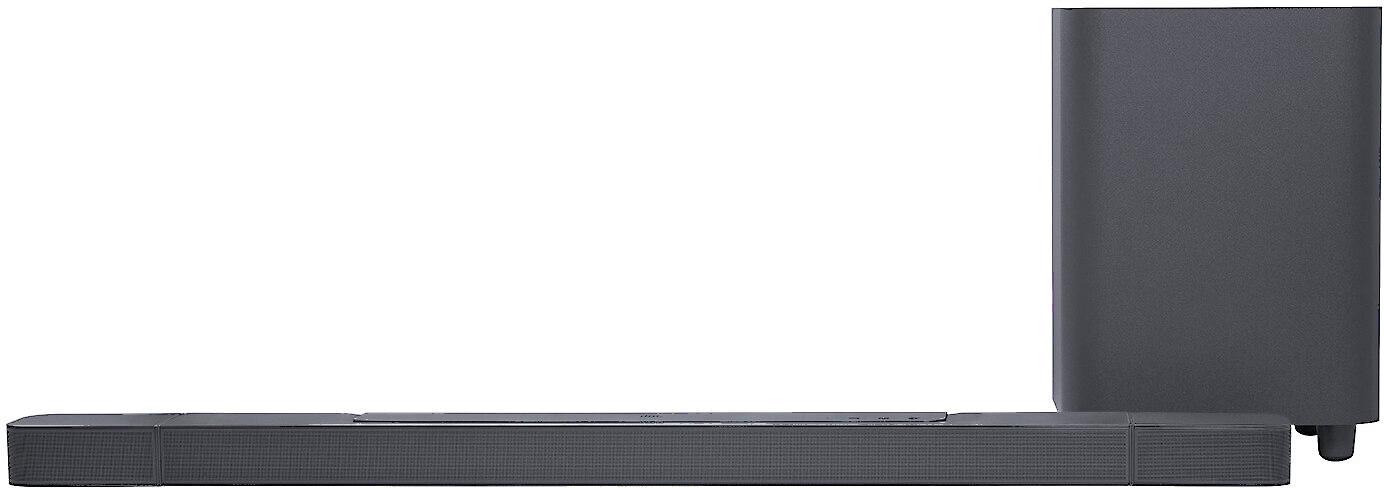
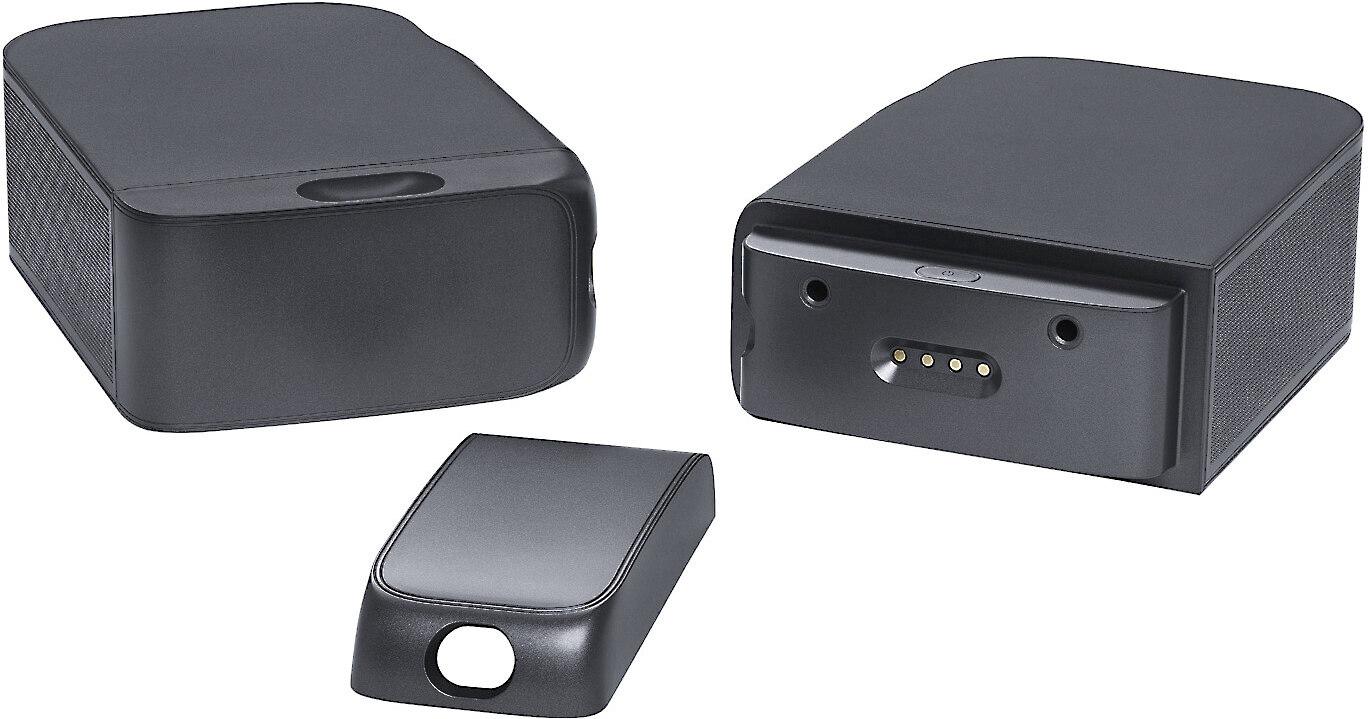
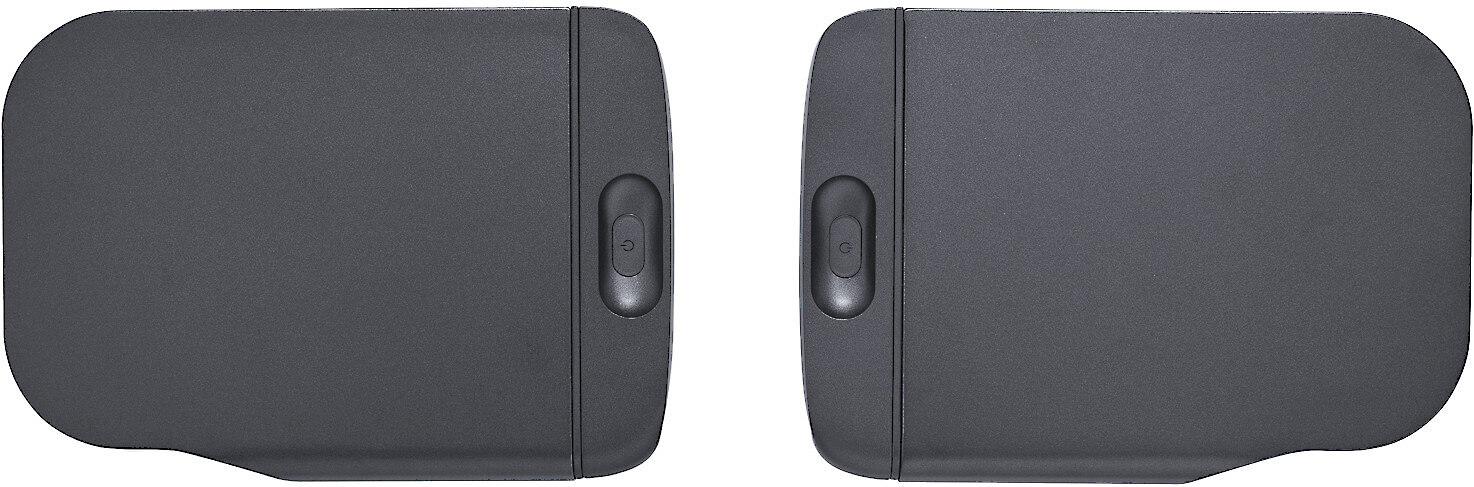
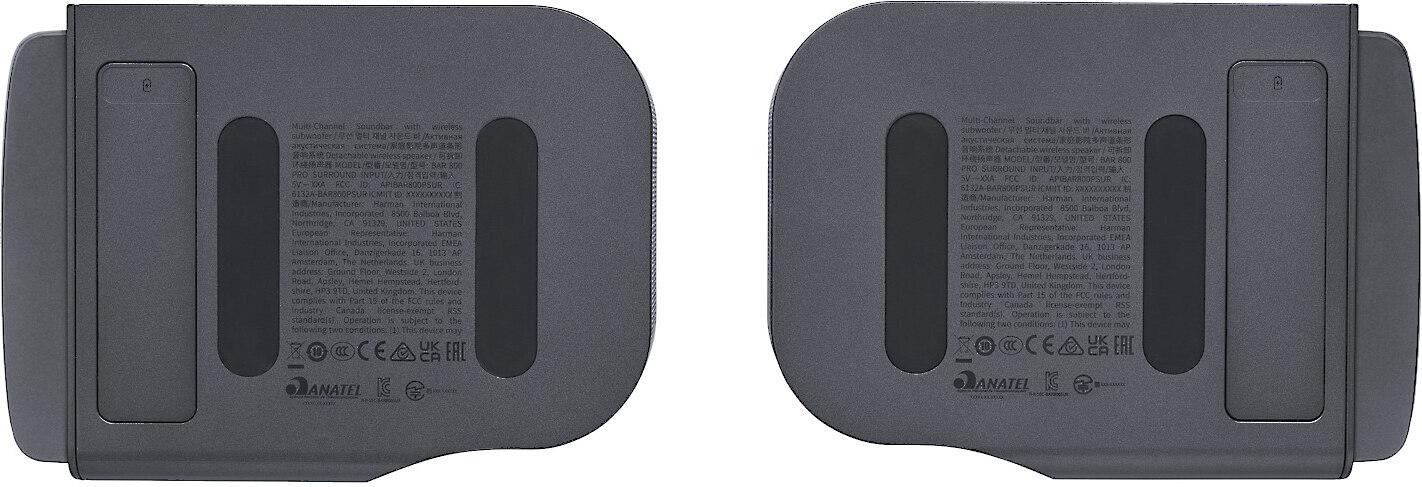
The JBL Bar 700 launched in 2024 as JBL's premium offering, representing their latest thinking on what a high-end soundbar should deliver. It's a true 5.1-channel system, meaning it has five main speakers plus a dedicated subwoofer for bass. What makes it unique is those detachable rear speakers – they're battery-powered and can be placed behind your seating area to create genuine surround sound.
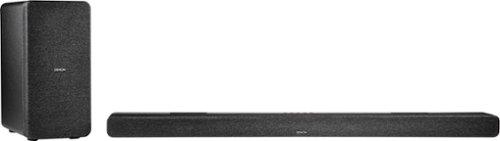
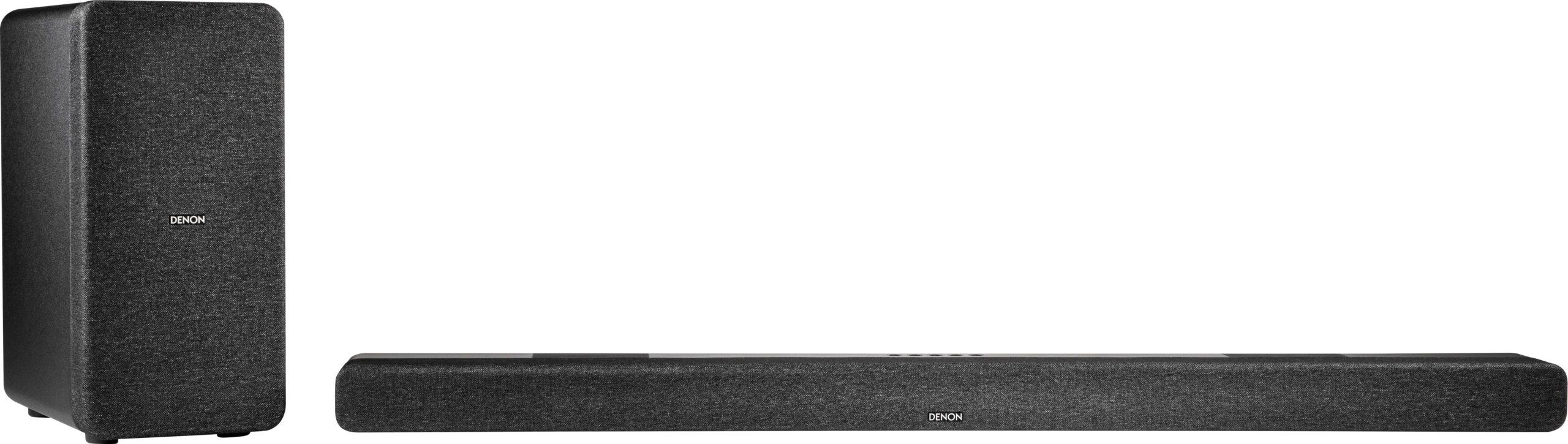
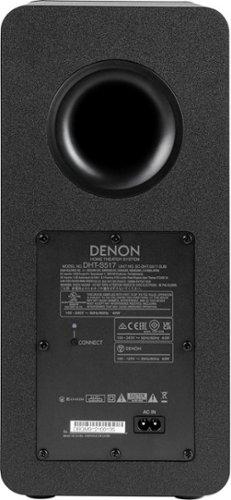
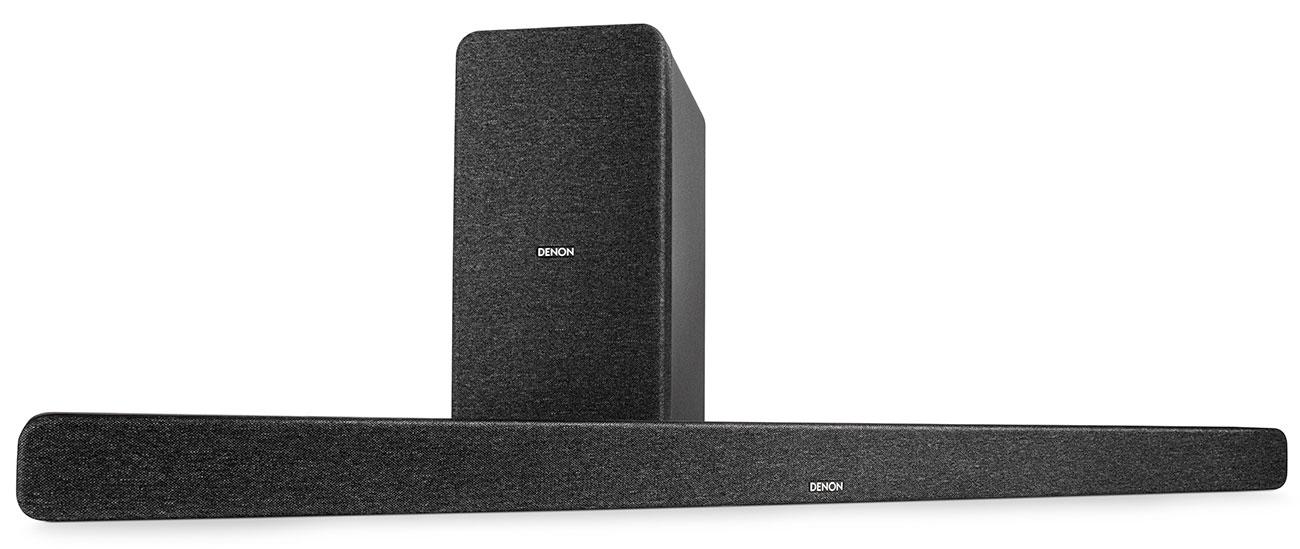
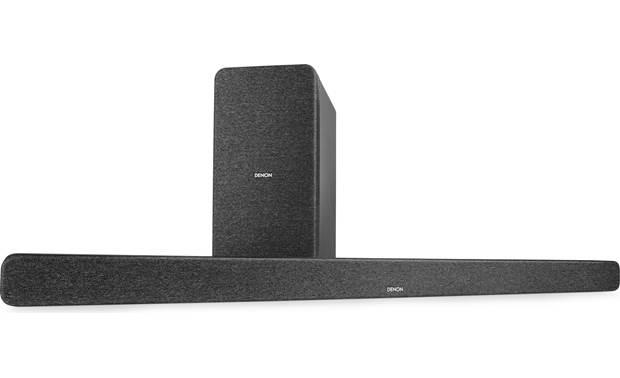
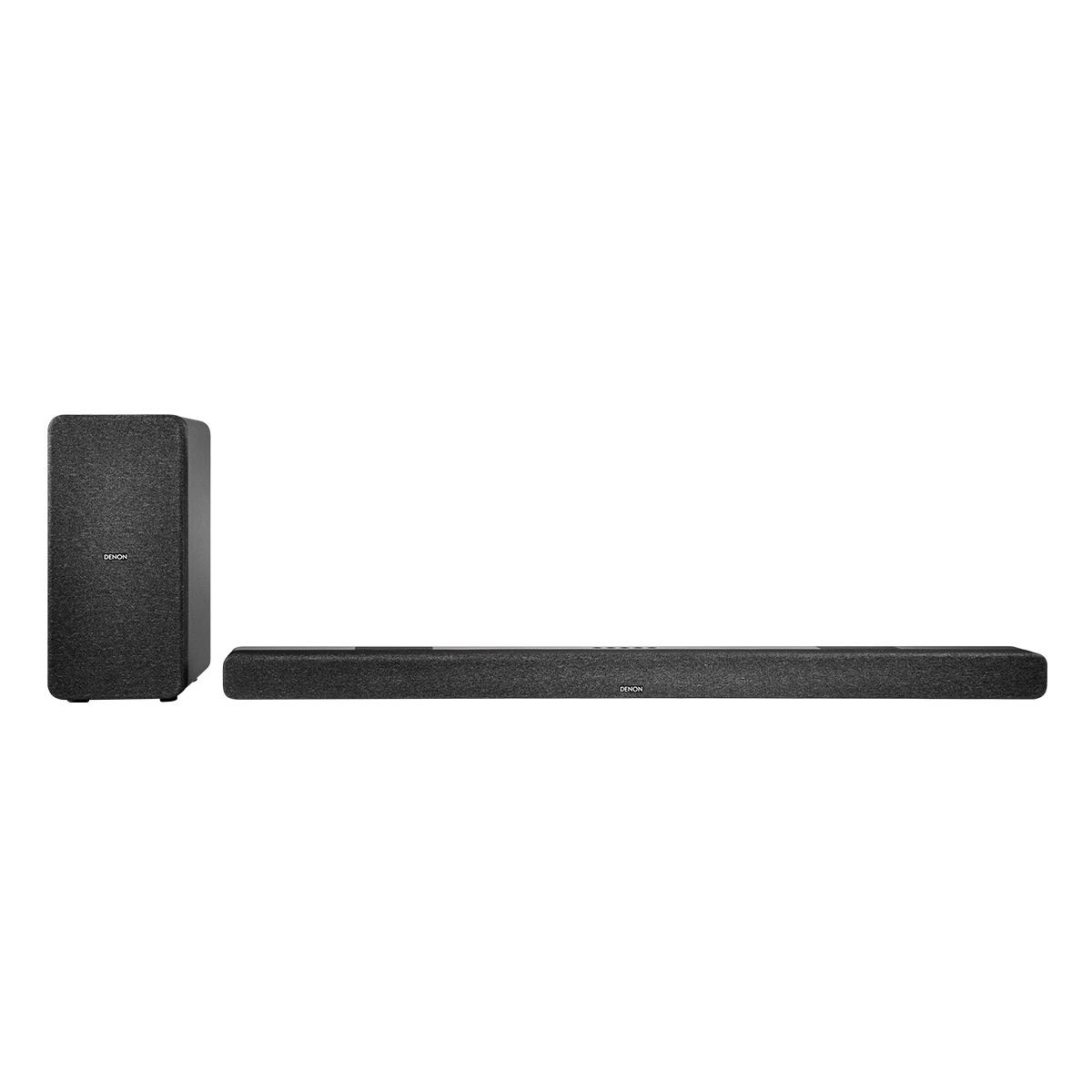
The Denon DHT-S517, released in late 2022, takes a more traditional approach. It's a 3.1.2-channel system, which means three front-facing speakers, one subwoofer, and two upward-firing drivers that bounce sound off your ceiling to simulate height effects. Denon designed this as a no-fuss solution that focuses on getting the basics absolutely right.
The most obvious difference between these two is raw power. The JBL pumps out 620 watts compared to the Denon's 140 watts. But power isn't everything – it's how that power is used that matters.
The JBL Bar 700 delivers what I'd call an "event" experience. When you're watching Top Gun: Maverick and those jets scream overhead, you feel it in your chest. The 10-inch subwoofer digs down to 35Hz, which is deep enough to reproduce the lowest bass notes in most movies and music. This kind of extension means you're not just hearing the bass – you're feeling it.
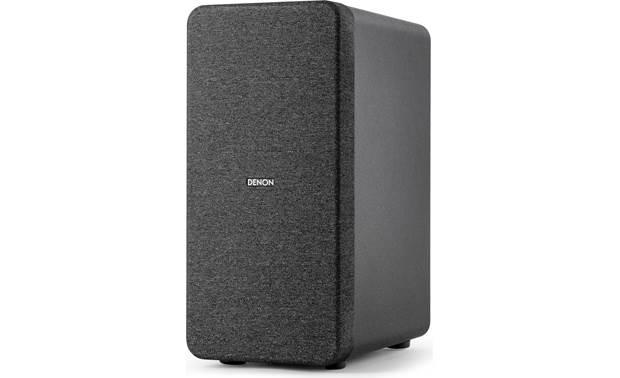
The Denon takes a more refined approach. Its 5.25-inch subwoofer won't shake your room, but it delivers tight, controlled bass that complements the main speakers beautifully. For dialogue-heavy content like news, documentaries, or drama series, this balance actually works better. The bass doesn't overpower the voices, and everything sits in its proper place in the mix.
One area where the Denon really shines is dialogue clarity. Its Dialogue Enhancer feature uses digital processing to boost the frequency range where human voices live, making it easier to understand what characters are saying even during loud scenes. You can adjust this enhancement to three different levels depending on your needs. The JBL counters with its PureVoice technology, which uses a more sophisticated algorithm to maintain vocal clarity without making voices sound artificial or overly bright.
This is where the fundamental difference between these soundbars becomes most apparent. The JBL Bar 700 gives you actual surround sound with its detachable rear speakers. These aren't just decoration – they're full-range speakers that handle all the rear-channel effects in movies and games.
When those rear speakers are positioned correctly behind your seating area, the effect is genuinely impressive. In a good action movie, you'll hear bullets whizzing past your head, helicopters circling around the room, and ambient sounds that make you feel like you're inside the scene rather than just watching it. The speakers charge when they're attached to the main bar, and their battery life of up to 10 hours means you won't be constantly worrying about them dying mid-movie.
The Denon takes the virtual route, using psychoacoustic processing (basically tricks that fool your brain into hearing sounds that aren't really there) to create a wider soundstage. Its upward-firing drivers bounce sound off your ceiling to simulate height effects for Dolby Atmos content. This works better in some rooms than others – you need a relatively low ceiling and good acoustics for the effect to be convincing.
I've found that virtual surround processing has come a long way in recent years, and the Denon does it well. You'll definitely get a wider, more spacious sound than you'd get from a basic soundbar. But it's not the same as having actual speakers behind you. The effects are more subtle, and they don't have the precision of discrete channels.
Both soundbars support Dolby Atmos, but they implement it differently. Dolby Atmos is an audio format that treats sounds as individual objects that can be placed anywhere in a three-dimensional space, rather than just assigning them to specific channels. The JBL Bar 700 uses its rear speakers and main array to create this 3D effect, while the Denon DHT-S517 relies on its upward-firing drivers and processing algorithms.
The JBL's connectivity options are much more extensive. Built-in Wi-Fi means you can stream music directly from services like Spotify, Apple Music, or Amazon Music without needing your phone or another device as a middleman. It supports AirPlay for iPhone users, Chromecast for Android users, and even works with Alexa Multi-Room Music if you have other compatible speakers around your house.
The Denon keeps things simpler with Bluetooth 5.0 for wireless music streaming from your devices. It's less convenient than built-in Wi-Fi streaming, but it's also less complicated. Some people prefer this approach – fewer features mean fewer things that can go wrong.
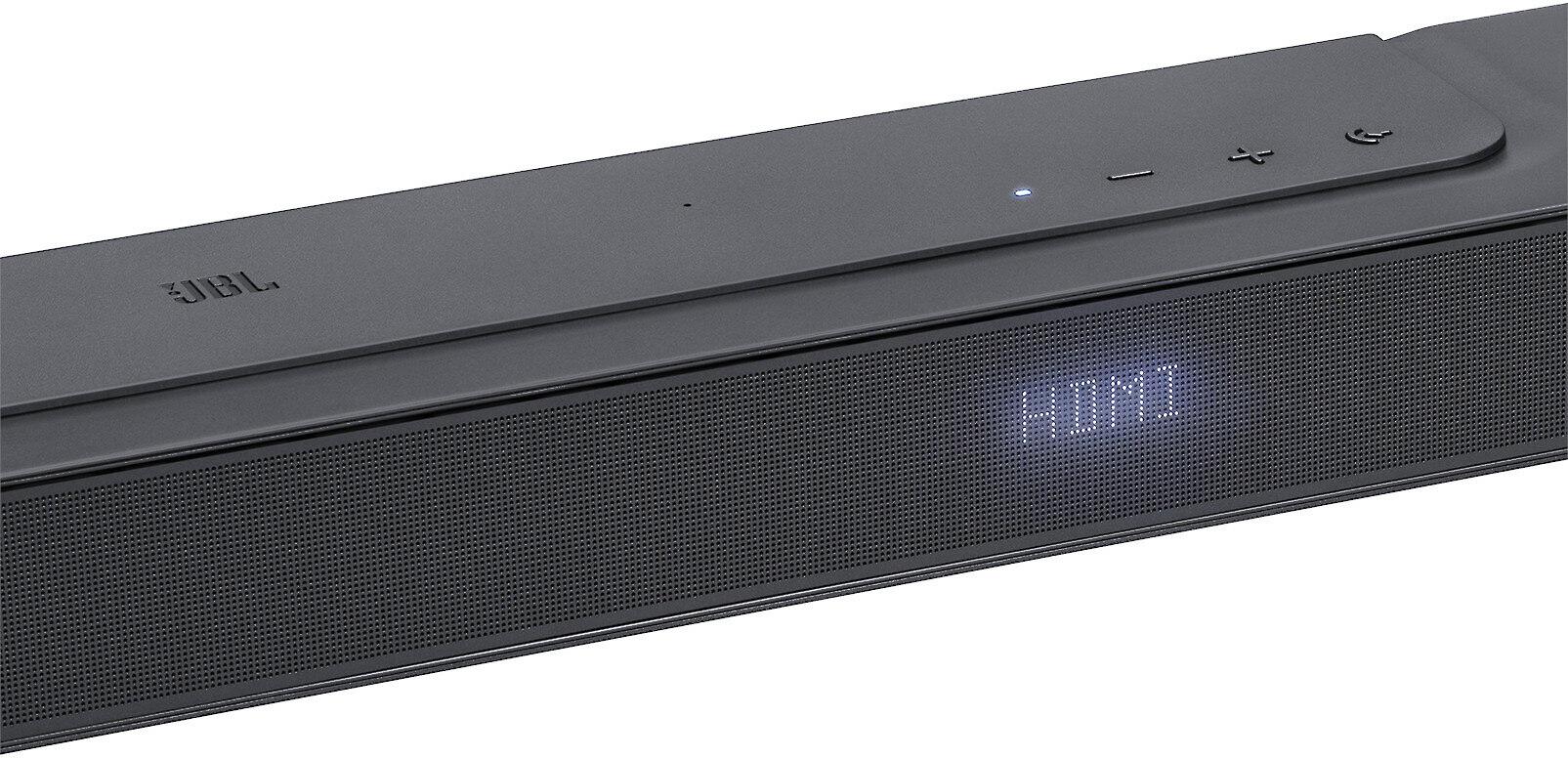
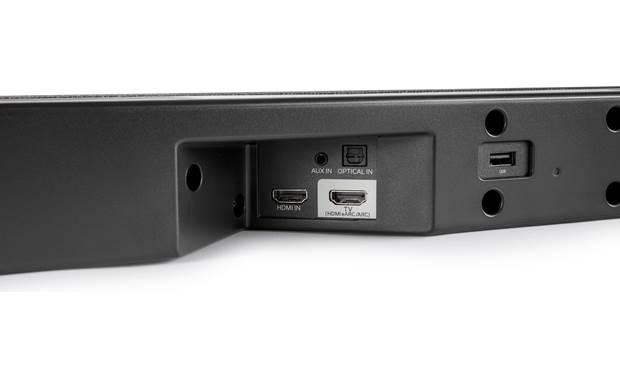
Both soundbars support HDMI eARC (enhanced Audio Return Channel), which is crucial for getting the best audio quality from your TV. This single cable connection handles both sending video to your TV and receiving audio back to the soundbar, plus it lets you control the soundbar's volume with your TV remote.
The JBL Bar 700 is designed for larger rooms. With 620 watts of power and that substantial 10-inch subwoofer, it has the muscle to fill a big space with sound. If your main viewing area is larger than about 250 square feet, this extra power becomes important. Smaller rooms might actually find the JBL overwhelming – too much of a good thing.
The Denon DHT-S517 is perfectly scaled for small to medium rooms. Its 140 watts might not sound like much compared to the JBL, but it's plenty for most apartments and average-sized living rooms. The smaller subwoofer is also less likely to annoy neighbors in apartments or condos.
Placement flexibility is another consideration. The JBL's detachable rear speakers give you options, but they also require thought about positioning. You need space behind your seating area, and you need to remember to put the speakers back on the main bar occasionally to charge. The Denon's simpler design means fewer decisions about placement, but also fewer options for customization.
At $650, the JBL Bar 700 isn't cheap, but it delivers a lot of technology for the price. True 5.1 surround sound systems with wireless rear speakers typically cost much more. The smart streaming features, powerful subwoofer, and sophisticated processing make it competitive with much more expensive home theater setups.
The Denon DHT-S517 at $300 represents exceptional value in its price range. You're getting Dolby Atmos processing, a wireless subwoofer, and solid build quality for less than half the price of the JBL. For many people, especially those who primarily watch TV shows and movies with lots of dialogue, this delivers most of the benefits of a premium soundbar at a fraction of the cost.
For home theater enthusiasts who love action movies, sci-fi epics, and immersive gaming, the JBL Bar 700 provides a significantly more engaging experience. The rear speakers make a huge difference in movies like Dune or Blade Runner 2049, where the sound design is meant to surround you. Gaming also benefits enormously – being able to hear enemies approaching from behind or pinpoint the direction of gunfire gives you a real advantage in competitive games.
The Denon DHT-S517 excels with content that focuses on dialogue and music. News programs, documentaries, sitcoms, and dramas all sound excellent. The balanced frequency response and dialogue enhancement make voices clear and natural. It's also great for streaming music – while it doesn't have the JBL's built-in Wi-Fi streaming, the Bluetooth connection is reliable and the sound quality is impressive for a soundbar in this price range.
Your decision should start with honest assessment of your room and viewing habits. If you have a large living room and love movies that make full use of surround sound, the JBL Bar 700 will transform your experience in ways that justify its higher price. The detachable rear speakers and powerful subwoofer create genuine home theater immersion.
But if your room is smaller, your budget is tighter, or you primarily watch dialogue-heavy content, the Denon DHT-S517 delivers outstanding value. Its focused approach to audio quality and simplicity makes it ideal for everyday TV watching and casual movie viewing.
Consider also your tolerance for complexity. The JBL requires more setup, more decisions about speaker placement, and more ongoing management (like charging the rear speakers). The Denon is essentially plug-and-play – connect it to your TV and you're done.
Both soundbars represent smart choices in their respective price ranges. The JBL pushes closer to true home theater performance, while the Denon maximizes value and simplicity. Your choice should align with your space, budget, and how seriously you take your home entertainment setup.
| JBL Bar 700 Dolby Atmos 5.1 Soundbar ($650) | Denon DHT-S517 Soundbar ($300) |
|---|---|
| Channel Configuration - Determines surround sound authenticity | |
| True 5.1 with detachable rear speakers | Virtual 3.1.2 with upfiring drivers |
| Total Power Output - Affects room-filling capability | |
| 620W (ideal for large rooms 250+ sq ft) | 140W (optimized for small-medium rooms) |
| Subwoofer Size - Controls bass depth and impact | |
| 10" wireless sub, extends to 35Hz | 5.25" wireless sub, tighter controlled bass |
| Rear Speaker Setup - Key differentiator for immersion | |
| Battery-powered detachable speakers (10hr battery) | No rear speakers, relies on virtual processing |
| Smart Connectivity - Streaming convenience | |
| Built-in Wi-Fi, AirPlay, Chromecast, Alexa Multi-Room | Bluetooth 5.0 only |
| Dialogue Enhancement - Critical for TV/movie clarity | |
| PureVoice algorithm with automatic optimization | Dialogue Enhancer with 3 adjustable levels |
| Dolby Atmos Implementation - Height effect quality | |
| Physical height channels via rear speakers | Virtual height via upfiring drivers |
| Setup Complexity - Time and effort required | |
| Requires rear speaker placement and charging | Simple plug-and-play installation |
| Best Room Size - Where each performs optimally | |
| Large living rooms, home theaters | Apartments, small-medium rooms |
| Primary Strength - What each does best | |
| True surround immersion for movies/gaming | Balanced performance for TV and dialogue |
The JBL Bar 700 ($650) delivers superior movie sound quality with its true 5.1 surround setup and powerful 10" subwoofer. The detachable rear speakers create authentic directional effects, making you feel like you're inside the action. The Denon DHT-S517 ($300) offers good movie sound with virtual surround processing, but lacks the immersive depth of physical rear channels.
The JBL Bar 700 costs $650, while the Denon DHT-S517 is priced at $300. This $350 price difference reflects the JBL's premium features like detachable rear speakers, larger subwoofer, and advanced smart connectivity options.
The Denon DHT-S517 is better suited for small rooms with its 140W power output and compact 5.25" subwoofer that won't overpower tight spaces. The JBL Bar 700 with its 620W output and large subwoofer is designed for bigger rooms and may be too powerful for apartments or small living rooms.
Yes, both the JBL Bar 700 and Denon DHT-S517 support Dolby Atmos, but they implement it differently. The JBL uses physical rear speakers for height effects, while the Denon relies on upward-firing drivers that bounce sound off your ceiling to create virtual height channels.
The JBL Bar 700 has significantly better bass with its 10" wireless subwoofer that extends down to 35Hz, delivering room-shaking impact for action movies. The Denon DHT-S517 features a smaller 5.25" subwoofer that provides tighter, more controlled bass better suited for dialogue and music.
Yes, the JBL Bar 700 includes detachable battery-powered rear speakers that operate wirelessly when placed behind your seating area. They offer up to 10 hours of battery life and automatically charge when reattached to the main soundbar. The Denon DHT-S517 doesn't include rear speakers.
The Denon DHT-S517 is much easier to set up with its simple plug-and-play design requiring just HDMI or optical connection to your TV. The JBL Bar 700 requires additional setup for positioning the detachable rear speakers and configuring the smart features through the JBL One app.
The JBL Bar 700 offers superior wireless streaming with built-in Wi-Fi, AirPlay, Chromecast, and Alexa Multi-Room Music support. The Denon DHT-S517 only supports Bluetooth 5.0 streaming, which requires your phone or device to stay connected during playback.
Both excel at dialogue, but in different ways. The Denon DHT-S517 features a dedicated Dialogue Enhancer with three adjustable levels specifically designed for TV viewing. The JBL Bar 700 uses PureVoice technology that automatically optimizes vocal clarity even during loud action scenes.
The JBL Bar 700 outputs 620W total power across all channels and subwoofer, making it suitable for large rooms. The Denon DHT-S517 provides 140W total power (40W soundbar + 100W subwoofer), which is perfectly adequate for small to medium-sized rooms.
The Denon DHT-S517 offers exceptional value at $300, delivering solid performance for everyday TV viewing and casual movie watching. The JBL Bar 700 provides premium value for serious home theater enthusiasts who want true surround sound and are willing to pay $650 for the enhanced experience.
No, each soundbar is a complete system. The JBL Bar 700 includes everything needed for 5.1 surround sound with its detachable rear speakers and wireless subwoofer. The Denon DHT-S517 provides a complete 3.1.2 system with virtual height processing and wireless subwoofer. Both connect directly to your TV without requiring additional components.
We've done our best to create useful and informative comparisons to help you decide what product to buy. Our research uses advanced automated methods to create this comparison and perfection is not possible - please contact us for corrections or questions. These are the sites we've researched in the creation of this article: crutchfield.com - harmanaudio.com - target.com - jbl.com - walmart.com - dell.com - jbl.com - techradar.com - consumerreports.org - crutchfield.com - bestbuy.com - bestbuy.com - pocket-lint.com - abt.com - manuals.denon.com - connectedmag.com.au - bestbuy.com - forum.flirc.tv - bhphotovideo.com

Privacy Policy
Terms and Conditions - Affiliate Policy
Home Security
© Copyright 2008-2026.
11816 Inwood Rd #1211, Dallas, TX 75244