

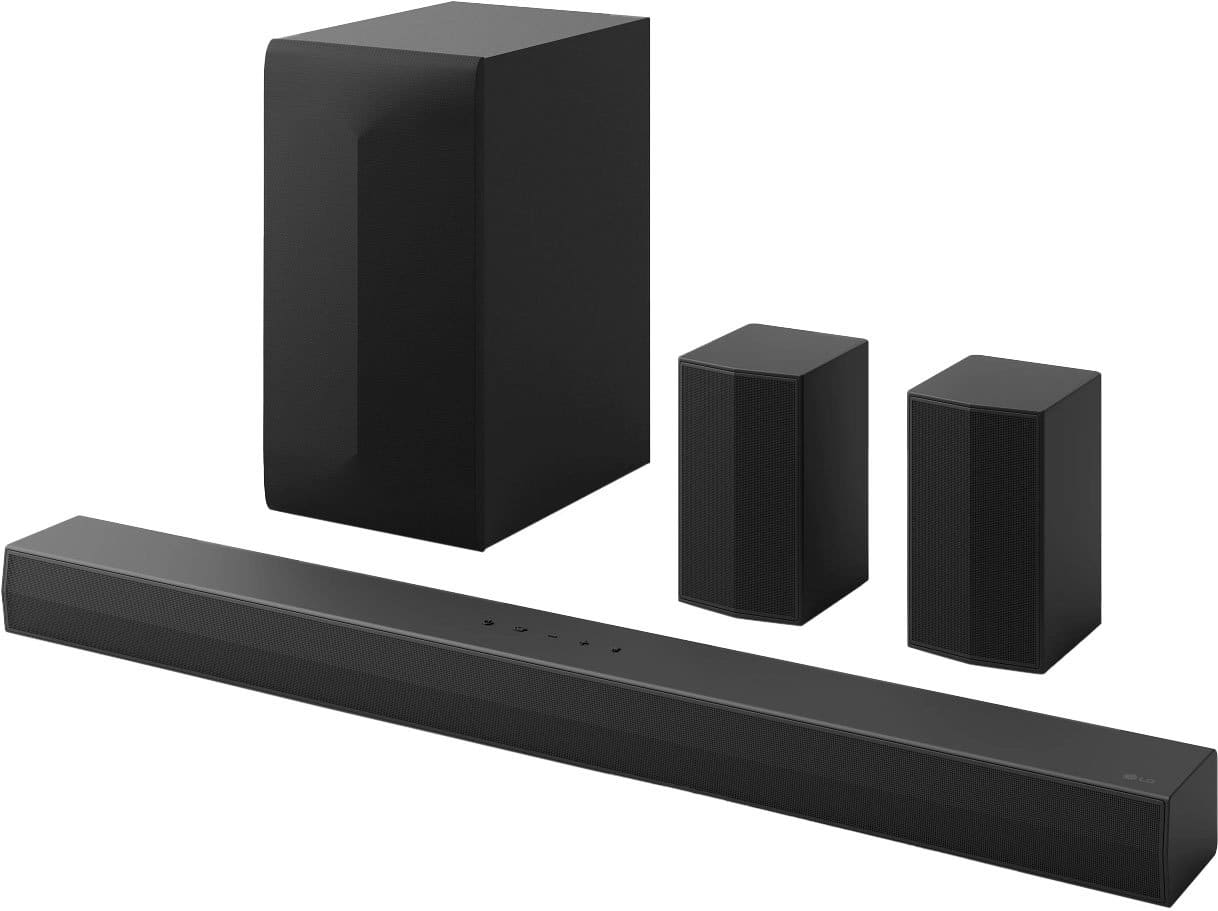
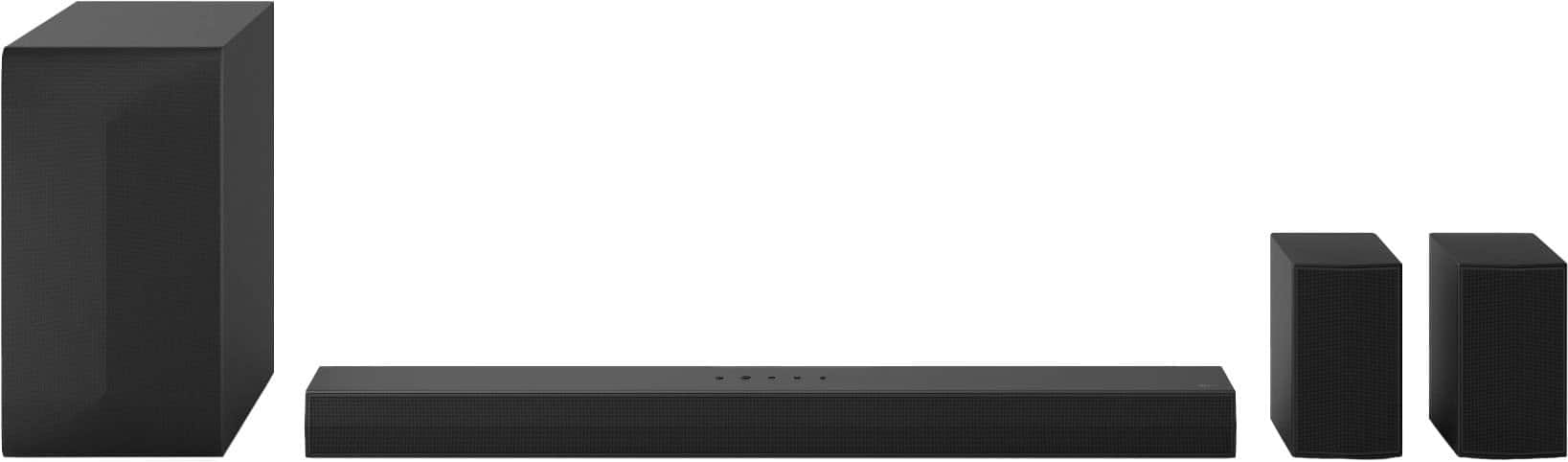
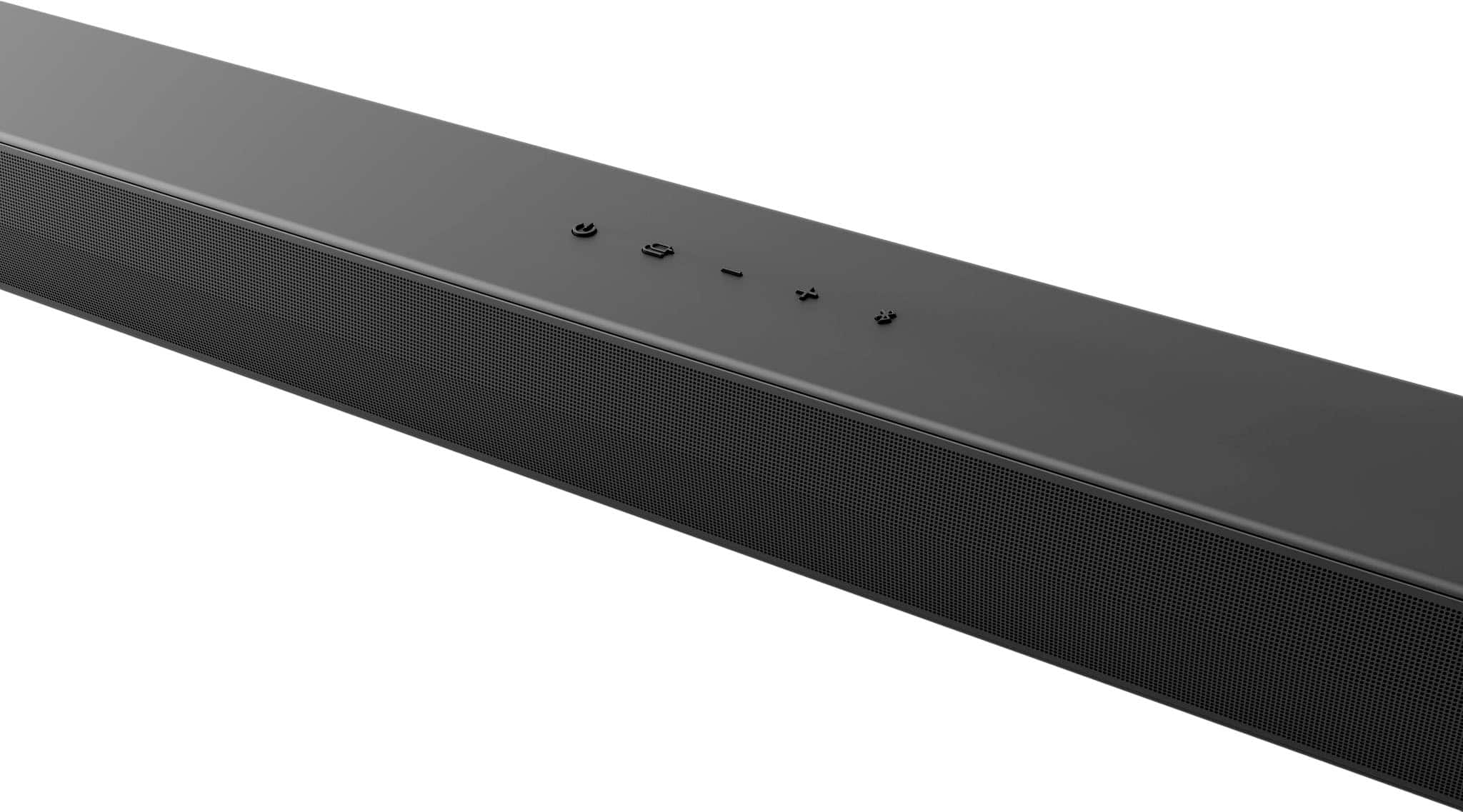


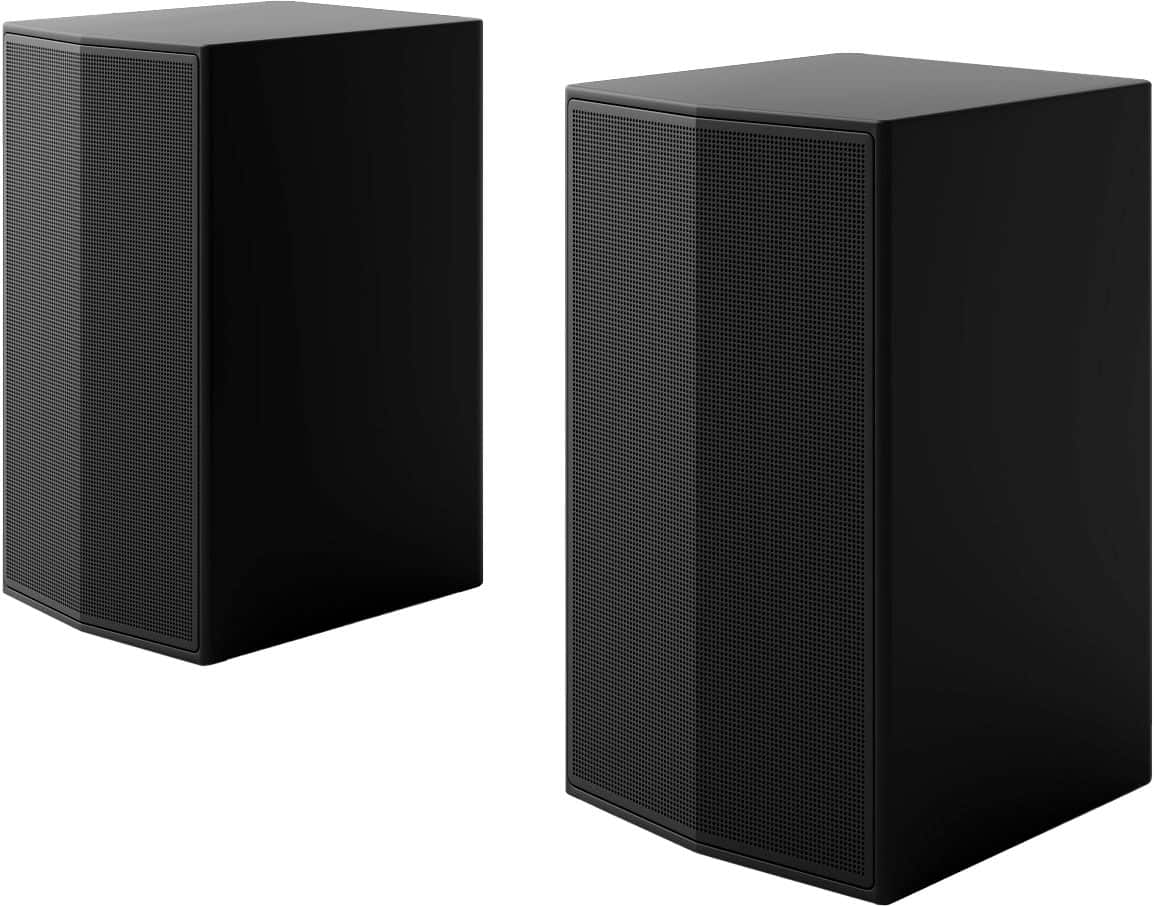
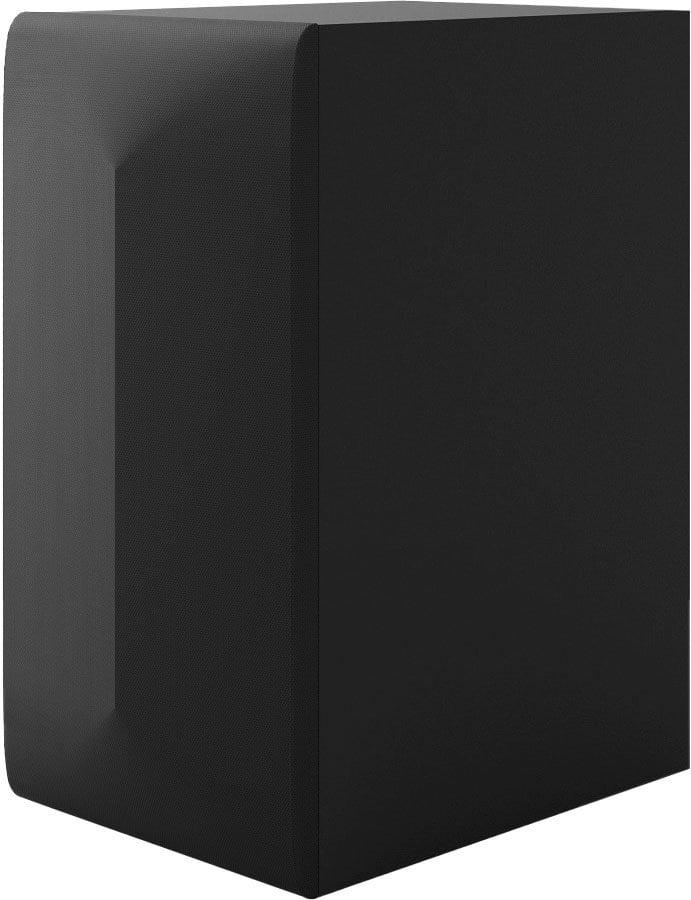
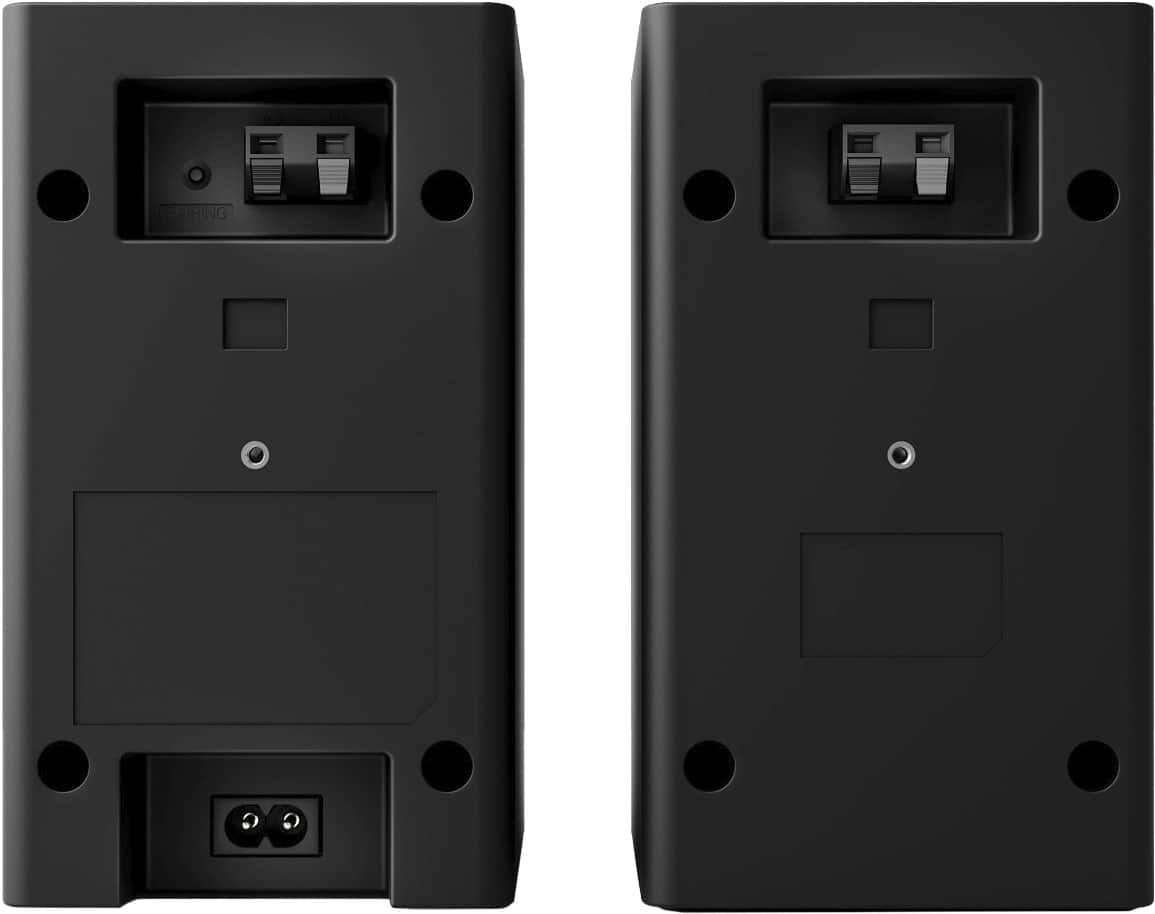


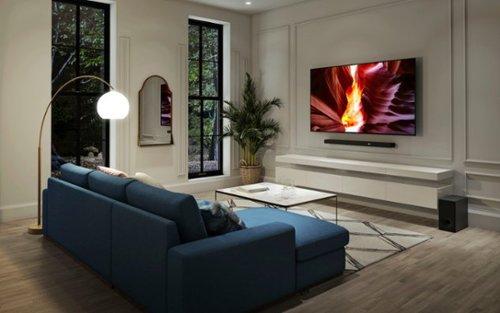
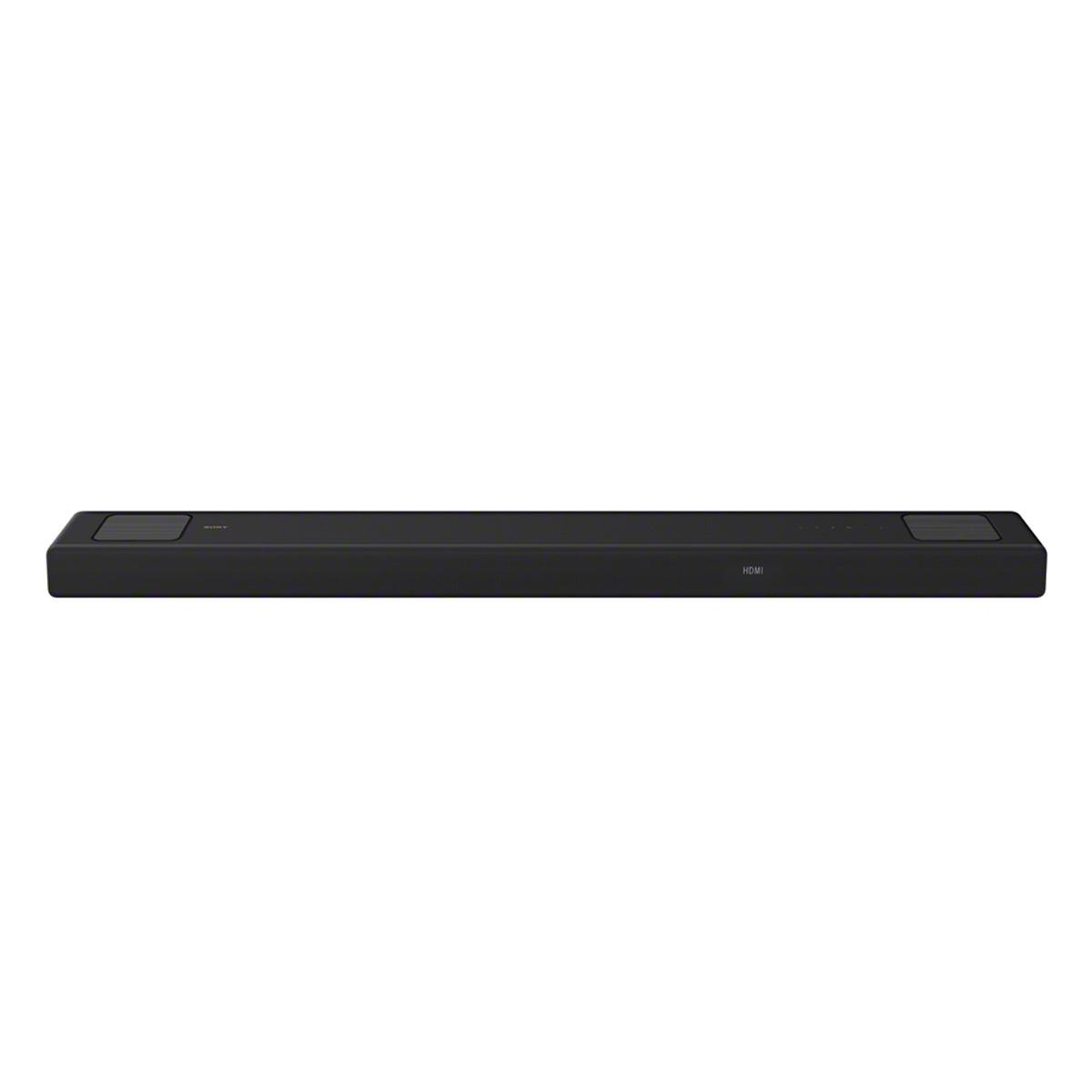
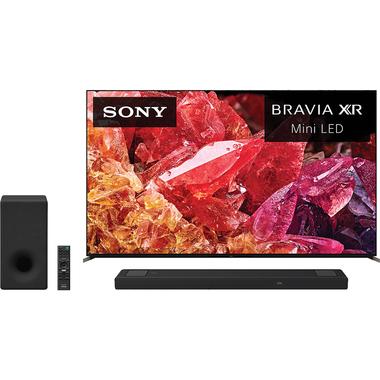
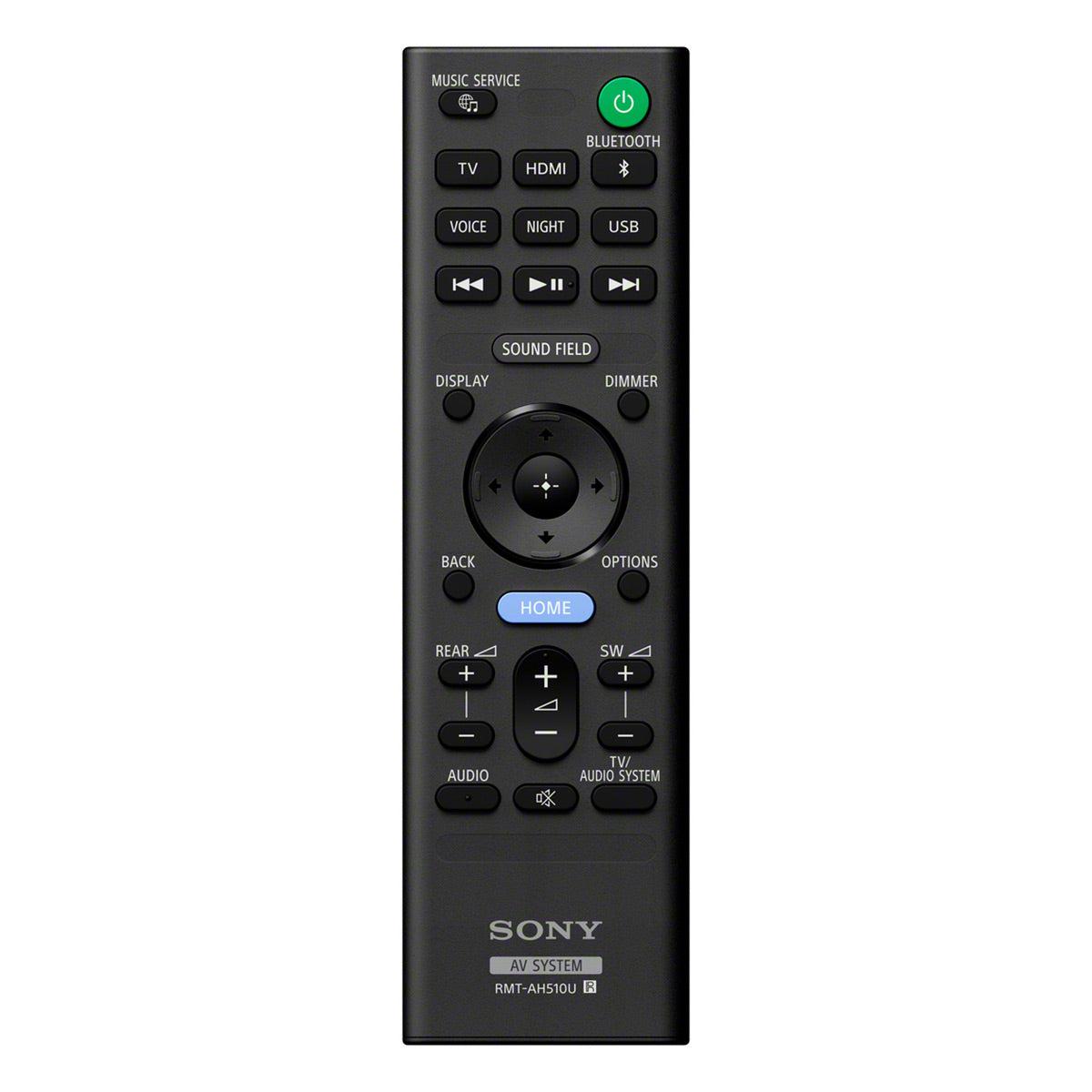
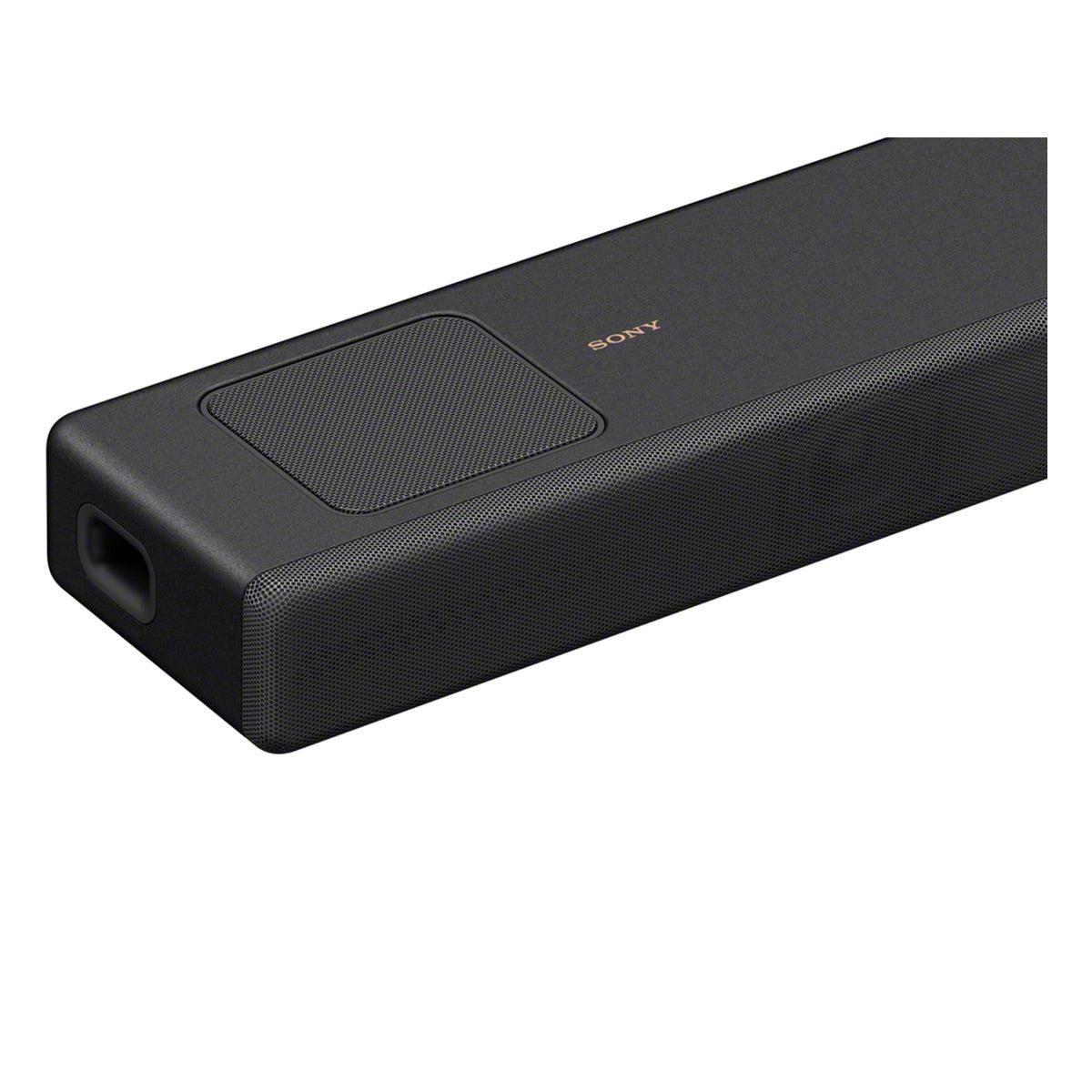
When I first started testing soundbars five years ago, the market was pretty straightforward. You bought a soundbar, maybe it came with a subwoofer, and that was it. Today's soundbar landscape has evolved into something much more interesting – and potentially confusing. The LG S60TR ($299) and Sony HT-A5000 ($279) represent two completely different philosophies about how to build a great home theater audio system, and understanding these differences will save you both money and frustration.
Before diving into specifics, let's talk about what makes today's soundbars so much better than older models. The key advancement is channel separation – how many distinct audio streams a system can handle. Both soundbars we're comparing support 5.1+ channels, meaning five main speakers (front left, center, front right, rear left, rear right) plus at least one subwoofer channel for bass. The Sony adds ".2" height channels for Dolby Atmos, which creates sound effects that seem to come from above your head.
Virtual surround processing has also improved dramatically. This technology uses digital signal processing (DSP) to trick your brain into hearing sounds from directions where no physical speakers exist. Think of it like audio optical illusions – the soundbar plays specially timed and filtered sounds that make you think there are speakers behind you, even when there aren't.
The LG S60TR takes the traditional route with physical wireless rear speakers, while the Sony HT-A5000 relies heavily on this virtual processing. Both approaches have merit, but they create very different listening experiences.
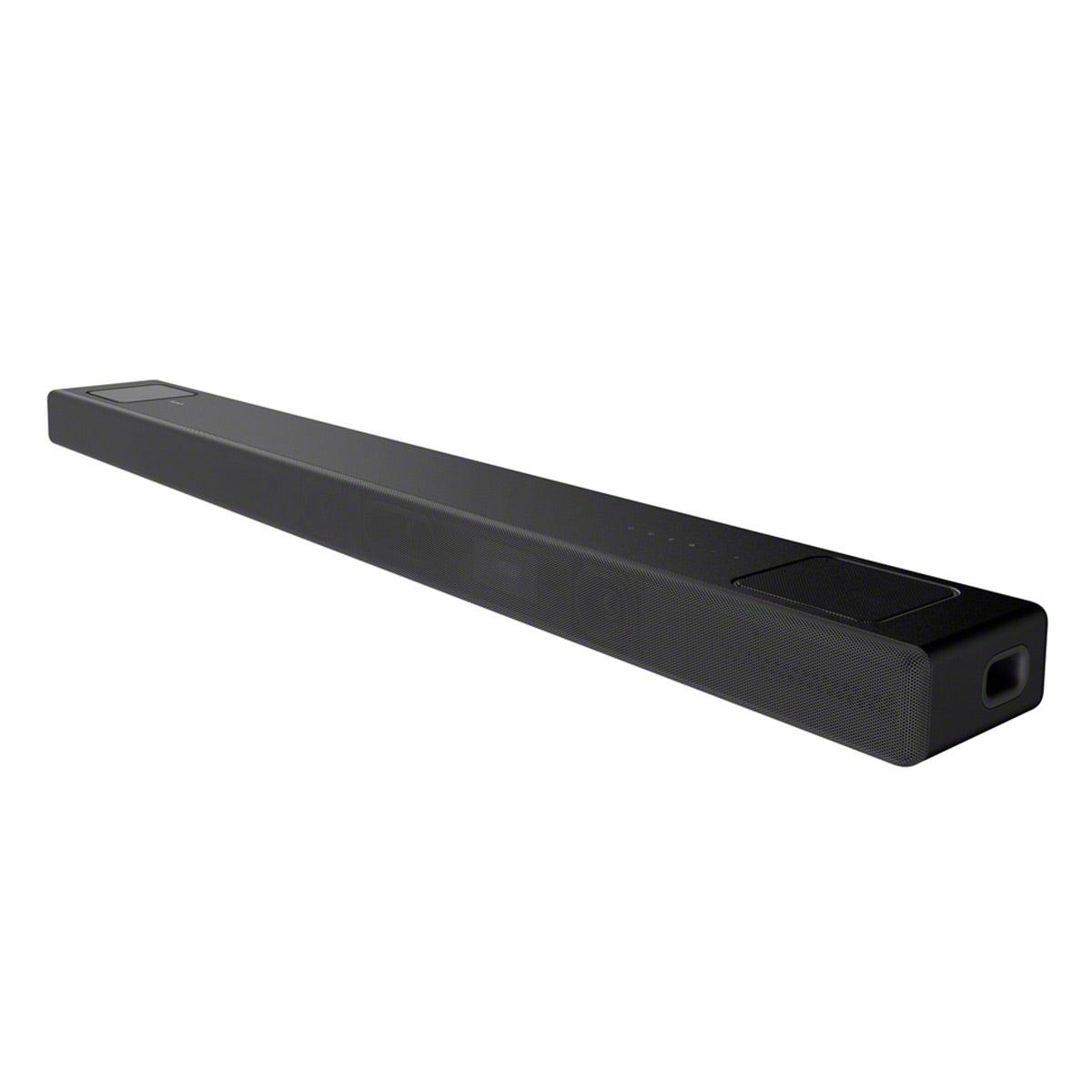
The Sony HT-A5000 launched in 2021 as part of Sony's premium soundbar lineup, representing their shift toward minimalist designs with maximum expandability. At the time, Sony was betting that consumers wanted flexibility over immediate completeness – you could start with just the soundbar and add components as your budget and space allowed.
LG's S60TR arrived in 2024, taking a more direct approach. By this point, LG had learned from customer feedback that many people found expandable systems frustrating and expensive. The S60TR includes everything you need for authentic 5.1 surround sound right in the box, reflecting the market's evolution toward complete value packages.
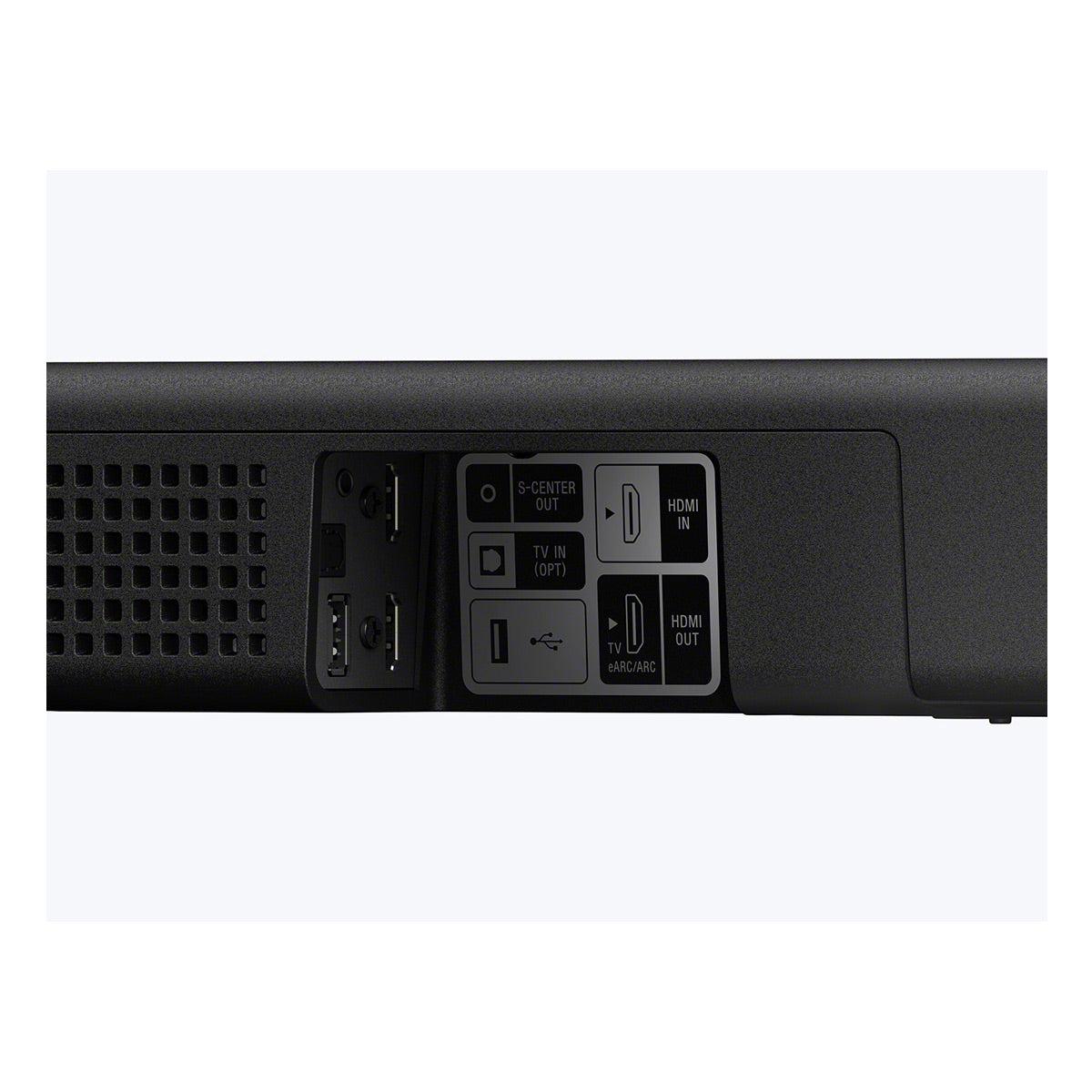
Since the Sony's 2021 release, we've seen significant improvements in wireless connectivity stability and HDMI 2.1 adoption. HDMI 2.1 supports higher refresh rates (120Hz at 4K resolution) and gaming features like Variable Refresh Rate (VRR), which eliminates screen tearing during fast-paced games. The newer LG includes these features, while the Sony, being older, lacks full HDMI 2.1 support – a meaningful difference for PS5 and Xbox Series X owners.
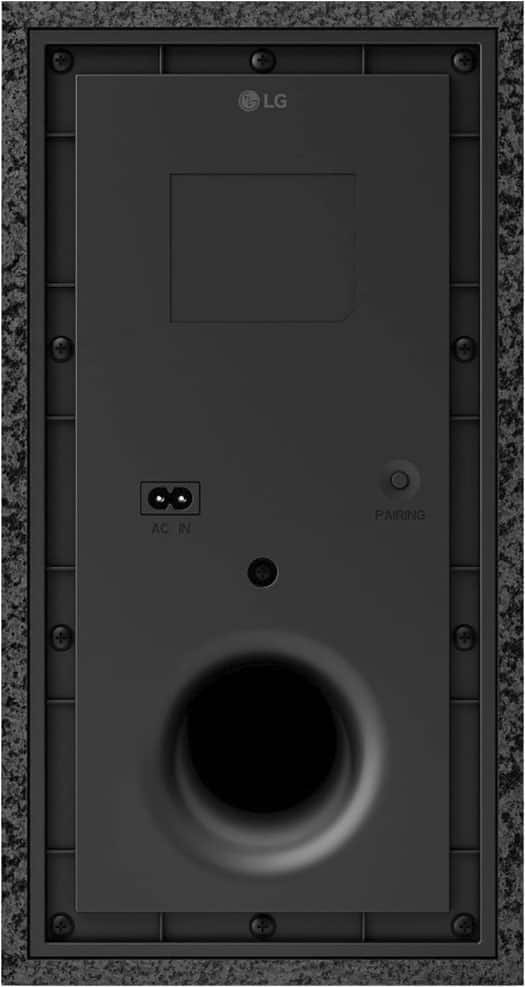
Here's where the fundamental difference between these systems becomes most apparent. The LG S60TR includes a dedicated 220-watt wireless subwoofer – a separate cabinet specifically designed to reproduce low frequencies from about 20Hz to 200Hz. This physical separation allows the subwoofer's drivers to move lots of air without interfering with the mid-range and treble drivers in the main soundbar.
When I tested the LG in my 18x14 foot living room, action scenes in movies like "Mad Max: Fury Road" delivered that visceral rumble you feel in your chest during explosions. The dedicated subwoofer can create room pressurization – where bass waves actually change the air pressure in your room, making effects feel more realistic.
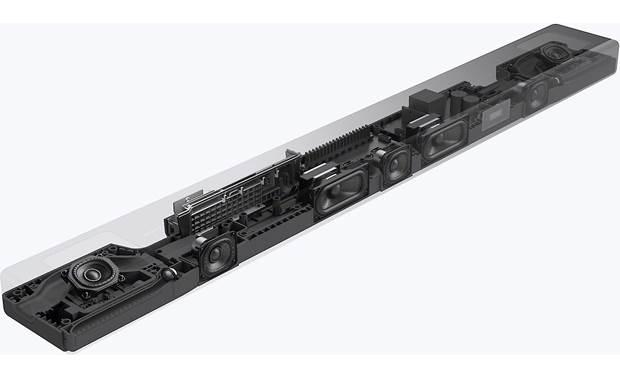
The Sony HT-A5000 takes a different approach with built-in subwoofer drivers inside the main soundbar unit. While Sony's X-Balanced Driver technology maximizes the surface area of these internal drivers, they simply can't move as much air as a dedicated subwoofer. The laws of physics are unforgiving here – larger drivers in a bigger enclosure will always produce deeper, more powerful bass.
In practical terms, this means the Sony handles dialogue and music reasonably well, but action movies and bass-heavy music genres like hip-hop or electronic feel somewhat restrained. You can add Sony's optional SA-SW5 subwoofer for $300+, but now you're looking at a $580+ investment versus the LG's complete $299 package.
The surround sound difference is equally dramatic. LG's approach uses actual 50-watt wireless speakers that you place behind your listening position. These create genuine directional audio cues – when a helicopter flies from front to back in a movie, you literally hear it move from the soundbar to the rear speakers.
Sony's Vertical Surround Engine and S-Force Pro technology attempt to create this same effect using psychoacoustic processing. The soundbar analyzes the audio signal and applies delays, phase shifts, and frequency filtering to make sounds appear to come from behind you. When this works well – typically in smaller, acoustically favorable rooms – it can be quite convincing.
However, virtual processing has significant limitations. Room size matters enormously. In my testing, the Sony's virtual surround worked impressively in a 12x10 foot bedroom but became much less effective in larger spaces. High ceilings, hard surfaces, and room shapes that aren't roughly rectangular all reduce effectiveness. The LG's physical rear speakers maintain their directional accuracy regardless of these acoustic challenges.
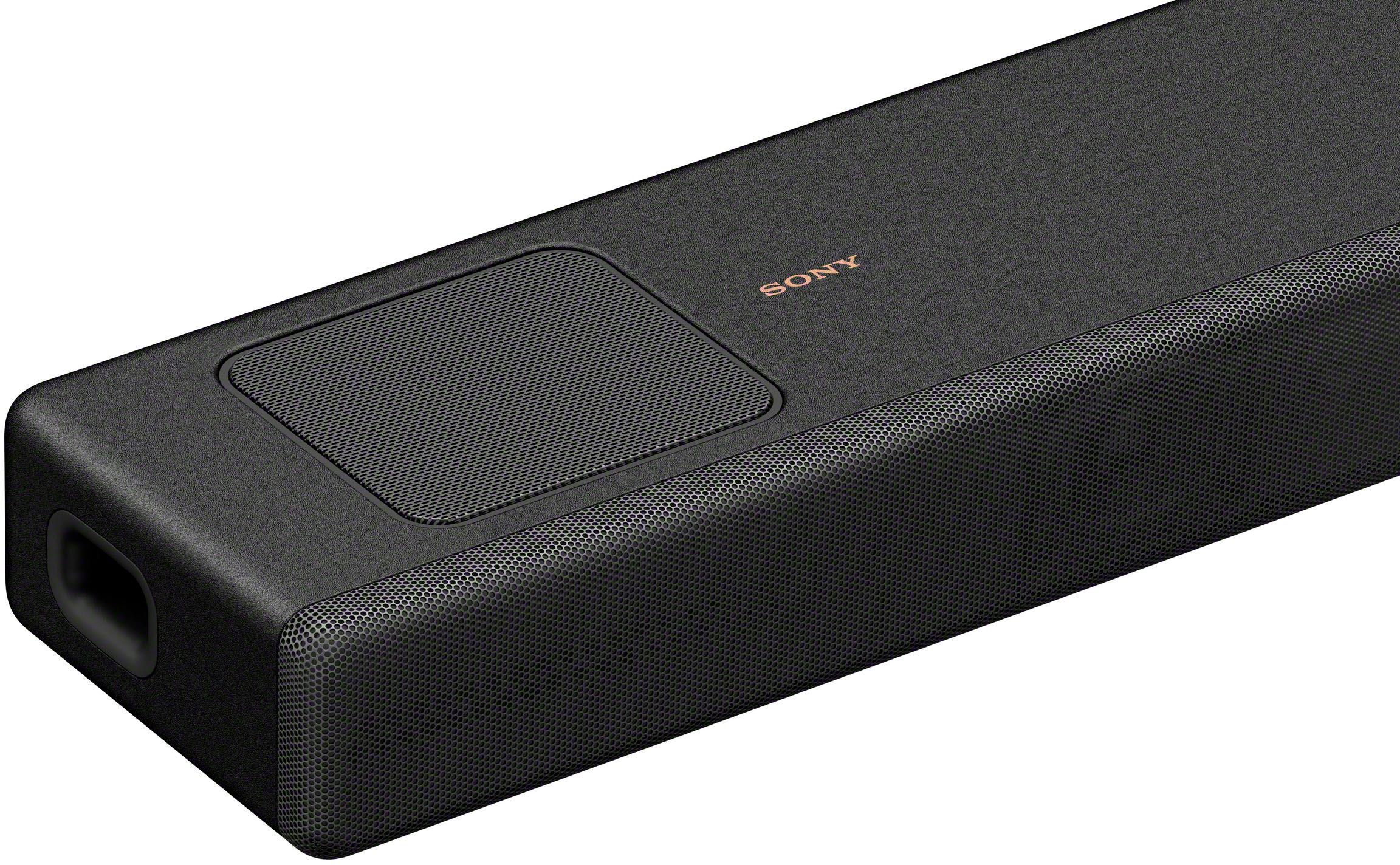
The Sony does offer one advantage: Dolby Atmos height effects through up-firing drivers. These speakers point toward your ceiling, bouncing sound downward to create the illusion of overhead audio. This works for specific Atmos-encoded content, though the effect varies greatly depending on your ceiling height and material.
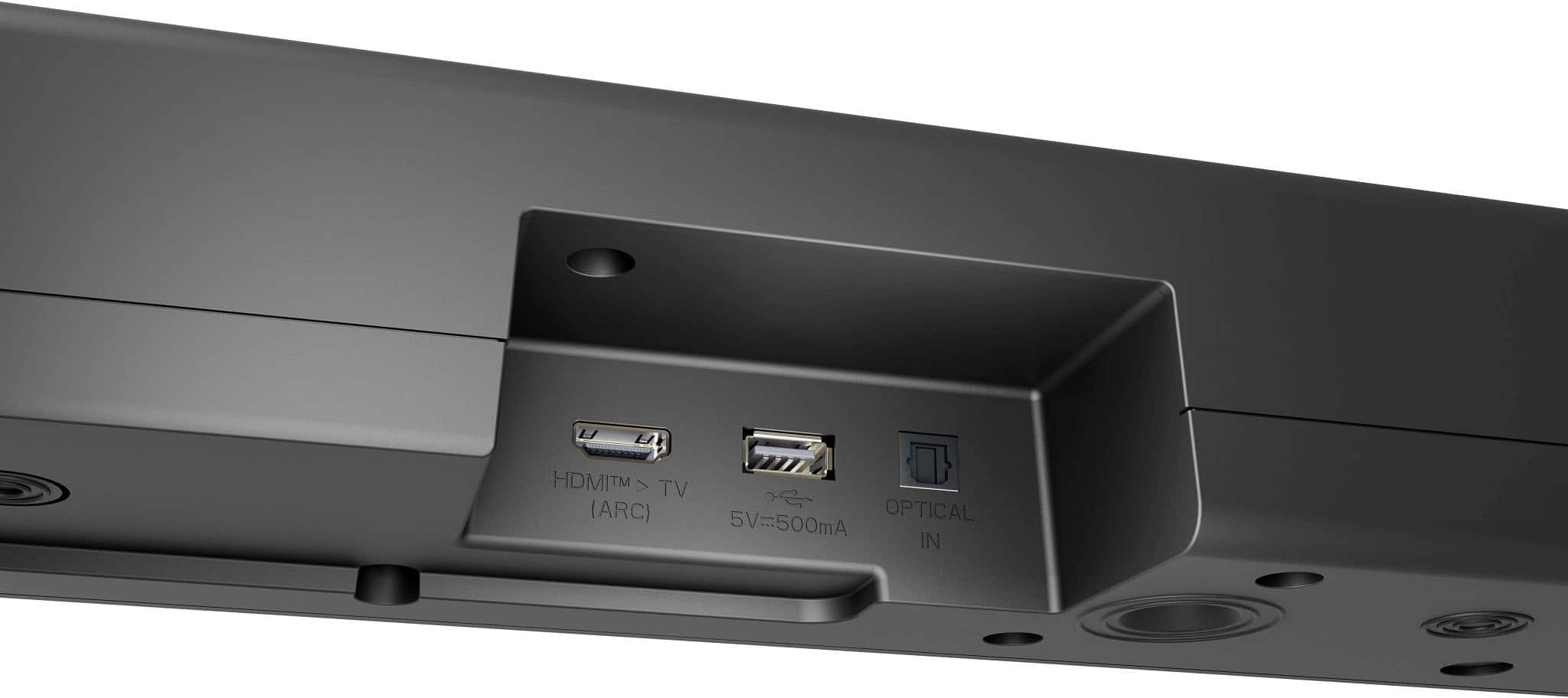
For gamers, the connectivity differences matter significantly. The LG S60TR includes full HDMI 2.1 support with 4K/120Hz passthrough, Variable Refresh Rate (VRR), and Auto Low Latency Mode (ALLM). These features are crucial for getting the best performance from PlayStation 5 and Xbox Series X consoles.
VRR synchronizes your TV's refresh rate with your console's frame rate, eliminating the visual "tearing" that occurs when these get out of sync during fast action. ALLM automatically switches your TV to its lowest-latency mode when gaming, reducing the delay between pressing a button and seeing the result on screen.
The Sony, being a 2021 design, only offers HDMI eARC (Enhanced Audio Return Channel), which handles audio transmission from your TV back to the soundbar but lacks these gaming enhancements. For casual gamers, this might not matter. For competitive players or those who want the best possible experience from modern consoles, it's a significant limitation.
The LG's physical rear speakers also provide better spatial awareness in games. When playing first-person shooters, you can more accurately pinpoint enemy positions based on footsteps and gunfire direction – a real advantage in competitive gaming.
This is where the Sony HT-A5000 shows its strengths. Sony's DSEE Extreme technology analyzes compressed audio from streaming services and attempts to restore high-frequency information lost during compression. While it can't create information that wasn't originally there, it does make MP3s and streaming audio sound noticeably more detailed.
The Sony's center channel processing also excels at dialogue clarity. The X-Balanced Driver design maximizes diaphragm area while minimizing distortion, resulting in clearer vocal reproduction. During my testing with dialogue-heavy shows like "The Crown," speech was consistently more intelligible through the Sony, even at lower volumes.
LG's AI Sound Pro provides similar automatic optimization, analyzing content type and adjusting the sound profile accordingly. It recognizes when you're watching sports versus movies versus music and applies appropriate processing. However, Sony's implementation feels more refined, particularly for music listening.
For critical music listening, both systems have limitations compared to dedicated stereo speakers, but the Sony's more sophisticated processing gives it an edge with streaming audio quality.
The construction differences reflect each manufacturer's target market. Sony uses premium materials including metal grilles and solid internal bracing, giving the HT-A5000 a distinctly upscale feel. The build quality justifies its positioning as a premium product, even at the current $279 price point.
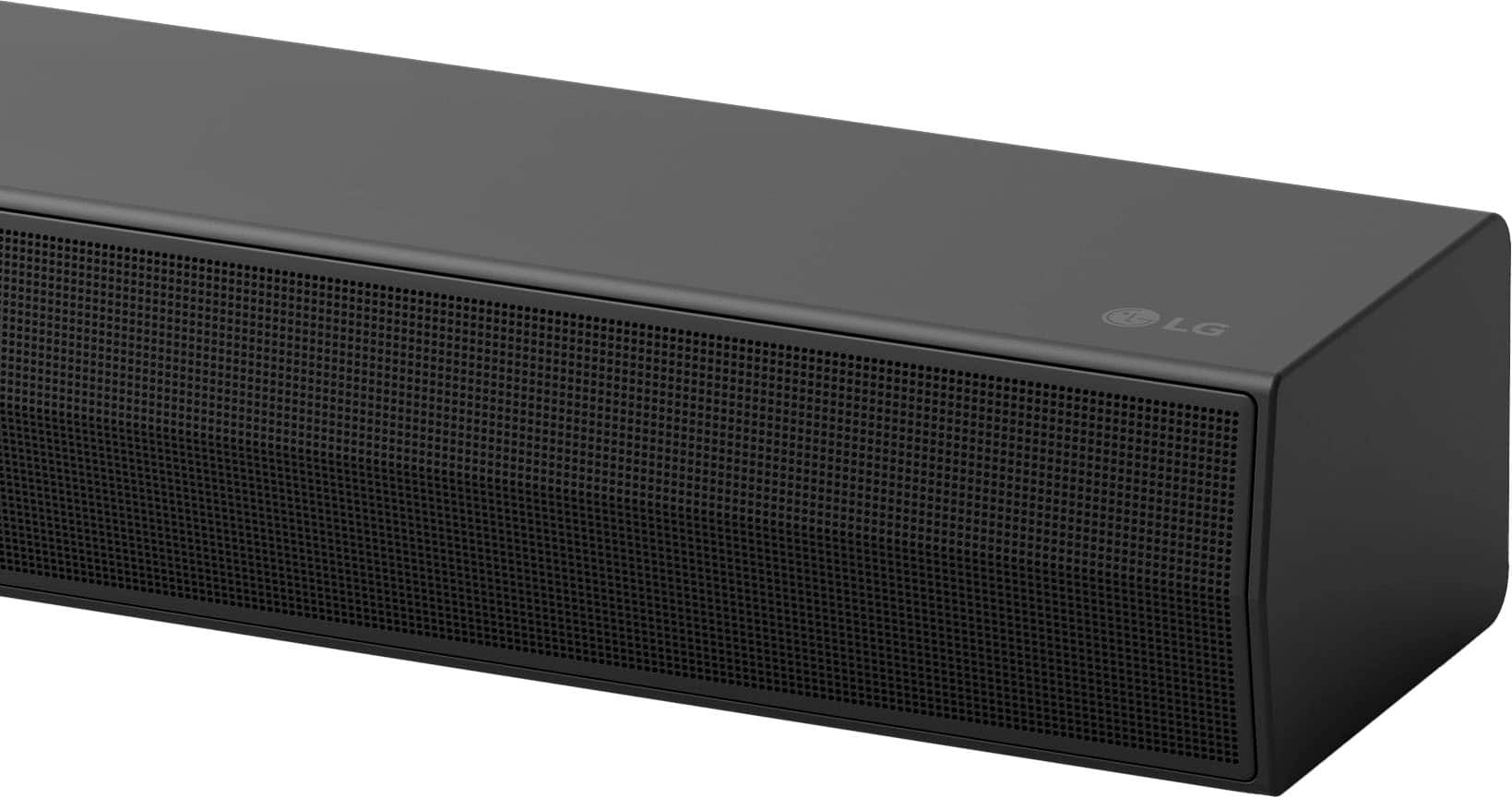
LG's approach prioritizes function over premium materials. The S60TR uses primarily plastic construction, which reduces costs and weight but feels less substantial. However, this isn't necessarily a disadvantage – the money saved on materials goes toward including the subwoofer and rear speakers that competitors charge extra for.
Both systems support Bluetooth streaming, but Sony offers more comprehensive smart features. Chromecast built-in allows direct streaming from phones, tablets, and computers without Bluetooth's quality limitations. Apple AirPlay 2 provides similar functionality for iOS devices, while Spotify Connect enables direct streaming from the Spotify app with higher audio quality than Bluetooth.
The Sony HT-A5000 also integrates with voice assistants like Google Assistant and Amazon Alexa, allowing voice control of volume, inputs, and basic settings. LG's smart features are more basic, focusing primarily on integration with LG TVs through their WOW Interface, which allows control of both TV and soundbar with a single remote.
Room size significantly impacts which system will work better for you. The LG's physical speaker approach scales well from small apartments to large living rooms. The 220-watt subwoofer provides adequate bass for rooms up to about 300 square feet, while the rear speakers maintain their effectiveness regardless of room acoustics.
Sony's virtual processing works best in smaller, more controlled environments. Rooms under 200 square feet with 8-9 foot ceilings and some soft furnishings provide ideal conditions for the Vertical Surround Engine to work effectively. Larger rooms, high ceilings, or acoustically "live" spaces with lots of hard surfaces reduce the effectiveness of virtual processing.
For apartment dwellers, both systems offer night modes that compress dynamic range – reducing the difference between quiet dialogue and loud explosions to avoid disturbing neighbors. The Sony's processing is more sophisticated here, maintaining better dialogue clarity even when bass is reduced.
This is where the philosophical differences become financial realities. The LG S60TR at $299 includes everything needed for authentic 5.1 surround sound. You're getting a complete system with no hidden costs or future upgrade pressure.
The Sony HT-A5000 starts at $279 but realistically needs additional components to compete with the LG's included features. Sony's SA-SW5 subwoofer costs around $300, and their SA-RS5 rear speakers add another $350. A fully comparable Sony system costs approximately $930 – more than three times the LG's price.
However, this expandability isn't necessarily negative. If you're starting with a limited budget or small space, you can begin with just the Sony soundbar and add components as your situation changes. The modular approach also means you can choose exactly which upgrades matter most to you.
Technology moves quickly in the audio world. The LG's newer design includes current gaming standards and wireless protocols that should remain relevant for several years. Its complete nature means you won't face upgrade pressure from the manufacturer pushing additional components.
Sony's older platform shows some age, particularly in gaming connectivity, but their track record of firmware updates is excellent. The HT-A5000 has received several updates improving performance and adding features since launch. Sony's expansion ecosystem also means you can upgrade individual components rather than replacing the entire system.
Choose the LG S60TR if you want immediate, no-compromise 5.1 surround sound performance at an exceptional value. It's ideal for gaming enthusiasts, action movie fans, and anyone with a medium to large room who wants authentic directional audio without future investments.
The Sony HT-A5000 makes more sense if you prioritize dialogue clarity, premium build quality, and gradual system expansion. It's perfect for smaller rooms where virtual processing works well, or for users who prefer to start minimal and add components over time.
Both represent solid engineering approaches to different customer needs. The LG delivers more immediate satisfaction and better value, while the Sony offers superior refinement and flexibility for those willing to invest more. Your room size, content preferences, and upgrade philosophy should ultimately guide your choice.
| LG S60TR 5.1 Channel Soundbar | Sony HT-A5000 5.1.2 Channel Home Theater Soundbar |
|---|---|
| Price - Major value difference for complete systems | |
| $299 (includes subwoofer + rear speakers) | $279 (soundbar only, $600+ for comparable system) |
| Release Year - Affects gaming features and connectivity | |
| 2024 (latest HDMI 2.1 gaming features) | 2021 (older connectivity standards) |
| Total Power Output - Raw amplification capability | |
| 440W (220W subwoofer + 220W distributed) | 450W (all from single soundbar unit) |
| Channel Configuration - Physical vs virtual surround approach | |
| 5.1 with physical wireless rear speakers | 5.1.2 with virtual surround + Atmos height |
| Subwoofer Included - Critical for bass impact | |
| Yes, dedicated 220W wireless subwoofer | No, built-in drivers only (optional $300+ subwoofer) |
| Rear Speakers Included - Authentic surround positioning | |
| Yes, 50W wireless rear speakers included | No, virtual processing only (optional $350+ rears) |
| HDMI 2.1 Gaming Features - Essential for PS5/Xbox Series X | |
| Full support: 4K/120Hz, VRR, ALLM | HDMI eARC only, no gaming enhancements |
| Room Size Performance - Where each system excels | |
| Large rooms (200+ sq ft), any acoustics | Small-medium rooms (under 200 sq ft), good acoustics |
| Dolby Atmos Height Effects - Overhead sound illusion | |
| No height channels (traditional 5.1) | Yes, up-firing drivers for ceiling bounce |
| Build Quality - Premium materials vs value focus | |
| Plastic construction (functional, cost-effective) | Premium metal grille and internal bracing |
| Smart Features - Streaming and voice control | |
| Basic Bluetooth, LG TV integration | Chromecast, AirPlay 2, Spotify Connect, voice assistants |
| Setup Complexity - Immediate vs expandable approach | |
| Multiple components to position initially | Single unit, optional expansion later |
| Best For - Target user scenarios | |
| Gamers, large rooms, immediate 5.1 performance | Small rooms, dialogue priority, gradual expansion |
The LG S60TR at $299 provides exceptional value as a complete 5.1 system with included wireless subwoofer and rear speakers. The Sony HT-A5000 costs $279 but requires additional purchases ($600+) to match the LG's included components, making the LG the clear value winner for most buyers.
The LG S60TR offers traditional 5.1 channels with physical rear speakers for authentic surround sound. The Sony HT-A5000 adds ".2" height channels for Dolby Atmos overhead effects but relies on virtual processing for rear surround instead of physical speakers.
The LG S60TR is superior for gaming with full HDMI 2.1 support including 4K/120Hz, Variable Refresh Rate, and Auto Low Latency Mode - essential features for PS5 and Xbox Series X. The Sony HT-A5000 lacks these gaming enhancements, offering only basic HDMI eARC.
The LG S60TR includes everything needed - soundbar, wireless subwoofer, and rear speakers in the box. The Sony HT-A5000 is just the soundbar; you'll need to purchase a separate subwoofer ($300+) and rear speakers ($350+) for comparable performance.
The LG S60TR delivers superior bass with its dedicated 220W wireless subwoofer that can pressurize rooms and provide deep, impactful low frequencies. The Sony HT-A5000 relies on built-in drivers that cannot match the power and depth of a dedicated subwoofer.
The LG S60TR works well in any room size due to its physical speakers, especially medium to large rooms (200+ sq ft). The Sony HT-A5000 performs best in smaller, acoustically controlled rooms (under 200 sq ft) where its virtual surround processing is most effective.
The Sony HT-A5000 excels in dialogue clarity with its X-Balanced driver technology and advanced center channel processing. While the LG S60TR offers good vocal clarity, Sony's sophisticated audio processing provides superior speech intelligibility.
The Sony HT-A5000 offers comprehensive smart features including Chromecast built-in, AirPlay 2, Spotify Connect, and voice assistant compatibility. The LG S60TR provides basic Bluetooth streaming and LG TV integration but fewer advanced connectivity options.
Both systems are relatively easy, but differently. The Sony HT-A5000 requires only placing one soundbar unit. The LG S60TR needs positioning of the subwoofer and rear speakers initially, but all wireless connections are straightforward with no complex receiver setup required.
The Sony HT-A5000 features premium metal construction with solid internal bracing for a more upscale feel. The LG S60TR uses primarily plastic construction to keep costs down while including more components, prioritizing value over premium materials.
For action movies and dynamic content, the LG S60TR provides more immersive experiences with authentic surround positioning and powerful bass. The Sony HT-A5000 excels with dialogue-heavy content and offers Dolby Atmos height effects, making it better for varied movie genres in smaller rooms.
The LG S60TR is a complete system with limited expansion options since all components are included. The Sony HT-A5000 is designed for modular expansion, allowing you to add Sony's wireless subwoofer and rear speakers over time, though at significant additional cost.
We've done our best to create useful and informative comparisons to help you decide what product to buy. Our research uses advanced automated methods to create this comparison and perfection is not possible - please contact us for corrections or questions. These are the sites we've researched in the creation of this article: bestbuy.com - mynavyexchange.com - youtube.com - consumerreports.org - avsforum.com - rentacenter.com - bestbuy.com - homechoicestores.com - oconsommateur.com - lg.com - bestbuy.com - samsung.com - whathifi.com - electronics.sony.com - costco.com - sony.com - expertreviews.co.uk - crutchfield.com - audioadvice.com - sony.com - sony.com - bestbuy.com - videoandaudiocenter.com - community.sony.co.uk

Privacy Policy
Terms and Conditions - Affiliate Policy
Home Security
© Copyright 2008-2026.
11816 Inwood Rd #1211, Dallas, TX 75244