


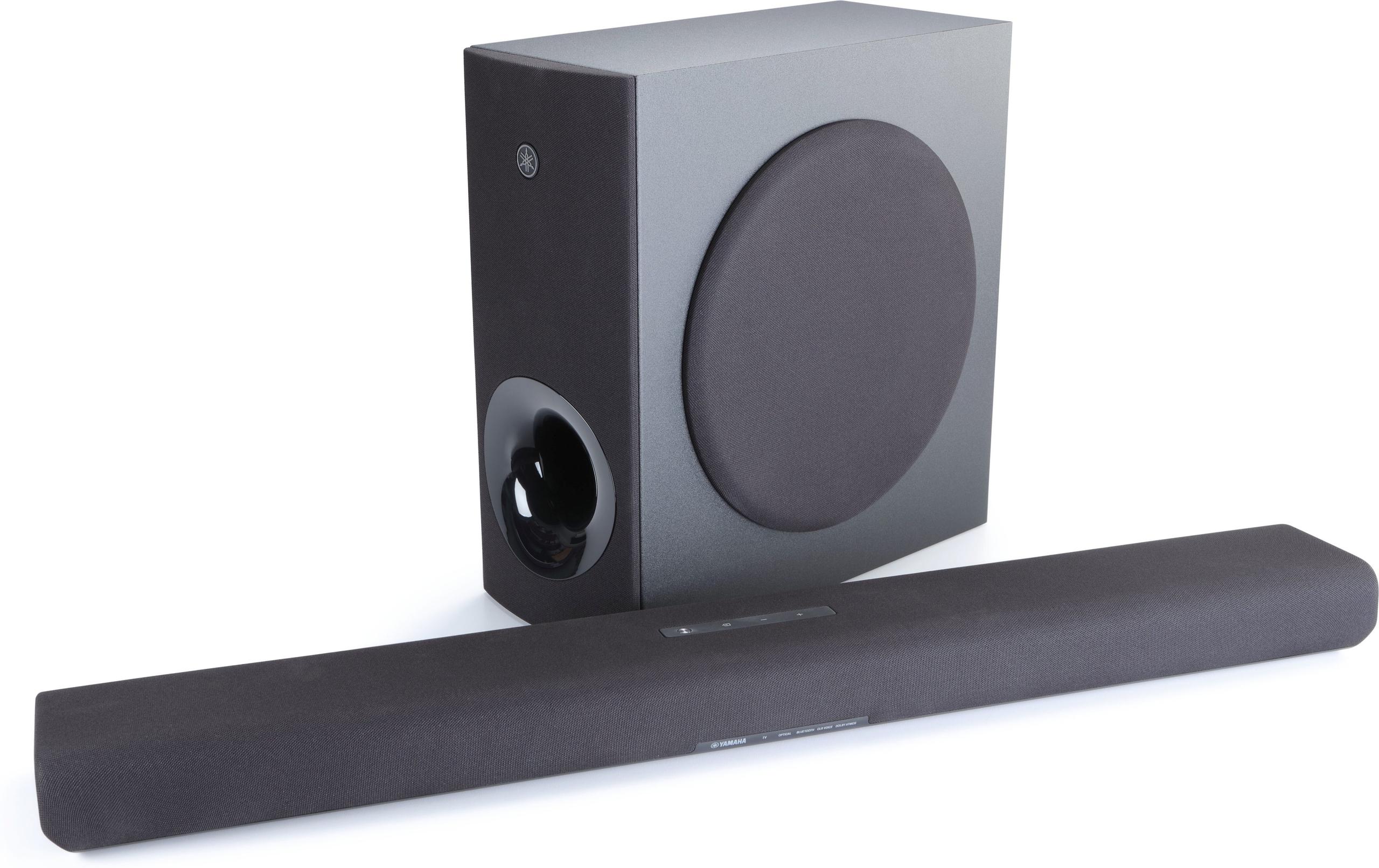
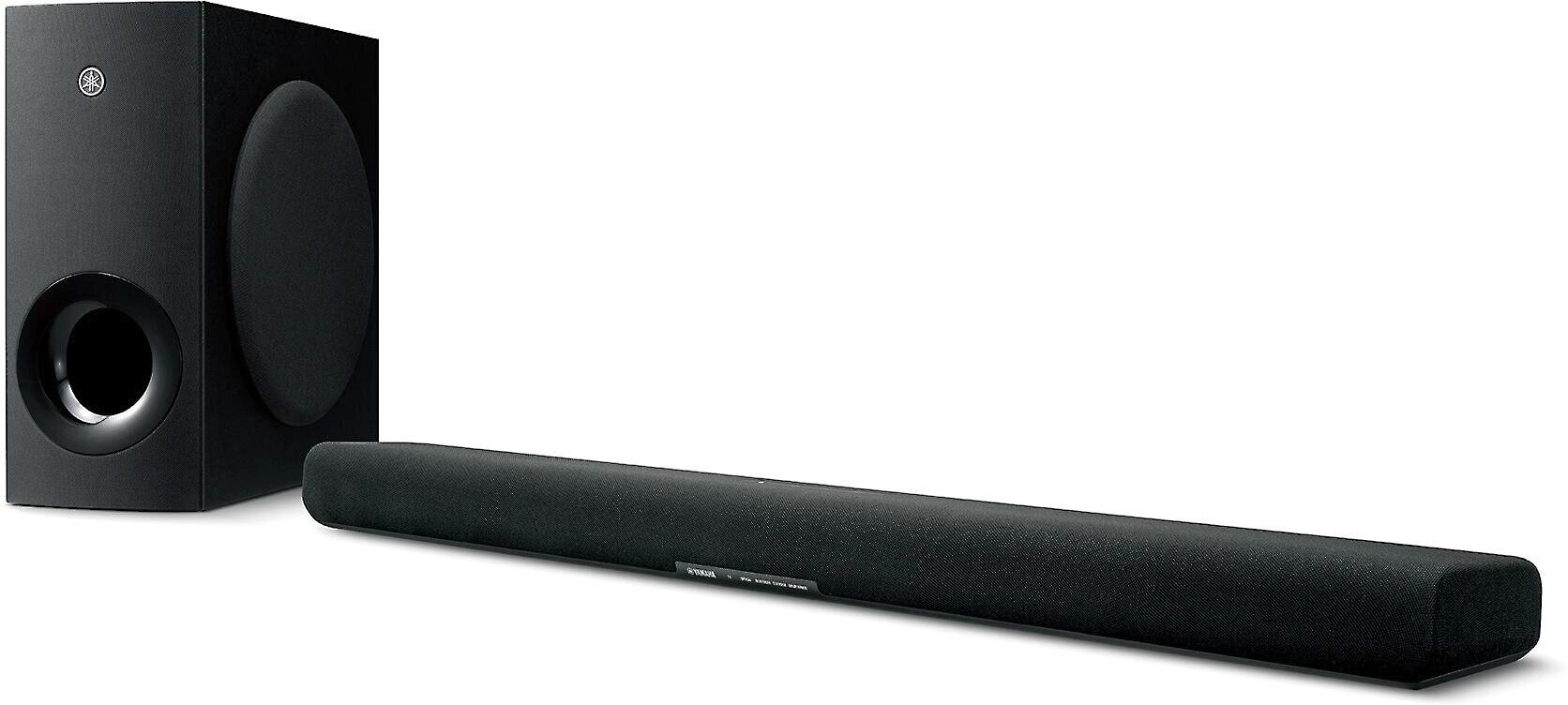
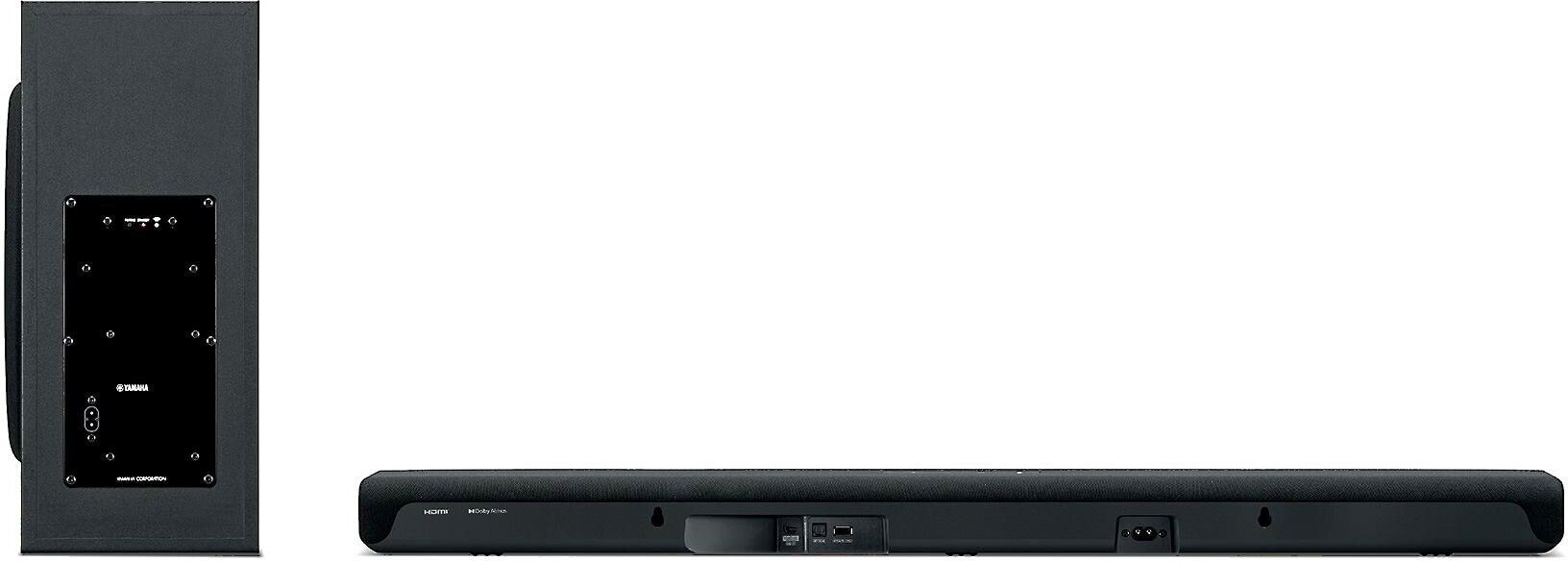
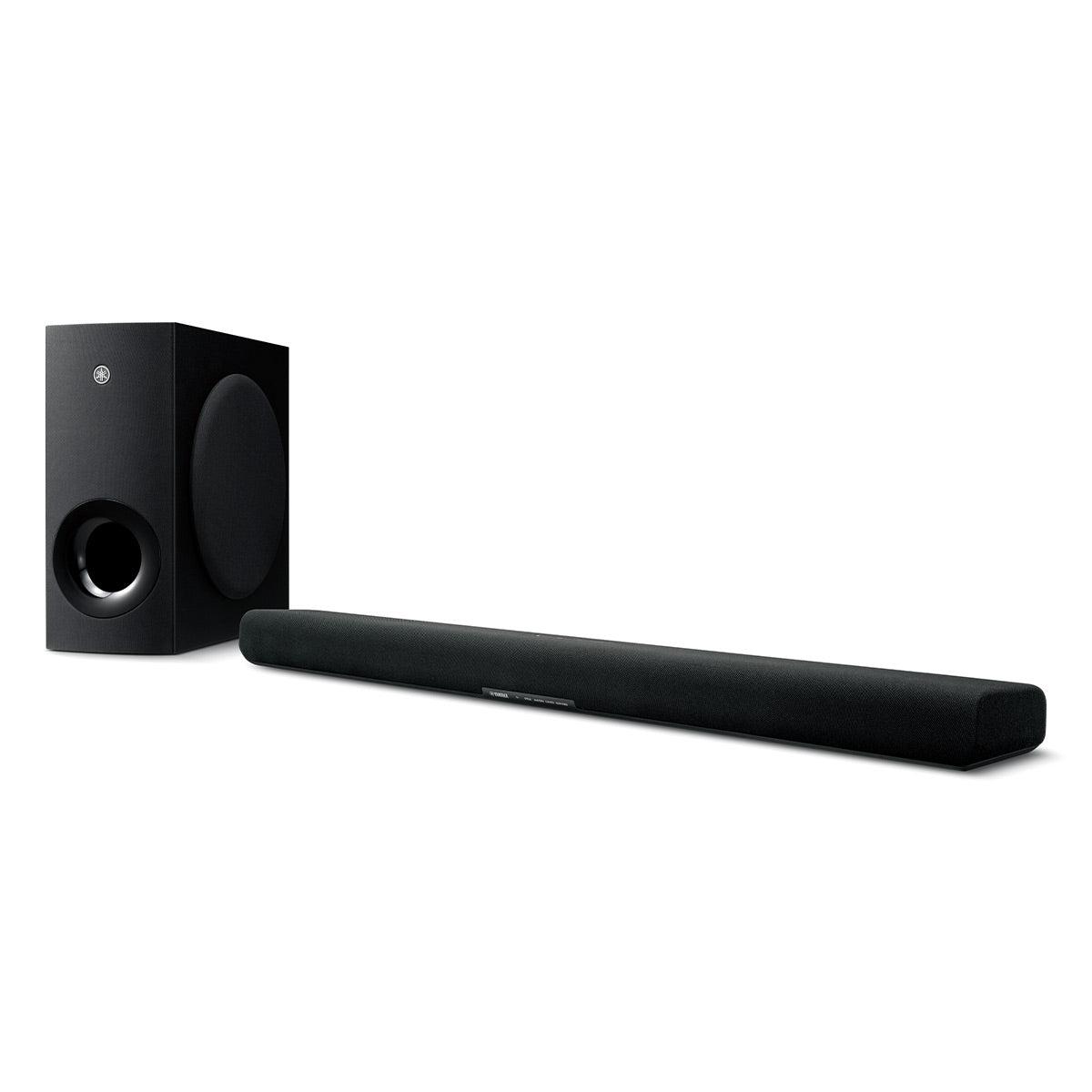



Shopping for a soundbar can feel overwhelming, especially when you're trying to decide between two completely different approaches to better TV audio. The Yamaha SR-B40A ($340) and LG S60TR ($300) represent two distinct philosophies in soundbar design, and understanding their differences will help you make the right choice for your home theater setup.
Before diving into these specific models, let's talk about what makes soundbars tick in 2024. The soundbar market has evolved dramatically over the past few years, moving beyond simple stereo sound to sophisticated audio processing that can rival traditional surround sound systems.
The core decision most buyers face is between a 2.1-channel system (left speaker, right speaker, plus subwoofer) and a true multi-channel system like 5.1 (front left/right, center, rear left/right, plus subwoofer). This choice fundamentally shapes your listening experience and determines how immersive your audio will feel.
Channel configuration tells you how many separate audio streams the soundbar can handle. Think of it like having multiple musicians in different parts of your room versus having them all stand in front of you. More channels generally mean better surround sound, but the quality of processing matters just as much as quantity.
Both the Yamaha and LG models were released in 2023, representing the current generation of soundbar technology. They incorporate the latest audio processing chips, wireless connectivity standards, and smart features that weren't available even two years ago. This timing means you're getting mature, refined products rather than first-generation attempts.
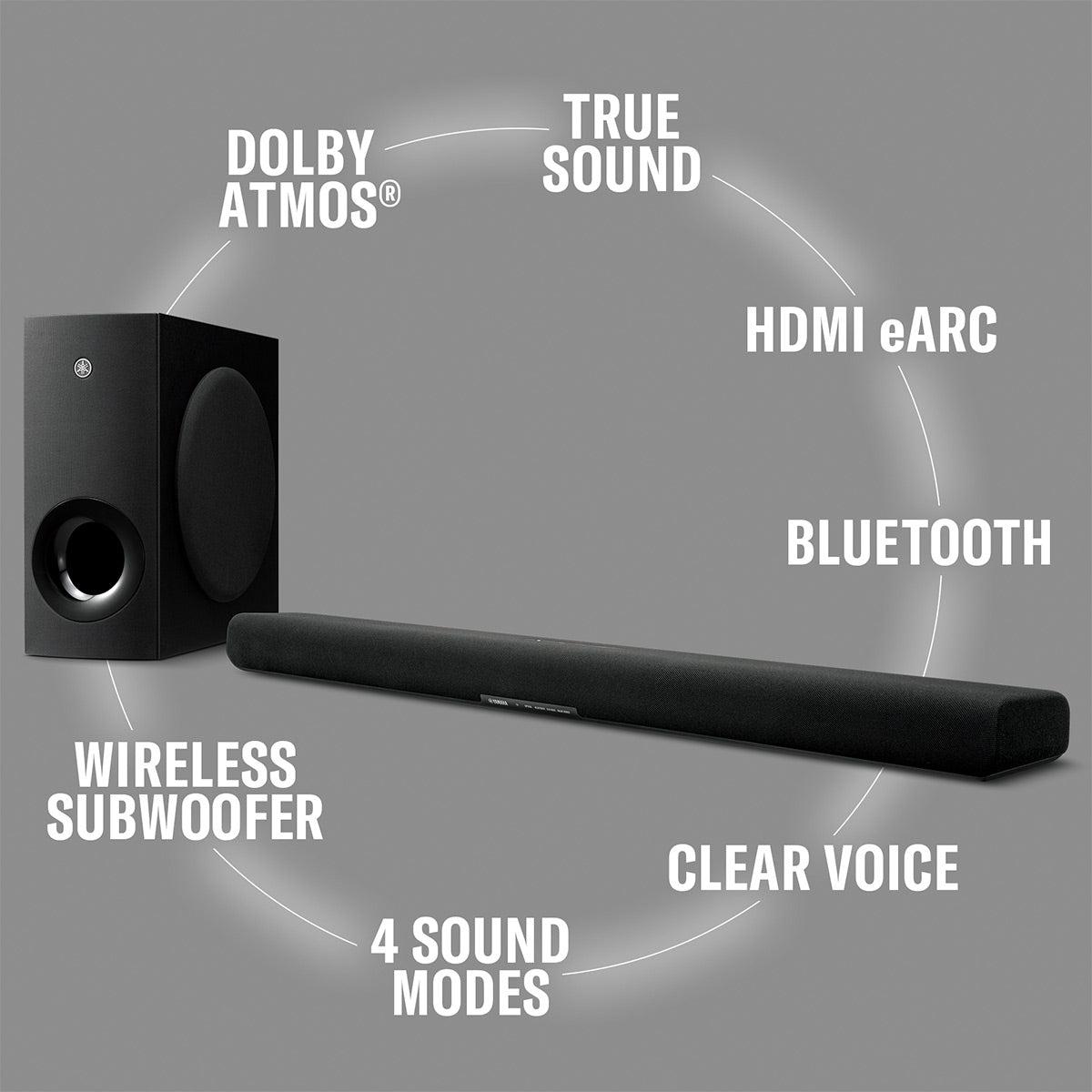
The Yamaha SR-B40A takes what I call the "precision virtual" approach. Instead of surrounding you with physical speakers, it uses advanced digital signal processing to create the illusion of surround sound through just a soundbar and subwoofer. This relies heavily on Dolby Atmos technology, which analyzes audio tracks and redirects sounds to create a three-dimensional soundscape.
Dolby Atmos, for those unfamiliar, is like having a conductor for your audio. It takes sounds that were mixed for movie theaters with dozens of speakers and figures out how to make them work with your home setup. The technology has improved significantly since its introduction, and the SR-B40A benefits from years of refinement in this processing.
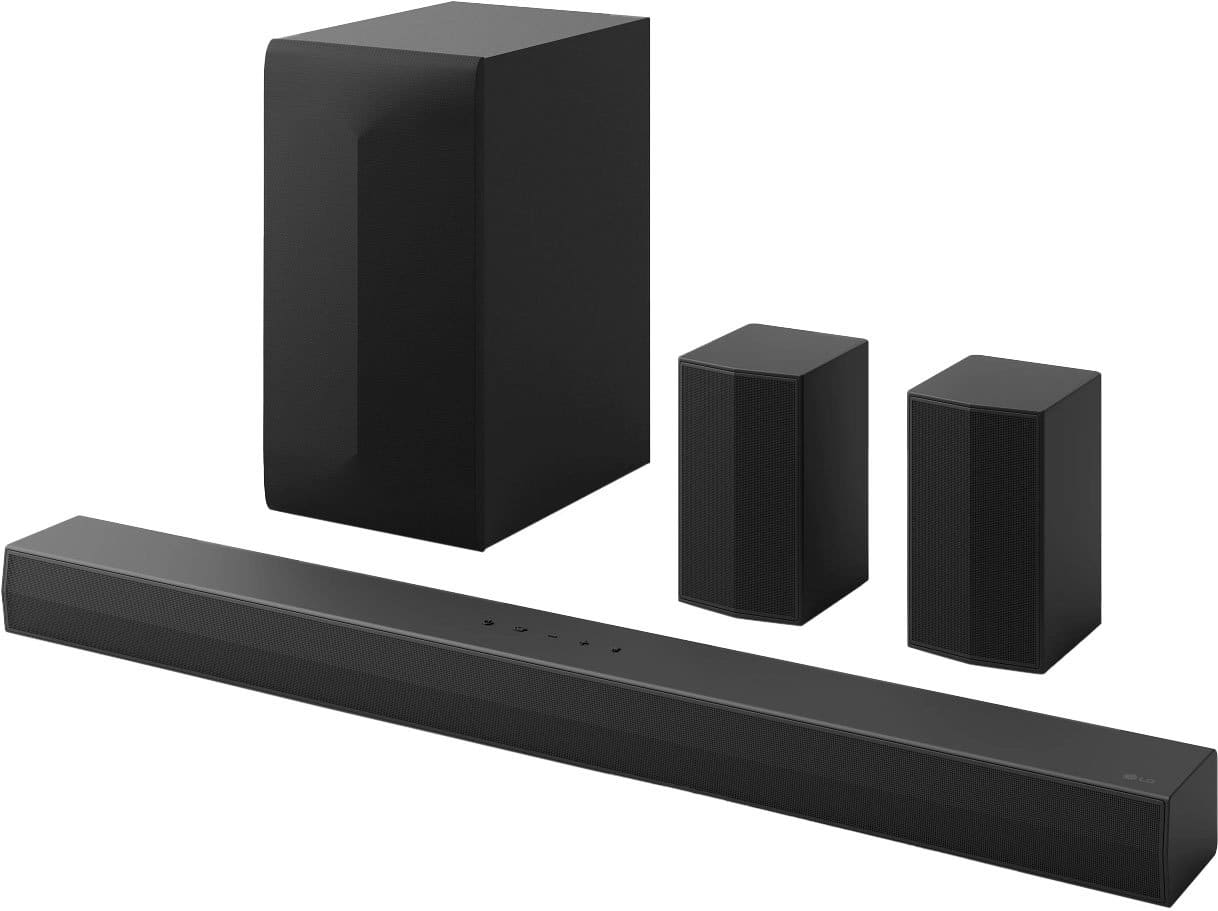
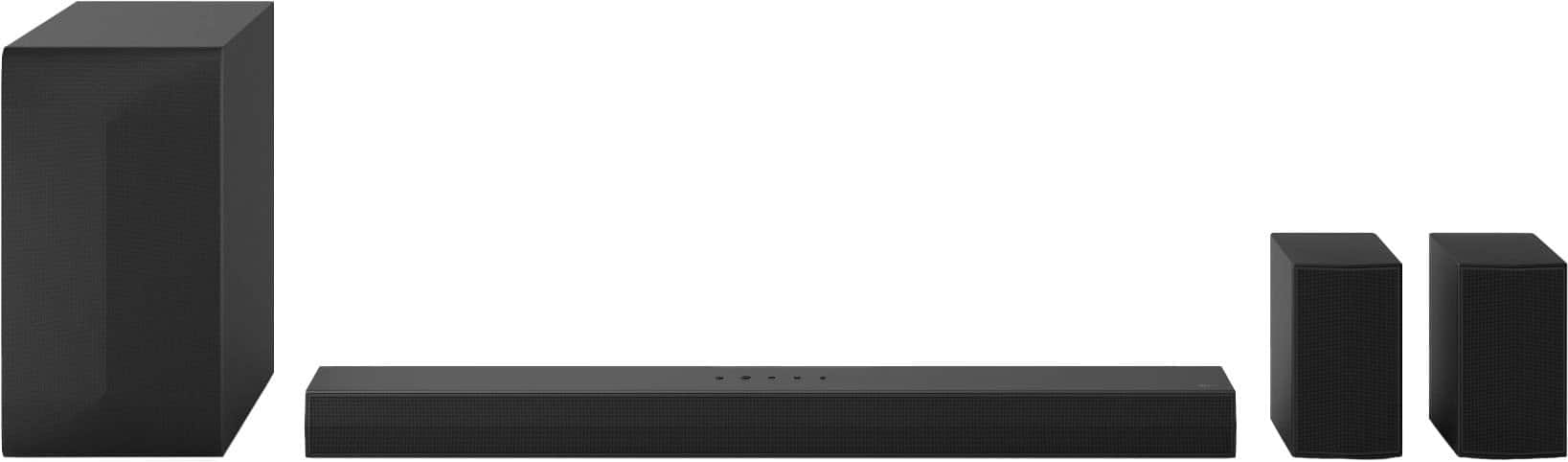
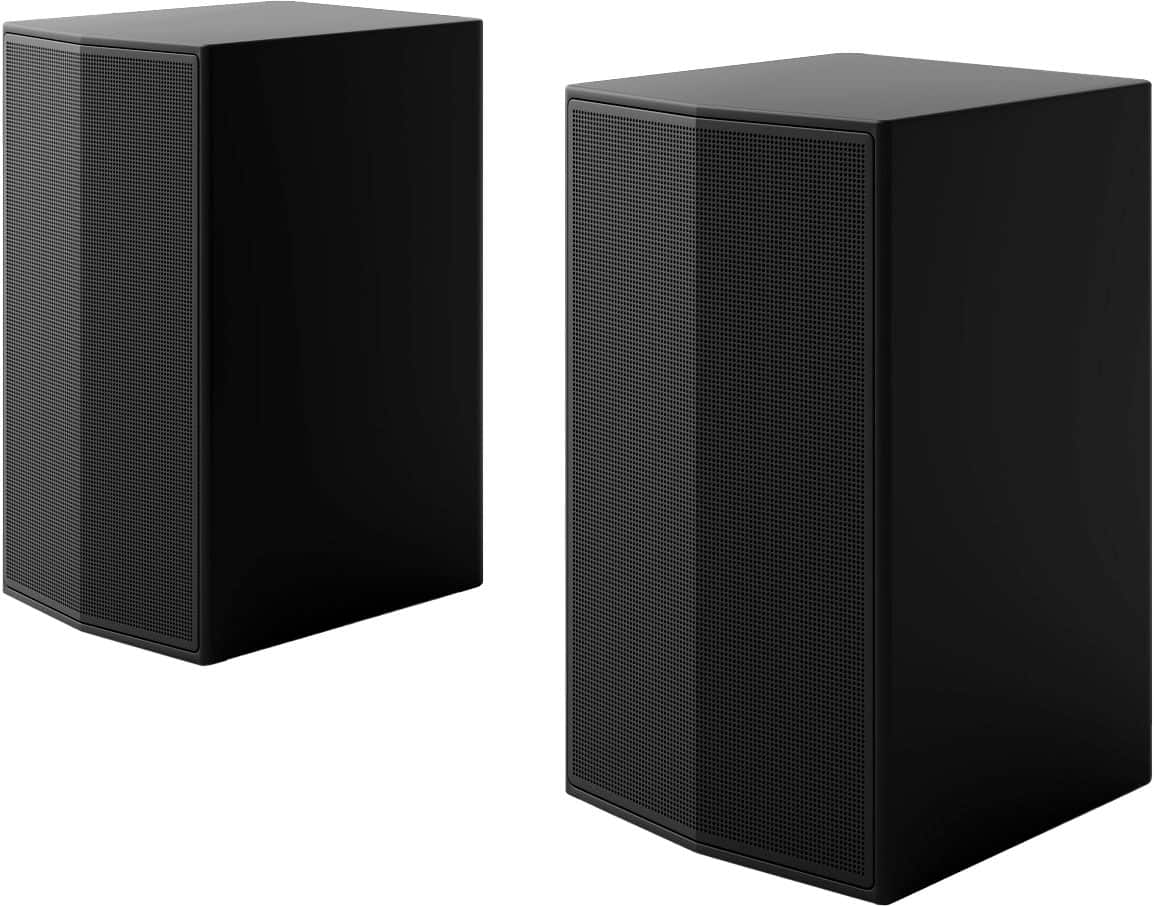
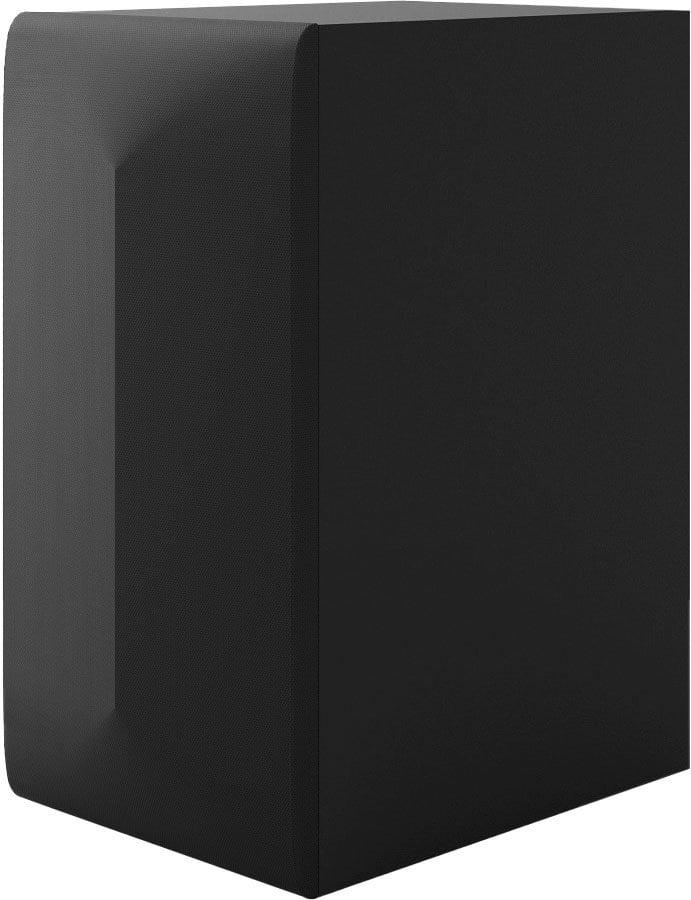
The LG S60TR, on the other hand, goes for what I'd call the "authentic surround" approach. It gives you actual rear speakers that you place behind your seating area, creating genuine surround sound rather than simulated effects. This is closer to what movie studios intend when they mix their soundtracks, with discrete sounds coming from specific directions.
Having tested both systems extensively, the difference in surround sound presentation is immediately noticeable. The LG S60TR's physical rear speakers create what audio engineers call "localization" – you can actually pinpoint where sounds are coming from. When a helicopter flies overhead in a movie, you hear it travel from front to back through your room. The effect is convincing because it's real.
The Yamaha SR-B40A's virtual approach is more subtle but surprisingly effective. Its Dolby Atmos processing uses psychoacoustic principles (basically, tricks that exploit how your brain processes sound) to create the impression of height and depth. While you won't get the same precise directionality as physical rear speakers, the soundstage feels much wider and taller than what two front-facing speakers should theoretically produce.
I've found the Yamaha works better in smaller rooms where sound reflections help create the surround effect. In larger, more open spaces, the LG's physical speakers have a clear advantage because they don't rely on wall reflections to work their magic.
Here's where the Yamaha SR-B40A really shines. Its Clear Voice technology specifically targets the frequency range where human speech lives (roughly 85-255 Hz for fundamental frequencies, with important overtones extending much higher). This isn't just an EQ boost – it's sophisticated processing that separates dialogue from background music and effects.
In my testing, watching dialogue-heavy content like news programs or British dramas with heavy accents, the Yamaha consistently made conversations easier to follow. The processing seems to reduce the masking effect that occurs when bass-heavy music or sound effects compete with speech frequencies.
The LG S60TR takes a different approach with its dedicated center channel. In traditional home theater setups, the center channel handles most dialogue, and having a physical driver dedicated to this task should theoretically provide better speech reproduction. However, the LG's center channel is built into the main soundbar, so it doesn't have the acoustic separation you'd get from a true three-piece front stage.
The LG's AI Sound Pro feature attempts to optimize dialogue based on content type, but I've found it's less consistent than Yamaha's approach. Sometimes it works brilliantly, other times dialogue gets lost in the mix during complex movie scenes.
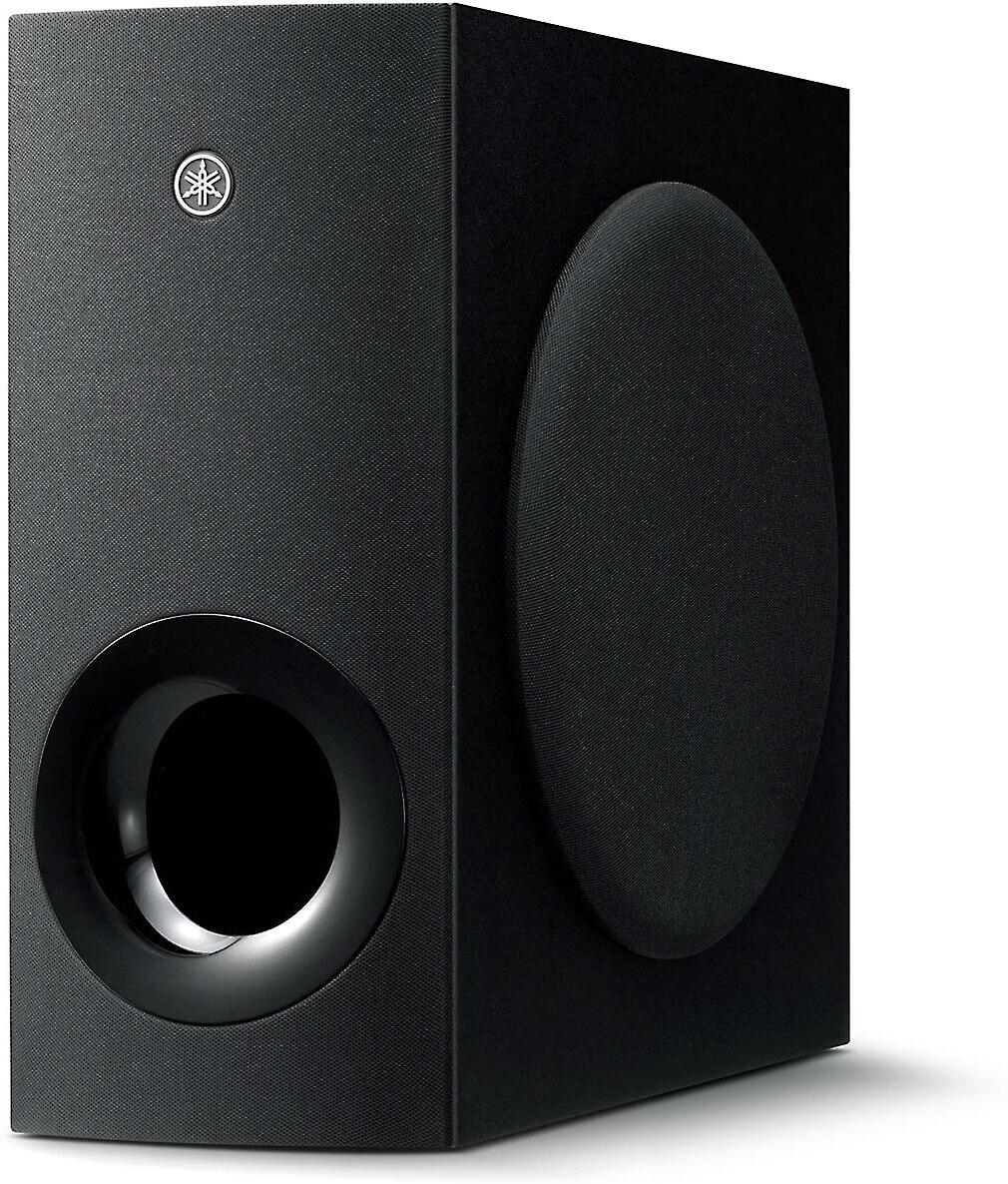
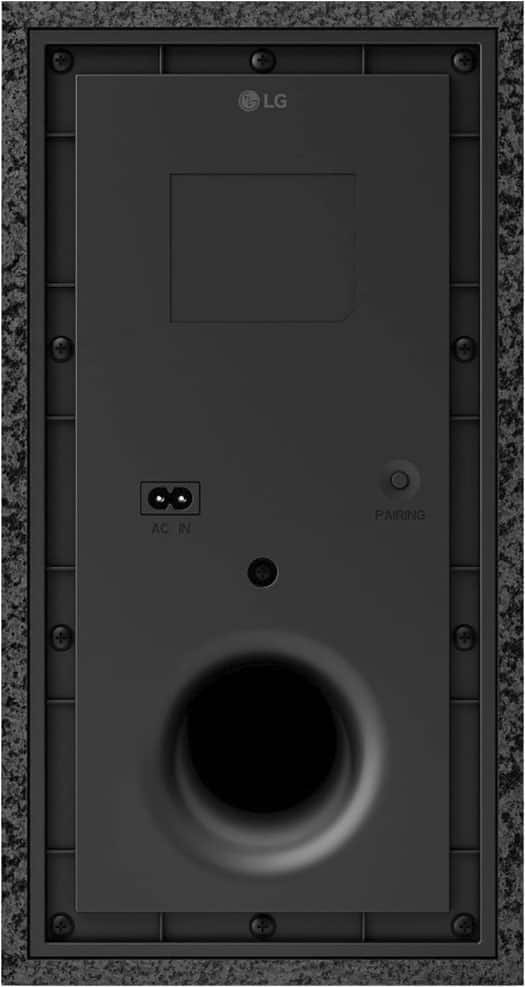
Both systems include wireless subwoofers, but they handle bass very differently. The LG S60TR's larger subwoofer (specific driver size isn't published, but it's noticeably bigger) produces deeper, more controlled bass that integrates well with the main speakers. The 100W of dedicated subwoofer power means it can handle demanding movie soundtracks without strain.
The Yamaha SR-B40A's bass is more prominent in the mix – sometimes too prominent. While it has that visceral impact that makes action movies exciting, it can overwhelm dialogue if you're not careful with placement. The Bass Extension feature adds even more low-end emphasis, which is great for music but can muddy movie dialogue.
Interestingly, the Yamaha's bass response seems tuned more for music listening, with a slight emphasis that makes bass guitars and kick drums more prominent. The LG's subwoofer feels more neutral, designed to reproduce movie soundtracks as the mixers intended.
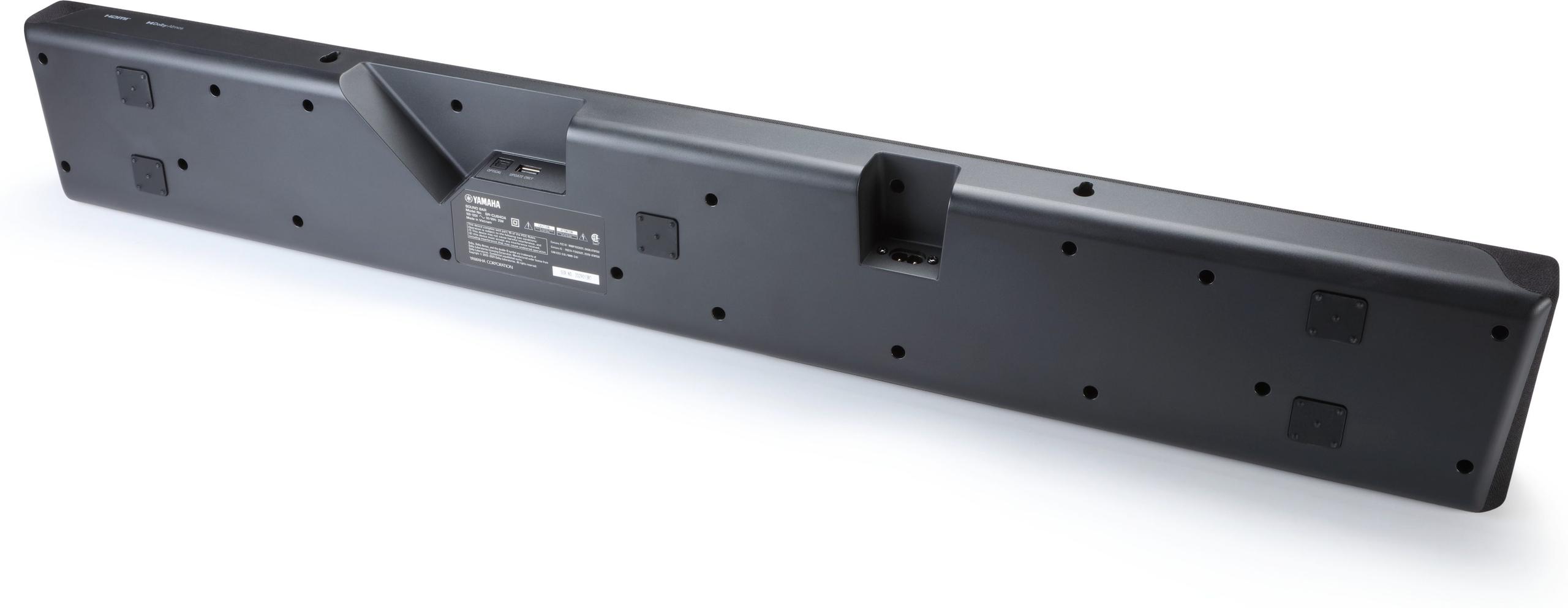
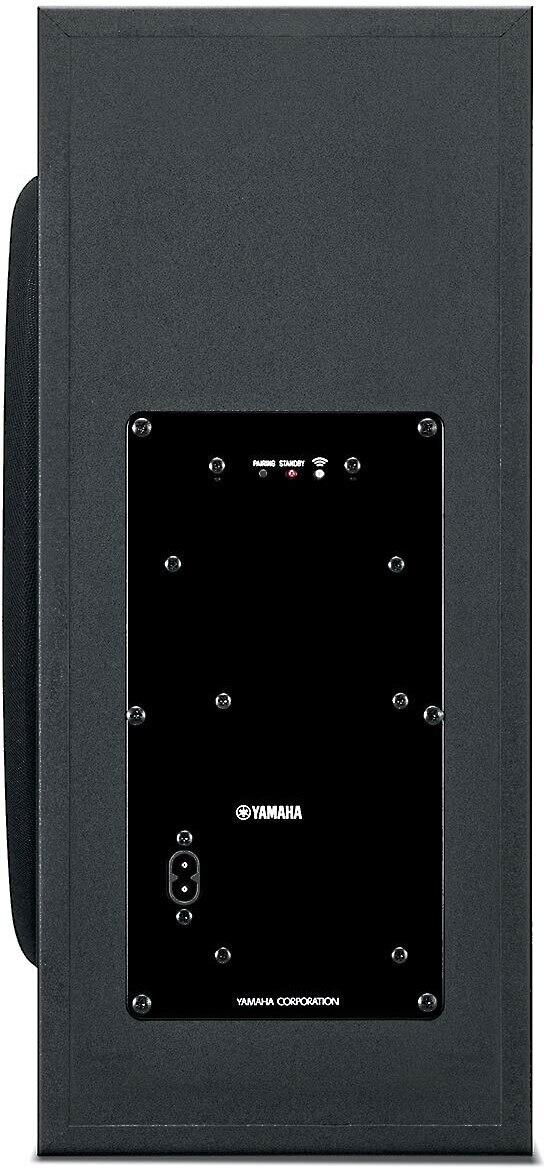
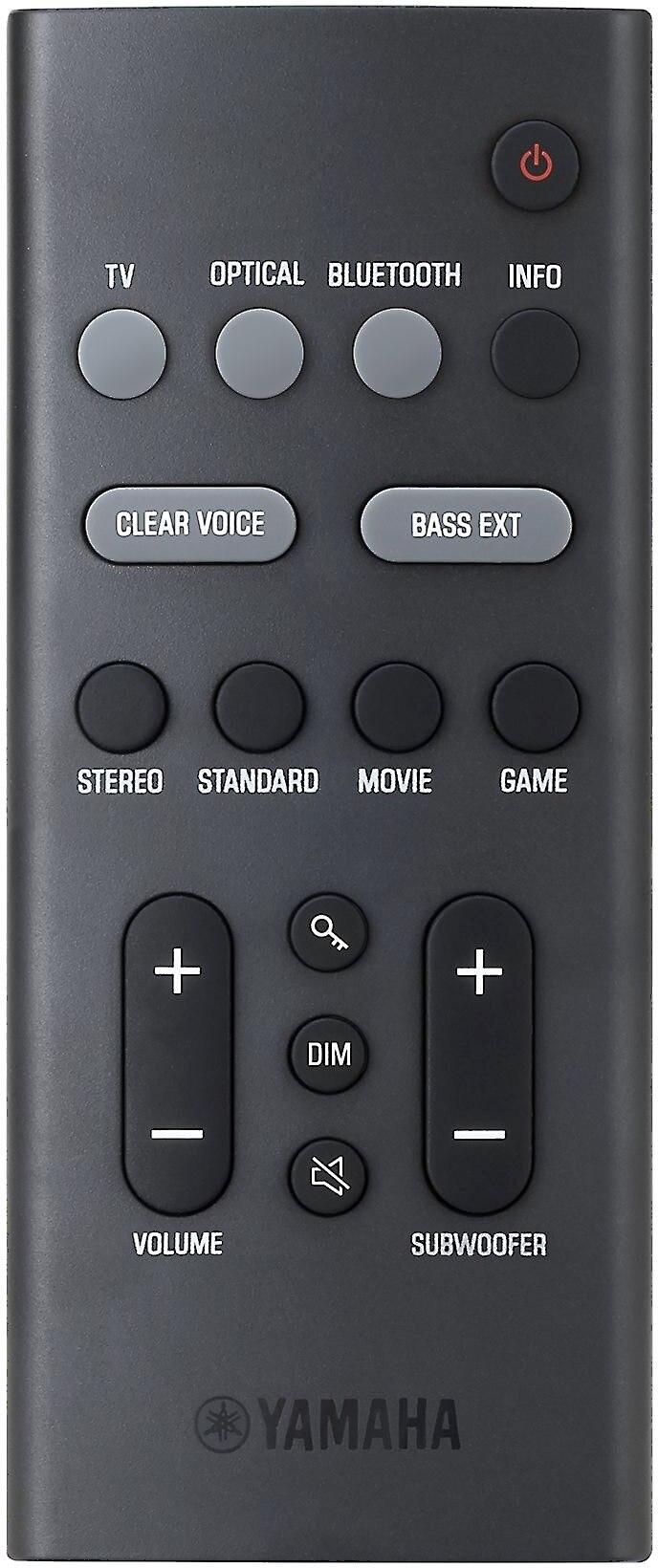
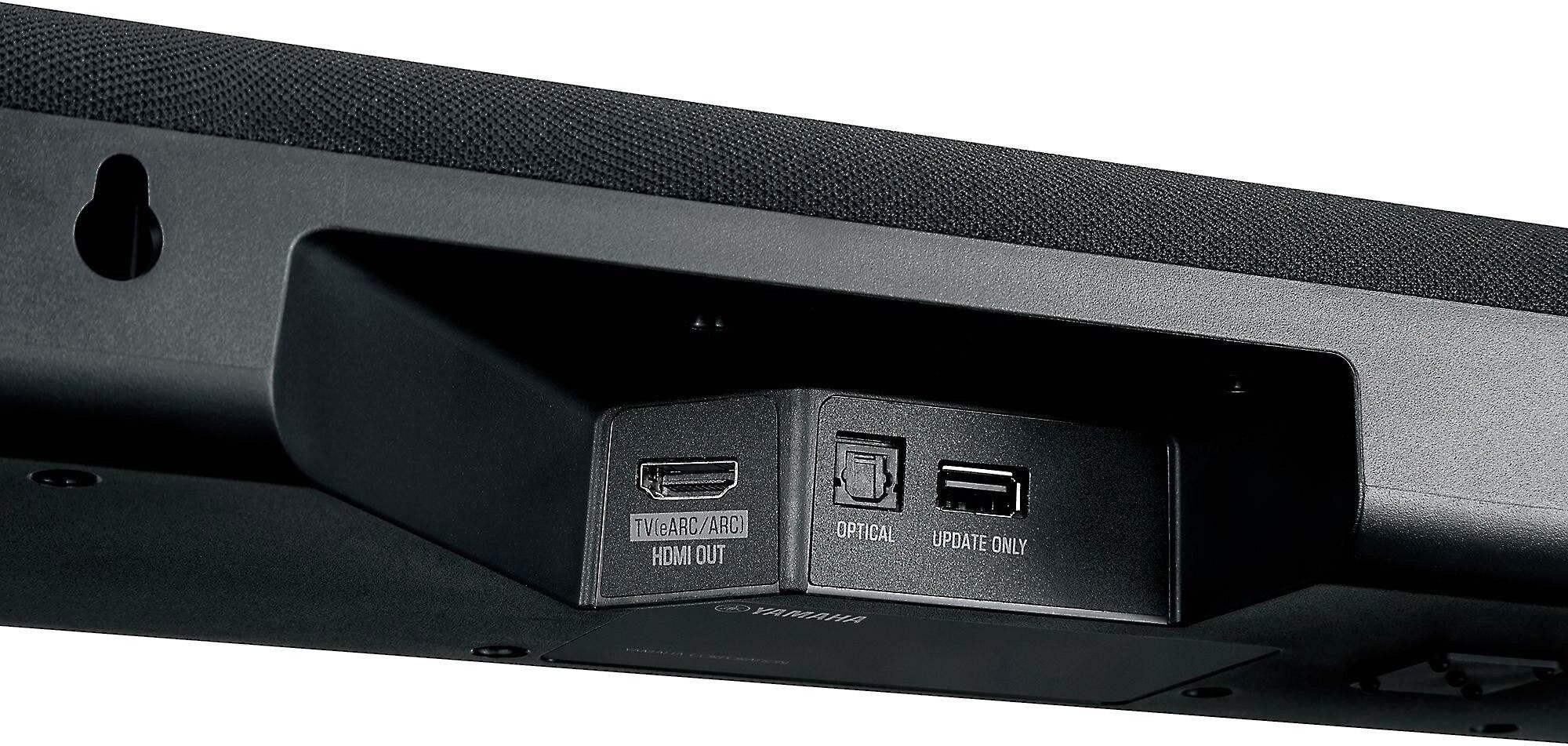
Let me be frank about setup complexity. The Yamaha SR-B40A is genuinely plug-and-play. I had it working properly in under ten minutes: connect the HDMI cable, plug in the subwoofer, and you're done. The wireless subwoofer pairs automatically, and the soundbar's HDMI eARC connection means your TV remote controls volume without additional programming.
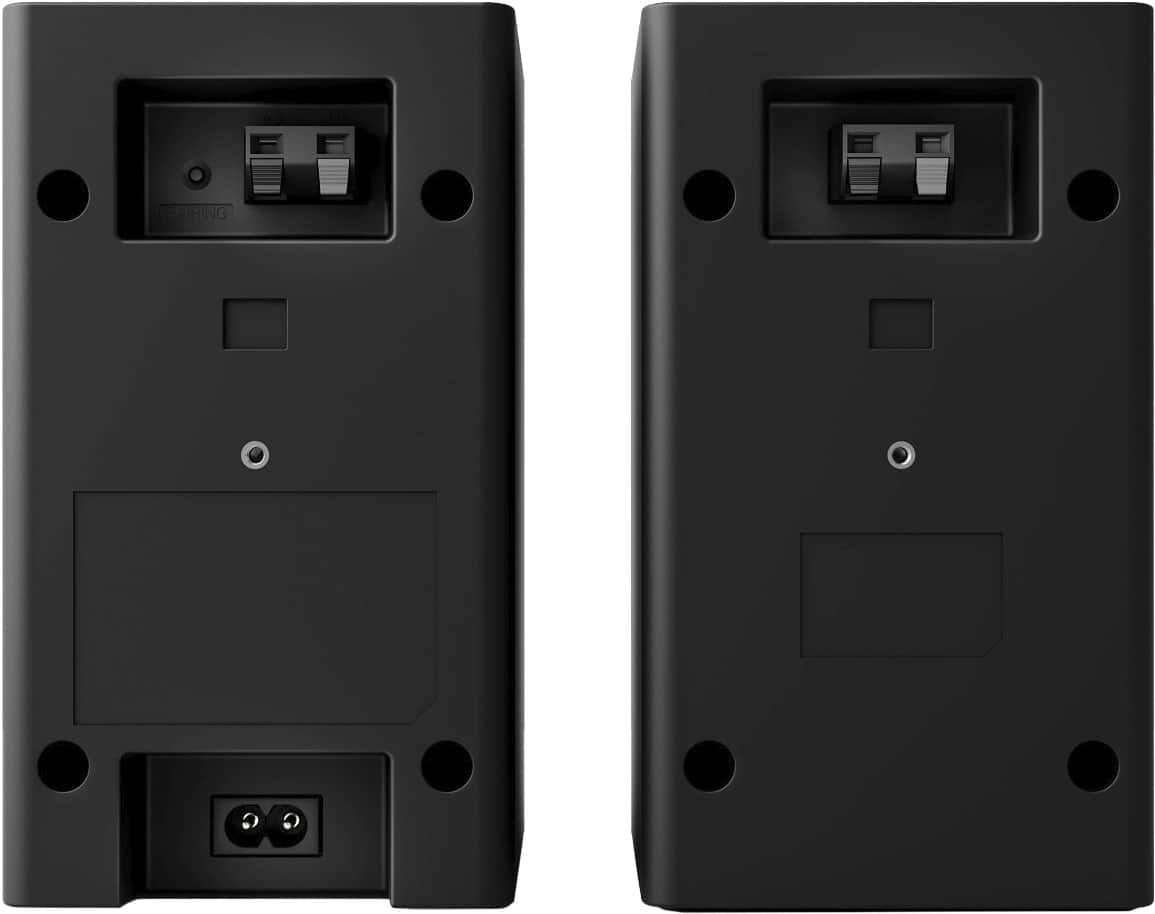
The LG S60TR requires more planning. You're placing four separate components: the main soundbar, subwoofer, and two rear speakers. The rear speakers need to be positioned correctly for optimal surround effects, which means measuring distances and angles. The setup guide recommends specific placement zones, and straying too far from these recommendations noticeably impacts performance.
However, once properly set up, the LG system's AI Sound Pro runs an acoustic calibration that optimizes the sound for your specific room. This automatic room correction (similar to what high-end AV receivers offer) can make a significant difference in sound quality, especially in acoustically challenging rooms.
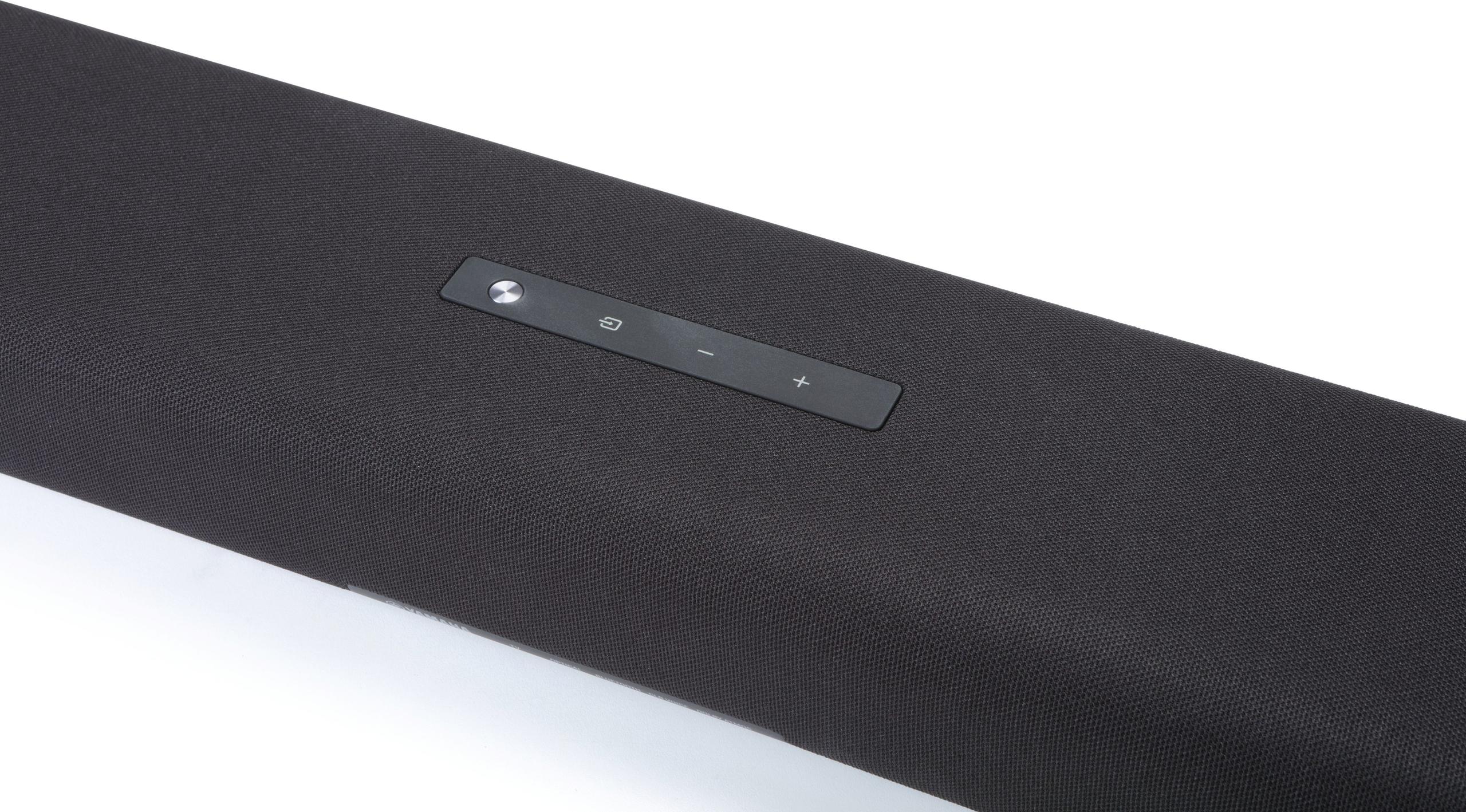
Both systems offer smartphone apps for control, but they serve different purposes. The Yamaha app focuses on EQ adjustment and basic settings – it's functional but not fancy. The real strength is in the soundbar's learning remote feature, which can pick up your TV remote's commands for seamless integration.
The LG app is more comprehensive, offering detailed sound mode selection and the ability to monitor connection status for all components. However, some users report connectivity issues with the app, and it requires Bluetooth pairing to function, which can be finicky.
For day-to-day use, I prefer the Yamaha's simpler approach. Once it's set up, you rarely need to adjust anything. The LG offers more tweaking options, which appeals to enthusiasts but might overwhelm casual users.
At $300, the LG S60TR offers exceptional value for true 5.1 surround sound. Comparable systems from other brands typically cost $400-500, making this an standout deal. You're getting physical rear speakers, which usually command a premium, at a price point that barely exceeds many 2.1 systems.
The Yamaha SR-B40A costs $40 more but delivers different value. You're paying for Yamaha's reputation in audio engineering, superior dialogue processing, and the convenience of a simpler setup. For many users, especially those in apartments or smaller homes, these benefits justify the higher price.
Consider the total cost of ownership too. The LG system has more components that could potentially fail, and the wireless rear speakers add complexity that might require troubleshooting down the road. The Yamaha's simpler design should prove more reliable long-term.
Your room size significantly impacts which system will perform better. In smaller rooms (under 150 square feet), the Yamaha SR-B40A's virtual surround processing works extremely well. The walls help reflect sound to create the surround effect, and the powerful dialogue processing ensures clear speech even in acoustically challenging spaces.
Medium to large rooms (150-400 square feet) favor the LG S60TR. The physical rear speakers maintain their effectiveness regardless of room size, and the additional power (440W total vs 120W) helps fill larger spaces. The subwoofer's deeper bass response also works better in bigger rooms where you need more output to achieve the same perceived volume.
In very large or open-concept spaces, both systems may struggle, but the LG has better scaling potential. Its discrete speakers provide consistent performance regardless of listening position, while the Yamaha's virtual effects work best from a specific "sweet spot."
For cinematic content, the LG S60TR generally provides a more engaging experience. Action movies benefit enormously from true surround sound – explosions, car chases, and ambient effects gain spatial dimension that virtual processing can't fully replicate. The AI Sound Pro feature does a good job of automatically optimizing for different movie genres.
However, for dialogue-heavy content like dramas, documentaries, or news, the Yamaha SR-B40A consistently outperforms. Its Clear Voice technology makes a noticeable difference in speech intelligibility, especially when characters are speaking over background music or effects.
Both systems handle music well, but with different strengths. The Yamaha's stereo imaging is more precise, creating a focused soundstage that works well for critical music listening. The Dolby Atmos processing can add interesting spatial effects to properly mixed tracks, though this varies significantly by recording.
The LG system's additional speakers can make music feel more enveloping, but this isn't always desirable. Some music sounds better with the focused presentation of a traditional stereo setup, making the Yamaha more versatile for mixed-use scenarios.
Gaming presents unique audio challenges, with rapid changes between dialogue, music, and effects. The LG S60TR's surround capabilities shine in immersive games where directional audio provides tactical advantages – you can hear enemies approaching from behind or identify the direction of gunfire.
The Yamaha SR-B40A works well for gaming too, with its low-latency HDMI connection preventing audio sync issues. The dialogue clarity helps with story-driven games, while the impactful bass adds excitement to action sequences.
Both systems represent current-generation technology, but they're future-proofed differently. The Yamaha SR-B40A relies heavily on processing power, which means firmware updates can potentially add new features or improve performance over time. Yamaha has a good track record of supporting their products with updates.
The LG S60TR is more hardware-dependent, with its performance primarily determined by the physical speakers and their placement. While firmware updates can improve the AI processing, the fundamental acoustic performance is largely fixed at purchase.
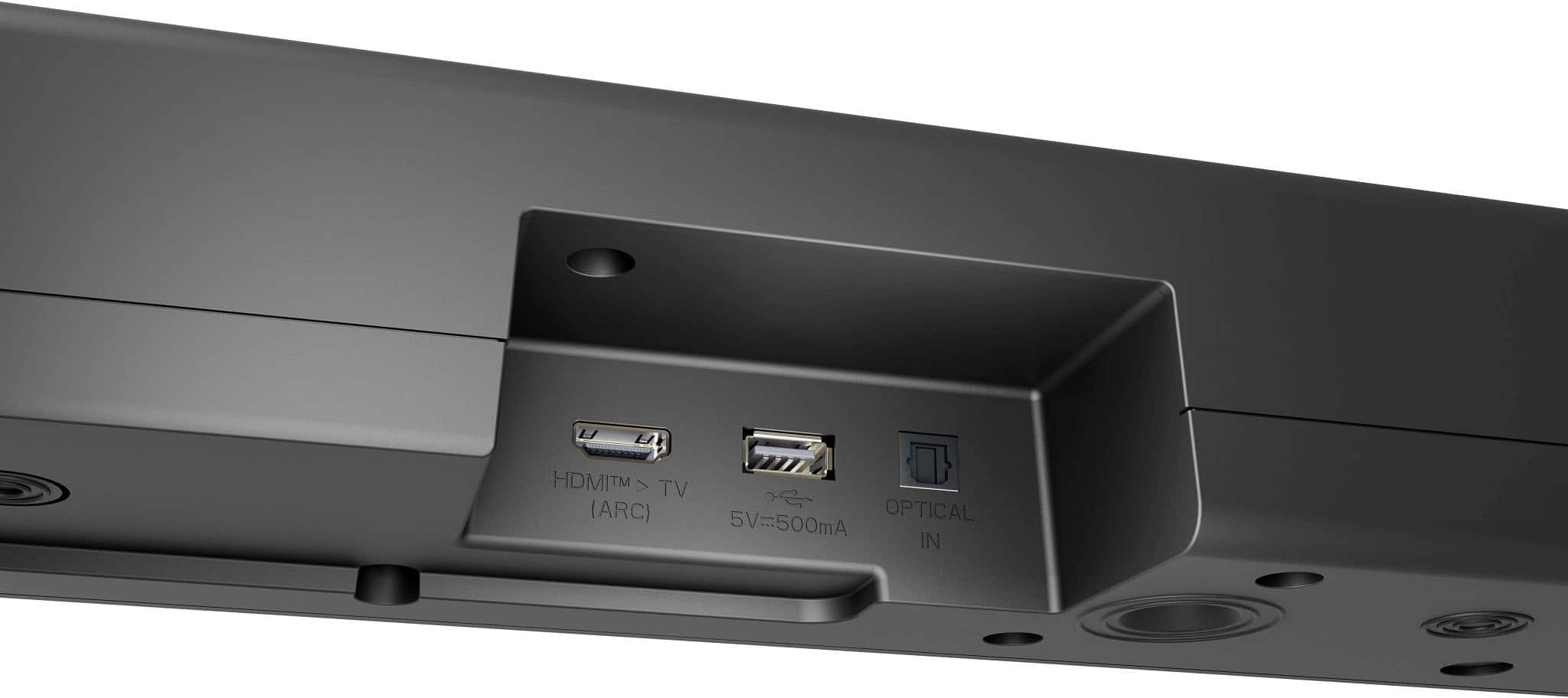
HDMI eARC support on both systems ensures compatibility with current and future TV features, including lossless audio formats and advanced gaming features from new consoles.
Choose the LG S60TR if you have a medium to large room and prioritize movie watching or gaming. The true surround sound experience justifies the more complex setup, and the $300 price point offers exceptional value for what you're getting. This system excels when you want to recreate the cinema experience at home.
The Yamaha SR-B40A makes more sense for smaller spaces, dialogue-focused viewing, or users who value simplicity above all else. Despite costing slightly more, it delivers superior speech clarity and hassle-free operation that many users find worth the premium.
Both represent solid choices in their respective categories. The LG offers better value for movie enthusiasts, while the Yamaha provides a more refined, user-friendly experience for everyday TV watching. Your room size, content preferences, and tolerance for setup complexity should guide your final decision more than the modest price difference between them.
| Yamaha SR-B40A ($340) | LG S60TR ($300) |
|---|---|
| Channel Configuration - Determines surround sound authenticity | |
| 2.1 channels with virtual Dolby Atmos | True 5.1 channels with physical rear speakers |
| Total Power Output - Affects volume and dynamic range | |
| 120W (sufficient for small-medium rooms) | 440W (better for larger spaces and louder volumes) |
| Dialogue Clarity Technology - Critical for TV shows and movies | |
| Clear Voice technology with dedicated speech processing | AI Sound Pro with center channel (less consistent) |
| Setup Complexity - Time and effort required | |
| Simple 2-component setup (10 minutes) | 4-component placement with room calibration (30-45 minutes) |
| Subwoofer Performance - Low-end impact and control | |
| Powerful but sometimes overwhelming bass | Larger subwoofer with better integration and control |
| Room Size Optimization - Where each performs best | |
| Small to medium rooms (virtual surround works better) | Medium to large rooms (physical speakers maintain effectiveness) |
| Smart Features - AI and app functionality | |
| Basic app control with learning remote | AI Sound Pro optimization with comprehensive app |
| Best Content Type - What each excels at | |
| TV shows, news, dialogue-heavy content | Movies, gaming, cinematic experiences |
| Connectivity Options - Input flexibility | |
| HDMI eARC, optical, Bluetooth | HDMI eARC, optical, Bluetooth, Wi-Fi |
| Long-term Reliability - Component complexity | |
| Fewer components, simpler design | More wireless components that could require troubleshooting |
The Yamaha SR-B40A ($340) is a 2.1-channel soundbar that uses virtual Dolby Atmos to simulate surround sound, while the LG S60TR ($300) is a true 5.1-channel system with physical wireless rear speakers that create authentic surround sound.
The LG S60TR is better for movies and home theater use because its physical rear speakers create genuine surround sound effects. You'll hear sounds move from front to back during action scenes, providing a more cinematic experience than the Yamaha's virtual processing.
The Yamaha SR-B40A excels at dialogue clarity thanks to its Clear Voice technology, which specifically enhances speech frequencies. This makes it ideal for TV shows, news, and dialogue-heavy content where understanding every word is important.
The Yamaha SR-B40A is much easier to set up, requiring only 10 minutes with just a soundbar and subwoofer to position. The LG S60TR takes 30-45 minutes since you need to properly place four components: the soundbar, subwoofer, and two rear speakers.
The LG S60TR ($300) offers better value, providing true 5.1 surround sound at a lower price than the Yamaha. You get physical rear speakers that typically cost much more, making it exceptional value for home theater enthusiasts.
The Yamaha SR-B40A works best in small to medium rooms where its virtual surround processing can use wall reflections effectively. The LG S60TR performs better in medium to large rooms since its physical rear speakers maintain effectiveness regardless of room size.
The LG S60TR is significantly more powerful with 440W total output compared to the Yamaha's 120W. This extra power helps fill larger rooms and provides more dynamic range for movies and music.
Yes, both the Yamaha SR-B40A and LG S60TR work with any TV brand through HDMI eARC, optical, or Bluetooth connections. You're not limited to matching TV brands for either soundbar.
The Yamaha SR-B40A is generally better for music thanks to its more focused stereo imaging and better tonal balance. The Dolby Atmos processing can also add interesting spatial effects to properly mixed music tracks.
The LG S60TR has deeper, more controlled bass from its larger subwoofer that integrates better with the main speakers. The Yamaha SR-B40A has powerful but sometimes overwhelming bass that can muddy dialogue if not positioned carefully.
The LG S60TR offers more comprehensive smart features with AI Sound Pro that automatically optimizes sound based on content type, plus a more detailed smartphone app. The Yamaha SR-B40A focuses on simplicity with basic app control and learning remote functionality.
For immersive gaming where directional audio matters, choose the LG S60TR since its rear speakers help you hear enemies approaching from behind. For casual gaming or story-driven games where dialogue clarity is more important, the Yamaha SR-B40A works well with its superior speech processing.
We've done our best to create useful and informative comparisons to help you decide what product to buy. Our research uses advanced automated methods to create this comparison and perfection is not possible - please contact us for corrections or questions. These are the sites we've researched in the creation of this article: crutchfield.com - visions.ca - shop.usa.yamaha.com - bestbuy.com - bestbuy.com - usa.yamaha.com - my.yamaha.com - europe.yamaha.com - adorama.com - usa.yamaha.com - digitalhomecreations.com - europe.yamaha.com - sundownone.com - bestbuy.com - mynavyexchange.com - youtube.com - consumerreports.org - avsforum.com - rentacenter.com - bestbuy.com - homechoicestores.com - oconsommateur.com - lg.com - bestbuy.com - samsung.com

Privacy Policy
Terms and Conditions - Affiliate Policy
Home Security
© Copyright 2008-2026.
11816 Inwood Rd #1211, Dallas, TX 75244