









When your TV's built-in speakers make dialogue sound like it's coming from underwater and explosions feel more like gentle puffs of air, it's time for a soundbar upgrade. But here's where things get interesting: the soundbar world has split into two very different camps. Some manufacturers are pushing the boundaries of what a single bar can do with fancy processing tricks, while others stick to the tried-and-true approach of adding more physical speakers around your room.
The Sony BRAVIA Theater Bar 9 ($525) and LG S60TR ($300) perfectly represent this divide. Both released in 2024, they take completely opposite approaches to solving the same problem—making your movies and shows sound incredible without turning your living room into a speaker warehouse.
Understanding soundbars means grasping this fundamental choice between virtual and physical surround sound. Virtual surround uses clever audio processing to trick your brain into thinking sound is coming from places where there aren't actually speakers. It's like audio magic—the soundbar bounces sound off your walls and ceiling, creating "phantom speakers" that seem to float around your room.
Physical surround, on the other hand, puts actual speakers where the sound should come from. Want rear surround effects? There are literal speakers behind you. It's the more straightforward approach, but it means more boxes in your room and more wires to manage (though modern systems minimize this headache).
Both approaches have merit, and your room, budget, and preferences will determine which works better for you. The key is understanding what each system can and can't do, because the marketing materials rarely tell the whole story.
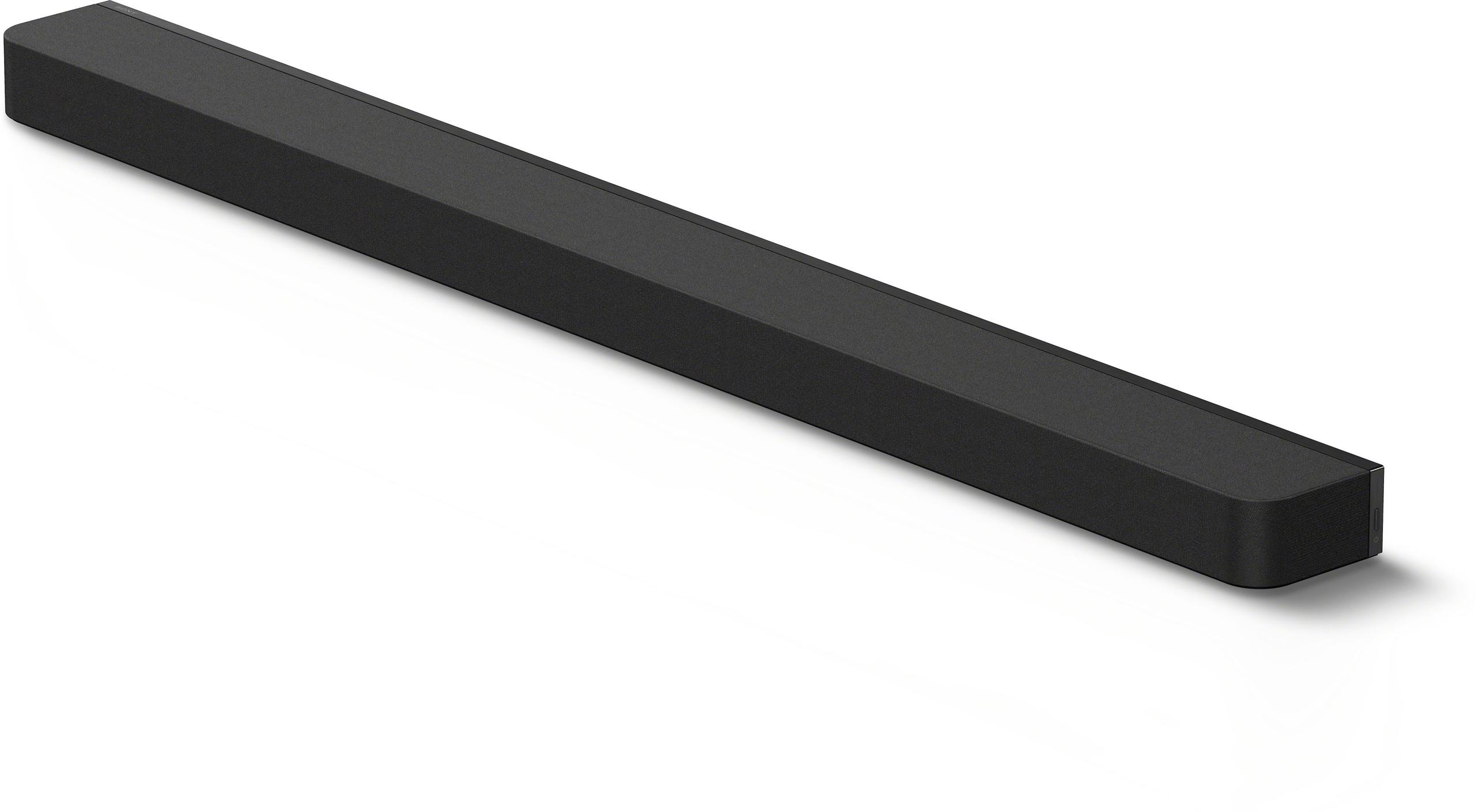
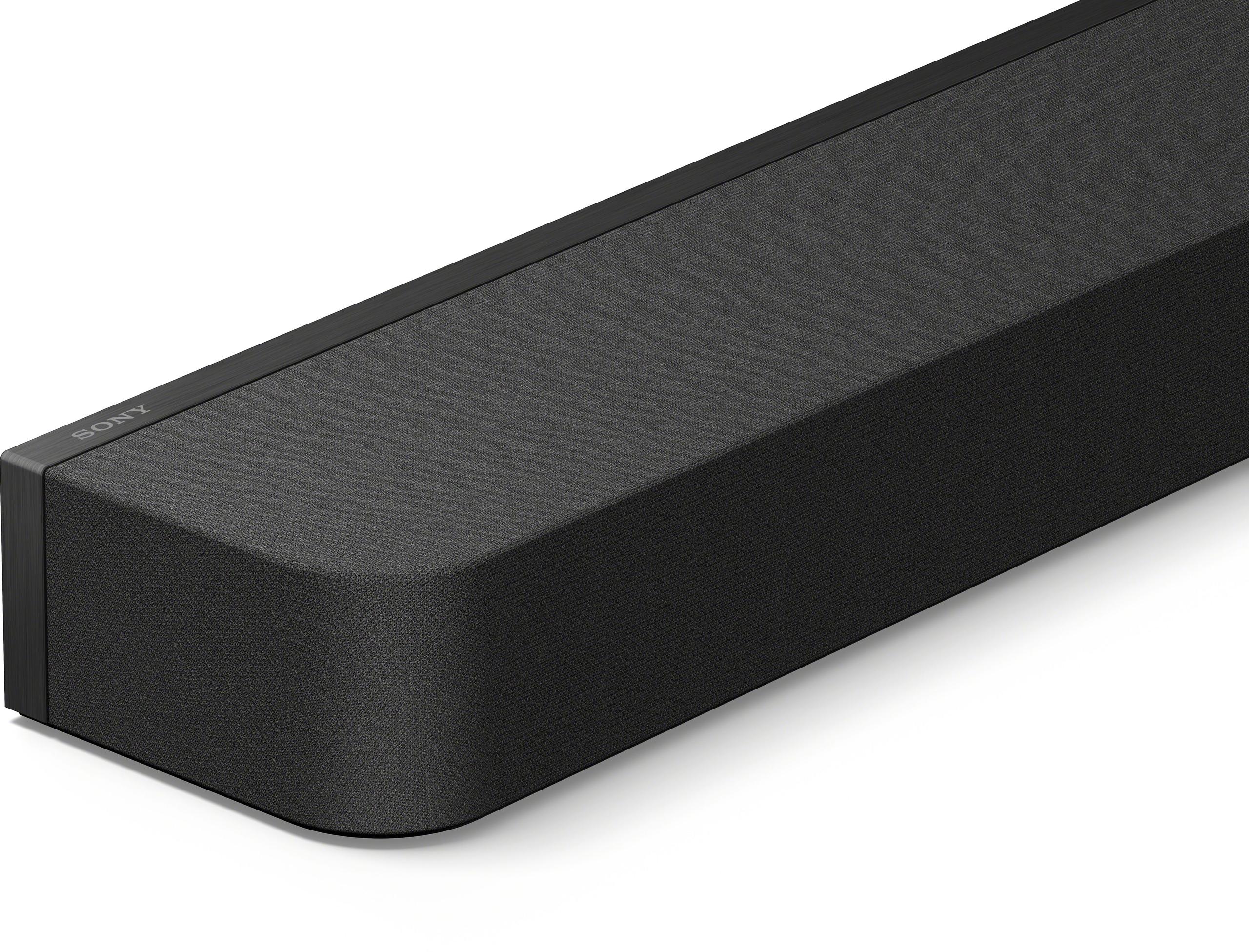
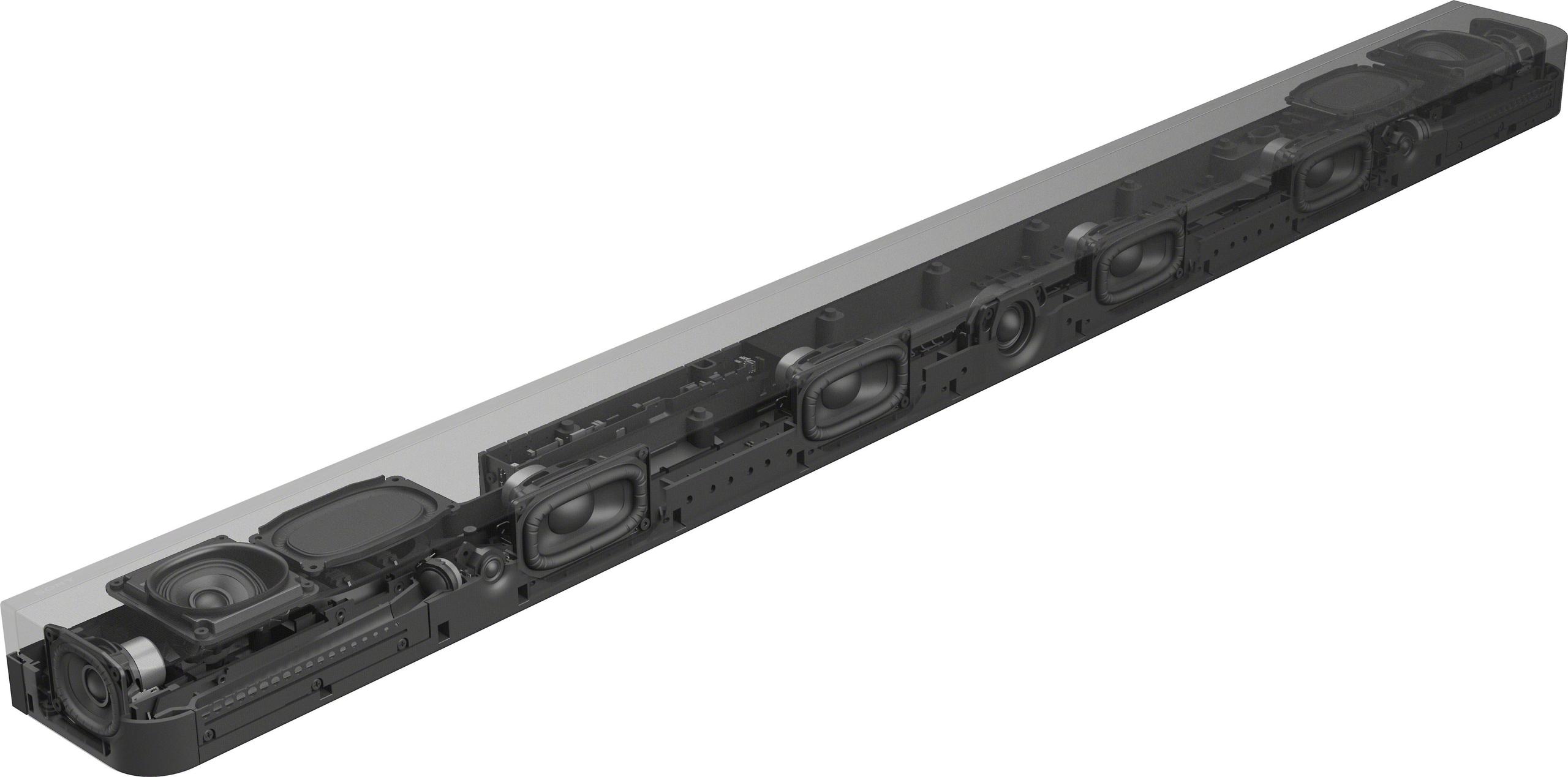
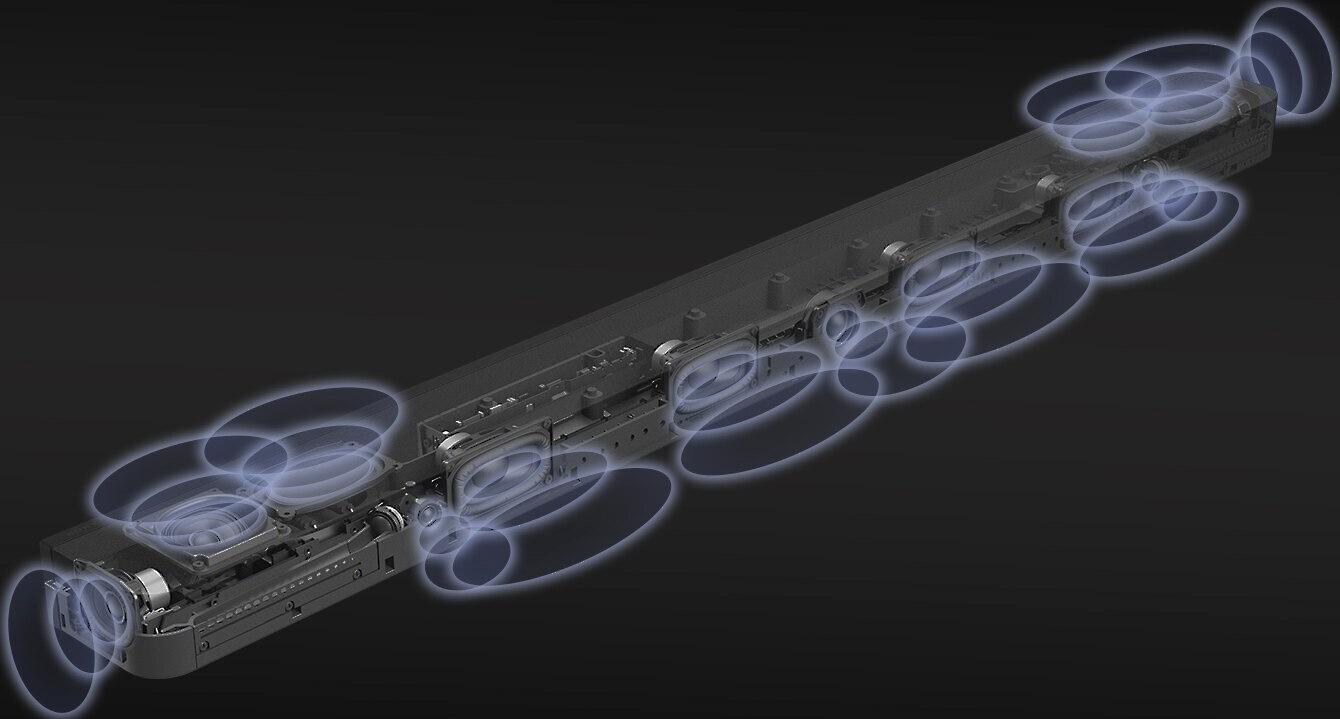
The Sony BRAVIA Theater Bar 9 represents the cutting edge of single-bar audio engineering. Released in early 2024, it's Sony's answer to the question: "How much can we pack into one sleek package?" With 13 individual drivers including dedicated up-firing speakers and quad woofers, it's designed to create a complete surround sound experience without any additional boxes—at least initially.
Sony has been refining this approach since their HT-A7000 launched in 2021, and the Theater Bar 9 shows significant improvements in spatial processing and room calibration. The company's 360 Spatial Sound Mapping technology, which creates those phantom speakers I mentioned, has become more sophisticated with each generation.
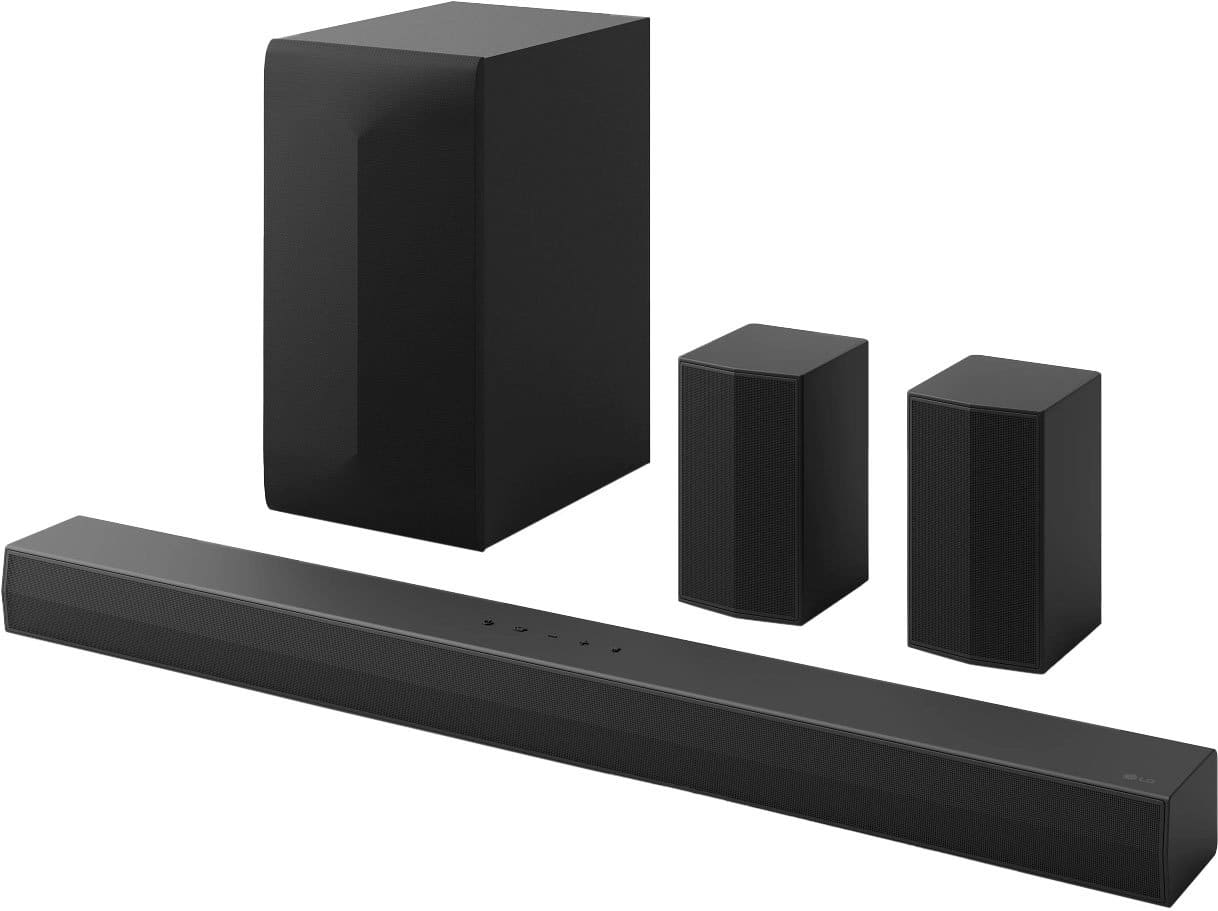
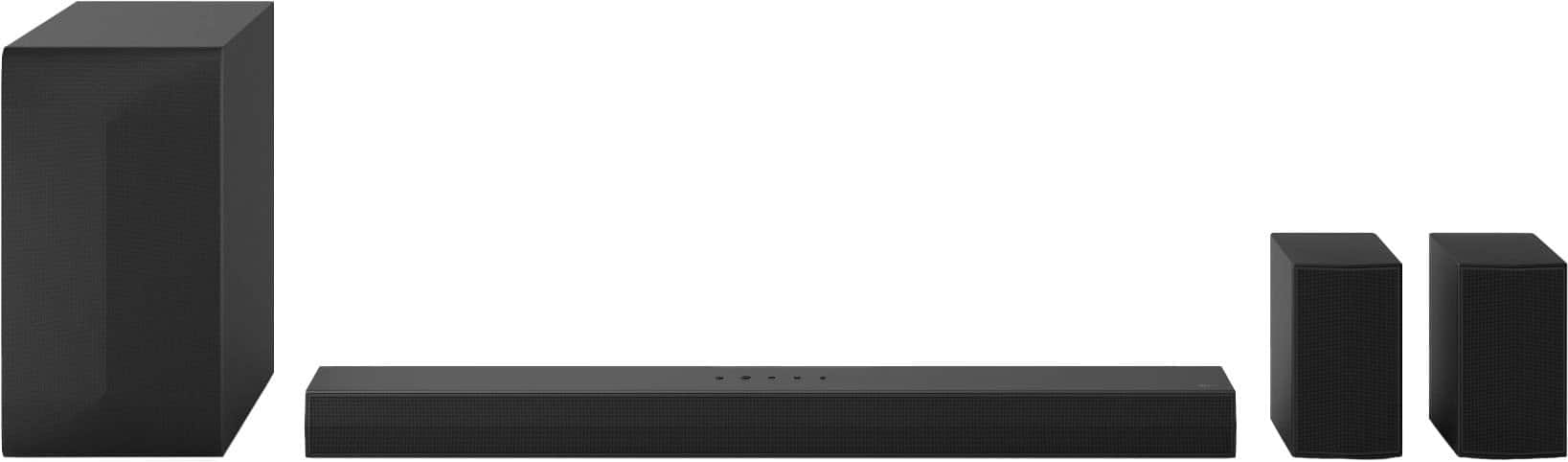
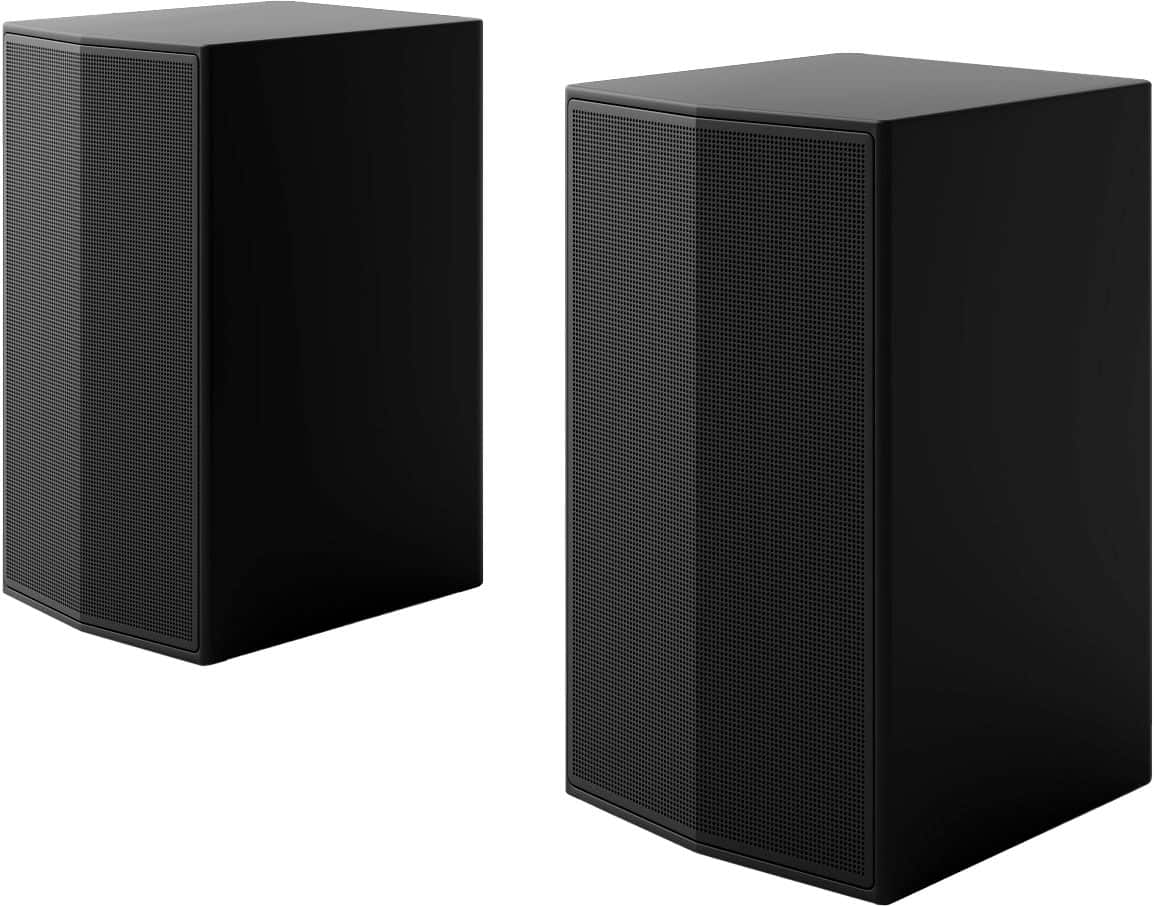
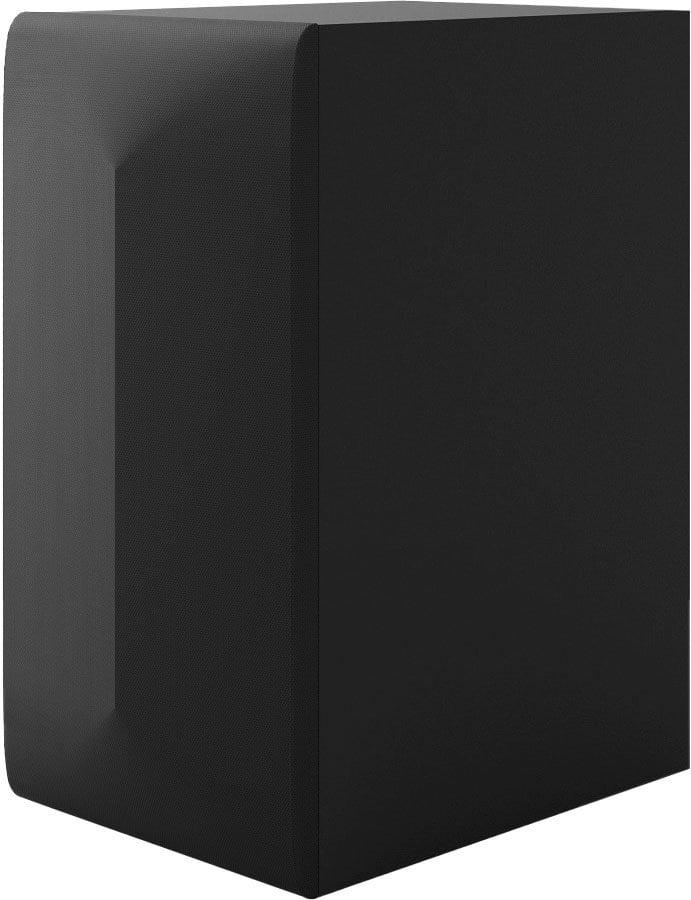
The LG S60TR, also released in 2024, takes the traditional route with a modern twist. It's a complete 5.1 system out of the box, including wireless rear speakers and a subwoofer. LG has streamlined the setup process significantly compared to older multi-piece systems—you won't need a separate receiver or deal with running speaker wires across your room.
What's particularly interesting is how both companies have focused on reducing setup complexity, which used to be the biggest barrier to good home theater sound. The technology improvements since 2020 have been remarkable in this area.
The Sony BRAVIA Theater Bar 9 creates one of the most convincing virtual surround experiences I've encountered. The 360 Spatial Sound Mapping system works by measuring your room's acoustics during setup, then precisely controlling how sound reflects off your walls and ceiling. It's genuinely impressive when it works well—helicopters seem to fly overhead, and dialogue appears to come directly from your TV screen rather than from a bar sitting below it.
This effect is particularly noticeable with Dolby Atmos content, where the up-firing drivers bounce sound off your ceiling to create height effects. When you're watching something like "Top Gun: Maverick" or "Dune," the spatial processing can make your living room feel like a movie theater. The key word here is "can"—room acoustics play a huge role in how well this works.
However, there's a significant caveat: bass response. Without the optional subwoofer, the Sony relies on passive radiators (which are basically speakers without magnets that vibrate sympathetically) and its built-in woofers. While these provide decent mid-bass, they can't match the deep, room-shaking low-end that action movies demand. You'll feel this limitation most during intense scenes where the bass should make your chest rumble.
The vocal clarity, though, is exceptional. Sony's Voice Zoom 3 technology uses AI to identify and enhance dialogue, making even whispered conversations clear without needing to crank the volume. This is invaluable for late-night viewing or when dealing with movies that mix dialogue too quietly.
The LG S60TR takes a fundamentally different approach that delivers immediate satisfaction. With physical rear speakers placed behind your seating area and a dedicated subwoofer, you get true 5.1 surround sound from day one. The effect is less dependent on room acoustics and more predictable in its performance.
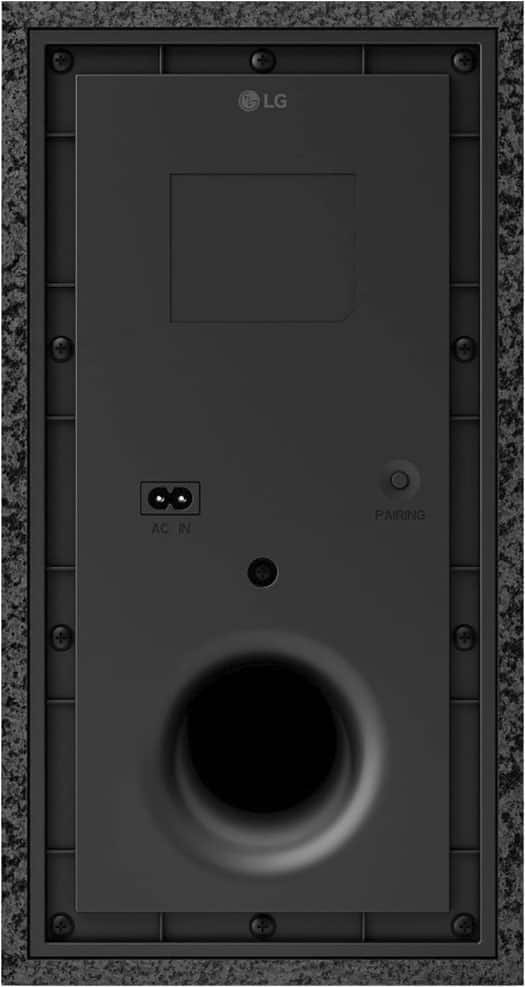
The included wireless subwoofer makes a dramatic difference in bass response. At 220 watts, it provides the kind of low-end impact that makes action sequences feel visceral. Explosions have weight, music has rhythm, and movie soundtracks get the foundation they need to sound complete.
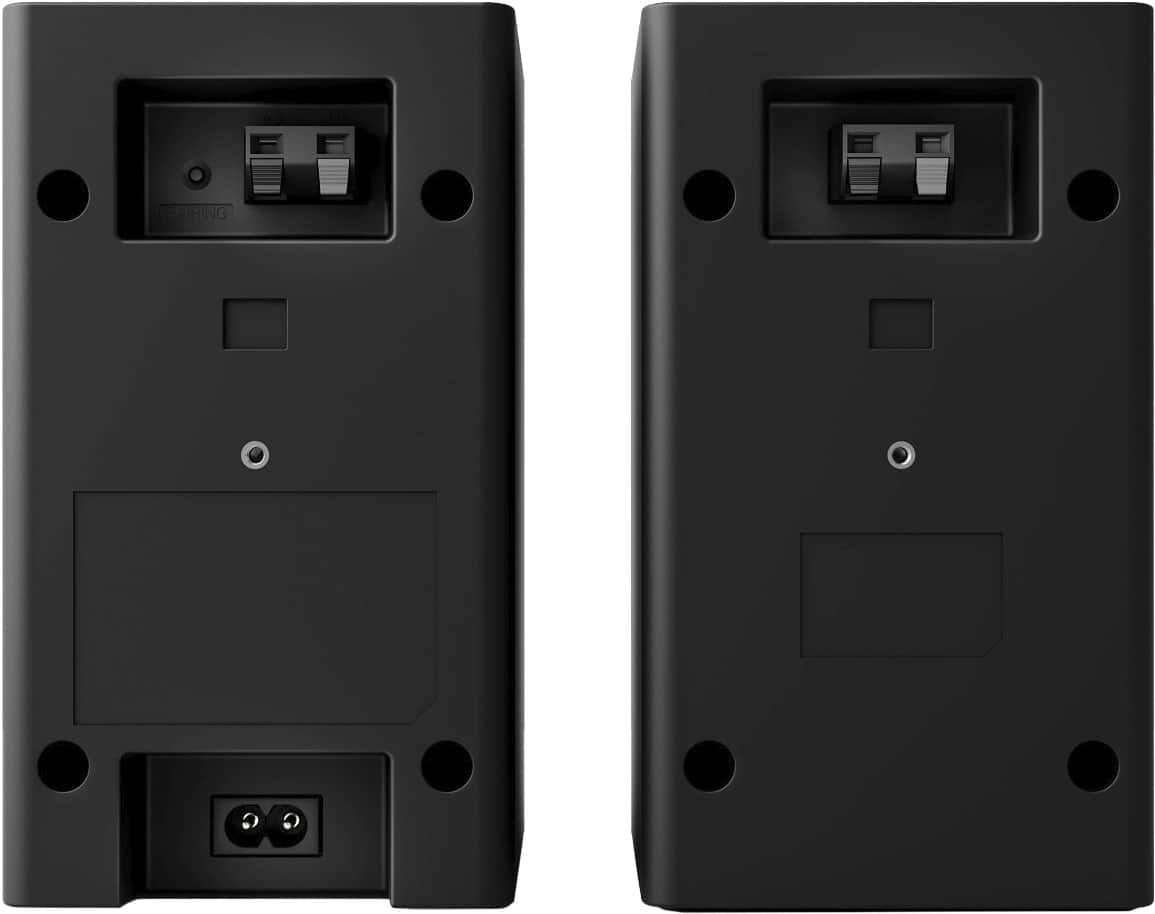
The rear speakers, while requiring a connection to each other (one plugs into the wall, the other connects via wire), provide genuine surround effects that don't rely on reflection tricks. When a car chase moves from front to back in a movie, you hear it actually travel around your room rather than relying on psychoacoustic processing to create the illusion.
What's particularly impressive is how well the LG maintains dialogue clarity despite its lower price point. The dedicated center channel in the soundbar ensures voices stay anchored to the screen, while the overall tonal balance remains natural across different content types.
The Sony's 13-driver array isn't just about having more speakers—it's about having the right speakers in the right places. The up-firing drivers are angled precisely to bounce sound off a standard 8-10 foot ceiling, while the front-firing drivers handle different frequency ranges to create a cohesive soundstage.
The DSEE Ultimate processing deserves special mention. This AI-powered technology analyzes compressed audio in real-time and restores details that were lost during compression. If you stream music from Spotify or watch Netflix, this processing can make a noticeable difference in sound quality, adding back harmonics and spatial information that streaming compression typically removes.
The room calibration process is particularly sophisticated. Using built-in microphones, the soundbar maps your room's acoustic signature and adjusts its output accordingly. It's measuring things like ceiling height, wall distances, and surface materials to optimize the reflection patterns for surround sound.
The LG S60TR focuses on practical performance rather than processing wizardry. The 440-watt total power output is distributed across the system in a way that prioritizes consistency and reliability. Each component has a specific job: the soundbar handles front soundstage and dialogue, the subwoofer manages everything below about 120Hz, and the rear speakers create ambient and directional effects.
The wireless connectivity between components uses a dedicated frequency band to avoid interference with your Wi-Fi network. This is crucial for maintaining stable connections, especially since audio dropouts are immediately noticeable and incredibly annoying.
The system's auto-calibration feature is simpler than Sony's approach but effective. It detects whether the soundbar is wall-mounted or sitting on furniture, then adjusts the sound projection accordingly. While less sophisticated than room mapping, it ensures consistent performance across different installation types.
For movie watching, both systems excel in different ways. The Sony shines with content specifically mixed for Dolby Atmos—think big-budget blockbusters and prestige streaming series. The height effects and spatial processing create an engaging experience that can genuinely rival dedicated home theater setups, assuming your room cooperates.
The LG delivers more consistent movie performance across all content types. Whether you're watching a dialogue-heavy drama or an action spectacle, the physical surround speakers and dedicated subwoofer provide reliable immersion. There's something satisfying about hearing sound effects actually originate from behind you rather than hoping the reflection processing works correctly.
Music reveals interesting differences between the approaches. The Sony's wider soundstage and processing can make stereo music feel more spacious and engaging. Jazz recordings benefit from the enhanced spatial presentation, while the DSEE Ultimate processing can breathe life into compressed pop music.
The LG's approach is more traditional but potentially more accurate. The dedicated subwoofer provides better rhythm section reproduction for bass-heavy genres like hip-hop or electronic music. Rock music benefits from the more direct sound presentation, though the soundstage width isn't as impressive as the Sony's virtual processing can achieve.
Gaming presents unique challenges for soundbars, particularly around latency and directional audio cues. The Sony's processing introduces slight delays that can affect competitive gaming, though most casual players won't notice. The spatial audio processing can enhance immersive single-player games, making environments feel more realistic.
The LG's physical speakers provide more reliable directional cues for competitive gaming. When you need to know exactly where footsteps are coming from in a first-person shooter, physical rear speakers eliminate the guesswork that comes with processed surround sound.
The pricing tells an interesting story about these two approaches. The Sony BRAVIA Theater Bar 9 at $525 represents the entry point into Sony's ecosystem, but achieving its full potential requires additional investment. The optional SA-SW5 subwoofer costs around $500, and the SA-RS3S rear speakers add another $250. Suddenly, you're looking at a $1,275 system.
This staged upgrade path has advantages—you can start with the soundbar and add components as budget allows. But it also means the initial experience might feel incomplete, particularly in the bass department. Sony is essentially betting that their processing technology is compelling enough to justify starting without a subwoofer.
The LG at $300 provides everything you need immediately. There's no upgrade path, but there's also no additional investment required. You get complete 5.1 surround sound for less than the cost of the Sony soundbar alone. From a pure value perspective, it's hard to argue with this approach.
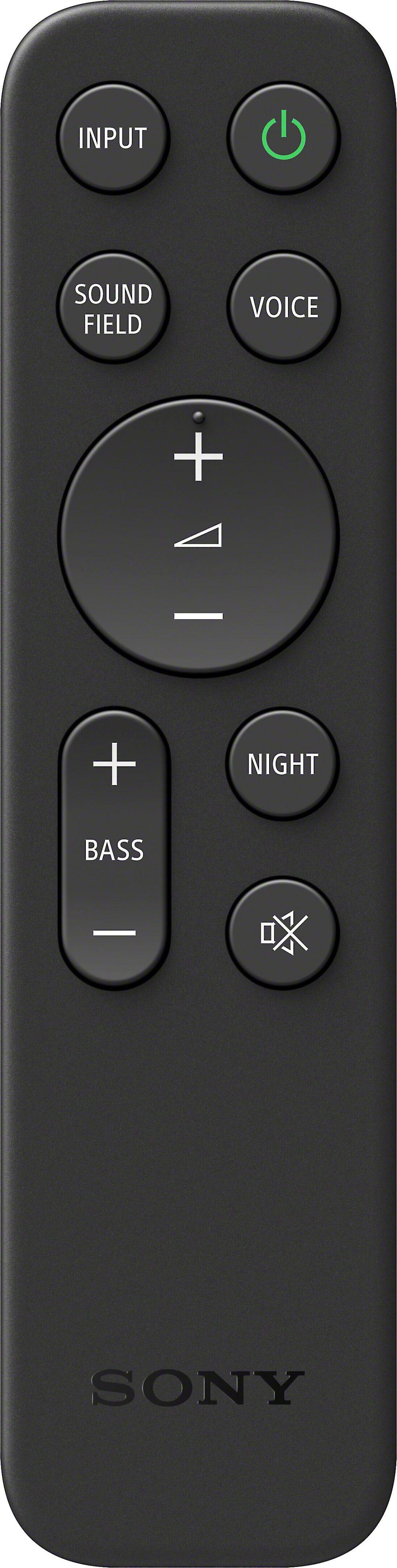
Both systems have evolved significantly in terms of smart home integration since earlier generations. The Sony's integration with BRAVIA TVs is particularly seamless—if you own a compatible Sony TV, the soundbar appears in the TV's settings menu as if it were built-in. You can adjust sound modes, check connection status, and control volume all from the TV remote without needing a separate app.
The LG's WOW interface provides similar functionality with LG TVs, though the integration isn't quite as deep as Sony's implementation. Both systems support standard streaming protocols like AirPlay 2 and Spotify Connect, making it easy to play music directly to the soundbar.
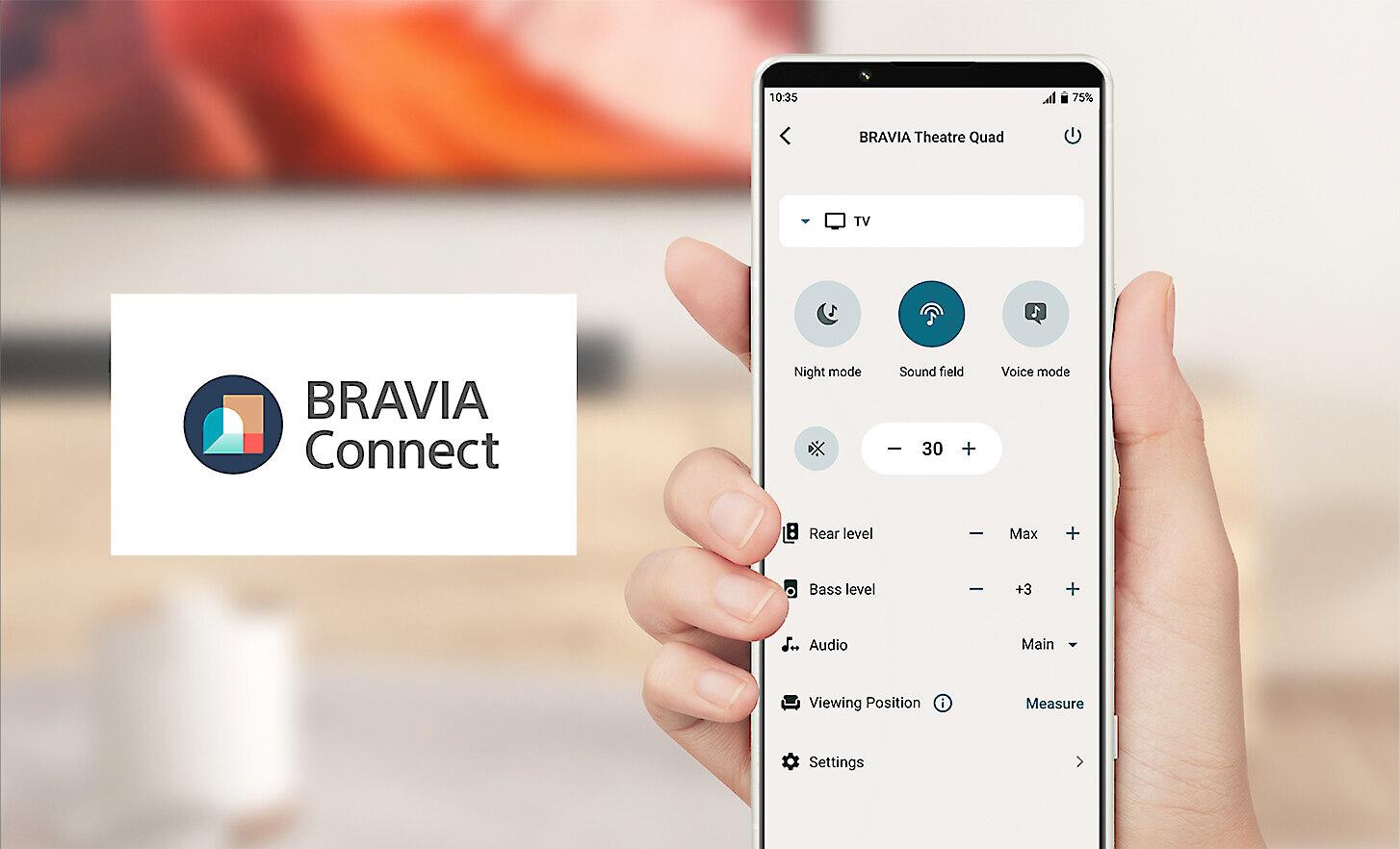
The mobile apps for both systems have improved dramatically over the past few years. Sony's BRAVIA Connect app handles room calibration and detailed EQ adjustments, while LG's app focuses on sound mode selection and basic adjustments. Neither app is perfect, but both are functional enough for most users.
Your room plays a crucial role in determining which approach works better. The Sony's reflection-based surround sound requires specific conditions to work optimally. You need a reasonably standard room shape, appropriate wall and ceiling materials, and furniture that doesn't interfere with sound reflections. High ceilings, irregular shapes, or heavily furnished rooms can diminish the effect significantly.
The LG's physical speakers are more forgiving of difficult room acoustics. While placement still matters—you want the rear speakers roughly at ear level and behind your seating area—the system will work reasonably well even in acoustically challenging spaces.
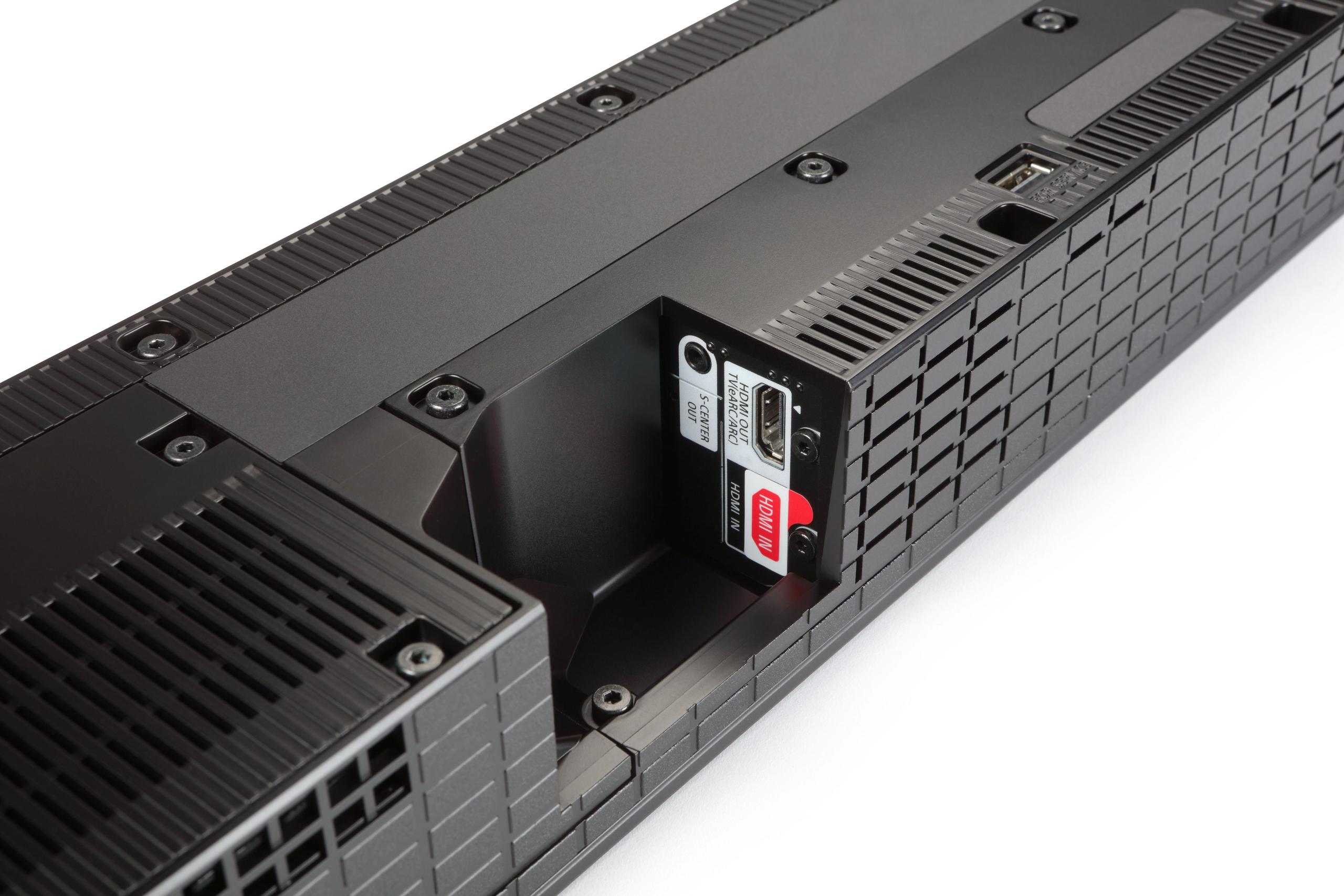
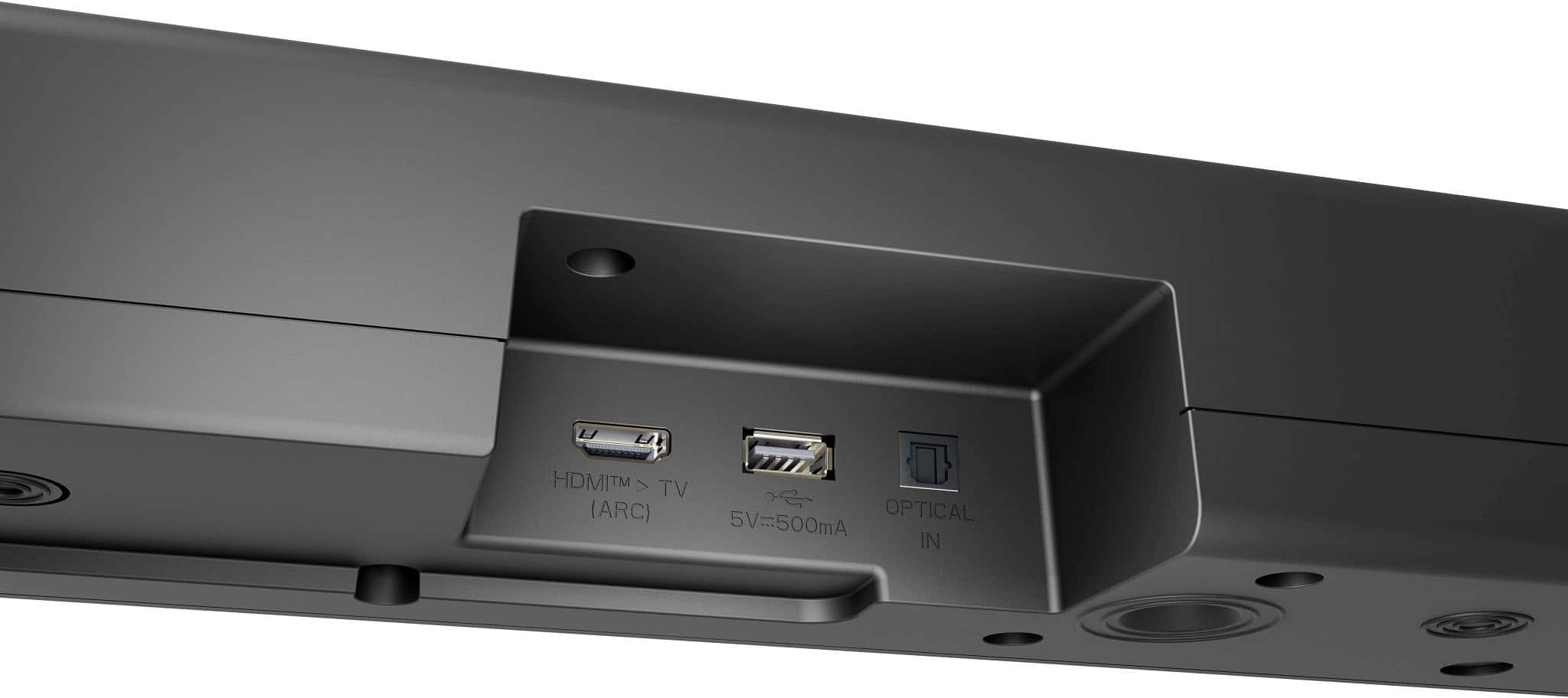
Installation complexity differs significantly between the approaches. The Sony requires only power and one HDMI connection, making wall mounting straightforward. The LG involves placing three separate components and managing power connections, though the wireless connections between components minimize cable running.
Choose the Sony BRAVIA Theater Bar 9 if you're drawn to cutting-edge audio technology and don't mind a staged upgrade approach. It's ideal for Sony TV owners who want seamless integration and are willing to invest in the full ecosystem over time. The processing technology is genuinely impressive when it works well, and the single-bar aesthetic appeals to minimalist setups.
The Sony also makes sense if your room acoustics favor reflection-based surround sound—think standard rectangular rooms with appropriate ceiling heights and minimal acoustic interference. If you primarily watch Dolby Atmos content and appreciate technical innovation, the Sony's approach offers unique benefits.
Choose the LG S60TR if you want immediate, complete surround sound performance at an excellent price point. It's perfect for anyone who prefers the reliability of physical speakers over processing tricks, or for rooms where acoustic conditions aren't ideal for virtual surround.
The LG is also the better choice if bass response is a priority from day one, or if you're working within a strict budget. The included subwoofer and rear speakers provide a complete surround experience that would cost significantly more with the Sony system.
The fundamental question isn't really about which system sounds better—both can deliver excellent results in appropriate circumstances. Instead, it's about which approach better matches your room, budget, and preferences. The Sony represents the future of soundbar technology, while the LG delivers proven surround sound principles in a modern, affordable package.
Both systems show how far soundbar technology has advanced since the early days of basic 2.1 setups. Whether you choose processing innovation or physical accuracy, you'll end up with dramatically better sound than your TV's built-in speakers could ever provide.
| Sony BRAVIA Theater Bar 9 Soundbar ($525) | LG S60TR 5.1 Channel Soundbar ($300) |
|---|---|
| Price & Value - Starting cost vs. complete system price | |
| $525 (soundbar only, $1,275 with optional sub/rears) | $300 (complete 5.1 system included) |
| Configuration - Physical vs. virtual surround approach | |
| 5.0.2 channels with 13 drivers (virtual surround) | True 5.1 channels with physical rear speakers |
| Bass Solution - Immediate impact vs. upgrade path | |
| Passive radiators only (requires $500 optional subwoofer) | 220W wireless subwoofer included |
| Immersive Audio - Height effects and object-based sound | |
| Dolby Atmos/DTS:X with up-firing drivers | Dolby Digital only (no height effects) |
| Total Power Output - Raw amplification for volume and dynamics | |
| 585W built-in amplification | 440W RMS across all components |
| Room Dependency - How acoustics affect performance | |
| Highly dependent on wall/ceiling reflections | Consistent performance regardless of room shape |
| Setup Complexity - Installation and calibration requirements | |
| Single HDMI connection, automatic room mapping | Three components, manual rear speaker placement |
| Smart TV Integration - Seamless control and features | |
| Deep BRAVIA TV integration with unified remote control | Basic LG TV integration via WOW interface |
| Expandability - Future upgrade options | |
| Modular system (add sub $500, rears $250) | No expansion options beyond included components |
| Connectivity Options - Input flexibility for multiple sources | |
| Limited (1 HDMI input, 1 eARC output, wireless streaming) | Standard (HDMI eARC, optical input, wireless streaming) |
| Dialogue Clarity - Voice enhancement technology | |
| AI Voice Zoom 3 with dedicated center processing | Standard center channel with clear voice modes |
| Best Use Case - Ideal buyer and room scenario | |
| Sony TV owners wanting cutting-edge processing | Budget-conscious buyers needing complete surround now |
The LG S60TR ($300) offers better immediate value, providing a complete 5.1 surround system with subwoofer and rear speakers for less than the cost of the Sony BRAVIA Theater Bar 9 ($525) alone. However, the Sony offers more advanced technology and room for future expansion, making it better long-term value for those wanting cutting-edge features.
The LG S60TR includes everything you need—soundbar, wireless subwoofer, and rear speakers. The Sony BRAVIA Theater Bar 9 works standalone but lacks deep bass without the optional $500 subwoofer. For complete surround sound, Sony requires additional $250 rear speakers, bringing the total to $1,275.
The Sony BRAVIA Theater Bar 9 has better built-in bass thanks to its quad woofers and passive radiators, but it still can't match a dedicated subwoofer. The LG S60TR includes a 220W wireless subwoofer from the start, providing significantly deeper and more impactful bass for movies and music.
The Sony BRAVIA Theater Bar 9 is easier to install, requiring only one HDMI cable and power connection. The LG S60TR involves placing three separate components and managing multiple power connections, though the wireless connectivity between components minimizes cable running.
Only the Sony BRAVIA Theater Bar 9 supports Dolby Atmos and DTS:X with dedicated up-firing drivers for height effects. The LG S60TR supports Dolby Digital but lacks Dolby Atmos capability, meaning no overhead sound effects from movies and shows mixed in this format.
Both work well in small rooms, but for different reasons. The Sony BRAVIA Theater Bar 9 adapts its virtual surround processing to room size through calibration. The LG S60TR provides consistent surround effects regardless of room acoustics, making it more predictable in challenging spaces.
The Sony BRAVIA Theater Bar 9 has superior dialogue clarity thanks to AI Voice Zoom 3 technology that automatically enhances speech. Both soundbars have dedicated center channels, but Sony's processing gives it an edge for understanding conversations in movies and shows.
Yes, but integration varies. The Sony BRAVIA Theater Bar 9 offers deep integration with Sony BRAVIA TVs, appearing in the TV's settings menu. The LG S60TR provides basic integration with LG TVs through the WOW interface. Both support standard HDMI CEC for basic remote control.
The Sony BRAVIA Theater Bar 9 creates a wider soundstage for music through spatial processing and includes DSEE Ultimate AI to enhance compressed audio. The LG S60TR offers more traditional stereo presentation with better bass response thanks to its included subwoofer, making it better for bass-heavy genres.
The LG S60TR is better for competitive gaming due to lower latency and reliable directional audio from physical rear speakers. The Sony BRAVIA Theater Bar 9 introduces slight processing delays but offers more immersive single-player gaming experiences through advanced spatial audio processing.
The Sony BRAVIA Theater Bar 9 can fill larger rooms better through its virtual surround processing and higher power output (585W vs 440W). However, the LG S60TR provides more consistent surround effects in large spaces since physical rear speakers don't rely on room reflections.
The Sony BRAVIA Theater Bar 9 uses advanced processing to create virtual surround sound from a single bar, while the LG S60TR uses traditional physical speakers placed around your room. Sony offers cutting-edge technology with room for upgrades, while LG provides immediate complete surround sound at a lower price point.
We've done our best to create useful and informative comparisons to help you decide what product to buy. Our research uses advanced automated methods to create this comparison and perfection is not possible - please contact us for corrections or questions. These are the sites we've researched in the creation of this article: rtings.com - residentialsystems.com - rtings.com - bestbuy.com - valueelectronics.com - sony.com - sony.co.uk - sony.co.uk - rtings.com - sony.co.in - sony.com - pocket-lint.com - sony.com - crutchfield.com - bestbuy.com - mynavyexchange.com - youtube.com - consumerreports.org - avsforum.com - rentacenter.com - bestbuy.com - homechoicestores.com - oconsommateur.com - lg.com - bestbuy.com - samsung.com

Privacy Policy
Terms and Conditions - Affiliate Policy
Home Security
© Copyright 2008-2026.
11816 Inwood Rd #1211, Dallas, TX 75244