

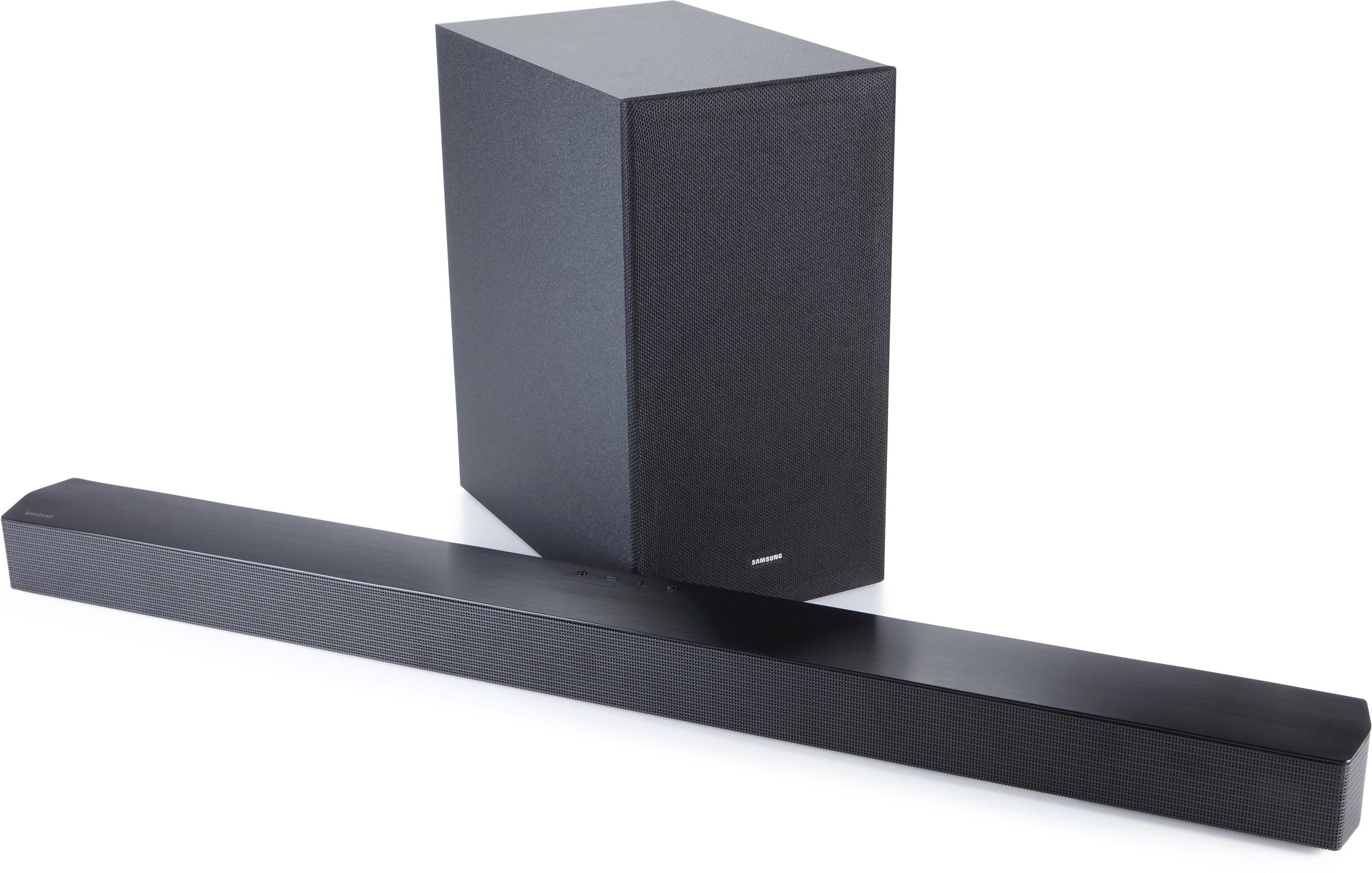
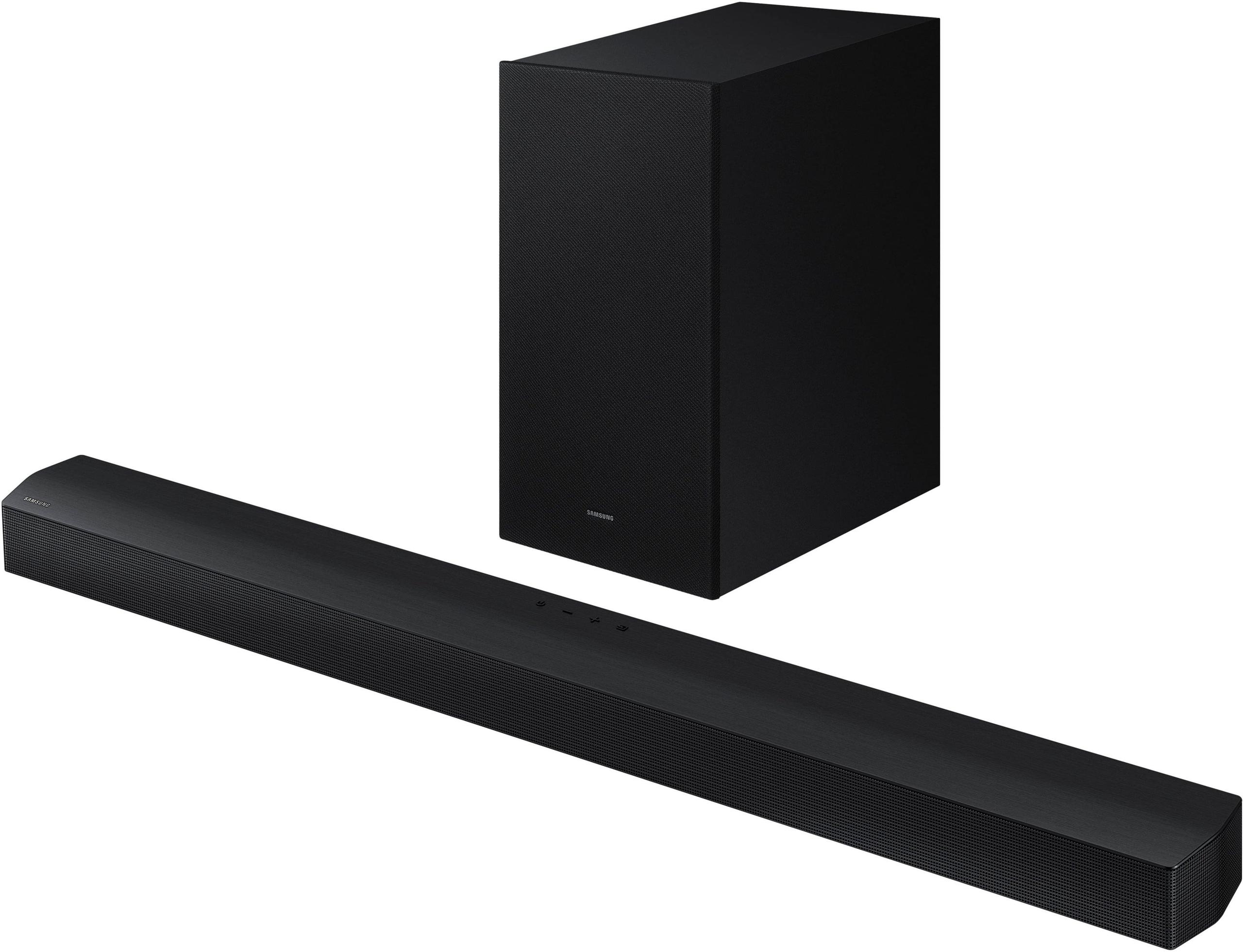



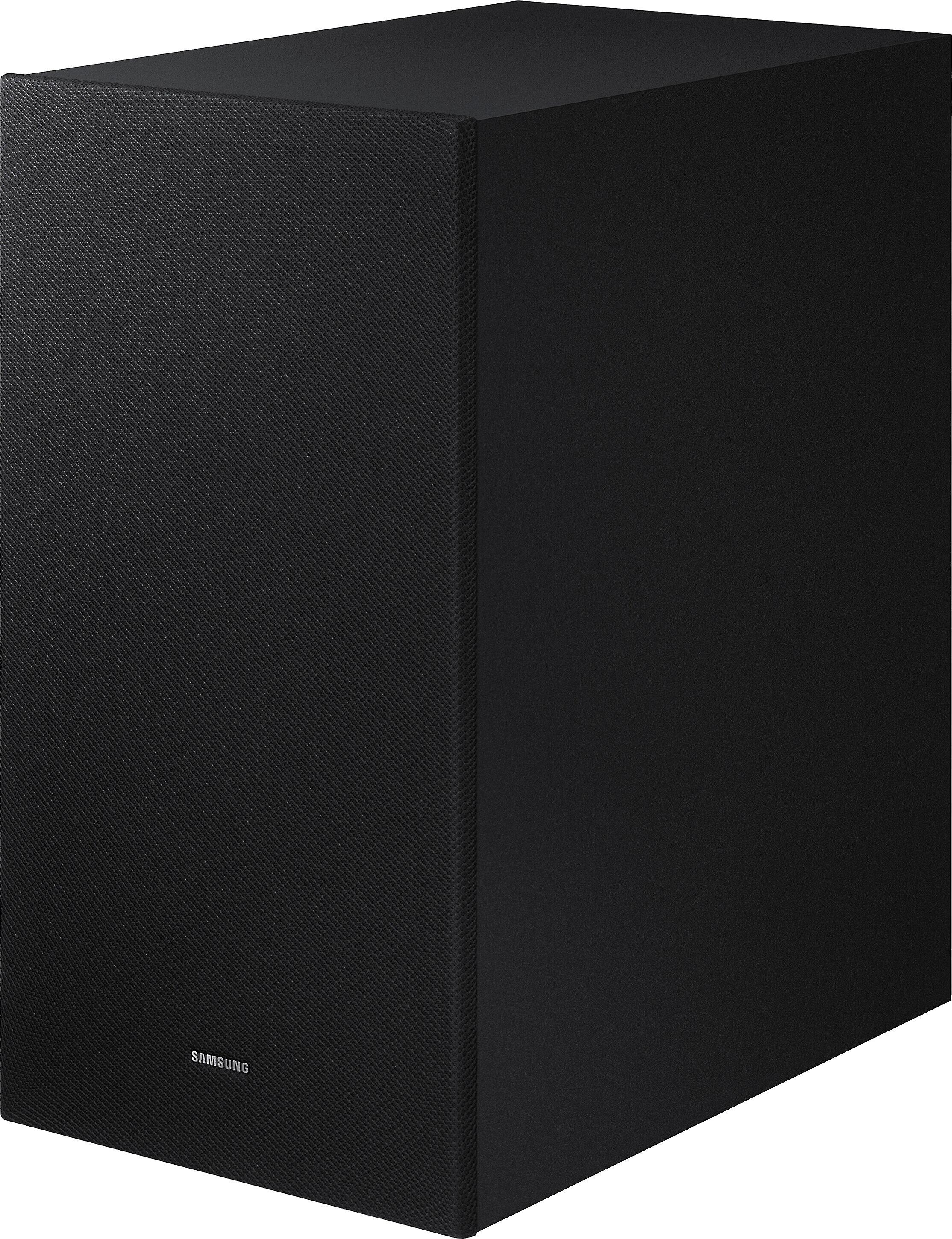
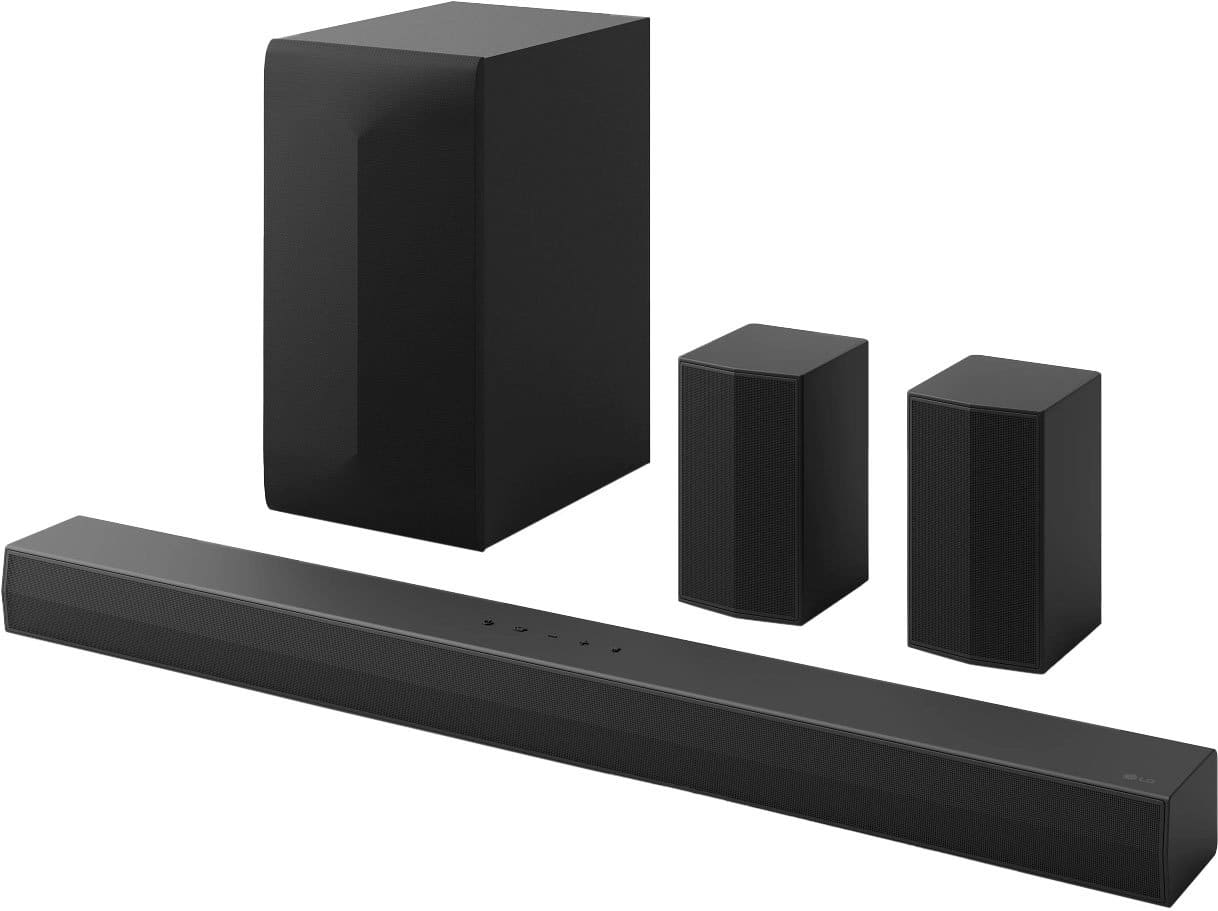
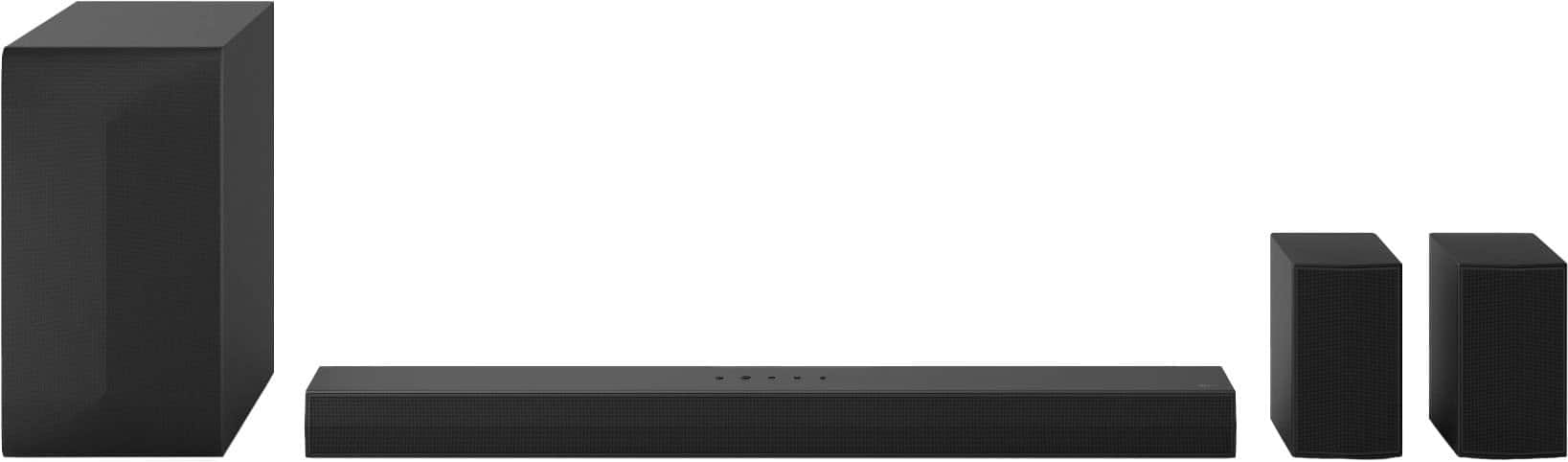


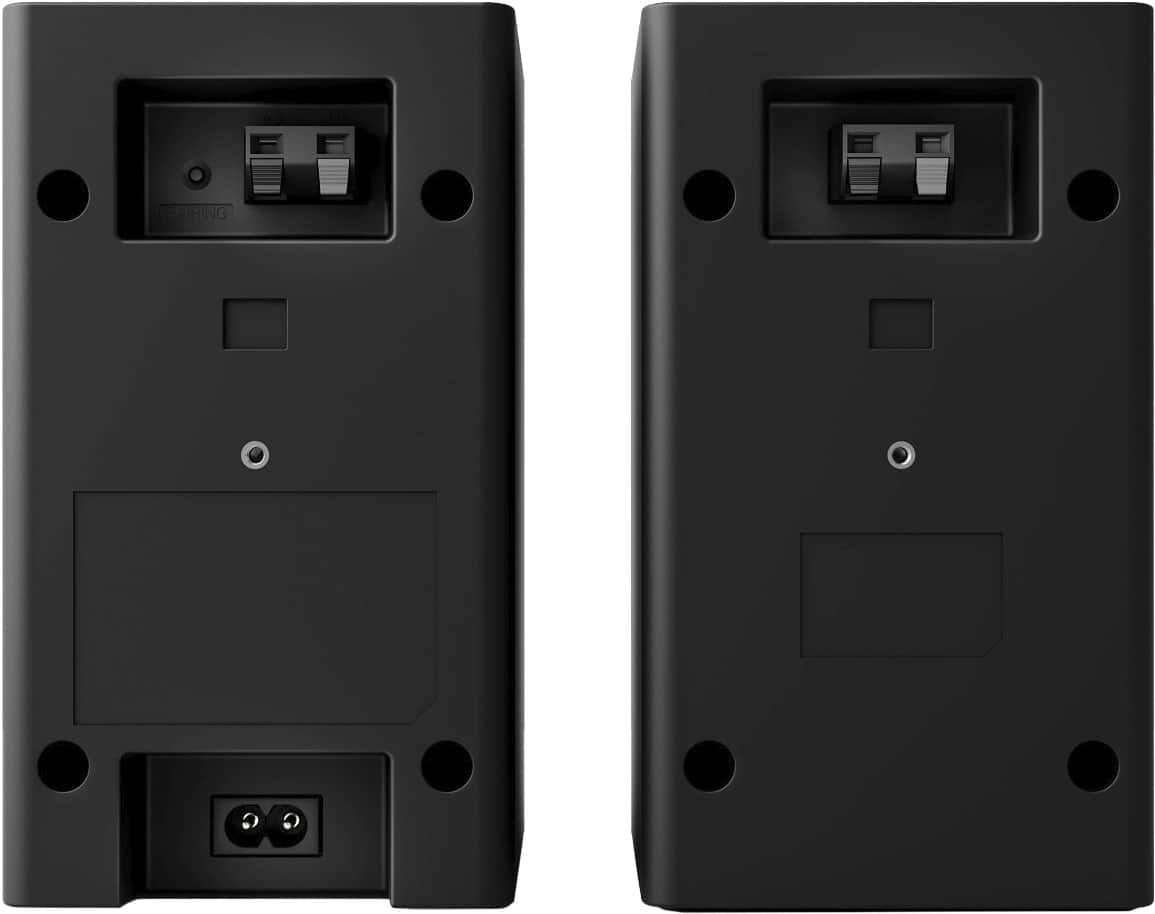
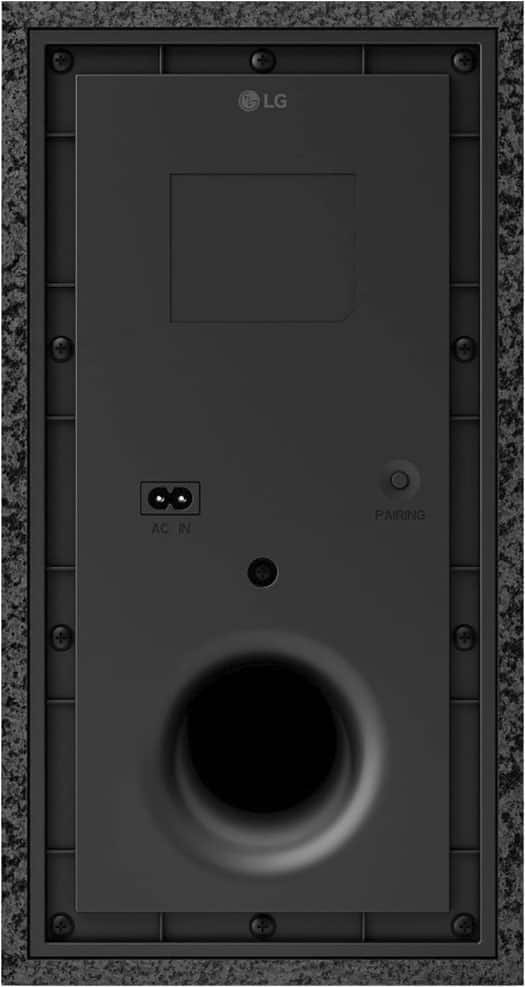

When your TV's built-in speakers leave you constantly adjusting the volume or asking "what did they say?", it's time to consider a soundbar upgrade. But with dozens of options available, choosing between a basic 3.1 system and a full 5.1 surround setup can feel overwhelming. Today, I'm comparing two popular choices that represent different philosophies in soundbar design: the budget-friendly Samsung HW-B550D at $177.99 and the more comprehensive LG S60TR at $299.99.
Before diving into specifics, let's clarify what these numbers mean. A 3.1 system includes three main speakers (left, center, right) plus one subwoofer (the ".1" part). The center channel handles dialogue, while left and right speakers create stereo effects. A 5.1 system adds two rear speakers for true surround sound, creating that immersive "sounds coming from behind you" experience you get in movie theaters.
The fundamental trade-off in soundbar shopping comes down to simplicity versus immersion. Simpler systems are easier to set up and work well in smaller spaces, but they can't match the wraparound audio experience of systems with physical rear speakers. Price often reflects this complexity, but as we'll see, the value equation isn't always straightforward.
When evaluating soundbars, I focus on five key areas: dialogue clarity (can you hear conversations clearly?), bass impact (does action feel visceral?), surround immersion (do effects move around you?), setup complexity (how much work is involved?), and overall value (what do you get for your money?). Room size also matters significantly – a powerful system in a small apartment might overwhelm, while a basic soundbar in a large family room might disappoint.
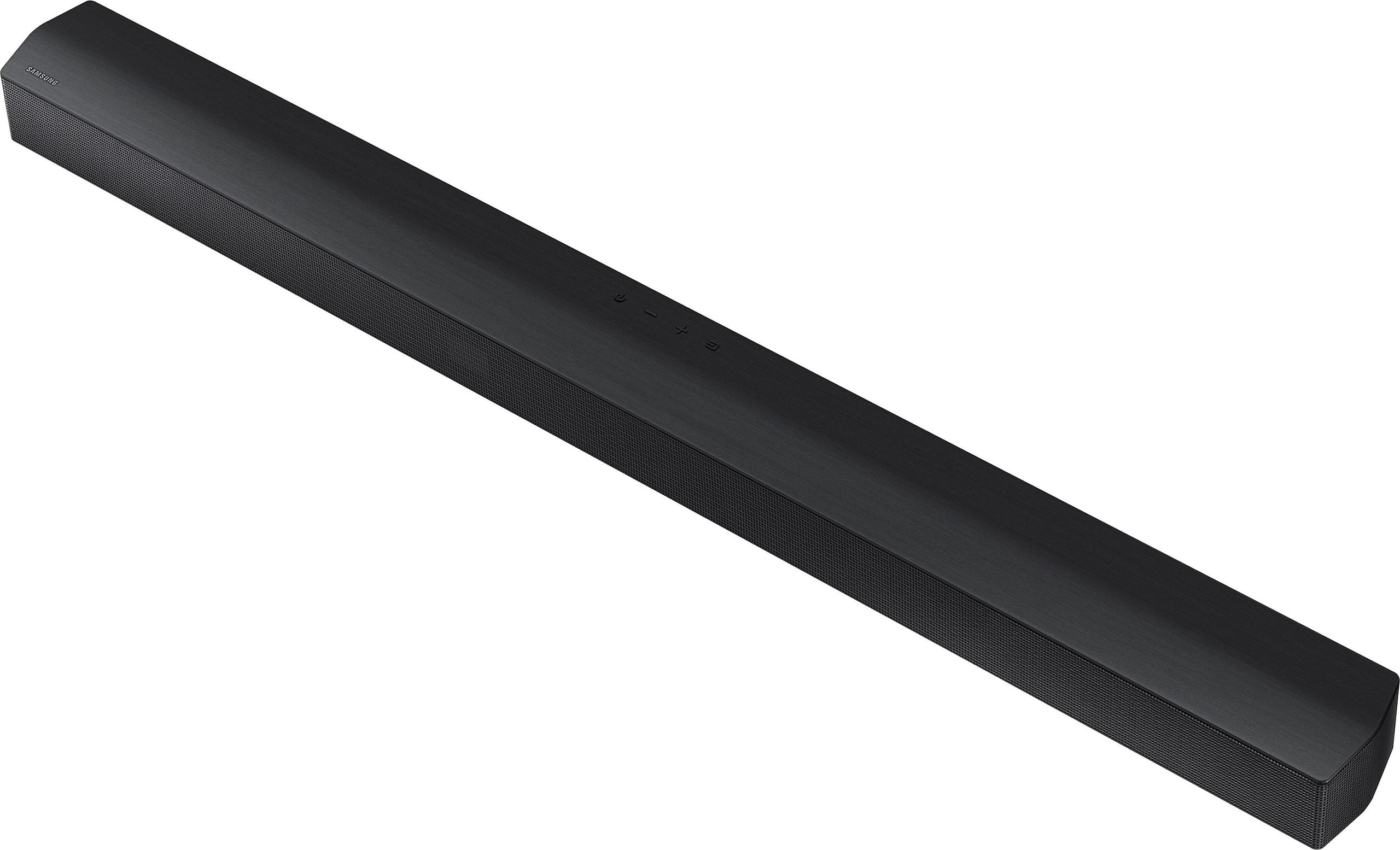
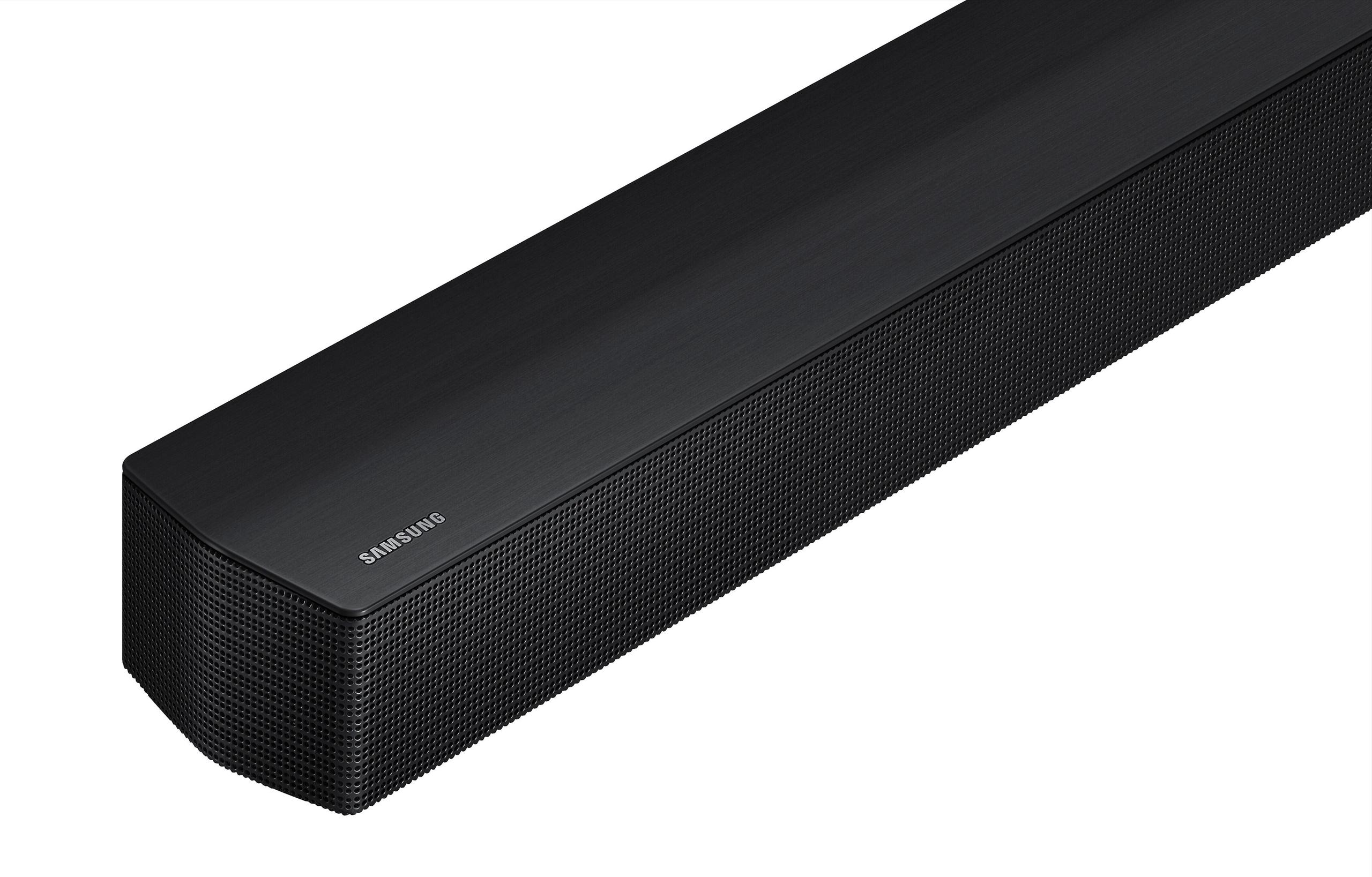
The Samsung HW-B550D launched in 2022 as part of Samsung's entry-level soundbar lineup. It represents Samsung's approach to making decent audio accessible – focusing on core functions like dialogue enhancement and basic surround processing without premium features like Dolby Atmos (height effects) or room correction technology that automatically adjusts sound based on your space's acoustics.
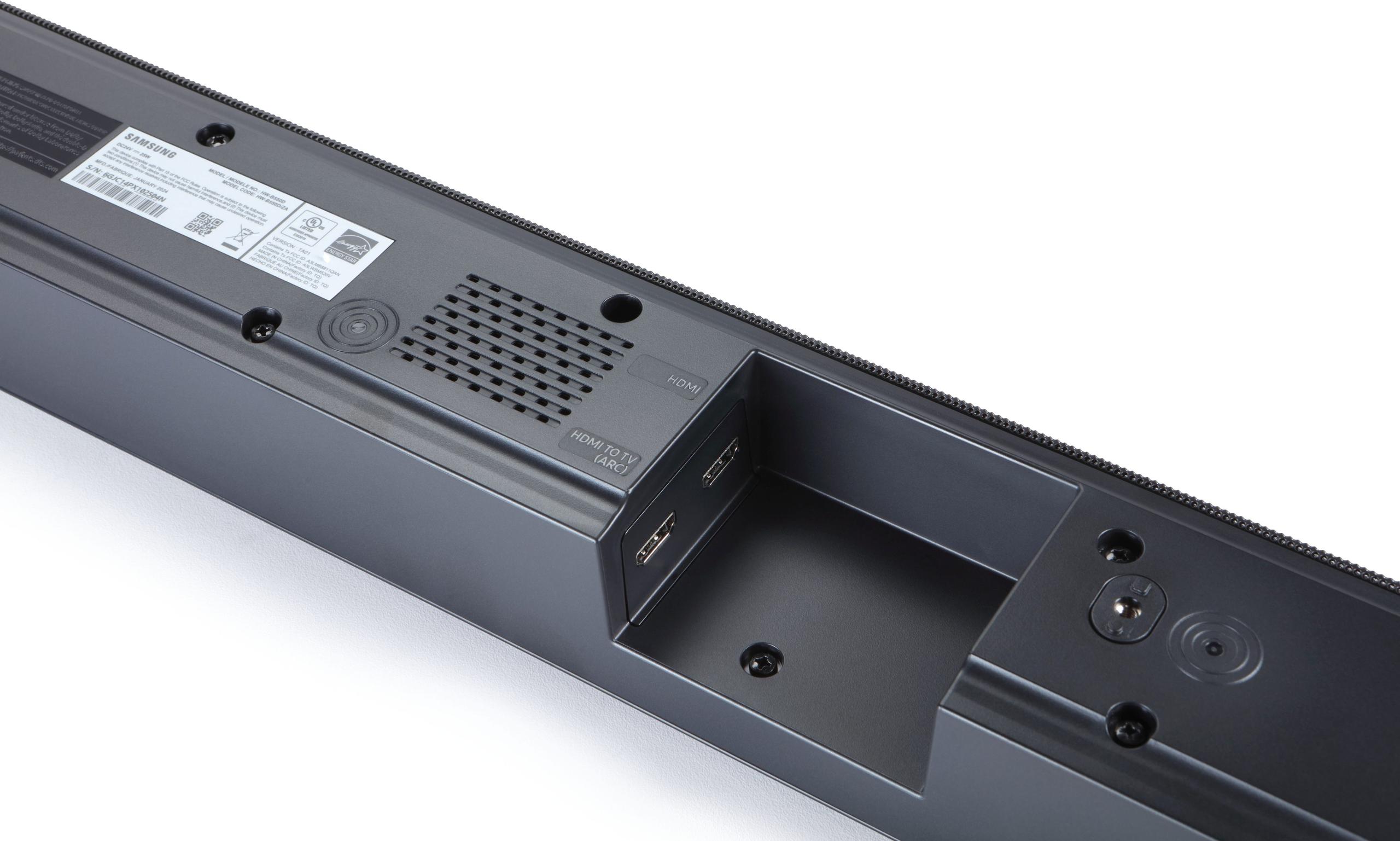
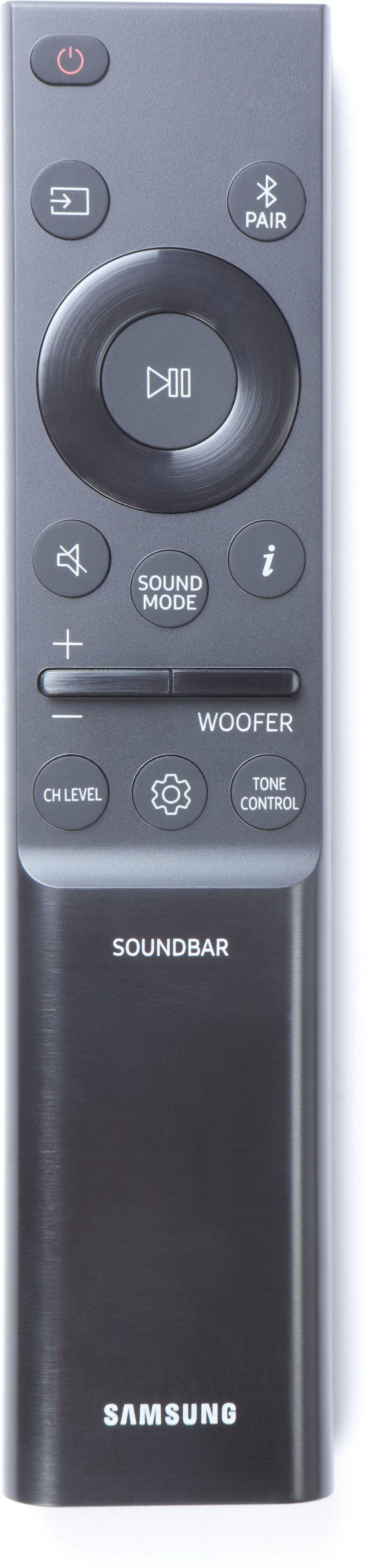
Samsung designed this model around convenience and compatibility with their TV ecosystem. The soundbar connects seamlessly with Samsung TVs through HDMI ARC (Audio Return Channel), allowing you to control volume with your TV remote. This integration matters more than you might think – fumbling with multiple remotes quickly becomes annoying in daily use.
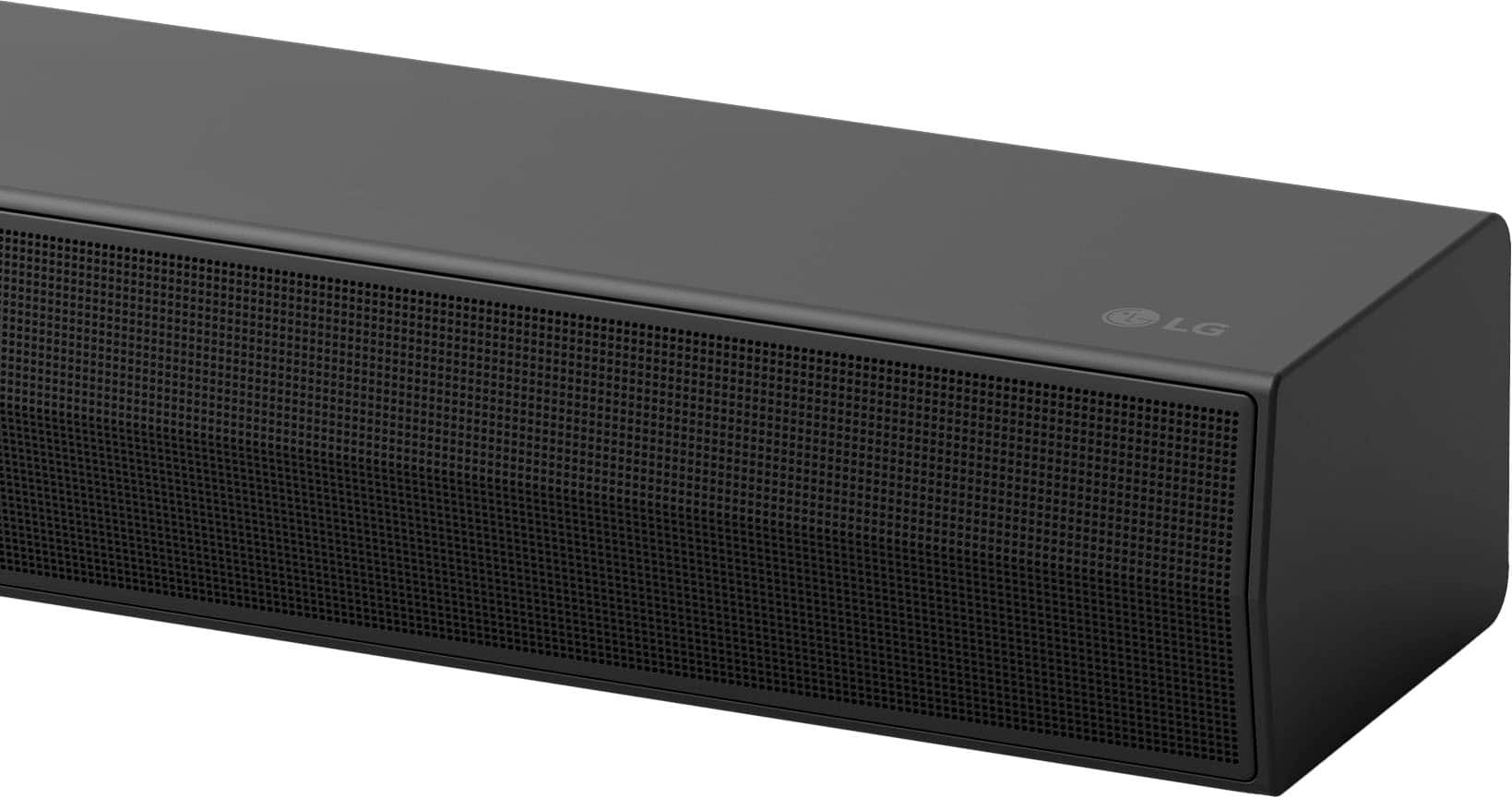
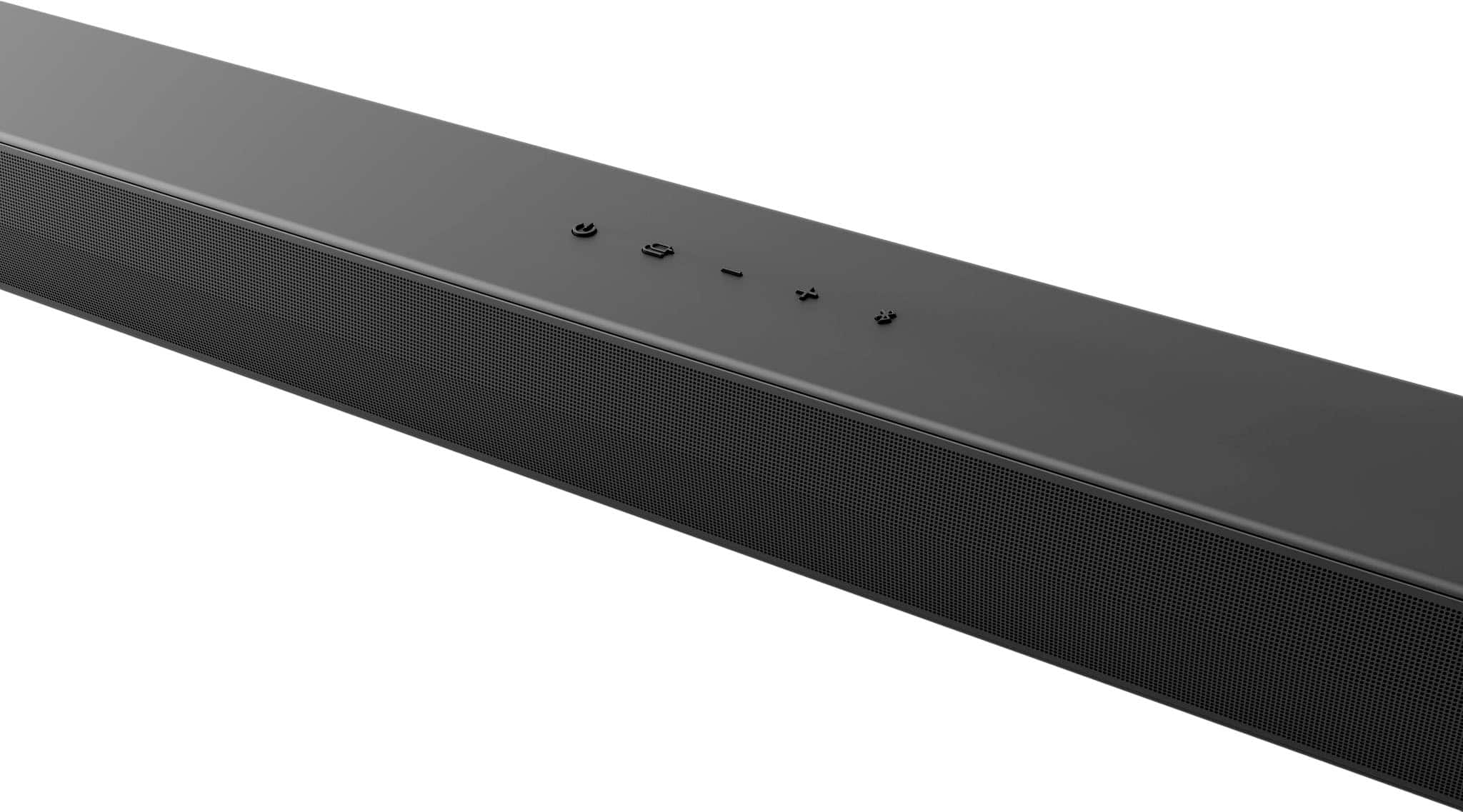
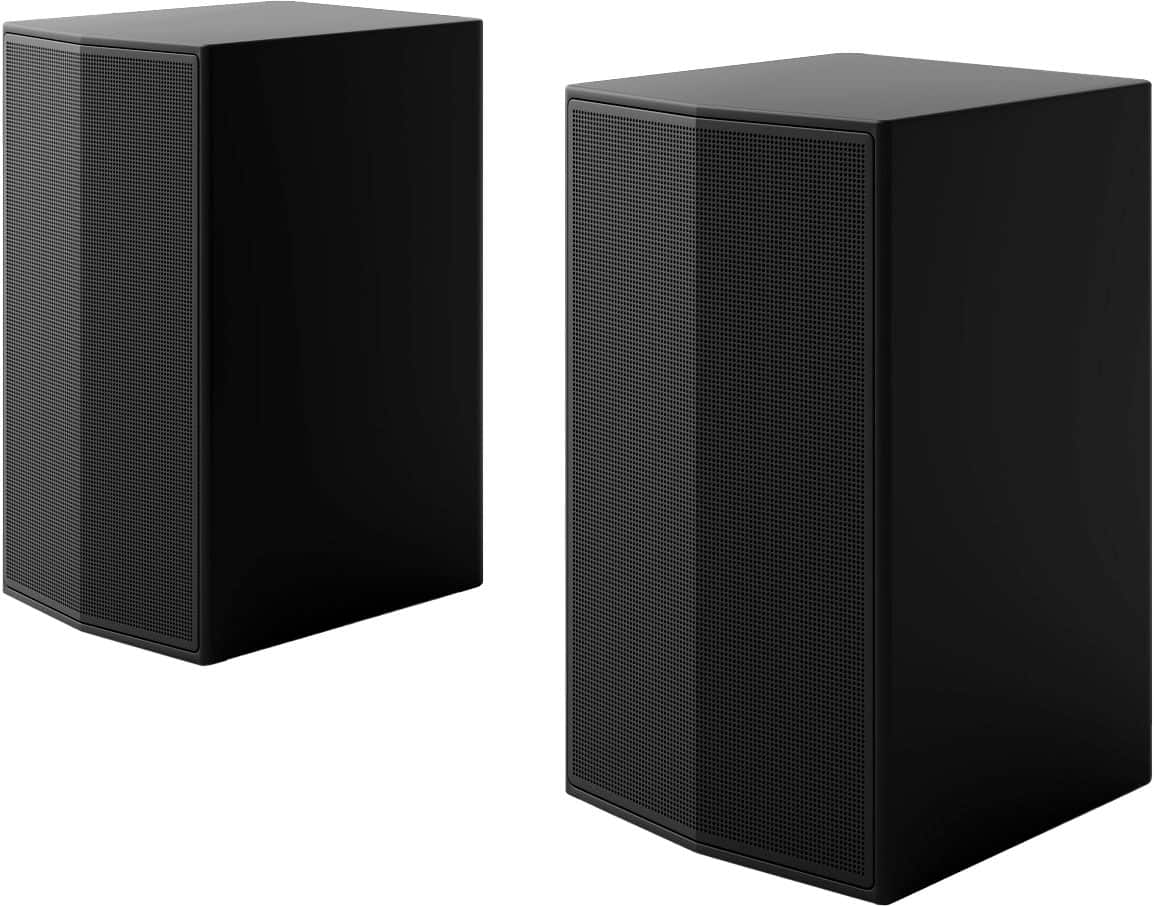
The LG S60TR, released more recently in 2024, takes a different approach. Rather than simplifying features, LG packed genuine 5.1 surround sound into an affordable package. This strategy targets users who want authentic home theater experience without spending $500+ on premium models. The system includes physical wireless rear speakers, which create true surround effects that virtual processing simply can't match.
LG's timing is interesting here. As streaming services increasingly offer high-quality audio and 4K TVs become standard, there's growing demand for audio systems that can match improved visual quality. The S60TR addresses this by providing real surround sound at a price point that previously only offered virtual alternatives.
Both soundbars include dedicated center channels, which is crucial for clear dialogue. TV speakers typically blend voices with other sounds, making conversations muddy, especially during action scenes. A dedicated center channel isolates dialogue, making it easier to understand without constantly adjusting volume.
The Samsung HW-B550D handles dialogue reasonably well. Consumer Reports noted that it "reproduces music and dialog reasonably well despite obvious shortcomings." Users consistently praise its dialogue clarity for TV shows and movies, with one customer mentioning it "solved beautifully" their trouble understanding dialogue. The center channel positioning and basic audio processing work together to lift voices above background noise.
However, the Samsung shows limitations with complex audio. The midrange can sound "somewhat hazy and congested," which becomes noticeable during intense movie scenes where dialogue competes with sound effects. This isn't a dealbreaker for casual viewing, but it means the system struggles with demanding content.
The LG S60TR offers superior dialogue performance thanks to its more powerful amplification and better speaker configuration. With 440W total power distributed across five channels, it has more headroom to maintain clarity during loud passages. Users describe "superb voice clarity" and note that conversations remain intelligible without cranking up volume.
The LG's advantage becomes most apparent during complex movie scenes. Where the Samsung might compress everything together, the LG maintains separation between dialogue, effects, and music. This creates a more natural, less fatiguing listening experience during longer viewing sessions.
This is where these systems diverge most dramatically. Bass response affects not just music but also movie immersion – explosions, rumbling engines, and atmospheric effects all depend on quality low-frequency reproduction.
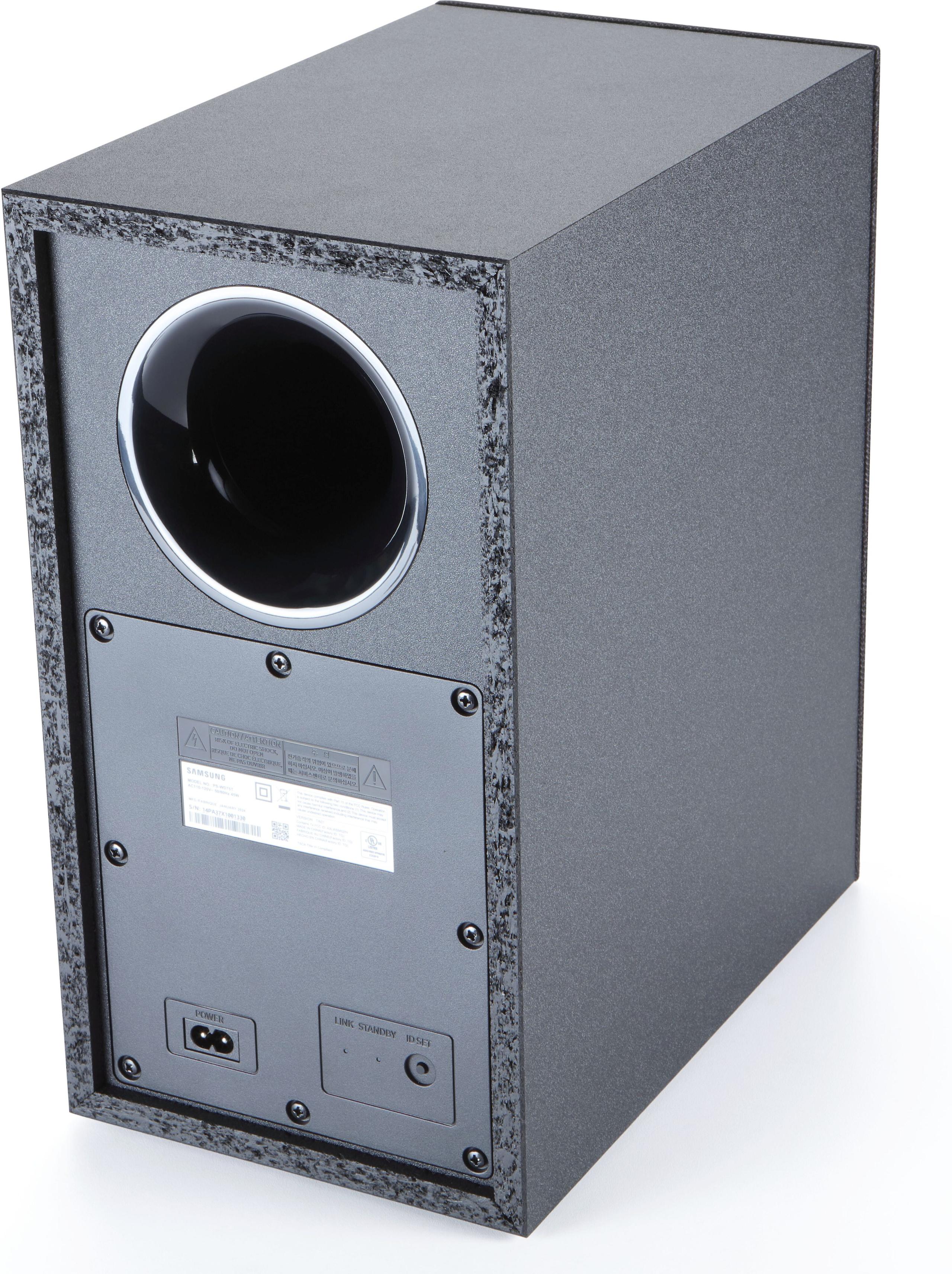
The Samsung HW-B550D includes a wireless subwoofer, but user feedback reveals consistent disappointment. Multiple reviews describe the bass as "inaudible" or note that the subwoofer "underperforms." Consumer Reports found the bass "somewhat prominent and tubby," suggesting it's not just weak but also poorly controlled. Some users report connectivity issues where the subwoofer randomly disconnects, further compromising the experience.
This bass weakness significantly impacts movie watching. Action scenes feel flat, and music lacks the fullness that makes soundtracks engaging. The subwoofer's 5-inch driver and modest amplification simply can't move enough air to create satisfying low-end impact in most rooms.
The LG S60TR addresses these limitations head-on with a dedicated 220W subwoofer. Users consistently praise its "visceral" bass and "amazingly rich low end." The difference isn't subtle – it's the gap between feeling movie effects and just hearing them. The LG's subwoofer can pressurize a room, creating that chest-thumping impact that makes action sequences engaging.
This bass quality transforms music listening too. Electronic music, hip-hop, and rock all benefit from the LG's ability to reproduce deep frequencies with authority. The subwoofer's larger driver and more powerful amplification create a foundation that makes everything else sound more complete.
Here's where the fundamental difference between these systems becomes most apparent. The Samsung relies on virtual surround processing – using the main soundbar speakers and digital signal processing to create the illusion of surround sound. The LG provides actual rear speakers that create genuine surround effects.
The Samsung HW-B550D uses DTS Virtual:X processing to simulate surround effects. This technology analyzes audio signals and manipulates them to create the impression of sounds coming from different directions. It works reasonably well for some content, particularly newer movies mixed specifically for soundbars. However, virtual processing has inherent limitations – it can't create the precise localization and movement effects that physical speakers provide.
The Samsung's virtual surround works best when seated directly in front of the soundbar in smaller rooms. Move to the side or back, and the effect diminishes significantly. This constrains seating flexibility and makes the system less suitable for family rooms where people sit in various positions.
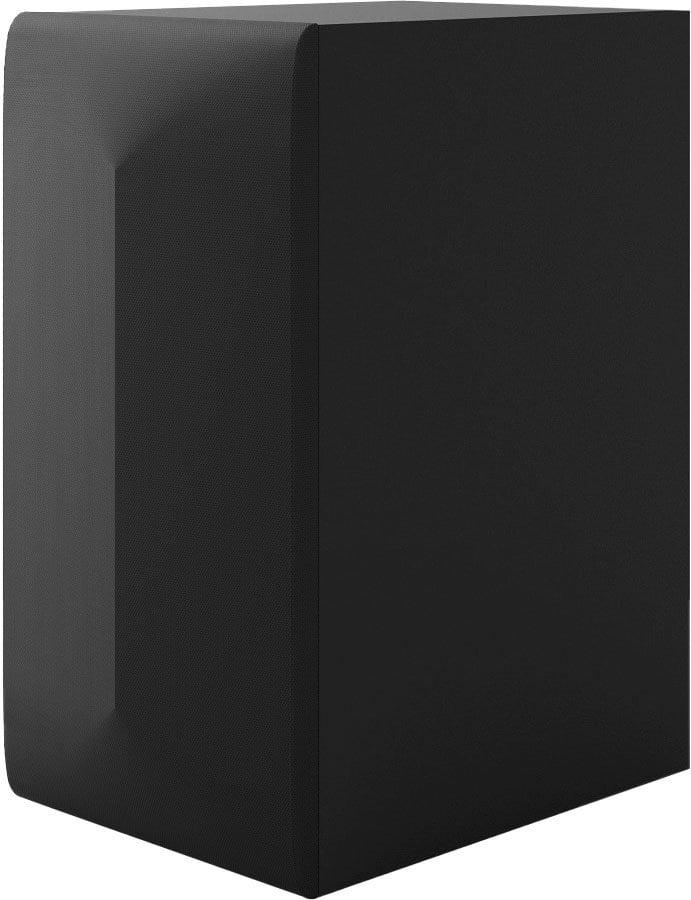
The LG S60TR includes wireless rear speakers that fundamentally change the surround experience. These speakers create genuine 5.1 surround sound with precise localization – helicopters actually fly overhead, bullets whiz past your ears, and ambient effects surround you naturally. The difference is immediately noticeable and consistently impressive.
Physical rear speakers excel with both modern and classic content. Older movies mixed for traditional surround systems sound much more engaging than they do through virtual processing. The LG can properly separate and position audio elements that virtual systems blend together.
However, this advantage requires proper speaker placement. Rear speakers work best positioned behind or slightly to the sides of your seating area. Rooms where this isn't practical may not fully benefit from the LG's surround capabilities.
Installation complexity varies significantly between these systems, affecting both initial setup and long-term satisfaction.
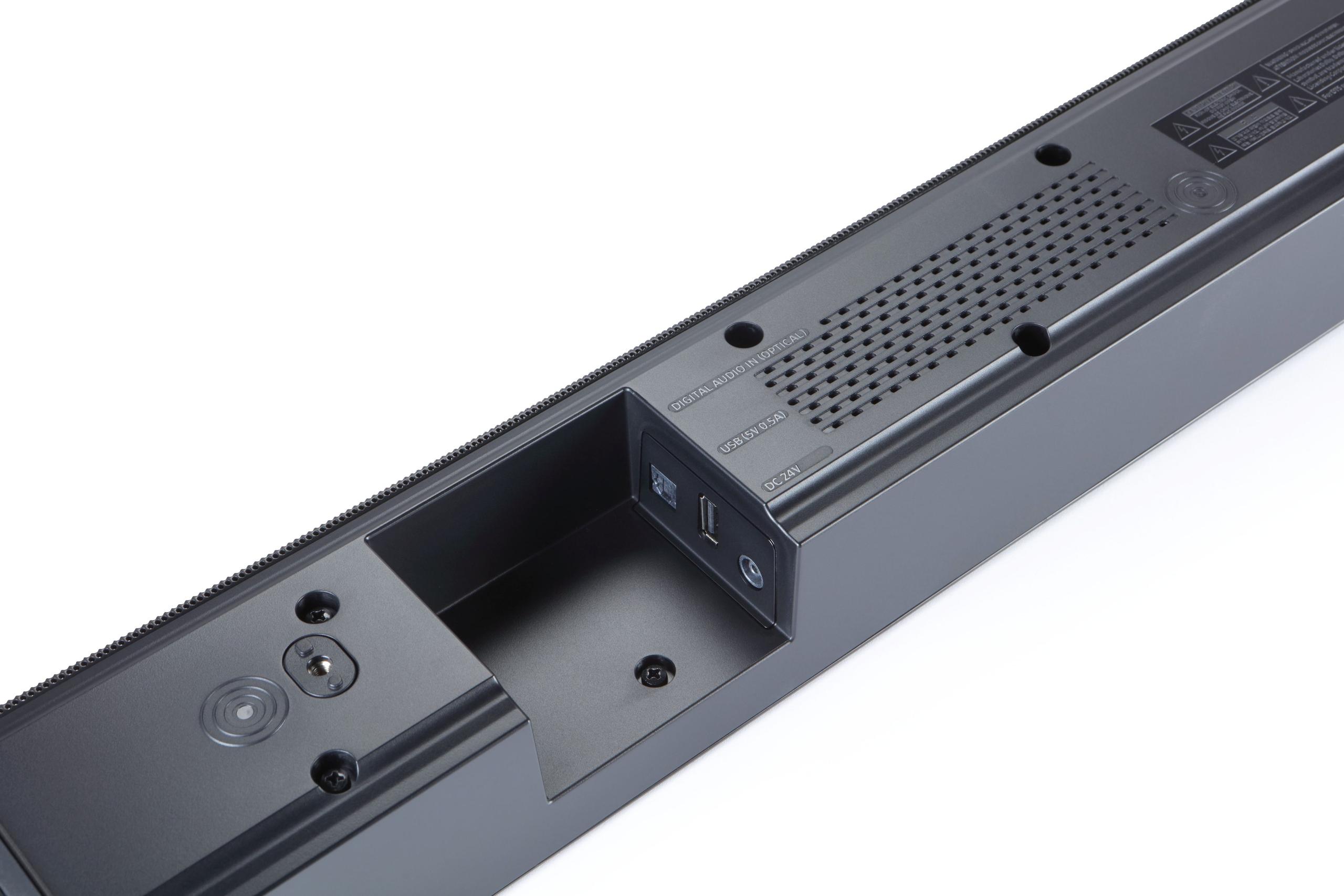
The Samsung HW-B550D offers genuinely simple setup. Connect the soundbar to your TV via HDMI ARC, plug in the subwoofer, and you're largely done. The wireless subwoofer connects automatically, and the system integrates with Samsung TV remotes for seamless control. This simplicity appeals to users who want better sound without dealing with speaker placement or complex configurations.
The Samsung's compact design works well in various room layouts. The soundbar fits most TV stands, and the subwoofer can be placed almost anywhere in the room thanks to wireless connectivity. This flexibility makes it suitable for apartments, bedrooms, or any space where running speaker wires isn't practical.
The LG S60TR requires more planning but rewards the effort. Beyond connecting the main soundbar and subwoofer, you'll need to position rear speakers for optimal surround effects. LG provides wireless connectivity for the rears, but they still need power outlets and careful placement.
Proper rear speaker positioning makes a substantial difference in performance. They should be at or slightly above ear level, positioned behind or to the sides of your seating area. Too close and effects sound unnatural; too far and they become disconnected from the front soundstage. Getting this right takes some experimentation but dramatically improves the surround experience.
At $177.99, the Samsung HW-B550D represents solid value for basic TV audio improvement. It delivers noticeably clearer dialogue than TV speakers and adds some bass presence, even if that bass isn't particularly impressive. For users primarily watching TV shows, news, or casual movie viewing, this improvement justifies the cost.
However, the Samsung's limitations become expensive quickly if you want more. There's no upgrade path – you can't add rear speakers later or significantly improve bass response. You're committed to the 3.1 configuration with its virtual surround processing and modest subwoofer performance.
The LG S60TR at $299.99 costs 68% more but delivers significantly greater capability. You're getting a complete 5.1 surround system with physical rear speakers and a powerful subwoofer – components that would cost considerably more if purchased separately. The performance gap, particularly in bass response and surround immersion, far exceeds the price difference.
From a home theater perspective, the LG represents exceptional value. Building a comparable 5.1 system with separate components would easily cost $500+. The LG provides genuine surround sound at a price point previously reserved for virtual alternatives.
In compact spaces, the Samsung HW-B550D often makes more sense. Rear speakers become impractical when you're sitting close to walls, and powerful bass can disturb neighbors. The Samsung's modest output and simple setup suit these constraints well.
The system's night mode helps too, compressing dynamic range so you can hear dialogue without excessive volume. This feature proves valuable in thin-walled apartments where consideration for neighbors matters.
Larger spaces favor the LG S60TR significantly. The additional power and true surround sound scale better with room size, and there's space to properly position rear speakers. Family rooms where people sit in various locations particularly benefit from the LG's wider sweet spot and genuine surround effects.
The LG's 220W subwoofer can adequately pressurize larger rooms, creating immersive bass that the Samsung simply can't match. This makes action movies, sports, and music substantially more engaging.
For users who primarily watch TV shows and news with occasional movies, the Samsung provides adequate performance at minimal cost. The dialogue clarity improvement over TV speakers is immediately noticeable and consistently appreciated.
However, users who regularly watch movies or enjoy music will quickly notice the Samsung's limitations. The weak bass and virtual surround become apparent with demanding content, potentially leading to upgrade regret.
The Samsung HW-B550D uses basic Dolby Audio processing with DTS Virtual:X for surround simulation. This approach works by manipulating phase relationships and frequency response to create spatial effects. While effective to a degree, it can't overcome the physical limitations of having all speakers in one location.
The system's amplification appears modest, though Samsung doesn't specify total wattage. The 5-inch subwoofer driver suggests limited low-frequency extension and output capability. Combined with what appears to be conservative amplification, this explains user complaints about weak bass performance.
The LG S60TR takes a more traditional home theater approach with discrete amplification for each channel. The 440W total power includes 220W for the subwoofer alone – more than some entire soundbar systems provide. This power distribution allows for dynamic range and impact that virtual systems struggle to match.
LG's use of actual surround speakers means each channel receives discrete audio signals rather than processed alternatives. This creates more accurate localization and natural sound movement effects. The wireless implementation reduces installation complexity while maintaining audio quality.
Choose the Samsung HW-B550D if you're working with a tight budget, live in a small space, or primarily want clearer dialogue for TV viewing. Its simplicity and basic performance improvement justify the cost for casual users who don't prioritize bass impact or surround immersion.
The Samsung also suits users who value simplicity above all else. If you want to connect one cable and forget about audio setup, this system delivers meaningful improvement without complexity.
Choose the LG S60TR if you regularly watch movies, enjoy music, or want genuine home theater experience. The additional cost buys substantially better performance across all metrics that matter for immersive entertainment.
The LG particularly excels for users transitioning from TV speakers who want to experience what they've been missing. The difference in bass impact and surround immersion is transformative, making movies and music significantly more engaging.
These soundbars represent different philosophies in audio design. The Samsung HW-B550D prioritizes simplicity and basic improvement, while the LG S60TR focuses on delivering genuine home theater capability at an accessible price.
The $122 price difference translates to a substantial performance gap. The LG's superior bass response, true surround sound, and overall audio quality make it the clear choice for anyone serious about their entertainment experience. However, the Samsung serves users well who prioritize simplicity and have modest performance expectations.
For most buyers, the LG represents better long-term value. Its complete 5.1 system provides room to grow with your entertainment habits, while the Samsung's limitations become apparent quickly with demanding content. If you can accommodate rear speakers and invest the additional $122, the LG S60TR delivers substantially more satisfying home theater experience.
| Samsung HW-B550D | LG S60TR |
|---|---|
| Price - Entry point vs value proposition | |
| $177.99 (budget-friendly upgrade) | $299.99 (68% more for significantly better performance) |
| Channel Configuration - Determines surround sound capability | |
| 3.1 channels (virtual surround only) | 5.1 channels (true surround with physical rear speakers) |
| Total Power Output - Affects volume and dynamic range | |
| Not specified (appears modest based on performance) | 440W total (220W subwoofer + 220W distributed to speakers) |
| Subwoofer Performance - Critical for bass impact in movies | |
| 5" driver, wireless (users report weak, "inaudible" bass) | 220W dedicated wireless subwoofer (described as "visceral" bass) |
| Surround Sound Technology - Virtual processing vs real speakers | |
| DTS Virtual:X processing (simulated effects from soundbar) | Physical wireless rear speakers (authentic 5.1 surround positioning) |
| Setup Complexity - Installation requirements and flexibility | |
| Simple 2-component setup (soundbar + subwoofer) | Moderate complexity (requires rear speaker placement planning) |
| Room Size Suitability - Where each system works best | |
| Small to medium rooms, apartments, bedrooms | Medium to large rooms, dedicated home theater spaces |
| Dialogue Enhancement - Center channel clarity for conversations | |
| Dedicated center channel (adequate for TV shows) | Dedicated center channel with better power and clarity |
| HDMI Connectivity - Modern TV integration features | |
| HDMI ARC, 1.4 standard (1080p pass-through) | HDMI eARC support (higher bandwidth for advanced audio) |
| Wireless Features - Streaming and connectivity options | |
| Bluetooth streaming, Samsung TV integration | Bluetooth + Wi-Fi, smartphone app control |
| Best Use Case - Who should choose each system | |
| Basic TV audio upgrade, simple setup priority | Movie enthusiasts wanting genuine surround sound experience |
The LG S60TR at $299.99 offers better overall value despite costing $122 more than the Samsung HW-B550D at $177.99. You get true 5.1 surround sound with physical rear speakers, a powerful 220W subwoofer, and significantly better bass performance. The Samsung is adequate for basic TV audio improvement, but the LG delivers genuine home theater experience.
The Samsung HW-B550D is a 3.1 system with three front speakers (left, center, right) plus a subwoofer, relying on virtual processing for surround effects. The LG S60TR is a true 5.1 system that adds two physical rear speakers, creating authentic surround sound where effects actually move around you rather than being simulated.
The LG S60TR has dramatically superior bass with its dedicated 220W wireless subwoofer. Users describe it as delivering "visceral" bass impact. The Samsung HW-B550D has a smaller 5-inch subwoofer that many users report as weak or "inaudible," making it inadequate for action movies or music that relies on deep bass.
The Samsung HW-B550D is simpler to install with just two components - connect the soundbar via HDMI ARC and plug in the wireless subwoofer. The LG S60TR requires more planning since you need to position the rear speakers properly behind or to the sides of your seating area, though they connect wirelessly.
The Samsung HW-B550D works better in small spaces where rear speakers aren't practical and powerful bass might disturb neighbors. It includes a night mode for quieter listening and takes up minimal space. The LG S60TR needs room for proper rear speaker placement to deliver its full surround sound benefit.
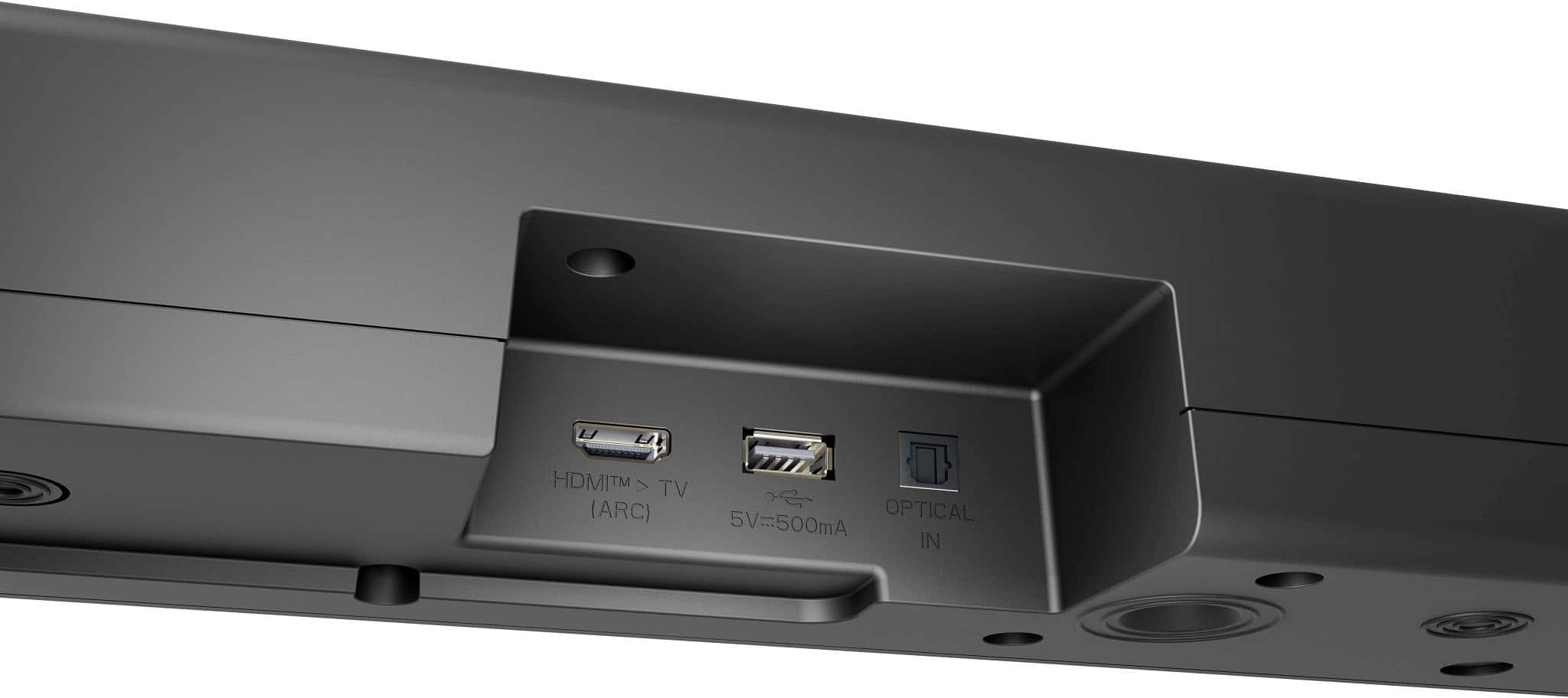
Both soundbars work with any TV that has HDMI ARC or optical outputs. The Samsung HW-B550D integrates especially well with Samsung TVs, allowing control with your TV remote. The LG S60TR offers broader compatibility and includes both HDMI eARC and optical connections for maximum flexibility.
The LG S60TR is significantly better for movies with its true 5.1 surround sound, powerful bass, and ability to create immersive audio experiences. Action scenes feel much more engaging with proper surround effects and impactful bass. The Samsung HW-B550D handles dialogue well but lacks the bass and surround immersion that makes movies exciting.
No, the Samsung HW-B550D cannot be expanded with rear speakers later. You're limited to the 3.1 configuration with virtual surround processing. If you want true surround sound, you'd need to replace the entire system. The LG S60TR comes complete with everything needed for full 5.1 surround sound.
Both soundbars have dedicated center channels for dialogue, but the LG S60TR offers superior clarity thanks to more powerful amplification and better overall audio processing. The Samsung HW-B550D provides adequate dialogue improvement over TV speakers, but the LG maintains better separation during complex movie scenes.
The Samsung HW-B550D requires minimal space - just room for the soundbar under your TV and space anywhere for the wireless subwoofer. The LG S60TR needs additional space behind or beside your seating area for the rear speakers to work effectively, making it better suited for larger rooms.
Both systems include wireless subwoofers, but the LG S60TR also has wireless rear speakers (though they need power outlets). The Samsung HW-B550D only has the wireless subwoofer connection. Both support Bluetooth for streaming music from phones and other devices.
Choose the Samsung HW-B550D if you want basic TV audio improvement on a tight budget and live in a small space. Choose the LG S60TR if you watch movies regularly, want genuine surround sound, and can accommodate rear speakers. The LG's superior performance across all areas makes it worth the extra $122 for most buyers seeking true home theater experience.
We've done our best to create useful and informative comparisons to help you decide what product to buy. Our research uses advanced automated methods to create this comparison and perfection is not possible - please contact us for corrections or questions. These are the sites we've researched in the creation of this article: bestbuy.com - crutchfield.com - avsforum.com - consumerreports.org - abt.com - pcrichard.com - samsung.com - samsung.com - rtings.com - samsung.com - jeffsappliance.com - bestbuy.com - mynavyexchange.com - youtube.com - consumerreports.org - avsforum.com - rentacenter.com - bestbuy.com - homechoicestores.com - oconsommateur.com - lg.com - bestbuy.com - samsung.com

Privacy Policy
Terms and Conditions - Affiliate Policy
Home Security
© Copyright 2008-2026.
11816 Inwood Rd #1211, Dallas, TX 75244