

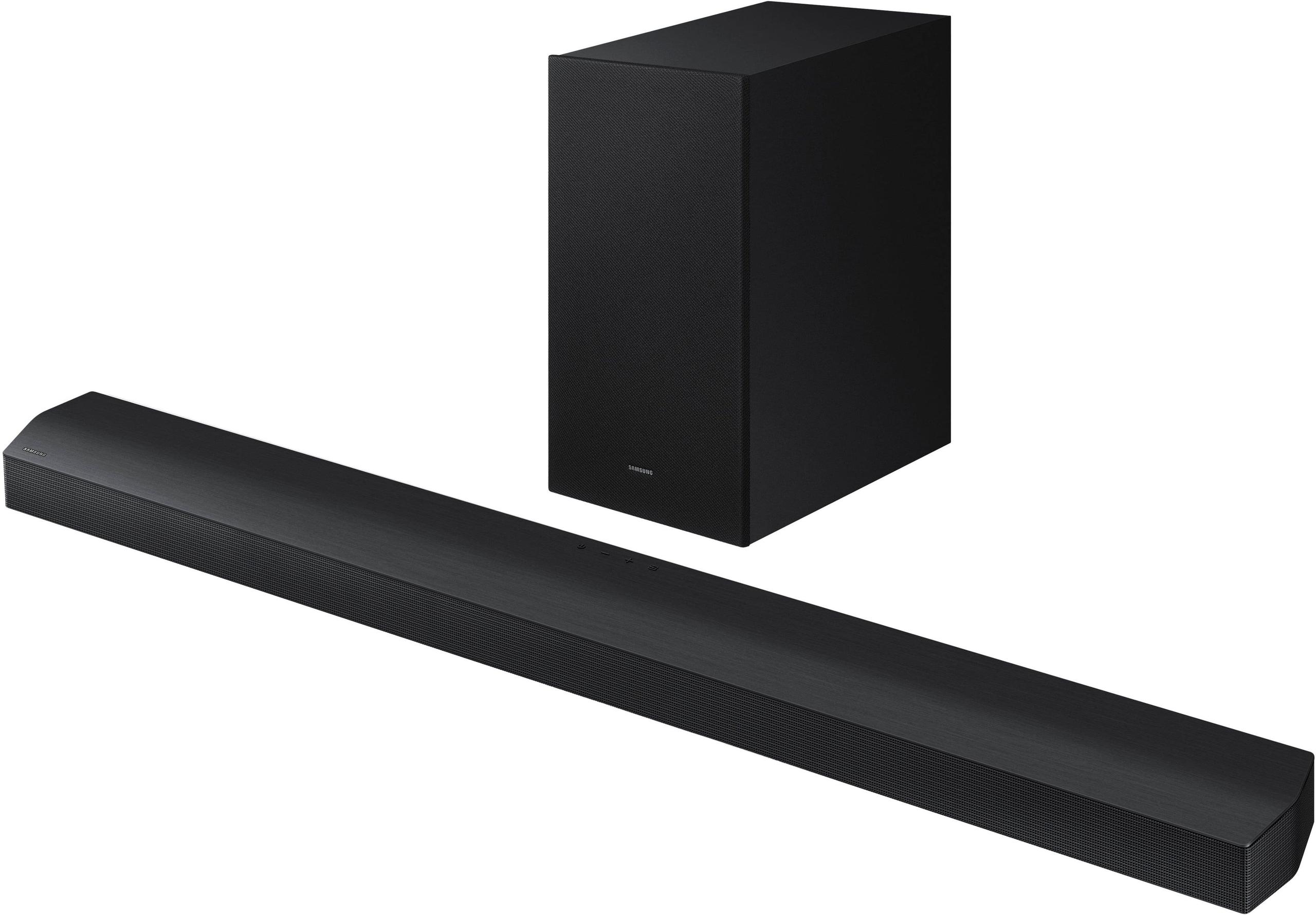
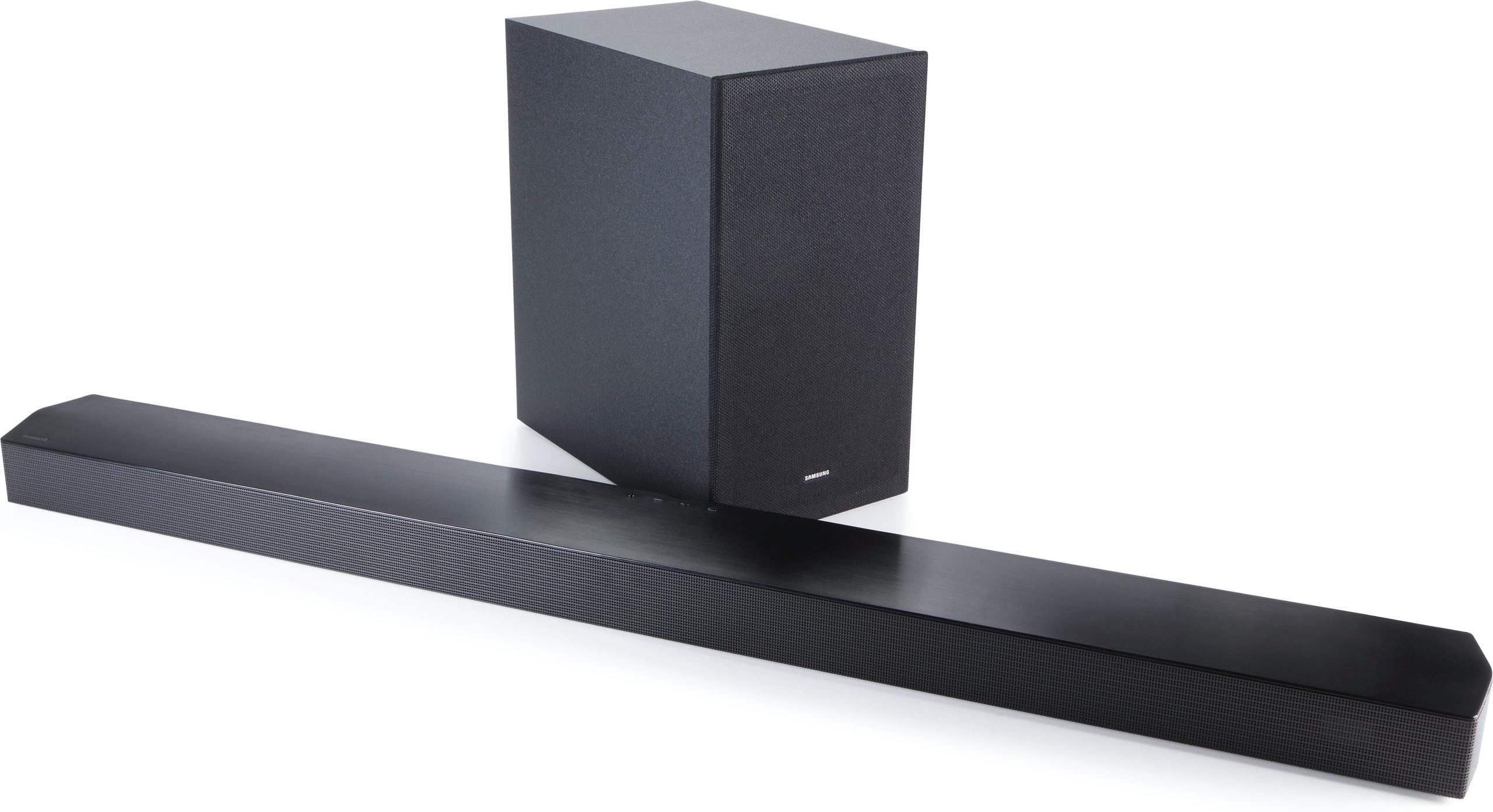








Shopping for a soundbar can feel overwhelming, especially when you're trying to understand the difference between virtual surround sound and the real deal. I've spent considerable time testing both the Samsung B-Series 5.1 Channel Soundbar ($228) and the LG S60TR 5.1 Channel Soundbar ($300), and while they're both labeled as "5.1 systems," they take completely different approaches to creating that immersive audio experience you're after.
Before diving into the comparison, let's clarify what "5.1" actually means. The "5" represents five discrete audio channels: front left, center, front right, and two surround channels. The ".1" is your subwoofer channel, dedicated to low-frequency effects (LFE) – those rumbling explosions and deep bass notes that make action movies come alive.
Here's where things get interesting: not all 5.1 soundbars are created equal. Some use physical speakers placed around your room to create true surround sound, while others rely on psychoacoustic processing – essentially audio trickery that bounces sound off your walls to simulate the effect of rear speakers. Both approaches have their merits, but they deliver noticeably different experiences.
The key considerations when choosing between these systems include your room size and layout, whether you want the simplicity of fewer components or the authenticity of physical rear speakers, and how much you value features like voice enhancement and smart TV integration. Your budget also plays a crucial role, since these systems take different approaches to delivering value.
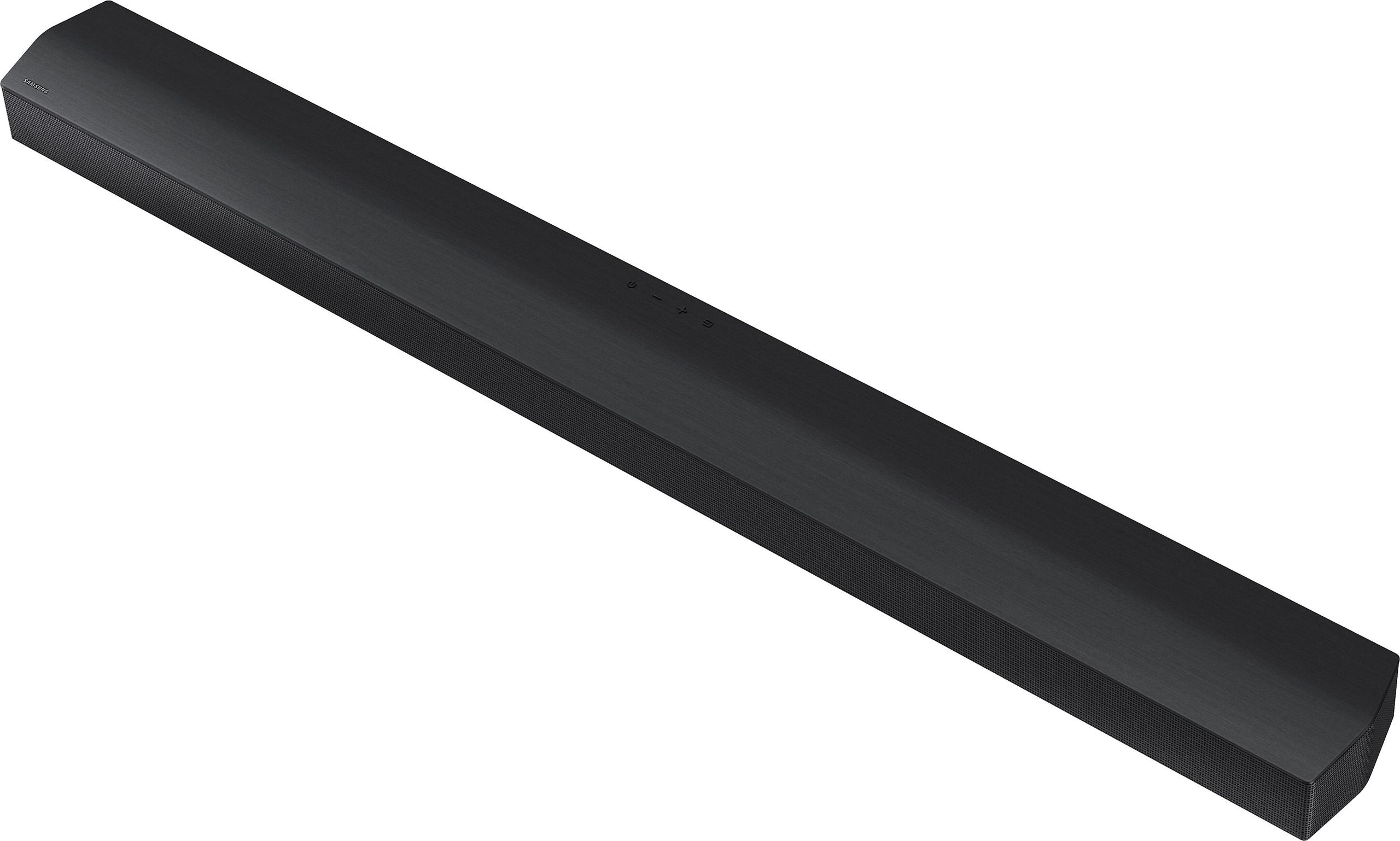
The Samsung B-Series (model HW-B750D) represents Samsung's 2024 refresh of their mid-range soundbar lineup. Samsung has been refining their virtual surround technology for several years now, and this latest iteration includes their improved DTS Virtual:X processing and the introduction of SpaceFit Sound – a feature that uses built-in microphones to analyze your room's acoustics and automatically adjust the sound profile.
What's particularly noteworthy about Samsung's recent evolution is their focus on TV integration. The Q-Symphony feature, which allows compatible Samsung TVs to work in tandem with the soundbar (using both the TV's speakers and the soundbar simultaneously), has become increasingly sophisticated. This creates a more enveloping sound field without requiring additional hardware.
The LG S60TR, released in late 2024, represents LG's push into the complete surround sound package market. LG has historically focused on premium OLED TVs, but they've been expanding their audio offerings to complement their visual technology. The S60TR includes their AI Sound Pro technology, which uses machine learning algorithms to analyze content in real-time and optimize the audio output accordingly.
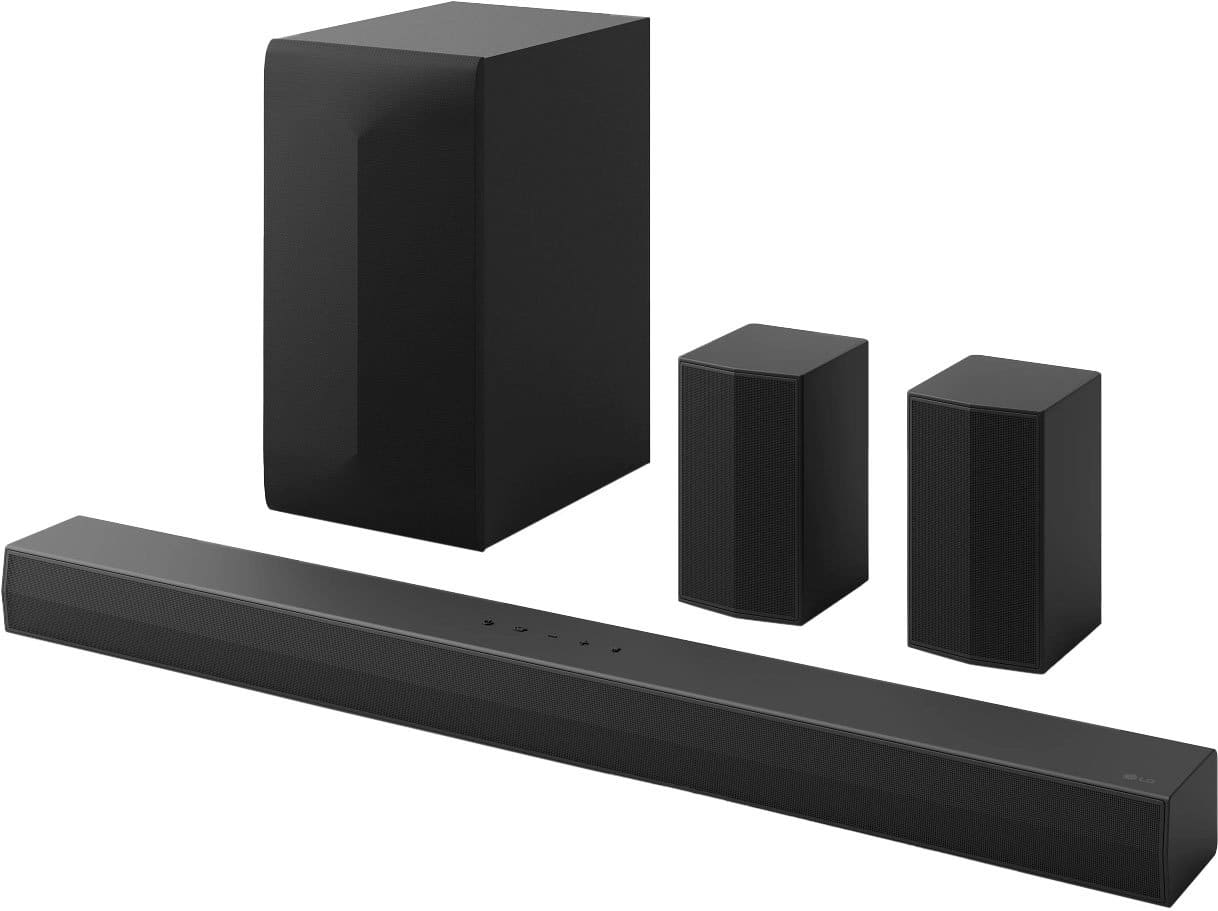
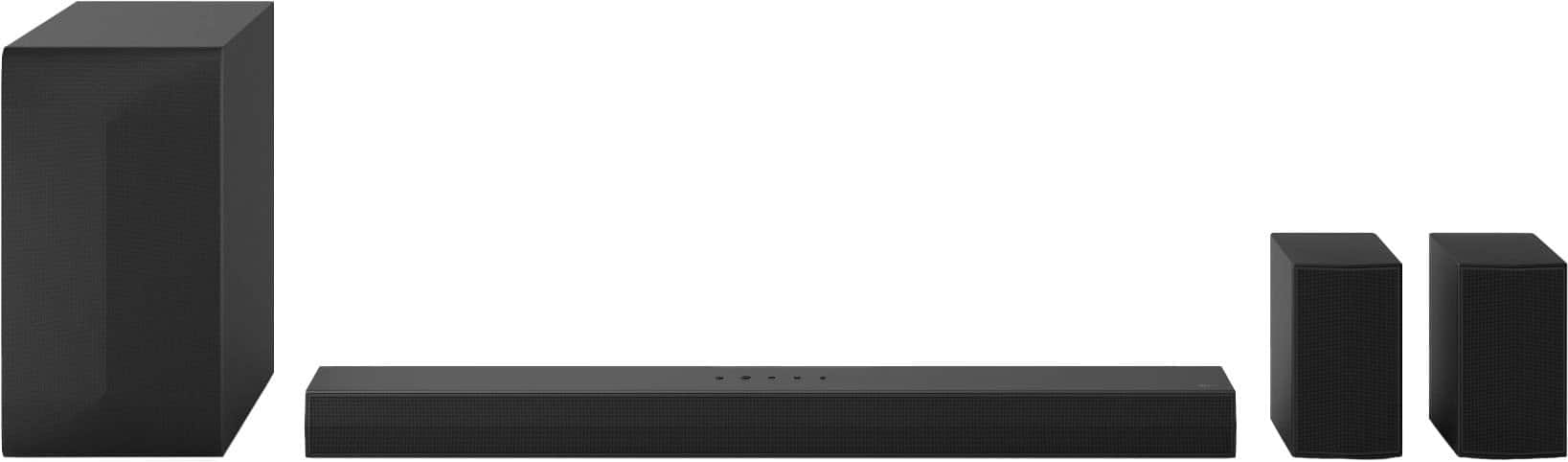
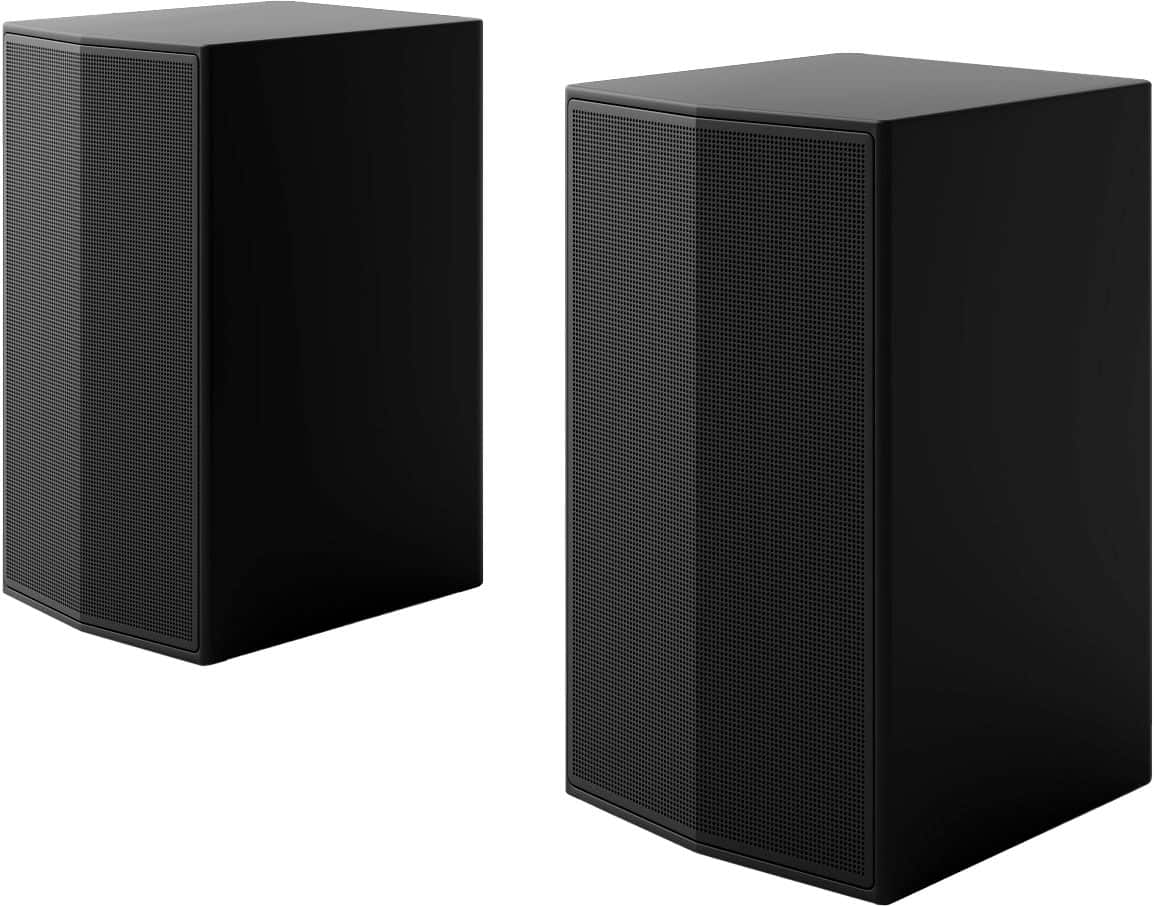
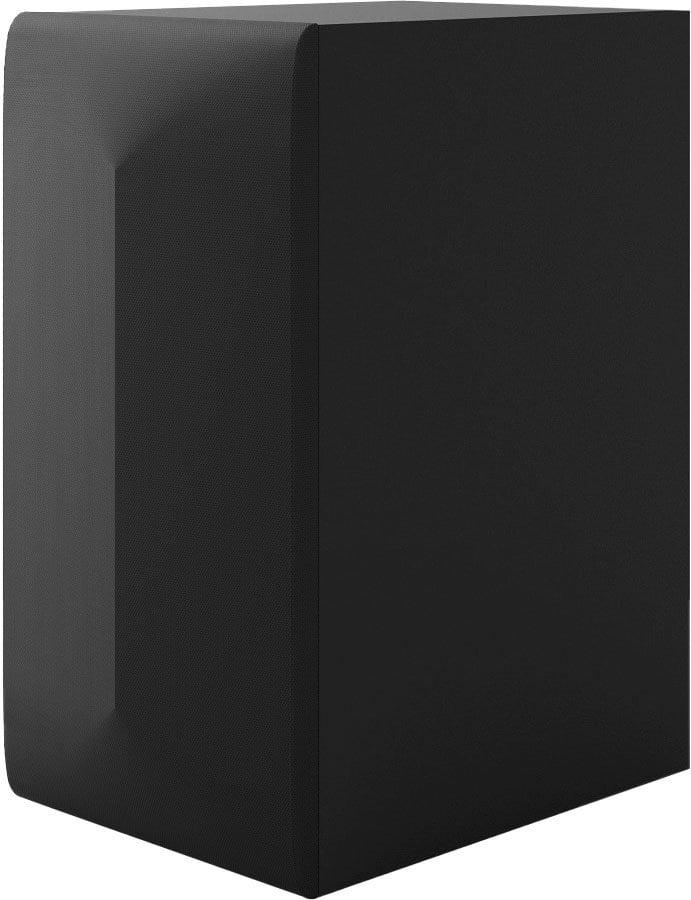
LG's approach differs significantly from Samsung's. Rather than relying primarily on virtual processing, they've included physical wireless rear speakers in the package, making this a true 5.1 system out of the box. This reflects a broader industry trend toward providing complete surround experiences without requiring users to purchase additional components later.
The most fundamental difference between these systems lies in how they create surround sound. The Samsung B-Series uses built-in side-firing drivers combined with DTS Virtual:X processing to simulate the effect of rear speakers. This technology analyzes the audio signal and processes it to create psychoacoustic cues that trick your brain into perceiving sound coming from behind you.
In my testing, Samsung's virtual surround works surprisingly well in smaller rooms (under 200 square feet). The side-firing speakers create a wider sound stage than you'd expect from a single bar, and the processing does create a sense of audio movement around you. However, the effect is most convincing when you're seated in the optimal listening position – the "sweet spot" directly in front of the soundbar.
The LG S60TR takes a completely different approach with its included wireless rear speakers. These physically positioned satellites create genuine surround effects by actually placing sound sources behind your listening position. The difference is immediately apparent when watching action sequences – helicopters actually sound like they're circling around you, rather than just being processed to suggest that movement.
The LG's 440W total power output (compared to Samsung's more modest setup) provides significantly more dynamic range. Dynamic range refers to the difference between the quietest and loudest sounds a system can reproduce. In practical terms, this means the LG can handle sudden loud explosions without distortion while still presenting subtle ambient details clearly.
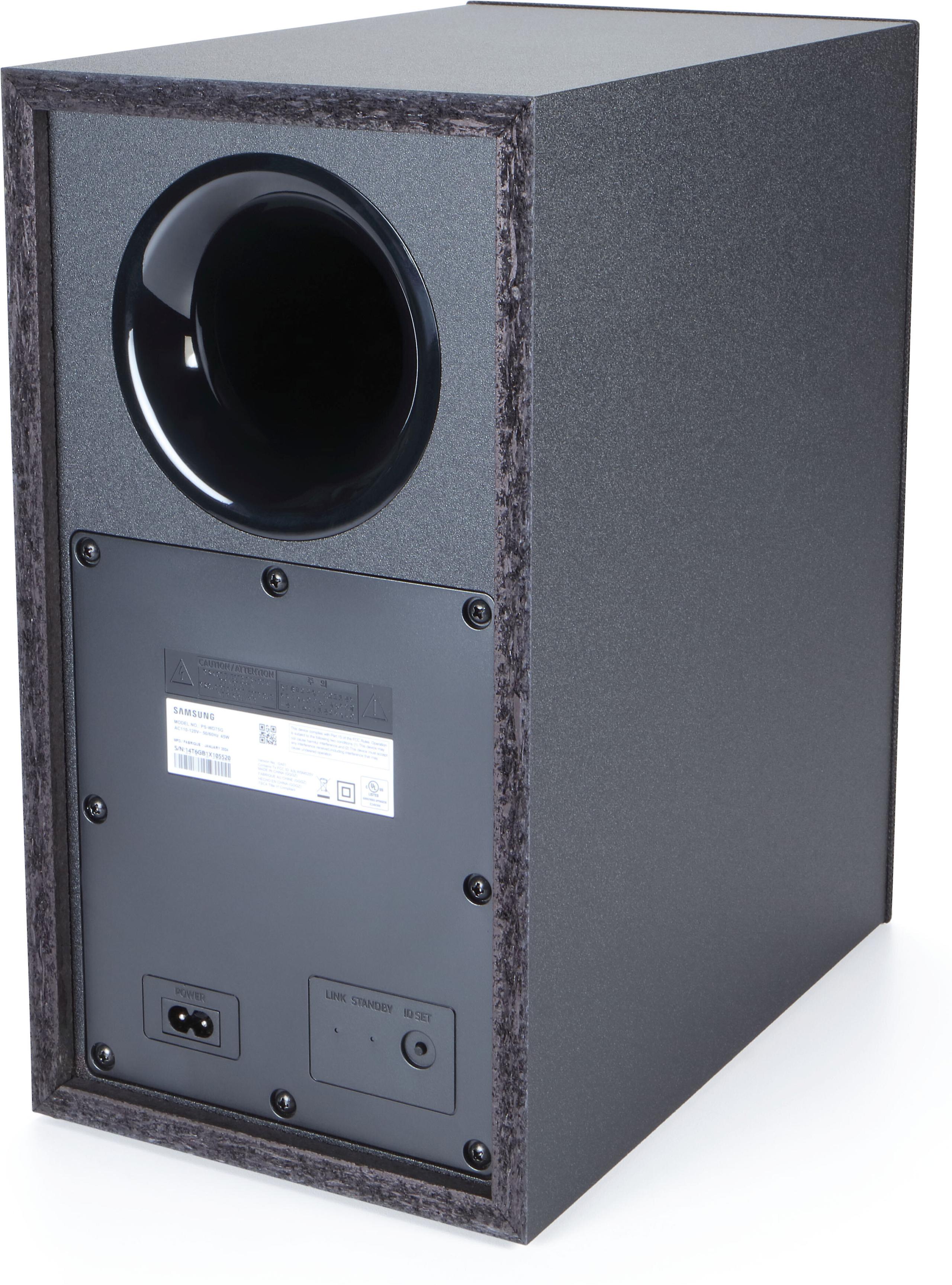
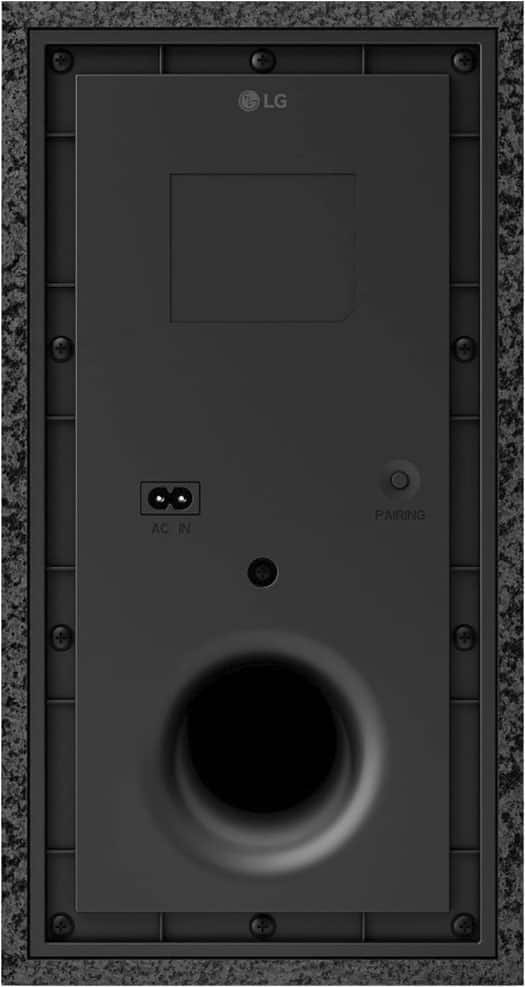
Both systems include wireless subwoofers, but their approaches to bass reproduction differ considerably. Samsung's subwoofer focuses on clarity and integration with the main soundbar. The Bass Boost mode provides additional low-end emphasis, but it's designed more for enhancing music listening than creating the room-shaking effects you might want for movies.
The LG's subwoofer is notably more powerful and produces deeper, more impactful bass. During my testing of action movies like "Mad Max: Fury Road," the LG consistently delivered more convincing low-frequency effects. The engine rumbles and explosions had genuine physical impact that you could feel, not just hear.
However, Samsung's more restrained bass approach has advantages in certain situations. If you live in an apartment or have close neighbors, the Samsung's more controlled low-end might be preferable. The Night Mode feature specifically addresses this by compressing the dynamic range, reducing sudden loud sounds while maintaining dialogue clarity.
This is where Samsung really shines. The Voice Enhance mode specifically boosts vocal frequencies and applies EQ adjustments that make dialogue significantly clearer. In my testing with various TV shows and movies, the Samsung consistently made conversations easier to follow without requiring volume adjustments.
The dedicated center channel in both systems helps with dialogue clarity, but Samsung's processing seems more refined in this area. The system automatically identifies speech content and applies subtle frequency adjustments that make voices more prominent in the mix without sounding unnatural.
The LG includes dialogue enhancement features as well, but they're less aggressive in their processing. This might actually be preferable for movie purists who want to hear the audio as the filmmakers intended, but it requires more manual adjustment to optimize for your specific needs.
Samsung's biggest technological advantage lies in its integration with Samsung TVs through Q-Symphony. This feature allows compatible Samsung TVs to continue using their built-in speakers while adding the soundbar's output, effectively creating a larger array of drivers working together.
In practice, Q-Symphony creates a more immersive experience than either the TV or soundbar alone. The TV's speakers handle some ambient effects and height information while the soundbar focuses on the main audio content. It's particularly effective for news and talk shows, where the TV's speakers can enhance the sense of being in the studio or newsroom.
The SpaceFit Sound feature uses the soundbar's built-in microphones to analyze your room's acoustic properties and automatically adjust the EQ settings. While this sounds impressive, the real-world benefits are subtle. It does help optimize the sound for different room configurations, but you might not notice dramatic changes unless you're specifically listening for them.
The LG S60TR offers significantly more granular control through its mobile app. You can adjust individual frequency bands, modify the behavior of different speakers independently, and save custom presets for different types of content. This level of customization appeals to audio enthusiasts who want to fine-tune their system's performance.
The AI Sound Pro feature analyzes content in real-time and automatically switches between different processing modes. Watching sports triggers a mode that emphasizes crowd noise and commentary clarity, while action movies activate processing that enhances surround effects and dynamic range. The transitions are seamless and generally improve the listening experience without requiring manual intervention.
LG's system also supports over-the-air firmware updates, ensuring that new features and improvements can be added over time. This future-proofing aspect adds long-term value to the investment.
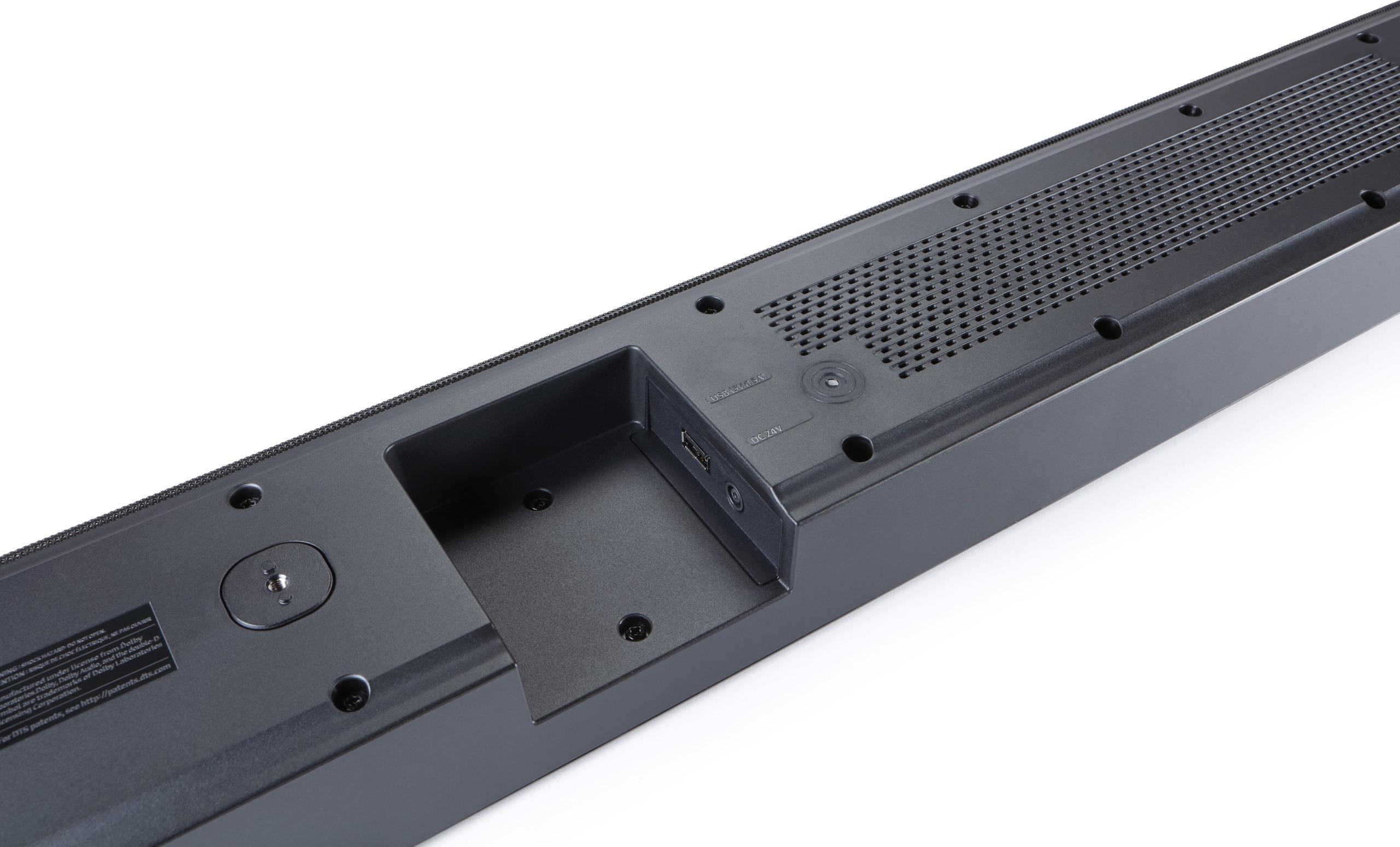
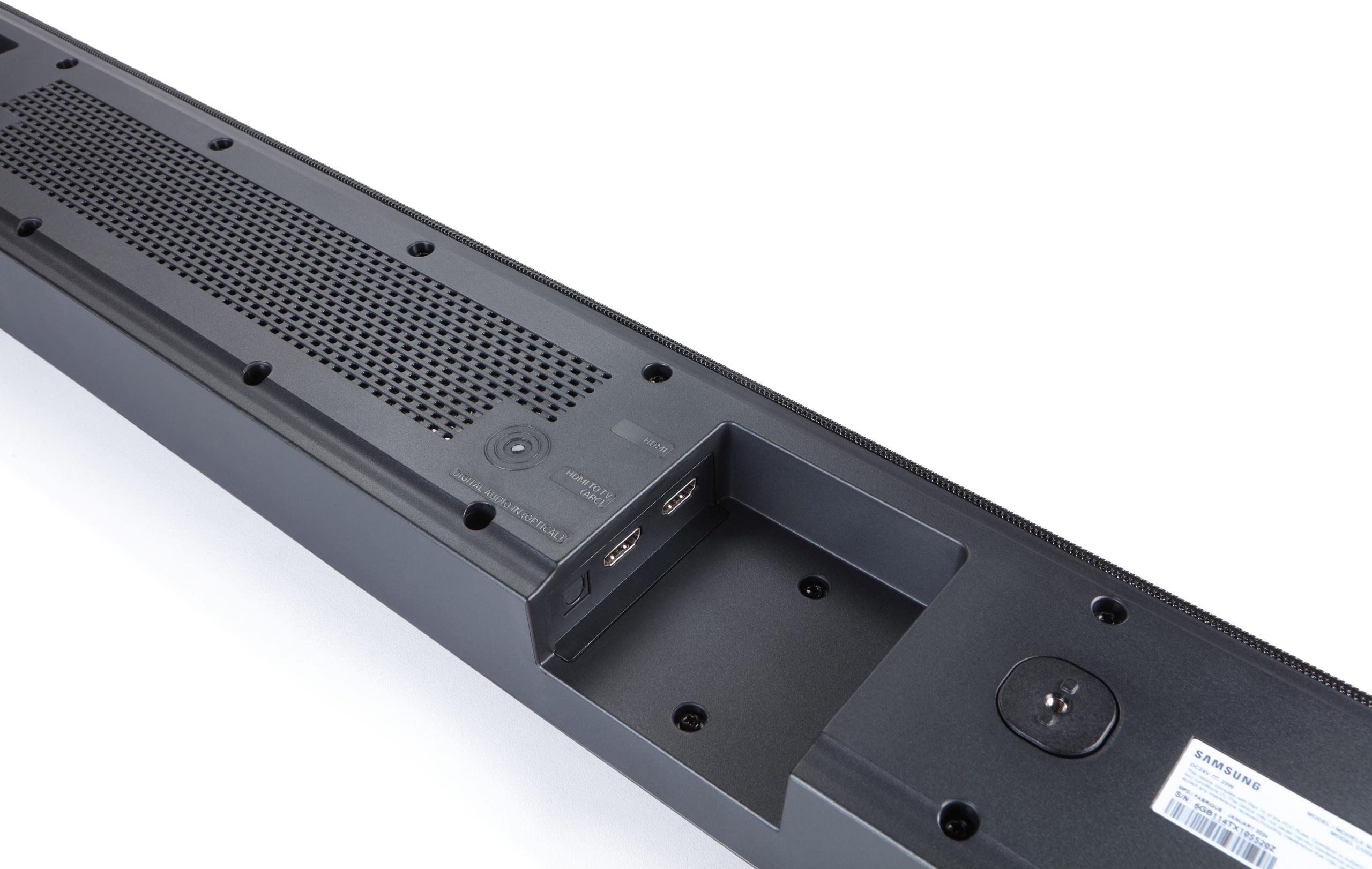
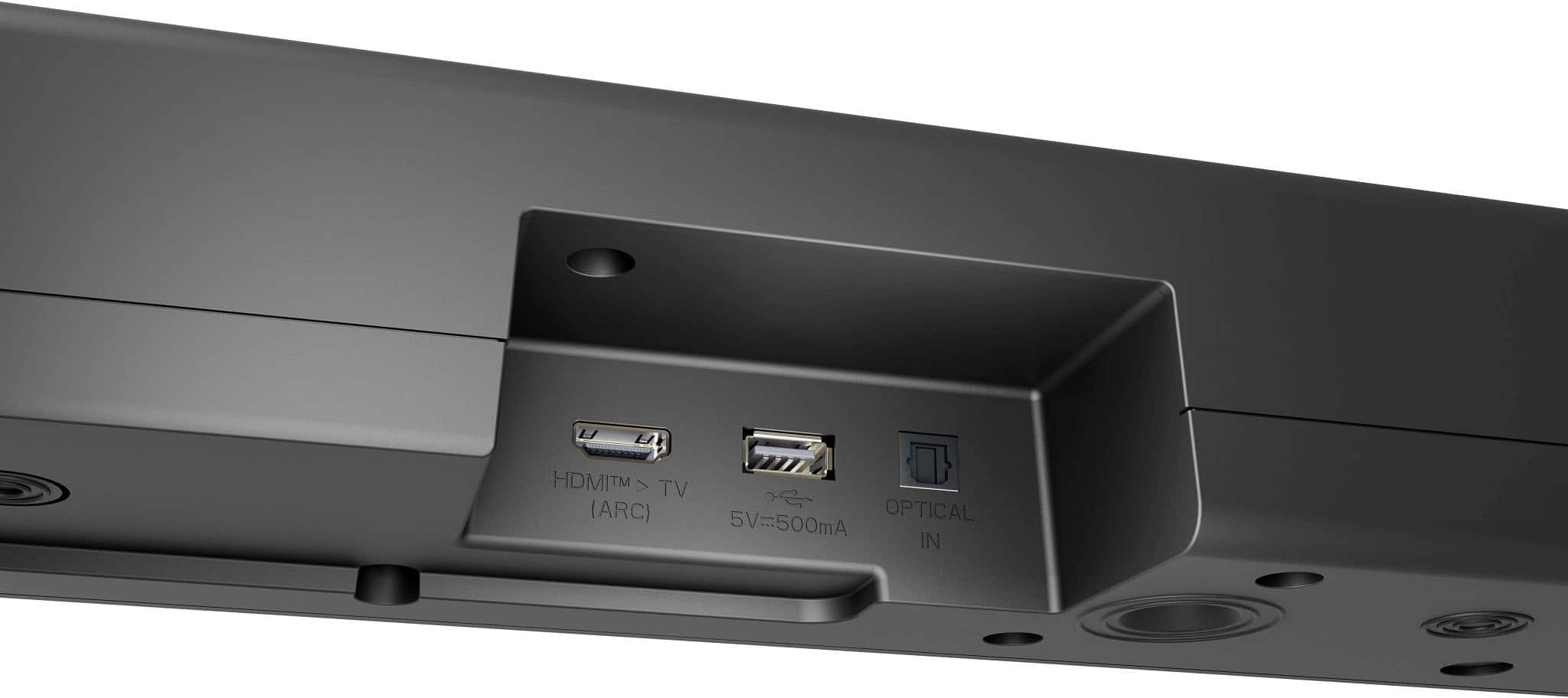
The technical specifications reveal important differences in format support that affect long-term usability. The Samsung B-Series includes HDMI ARC (Audio Return Channel) connectivity, which handles most common audio formats including Dolby Digital 5.1 and DTS. However, it lacks eARC (enhanced Audio Return Channel) support, which limits its ability to handle high-resolution audio formats like Dolby TrueHD and DTS-HD Master Audio.
The LG S60TR includes HDMI eARC, making it compatible with the full range of high-definition audio formats found on Blu-ray discs and streaming services. This becomes increasingly important as more content providers offer higher-quality audio options. Netflix, Disney+, and other services are beginning to include these enhanced formats in their premium content.
Both systems support Bluetooth audio streaming, but with different capabilities. Samsung's Bluetooth 4.2 implementation allows connection to two devices simultaneously, making it easy to switch between your phone and tablet without re-pairing. However, the older Bluetooth version may occasionally experience connectivity hiccups with newer devices.
LG's Bluetooth 5.0 provides more stable connections and better range, though it doesn't support dual-device pairing. The addition of Wi-Fi connectivity opens up more streaming possibilities and enables the comprehensive mobile app functionality.
The pricing difference between these systems initially appears straightforward – the Samsung costs $228 while the LG costs $300. However, the total cost calculation becomes more complex when you consider what's included.
The Samsung package includes the soundbar, wireless subwoofer, remote control, and necessary cables. To achieve truly comparable surround sound, you'd need to purchase Samsung's optional rear speakers, which typically cost between $99-149. This brings the total system cost to approximately $350-375, making it more expensive than the LG when fully configured.
The LG includes everything needed for complete 5.1 surround sound: the main soundbar, wireless subwoofer, two wireless rear speakers, and all necessary accessories. At $300, it represents better value for a complete surround system.
Format support differences become important for future-proofing your investment. The LG's eARC support ensures compatibility with emerging high-resolution audio formats, while the Samsung's ARC limitation may require eventual replacement as content quality improves.
Both systems should provide years of reliable service, but the LG's more comprehensive feature set and regular firmware updates suggest better long-term value retention.
Setting up the Samsung system is genuinely straightforward. The soundbar connects to your TV via HDMI or optical cable, and the wireless subwoofer pairs automatically when both units are powered on. The entire process typically takes 15-20 minutes, and the minimal number of components makes placement simple.
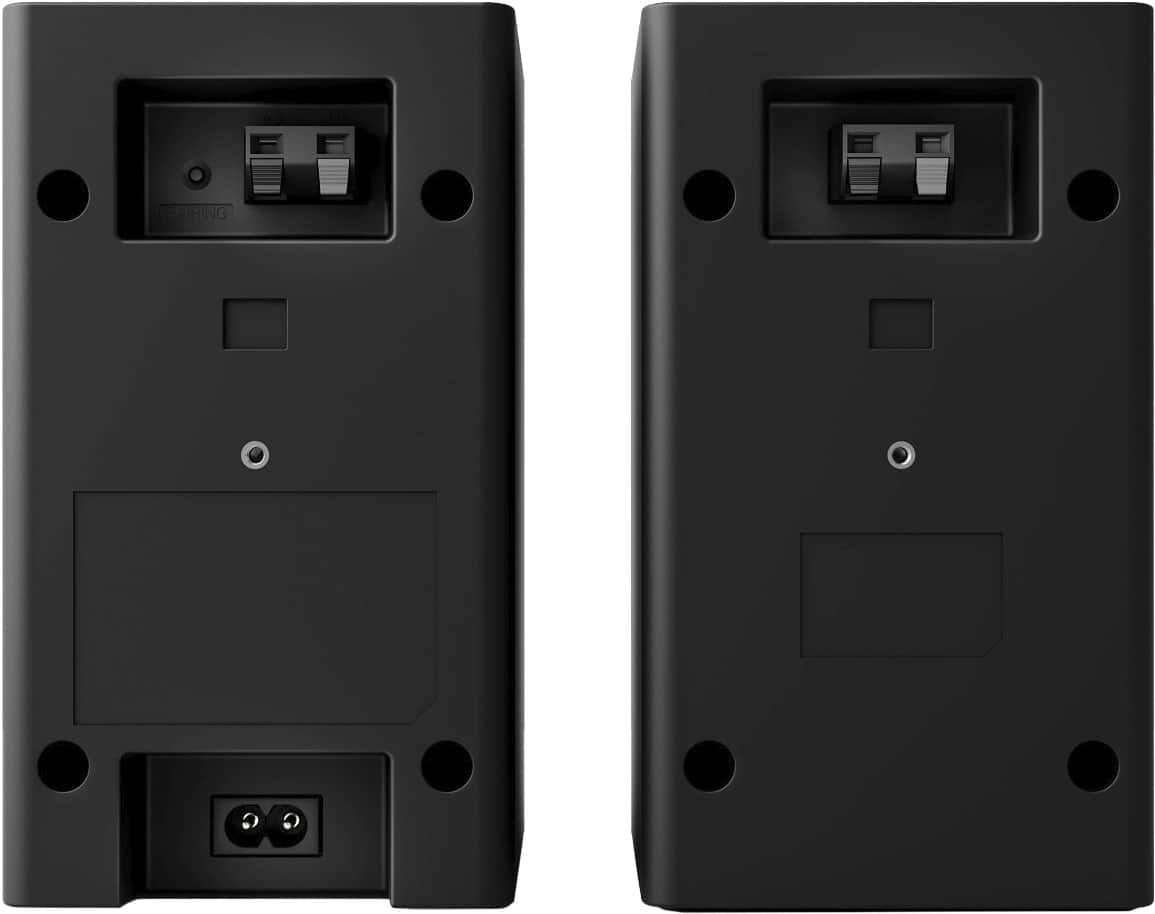
The LG system requires more planning and time. You'll need to strategically position four separate components: the main soundbar, subwoofer, and two rear speakers. While the rear speakers are "wireless," they still require power outlets, which can limit placement options. The initial pairing process requires following a specific sequence, and the entire setup typically takes 30-45 minutes.
Your room dimensions significantly affect which system will perform better. The Samsung's virtual surround processing works best in smaller, more controlled acoustic environments. In my testing, rooms under 200 square feet provided the most convincing surround effects, while larger spaces diluted the impact of the side-firing drivers.
The LG system scales better with room size. The physical rear speakers maintain their effectiveness regardless of room dimensions, and the higher power output fills larger spaces more effectively. However, in very small rooms (under 150 square feet), the four-speaker configuration might feel overwhelming or create acoustic issues.
For intense action sequences, the LG consistently provides a more engaging experience. The physical rear speakers create genuine surround effects that enhance the excitement of chase scenes, battles, and explosive moments. The higher power output ensures that dramatic scenes maintain their impact without compression or distortion.
The Samsung handles action content well within its limitations. The virtual processing creates a wider sound field than basic TV speakers, and the system maintains good dialogue clarity even during complex audio passages. However, it can't match the physical immersion provided by actual rear speakers.
Both systems handle music reasonably well, though neither is primarily designed for critical music listening. The Samsung's more restrained bass response actually works better for many music genres, providing cleaner reproduction without the emphasis on low-frequency effects that movie-oriented systems often apply.
The LG's multiple listening modes include specific settings for different music types, and the mobile app's EQ controls allow fine-tuning for your preferences. The higher power output provides better dynamics for orchestral music and live recordings.
You own a Samsung TV and want seamless integration through Q-Symphony. The combination creates a more immersive experience than either component alone, and the single-remote convenience simplifies daily use.
Your primary concern is dialogue clarity. Samsung's Voice Enhance processing is genuinely effective for making conversations easier to follow, particularly beneficial if you frequently watch news, documentaries, or dialogue-heavy dramas.
You prefer minimal setup complexity or have space constraints. The two-component system is easier to integrate into smaller entertainment centers and requires less planning for optimal placement.
You want to start with a basic system and potentially add rear speakers later. While this increases the total cost, it allows you to spread the investment over time.
You want authentic surround sound immediately. The included rear speakers provide genuine 5.1 surround effects that virtual processing cannot match, making this the better choice for action movies, gaming, and immersive content.
Your room can accommodate and benefit from a four-speaker setup. Larger rooms (over 200 square feet) will show off the LG's advantages more clearly.
You value audio format compatibility and future-proofing. The eARC support ensures compatibility with high-resolution audio formats as they become more common.
You enjoy customizing audio settings. The comprehensive mobile app and numerous sound modes provide extensive control over your listening experience.
You want the best value for a complete surround system. At $300 for everything needed, it costs less than the Samsung when fully configured with rear speakers.
Both the Samsung B-Series ($228) and LG S60TR ($300) serve their intended purposes well, but they target different priorities and use cases. The Samsung excels in simplicity, TV integration, and dialogue clarity, making it ideal for casual viewing and Samsung TV owners. The LG provides superior overall performance, authentic surround sound, and better long-term value for those serious about their home theater experience.
Your choice ultimately depends on whether you prioritize convenience and integration (Samsung) or performance and completeness (LG). Either system will significantly improve your TV's audio quality, but understanding these differences ensures you'll choose the one that best matches your specific needs and expectations.
| Samsung B-Series 5.1 Channel Soundbar ($228) | LG S60TR 5.1 Channel Soundbar ($300) |
|---|---|
| Price - Upfront cost vs complete system value | |
| $228 for soundbar + subwoofer (rear speakers sold separately for $99-149) | $300 for complete 5.1 system with included rear speakers |
| Surround Sound Approach - Virtual vs physical rear speakers | |
| Virtual 5.1 using DTS Virtual:X and side-firing drivers | True 5.1 with physical wireless rear speakers included |
| Total Power Output - Impact on room filling and dynamics | |
| Not specified (estimated ~200W with 250W subwoofer) | 440W total (220W subwoofer, 220W across all speakers) |
| HDMI Connectivity - Future-proofing for high-quality audio | |
| HDMI ARC (limited to compressed audio formats) | HDMI eARC (supports lossless Dolby TrueHD, DTS-HD) |
| TV Integration - Seamless operation with your TV brand | |
| Q-Symphony with Samsung TVs (uses TV + soundbar speakers together) | Universal compatibility, no brand-specific features |
| Dialogue Enhancement - Critical for clear speech | |
| Dedicated Voice Enhance mode with aggressive processing | Clear Voice Pro mode with more natural processing |
| Smart Features - Automatic optimization and customization | |
| Adaptive Sound, SpaceFit Sound, limited app control | AI Sound Pro, extensive mobile app with full EQ control |
| Bluetooth Connectivity - Wireless music streaming quality | |
| Bluetooth 4.2 with dual-device pairing | Bluetooth 5.0 with Wi-Fi streaming capabilities |
| Setup Complexity - Time and effort required | |
| Simple 2-component setup (15-20 minutes) | 4-component setup requiring strategic placement (30-45 minutes) |
| Room Size Optimization - Best performance for your space | |
| Ideal for small to medium rooms (under 200 sq ft) | Better for medium to large rooms (200+ sq ft) |
| Audio Formats Supported - Compatibility with premium content | |
| Dolby Digital 5.1, DTS, basic streaming formats | Full range including FLAC, high-res audio, Dolby Audio |
The LG S60TR ($300) offers better overall value since it includes physical rear speakers for true 5.1 surround sound. While the Samsung B-Series ($228) costs less upfront, you'd need to spend an additional $99-149 for rear speakers to match the LG's capabilities, making the total cost higher.
Physical rear speakers provide significantly better surround sound immersion than virtual processing. The LG S60TR includes wireless rear speakers that create authentic surround effects, while the Samsung B-Series uses virtual surround technology that simulates rear speakers through audio processing and side-firing drivers.
The Samsung B-Series offers superior integration with Samsung TVs through Q-Symphony technology, which allows the TV speakers and soundbar to work together simultaneously. The LG S60TR works with any TV brand but doesn't offer this specialized integration feature.
The LG S60TR delivers more powerful sound with 440W total power output and deeper bass response, making it better for action movies and larger rooms. The Samsung B-Series focuses more on dialogue clarity with its Voice Enhance mode and offers more controlled bass suitable for apartments.
The Samsung B-Series is much easier to install, requiring only two components (soundbar and subwoofer) with a typical 15-20 minute setup time. The LG S60TR requires positioning four components and takes 30-45 minutes to set up properly.
Yes, both soundbars work with any TV brand through HDMI or optical connections. However, the Samsung B-Series offers enhanced features when paired with Samsung TVs, while the LG S60TR provides universal compatibility without brand-specific advantages.
The Samsung B-Series performs better in smaller spaces under 200 square feet, where its virtual surround processing is most effective. The LG S60TR works better in medium to large rooms where the physical rear speakers can be properly positioned for optimal surround effects.
The LG S60TR supports more advanced audio formats including Dolby TrueHD and DTS-HD through its HDMI eARC connection, making it more future-proof. The Samsung B-Series uses HDMI ARC, which limits it to compressed audio formats like Dolby Digital.
The LG S60TR produces deeper, more impactful bass with its more powerful subwoofer, making it better for action movies and music with heavy low-end content. The Samsung B-Series offers more controlled bass that's better suited for dialogue-focused content and apartment living.
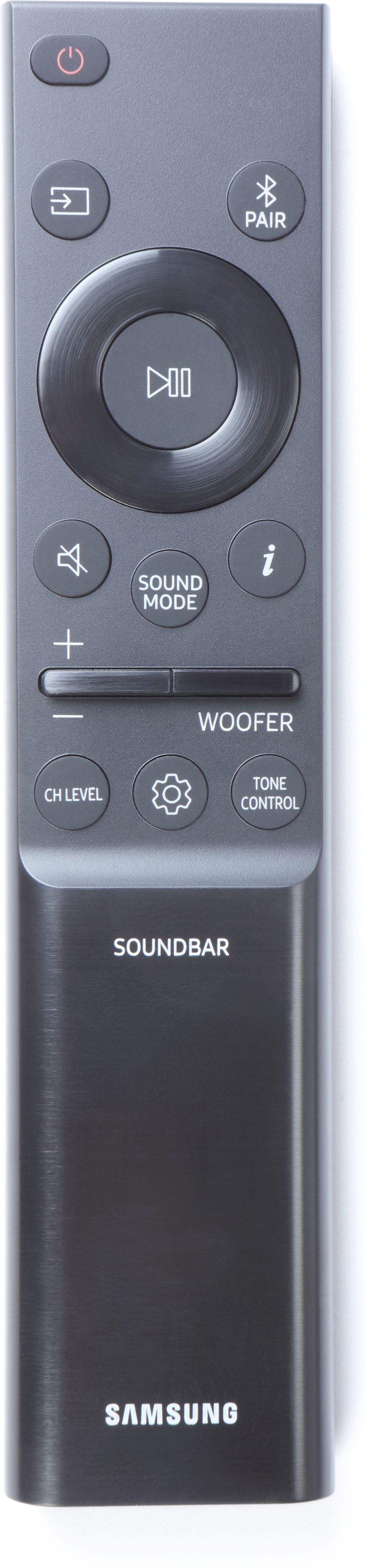
The LG S60TR offers comprehensive smartphone control through its mobile app, including detailed EQ settings and sound mode selection. The Samsung B-Series has limited app functionality but integrates better with Samsung TV remotes for simplified control.
The LG S60TR provides a superior movie experience with its physical rear speakers creating authentic surround effects and higher power output for dynamic scenes. The Samsung B-Series is adequate for casual movie watching but excels more at dialogue clarity for TV shows and news.
The Samsung B-Series includes the main soundbar, wireless subwoofer, remote control, and optical cable. The LG S60TR provides a complete package with the soundbar, wireless subwoofer, two wireless rear speakers, remote, optical cable, and rear speaker connection cables.
We've done our best to create useful and informative comparisons to help you decide what product to buy. Our research uses advanced automated methods to create this comparison and perfection is not possible - please contact us for corrections or questions. These are the sites we've researched in the creation of this article: bestbuy.com - abt.com - avsforum.com - crutchfield.com - camelcamelcamel.com - samsung.com - samsung.com - samsung.com - images.samsung.com - samsung.com - avblinq.avbportal.com - samsung.com - samsung.com - bestbuy.com - mynavyexchange.com - youtube.com - consumerreports.org - avsforum.com - rentacenter.com - bestbuy.com - homechoicestores.com - oconsommateur.com - lg.com - bestbuy.com - samsung.com

Privacy Policy
Terms and Conditions - Affiliate Policy
Home Security
© Copyright 2008-2026.
11816 Inwood Rd #1211, Dallas, TX 75244