



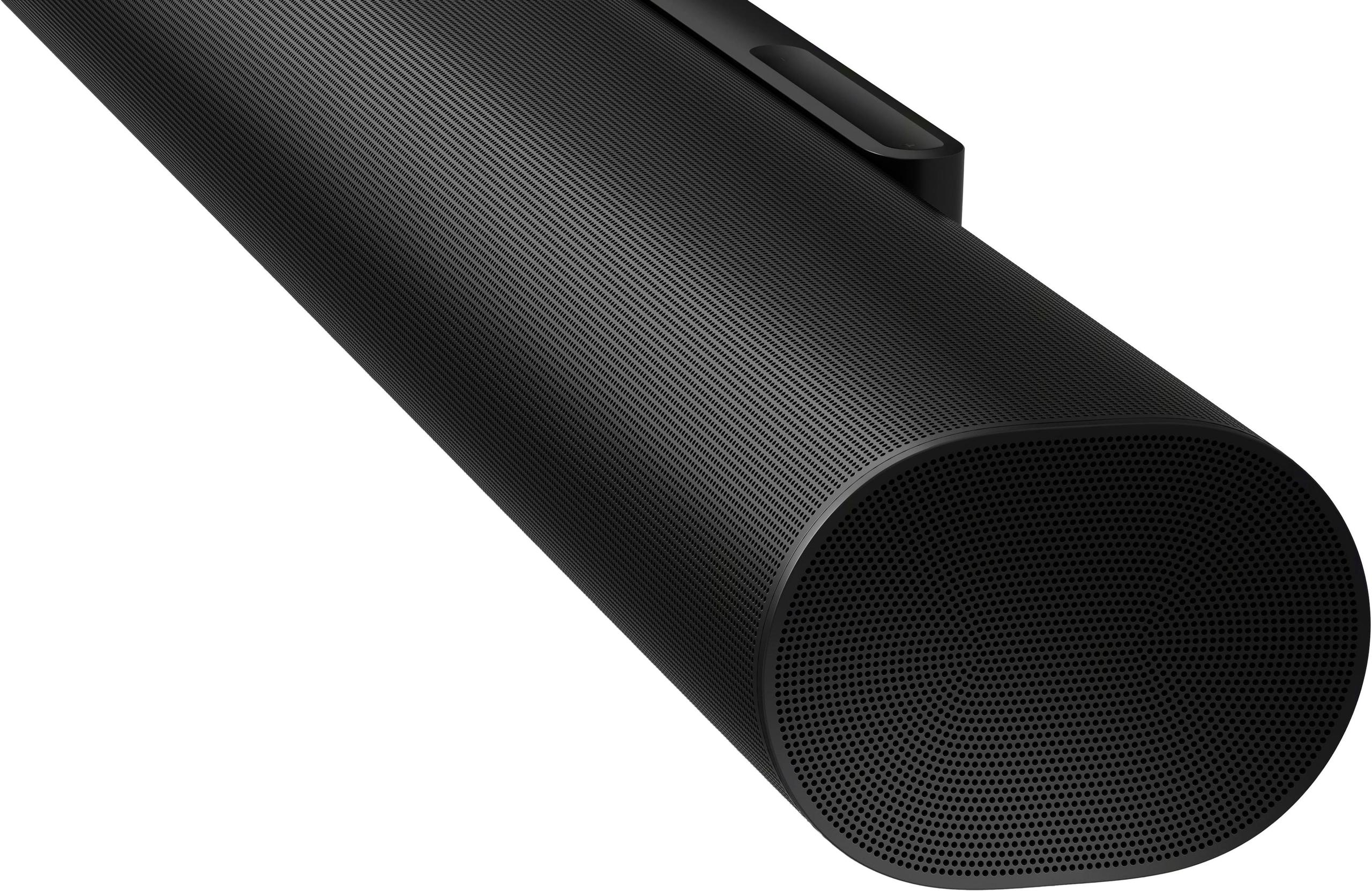
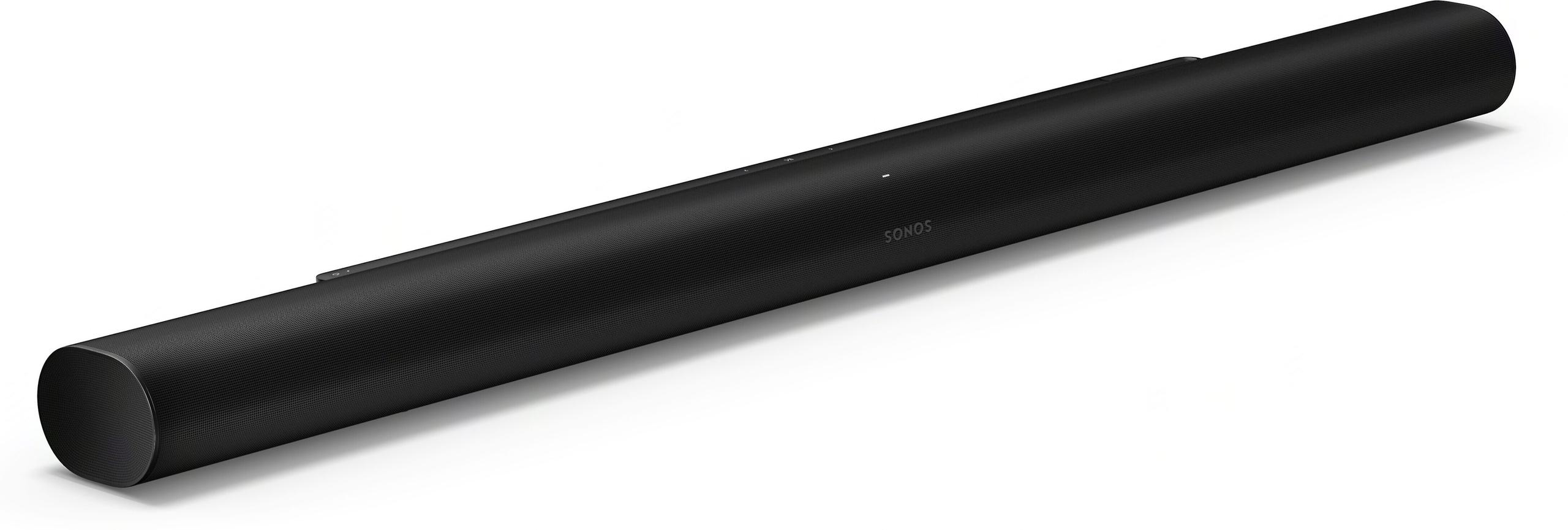
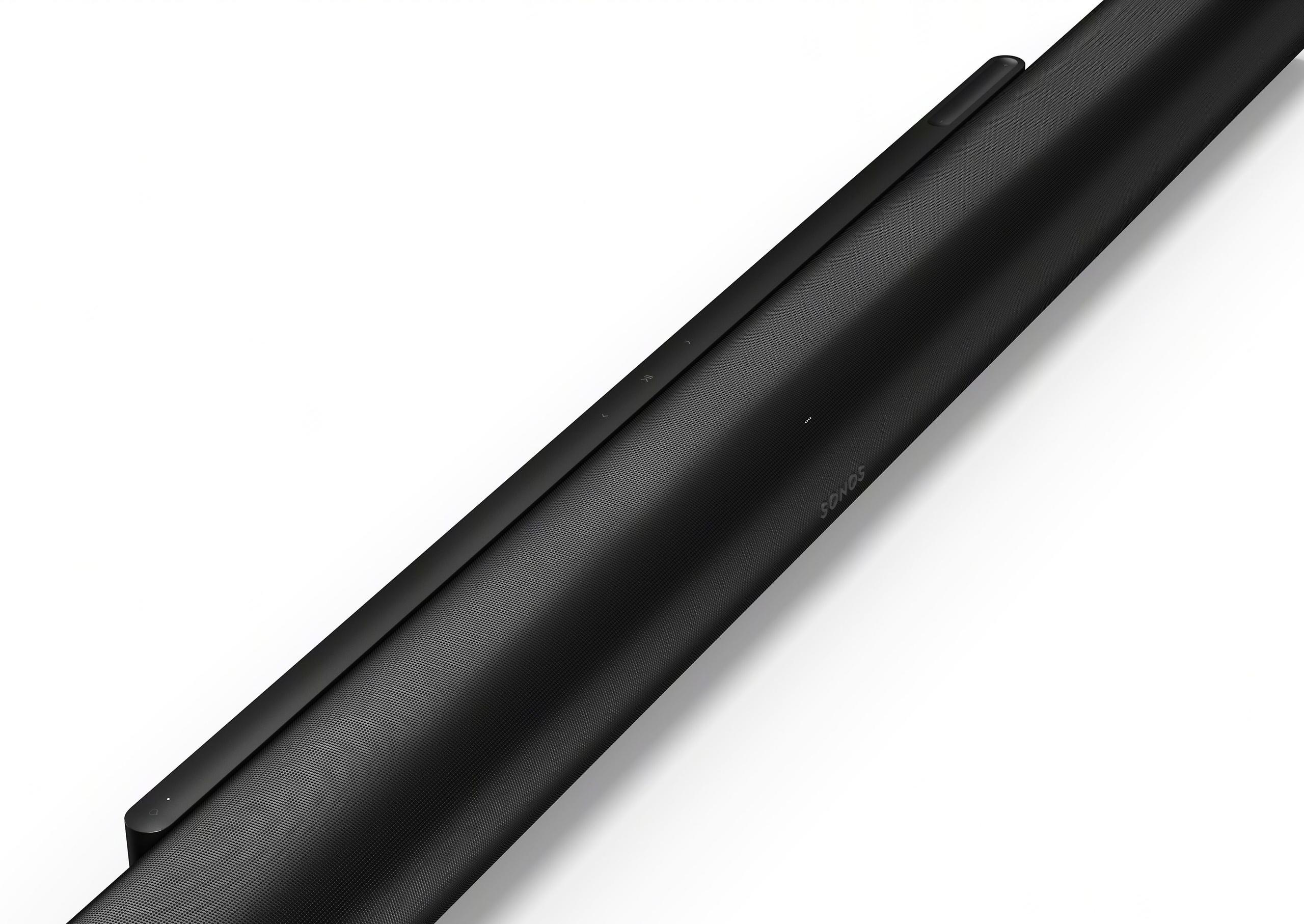





When you're ready to upgrade from your TV's built-in speakers, the soundbar market can feel overwhelming. Two products that represent completely different philosophies are the Sonos Arc Ultra ($999) and the LG S60TR ($300). These aren't just different price points – they're fundamentally different approaches to solving the same problem: how to get great sound without a full home theater receiver setup.
Before diving into specifics, let's talk about what actually matters in a soundbar. The goal is simple: make your movies, shows, and music sound dramatically better than what comes out of your TV. But achieving that involves several moving parts.
Surround sound is probably the biggest factor. This means creating the illusion that sound is coming from all around you, not just from the front. Traditional home theaters use multiple speakers placed around the room, but soundbars have to get creative. Some use fancy processing to "bounce" sound off your walls (called virtualization), while others include actual wireless speakers you place behind your couch.
Bass response is equally crucial. Those rumbling explosions and thumping music tracks need low-frequency drivers (subwoofers) to sound convincing. Some soundbars try to handle this internally, while others include a separate subwoofer box.
Dialogue clarity might be the most practical consideration. If you've ever found yourself constantly adjusting volume because you can't hear conversations over the background music, you'll appreciate soundbars that specifically address this common problem.
The premium soundbar category has evolved significantly over the past few years, particularly with the rise of Dolby Atmos – a technology that adds height information to audio, making helicopters seem to fly overhead rather than just left-to-right across your room.
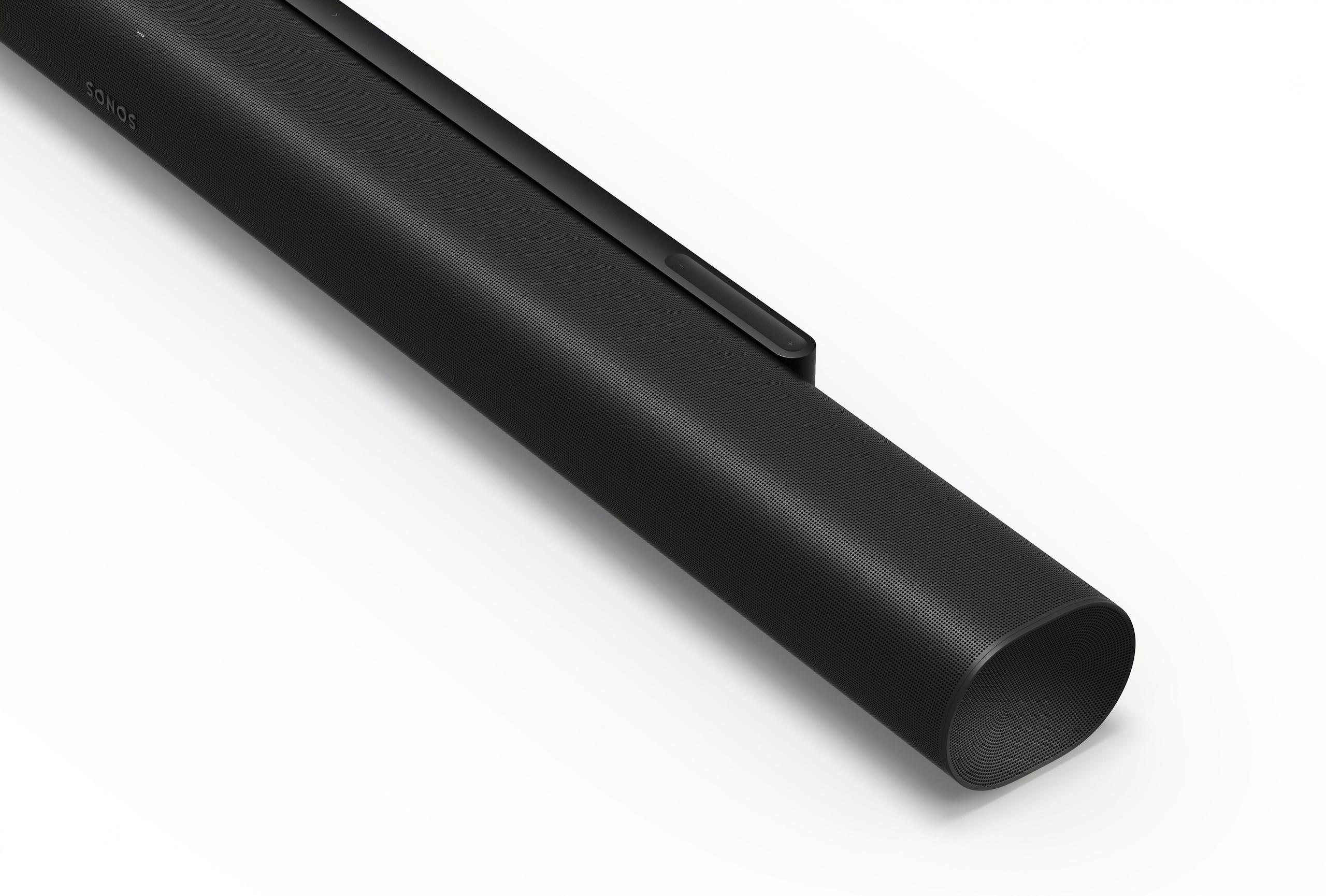
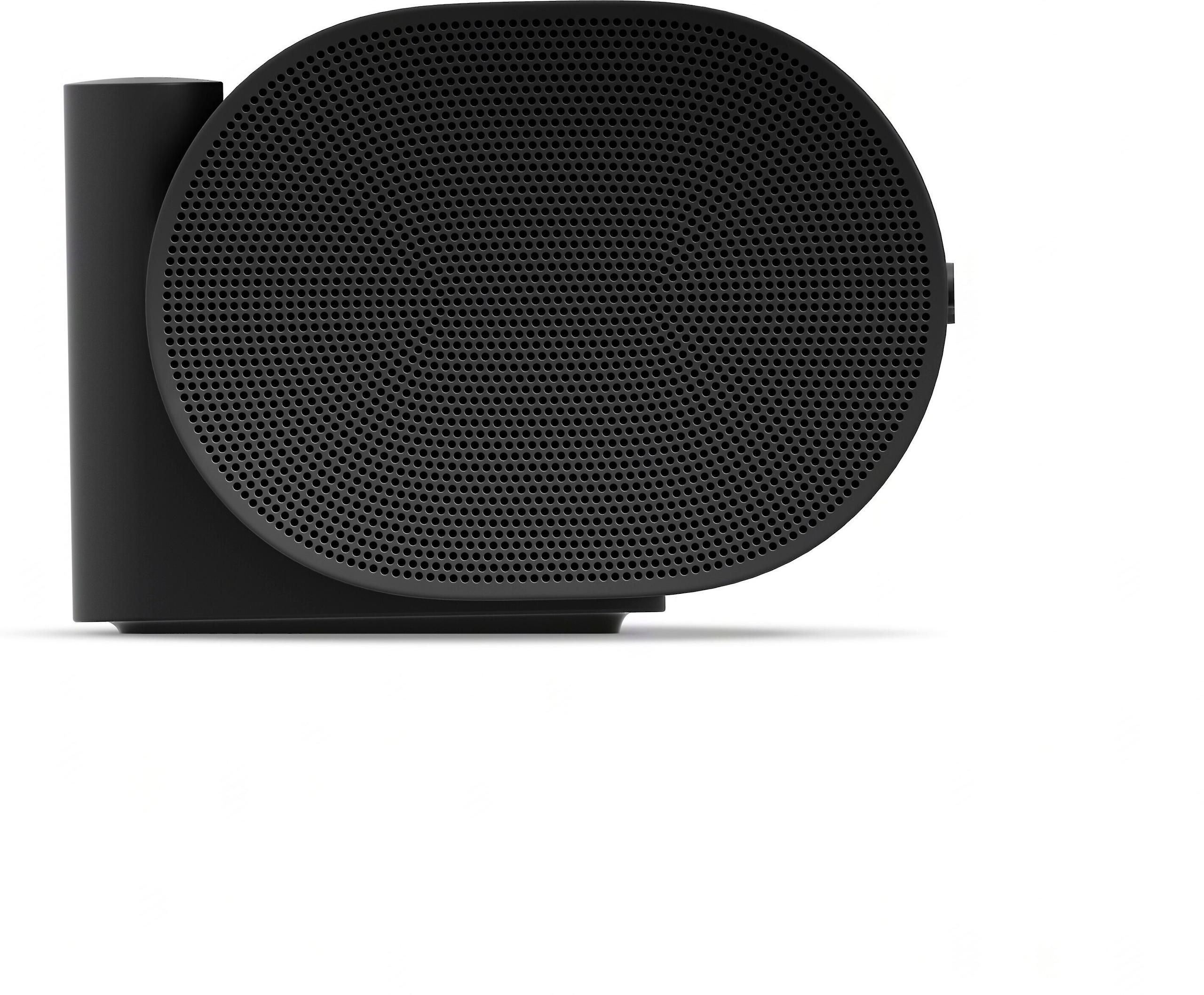
The Sonos Arc Ultra, released in late 2024, represents the cutting edge of single-bar audio technology. It's Sonos's flagship replacement for the original Arc, incorporating their revolutionary Sound Motion technology that shrinks traditional subwoofer components into a sleek profile. At $999, it's positioning itself as the premium choice for those who want the latest audio processing without the complexity of multiple speakers.
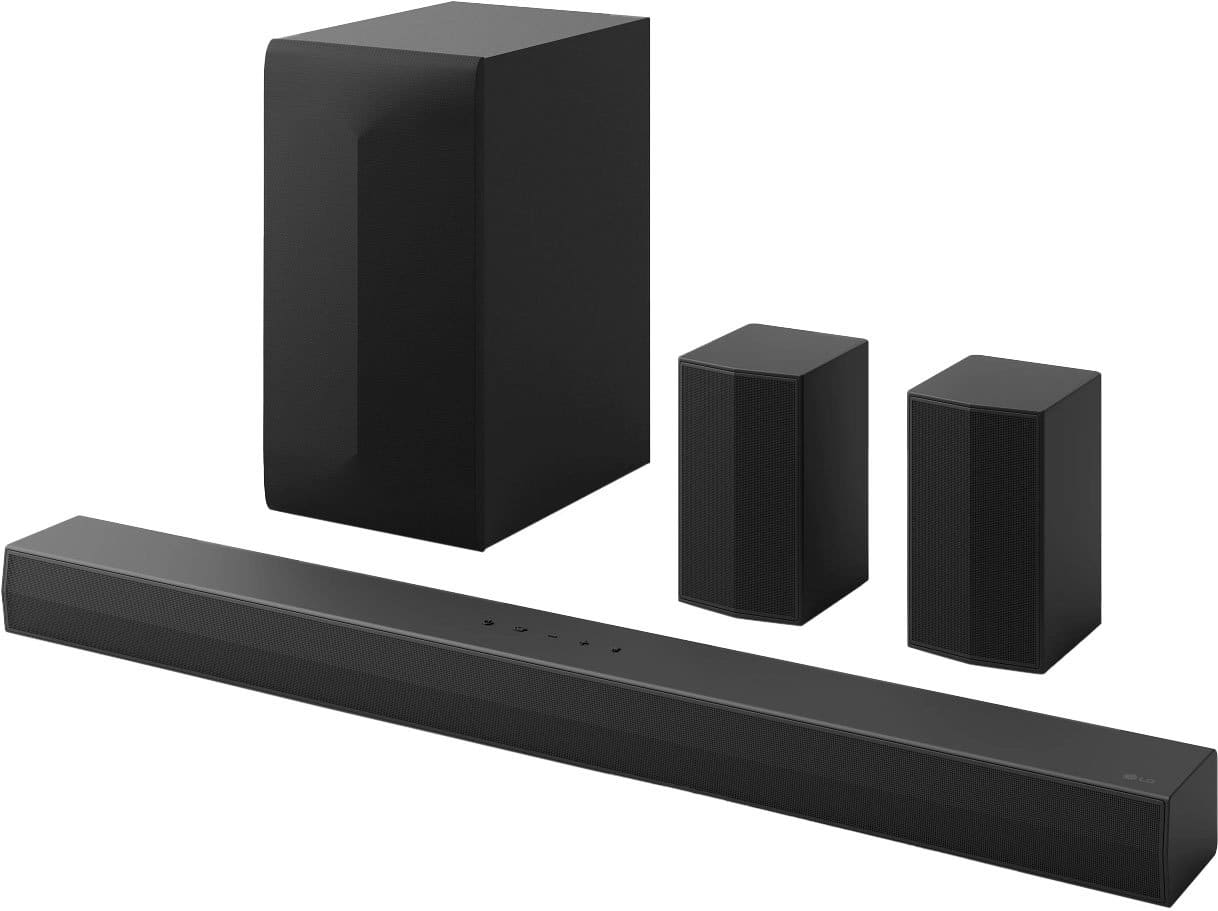
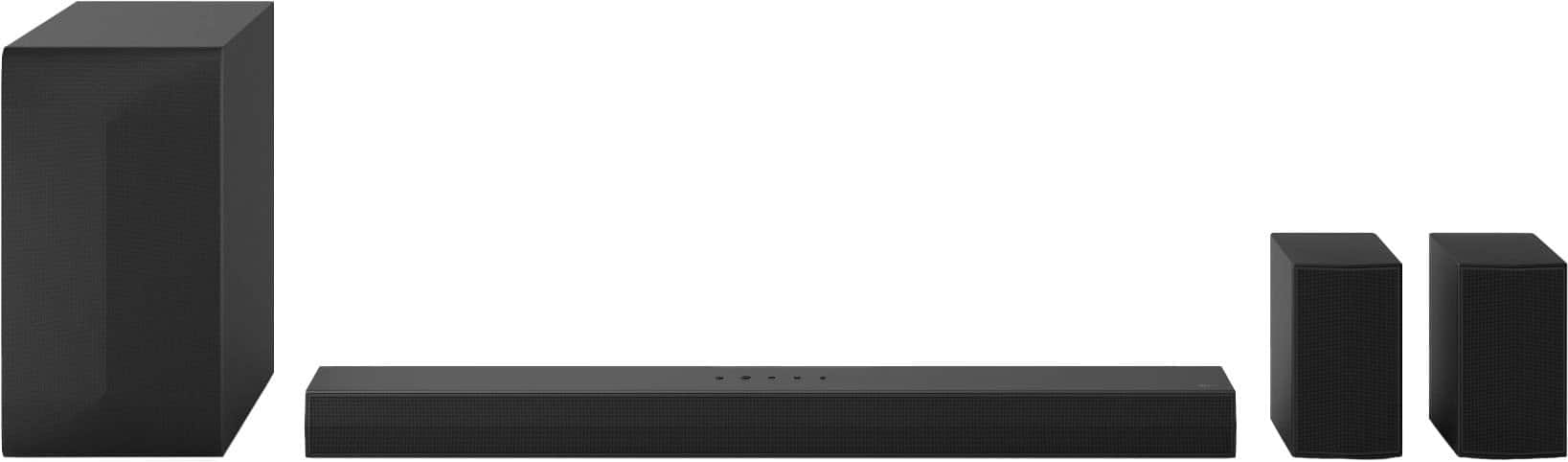
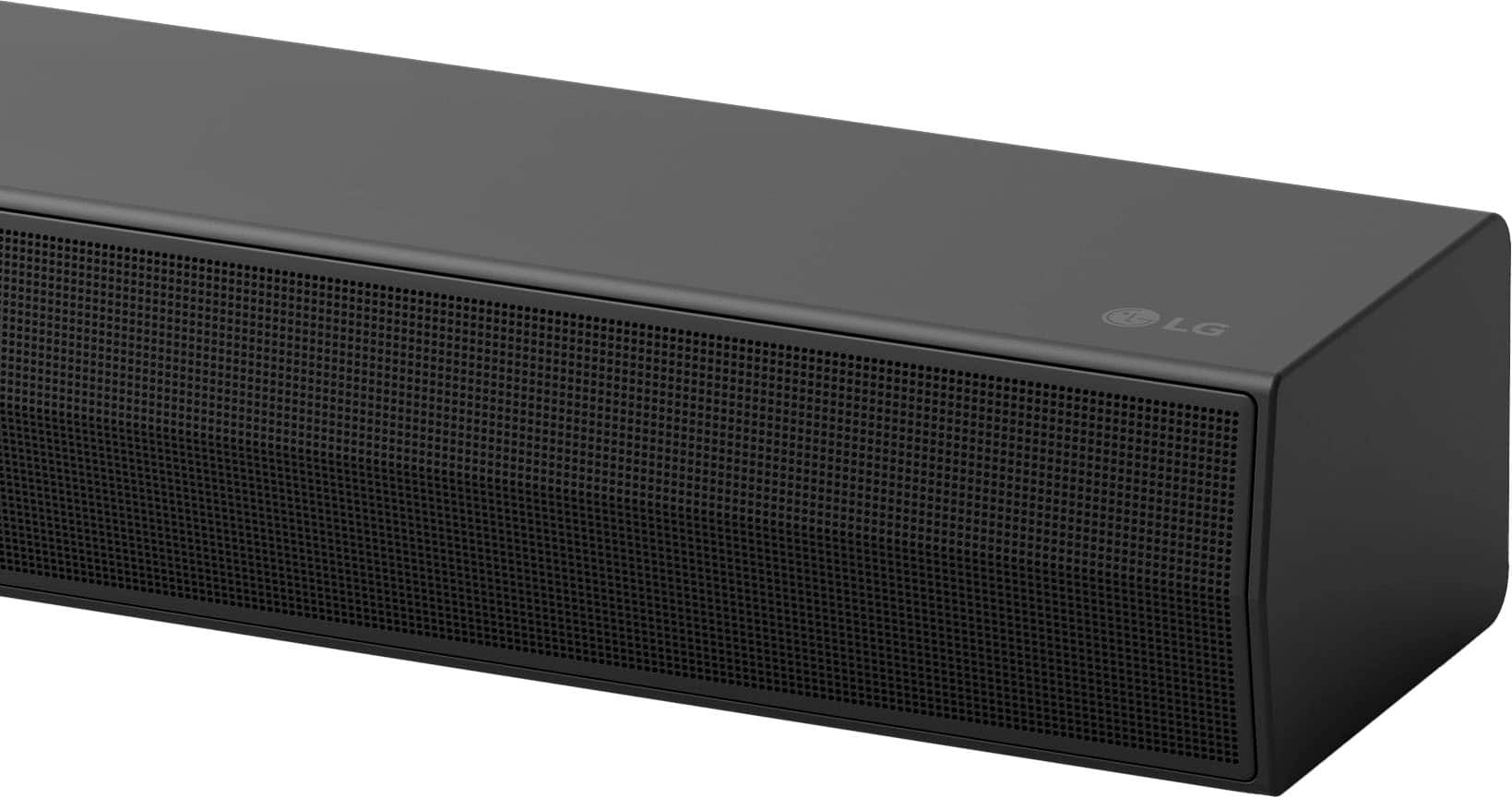
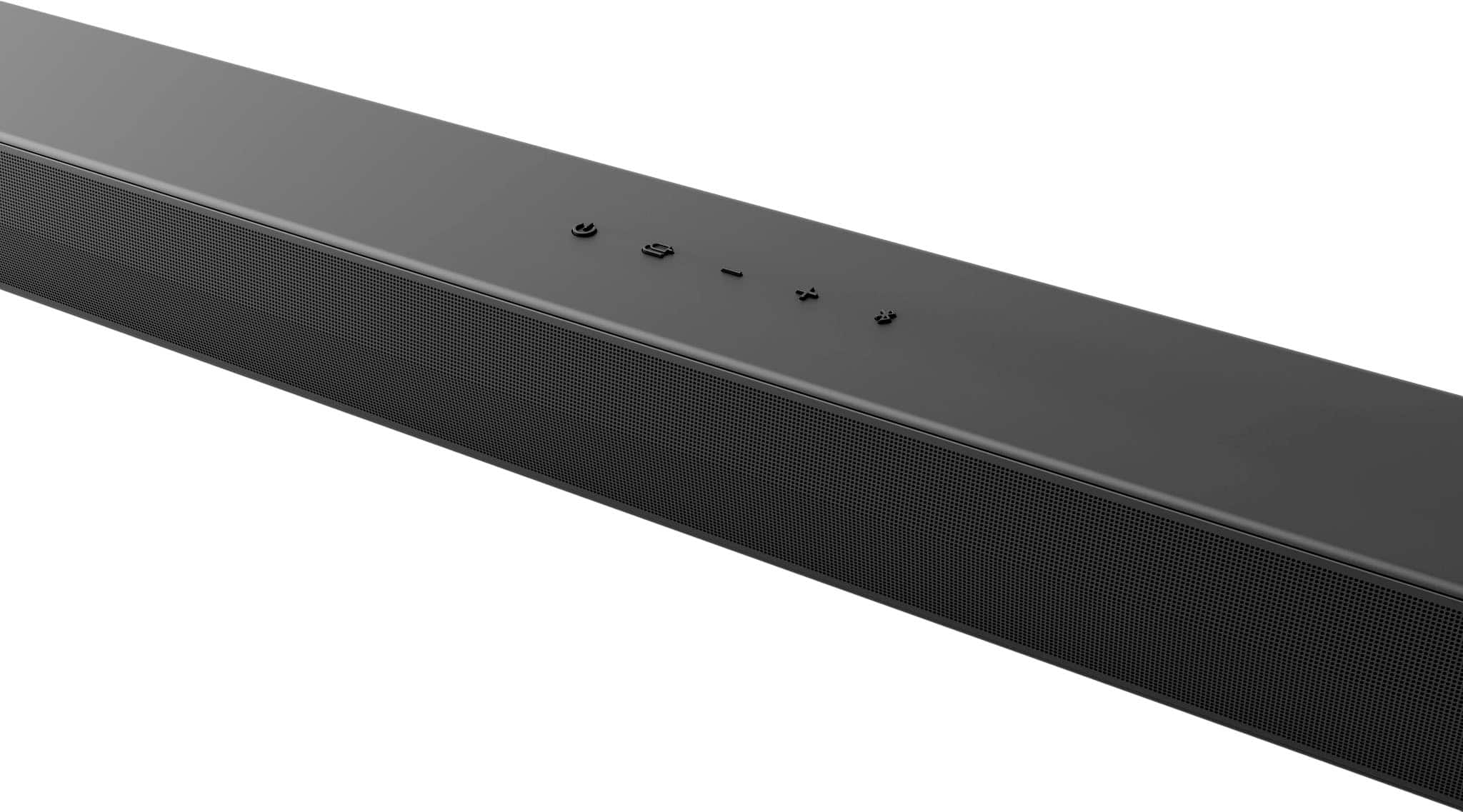
The LG S60TR, launched in 2021, takes the traditional approach: give you actual surround speakers and a real subwoofer, but keep the price reasonable at $300. It's part of LG's strategy to offer true 5.1 surround (five main speakers plus one subwoofer) without breaking the bank.
The three-year gap between these releases matters more than you might think. The Sonos benefits from newer processing chips, more advanced room correction algorithms, and lessons learned from years of customer feedback. Meanwhile, the LG represents proven technology that was already mature when it launched.
This is where the philosophical differences become crystal clear. Bass reproduction – those low rumbling frequencies below about 80Hz – traditionally requires large drivers and substantial air movement. Physics hasn't changed, but engineering approaches have.
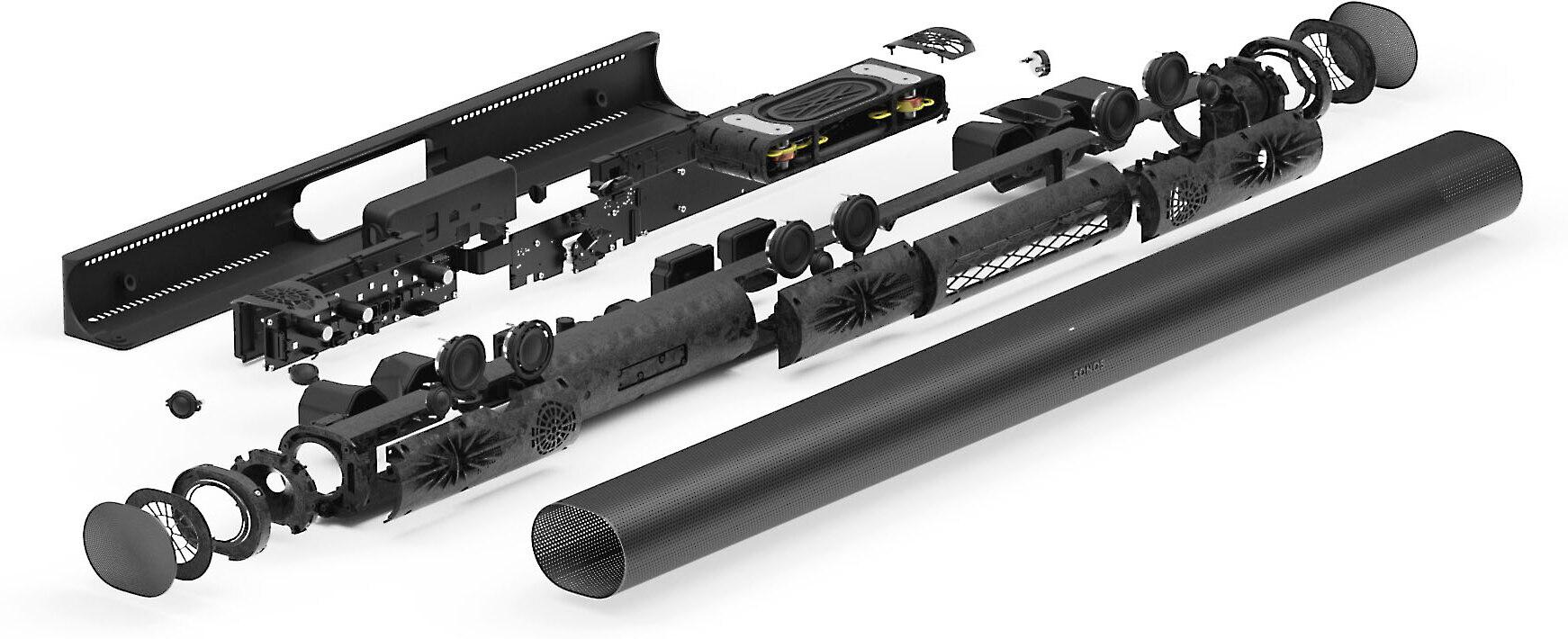
The Sonos Arc Ultra's most impressive innovation is its Sound Motion technology. Instead of traditional cone woofers that push air back and forth, Sound Motion uses a completely different mechanism that achieves similar results in a much smaller package. Think of it like the difference between a traditional piston engine and a rotary engine – different mechanical approach, similar end result.
In practice, this means the Arc Ultra can produce surprisingly deep bass from its slim 3.13-inch tall profile. During my testing with action movies, the bass was present and impactful, though it lacks the physical presence you get from a dedicated subwoofer. It's the kind of bass that works great in an apartment where you don't want to annoy neighbors, or in a living room where aesthetics matter more than maximum impact.
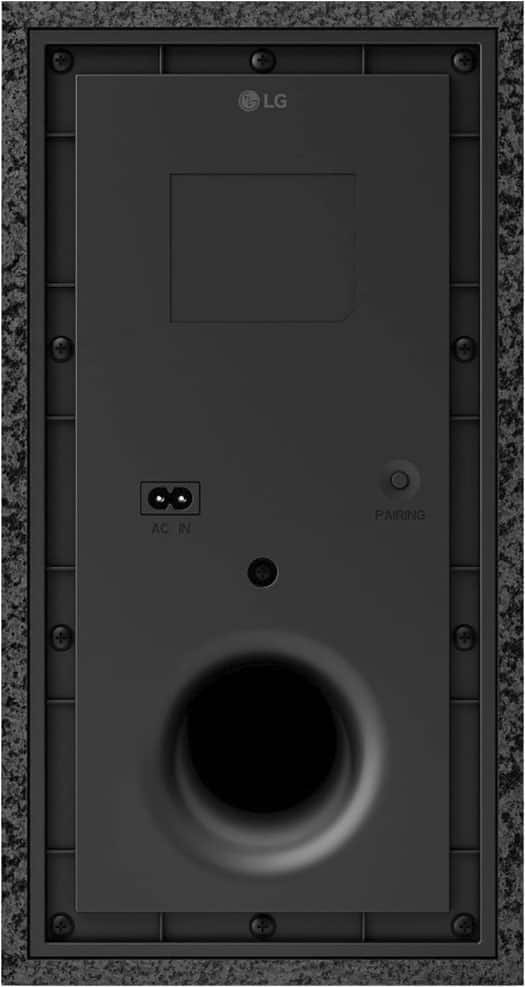
The LG S60TR takes the traditional route with a separate 220W wireless subwoofer. This 14.8-inch tall box can move serious air, creating the kind of bass that you feel in your chest during explosion scenes. The trade-off is obvious: you need floor space and a power outlet for the subwoofer, but you get authentic low-frequency impact that no soundbar alone can match.
For home theater use, this difference is significant. If you're watching Marvel movies or playing video games with lots of action, the LG's dedicated subwoofer delivers the kind of bass that makes you duck when missiles fly across the screen. The Sonos is more refined and controlled, but it can't create that same visceral impact.
Poor dialogue clarity is probably the number one complaint about TV audio. Voices get buried under background music and sound effects, forcing you to constantly ride the volume control or turn on subtitles.
The Sonos Arc Ultra attacks this problem with sophisticated AI-powered Speech Enhancement that offers four different levels of adjustment. This isn't just a simple EQ boost – it's analyzing the audio in real-time, identifying vocal frequencies, and selectively enhancing them while suppressing competing elements.
The system uses dedicated center channel drivers (speakers specifically positioned to handle dialogue) combined with advanced processing that can separate vocals from the mix. In my experience, this works remarkably well. Even in complex action scenes where explosions and music are competing for attention, conversations remain clear and intelligible.
The LG S60TR handles dialogue adequately but without the same level of sophistication. It has a center channel, which is better than many budget soundbars, but lacks the real-time processing that makes such a difference with modern content. You'll likely find yourself adjusting the volume more frequently, especially during movies that mix dialogue quietly against loud sound effects.
For anyone who struggles with hearing dialogue – whether due to hearing loss or just poorly mixed content – the Sonos's advanced processing provides real practical value that justifies some of its premium pricing.
This is where the fundamental philosophical difference becomes most apparent. Creating convincing surround sound without speakers behind you is one of audio engineering's biggest challenges.
The Sonos Arc Ultra uses an array of 14 precisely positioned drivers combined with advanced beamforming technology. Beamforming means the soundbar can electronically "steer" sound waves to specific locations, bouncing audio off your walls to create the illusion of rear speakers. Seven tweeters (high-frequency drivers) and six midrange drivers work together to create what Sonos calls a 9.1.4 experience – nine ear-level channels, one subwoofer channel, and four height channels.
The virtualization works best in rooms with suitable wall surfaces for sound reflection. In my testing room with standard drywall walls and typical furniture, the Arc Ultra created a convincing sense of width and some rear presence, though it never quite matched the localization accuracy of physical rear speakers.
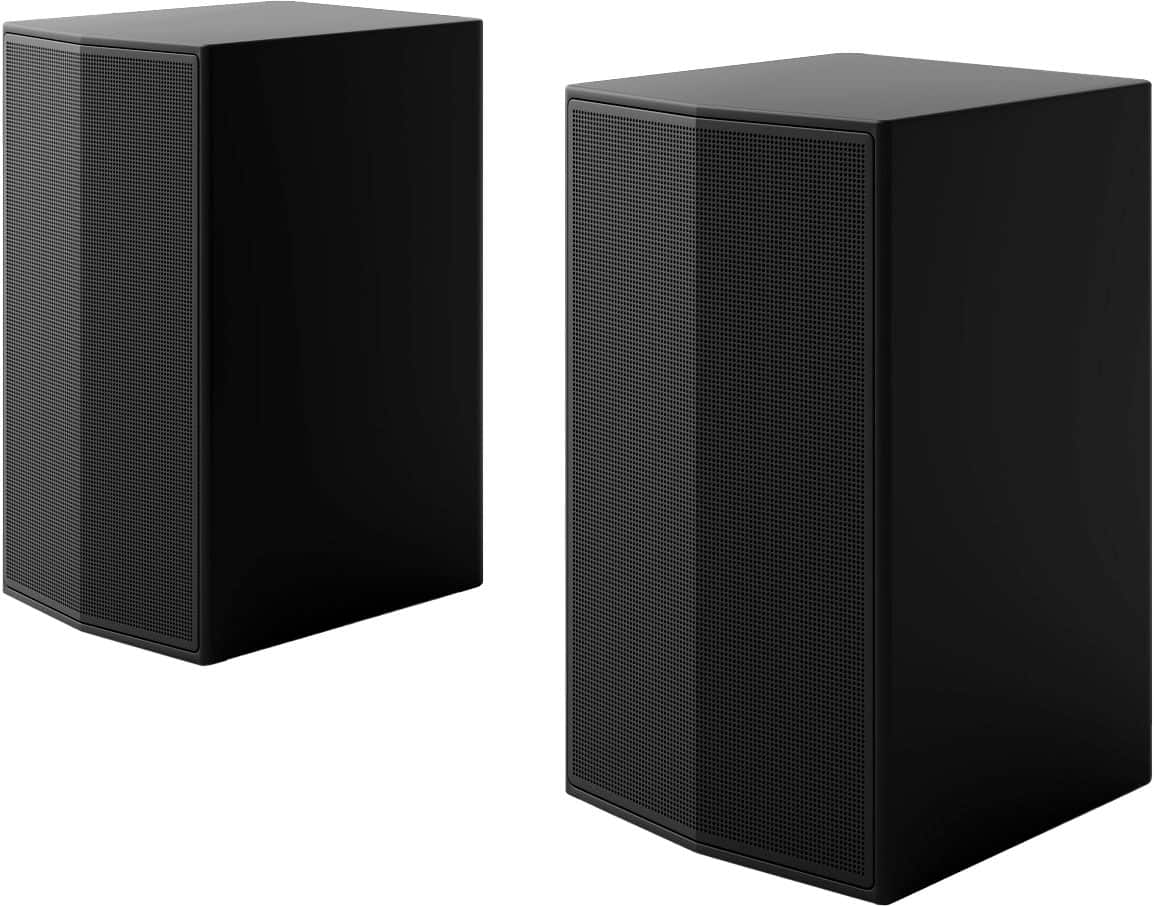
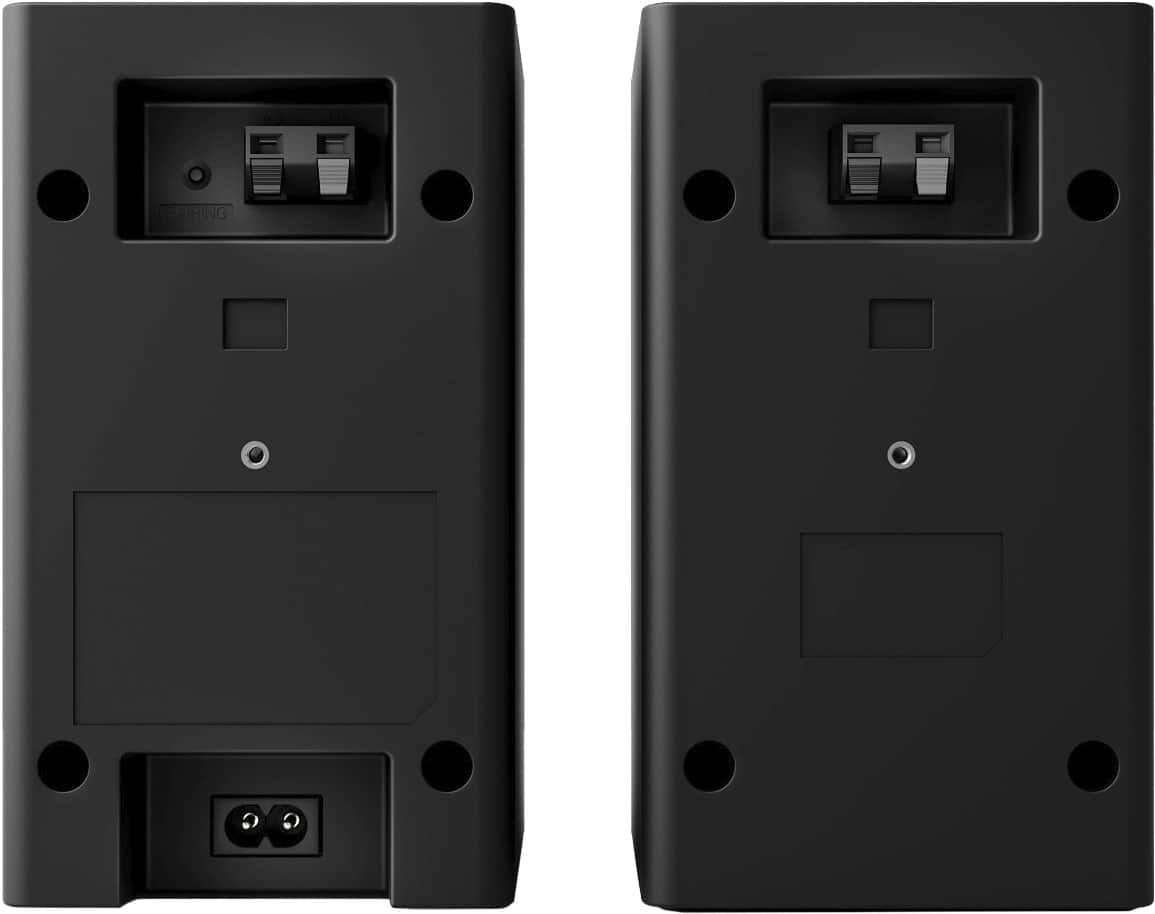
The LG S60TR's approach is refreshingly straightforward: it includes actual wireless rear speakers that you place behind your seating area. These create authentic surround effects because sound is literally coming from behind you. When a car crashes off-screen to your right rear, you hear it from your right rear – no processing or room acoustics required.
The LG's rear speakers do require power outlets, which can be limiting depending on your room layout. However, they connect wirelessly to the subwoofer, which then communicates with the main soundbar, so you don't need to run audio cables across your room.
For gaming and action movies, the physical placement advantage is significant. Sound effects position themselves naturally in 3D space around you, creating immersion that virtualized systems struggle to match.
Modern rooms are acoustically challenging. Furniture, carpets, wall materials, and room dimensions all affect how sound behaves. Premium soundbars increasingly include room correction technology to address these challenges.
The Sonos Arc Ultra features Trueplay room correction, which uses your smartphone's microphone to measure how sound reflects around your room. You walk around your space while the system plays test tones, building a acoustic map that guides automatic adjustments to frequency response and timing.
This technology addresses real problems. If your soundbar sits below a large TV in an entertainment center, reflections from that furniture can muddy the sound. Trueplay compensates by adjusting the frequency response to counteract these acoustic obstacles.
The LG S60TR includes no room correction technology. Its performance depends entirely on proper placement and your room's natural acoustics. While this means more manual work to optimize performance, it also means fewer variables and no reliance on smartphone apps or measurement procedures.
For most users, the automatic room correction provides measurable benefits with minimal effort. However, some audio enthusiasts prefer manual control over their system's response characteristics.
The streaming era has changed how we consume content, and soundbars need to adapt accordingly. The Sonos Arc Ultra embraces this with comprehensive connectivity: Wi-Fi for streaming services, AirPlay 2 for Apple devices, Bluetooth 5.3 for direct device connection, and integration with voice assistants like Alexa.
The Sonos approach means you can start music from Spotify on your phone and hand it off seamlessly to the soundbar, or ask Alexa to play specific playlists without touching any devices. The Wi-Fi connection also enables firmware updates that can add new features or improve performance over time.
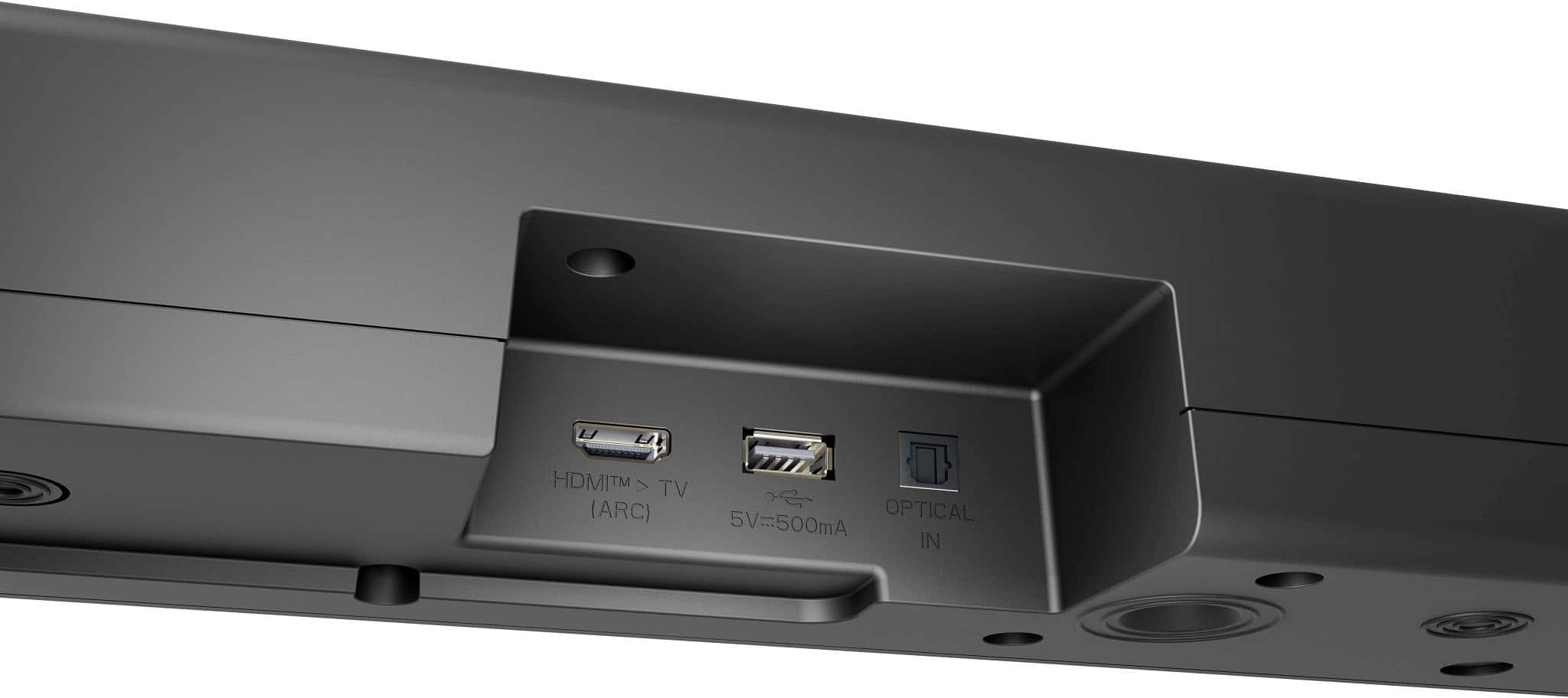
The LG S60TR keeps connectivity simpler with Bluetooth for device streaming and HDMI ARC for TV connection. While this covers the basics, it lacks the ecosystem integration and advanced streaming features that many users now expect.
For home theater use, both handle the essentials well. The Sonos provides more flexibility for music streaming and smart home integration, while the LG focuses on the core TV audio experience.
One major consideration is future upgrade paths. The Sonos Arc Ultra is designed as part of a modular ecosystem. You can add a Sonos Sub 4 ($799) for more bass impact, or Era 300 speakers as rear surrounds for true Dolby Atmos. This flexibility comes at a cost – a fully expanded Sonos system easily exceeds $2000.
The LG S60TR provides a complete 5.1 system out of the box with no official expansion options. What you get initially is what you keep, but for many users, that's perfectly adequate.
After extensive testing with both systems, the performance differences become clear in specific scenarios. For dialogue-heavy content like dramas or news programs, the Sonos Arc Ultra excels with its speech enhancement and controlled sound signature. Voices remain clear and natural even at lower volumes.
For action movies and gaming, the LG S60TR provides more visceral impact. The physical subwoofer and rear speakers create the kind of immersive experience that makes you forget you're not in a commercial theater. Explosions have weight, and directional effects place sounds convincingly in 3D space.
Music playback reveals another distinction. The Sonos delivers a more refined, balanced presentation that works well for critical listening. The LG focuses on impact and excitement, which can be more engaging for casual listening but less accurate for audiophile-level music reproduction.
The decision between these two approaches ultimately depends on your priorities, room, and usage patterns.
Choose the Sonos Arc Ultra if dialogue clarity is your primary concern, if you value the aesthetics of a single-bar solution, or if you're already invested in smart home technology. It's also the better choice for smaller rooms where a separate subwoofer might overwhelm the space, or for apartments where bass management is important for neighbor relations.
The LG S60TR makes more sense if you want maximum impact for the money, if you have adequate space for multiple components, or if you primarily watch action-oriented content. It's also the clear choice if you're budget-conscious but still want authentic surround sound.
Both represent valid approaches to the soundbar challenge, but they're optimized for different users and different rooms. The Sonos Arc Ultra pushes the boundaries of what's possible with advanced processing and compact design, while the LG S60TR delivers proven surround sound technology at an accessible price point. Understanding these fundamental differences will help you choose the system that best matches your specific needs and expectations.
| Sonos Arc Ultra Dolby Atmos Soundbar ($999) | LG S60TR 5.1 Channel Soundbar ($300) |
|---|---|
| Price - Entry cost and upgrade potential | |
| $999 (premium single-bar solution) | $300 (complete 5.1 system included) |
| Audio Configuration - How surround sound is created | |
| 14-driver single bar with virtualized 9.1.4 Dolby Atmos | True 5.1 with physical wireless rear speakers + subwoofer |
| Bass Performance - Low-frequency impact and room filling | |
| Sound Motion™ integrated bass (no separate subwoofer) | Dedicated 220W wireless subwoofer included |
| Dialogue Clarity - Voice intelligibility in complex scenes | |
| AI Speech Enhancement with 4 adjustable levels | Basic center channel without advanced processing |
| Room Correction - Automatic acoustic optimization | |
| Trueplay tuning via smartphone microphone | None (manual placement and EQ only) |
| Streaming Connectivity - Modern content access | |
| Wi-Fi, AirPlay 2, Bluetooth, voice control, Sonos app | Bluetooth only with basic TV remote integration |
| Physical Dimensions - Space requirements and aesthetics | |
| Single bar: 46.2" × 3.1" × 4.4" (12.7 lbs) | Bar + subwoofer + 2 rear speakers (33+ lbs total) |
| Dolby Atmos Support - Height channel audio experience | |
| Full Dolby Atmos with virtualized height channels | Dolby Audio only (no height channels) |
| Expandability - Future upgrade options | |
| Can add Sonos Sub 4 ($799) and Era speakers | Complete system with no expansion path |
| Best Use Case - Ideal buyer and room type | |
| Premium apartments, dialogue-focused viewing, Sonos ecosystem users | Large rooms, action content, budget-conscious buyers wanting true surround |
The LG S60TR ($300) offers exceptional value with a complete 5.1 system including wireless subwoofer and rear speakers. The Sonos Arc Ultra ($999) costs over three times more but delivers premium features like Dolby Atmos and advanced dialogue processing. For budget-conscious buyers wanting true surround sound, the LG provides better bang for your buck.
The LG S60TR includes a 220W wireless subwoofer in the box, providing deep bass for movies and music. The Sonos Arc Ultra uses built-in Sound Motion technology for bass but may benefit from adding the separate Sonos Sub 4 ($799) for maximum impact in larger rooms.
The Sonos Arc Ultra excels at dialogue with AI-powered Speech Enhancement offering four adjustable levels to cut through background noise. The LG S60TR provides decent center channel performance but lacks advanced processing, making dialogue less clear in complex movie scenes.
The Sonos Arc Ultra supports full Dolby Atmos with height channels that create overhead sound effects, like helicopters flying above you. The LG S60TR only supports standard Dolby Audio without height channels, focusing on traditional left-right-rear surround placement.
Both soundbars are relatively easy to install. The Sonos Arc Ultra requires only HDMI connection and smartphone app setup with Trueplay room tuning. The LG S60TR needs placement of the subwoofer and rear speakers around your room but connects wirelessly after initial pairing.
The Sonos Arc Ultra offers superior music streaming with Wi-Fi, AirPlay 2, Spotify Connect, and multi-room audio capabilities. The LG S60TR only supports basic Bluetooth streaming from your phone or tablet, limiting music playbook options.
The Sonos Arc Ultra works better in smaller spaces with its single-bar design and controlled bass output that won't disturb neighbors. The LG S60TR requires space for multiple speakers and produces more powerful bass that might be too much for apartment living.
The Sonos Arc Ultra can be expanded with additional Sonos speakers like the Sub 4 or Era 300s for true rear surround. The LG S60TR is a complete system with no official expansion options - what you buy is what you get.
The LG S60TR delivers superior bass impact with its dedicated wireless subwoofer, creating the room-shaking effects that make action scenes exciting. The Sonos Arc Ultra has impressive bass for a single bar but can't match the physical presence of a separate subwoofer.
The Sonos Arc Ultra includes Trueplay room correction that automatically adjusts sound for your specific room using your smartphone. The LG S60TR has no room correction, so performance depends more on proper speaker placement and your room's natural acoustics.
The LG S60TR provides better gaming immersion with physical rear speakers that accurately position sound effects around you. The Sonos Arc Ultra offers virtualized surround that works well but can't match the directional accuracy of actual speakers placed behind your gaming setup.
Choose the Sonos Arc Ultra if you want premium dialogue clarity, sleek single-bar aesthetics, and plan to build a Sonos ecosystem over time. Choose the LG S60TR if you want authentic surround sound with physical speakers, powerful bass, and maximum value for a complete home theater system under $300.
We've done our best to create useful and informative comparisons to help you decide what product to buy. Our research uses advanced automated methods to create this comparison and perfection is not possible - please contact us for corrections or questions. These are the sites we've researched in the creation of this article: bestbuy.com - shopjetson.com - youtube.com - ign.com - crutchfield.com - dowtechnologies.com - sonos.com - appleinsider.com - pcrichard.com - clefdesol.com - sonos.com - businessinsider.com - audioadvice.com - en.community.sonos.com - bestbuy.com - mynavyexchange.com - youtube.com - consumerreports.org - avsforum.com - rentacenter.com - bestbuy.com - homechoicestores.com - oconsommateur.com - lg.com - bestbuy.com - samsung.com

Privacy Policy
Terms and Conditions - Affiliate Policy
Home Security
© Copyright 2008-2026.
11816 Inwood Rd #1211, Dallas, TX 75244