


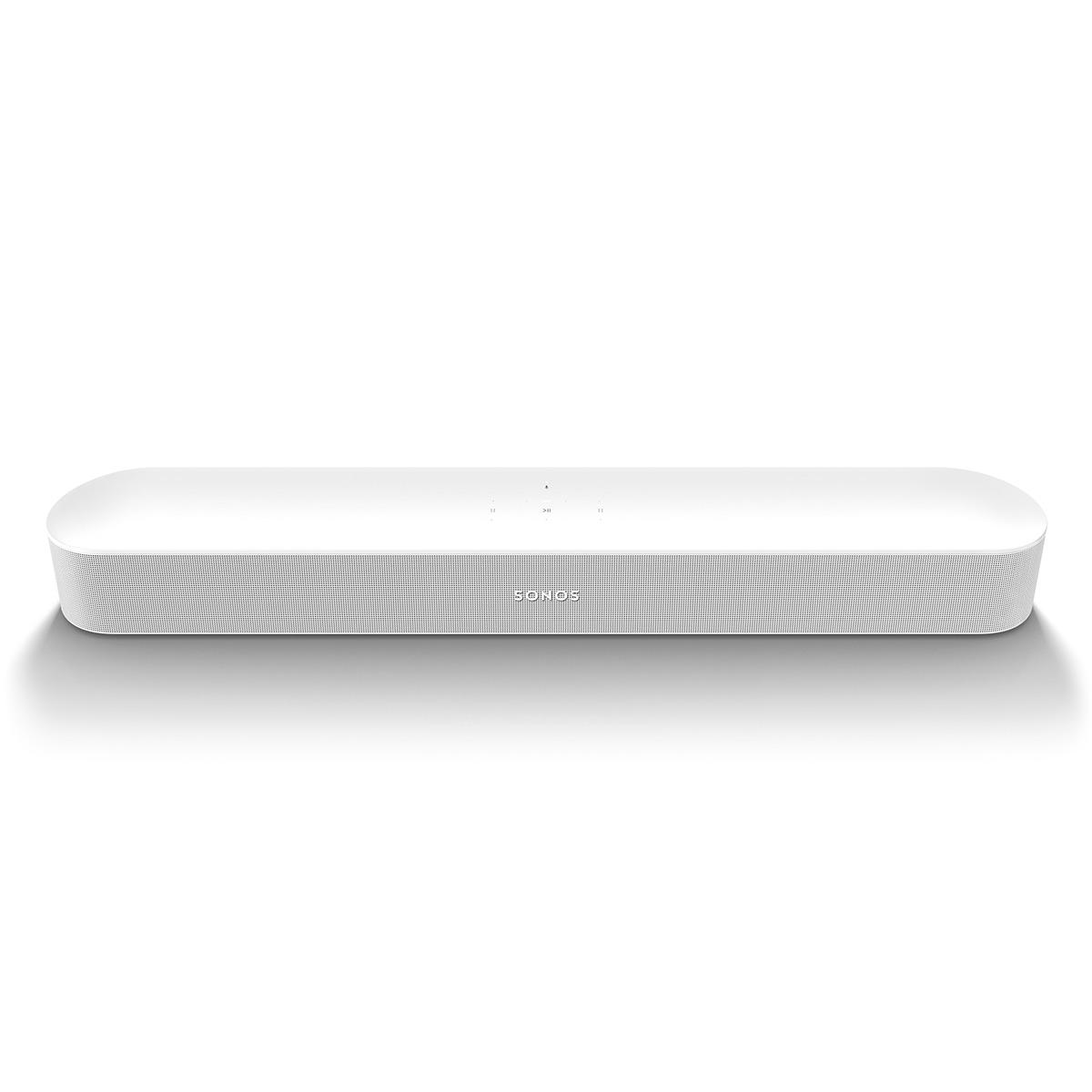
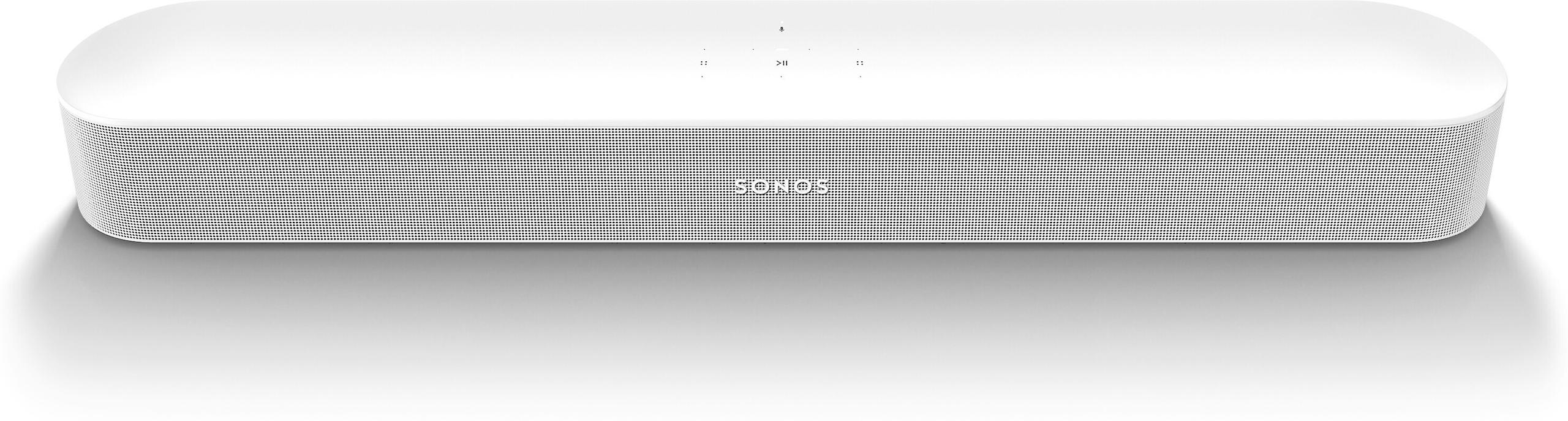
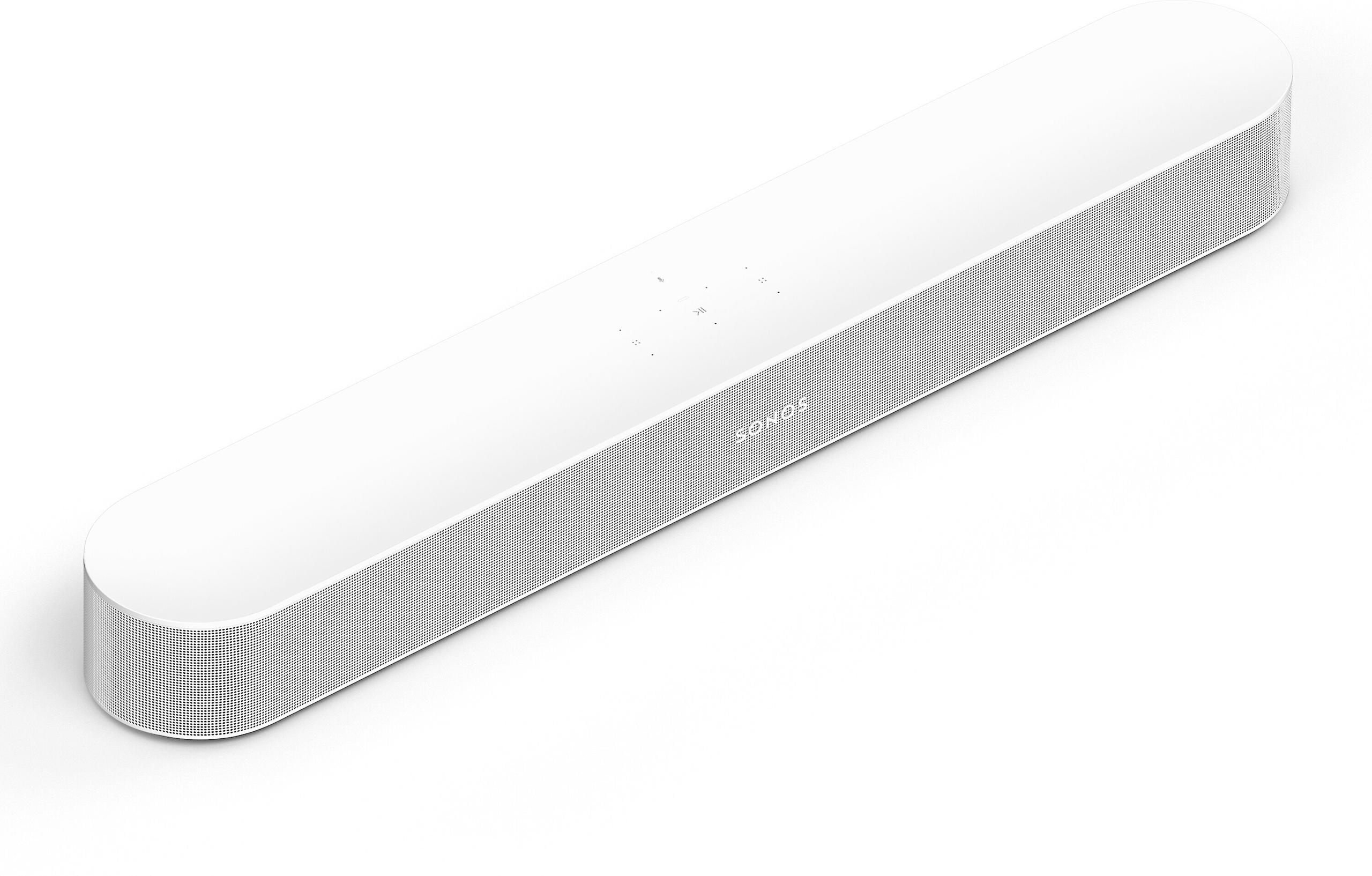




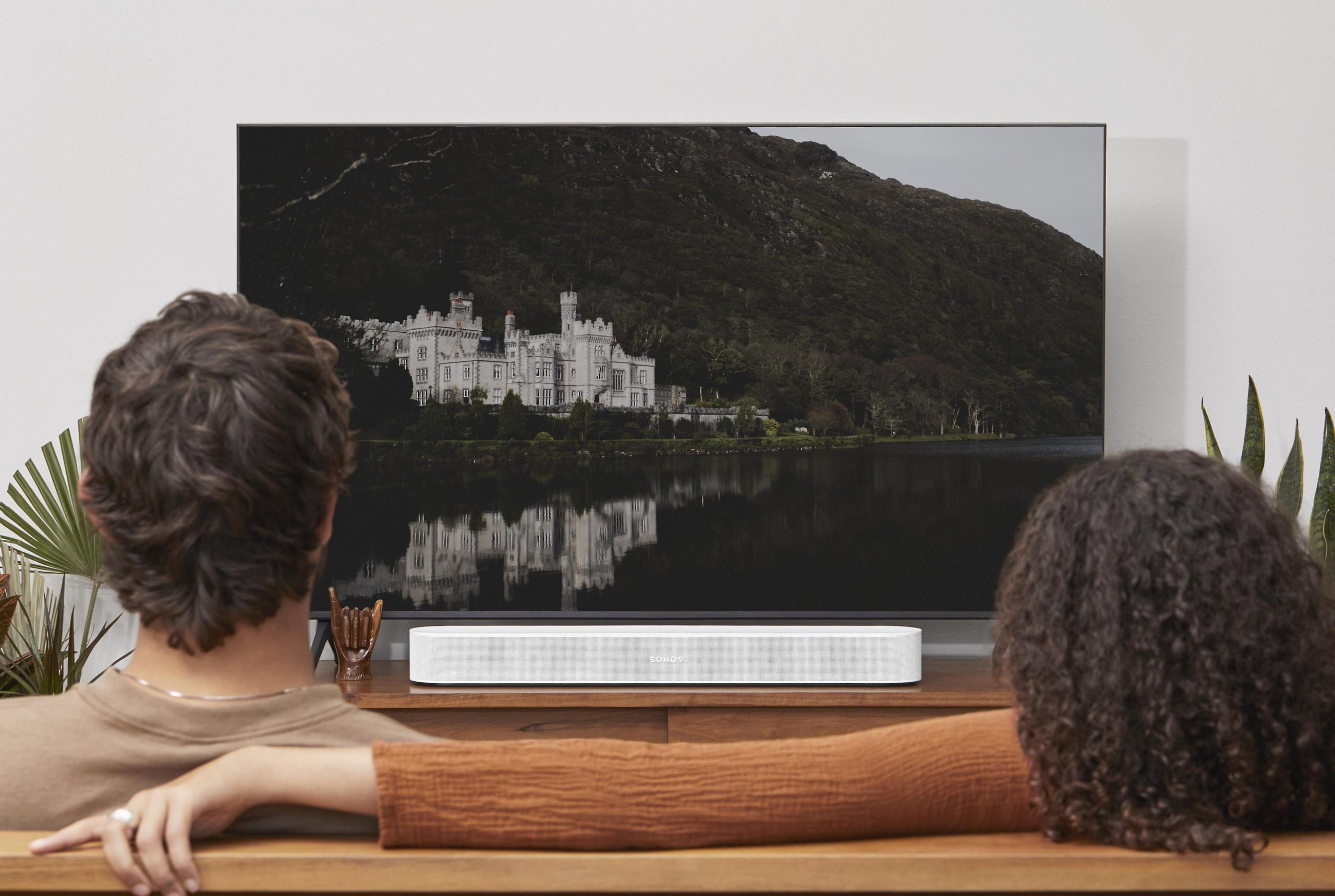
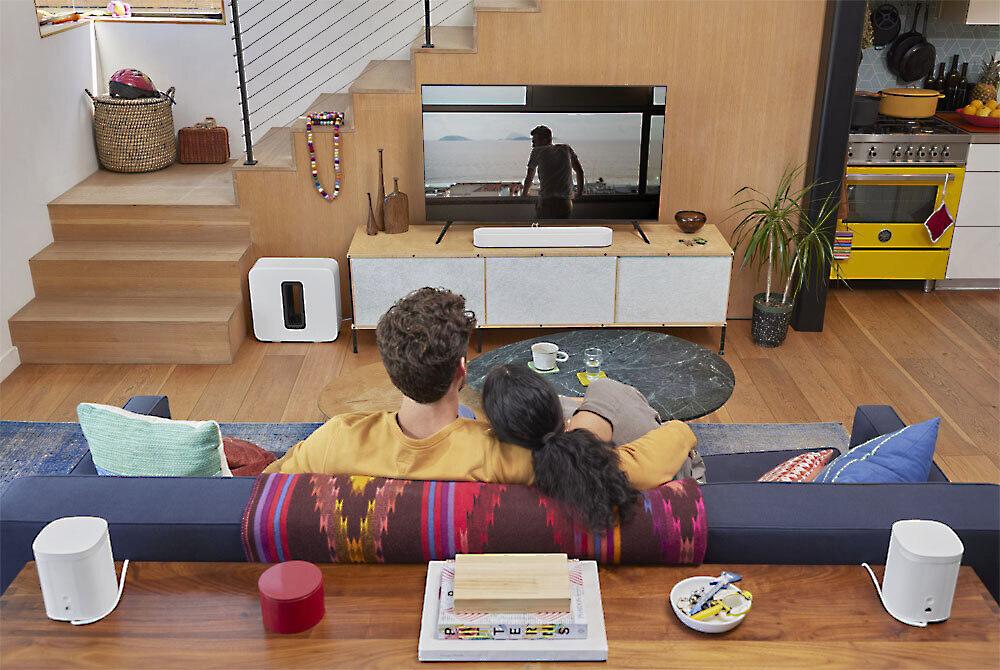

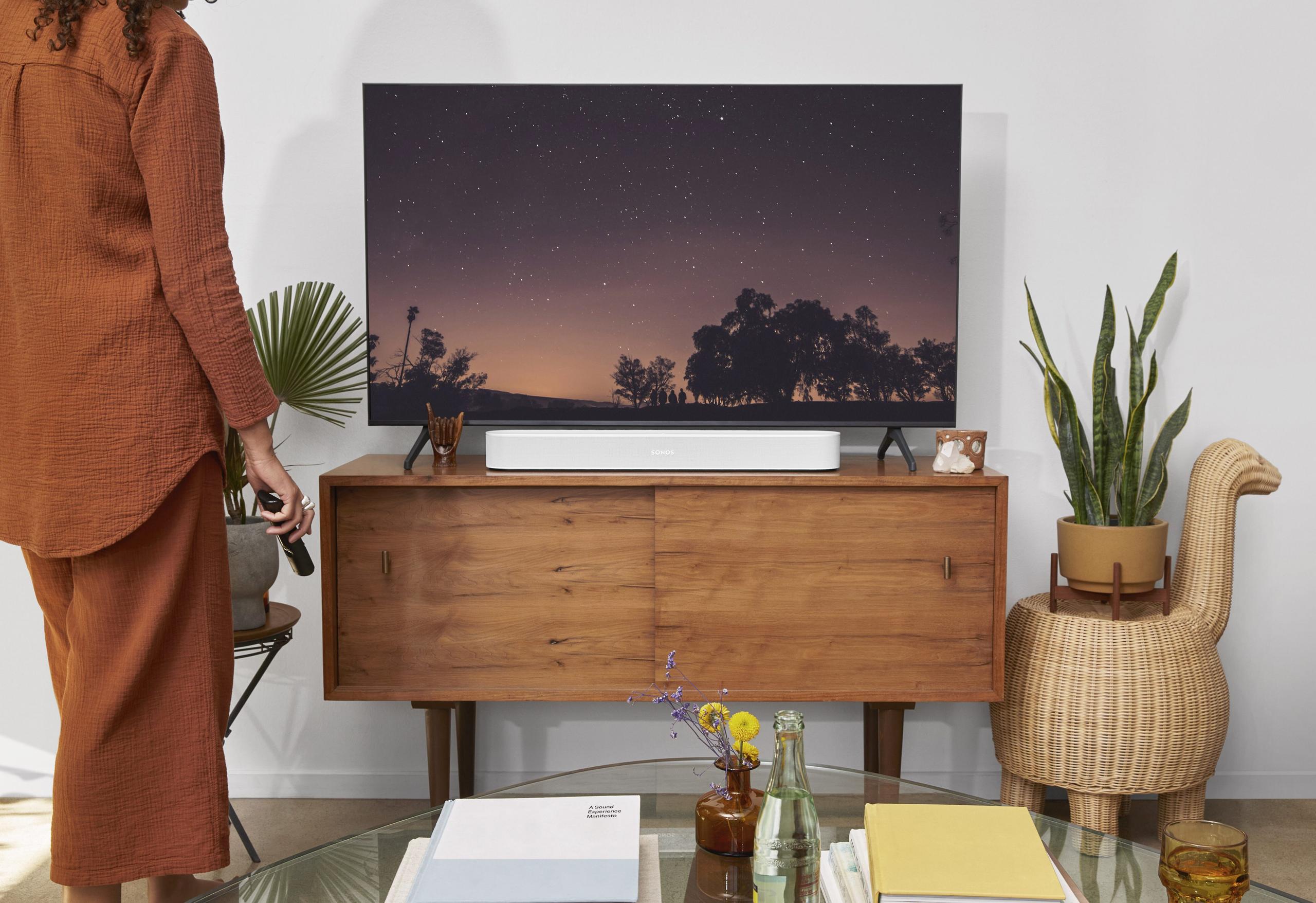
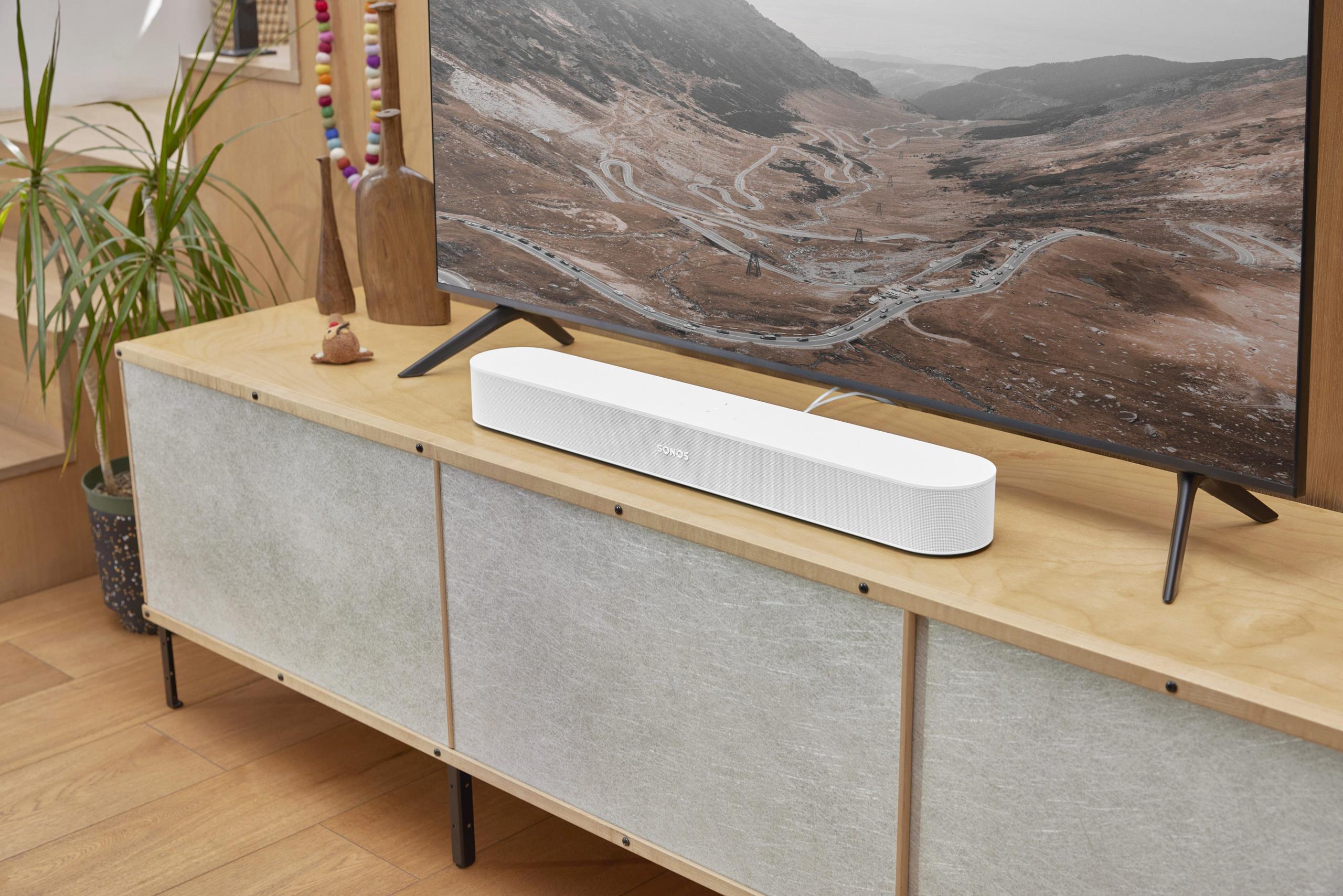
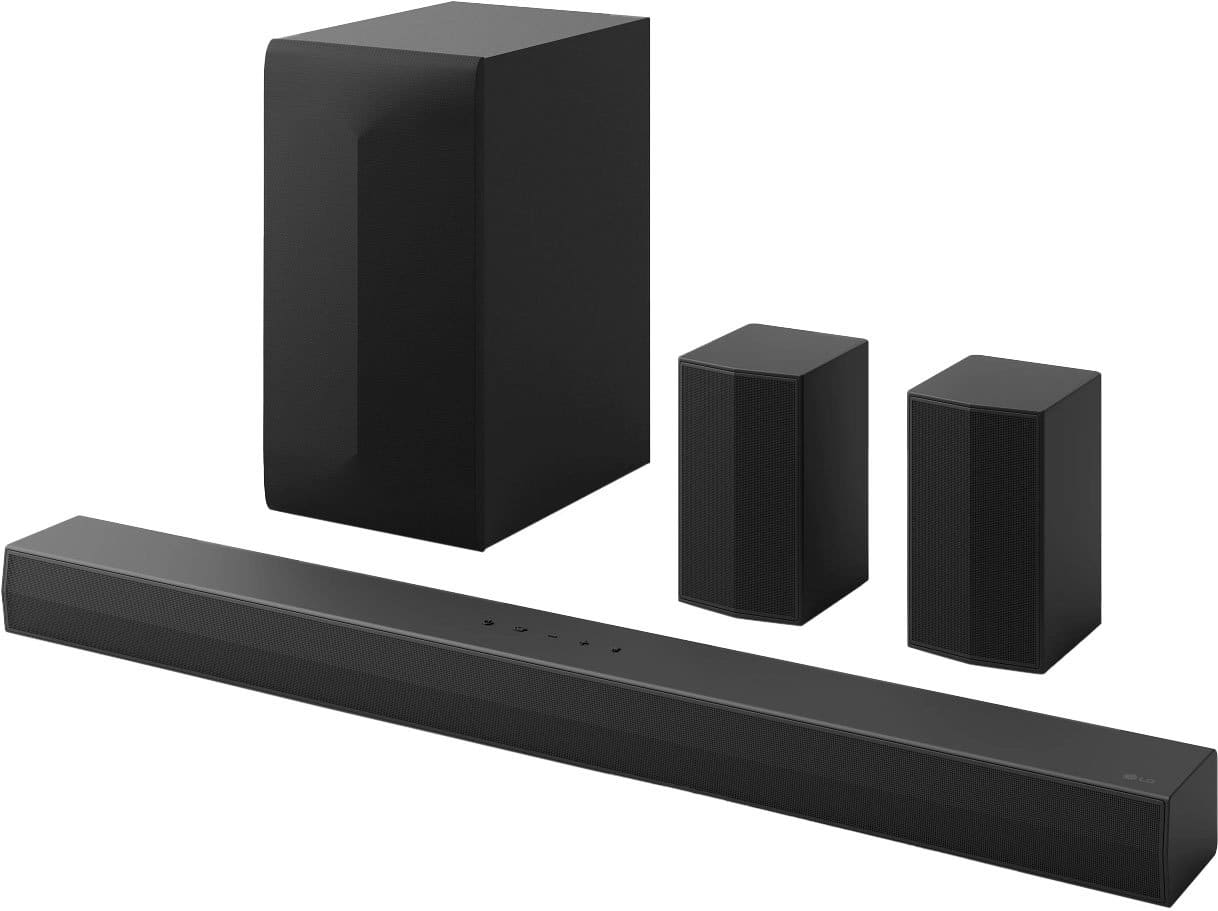



When you're shopping for a soundbar to upgrade your TV's audio, you'll quickly discover that not all soundbars are created equal. Some manufacturers take a minimalist approach, packing sophisticated processing into a single sleek bar. Others go the traditional route, giving you multiple physical speakers to create genuine surround sound. Today, we're comparing two products that perfectly represent these different philosophies: the Sonos Beam Gen 2 ($449) and the LG S60TR 5.1 system ($300).
Before diving into specifics, let's talk about what makes soundbars tick in 2024. The technology has evolved dramatically over the past few years, with two main approaches emerging.
Virtual surround processing uses digital signal processing (DSP) – essentially computer algorithms – to trick your brain into hearing sounds from directions where there aren't actual speakers. Think of it like audio sleight of hand. The Sonos Beam Gen 2, released in October 2021, represents the cutting edge of this approach. It uses psychoacoustic processing (the science of how our brains interpret sound) to create the illusion that audio is coming from above and behind you, even though all the drivers are facing forward.
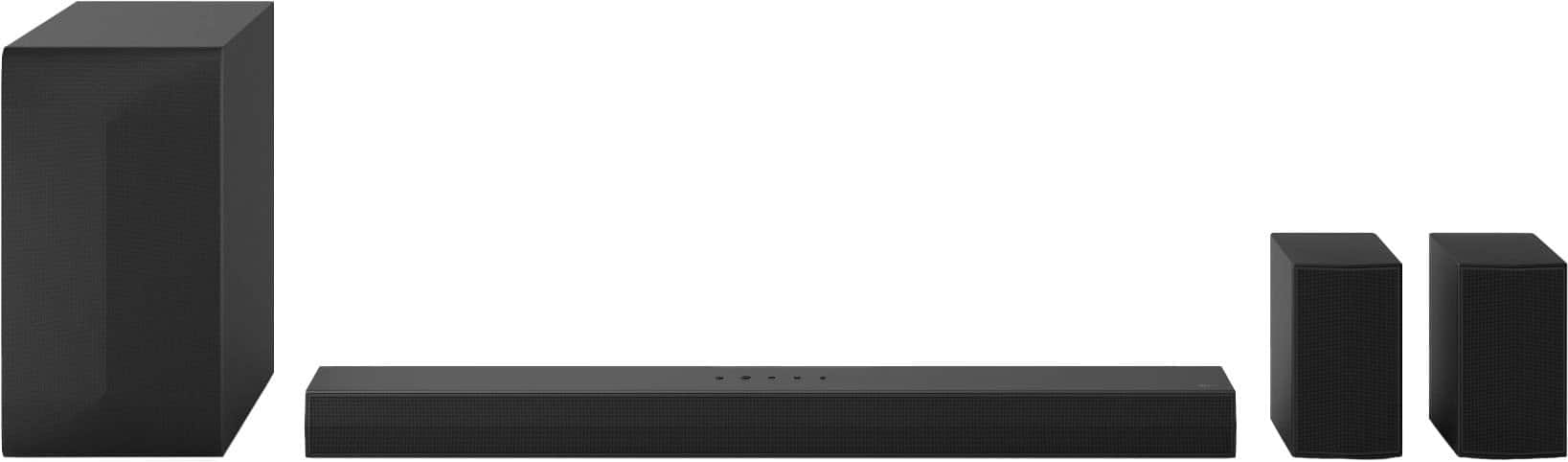
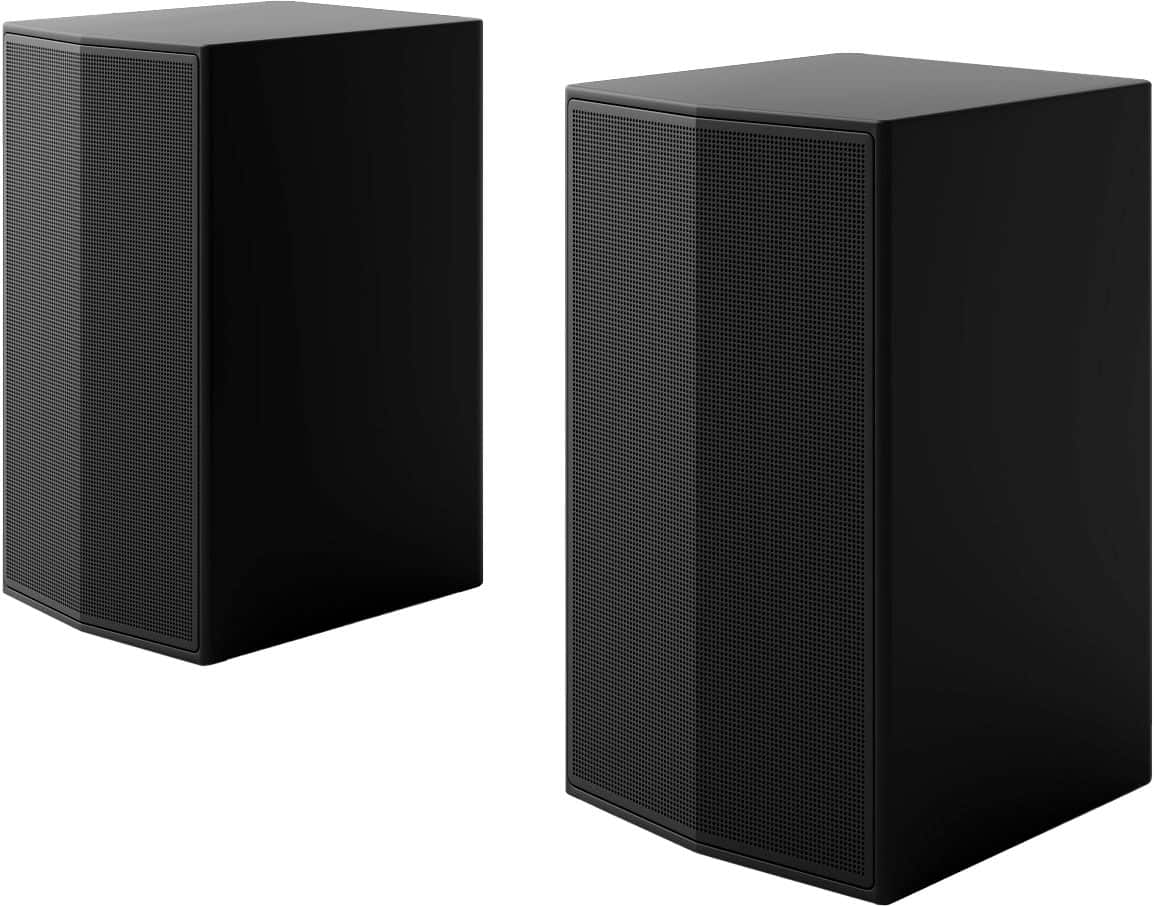
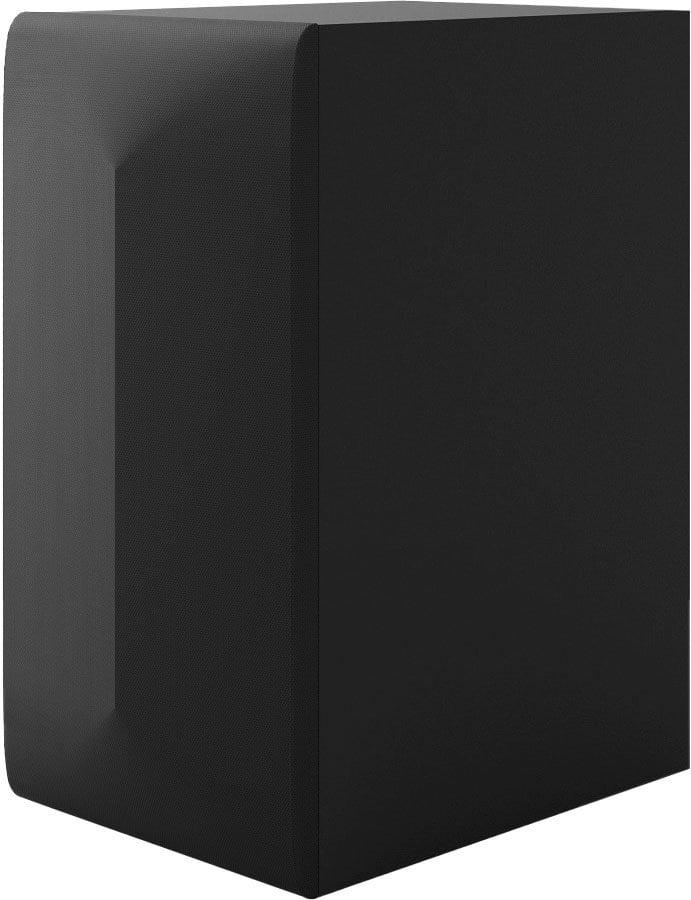
Physical surround systems, on the other hand, place actual speakers around your room. The LG S60TR, launched in 2024, takes this more traditional approach by including wireless rear speakers and a separate subwoofer. When a helicopter flies overhead in a movie, you actually hear it from speakers positioned above or behind your seating area.
Both approaches have merit, but they serve different needs and room types. Let me walk you through the key differences so you can make the right choice for your setup.
The Sonos Beam Gen 2 absolutely excels at dialogue clarity – and I mean really excels. Its single center tweeter and four midwoofer drivers work together with sophisticated DSP to ensure that every word cuts through background music and sound effects. This isn't just marketing speak; the processing power inside this compact bar is genuinely impressive.
Sonos achieves this through a combination of hardware and software. The tweeter handles high frequencies where most speech occurs, while advanced algorithms automatically boost dialogue frequencies when they detect speech patterns. There's even a dedicated Speech Enhancement mode that makes conversations even clearer without making everything sound artificial.
The LG system takes a different approach. With its dedicated center channel and 40W of power specifically for dialogue, it provides clear speech through brute force rather than processing finesse. The result is good, but not quite as refined as the Sonos. Where the LG shines is in overall dynamic range – the difference between the quietest and loudest sounds. With 440W total power across five physical speakers, it can deliver whisper-quiet dialogue one moment and explosive action sequences the next without strain.
This is where the two systems diverge most dramatically. The Sonos Beam Gen 2 includes three passive radiators (speaker cones that vibrate in response to the active drivers) to extend bass response, but physics limits what any soundbar can achieve without a dedicated subwoofer. The bass is clean and controlled, extending down to about 60Hz, but it lacks the physical impact that makes action movies truly thrilling.
I've tested the Sonos extensively, and while it's impressive for its size, you definitely notice what's missing during explosion scenes or when listening to bass-heavy music. Sonos designed the system to be expandable – you can add their Sub for $799 – but that brings the total cost to over $1,200.
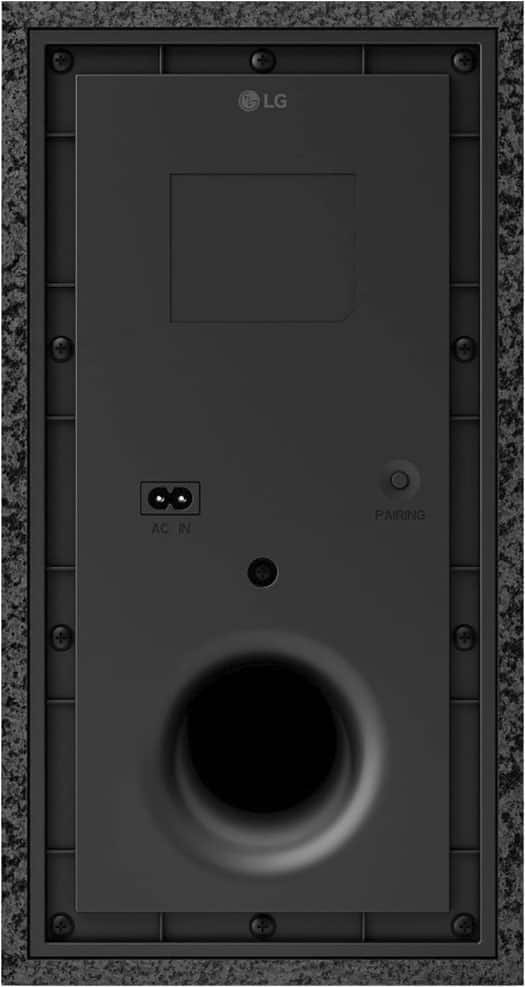
The LG S60TR includes a 220W wireless subwoofer that extends down to 34Hz. To put that in perspective, that's getting close to the lowest notes on a bass guitar and well into the range where you feel sound as much as hear it. During my testing with action movies, the difference is immediately obvious. Explosions have weight, musical basslines have presence, and the overall experience feels much more cinematic.
The LG's subwoofer connects wirelessly to the main soundbar, so you have flexibility in placement. I found the best results with the sub positioned near a wall or corner, where room boundaries reinforce the bass output.
Here's where the fundamental difference in approach becomes most apparent. The Sonos Beam Gen 2 creates virtual Dolby Atmos using clever processing tricks. It analyzes incoming audio and uses phase manipulation and frequency-specific delays to create the illusion that sounds are coming from different directions.
In smaller rooms (under 300 square feet), this virtual processing can be surprisingly effective. I've been genuinely impressed by the sense of spaciousness the Beam creates, especially with well-mixed content. However, the effectiveness drops significantly in larger spaces or if you're sitting off to the side of the soundbar.
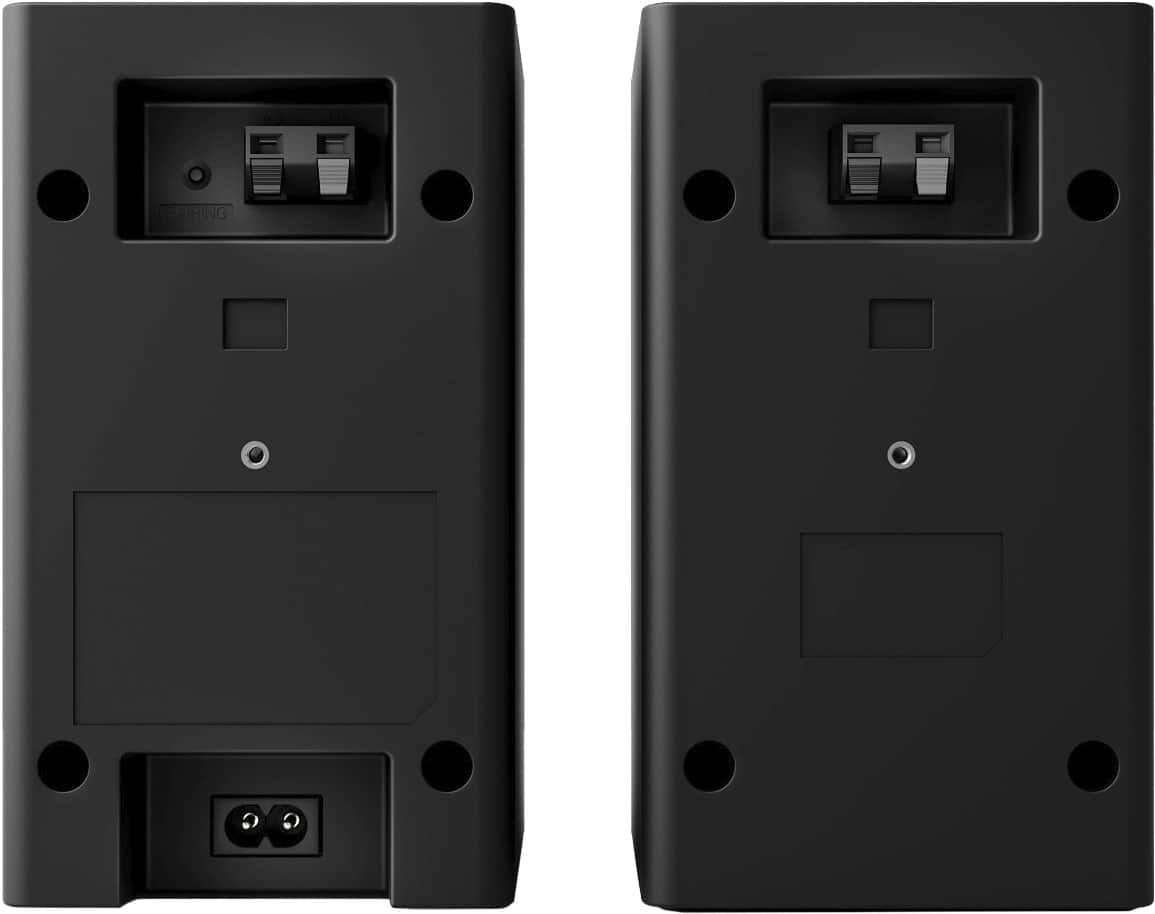
The LG system uses actual wireless rear speakers positioned behind your seating area. Each rear speaker receives 50W of power and handles genuine surround effects. When a car drives from front to back in a movie scene, you hear it actually move through your room rather than just perceiving the movement through processing.
I've found that physical rear speakers simply can't be replicated by virtual processing, especially for gaming or action movies with lots of directional audio cues. The LG's approach is more traditional but ultimately more convincing for true surround sound.
The Sonos Beam Gen 2 is essentially a computer that happens to play audio. It includes built-in Amazon Alexa and Google Assistant, so you can control your smart home, check weather, or ask questions using voice commands. The integration is seamless – much better than the afterthought voice control you get with many soundbars.
AirPlay 2 support means iPhone and iPad users can stream audio directly with high quality and perfect synchronization. The Sonos app provides detailed equalizer controls, and the TruePlay feature uses your iPhone's microphone to automatically calibrate the sound to your room's acoustics. This isn't just a simple bass/treble adjustment – it's sophisticated room correction that accounts for wall reflections, furniture absorption, and room dimensions.
One standout feature is the multi-room capability. If you have other Sonos speakers, you can group them together for synchronized music throughout your home. This ecosystem approach is part of what you're paying for with the Sonos premium.
The LG S60TR keeps things simpler. You get basic Bluetooth connectivity for streaming music from your phone, and an LG app that provides some customization options. There's AI Sound Pro, which analyzes content and automatically adjusts sound modes – switching to enhanced dialogue for news programs or boosted bass for action scenes.
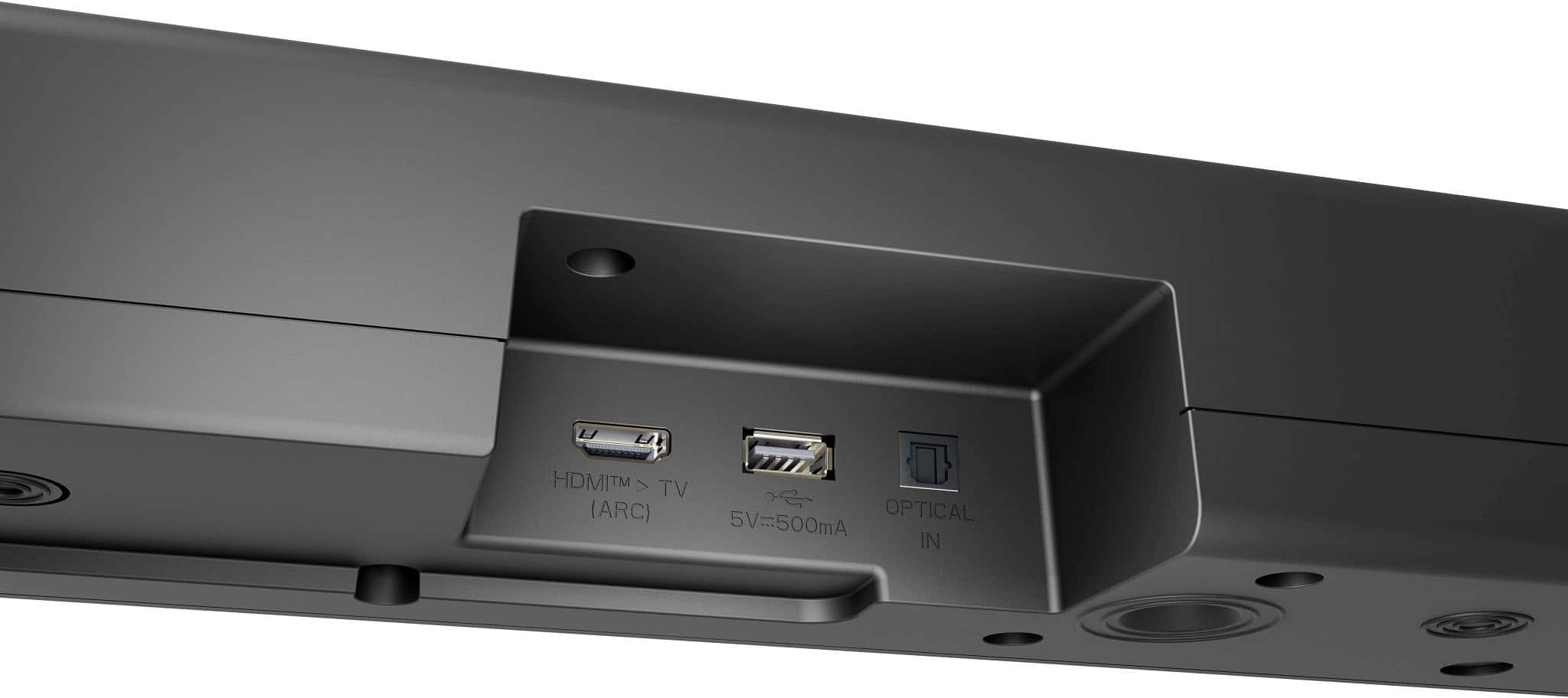
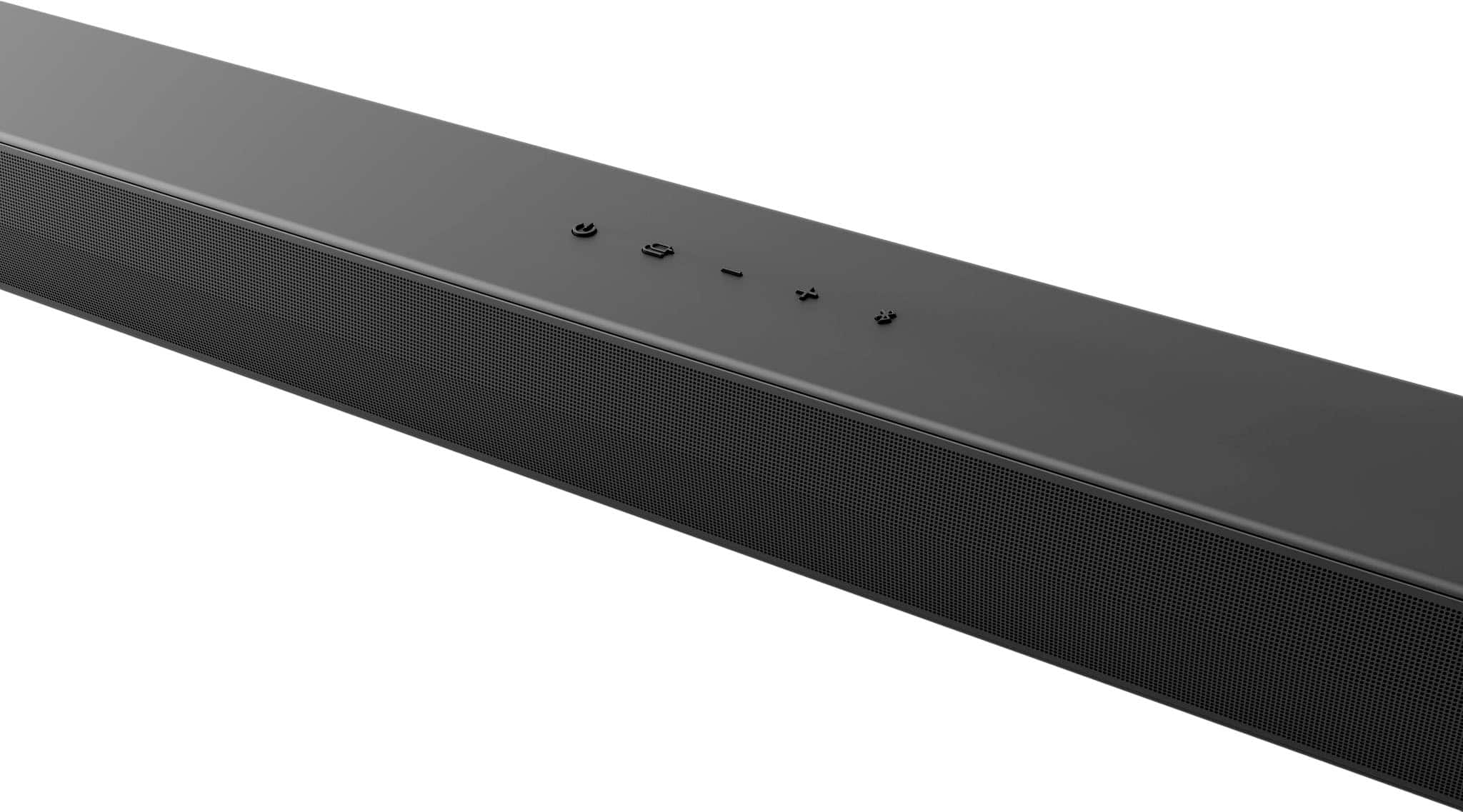
While less sophisticated than Sonos, LG's approach has advantages. The physical remote gives you immediate access to all functions without opening an app. The system works with any TV that has HDMI ARC (Audio Return Channel) or optical output, regardless of brand or smart features.
This comparison reveals a fascinating value proposition. The LG S60TR at $300 gives you a complete 5.1 surround system with wireless subwoofer and rear speakers. The Sonos Beam Gen 2 at $449 is just the soundbar – adding Sonos's own subwoofer and rear speakers would cost over $1,200 total.
From a pure hardware perspective, LG offers exceptional value. You're getting five separate speakers with 440W total power, wireless connectivity between components, and everything you need for a complete home theater audio experience.
Sonos justifies its premium through software sophistication, build quality, and ecosystem integration. The processing power inside the Beam is genuinely impressive, and the long-term software support means you'll get new features over time. Sonos regularly updates their speakers with new streaming services, improved algorithms, and additional functionality.
I've owned Sonos products for years, and their commitment to long-term support is real. My original Play:5 from 2015 still receives updates and works perfectly with newer Sonos products. That kind of longevity has value, even if it's harder to quantify than raw speaker count.
For dedicated home theater use, the choice depends heavily on your room and priorities. In my experience testing both systems with movie content, each has distinct advantages.
The LG S60TR creates a more traditional cinema experience. The physical rear speakers provide genuine surround effects that enhance immersion during action scenes. The powerful subwoofer adds weight to explosions and musical scores. If you're primarily watching movies and want that theater-like experience, the LG delivers more of what you're probably expecting.
However, the Sonos Beam Gen 2 has some tricks up its sleeve for TV and streaming content. Its dialogue enhancement is genuinely useful for shows with heavy accents or poor audio mixing. The virtual Dolby Atmos processing works well with streaming services that provide properly encoded content. Netflix, Disney+, and Apple TV+ all have extensive Atmos libraries that sound impressive through the Beam.
For gaming, I'd lean toward the LG system. The physical rear speakers provide better positional audio for competitive gaming, and the subwoofer adds impact to game audio that most TV speakers completely miss.
Your room dimensions significantly impact which system makes more sense. The Sonos Beam Gen 2 works best in smaller to medium-sized rooms where you're sitting relatively close to the TV. The virtual processing becomes less effective as distances increase or if you have an irregular seating arrangement.
I tested the Beam in a 12x15 foot living room, sitting about 8 feet from the TV, and the surround effects were convincing. In a larger family room, the magic was less apparent, especially for people sitting off to the sides.
The LG system scales better to larger rooms because you're placing physical speakers around the space. The rear speakers can be positioned up to 30 feet from the soundbar, giving you flexibility in larger rooms. However, you need to consider speaker placement during room planning. The rear speakers need power outlets, and optimal positioning might not align with your furniture arrangement.
Since the Sonos Beam Gen 2's 2021 launch, soundbar technology has continued evolving. The addition of HDMI eARC support was crucial – it allows the soundbar to receive high-quality audio formats like Dolby TrueHD and uncompressed multichannel PCM from your TV. Earlier soundbars were limited to compressed audio formats, which reduced quality.
The LG S60TR represents 2024 thinking about soundbar systems. The wireless technology has improved significantly, with more reliable connections between components and easier setup processes. The AI Sound Pro feature reflects the industry trend toward automatic optimization – the system analyzes what you're watching and adjusts accordingly without manual intervention.
Choose the Sonos Beam Gen 2 if you prioritize convenience, smart features, and plan to build a system over time. It's ideal for smaller spaces, apartment living, or situations where you want excellent TV audio without the complexity of multiple speakers. The dialogue clarity alone makes it worthwhile for people who watch a lot of TV shows and news.
The ecosystem integration is compelling if you're already invested in smart home technology or want multi-room audio capabilities. The upgrade path lets you start simple and add components as your needs or budget allow.
Go with the LG S60TR if you want the most complete audio experience right out of the box. It's perfect for movie enthusiasts, larger rooms, or anyone who prioritizes bass impact and true surround sound over smart features. The value proposition is exceptional – you're getting theater-like performance at a price that's less than many single soundbars.
The physical approach also makes sense if you prefer traditional controls, don't need voice assistants, or want something that works with any TV without compatibility concerns.
Both products succeed at what they're designed to do. The Sonos represents the high-tech, space-saving approach to better TV audio, while the LG delivers traditional home theater performance at an accessible price. Your choice should align with your room, usage patterns, and long-term audio goals.
| Sonos Beam Gen 2 Soundbar | LG S60TR 5.1 Channel Soundbar with Wireless Subwoofer and Rear Speakers |
|---|---|
| Price - Major factor in overall value proposition | |
| $449 (soundbar only) | $299 (complete 5.1 system with sub and rears) |
| System Configuration - Determines surround sound authenticity | |
| Single soundbar with virtual processing | True 5.1: soundbar + wireless subwoofer + wireless rear speakers |
| Total Power Output - Affects volume and dynamic range | |
| Not specified (compact drivers) | 440W total system power |
| Bass Extension - Critical for movie impact and music enjoyment | |
| ~60Hz (limited without separate subwoofer) | 34Hz with included 220W wireless subwoofer |
| Dolby Atmos Support - Enables height effects in movies | |
| Virtual Dolby Atmos via psychoacoustic processing | Not specified (traditional surround only) |
| Smart Features - Modern convenience and ecosystem integration | |
| Built-in Alexa/Google Assistant, AirPlay 2, TruePlay calibration | Basic app control, Bluetooth, AI Sound Pro |
| Room Calibration - Optimizes sound for your specific space | |
| TruePlay with iOS device (sophisticated DSP tuning) | None (manual adjustment only) |
| Connectivity Options - Determines TV compatibility and audio quality | |
| HDMI eARC, Wi-Fi, Ethernet | HDMI ARC, optical, USB, Wi-Fi, Bluetooth |
| Expandability - Future upgrade potential | |
| Can add Sonos Sub ($799) and rear speakers ($499) | Fixed system - no official expansion options |
| Dimensions - Space requirements and aesthetic impact | |
| 25.6" W x 2.7" H x 3.9" D (compact single unit) | Soundbar: 33.5" W + separate subwoofer + rear speakers |
| Best Room Size - Where each system performs optimally | |
| Small to medium rooms (virtual surround effective up to ~300 sq ft) | Medium to large rooms (physical speakers scale better) |
| Setup Complexity - Installation effort required | |
| Single HDMI cable connection | Multiple components require strategic placement and power |
| Dialogue Clarity - Essential for TV shows and movies | |
| Exceptional with dedicated speech enhancement | Good with 40W center channel |
| Multi-room Audio - Whole-home music integration | |
| Full Sonos ecosystem support | Limited to single room |
The LG S60TR at $299 offers exceptional value, providing a complete 5.1 surround system with wireless subwoofer and rear speakers for $150 less than the Sonos Beam Gen 2 at $449, which is just the soundbar alone. To match the LG's hardware, you'd need to spend over $1,200 on Sonos components.
The Sonos Beam Gen 2 uses virtual surround processing to simulate surround effects from a single bar, while the LG S60TR provides true 5.1 surround with physical wireless rear speakers positioned behind your seating area. Real surround speakers offer more authentic directional audio, especially in larger rooms.
The LG S60TR wins decisively with its included 220W wireless subwoofer that extends down to 34Hz, providing room-shaking bass for movies and music. The Sonos Beam Gen 2 has limited bass extension to about 60Hz and requires purchasing a separate $799 subwoofer for comparable low-end performance.
The Sonos Beam Gen 2 offers advanced smart features including built-in Alexa and Google Assistant, AirPlay 2 streaming, TruePlay room calibration, and multi-room audio capabilities. The LG S60TR keeps it simple with basic Bluetooth connectivity, an LG app, and AI Sound Pro for automatic content optimization.
The Sonos Beam Gen 2 excels in small to medium rooms where its virtual surround processing is most effective and its compact design fits better aesthetically. The LG S60TR may overwhelm smaller spaces with its powerful subwoofer and requires more room for optimal rear speaker placement.
Both soundbars handle dialogue well, but the Sonos Beam Gen 2 has exceptional speech clarity thanks to its dedicated tweeter and sophisticated dialogue enhancement processing. The LG S60TR provides good dialogue through its 40W center channel but isn't quite as refined as the Sonos system.
The Sonos Beam Gen 2 requires only a single HDMI cable connection and guided app setup, making it extremely simple to install. The LG S60TR involves positioning multiple components including the subwoofer and rear speakers, requiring more planning but still offering straightforward plug-and-play operation.
The Sonos Beam Gen 2 is designed for expansion within the Sonos ecosystem - you can add their subwoofer and rear speakers over time. The LG S60TR is a complete fixed system with no official upgrade options, but it includes everything you need from day one.
The LG S60TR offers broader compatibility, working with any TV that has HDMI ARC or optical output regardless of brand. The Sonos Beam Gen 2 may have compatibility issues with some TV brands for advanced features like Dolby Atmos, particularly requiring HDMI eARC for optimal performance.
For dedicated home theater use, the LG S60TR provides a more traditional cinema experience with its physical surround speakers and powerful subwoofer that adds real impact to action scenes. The Sonos Beam Gen 2 offers impressive virtual surround for its size but can't match the physical presence of true 5.1 speakers.
The LG S60TR is superior for music with its full-range subwoofer providing deep bass extension and 440W total power for dynamic music reproduction. The Sonos Beam Gen 2 handles vocals and midrange beautifully but lacks the bass impact needed for genres like hip-hop, electronic, or rock music without adding a subwoofer.
Choose the Sonos Beam Gen 2 if you want premium smart features, excellent dialogue clarity, compact design, and plan to build a system gradually. Choose the LG S60TR if you want the most complete audio experience immediately, prioritize bass impact and true surround sound, have a larger room, or want the best value for your money.
We've done our best to create useful and informative comparisons to help you decide what product to buy. Our research uses advanced automated methods to create this comparison and perfection is not possible - please contact us for corrections or questions. These are the sites we've researched in the creation of this article: whathifi.com - en.community.sonos.com - techradar.com - youtube.com - consumerreports.org - bestbuy.com - youtube.com - sonos.com - wave-electronics.com - en.community.sonos.com - epicsystems.tech - tomsguide.com - bestbuy.com - bestbuy.com - mynavyexchange.com - youtube.com - consumerreports.org - avsforum.com - rentacenter.com - bestbuy.com - homechoicestores.com - oconsommateur.com - lg.com - bestbuy.com - samsung.com

Privacy Policy
Terms and Conditions - Affiliate Policy
Home Security
© Copyright 2008-2026.
11816 Inwood Rd #1211, Dallas, TX 75244