





When your TV's built-in speakers just aren't cutting it anymore, a soundbar becomes one of the most impactful upgrades you can make to your home entertainment setup. But with so many options available, the choice often comes down to two very different philosophies: premium single-unit technology or traditional multi-speaker systems.
Today we're comparing two popular approaches represented by the Bose Smart Ultra Soundbar ($599) and the LG S60TR 5.1 Channel Soundbar ($299). These products embody distinctly different strategies for delivering better sound, and understanding their approaches will help you make the right choice for your space and budget.
The soundbar market has evolved dramatically over the past few years. What started as simple speaker bars designed to improve dialogue clarity has transformed into sophisticated audio systems capable of creating truly immersive experiences. The technology has split into two main camps: advanced processing solutions and traditional surround sound systems.
Premium soundbars like the Bose Smart Ultra use computational audio – essentially using smart algorithms and precise speaker placement to trick your ears into hearing sounds coming from places where there aren't actually speakers. Meanwhile, traditional systems like the LG S60TR take the tried-and-true approach of physically placing speakers around your room to create genuine surround sound.
Both approaches have merit, but they excel in different situations and serve different user needs. Your room layout, content preferences, and tolerance for setup complexity all play crucial roles in determining which approach works best for your situation.
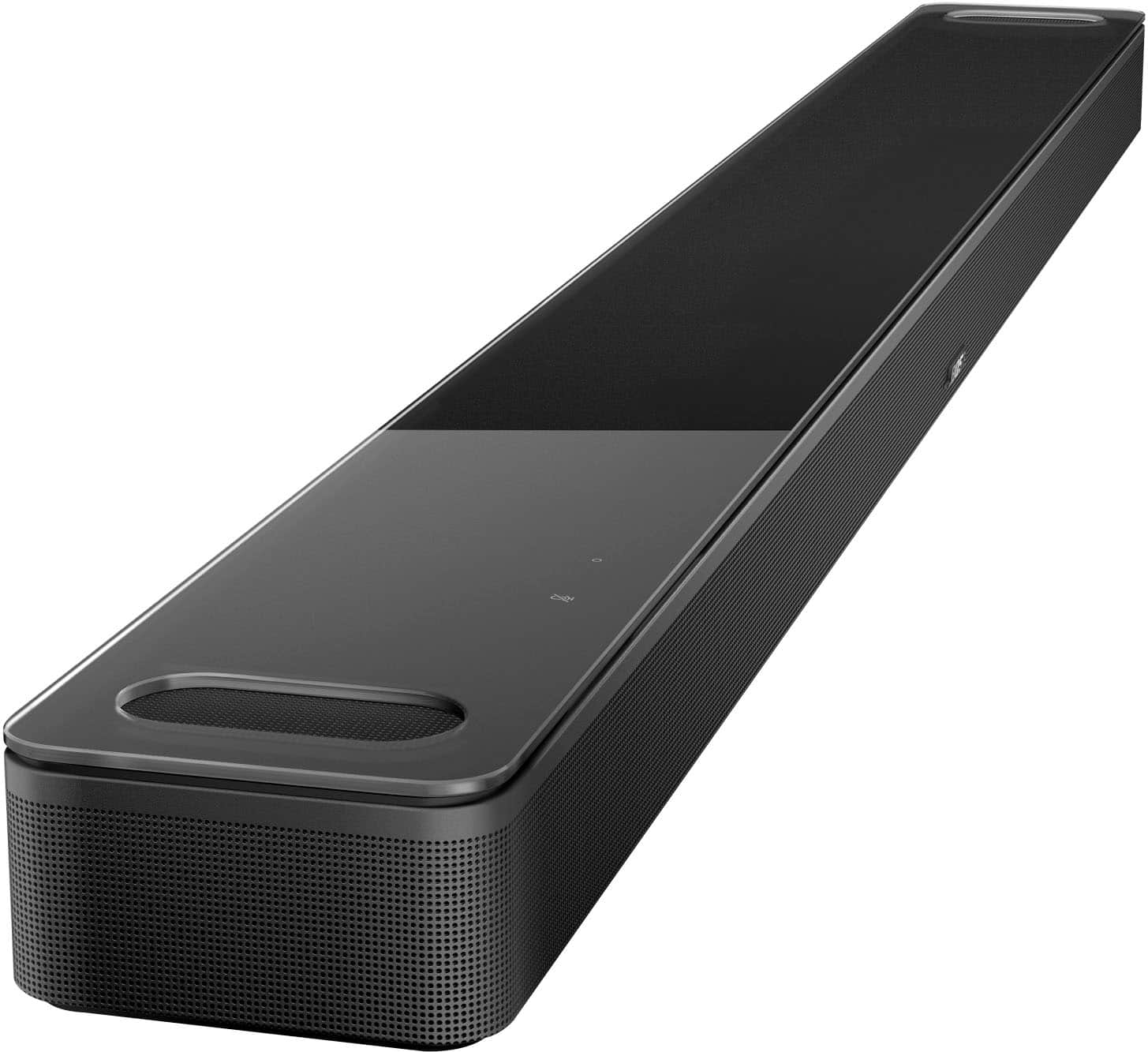
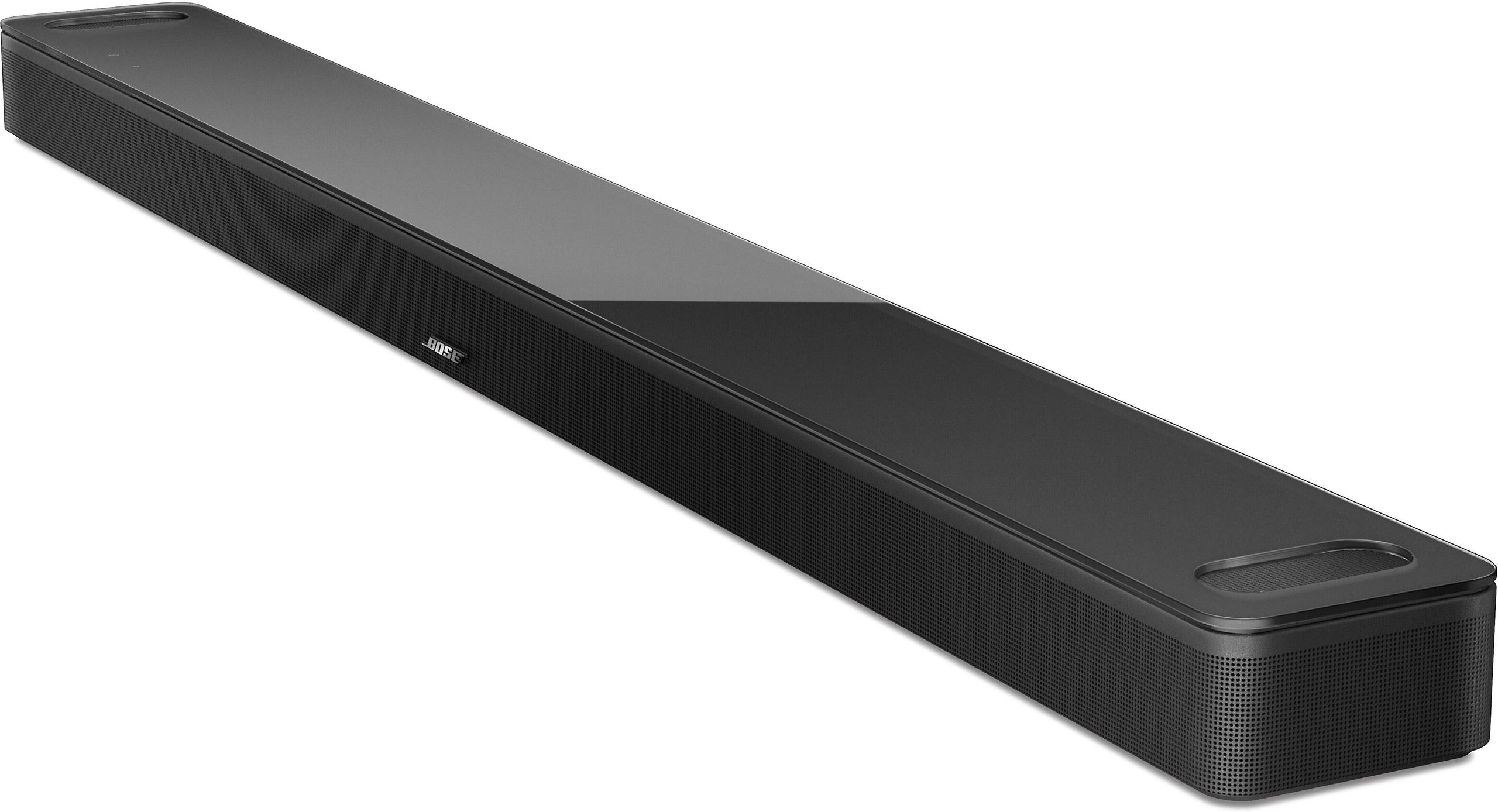
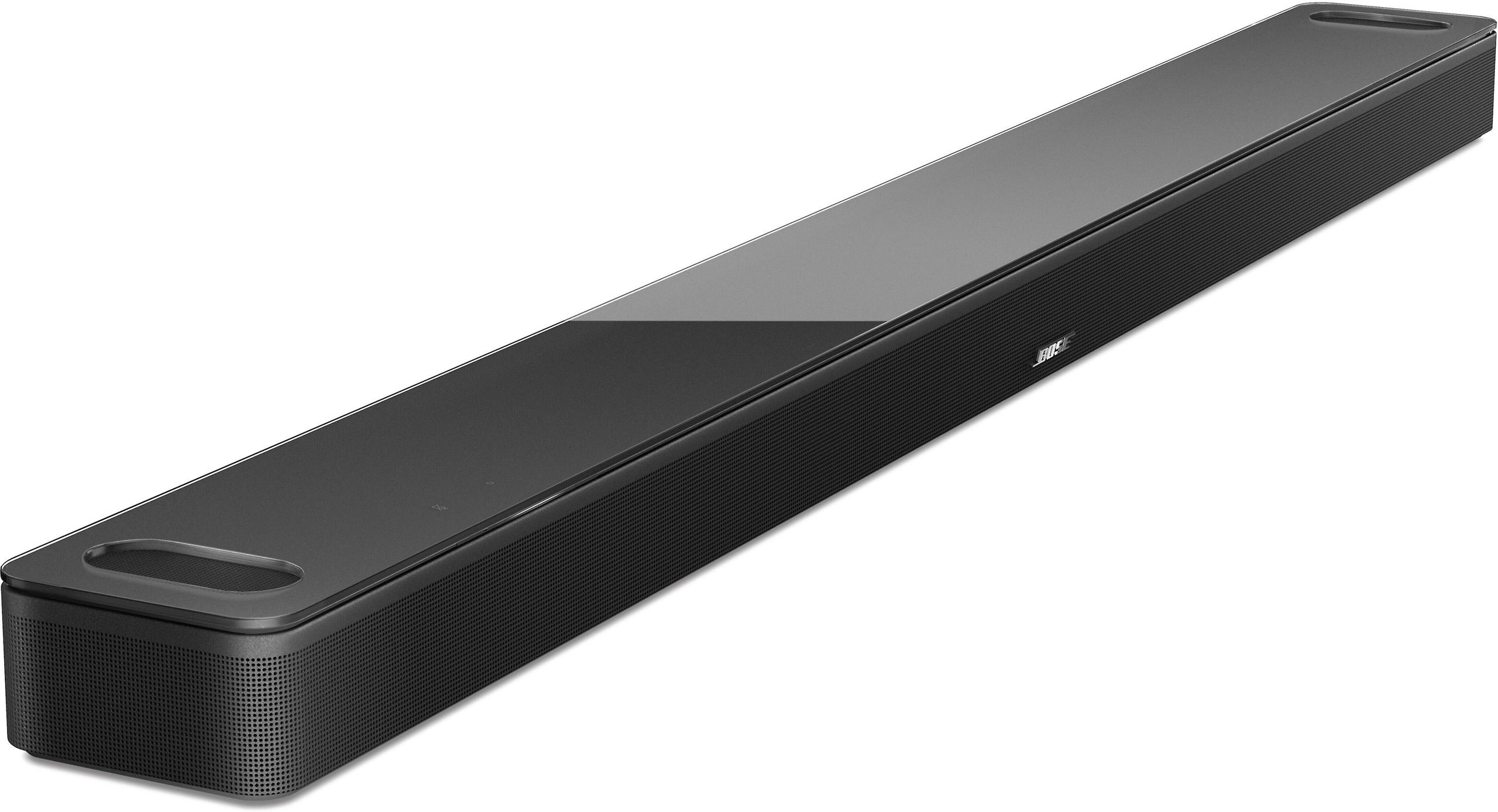
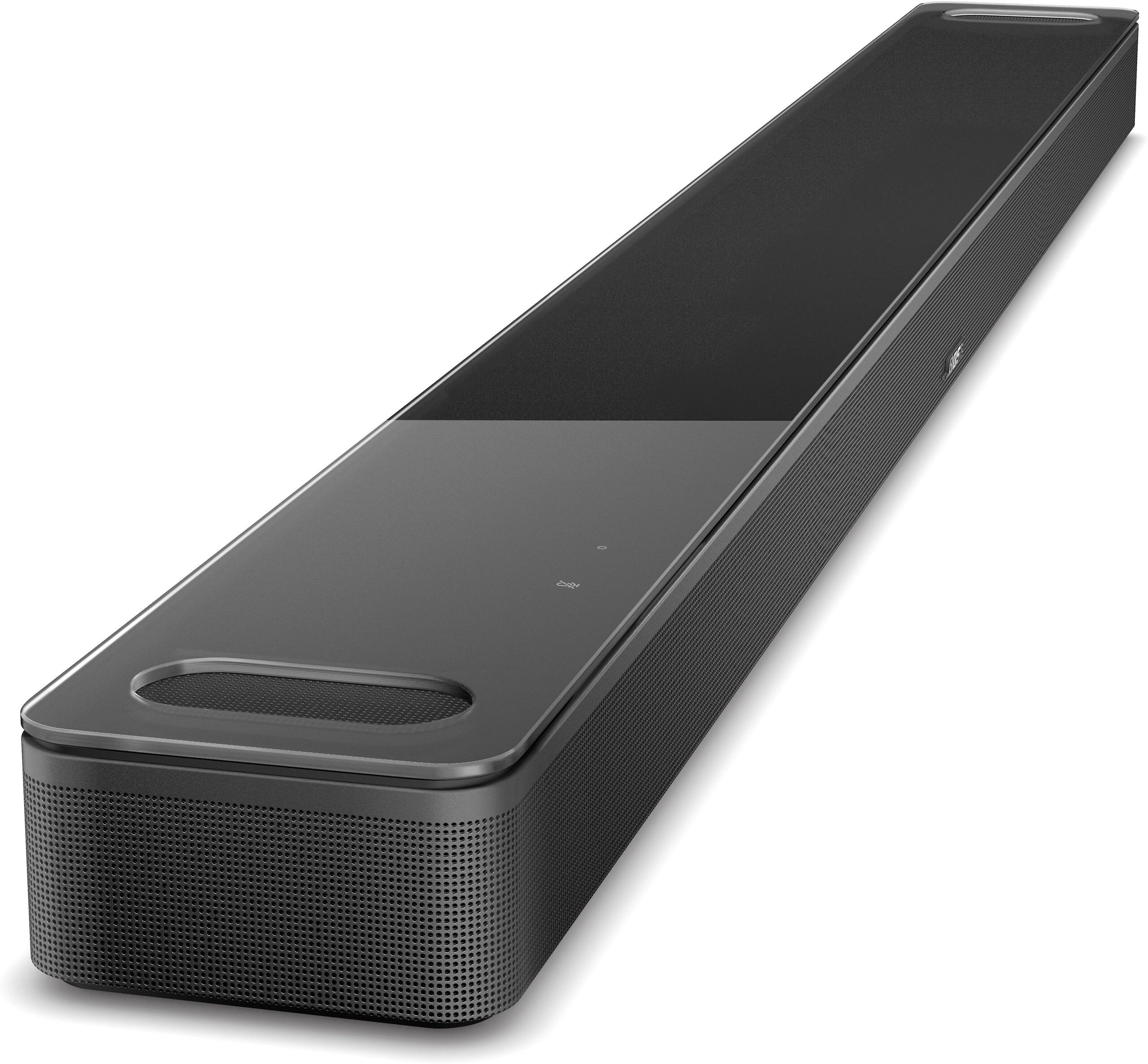
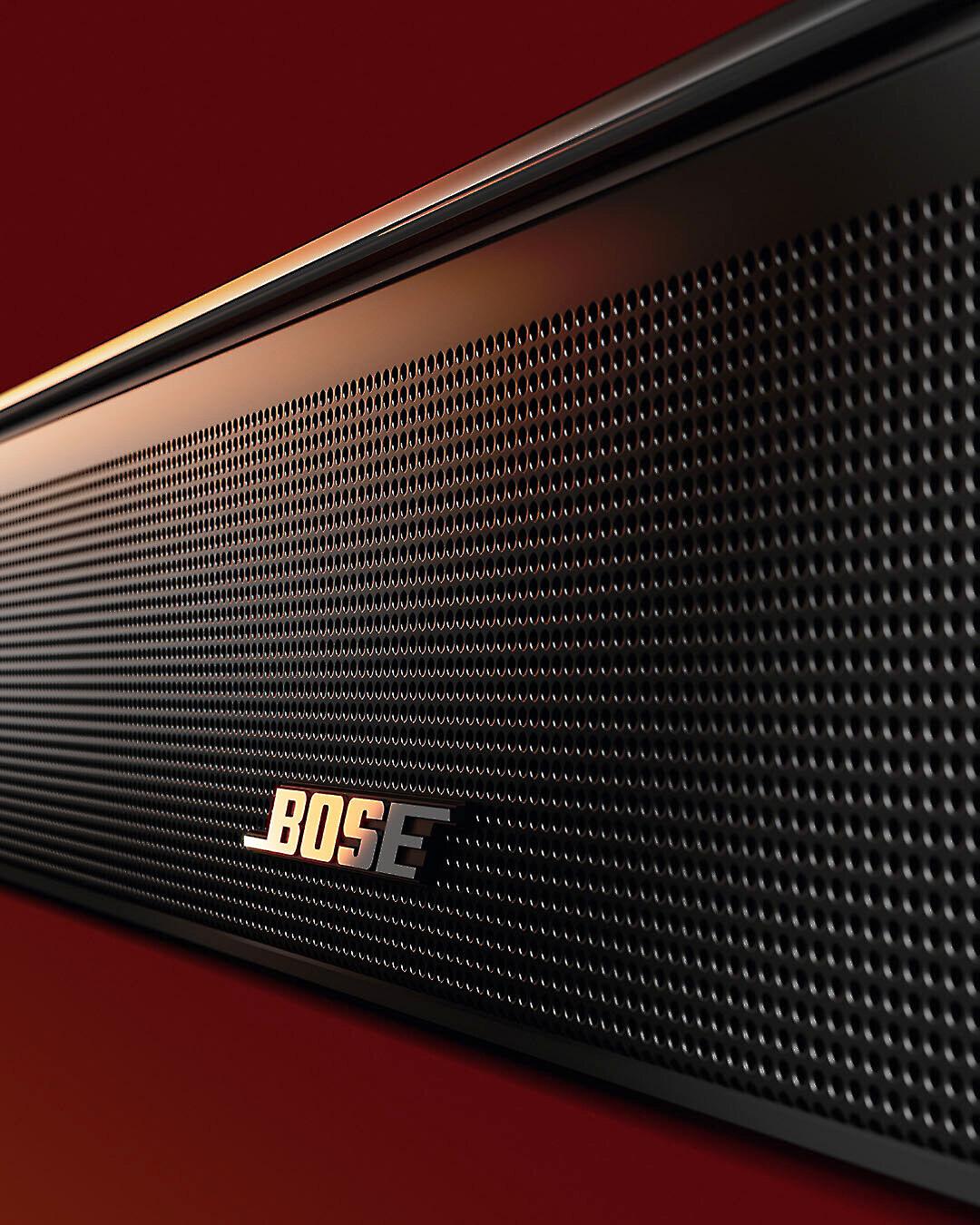
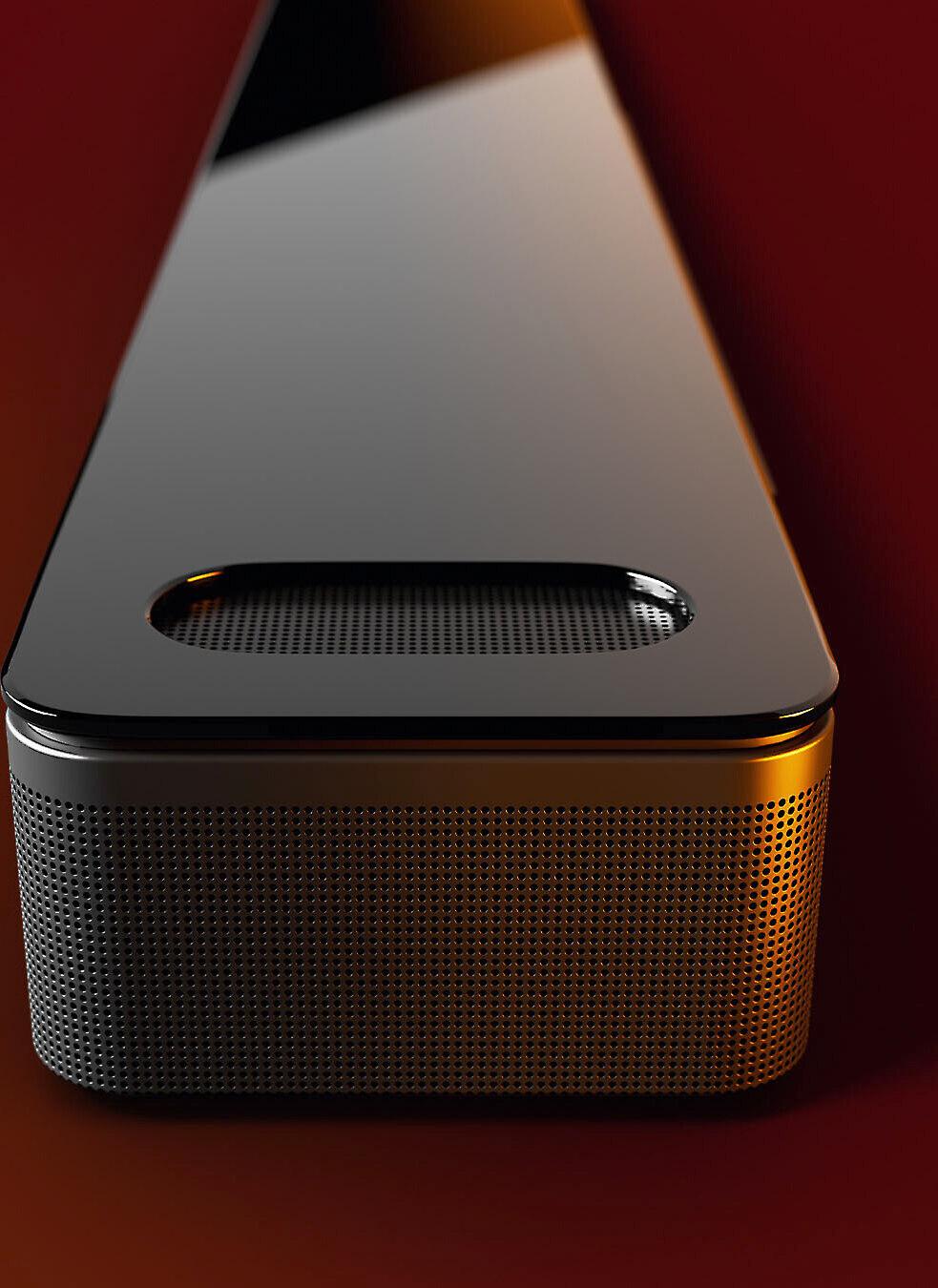
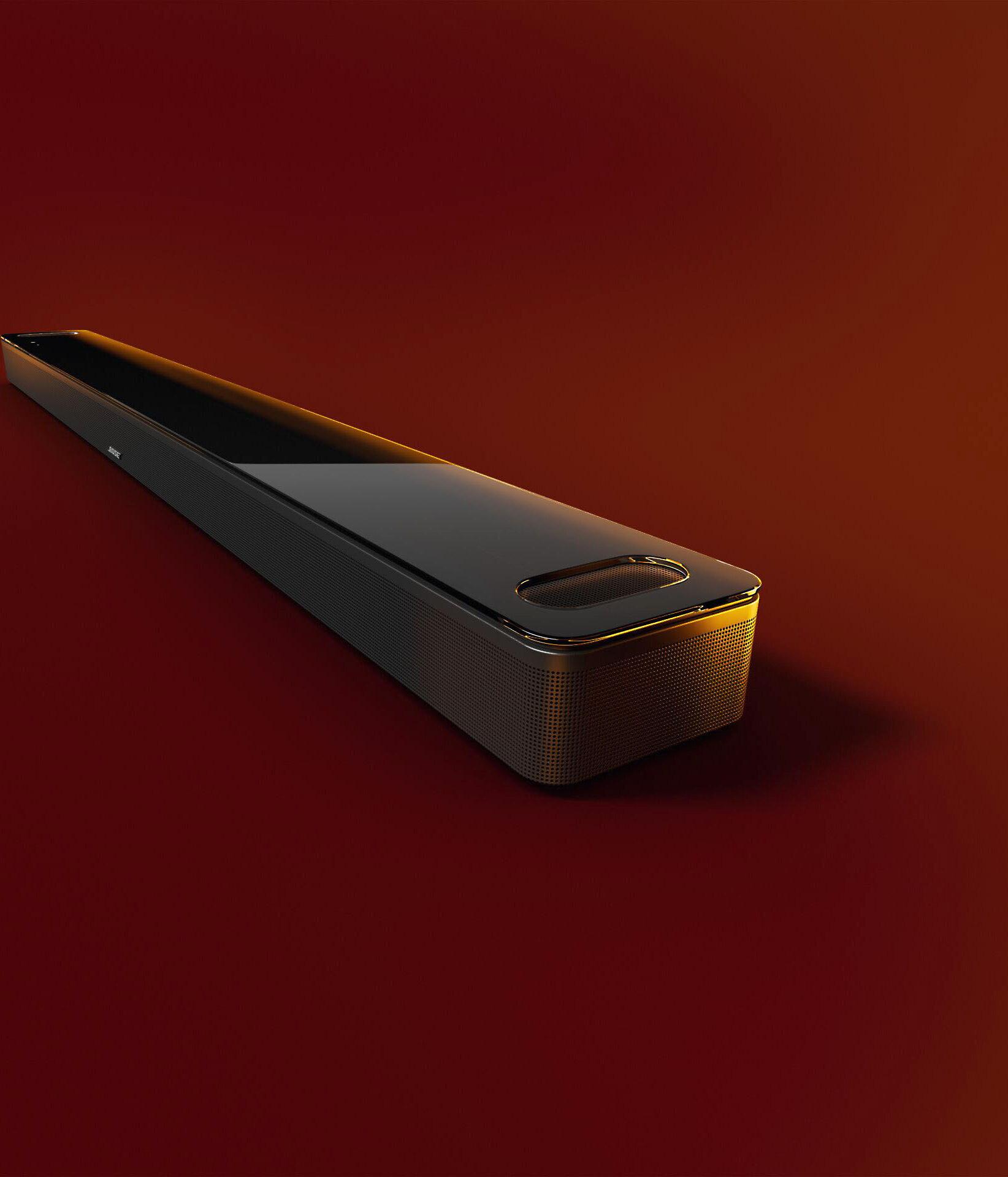
The Bose Smart Ultra, released in September 2023, represents Bose's latest thinking on premium audio technology. At $599, it's positioned as a high-end single-unit solution that leverages advanced processing to create immersive audio experiences without requiring additional speakers placed around your room.
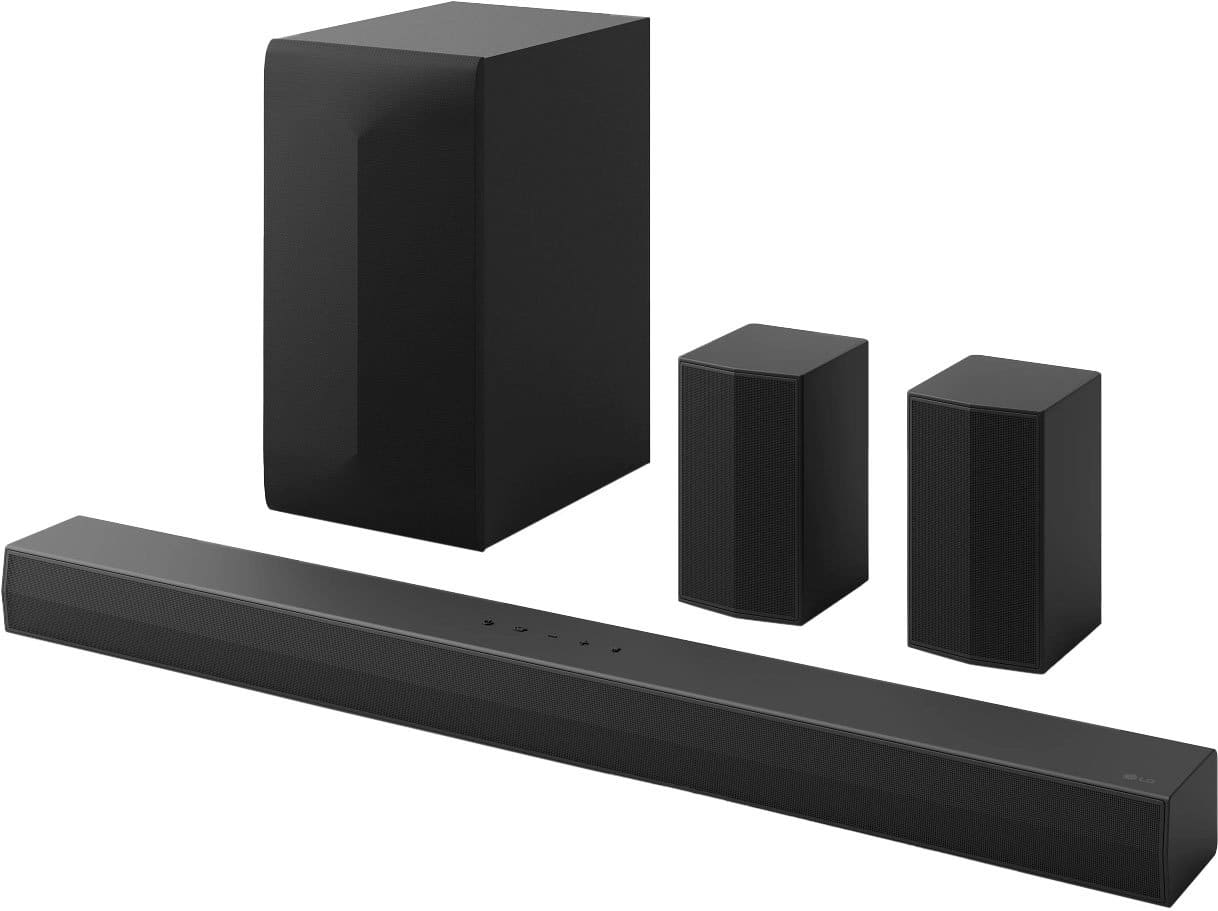
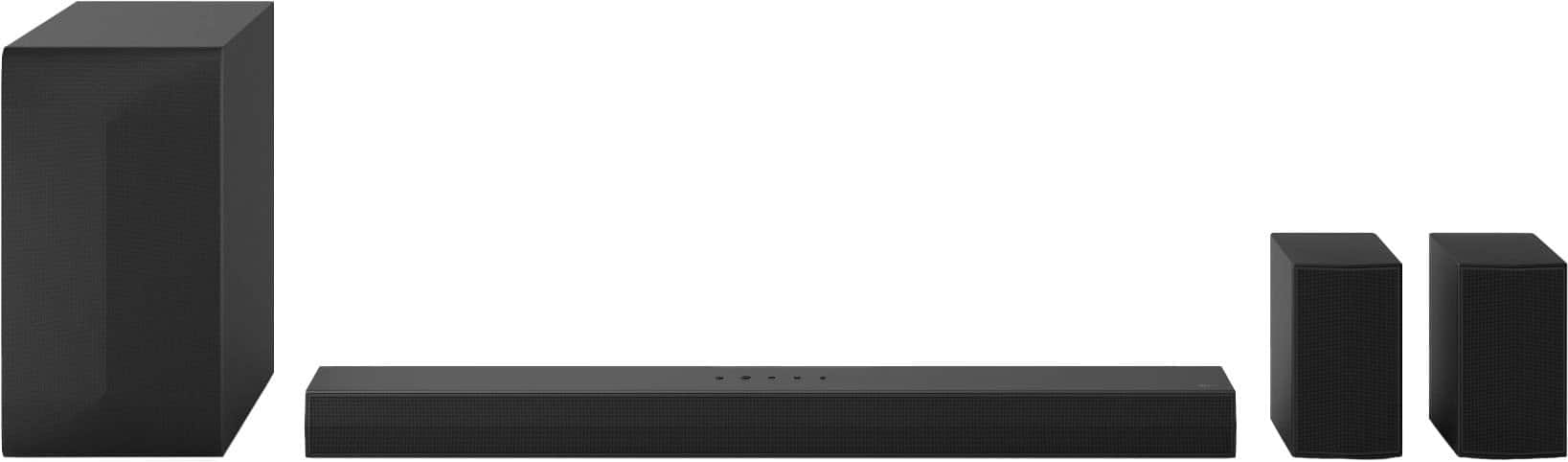
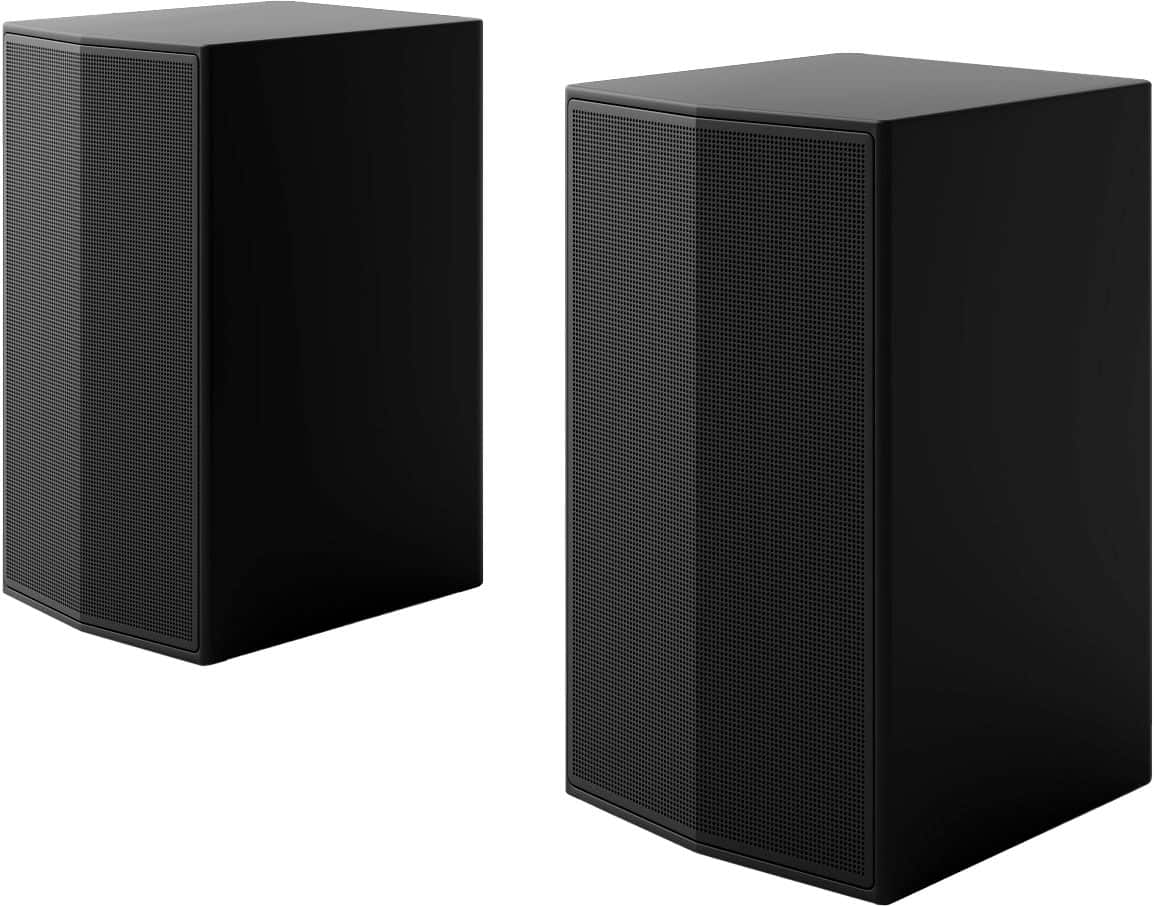
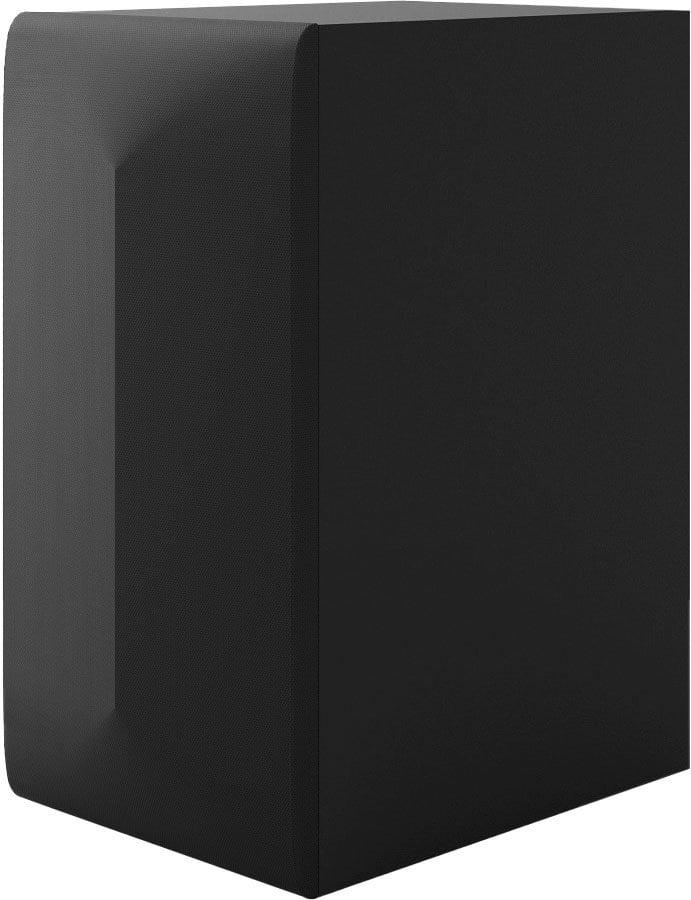
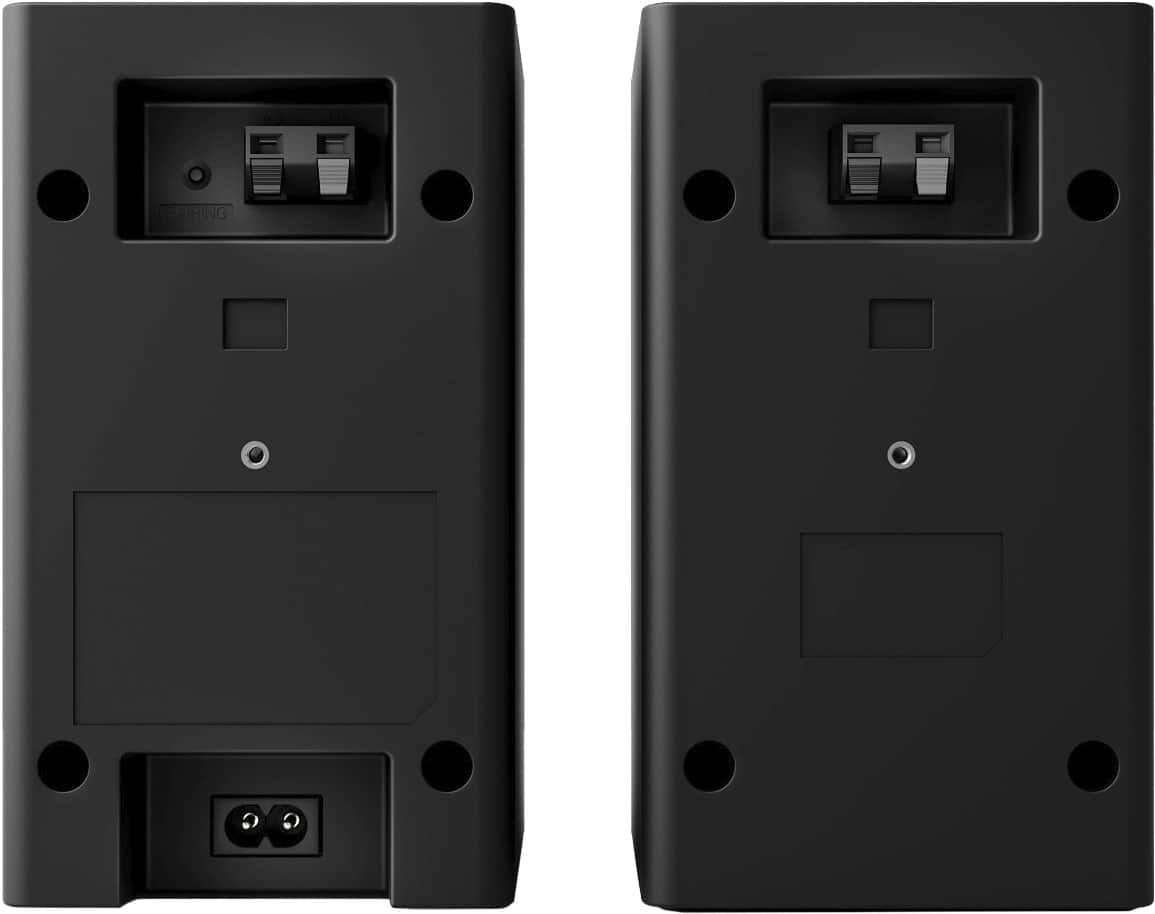
The LG S60TR, launched in 2024, takes the more traditional route with its $299 price tag. This system includes a main soundbar, wireless subwoofer, and wireless rear speakers – giving you a complete 5.1 surround sound setup right out of the box.
Since these products launched, we've seen significant improvements in wireless connectivity and processing power across the soundbar category. The Bose benefits from more mature Dolby Atmos processing algorithms, while LG has refined their wireless speaker technology to reduce connectivity issues that plagued earlier models.
The most significant difference between these soundbars lies in how they create that "surround sound" experience. The Bose Smart Ultra uses what's called Dolby Atmos with TrueSpace technology – a sophisticated system that analyzes audio content and uses precisely timed sound waves to create the illusion of sounds coming from above, behind, and beside you.
Here's how it works: the soundbar contains nine individual speakers, including two "up-firing" drivers that bounce sound off your ceiling to create height effects. PhaseGuide technology (Bose's proprietary spatial processing) then uses psychoacoustic principles – essentially tricks that exploit how your brain processes sound – to place audio elements in 3D space around you.
I've tested this extensively, and the effect can be genuinely surprising. In well-produced Dolby Atmos content like "Top Gun: Maverick," you'll hear jets flying overhead with convincing height, even though there are no ceiling speakers. The technology works best in rooms with standard 8-10 foot ceilings and relatively parallel walls.
The LG S60TR takes the more straightforward approach with actual speakers positioned around your room. This 5.1 system places dedicated speakers behind your listening position, creating genuine directional audio. When a character walks across the screen, you'll hear their footsteps move from the front speakers to the rear speakers – no processing tricks required.
Both approaches work, but they excel in different scenarios. The Bose creates a more enveloping, atmospheric experience that works particularly well for movies and immersive content. The LG provides clear directional audio that excels with action sequences and content where you want obvious left-to-right or front-to-back audio movement.
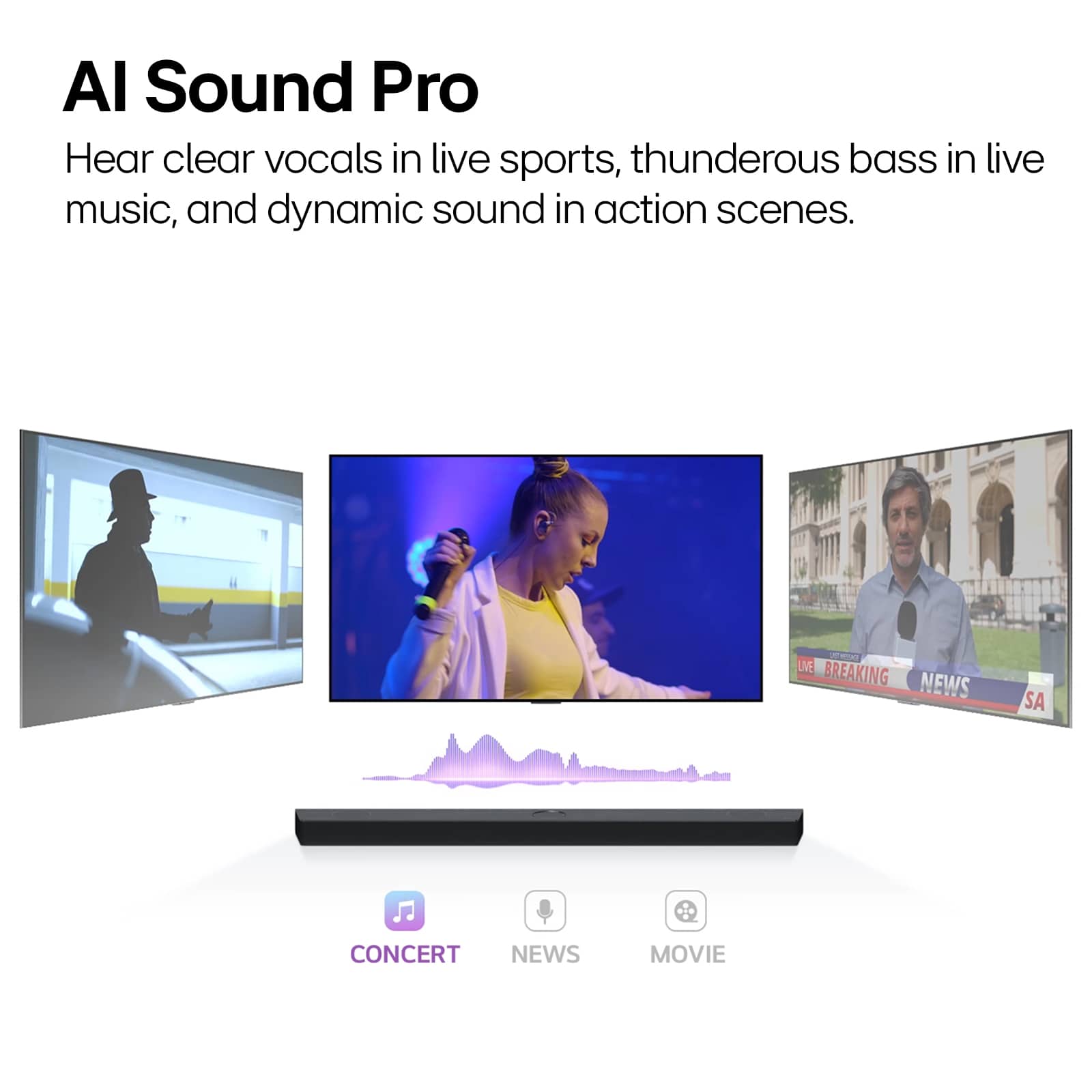
Here's where the Bose Smart Ultra really shines with its AI Dialogue Mode – a feature that uses machine learning trained on millions of audio clips to automatically adjust the sound balance when people are speaking. This isn't just a simple EQ adjustment; it's a sophisticated system that recognizes speech patterns and enhances vocal frequencies while maintaining the impact of background effects.
In practical terms, this means you won't find yourself constantly reaching for the remote to adjust volume when switching between quiet dialogue scenes and explosive action sequences. The system automatically makes voices clearer without making everything else sound thin or artificial.
The LG S60TR includes Clear Voice Pro mode and uses deep learning algorithms to adjust sound based on content type, but it's not as sophisticated as Bose's implementation. You'll still get improved dialogue clarity compared to TV speakers, but it requires more manual adjustment to find the right balance for different types of content.
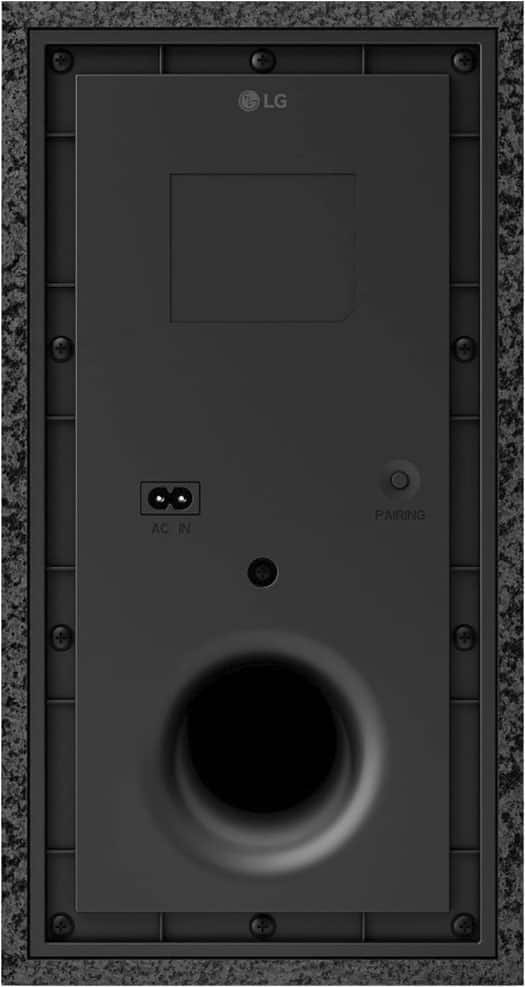
This is where the fundamental difference between these systems becomes most apparent. The LG S60TR includes a dedicated 220-watt wireless subwoofer – a separate box specifically designed to handle low-frequency sounds from about 20Hz to 200Hz. This means you'll feel the rumble of explosions, the thump of music bass lines, and the deep atmospheric sounds that give movies their emotional impact.
The Bose Smart Ultra, being a single-unit system, relies on internal drivers and room acoustics to produce bass. While Bose has engineered these speakers to punch above their weight class, physics still applies – smaller drivers in a compact enclosure simply can't move as much air as a dedicated subwoofer.
In my testing, the difference is immediately noticeable with action movies and music content. The LG delivers the kind of tactile bass that you feel in your chest, while the Bose provides more controlled, precise low-end that integrates seamlessly with the overall soundstage but lacks that visceral impact.
However, the Bose does offer the option to add their Bass Module 700 subwoofer later, though this brings the total system cost to over $1,000 – well beyond the LG's price point.
The Bose Smart Ultra showcases what modern soundbars can do beyond just playing audio. Built-in Amazon Alexa and Google Assistant support mean you can control not just the soundbar, but your entire smart home setup using voice commands. The Voice4Video feature is particularly clever – you can say "Alexa, turn on Netflix" and it will power on your TV, switch to the correct input, and launch the Netflix app.
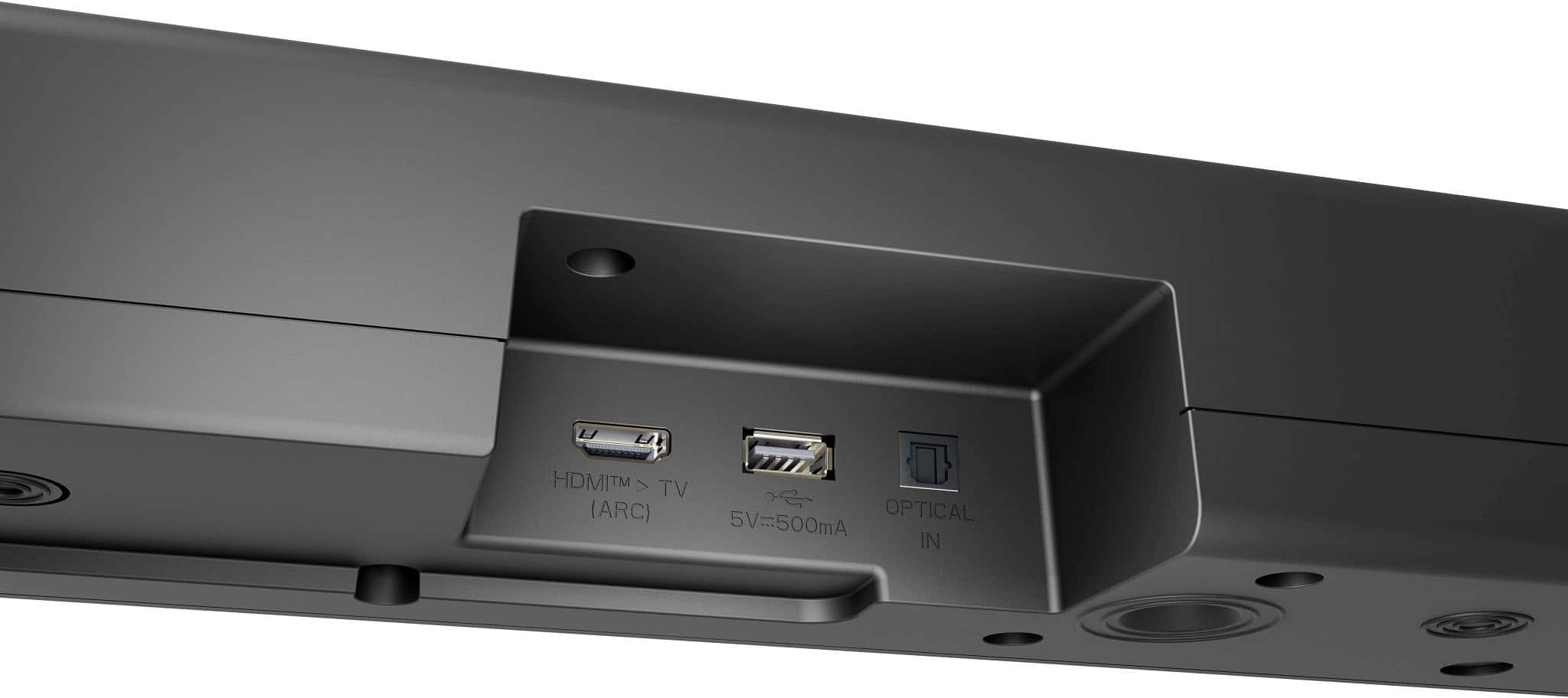
Connectivity options are comprehensive: Wi-Fi for streaming services, Bluetooth 5.0 for device pairing, AirPlay 2 for Apple users, Chromecast built-in for Android users, and direct Spotify Connect support. This means you can stream music from virtually any device or service without additional setup.
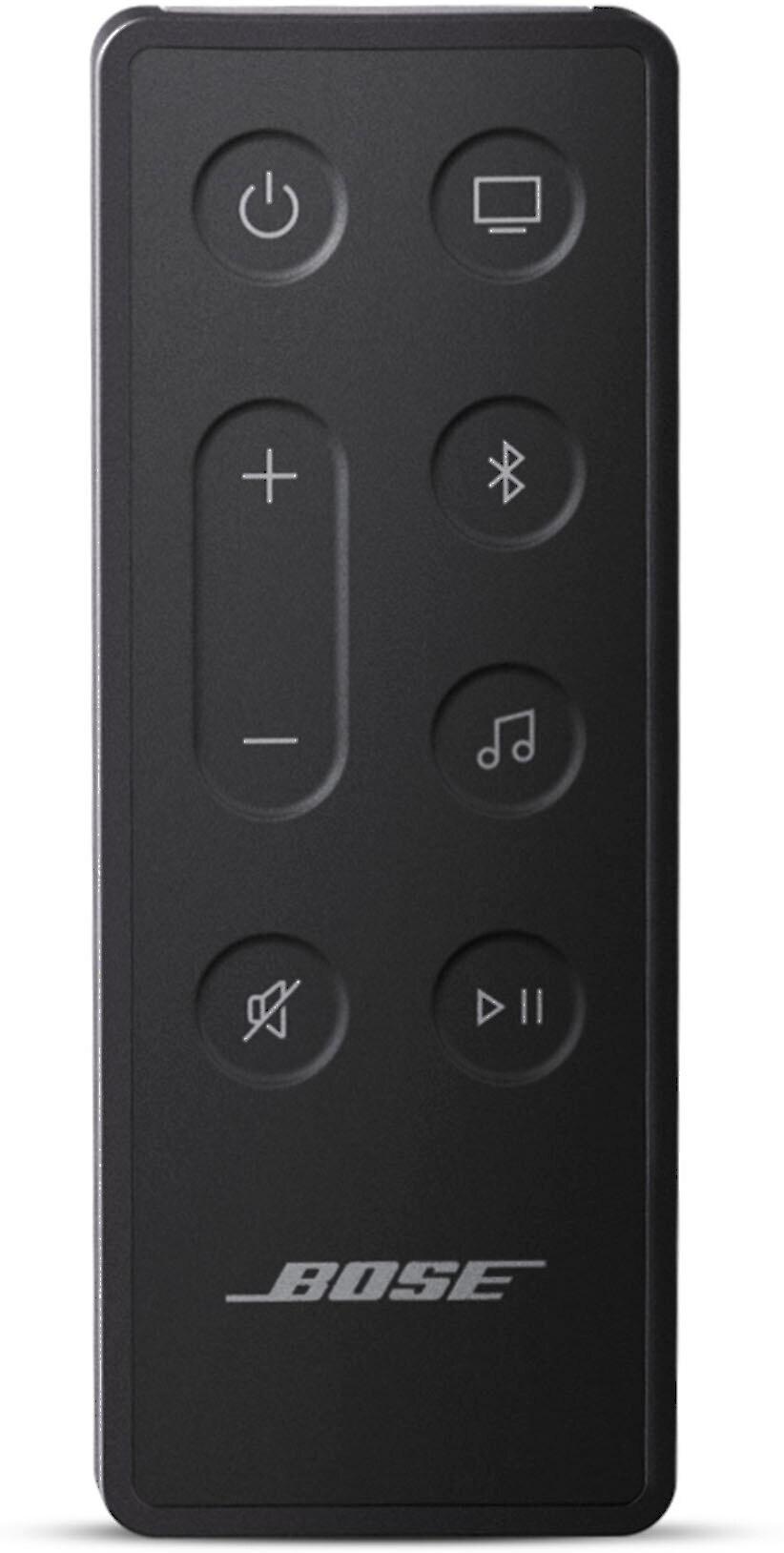
The LG S60TR offers more basic smart functionality. While it includes Bluetooth and Wi-Fi connectivity, the smart features are primarily focused on the WOW Interface – a system that lets you control the soundbar using your LG TV's remote. This simplifies daily use but doesn't offer the same level of ecosystem integration as the Bose.
One of the Bose Smart Ultra's standout features is ADAPTiQ room calibration. This system uses an included external microphone that you place at your listening position while the soundbar plays test tones. The system then analyzes how sound reflects off your walls, ceiling, and furniture, automatically adjusting its output to optimize performance for your specific room.
This technology addresses one of the biggest challenges in home audio – every room sounds different. A soundbar that sounds perfect in a showroom might sound boomy in a small room or thin in a large space with high ceilings. ADAPTiQ helps ensure consistent performance regardless of your room's acoustic characteristics.
The LG system doesn't include automatic room calibration, though you can manually adjust bass, midrange, and treble through the mobile app. This works fine for basic adjustments, but it requires more user involvement and audio knowledge to achieve optimal results.
For dedicated home theater use, both systems offer distinct advantages. The Bose excels at creating an immersive, atmospheric experience that works particularly well with content specifically mixed for Dolby Atmos. Movies like "Dune," "Blade Runner 2049," and "A Quiet Place" showcase the system's ability to create tension and atmosphere through precise spatial audio placement.
The height effects, while virtual, are convincing enough to enhance the viewing experience significantly. Helicopters genuinely seem to pass overhead, rain appears to fall from above, and ambient sounds create a bubble of audio around your viewing position.
The LG S60TR provides a more traditional home theater experience with clear channel separation and impactful bass. Action sequences have more visceral punch, and the rear speakers provide genuine surround effects that work well with both newer and older surround sound mixes. The dedicated subwoofer adds emotional weight to dramatic scenes and makes action sequences more engaging.
For home theater enthusiasts who prioritize the "wow factor" of deep bass and obvious surround effects, the LG delivers more immediate gratification. However, the Bose provides a more sophisticated, nuanced experience that reveals details and spatial information that might be missed with traditional systems.
At $299, the LG S60TR represents exceptional value in the soundbar market. You're getting a complete 5.1 system with 440 watts of total power, wireless connectivity, and everything needed for a substantial upgrade from TV speakers. The inclusion of rear speakers and a subwoofer at this price point is genuinely impressive.
The Bose Smart Ultra at $599 requires a different value calculation. You're paying for cutting-edge processing technology, premium build quality, advanced smart features, and the convenience of a single-unit installation. The AI Dialogue Mode alone represents significant engineering investment, and the spatial audio processing is genuinely innovative.
Neither product is overpriced for what it delivers, but they serve different market segments. The LG provides maximum audio hardware for your dollar, while the Bose delivers premium technology and convenience for users willing to pay for the latest innovations.
Setup complexity often determines long-term satisfaction more than raw specifications. The Bose Smart Ultra typically takes about 10 minutes to set up – connect one HDMI cable, plug in power, and run the room calibration. The system then works seamlessly with your TV remote for daily operation.
The LG S60TR requires more initial setup. You'll need to position the subwoofer (preferably corner placement for maximum impact), find appropriate locations for the rear speakers, and ensure they can connect wirelessly to the main unit. The setup process includes a specific power-on sequence that's not immediately obvious from the documentation.
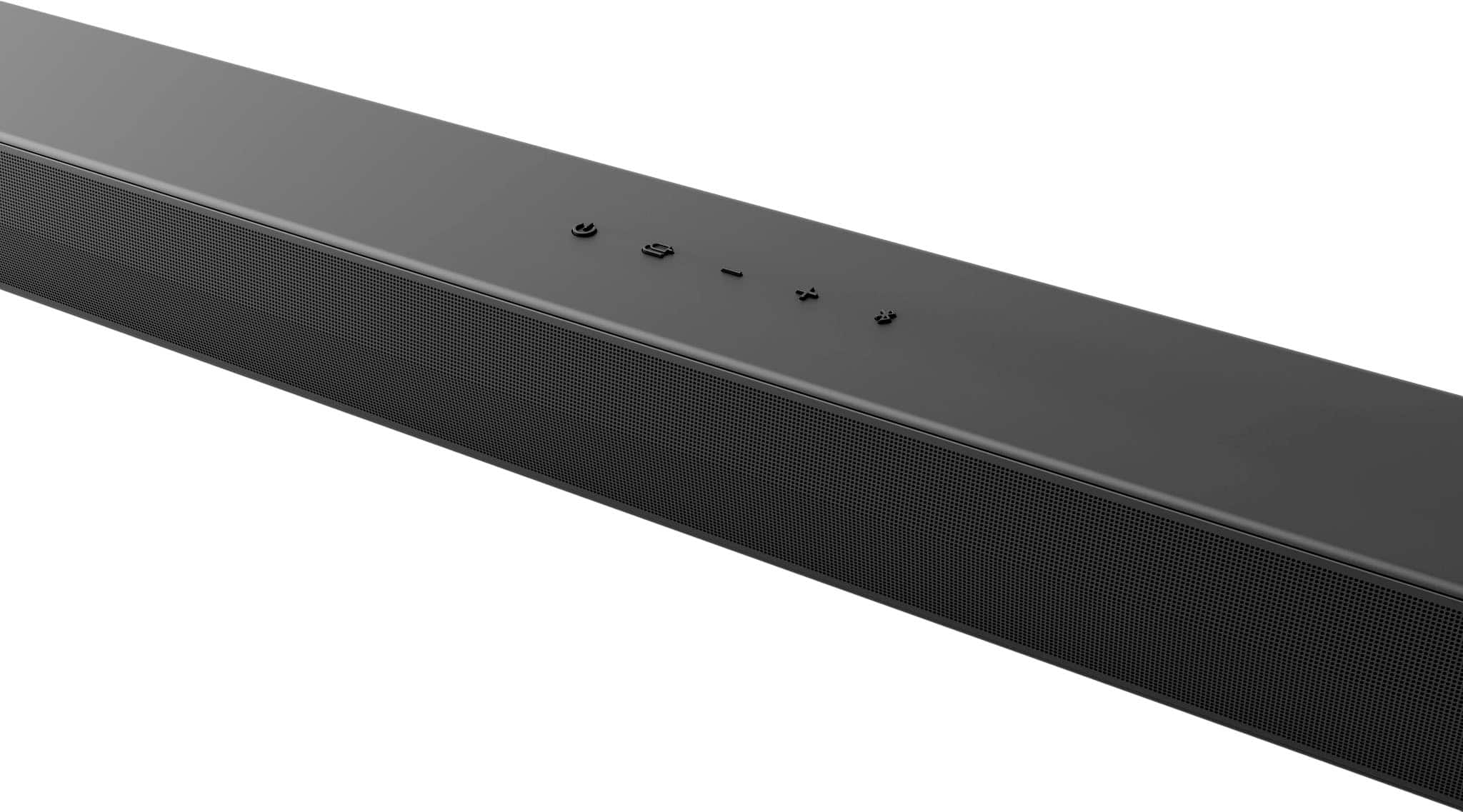
However, once properly set up, both systems integrate well into daily TV watching. The LG's WOW Interface means you can control basic functions from your TV remote, while the Bose's HDMI eARC connection allows seamless integration with your TV's audio settings.
Your choice between these soundbars ultimately depends on your priorities, room constraints, and usage patterns.
Choose the Bose Smart Ultra if you value convenience, cutting-edge technology, and sophisticated audio processing. It's ideal for apartment dwellers who can't place rear speakers, tech enthusiasts who appreciate AI-driven features, and users who prioritize dialogue clarity above all else. The single-unit design works particularly well in minimalist setups or rooms where additional speakers would be visually intrusive.
Choose the LG S60TR if you want maximum audio impact for your budget and can accommodate the additional speakers. It's perfect for traditional home theater setups, users who prioritize bass impact and surround effects, and anyone upgrading from basic TV speakers who wants a comprehensive improvement without breaking the bank.
The decision often comes down to room constraints and personal preferences. If your living situation allows for rear speaker placement and you enjoy the visceral impact of dedicated bass, the LG S60TR delivers exceptional value and performance. If you prefer the elegance and advanced features of a premium single-unit solution, the Bose Smart Ultra justifies its higher price through superior technology and convenience.
Both soundbars represent significant upgrades from TV speakers and will transform your entertainment experience. The key is choosing the approach that best fits your space, budget, and listening preferences.
| Bose Smart Ultra Soundbar ($599) | LG S60TR 5.1 Channel Soundbar ($299) |
|---|---|
| Price - Entry point for each technology approach | |
| $599 for premium single-unit solution | $299 for complete 5.1 surround system |
| Speaker Configuration - Determines surround sound approach | |
| 9-speaker single unit with up-firing drivers | 5.1 system: soundbar + wireless subwoofer + rear speakers |
| Audio Technology - Core sound processing differences | |
| Dolby Atmos with Bose TrueSpace and PhaseGuide | Traditional 5.1 Dolby Audio processing |
| Power Output - Raw amplification for room filling | |
| Not specified (typical for premium single units) | 440W total (220W sub, 220W distributed across channels) |
| Dialogue Enhancement - Critical for TV and movies | |
| AI Dialogue Mode with machine learning processing | Clear Voice Pro with basic deep learning adjustments |
| Room Calibration - Automatic optimization for your space | |
| ADAPTiQ with external microphone for precise tuning | Manual EQ adjustments only through mobile app |
| Bass Performance - Impact for movies and music | |
| Internal drivers only (subwoofer sold separately) | Dedicated 220W wireless subwoofer included |
| Setup Complexity - Time and effort to get running | |
| Single unit, HDMI connection, automatic calibration | Multi-component placement, specific startup sequence |
| Smart Features - Voice control and streaming integration | |
| Built-in Alexa, Google Assistant, AirPlay 2, Chromecast | Basic Bluetooth, WOW Interface for TV remote control |
| Connectivity Options - How you connect devices and stream | |
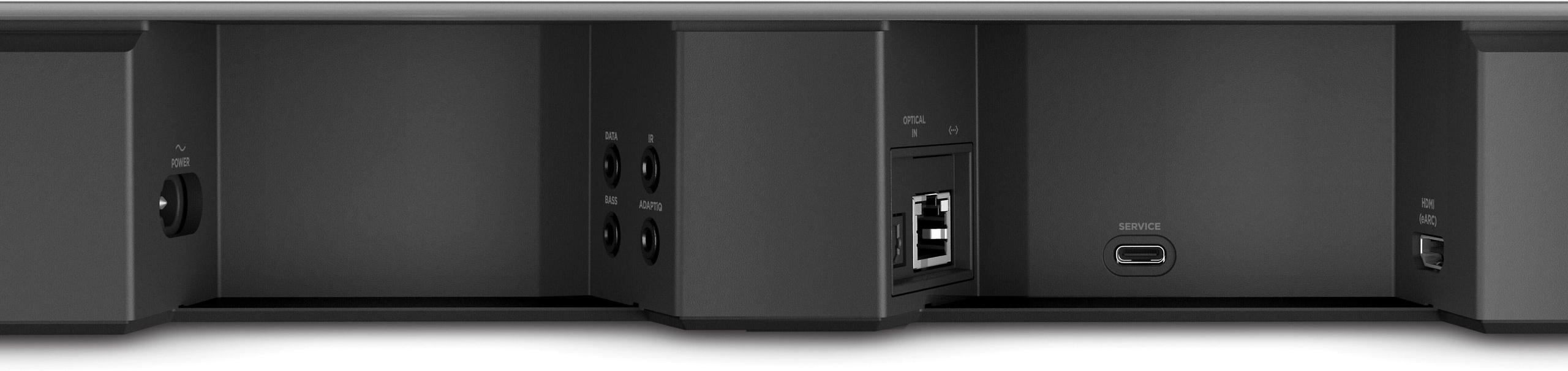
| HDMI eARC, optical, Wi-Fi, Bluetooth 5.0, multiple streaming protocols | HDMI ARC, optical, Bluetooth, Wi-Fi for app control |
| Expandability - Future upgrade potential | |
| Compatible with Bose subwoofer and surround speakers | Complete system included, limited expansion options |
| Build Quality - Materials and long-term durability | |
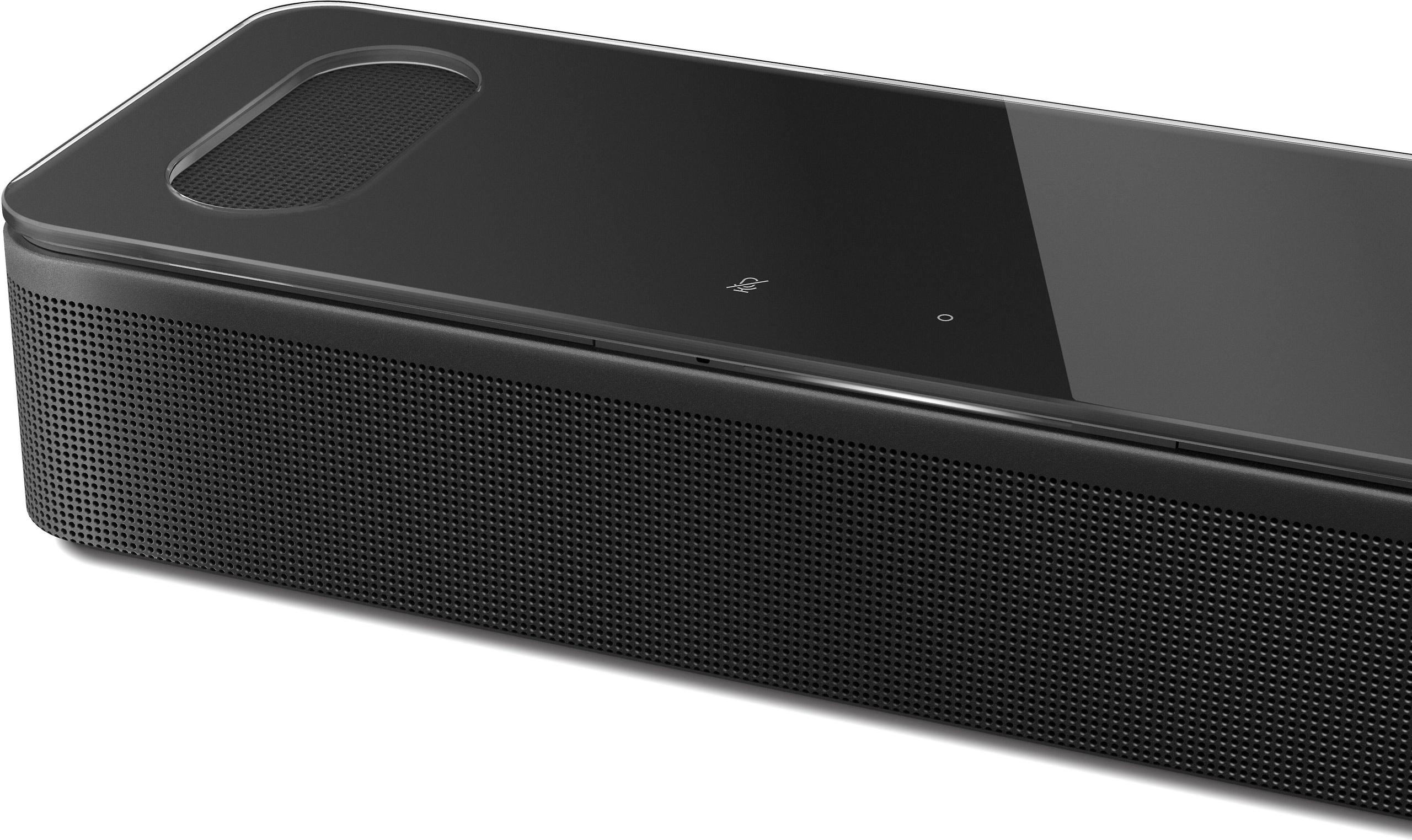
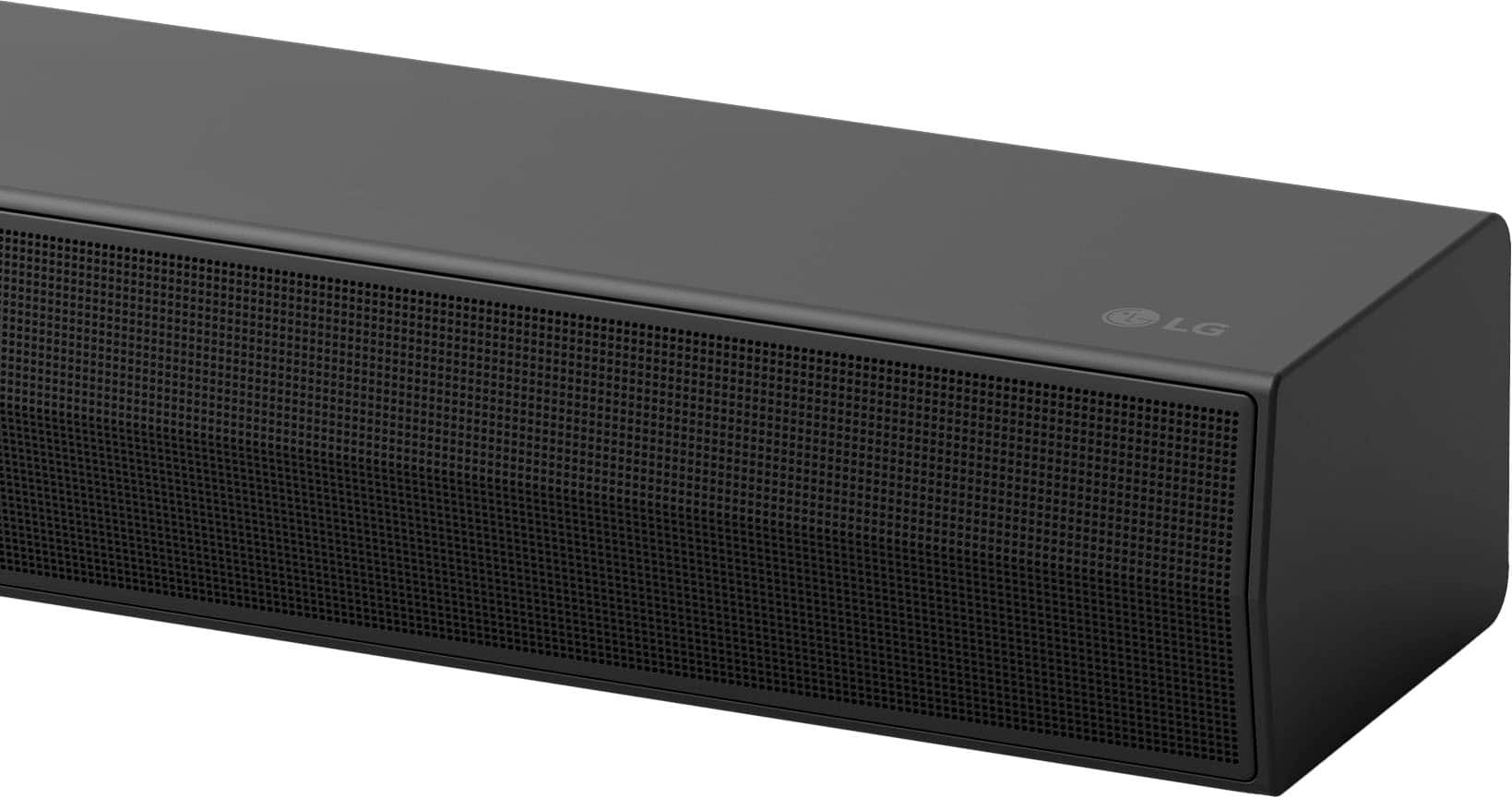
| Premium materials: tempered glass top, metal grille | Functional plastic construction appropriate for price point |
The LG S60TR ($299) offers exceptional value, providing a complete 5.1 surround sound system with wireless subwoofer and rear speakers at an entry-level price. The Bose Smart Ultra ($599) costs twice as much but delivers premium AI-driven dialogue enhancement and advanced Dolby Atmos processing. For budget-conscious buyers wanting maximum hardware, the LG wins. For those prioritizing cutting-edge technology and convenience, the Bose justifies its higher price.
This depends on your room and preferences. The Bose Smart Ultra uses advanced processing to create virtual surround sound from a single unit, perfect for apartments or rooms where placing rear speakers isn't practical. The LG S60TR includes actual wireless rear speakers that provide genuine directional audio and more obvious surround effects. If you can accommodate rear speakers, they offer a more traditional and impactful surround sound experience.
The LG S60TR has significantly better bass performance with its dedicated 220W wireless subwoofer that delivers deep, room-filling low frequencies you can feel. The Bose Smart Ultra relies on internal drivers for bass, which sounds controlled and precise but lacks the visceral impact of a dedicated subwoofer. For action movies and music with heavy bass, the LG is the clear winner.
The Bose Smart Ultra is much easier to set up - simply connect one HDMI cable, plug in power, and run the automatic room calibration. The LG S60TR requires positioning the subwoofer and rear speakers around your room, managing more cables, and following a specific startup sequence. If you want plug-and-play simplicity, choose the Bose.
The Bose Smart Ultra excels at dialogue clarity with its AI Dialogue Mode that uses machine learning to automatically enhance speech without making other sounds thin or artificial. The LG S60TR has Clear Voice Pro mode but requires more manual adjustment. For viewers who struggle to hear dialogue clearly, especially in content with heavy background music or effects, the Bose provides superior vocal clarity.
Both soundbars work with virtually any modern TV. The Bose Smart Ultra connects via HDMI eARC (preferred) or optical cable and is compatible with TVs from any manufacturer. The LG S60TR uses HDMI ARC or optical connections and works universally, though it integrates best with LG TVs through the WOW Interface that allows TV remote control of the soundbar.
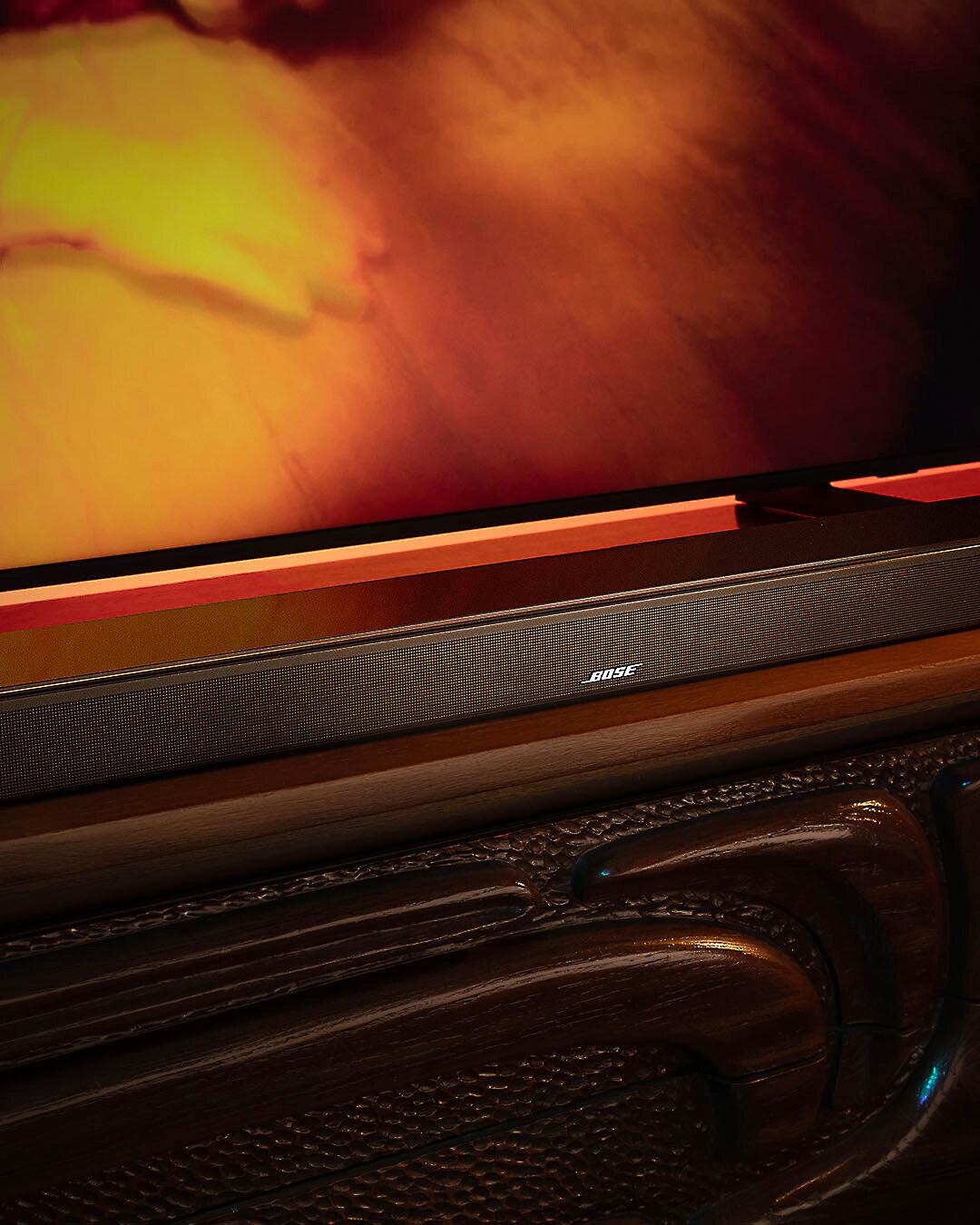
The Bose Smart Ultra is ideal for apartments due to its single-unit design that doesn't require additional speakers placed around the room. Its virtual surround sound technology works well in smaller spaces, and the compact profile fits under most TVs without dominating the room. The LG S60TR requires space for a subwoofer and rear speakers, making it less suitable for cramped living situations.
The Bose Smart Ultra fully supports Dolby Atmos with dedicated up-firing speakers and advanced processing that creates convincing height effects. It also uses TrueSpace technology to enhance non-Atmos content. The LG S60TR supports Dolby Audio but not true Dolby Atmos, as it lacks height channels. For immersive overhead sound effects, the Bose is the only choice between these two.
The Bose Smart Ultra offers comprehensive smart features including built-in Alexa and Google Assistant, AirPlay 2, Chromecast, and direct streaming service integration. The LG S60TR has more basic smart functionality with Bluetooth connectivity and the WOW Interface for TV remote control. If you want voice control and seamless streaming from multiple devices, the Bose provides a more connected experience.
The Bose Smart Ultra can be expanded with compatible Bose subwoofers and surround speakers, though this significantly increases the total cost. The LG S60TR comes complete as a 5.1 system with limited expansion options. If you want to start simple and add components over time, the Bose ecosystem offers more flexibility, but the LG gives you everything upfront.
For home theater, it depends on your priorities. The LG S60TR delivers more traditional surround sound with impactful bass and clear directional effects that work well with action movies. The Bose Smart Ultra creates a more sophisticated, atmospheric experience with height effects and precise spatial audio that enhances dialogue-heavy content and Dolby Atmos movies. Both significantly upgrade TV speakers, but they excel in different aspects of the home theater experience.
Both the Bose Smart Ultra and LG S60TR come with standard 1-year limited warranties covering parts and labor. Bose typically offers better customer service and support infrastructure, while LG provides adequate warranty coverage at their price point. Extended warranty options are available through retailers for both products if you want additional protection.
We've done our best to create useful and informative comparisons to help you decide what product to buy. Our research uses advanced automated methods to create this comparison and perfection is not possible - please contact us for corrections or questions. These are the sites we've researched in the creation of this article: techradar.com - bose.com - bestbuy.com - tomsguide.com - pcrichard.com - rtings.com - bose.com - boselatam.com - avsforum.com - bose.com - bestbuy.com - mynavyexchange.com - youtube.com - consumerreports.org - avsforum.com - rentacenter.com - bestbuy.com - homechoicestores.com - oconsommateur.com - lg.com - bestbuy.com - samsung.com

Privacy Policy
Terms and Conditions - Affiliate Policy
Home Security
© Copyright 2008-2026.
11816 Inwood Rd #1211, Dallas, TX 75244