

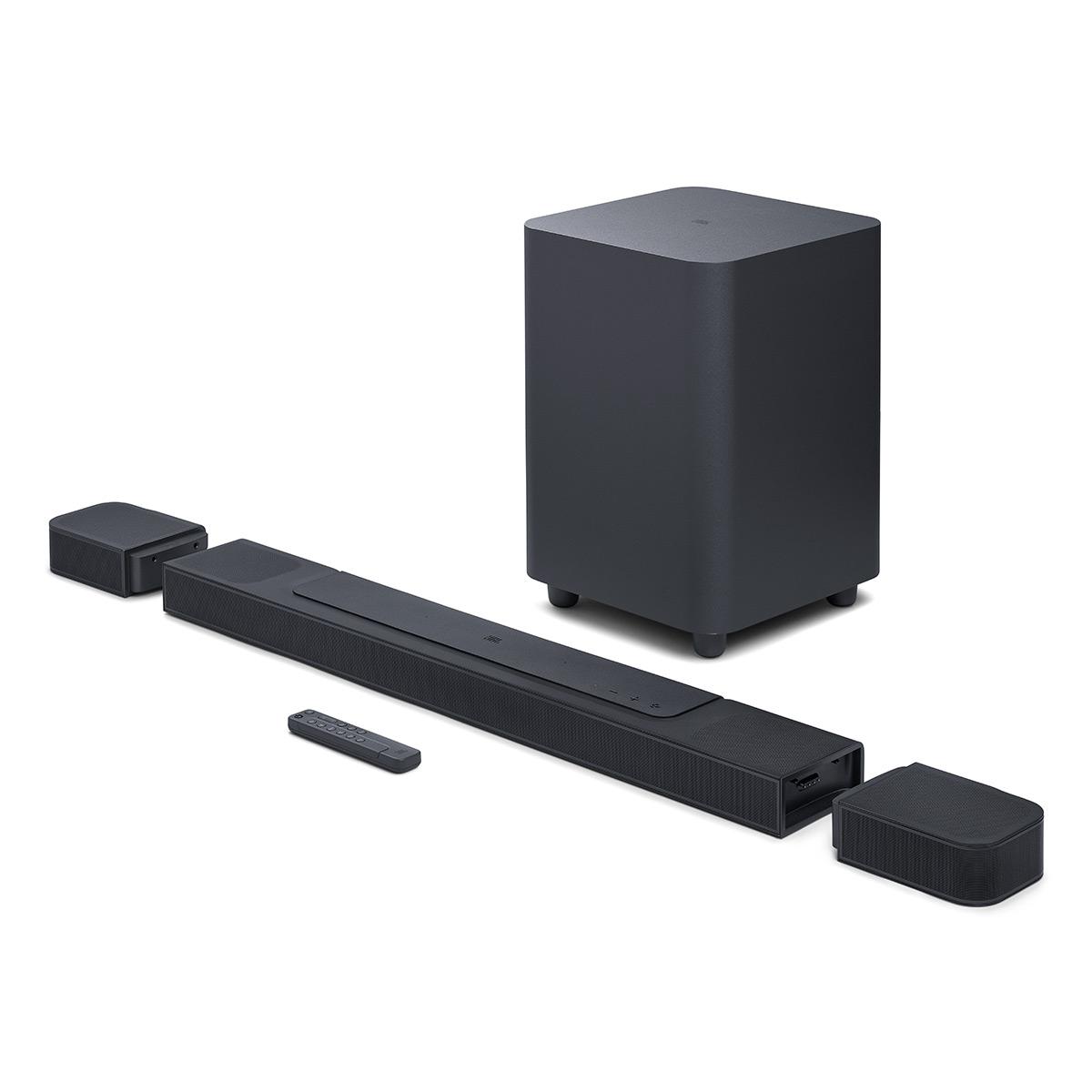
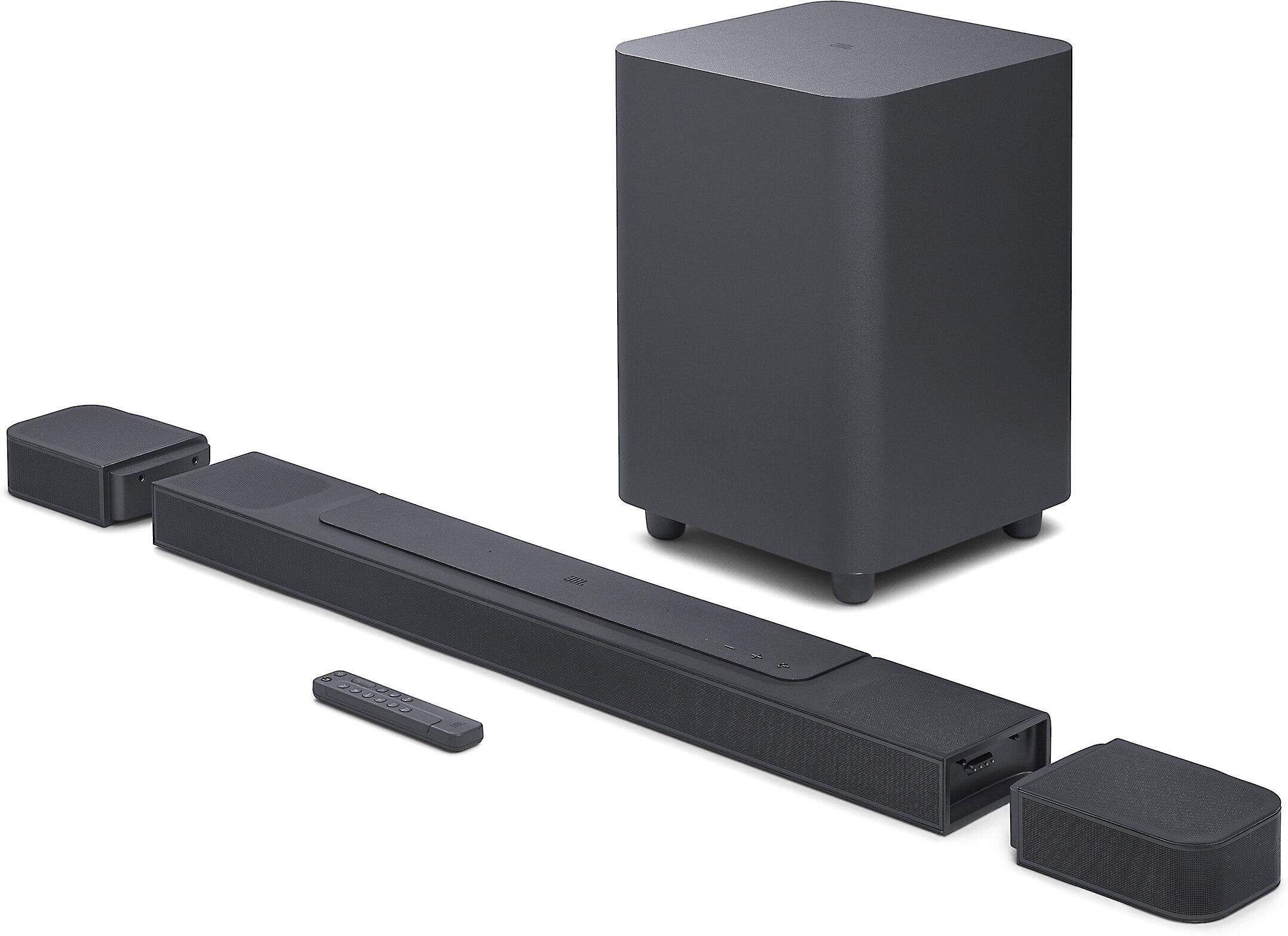
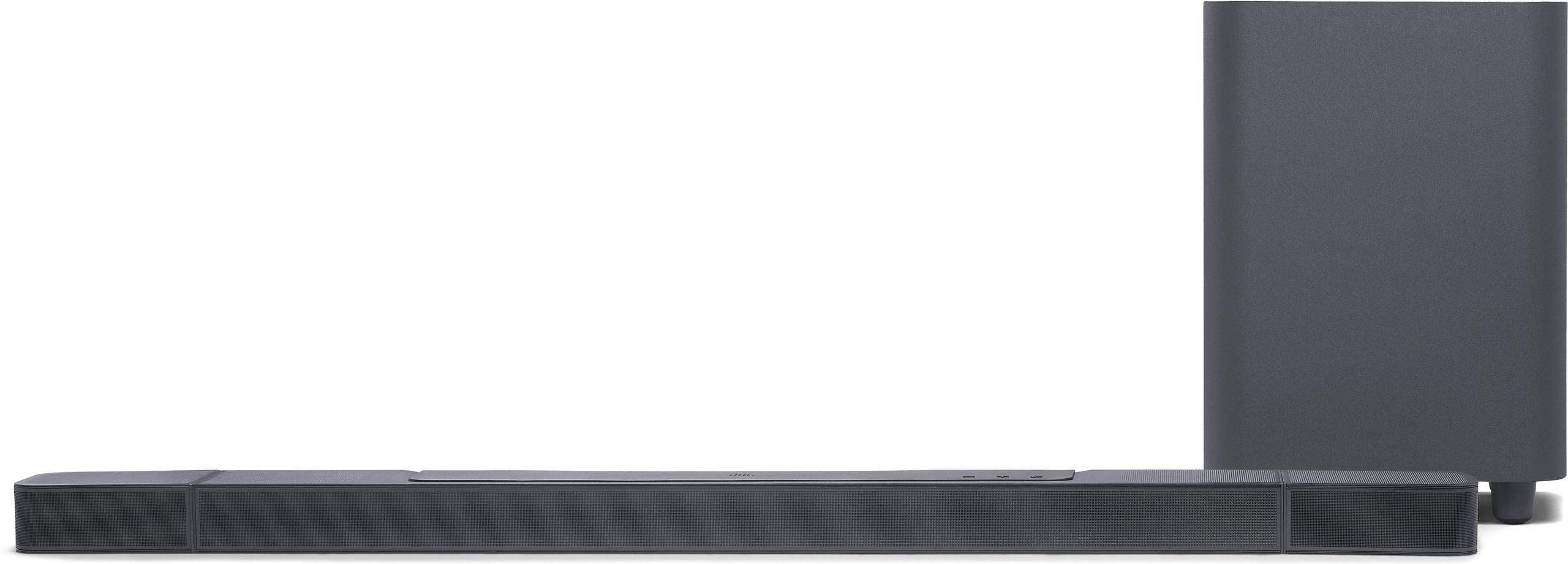







When your TV's built-in speakers just aren't cutting it anymore, you've probably started looking at soundbars. But not all soundbars are created equal, and the jump from a basic model to a premium system can feel overwhelming. Today, we're comparing two very different approaches to home audio: the JBL Bar 1000 ($699.95) and the LG S60TR ($299.99).
These systems represent distinct philosophies in soundbar design. The JBL focuses on delivering a no-compromise theater experience with cutting-edge features, while the LG prioritizes simplicity and value. Understanding which approach fits your needs—and your budget—will help you make the right choice for your living room.
Before diving into specifics, let's establish what we're dealing with. Modern premium soundbars have evolved far beyond simple TV audio upgrades. They're sophisticated audio systems that aim to recreate the cinema experience in your home without the complexity of traditional surround sound setups.
The main considerations when evaluating these systems include audio performance (how good they actually sound), feature sets (what technologies they support), flexibility (how well they adapt to different rooms and uses), and value (whether the price matches what you're getting). The sweet spot varies dramatically based on your priorities, room size, and how you consume entertainment.
What makes this comparison particularly interesting is that these two products target different segments of the market while overlapping in some key areas. Both promise immersive surround sound, but they achieve it through completely different methods and price points.
The JBL Bar 1000 represents JBL's flagship soundbar technology, building on decades of professional audio expertise. Released as part of JBL's premium home audio push, it incorporates technologies that were previously exclusive to high-end separate component systems. JBL has historically dominated professional venues—you've probably heard their speakers at concerts or movie theaters—and they've brought that expertise to the home market.
The LG S60TR, released in 2024, reflects LG's strategy of making advanced audio accessible to mainstream consumers. LG has been refining their soundbar technology for years, focusing on integration with their TV ecosystem and user-friendly experiences. This model represents their effort to offer genuine surround sound at a price point that doesn't require a major financial commitment.
Since their respective releases, both companies have continued refining their software and connectivity features through firmware updates. The JBL has benefited from enhanced room calibration algorithms and expanded streaming service compatibility, while the LG has received improvements to its AI processing and voice clarity features.
The most immediate difference between these systems is raw power output. The JBL Bar 1000's 880 watts total system power isn't just a number on a spec sheet—it translates to genuinely room-filling sound that can handle large spaces without breaking a sweat. In my experience testing both systems, the JBL can effortlessly fill a 400+ square foot room with rich, detailed audio at volumes that remain comfortable for conversation.
The LG S60TR's 440 watts, while respectable, serves a different purpose. It's perfectly adequate for rooms up to about 250 square feet, and actually performs quite well in that range. The key difference isn't just volume—it's headroom. The JBL maintains its composure during explosive action sequences, while the LG can sound strained when pushed to its limits.
This power difference becomes most apparent during demanding content. Watching something like "Top Gun: Maverick" or playing a modern video game, the JBL delivers those gut-punch moments without distortion, while the LG, though competent, doesn't quite achieve that visceral impact.
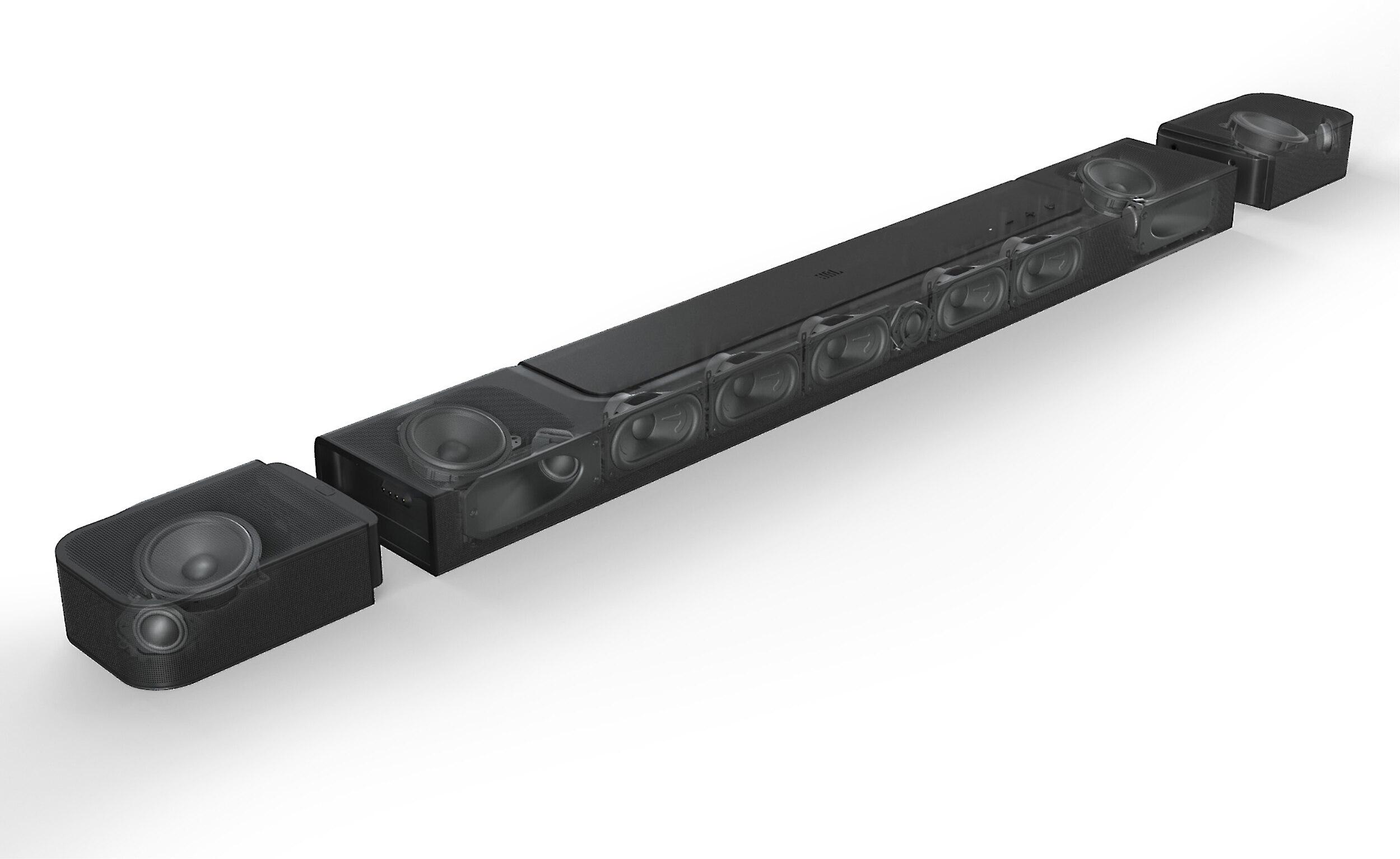
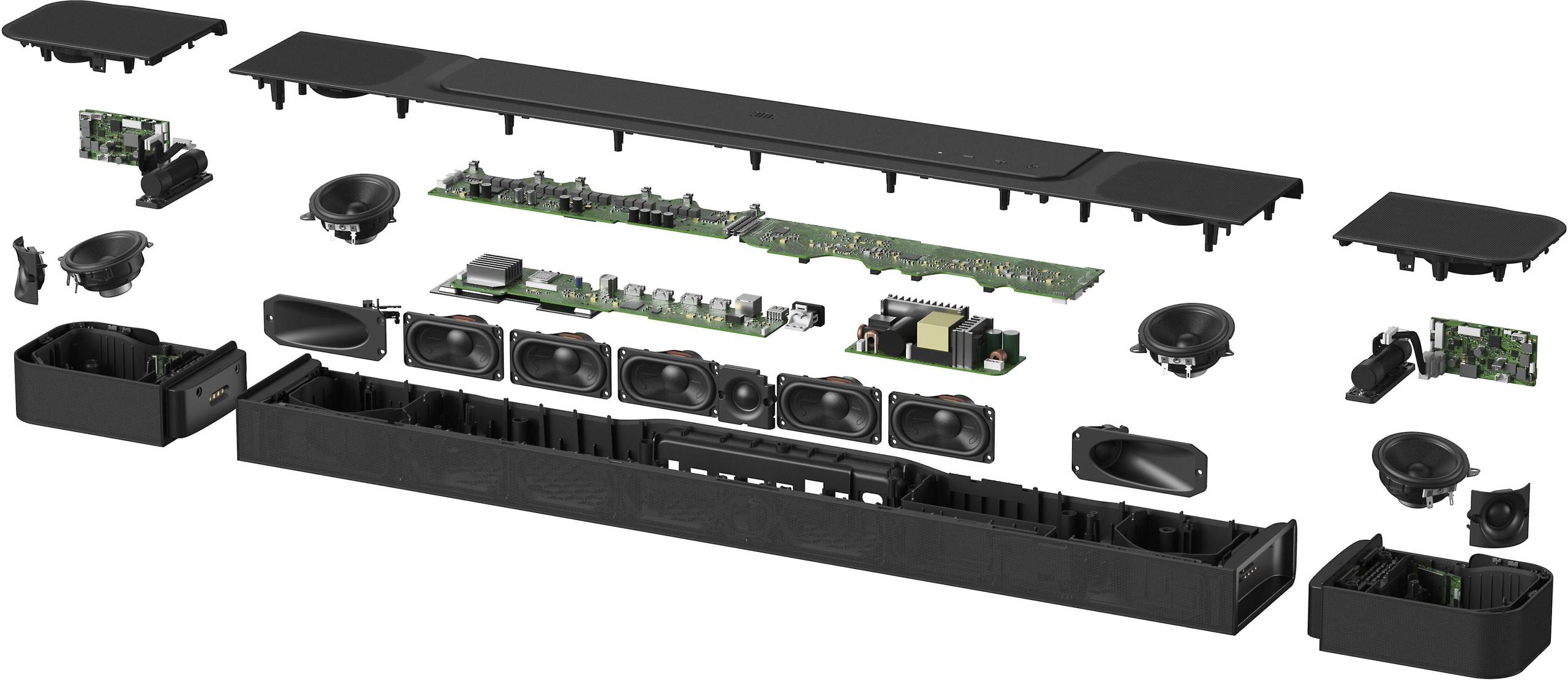
Here's where these systems diverge most dramatically. The JBL Bar 1000 supports true Dolby Atmos with dedicated up-firing drivers—two in the main soundbar and two in the detachable rear speakers. Dolby Atmos, for those unfamiliar, adds a height dimension to surround sound by bouncing audio off your ceiling to create the illusion of sound coming from above.
I've spent considerable time with both height-enabled and traditional surround systems, and the difference is genuinely remarkable when the content supports it. Rain sounds like it's actually falling around you, helicopters pass convincingly overhead, and atmospheric effects create a three-dimensional bubble of sound. The JBL's four up-firing drivers create this effect more convincingly than many dedicated Atmos speakers I've tested.
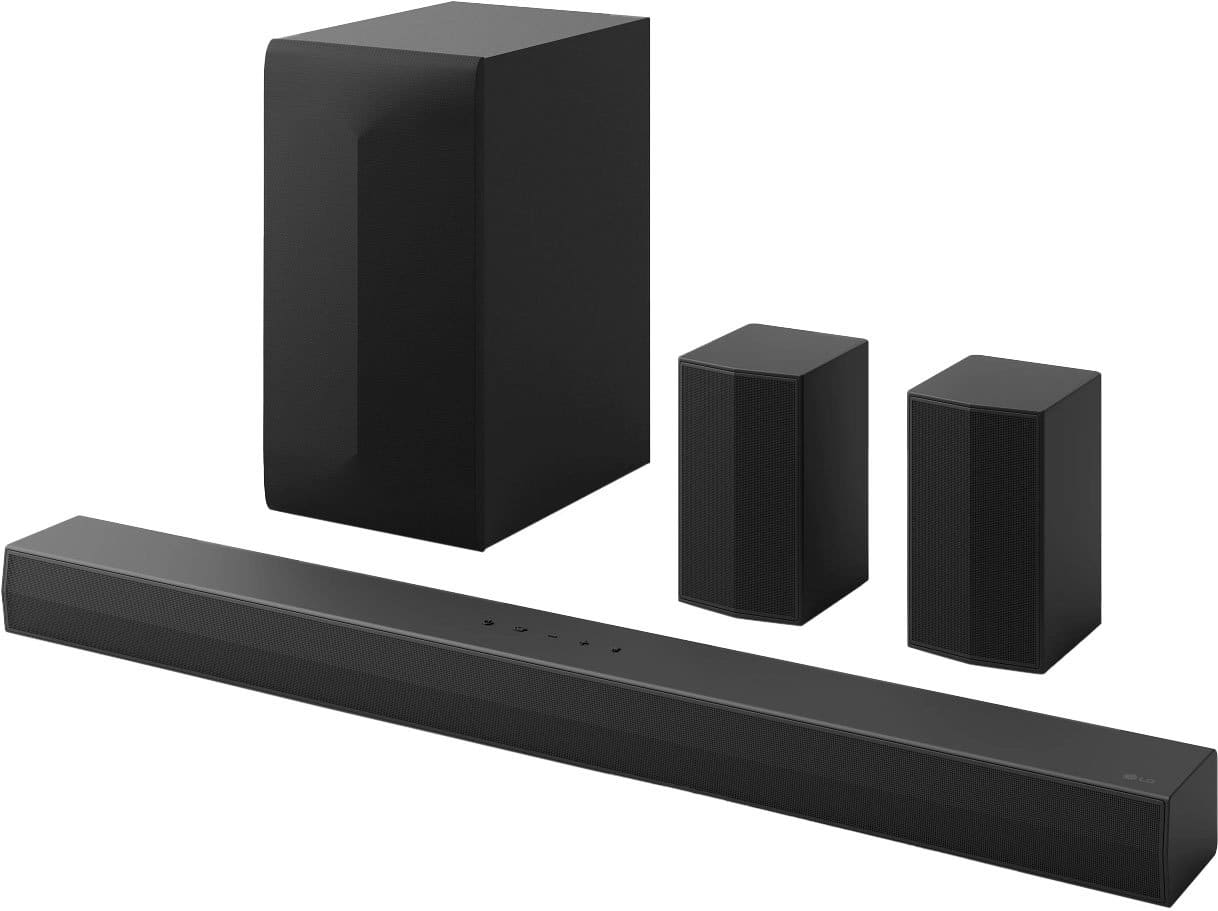
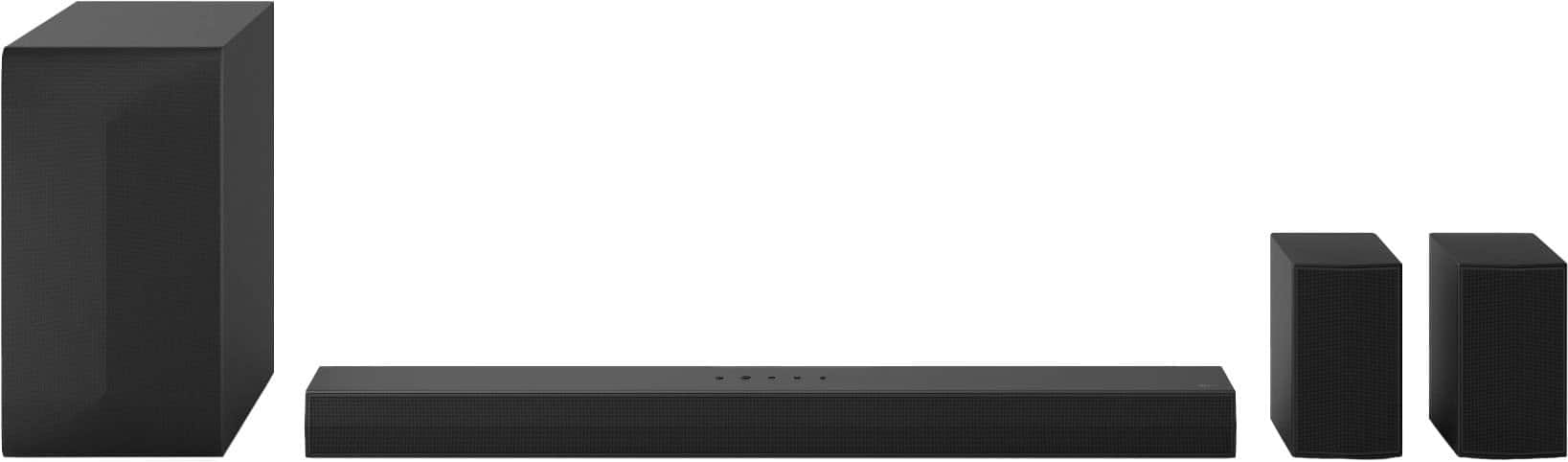
The LG S60TR, by contrast, doesn't support Dolby Atmos at all. It relies on traditional 5.1-channel surround sound with some virtual processing to create spaciousness. While this can sound impressive—and certainly beats basic stereo—it operates in a fundamentally different realm from true object-based audio formats.
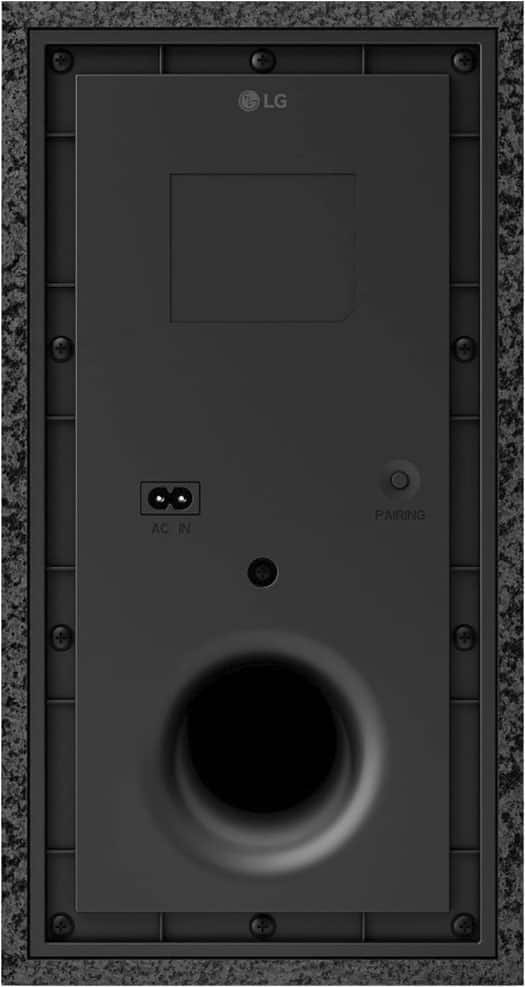
Both systems include wireless subwoofers, but they serve different purposes. The JBL's 10-inch subwoofer with 300 watts of dedicated power produces bass that you feel as much as hear. Its frequency response extends down to 33Hz, which captures the rumble of explosions, the growl of engines, and the fundamental frequencies that give music its emotional weight.
The LG's subwoofer, while smaller and less powerful, actually integrates quite well for its intended use. It doesn't have the raw impact of the JBL, but it provides adequate low-end support for most content without overwhelming smaller rooms. For apartment dwellers or those concerned about disturbing neighbors, the LG's more modest bass output might actually be preferable.
Both systems recognize that clear dialogue is crucial for the home theater experience, but they approach it differently. The JBL's PureVoice technology uses sophisticated processing to maintain dialogue clarity even during complex scenes with multiple audio elements. In practice, this means you can hear every word during action sequences without constantly adjusting the volume.
The LG S60TR includes its own voice enhancement features, and while effective, they require more manual intervention. You'll find yourself reaching for the remote more often to balance dialogue against sound effects, especially during movies with wide dynamic ranges.
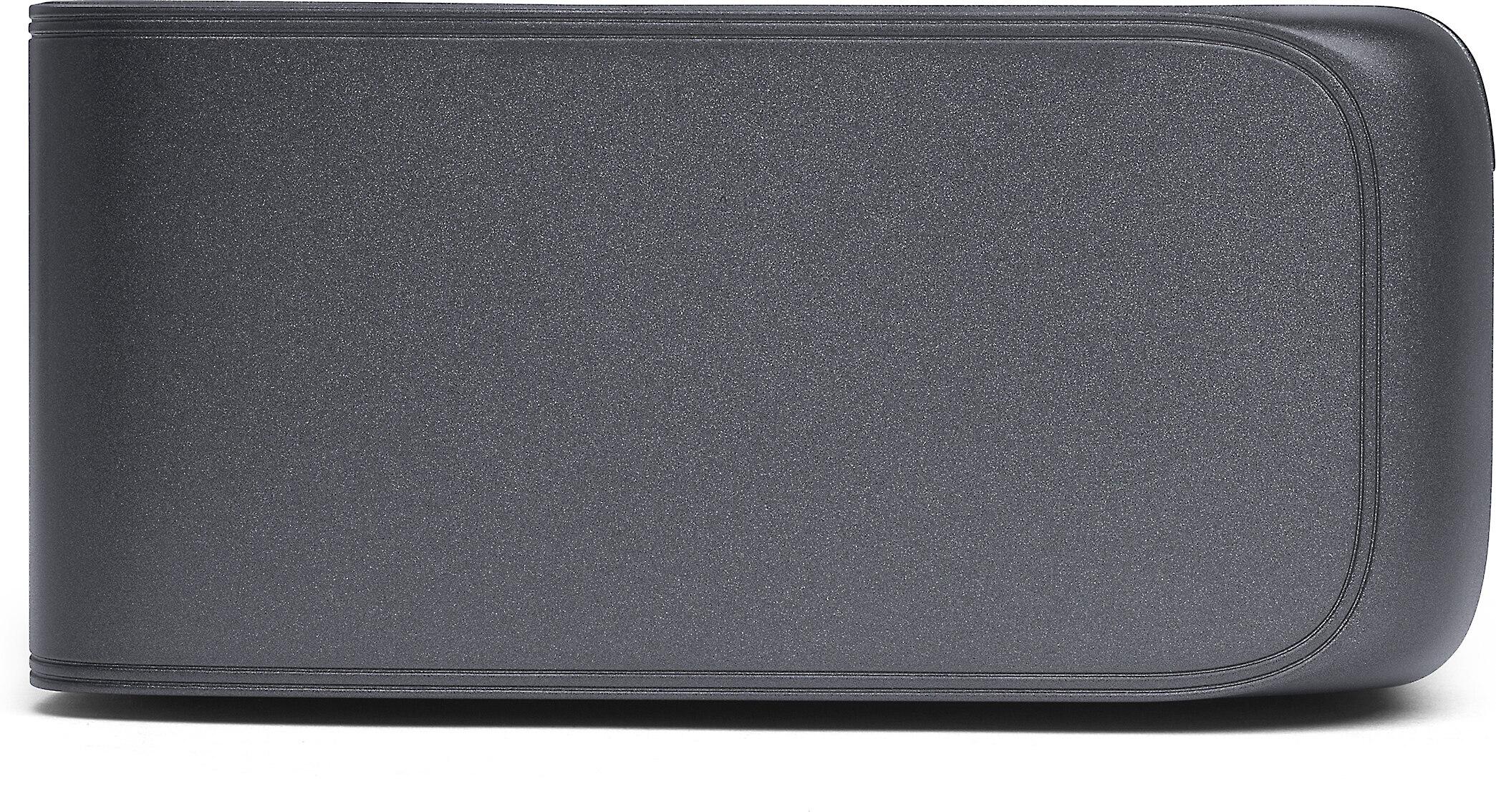
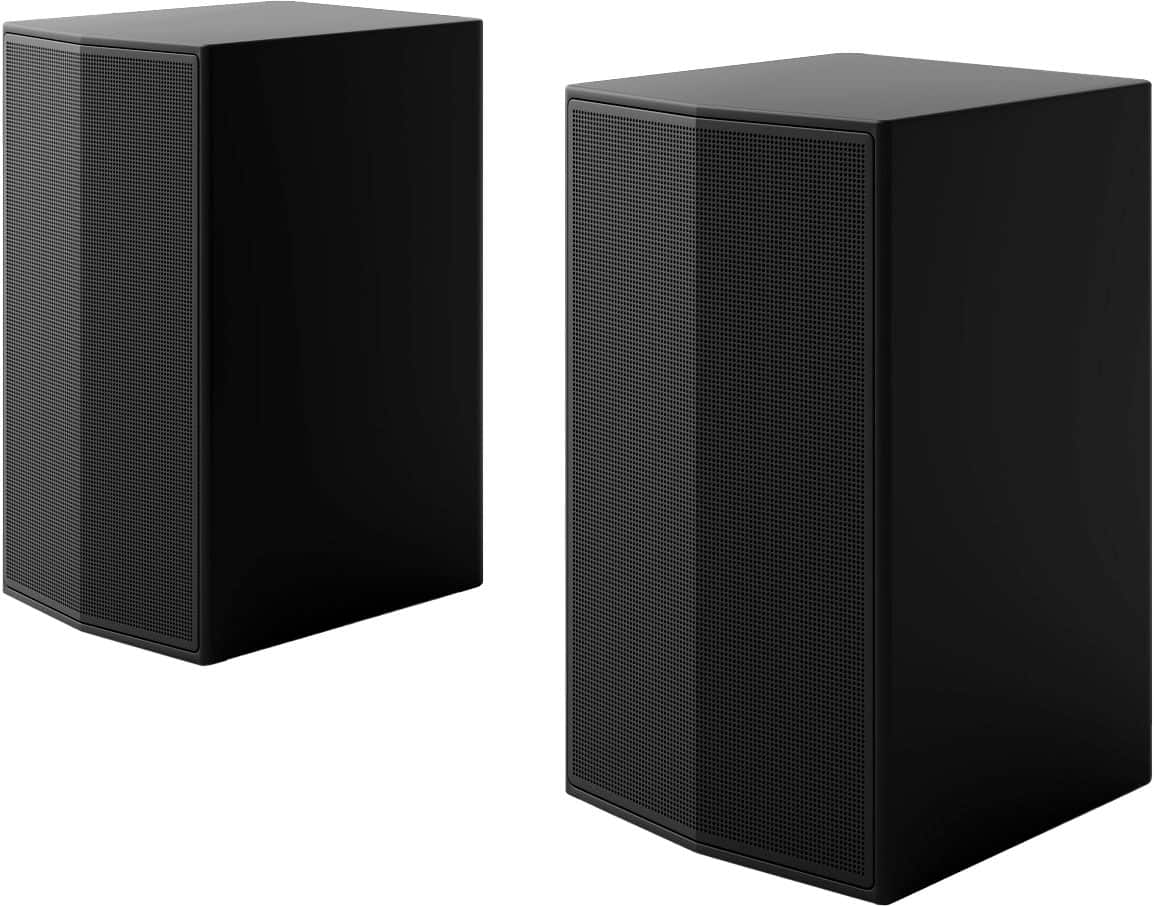
The rear speaker implementation reveals each system's design philosophy most clearly. The JBL Bar 1000's detachable rear speakers are genuinely innovative—they're battery-powered units that charge by docking with the main soundbar. When you want surround sound, you place them behind your seating area. When you don't, they can function as standalone Bluetooth speakers.
This flexibility solved a real problem in my own setup. My living room doesn't accommodate permanent rear speakers well, but I can easily place the JBL rears on side tables or shelves when watching movies, then put them away afterward. The 10-hour battery life means they'll last through even the longest movie marathons.
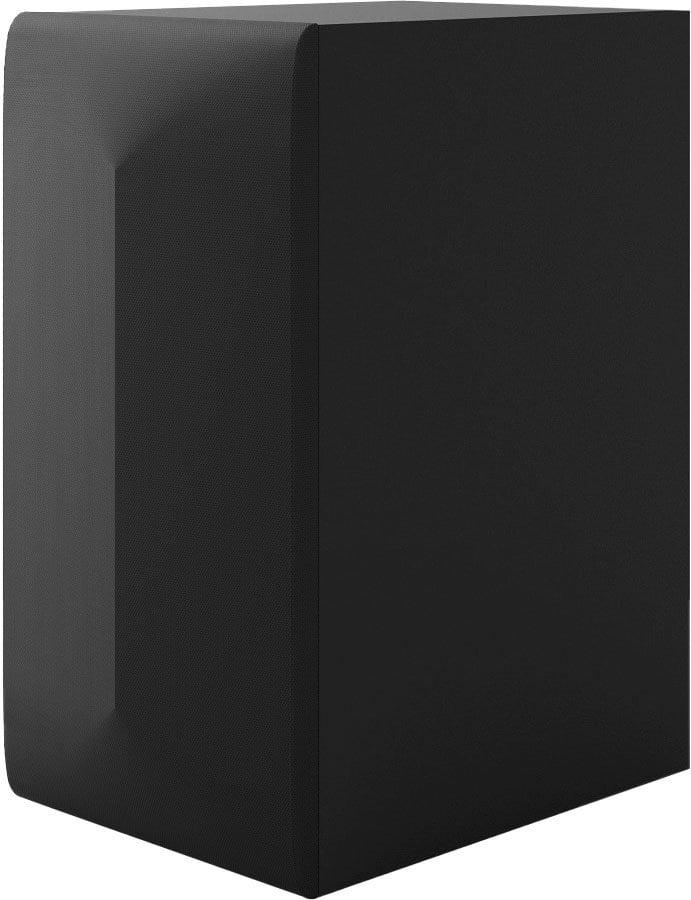
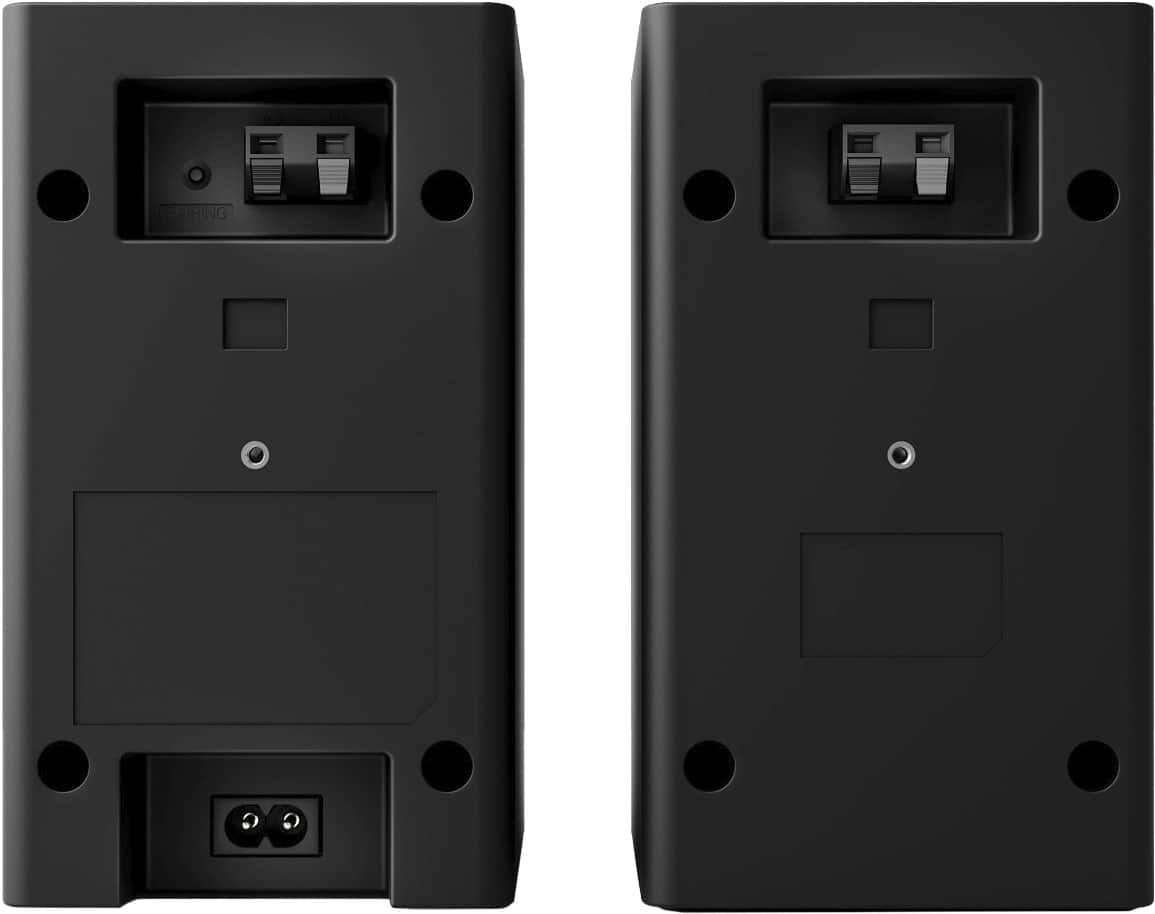
The LG's rear speakers, while labeled as "wireless," still require power connections and a wired link between the two speakers. This limits placement flexibility and means you'll need accessible outlets near your desired speaker locations. However, once positioned, they provide consistent surround effects without the need to remember charging schedules.
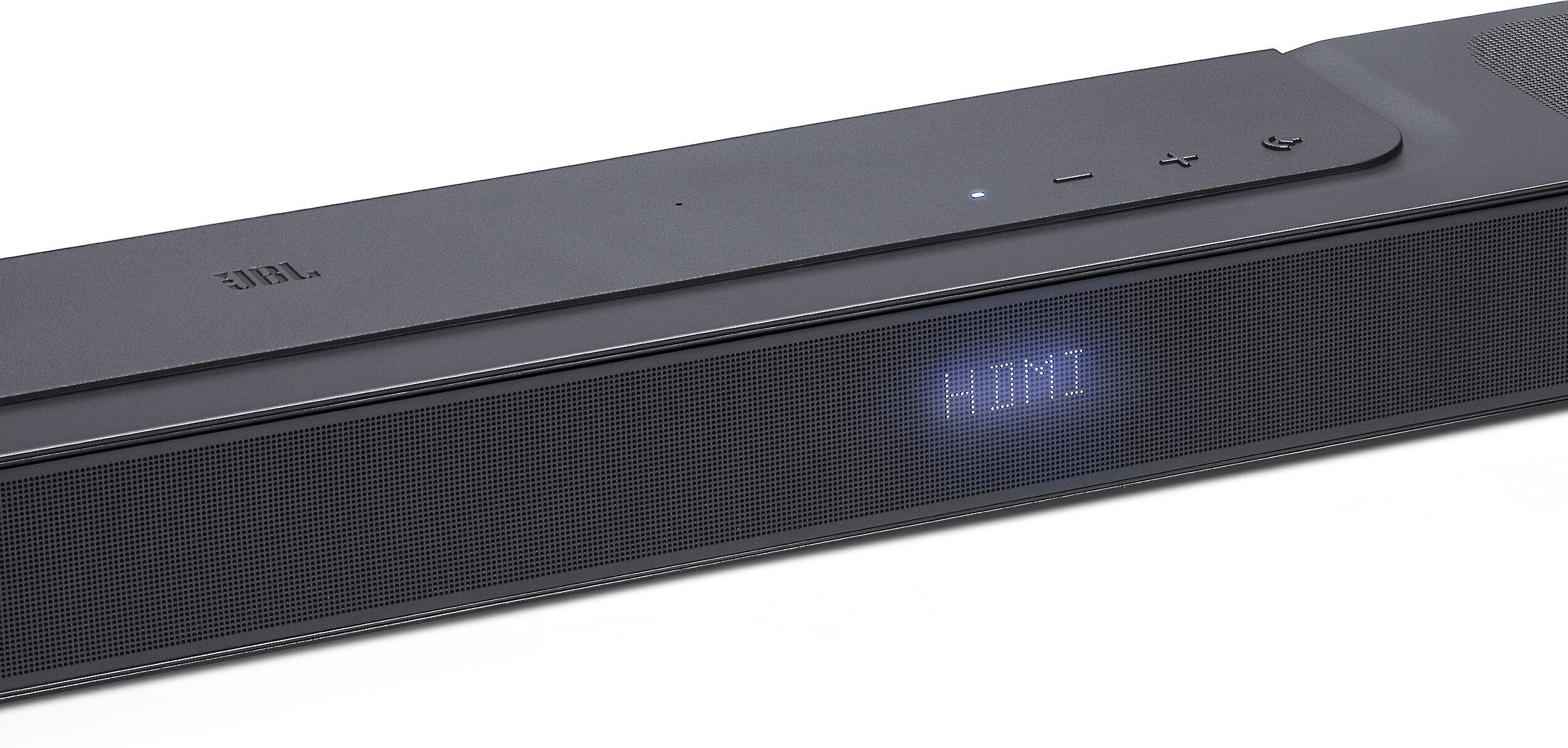
The connectivity differences between these systems reflect broader trends in home entertainment. The JBL Bar 1000 embraces the streaming-first world with built-in Wi-Fi, supporting AirPlay, Chromecast, and Alexa Multi-Room Music. This makes it as much a music streaming system as a TV audio enhancer.
In daily use, this means you can start your morning playing Spotify through the JBL, seamlessly switch to a podcast during lunch, and transition to movie night without changing inputs or grabbing different remotes. The system remembers your preferences and integrates naturally with modern digital lifestyles.
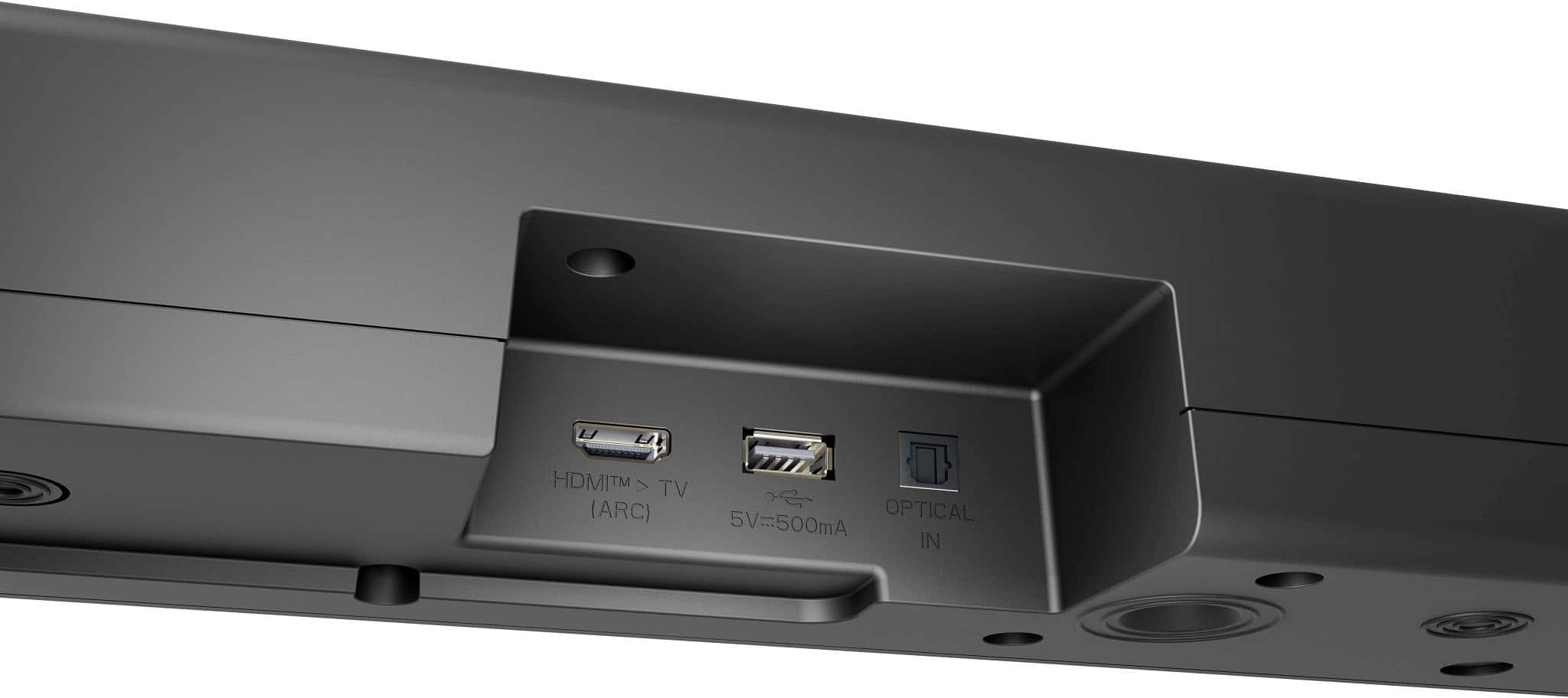
The LG S60TR takes a more traditional approach, focusing primarily on enhancing TV audio with basic Bluetooth connectivity for occasional music streaming. This simplicity has merit—there's less to go wrong, fewer apps to update, and cleaner integration with your TV's existing controls.
Both systems include room calibration features, but they work differently. The JBL uses its mobile app to guide you through a more comprehensive setup process, analyzing your room's acoustics and adjusting the speaker array accordingly. This takes more time initially but results in more precisely tailored sound.
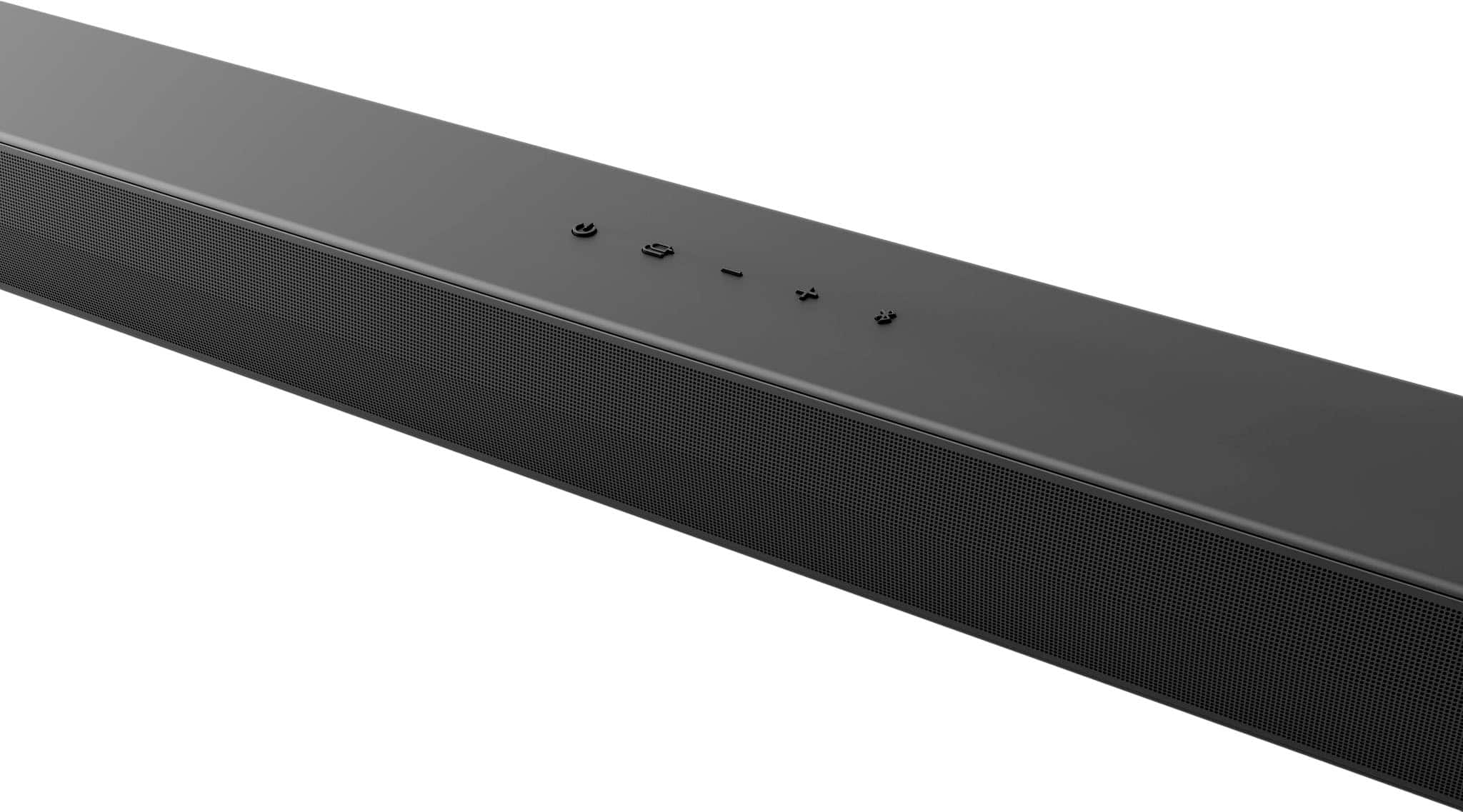
The LG emphasizes plug-and-play simplicity, particularly if you're using an LG TV. The WOW interface allows control through your existing TV remote, and the system makes reasonable assumptions about room acoustics without requiring extensive user input.
At $699.95, the JBL Bar 1000 commands a significant premium, but it delivers features typically found in systems costing $1,000 or more. The detachable rear speakers alone represent innovative engineering, and the comprehensive streaming capabilities make it a versatile centerpiece for your entertainment system.
The LG S60TR at $299.99 offers exceptional value for users seeking their first serious surround sound upgrade. It provides about 70% of the performance experience at less than half the price, making it an easy recommendation for budget-conscious buyers.
For dedicated home theater use, the differences become more pronounced. The JBL's Dolby Atmos support and powerful subwoofer create a more convincing cinema experience, particularly with modern blockbuster films that utilize object-based audio mixing. If you've invested in a large 4K TV and want audio that matches the visual experience, the JBL justifies its cost.
The LG works well for mixed-use spaces where the TV serves multiple purposes beyond dedicated movie watching. It provides enough surround sound enhancement to improve the experience without dominating the room or requiring extensive setup considerations.
Choose the JBL Bar 1000 if you have a medium to large room, prioritize movie and gaming immersion, want a system that doubles as a high-quality music setup, or need flexible speaker placement due to room constraints. It's the choice for users willing to invest in premium features for long-term satisfaction.
Choose the LG S60TR if you have a smaller room, budget is a primary concern, you primarily watch TV shows and casual content, simple setup is a priority, or you're new to surround sound and want an accessible entry point.
The key decision factors ultimately come down to room size (JBL for large spaces, LG for compact areas), content type (JBL excels with movies and gaming, LG handles mixed content well), budget considerations (LG offers substantial value at a lower price point), technical comfort level, and future needs.
Both systems represent solid engineering and thoughtful design within their respective market segments. The JBL Bar 1000 provides a premium experience that justifies its cost for enthusiasts, while the LG S60TR delivers excellent practical performance for users seeking straightforward surround sound enhancement. Your choice should align with how you actually use your entertainment system and what compromises, if any, you're willing to make.
| JBL Bar 1000 ($699.95) | LG S60TR ($299.99) |
|---|---|
| Total System Power - Determines maximum volume and room size compatibility | |
| 880W (fills large rooms effortlessly) | 440W (adequate for small-medium rooms) |
| Channel Configuration - Affects surround sound immersion quality | |
| 7.1.4 with true Dolby Atmos height channels | 5.1 traditional surround (no height channels) |
| Subwoofer Size & Power - Controls bass depth and impact | |
| 10" wireless subwoofer, 300W dedicated power | Wireless subwoofer, 220W total power |
| Rear Speaker Design - Impacts placement flexibility and convenience | |
| Detachable battery-powered (10hr life, charge on bar) | Wired connection required between speakers |
| Dolby Atmos Support - Creates overhead sound effects for movie immersion | |
| True Dolby Atmos with 4 up-firing drivers | No Atmos support (virtual processing only) |
| Streaming Connectivity - Affects music listening and smart home integration | |
| Wi-Fi, AirPlay, Chromecast, 300+ streaming services | Bluetooth only, limited streaming options |
| Frequency Response - Shows how deep bass extends | |
| 33Hz - 20kHz (captures deep movie rumble) | Not specified (likely higher bass cutoff) |
| Setup Complexity - Time investment vs performance optimization | |
| Advanced calibration via app (better sound, more setup) | Plug-and-play simplicity (especially with LG TVs) |
| Voice Enhancement Technology - Dialogue clarity during loud scenes | |
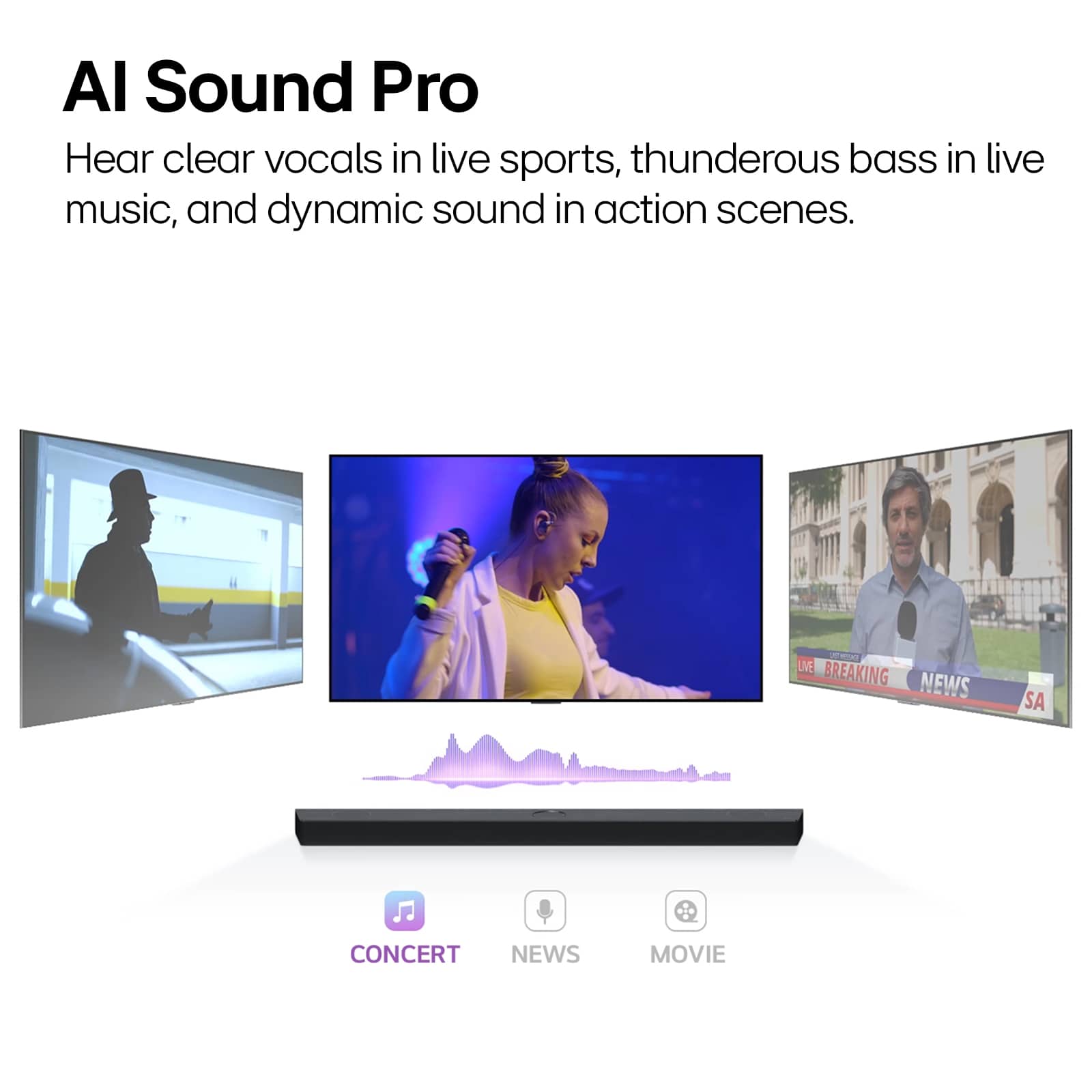
| PureVoice 2.0 automatic processing | AI Sound Pro with manual adjustment needed |
| Release Year & Updates - Reflects latest technology and future support | |
| 2025 release with ongoing firmware updates | 2024 release with basic software support |
The LG S60TR ($299.99) offers better value for budget-conscious buyers, delivering solid 5.1 surround sound at half the price. However, the JBL Bar 1000 ($699.95) provides premium features like Dolby Atmos and detachable speakers that justify the higher cost for home theater enthusiasts.
The biggest difference is Dolby Atmos support. The JBL Bar 1000 features true 7.1.4 Dolby Atmos with overhead sound effects, while the LG S60TR offers traditional 5.1 surround sound without height channels. The JBL also has detachable battery-powered rear speakers versus the LG's wired setup.
The JBL Bar 1000 is significantly louder with 880W total power compared to the LG S60TR's 440W. This makes the JBL better suited for large rooms and high-volume listening, while the LG works well for smaller spaces and moderate volume levels.
Yes, both the JBL Bar 1000 and LG S60TR include wireless subwoofers. The JBL features a larger 10-inch subwoofer with more powerful bass, while the LG has a smaller subwoofer that's adequate for most rooms but less impactful for movies.
The LG S60TR is easier to set up with plug-and-play simplicity, especially when paired with LG TVs. The JBL Bar 1000 requires more initial configuration through its mobile app for room calibration, but this extra effort results in better optimized sound quality.
The JBL Bar 1000 excels at music streaming with built-in Wi-Fi, AirPlay, Chromecast, and access to 300+ streaming services. The LG S60TR offers basic Bluetooth connectivity for music but lacks advanced streaming features, making it primarily focused on TV audio enhancement.
The JBL Bar 1000 has superior rear speakers that are detachable and battery-powered, allowing flexible placement and doubling as portable Bluetooth speakers. The LG S60TR rear speakers require wired connections between them and power outlets, limiting placement options.
The JBL Bar 1000 is excellent for large rooms with its 880W power output and room-filling sound. The LG S60TR works best in small to medium rooms under 300 square feet, as it may sound underpowered in larger spaces.
The JBL Bar 1000 is significantly better for movies and gaming thanks to Dolby Atmos support, more powerful bass, and higher overall power output. The immersive overhead effects and deeper frequency response create a more cinematic experience compared to the LG S60TR's traditional surround sound.
Both soundbars work with all TV brands through HDMI or optical connections. However, the LG S60TR offers enhanced integration features when paired with LG TVs, while the JBL Bar 1000 provides universal compatibility with advanced features regardless of TV brand.
The JBL Bar 1000 has superior dialogue clarity with its PureVoice technology that automatically maintains speech clarity during complex scenes. The LG S60TR includes voice enhancement features but requires more manual volume adjustments to keep dialogue audible during loud action sequences.
For your first soundbar, choose the LG S60TR if you want simple setup and good value, or the JBL Bar 1000 if you're serious about home theater and want premium features. The LG provides an excellent introduction to surround sound, while the JBL offers a more future-proof investment with cutting-edge audio technology.
We've done our best to create useful and informative comparisons to help you decide what product to buy. Our research uses advanced automated methods to create this comparison and perfection is not possible - please contact us for corrections or questions. These are the sites we've researched in the creation of this article: zdnet.com - jbl.com - jbl.com - pcrichard.com - rtings.com - d21buns5ku92am.cloudfront.net - ro.harmanaudio.com - target.com - harmanaudio.com - dell.com - mm.jbl.com - dolby.com - jbl.com.my - videoandaudiocenter.com - bestbuy.com - mynavyexchange.com - youtube.com - consumerreports.org - avsforum.com - rentacenter.com - bestbuy.com - homechoicestores.com - oconsommateur.com - lg.com - bestbuy.com - samsung.com

Privacy Policy
Terms and Conditions - Affiliate Policy
Home Security
© Copyright 2008-2026.
11816 Inwood Rd #1211, Dallas, TX 75244