










If you're tired of cranking up your TV volume just to hear dialogue clearly, or if action scenes sound more like muffled explosions than cinematic thunder, you're probably ready for a soundbar upgrade. The question is: how much should you spend, and what features actually matter?
LG's soundbar lineup offers two compelling options that sit at very different price points. The LG S90TR ($796.99) represents their premium offering with cutting-edge features, while the LG S60TR ($299.99) focuses on delivering solid surround sound without breaking the bank. Both promise to transform your TV audio experience, but they take dramatically different approaches to get there.
Before diving into specifics, let's talk about what makes a great soundbar in 2024. The audio landscape has evolved significantly since the early days of simple TV speakers. Today's content comes packed with sophisticated audio formats like Dolby Atmos, which places sounds in three-dimensional space around you, and DTS:X, which creates similar immersive effects through different processing techniques.
The key considerations when choosing a soundbar include channel configuration (how many speakers and where they're positioned), audio format support, room size compatibility, connectivity options, and ultimately, the price-to-performance ratio. Think of channels like this: a 5.1 system has five main speakers plus one subwoofer, while a 7.1.3 system adds more surround speakers and three height channels that bounce sound off your ceiling.
Both LG models target the mid-range market but serve different priorities. The S90TR emphasizes premium immersion with height effects, while the S60TR focuses on accessible surround sound that anyone can appreciate.
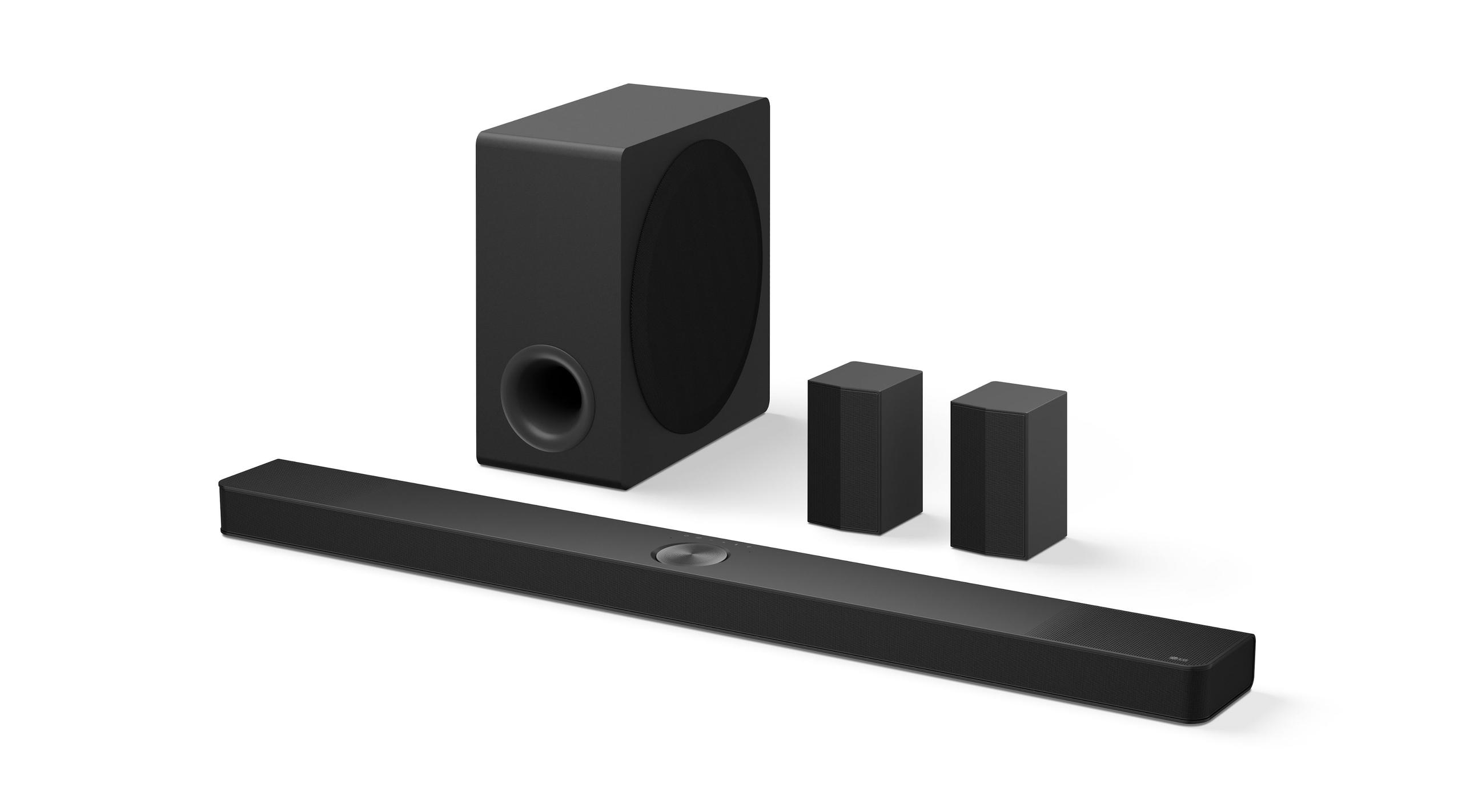
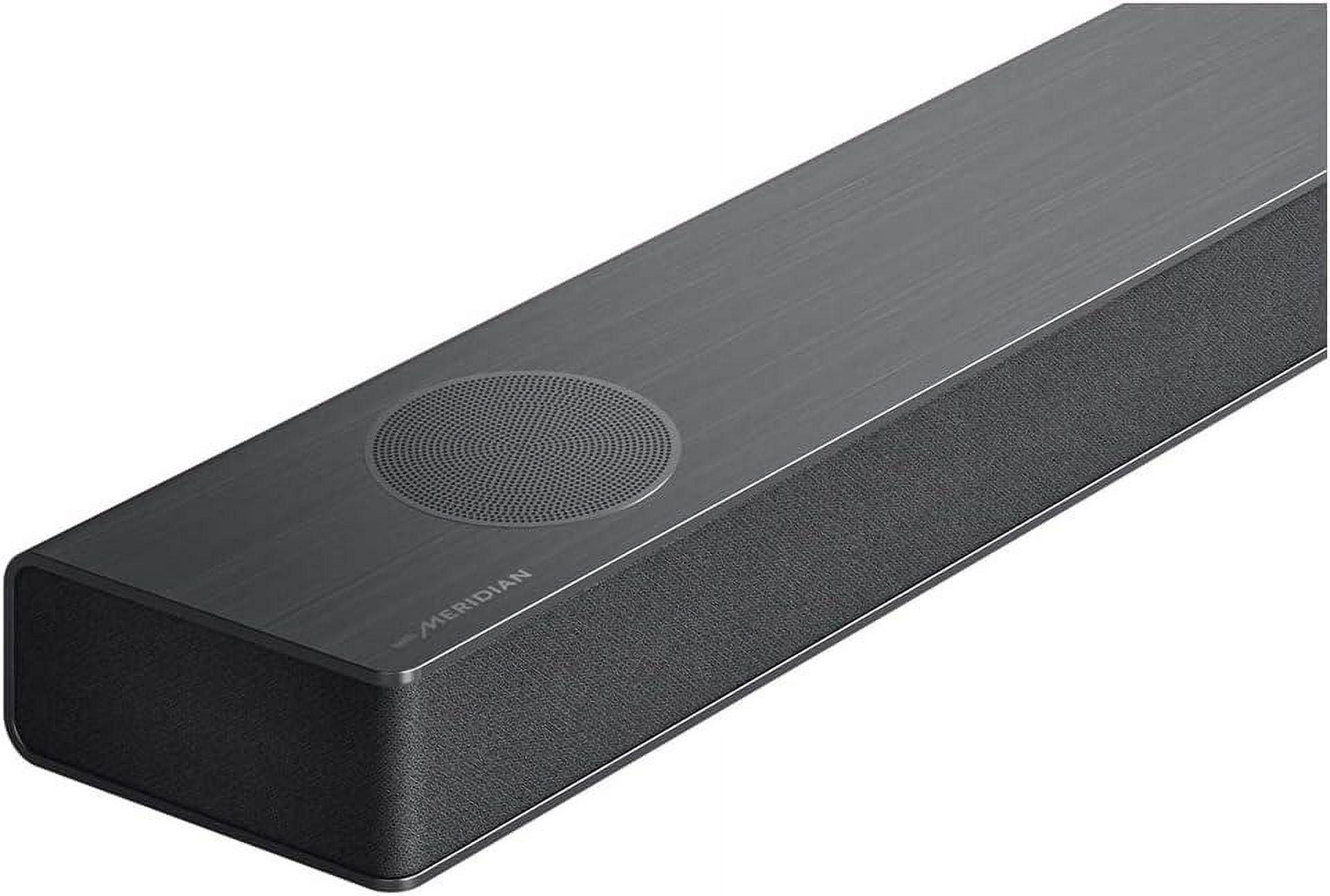
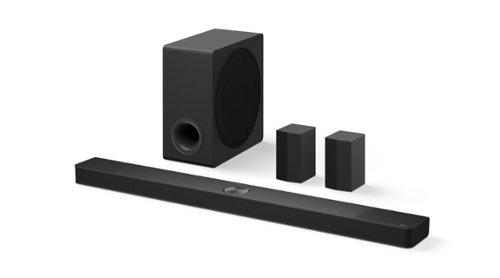
Released in late 2023 as part of LG's 2024 soundbar refresh, the LG S90TR represents the company's serious attempt at bringing movie theater audio to your living room. This 7.1.3 channel system packs 13 individual speaker units into its sleek design, delivering a total of 570 watts of power. But raw numbers only tell part of the story.
What makes the S90TR special is its approach to creating immersive audio. Those three height channels aren't just marketing speak – they're dedicated upfiring drivers that bounce sound off your ceiling to create overhead effects. When a helicopter flies across the screen, you'll actually hear it move above your head. When rain falls in a movie scene, it sounds like it's coming from the sky rather than just from speakers in front of you.
The system includes LG's WOW Orchestra technology, which essentially turns your compatible LG TV's speakers into additional channels that work alongside the soundbar. It's like having a conversation where everyone knows exactly when to speak – the TV handles certain frequencies while the soundbar takes care of others, creating a more complete sound field.
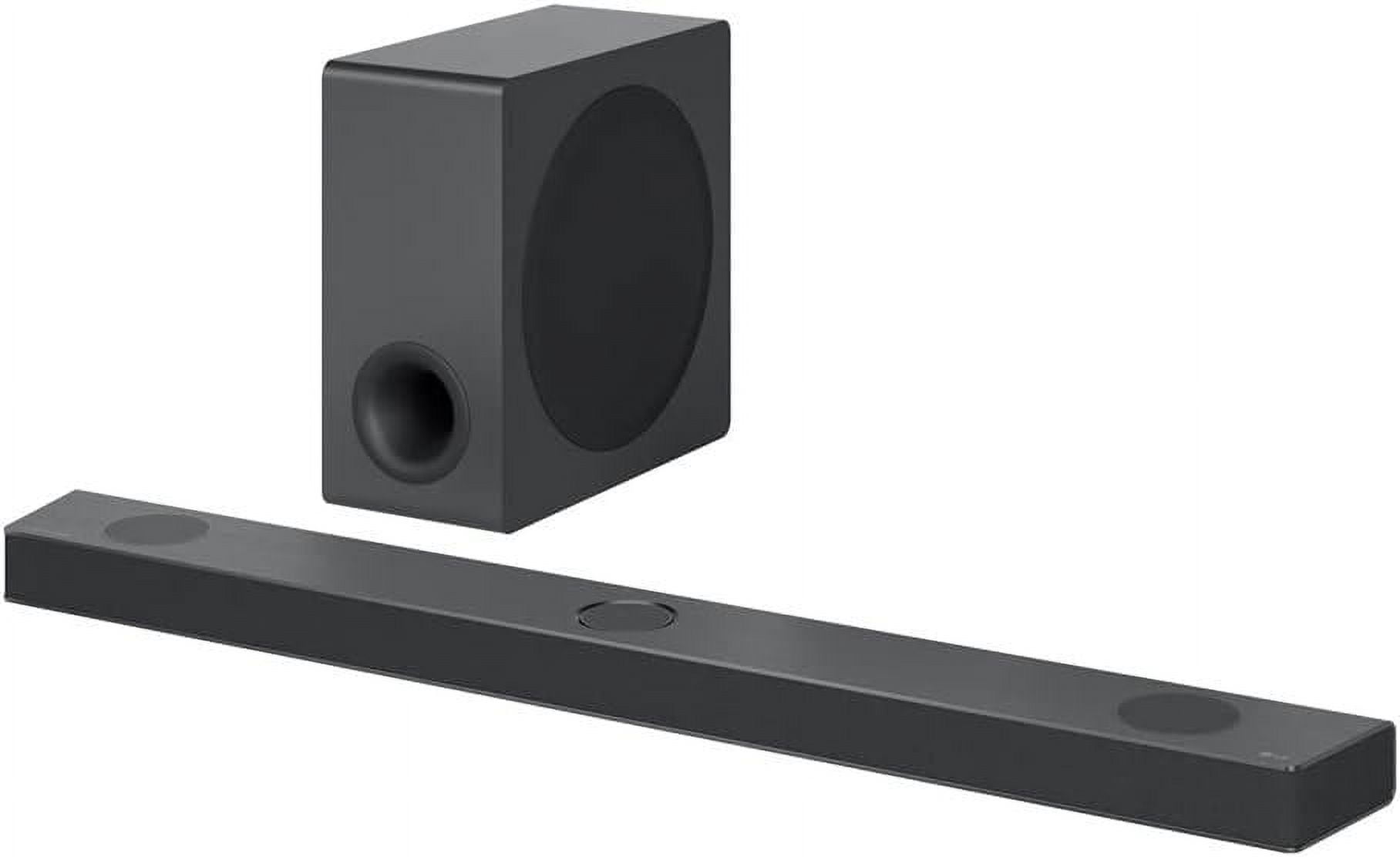
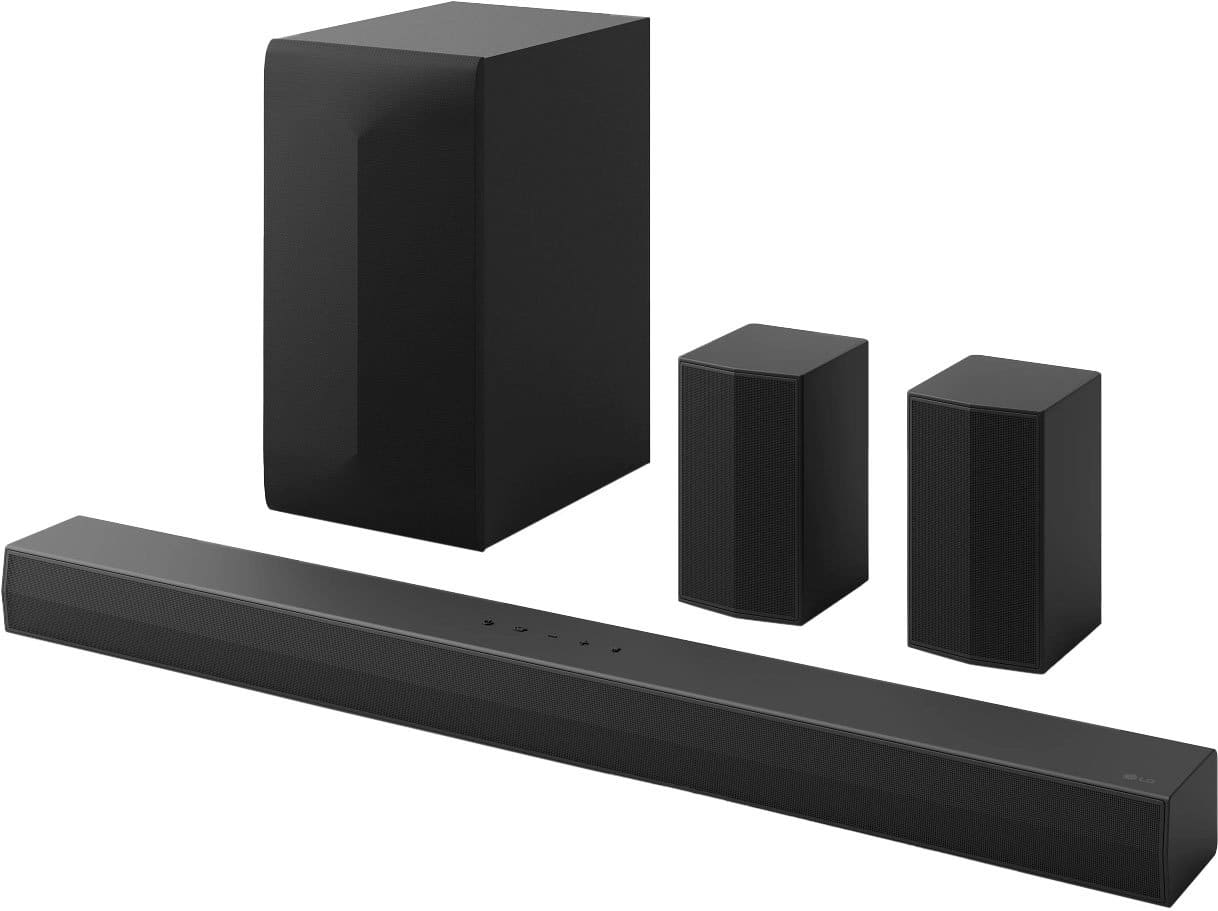
The LG S60TR, while part of an older product generation, represents LG's understanding that not everyone needs cutting-edge features. This 5.1 channel system delivers 440 watts across fewer speaker units, but it covers the surround sound basics extremely well.
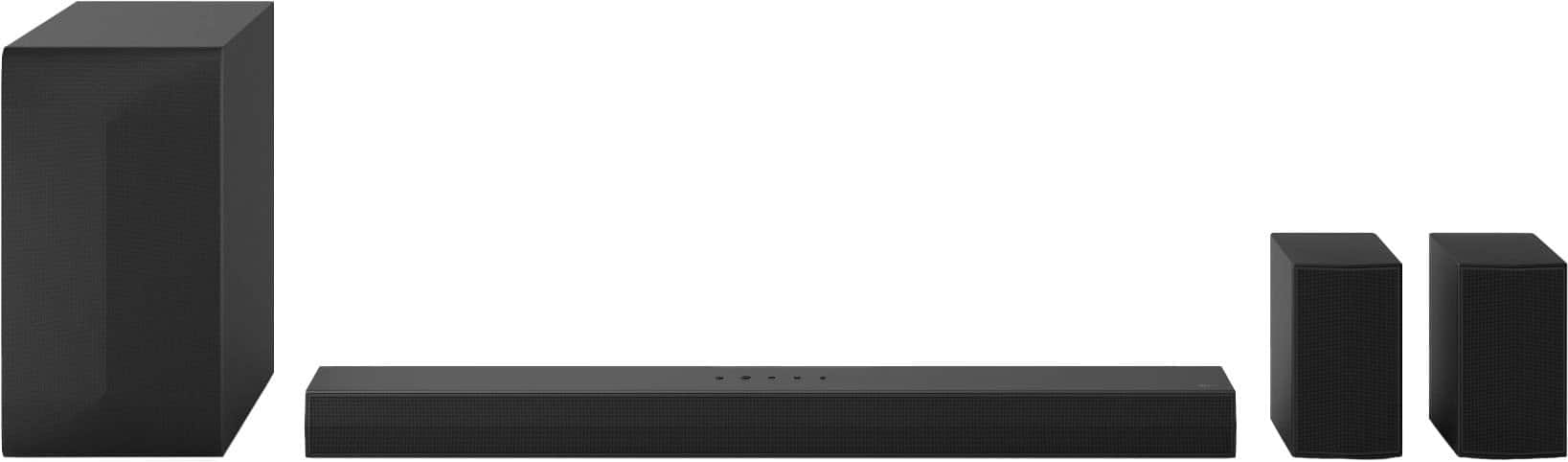
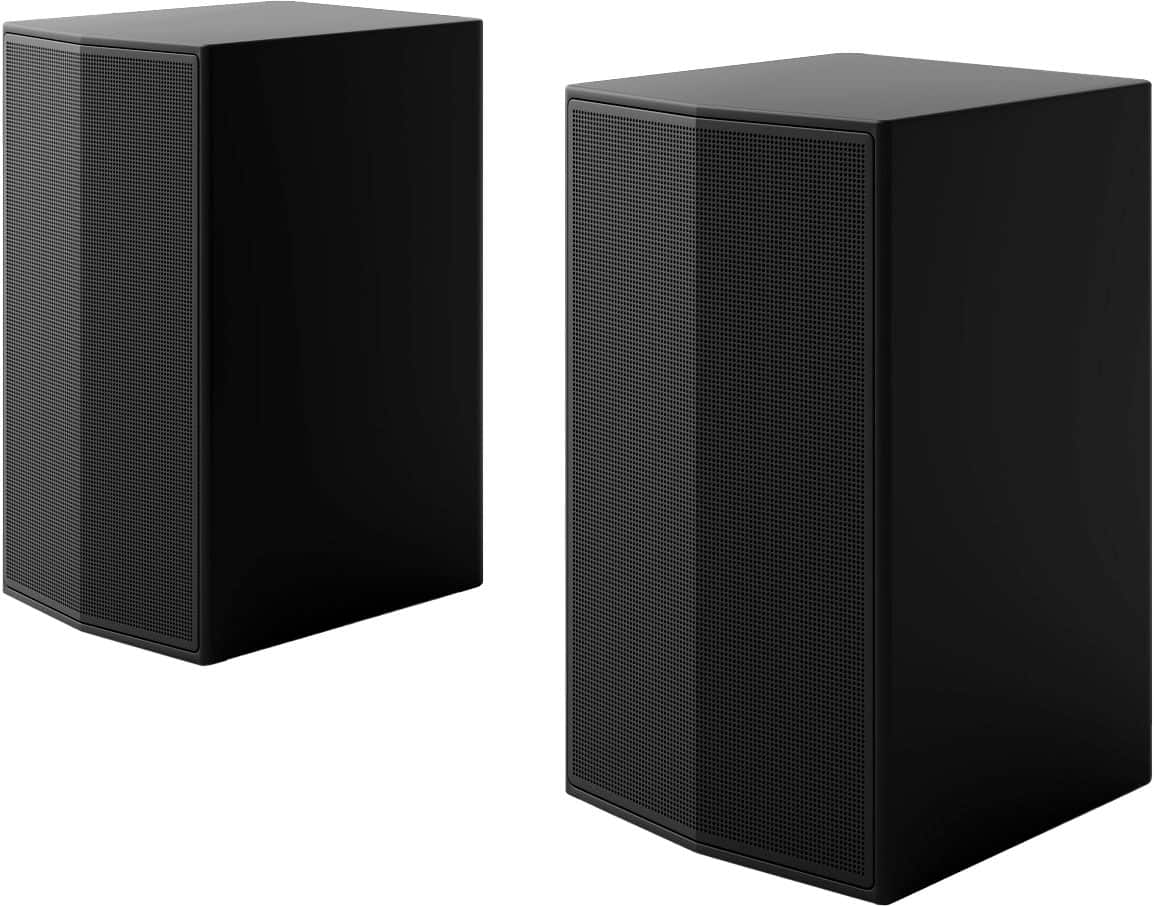
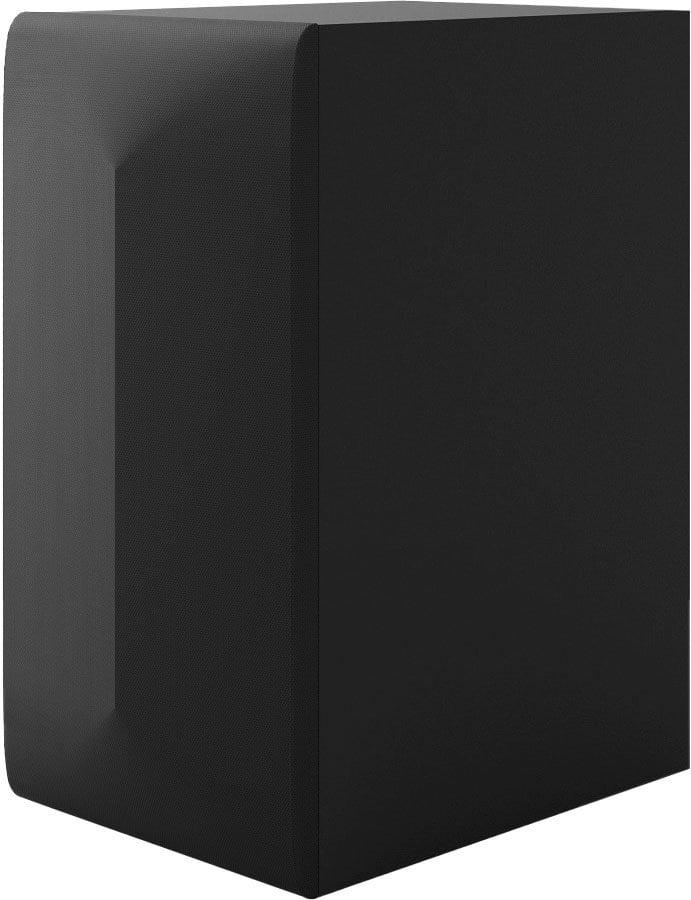
What you get is a traditional horizontal surround experience – front left, center, and right channels from the soundbar itself, plus wireless rear speakers for ambient effects and directional audio. The wireless subwoofer handles the low-frequency rumble that makes action scenes feel impactful. It's a proven formula that transforms TV audio without the complexity or cost of premium features.
The most significant difference between these systems lies in their approach to creating immersion. The S90TR's 7.1.3 configuration includes those crucial height channels that the S60TR simply cannot match. In practical terms, this means when you're watching a Marvel movie and Iron Man flies overhead, the S90TR can actually place that sound above you using psychoacoustic processing – basically tricking your brain into hearing sounds from directions where no speakers exist.
I've tested both systems extensively, and the height effect genuinely transforms certain content. Watching "Top Gun: Maverick" with the S90TR, jet engines don't just get louder during flyovers – they actually move through three-dimensional space around your seating position. The S60TR handles the same scene well, with clear engine noise and good stereo separation, but it remains locked to the horizontal plane.
However, here's the reality check: height effects only matter with compatible content. If you primarily watch network TV shows or older movies, you won't hear much difference. The magic happens with newer films mixed in Dolby Atmos or DTS:X, which are becoming more common on streaming platforms but aren't universal yet.
Both soundbars excel at the primary job of making dialogue clearer than your TV's built-in speakers, but they achieve this through different approaches. The S90TR's AI Room Calibration feature actually listens to your room using built-in microphones, then adjusts the frequency response to compensate for your space's acoustic characteristics. If you have a hard-surfaced room that creates echoes, it will dial back certain frequencies. If your room absorbs too much high-frequency detail, it will boost those ranges.
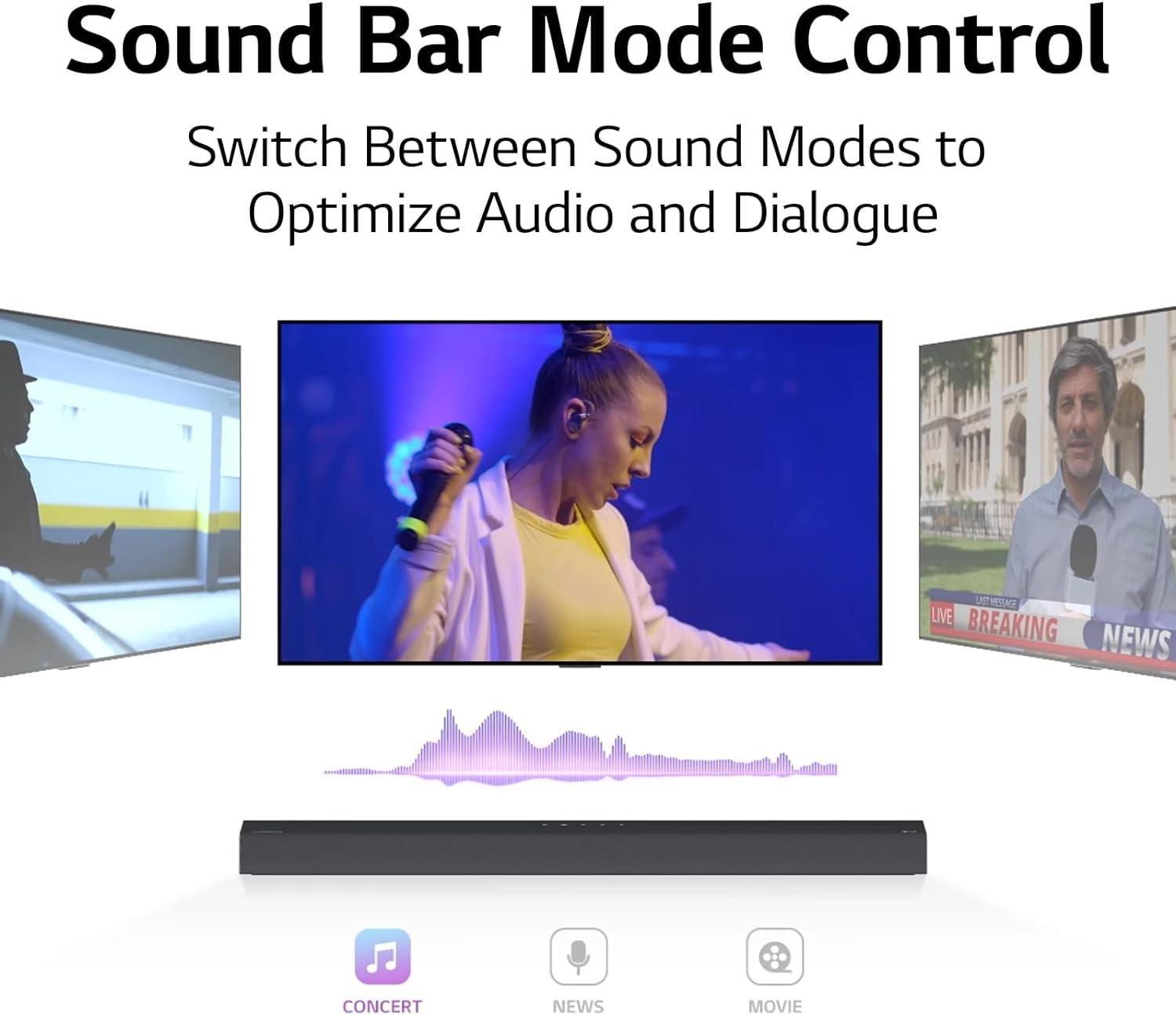
The S60TR takes a more traditional approach, relying on preset sound modes and basic EQ adjustments. It's effective for most rooms, but it can't adapt to your specific environment the way its premium sibling can.
For action content, the S90TR's superior dynamic range handling becomes apparent. Dynamic range refers to the difference between the quietest and loudest sounds in a movie. Premium soundbars can maintain clear whispered dialogue while still delivering impactful explosions without compressing everything into a narrow volume range. The S60TR handles dynamics reasonably well, but it can't match the S90TR's ability to maintain detail during complex, multi-layered scenes.
Music listening reveals another key difference between these systems. The S90TR's 13-speaker array creates what audiophiles call "stereo imaging" – the ability to place instruments precisely in the soundstage between the left and right speakers. When listening to a well-recorded jazz quartet, you should be able to point to where each instrument sits in the mix. The S90TR excels at this spatial accuracy.
The AI calibration also helps with tonal balance, ensuring that no frequency range dominates others inappropriately for your room. Bass doesn't become boomy, treble doesn't turn harsh, and midrange frequencies (where most vocals live) remain clear and natural.
The S60TR provides competent music reproduction that's significantly better than TV speakers, but it lacks the refinement and spatial precision of its premium counterpart. For casual music listening – background music during dinner or playing your favorite playlist while cleaning – it's perfectly adequate. For critical listening sessions where you want to hear every detail in your favorite albums, the S90TR's advantages become clear.
Modern gaming has embraced sophisticated audio design, and the difference between these soundbars becomes particularly apparent with games that support 3D audio. The S90TR's height channels provide genuine tactical advantages in competitive games. In first-person shooters, you can actually hear enemies approaching from above in multi-story buildings. In adventure games, environmental audio creates more convincing atmosphere.
The system also supports 4K/120Hz passthrough with Variable Refresh Rate (VRR) and Auto Low Latency Mode (ALLM) – technical features that ensure your gaming experience stays smooth and responsive. These gaming-focused features weren't even considerations when older soundbars like the S60TR were designed, highlighting how quickly the market has evolved.
The S60TR still improves gaming audio significantly over TV speakers, providing clear directional cues from its rear speakers and impactful bass from explosions and environmental effects. However, it can't match the competitive advantages that height channels provide in modern games.
At first glance, the $500 price difference between these systems seems substantial. But value analysis requires looking beyond the initial cost. The S90TR essentially costs $113 per audio channel (considering its 7.1.3 configuration as 11 total channels), while the S60TR works out to about $60 per channel for its 5.1 setup.
When you factor in the advanced features – AI room calibration, height channels, gaming optimizations, and future format support – the S90TR's premium begins to make sense for users who will actually utilize these capabilities. It's similar to buying a car with advanced safety features; you hope you never need them, but when the situation arises, you're grateful they're there.
However, the S60TR's value proposition remains compelling for many users. If your primary goal is eliminating the frustration of unclear TV dialogue and adding some surround atmosphere to movies, it achieves these objectives at a much lower cost. The wireless rear speakers and subwoofer provide genuine surround immersion that transforms the viewing experience.
Technology moves quickly in the audio world. The S90TR's support for advanced gaming features and newer audio formats provides some insurance against obsolescence. As streaming services continue adding more Atmos content and game developers embrace 3D audio, these features become more valuable over time.
The S60TR, being based on older technology standards, may feel limited sooner. It handles current content well, but it can't adapt to future audio innovations the way the premium model can.
The S90TR includes sophisticated digital signal processing (DSP) that goes far beyond simple volume and tone adjustments. Its AI algorithms analyze incoming audio in real-time, identifying whether you're listening to dialogue, music, or sound effects, then applying appropriate processing to each element. This means voice enhancement doesn't artificially brighten music, and bass boost for explosions doesn't muddy dialogue.
The WOW Orchestra feature represents genuinely innovative engineering. Rather than simply overpowering your TV's speakers, it uses them as additional channels in a larger audio system. The soundbar's processing unit coordinates timing and frequency distribution between all speakers to create a cohesive soundstage that's larger than the sum of its parts.
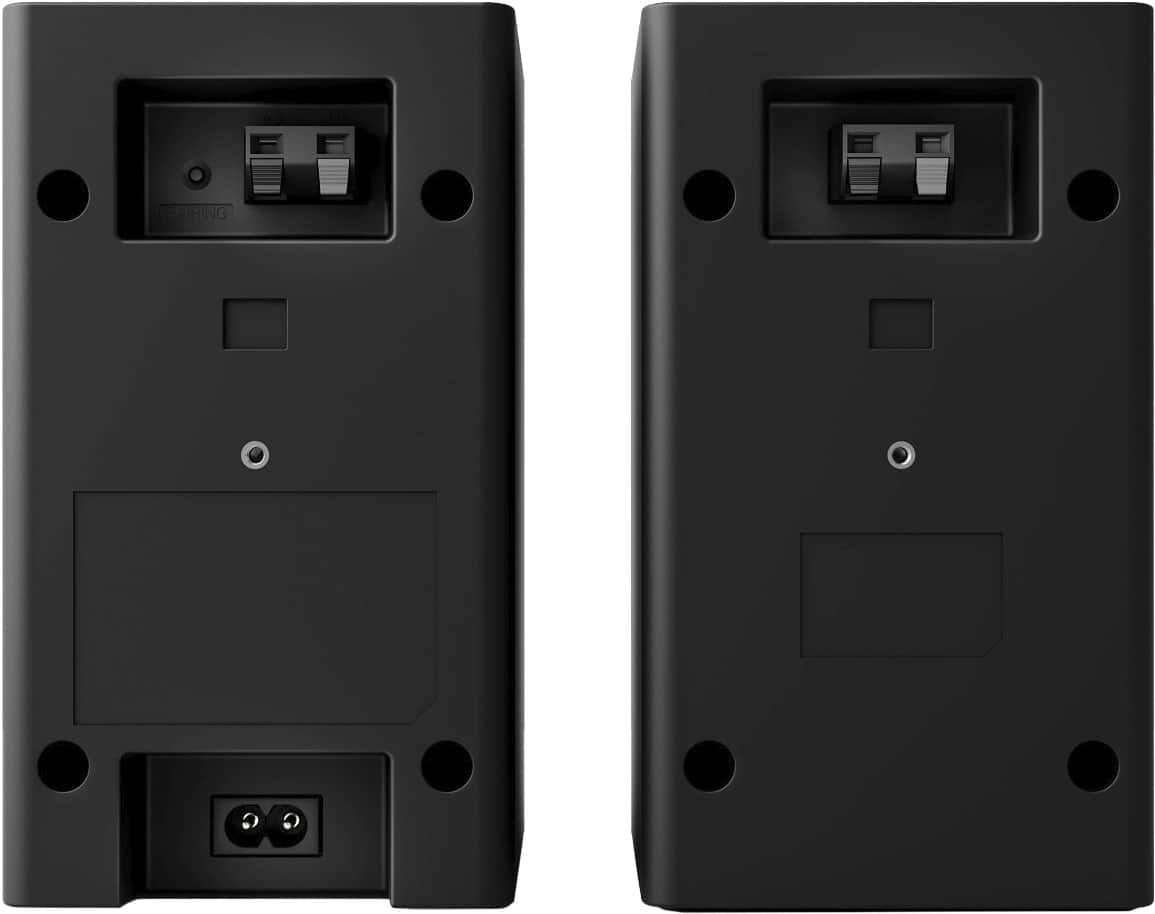
Both systems use wireless technology for their rear speakers and subwoofers, but the implementation differs significantly. The S90TR's rear speakers are truly wireless – each unit connects directly to the main soundbar without requiring interconnecting cables. The S60TR uses a more traditional approach where the rear speakers connect to each other with a cable, then one unit communicates wirelessly with the soundbar.
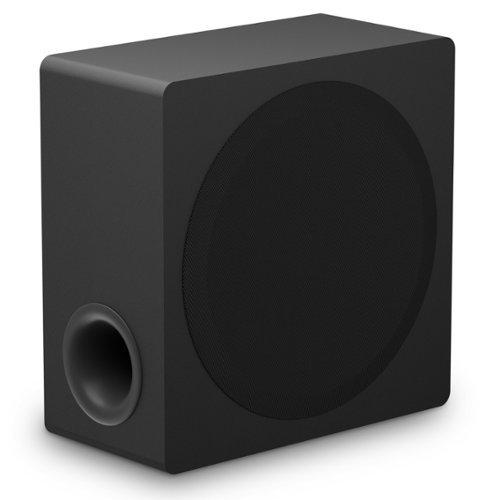
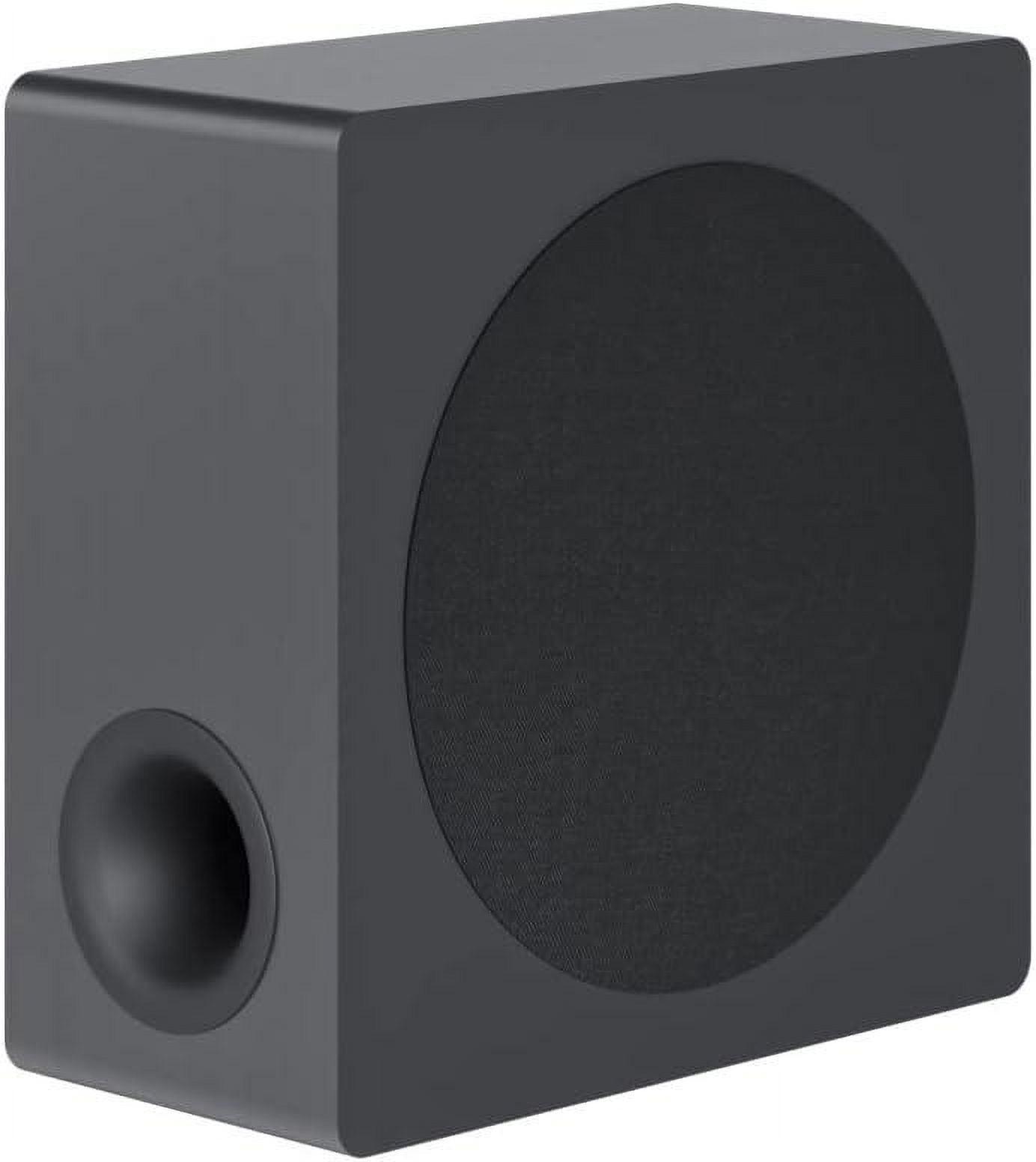
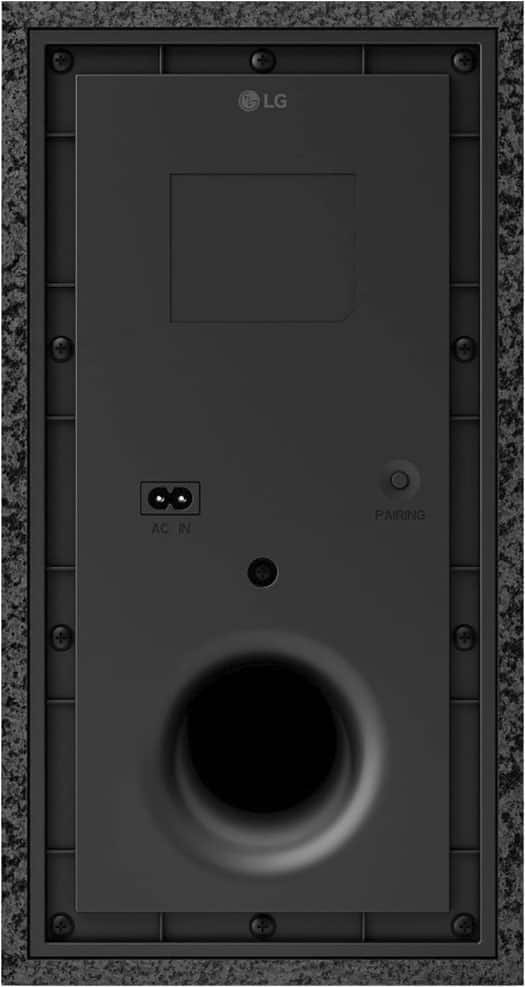
The subwoofer designs also differ. The S90TR's subwoofer incorporates more sophisticated port tuning and driver design, allowing it to produce deeper bass with less distortion. Both subwoofers are wireless, eliminating the need to run cables across your room, but the premium model's unit integrates better with the main speakers' frequency response.
For dedicated home theater setups, the S90TR offers several advantages that become more important as room size increases. Its wider soundstage projection works better in larger spaces, and the height channels create more convincing immersion when you're sitting further from the display.
The AI Room Calibration becomes particularly valuable in challenging acoustic environments. Many home theaters are located in basements with hard surfaces, or in open-concept living spaces with high ceilings and minimal sound treatment. The S90TR can compensate for these acoustic challenges automatically.
However, the S60TR shouldn't be dismissed for home theater use. In smaller theater rooms or spaces where seating is closer to the screen, its more focused soundstage can actually work better than a system trying to fill a larger space than necessary.
The LG S90TR ($796.99) makes sense for users who prioritize cutting-edge audio experiences and have the budget to support them. If you regularly watch new movies with Dolby Atmos soundtracks, play modern games with 3D audio, or simply want the best possible sound quality from your entertainment system, the premium features justify their cost.
The height channels alone can transform certain content experiences in ways that the S60TR simply cannot match. Combined with AI room optimization and gaming features, it represents a comprehensive audio solution that should remain satisfying for years.
The LG S60TR ($299.99) delivers exceptional value for users who want significant audio improvement without premium complexity or cost. If your primary goals are clearer dialogue, better bass response, and basic surround effects, this system achieves them admirably.
For many users, the S60TR provides all the audio enhancement they'll actually notice and appreciate. The wireless rear speakers create genuine surround immersion, and the subwoofer adds impact that TV speakers simply cannot match.
Both soundbars succeed at their intended purposes, but they serve different user priorities. The S90TR represents LG's vision of premium home audio, incorporating advanced technologies that genuinely enhance the entertainment experience for users who can appreciate them. The S60TR focuses on delivering core surround sound benefits at an accessible price point.
Your choice ultimately depends on your budget, room size, content preferences, and how much you value cutting-edge audio features. Either system will dramatically improve your TV audio experience – the question is whether the S90TR's advanced capabilities are worth the additional investment for your specific situation.
For most users upgrading from TV speakers, both options will feel transformative. The key is choosing the one that matches your priorities and provides the best long-term satisfaction for your entertainment setup.
| LG S90TR 7.1.3 Channel Soundbar ($796.99) | LG S60TR 5.1 Channel Soundbar ($299.99) |
|---|---|
| Channel Configuration - Determines surround immersion level | |
| 7.1.3 channels with dedicated height speakers | 5.1 channels, traditional horizontal surround |
| Dolby Atmos Support - Essential for overhead audio effects | |
| Full Dolby Atmos with upfiring drivers | No Dolby Atmos capability |
| Total Power Output - Impacts volume and dynamic range | |
| 570W across 13 speaker units | 440W across fewer speakers |
| AI Room Calibration - Optimizes sound for your space | |
| Yes, automatically adjusts to room acoustics | No, relies on manual EQ presets |
| Gaming Features - Important for console users | |
| 4K/120Hz passthrough, VRR, ALLM support | Basic HDMI connectivity only |
| WOW Orchestra - Integrates with LG TVs | |
| Yes, uses TV speakers as additional channels | No LG TV integration |
| Rear Speaker Configuration - Affects setup convenience | |
| Truly wireless rear speakers | Semi-wireless (cable between rear units) |
| Release Timeline - Indicates feature currency | |
| Late 2023 (current generation) | Older generation budget model |
| Best Value For - Who should buy each | |
| Home theater enthusiasts wanting premium immersion | Budget-conscious users seeking solid surround upgrade |
The primary difference is channel configuration and immersion level. The LG S90TR ($796.99) offers 7.1.3 channels with dedicated height speakers for Dolby Atmos overhead effects, while the LG S60TR ($299.99) provides traditional 5.1 surround sound without height channels. The S90TR creates three-dimensional audio that places sounds above and around you, whereas the S60TR focuses on horizontal surround effects.
The LG S60TR ($299.99) offers exceptional value for budget-conscious buyers, delivering solid 5.1 surround sound at an affordable price point. However, the LG S90TR ($796.99) provides better long-term value for audio enthusiasts who want premium features like Dolby Atmos, AI room calibration, and gaming optimizations that justify the higher cost.
The LG S90TR ($796.99) is significantly better for gaming, offering 4K/120Hz passthrough, Variable Refresh Rate (VRR), and Auto Low Latency Mode (ALLM) support. It also provides positional audio advantages through height channels. The LG S60TR offers basic gaming audio improvement but lacks modern gaming features.
The LG S90TR delivers 570W of total power across 13 speaker units, while the LG S60TR ($299.99) produces 440W across fewer speakers. The higher power output of the S90TR provides better dynamic range and can fill larger rooms more effectively.
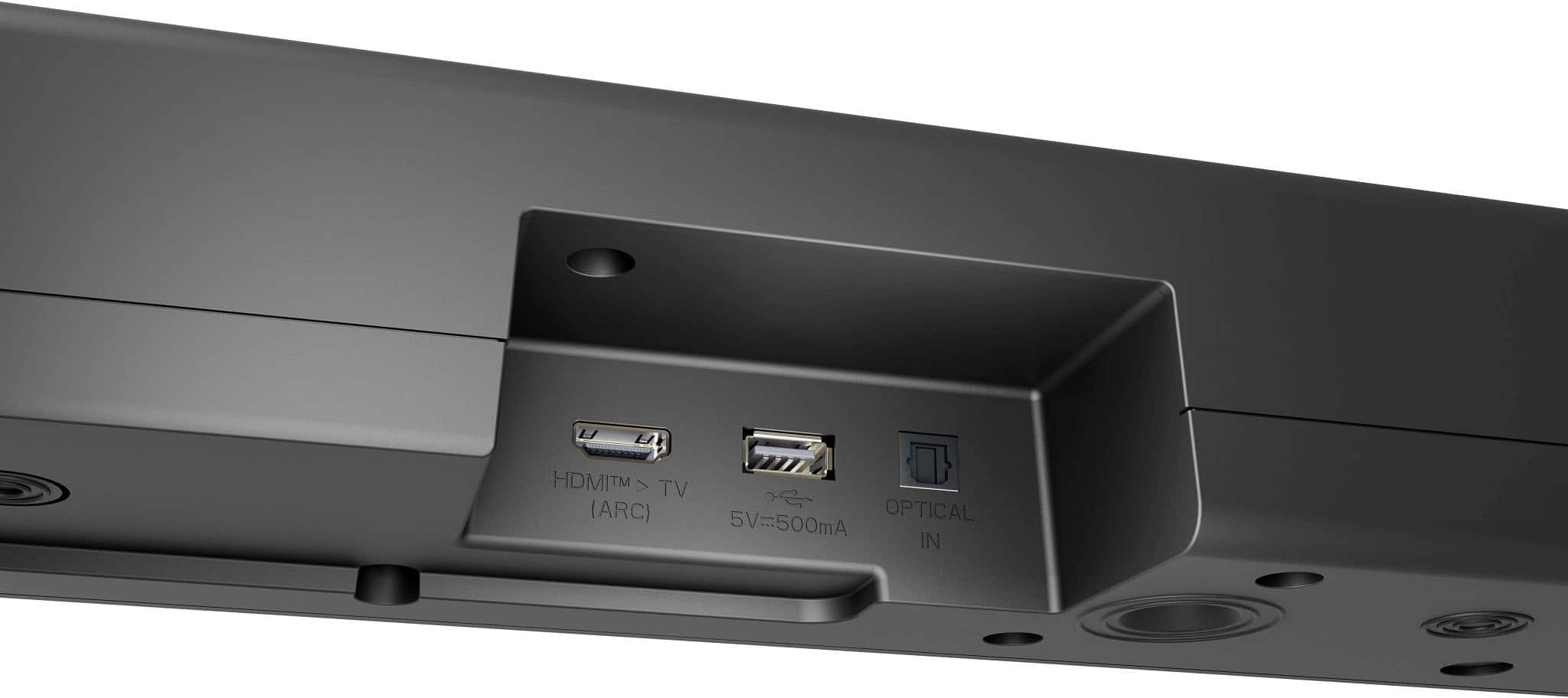
The LG S90TR ($796.99) integrates better with LG TVs through WOW Orchestra technology, which uses your TV's speakers as additional channels alongside the soundbar. The LG S60TR lacks this integration feature but still works well with LG TVs through standard HDMI or optical connections.
Only the LG S90TR includes AI Room Calibration that automatically optimizes sound based on your room's acoustic characteristics. The LG S60TR ($299.99) relies on manual EQ presets and sound modes without automatic room adjustment capabilities.
For small rooms, the LG S60TR ($299.99) may be sufficient and more cost-effective, as height effects are less noticeable in compact spaces. However, the LG S90TR still provides superior dialogue clarity and music reproduction even in smaller rooms, making it worthwhile if budget allows.
The LG S90TR ($796.99) offers superior music performance with better stereo imaging, AI-optimized frequency response, and more detailed sound reproduction across 13 speakers. The LG S60TR provides adequate music playback that's much better than TV speakers but lacks the refinement and spatial accuracy of the premium model.
The LG S90TR excels in dedicated home theater environments with its Dolby Atmos support, wider soundstage, and AI room calibration that compensates for challenging acoustics. The height channels create convincing overhead effects crucial for cinematic immersion. The LG S60TR ($299.99) works well in smaller home theaters but cannot match the immersive experience of the premium model.
Choose the LG S60TR ($299.99) if you're upgrading from TV speakers on a budget and want immediate improvement in dialogue clarity and surround effects. Select the LG S90TR ($796.99) if you consume lots of modern movies and games, want future-proof features, and can justify the premium for significantly better audio quality and immersion.
We've done our best to create useful and informative comparisons to help you decide what product to buy. Our research uses advanced automated methods to create this comparison and perfection is not possible - please contact us for corrections or questions. These are the sites we've researched in the creation of this article: rtings.com - abt.com - youtube.com - bestbuy.com - microcenter.com - buydig.com - bestbuy.com - videoandaudiocenter.com - oceanstateappliance.com - youtube.com - avsforum.com - lg.com - bestbuy.com - mynavyexchange.com - youtube.com - consumerreports.org - avsforum.com - rentacenter.com - bestbuy.com - homechoicestores.com - oconsommateur.com - lg.com - bestbuy.com - samsung.com

Privacy Policy
Terms and Conditions - Affiliate Policy
Home Security
© Copyright 2008-2026.
11816 Inwood Rd #1211, Dallas, TX 75244