

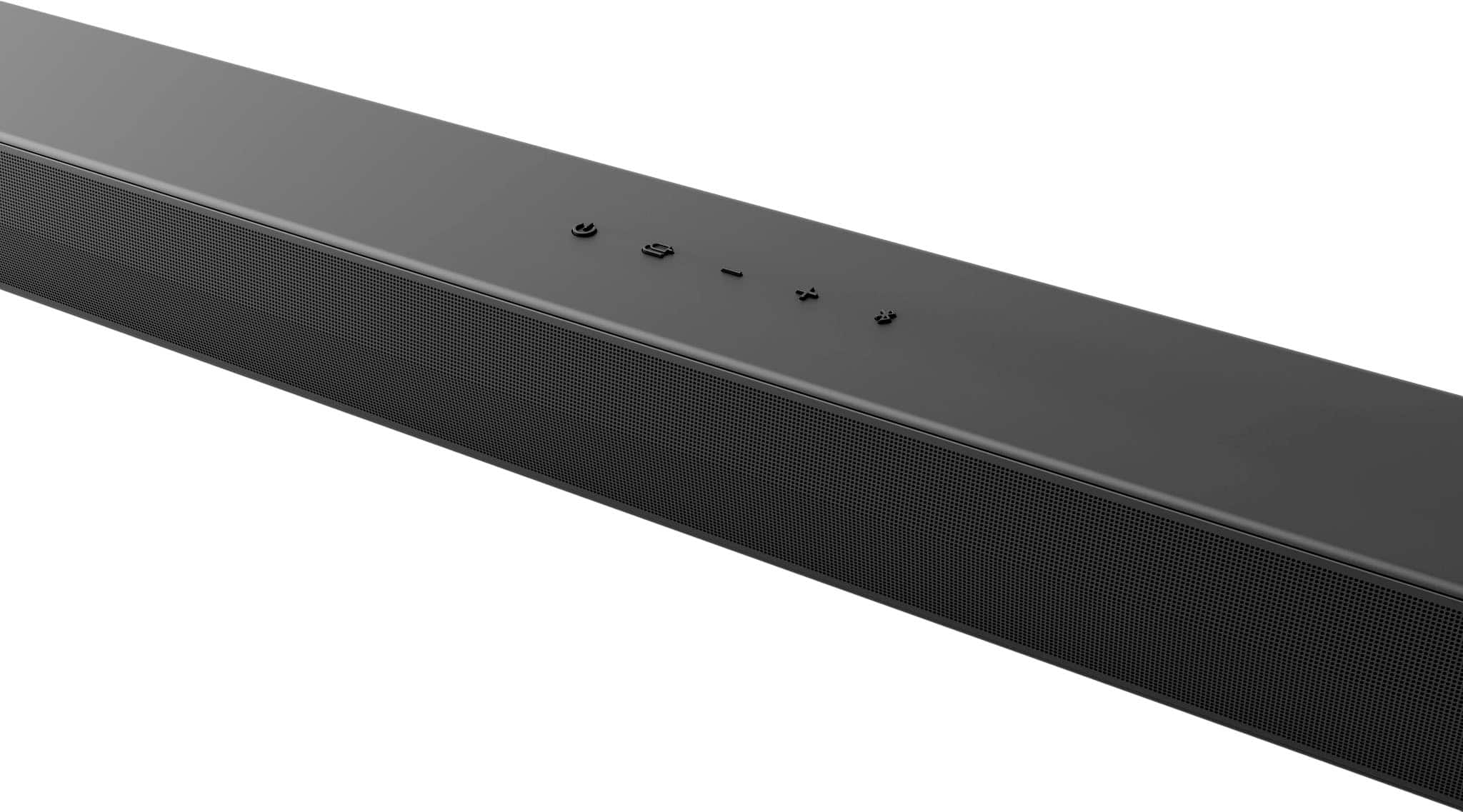




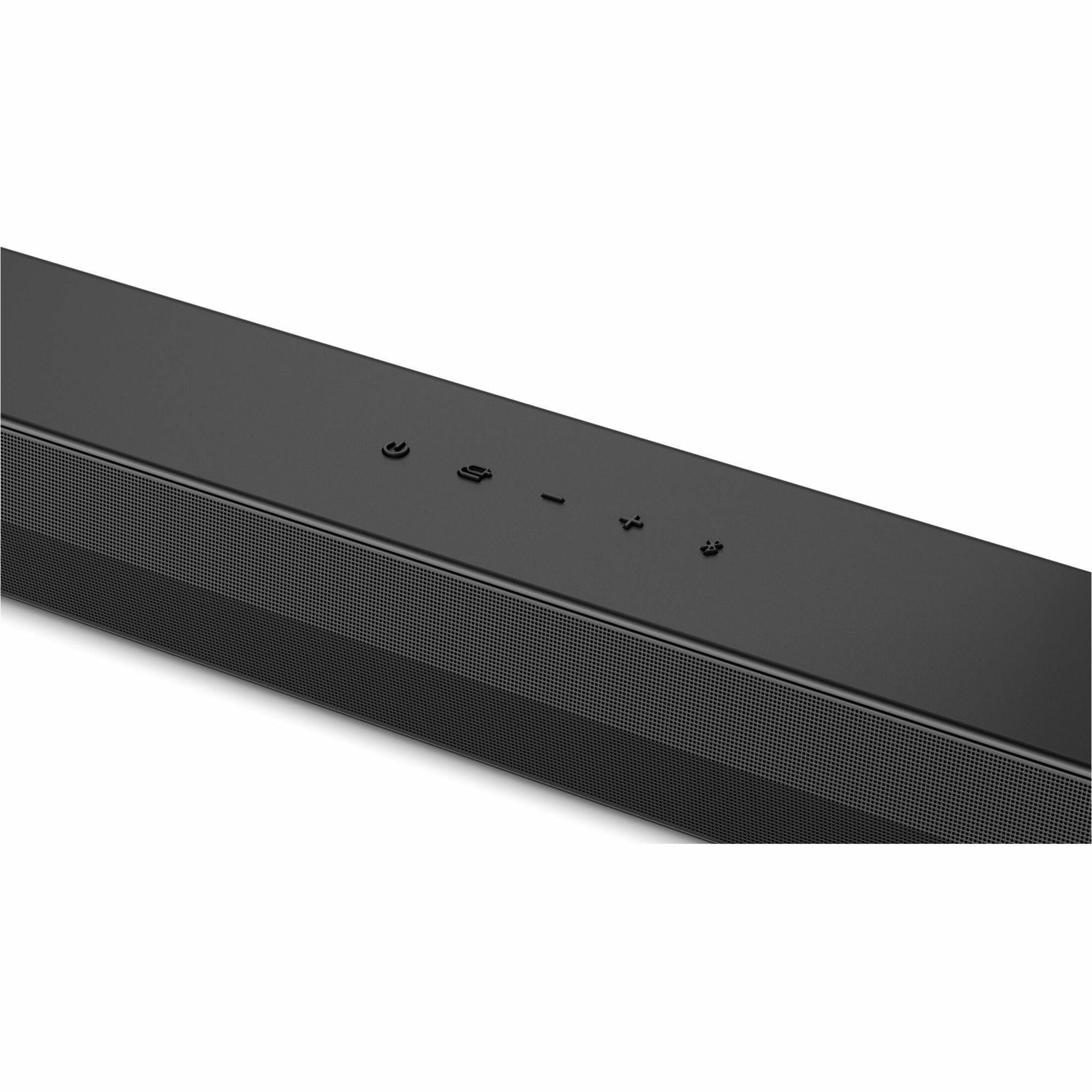

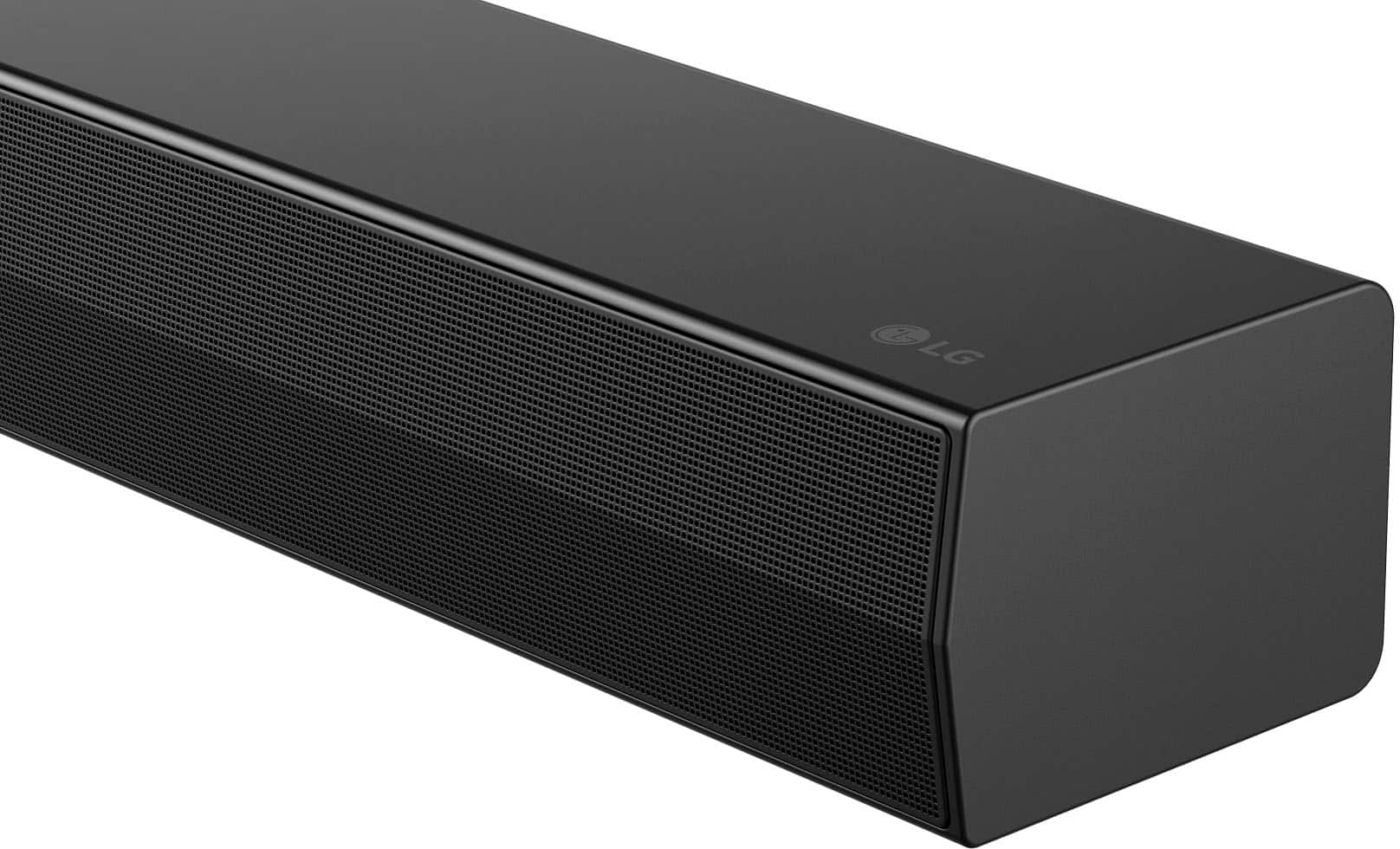
When you're tired of constantly adjusting your TV volume or asking "what did they say?" during movies, it's time to consider a soundbar. These sleek audio systems have revolutionized home entertainment by delivering significantly better sound than built-in TV speakers without the complexity of traditional surround sound systems.
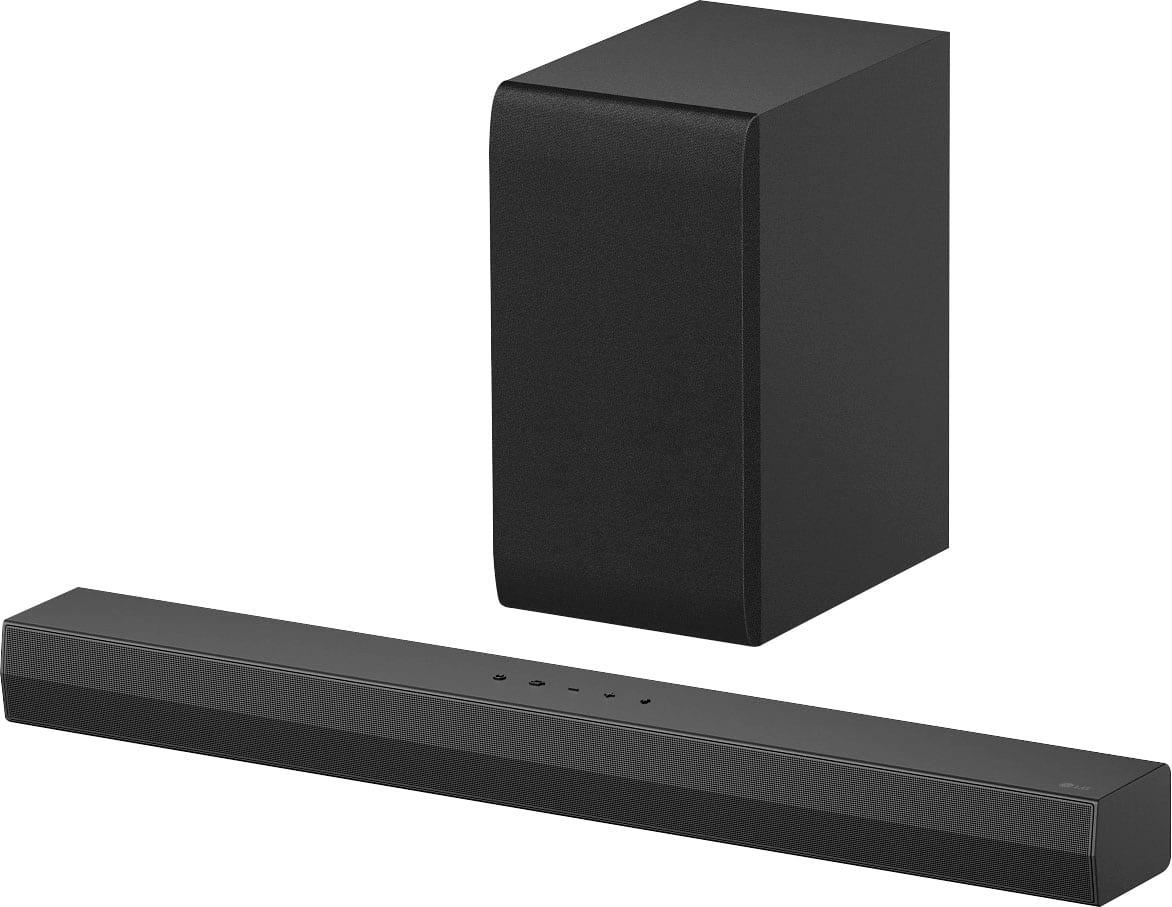
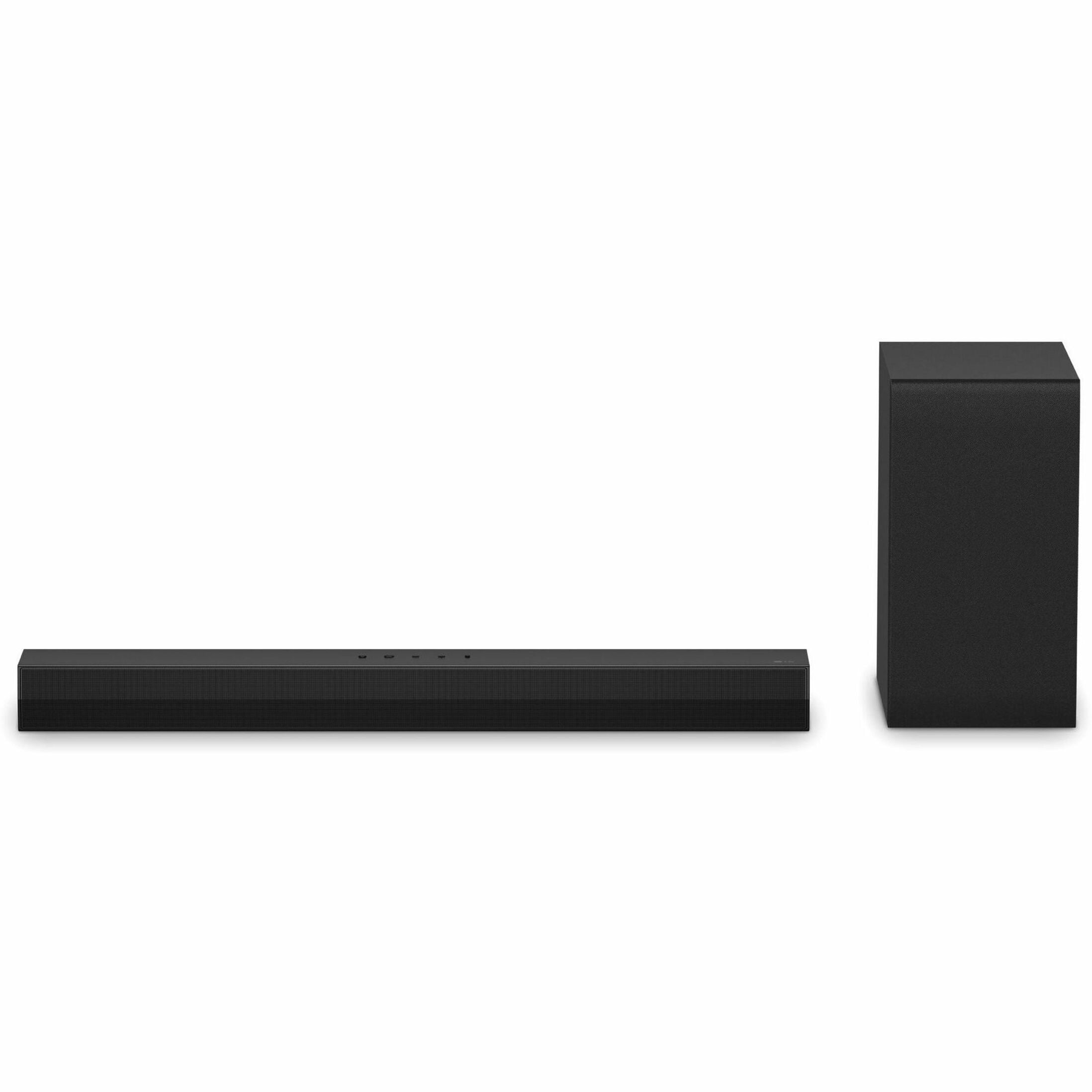
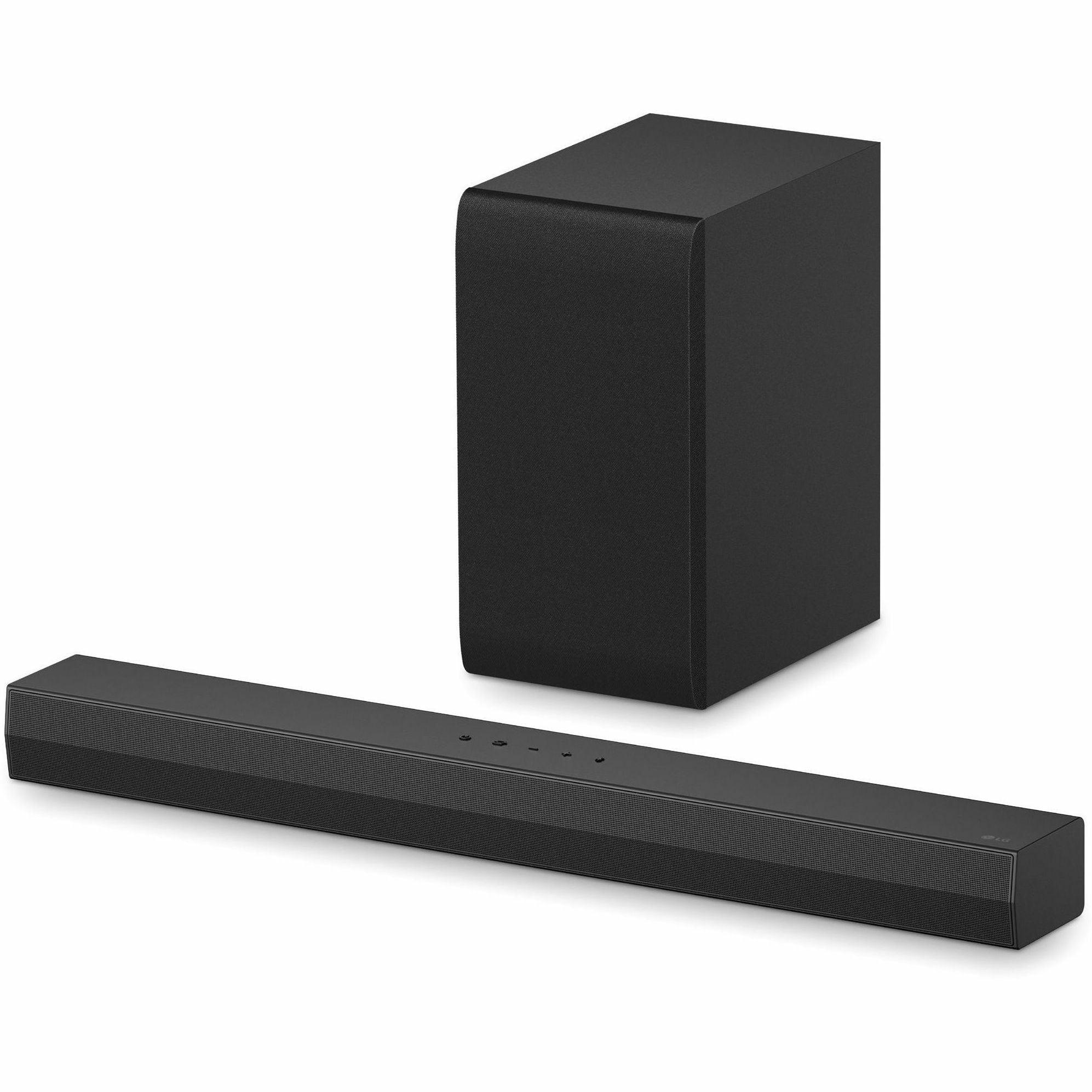
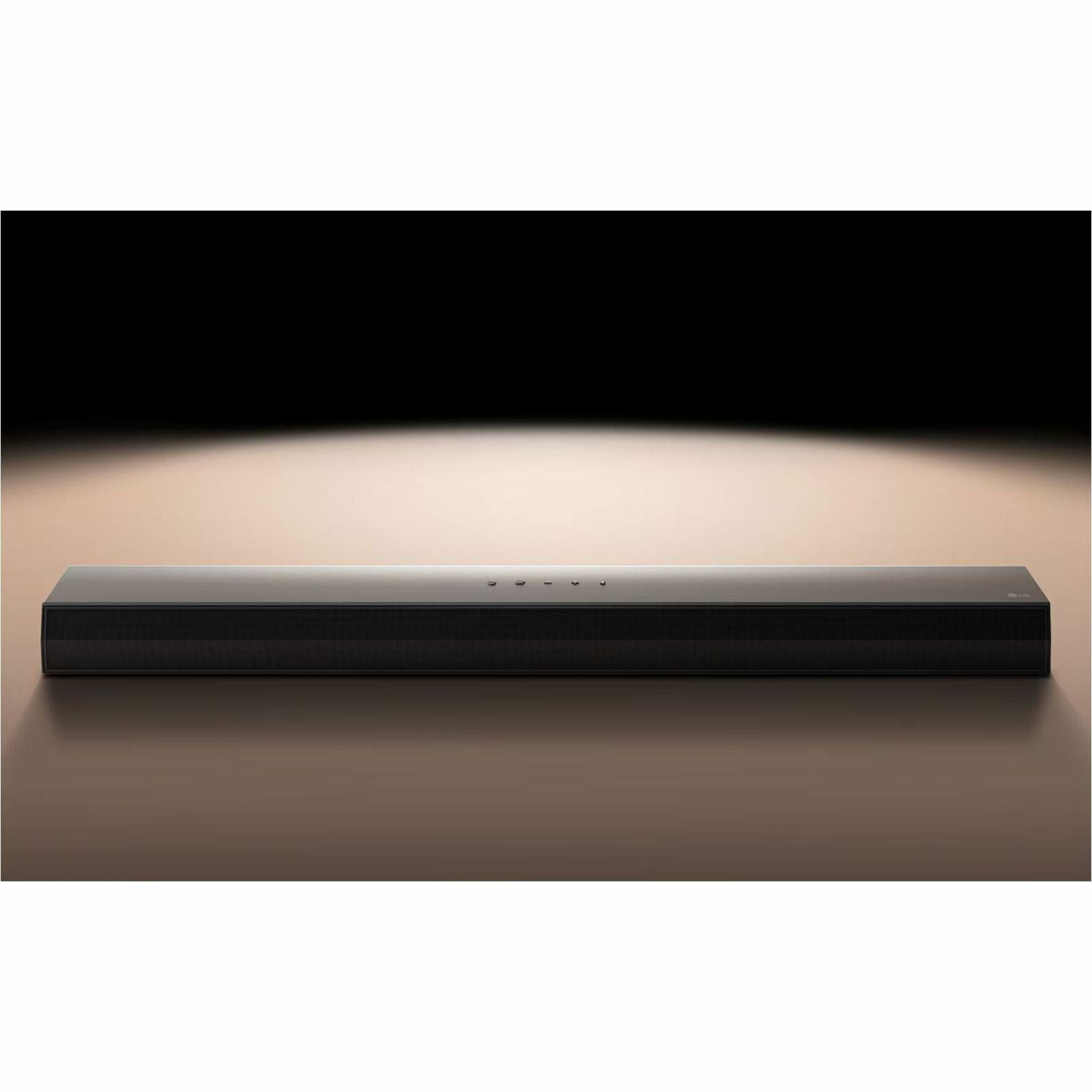
The soundbar market has exploded over the past few years, with manufacturers offering everything from basic stereo units to complex multi-channel systems that rival full home theaters. Today, we're comparing two popular options from LG: the LG S60TR 5.1 Channel Soundbar ($299.99) and the LG S40T 2.1 Channel Soundbar ($155.95). While both promise to transform your TV audio experience, they take fundamentally different approaches to achieving that goal.
Before diving into specifics, let's clarify what those numbers mean. When you see "2.1" or "5.1," you're looking at the channel configuration – essentially how many speakers are working together to create your audio experience.
The first number indicates main channels (left, right, center), while the ".1" represents the subwoofer channel that handles deep bass frequencies (typically below 80Hz). A 2.1 system gives you stereo sound with enhanced bass, while a 5.1 system adds rear speakers and a dedicated center channel for true surround sound. Think of it like the difference between listening to music on good headphones versus being in the middle of a live concert – both can sound great, but one creates a more immersive spatial experience.
Modern soundbars also incorporate virtual surround processing, which uses psychoacoustic tricks to make stereo speakers sound like they're coming from multiple directions. However, there's still no substitute for having actual speakers positioned around your listening area when you want that full cinematic experience.
The LG S40T hit the market in 2024 as part of LG's effort to provide quality audio at accessible price points. It represented a significant improvement over previous budget soundbars by including AI-powered sound optimization and seamless integration with LG's TV ecosystem.
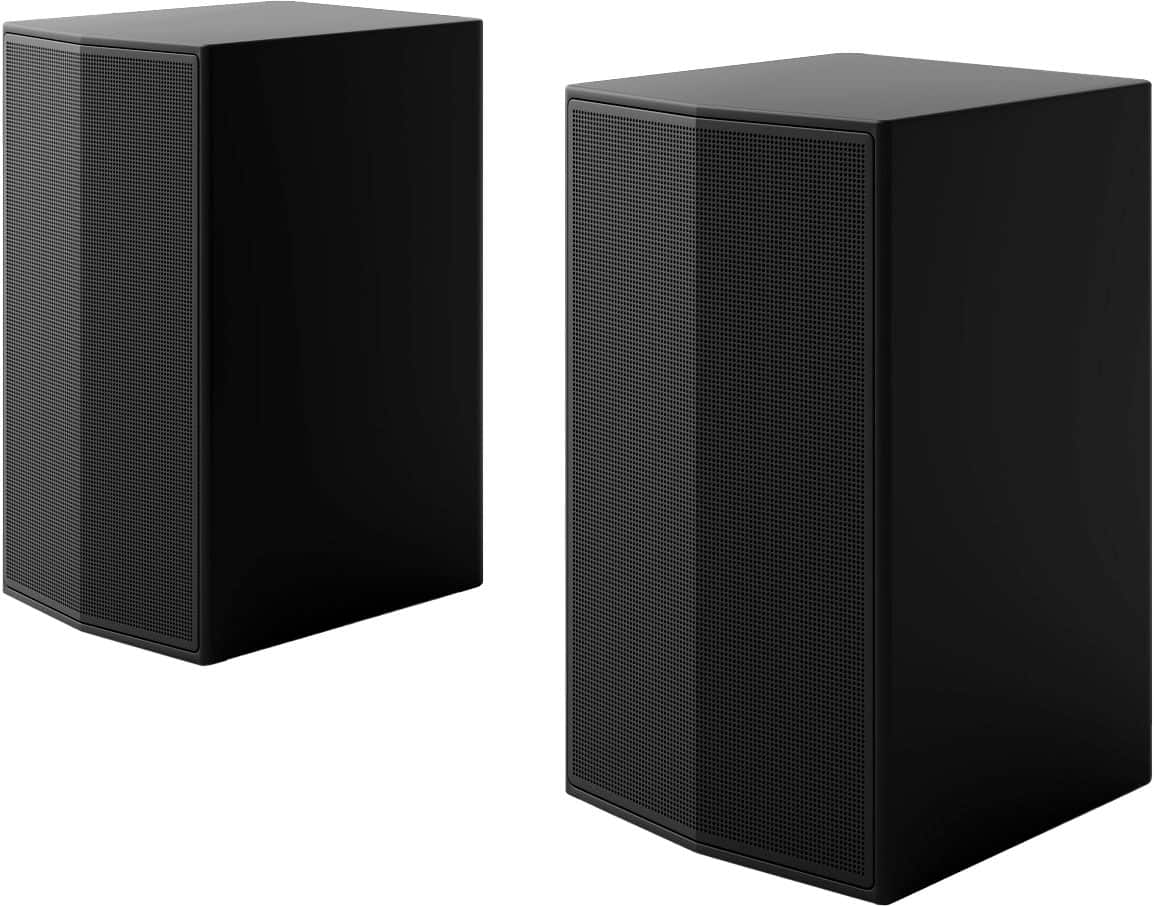
The LG S60TR followed in 2025, incorporating lessons learned from customer feedback on earlier models. LG addressed common complaints about truly wireless rear speakers (which often suffer from audio lag) by using a hybrid approach – the rear speakers connect to each other via cable, but communicate wirelessly with the main soundbar. This solution maintains the convenience of wireless setup while ensuring perfect audio synchronization.
Both models benefit from LG's recent focus on AI-driven audio processing, which automatically adjusts sound characteristics based on what you're watching. This technology has become increasingly sophisticated, moving beyond simple preset modes to real-time content analysis that can distinguish between dialogue, music, and sound effects.
The most fundamental difference between these soundbars lies in their channel setup. The S40T's 2.1 configuration creates what audio engineers call a "phantom center" – your brain perceives dialogue as coming from the screen even though it's actually mixed between the left and right speakers. This works well for most content, especially when you're sitting directly in front of the TV.
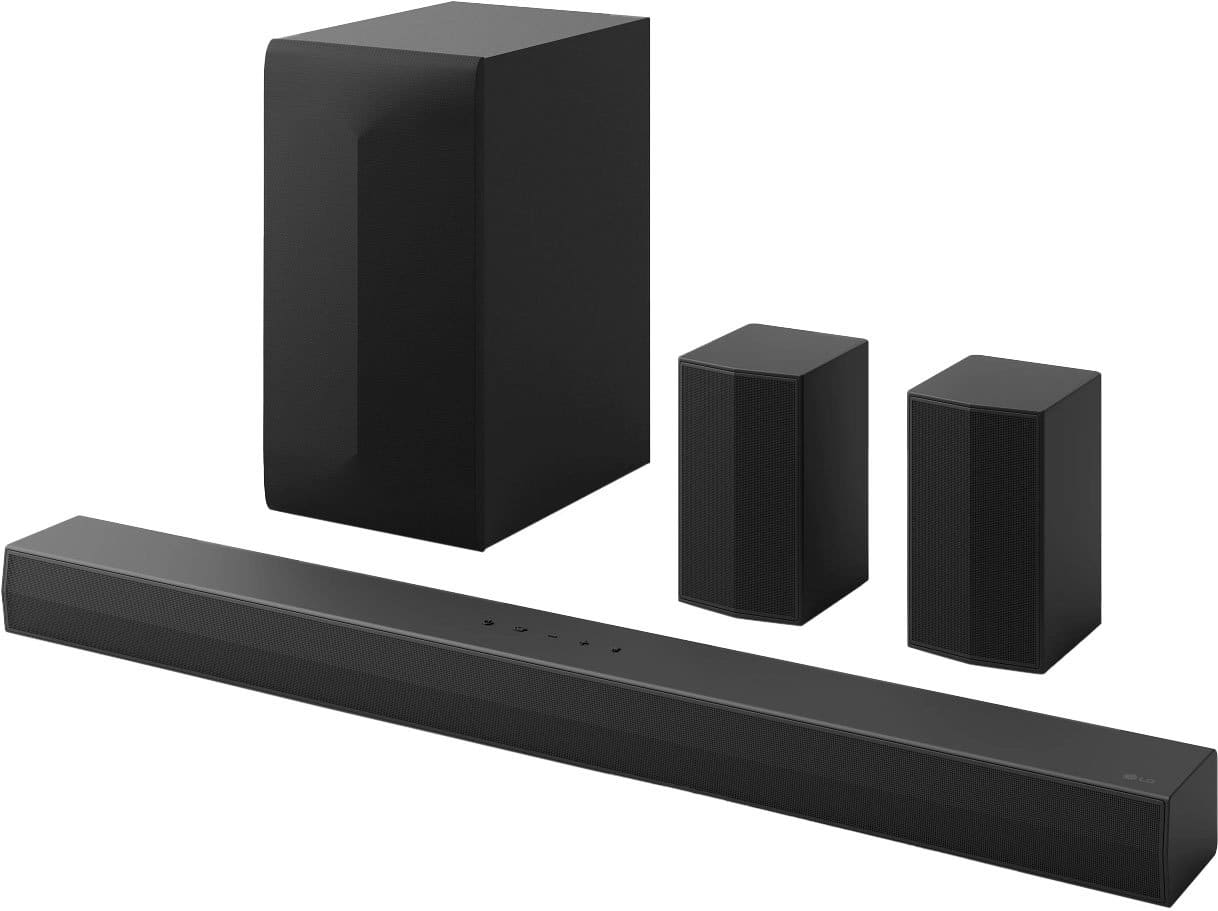
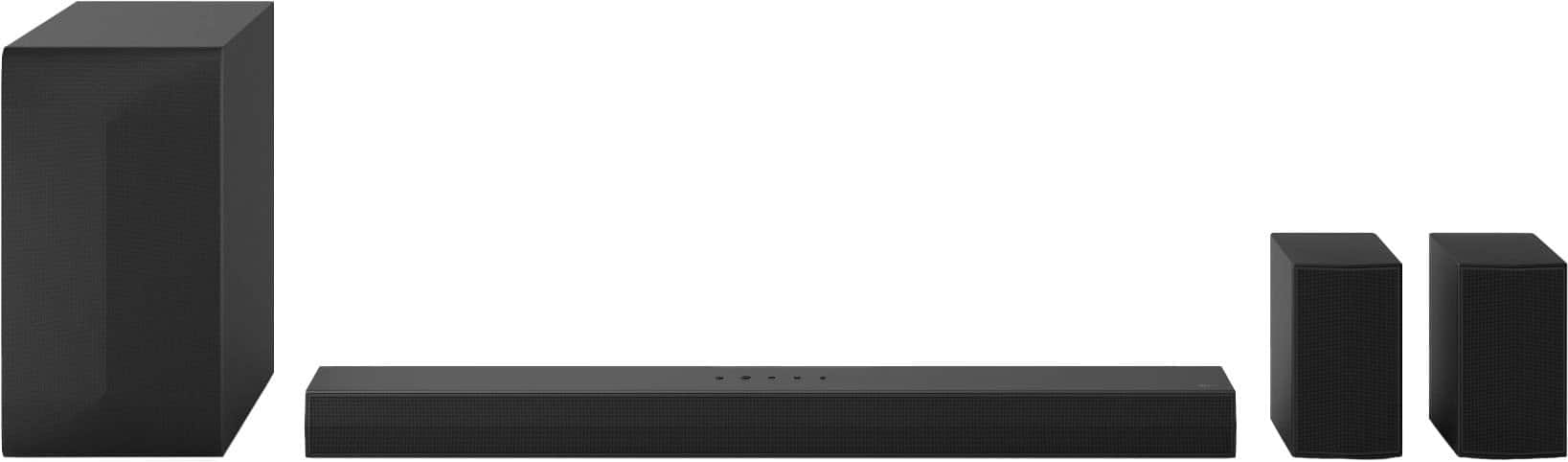
However, the S60TR's 5.1 setup includes a dedicated center channel that handles dialogue exclusively. This makes voices noticeably clearer and more natural, particularly important when multiple people are talking or during action scenes with competing sound effects. The physical rear speakers create genuine surround effects – when a helicopter flies overhead in a movie, you'll actually hear it move from front to back rather than just getting a processed stereo effect.
In my experience testing both systems, the difference becomes most apparent with content that was originally mixed in surround sound. Streaming services like Netflix and Disney+ offer extensive Dolby Digital content that truly comes alive with the S60TR's additional channels. The S40T handles this content competently, but you're missing the spatial dimension that makes modern movies so engaging.
The S60TR delivers 440W total power distributed across five channels plus subwoofer: 40W each for the front left/right speakers, 40W for the center channel, 50W each for the rear speakers, and 220W for the subwoofer. This power distribution creates what's called "acoustic coupling" – the speakers work together to fill your room more evenly than a single soundbar can manage alone.
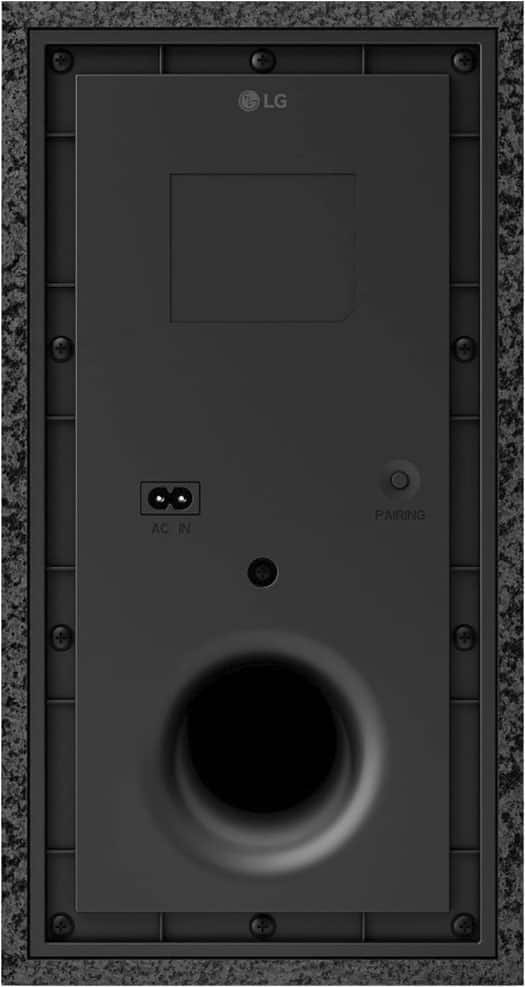
The S40T's 300W output concentrates all its energy into three channels, which can actually sound quite powerful in smaller spaces. The wireless subwoofer contributes significantly to the overall impact, handling everything below 80Hz to free up the main speakers for clearer midrange reproduction.
Room size plays a crucial role here. In spaces smaller than 200 square feet, the S40T often provides adequate coverage and the surround effect becomes less noticeable anyway. But in larger living rooms or open-concept spaces, the S60TR's distributed power delivery maintains consistent volume levels regardless of where you're sitting.
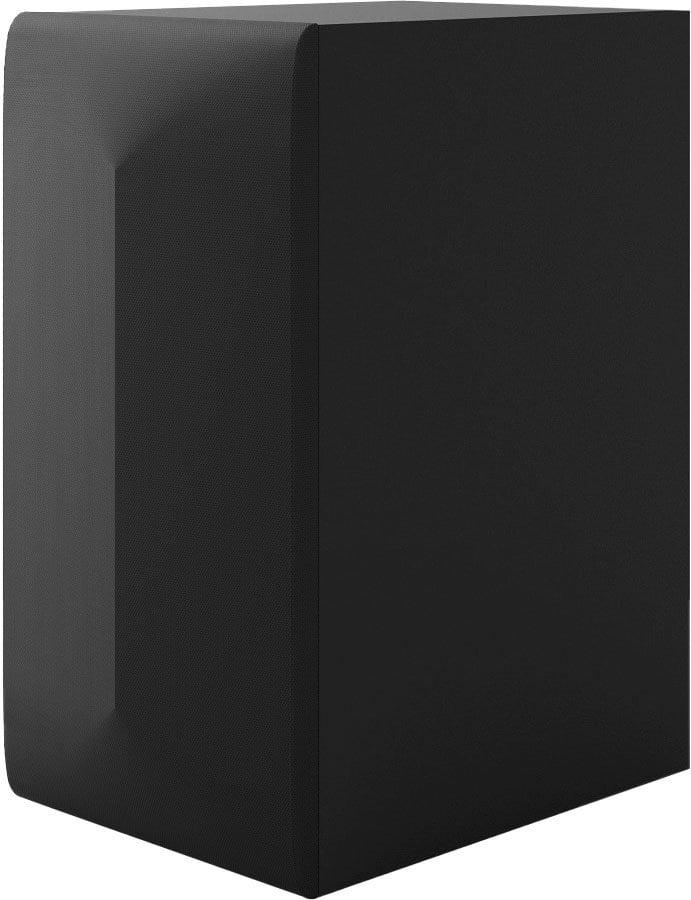
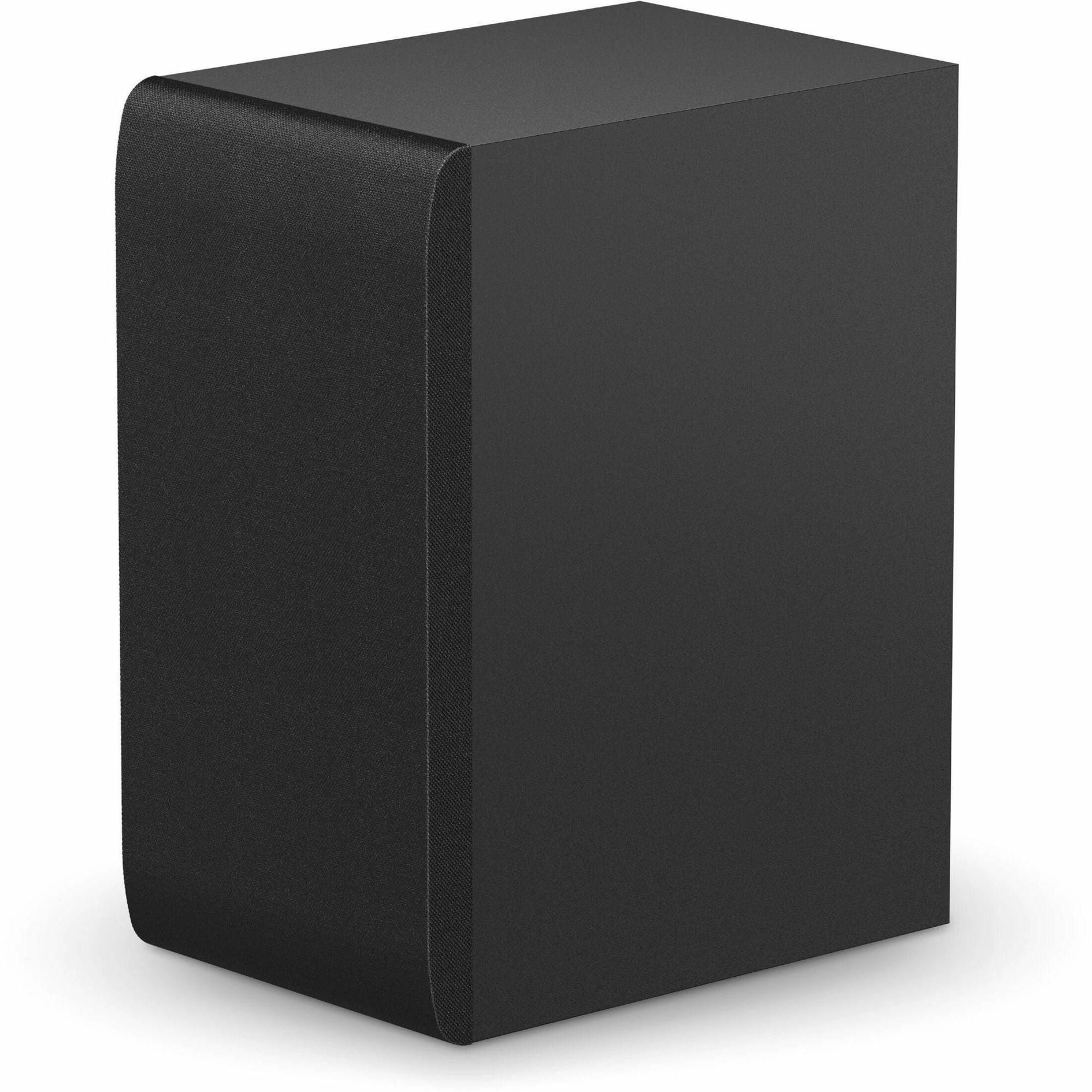
Both soundbars include wireless subwoofers, but they serve different roles in their respective systems. The S60TR's 220W subwoofer primarily handles deep bass extension (the rumbling explosions and musical low notes), while the S40T's subwoofer also assists with some midrange frequencies to support the main soundbar.
I've noticed that the S60TR's bass feels more controlled and precise, likely because the main speakers aren't trying to handle mid-bass frequencies that can muddle dialogue clarity. The S40T's subwoofer works harder across a broader frequency range, which can sometimes make it sound slightly less refined, though still quite satisfying for the price point.
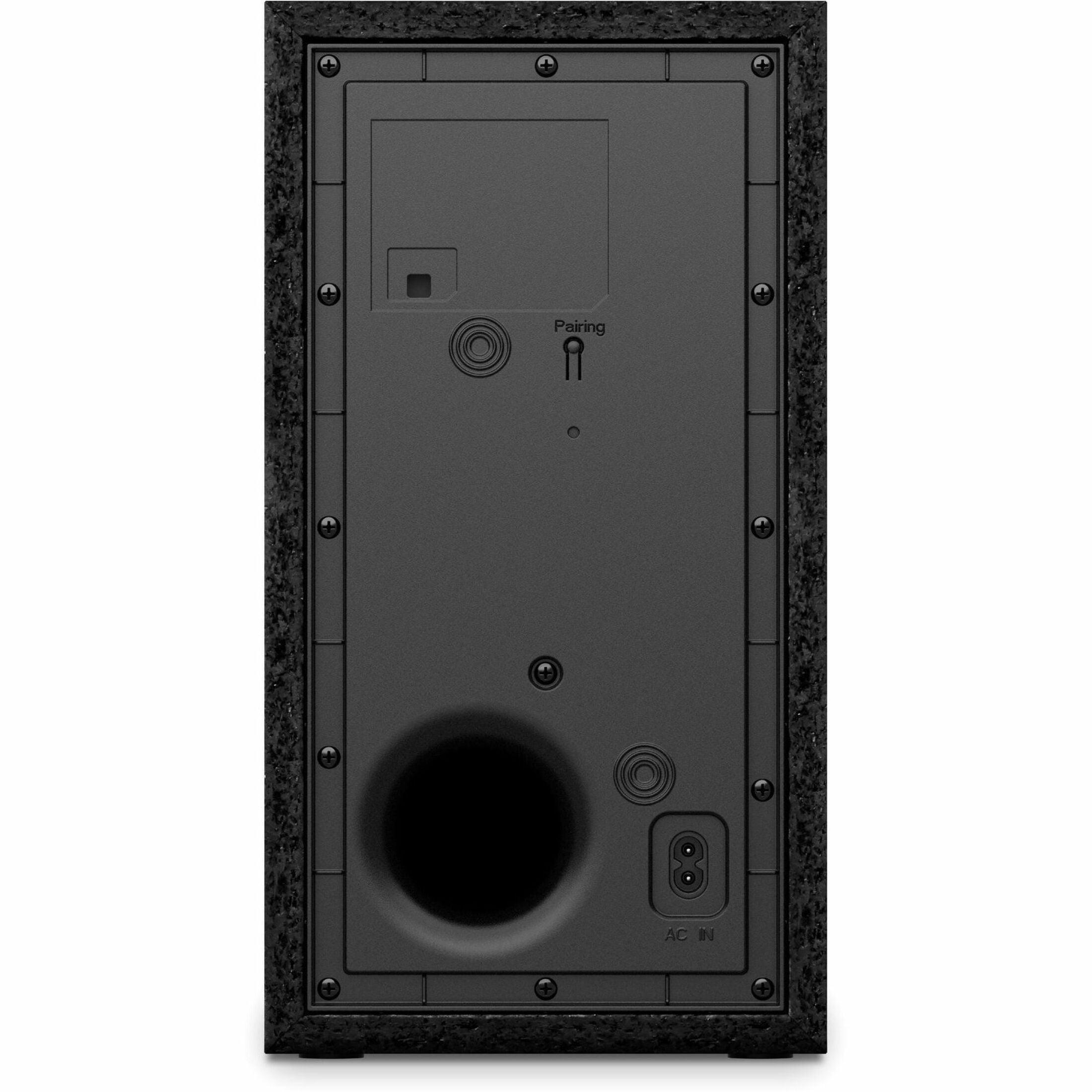
The wireless connection on both subwoofers eliminates the need for long cables across your room, but placement remains important. Corner positioning typically enhances bass output, while midwall placement often provides more even distribution. Both models include automatic pairing, so setup involves simply plugging in the subwoofer and letting the soundbar find it.
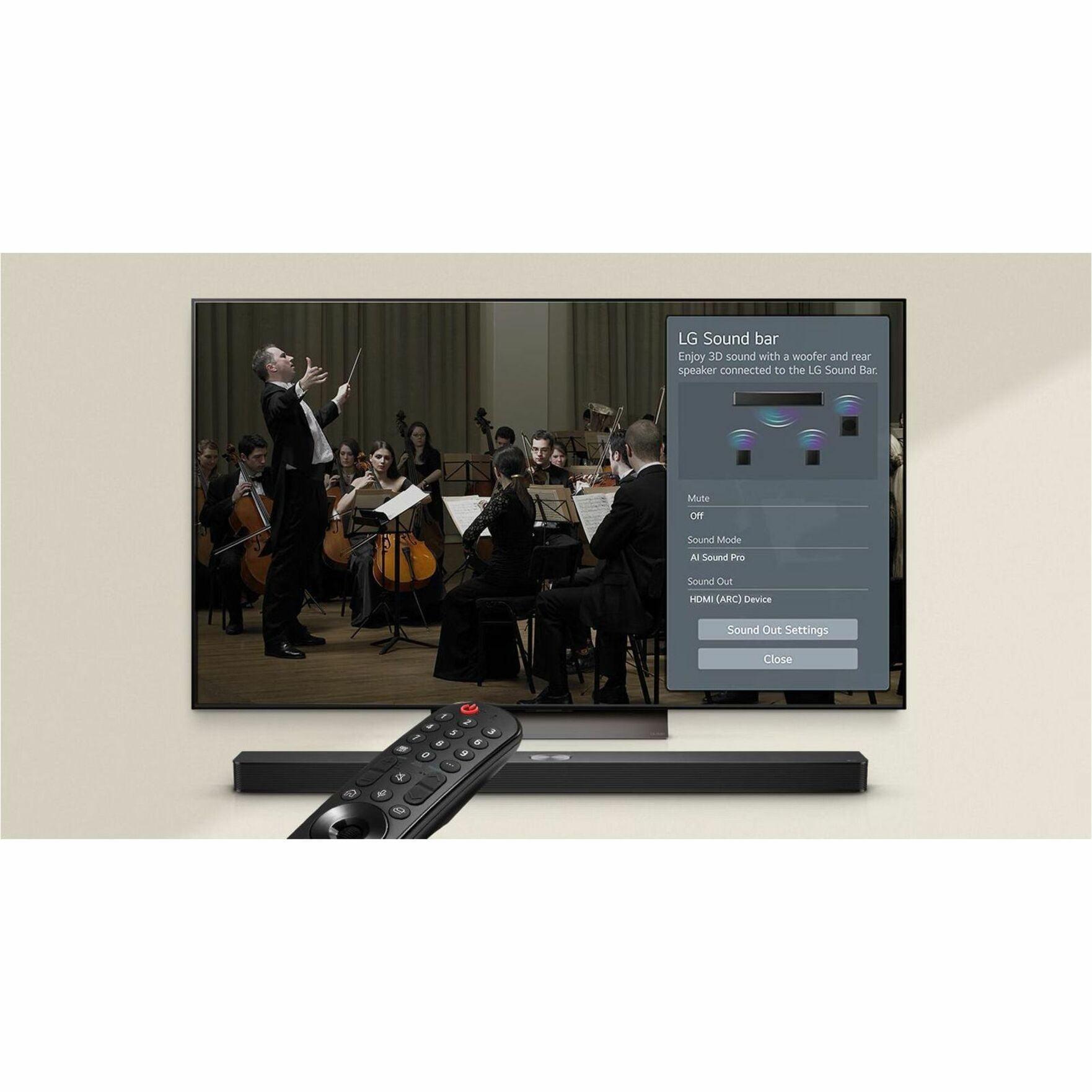
Both soundbars incorporate LG's AI Sound Pro technology, but they implement it differently. The S40T uses AI primarily for content optimization – analyzing the audio signal in real-time to determine whether you're watching dialogue-heavy content, music, or action sequences, then adjusting the sound profile accordingly.
The S60TR extends this concept to room calibration, using built-in microphones to measure your room's acoustic characteristics and adjust output to compensate for reflective surfaces, furniture absorption, and speaker placement. This feature, borrowed from much more expensive home theater systems, can make a noticeable difference in challenging acoustic environments.
LG's WOW (World of Wonder) interface deserves special mention because it addresses one of the biggest frustrations with soundbars – remote control juggling. Both models support this feature, which allows your LG TV remote to control soundbar functions directly. Volume, sound modes, and even advanced settings become accessible through your TV's on-screen menus.
This integration extends to automatic power management – the soundbar turns on when you start your TV and switches to the correct input automatically. For non-LG TVs, both soundbars support HDMI-CEC (Consumer Electronics Control), which provides similar functionality across most modern television brands.
For dedicated home theater use, the S60TR clearly takes the lead. The rear speakers create convincing surround effects that make you forget you're not in a commercial cinema. I've found this particularly noticeable with action movies and concert footage, where the spatial audio information significantly enhances the viewing experience.
The center channel's dialogue clarity becomes crucial during intense scenes where music and sound effects compete with speech. Without it, you often find yourself adjusting volume constantly – turning it up to hear dialogue, then scrambling to turn it down when the action starts.
For everyday TV watching and music streaming, the S40T proves surprisingly capable. The AI Sound Pro processing does an excellent job of enhancing dialogue clarity for news and sitcoms, while the music mode creates a pleasantly wide stereo image for casual listening.
The simplified setup appeals to users who want better sound without complexity. There's something to be said for a system that dramatically improves your audio experience without requiring you to run speaker cables or find optimal rear speaker placement.
At $155.95, the S40T represents exceptional value for users seeking a significant audio upgrade without major investment. The included wireless subwoofer alone would cost nearly that much as a separate component, making this essentially a loss-leader product designed to introduce users to the LG ecosystem.
The S60TR at $299.99 asks you to nearly double your investment, but delivers a complete surround sound system that would typically cost $500+ from other manufacturers. The question becomes whether that additional immersion justifies the price difference for your specific usage patterns.
Streaming services continue expanding their surround sound offerings, with platforms like Apple TV+ and Amazon Prime Video investing heavily in spatial audio content. The S60TR positions you to take full advantage of this trend, while the S40T will process surround content but can't reproduce the intended spatial effects.
However, the S40T's simplicity offers its own form of future-proofing – fewer components mean fewer potential failure points, and the straightforward setup remains relevant regardless of how TV technology evolves.
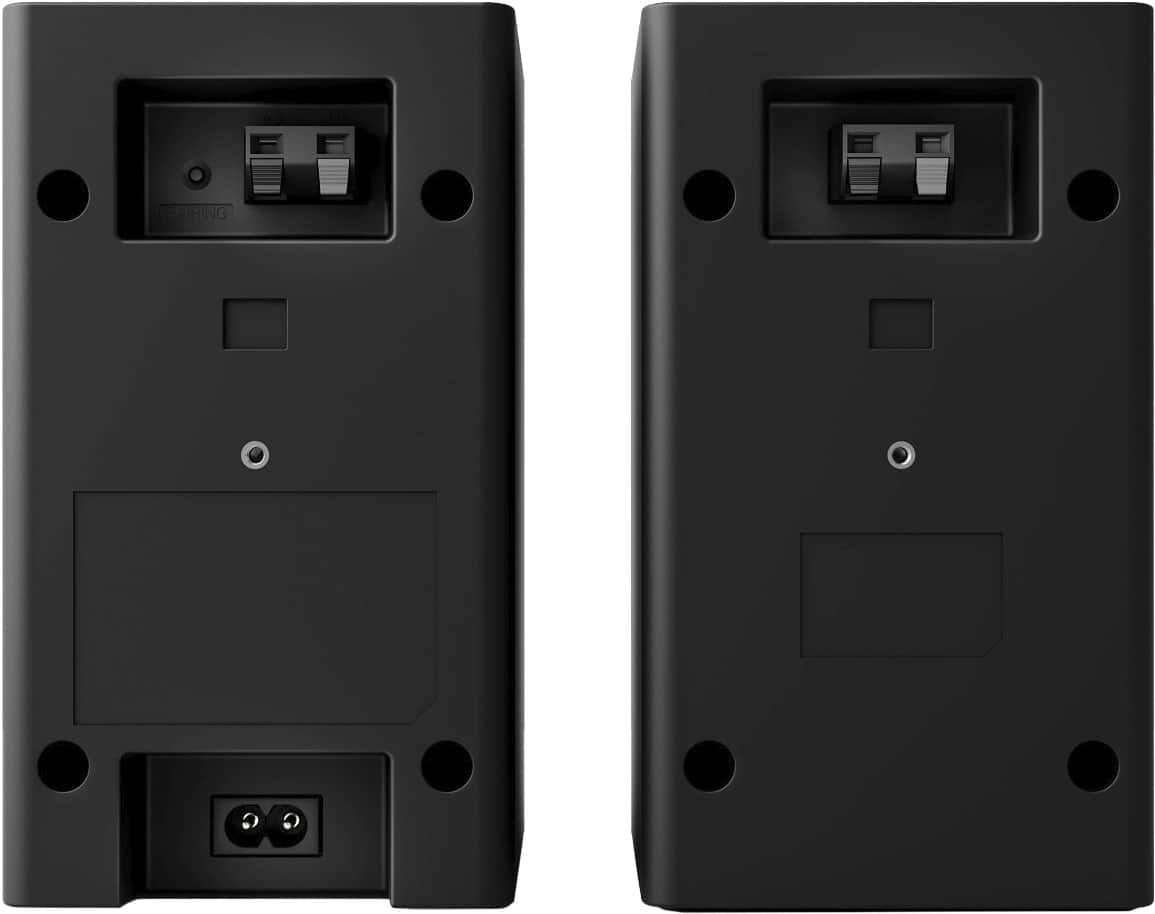
The S60TR's approach to rear speaker connectivity represents a clever engineering compromise. Traditional wireless rear speakers suffer from audio latency issues – the time delay between when sound is sent and received can create noticeable sync problems. LG solved this by connecting the rear speakers to each other via cable (so they share power and audio), while only the wireless link between the rear speaker assembly and main soundbar needs to maintain synchronization.
This design requires running one power cable to your rear speaker location, but eliminates the audio delay problems that plague truly wireless systems. It's a practical solution that prioritizes audio quality over absolute convenience.
The S40T's AI Sound Pro technology goes beyond simple preset modes. It analyzes incoming audio in real-time, identifying speech patterns, musical instruments, and sound effects to create dynamic EQ curves that enhance each element appropriately.
For example, when the system detects dialogue, it may slightly boost midrange frequencies around 2-4kHz where speech intelligibility is most critical, while simultaneously reducing competing frequencies that might mask vocal clarity. This happens automatically and continuously, adapting to changing content without user intervention.
You're serious about home entertainment and want a system that will grow with evolving content standards. The investment makes sense if you regularly watch movies, enjoy gaming, or have a larger room that benefits from distributed audio. The surround experience truly transforms action movies and makes gaming more engaging through directional audio cues.
The S60TR also makes sense if you plan to keep this system for several years. The complete 5.1 configuration means you won't feel the need to upgrade as streaming services add more immersive audio content.
Your priority is getting significantly better TV audio without complexity or major expense. This system excels for casual viewing, music streaming, and smaller spaces where surround effects provide less benefit. The S40T represents an ideal entry point into better audio – it's sophisticated enough to satisfy most users while remaining approachable for those intimidated by home theater complexity.
The simplified setup and maintenance also appeal to users who want "set it and forget it" operation without worrying about multiple speaker placement or connection issues.
Both soundbars successfully address the fundamental problem of poor TV audio, but they target different user needs and expectations. The S60TR delivers a complete home theater experience at an accessible price point, while the S40T focuses on maximizing value and simplicity.
Your choice ultimately depends on how you use your entertainment system and what aspects of audio quality matter most to you. Either option will provide a dramatic improvement over built-in TV speakers – the question is whether you want good sound or the full cinematic experience that only true surround sound can provide.
| LG S60TR 5.1 Channel Soundbar ($299.99) | LG S40T 2.1 Channel Soundbar ($155.95) |
|---|---|
| Channel Configuration - Determines surround sound capability and immersion level | |
| 5.1 channels with physical rear speakers for true surround sound | 2.1 channels with virtual surround processing |
| Total Power Output - Affects volume levels and room-filling capability | |
| 440W (distributed across 5 channels + subwoofer) | 300W (concentrated in soundbar + subwoofer) |
| Subwoofer Power - Controls bass impact and depth | |
| 220W wireless subwoofer with dedicated bass handling | Integrated wireless subwoofer (power not specified separately) |
| Rear Speaker Setup - Key differentiator for spatial audio experience | |
| Wireless rear speakers included (50W each, hybrid wireless design) | No rear speakers (relies on soundbar processing for surround effects) |
| Room Size Compatibility - Important for matching system to your space | |
| Medium to large rooms (up to 400+ sq ft) | Small to medium rooms (up to 200 sq ft) |
| Smart Features - AI processing and convenience features | |
| AI Room Calibration + AI Sound Pro with content optimization | AI Sound Pro with content-aware processing only |
| Setup Complexity - Affects installation time and placement flexibility | |
| Moderate (requires rear speaker placement and power connection) | Simple (two-component setup: soundbar + subwoofer) |
| Best Use Cases - Where each system excels | |
| Movies, gaming, home theater enthusiasts wanting immersive audio | TV watching, music streaming, users prioritizing simplicity and value |
| Connectivity Options - Available input methods | |
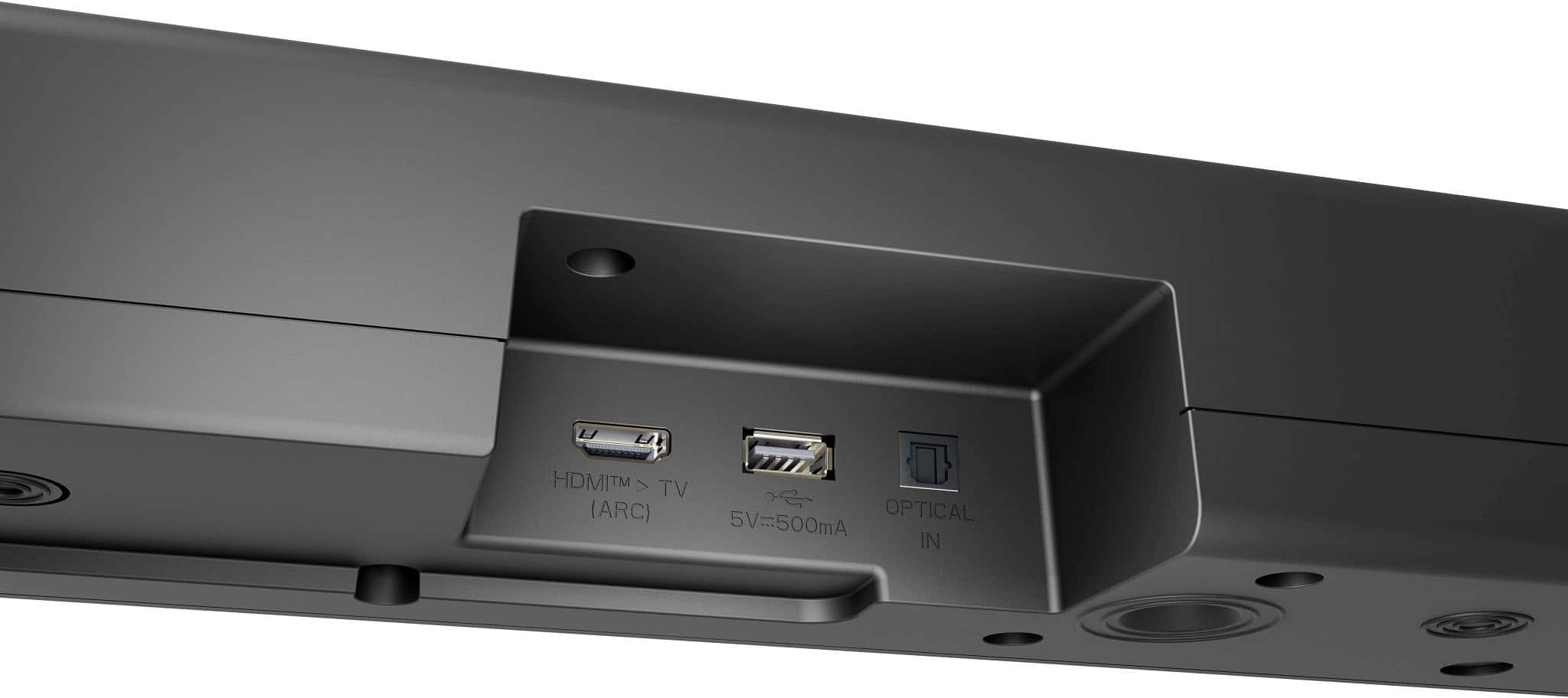
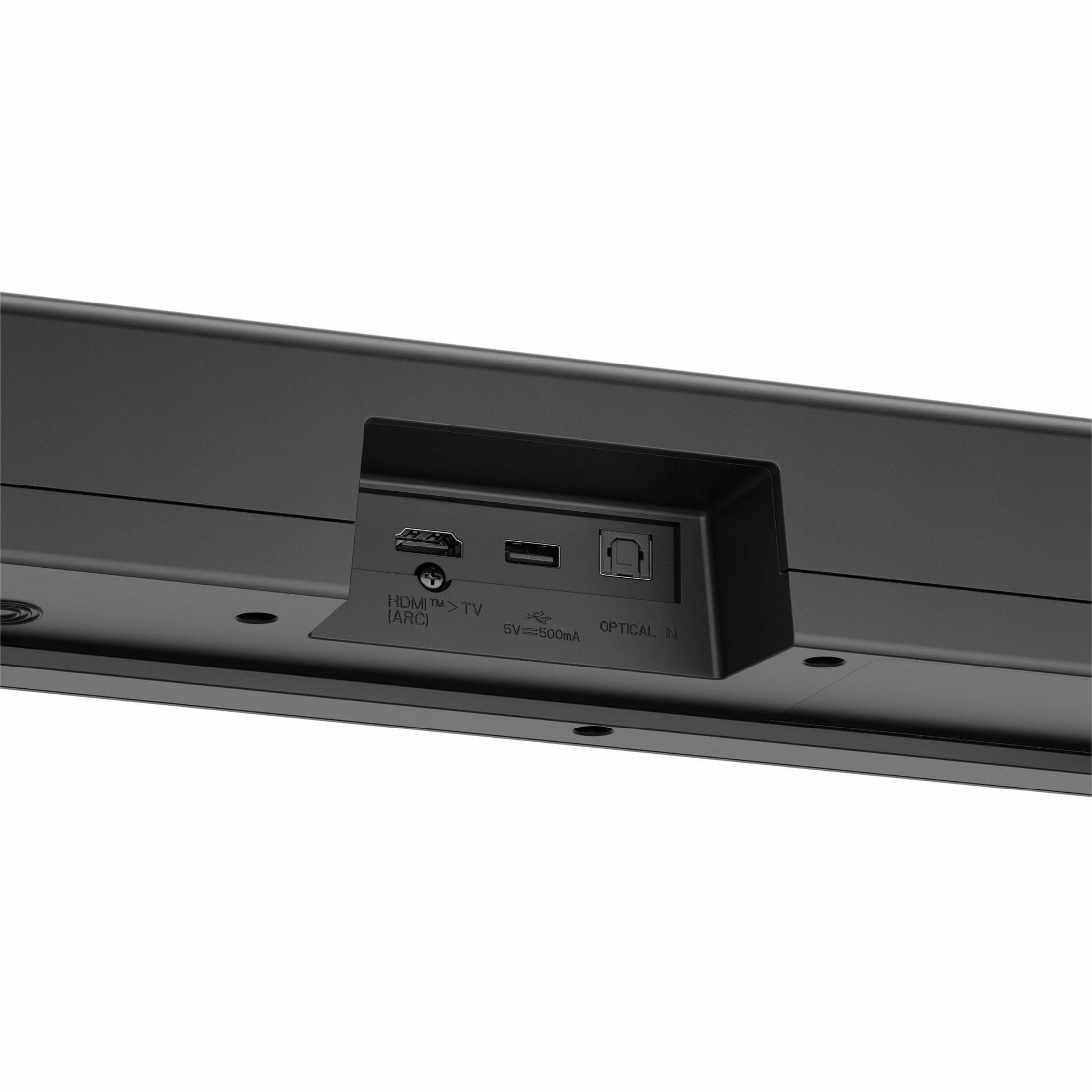
| HDMI eARC, Optical, Bluetooth, Wi-Fi | HDMI ARC, Optical, USB, Bluetooth 5.3 |
| Value Proposition - Cost vs. features analysis | |
| Complete 5.1 system at entry-level surround sound pricing | Outstanding TV audio upgrade at minimal investment |
The primary difference is channel configuration: the LG S60TR ($299.99) is a 5.1 system with physical rear speakers for true surround sound, while the LG S40T ($155.95) is a 2.1 system that relies on virtual surround processing. The S60TR provides authentic spatial audio for movies and gaming, whereas the S40T focuses on enhanced stereo sound with strong bass.
The LG S40T is better suited for small apartments due to its simpler two-component setup and smaller footprint. It doesn't require rear speaker placement or additional power outlets, making it ideal for spaces under 200 square feet where surround sound benefits are minimal.
The LG S60TR costs $299.99 compared to the LG S40T at $155.95, making it about $144 more expensive. This price difference reflects the additional rear speakers, higher total power output (440W vs 300W), and more advanced room calibration features.
The LG S60TR is significantly better for movies due to its 5.1 channel configuration with physical rear speakers. It creates genuine surround sound effects and has a dedicated center channel for clearer dialogue, making action movies and dramas more immersive than the S40T's virtual surround processing.
Both soundbars include wireless subwoofers, but the LG S60TR has a more powerful 220W dedicated subwoofer that handles bass exclusively. The S40T's subwoofer also provides good bass but works harder across a broader frequency range, making the S60TR's bass feel more controlled and impactful.
Most major streaming services like Netflix, Disney+, Amazon Prime Video, and Apple TV+ offer Dolby Digital content that takes full advantage of the S60TR's 5.1 system. The S40T will play this content but processes it into stereo, so you won't get the full surround experience.
This depends on your needs: the LG S40T at $155.95 offers exceptional value for basic TV audio improvement and casual viewing. The LG S60TR at $299.99 provides better value if you want a complete home theater experience, as comparable 5.1 systems from other brands typically cost $400-500.
Both soundbars include AI Sound Pro for content optimization, but the LG S60TR adds AI Room Calibration that analyzes your room's acoustics and adjusts output accordingly. The LG S40T focuses on real-time content analysis to enhance dialogue, music, and sound effects but doesn't include room correction features.
We've done our best to create useful and informative comparisons to help you decide what product to buy. Our research uses advanced automated methods to create this comparison and perfection is not possible - please contact us for corrections or questions. These are the sites we've researched in the creation of this article: bestbuy.com - mynavyexchange.com - youtube.com - consumerreports.org - avsforum.com - rentacenter.com - bestbuy.com - homechoicestores.com - oconsommateur.com - lg.com - bestbuy.com - samsung.com - bestbuy.com - bestbuy.com - rtings.com - pcrichard.com - lg.com - lg.com - lg.com - lg.com - microcenter.com - flanners.com - bestbuy.com - microcenter.com

Privacy Policy
Terms and Conditions - Affiliate Policy
Home Security
© Copyright 2008-2026.
11816 Inwood Rd #1211, Dallas, TX 75244