



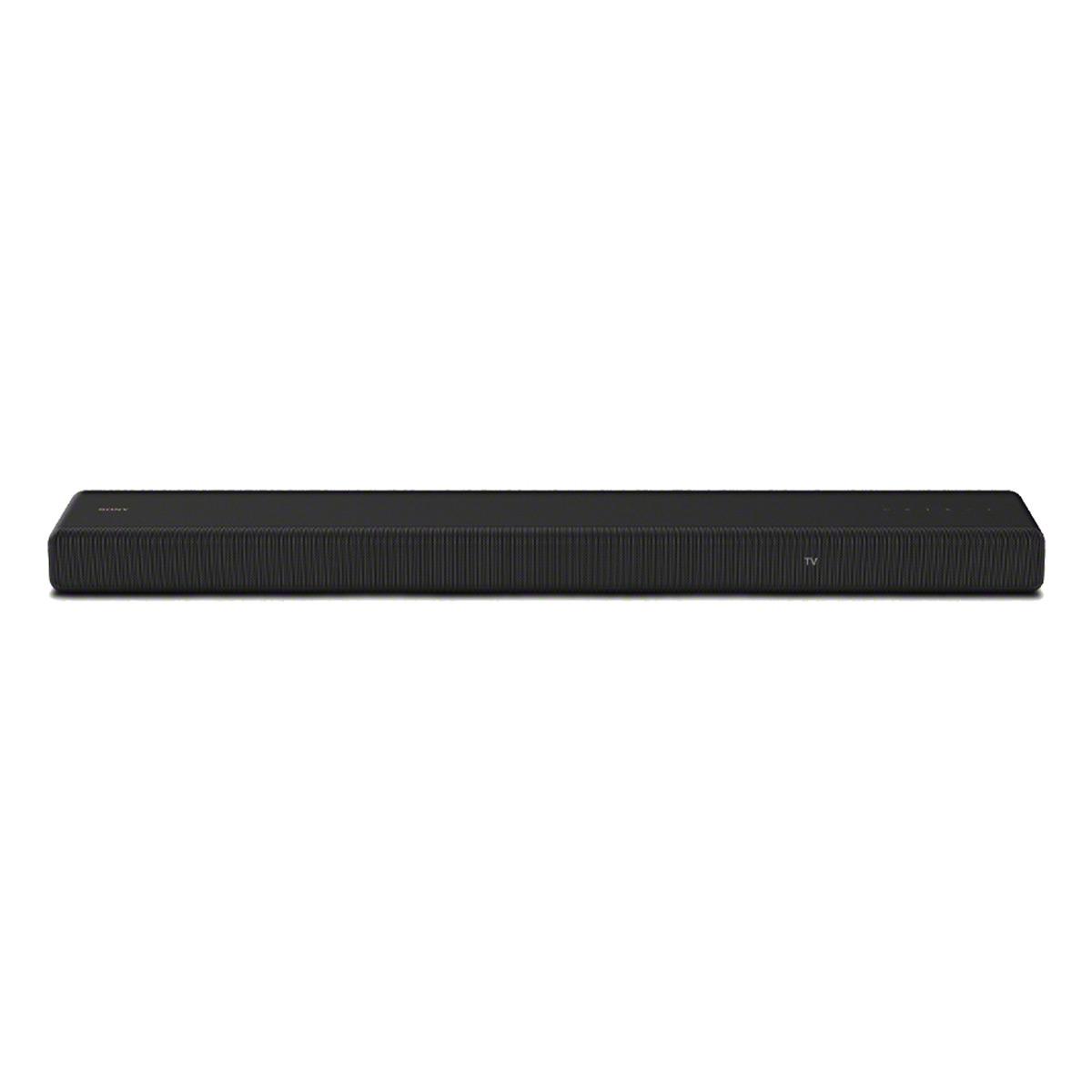
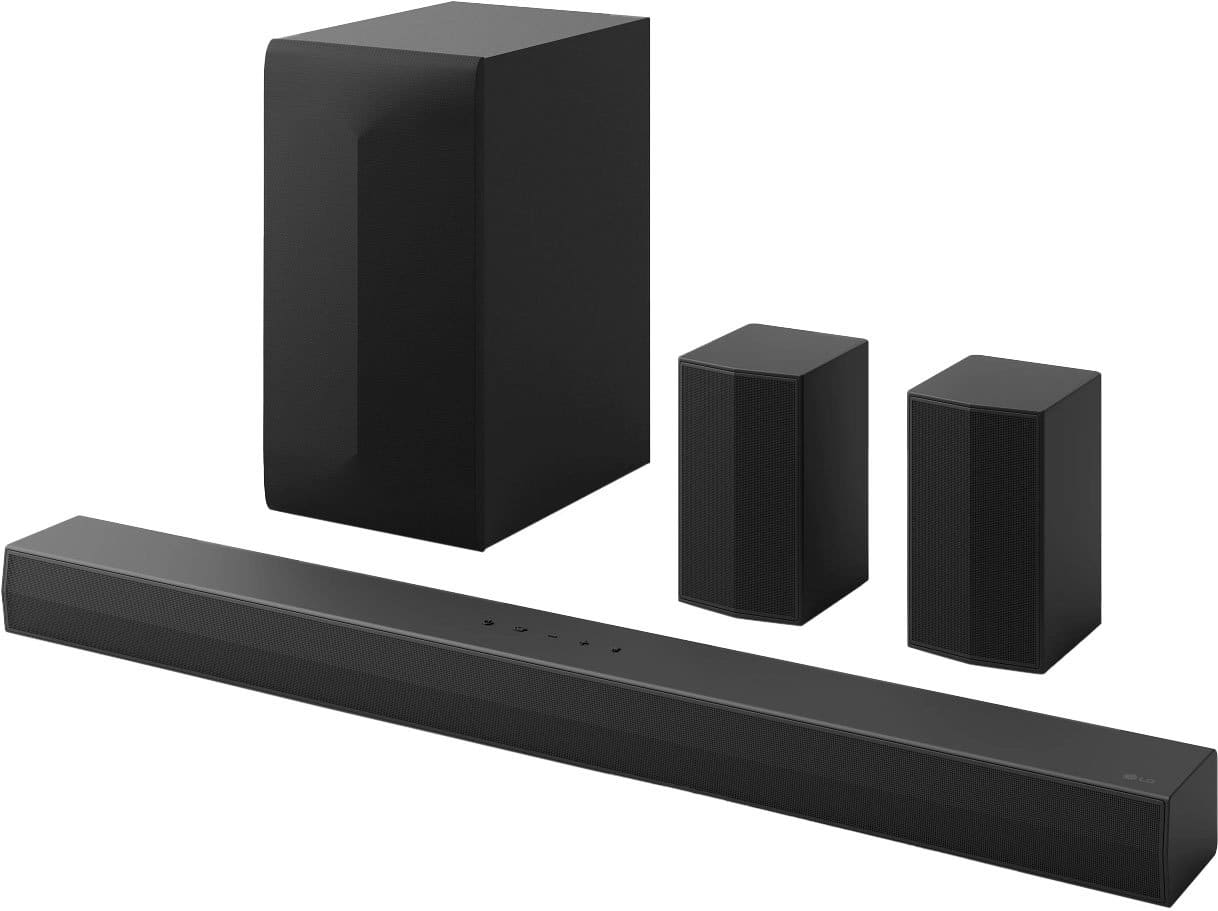
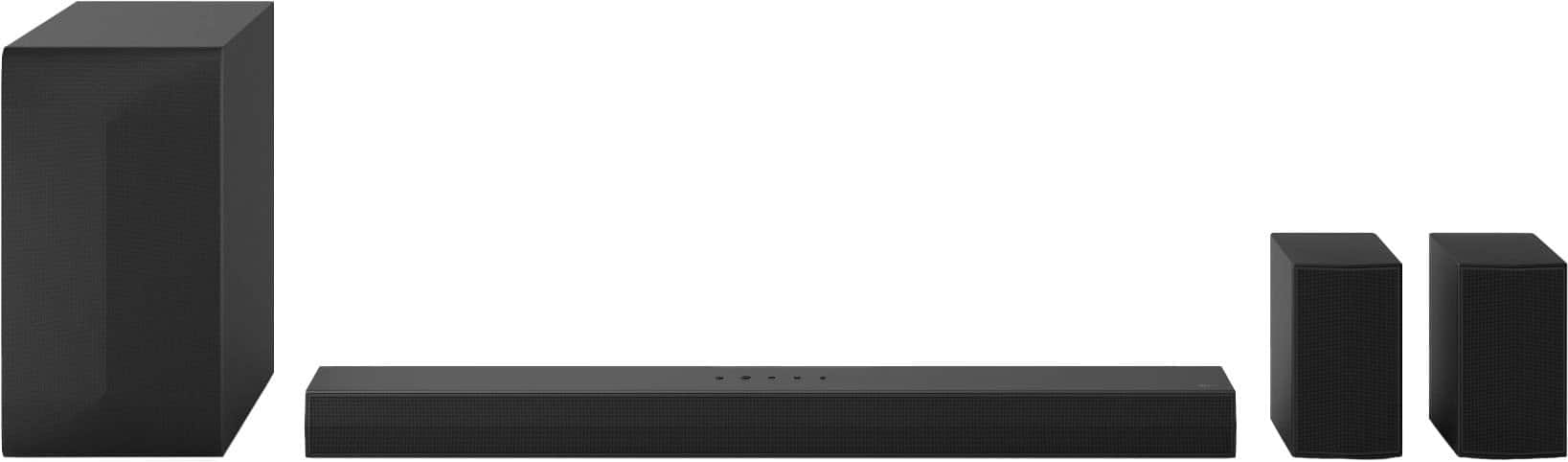



When your TV's built-in speakers just aren't cutting it anymore, you're faced with a crucial decision: do you want the simplicity of an all-in-one soundbar or the full immersion of a multi-speaker system? That's exactly the choice between the Sony HT-A3000 ($429) and the LG S60TR ($300). These two soundbars represent completely different philosophies for upgrading your home audio, and understanding their approaches will help you make the right choice for your space and needs.
Before diving into specifics, let's talk about what makes these soundbars tick. The fundamental difference lies in their channel configurations – think of channels as separate audio streams that create different parts of your surround sound experience. The Sony uses a 3.1 channel setup (left, right, center, plus subwoofer), while the LG employs 5.1 channels (adding dedicated rear speakers).
But here's where it gets interesting: both soundbars support Dolby Atmos, a technology that adds height information to audio tracks. Traditional surround sound moves audio left to right and front to back, but Dolby Atmos also moves sound up and down, creating a three-dimensional audio bubble around you. However, these two soundbars achieve this effect very differently.
The Sony, released in 2022, represents the newer wave of soundbar technology that uses sophisticated digital processing to create virtual surround effects. The LG S60TR, launched in 2024, takes a more traditional approach with physical speakers placed around your room. Both have their merits, and the "better" choice depends entirely on your specific situation.
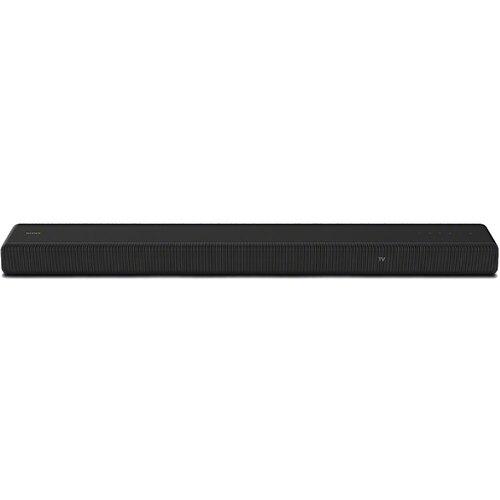
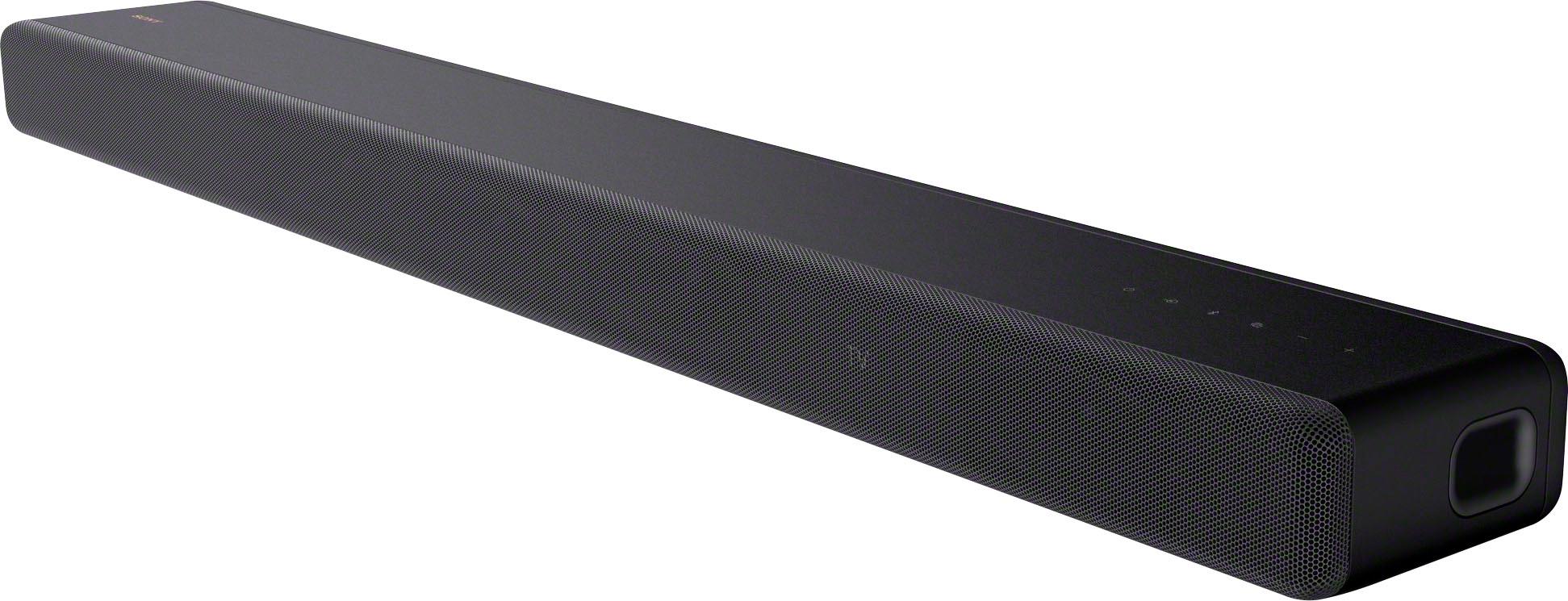
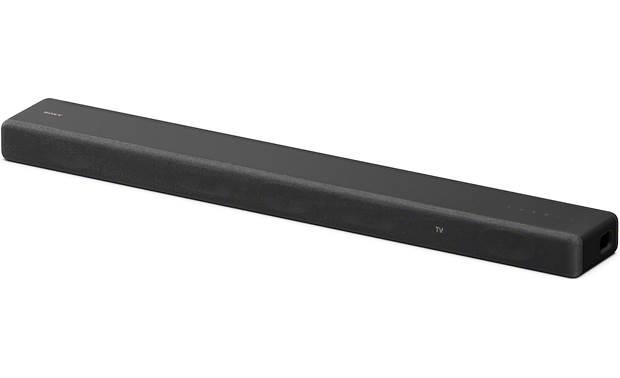
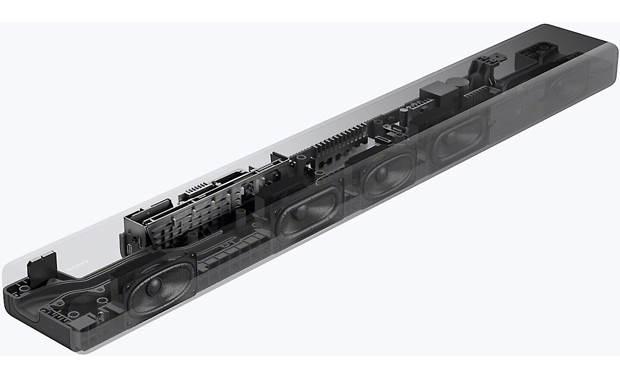
The Sony HT-A3000 is essentially a compact powerhouse that fits everything into a single 37-inch bar. Sony's engineers packed five individual speakers inside, including two built-in subwoofers measuring 4.375" x 1.8125". This might sound small for subwoofers, but Sony's X-Balanced Speaker technology maximizes the diaphragm area – the part of the speaker that actually moves air – to produce more bass than you'd expect from such a compact design.
The real magic happens with Sony's Vertical Surround Engine and S-Force Pro Front Surround processing. These are fancy names for sophisticated algorithms that analyze your audio and create virtual speakers around your room. When you're watching a helicopter scene in an action movie, the Sony processes those audio cues and bounces sound off your walls and ceiling to create the illusion that the helicopter is actually flying overhead.
I've spent considerable time with similar Sony processing technology, and it's genuinely impressive for what it accomplishes with just front-facing speakers. The dialogue clarity is particularly noteworthy – Sony uses dedicated center channel processing that makes conversations crystal clear, even during explosive action sequences. This is crucial because poor dialogue clarity is one of the biggest complaints about TV audio.
The Sony also includes DSEE Extreme (Digital Sound Enhancement Engine), which uses AI to analyze compressed music files and restore detail lost during compression. If you stream a lot of music from Spotify or watch Netflix, this feature actively improves the audio quality in real-time.
However, there are limitations to the virtual approach. While Sony's processing is sophisticated, it can't truly replicate the experience of having actual speakers behind you. The surround effects work best when you're sitting in the sweet spot directly in front of the soundbar, and the experience diminishes as you move around the room.
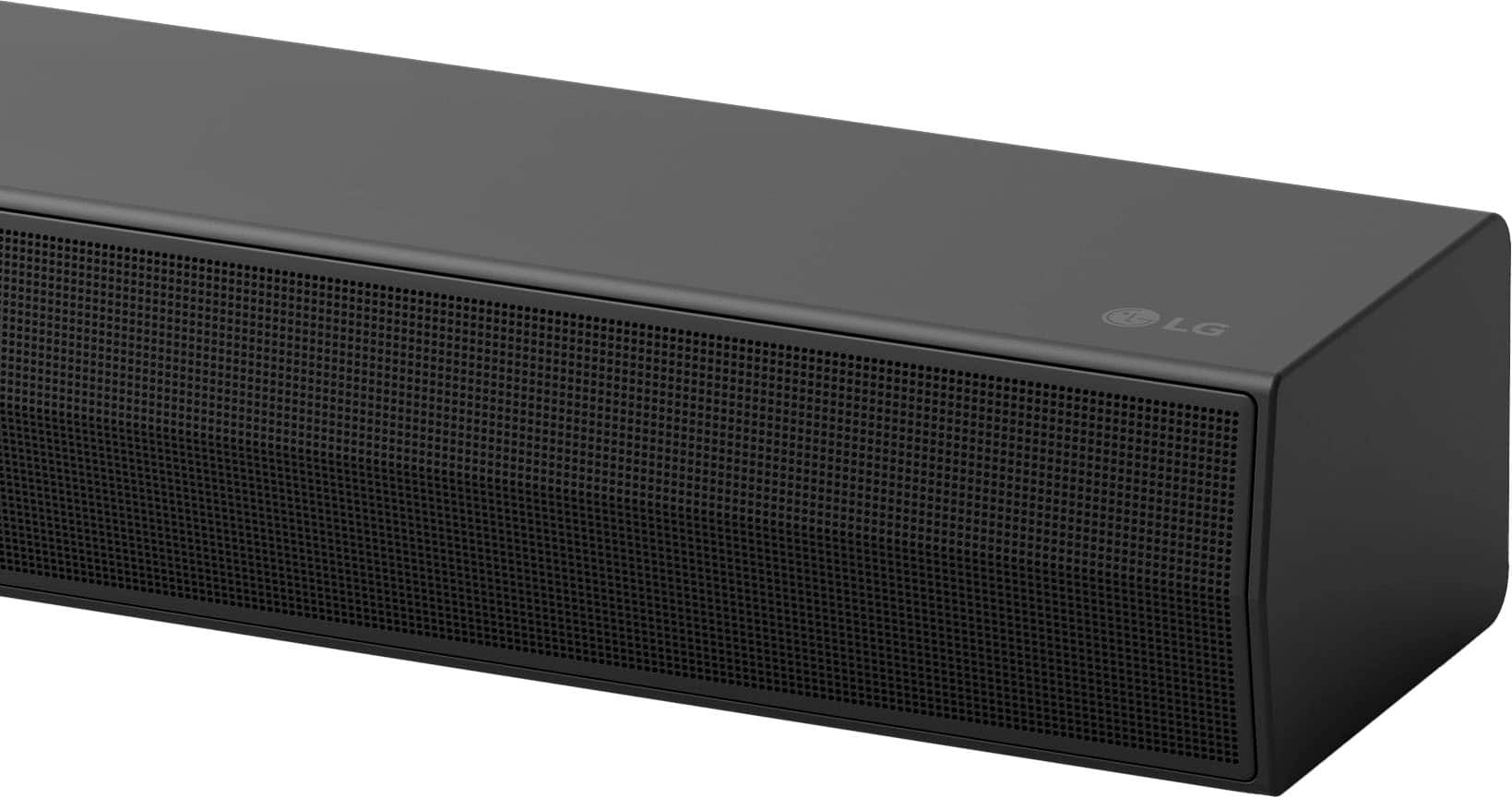
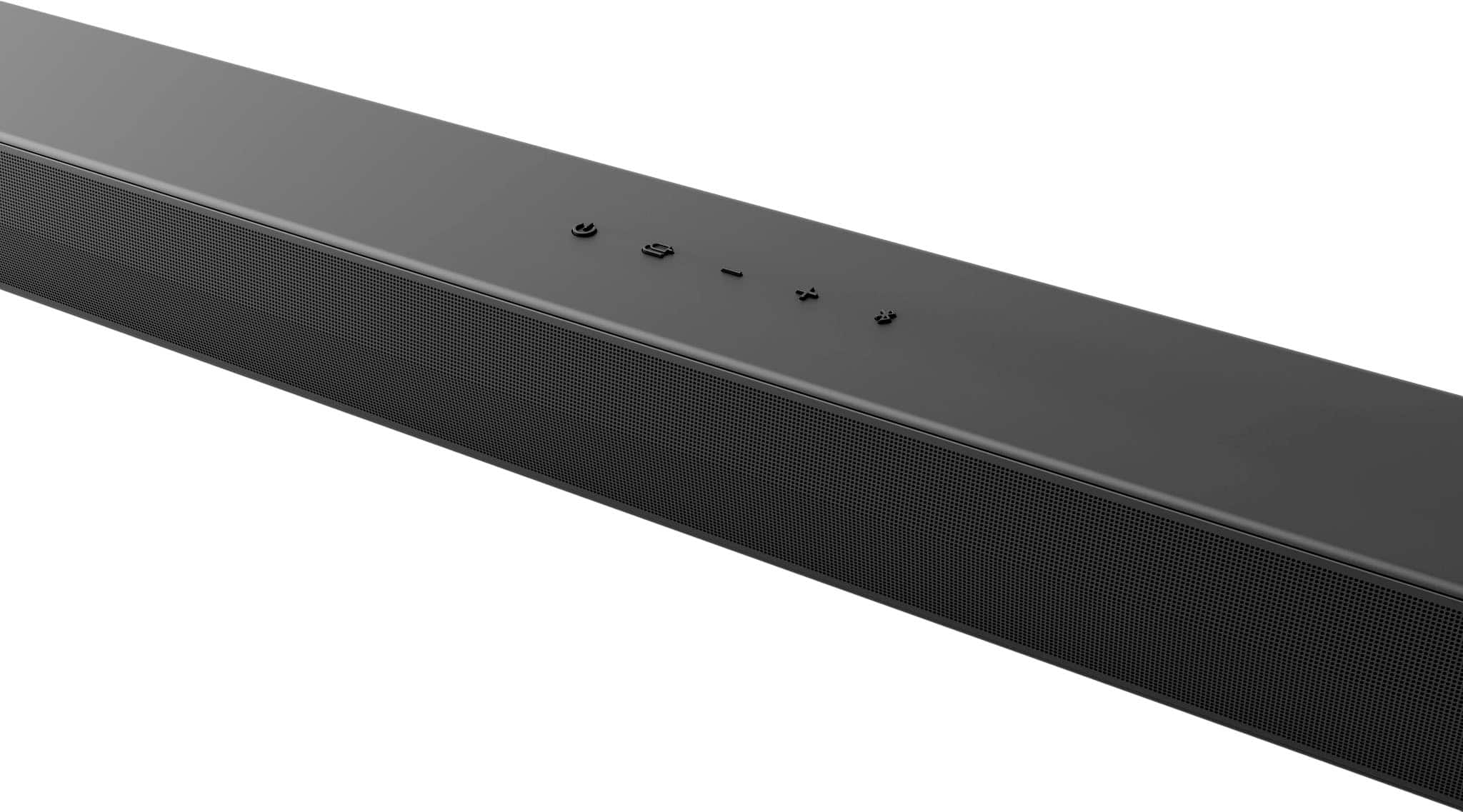
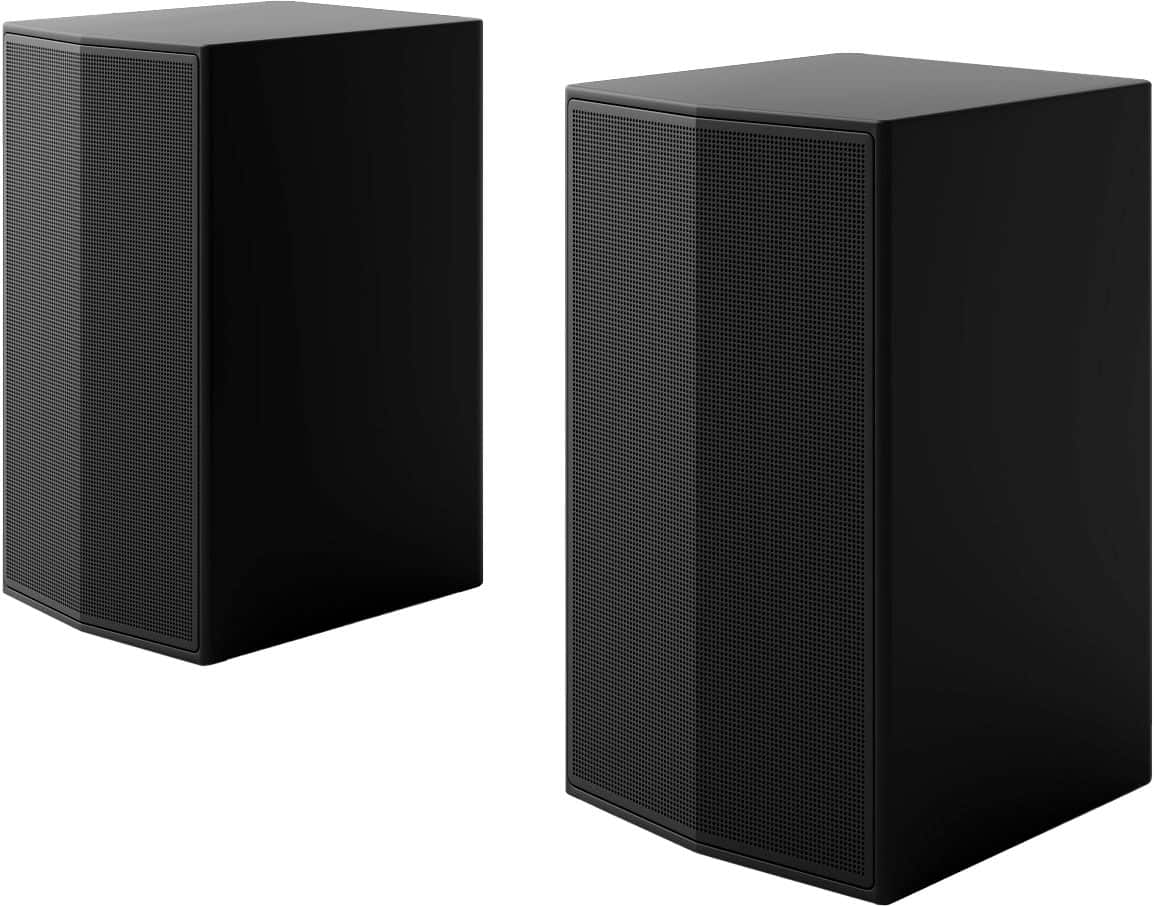
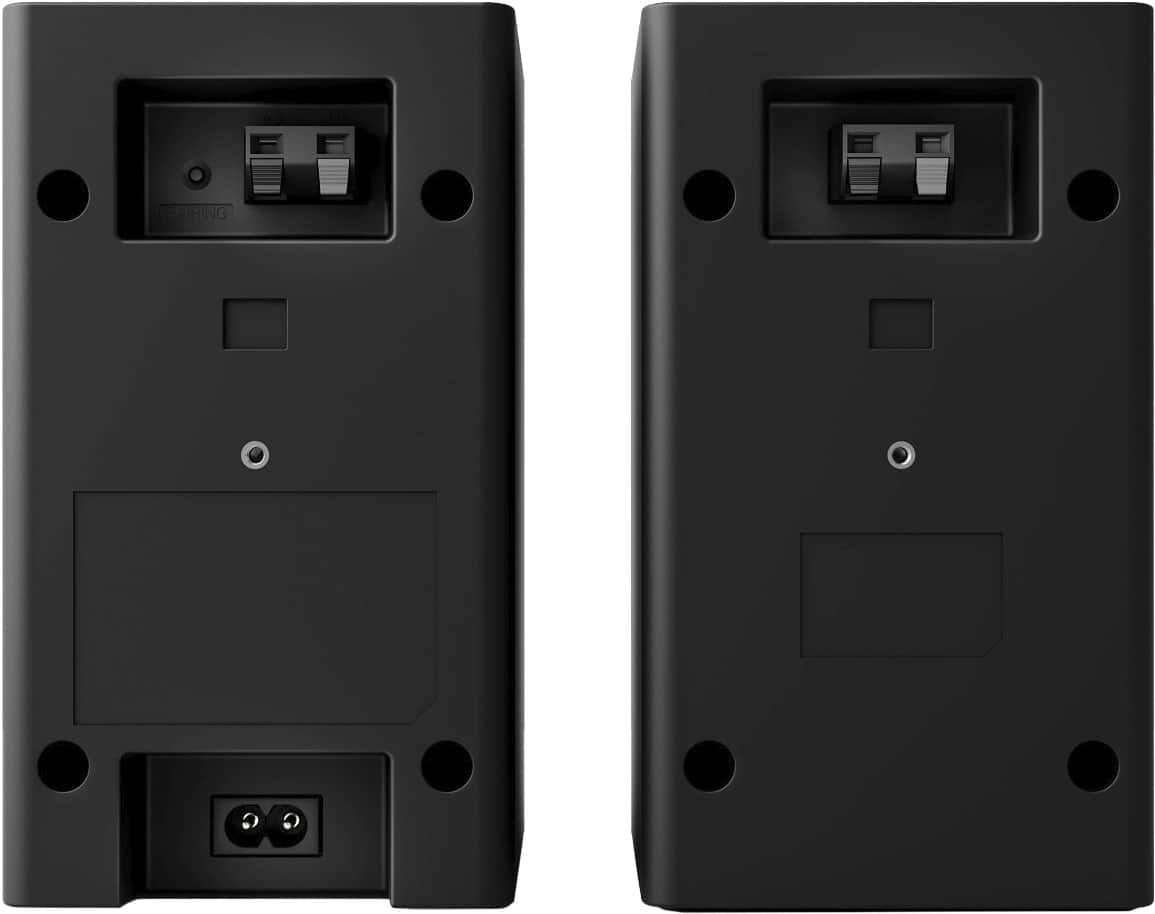
The LG S60TR takes the opposite approach entirely. Instead of relying on processing tricks, LG gives you the real deal: actual speakers placed where surround sound is supposed to come from. The system includes wireless rear speakers that each pump out 50 watts of power, plus a substantial wireless subwoofer contributing 220 watts of deep bass.
This physical approach creates what audio enthusiasts call "true surround sound." When that helicopter flies overhead in your action movie, you're not hearing a processed approximation – you're hearing actual sound coming from behind you. The difference is immediately noticeable, especially in large rooms where virtual processing loses effectiveness.
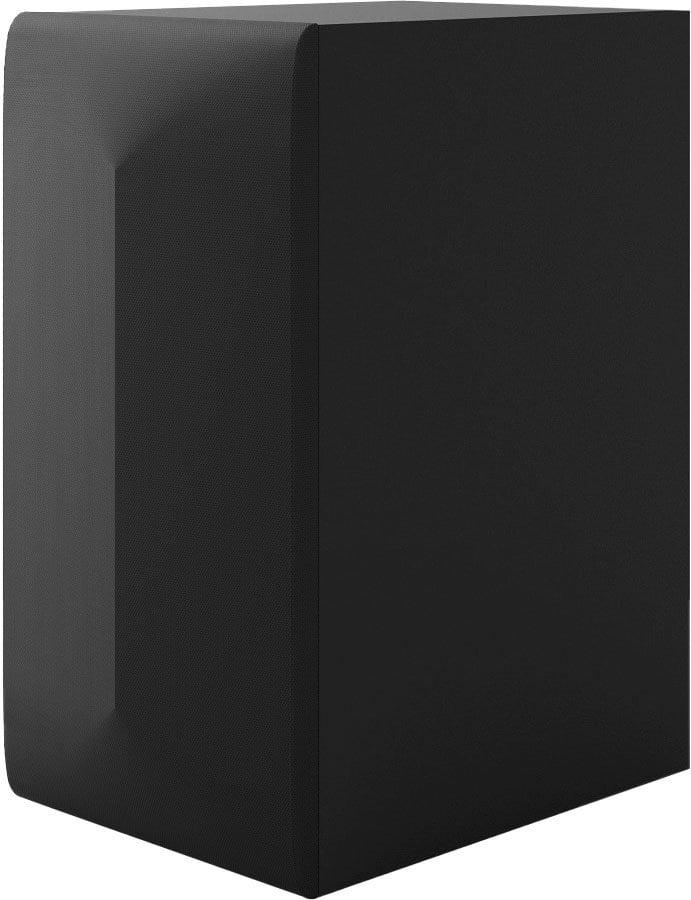
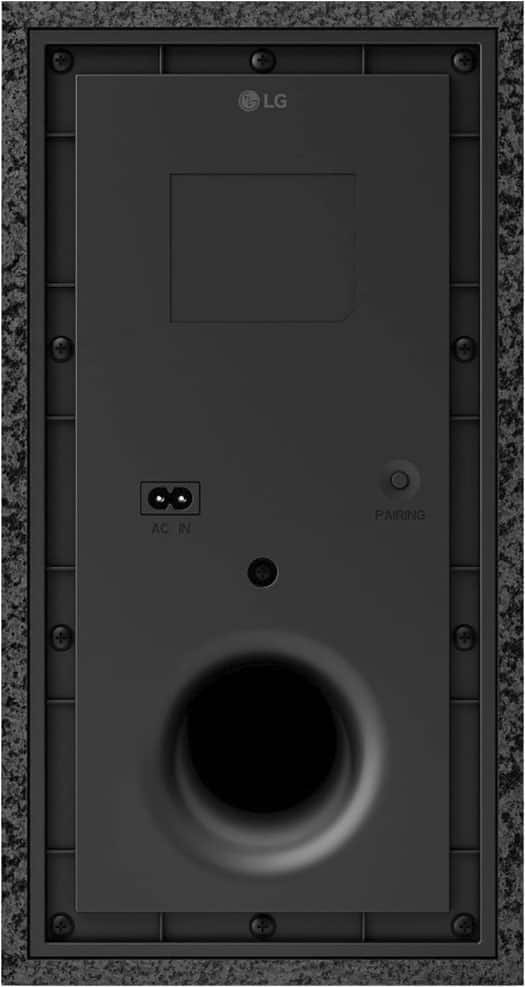
The LG's subwoofer deserves special mention. At nearly 15 inches tall and powered by 220 watts, it produces the kind of deep, chest-thumping bass that makes action movies genuinely thrilling. This isn't just about volume – it's about feeling the physical impact of explosions and music in a way that small built-in subwoofers simply cannot match.
LG also includes AI Sound Pro, which automatically analyzes whatever you're watching and adjusts the sound profile accordingly. Watching the news? It emphasizes dialogue clarity. Streaming a concert? It opens up the soundstage and enhances musical detail. Gaming? It sharpens directional audio cues so you can hear exactly where enemies are approaching from.
The tradeoff, of course, is complexity. You need to find appropriate locations for the rear speakers and subwoofer, and while they're wireless for audio transmission, they still need power outlets. This makes the LG less suitable for apartments or rooms where speaker placement is challenging.
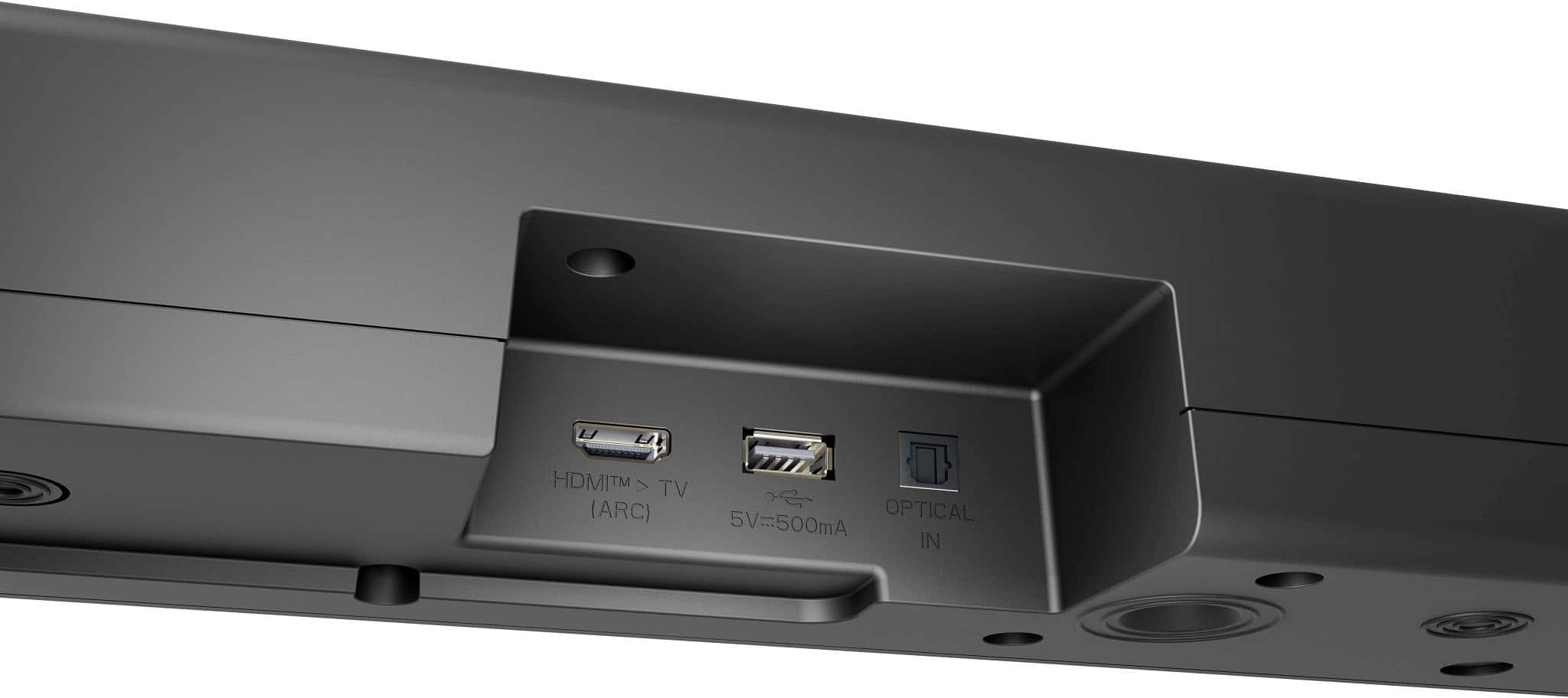
If gaming is important to you, the differences between these soundbars become stark. The LG S60TR includes full HDMI 2.1 support with features that serious gamers need: 4K/120Hz passthrough, Variable Refresh Rate (VRR), and Auto Low Latency Mode (ALLM). These features ensure your PlayStation 5 or Xbox Series X can deliver their full potential without audio lag or video compatibility issues.
The LG's physical rear speakers also provide genuine directional audio that's crucial for competitive gaming. In first-person shooters, you can actually hear enemies approaching from behind or to your sides, giving you a real tactical advantage. The dedicated Gaming sound mode further enhances these directional cues while minimizing input lag.
The Sony, unfortunately, falls short here. With only HDMI eARC connectivity and no HDMI 2.1 features, it can't take advantage of next-generation gaming capabilities. While it processes game audio competently, the virtual surround effects aren't as precise for competitive gaming situations.
For dedicated home theater use, your room size becomes the determining factor. In smaller rooms (under 200 square feet), the Sony HT-A3000's virtual processing actually works quite well. The sound has less distance to travel, and the walls are closer for effective sound reflection. The Sony's superior dialogue processing also shines during movie marathons where clear conversations are essential.
I've found that the Sony excels with dialogue-heavy content like dramas, documentaries, and news programs. The dedicated center channel processing ensures you'll never miss important plot points or struggle to understand dialogue during action sequences.
However, in larger rooms or open-concept spaces, the physical approach of the LG S60TR becomes dramatically superior. Virtual surround simply cannot fill a large space effectively, while physical rear speakers maintain their impact regardless of room size. The dedicated subwoofer also has the power to energize larger spaces with deep bass that smaller built-in drivers cannot match.
For true home theater enthusiasts, the LG provides the kind of immersive experience that makes movies genuinely exciting. The physical separation between channels creates a realistic soundstage where effects move naturally around the room. Thunderstorms rumble all around you, car chases whoosh from speaker to speaker, and musical scores fill the entire space rather than emanating from a single point.
At first glance, the pricing might seem backwards – the LG costs $300 while the Sony costs $429, yet the LG provides more speakers and higher total power output. This represents exceptional value for the LG, giving you a complete 5.1 system for less than many basic soundbars.
However, the Sony's higher price reflects different priorities. You're paying for premium build quality, sophisticated processing algorithms, and seamless integration with Sony's TV ecosystem. If you own a Sony BRAVIA TV, the HT-A3000 offers Acoustic Center Sync, which uses your TV's speakers as an additional center channel for even clearer dialogue. This kind of ecosystem integration adds real value if you're already invested in Sony products.
The Sony also offers better long-term expandability. You can add Sony's wireless rear speakers later (SA-RS5 or SA-RS3S) to create a true 5.1 system, though this requires additional investment. The LG gives you everything upfront at a lower total cost.
Both soundbars represent significant advances over their predecessors. The Sony's 2022 release incorporated lessons learned from earlier virtual surround attempts, with much more sophisticated processing and better integration with modern TV features. Sony's Vertical Surround Engine, in particular, represents a major improvement in virtual height effects compared to older soundbars.
The LG's 2024 release shows how manufacturers have solved many of the traditional problems with multi-speaker systems. Earlier 5.1 soundbar systems often struggled with wireless connectivity dropouts or complex setup procedures. The S60TR's wireless technology is much more reliable, and the setup process has been streamlined significantly.
Both soundbars also reflect the industry's push toward better gaming integration. HDMI 2.1 features were rare in soundbars just a few years ago, but they're becoming standard as manufacturers recognize that many users connect gaming consoles directly to their sound systems.
Choose the Sony HT-A3000 if you value simplicity and have space constraints. It's perfect for apartments, bedrooms, or any situation where placing rear speakers isn't practical. The dialogue clarity is exceptional, making it ideal for news, dramas, and any content where understanding speech is crucial. If you own a Sony TV, the integration benefits make it an even stronger choice.
The Sony also makes sense if you prefer a gradual upgrade path. You can start with the basic soundbar and add rear speakers later when your situation allows, though this approach ultimately costs more than buying a complete system upfront.
Choose the LG S60TR if you want the full home theater experience immediately and have the space to properly position speakers. The physical rear speakers and powerful subwoofer create genuinely immersive surround sound that virtual processing simply cannot match. For gaming, action movies, and music listening, the LG provides superior performance at a lower total cost.
The LG is also the better choice for larger rooms or open-concept spaces where virtual surround effects lose their impact. If your viewing area is more than 12 feet from your TV, the physical speakers will maintain their effectiveness while virtual processing begins to falter.
Both soundbars significantly improve over TV speakers, but they serve different needs and preferences. The Sony emphasizes convenience and dialogue clarity through sophisticated processing, while the LG prioritizes immersive surround sound through traditional multi-speaker placement.
For most people setting up a dedicated home theater room, the LG S60TR offers better overall value and performance. The physical surround speakers and powerful subwoofer create the kind of engaging audio experience that makes movies and games genuinely exciting.
However, if space constraints, simplicity, or specific dialogue clarity needs are your priorities, the Sony HT-A3000 delivers premium performance in a much more convenient package. The choice ultimately comes down to whether you value convenience or immersion more highly – both soundbars excel at their respective approaches to improving your home audio experience.
| Sony HT-A3000 3.1ch Dolby Atmos Soundbar | LG S60TR 5.1 Channel Soundbar with Wireless Subwoofer and Rear Speakers |
|---|---|
| Price - Entry cost for complete home theater upgrade | |
| $429 | $299 |
| Channel Configuration - Determines surround sound authenticity | |
| 3.1 channels (virtual rear effects) | 5.1 channels (physical rear speakers) |
| Total Power Output - Affects volume and dynamic range | |
| 250W total | 440W total (220W subwoofer + 220W speakers) |
| Subwoofer Type - Critical for bass impact and room-filling sound | |
| Built-in dual 4.375" x 1.8125" drivers | Separate wireless 220W subwoofer |
| Surround Sound Method - Virtual vs physical speaker placement | |
| Vertical Surround Engine + S-Force Pro (virtual processing) | Physical wireless rear speakers (50W each) |
| Gaming Features - Essential for next-gen console compatibility | |
| HDMI eARC only, no HDMI 2.1 features | HDMI 2.1 with 4K/120Hz, VRR, ALLM support |
| Setup Complexity - Time and effort required for installation | |
| Single soundbar, plug-and-play | Multi-component system requiring speaker placement |
| Room Size Performance - How well each works in different spaces | |
| Best in small-medium rooms (under 200 sq ft) | Excels in large rooms and open-concept spaces |
| Dialogue Clarity - Most important factor for TV and movie watching | |
| Exceptional with dedicated center channel processing | Good but not as refined as Sony's implementation |
| Smart Features - Streaming and ecosystem integration | |
| Chromecast, AirPlay 2, Spotify Connect, Sony TV sync | AI Sound Pro, WOW Interface for LG TV control |
| Expandability - Future upgrade potential | |
| Can add Sony wireless rear speakers later (additional cost) | Complete 5.1 system included from start |
The LG S60TR ($299) provides exceptional value with a complete 5.1 channel system including wireless rear speakers and subwoofer for $130 less than the Sony HT-A3000 ($429). You get physical surround speakers and more powerful bass output at a lower price, making the LG the clear value winner for most buyers.
The Sony HT-A3000 uses 3.1 channels (left, right, center, subwoofer) and creates virtual surround effects through processing. The LG S60TR has 5.1 channels with actual physical rear speakers placed behind your seating area, delivering authentic surround sound that you can hear coming from multiple directions around the room.
The Sony HT-A3000 is ideal for small spaces since it's a single compact bar that doesn't require rear speaker placement. Its virtual surround processing works well in smaller rooms where sound can effectively bounce off nearby walls. The LG requires space for rear speakers and a subwoofer, making it less suitable for cramped living situations.
While the Sony HT-A3000 creates impressive virtual surround effects, the LG S60TR's physical rear speakers provide authentically directional audio that virtual processing cannot match. For true home theater immersion, especially in larger rooms, physical rear speakers make a noticeable difference in sound quality and spatial accuracy.
The LG S60TR significantly outperforms the Sony in bass output with its dedicated 220W wireless subwoofer. The Sony HT-A3000 has built-in dual subwoofers, but they're much smaller and can't produce the deep, room-filling bass that a separate subwoofer provides for action movies and music.
The LG S60TR excels for gaming with HDMI 2.1 features including 4K/120Hz support, VRR, and ALLM for next-gen consoles. Its physical rear speakers provide precise directional audio crucial for competitive gaming. The Sony HT-A3000 lacks HDMI 2.1 features and relies on virtual surround, making it less ideal for serious gaming.
The Sony HT-A3000 offers plug-and-play simplicity with just one HDMI connection to your TV. The LG S60TR requires positioning the subwoofer and rear speakers around your room, though the wireless connectivity eliminates cable runs. Setup complexity depends on whether you prioritize convenience or performance.
The Sony HT-A3000 excels at dialogue with dedicated center channel processing and X-Balanced speaker technology that makes conversations exceptionally clear. The LG S60TR provides good dialogue clarity but doesn't match Sony's specialized speech enhancement, making the Sony better for dialogue-heavy content.
The LG S60TR performs much better in large spaces thanks to its physical rear speakers and powerful subwoofer that can fill bigger rooms effectively. The Sony HT-A3000's virtual surround processing loses effectiveness in large or open-concept spaces where sound has more distance to travel.
The Sony HT-A3000 can be expanded with optional Sony wireless rear speakers (sold separately), but this increases the total cost significantly. The LG S60TR includes everything needed for a complete 5.1 system upfront, with no expansion necessary or available.
Both soundbars handle music well, but the LG S60TR provides better stereo separation and bass impact for music. The Sony HT-A3000 includes DSEE Extreme technology that enhances compressed music files and supports high-quality streaming codecs, making it better for audiophile-focused music listening despite having fewer speakers.
Choose the LG S60TR for dedicated home theaters where you can properly position rear speakers and want maximum immersion at the lowest cost. Select the Sony HT-A3000 if you have space constraints, prioritize dialogue clarity, or own a Sony TV for ecosystem integration benefits. The LG offers better overall home theater value for most setups.
We've done our best to create useful and informative comparisons to help you decide what product to buy. Our research uses advanced automated methods to create this comparison and perfection is not possible - please contact us for corrections or questions. These are the sites we've researched in the creation of this article: rtings.com - electronics.sony.com - crutchfield.com - store.sony.com.au - digitaltrends.com - videoandaudiocenter.com - abt.com - sony.com - merlinstv.com - crutchfield.com - youtube.com - bestbuy.com - mynavyexchange.com - youtube.com - consumerreports.org - avsforum.com - rentacenter.com - bestbuy.com - homechoicestores.com - oconsommateur.com - lg.com - bestbuy.com - samsung.com

Privacy Policy
Terms and Conditions - Affiliate Policy
Home Security
© Copyright 2008-2026.
11816 Inwood Rd #1211, Dallas, TX 75244