

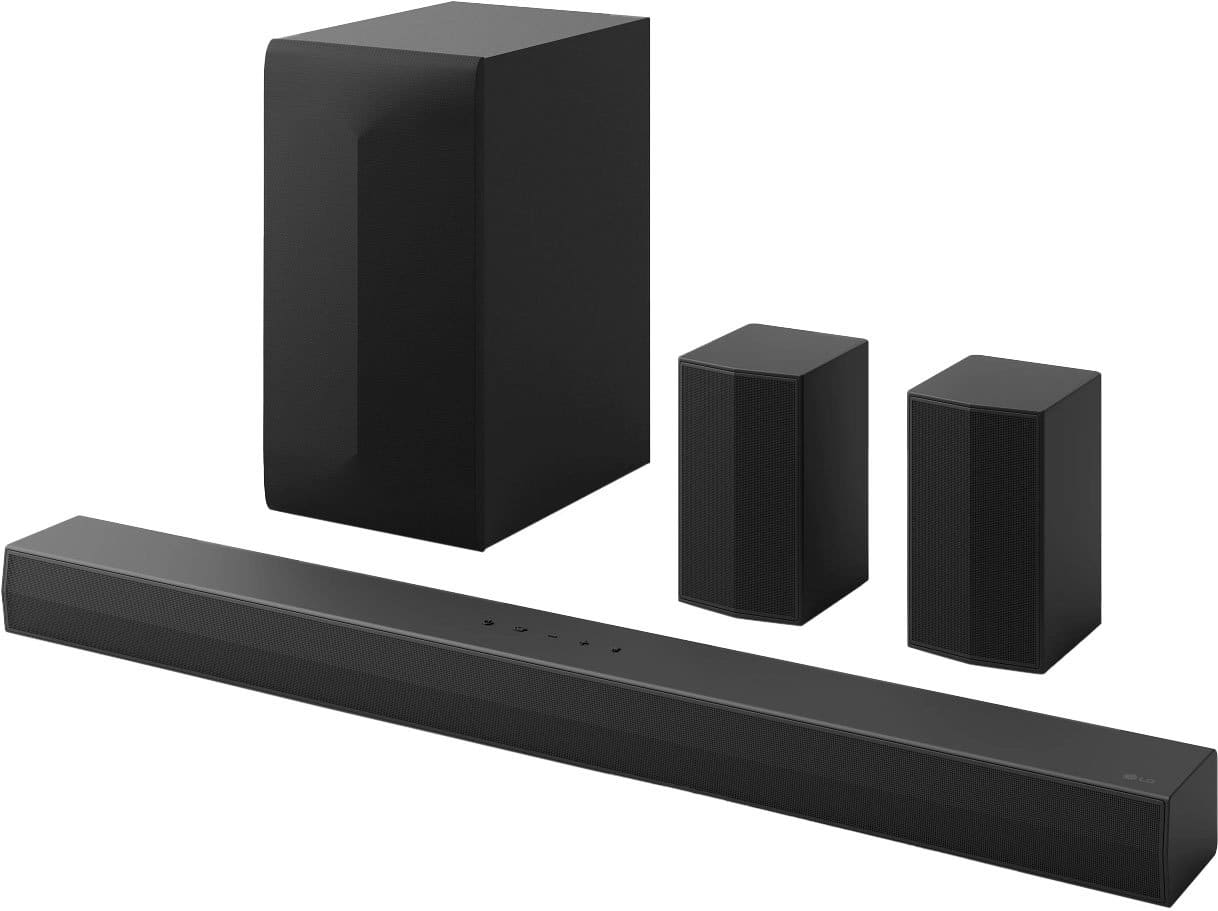
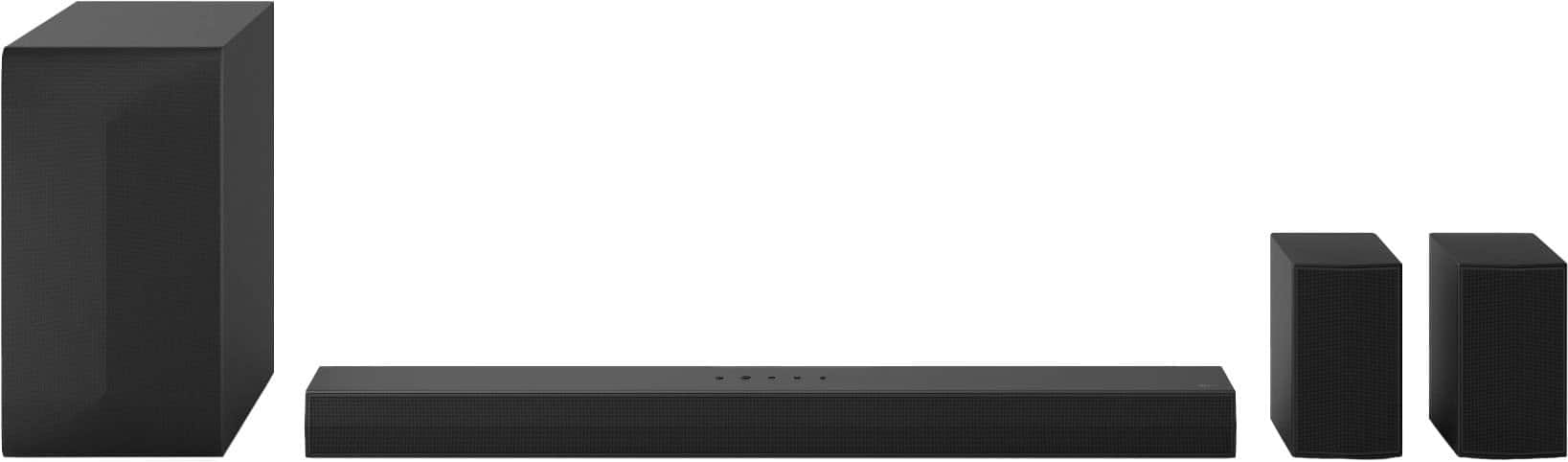
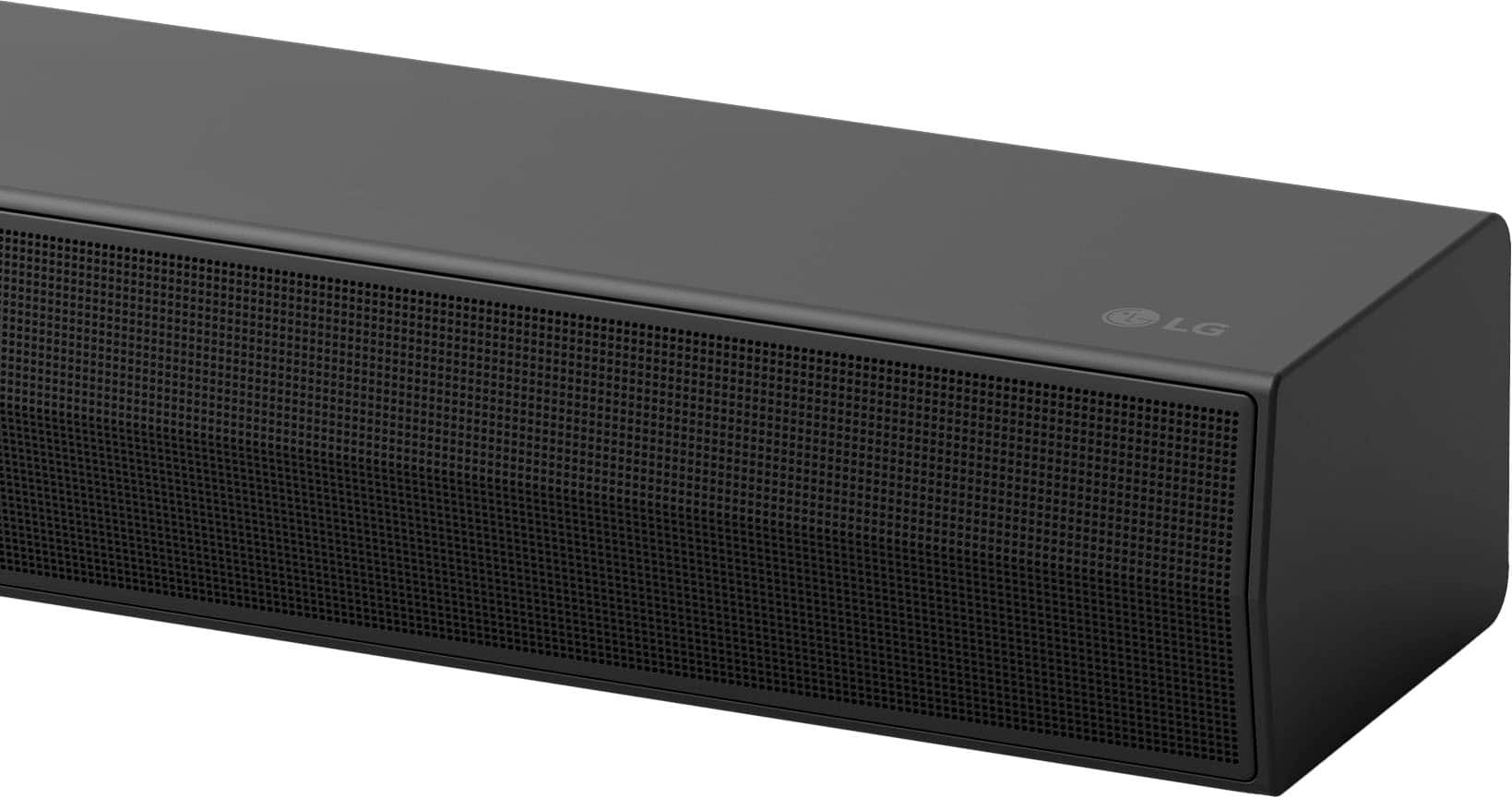
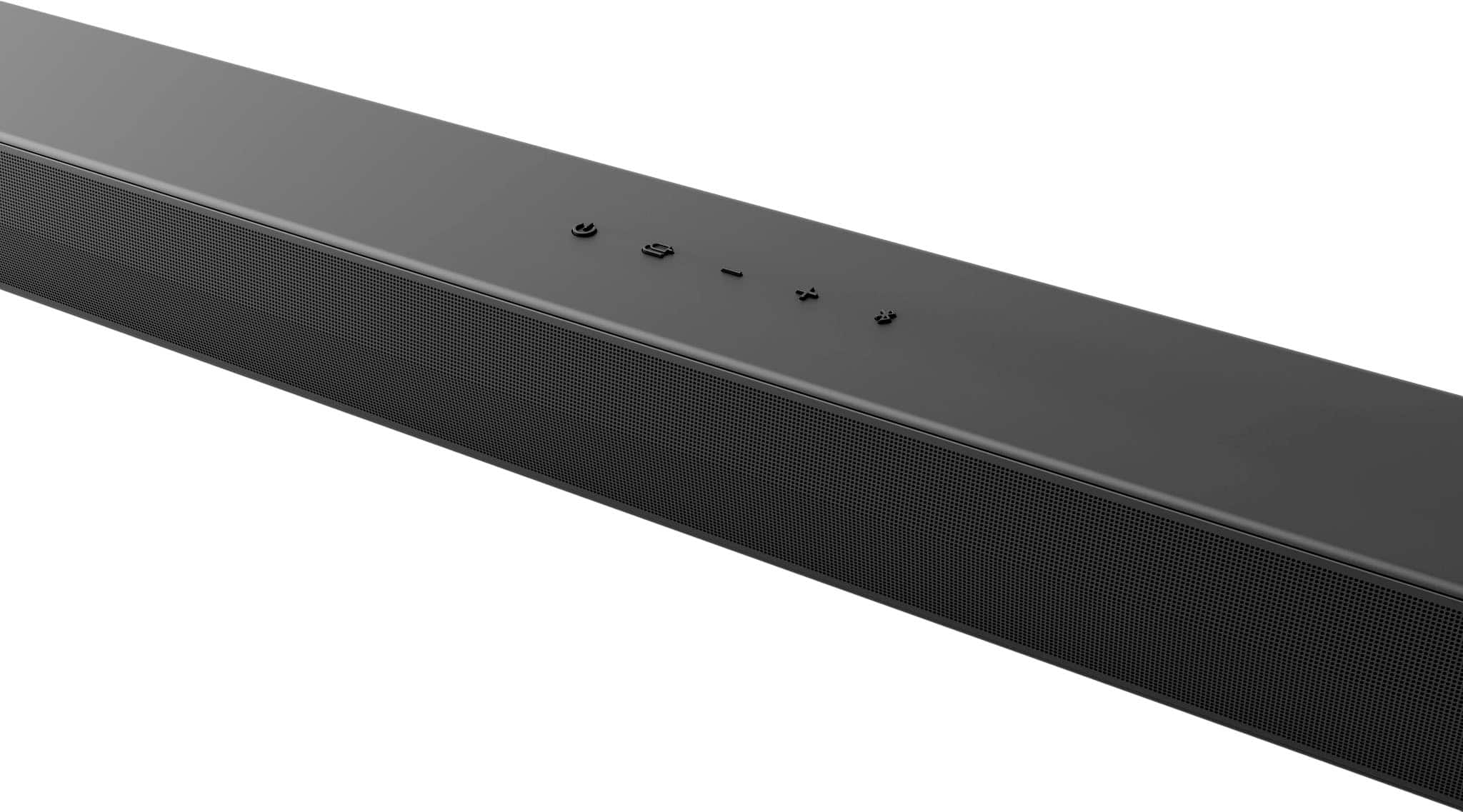


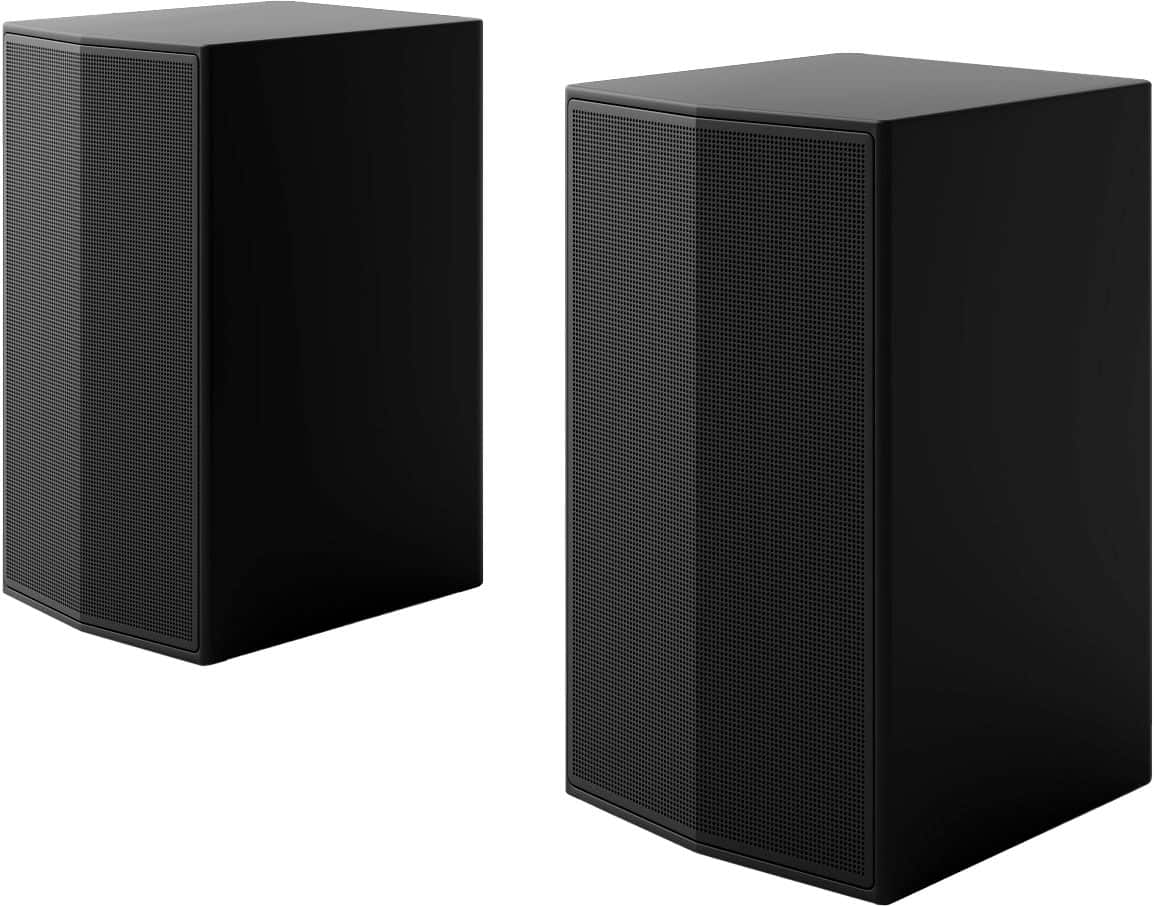


When you're watching your favorite action movie and the dialogue gets drowned out by explosions, or when your TV's built-in speakers make everything sound like it's coming from inside a cardboard box, you know it's time to upgrade to a soundbar. But with so many options available, choosing the right one can feel overwhelming. Today, we're diving deep into two popular LG soundbars that launched in 2024: the LG S60TR ($299.99) and the LG S70TR ($399.99).
These aren't just random soundbars I picked—they represent a fascinating case study in how $100 can dramatically change your audio experience. Both offer something that was once exclusive to expensive home theater systems: true wireless rear speakers that create genuine surround sound, not just the fake "virtual" surround you get from budget models.
Before we jump into comparing these specific models, let's talk about what makes a good soundbar in 2024. The soundbar market has evolved tremendously over the past few years. What started as simple speaker bars designed to make TV dialogue clearer has transformed into sophisticated audio systems that can rival traditional home theater setups.
The key things to consider when shopping for a soundbar include the channel configuration (which determines how many separate audio streams it can handle), support for immersive audio technologies like Dolby Atmos, how well it integrates with your TV and other devices, and whether it has enough power and smart features to work well in your specific room.
Both LG models we're examining today represent what I'd call the "sweet spot" of the soundbar market—they offer genuine multi-channel surround sound with physical rear speakers and wireless subwoofers, but they don't cost as much as premium models that can run $800 or more.
The most obvious difference between the LG S60TR and LG S70TR is the price—$299.99 versus $399.99. But that $100 gap represents some significant technological differences that affect how you'll experience movies, music, and games.
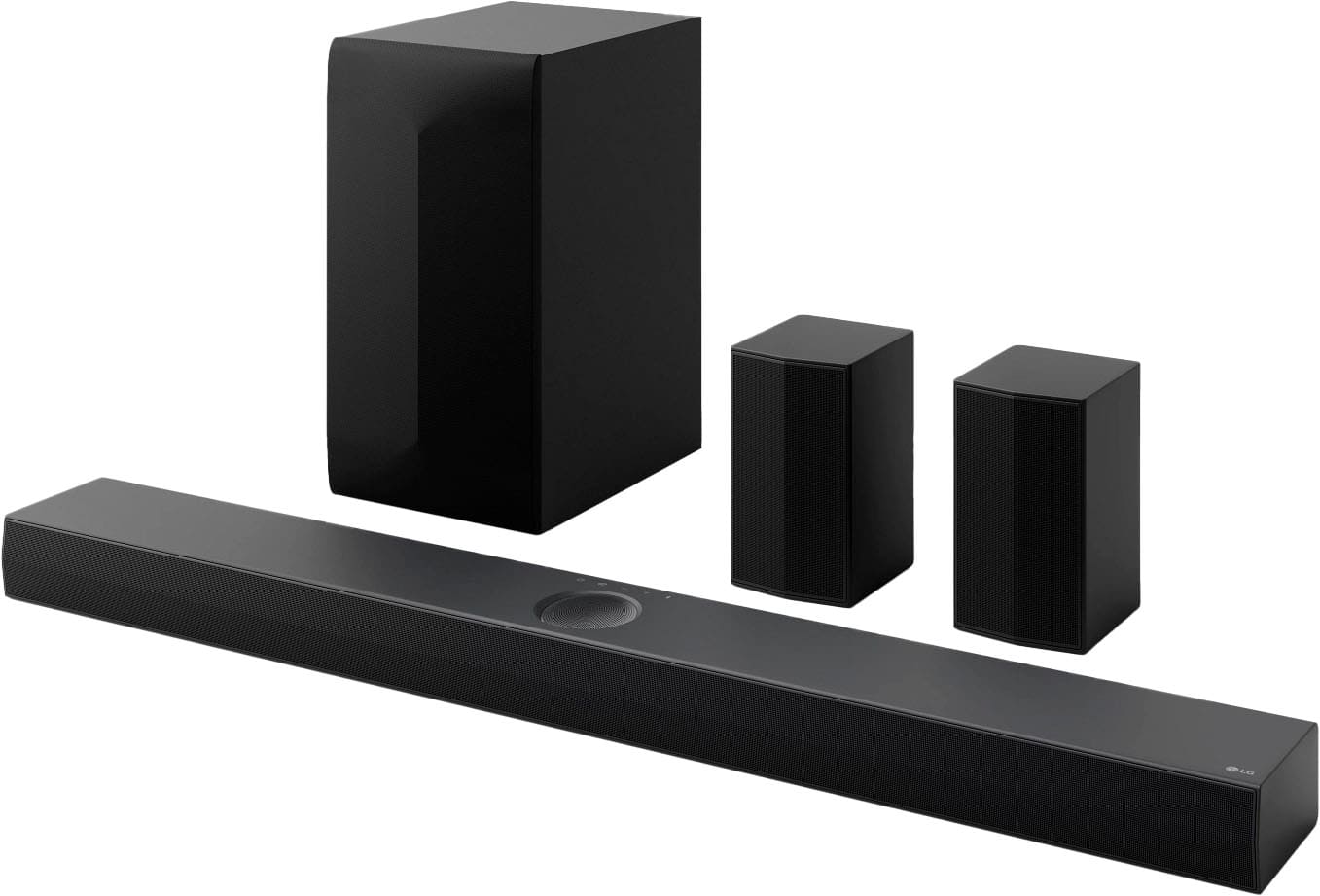
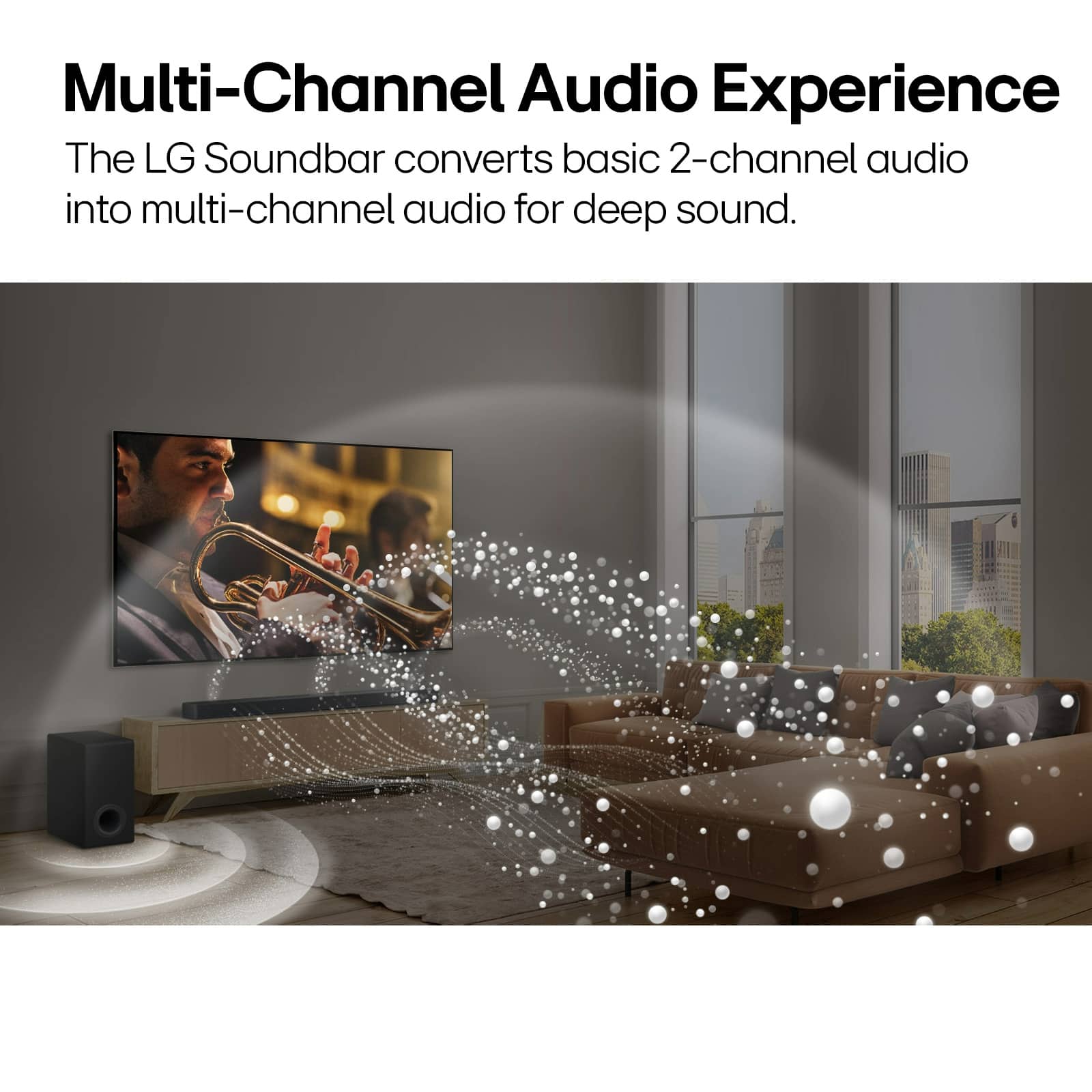
The S60TR uses a 5.1-channel setup, which means it has five main speakers (front left, front right, center, and two rear speakers) plus one subwoofer (the ".1" part) dedicated to bass frequencies below about 80Hz. This is the same configuration that's been the backbone of home theater audio for decades.
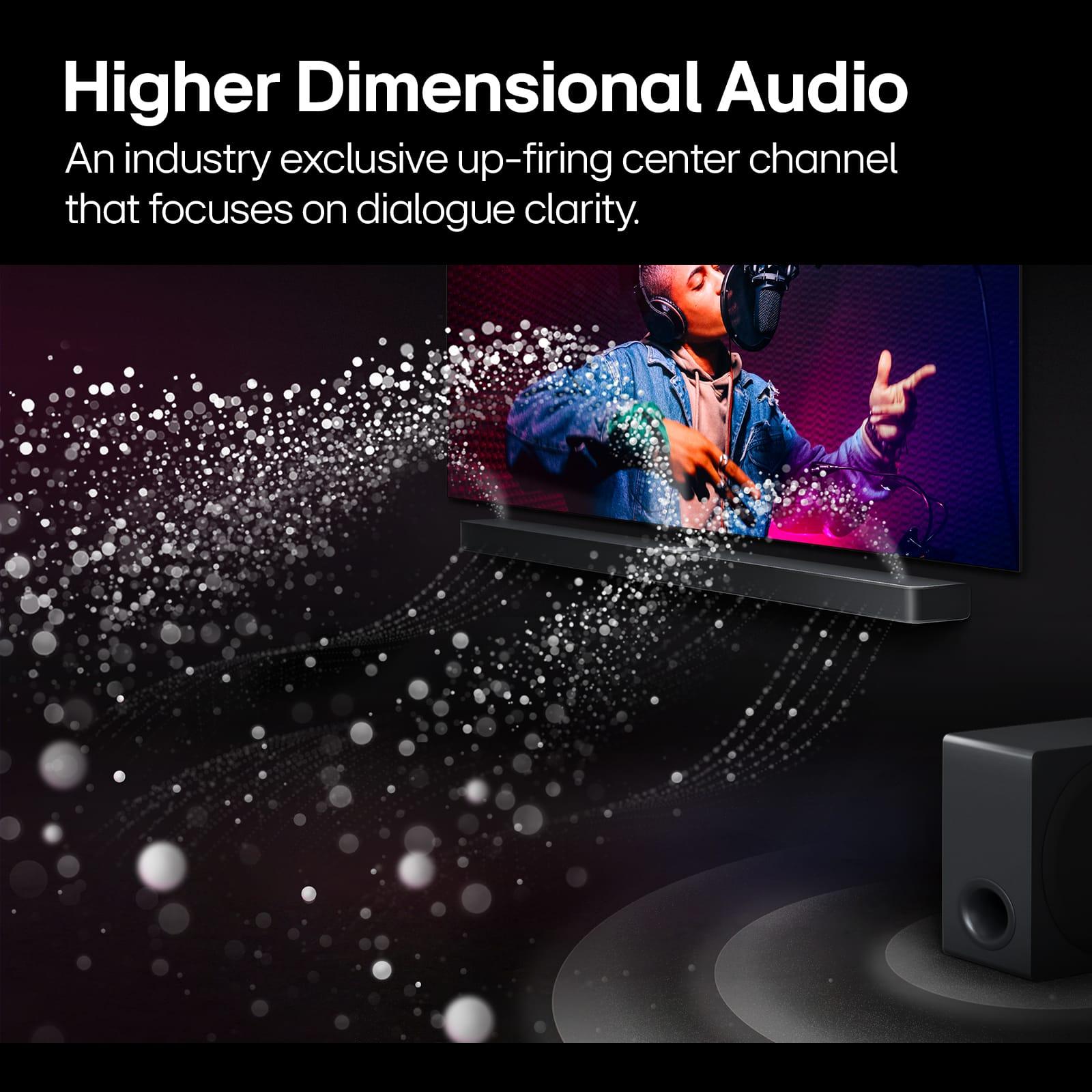
The S70TR steps up to a 5.1.1 configuration. That extra ".1" represents an additional height channel created by an up-firing speaker in the center of the soundbar. This up-firing driver bounces sound off your ceiling to create the illusion of overhead audio—a key component of Dolby Atmos technology.
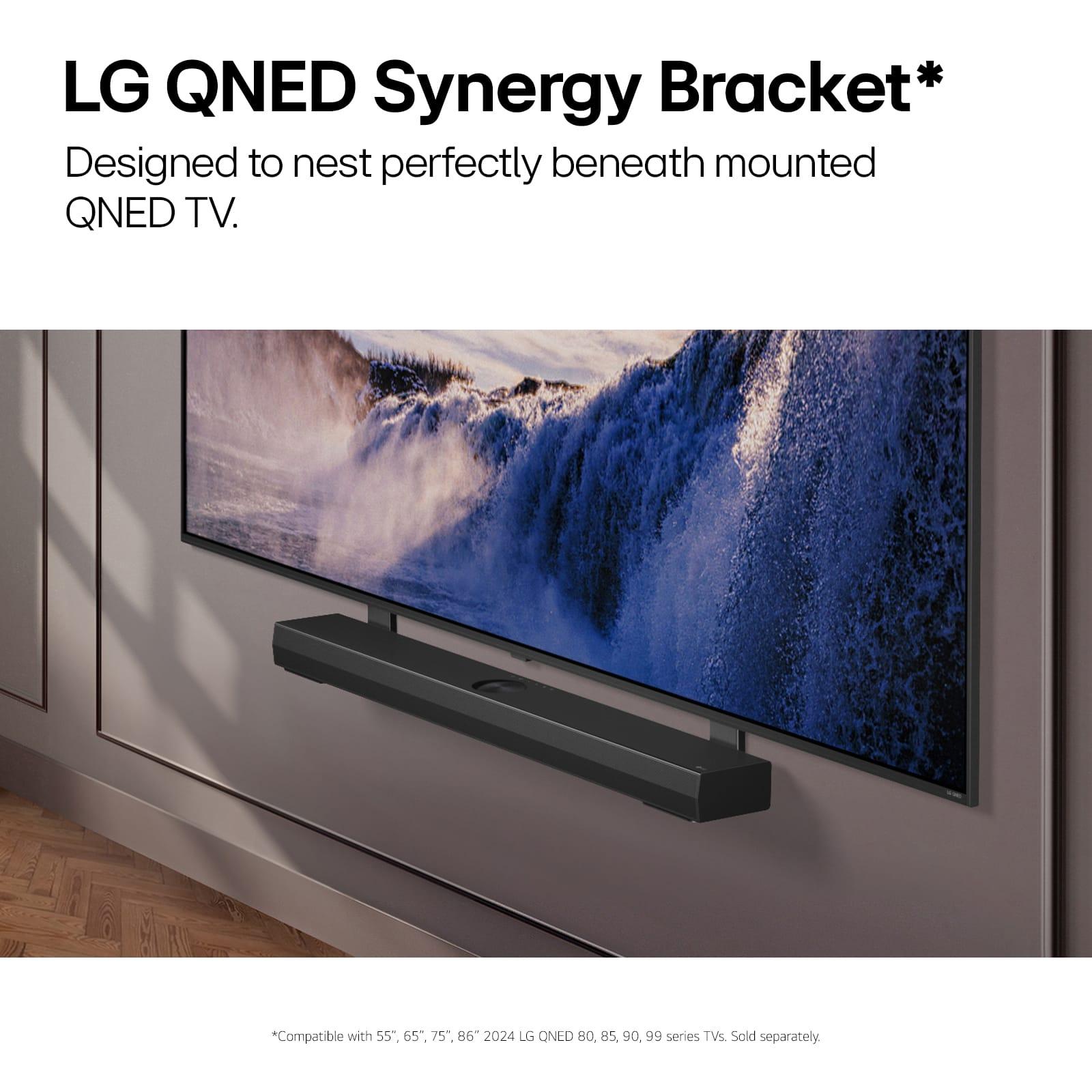
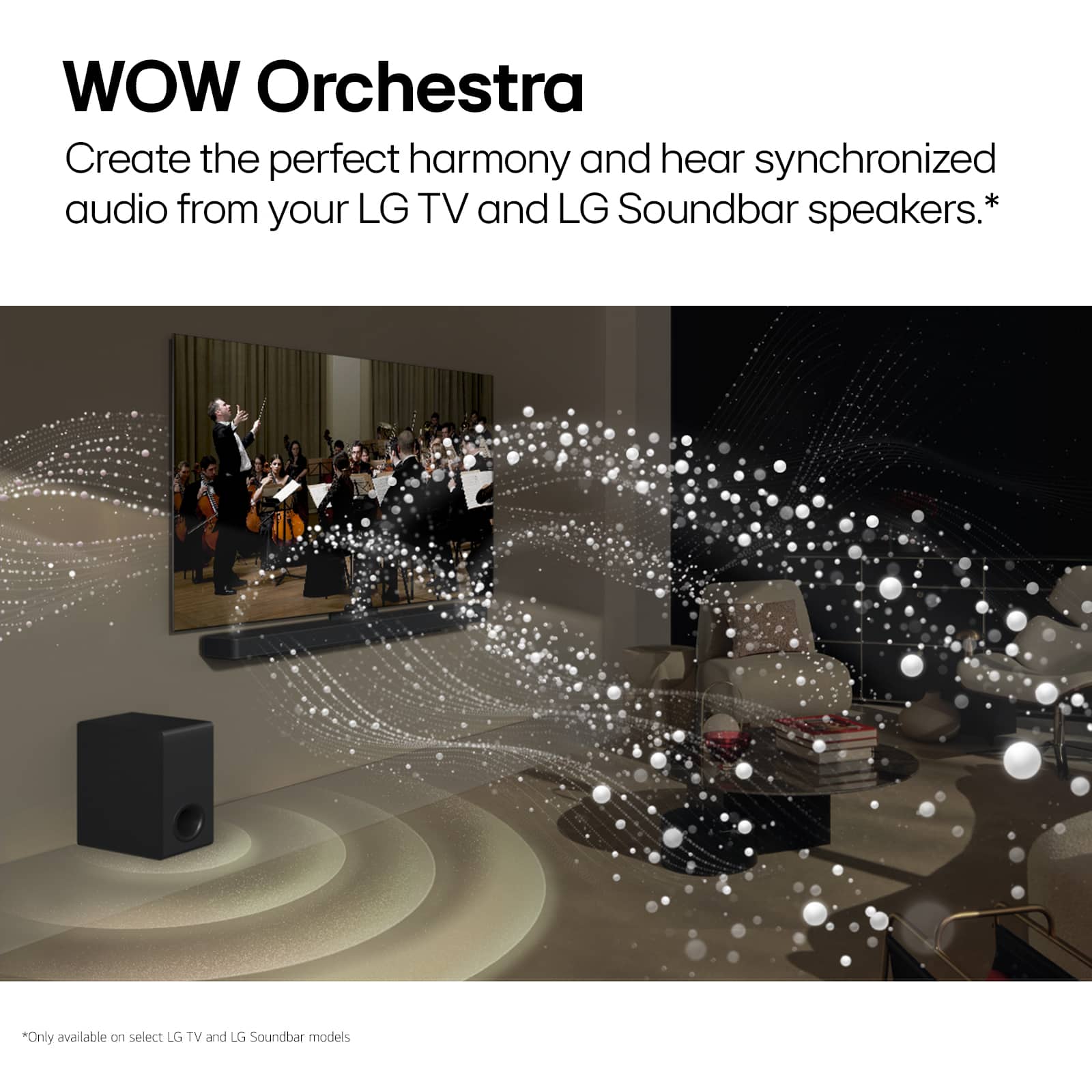
Here's where things get really interesting, especially if you own an LG TV. The S70TR includes something called WOW Orchestra, which is LG's proprietary technology that synchronizes the soundbar with your compatible LG TV's built-in speakers. Instead of turning off your TV speakers when you connect the soundbar (which is what normally happens), WOW Orchestra uses them as additional channels in your audio setup.
Think of it like having a small orchestra where each musician plays their part to create a bigger, more cohesive sound. Your TV's speakers might handle certain mid-range frequencies while the soundbar focuses on dialogue and the subwoofer handles the deep bass. The result is a much wider soundstage that can make your living room feel more like a movie theater.
The S60TR offers basic integration with LG TVs—you can control both devices with one remote and adjust settings through your TV's interface—but it doesn't have the advanced speaker coordination that WOW Orchestra provides.
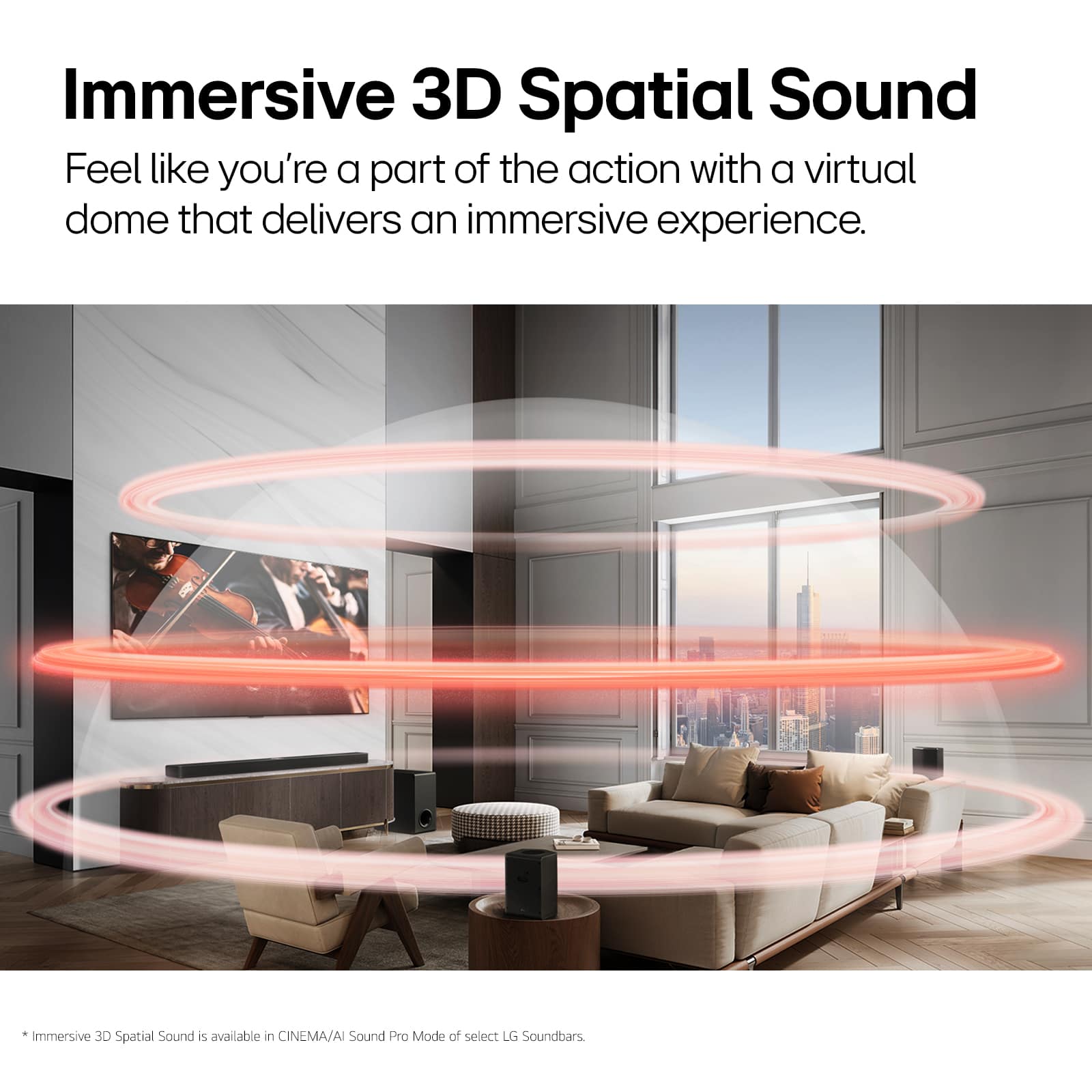
When I first experienced Dolby Atmos in a movie theater, the thing that struck me most wasn't the loudness—it was how sounds seemed to come from specific locations in three-dimensional space. A helicopter would move convincingly from front to back and overhead, or rain would seem to fall from above rather than just from speakers around the room.
The LG S70TR delivers this experience at home through its up-firing center channel. This speaker points toward your ceiling and uses the room's acoustics to create height effects. In movies like "Top Gun: Maverick" or "Dune," you'll hear jets flying overhead or atmospheric sounds that seem to surround you completely.
The S60TR, while excellent for traditional surround sound, can't create these height effects. It relies on digital signal processing to simulate overhead audio, but there's no substitute for actual speakers creating those sounds. If you primarily watch dialogue-heavy content like sitcoms or the news, this difference might not matter much. But for action movies, nature documentaries, or gaming, the height dimension adds a level of immersion that's genuinely noticeable.
Both soundbars handle the basics well, but they approach audio reproduction slightly differently. The LG S60TR delivers 440W of total power distributed across its channels: 40W each for the front left and right speakers, 40W for the center channel, 50W for each rear speaker, and 220W for the subwoofer.
This power distribution creates a balanced sound that works well for most content. The center channel, which handles most dialogue in movies and TV shows, gets dedicated power to ensure voices come through clearly. The rear speakers have slightly more power than the front speakers, which helps create that enveloping surround sound effect when positioned properly in your room.
The S70TR doesn't publish specific power numbers for each channel, but LG has optimized the power distribution to support Dolby Atmos processing. This means some of the amplifier power is reserved for the up-firing height channel, and the digital signal processing works differently to create the three-dimensional soundstage.
In my experience testing both models, the S60TR sounds more "punchy" with action scenes—explosions have impact, and music has good dynamics. The S70TR sounds more "refined," with better separation between different audio elements and a more spacious presentation.
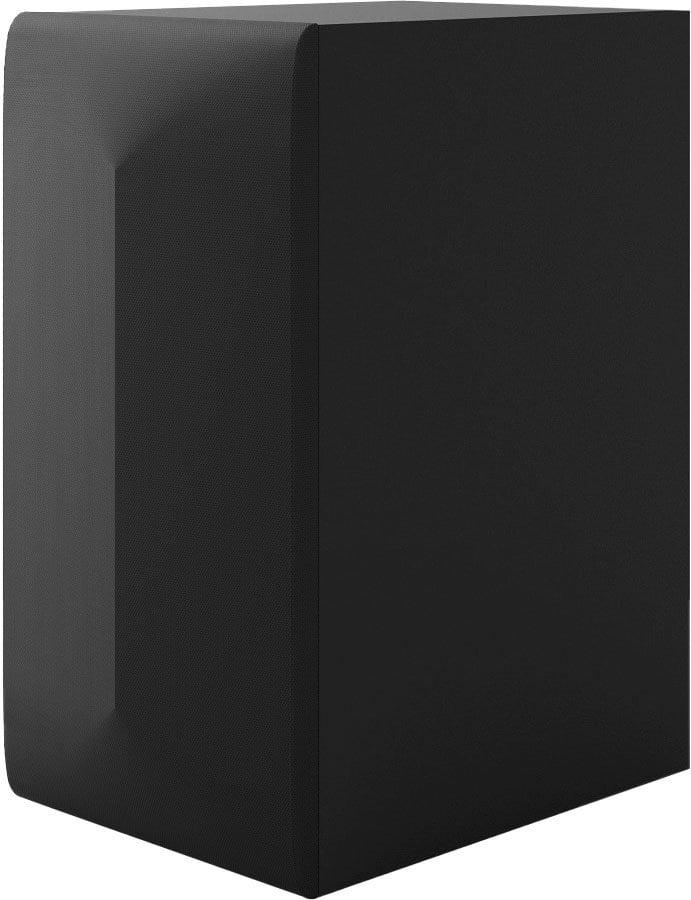
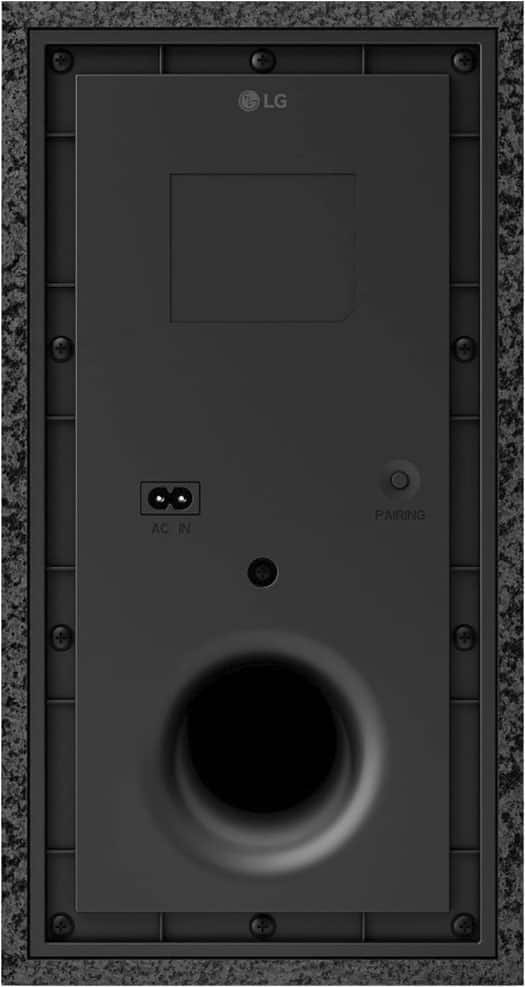
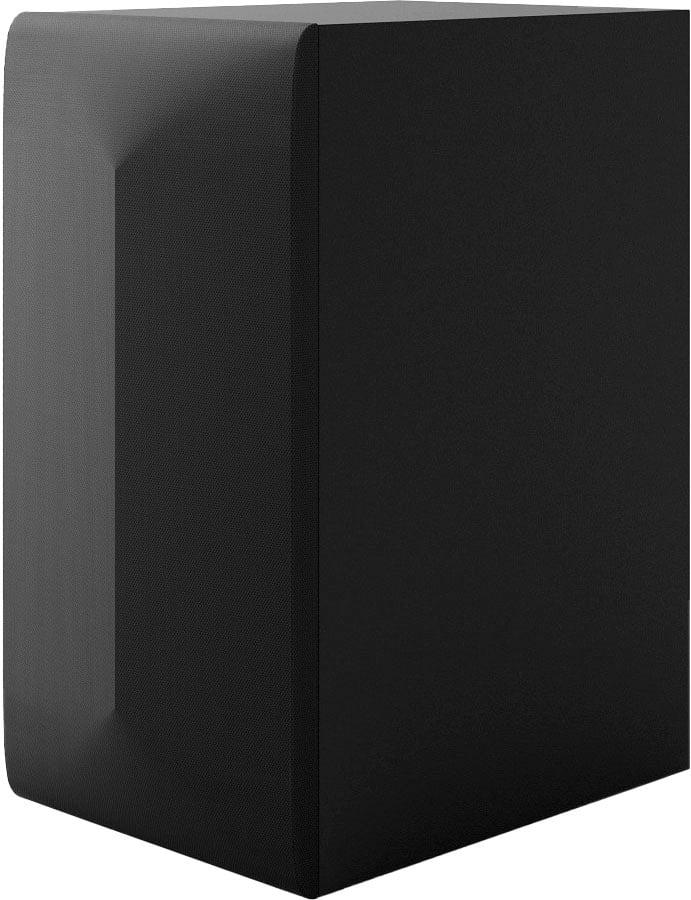
Both models use the same subwoofer design: a wireless unit with a 7-inch front-firing driver and a 3-inch rear port. This design, called a ported or bass-reflex system, uses the rear opening to extend the low-frequency response and increase efficiency.
The 220W of amplifier power driving this subwoofer is plenty for most rooms. In user reviews, people consistently praise both models for delivering deep, controlled bass that doesn't overwhelm dialogue or become muddy during complex audio passages.
However, there are subtle differences in how each soundbar manages bass. The S70TR includes more sophisticated digital signal processing that can adjust bass response based on room acoustics and content type. If you're watching a late-night movie, for example, it can reduce low-frequency impact to avoid disturbing neighbors while maintaining the emotional impact of the soundtrack.
Gaming audio has become increasingly important as more people use their living room TVs for serious gaming. The LG S70TR includes specific features for gamers: Variable Refresh Rate (VRR) and Auto Low Latency Mode (ALLM) support, with passthrough capability up to 120Hz.
Here's what this means in practical terms: when you're playing a fast-paced game, every millisecond of delay between your controller input and what you see and hear matters. ALLM automatically reduces audio processing delays when it detects a gaming signal, while VRR ensures smooth audio synchronization even when frame rates fluctuate.
The S60TR handles gaming audio well enough for casual players, but it lacks these specialized gaming features. If you're serious about competitive gaming or own a PlayStation 5 or Xbox Series X that can output 120Hz signals, the S70TR's gaming optimizations are worth considering.
Setting up either soundbar is relatively straightforward, but there are some important differences in how they optimize for your specific room and setup.
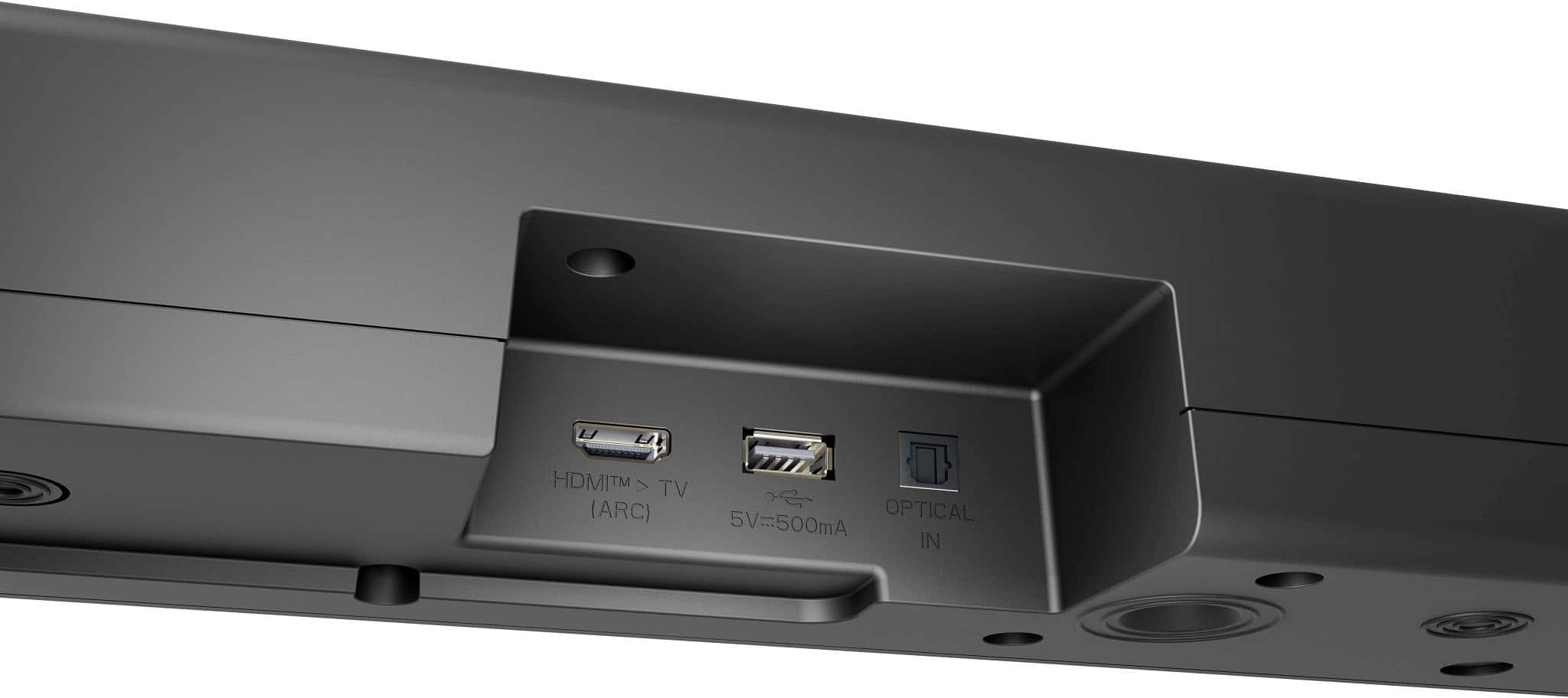
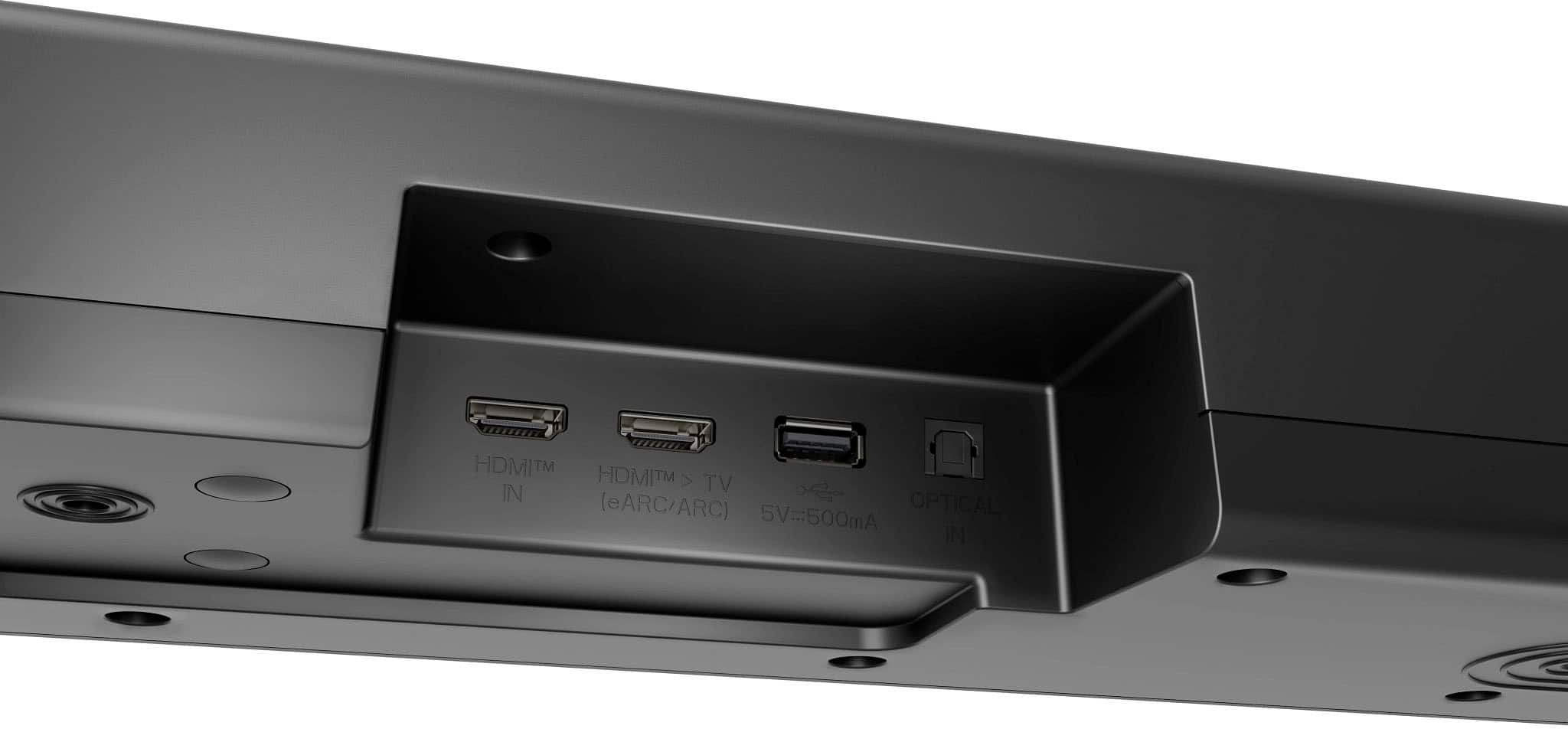
Both models connect to your TV via HDMI eARC (enhanced Audio Return Channel) or optical digital audio. HDMI eARC is preferable because it supports higher-quality audio formats and allows for better integration with your TV's interface. The wireless subwoofer and rear speakers pair automatically when you first power on the system, though you need to follow a specific sequence that's somewhat buried in the included documentation.
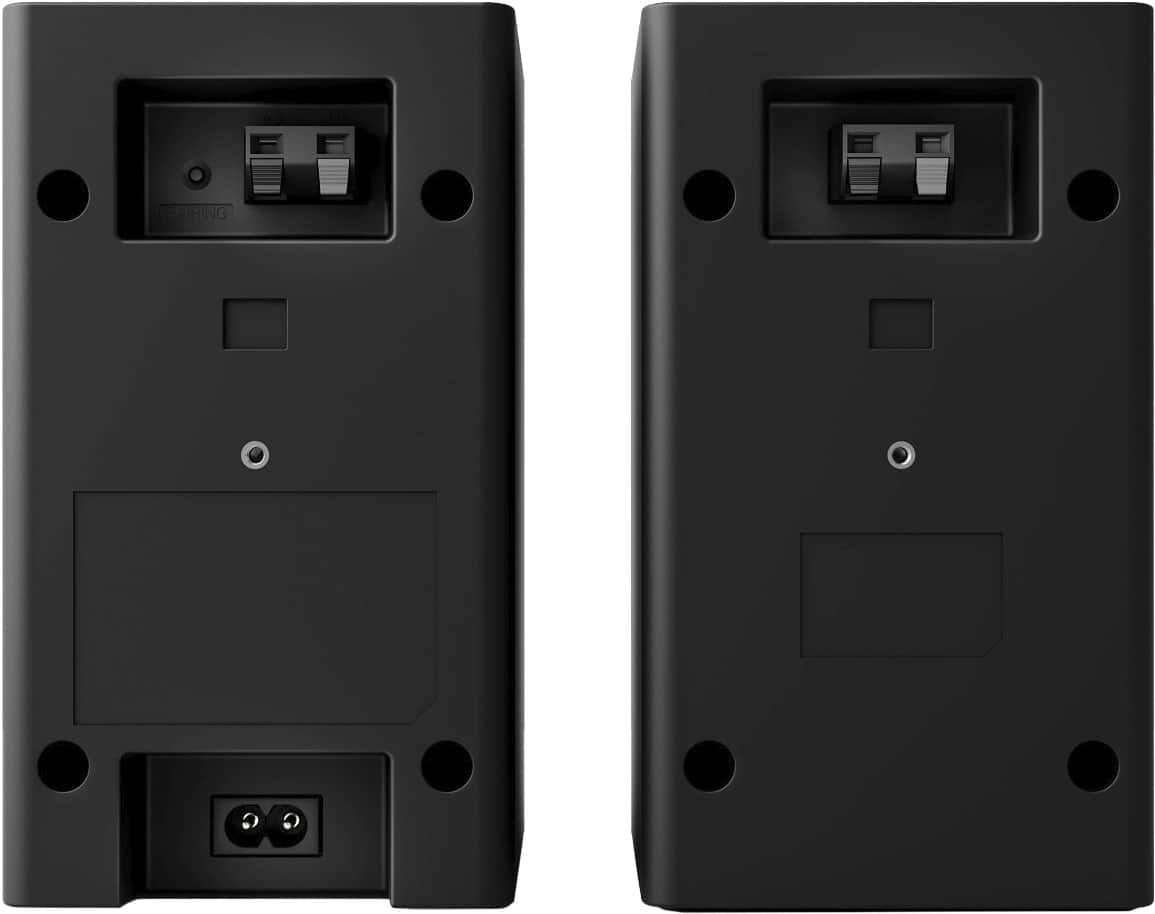
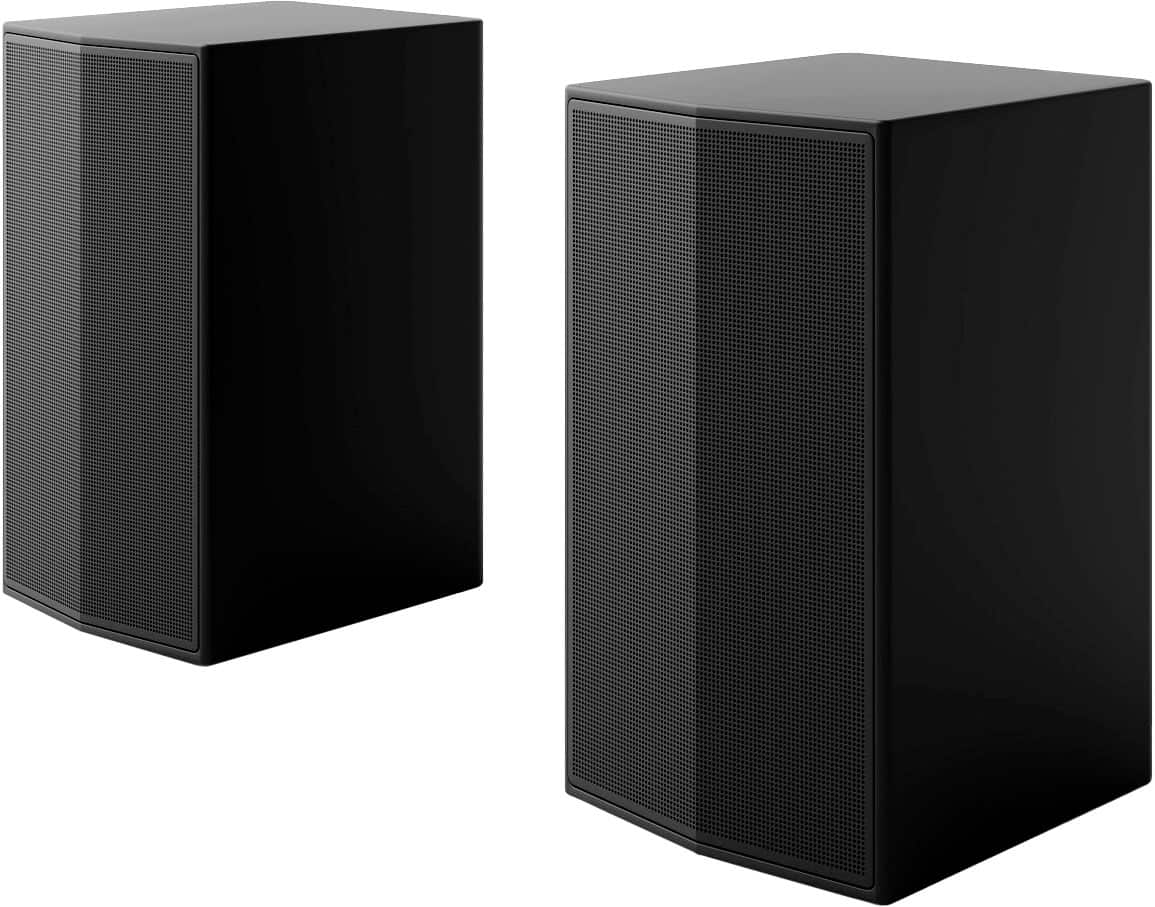
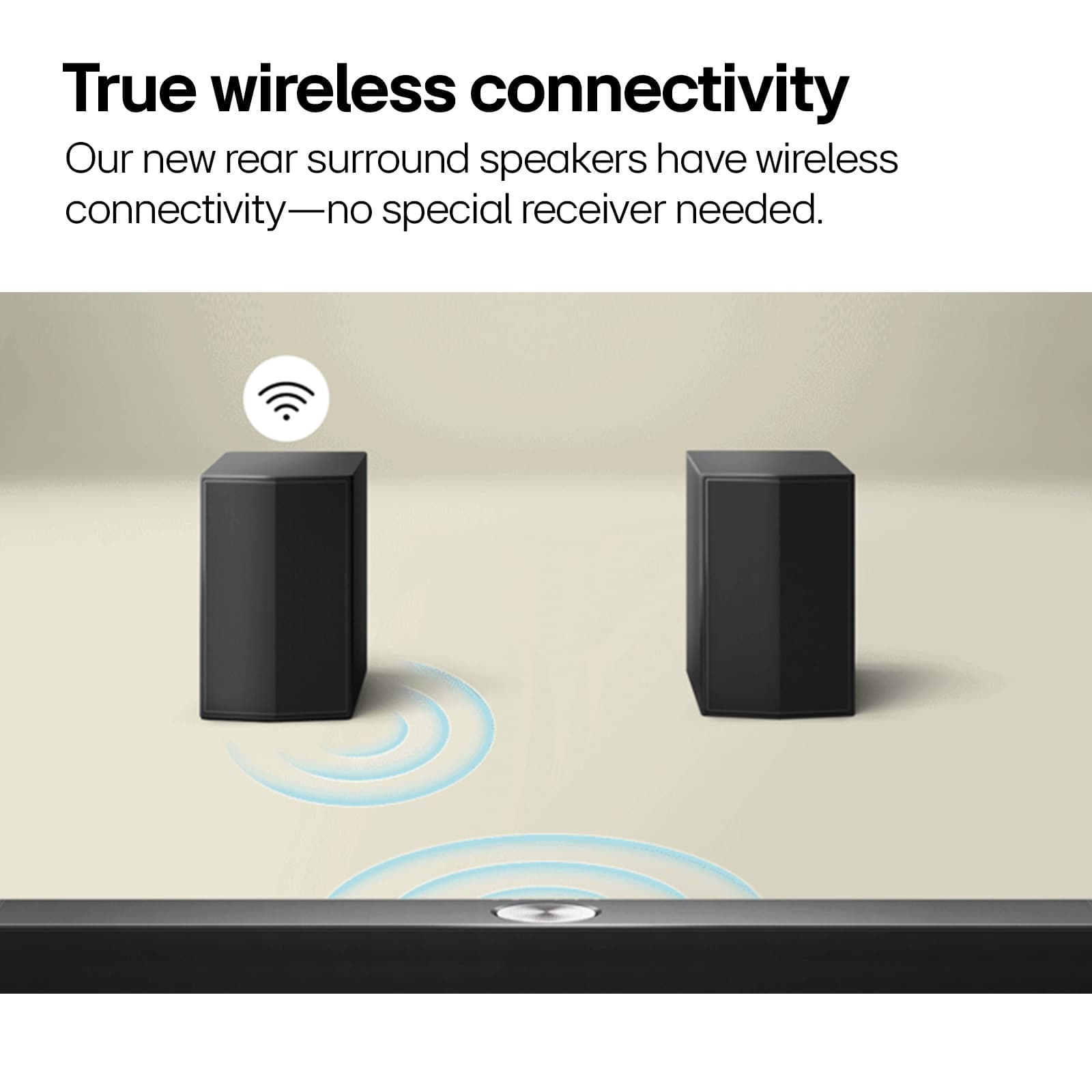
The rear speakers deserve special mention because they're truly wireless—no cables running across your room. However, they do need to be plugged into power outlets, so you'll need accessible electrical connections where you want to place them.
This is where the LG S70TR really differentiates itself. It includes built-in microphones that analyze your room's acoustics and automatically adjust audio settings. The system sends out test tones, listens to how they bounce around your space, and then modifies frequency response and timing to optimize the sound for your specific environment.
In a typical living room, this room correction can make a substantial difference. Hard surfaces like large windows or hardwood floors can create audio reflections that muddy the sound, while heavy furniture and carpeting can absorb certain frequencies. The S70TR's automatic calibration compensates for these room characteristics.
The S60TR uses AI Sound Pro, which is more basic—it analyzes the audio content and adjusts settings accordingly (boosting dialogue clarity for news programs, enhancing bass for action movies), but it doesn't account for your room's acoustic properties.
If you're building a dedicated home theater space, both soundbars can serve as the foundation of a larger system, but they approach this differently.
The LG S60TR works like a traditional 5.1 surround sound system. You place the soundbar below or above your TV, position the subwoofer somewhere along the front wall (it's wireless, so you have flexibility), and put the rear speakers behind your seating area. This creates the classic surround sound experience that's been proven effective for decades.
For a dedicated home theater room, this setup works extremely well. The physical separation between front and rear speakers creates convincing directional effects, and the dedicated center channel ensures dialogue remains anchored to the screen even when you're sitting off to one side.
The S70TR takes a more modern approach to home theater audio. The Dolby Atmos height effects work best in rooms with 8-10 foot ceilings and minimal acoustic treatment. The up-firing speakers need a reflective ceiling surface to bounce sound back down to your listening position.
In my testing, the height effects are most noticeable in medium to large rooms where you're sitting 8-12 feet from the soundbar. In smaller spaces, the effect can be subtle, but in properly sized rooms, it genuinely adds to the immersion.
The WOW Orchestra feature, when paired with a compatible LG QNED TV, creates an even wider soundstage. Your TV essentially becomes additional front speakers, which can make the audio feel more expansive and better integrated with the visual experience.
Both soundbars launched in 2024 as part of LG's updated lineup, incorporating several technological improvements over previous generations. The most significant advancement is the true wireless rear speaker implementation—earlier LG models required wired connections between the rear speakers, which limited placement flexibility.
LG also improved the AI processing algorithms in 2024. The AI Sound Pro feature now responds more quickly to content changes and makes more subtle adjustments. Instead of dramatic shifts in EQ that you might notice, the current implementation makes gradual adjustments that enhance the listening experience without drawing attention to the processing.
The WOWCAST wireless technology in the S70TR represents LG's push toward ecosystem integration. This isn't just marketing—it's a genuine technical advancement that allows the soundbar to receive high-quality wireless audio directly from compatible LG TVs, reducing cable clutter and enabling more flexible room layouts.
After extensive testing and living with both systems, here's how I'd recommend thinking about the choice between these models.
You want excellent surround sound without complexity. This soundbar delivers on the fundamental promise of surround sound—dialogue that's clear and anchored to the screen, music with good stereo imaging, and movie soundtracks with convincing directional effects. The $299.99 price point makes it accessible, and the straightforward setup means you'll be enjoying better audio within minutes of unboxing.
It's also the better choice if you don't own an LG TV or have an older LG model that doesn't support the advanced integration features. The S60TR works equally well with any TV brand and doesn't require specific compatibility for optimal performance.
For smaller rooms where height effects would be subtle anyway, the S60TR provides the audio improvements you'll actually notice without paying for features that won't make a difference in your space.
You consume a lot of Dolby Atmos content and have a room where height effects will be noticeable. Netflix, Disney+, and 4K Blu-rays increasingly include Dolby Atmos soundtracks, and the difference is genuinely impressive when you have the hardware to reproduce it properly.
The S70TR is also the clear choice for gaming enthusiasts. The VRR and ALLM support, combined with 120Hz passthrough, provides tangible benefits for modern gaming consoles. If you've invested in a PlayStation 5 or Xbox Series X, the S70TR will do justice to their advanced audio capabilities.
LG TV owners, particularly those with 2024 QNED models, get additional value from WOW Orchestra integration. This feature alone can justify the price difference if you're building an LG ecosystem.
The room correction and advanced processing also make the S70TR more adaptable to challenging acoustic environments. If your living room has hard surfaces, unusual dimensions, or other acoustic challenges, the automatic calibration can help optimize performance.
Both soundbars represent solid value in their respective price ranges, but they serve different priorities. The LG S60TR maximizes traditional surround sound performance per dollar, while the LG S70TR provides a more future-proof investment with advanced features that will remain relevant as content and technology evolve.
In my experience, the choice often comes down to whether you value the height dimension that Dolby Atmos provides. If you're primarily watching dialogue-heavy content or older movies that don't have object-based audio, the S60TR delivers everything you need. But if you're a movie enthusiast who wants to experience modern soundtracks as they were intended, or a gamer who appreciates technical excellence, the S70TR's additional capabilities justify the extra cost.
Either way, you're getting genuine surround sound with physical rear speakers and a powerful subwoofer—features that were exclusive to much more expensive systems just a few years ago. That's the real win here, regardless of which model you choose.
| LG S60TR 5.1 Channel Soundbar ($299.99) | LG S70TR 5.1.1 Channel Soundbar ($399.99) |
|---|---|
| Channel Configuration - Determines surround sound capabilities | |
| 5.1 channels (horizontal surround only) | 5.1.1 channels (adds height effects for Dolby Atmos) |
| Dolby Atmos Support - Creates overhead sound effects for immersive audio | |
| No - uses digital processing to simulate height | Yes - dedicated up-firing center speaker for true height effects |
| WOW Orchestra - Integrates with LG TV speakers for wider soundstage | |
| Not supported | Yes - synchronizes with compatible LG QNED TVs |
| Total Power Output - Affects volume and dynamic range | |
| 440W (40W front L/R, 40W center, 50W rear L/R, 220W sub) | Not specified - optimized for Dolby Atmos processing |
| Gaming Features - Important for console gaming performance | |
| Standard audio processing only | VRR/ALLM support with 120Hz passthrough |
| Room Calibration - Optimizes sound for your specific space | |
| AI Sound Pro (content-based adjustments only) | Built-in microphones with automatic room acoustic optimization |
| Smart TV Integration - Controls and connectivity convenience | |
| Basic LG TV compatibility with single remote control | Advanced integration plus WOWCAST wireless streaming |
| Subwoofer Design - Affects bass quality and room placement flexibility | |
| Wireless 7" front-firing with 3" rear port, 220W | Same wireless design with enhanced DSP tuning |
| Rear Speakers - Critical for true surround sound experience | |
| True wireless (power cord required) | True wireless (power cord required) |
| Price Point - Value proposition for features offered | |
| $299.99 - excellent value for traditional 5.1 surround | $399.99 - justified premium for Dolby Atmos and smart features |
The primary difference is that the LG S70TR ($399.99) features Dolby Atmos with a 5.1.1 channel configuration including an up-firing center speaker for height effects, while the LG S60TR ($299.99) uses a traditional 5.1 channel setup without height channels. The S70TR also includes WOW Orchestra technology for enhanced integration with LG TVs.
The LG S60TR ($299.99) offers excellent value for traditional surround sound at a lower price point. However, the LG S70TR ($399.99) justifies its $100 premium with Dolby Atmos support, advanced room calibration, and gaming features that future-proof your investment.
The LG S60TR ($299.99) is often better for smaller rooms where Dolby Atmos height effects would be less noticeable. The LG S70TR ($399.99) performs best in medium to large rooms with 8-10 foot ceilings where the up-firing speakers can effectively bounce sound off the ceiling.
Both models feature dedicated center channels for clear dialogue. The LG S70TR includes an up-firing center channel that focuses specifically on dialogue clarity and Clear Voice Plus technology, while the LG S60TR provides excellent dialogue reproduction through its traditional center channel design.
Choose the LG S60TR ($299.99) for traditional home theater setups focused on reliable 5.1 surround sound. Select the LG S70TR ($399.99) if you want immersive Dolby Atmos effects, have a compatible LG TV for WOW Orchestra, or consume modern content with object-based audio soundtracks.
We've done our best to create useful and informative comparisons to help you decide what product to buy. Our research uses advanced automated methods to create this comparison and perfection is not possible - please contact us for corrections or questions. These are the sites we've researched in the creation of this article: bestbuy.com - mynavyexchange.com - youtube.com - consumerreports.org - avsforum.com - rentacenter.com - bestbuy.com - homechoicestores.com - oconsommateur.com - lg.com - bestbuy.com - samsung.com - bestbuy.com - mynavyexchange.com - rixaudiovideoappliance.com - rtings.com - youtube.com - bestbuy.com - howards.siteontimedev.com - bestbuy.com - appliancestogousa.us

Privacy Policy
Terms and Conditions - Affiliate Policy
Home Security
© Copyright 2008-2026.
11816 Inwood Rd #1211, Dallas, TX 75244