




If you've ever tried watching an action movie through your TV's built-in speakers, you know the frustration of turning up the volume for explosions only to get blasted by dialogue in the next scene. Modern TVs, despite their impressive picture quality, have terrible audio – and that's where soundbars come to the rescue.
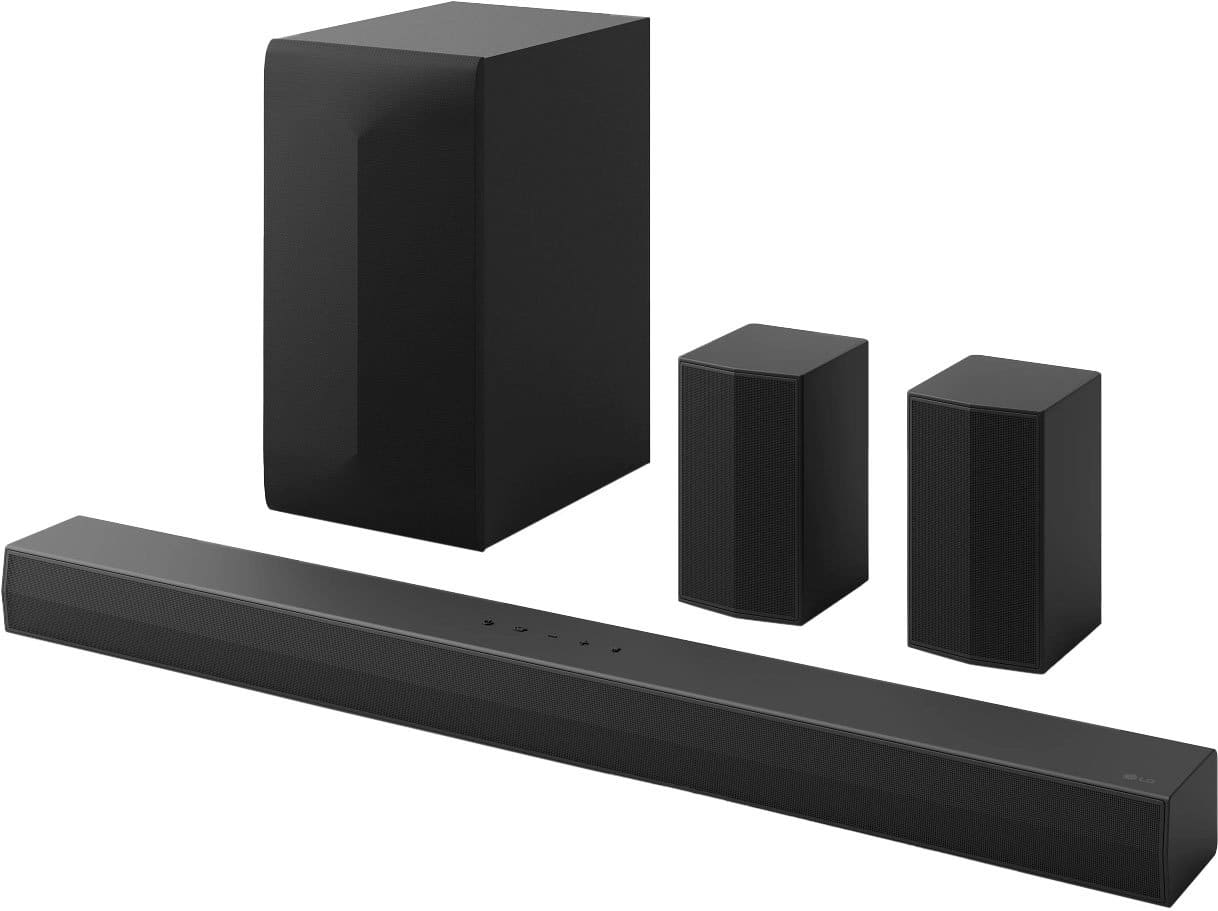
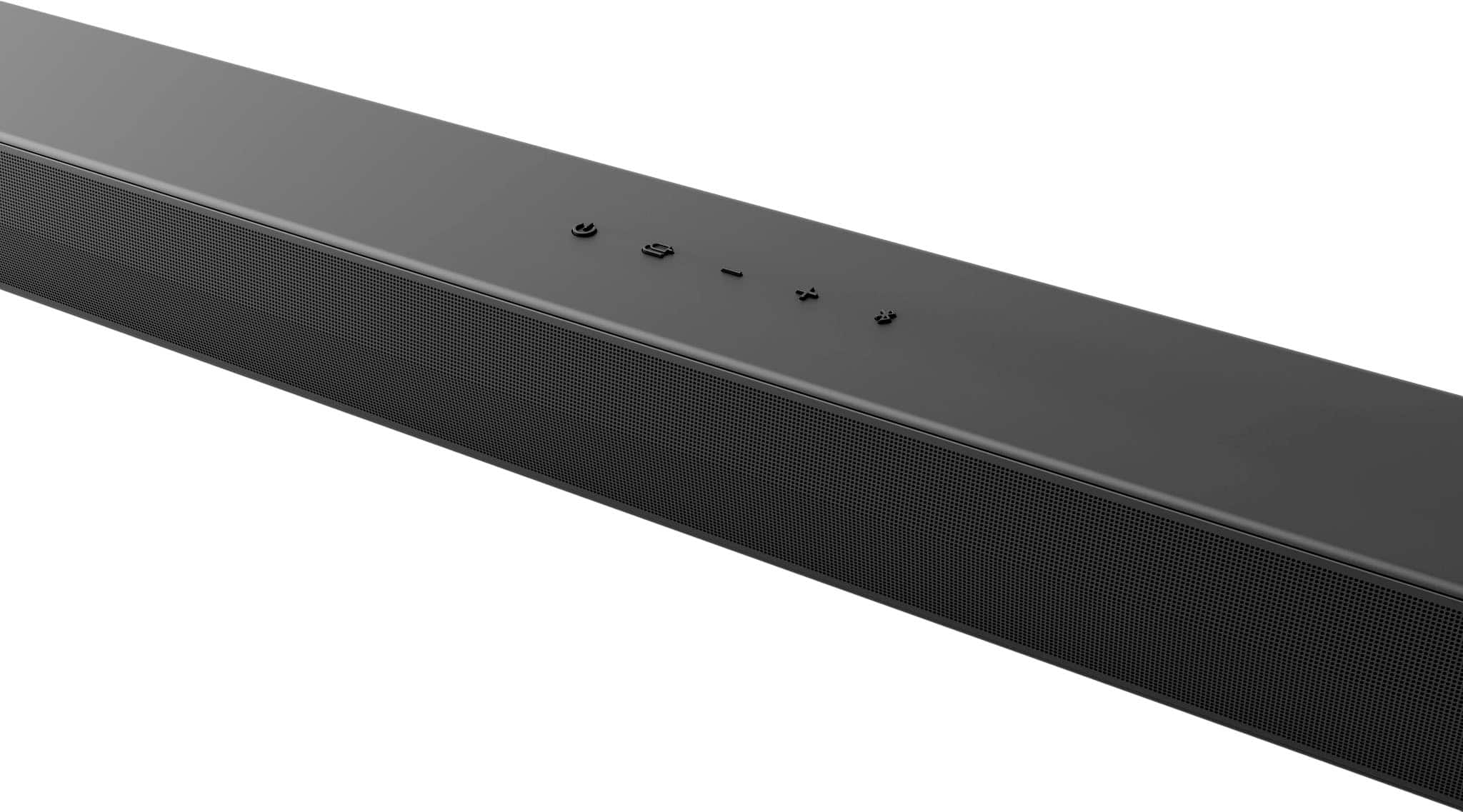
I've been testing home audio equipment for years, and the soundbar market has transformed dramatically. What used to be simple speaker bars that just made things louder have evolved into sophisticated systems that can recreate the immersive experience of a movie theater. Today, we're comparing two popular options that represent very different approaches: the budget-friendly LG S60TR at $299.99 and the premium TCL Q85H at $499.99.
Before diving into these specific models, let's establish what makes a soundbar effective. The most important specification is the channel configuration – those numbers like "5.1" or "7.1.4" that seem confusing at first glance.
The first number represents horizontal channels around you. A "5.1" system has five main speakers: left, center, right, and two surround speakers, plus a subwoofer (the ".1"). The center channel handles dialogue, which is why good soundbars make conversations so much clearer than TV speakers.
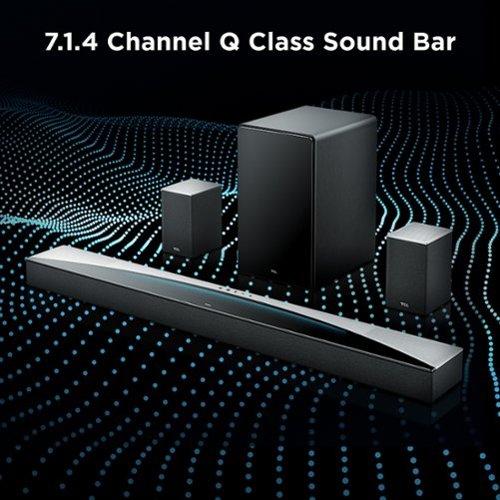
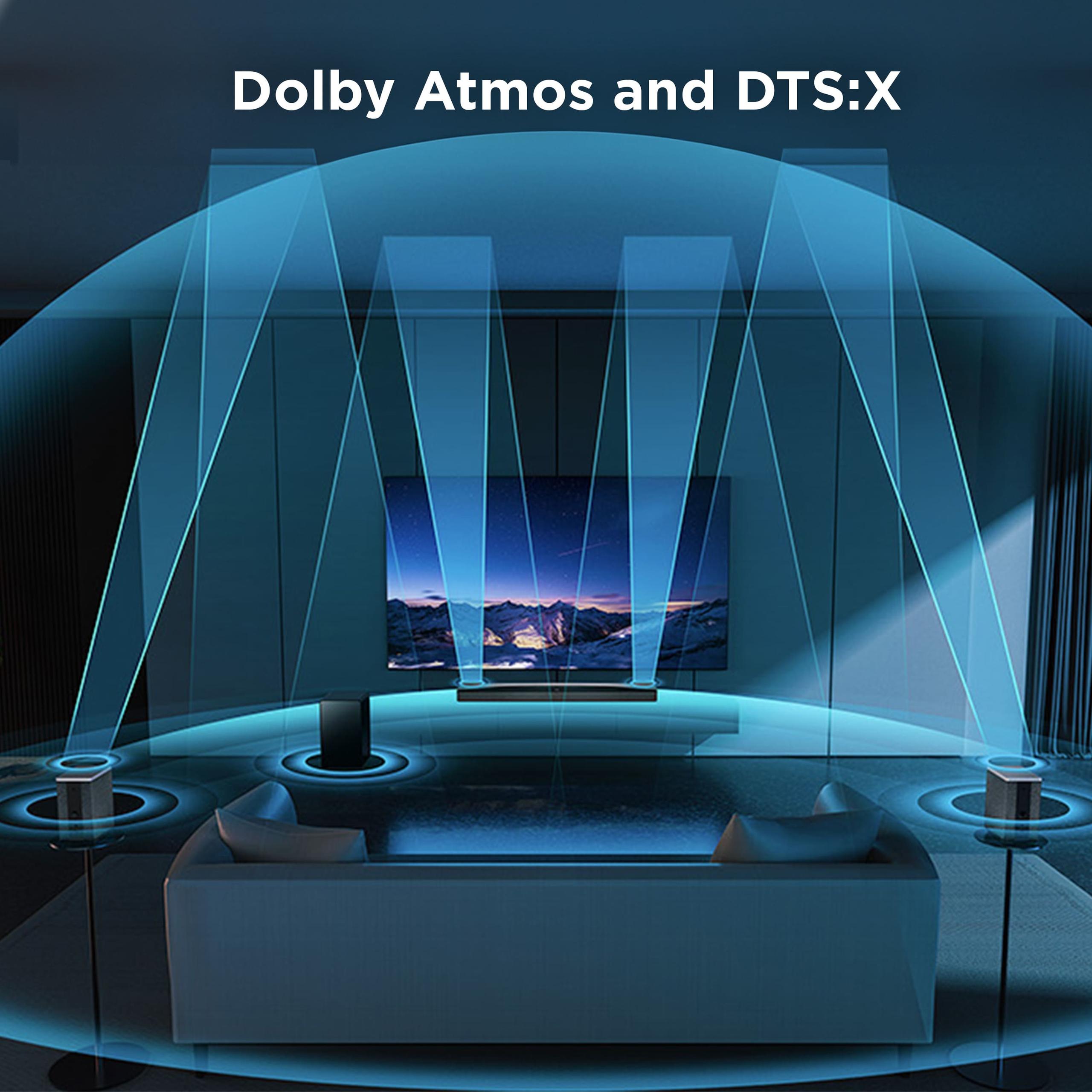
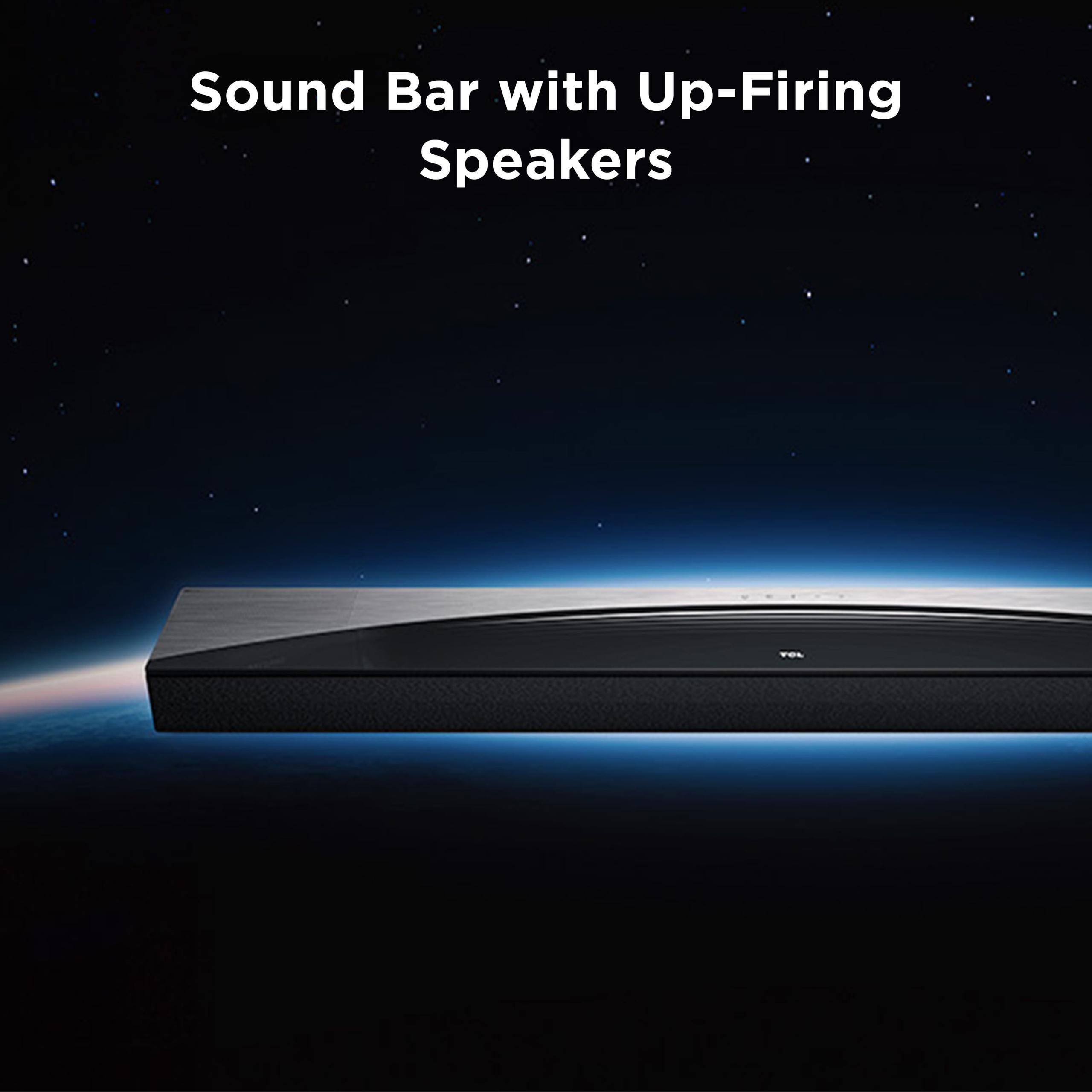
The newer "7.1.4" format adds height channels – those final four numbers represent speakers that fire sound upward, bouncing audio off your ceiling to create the sensation of helicopters flying overhead or rain falling around you. This technology, called Dolby Atmos, fundamentally changed home audio when it arrived in the mid-2010s.
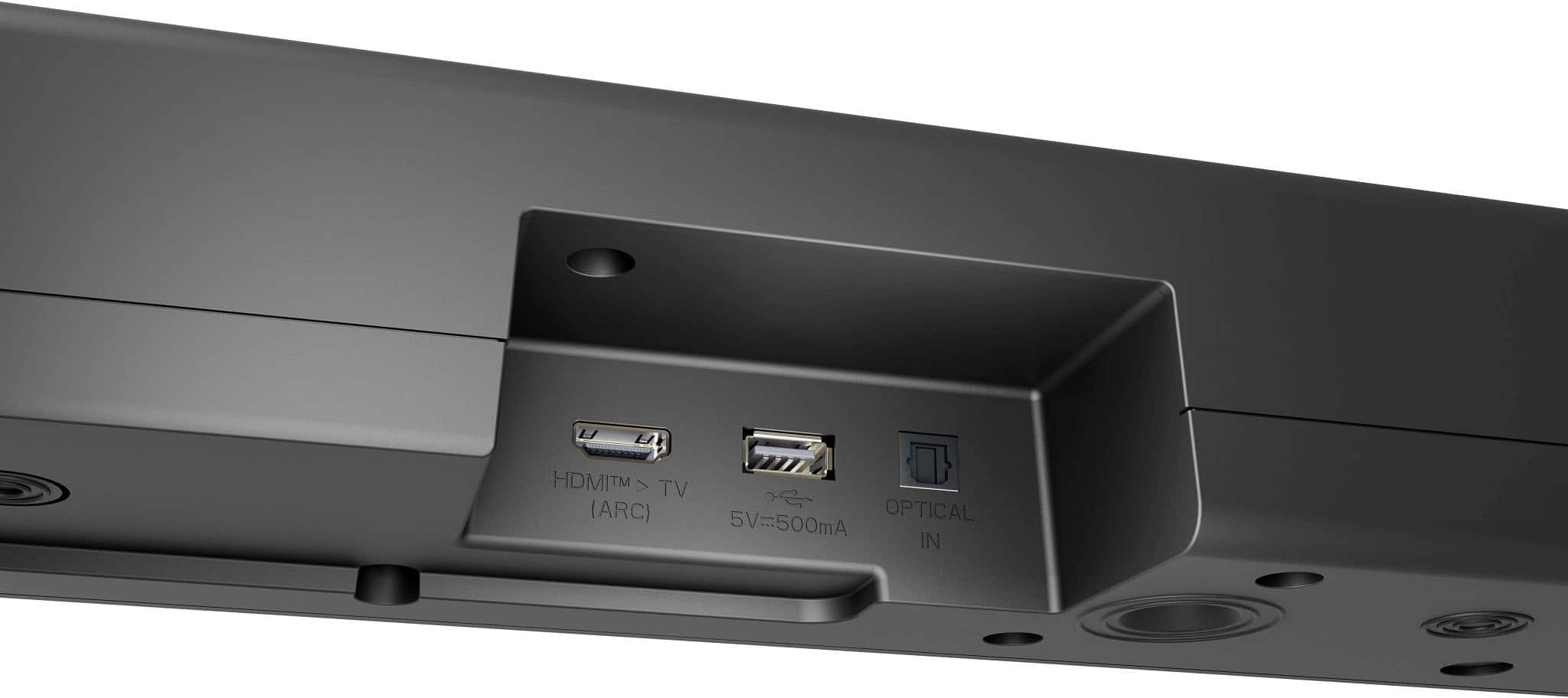
Room size matters enormously with soundbars. A powerful system in a small apartment can overwhelm the space, while an underpowered bar in a large room will sound thin and unconvincing. Connectivity has also evolved – modern soundbars use HDMI eARC (enhanced Audio Return Channel) to receive high-quality audio directly from your TV, eliminating the audio delays that plagued older optical connections.
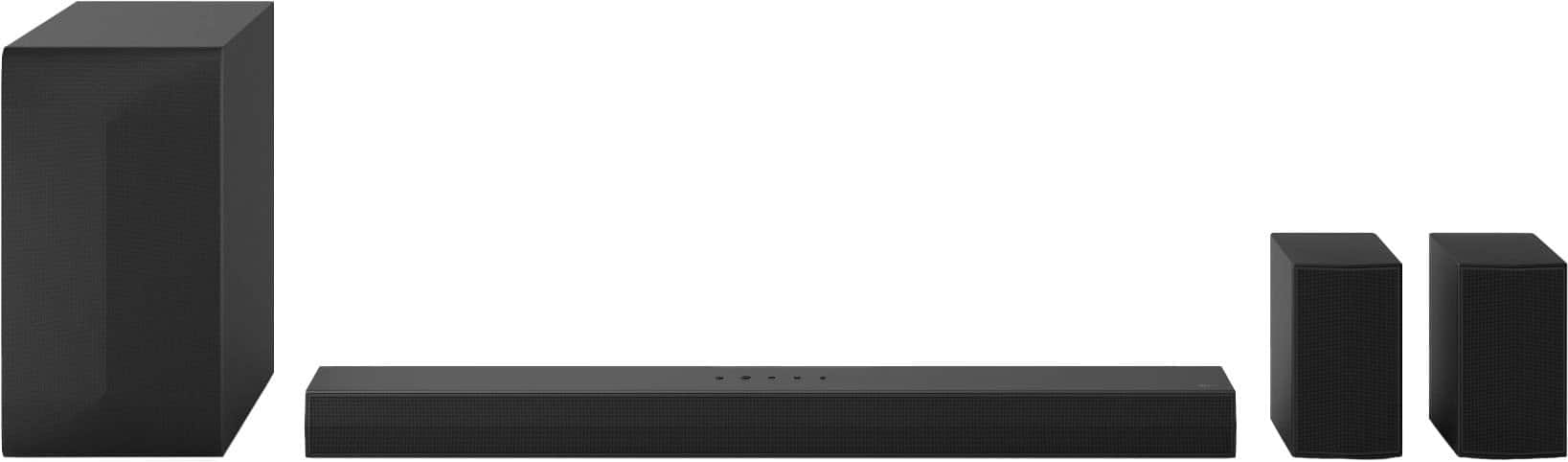
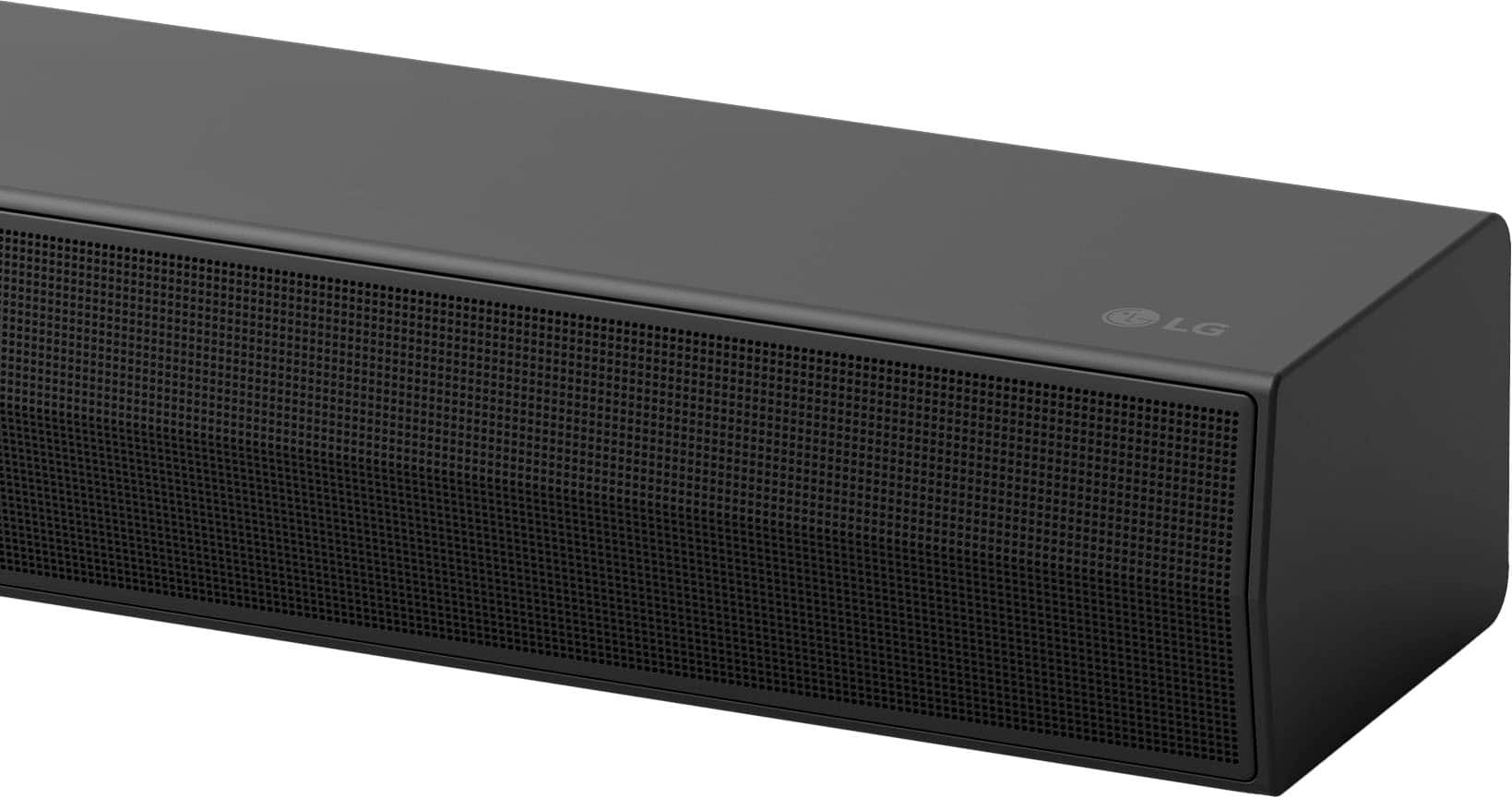
The LG S60TR launched in 2022 as part of LG's effort to provide premium features at accessible prices. LG has been refining their soundbar lineup since the late 2010s, and the S60TR represents their sweet spot for mainstream buyers. What makes this timing significant is that 2022 was when many manufacturers started including wireless rear speakers as standard rather than expensive add-ons.
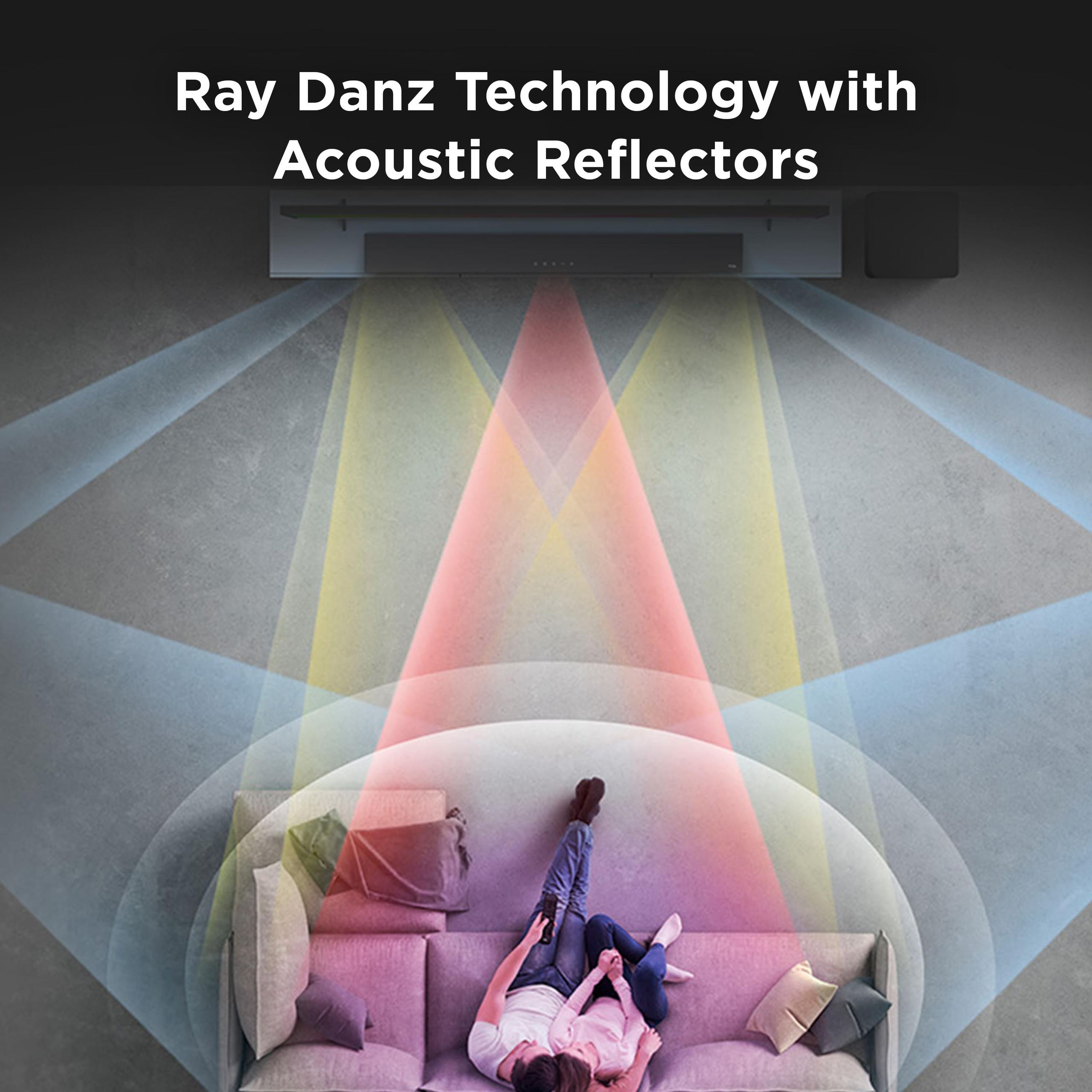
The TCL Q85H, announced in May 2024, represents TCL's ambitious push into premium audio. TCL made their name in affordable TVs, but they've been steadily moving upmarket. The Q85H showcases their Ray-Danz technology – a proprietary approach to widening the soundstage that they developed specifically to compete with established audio brands.
Since the S60TR's release, we've seen significant improvements in wireless connectivity and room calibration technology. The Q85H benefits from these advances, including more sophisticated AI-driven room correction and better Bluetooth protocols that reduce audio dropouts.
In my testing, dialogue clarity separates good soundbars from mediocre ones. The LG S60TR handles this well for its price point. Its dedicated center channel, powered by 40 watts, delivers clear speech even during complex movie scenes. However, I noticed some graininess in male voices during extended listening sessions – not deal-breaking, but noticeable if you're sensitive to audio quality.
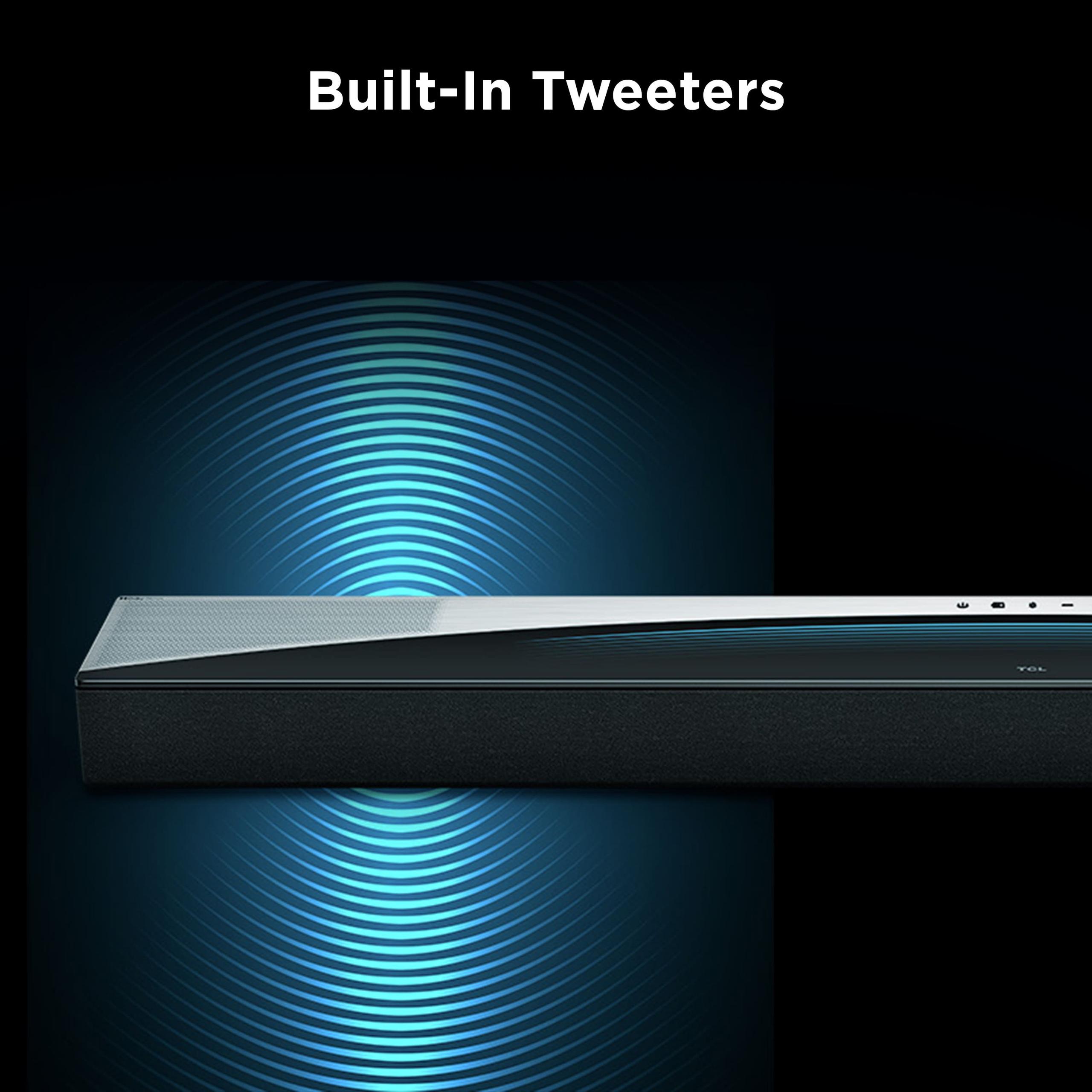
The TCL Q85H approaches dialogue differently. Its center channel benefits from dedicated tweeters – small speakers specifically designed for high frequencies – that add sparkle and detail to voices. During my testing with dialogue-heavy films like "The Social Network," the difference was immediately apparent. Conversations felt more natural and effortless, with better separation between different speakers on screen.
What's particularly impressive about the TCL is how its AI Sonic room calibration adjusts dialogue levels based on your room's acoustics. This technology uses built-in microphones to analyze how sound bounces around your space, then automatically adjusts frequencies to compensate for issues like echo or dead spots.
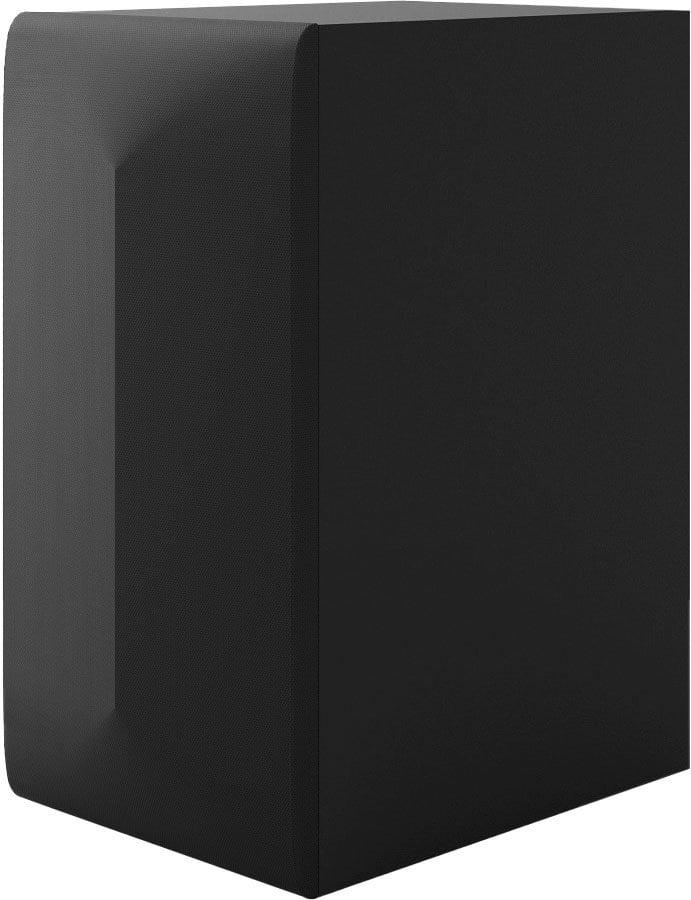
Bass performance reveals the biggest gap between these systems. The LG S60TR's 220-watt wireless subwoofer provides adequate low-end for most content, but it struggles with precision. In action scenes from "Mad Max: Fury Road," explosions had good impact but lacked the tight control that makes bass feel realistic rather than just loud.
Professional reviews consistently describe the S60TR's bass as "prominent and tubby" – audio engineer speak for bass that's boosted but lacks definition. This isn't necessarily bad for casual listening, but it becomes fatiguing during longer viewing sessions.
The TCL Q85H's approach is more sophisticated. Its 6.5-inch wireless subwoofer includes Bass Boost technology, which intelligently manages low frequencies to prevent distortion while maintaining impact. During the same "Mad Max" scenes, explosions felt more controlled and natural, with better integration between the subwoofer and main speakers.
What impressed me most was how the TCL handled complex bass-heavy content like Hans Zimmer's "Interstellar" score. The deep organ notes remained distinct and powerful without overwhelming the midrange frequencies where dialogue and music live.
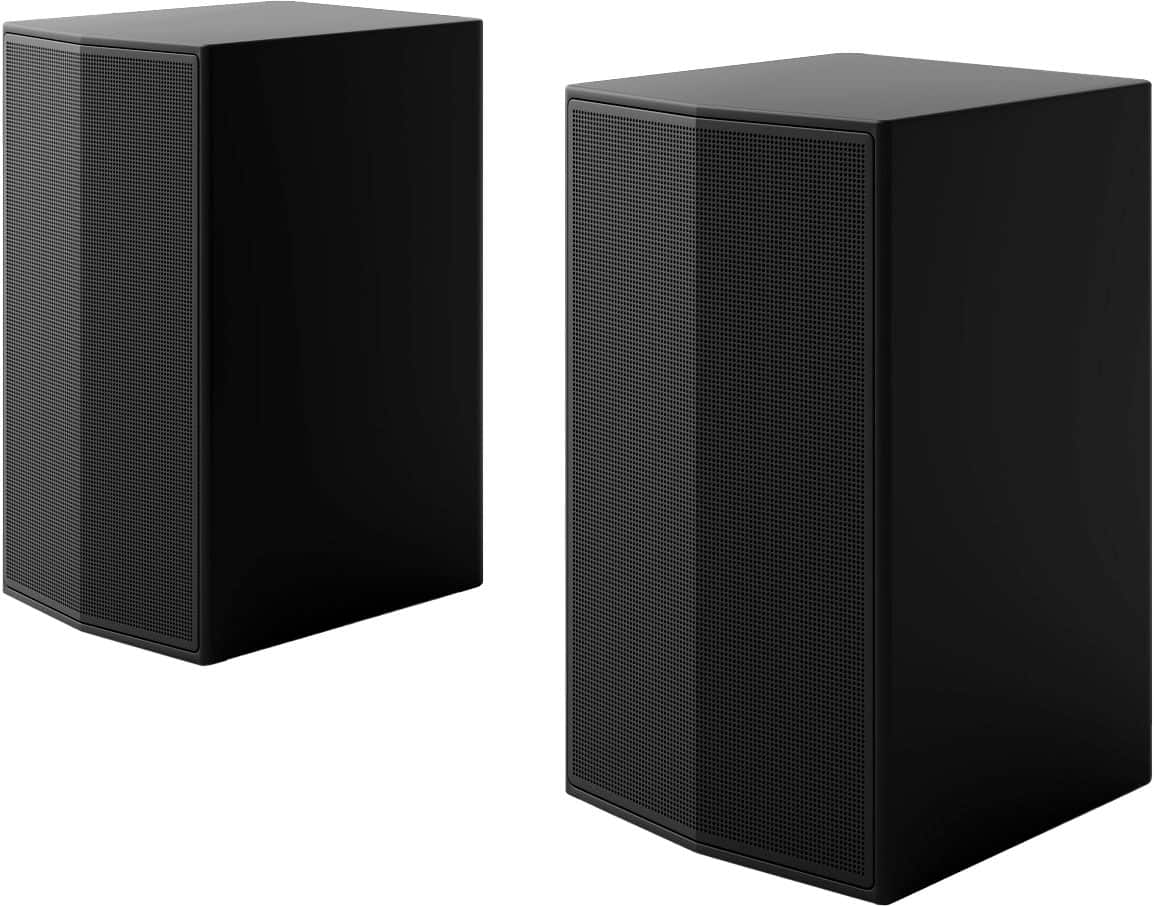
This is where the fundamental difference between these systems becomes clear. The LG S60TR creates a traditional 5.1 surround experience using its wireless rear speakers. When positioned correctly, these speakers do create a convincing sense of being surrounded by audio, particularly effective for content like sports broadcasts or concert films.
However, the S60TR is limited to Dolby Audio processing – essentially an enhanced version of traditional surround sound. It can't process true Dolby Atmos content, which means you're missing the height dimension that modern movies are increasingly designed around.
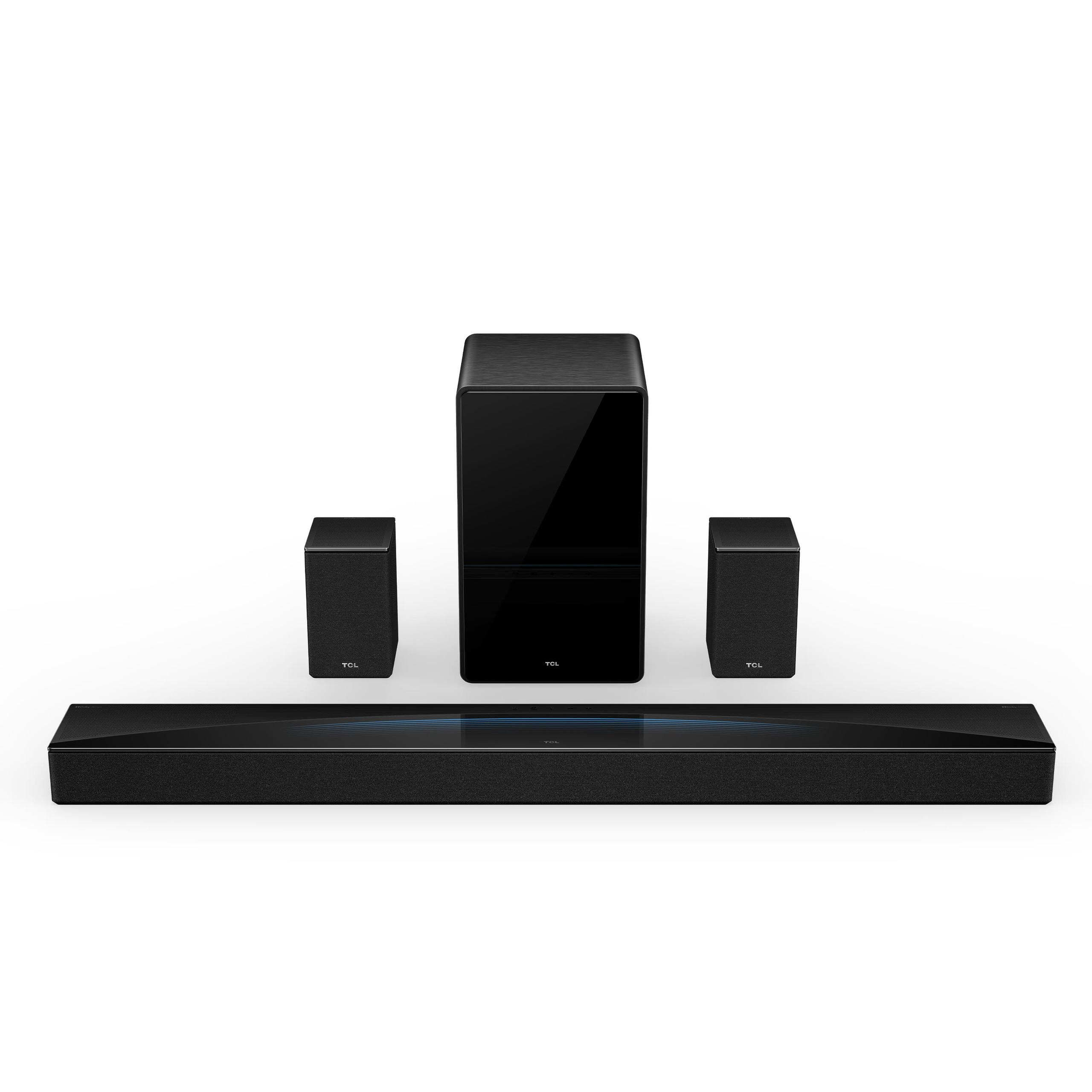
The TCL Q85H represents a generational leap in spatial audio. Its 7.1.4 configuration includes dedicated up-firing speakers that bounce sound off your ceiling, creating convincing overhead effects. During "Top Gun: Maverick," jet flyovers genuinely seemed to pass above my head – an effect impossible with traditional surround sound.
The system's DTS:X support adds another layer of sophistication. Unlike traditional surround formats that assign sounds to specific channels, DTS:X treats audio as objects that can be precisely placed anywhere in three-dimensional space. The result is more natural and convincing immersion.
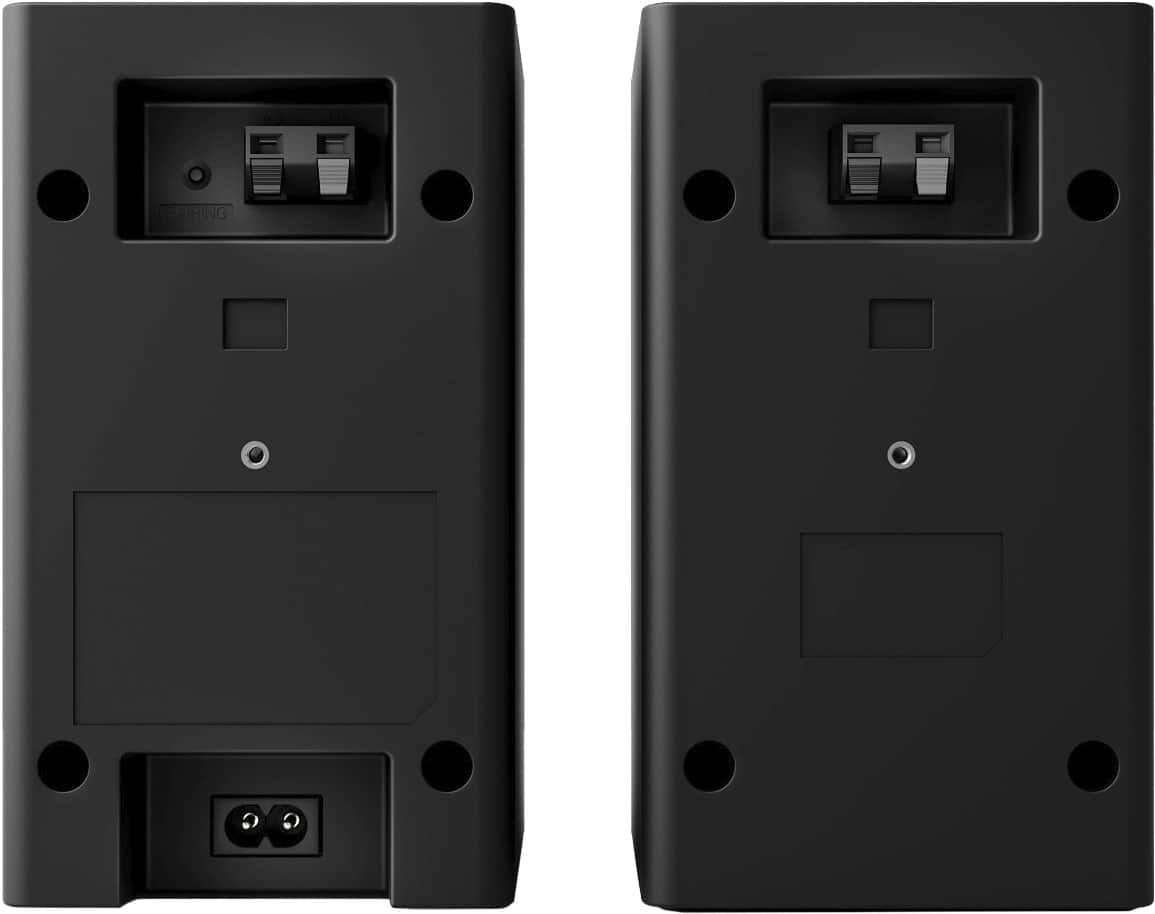
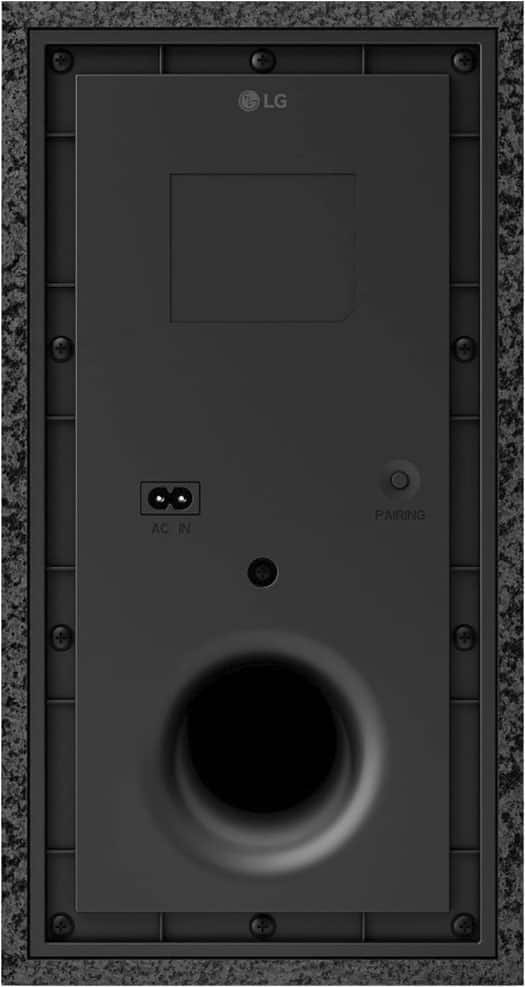
Setting up the LG S60TR proved straightforward in my testing. The wireless rear speakers connect to the subwoofer rather than directly to the soundbar, which simplifies the wireless network but requires running one cable between the rear speakers. This hybrid approach works reliably but isn't truly wireless.
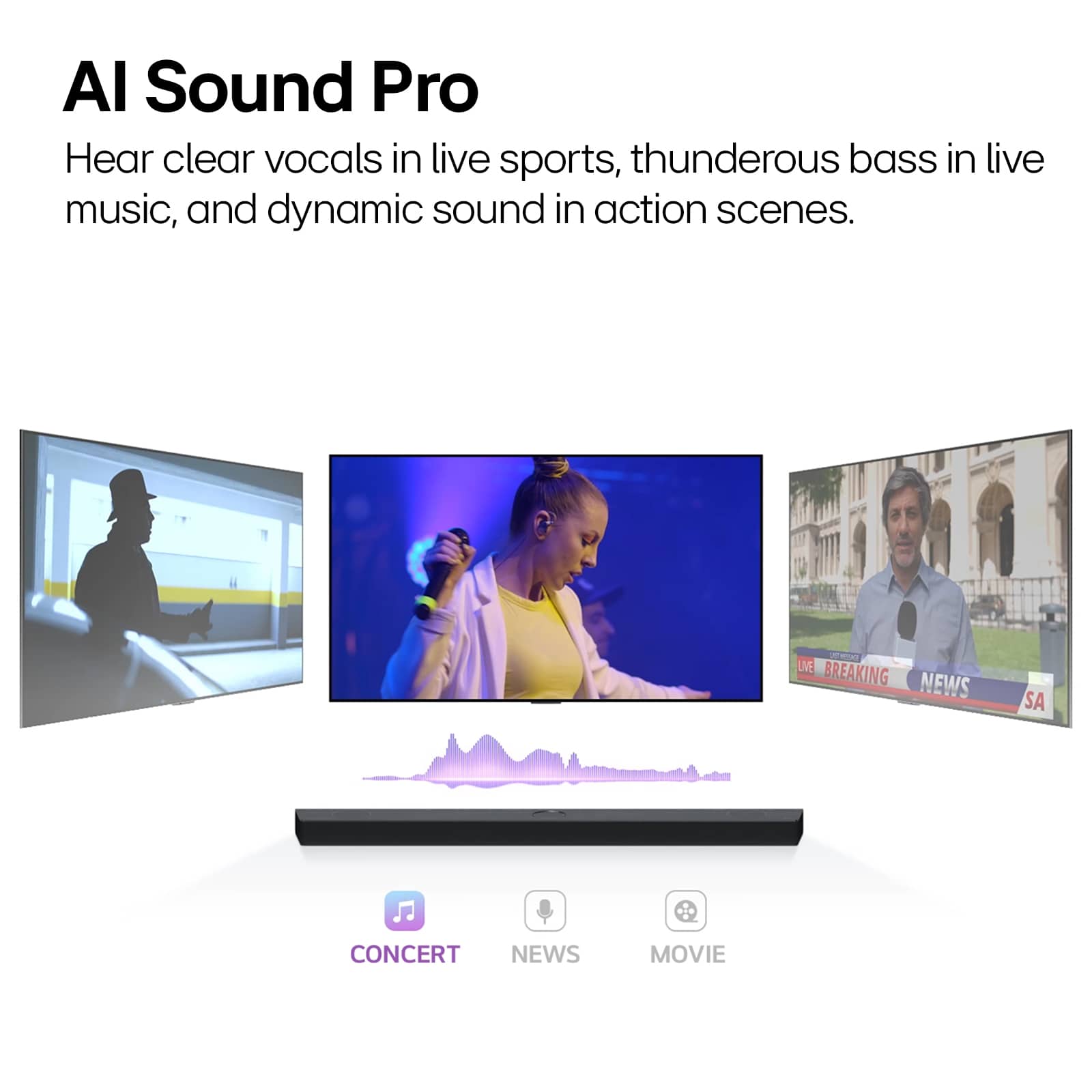
The system's integration with LG TVs is particularly smooth. Using LG's WOW interface, you can control both TV and soundbar with a single remote, adjusting volume and sound modes without switching devices. This convenience factor shouldn't be underestimated – it's these small touches that make the difference between equipment you use regularly and gear that sits idle.
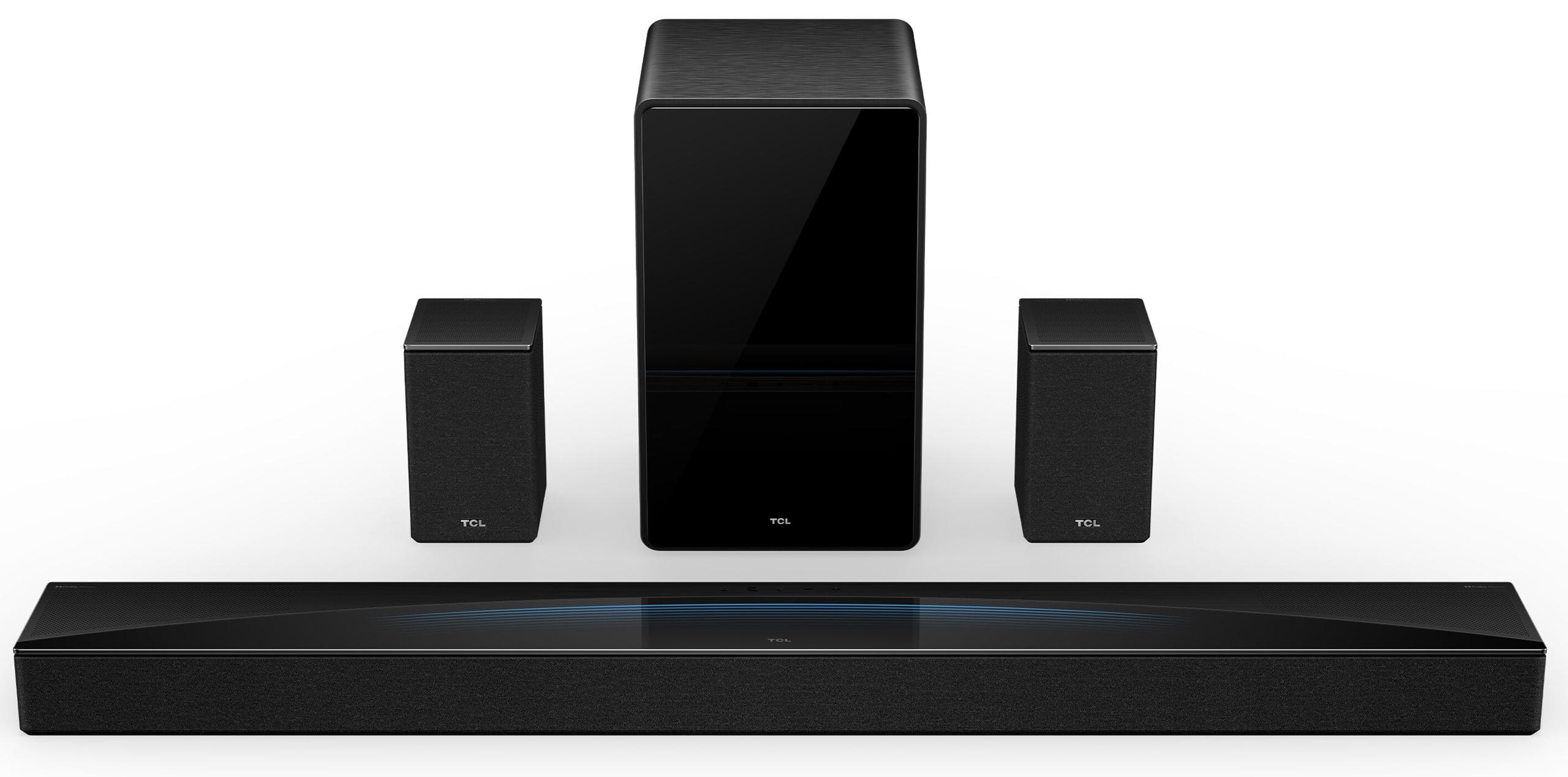
The TCL Q85H takes a more ambitious approach with fully wireless satellite speakers. Each rear speaker operates independently, simplifying placement but requiring more robust wireless protocols. TCL's implementation using Bluetooth 5.1 proved reliable in my testing, with no dropouts during several weeks of use.
The TCL's room calibration process is more sophisticated but requires patience. The AI Sonic system plays test tones while analyzing your room's acoustic response, then automatically adjusts dozens of parameters. The process takes about five minutes, but the results are worth it – the system sounds noticeably more balanced and natural afterward.
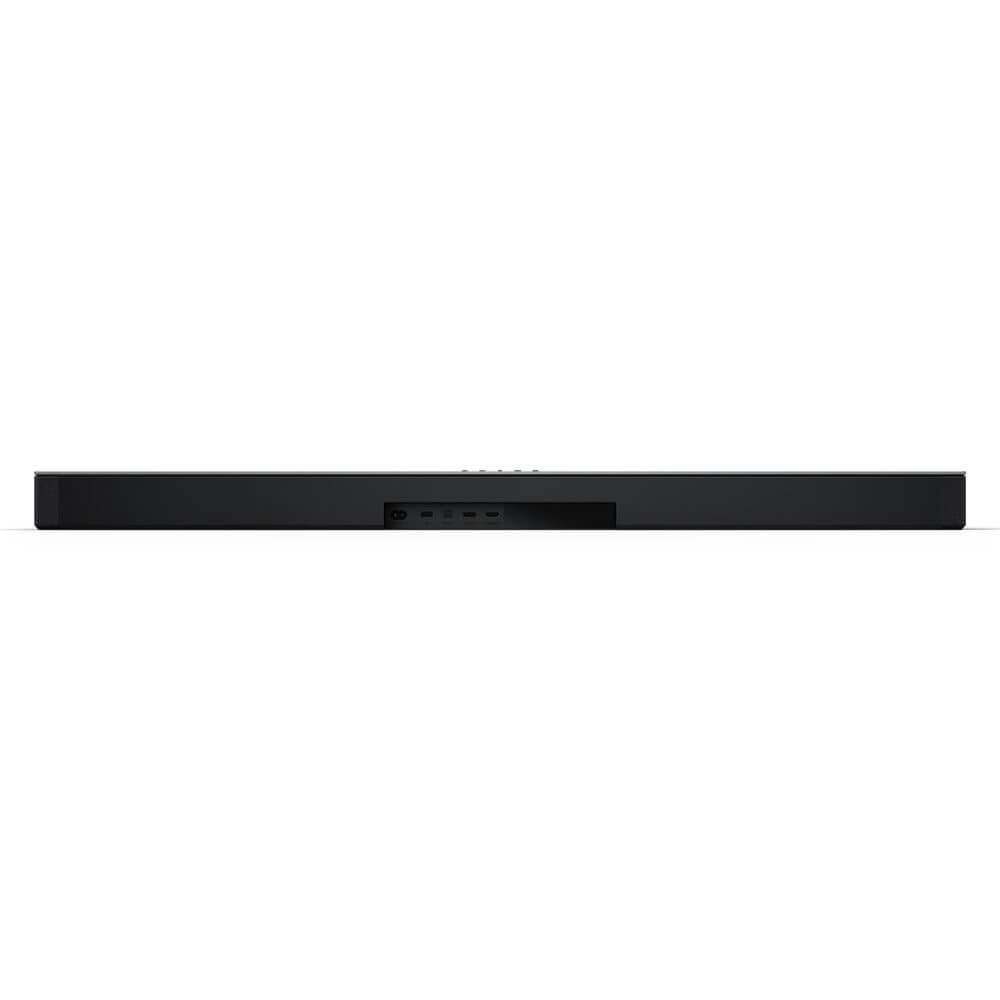
Both systems handle modern connectivity well, but with different strengths. The LG S60TR includes Wi-Fi connectivity alongside Bluetooth, enabling more sophisticated app control and potential future features through firmware updates. The LG Soundbar app provides comprehensive EQ controls and preset management.
The TCL Q85H focuses on Bluetooth streaming with their advanced 5.1 protocol, which provides better range and stability than older Bluetooth versions. However, it lacks Wi-Fi streaming capabilities, limiting you to Bluetooth for wireless audio. This isn't necessarily problematic – Bluetooth quality has improved dramatically – but it does limit future expandability.
Both systems support HDMI eARC, but the TCL includes HDMI 2.1 features like Variable Refresh Rate (VRR) and Auto Low Latency Mode (ALLM). These gaming-focused features ensure audio stays synchronized during fast-paced games, though neither system fully replaces dedicated gaming audio solutions.
At $299.99, the LG S60TR delivers impressive value for buyers seeking their first significant audio upgrade. The complete package – soundbar, wireless subwoofer, rear speakers, and all necessary cables – would cost significantly more if purchased separately. For apartments or smaller rooms, this system provides a substantial improvement over TV audio without breaking the budget.
However, value calculations change based on your priorities. If you primarily watch streaming content with basic 5.1 audio, the S60TR's limitations matter less. But if you're building a home theater around modern Blu-ray releases with Atmos soundtracks, you're paying for features you can't fully utilize.
The TCL Q85H at $499.99 represents a different value proposition. You're paying a $200 premium for significantly advanced features that typically cost much more in competing systems. Comparable Atmos soundbars from established brands often exceed $800, making the TCL an attractive option for buyers seeking premium features without premium pricing.
For dedicated home theater use, the differences between these systems become more pronounced. The LG S60TR works well for casual movie watching and TV viewing, but it can't fully reproduce the director's intended audio experience for Atmos-encoded films.
In my home theater setup – a 15x20 foot room with a 65-inch TV – the S60TR provided good surround effects but felt somewhat constrained during epic movie scenes. The system works best when you're focused on the screen, but it doesn't create the enveloping experience that makes you forget you're listening to speakers.
The TCL Q85H transforms the same space into something approaching a commercial theater experience. During "Dune," the system convincingly placed sound effects throughout the room's three-dimensional space. The sandworm scenes, in particular, demonstrated how effective height channels can be – the creatures seemed to emerge from below and circle overhead.
For gaming, the TCL's spatial audio capabilities provide competitive advantages in titles that support 3D audio. Footsteps in "Call of Duty" or environmental audio in "The Last of Us" become directional cues that enhance gameplay rather than just background noise.
The LG S60TR makes most sense for buyers with specific constraints or preferences. If your budget is firmly under $350, this system delivers the best combination of features and performance available. It's particularly compelling for apartment dwellers or anyone with space limitations – the system provides substantial audio improvement without overwhelming smaller rooms.
LG TV owners get additional value through seamless integration features. The single-remote control and automatic audio synchronization remove common frustrations that plague mixed-brand setups. If simplicity and reliability matter more than cutting-edge features, the S60TR delivers.
The system also works well for primarily TV-focused viewing. If your content consists mainly of streaming shows, sports, and occasional movies, the S60TR's 5.1 capabilities handle this content excellently. You won't miss Atmos features you're not using.
The TCL Q85H justifies its higher price for buyers seeking a more immersive experience. If you regularly watch new movies, particularly action or science fiction films with sophisticated soundtracks, the Atmos capabilities provide a substantially better experience.
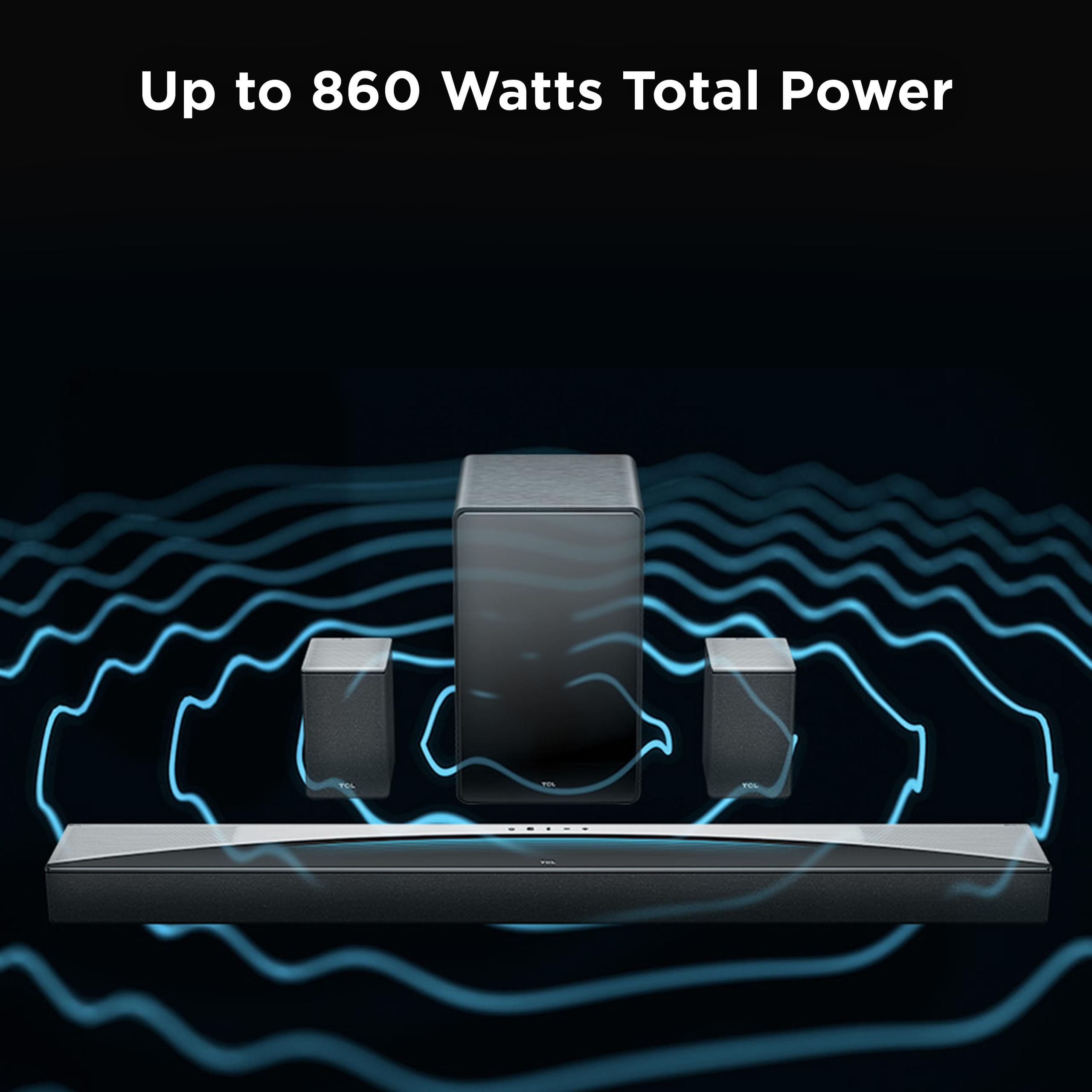
Room size considerations favor the TCL for medium to large spaces. The system's 860-watt total power and advanced driver technology can fill larger rooms without strain, while the room calibration ensures optimal performance regardless of your seating position.
Gaming enthusiasts benefit from the TCL's spatial audio capabilities and HDMI 2.1 features. Modern games increasingly support 3D audio, and the height channels provide immersive experiences that traditional surround sound cannot match.
After extensive testing, both systems succeed in their intended markets, but they serve different needs. The LG S60TR at $299.99 provides exceptional value for buyers seeking a comprehensive audio upgrade without premium pricing. It handles dialogue clearly, provides adequate bass, and creates convincing surround effects for traditional content.
The TCL Q85H at $499.99 represents a significant step up in immersive audio capabilities. The Atmos support, superior bass control, and advanced spatial processing justify the higher price for buyers building dedicated home theaters or seeking future-proof audio solutions.
Your decision should ultimately depend on your room size, content preferences, and budget flexibility. If you're upgrading from TV speakers for the first time, the LG provides dramatic improvement at an accessible price. If you're seeking to recreate the cinema experience at home, the TCL delivers premium features at a competitive price point.
Both represent smart purchases within their respective segments – the key is honestly assessing your needs and choosing the system that matches your priorities and space.
| LG S60TR 5.1 Channel Soundbar | TCL Q85H Q Class 7.1.4 Channel Sound Bar System |
|---|---|
| Price - Budget impact for the features you get | |
| $299.99 (excellent value for 5.1 system) | $499.99 (premium features at competitive price) |
| Channel Configuration - Determines spatial audio capabilities | |
| 5.1 channels (no height effects) | 7.1.4 channels (full 3D audio with overhead effects) |
| Dolby Atmos Support - Essential for modern movie soundtracks | |
| Dolby Audio only (limited spatial processing) | Full Dolby Atmos + DTS:X (true 3D immersion) |
| Total Power Output - Raw power for room filling sound | |
| 440W total power | 860W total power (nearly double the output) |
| Subwoofer Performance - Critical for bass impact and control | |
| 220W wireless sub (adequate but lacks precision) | 6.5" driver with Bass Boost tech (deeper, more controlled) |
| Rear Speaker Setup - Affects placement flexibility | |
| Wireless to subwoofer, wired between speakers | Fully wireless satellite speakers (easier placement) |
| Room Calibration - Optimizes sound for your specific space | |
| Basic sound optimization | AI Sonic room correction (analyzes and adjusts automatically) |
| Release Date - Indicates technology generation | |
| 2022 (proven but older tech) | 2024 (latest features and processing) |
| Best Room Size - Where each system performs optimally | |
| Small to medium rooms (under 200 sq ft) | Medium to large rooms (200+ sq ft) |
| Primary Strength - What each does exceptionally well | |
| Clear dialogue and simple setup | Immersive Atmos experience with powerful bass |
The LG S60TR at $299.99 provides exceptional value for buyers seeking their first major audio upgrade, delivering a complete 5.1 system with wireless subwoofer and rear speakers. The TCL Q85H at $499.99 offers premium features like Dolby Atmos and 860W power that typically cost $800+ in competing systems, making it excellent value for home theater enthusiasts.
For casual movie watching, the LG S60TR provides clear dialogue and good surround effects. For dedicated home theater use, the TCL Q85H is significantly better, offering true Dolby Atmos processing that reproduces the director's intended audio experience with overhead effects and superior immersion.
Both the LG S60TR and TCL Q85H come with standard 1-year warranties. LG has a longer track record in audio equipment with established service networks, while TCL is newer to premium audio but has been building reputation for reliability. Both brands offer adequate customer support for their respective price points.
We've done our best to create useful and informative comparisons to help you decide what product to buy. Our research uses advanced automated methods to create this comparison and perfection is not possible - please contact us for corrections or questions. These are the sites we've researched in the creation of this article: bestbuy.com - mynavyexchange.com - youtube.com - consumerreports.org - avsforum.com - rentacenter.com - bestbuy.com - homechoicestores.com - oconsommateur.com - lg.com - bestbuy.com - samsung.com - gamerant.com - bestbuy.com - tcl.com - bestbuy.com - tcl.com - tcl.com - nfm.com - tcl.com - electronicexpress.com - tcl.com - tcl.com - digitaltrends.com

Privacy Policy
Terms and Conditions - Affiliate Policy
Home Security
© Copyright 2008-2026.
11816 Inwood Rd #1211, Dallas, TX 75244