

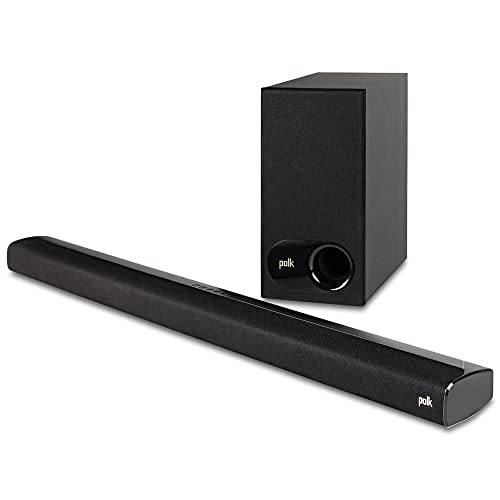
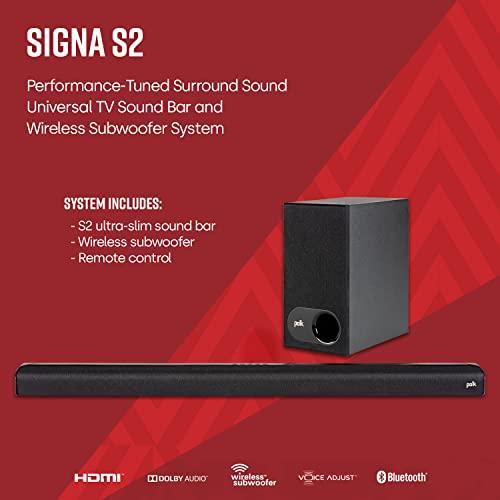
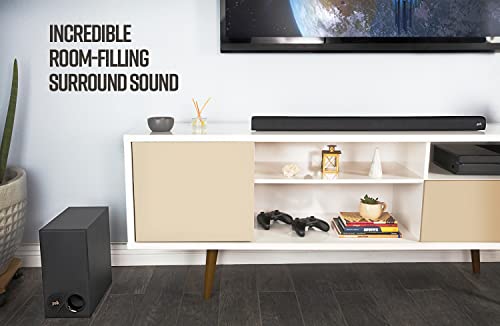

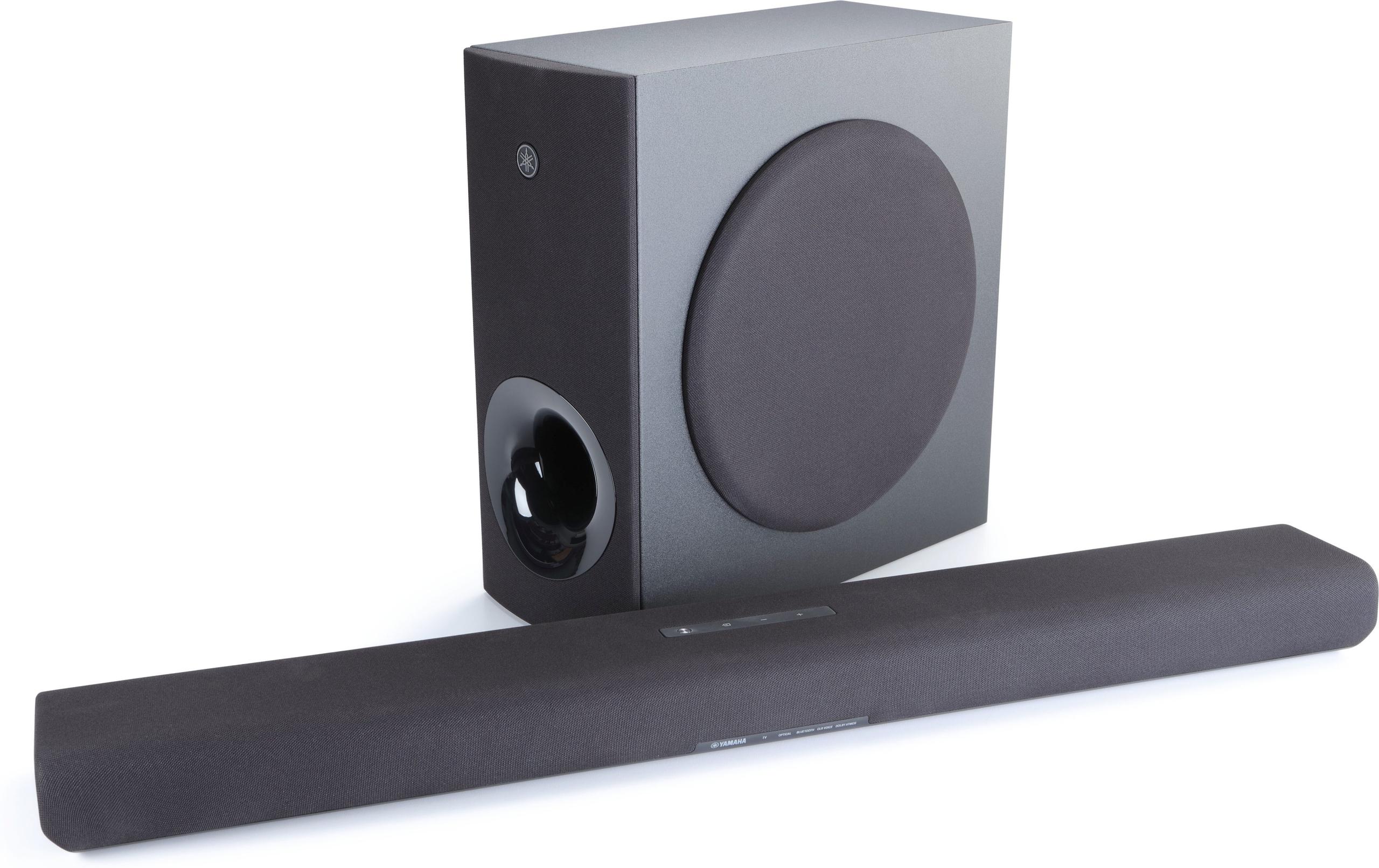
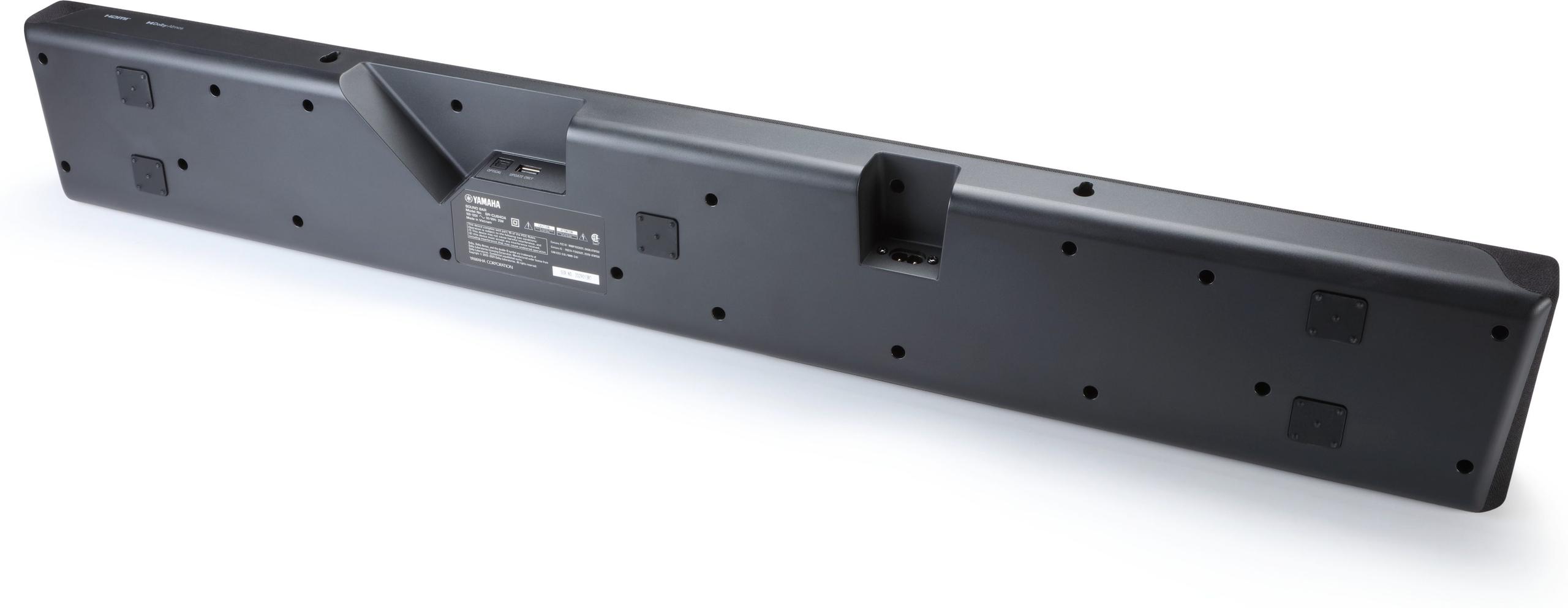
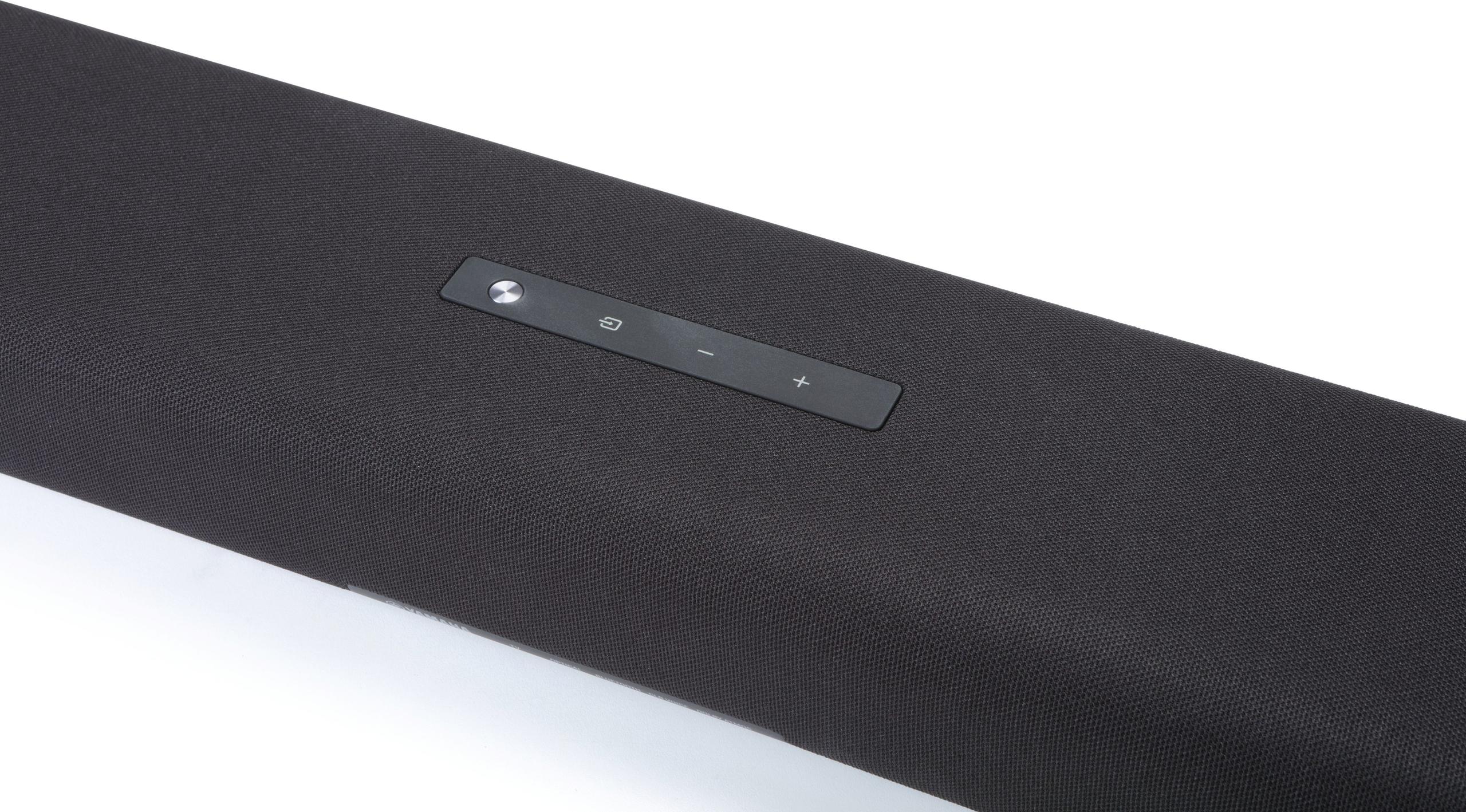
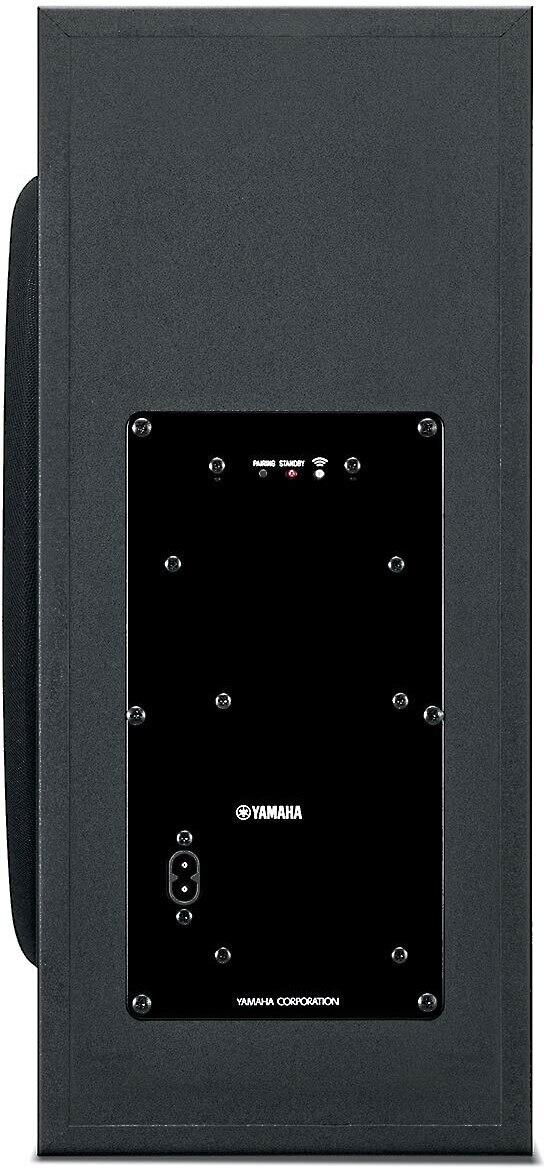
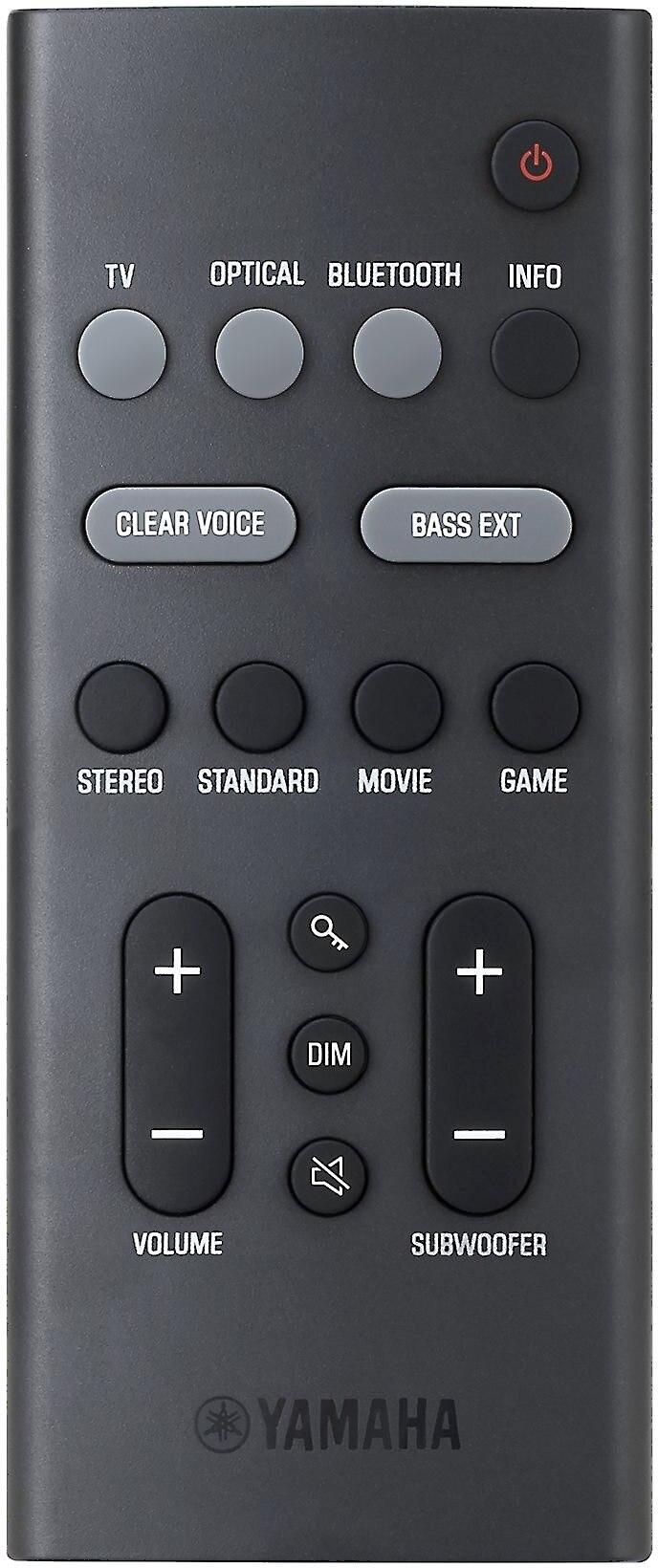
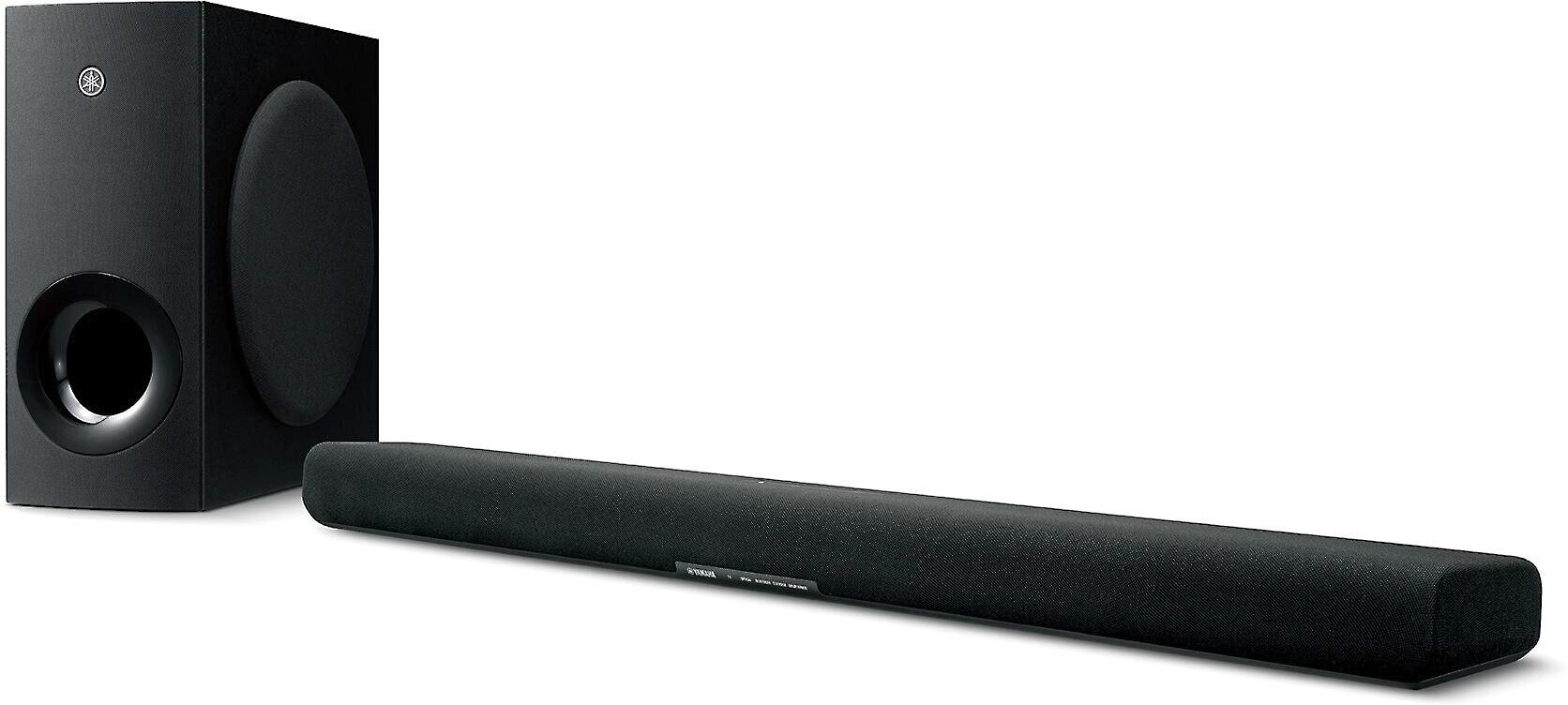
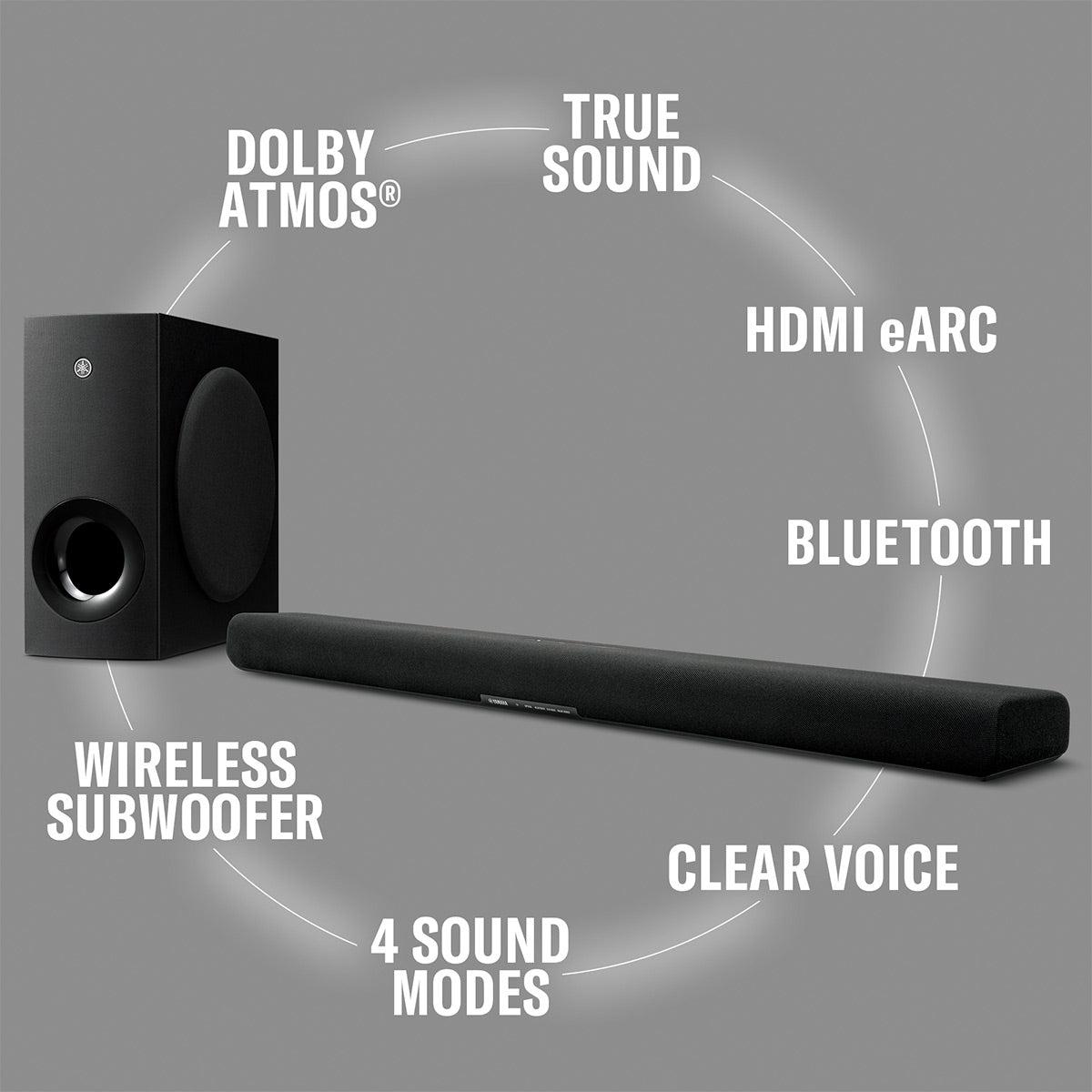
Finding the right soundbar can transform your entire entertainment experience, but with dozens of options flooding the market, choosing between seemingly similar models becomes surprisingly complex. Today we're comparing two popular 2.1-channel soundbars that, despite appearing similar on paper, deliver dramatically different experiences: the budget-friendly Polk Audio Signa S2 and the premium Yamaha SR-B40A.
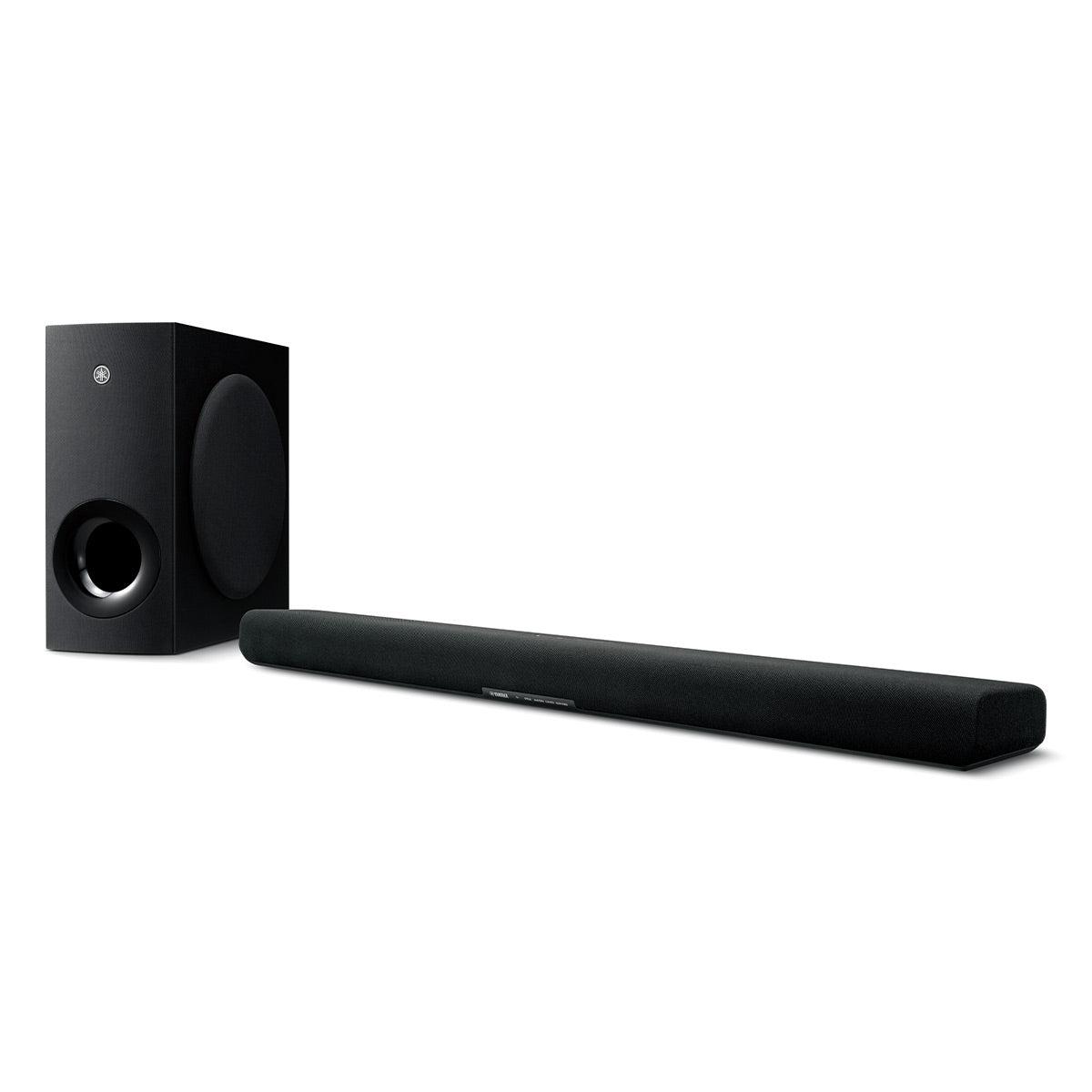
Before diving into specifics, let's establish what we're dealing with. A 2.1-channel soundbar combines a main horizontal speaker unit with a separate wireless subwoofer. The "2.1" designation means two main channels (left and right) plus one dedicated low-frequency channel (the ".1" subwoofer). This configuration represents the sweet spot for most homes – significantly better than built-in TV speakers without the complexity of full surround sound systems.
The key considerations when evaluating any 2.1 soundbar include audio quality across different frequency ranges, bass performance and integration, room coverage capabilities, connectivity options, and overall value proposition. What makes this comparison particularly interesting is how these two products approach these fundamentals from completely different philosophical angles.
The Polk Audio Signa S2 launched as part of Polk's effort to democratize better TV audio, targeting first-time soundbar buyers who want meaningful improvement without breaking the bank. At the time of writing, it typically retails for significantly less than premium alternatives, often appearing in the sub-$200 category.
The Yamaha SR-B40A, released more recently in 2023, represents Yamaha's approach to bringing their decades of audio engineering expertise to the mainstream soundbar market. Positioned in the mid-premium segment at the time of writing, it costs roughly 70% more than the Polk but promises dramatically enhanced performance.
This price gap isn't arbitrary – it reflects fundamental differences in engineering approach, component quality, and target performance goals. Understanding these differences helps explain why seemingly similar products can sound so dramatically different in practice.
The Polk Audio Signa S2 employs what audio engineers call a "V-shaped" sound signature. This means the system deliberately emphasizes both bass and treble frequencies while maintaining relatively neutral midrange reproduction. This approach creates an immediately impressive sound that makes music feel more energetic and movie explosions more impactful.
However, this emphasis comes with trade-offs. The boosted treble can make some content sound artificially bright or harsh, particularly with poorly mastered streaming content. The emphasized bass, while initially impressive, can overwhelm dialogue during complex movie soundtracks. Think of it like turning up both the bass and treble knobs on an old stereo – it grabs attention but isn't necessarily accurate to the original recording.
The Polk's total system power output of 40 watts reflects its positioning as an entry-level upgrade. While adequate for smaller rooms, pushing the system to high volumes introduces compression and distortion that degrades the listening experience. This limitation becomes particularly noticeable during action sequences where dynamic range – the difference between quiet dialogue and loud explosions – matters most.
The Yamaha SR-B40A takes a fundamentally different approach, drawing from Yamaha's extensive experience manufacturing professional audio equipment and musical instruments. Rather than artificially boosting specific frequencies, Yamaha focuses on natural tonal balance that remains true to the original content.
This philosophy shows immediately in the power specifications: 200 watts total system power represents five times the output of the Polk. More importantly, Yamaha's conservative power ratings typically reflect real-world performance rather than theoretical peaks, meaning you get clean, distortion-free sound even at reference volumes.
The difference becomes obvious when watching complex movie soundtracks. Where the Polk Audio Signa S2 might struggle to maintain clarity during intense action sequences, the Yamaha SR-B40A maintains separation between dialogue, music, and effects even at high volumes. This isn't just about being louder – it's about maintaining fidelity when the content demands it most.
Bass performance represents perhaps the most significant difference between these systems, and understanding why requires diving into some technical details.
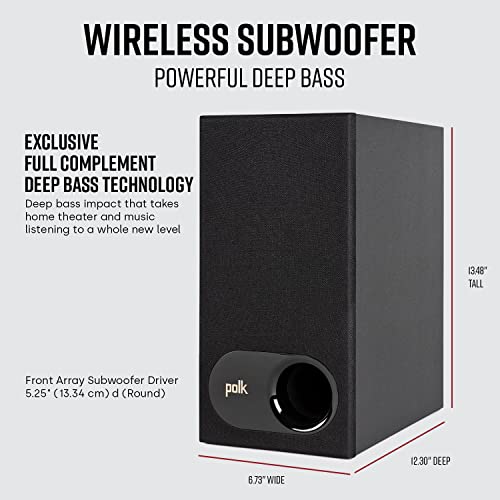
The Polk Audio Signa S2 includes a 5.25-inch wireless subwoofer housed in a ported enclosure. While compact and convenient, physics imposes limitations on what such a small driver can accomplish. The ported design helps extend low-frequency response, but the small driver struggles with the kind of deep, powerful bass that makes action movies truly immersive.
In practice, this translates to bass that sounds adequate for TV shows and casual music listening but lacks the authority needed for movie soundtracks. The system compensates by emphasizing mid-bass frequencies – the range around 80-120 Hz – which creates an impression of more bass than actually exists. This approach works for highlighting kick drums in music but can make movie explosions sound boomy rather than genuinely deep and impactful.
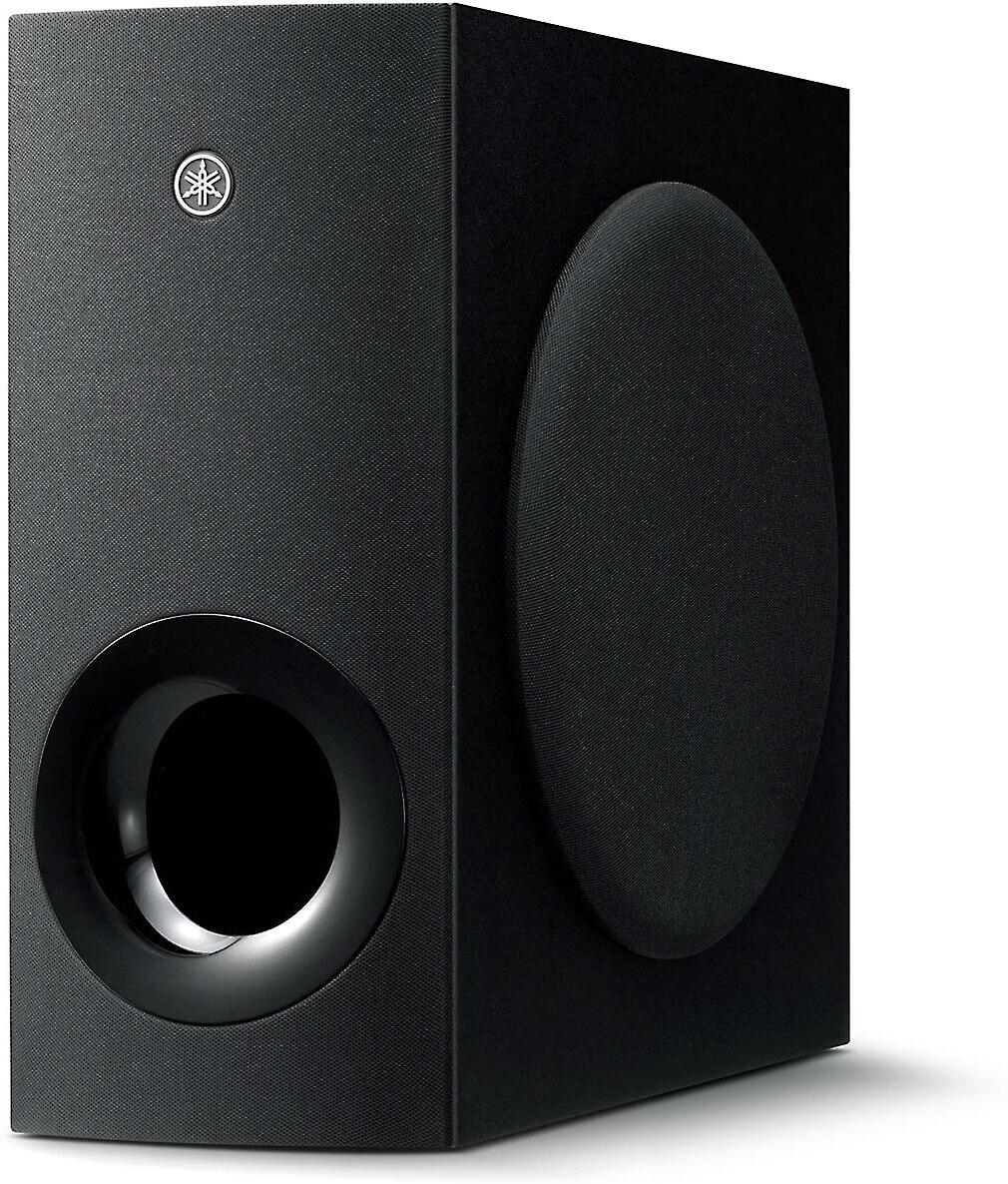
The Yamaha SR-B40A features a larger 6.25-inch subwoofer driven by a dedicated 100-watt amplifier – more than double the Polk's entire system power. This combination delivers what Yamaha calls "floor-trembling realism," and the description isn't hyperbole. The larger driver and dedicated amplification enable true low-frequency extension that you feel as much as hear.
Beyond raw output, bass integration – how well the subwoofer blends with the main soundbar – separates good systems from great ones. The Polk Audio Signa S2 achieves adequate integration for its price point, though careful placement becomes crucial to avoid boomy or uneven bass response.
The Yamaha SR-B40A includes sophisticated bass management that automatically adjusts output based on room acoustics and content type. The Bass Extension feature provides additional control, allowing users to tailor low-frequency response to their preferences and room characteristics. This level of customization reflects Yamaha's understanding that every room presents unique acoustic challenges.
Most people spend more time watching TV shows and news than blockbuster movies, making dialogue clarity arguably the most important performance metric for any soundbar.
The Polk Audio Signa S2 addresses dialogue clarity through VoiceAdjust technology, which specifically boosts vocal frequencies to cut through background music and effects. This approach works well for content where dialogue struggles to compete with other elements, such as action movies or poorly mixed streaming shows.
However, VoiceAdjust represents a somewhat blunt instrument approach. While effective at making voices more audible, it can make overall sound quality more nasal or harsh, particularly at higher settings. The technology essentially applies equalization that favors human vocal ranges, which helps with clarity but isn't always natural-sounding.
The Yamaha SR-B40A includes Clear Voice technology that takes a more sophisticated approach. Rather than simply boosting vocal frequencies, the system uses digital signal processing to enhance speech intelligibility while maintaining natural tonal balance. This means dialogue sounds clearer without the artificial coloration that can plague simpler enhancement systems.
The difference becomes apparent during complex soundtracks where multiple elements compete for attention. The Yamaha maintains dialogue clarity through superior dynamic range handling rather than frequency manipulation, resulting in more natural-sounding speech reproduction.
Perhaps the most significant feature difference lies in surround sound processing. The Polk Audio Signa S2 provides basic stereo reproduction with some spatial enhancement, adequate for improving upon TV speakers but limited in creating immersive experiences.
The Yamaha SR-B40A includes Dolby Atmos processing, which creates virtual height effects that simulate sounds coming from above the listener. While not as convincing as dedicated height speakers, this technology adds a three-dimensional quality to movie soundtracks that makes action sequences significantly more engaging.
Dolby Atmos works by analyzing the spatial metadata embedded in modern movie soundtracks and using psychoacoustic processing to create the illusion of height. The effect varies with content – some movies benefit dramatically while others show minimal improvement – but when it works well, the enhancement is genuinely impressive.
Both systems offer multiple listening modes, but their approaches differ significantly. The Polk Audio Signa S2 provides basic Movie, Music, and Night modes that apply different equalization presets. Night mode reduces dynamic range to prevent loud scenes from disturbing others – useful for apartment living.
The Yamaha SR-B40A includes more sophisticated modes including a dedicated Game mode that enhances spatial cues important for gaming. The system also offers more granular tone controls accessible through Yamaha's mobile app, allowing users to fine-tune bass, treble, and Clear Voice settings to their preferences.
Understanding how these systems perform in different room sizes helps determine which suits your specific situation.
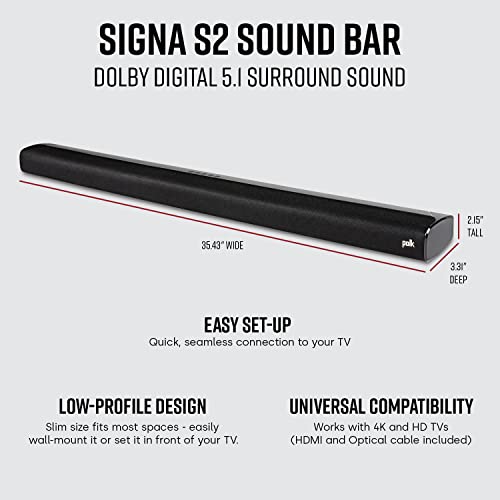
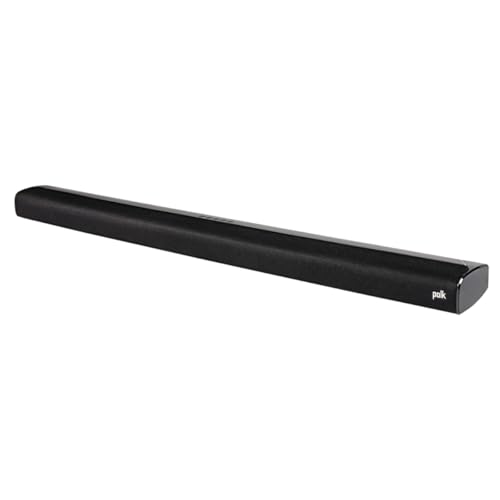
In smaller spaces – bedrooms, apartments, or secondary TV areas – the Polk Audio Signa S2 often provides adequate performance at a fraction of the cost. The ultra-slim 2.15-inch profile fits easily in front of most TVs without blocking IR sensors, and the modest power output won't overwhelm smaller spaces.
However, even in smaller rooms, the superior audio quality of the Yamaha SR-B40A becomes apparent during critical listening. The cleaner power delivery and better component quality result in more detailed, natural sound reproduction regardless of room size.
In larger spaces, the power difference becomes crucial. The Polk Audio Signa S2 simply lacks the output needed to fill large rooms effectively, and pushing it to maximum volume introduces distortion that degrades the listening experience.
The Yamaha SR-B40A excels in larger spaces where its 200-watt output and superior bass extension can be fully utilized. The system maintains clarity and impact even in challenging acoustic environments like open-concept living spaces where sound has room to dissipate.
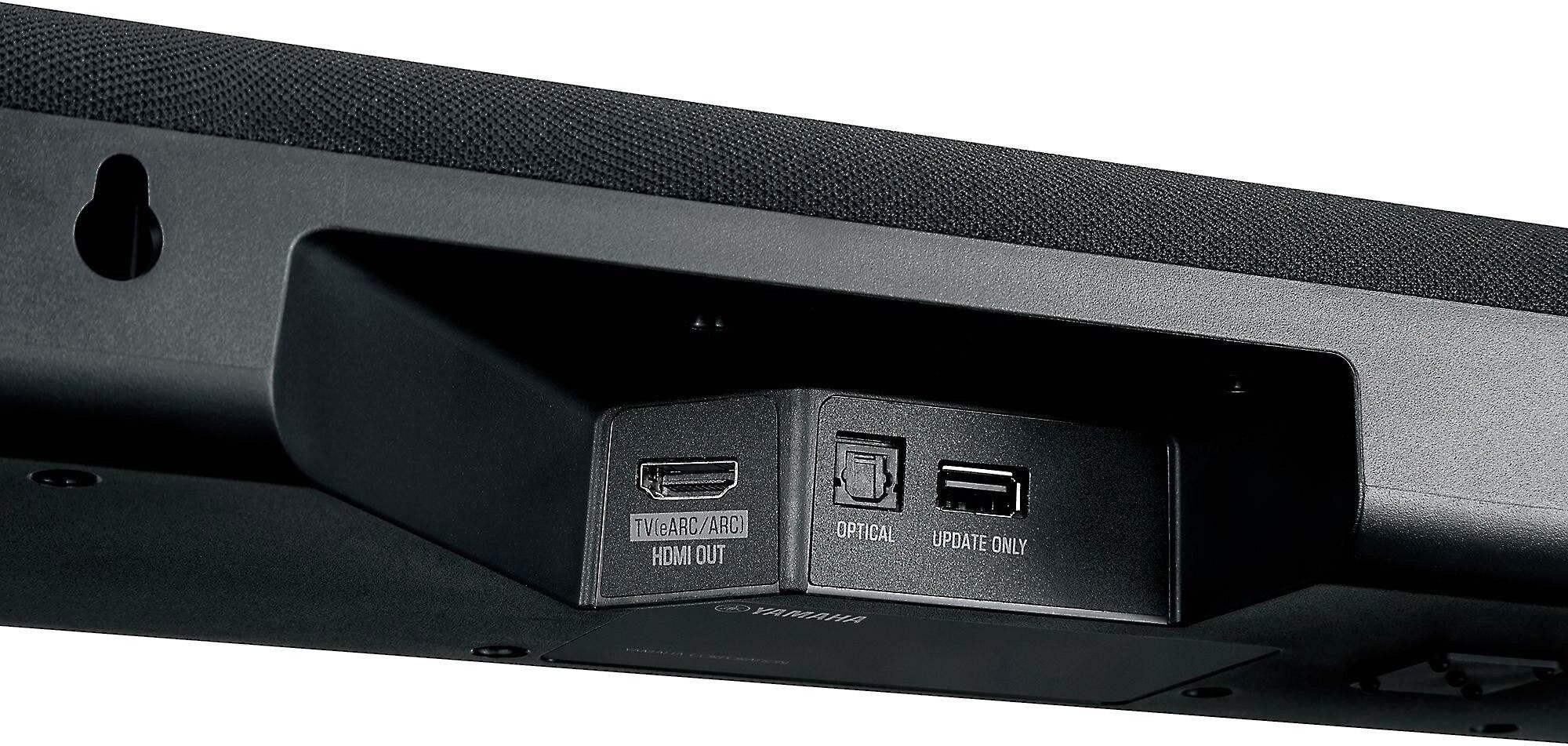
For dedicated home theater applications, the differences become even more pronounced. The Yamaha SR-B40A supports HDMI eARC (enhanced Audio Return Channel), which enables higher-quality audio formats from streaming services and Blu-ray players. This connectivity ensures compatibility with evolving audio standards and higher-resolution content.
The Dolby Atmos support also provides some future-proofing as more streaming content adopts immersive audio formats. While not as comprehensive as dedicated surround systems, the virtual height processing keeps pace with modern content requirements.
At the time of writing, the price difference between these systems reflects genuine performance gaps rather than marketing positioning. The Polk Audio Signa S2 delivers meaningful improvement over TV speakers at an accessible price point, making it excellent value for budget-conscious buyers who primarily watch TV shows and listen to music.
The Yamaha SR-B40A costs significantly more but provides proportionally better performance across every metric. The superior build quality, more powerful amplification, advanced processing, and natural sound balance justify the premium for users seeking long-term satisfaction.
Choose the Polk Audio Signa S2 if you're working with a tight budget, have a smaller room, or primarily need better dialogue clarity for TV viewing. It's an excellent first soundbar that provides immediate improvement over built-in TV speakers without requiring significant investment.
The Yamaha SR-B40A makes sense for users who can invest in better performance and want a system that won't leave them wanting more within a year. If you regularly watch movies, play games, or listen to music through your TV system, the superior audio quality and advanced features provide lasting satisfaction.
For home theater enthusiasts, the Yamaha represents better long-term value despite the higher upfront cost. The combination of Dolby Atmos processing, superior power handling, and natural sound balance creates a foundation that remains satisfying as your expectations evolve.
Ultimately, both systems succeed within their intended markets. The Polk democratizes better TV audio for budget-conscious buyers, while the Yamaha brings genuine audio quality improvements that justify their premium positioning. Understanding your priorities, room requirements, and content preferences helps determine which approach better serves your specific needs.
| Polk Audio Signa S2 | Yamaha SR-B40A |
|---|---|
| Total System Power - Critical for room filling capability and clean sound at high volumes | |
| 40W total (adequate for small-medium rooms) | 200W total (excellent for large rooms, 5x more powerful) |
| Subwoofer Driver Size - Directly impacts bass depth and impact for movies | |
| 5.25" wireless subwoofer (compact but limited low-end) | 6.25" wireless subwoofer with 100W amp (floor-trembling bass) |
| Sound Processing Technology - Affects immersion and spatial audio quality | |
| Basic stereo with VoiceAdjust dialogue enhancement | Dolby Atmos virtual surround with True Sound engineering |
| Soundbar Dimensions - Important for TV stand compatibility and aesthetics | |
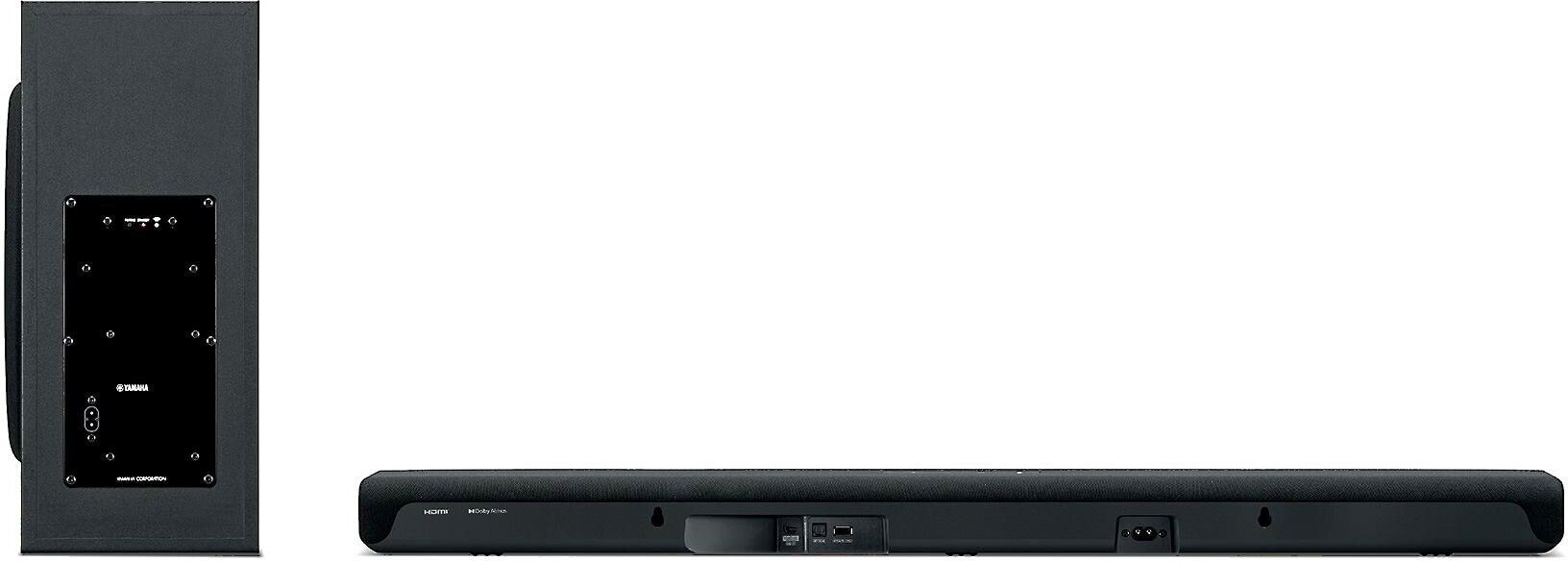
| Ultra-slim 2.15" height (fits under most TVs easily) | Standard 2.68" height (may block some TV sensors) |
| Frequency Response Range - Determines audio spectrum coverage | |
| 45 Hz – 20 kHz (good overall range) | Not specified (likely superior based on larger drivers) |
| Sound Modes - Customization options for different content types | |
| Movie, Music, Night modes with basic EQ | Stereo, Standard, Movie, Game modes with advanced processing |
| Connectivity Options - Affects compatibility with modern devices | |
| HDMI ARC, Optical, 3.5mm AUX, Bluetooth | HDMI eARC, Optical, Bluetooth 5.1 with AAC codec support |
| Voice Enhancement Technology - Critical for dialogue clarity in shows and movies | |
| VoiceAdjust technology (boosts vocal frequencies) | Clear Voice with advanced DSP (natural speech enhancement) |
| Mobile App Control - Convenience factor for daily use | |
| No dedicated app (remote control only) | Sound Bar Remote app with tone controls and advanced settings |
| Build Quality Indicators - Reflects long-term durability and performance consistency | |
| Basic construction, 1-2 year warranty | Premium build quality with Yamaha's audio engineering heritage |
| Target Room Size - Helps determine if power output matches your space | |
| Small to medium rooms (up to ~200 sq ft) | Medium to large rooms (300+ sq ft) with open concepts |
| Best Use Case - Who should choose each product | |
| Budget-conscious buyers, dialogue-focused viewing, compact spaces | Movie enthusiasts, gamers, users wanting long-term audio quality |
The Yamaha SR-B40A is significantly better for movies due to its Dolby Atmos processing, which creates virtual height effects for more immersive sound. It also has 200W of total power compared to the Polk Audio Signa S2's 40W, delivering cleaner audio during intense action scenes. The Yamaha's larger 6.25" subwoofer provides much deeper bass for explosions and dramatic moments.
The Yamaha SR-B40A offers more natural, balanced sound thanks to Yamaha's True Sound engineering, while the Polk Audio Signa S2 uses a V-shaped sound signature that emphasizes bass and treble. The Yamaha maintains clarity at high volumes and has five times more power output, resulting in cleaner, more detailed audio reproduction across all content types.
The Yamaha SR-B40A has dramatically superior bass with its 6.25" subwoofer powered by a dedicated 100W amplifier. This delivers what Yamaha calls "floor-trembling" bass that you can feel during movies. The Polk Audio Signa S2 has a smaller 5.25" subwoofer that provides adequate bass for TV shows but lacks the deep impact needed for action movies.
Both soundbars excel at dialogue clarity, but through different approaches. The Polk Audio Signa S2 uses VoiceAdjust technology that specifically boosts vocal frequencies, making it excellent for TV shows and news. The Yamaha SR-B40A uses Clear Voice technology with advanced digital processing for more natural-sounding speech enhancement without artificial coloration.
The Polk Audio Signa S2 offers excellent value for budget-conscious buyers, providing meaningful improvement over TV speakers at an accessible price point. However, the Yamaha SR-B40A delivers proportionally better performance that justifies its higher cost, especially for users who want long-term satisfaction and frequently watch movies or play games.
The Polk Audio Signa S2 is ideal for small to medium rooms, bedrooms, or apartments where its 40W output is sufficient. The Yamaha SR-B40A excels in larger rooms and open-concept spaces where its 200W power output can be fully utilized without distortion, making it perfect for primary living rooms and dedicated home theater setups.
Only the Yamaha SR-B40A supports Dolby Atmos, which creates virtual height effects for more immersive movie experiences. The Polk Audio Signa S2 provides basic stereo enhancement but lacks advanced surround sound processing. This makes the Yamaha significantly better for modern streaming content and Blu-ray movies with immersive audio tracks.
Both soundbars are relatively easy to set up, but the Polk Audio Signa S2 has a slight edge with its ultra-slim 2.15" profile that fits under most TVs without blocking sensors. The Yamaha SR-B40A offers more customization through its mobile app but requires slightly more configuration to optimize performance for your specific room and preferences.
Both soundbars include HDMI ARC, optical, and Bluetooth connectivity. However, the Yamaha SR-B40A features HDMI eARC support for higher-quality audio formats and Bluetooth 5.1 with AAC codec for better wireless music streaming. The Polk Audio Signa S2 includes a 3.5mm AUX input for additional device compatibility.
The Yamaha SR-B40A is superior for gaming with its dedicated Game mode that enhances spatial audio cues important for competitive gaming. Its higher power output and Dolby Atmos processing create more immersive gaming experiences. The Polk Audio Signa S2 provides basic audio improvement but lacks gaming-specific optimizations.
The Polk Audio Signa S2 features a compact, ultra-slim design that prioritizes space-saving over premium materials. The Yamaha SR-B40A demonstrates superior build quality with more robust construction designed to handle higher power output without distortion, reflecting Yamaha's decades of audio engineering experience and premium positioning.
Choose the Polk Audio Signa S2 if you're on a tight budget, have a smaller room, or primarily watch TV shows and need better dialogue clarity. The Yamaha SR-B40A is ideal for movie enthusiasts, gamers, or anyone wanting superior audio quality who can invest in better long-term performance with Dolby Atmos support and powerful bass for home theater experiences.
We've done our best to create useful and informative comparisons to help you decide what product to buy. Our research uses advanced automated methods to create this comparison and perfection is not possible - please contact us for corrections or questions. These are the sites we've researched in the creation of this article: rtings.com - youtube.com - bestbuy.com - rtings.com - consumerreports.org - rtings.com - youtube.com - hometechnologyreview.com - soundbars.com - youtube.com - manuals.plus - creativeaudio.net - parts-express.com - thomsunmusic.com - polkaudio.com - manuals.plus - polkaudio.com - polkaudio.com - polkaudio.com - bestbuy.com - youtube.com - youtube.com - polkaudio.com - crutchfield.com - visions.ca - shop.usa.yamaha.com - bestbuy.com - bestbuy.com - usa.yamaha.com - my.yamaha.com - europe.yamaha.com - adorama.com - usa.yamaha.com - digitalhomecreations.com - europe.yamaha.com - sundownone.com

Privacy Policy
Terms and Conditions - Affiliate Policy
Home Security
© Copyright 2008-2026.
11816 Inwood Rd #1211, Dallas, TX 75244