


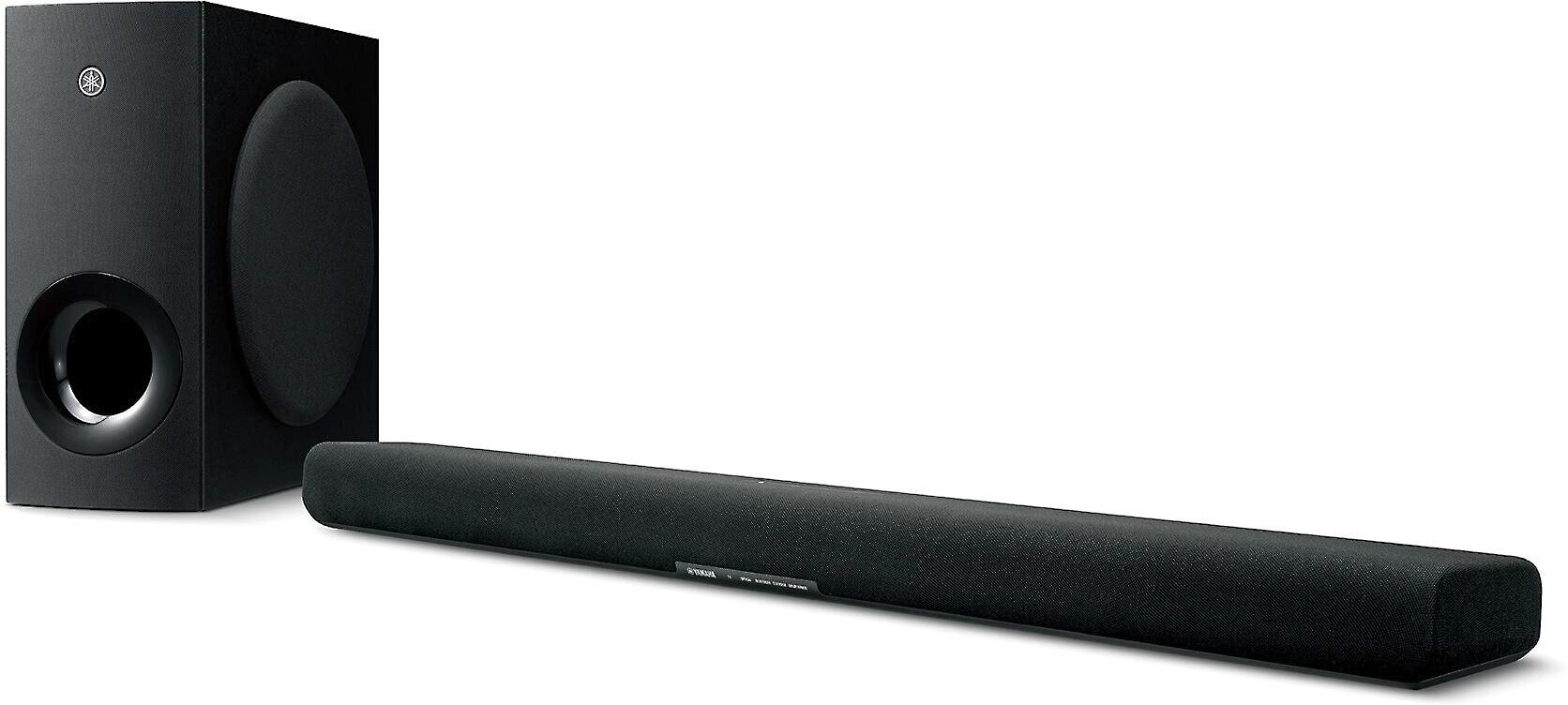
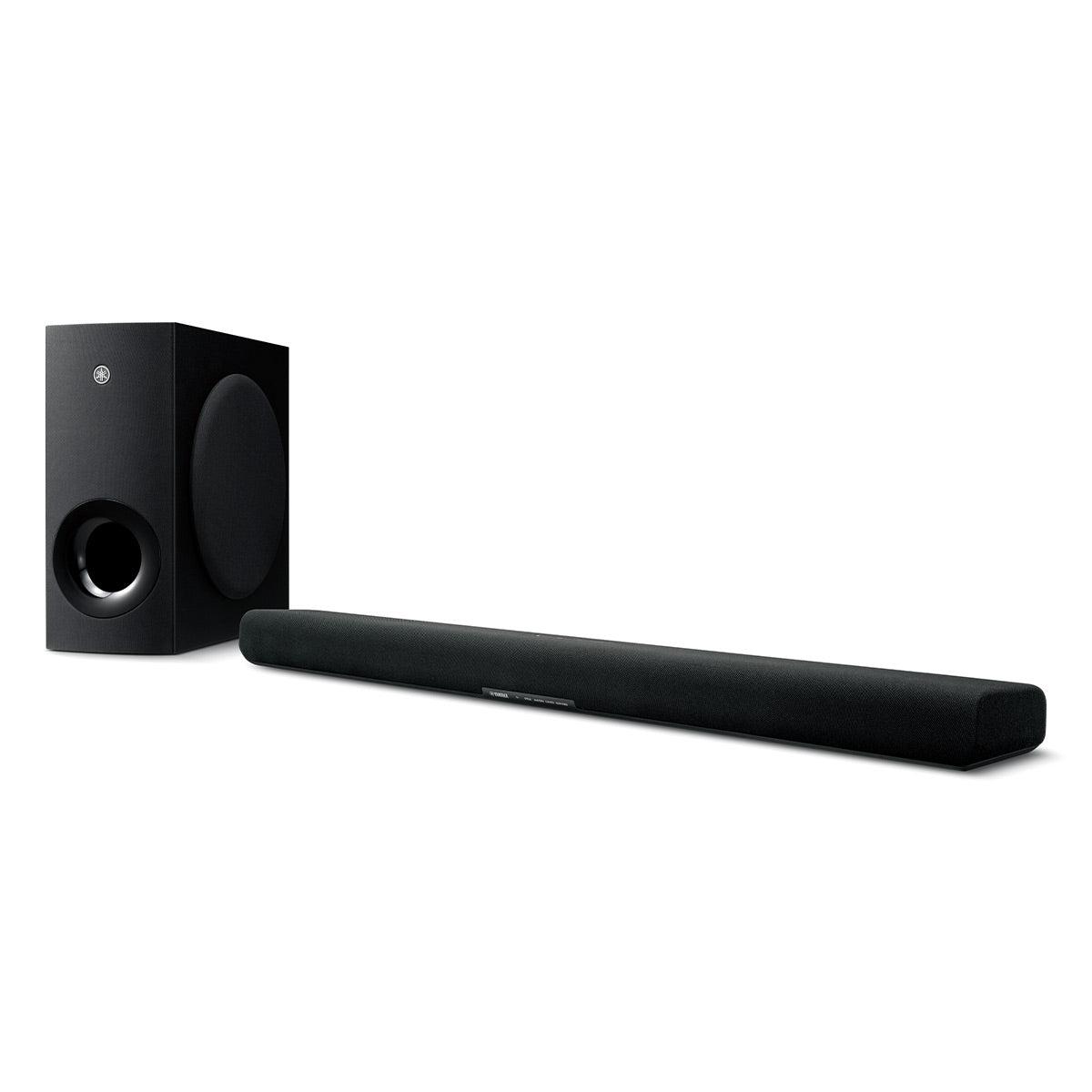
When your TV's built-in speakers make dialogue sound like it's coming from underwater, it's time for a soundbar upgrade. The mid-range soundbar category—typically ranging from $200 to $400 at the time of writing—offers the best balance between meaningful audio improvement and reasonable cost. Two standout options that take completely different approaches are the Samsung HW-B630F and the Yamaha SR-B40A.
Released in 2023 and 2024 respectively, these soundbars represent the evolution of mid-range audio technology. The Samsung HW-B630F follows the traditional route with a physical center channel speaker, while the Yamaha SR-B40A embraces advanced digital signal processing (DSP) to create virtual surround effects. Understanding which approach works better for your specific needs requires diving into what makes each tick.
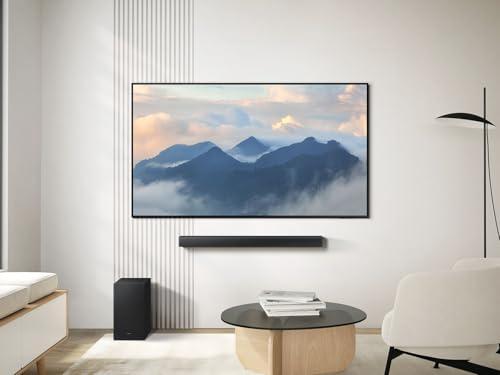
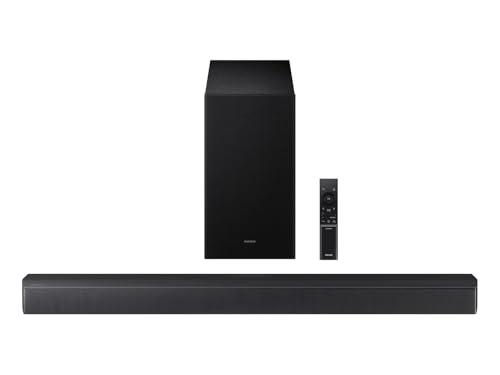
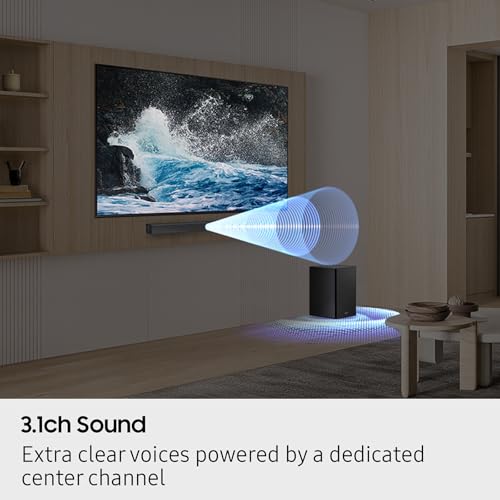
Before we compare these specific models, it's crucial to understand what "3.1" and "2.1" actually mean. The first number represents the main speakers in the soundbar itself, while the ".1" refers to a separate subwoofer for bass frequencies. The Samsung HW-B630F's 3.1 configuration means it has three main speakers: left, center, and right channels arranged horizontally in the bar, plus a wireless subwoofer.
The center channel—that middle speaker—is specifically designed to handle dialogue and vocals. This isn't just marketing fluff; it's based on decades of home theater engineering. In movie soundtracks, dialogue is typically "mixed" (recorded and balanced) to come from the center channel, ensuring voices stay locked to the screen regardless of where you're sitting.
The Yamaha SR-B40A, despite being a 2.1 system with only left and right speakers, uses something called psychoacoustic processing. This technology exploits how our brains interpret sound to create the illusion of a center channel and even overhead effects without physical speakers in those positions. It's like an audio magic trick that works surprisingly well under the right conditions.
For most people, dialogue clarity is the primary reason they buy a soundbar. TV shows, movies, and streaming content all rely heavily on clear speech, yet modern TVs with their ultra-thin designs struggle to reproduce voices naturally.
The Samsung HW-B630F's dedicated center channel provides a significant advantage here. Having researched extensive user feedback and expert reviews, the consensus is clear: physical center channels deliver more consistent dialogue performance. The Samsung's Voice Enhance mode specifically boosts the frequency range where human speech lives (roughly 300-3,000 Hz), making conversations pop out of the mix even when explosions and music are competing for attention.
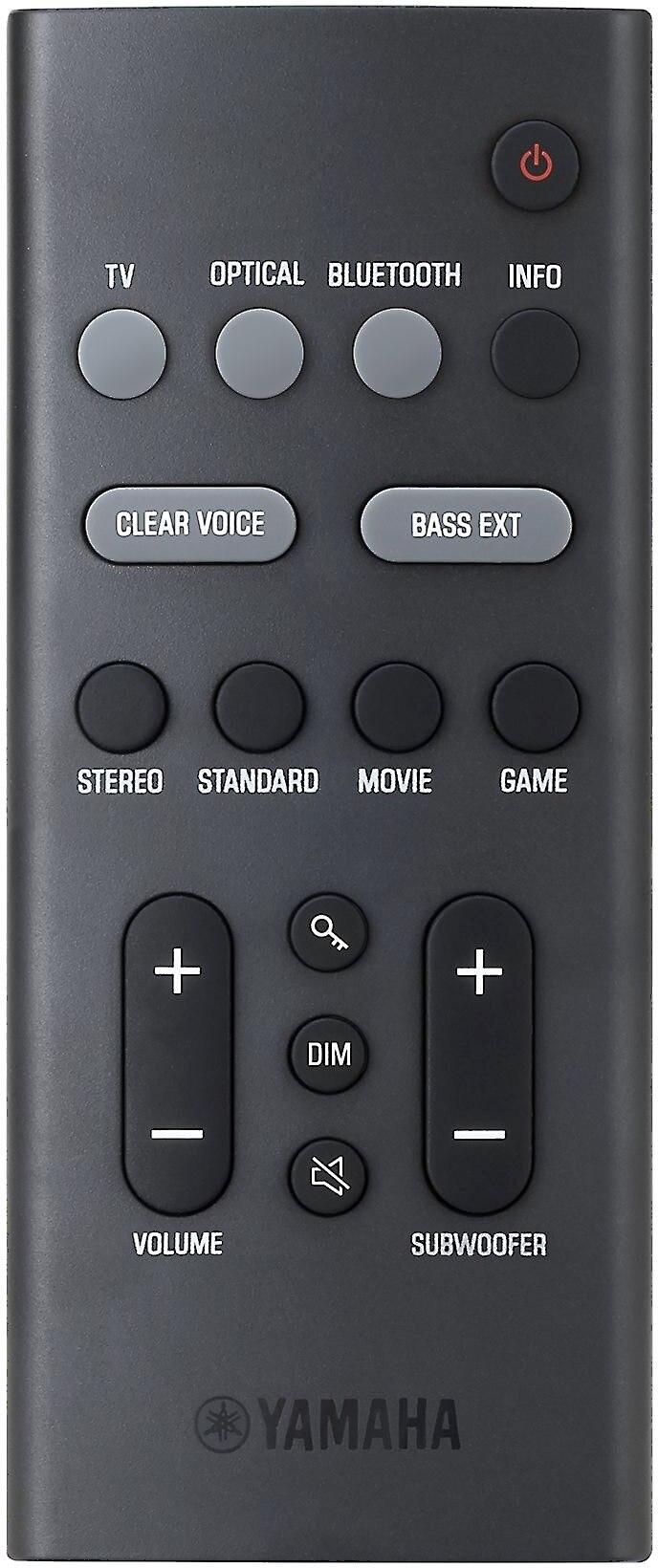
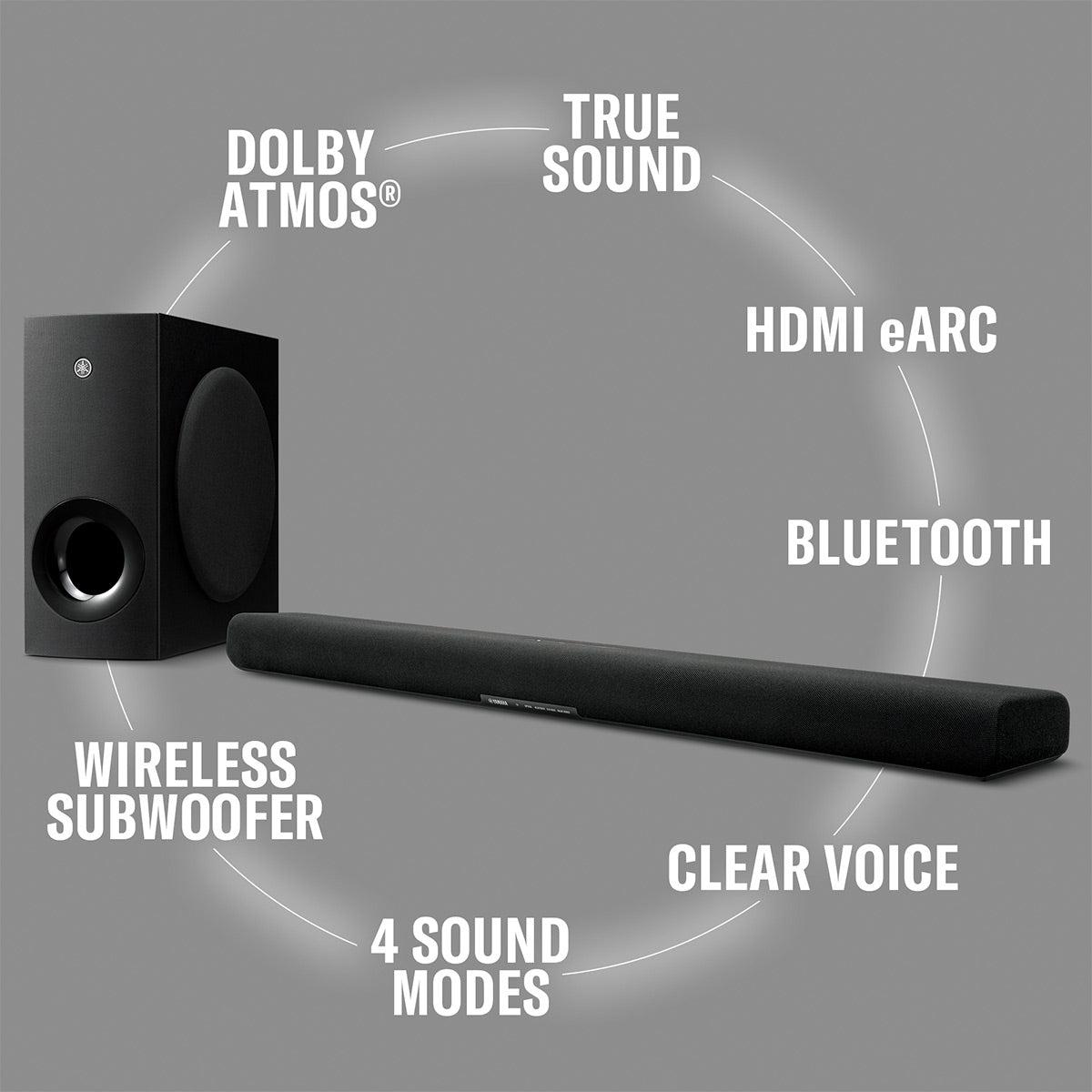
However, the Yamaha SR-B40A's Clear Voice technology takes a more sophisticated approach. Instead of just boosting certain frequencies, it analyzes the incoming audio content in real-time and dynamically adjusts the processing. This means it can distinguish between a whispered conversation and a shouted argument, applying different enhancements to each. Based on user reports, this results in more natural-sounding voices that don't take on the artificial "tinny" quality that can plague simpler enhancement systems.
The practical difference? In a large living room with multiple seating positions, the Samsung HW-B630F's center channel will deliver more consistent dialogue clarity regardless of where you sit. But if you're primarily watching from a central position in a smaller room, the Yamaha SR-B40A's processing can actually produce more natural and pleasant-sounding speech.
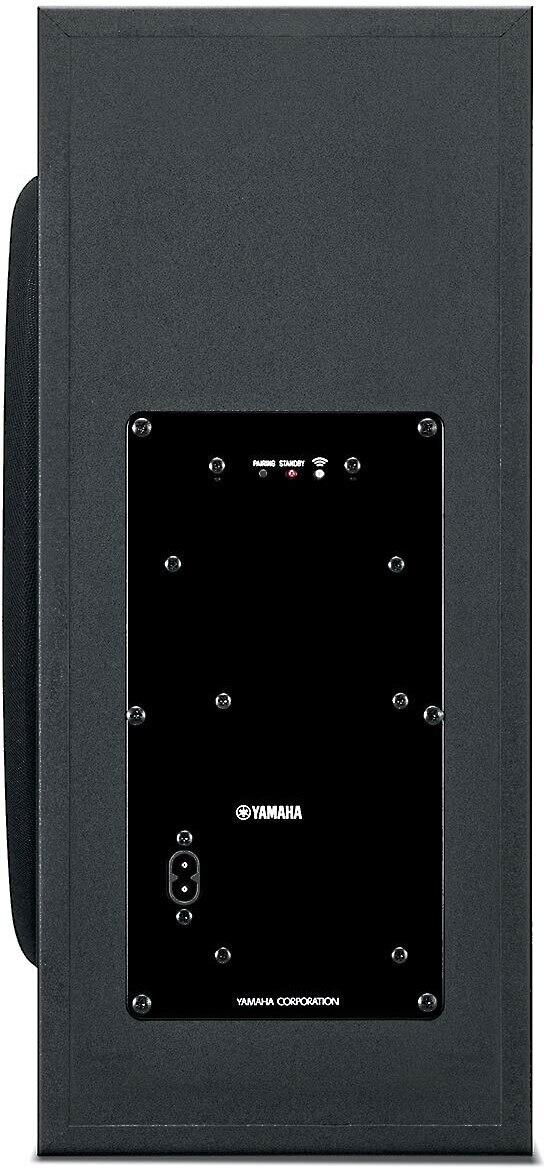
Both soundbars include wireless subwoofers, but they approach bass reproduction differently. The Samsung HW-B630F uses a slightly larger 6.5-inch driver in a bass-reflex enclosure—a design that uses a precisely tuned port to enhance low-frequency output. This setup excels at producing the kind of impactful, room-shaking bass that makes action movies feel visceral.
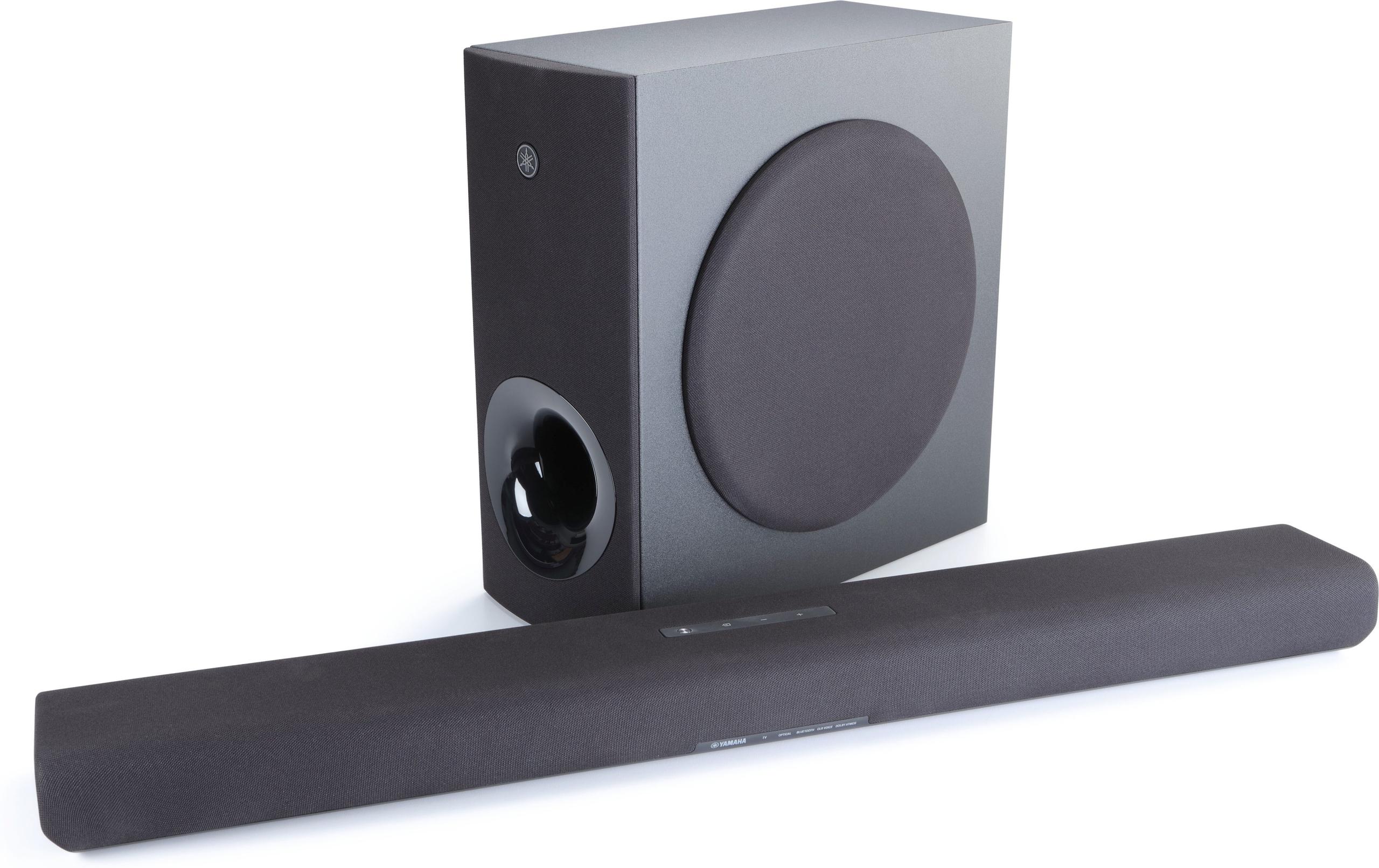
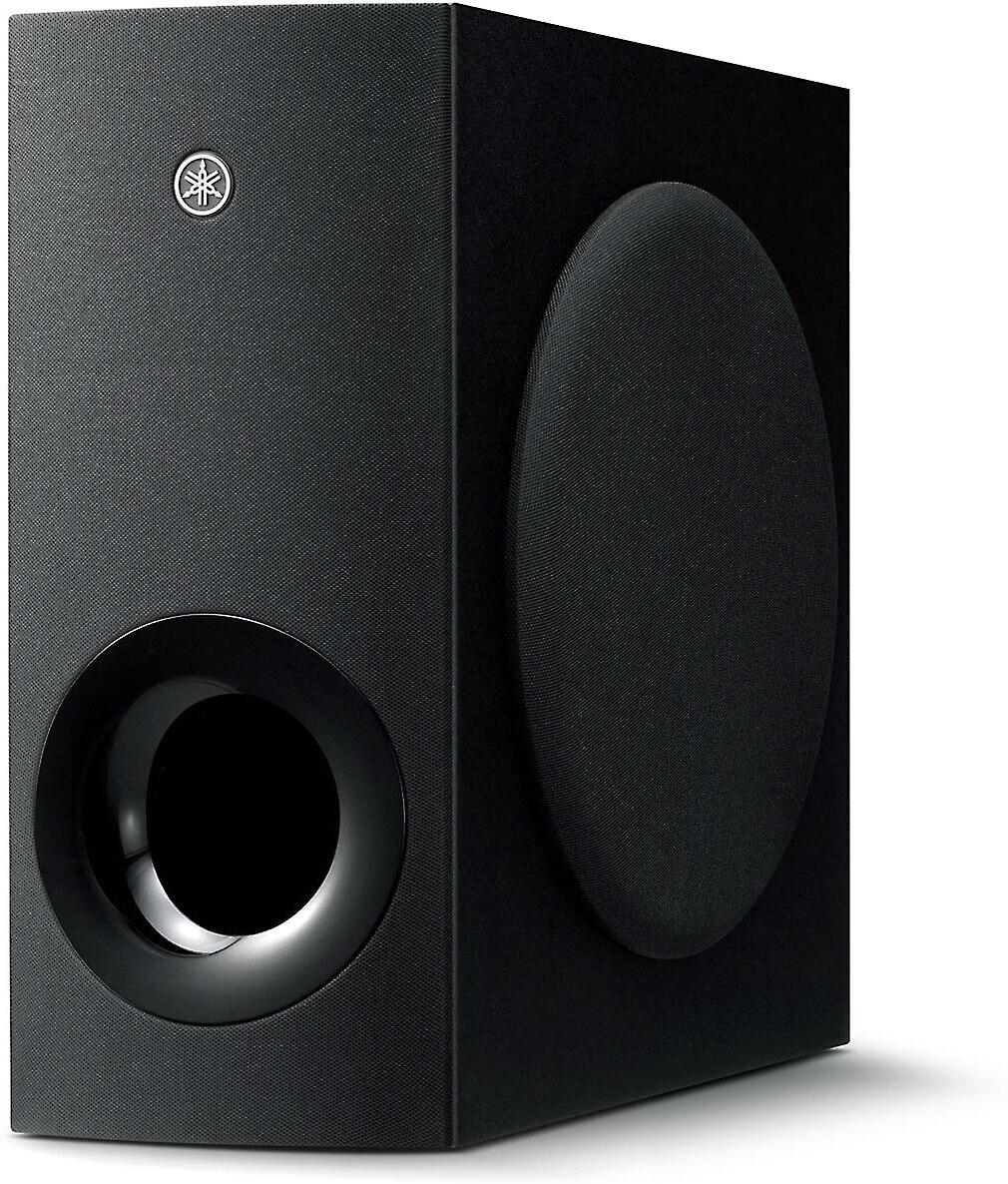
The Yamaha SR-B40A's 6.25-inch subwoofer might be marginally smaller, but it incorporates Yamaha's YST II (Yamaha Servo Technology). This system uses advanced feedback control to ensure the driver moves exactly as intended, reducing distortion and producing cleaner, more accurate bass. The difference is subtle but important: the Samsung hits harder, while the Yamaha sounds more controlled and musical.
For movie watching, especially action-heavy content, the Samsung HW-B630F's approach pays dividends. Explosions feel more impactful, and the Bass Boost mode can add extra punch when you want to feel every helicopter rotor or dragon roar. But if you listen to music through your soundbar regularly, the Yamaha SR-B40A's cleaner bass response prevents the muddiness that can plague movies-first designs when reproducing complex musical passages.
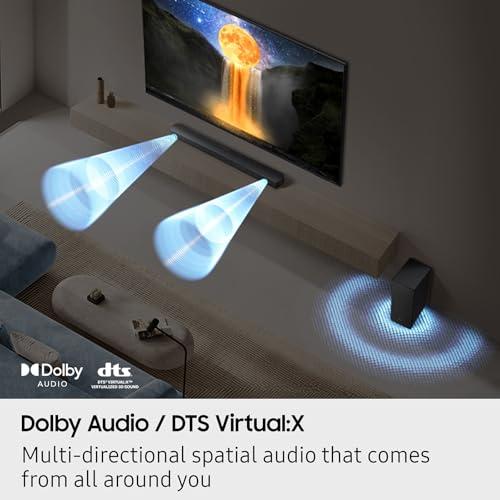
This is where the philosophical differences between these soundbars become most apparent. The Samsung HW-B630F relies on DTS Virtual:X processing, which attempts to create the illusion of height and surround effects using its three-speaker array. While this can widen the soundstage beyond the physical boundaries of the bar, it's fundamentally limited by having no upward-firing drivers or advanced acoustic modeling.
The Yamaha SR-B40A takes surround processing much more seriously. Its Dolby Atmos support isn't just a checkbox feature—it's backed by Yamaha's Cinema DSP 3.0, which models how sound behaves in different acoustic environments. The technology can actually create convincing overhead effects, making you feel like helicopters are passing above your head or rain is falling from the ceiling.
From our research into user experiences, the Yamaha's virtual Atmos effects work best in rooms with relatively low ceilings (8-9 feet) and when you're sitting in the optimal listening position. In larger spaces or with high ceilings, the illusion breaks down. The Samsung HW-B630F, while less ambitious with its surround processing, provides more consistent performance across different room configurations.
If music performance matters to you, the Yamaha SR-B40A pulls significantly ahead. This comes down to both design philosophy and technical execution. Without a center channel to interfere with stereo imaging, the Yamaha can create a more convincing left-to-right soundstage. Musical instruments and vocals appear to be positioned between and beyond the speakers rather than coming from two discrete points.
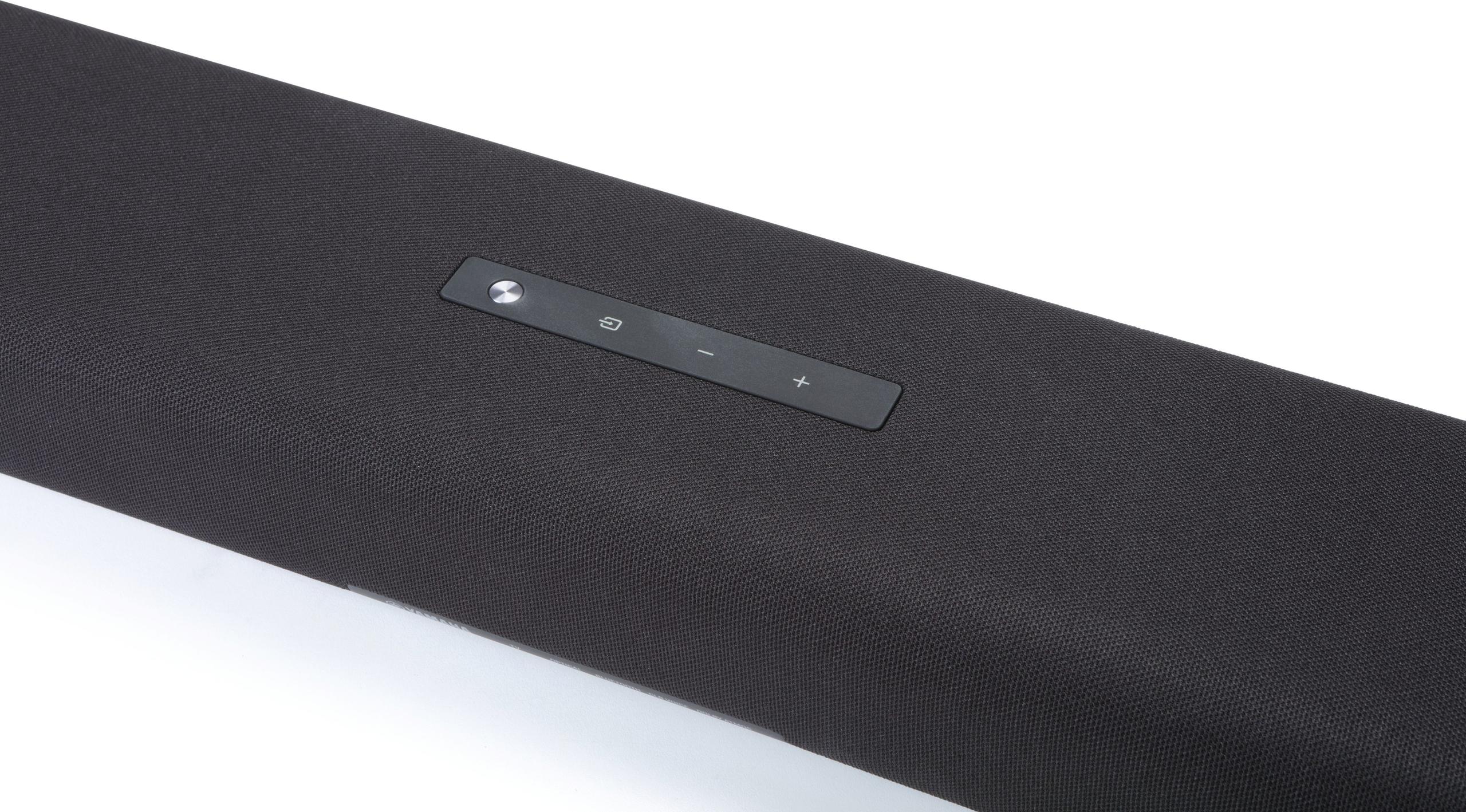
Yamaha's "True Sound" engineering philosophy, developed over decades of hi-fi and professional audio experience, emphasizes natural tonal balance over artificial enhancement. The Yamaha SR-B40A includes dedicated tone controls accessible through its mobile app, allowing you to fine-tune the sound to your preferences while maintaining this natural character.
The Samsung HW-B630F isn't bad for music, but it's clearly optimized for movie and TV content. The center channel, while great for dialogue, can make stereo music sound somewhat narrow and less engaging. Bass response, while impactful, can become muddy with complex musical passages that weren't designed for movie-style impact.
Both soundbars offer gaming modes, but they target different types of gaming experiences. The Samsung HW-B630F's Game Mode focuses on competitive gaming advantages. It uses cross-talk cancellation and directional processing to make positional audio cues more precise. If you're playing competitive shooters where hearing enemy footsteps or reload sounds can mean the difference between victory and defeat, this approach provides real advantages.
The Yamaha SR-B40A's Game Mode emphasizes immersion over precision. Its Dolby Atmos processing can make atmospheric effects more convincing, whether you're exploring ancient ruins in an adventure game or flying through space in a simulator. The enhanced spatial audio creates a more enveloping experience that draws you deeper into single-player games.
For esports and competitive multiplayer games, the Samsung HW-B630F has the edge. For story-driven single-player experiences, the Yamaha SR-B40A provides more cinematic immersion.
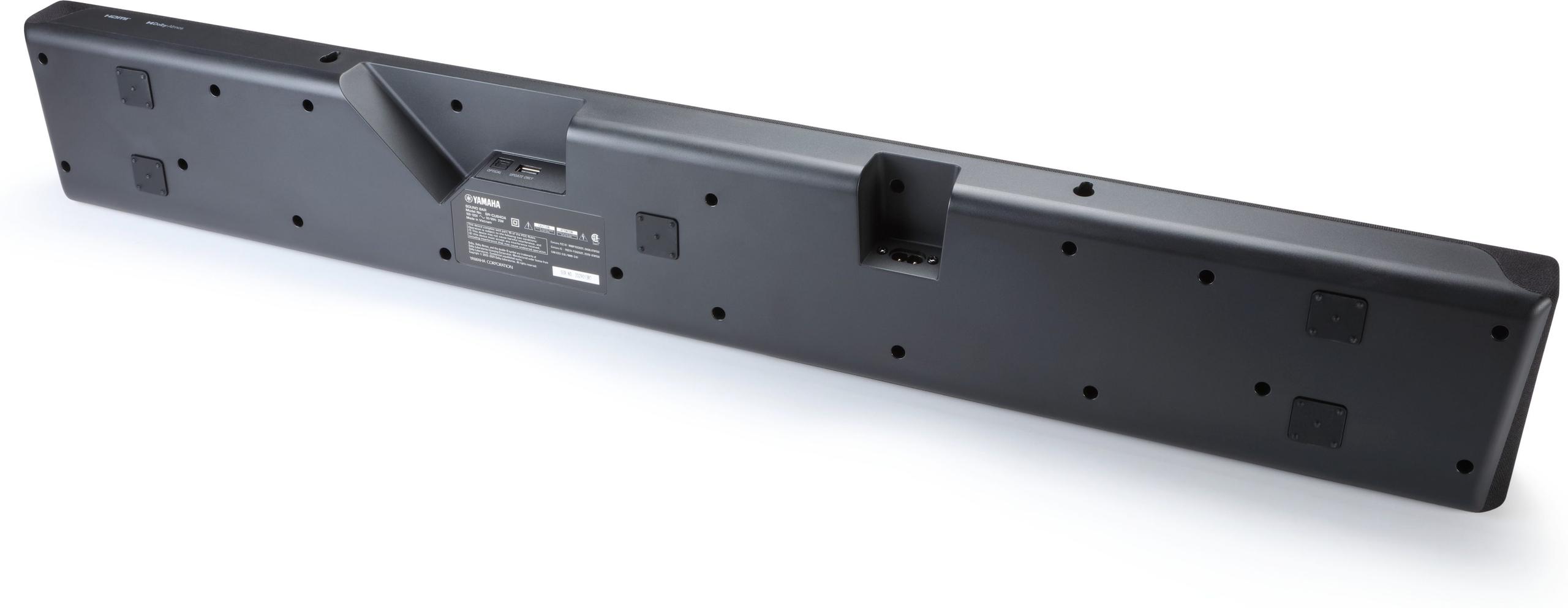
The connectivity differences between these soundbars matter more than you might think. The Samsung HW-B630F uses HDMI ARC (Audio Return Channel) version 1.4, which limits it to compressed audio formats like standard Dolby Digital and DTS. While this covers most current streaming content, it can't handle the higher-quality audio tracks found on 4K Blu-ray discs or newer streaming services.
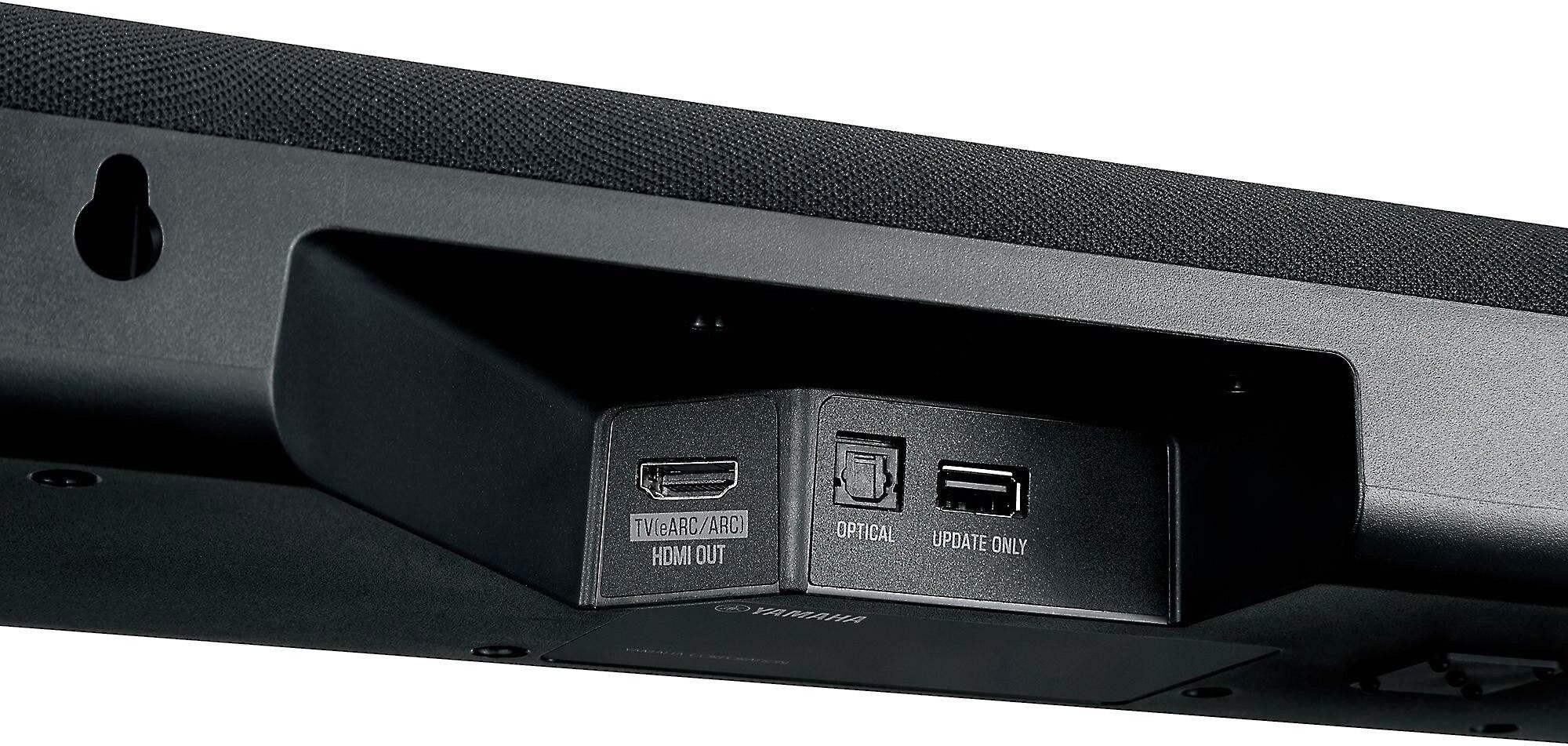
The Yamaha SR-B40A supports HDMI eARC (enhanced Audio Return Channel), which can pass uncompressed, high-resolution audio formats. This means better sound quality from supported sources and better future compatibility as streaming services continue improving their audio quality.
For wireless connectivity, the Yamaha SR-B40A uses Bluetooth 5.1 versus the Samsung's Bluetooth 4.2. The newer standard provides better range, more stable connections, and support for higher-quality audio codecs like AAC, which is particularly beneficial for iPhone users.
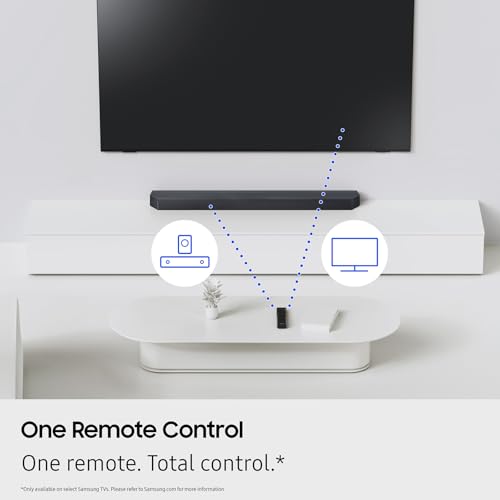
If you own a Samsung TV made in the last few years, the Samsung HW-B630F offers seamless integration that's hard to beat. The Q-Symphony feature allows the soundbar to work in tandem with your TV's built-in speakers, using the TV's speakers for additional height and ambient effects while the soundbar handles the main audio duties. One Remote Control support means you can control volume and basic functions without juggling multiple remotes.
However, this integration comes with a significant caveat: it only works with Samsung TVs. If you own any other brand, you lose these convenience features. The Yamaha SR-B40A provides equally good performance regardless of your TV brand, making it the safer choice for mixed-brand setups or if you might change TVs in the future.
Room acoustics play a crucial role in soundbar performance, and these two models handle different spaces better. The Samsung HW-B630F's dedicated center channel makes it more forgiving in challenging acoustic environments. It performs consistently whether you have a long, narrow room, an open-concept living space, or a traditional square room.
The Yamaha SR-B40A's virtual processing works best in more controlled environments. Smaller to medium-sized rooms with moderate ceiling heights allow its DSP algorithms to work their magic most effectively. In very large or acoustically challenging spaces, some of the virtual surround effects may not be as convincing.
At the time of writing, both soundbars are often available at significant discounts from their original retail prices, with the Samsung HW-B630F typically priced lower due to its slightly older release date. However, value isn't just about the lowest price—it's about getting the features and performance that matter most to your specific situation.
The Samsung HW-B630F offers exceptional value for TV-focused use, especially if you own a Samsung TV. The dedicated center channel alone provides a meaningful upgrade over TV speakers, and the integrated smart features add convenience that justifies the cost.
The Yamaha SR-B40A commands a premium for its advanced processing capabilities and superior music performance. If you value these features and plan to use your soundbar for both TV and music listening, the extra cost provides tangible benefits.
Choose the Samsung HW-B630F if you primarily watch TV shows, news, and streaming content, especially if you own a Samsung TV. Its dedicated center channel provides consistently clear dialogue regardless of where you sit, making it ideal for families or anyone who frequently watches from different positions in the room. The lower typical price makes it an excellent entry point into quality soundbar ownership.
The Yamaha SR-B40A makes more sense for users who want cutting-edge audio processing and plan to use their soundbar for music listening as well as TV content. Its Dolby Atmos support and superior wireless connectivity provide better future-proofing, while the advanced Clear Voice technology offers more natural-sounding dialogue enhancement.
Both soundbars represent solid choices in the mid-range category, but they excel in different scenarios. The Samsung prioritizes consistency and value, while the Yamaha focuses on technical sophistication and versatility. Understanding which approach better matches your viewing habits, room setup, and budget will guide you to the right choice for your home theater upgrade.
| Samsung HW-B630F B-Series 3.1ch Soundbar System | Yamaha SR-B40A 2.1-Channel Sound Bar with Wireless Subwoofer |
|---|---|
| Channel Configuration - The fundamental difference affecting dialogue clarity | |
| True 3.1-channel with dedicated center speaker for consistent dialogue placement | 2.1-channel with virtual center channel created through advanced DSP processing |
| Audio Processing Technology - Determines surround sound quality and immersion | |
| DTS Virtual:X and Samsung Q-Symphony (Samsung TVs only), no Dolby Atmos | Dolby Atmos with Cinema DSP 3.0 for virtual height effects and spatial audio |
| Dialogue Enhancement - Critical for TV shows and movie dialogue | |
| Voice Enhance mode with physical center channel for consistent speech clarity | Clear Voice technology with content analysis for natural-sounding dialogue |
| Subwoofer Specifications - Affects bass impact and music listening quality | |
| 6.5" wireless subwoofer with bass-reflex design, focuses on impact | 6.25" wireless subwoofer with YST II servo technology for cleaner bass |
| Total System Power - Influences maximum volume and dynamic range | |
| 330W total (110W x 3 channels in soundbar) | 320W total (160W soundbar + 160W subwoofer, more bass-focused distribution) |
| HDMI Connectivity - Future-proofing and audio quality compatibility | |
| HDMI ARC 1.4 (limited to compressed audio formats like standard Dolby Digital) | HDMI eARC support (handles uncompressed high-resolution audio formats) |
| Wireless Technology - Affects streaming quality and connection reliability | |
| Bluetooth 4.2 with Multi Connection (pair two devices simultaneously) | Bluetooth 5.1 with AAC codec support (better range and iPhone compatibility) |
| TV Brand Integration - Convenience features and smart functionality | |
| Seamless Samsung TV integration with Q-Symphony and One Remote Control | Universal TV compatibility without brand-specific limitations |
| Music Performance - Important if you plan to stream music regularly | |
| Adequate for casual listening but center channel can interfere with stereo imaging | Superior stereo separation and dedicated music modes with tone controls |
| Gaming Optimization - Specialized features for console and PC gaming | |
| Game Mode with cross-talk cancellation for competitive gaming precision | Game Mode emphasizing immersion with Dolby Atmos atmospheric effects |
| Physical Dimensions - Space requirements and TV compatibility | |
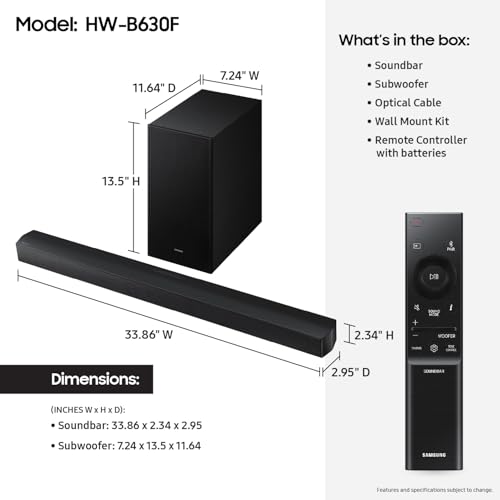
| 33.9" W x 2.3" H x 3" D soundbar, compact design fits most TV stands | 35.8" W x 2.7" H x 5.2" D soundbar, slightly larger but still TV-friendly |
| Release Timeline - Indicates current technology level and pricing trends | |
| Released 2023, mature product with established pricing and availability | Released 2024, newer technology with recent price reductions for competitiveness |
The Samsung HW-B630F has a significant advantage for dialogue clarity due to its dedicated center channel speaker. This physical center speaker ensures voices stay anchored to the screen regardless of where you sit in the room. While the Yamaha SR-B40A uses advanced Clear Voice technology that sounds more natural, the Samsung's dedicated center channel provides more consistent dialogue performance across different seating positions.
The Samsung HW-B630F is a 3.1 system with three main speakers (left, center, right) plus a subwoofer, while the Yamaha SR-B40A is a 2.1 system with only left and right speakers plus a subwoofer. The Samsung's physical center channel handles dialogue directly, while the Yamaha creates a virtual center channel through digital processing. For TV watching, the physical center channel typically provides better dialogue clarity.
Both soundbars include wireless subwoofers, but they sound different. The Samsung HW-B630F has a slightly larger 6.5-inch subwoofer that delivers more impactful, room-shaking bass ideal for action movies. The Yamaha SR-B40A uses a 6.25-inch subwoofer with advanced servo technology that produces cleaner, more controlled bass better suited for music listening.
Only the Yamaha SR-B40A supports Dolby Atmos, using advanced processing to create virtual overhead effects without upward-firing speakers. The Samsung HW-B630F uses DTS Virtual:X for surround effects but doesn't support Dolby Atmos. If you want the latest surround sound technology, the Yamaha offers more advanced audio processing.
The Yamaha SR-B40A is significantly better for music listening. Without a center channel to interfere with stereo imaging, it creates better left-to-right soundstage and includes dedicated music modes with tone controls. The Samsung HW-B630F is optimized for TV content and can make music sound narrower and less engaging.
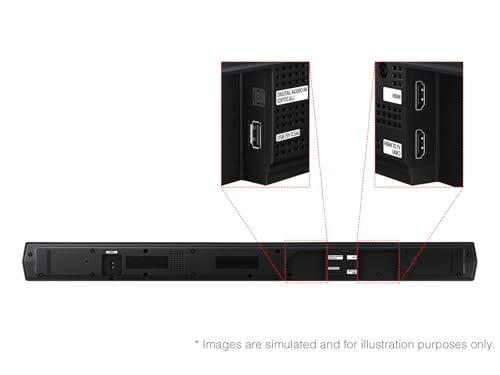
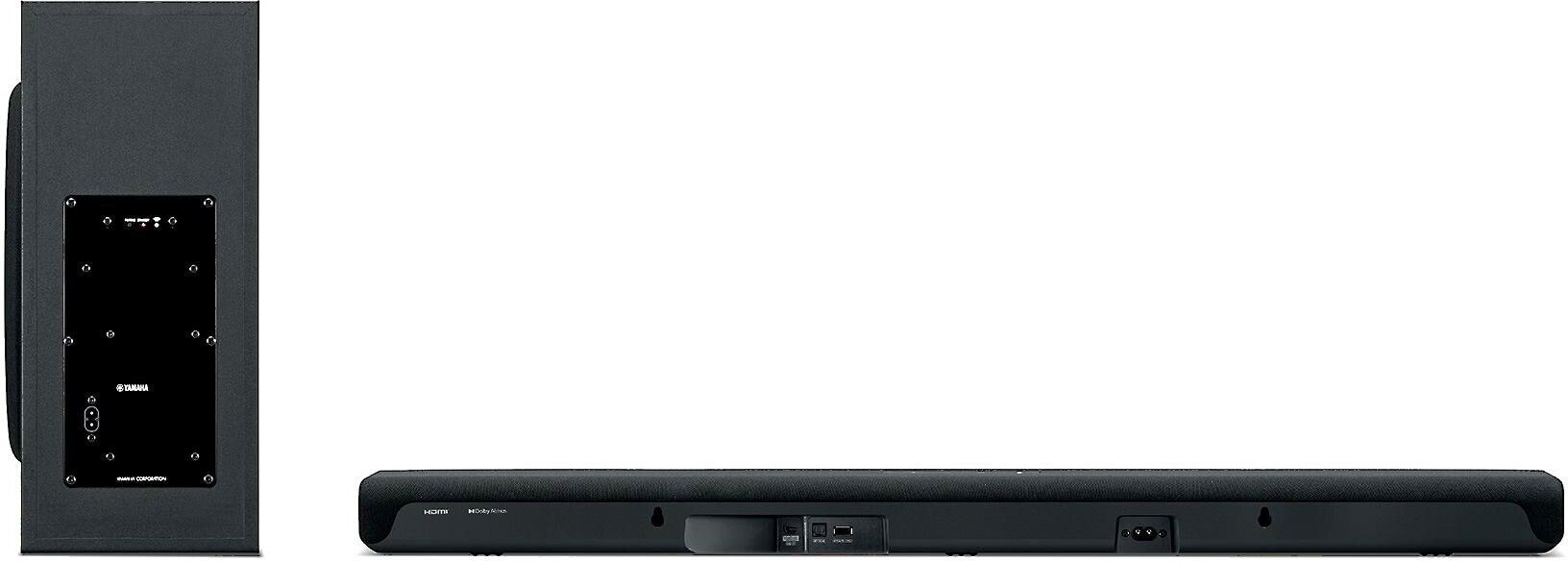
Both soundbars connect via HDMI, but the Yamaha SR-B40A uses newer HDMI eARC technology that supports higher-quality audio formats, while the Samsung HW-B630F uses standard HDMI ARC. Both also offer optical digital connections. The Yamaha's eARC support provides better future-proofing for high-resolution audio content.
The Samsung HW-B630F offers seamless integration with Samsung TVs, including Q-Symphony technology that uses your TV's speakers alongside the soundbar, and One Remote Control for simplified operation. The Yamaha SR-B40A works equally well with any TV brand but doesn't offer Samsung-specific features.
Both soundbars offer gaming modes but target different gaming styles. The Samsung HW-B630F focuses on competitive gaming with precise directional audio for hearing enemy footsteps and positioning. The Yamaha SR-B40A emphasizes immersive gaming with Dolby Atmos effects that enhance atmospheric sounds in single-player games.
The Yamaha SR-B40A often performs better in smaller rooms where its virtual surround processing can work more effectively. The advanced DSP algorithms work best with controlled acoustics. The Samsung HW-B630F is more consistent across different room sizes but truly shines in larger spaces where the center channel's advantages become more apparent.
The Yamaha SR-B40A has superior wireless connectivity with Bluetooth 5.1, offering better range, stability, and AAC codec support for higher-quality iPhone streaming. The Samsung HW-B630F uses Bluetooth 4.2 but offers Multi Connection, allowing you to pair two devices simultaneously. Both include wireless subwoofers with reliable connectivity.
Value depends on your specific needs. The Samsung HW-B630F typically costs less and provides excellent value for TV-focused use, especially with Samsung TVs. The Yamaha SR-B40A costs more but offers advanced Dolby Atmos processing, better music performance, and superior future-proofing with eARC connectivity.
The Samsung HW-B630F works consistently across various room sizes and is particularly good for larger spaces or rooms with multiple seating positions due to its physical center channel. The Yamaha SR-B40A performs best in small to medium-sized rooms with moderate ceiling heights where its virtual surround effects can work most effectively.
We've done our best to create useful and informative comparisons to help you decide what product to buy. Our research uses advanced automated methods to create this comparison and perfection is not possible - please contact us for corrections or questions. These are the sites we've researched in the creation of this article: samsung.com - bhphotovideo.com - crutchfield.com - youtube.com - bestproducts.com - videoandaudiocenter.com - pcrichard.com - bhphotovideo.com - samsung.com - youtube.com - requiremints.com - karlsonline.com - crutchfield.com - youtube.com - donstv.com - samsung.com - bhphotovideo.com - youtube.com - youtube.com - crutchfield.com - costco.ca - rtings.com - crutchfield.com - accio.com - bhphotovideo.com - manuals.plus - samsung.com - saraappliance.com - crutchfield.com - visions.ca - shop.usa.yamaha.com - bestbuy.com - bestbuy.com - usa.yamaha.com - my.yamaha.com - europe.yamaha.com - adorama.com - usa.yamaha.com - digitalhomecreations.com - europe.yamaha.com - sundownone.com

Privacy Policy
Terms and Conditions - Affiliate Policy
Home Security
© Copyright 2008-2026.
11816 Inwood Rd #1211, Dallas, TX 75244