



When your TV's built-in speakers make dialogue sound like it's coming from a tin can, it's time to upgrade. But choosing between the Bose Smart Soundbar 1100 and the Yamaha SR-B40A isn't just about picking the louder option—it's about deciding whether you want cutting-edge smart features or raw audio performance that'll shake your living room.
Both soundbars launched in 2022, representing very different philosophies in home audio. The Bose Smart Soundbar 1100 arrived as part of Bose's push into AI-driven audio processing, while the Yamaha SR-B40A stuck to what Yamaha does best: delivering powerful, straightforward sound reproduction. Since their release, both have received firmware updates, though the Bose has benefited more significantly from software improvements that enhance its smart features and audio processing algorithms.
Before diving into the comparison, let's clarify what makes these soundbars tick. Traditional TV speakers face severe limitations—they're tiny, rear-facing, and designed more for cost savings than sound quality. Soundbars solve this by placing multiple drivers (individual speakers) in a horizontal bar that sits below or mounts above your TV.
The Bose Smart Soundbar 1100 uses a 3.0.2 configuration, meaning three front-facing channels (left, center, right) plus two upward-firing drivers that bounce sound off your ceiling to create height effects. This is true Dolby Atmos—a surround sound format that adds overhead audio to make explosions feel like they're happening above you, or raindrops seem to fall from the ceiling.
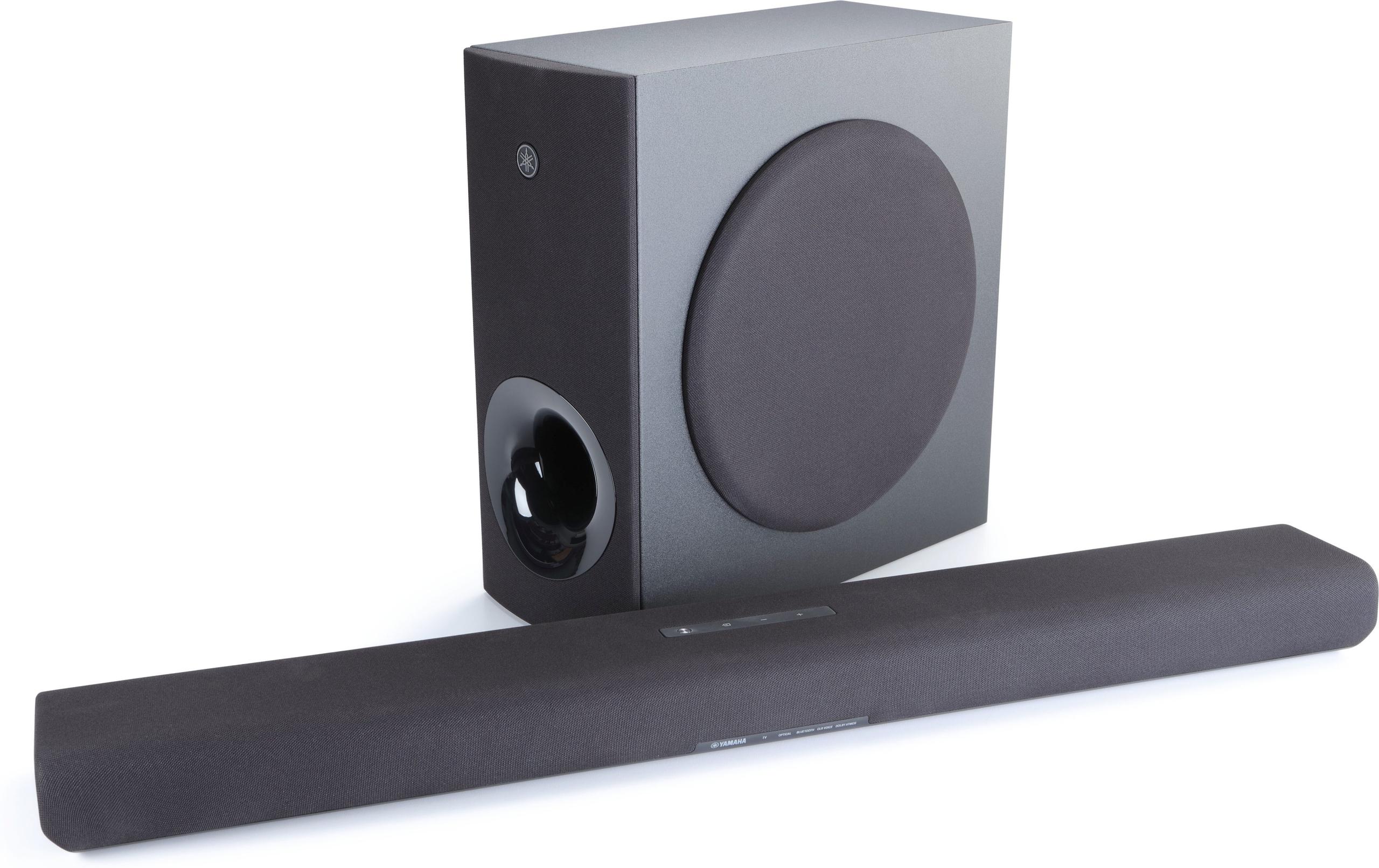
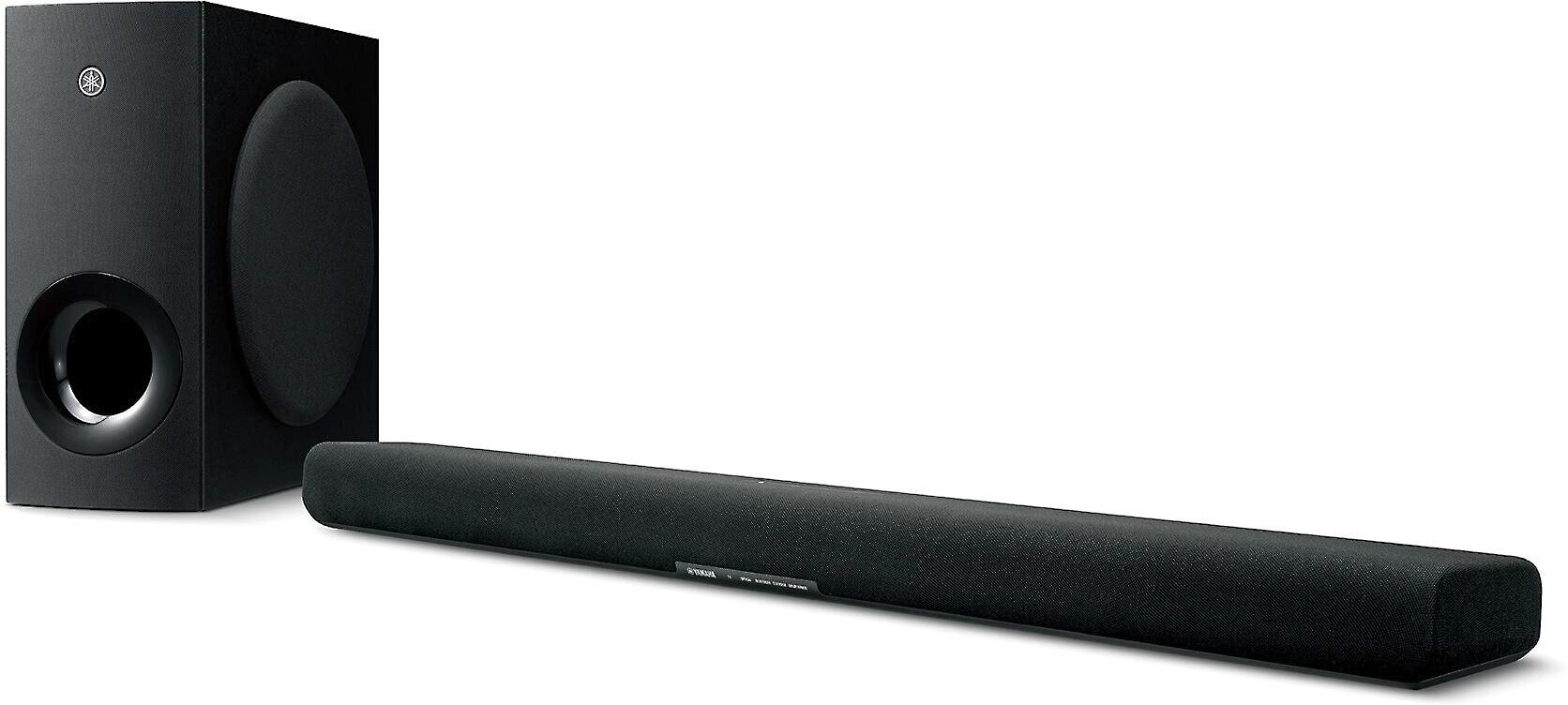
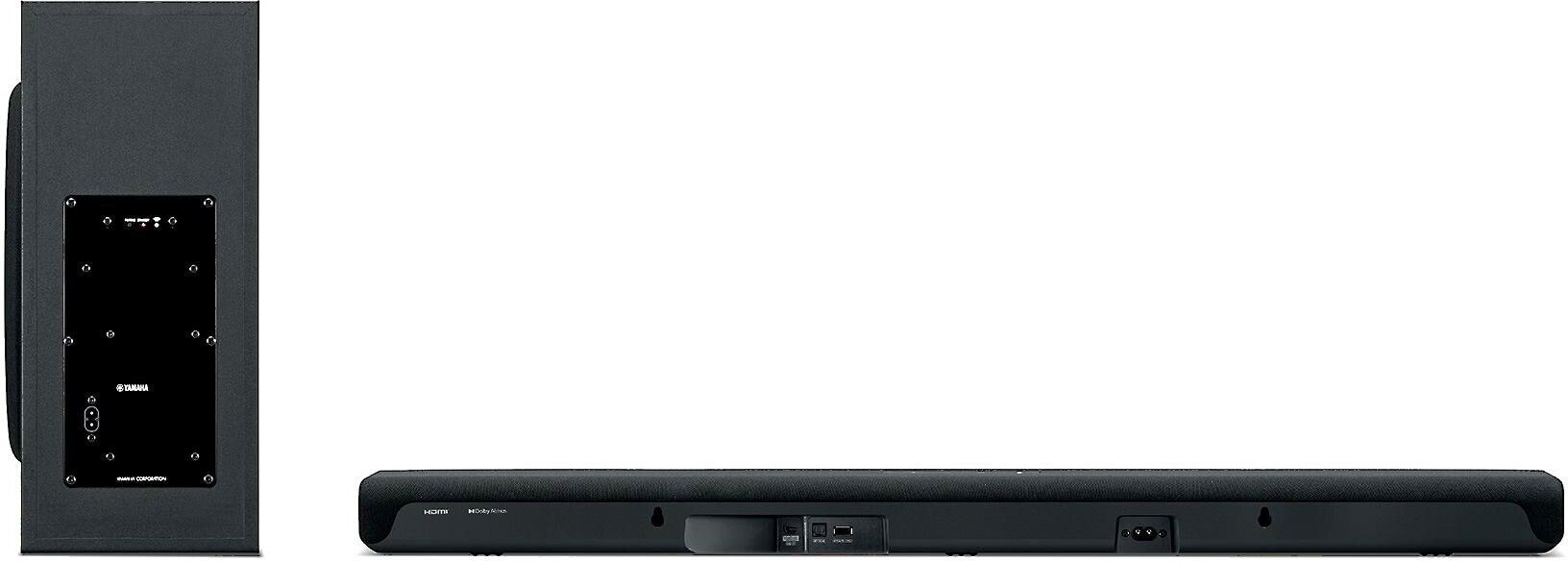
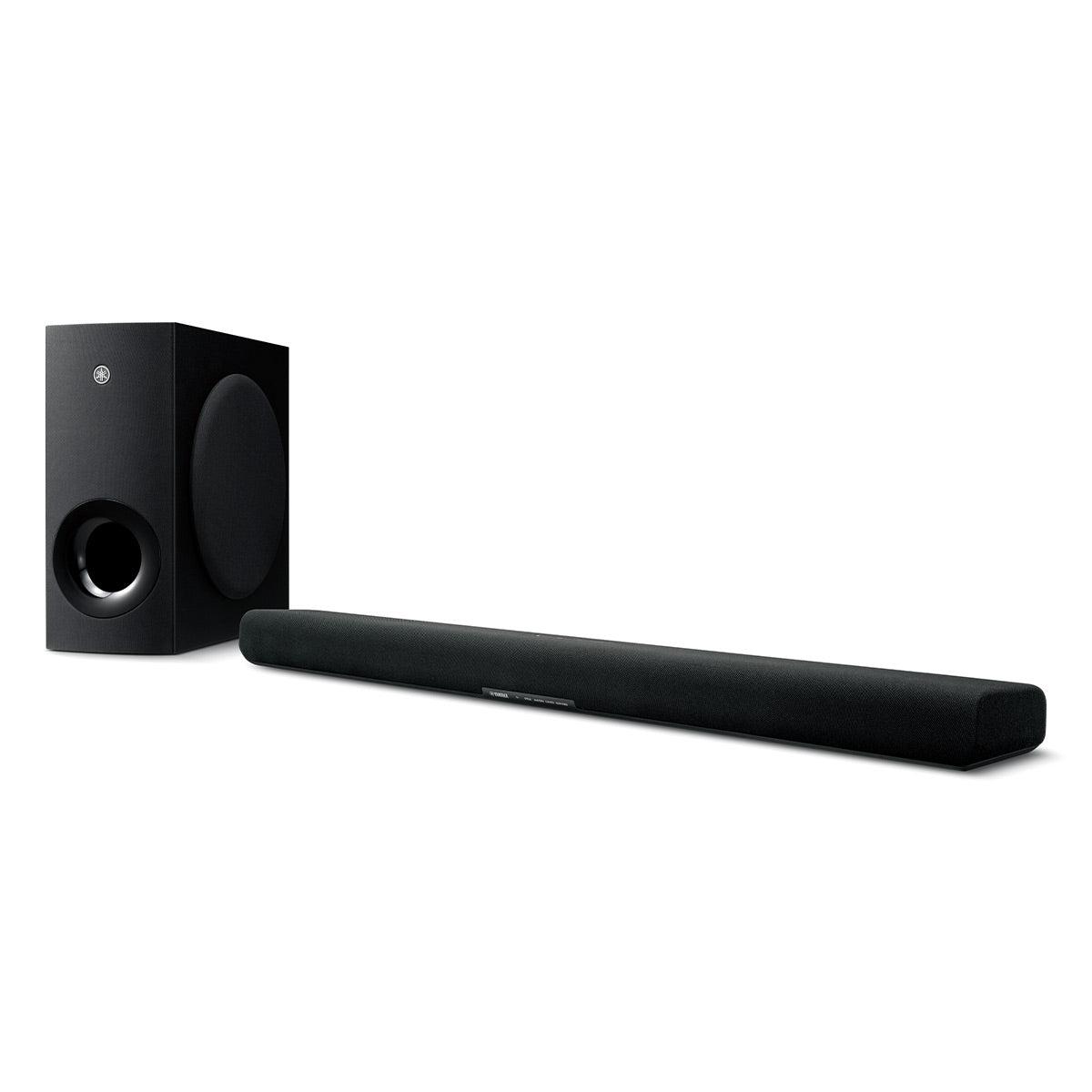
The Yamaha SR-B40A takes the classic 2.1 approach: two main channels (left and right) in the soundbar itself, plus a separate subwoofer (the ".1") dedicated entirely to bass frequencies below about 120 Hz. This separate subwoofer makes a huge difference—it's like the difference between hearing thunder and feeling it rumble through your chest.
Here's where these soundbars show their true colors. The Bose Smart Soundbar 1100 creates what audiophiles call a "soundstage"—the perceived three-dimensional space where sounds seem to originate. Its upward-firing drivers physically bounce sound off your ceiling, creating genuine overhead effects. When a helicopter flies across the screen in an action movie, you'll actually hear it move above your head, not just left to right.
Bose's TrueSpace technology goes further, using digital processing to analyze regular stereo content and create artificial surround effects. Think of it as an audio magician that takes your old movies and makes them sound like they were mixed for modern surround systems. This processing happens in real-time, adapting to whatever you're watching.
The Yamaha SR-B40A approaches immersion differently. Instead of height effects, it focuses on creating an extremely wide soundstage at ear level. At 35.8 inches long compared to the Bose's 27.3 inches, it has more physical space between its left and right drivers. This creates better stereo separation—instruments and effects feel more spread out across the front of your room, almost like having bookshelf speakers placed several feet apart.
For home theater use, the Bose delivers more "wow factor" with its overhead effects, especially for modern movies mixed in Dolby Atmos. But the Yamaha provides more traditional audiophile satisfaction with its precise stereo imaging and powerful bass response.
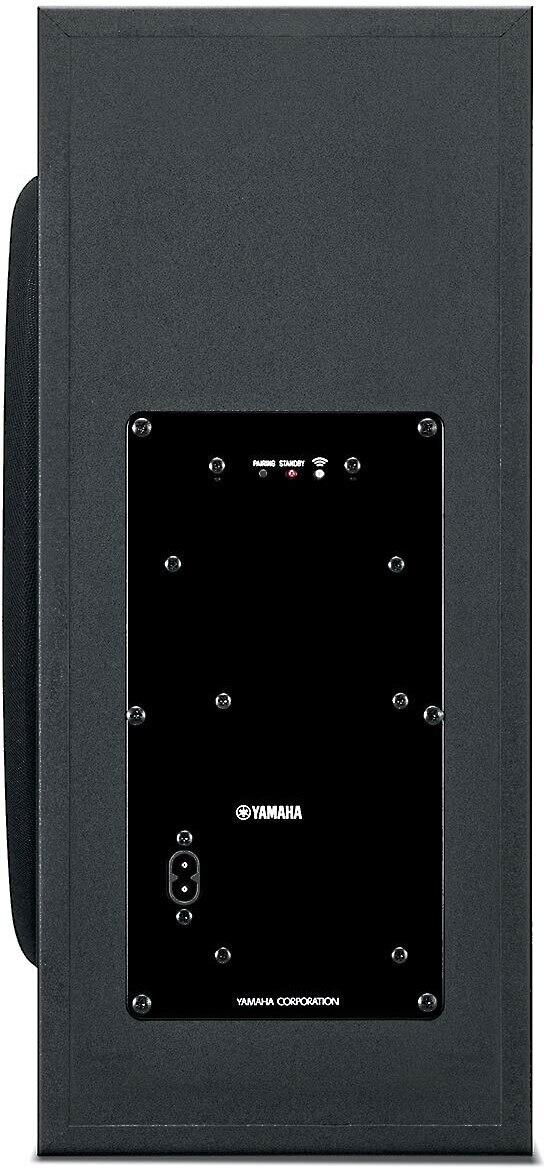
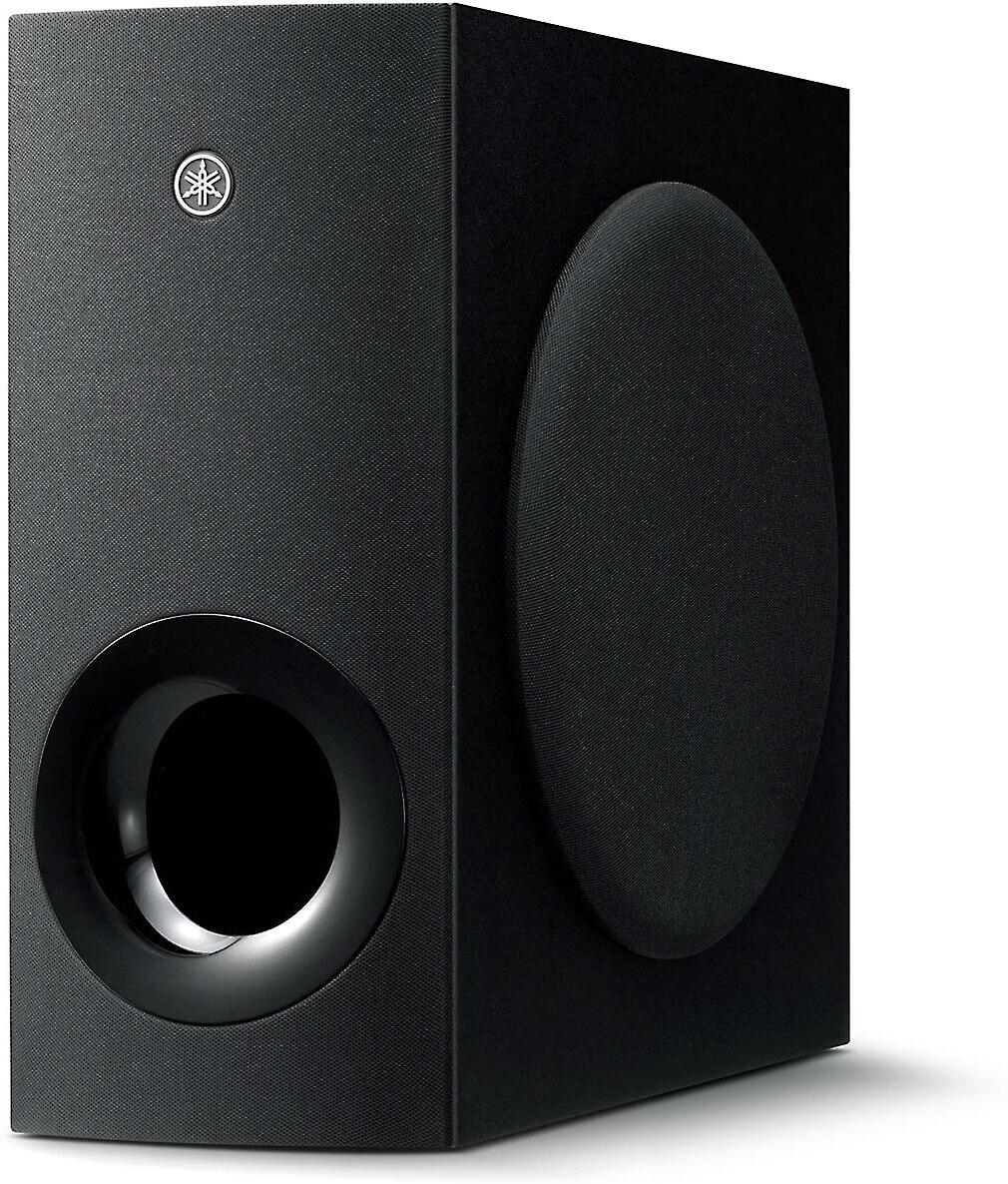
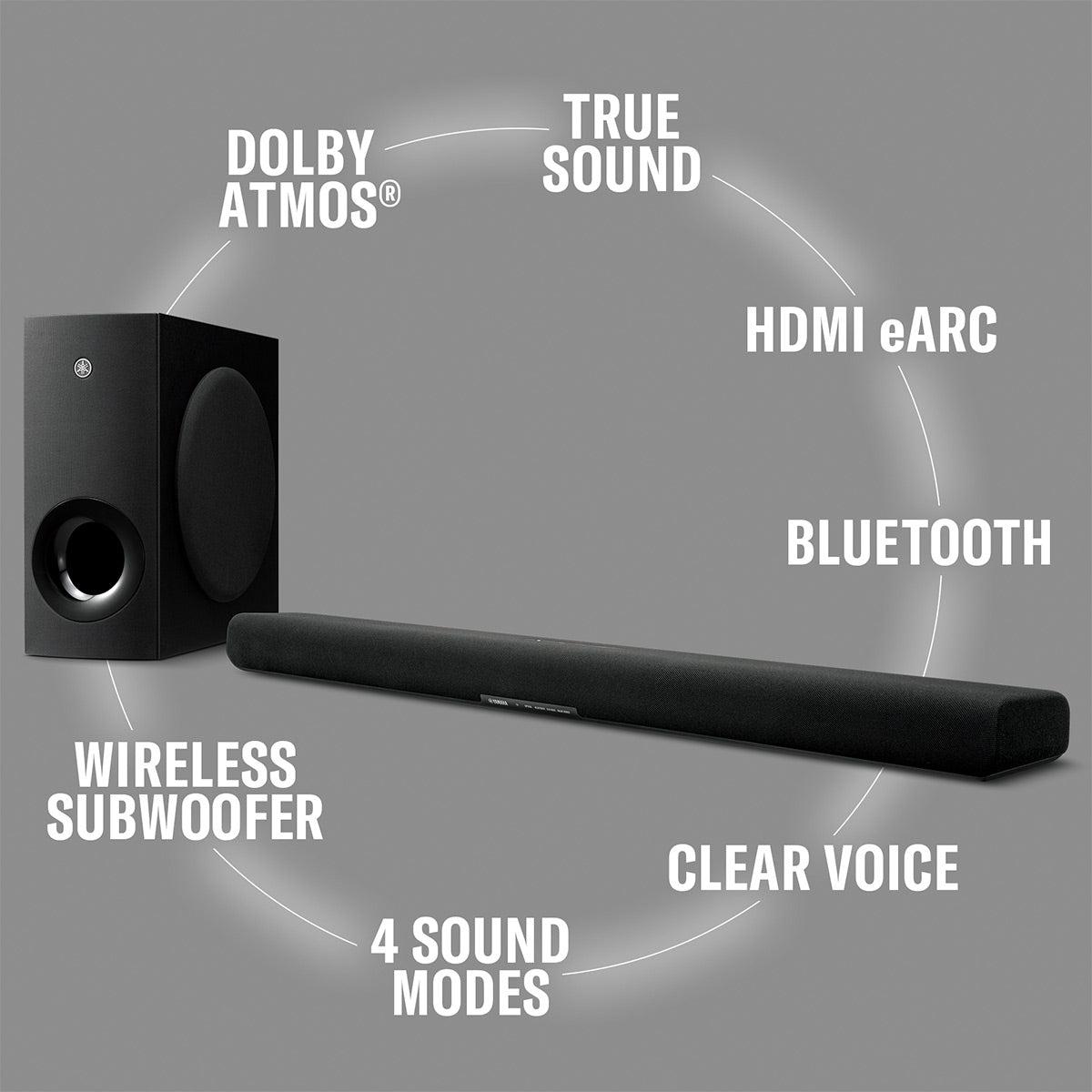
This is where the fundamental design difference becomes crystal clear. The Yamaha SR-B40A includes a dedicated 6.5-inch wireless subwoofer pumping out 100 watts of bass power. This isn't just about volume—it's about physical impact. When a T-Rex stomps across the screen or a bass line drops in your favorite song, you feel it as much as hear it. The separate subwoofer also means you can position it optimally in your room, often in a corner where bass naturally amplifies.
The Bose Smart Soundbar 1100 integrates bass drivers directly into its main unit using what Bose calls QuietPort technology. This reduces the turbulent air noise you usually get from small speakers trying to produce deep bass. While impressively clean for such a compact unit, it simply cannot match the physical presence of a dedicated subwoofer. Physics is physics—a larger driver in a bigger enclosure moves more air and creates more impactful bass.
However, Bose designed the system to be expandable. You can add their optional Bass Module later, though this significantly increases the total cost and defeats the compact, single-unit advantage.
Both soundbars excel at dialogue clarity, but through completely different methods. The Bose Smart Soundbar 1100 uses AI Dialogue Mode, which continuously analyzes the audio signal to identify when people are speaking. It then automatically adjusts the frequency response to boost vocal ranges while maintaining the impact of music and sound effects. This happens dynamically—if an actor whispers during a loud action sequence, the Bose intelligently brings their voice forward without making everything else sound unnatural.
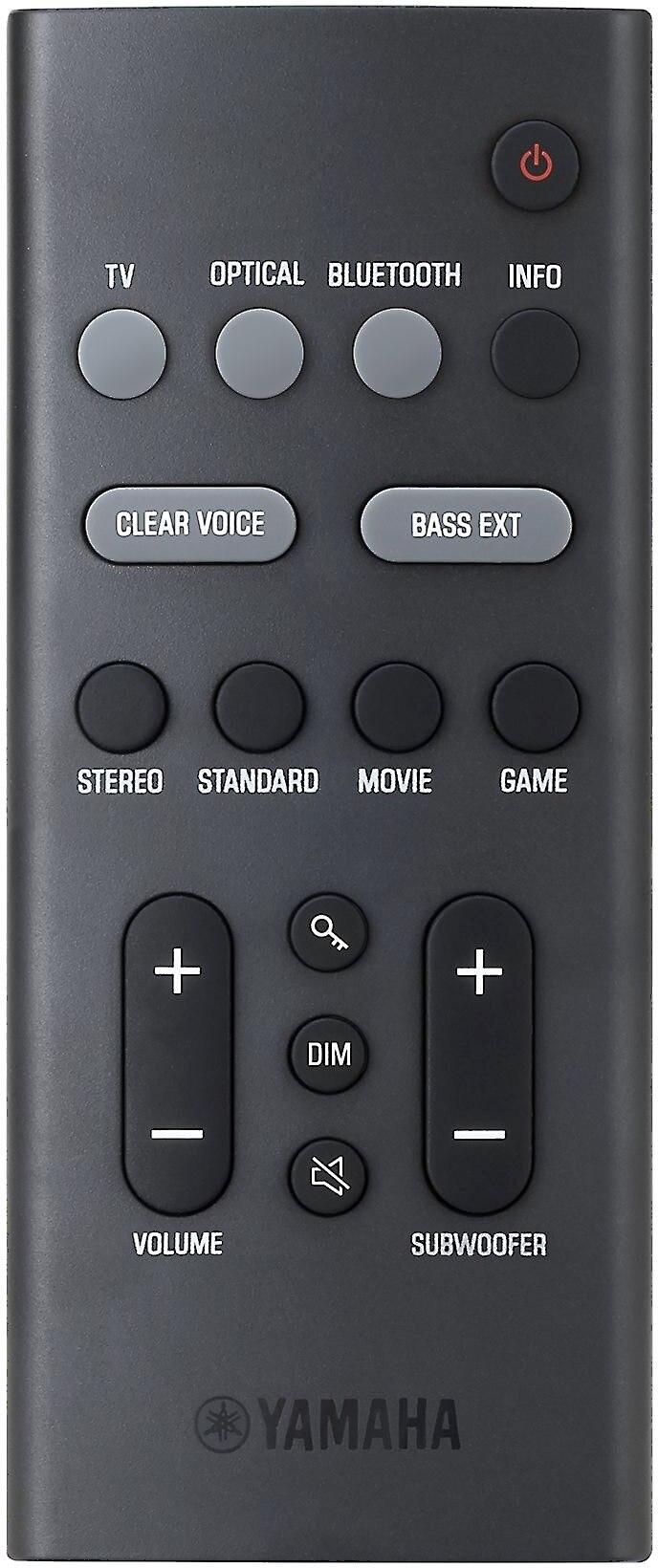
The Yamaha SR-B40A takes a more traditional approach with its Clear Voice feature. This is essentially a preset EQ (equalizer) that boosts the frequency ranges where human voices typically sit, around 2-4 kHz. It's effective but requires manual activation and works the same way regardless of what's playing.
From our evaluation of user feedback and professional reviews, the Bose's AI approach proves more versatile and effective, especially for complex soundtracks where dialogue, music, and effects compete for attention. The Yamaha's method works well but lacks the sophistication to adapt to changing content.
The feature gap between these soundbars is enormous. The Bose Smart Soundbar 1100 essentially functions as a smart speaker that happens to excel at TV audio. Built-in Alexa lets you control smart home devices, check weather, play music, and even control your TV through Voice4Video technology. This feature lets you say "Alexa, turn on Netflix" and it'll power on your TV, switch inputs, and launch the app.
WiFi connectivity opens up streaming options that go far beyond Bluetooth. Spotify Connect, Apple AirPlay 2, and Google Chromecast support mean you can stream music directly from apps without using your phone as a middleman. The Bose Music app provides extensive customization options and integrates with other Bose speakers for multi-room audio.
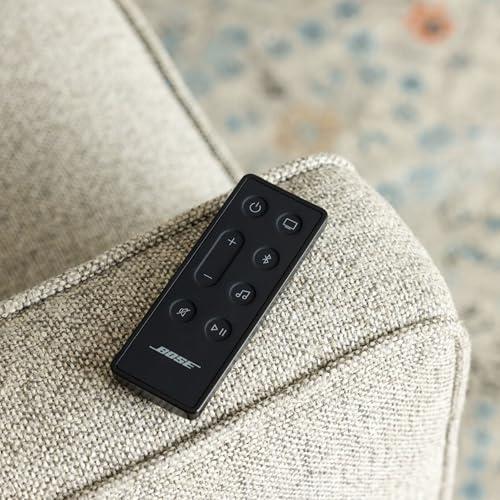
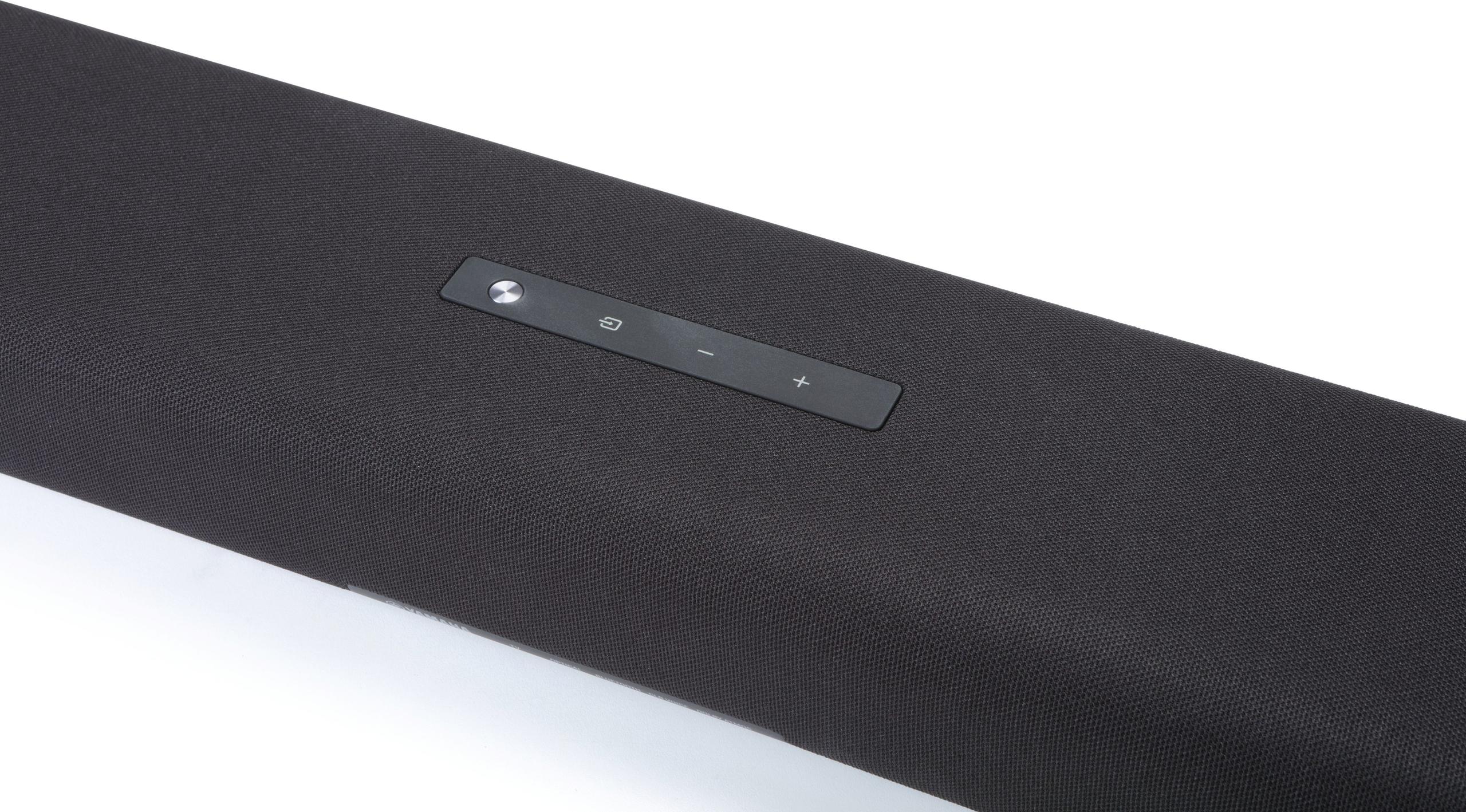
The Yamaha SR-B40A keeps things simple with Bluetooth connectivity and a basic remote app for tone adjustments. There's no voice control, no WiFi streaming, no smart home integration. Some users actually prefer this approach—it's straightforward, reliable, and won't become obsolete when smart features change.
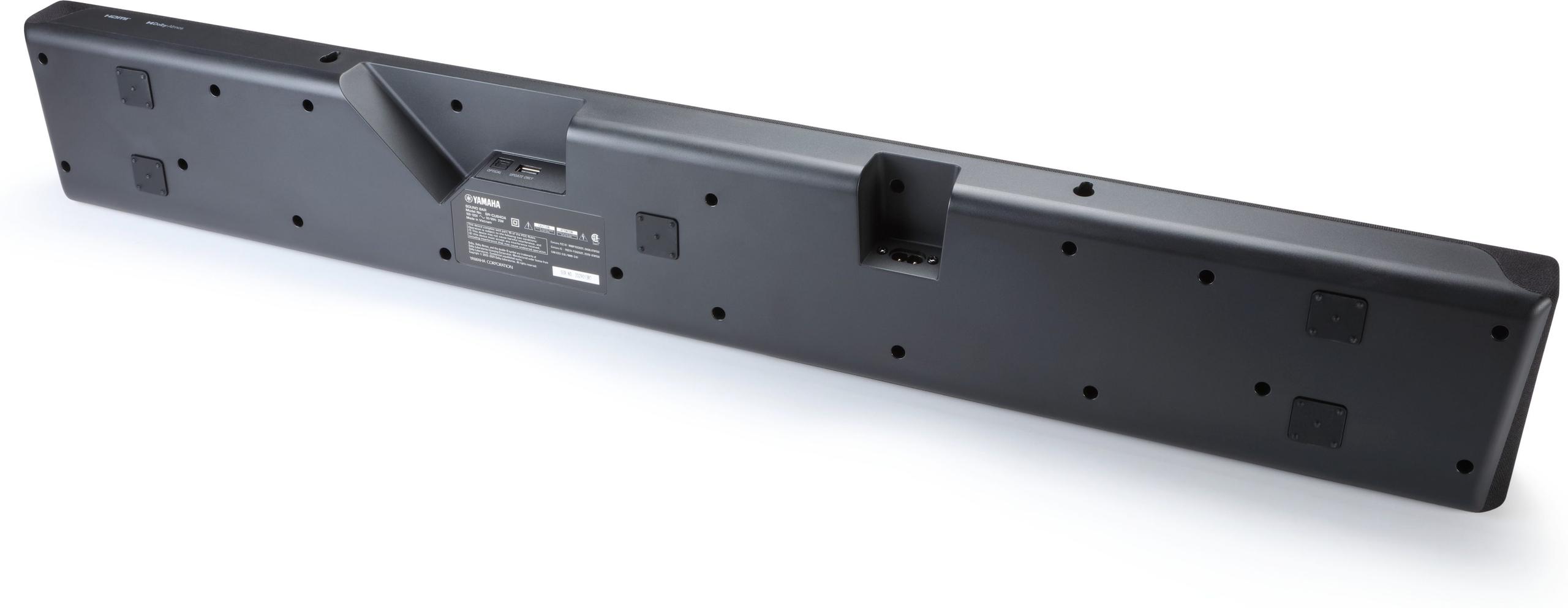
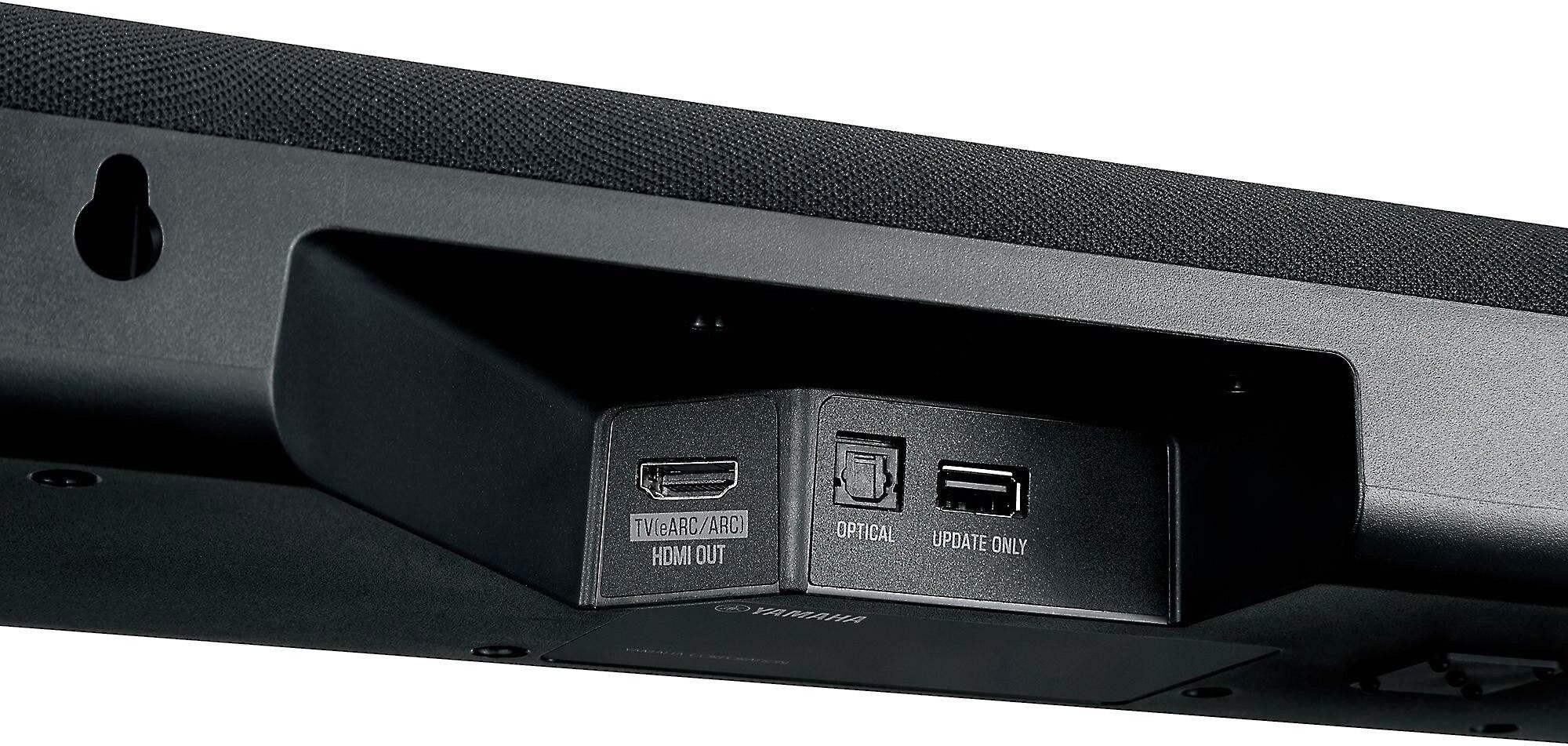
For home theater setups, the Bose's HDMI eARC connection supports higher-quality audio formats and allows your TV remote to control basic soundbar functions. The Yamaha also includes HDMI ARC but with less advanced functionality.
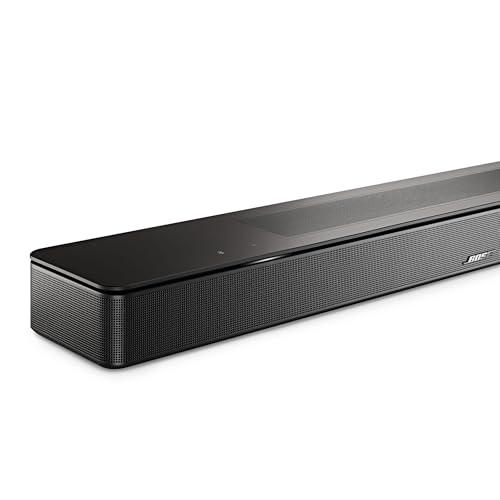
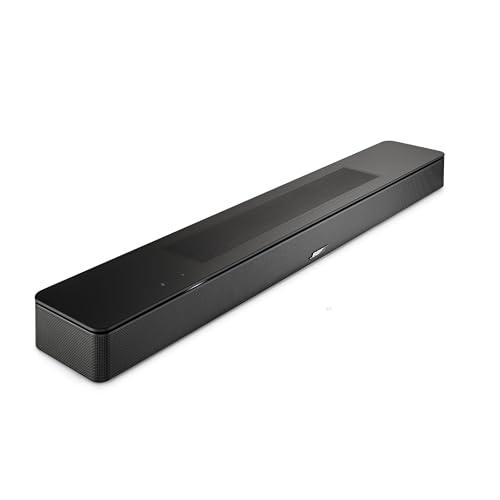
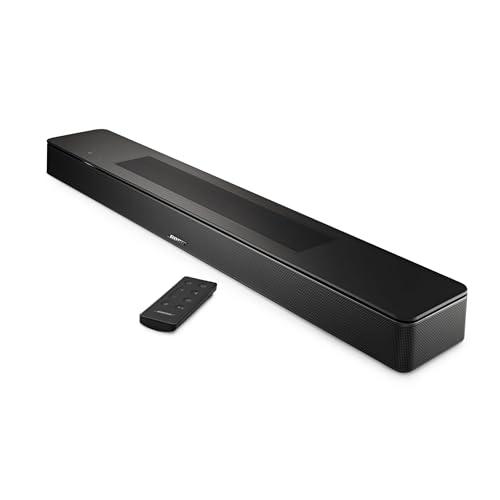
Both manufacturers take pride in their construction, but their approaches differ significantly. The Bose Smart Soundbar 1100 prioritizes minimalism with its compact 27.3-inch width fitting under most TVs without visual distraction. The matte black finish and low profile (just 2.2 inches tall) make it nearly invisible when placed properly.
The Yamaha SR-B40A makes no attempt to hide. At nearly 36 inches wide and requiring a separate subwoofer, it has a larger physical footprint. However, this size serves a purpose—more driver spacing and a dedicated bass enclosure that you can't achieve in a compact design.
Build quality feels solid on both units, though they target different installation scenarios. The Bose works better in smaller spaces or minimalist setups where you want maximum performance from minimal visual impact. The Yamaha suits larger rooms where you have space for proper component placement and want the performance that comes with dedicated drivers.
At the time of writing, these soundbars occupy different price tiers, with the Bose Smart Soundbar 1100 commanding a significant premium over the Yamaha SR-B40A. This price difference reflects their target markets and feature sets rather than pure audio quality.
The Yamaha delivers exceptional value for traditional soundbar performance. You get a complete 2.1 system with powerful bass response that would typically cost much more from other manufacturers. The audio performance easily competes with soundbars costing twice as much, especially for bass-heavy content like action movies and music.
The Bose justifies its higher price through advanced processing, smart features, and spatial audio technology. If you value convenience, smart home integration, and cutting-edge audio processing, the premium becomes more reasonable. The AI dialogue enhancement alone can transform your TV viewing experience, especially if you frequently struggle to understand dialogue in movies and shows.
If you're already invested in Alexa or Google Assistant ecosystems, the Bose Smart Soundbar 1100 becomes a natural choice. Voice control for TV functions, music streaming, and smart home devices creates a seamless experience. The multi-room audio capability means your soundbar can become part of a whole-home audio system, playing the same music in sync with other compatible speakers.
Bass lovers and traditional audiophiles will gravitate toward the Yamaha SR-B40A. The dedicated subwoofer provides the kind of low-end response that makes action movies visceral and music reproduction satisfying. If you primarily care about sound quality over convenience features, the Yamaha delivers more pure audio performance per dollar.
Urban dwellers and those with space constraints benefit from the Bose Smart Soundbar 1100's compact design. No separate subwoofer means one less component to place and power. The spatial audio processing helps create an impressive soundstage even in cramped quarters where you can't position a subwoofer optimally.
Both soundbars work well in dedicated home theater setups, but serve different roles. The Yamaha SR-B40A excels as a powerful foundation that prioritizes impact and dynamic range. Its bass response enhances the physical sensation of explosions, crashes, and musical crescendos.
The Bose Smart Soundbar 1100 shines with its Dolby Atmos implementation, adding vertical dimension to the soundscape. Modern action movies and nature documentaries become more immersive with genuine overhead effects.
Room acoustics play a huge role in soundbar performance. Hard surfaces like hardwood floors and bare walls help the Bose Smart Soundbar 1100's upward-firing drivers bounce sound effectively off the ceiling. In heavily carpeted or furnished rooms, these reflections get absorbed, reducing the height effect.
The Yamaha SR-B40A's separate subwoofer provides more placement flexibility. Corner placement typically amplifies bass response, while positioning along a wall provides more controlled, even bass distribution. This flexibility helps optimize performance regardless of room layout.
The Bose Smart Soundbar 1100 receives regular firmware updates that can add new features or improve existing ones. Since its 2022 launch, updates have enhanced voice recognition accuracy, added new streaming service compatibility, and refined the AI dialogue processing. This software-first approach means the soundbar can improve over time.
Bose also designed an expandable ecosystem. You can add their Bass Module for deeper bass response, Surround Speakers for true 5.1 surround sound, or even pair Ultra Open Earbuds for personal surround sound listening. This modularity lets you start simple and upgrade incrementally.
The Yamaha SR-B40A represents a complete system from day one. While it doesn't offer expansion options, it also doesn't require them for most users. The included subwoofer provides all the bass most people need, and the system's performance remains consistent regardless of software updates or connectivity changes.
Choose the Bose Smart Soundbar 1100 if you value cutting-edge technology, smart home integration, and spatial audio effects. It's ideal for tech enthusiasts who want voice control, streaming flexibility, and the option to expand their system later. The compact design suits smaller spaces, and the AI-driven dialogue enhancement excels with complex soundtracks.
Choose the Yamaha SR-B40A if audio performance per dollar is your priority. The dedicated subwoofer delivers powerful bass that the Bose simply cannot match without additional purchases. It's perfect for users who prefer straightforward operation, have space for a separate subwoofer, and primarily want their movies and music to sound dramatically better than TV speakers.
Both soundbars represent significant upgrades over built-in TV audio, but they achieve this through fundamentally different approaches. The Bose emphasizes technological sophistication and convenience, while the Yamaha focuses on proven audio engineering and physical impact. Your choice should align with whether you value innovation and smart features or prefer maximum audio performance at a more accessible price point.
| Bose Smart Soundbar 1100 | Yamaha SR-B40A 2.1-Channel Sound Bar with Wireless Subwoofer |
|---|---|
| Channel Configuration - Determines surround sound capabilities | |
| 3.0.2 (true Dolby Atmos with upward-firing drivers) | 2.1 (stereo soundbar + separate subwoofer) |
| Bass Response - Critical for movie impact and music enjoyment | |
| Integrated bass drivers in main unit (expandable with optional subwoofer) | Dedicated 6.5" wireless subwoofer with 100W power |
| Dolby Atmos Support - Overhead effects for immersive audio | |
| True Dolby Atmos with physical upward-firing speakers | Virtual Dolby Atmos through digital processing |
| Dialogue Enhancement - Essential for clear speech in movies/TV | |
| AI Dialogue Mode with real-time machine learning | Clear Voice mode with frequency boosting |
| Smart Features - Voice control and streaming convenience | |
| Built-in Alexa, WiFi streaming (Spotify Connect, AirPlay 2, Chromecast) | Basic Bluetooth connectivity only |
| Physical Size - Important for TV compatibility and room aesthetics | |
| 27.3" W x 2.2" H x 4.6" D (compact single unit) | 35.8" W soundbar + separate 7.6" x 16.5" x 16" subwoofer |
| Total System Power - Affects maximum volume and dynamic range | |
| 120W total system power | 200W total (50W x 2 channels + 100W subwoofer) |
| Connectivity Options - Determines how you can connect devices | |
| HDMI eARC, optical digital, WiFi, Bluetooth 5.0 | HDMI ARC, optical digital, Bluetooth 5.1 |
| Multi-Room Audio - Ability to sync with other speakers | |
| Compatible with Bose speaker ecosystem | No multi-room capabilities |
| Expandability - Future upgrade options | |
| Modular system (add Bass Module, Surround Speakers, compatible earbuds) | Complete system with no expansion options |
| Room Calibration - Automatic sound optimization | |
| Manual EQ adjustments via app | Basic tone controls through mobile app |
| Voice Assistant Integration - Hands-free control capabilities | |
| Built-in Alexa with Voice4Video for TV control | Requires external smart speaker for voice control |
The Bose Smart Soundbar 1100 excels for movies with its true Dolby Atmos support and AI-powered dialogue enhancement that automatically makes voices clearer during complex scenes. The Yamaha SR-B40A is better for action movies and content where powerful bass matters most, thanks to its dedicated 6.5-inch wireless subwoofer that delivers room-shaking low-end effects.
The Yamaha SR-B40A comes with a wireless subwoofer included, providing powerful bass right out of the box. The Bose Smart Soundbar 1100 has integrated bass drivers but no separate subwoofer - you can add an optional Bose Bass Module later if you want deeper bass response.
The Bose Smart Soundbar 1100 wins decisively with built-in Alexa, WiFi streaming (Spotify Connect, AirPlay 2, Chromecast), and Voice4Video technology for controlling your TV with voice commands. The Yamaha SR-B40A only offers basic Bluetooth connectivity and a simple remote control app.
The Bose Smart Soundbar 1100 creates a wider, more immersive soundstage with overhead effects from its upward-firing drivers, plus superior dialogue clarity through AI processing. The Yamaha SR-B40A delivers more powerful bass and dynamic range thanks to its dedicated subwoofer, making it better for music and bass-heavy content.
The Yamaha SR-B40A is simpler to set up with straightforward connections and basic remote control operation. The Bose Smart Soundbar 1100 requires more initial configuration for WiFi and smart features but offers more convenient daily use once set up, including voice control and app-based adjustments.
The Bose Smart Soundbar 1100 has Amazon Alexa built-in and works with Google Assistant for voice control of music, smart home devices, and TV functions. The Yamaha SR-B40A has no built-in voice assistant support and would require a separate smart speaker for voice control.
The Bose Smart Soundbar 1100 works better in smaller rooms due to its compact single-unit design and spatial audio processing that creates an impressive soundstage in limited space. The Yamaha SR-B40A is ideal for larger rooms where you can properly position the separate subwoofer and take advantage of its wider soundbar for better stereo separation.
For music, the Yamaha SR-B40A provides more satisfying bass response and dynamic range thanks to its dedicated subwoofer, making it better for genres like hip-hop, electronic, and rock. The Bose Smart Soundbar 1100 offers more streaming options and creates a wider soundstage, plus it integrates better with multi-room audio systems.
The Yamaha SR-B40A typically offers better value for pure audio performance, including a complete 2.1 system with powerful bass at a lower price point. The Bose Smart Soundbar 1100 justifies its higher cost through advanced smart features, AI processing, and true Dolby Atmos capabilities.
The Bose Smart Soundbar 1100 is part of a modular ecosystem - you can add a Bass Module, surround speakers, or even pair compatible Bose earbuds for personal surround sound. The Yamaha SR-B40A is a complete system with no official expansion options, but includes everything most users need.
Both soundbars work well for gaming, but serve different preferences. The Bose Smart Soundbar 1100 provides more immersive spatial effects for games with Dolby Atmos support. The Yamaha SR-B40A delivers more impactful bass for action games and has a dedicated Game mode for optimized audio processing.
The Bose Smart Soundbar 1100 features HDMI eARC (enhanced Audio Return Channel) for higher-quality audio formats and better TV integration. The Yamaha SR-B40A uses standard HDMI ARC, which still supports most audio formats but with less advanced functionality. Both allow your TV remote to control basic soundbar functions.
We've done our best to create useful and informative comparisons to help you decide what product to buy. Our research uses advanced automated methods to create this comparison and perfection is not possible - please contact us for corrections or questions. These are the sites we've researched in the creation of this article: bestbuy.com - rtings.com - rtings.com - youtube.com - staples.com - youtube.com - soundguys.com - businessinsider.com - youtube.com - rtings.com - crutchfield.com - youtube.com - youtube.com - smart.dhgate.com - dolby.com - bose.com - assets.bose.com - bose.com - connection.com - bestbuy.com - cdw.com - dell.com - device.report - crutchfield.com - visions.ca - shop.usa.yamaha.com - bestbuy.com - bestbuy.com - usa.yamaha.com - my.yamaha.com - europe.yamaha.com - adorama.com - usa.yamaha.com - digitalhomecreations.com - europe.yamaha.com - sundownone.com

Privacy Policy
Terms and Conditions - Affiliate Policy
Home Security
© Copyright 2008-2026.
11816 Inwood Rd #1211, Dallas, TX 75244