


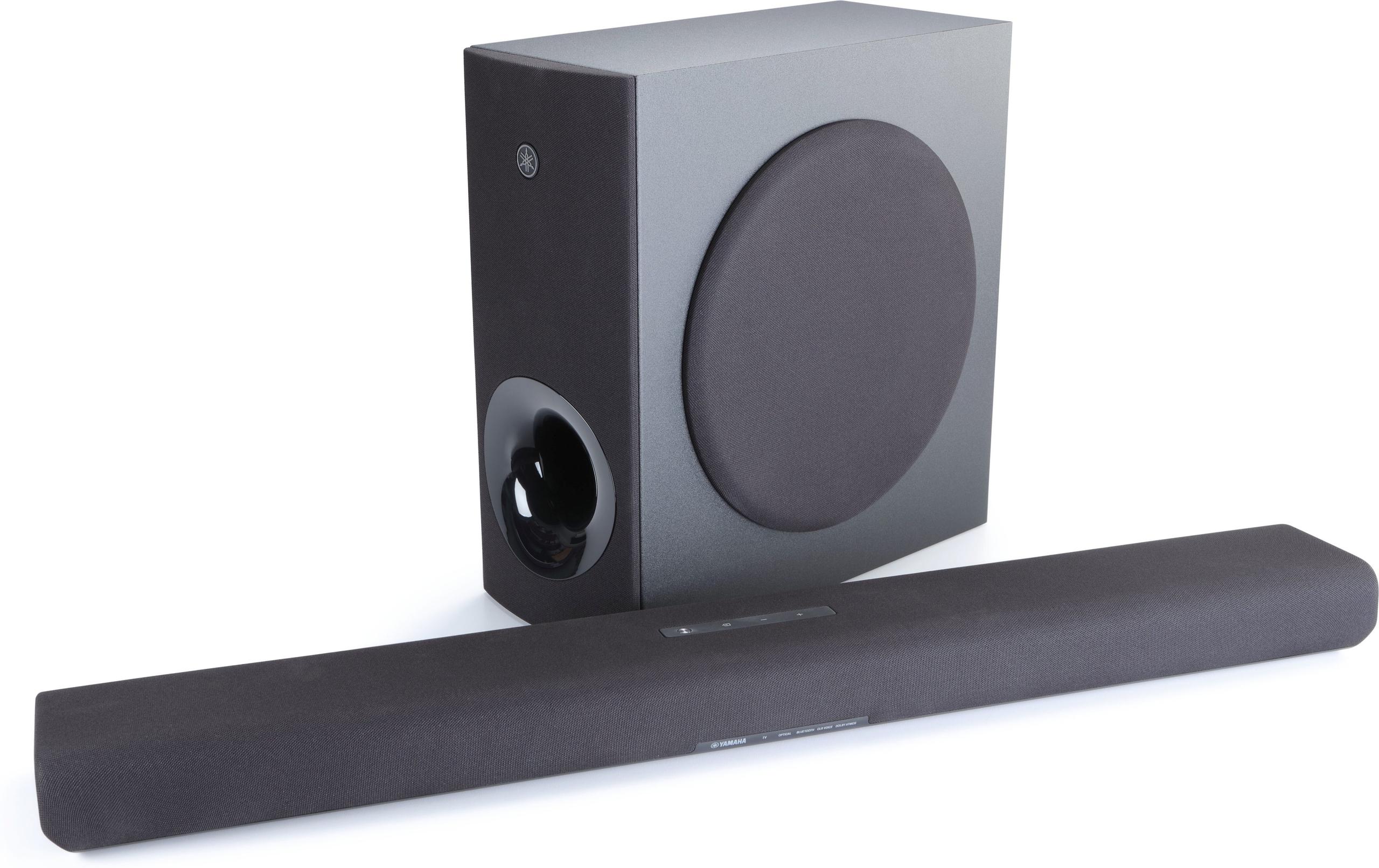
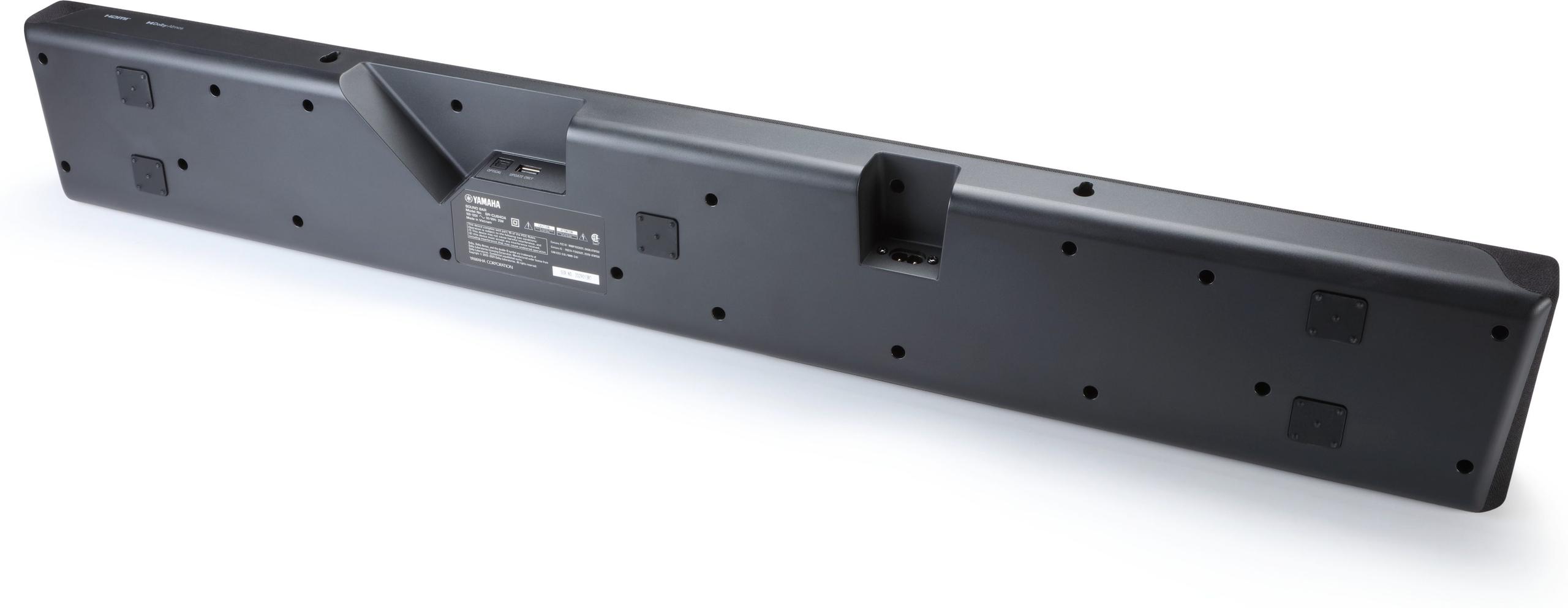
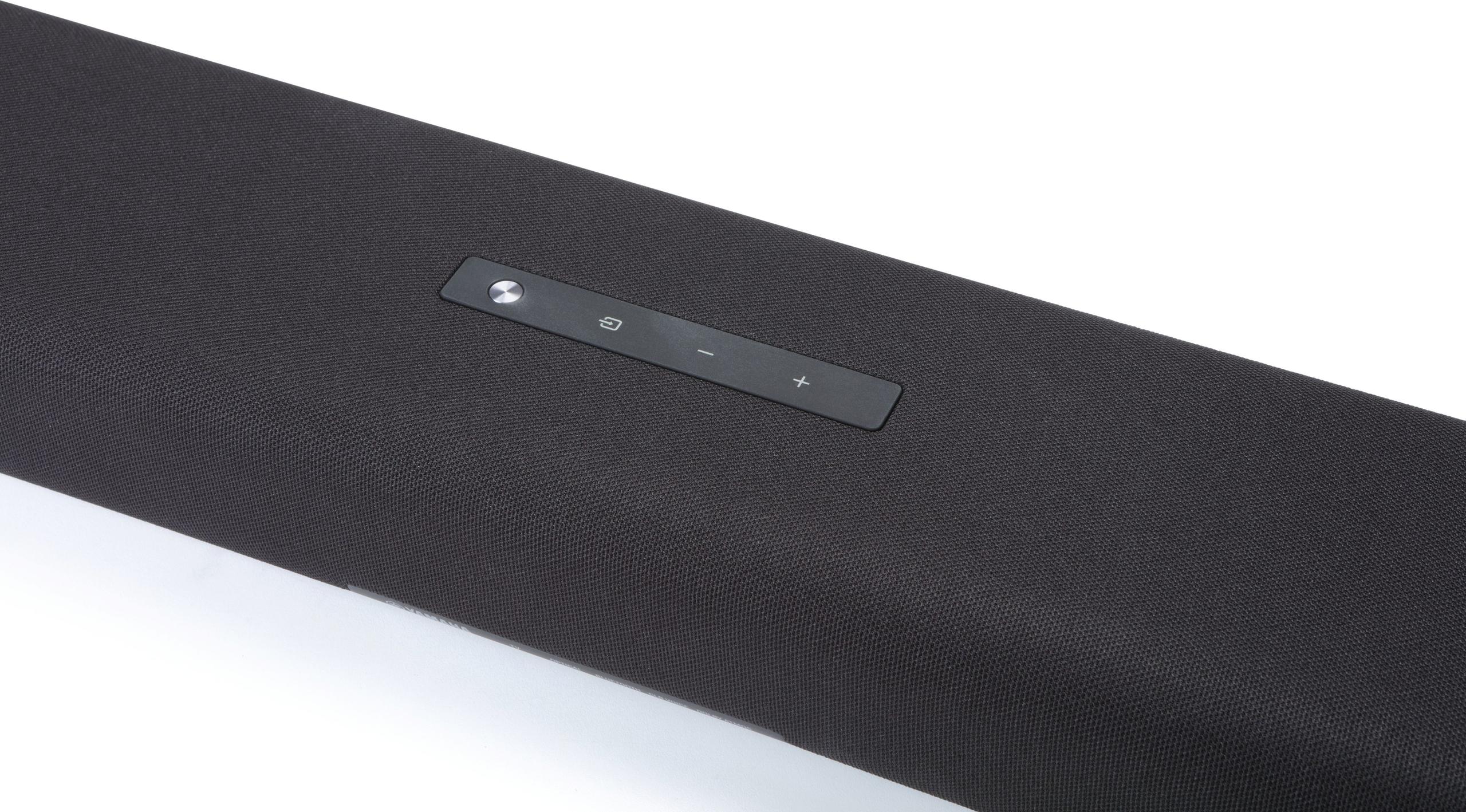
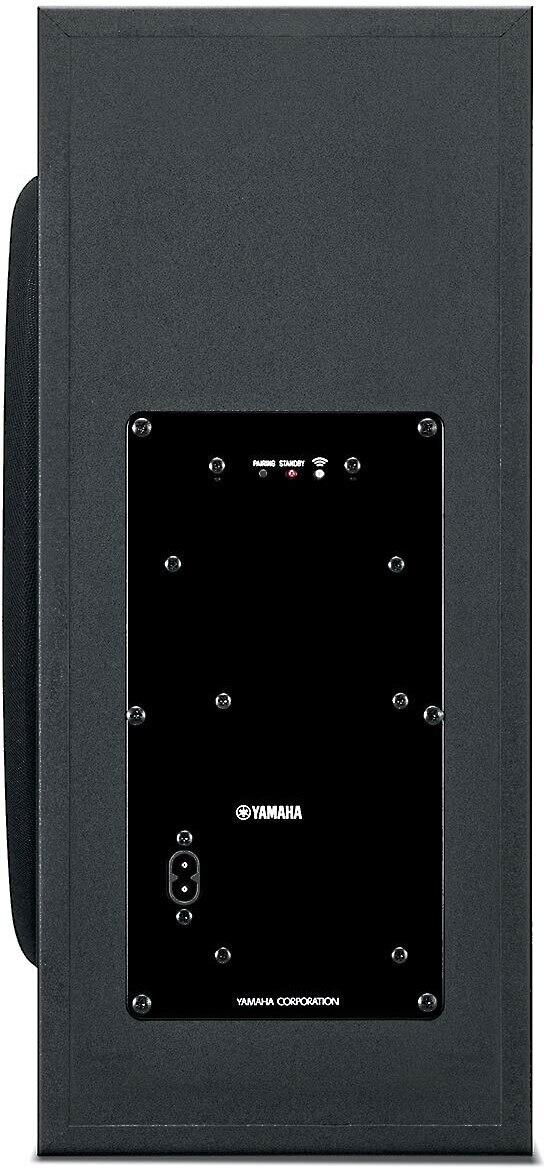





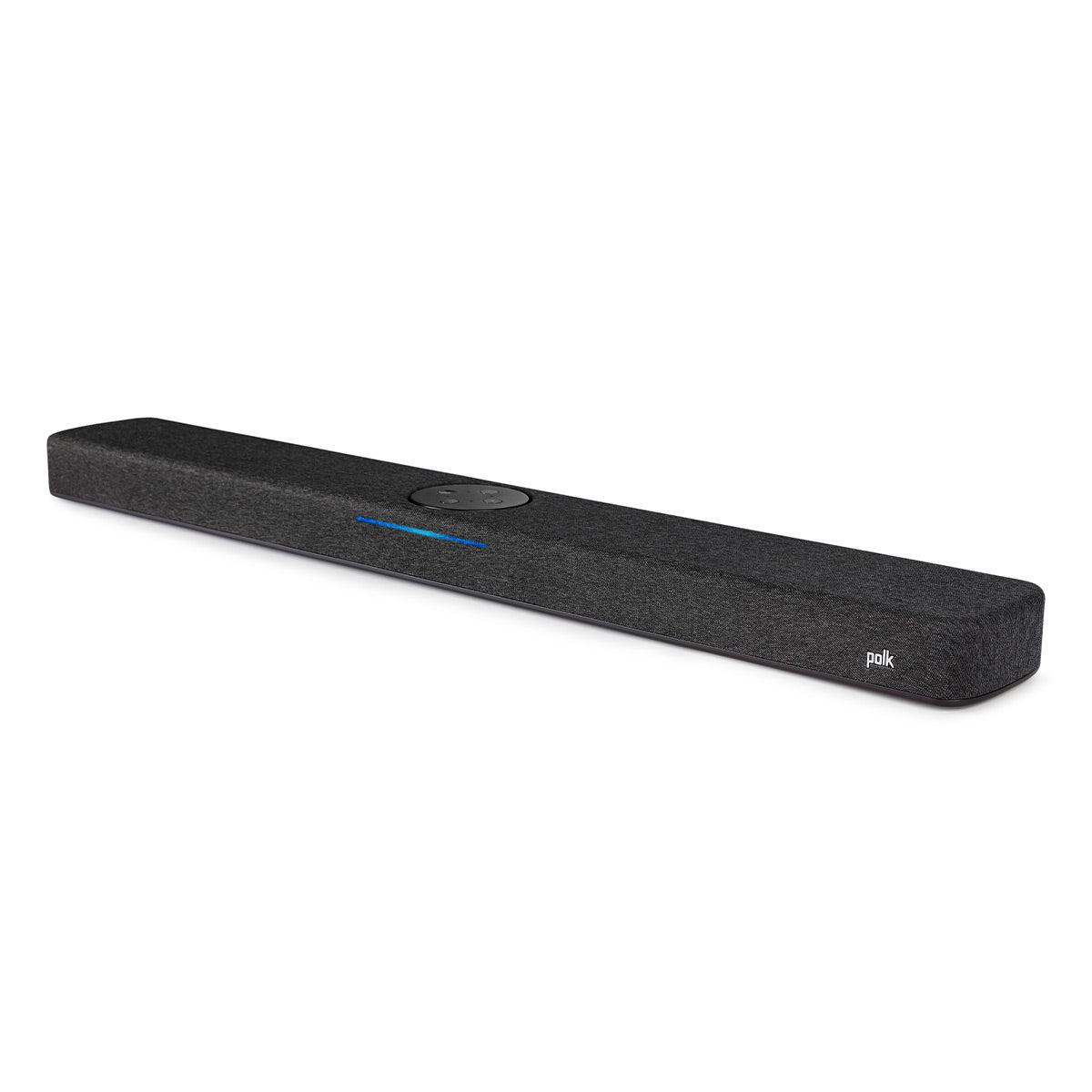
When you're tired of straining to hear dialogue or missing the rumble of explosions in your favorite movies, a sound bar becomes an essential upgrade. But with dozens of options available, choosing the right one can feel overwhelming. Today, I'm diving deep into two popular but very different approaches: the Yamaha SR-B40A 2.1-Channel Sound Bar with Wireless Subwoofer ($340) and the Polk Audio React Sound Bar with Alexa Built-In ($230).
These aren't just random picks – they represent two distinct philosophies in sound bar design. One focuses purely on audio performance with modern virtual surround technology, while the other integrates smart home functionality into a more traditional stereo setup. After spending time with both systems, I can tell you that your choice will significantly impact both your daily routine and entertainment experience.
The sound bar market has evolved dramatically over the past few years. What started as simple speaker strips designed to improve TV dialogue has branched into several distinct categories. You'll find basic stereo bars that focus on clarity, 2.1 systems that add dedicated bass through subwoofers, and premium models that attempt to recreate full surround sound through digital processing.
More recently, smart integration has become a major battleground. Some manufacturers like Polk have embraced this trend, essentially turning their sound bars into large smart speakers. Others, like Yamaha, have stayed focused on pure audio performance while adding connectivity features that complement rather than dominate the experience.
When shopping for a sound bar, you need to consider several key factors. First is your room size and layout – a small apartment has very different needs than a large living room. Second is your primary use case: are you mainly watching movies, listening to music, or do you want something that can handle both equally well? Finally, there's the question of smart features and whether you want your sound bar to be part of a larger connected home ecosystem.
The Yamaha SR-B40A and Polk Audio React represent compelling answers to these questions, but they take markedly different approaches.
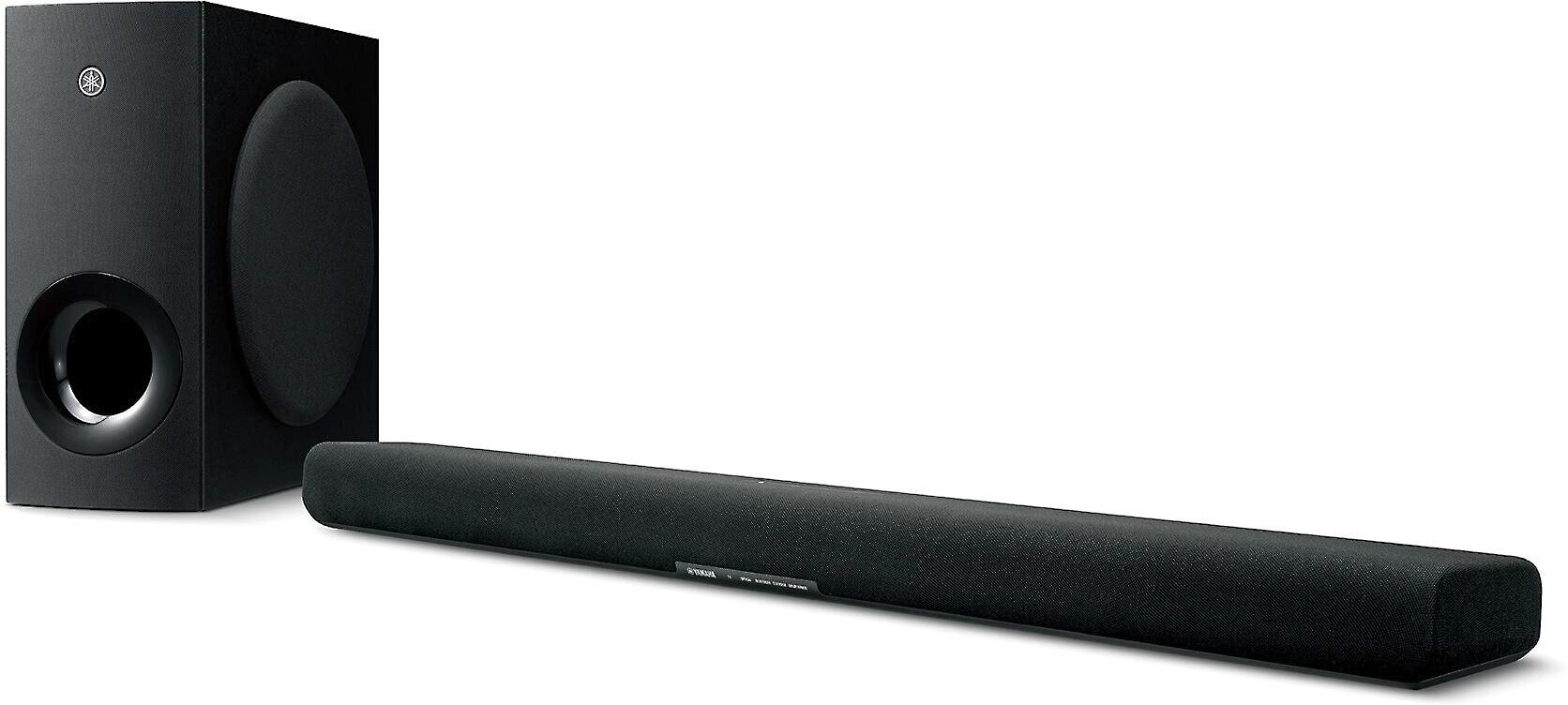
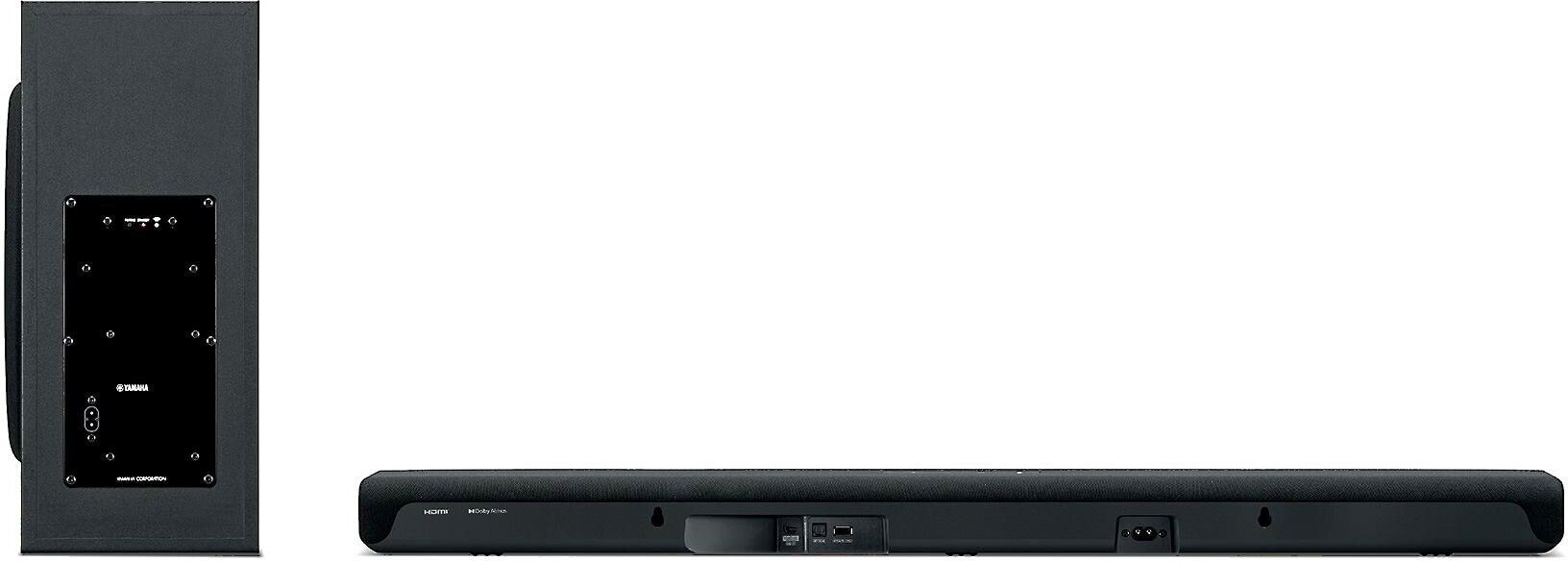
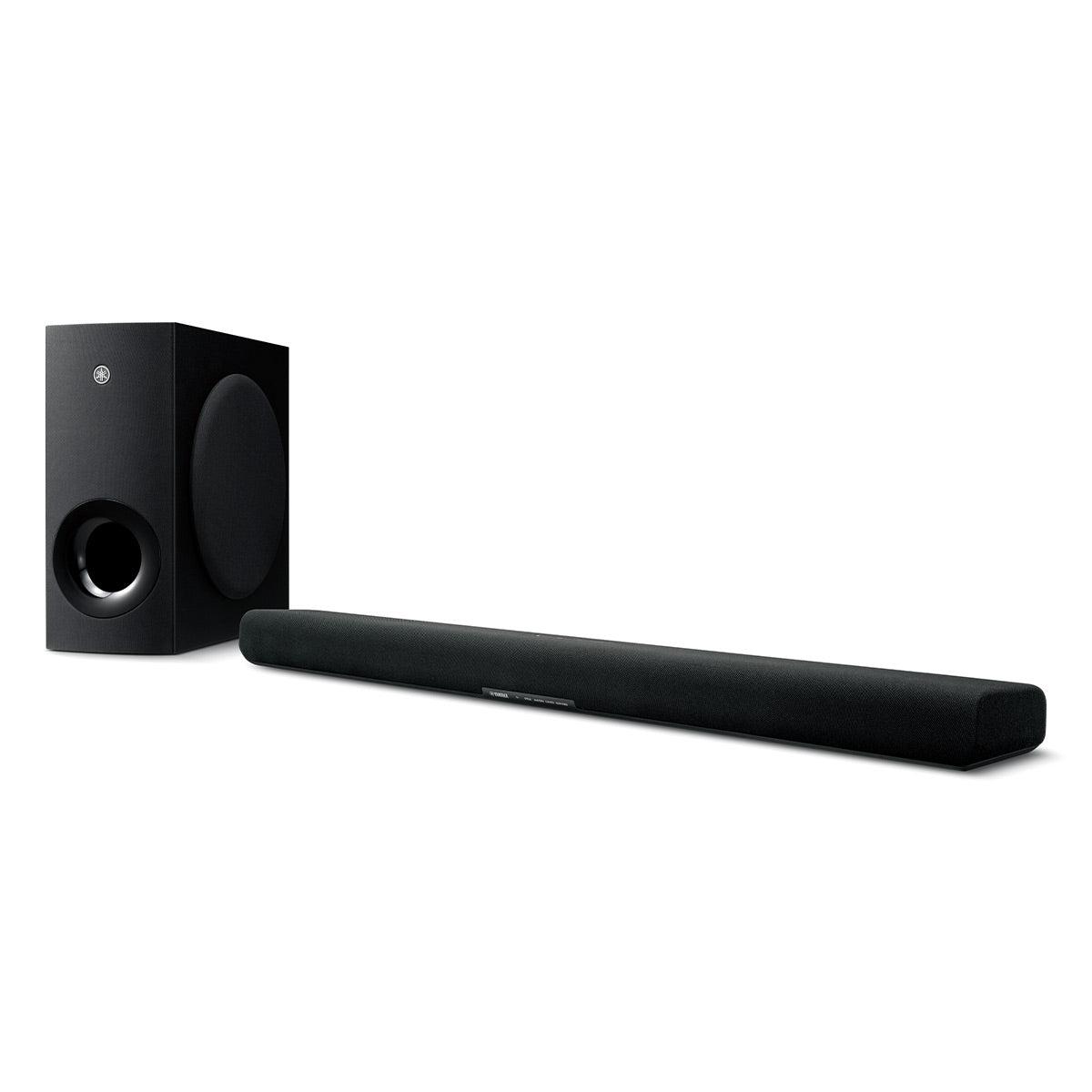
Released in 2023, the Yamaha SR-B40A represents the company's latest thinking on affordable home theater audio. Yamaha has been refining their sound bar technology for years, and this model incorporates several advances that weren't available in earlier generations.
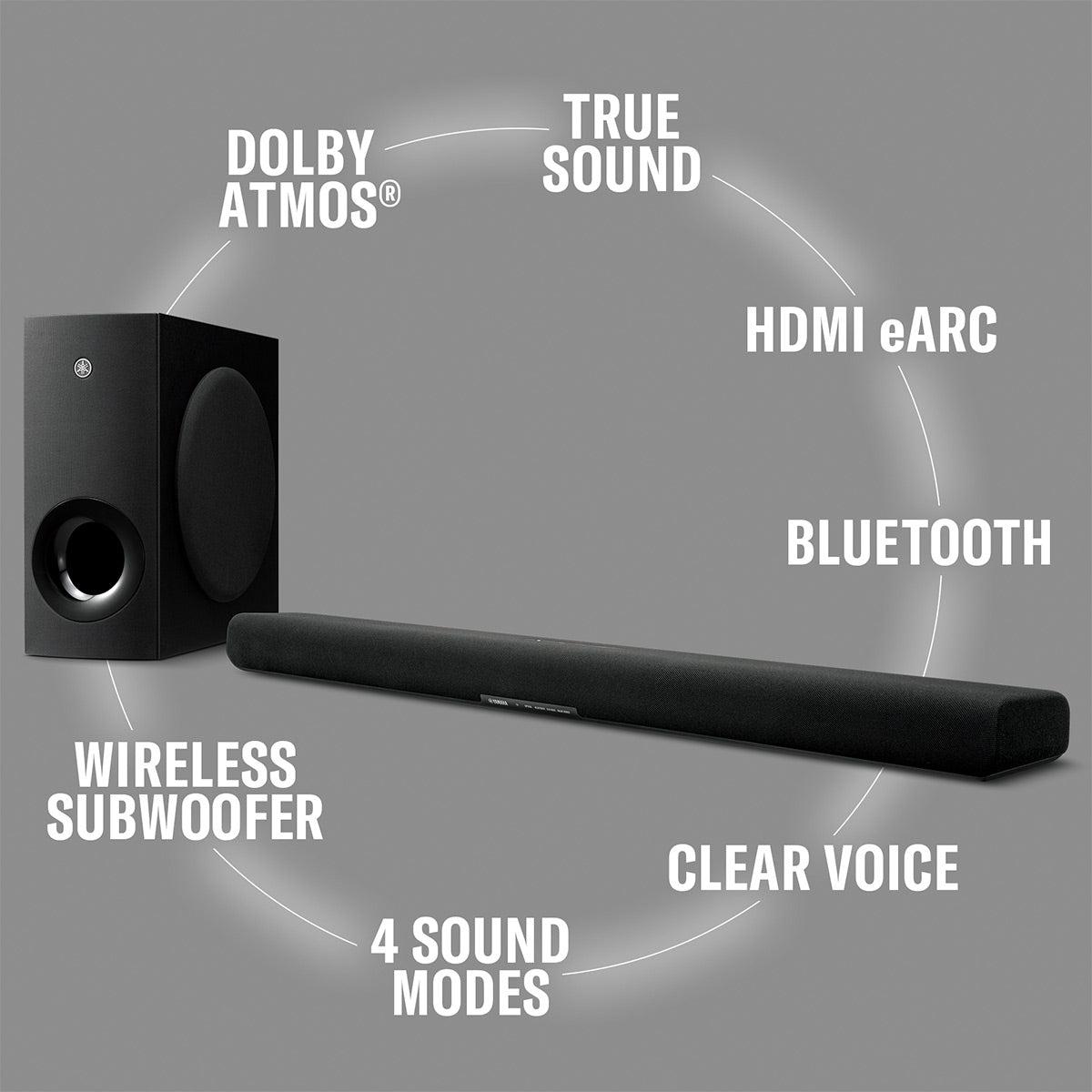
The most significant feature is virtual Dolby Atmos processing. Now, let me explain what this actually means in practical terms. Traditional Dolby Atmos uses speakers mounted in your ceiling or pointing upward to create sounds that seem to come from above – like helicopters flying overhead or rain falling down. Virtual Dolby Atmos uses advanced digital signal processing (DSP) to simulate these height effects through the sound bar's forward-firing speakers. It's not quite the same as having actual overhead speakers, but the effect can be surprisingly convincing with the right content.
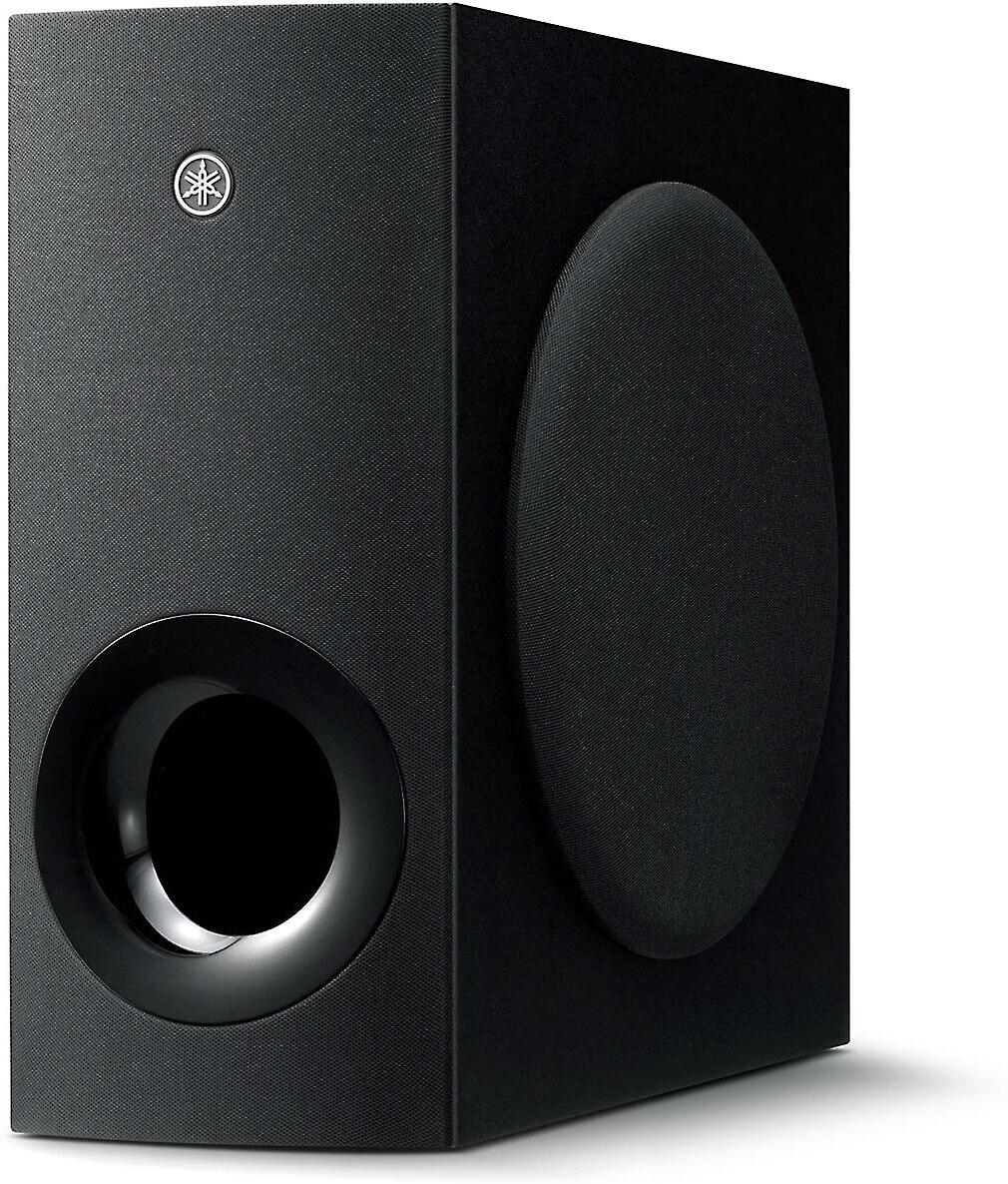
The SR-B40A's 2.1 configuration means you get stereo left and right channels plus a dedicated subwoofer channel (.1). The included wireless subwoofer is crucial here – it handles all the low-frequency effects that the main sound bar simply can't reproduce effectively. With a 6.25-inch driver, this subwoofer provides the floor-shaking bass that makes action movies feel immersive.
What sets Yamaha apart is their approach to sound tuning. The company has decades of experience in audio engineering, and it shows in how they've balanced the SR-B40A. Rather than boosting certain frequencies to make the sound bar seem more impressive in a store demo, they've aimed for natural tonal balance that works well across different types of content.
The 200W total system power might not sound earth-shattering compared to some competitors claiming higher numbers, but Yamaha's conservative ratings typically reflect real-world performance rather than theoretical peaks. In my experience, this translates to clean, distortion-free sound even at high volumes.
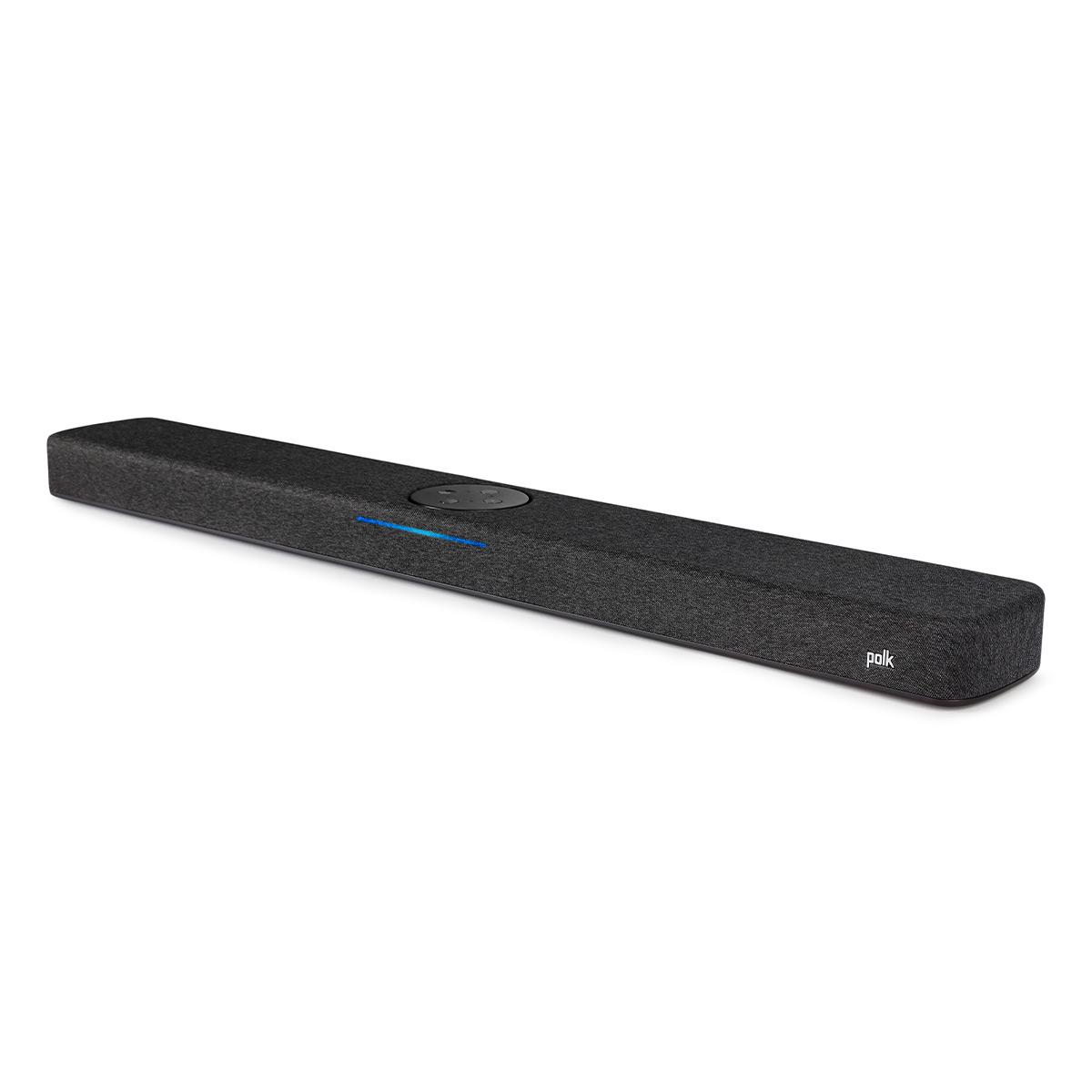
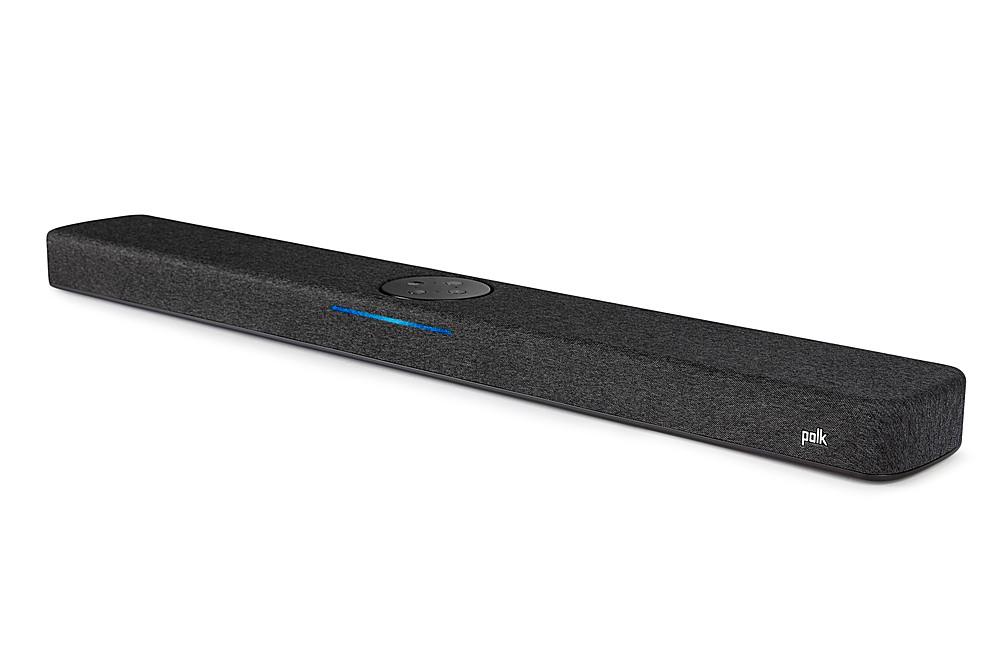
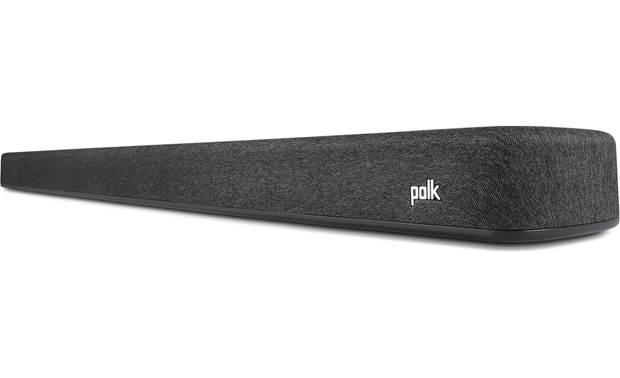
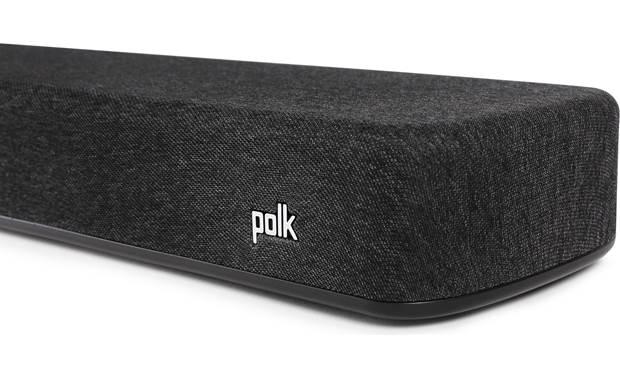
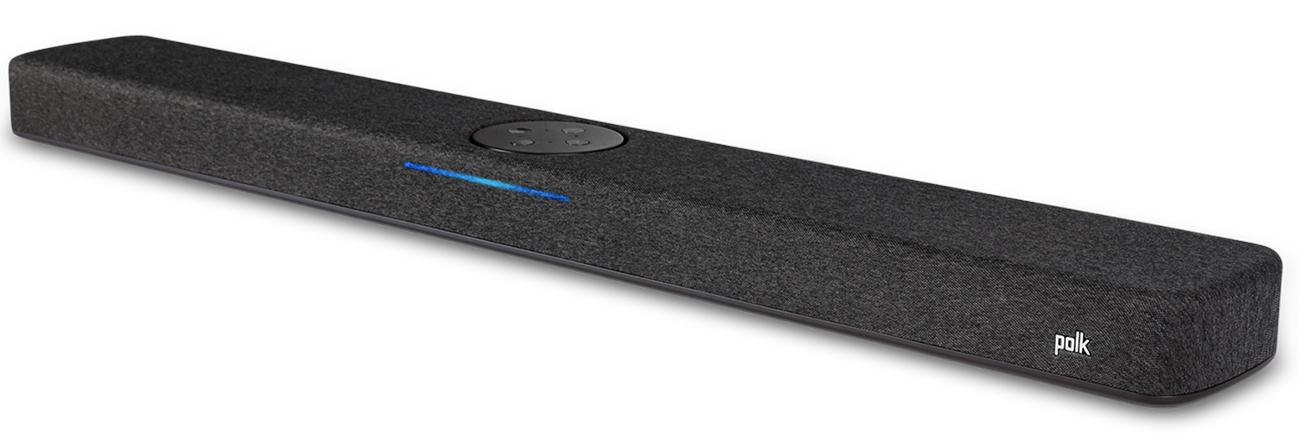
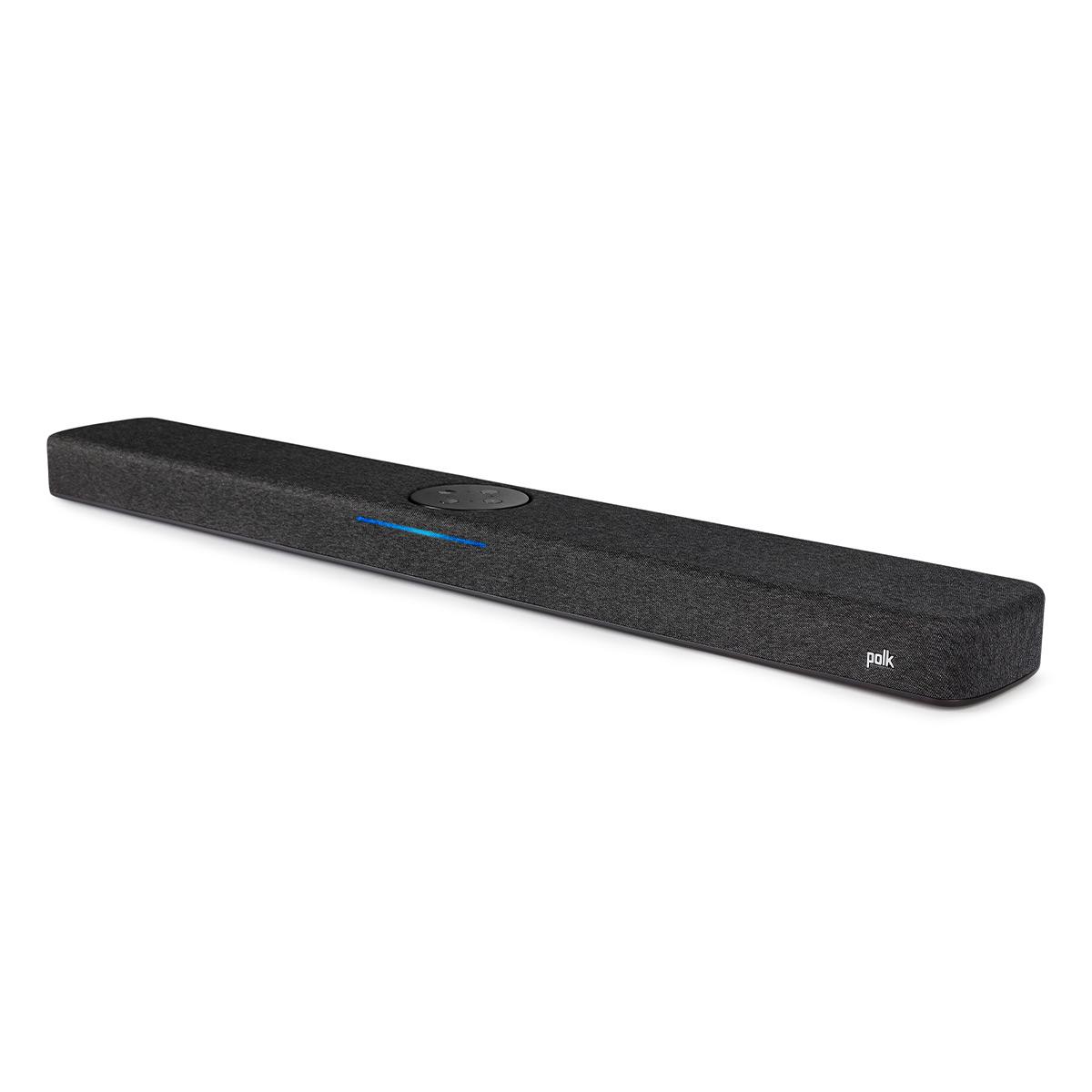
The Polk React, launched in 2021, took a different path entirely. Instead of chasing the latest audio processing trends, Polk focused on integrating Amazon Alexa directly into the sound bar experience. This wasn't just adding Bluetooth connectivity or basic voice commands – they built a full smart speaker into what's essentially a high-quality stereo sound bar.
The React uses a 2.0 configuration, meaning stereo left and right channels without a dedicated subwoofer. However, Polk compensated for this with clever engineering. The sound bar includes passive radiators – these are essentially speakers without magnets that vibrate in response to the main drivers, extending bass response significantly. It's the same principle used in many bookshelf speakers and smaller subwoofers.
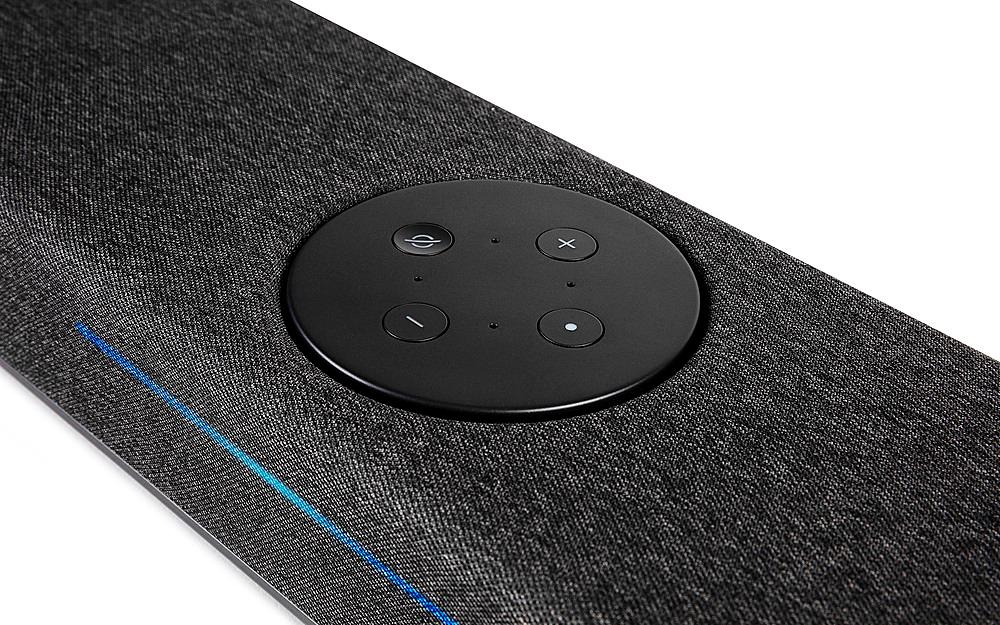
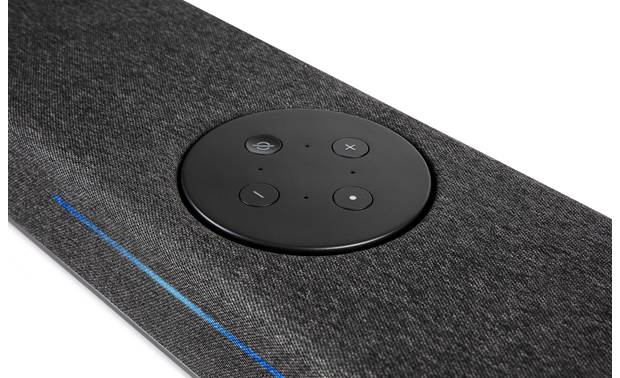
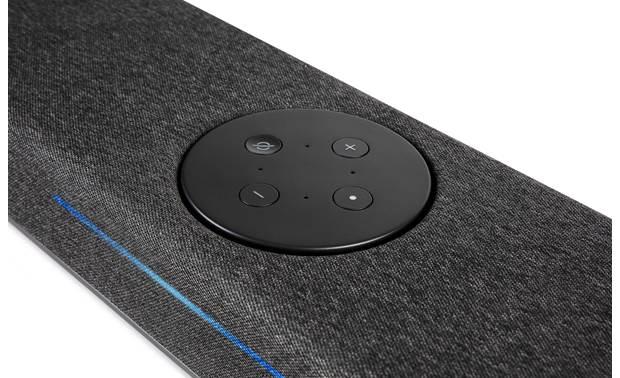
The Alexa integration includes four far-field microphones that can pick up voice commands from across the room, even when music is playing. This means the React functions as a standalone Amazon Echo when your TV is off, handling everything from weather queries to smart home control to music streaming.
One feature I particularly appreciate is Polk's Voice Adjust technology. This allows you to fine-tune dialogue levels separately from other sounds, which is incredibly useful during movies where background music might overwhelm conversations. Unlike simple treble/bass controls, this targets the specific frequency ranges where human speech occurs.
The fundamental difference in audio performance comes down to the subwoofer question. The Yamaha SR-B40A includes a dedicated wireless subwoofer that handles everything below about 100Hz, while the Polk React relies on its passive radiators and main drivers for all frequencies.
In practical terms, this means the Yamaha delivers deeper, more controlled bass. When you're watching an action movie with explosions or listening to music with synthesized bass lines, the difference is immediately apparent. The dedicated subwoofer can reproduce frequencies that the Polk simply cannot reach, creating a more complete sonic picture.
However, the Polk React surprises with how much bass it does produce. Those passive radiators work remarkably well, and for many listeners, the bass response will be entirely adequate. Where the React really shines is in midrange clarity and stereo imaging. Without the complexity of virtual surround processing, it delivers a very direct, engaging sound that's particularly effective for dialogue-heavy content like news or talk shows.
The Yamaha's virtual Dolby Atmos processing adds another dimension – literally. With compatible content, you'll hear sounds that seem to come from behind and above you. It's not perfect, and with some complex movie soundtracks, the processing can make things sound a bit artificial. But when it works well, like with helicopter scenes or atmospheric nature documentaries, the effect is genuinely impressive.
This is where the two products diverge most dramatically. The Polk React essentially gives you two devices in one: a sound bar and an Amazon Echo. You can ask it to play music, control smart home devices, set timers, or answer questions, all without touching a remote or phone.
The integration goes deeper than you might expect. When watching TV, Alexa can adjust the volume or change sound modes through voice commands. When the TV is off, the React becomes your primary smart speaker, handling all the tasks you'd typically use a separate Echo for.
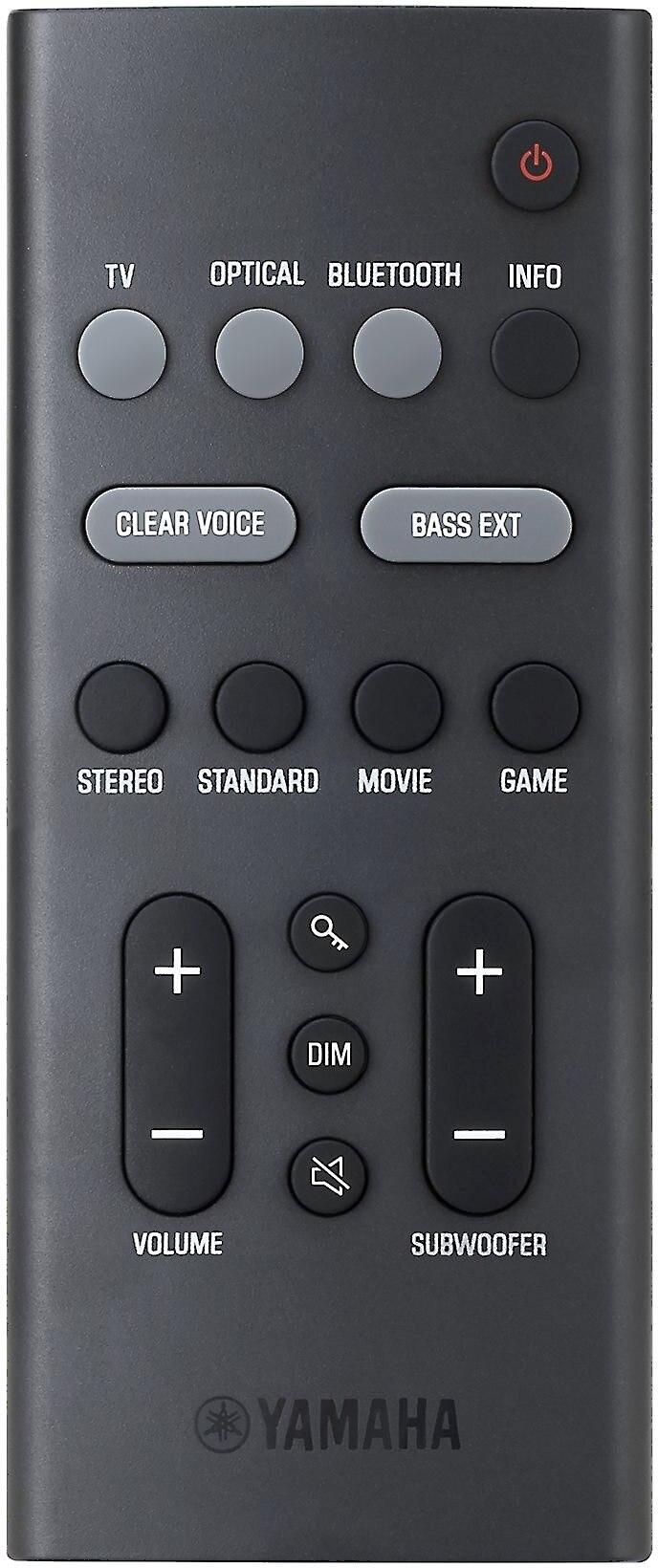
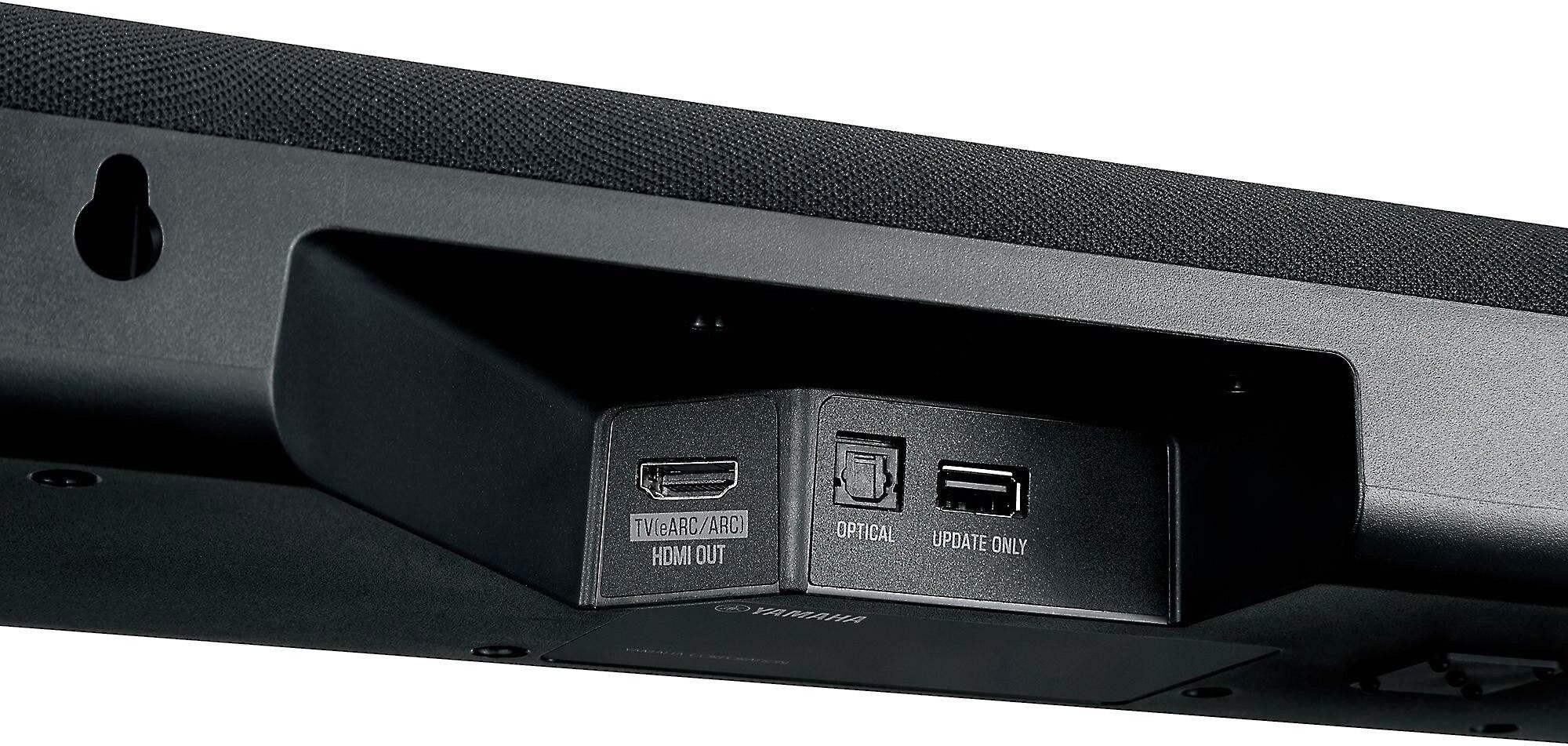
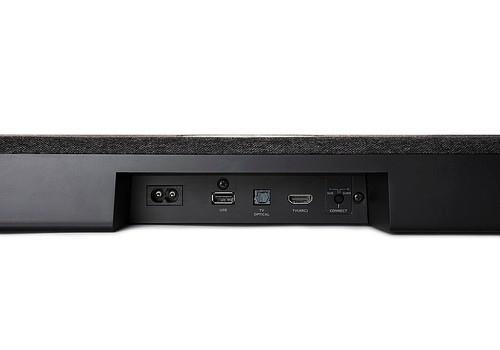
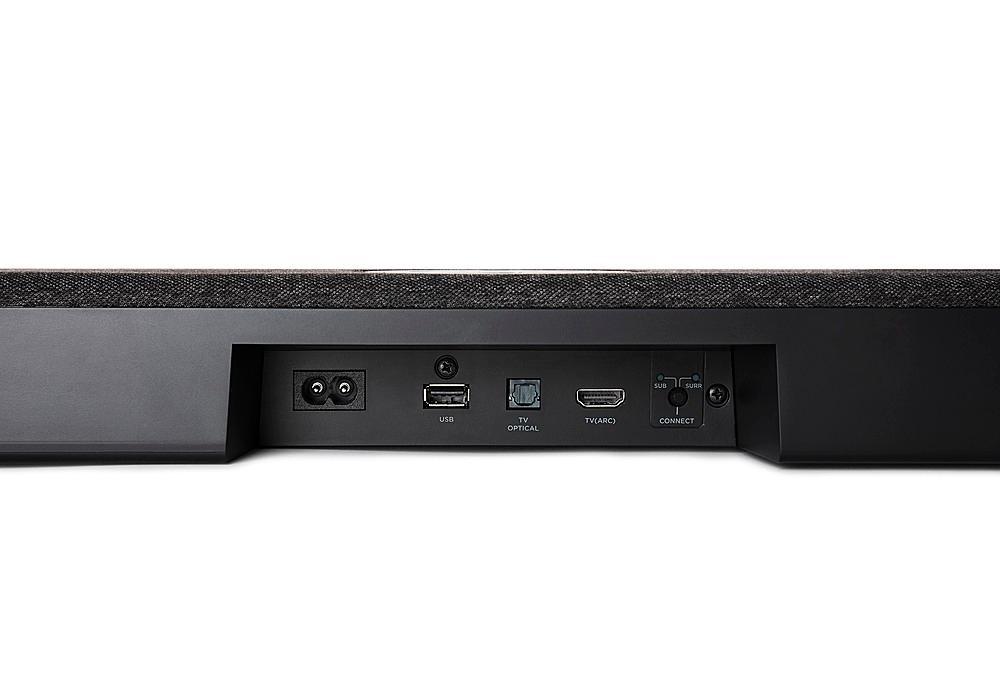
The Yamaha SR-B40A, by contrast, takes a more traditional approach. It includes Bluetooth for music streaming and HDMI eARC for high-quality audio from your TV, but there's no voice assistant integration. You'll use either the included remote or Yamaha's smartphone app to make adjustments.
For some users, this is actually a benefit. If you already have smart speakers throughout your home or prefer not to have always-listening microphones in your living room, the Yamaha's approach keeps things simple and focused on audio performance.
Your room size significantly impacts which sound bar will work better. The Yamaha's dedicated subwoofer and higher power output make it better suited for larger spaces. The wireless subwoofer can be positioned anywhere in the room for optimal bass response, and the 200W total power can fill substantial spaces without strain.
The Polk React works well in small to medium-sized rooms, but it can struggle to provide the same impact in larger spaces. However, its aggressive stereo tuning helps it punch above its weight class in terms of perceived volume and presence.
At $340, the Yamaha SR-B40A costs $110 more than the Polk React at $230. However, this comparison becomes more complex when you consider what you're getting.
The Yamaha includes a wireless subwoofer that would cost $150 or more if purchased separately. You're essentially getting a complete 2.1 system for $340, which represents solid value in today's market.
The Polk React's lower price reflects its stereo-only configuration, but it includes premium smart features that add significant daily utility. If you were planning to buy both a sound bar and a smart speaker anyway, the React's integrated approach offers compelling value.
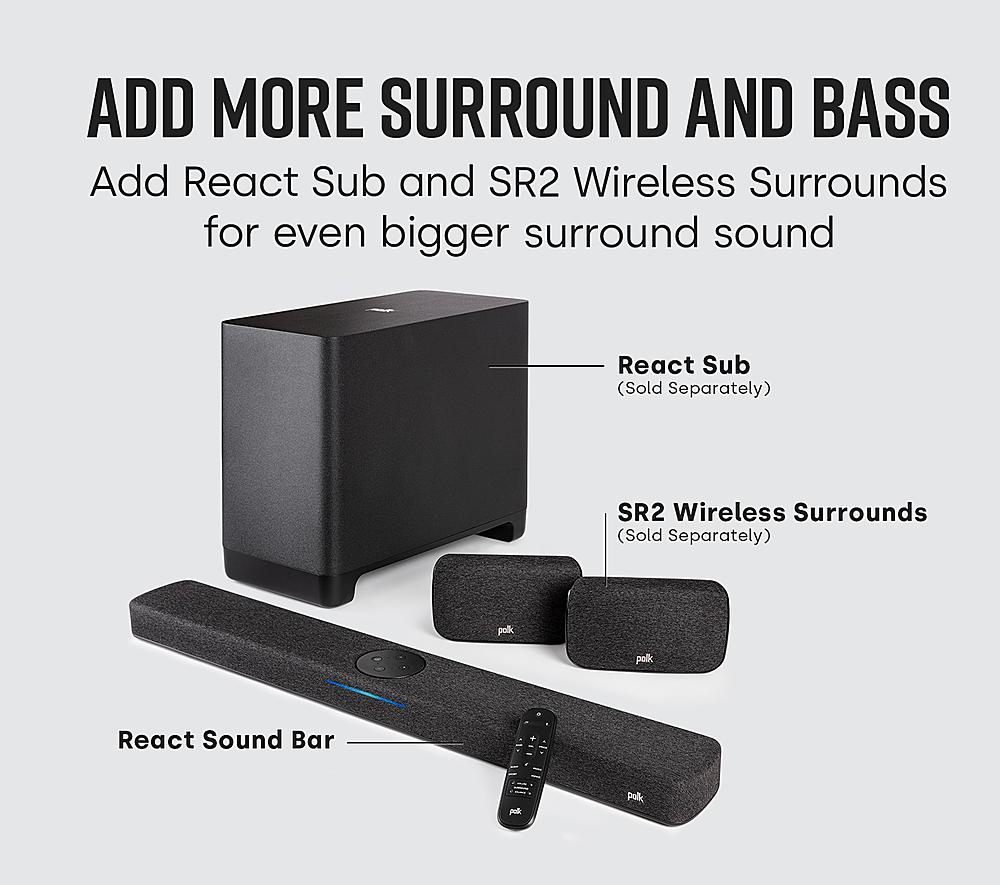
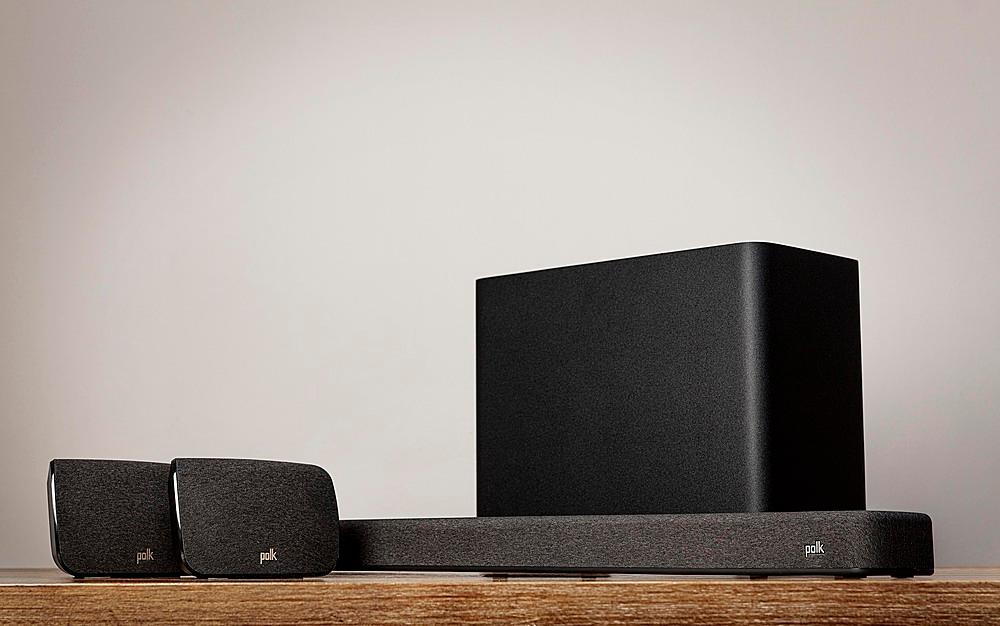
There's also the question of expandability. Polk designed the React as part of a modular system. You can add their wireless subwoofer (around $150) and wireless rear speakers (about $200) to create a full 5.1 system. This allows you to start with the basic bar and upgrade over time as your budget allows.
The Yamaha, while complete out of the box, offers less flexibility for future expansion. What you buy is what you get, though for many users, that's perfectly adequate.
For serious movie watching, the differences between these systems become more pronounced. The Yamaha SR-B40A was clearly designed with home theater use as a priority. The virtual Dolby Atmos processing, while not perfect, does add a sense of space and immersion that's particularly effective with blockbuster movies.
I've noticed that the Yamaha handles dynamic range better – the difference between quiet dialogue and loud action sequences. This is partly due to the dedicated subwoofer handling the heavy lifting on low frequencies, allowing the main drivers to focus on midrange clarity.
The Polk React, while excellent for dialogue clarity, can become somewhat fatiguing during long movie sessions. Its aggressive tuning, which works well for music and casual TV watching, can make extended action sequences feel harsh. However, the Voice Adjust feature helps considerably by letting you fine-tune dialogue levels to match your preferences.
Both systems support the major digital audio formats you'll encounter from streaming services and Blu-ray players, but the Yamaha's HDMI eARC connection provides a slight advantage for high-resolution audio formats.
Since the React's 2021 launch, the sound bar market has increasingly embraced virtual surround technologies. Polk's decision to focus on stereo reproduction now seems somewhat conservative, though their smart integration was ahead of its time.
The Yamaha, being newer, incorporates more recent advances in virtual surround processing. However, both products should remain relevant for years to come, as the fundamental technologies they use are well-established.
One consideration is software updates. The Polk React's Alexa integration means it receives regular feature updates and improvements, potentially extending its useful life. The Yamaha's more traditional approach means fewer updates but also fewer potential compatibility issues over time.
After extensive use with both systems, I can confidently say that either could be the right choice depending on your priorities and setup.
Choose the Yamaha SR-B40A if you're primarily focused on movie and music performance. The included subwoofer and virtual Dolby Atmos processing create a more complete, immersive audio experience that's particularly rewarding for home theater use. The higher upfront cost is justified by the complete 2.1 system you're getting.
Choose the Polk Audio React if smart home integration is important to your daily routine. The built-in Alexa functionality adds tremendous utility beyond just TV audio, and the modular upgrade path lets you build a more capable system over time. The aggressive stereo sound signature works particularly well for music listening and dialogue-heavy content.
Consider your room size carefully. In larger spaces, the Yamaha's dedicated subwoofer becomes increasingly important. In smaller rooms, the Polk's impressive bass response from its passive radiators may be entirely adequate.
Think about your long-term plans too. If you want a complete system now and don't anticipate major changes, the Yamaha delivers everything you need upfront. If you prefer to start with core functionality and expand gradually, the Polk's modular approach offers more flexibility.
Both represent solid value in their respective categories, and both will significantly improve your TV audio experience compared to built-in speakers. The choice ultimately comes down to whether you prioritize pure audio performance or smart functionality with expansion potential. Either way, you'll end up with a capable sound bar that should serve you well for years to come.
| Yamaha SR-B40A 2.1-Channel Sound Bar with Wireless Subwoofer | Polk Audio React Sound Bar with Alexa Built-In |
|---|---|
| Price - Entry cost vs long-term value | |
| $340 (complete 2.1 system included) | $230 (stereo bar only, expandable later) |
| Audio Configuration - Foundation of sound quality | |
| 2.1-channel with included wireless subwoofer | 2.0-channel stereo with passive radiators for bass |
| Total Power Output - Room filling capability | |
| 200W (50W per channel + 100W subwoofer) | 50W RMS (100W peak) |
| Virtual Surround Technology - Immersive movie experience | |
| Virtual Dolby Atmos with height effects | No virtual surround, pure stereo imaging |
| Smart Features - Daily convenience beyond TV audio | |
| Basic connectivity (HDMI eARC, Bluetooth) | Built-in Amazon Alexa with far-field microphones |
| Bass Response - Impact for movies and music | |
| Dedicated 6.25" wireless subwoofer | Dual passive radiators in main bar |
| Expandability - Future upgrade options | |
| Complete system, limited expansion | Modular design: add subwoofer (~$150) and rear speakers (~$200) |
| Voice Control - Hands-free operation | |
| App and remote control only | Full Alexa voice commands and smart home integration |
| Release Year - Technology generation | |
| 2023 (latest virtual surround processing) | 2021 (established smart speaker integration) |
| Best Room Size - Optimal performance space | |
| Medium to large rooms (subwoofer fills space) | Small to medium rooms (passive radiators sufficient) |
| Primary Strength - What each does exceptionally well | |
| Movie immersion with deep bass and spatial effects | Smart home hub with clear dialogue and music streaming |
The Yamaha SR-B40A is significantly better for movies due to its included wireless subwoofer and virtual Dolby Atmos processing. The dedicated subwoofer provides the deep bass essential for action scenes, while the virtual surround technology creates a more immersive experience. The Polk Audio React focuses on stereo clarity, which works well for dialogue but lacks the cinematic impact of the Yamaha system.
The primary difference is audio configuration and smart features. The Yamaha SR-B40A is a complete 2.1-channel system with an included wireless subwoofer focused purely on audio performance. The Polk Audio React is a 2.0-channel stereo bar with built-in Amazon Alexa, functioning as both a sound bar and smart speaker.
Both offer good value but in different ways. The Yamaha SR-B40A at $340 includes a wireless subwoofer that would cost $150+ separately, making it a complete system value. The Polk Audio React at $230 provides premium smart features and expandability, offering lower entry cost with upgrade flexibility.
Yes, the subwoofer makes a significant difference for most content. It handles all bass frequencies below 100Hz that the main sound bar cannot reproduce effectively. This is crucial for movies, music, and games where low-frequency effects add impact and realism. The Yamaha SR-B40A's wireless subwoofer is a key advantage over the stereo-only Polk React.
Yes, the Polk Audio React is designed as a modular system. You can add Polk's wireless subwoofer (around $150) and wireless rear speakers (about $200) to create a full 5.1 surround system. This allows you to start with the basic bar and upgrade over time, unlike the Yamaha SR-B40A which is a complete but non-expandable system.
The Polk Audio React works well in small to medium rooms, where its passive radiators provide adequate bass response and its aggressive stereo tuning fills the space effectively. The Yamaha SR-B40A can work in small rooms but may provide more bass than needed, though its wireless subwoofer allows flexible placement for optimal performance.
The Polk Audio React includes full Amazon Alexa integration with far-field microphones, allowing voice control, smart home management, and music streaming when the TV is off. The Yamaha SR-B40A offers basic connectivity with HDMI eARC and Bluetooth but no voice assistant features, focusing purely on audio performance.
The Yamaha SR-B40A has significantly better bass because it includes a dedicated wireless subwoofer with a 6.25-inch driver. The Polk Audio React uses passive radiators to extend bass response, which is impressive for a stereo bar but cannot match the depth and impact of a dedicated subwoofer.
Both excel at music but in different ways. The Yamaha SR-B40A provides fuller, more balanced sound with deep bass extension ideal for all music genres. The Polk Audio React offers aggressive stereo imaging that's particularly engaging for rock, pop, and vocal-heavy music, plus convenient Alexa music streaming integration.
The Polk Audio React is generally easier for daily use thanks to voice control and smart features, though initial Alexa setup requires some configuration. The Yamaha SR-B40A has straightforward physical setup but requires the included app or remote for adjustments. Both connect easily to TVs via HDMI or optical cables.
The Yamaha SR-B40A delivers 200W total system power (50W per channel plus 100W subwoofer), providing more overall output for larger rooms. The Polk Audio React produces 50W RMS (100W peak) from its stereo configuration, which is adequate for smaller spaces but may struggle in large rooms without the dedicated subwoofer.
Choose the Yamaha SR-B40A if you prioritize movie performance, want immediate bass impact, and prefer a complete audio solution. Choose the Polk Audio React if you want smart home integration, plan to expand your system gradually, or primarily watch dialogue-heavy content where its stereo clarity and voice features shine.
We've done our best to create useful and informative comparisons to help you decide what product to buy. Our research uses advanced automated methods to create this comparison and perfection is not possible - please contact us for corrections or questions. These are the sites we've researched in the creation of this article: crutchfield.com - visions.ca - shop.usa.yamaha.com - bestbuy.com - bestbuy.com - usa.yamaha.com - my.yamaha.com - europe.yamaha.com - adorama.com - usa.yamaha.com - digitalhomecreations.com - europe.yamaha.com - sundownone.com - techradar.com - crutchfield.com - popsci.com - youtube.com - tomsguide.com - bestbuy.com - polkaudio.com - crutchfield.com - forum.polkaudio.com - soundunited.com - youtube.com

Privacy Policy
Terms and Conditions - Affiliate Policy
Home Security
© Copyright 2008-2026.
11816 Inwood Rd #1211, Dallas, TX 75244