




If you've ever watched a movie and struggled to hear dialogue clearly, or felt like action scenes lacked the punch they deserve, you're probably dealing with the limitations of your TV's built-in speakers. Most TVs today are so thin that manufacturers simply can't fit decent speakers inside them. That's where soundbars come in - these sleek audio devices sit below or mount above your TV to dramatically improve your viewing experience.
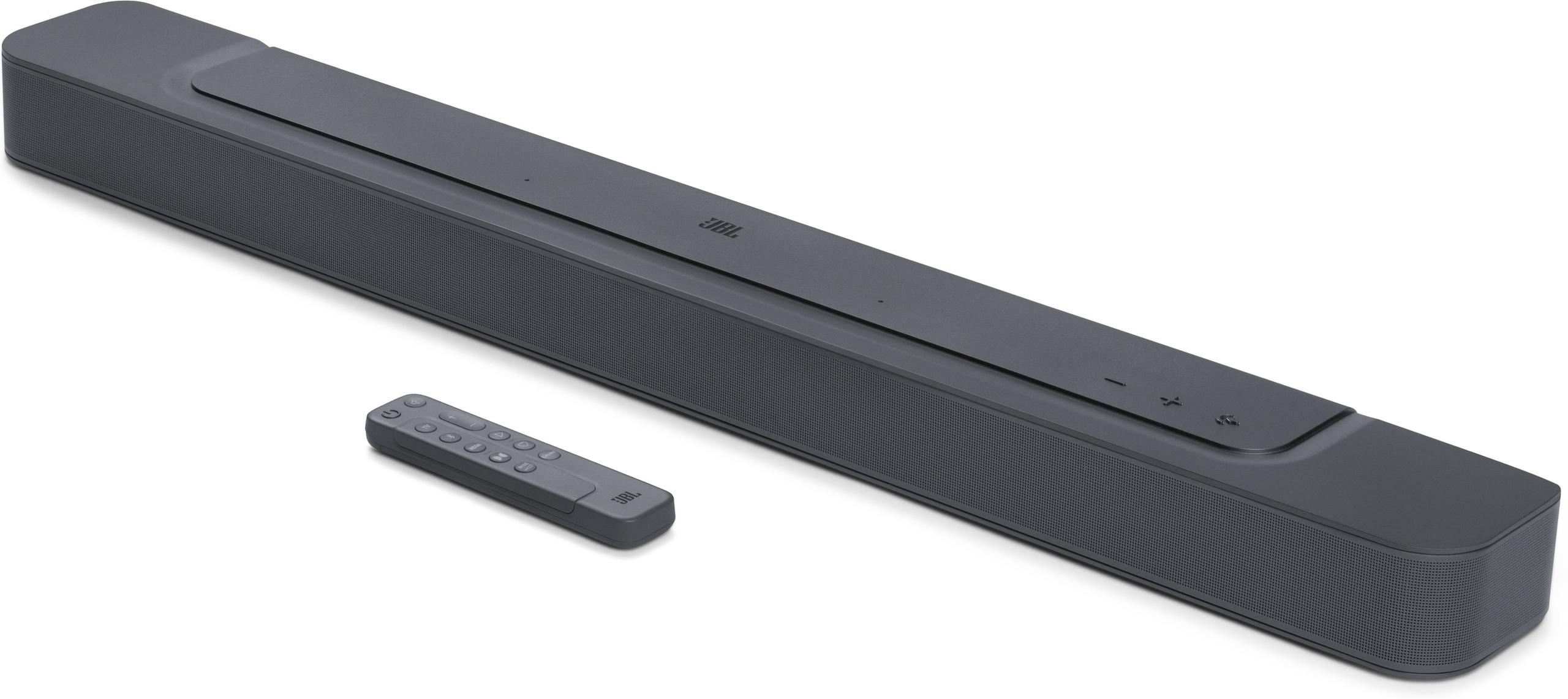
The soundbar market spans an enormous range, from basic $100 models that simply make dialogue clearer, all the way up to luxury units that rival dedicated home theater systems. Today we're comparing two products that represent opposite ends of this spectrum: the premium Devialet Dione and the budget-friendly JBL Bar 300.
Before diving into specifics, it's helpful to understand what separates good soundbars from great ones. The most important factors include audio quality and power output, surround sound capabilities, connectivity options, and overall value for money.
Audio quality comes down to how clear and balanced the sound is across all frequencies - from deep bass rumbles to crisp dialogue and sparkling highs. Power output determines how loud the system can play without distortion, which matters for larger rooms or when you want that cinematic impact.
Surround sound capabilities have become increasingly important as content creators use more sophisticated audio mixing. Technologies like Dolby Atmos (which adds height channels to create truly three-dimensional sound) can make you feel like you're inside the action rather than just watching it.
Connectivity determines how easily the soundbar integrates with your existing setup and future devices. Modern soundbars should handle high-quality audio formats from your TV, streaming devices, and music services seamlessly.
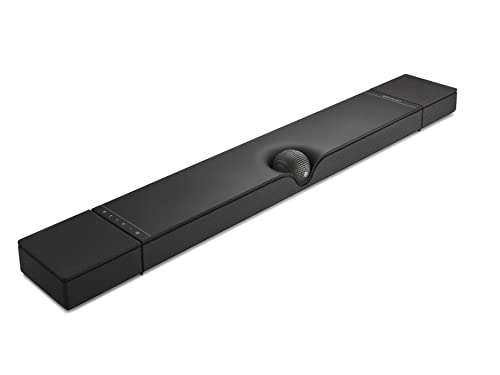
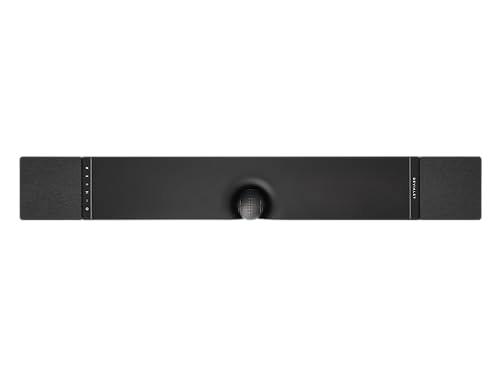
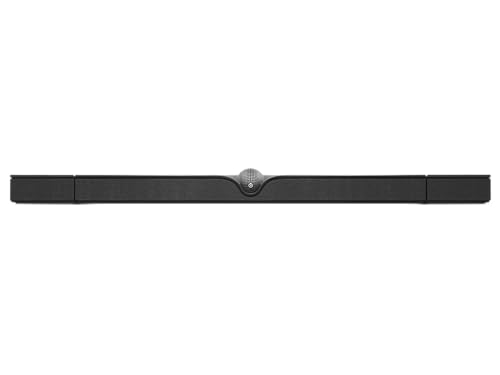
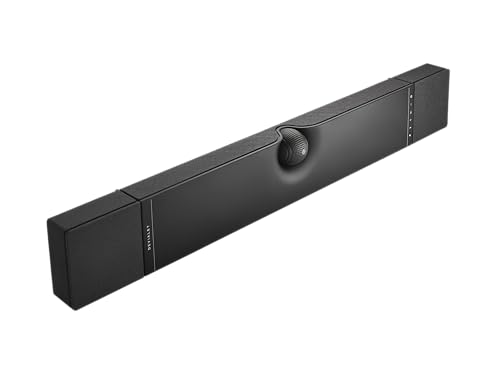
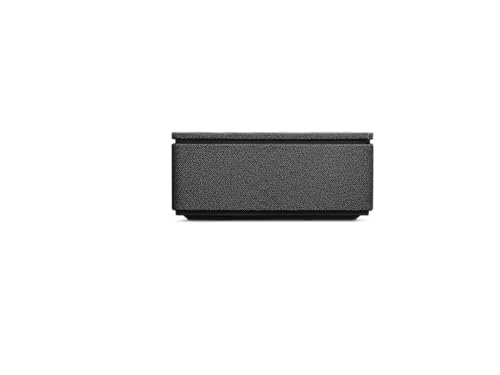
The Devialet Dione, released in 2022, represents French luxury audio engineering at its finest. At the time of writing, it commands a premium price that puts it in the same category as high-end home theater receivers and speaker systems. This isn't just expensive for a soundbar - it's expensive, period.
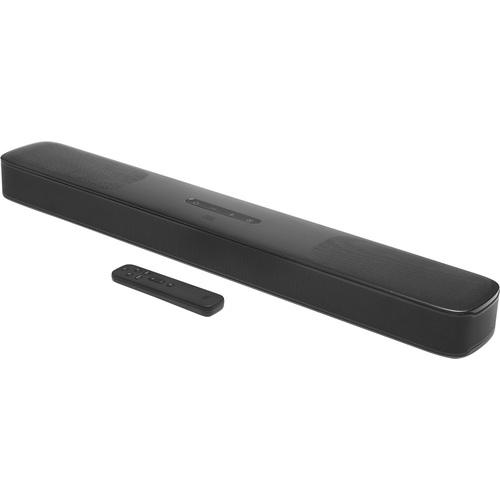
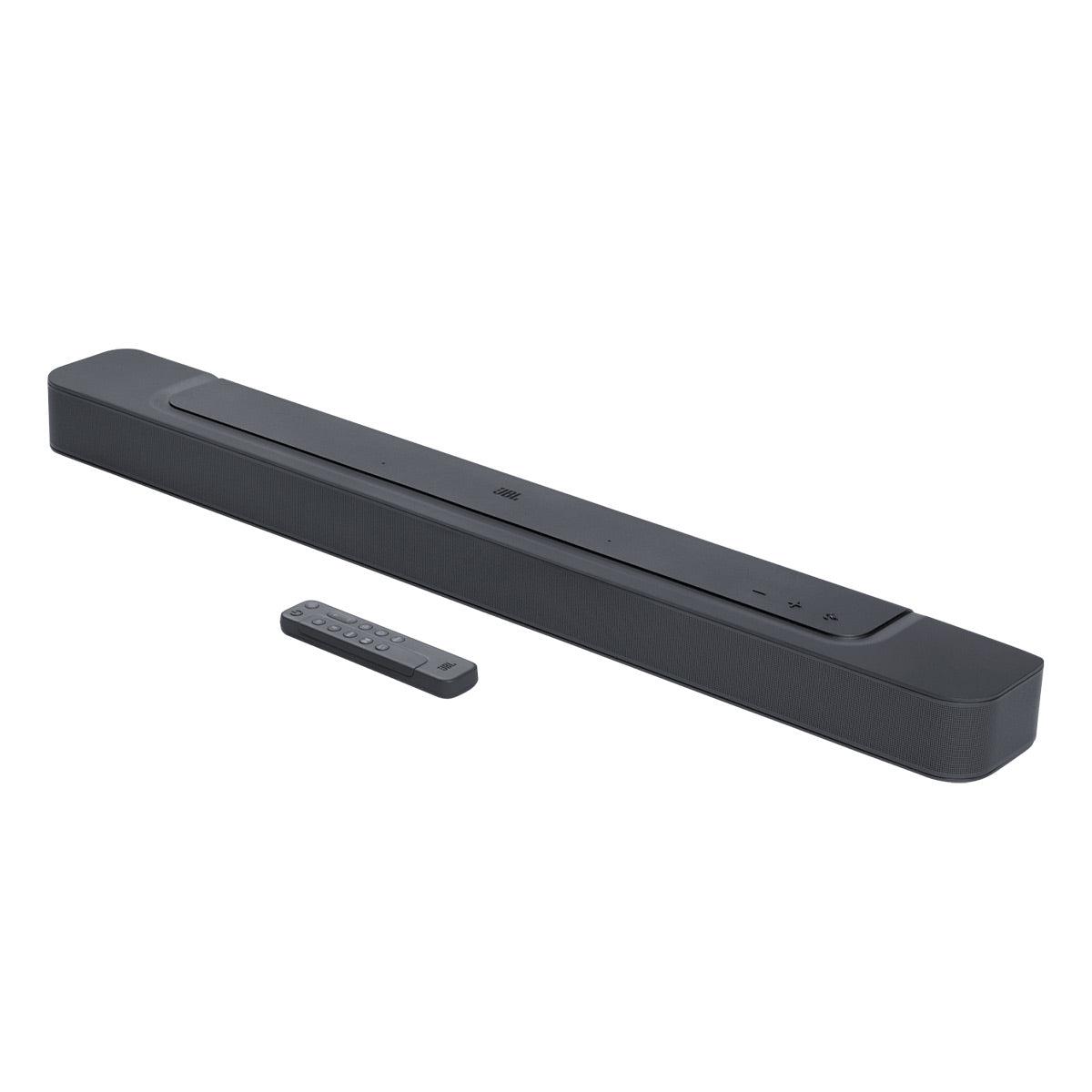
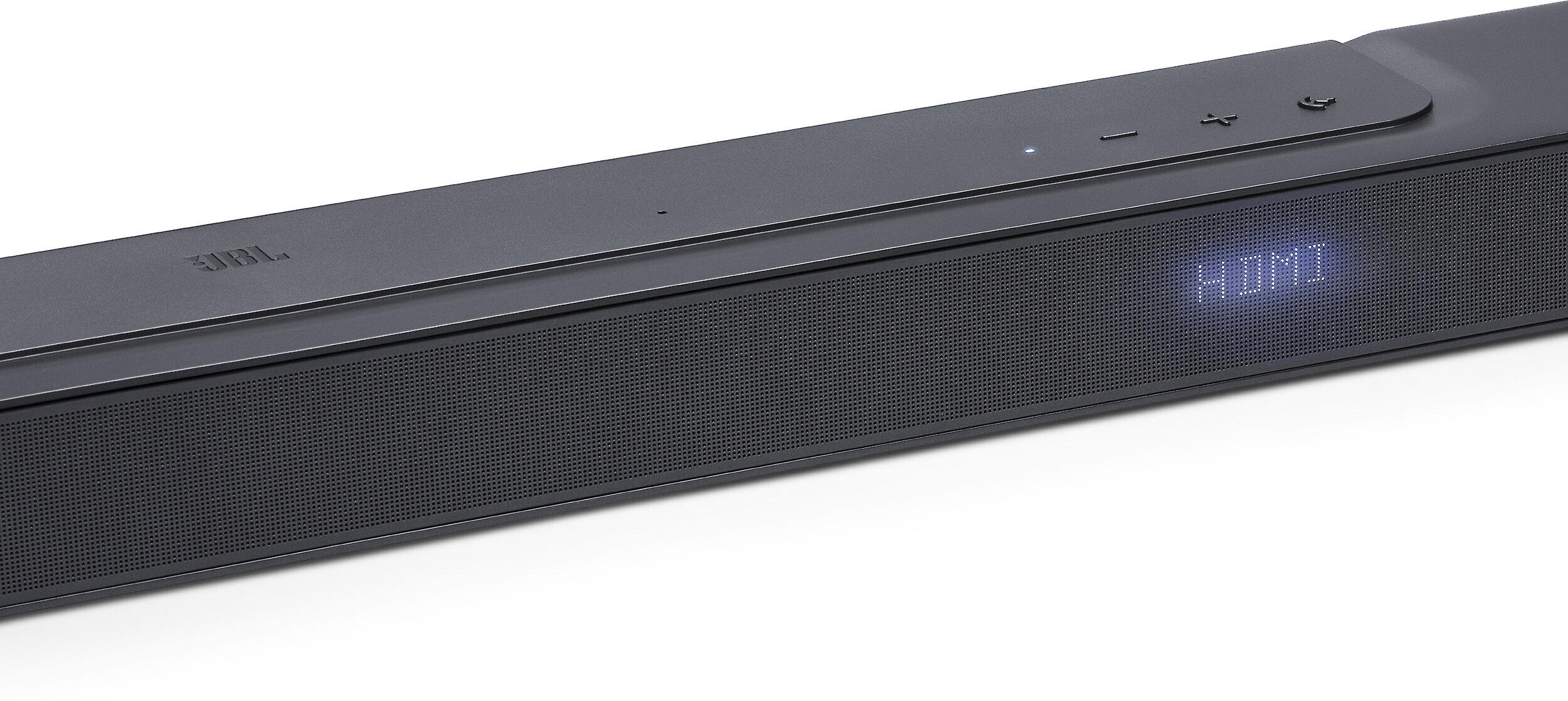
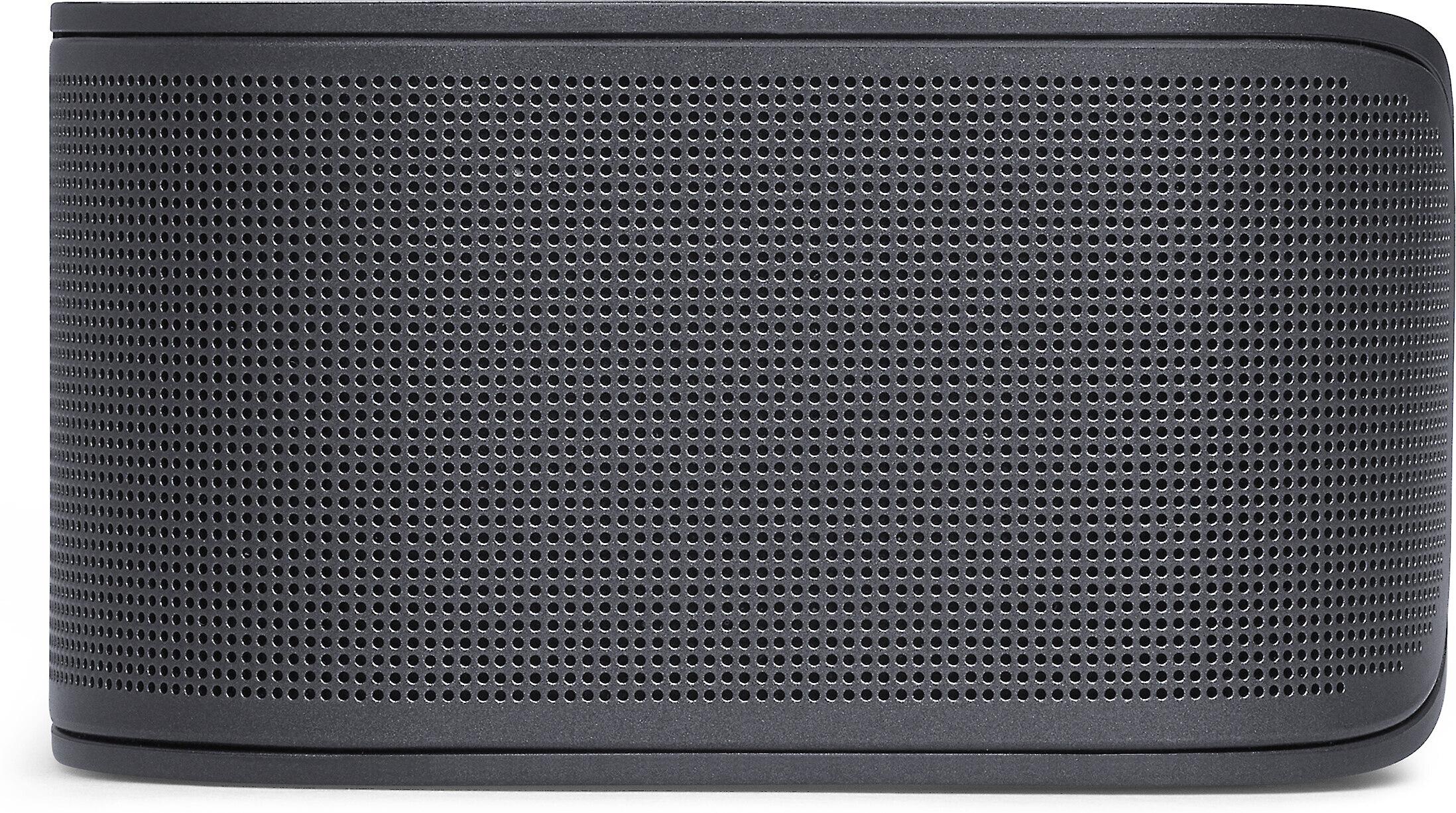
In contrast, the JBL Bar 300, launched in 2023, targets budget-conscious consumers who want meaningful audio improvement without breaking the bank. Its pricing sits in the sweet spot where most people begin considering soundbar upgrades.
These represent fundamentally different approaches to solving the same problem: how to get great TV sound without the complexity of a full surround system.
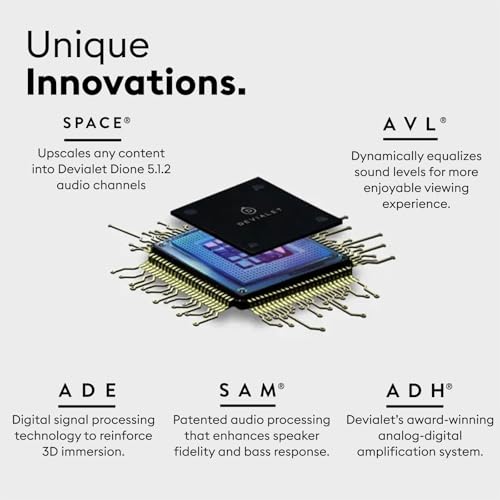
The most striking difference between these soundbars lies in their approach to audio reproduction. The Devialet Dione employs what the company calls ADH (Analog Digital Hybrid) amplification - a sophisticated technology that combines the warmth and precision of traditional analog amplifiers with the efficiency and power of digital ones. This isn't marketing fluff; it's a genuinely different approach that results in exceptionally clean sound with minimal distortion.
Inside the Dione are 17 individual drivers - that's more speakers than many people have in their entire home theater systems. Nine of these are full-range aluminum drivers that handle midrange and treble frequencies with remarkable clarity. The remaining eight are dedicated subwoofers arranged in what Devialet calls a "push-pull" configuration, where pairs of drivers work together to cancel out vibrations and produce incredibly tight, controlled bass.
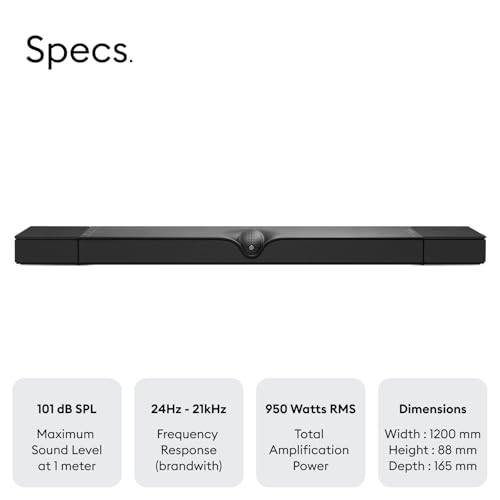
The result is a frequency response that extends down to 24Hz - that's approaching the limits of human hearing and deeper than most separate subwoofers achieve. When you're watching something like the opening sequence of "Blade Runner 2049" or the basement scene in "A Quiet Place," this low-end extension creates genuine physical impact that you feel as much as hear.
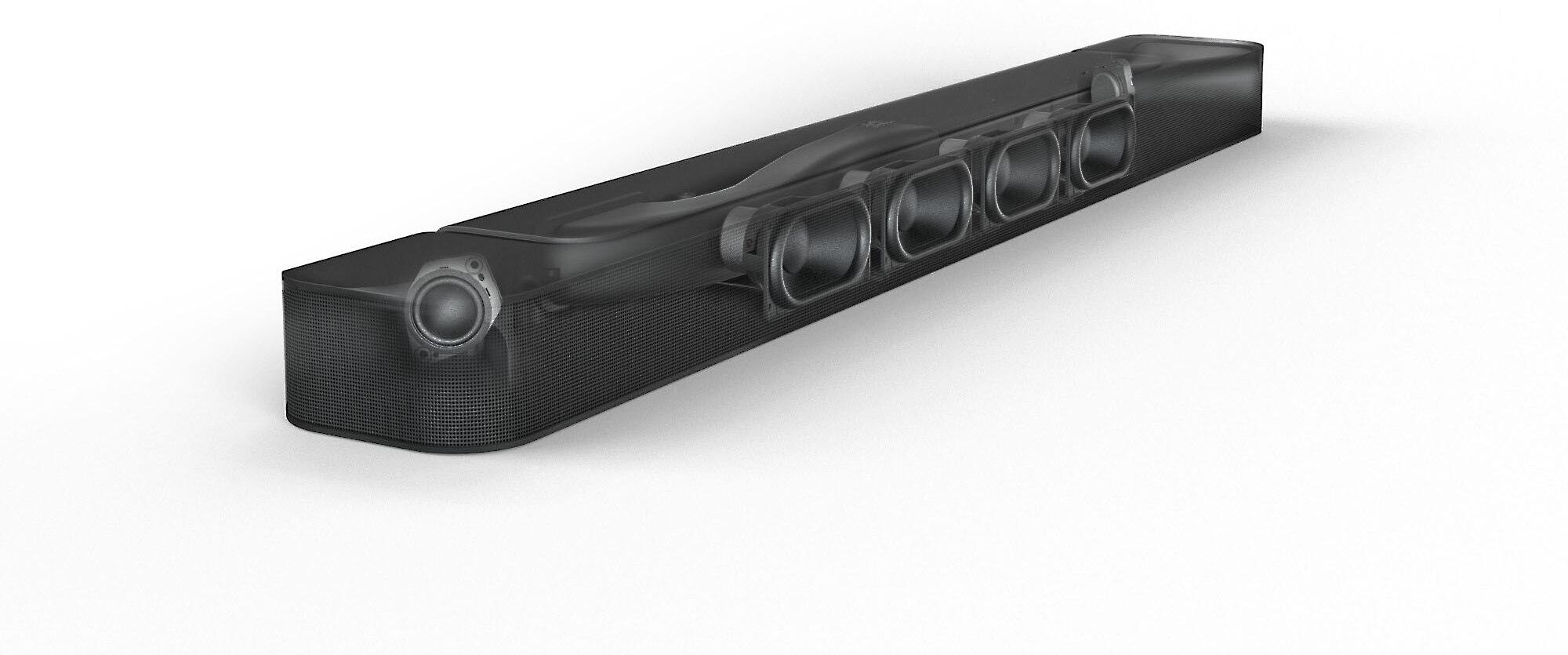
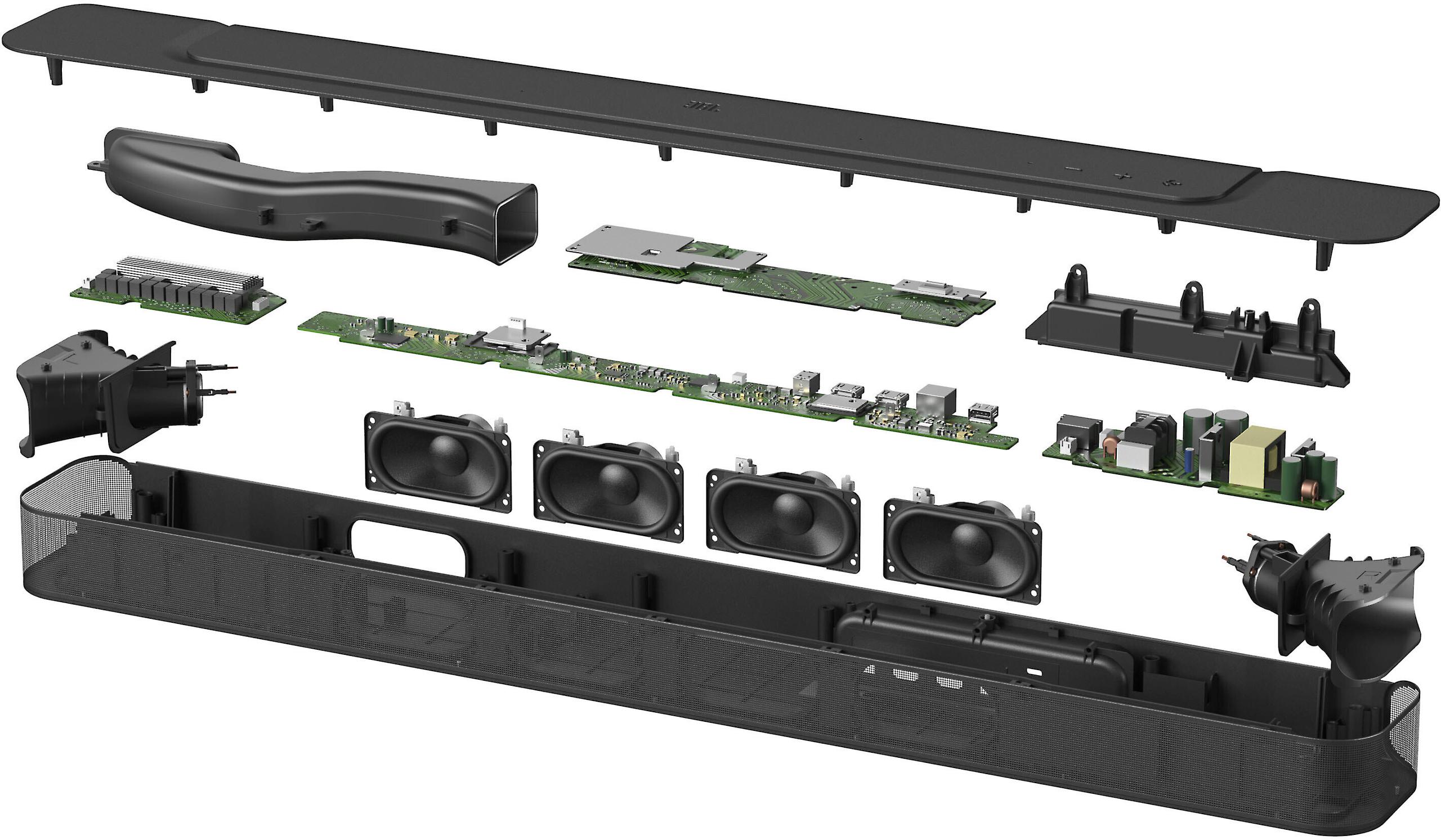
The JBL Bar 300, working within much tighter cost constraints, takes a more conventional approach. It uses standard drivers and amplification to deliver 260W of total power - respectable for its price range, though significantly less than the Dione's 950W output. More importantly, its frequency response only extends down to 50Hz, which means deep bass effects in movies will sound thin without an additional subwoofer.
However, the Bar 300 includes JBL's Clear Voice technology, which uses digital processing to enhance dialogue clarity. This matters more than you might think - if you find yourself constantly adjusting volume during movies because whispered conversations are too quiet but explosions are too loud, dialogue enhancement can be a game-changer.
Modern movie soundtracks are mixed assuming you have speakers all around you, not just in front. Both soundbars attempt to create this surround experience, but through very different methods.
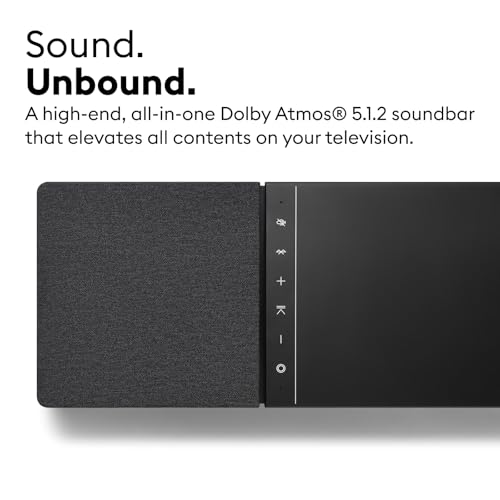
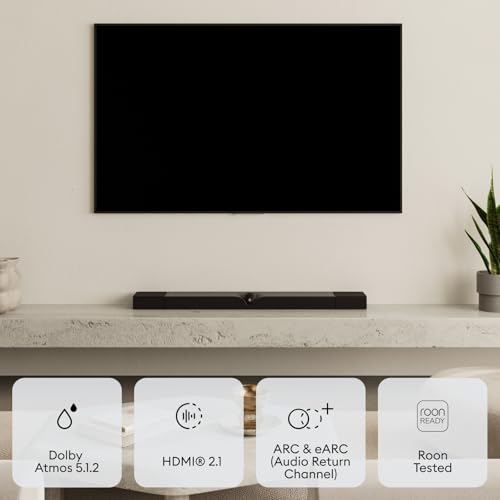
The Devialet Dione supports true Dolby Atmos with 5.1.2 channels. Let me break that down: the "5.1" refers to five main speakers (front left, center, front right, surround left, surround right) plus a subwoofer channel, while the ".2" indicates two height channels that fire sound upward to bounce off your ceiling. This creates the illusion that sounds are coming from above - rain falling, helicopters flying overhead, or debris crashing down from above.
The Dione's SPACE technology goes further by analyzing any audio source - even old stereo music or mono TV broadcasts - and intelligently redistributing the sound across all its drivers to create a more immersive experience. It's like having a smart remix happening in real-time.
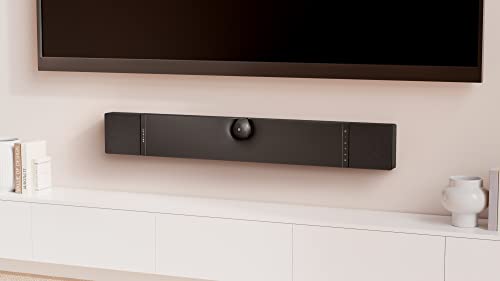
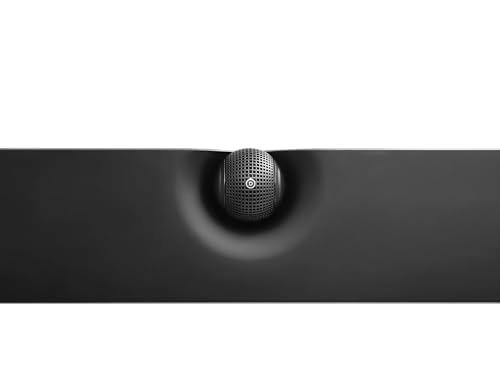
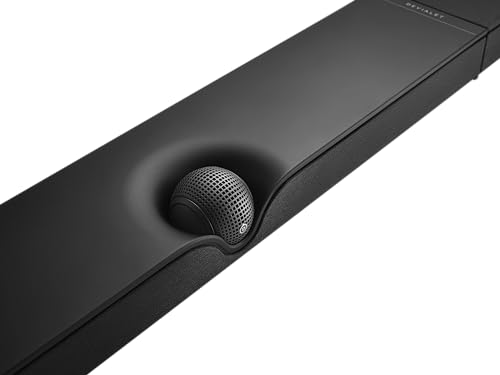
Perhaps most cleverly, the Dione features something called the ORB - a spherical center speaker that physically rotates when you mount the soundbar on a wall. This ensures the center channel (where most dialogue comes from) always points directly at your listening position, whether the bar sits on a TV stand or hangs on the wall.
The JBL Bar 300 uses MultiBeam technology to create virtual surround sound. This is essentially advanced audio processing that manipulates how sound waves interact in your room to create the impression of speakers where there aren't any. While not as convincing as true Dolby Atmos, it's surprisingly effective for casual viewing and costs significantly less to implement.
One of the biggest decisions in soundbar shopping is how to handle bass. Deep, impactful low frequencies require large drivers and significant power, which presents challenges for sleek soundbar designs.
The Devialet Dione tackles this head-on with eight built-in subwoofers. These aren't tiny drivers trying their best - they're serious low-frequency transducers that can shake your room when called upon. The push-pull arrangement means the cabinet doesn't vibrate and blur the sound, even at high volumes. You genuinely don't need an external subwoofer with this system, which is remarkable for something this slim.
The JBL Bar 300 includes what it calls a "built-in bass port" - essentially tuning that optimizes the cabinet for whatever low-end the drivers can produce. It's adequate for dialogue and music listening, but action movies will reveal its limitations. JBL designed the system to work with their wireless subwoofers, sold separately, which means you can start with the basic bar and upgrade later if needed.
This expandability represents a fundamental philosophical difference. The Dione is designed as a complete, non-expandable system - you get everything Devialet thinks you need, and that's it. The Bar 300 is modular, letting you build the system that fits your needs and budget over time.
Both soundbars recognize that modern homes have multiple audio sources beyond just the TV. The Devialet Dione includes AirPlay 2 for seamless integration with Apple devices, Spotify Connect for direct streaming, and high-quality Bluetooth for everything else. Its built-in DAC (digital-to-analog converter) handles high-resolution audio files up to 24-bit/96kHz - audiophile territory that ensures your music sounds as good as your movies.
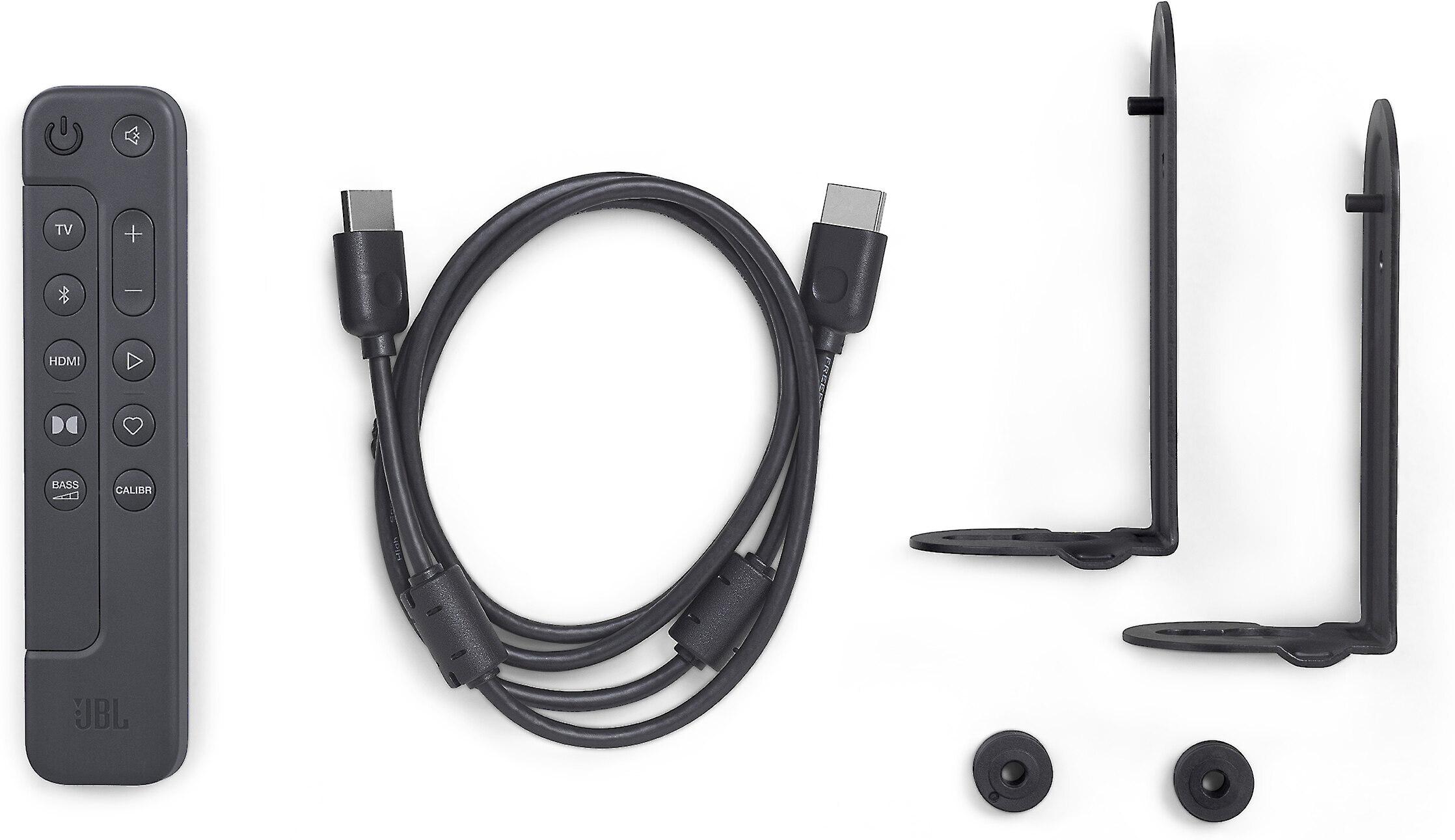
The JBL Bar 300 focuses on voice integration with built-in Alexa compatibility and Chromecast support. This makes it particularly appealing if you're already invested in Google's ecosystem or prefer voice control over app-based operation.
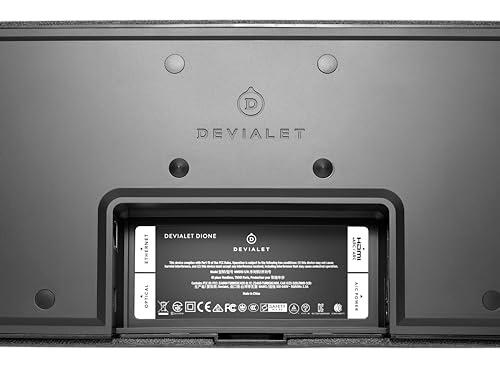
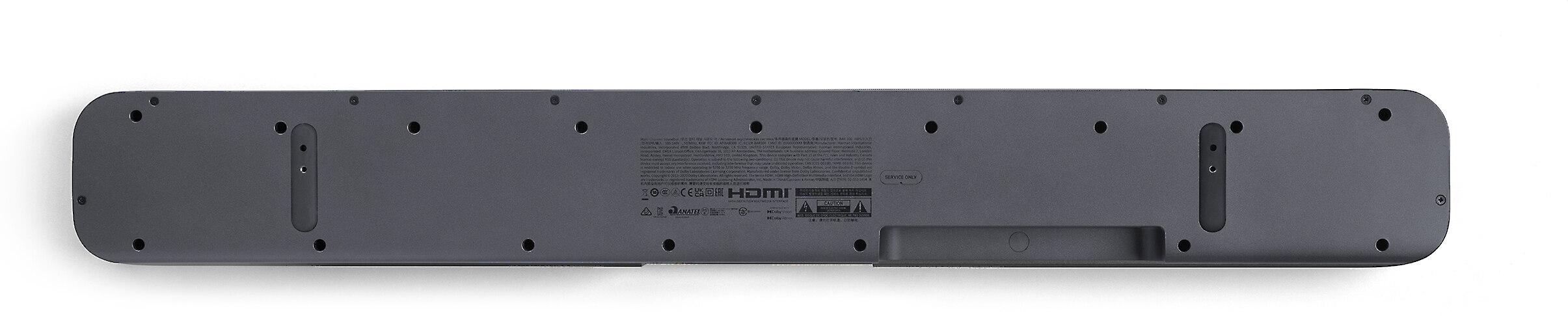
Both use HDMI eARC (enhanced Audio Return Channel) to connect to your TV, which allows for high-quality audio transmission and simplified control. However, both models include only a single HDMI input, which some might find limiting in complex setups.
Your room significantly affects how any speaker system sounds. Hard surfaces create echoes and reflections, while soft furnishings absorb sound. The Devialet Dione addresses this with ADE (Advanced Dimensional Experience) technology that uses sophisticated algorithms to analyze your room and adjust the sound accordingly. It even adapts its behavior based on whether it's placed on furniture or mounted on a wall.
The JBL Bar 300 includes basic sound calibration, but it's nowhere near as sophisticated. For most users in typical living rooms, this difference might not be immediately obvious, but in challenging acoustic environments, the Dione's adaptive capabilities become more valuable.
Based on extensive research into professional and user reviews, some clear patterns emerge. The Devialet Dione consistently earns praise for its exceptional audio quality, with reviewers noting dialogue clarity that rivals dedicated center speakers and bass response that eliminates the need for a separate subwoofer. However, many question whether the premium pricing is justified when excellent alternatives cost significantly less.
The JBL Bar 300 receives positive feedback for delivering meaningful improvement over TV speakers at an accessible price point. Users particularly appreciate the dialogue enhancement and easy setup, though many note that serious movie watching eventually demands a subwoofer upgrade.
At the time of writing, the price difference between these soundbars is substantial - we're talking about roughly an 8x multiplier favoring the JBL Bar 300. This raises obvious questions about value and who should consider which option.
The Devialet Dione makes most sense for users who prioritize audio quality above all else and view their soundbar as a long-term investment in their home entertainment system. If you frequently listen to music through your TV setup, host movie nights where audio quality matters, or simply want the best possible sound from a single-box solution, the premium might be justified.
The JBL Bar 300 represents outstanding value for users who want meaningful audio improvement without luxury pricing. If your primary goal is making TV dialogue clearer and adding some excitement to action scenes, it delivers on those promises without requiring a second mortgage.
For dedicated home theater use, both soundbars face inherent limitations compared to full surround speaker systems, but they excel in convenience and aesthetics. The Devialet Dione comes closer to matching traditional home theater performance, particularly in smaller to medium-sized rooms where its bass output and height effects can properly develop.
The JBL Bar 300 works well as a foundation for a more traditional home theater setup. Starting with the soundbar and adding a wireless subwoofer later provides an upgrade path that many users find appealing.
After researching extensively and considering real-world usage patterns, our recommendations depend entirely on your priorities and situation.
Choose the Devialet Dione if you're genuinely passionate about audio quality, want a luxury product that makes a statement, or need full-range sound from a single elegant package. It's particularly compelling for music listening and in situations where adding multiple speakers isn't practical.
Choose the JBL Bar 300 if you want immediate improvement over TV speakers at a reasonable price, prefer the flexibility to upgrade components over time, or are unsure how much you'll ultimately want to invest in audio. It provides genuine value and room to grow.
The massive price gap between these products reflects different philosophies about home audio. One prioritizes engineering excellence and luxury materials; the other focuses on practical improvement and accessible pricing. Both approaches have merit, but choosing between them requires honest assessment of your priorities, listening habits, and budget realities.
Neither soundbar will disappoint users who understand what they're buying, but the Devialet Dione faces the challenging task of justifying premium pricing in a market where excellent alternatives cost far less. The JBL Bar 300 has the easier job of simply delivering better sound than your TV - a goal it accomplishes admirably.
| Devialet Dione Soundbar | JBL Bar 300 5.0 Soundbar |
|---|---|
| Audio Channels - Determines surround sound capability | |
| True 5.1.2 Dolby Atmos with dedicated height channels | Basic 5.0 channel (no height effects or Atmos) |
| Total Power Output - Affects maximum volume and dynamics | |
| 950W RMS with ADH amplification technology | 260W standard amplification |
| Bass Extension - How deep the low frequencies go | |
| 24Hz with 8 built-in subwoofers (no external sub needed) | 50Hz with bass port (external subwoofer recommended) |
| Driver Configuration - More drivers typically mean better sound distribution | |
| 17 total drivers (9 full-range + 8 subwoofers) | 6 drivers (4 racetrack + 2 tweeters) |
| Dolby Atmos Support - Essential for modern movie soundtracks | |
| Full Dolby Atmos with upward-firing height speakers | No Atmos support (Dolby Digital only) |
| Room Calibration - Optimizes sound for your specific space | |
| Advanced ADE beamforming with automatic room adaptation | Basic sound optimization only |
| Unique Features - Technologies that set each product apart | |
| Rotating ORB center speaker + SPACE upmixing technology | Clear Voice dialogue enhancement + MultiBeam virtual surround |
| Connectivity Options - How you connect devices and stream music | |
| HDMI eARC, Optical, AirPlay 2, Spotify Connect, Bluetooth 5.0 | HDMI eARC, Optical, Chromecast, Alexa built-in, Bluetooth 5.0 |
| Build Quality - Affects durability and premium feel | |
| Premium anodized aluminum with acoustic fabric (26.5 lbs) | Standard plastic housing with fabric grille (5.5 lbs) |
| Expandability - Ability to add more speakers later | |
| No expansion options (complete all-in-one system) | Compatible with JBL wireless subwoofers and rear speakers |
| Ideal Room Size - Where each performs best | |
| Small to large rooms (powerful enough for any space) | Small to medium rooms (may need subwoofer for larger spaces) |
| Target Buyer - Who each product is designed for | |
| Audiophiles wanting luxury all-in-one solution | Budget-conscious users seeking solid TV audio upgrade |
The Devialet Dione is significantly better for home theater use due to its true 5.1.2 Dolby Atmos support with dedicated height channels, 17-driver configuration, and 950W power output. The JBL Bar 300 only offers basic 5.0 channel sound without Atmos support, making it suitable for casual viewing but not immersive home theater experiences.
The Devialet Dione includes 8 built-in subwoofers that extend down to 24Hz, eliminating the need for an external subwoofer. The JBL Bar 300 only reaches 50Hz and benefits significantly from adding a separate subwoofer for movies and music with deep bass.
Both soundbars excel at dialogue clarity but through different approaches. The Devialet Dione uses a rotating ORB center channel and premium drivers for natural voice reproduction. The JBL Bar 300 features Clear Voice technology that digitally enhances dialogue, making it particularly effective for users who struggle with hearing conversations clearly.
The Devialet Dione delivers audiophile-grade sound quality with ADH amplification, minimal distortion, and full-range frequency response. The JBL Bar 300 provides solid sound improvement over TV speakers with good clarity and adequate power, but operates at a more basic performance level suitable for everyday viewing.
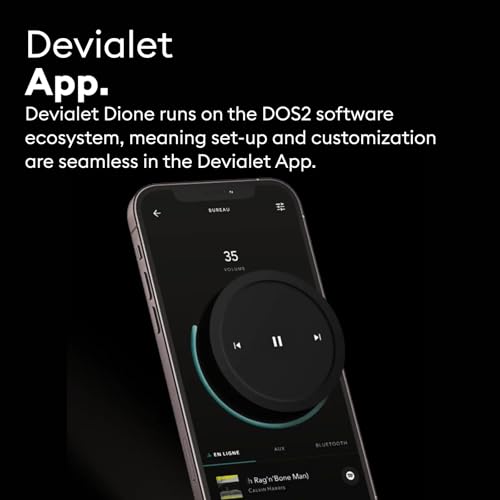
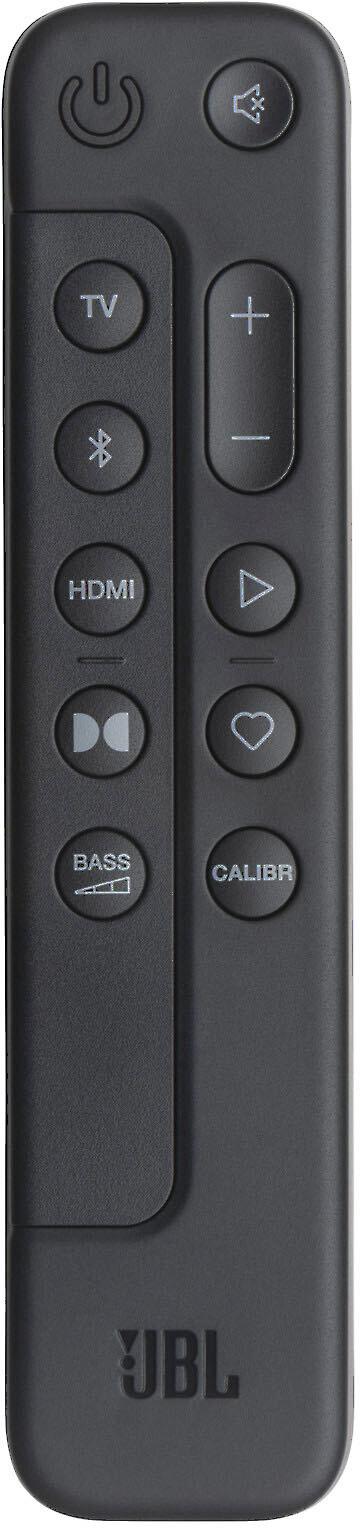
The JBL Bar 300 is generally easier to set up with straightforward connectivity and built-in Alexa for voice control. The Devialet Dione offers more sophisticated room calibration features but requires the Devialet app for optimal setup and configuration.
Yes, both support wireless music streaming. The Devialet Dione includes AirPlay 2, Spotify Connect, and Bluetooth 5.0 with high-resolution audio support. The JBL Bar 300 offers Chromecast built-in, Bluetooth 5.0, and works with Alexa for voice-controlled music playback.
The JBL Bar 300 is better suited for small apartments due to its compact size, moderate power output, and lower cost. The Devialet Dione may be overpowered for very small spaces and represents a significant investment that might be better suited to larger living areas.
Both the Devialet Dione and JBL Bar 300 work with all TV brands through HDMI eARC/ARC and optical connections. Both support HDMI CEC for simplified control using your TV remote, regardless of TV manufacturer.
The JBL Bar 300 offers exceptional value for money, providing significant audio improvement at an accessible price point. The Devialet Dione offers premium performance and luxury build quality but at a much higher cost that may not be justified for all users.
The JBL Bar 300 can be expanded with JBL's wireless subwoofers and rear speakers for a full surround system. The Devialet Dione is designed as a complete all-in-one solution with no expansion options available.
The Devialet Dione is superior for music listening with its high-resolution DAC support, audiophile-grade drivers, and dedicated Music mode that preserves stereo imaging. The JBL Bar 300 handles music adequately but is primarily optimized for TV and movie content.
Both soundbars work well for gaming, but the Devialet Dione provides more immersive spatial audio for games that support Dolby Atmos. The JBL Bar 300 offers good game audio enhancement at a more budget-friendly price, though it lacks the height effects that make modern games more engaging.
We've done our best to create useful and informative comparisons to help you decide what product to buy. Our research uses advanced automated methods to create this comparison and perfection is not possible - please contact us for corrections or questions. These are the sites we've researched in the creation of this article: rtings.com - crutchfield.com - devialet.com - ooberpad.com - bhphotovideo.com - kjwestone.co.uk - whathifi.com - devialet.com - devialet.com - sound-advice.online - kjwestone.co.uk - device.report - tmraudio.com - devialet.com - devialetchat.com - projectorscreen.com - soundandvision.com - bestbuy.com - youtube.com - av.com - audiofi.ca - devialet.com - blog.son-video.com - audioconnection.com.au - baybloorradio.com - cdn.abicart.com - smarthomesounds.co.uk - e-piphany.co.za - cloneyaudio.com - devialet.com - catalog.asbis.ee - av.com - soundandvision.com - youtube.com - comparisontabl.es - whathifi.com - safeandsoundhq.com - youtube.com - cnet.com - mm.jbl.com - jbl.com - bestbuy.com - support.jbl.com - dell.com - walmart.com

Privacy Policy
Terms and Conditions - Affiliate Policy
Home Security
© Copyright 2008-2026.
11816 Inwood Rd #1211, Dallas, TX 75244