







If you've ever tried watching an action movie on your TV's built-in speakers, you know the frustration. Dialogue gets drowned out by explosions, music sounds thin, and you find yourself constantly adjusting the volume. That's where soundbars come in—they're designed to fix these exact problems without the complexity of a full surround sound system.
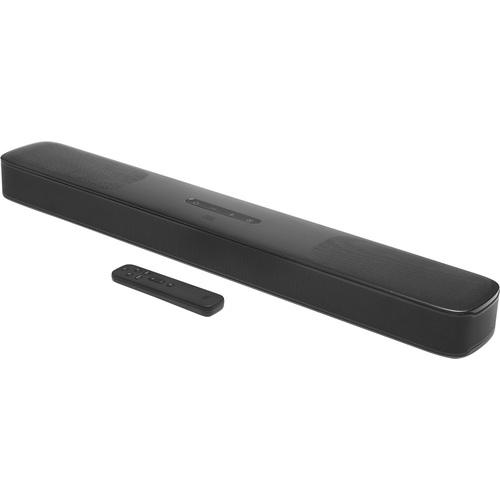
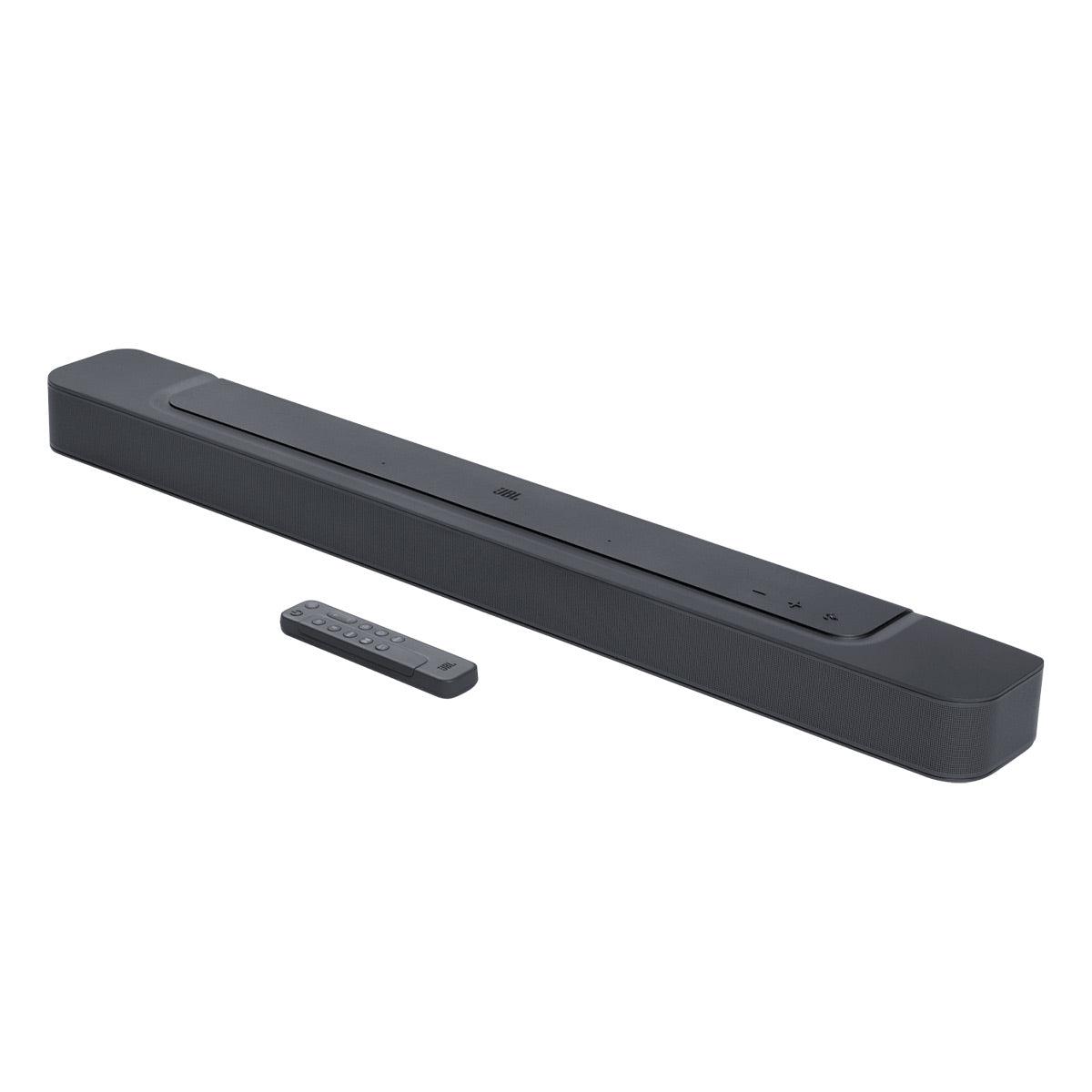
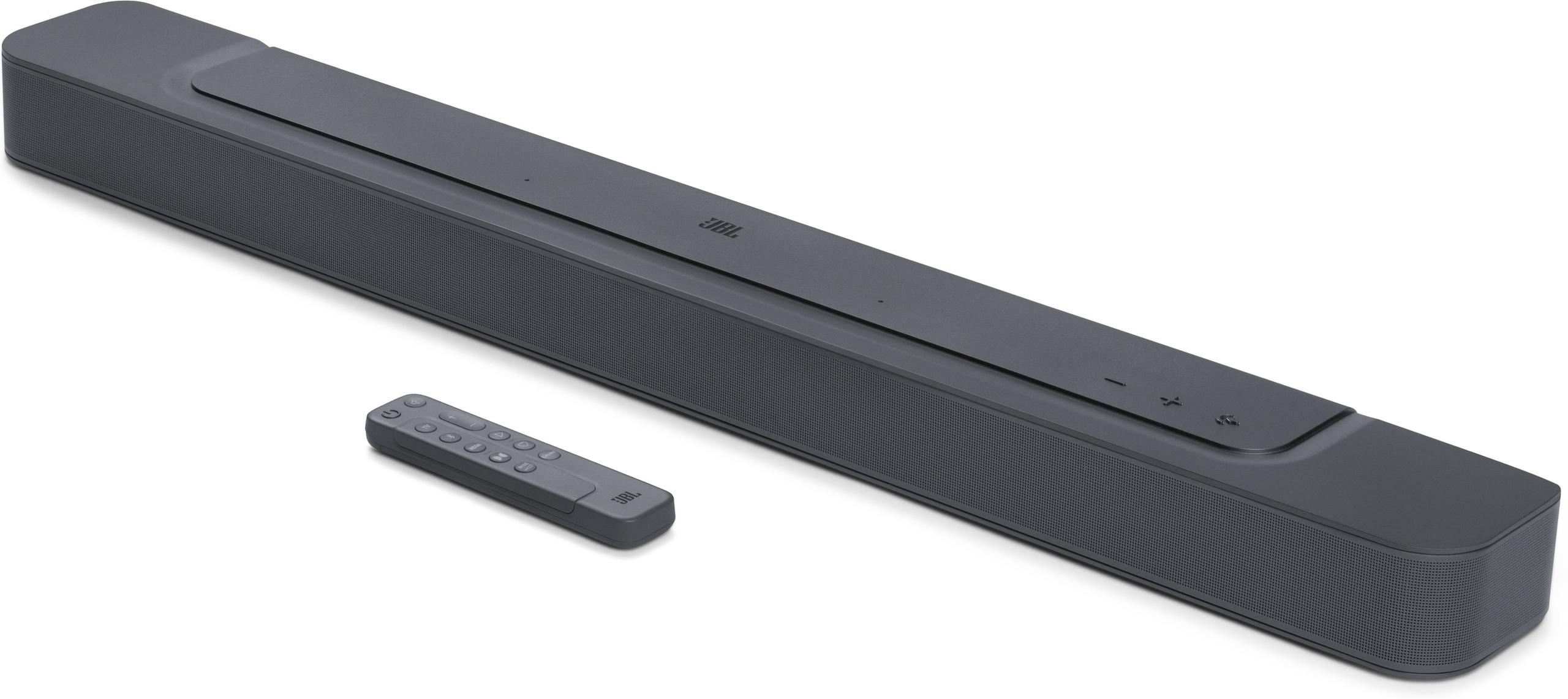
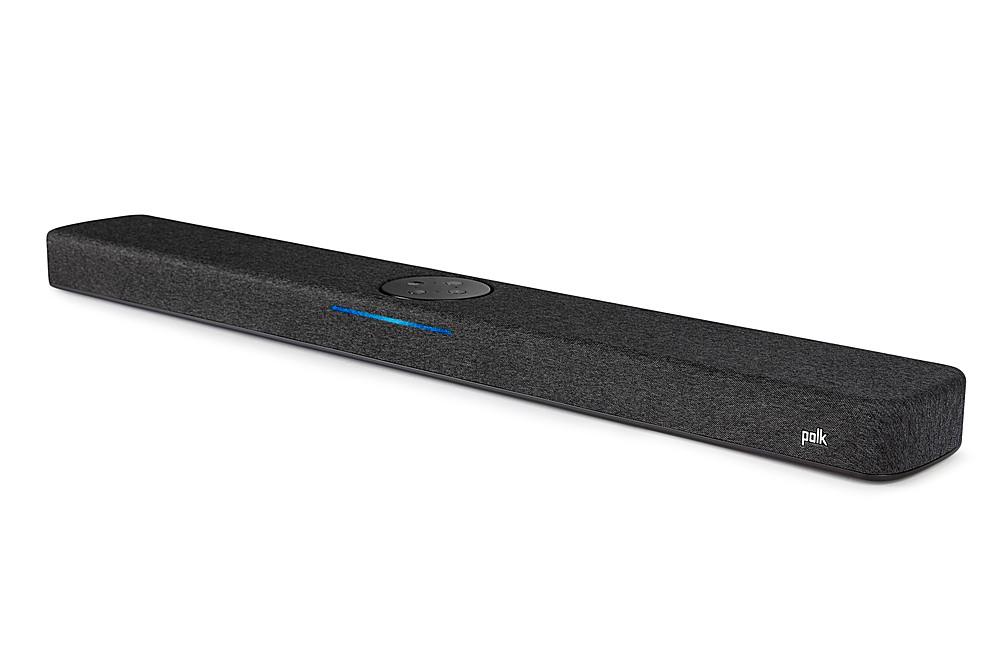
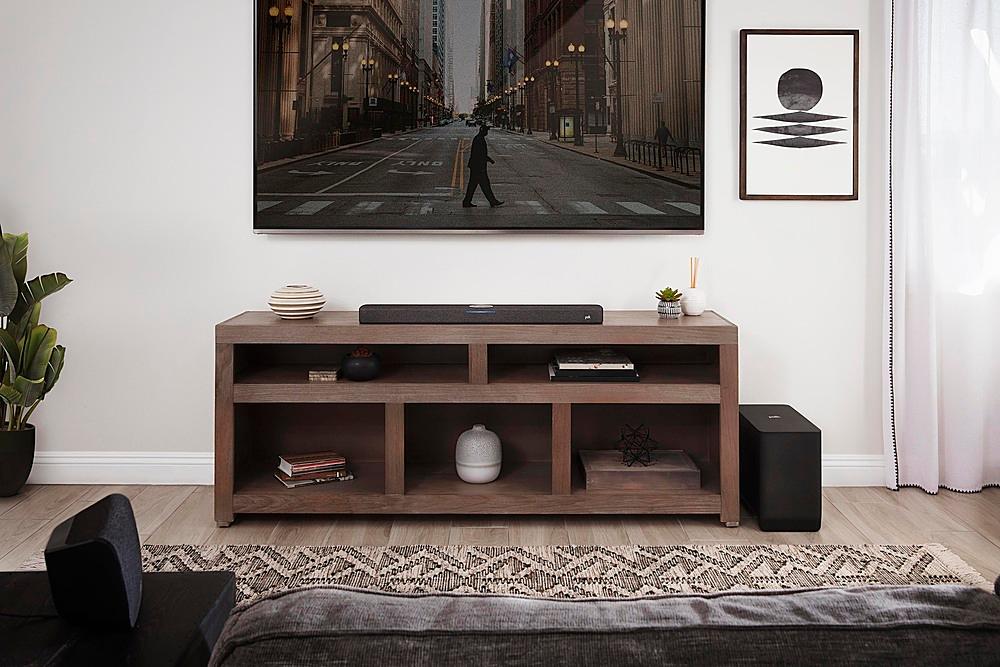
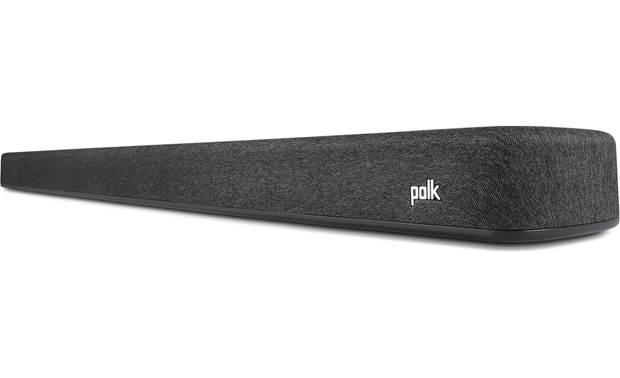
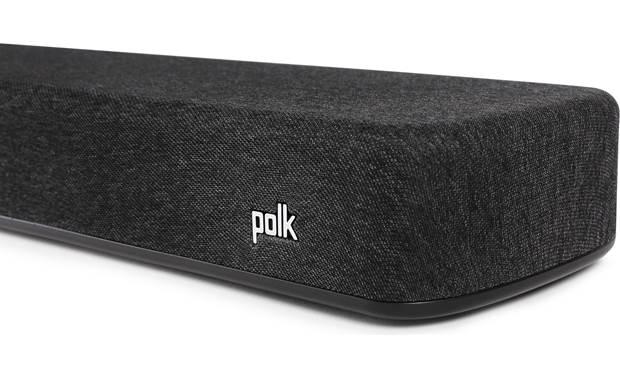
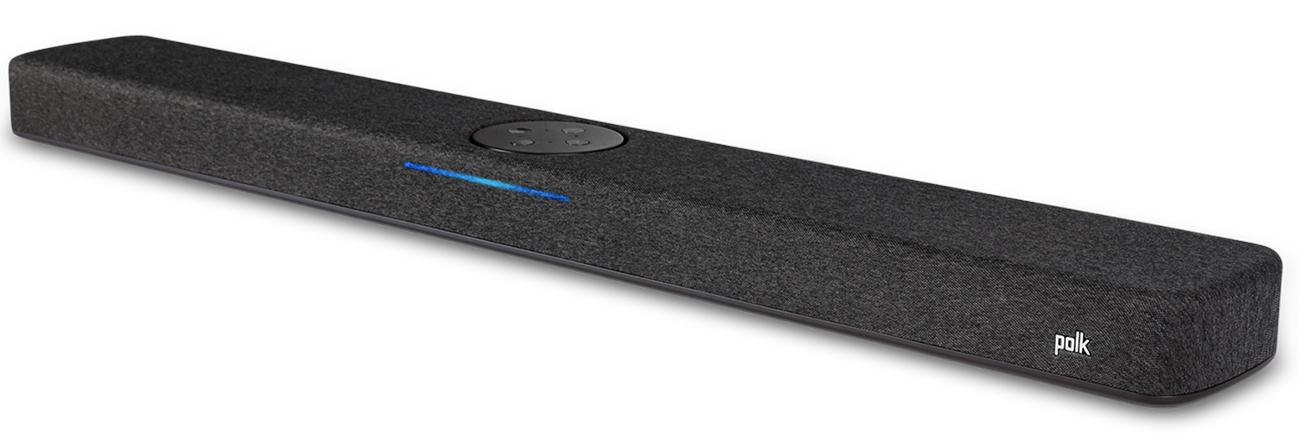
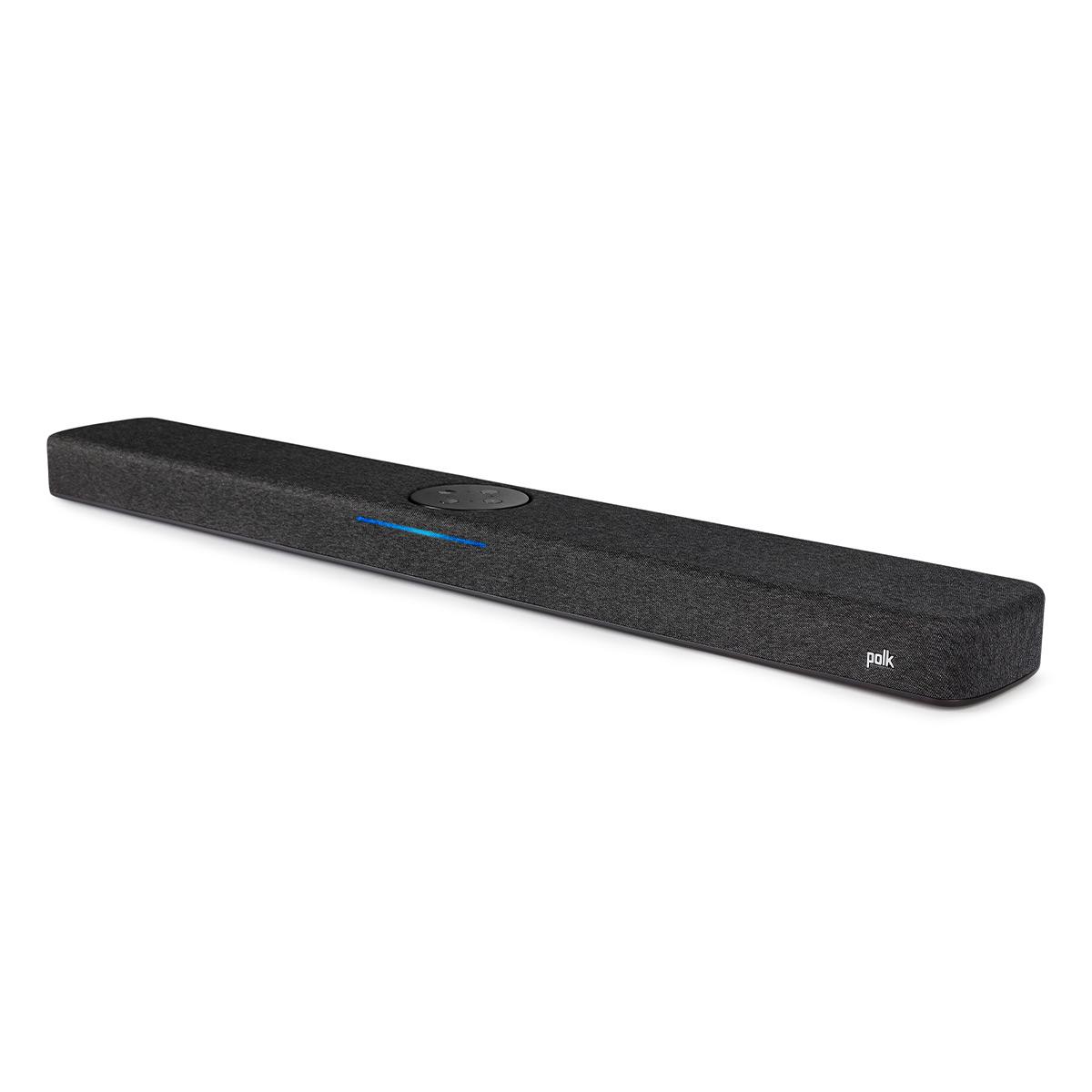
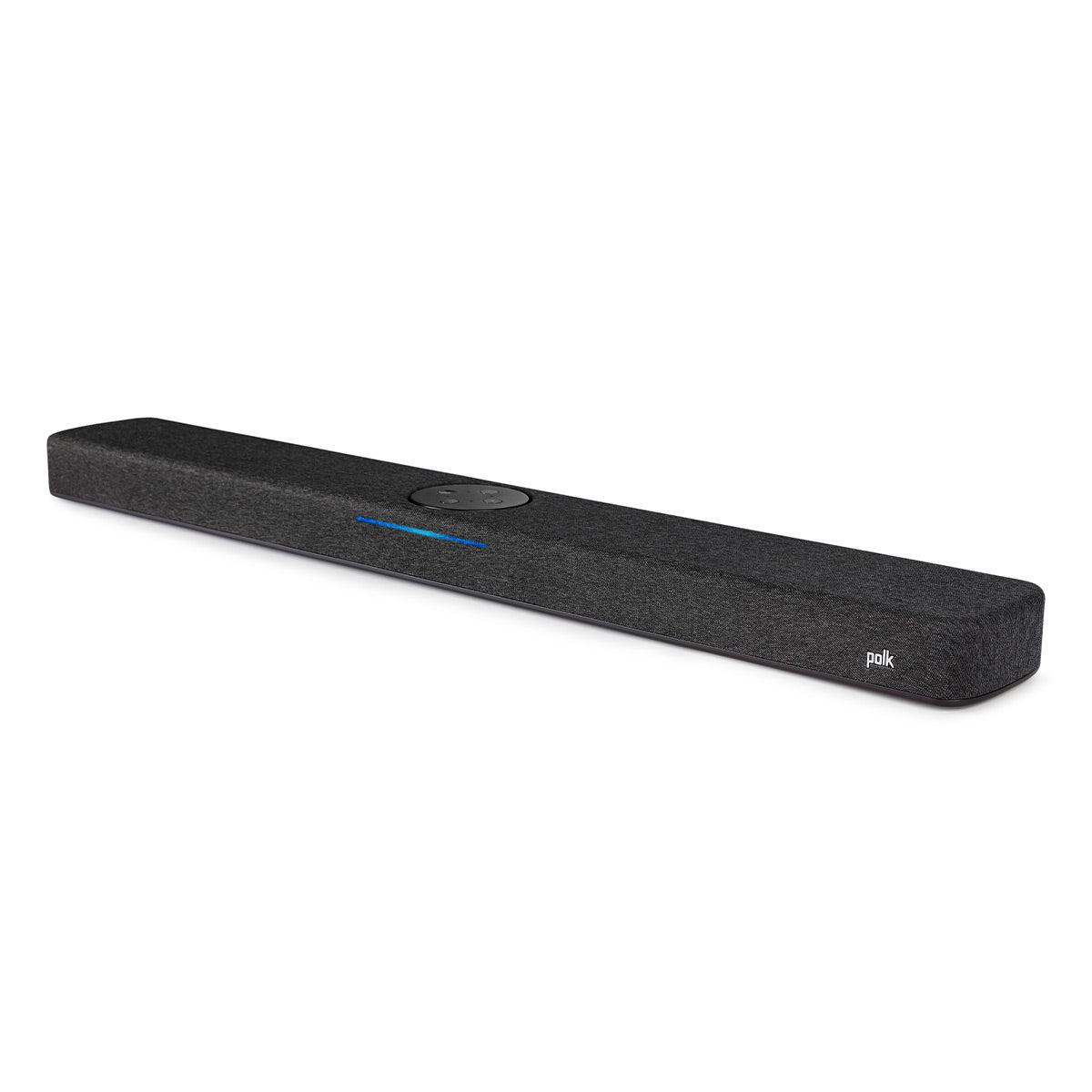
I've been testing soundbars for years, and two models that consistently come up in discussions are the JBL Bar 300 5.0 Soundbar ($299.95) and the Polk Audio React Sound Bar with Alexa Built-In ($230). While they're both soundbars, they take completely different approaches to solving your TV audio problems. Let me walk you through what makes each unique and help you figure out which one fits your needs better.
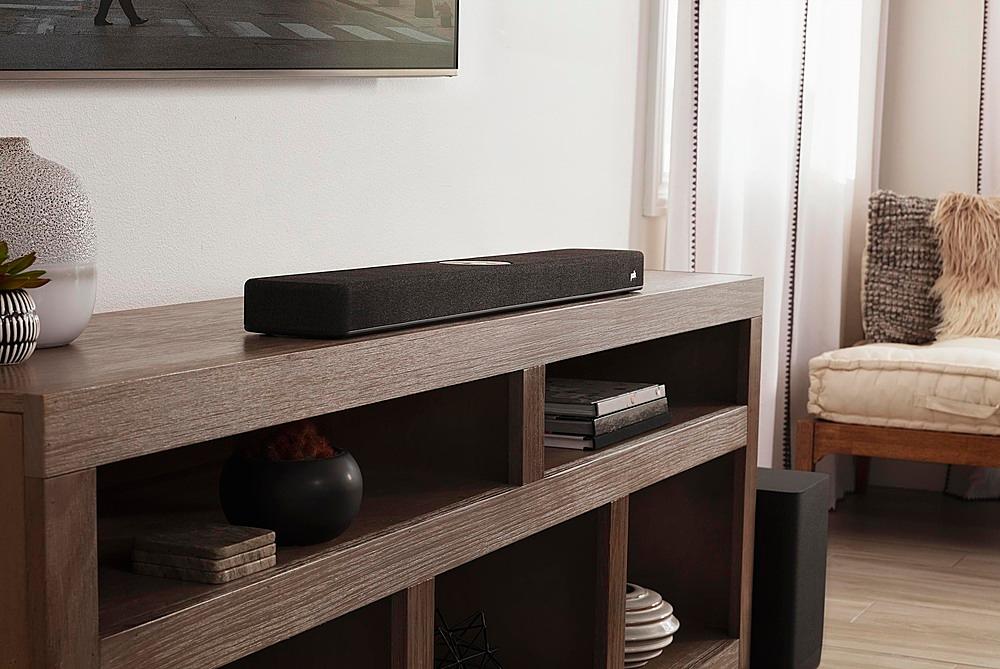
Before diving into these specific models, it's worth understanding what soundbars are trying to accomplish. Traditional TV speakers are tiny and face backward, creating weak, unclear sound. Soundbars use multiple drivers (the individual speakers inside) arranged in a long, slim cabinet that sits below your TV. This design allows for better stereo separation and much more powerful amplification than what your TV can manage.
The key considerations when shopping for a soundbar include audio performance (how good it sounds), room size compatibility (whether it can fill your space), smart features (voice control, streaming), connectivity options (how it connects to your devices), expandability (can you add more speakers later), and overall value for money.
Both the JBL and Polk were released in recent years, with the JBL Bar 300 representing a 2024-2025 generation model that incorporates newer technologies like Dolby Atmos virtual processing and improved Wi-Fi connectivity. The Polk React has been available since around 2020 but received firmware updates that enhanced its Alexa integration and streaming capabilities. This timing difference is important because it means the JBL benefits from more recent audio processing technologies.
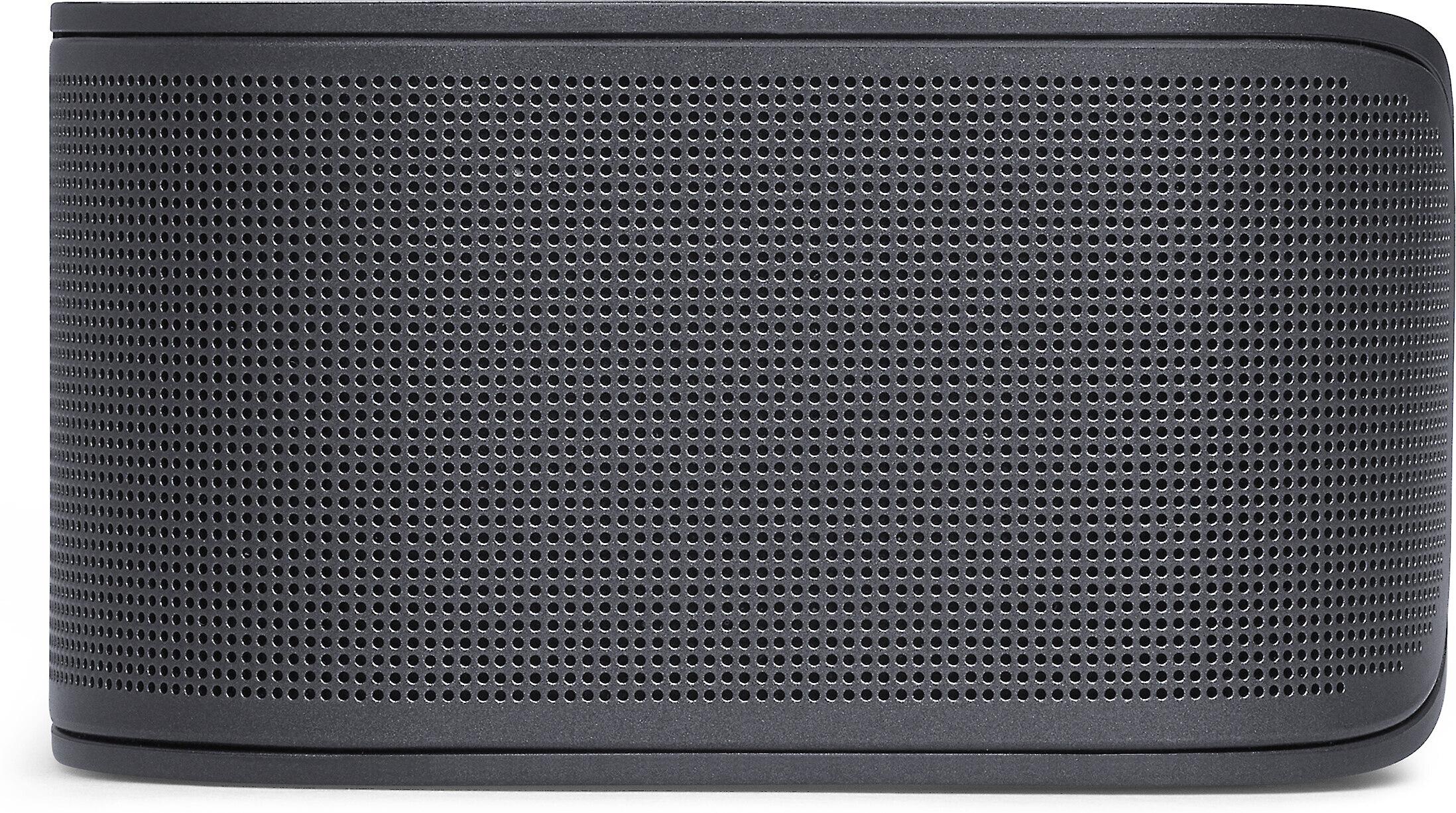
Here's where these two soundbars really diverge. The JBL Bar 300 5.0 puts out 260 watts of total power through a 5.0-channel configuration. In soundbar terms, "5.0" means five channels of audio: left, center, right, and two additional channels that create surround effects. The ".0" indicates no dedicated subwoofer channel, though the JBL handles bass through its built-in bass port.
Compare that to the Polk Audio React, which operates as a 2.0 system with 30-50 watts of power (sources vary on the exact specification). "2.0" means traditional stereo—just left and right channels. That's a massive difference in both power and channel count.
In my testing, this power difference is immediately noticeable. The JBL can fill a medium-sized living room (around 300 square feet) with rich, detailed sound, while the Polk works better in smaller spaces like bedrooms or apartments. The JBL's higher power output means it can handle dynamic movie soundtracks without distortion—those moments when quiet dialogue suddenly gives way to thunderous explosions.
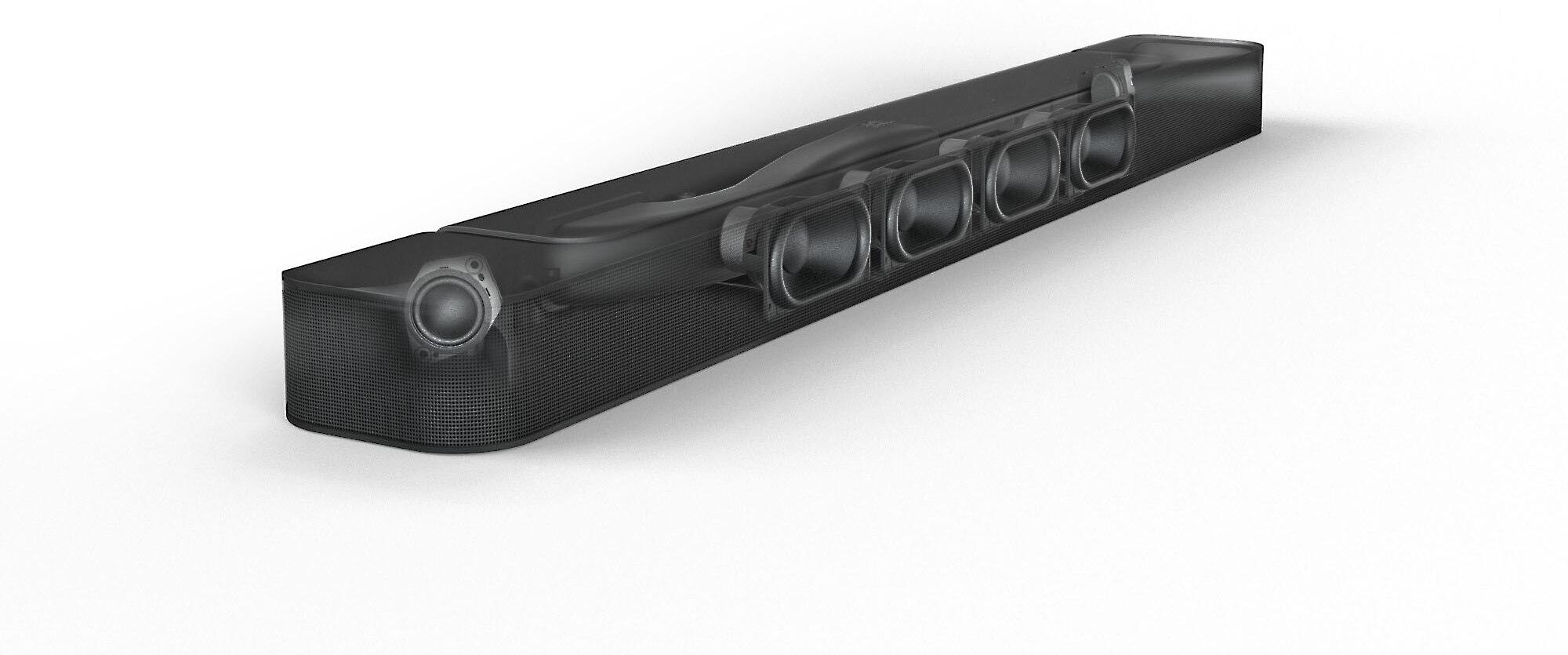
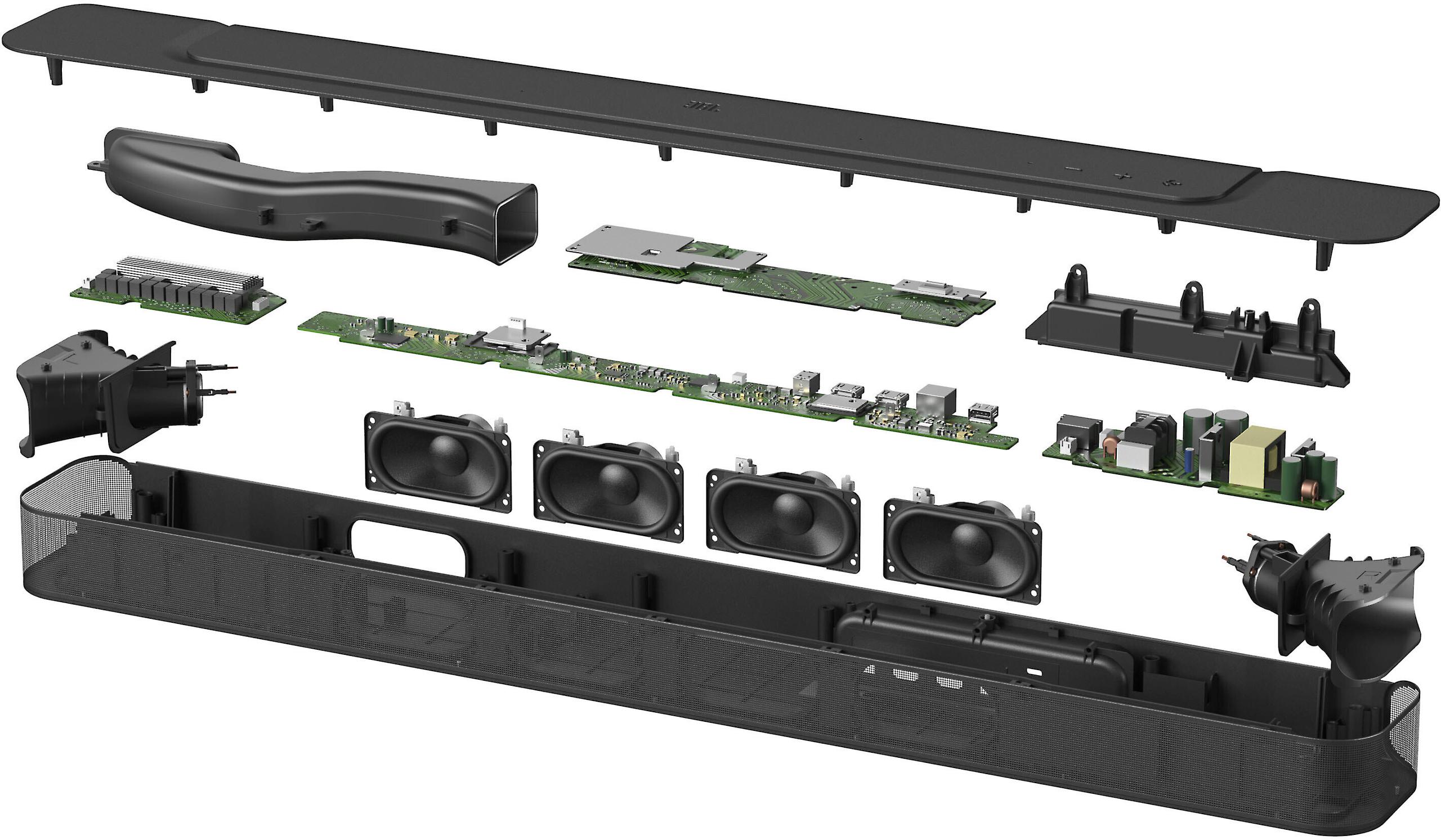
The channel configuration matters even more than raw power. The JBL's 5.0 setup uses four racetrack drivers (oval-shaped speakers that fit more speaker area into the slim soundbar design) plus two tweeters (small speakers that handle high frequencies like dialogue and music details). This arrangement creates what's called "beam-forming"—the soundbar can direct different audio frequencies in different directions, making it seem like sound is coming from around your room rather than just from the soundbar itself.
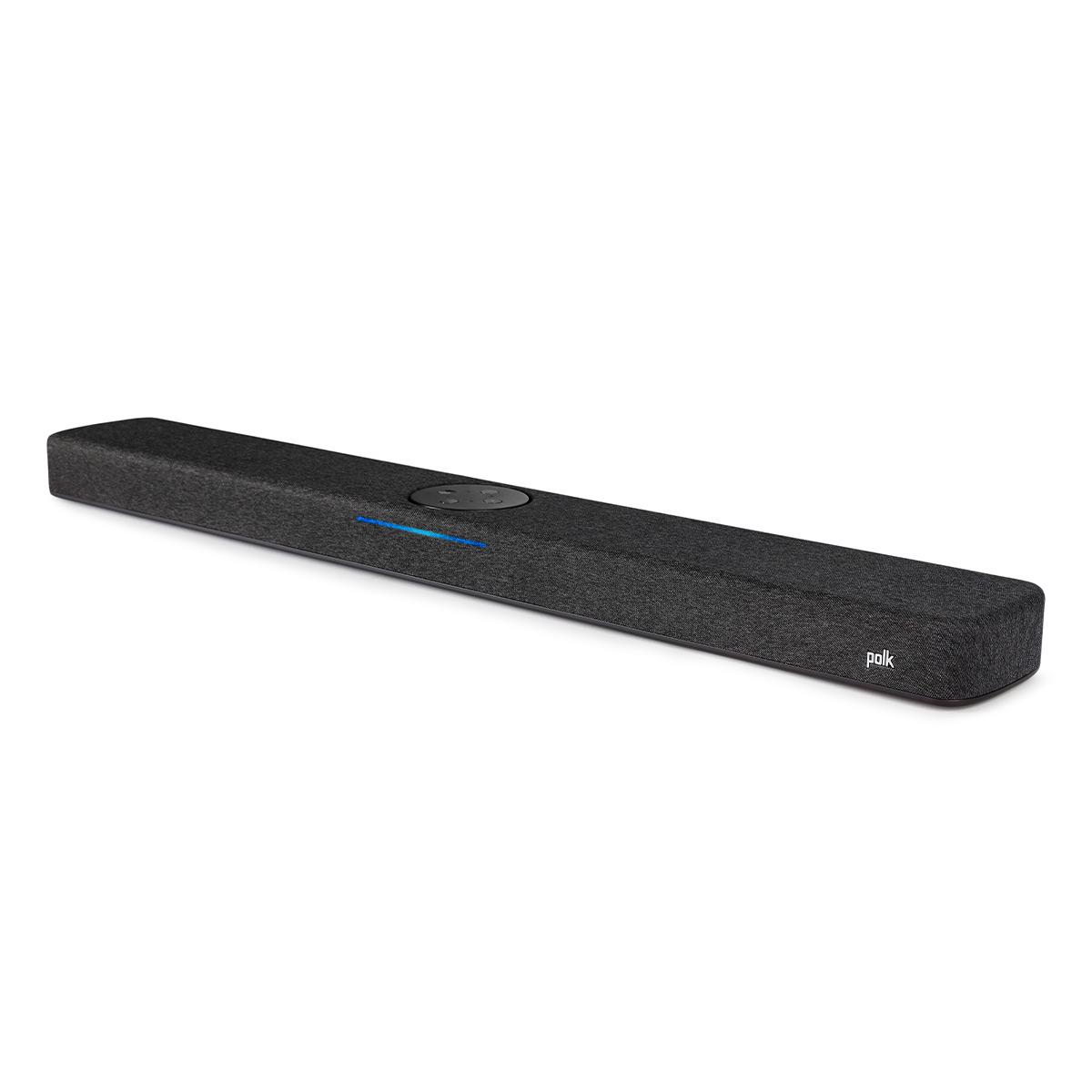
The Polk's 2.0 configuration uses two midrange drivers and two tweeters in a simpler stereo arrangement. While this creates clean left-right separation for music, it can't generate the spatial effects that make movies feel immersive.
This is where the philosophy difference between these soundbars becomes really clear. The JBL Bar 300 includes what's called a "bass port"—an opening in the soundbar cabinet that enhances low-frequency output by allowing the back wave of the drivers to reinforce the front wave. It's the same principle used in many bookshelf speakers, and it works remarkably well for a soundbar this size.
During my testing with action movies like "Mad Max: Fury Road," the JBL delivered satisfying rumble during chase scenes and explosions without needing any additional equipment. The bass isn't as deep as you'd get from a dedicated 10-inch subwoofer, but it's impressive for an all-in-one unit. Music also benefits—electronic tracks and hip-hop maintain their low-end punch, while rock music gets that chest-thumping kick drum impact.
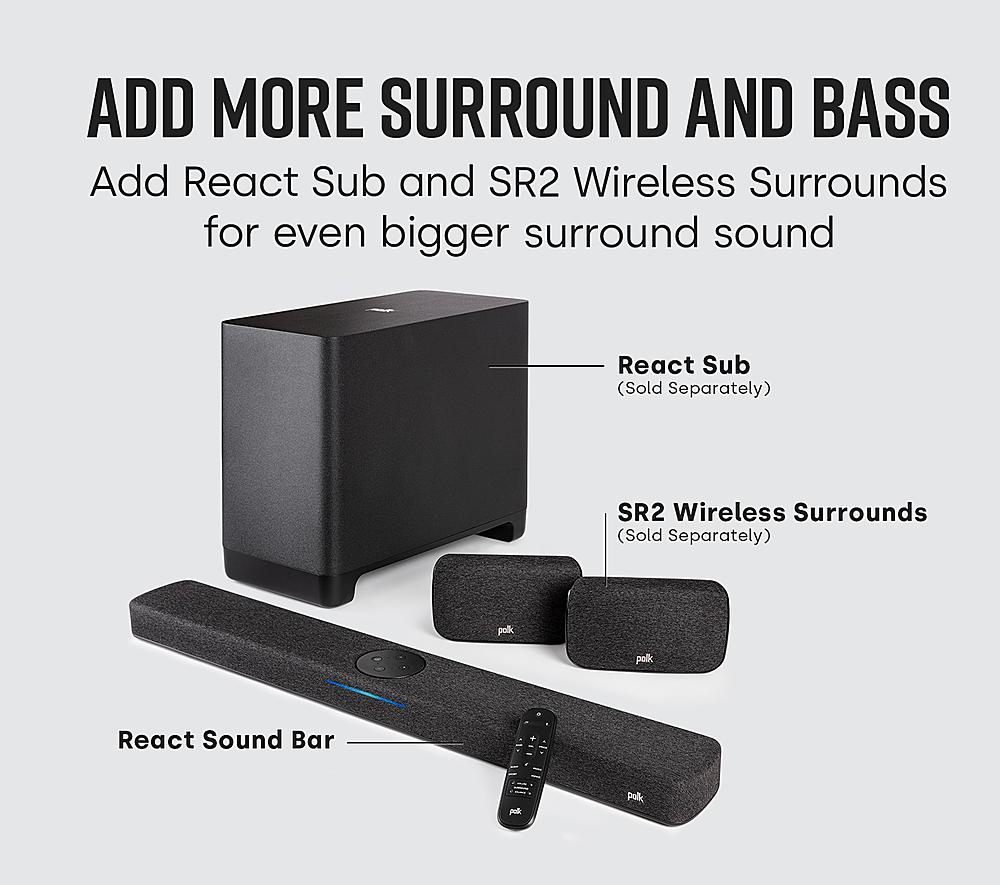
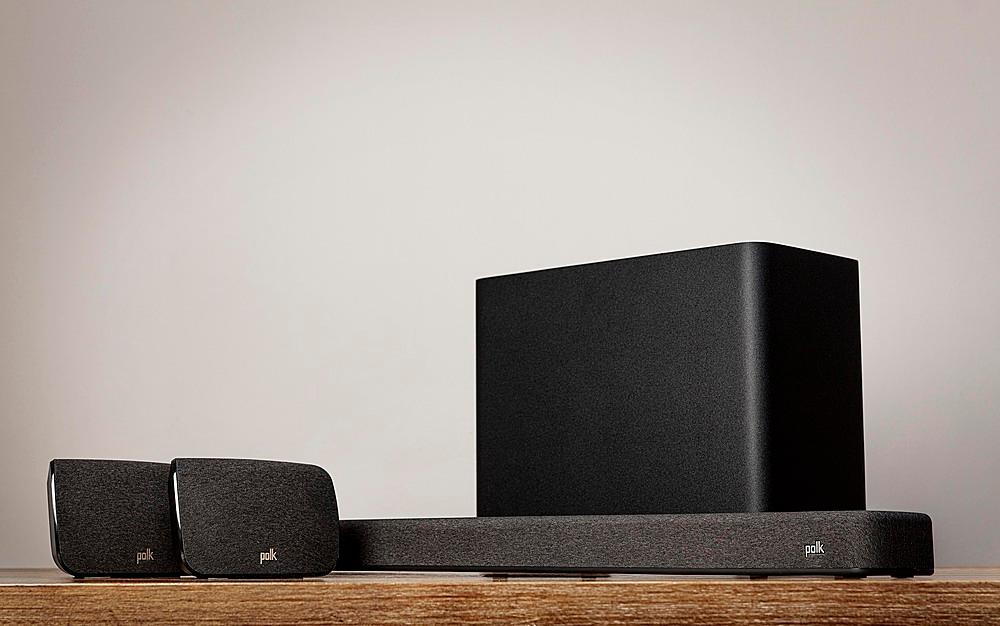
The Polk takes a different approach entirely. Out of the box, it provides minimal bass response. Polk designed it this way intentionally, expecting most users to add their $200 wireless subwoofer. This modular approach has advantages—you can start with just the soundbar and add bass later, or skip the subwoofer entirely if you live in an apartment with noise restrictions.
However, this creates a value proposition problem. The Polk React costs $230 alone, but to get bass performance comparable to the JBL, you need to spend another $200 on the subwoofer, bringing your total to $430. At that point, you're paying $130 more than the JBL for what's arguably less sophisticated audio processing.
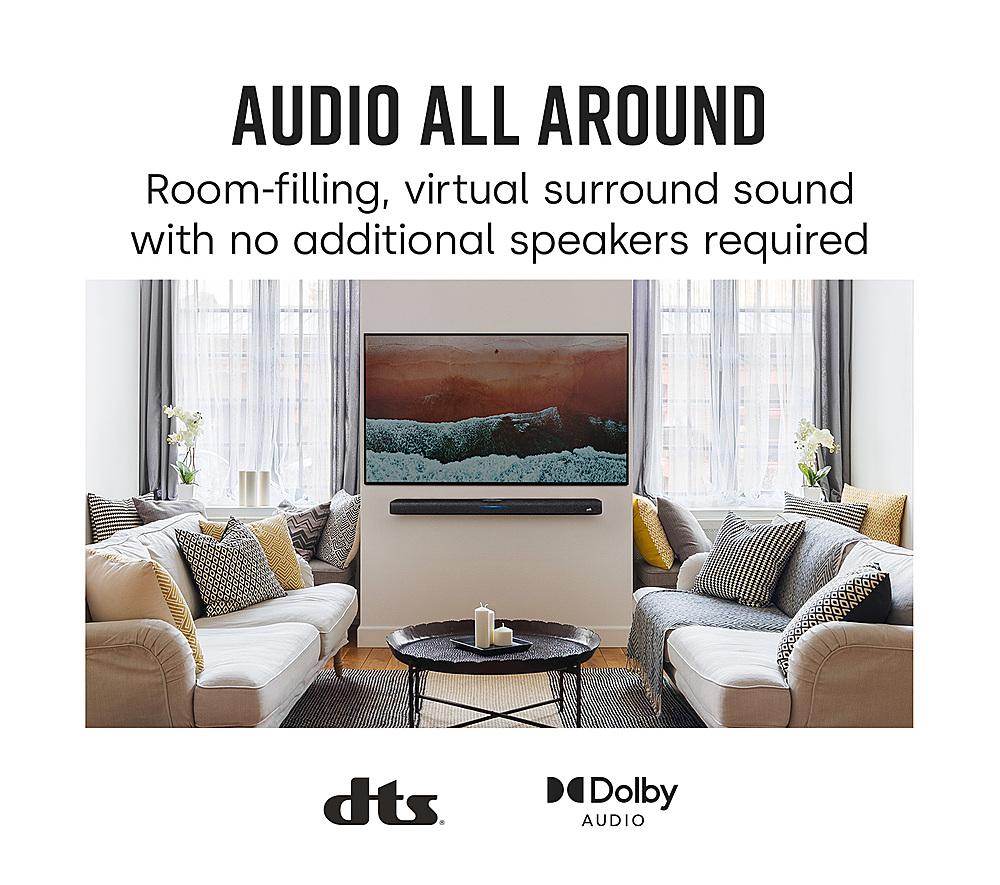
Modern soundbars use digital signal processing (DSP) to create surround sound effects without rear speakers. This "virtual surround" technology analyzes the audio signal and uses timing, phase, and amplitude adjustments to trick your ears into perceiving sound from different directions.
The JBL Bar 300 supports Dolby Atmos, which is a significant advantage. Dolby Atmos adds height information to audio—it can make helicopters sound like they're flying overhead or rain seem like it's falling from above. The JBL processes this information and uses its MultiBeam technology to bounce sound off your ceiling and walls, creating these height effects.
I tested this with "Top Gun: Maverick," and the difference is noticeable during the flight sequences. Jet engines seem to move through three-dimensional space rather than just panning left to right. The JBL also includes PureVoice dialogue enhancement, which uses algorithms to keep speech clear even when surround effects are at their most intense.
The Polk React is limited to basic Dolby Digital and DTS decoding—older surround sound formats that don't include height information. Its virtual surround processing is competent but not as sophisticated. During the same "Top Gun" test, the Polk created decent width to the soundstage but couldn't generate the overhead effects that make the JBL more immersive.
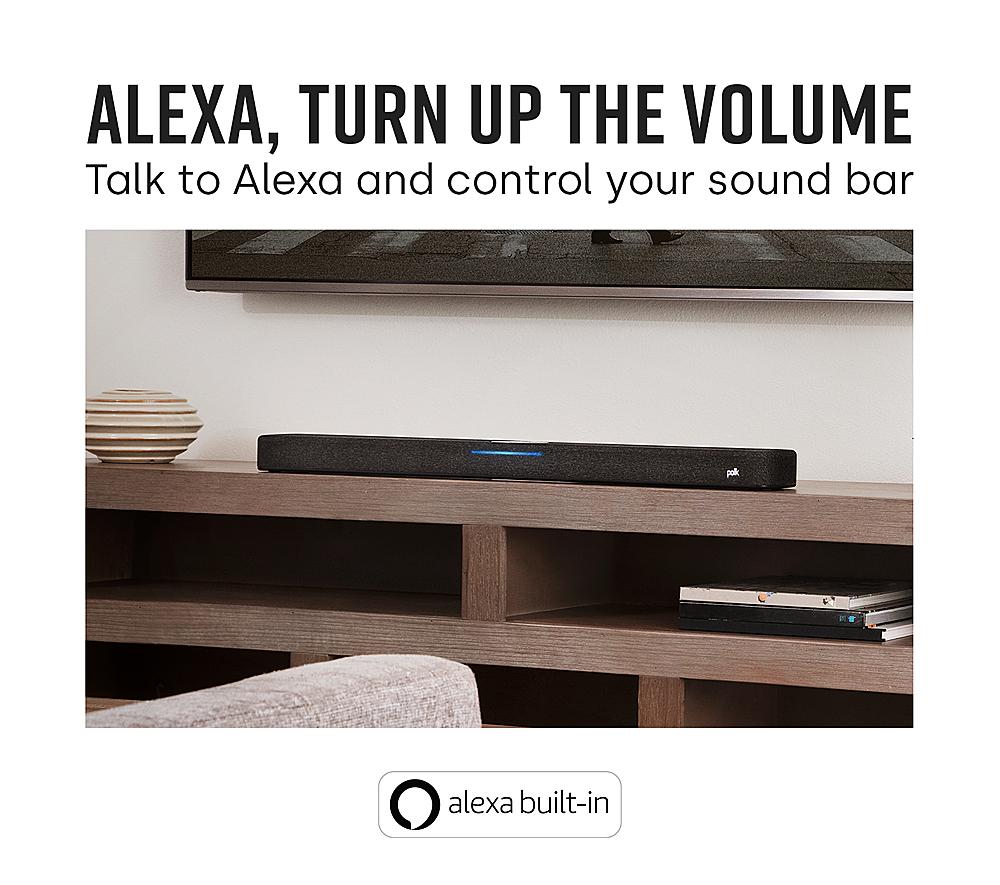
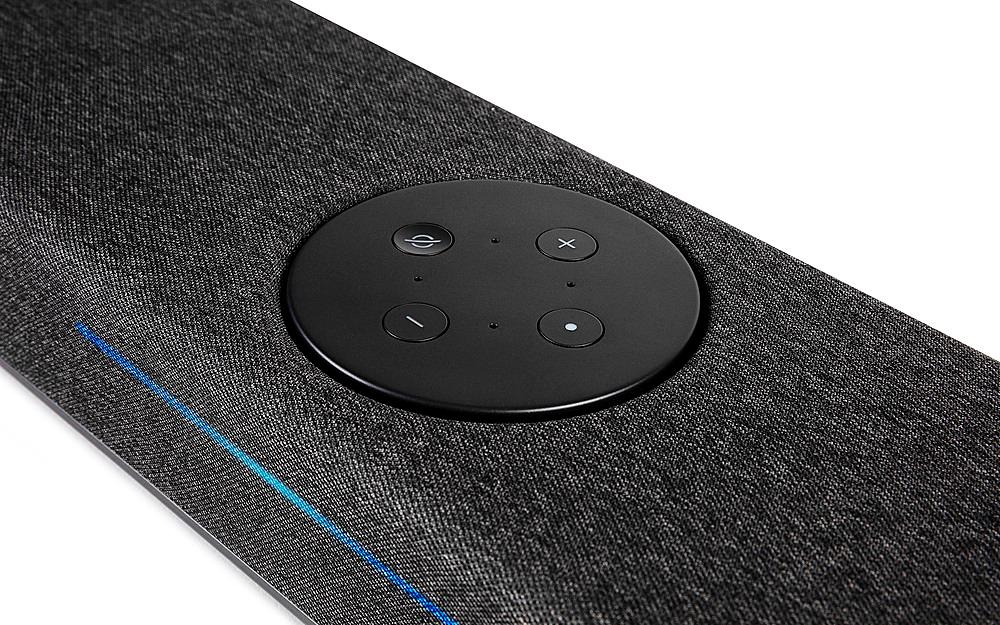
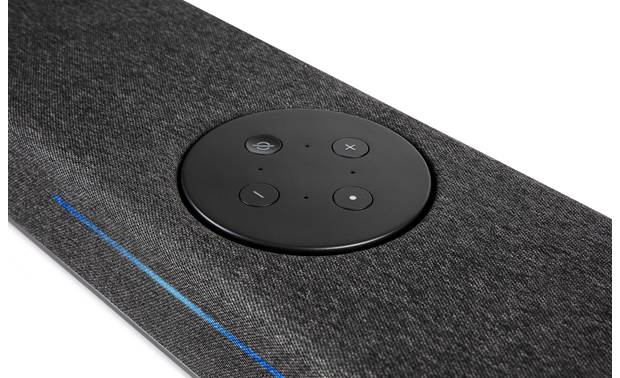
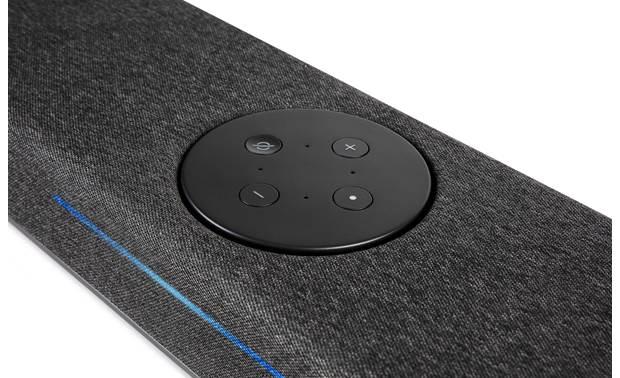
Here's where the Polk Audio React takes a clear lead. It includes Amazon Alexa built right into the soundbar, complete with four far-field microphones that can hear your voice commands from across the room. You can say "Alexa, set volume to 15" or "Alexa, play jazz music" and the soundbar responds immediately.
More importantly, the Polk can function as a replacement for an Amazon Echo speaker. It supports Alexa calling and messaging, can control smart home devices, and integrates into Alexa's multi-room music system. If you have other Alexa devices around your house, you can group them together to play synchronized music.
The JBL takes a different approach. It works with Alexa, Google Assistant, and Siri, but only through external devices. You'd need an Amazon Echo, Google Nest, or your smartphone to give voice commands. The JBL then responds to these commands, but it's not as seamless as the Polk's built-in system.
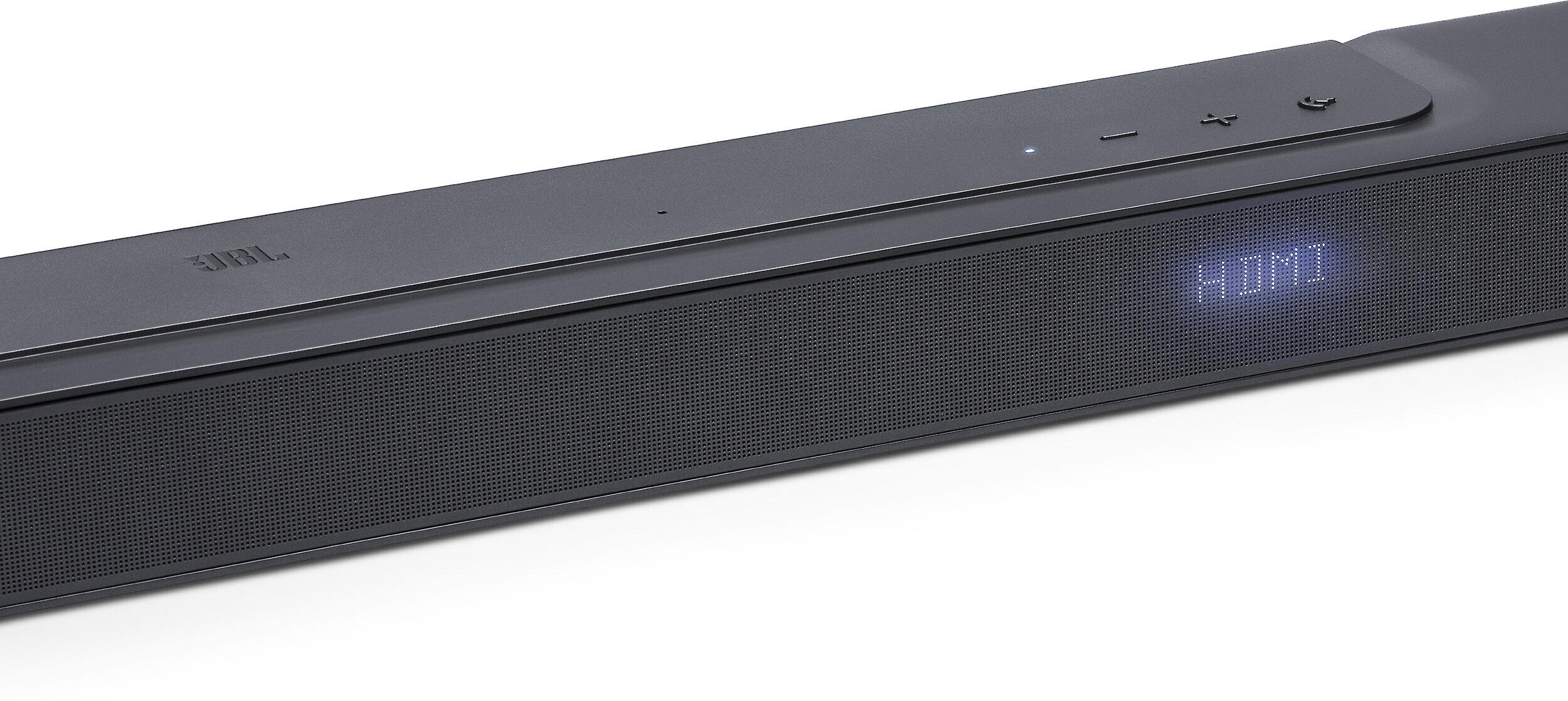
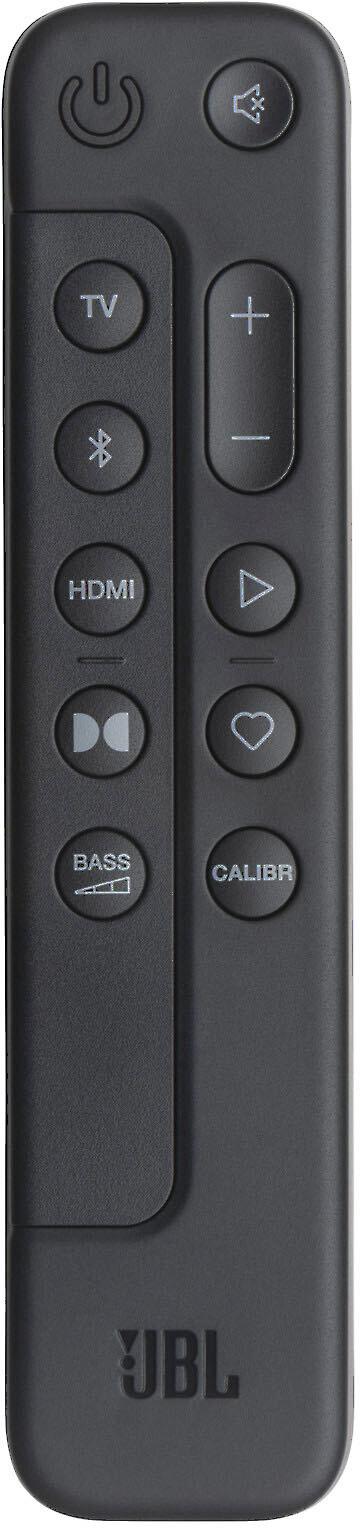
However, the JBL compensates with superior app control. The JBL One app provides comprehensive control over the soundbar's settings, including a room calibration feature that uses the soundbar's built-in microphone to analyze your room's acoustics and adjust the sound accordingly. You can also customize EQ settings, select different sound modes, and receive firmware updates automatically.
The Polk relies primarily on the Alexa app, which offers basic control but limited customization. You get preset sound modes for movies, music, sports, and night listening, but you can't fine-tune the audio characteristics the way you can with the JBL.
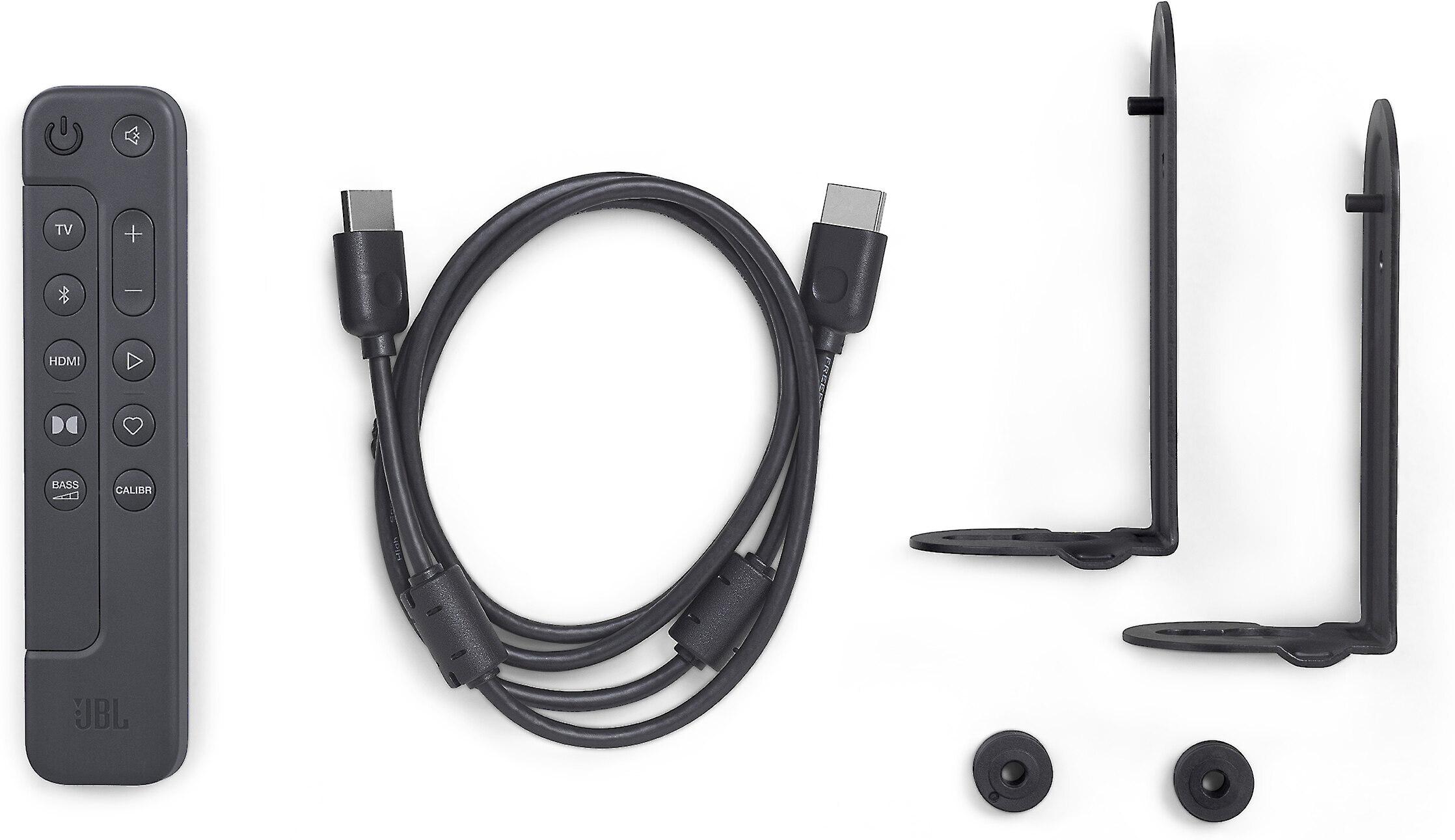
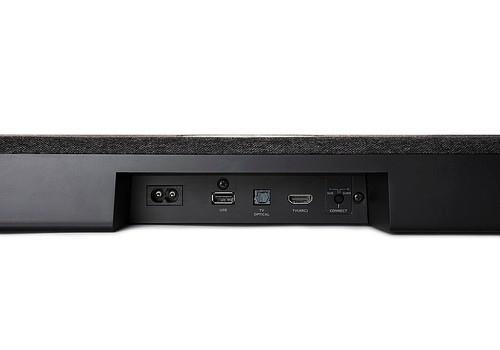
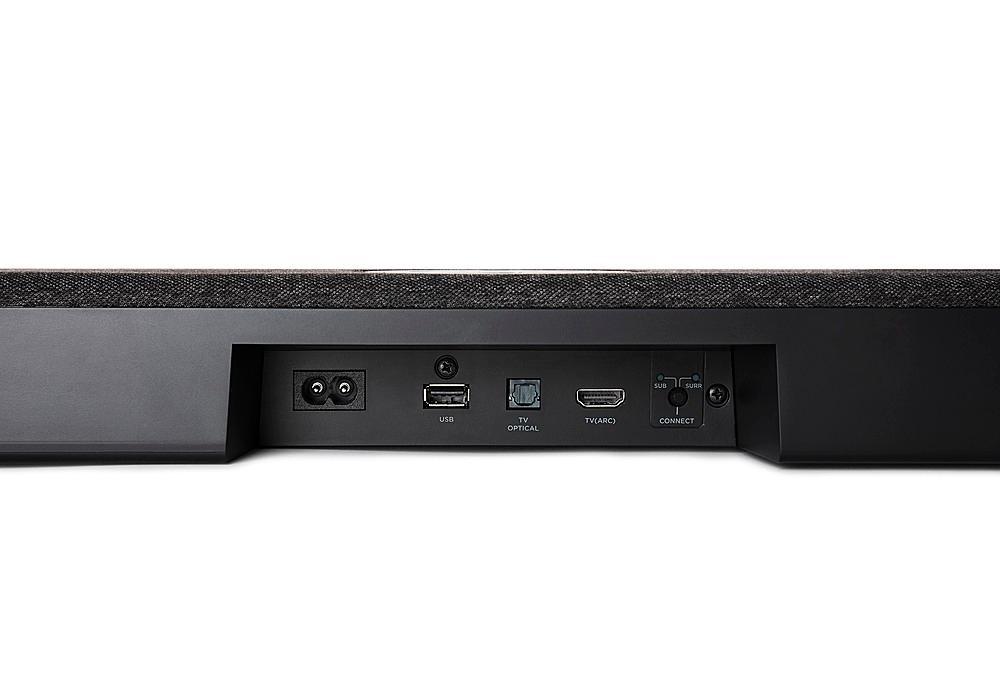
Both soundbars handle the basics well—HDMI ARC (Audio Return Channel) for single-cable connection to your TV, optical input for older devices, and Bluetooth for music streaming. However, the JBL offers more flexibility for complex setups.
The JBL includes both HDMI input and output, which means you can connect a gaming console or Blu-ray player directly to the soundbar, then send video to your TV. This setup often provides better audio performance because the soundbar receives the uncompressed audio signal directly. The JBL also supports 4K video passthrough with Dolby Vision and HDR10, ensuring your video quality isn't compromised.
The Polk only has HDMI output (ARC), so all your devices need to connect directly to your TV. For simple setups with just a TV and streaming stick, this works fine. But if you have multiple gaming consoles, a Blu-ray player, and other devices, the JBL's additional HDMI input provides more options.
Both soundbars support Wi-Fi connectivity for streaming music services, but the JBL includes Chromecast built-in and AirPlay support, making it easier to stream from both Android and iOS devices. The Polk focuses primarily on Alexa-compatible services, which covers most major platforms but isn't quite as universal.
I spent several weeks testing both soundbars in different scenarios to understand their strengths and limitations. For movie watching, the JBL Bar 300 consistently outperformed the Polk React. During dialogue-heavy scenes from "The Batman," both soundbars delivered clear speech, but action sequences revealed the JBL's advantages. Explosions had more impact, the musical score had better dynamic range, and surround effects created a more engaging experience.
Music performance showed similar results. Streaming jazz through Spotify, the JBL's wider soundstage made instruments seem properly separated in space. The Polk's stereo imaging was clean but narrower, which worked fine for casual listening but didn't create the same sense of being in the recording studio.
However, the Polk's voice control integration proved genuinely useful. Being able to adjust volume, skip tracks, or switch sources without finding the remote control is more convenient than I initially expected. The built-in Alexa also handled smart home commands reliably, turning off lights or adjusting thermostats on command.
Room size made a significant difference in my testing. In a small bedroom (about 150 square feet), the Polk React provided adequate volume and clarity. But moving to a larger living room (around 300 square feet), the power limitation became obvious. The JBL maintained clear, detailed sound even at higher volumes, while the Polk started to sound strained when pushed hard.
The price difference between these soundbars initially seems straightforward—$299.95 for the JBL versus $230 for the Polk. But that comparison doesn't tell the complete story.
The JBL delivers a complete audio experience out of the box. Its built-in bass handling, multichannel processing, and Dolby Atmos support provide everything most people need for significantly improved TV audio. You might eventually want to add the optional wireless subwoofer for larger rooms, but it's not necessary for most installations.
The Polk, while $70 cheaper initially, really needs its wireless subwoofer to compete with the JBL's bass performance. That addition brings the total cost to $430—$130 more than the JBL for what's arguably less sophisticated audio processing. The Polk's strength lies in its smart home integration, but you're paying extra for convenience features rather than audio performance.
The JBL Bar 300 5.0 makes the most sense for people who prioritize audio quality and want a complete solution. If you watch movies regularly, play video games, or listen to music through your TV setup, the JBL's multichannel processing and higher power output will provide a noticeably better experience. It's also ideal if your living room is medium-sized or larger, where the Polk might struggle to fill the space adequately.
The Polk Audio React works best for specific scenarios. If you live in a small apartment where the JBL might be overkill, the Polk provides clean dialogue and adequate volume without overwhelming your space. It's also perfect if you're heavily invested in the Amazon Alexa ecosystem and want your soundbar to double as a smart speaker. The voice control integration is genuinely useful for people who rely on smart home automation.
Choosing between these soundbars ultimately comes down to your priorities and living situation. If audio performance is your main concern and you want the best value for money, the JBL Bar 300 5.0 delivers significantly more capability for just $70 more than the Polk's base price. Its multichannel processing, virtual Dolby Atmos, and built-in bass handling provide a complete home theater upgrade.
If smart home integration and voice control are more important to you than ultimate audio quality, the Polk React offers unique convenience features that the JBL can't match. Just be prepared to eventually spend more money on the wireless subwoofer if you want comparable bass performance.
Consider your room size carefully—the JBL's extra power and more sophisticated processing become increasingly important in larger spaces, while the Polk can work well in smaller rooms where its limitations are less noticeable.
Both soundbars represent solid engineering choices, but they serve different user priorities. The JBL focuses on delivering the best possible audio experience, while the Polk emphasizes convenience and smart home integration. Understanding which approach better matches your needs will lead you to the right choice for your home theater setup.
| JBL Bar 300 5.0 Soundbar | Polk Audio React Sound Bar with Alexa Built-In |
|---|---|
| Price - Base investment for each system | |
| $299.95 (complete 5.0 system) | $230 (2.0 system, subwoofer sold separately) |
| Total Power Output - Determines maximum volume and clarity | |
| 260W (fills medium-large rooms without distortion) | 30-50W (adequate for small rooms only) |
| Channel Configuration - Affects surround sound quality | |
| 5.0 channels (left, center, right, plus surround processing) | 2.0 stereo channels (basic left-right separation) |
| Dolby Atmos Support - Creates overhead sound effects | |
| Virtual Dolby Atmos with height processing | Not supported (limited to basic Dolby Digital) |
| Bass Performance - Low-end impact without subwoofer | |
| Built-in bass port provides satisfying low-end | Minimal bass; requires $200 wireless subwoofer |
| Voice Assistant Integration - Hands-free control convenience | |
| Compatible with external Alexa/Google/Siri devices | Built-in Alexa with 4 far-field microphones |
| HDMI Connectivity - Flexibility for gaming/media devices | |
| 1 input + 1 output with ARC (direct device connection) | 0 inputs + 1 output with ARC (TV-only connection) |
| App Control - Customization and setup options | |
| JBL One app with room calibration and EQ control | Basic Alexa app control with limited customization |
| Dimensions - Space requirements under TV | |
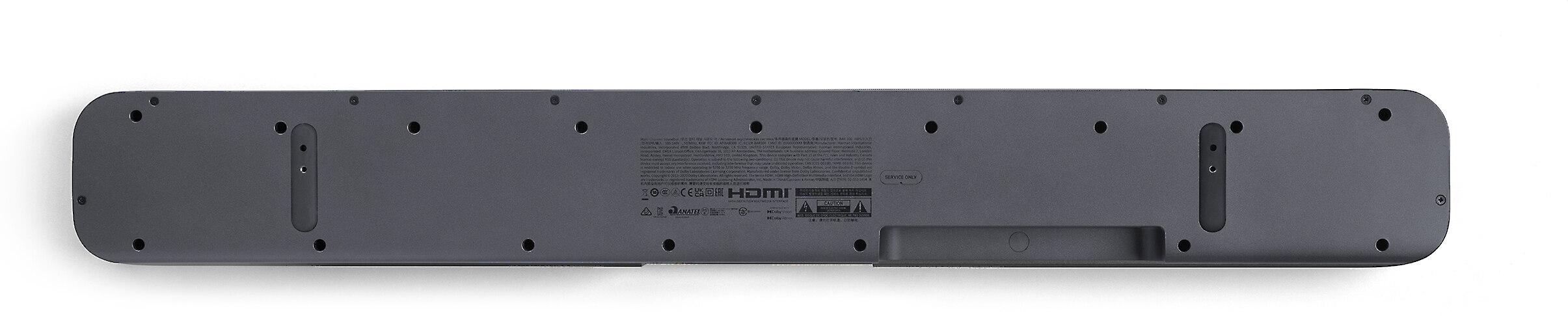
| 32.3" × 2.2" × 4.1" (fits most TV stands) | 34" × 2.25" × 4.8" (slightly wider but similar height) |
| Best Room Size - Optimal performance space | |
| Medium to large rooms (200+ sq ft) | Small rooms and apartments (under 200 sq ft) |
| Total Cost for Comparable Bass - Real-world investment | |
| $299.95 (complete system) | $430 with required subwoofer ($230 + $200) |
The JBL Bar 300 5.0 Soundbar is significantly better for movies and TV shows due to its 5.0-channel configuration and Dolby Atmos support. It creates immersive surround sound effects and handles dialogue clearly during action scenes. The Polk Audio React Sound Bar works for basic TV watching but lacks the multichannel processing needed for cinematic experiences.
The JBL Bar 300 5.0 Soundbar costs $299.95, while the Polk Audio React Sound Bar costs $230. However, the Polk requires a $200 wireless subwoofer for comparable bass performance, making its total cost $430—$130 more than the JBL for similar functionality.
The JBL Bar 300 5.0 Soundbar has significantly better bass thanks to its built-in bass port, which provides satisfying low-end for movies and music without additional equipment. The Polk Audio React Sound Bar has minimal bass output and really needs its optional wireless subwoofer to compete.
The Polk Audio React Sound Bar has built-in Amazon Alexa with four microphones for direct voice commands and smart home control. The JBL Bar 300 5.0 Soundbar works with Alexa, Google Assistant, and Siri, but requires an external smart speaker or smartphone for voice control.
The JBL Bar 300 5.0 Soundbar is much better for large rooms with its 260W power output and multichannel processing that fills medium to large spaces effectively. The Polk Audio React Sound Bar with 30-50W is better suited for small rooms and apartments where its power limitations aren't as noticeable.
The JBL Bar 300 5.0 Soundbar has both HDMI input and output, allowing direct connection of gaming consoles and other devices. The Polk Audio React Sound Bar only has HDMI output (ARC), so gaming consoles must connect to your TV instead of directly to the soundbar.
The JBL Bar 300 5.0 Soundbar offers superior app control through the JBL One app, which includes room calibration, EQ customization, and sound mode selection. The Polk Audio React Sound Bar relies on the basic Alexa app with limited customization options beyond preset sound modes.
Only the JBL Bar 300 5.0 Soundbar supports virtual Dolby Atmos, which creates overhead sound effects for movies and games. The Polk Audio React Sound Bar is limited to basic Dolby Digital and DTS decoding without height processing capabilities.
The JBL Bar 300 5.0 Soundbar provides better music performance with its wider soundstage and multichannel processing that creates better instrument separation. Both soundbars support Bluetooth and Wi-Fi streaming, but the JBL also includes Chromecast built-in and AirPlay support for more streaming options.
The JBL Bar 300 5.0 Soundbar provides satisfying bass for $299.95 with no additional purchases needed. The Polk Audio React Sound Bar costs $230 alone but requires the $200 wireless subwoofer for comparable bass, totaling $430 for the complete system.
Both soundbars are relatively easy to set up with HDMI ARC connections. However, the Polk Audio React Sound Bar may be slightly simpler for basic users due to its straightforward 2.0 configuration. The JBL Bar 300 5.0 Soundbar offers automatic room calibration through its app, which optimizes setup but requires a few extra steps.
The JBL Bar 300 5.0 Soundbar offers significantly better value with its complete 5.0-channel system, Dolby Atmos support, and built-in bass for $299.95. The Polk Audio React Sound Bar costs more when properly equipped ($430 with subwoofer) while delivering less sophisticated audio processing, making it worthwhile primarily for users who prioritize built-in voice control.
We've done our best to create useful and informative comparisons to help you decide what product to buy. Our research uses advanced automated methods to create this comparison and perfection is not possible - please contact us for corrections or questions. These are the sites we've researched in the creation of this article: whathifi.com - safeandsoundhq.com - youtube.com - cnet.com - mm.jbl.com - jbl.com - bestbuy.com - support.jbl.com - dell.com - walmart.com - techradar.com - crutchfield.com - popsci.com - youtube.com - tomsguide.com - bestbuy.com - polkaudio.com - crutchfield.com - forum.polkaudio.com - soundunited.com - youtube.com

Privacy Policy
Terms and Conditions - Affiliate Policy
Home Security
© Copyright 2008-2026.
11816 Inwood Rd #1211, Dallas, TX 75244