

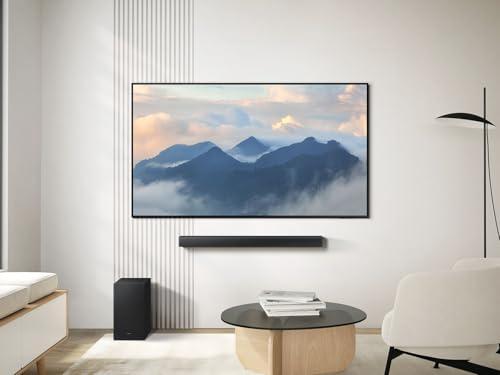
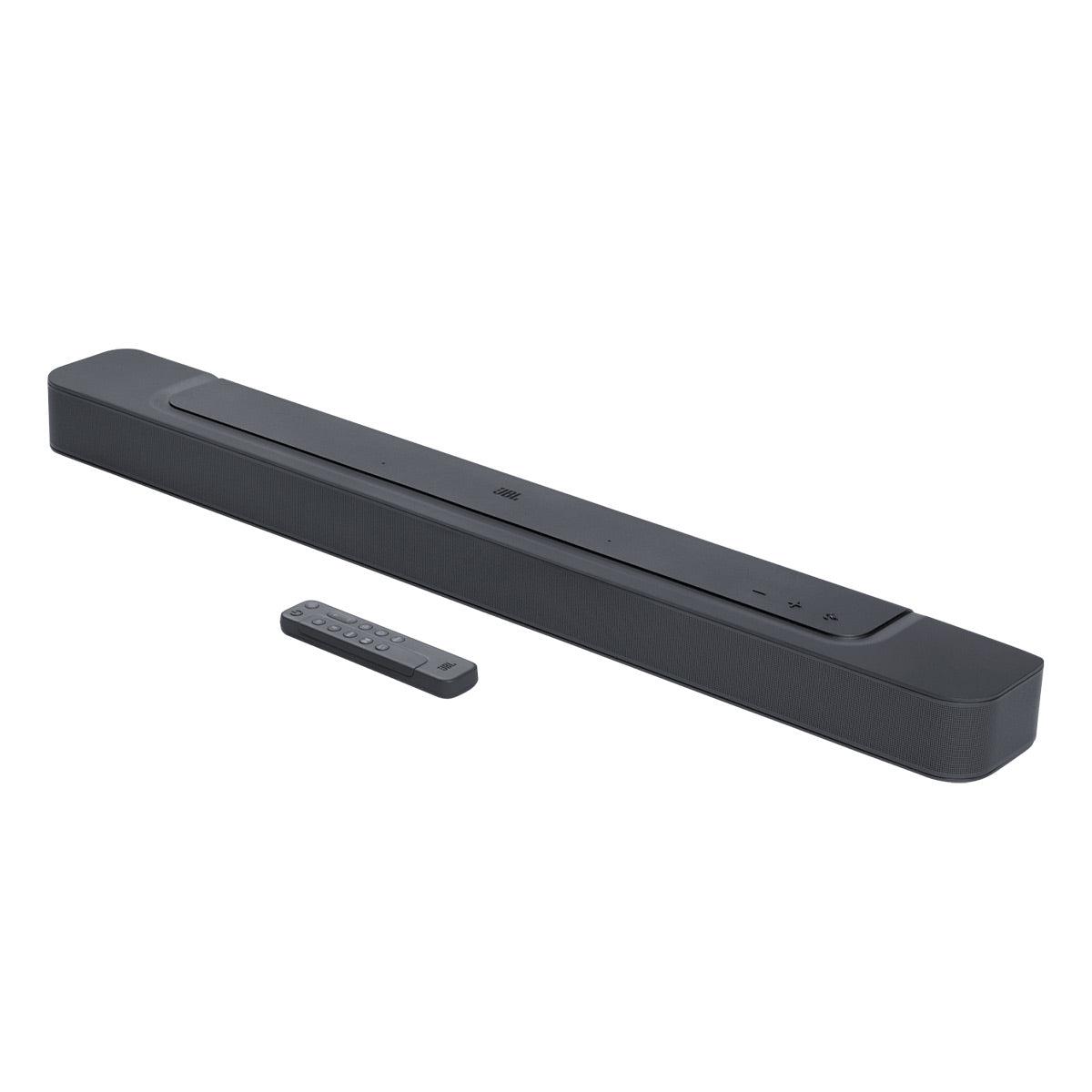
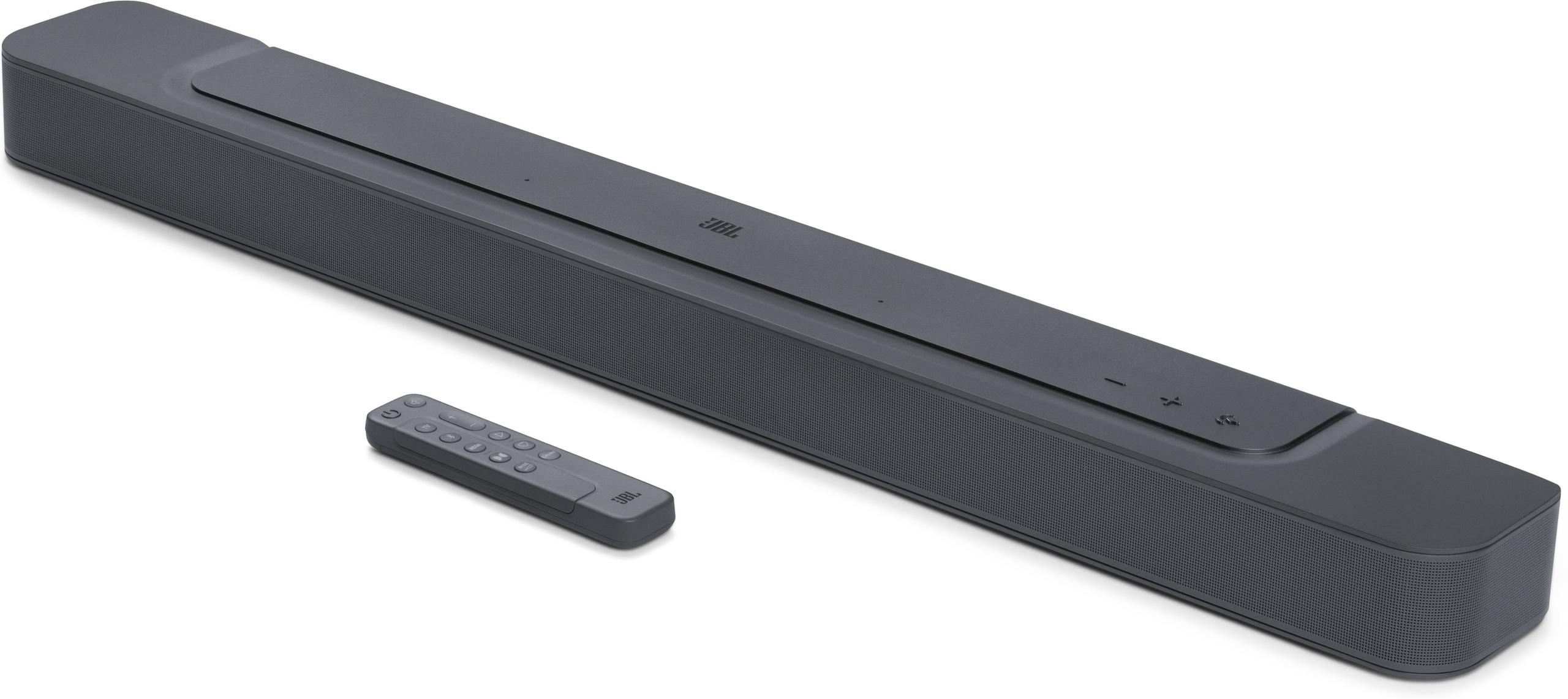

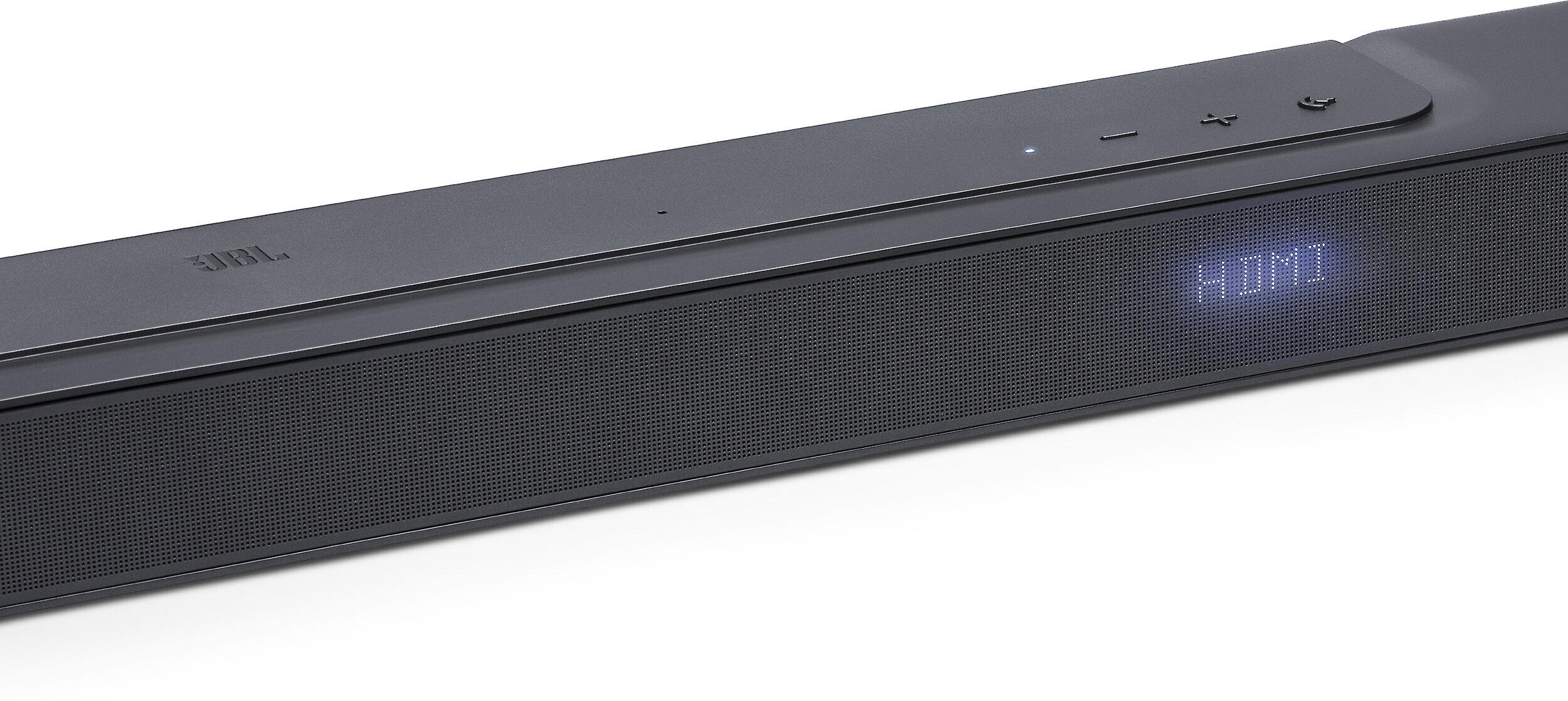


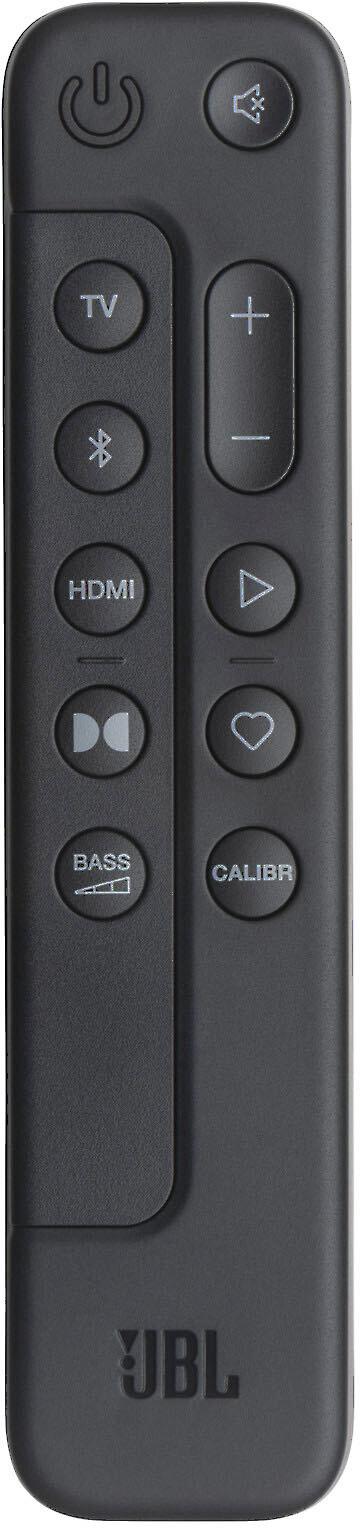
When your TV's built-in speakers just aren't cutting it anymore, a mid-range soundbar offers the perfect sweet spot between decent audio performance and reasonable cost. The soundbar market has exploded in recent years, with manufacturers cramming more features and better audio technology into smaller packages. Two standout options that represent very different approaches to the same problem are the Samsung HW-B630F and the JBL Bar 300.
These soundbars sit in that competitive $200-400 price range where every manufacturer is fighting for your attention. At the time of writing, the Samsung HW-B630F comes in at the lower end of this bracket, while the JBL Bar 300 commands a premium for its advanced features. But price alone doesn't tell the whole story – these products take fundamentally different approaches to improving your audio experience.
Before diving into specifics, it's worth understanding what separates mid-range soundbars from their cheaper and more expensive siblings. Budget soundbars (under $200) typically offer basic stereo sound with minimal connectivity. Premium models ($500+) pack in every possible feature, including full Dolby Atmos with upward-firing drivers, wireless rear speakers, and advanced room correction.
Mid-range soundbars occupy the goldilocks zone where manufacturers must choose their battles carefully. They can't include everything, so the question becomes: what compromises make sense? Some focus on raw audio performance with physical drivers and subwoofers. Others emphasize advanced processing and modern connectivity. This fundamental choice defines the difference between our two contenders.
The Samsung HW-B630F, released in 2025 as part of Samsung's refreshed B-Series lineup, represents the "more drivers, more better" philosophy. The JBL Bar 300, launched in late 2024, embodies the "smart processing can overcome physical limitations" approach. Both have merit, but they excel in different scenarios.
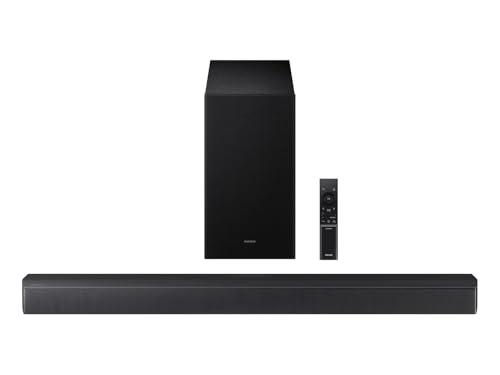
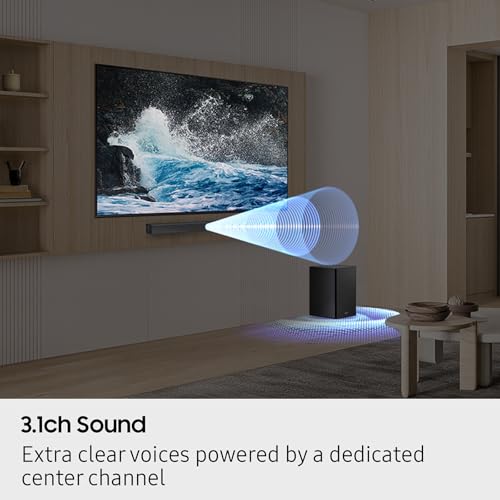
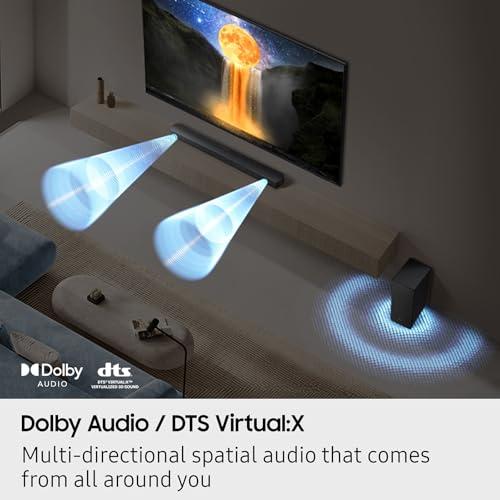
The Samsung HW-B630F follows the tried-and-true formula: if you want better sound, add more speakers. Its 3.1 configuration includes three discrete drivers in the soundbar (left, center, right) plus a separate wireless subwoofer. This isn't revolutionary technology – it's the same basic setup that home theater enthusiasts have used for decades, just miniaturized and simplified.
That dedicated center channel makes a real difference. When watching dialogue-heavy content like dramas or news, having a speaker specifically tuned for human voices creates noticeably clearer speech. The center channel sits right below your TV screen, so voices appear to come directly from the actors' mouths rather than floating somewhere between the left and right speakers.
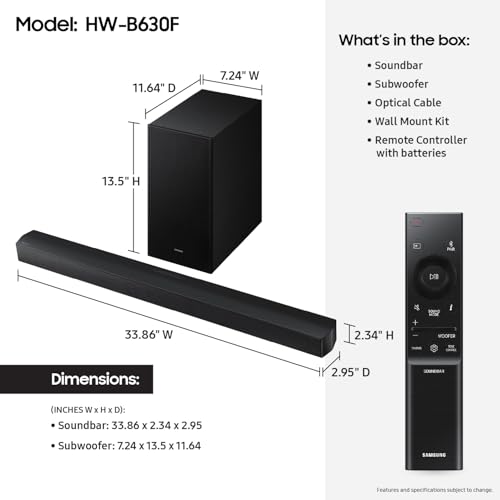
The wireless subwoofer deserves special attention. At 11 pounds with a 6-inch front-firing driver, it's no joke. This isn't one of those tiny "subwoofers" that some all-in-one soundbars include as an afterthought. The bass-reflex cabinet design (meaning it has a port that helps extend low-frequency response) can genuinely rattle your coffee table during action sequences.
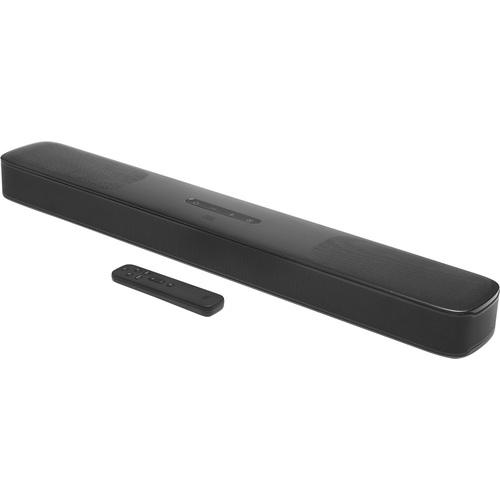
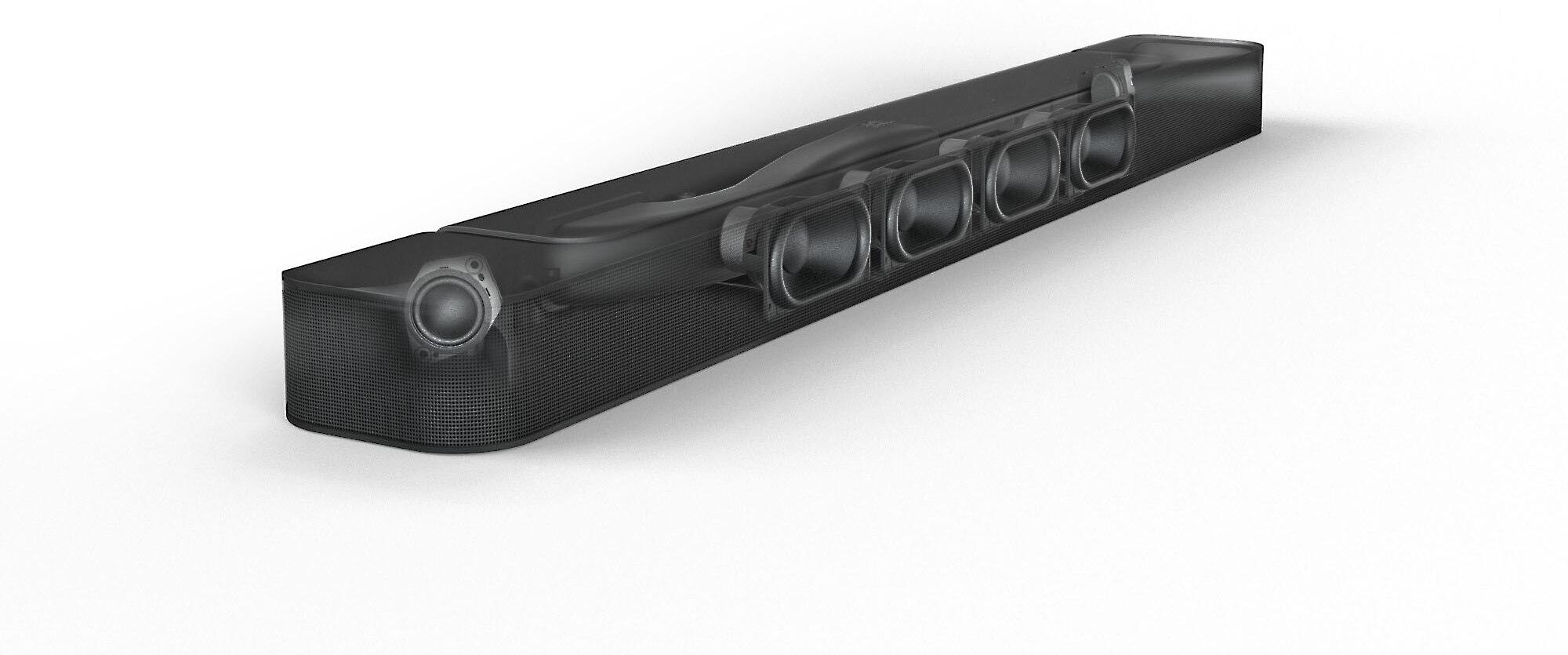
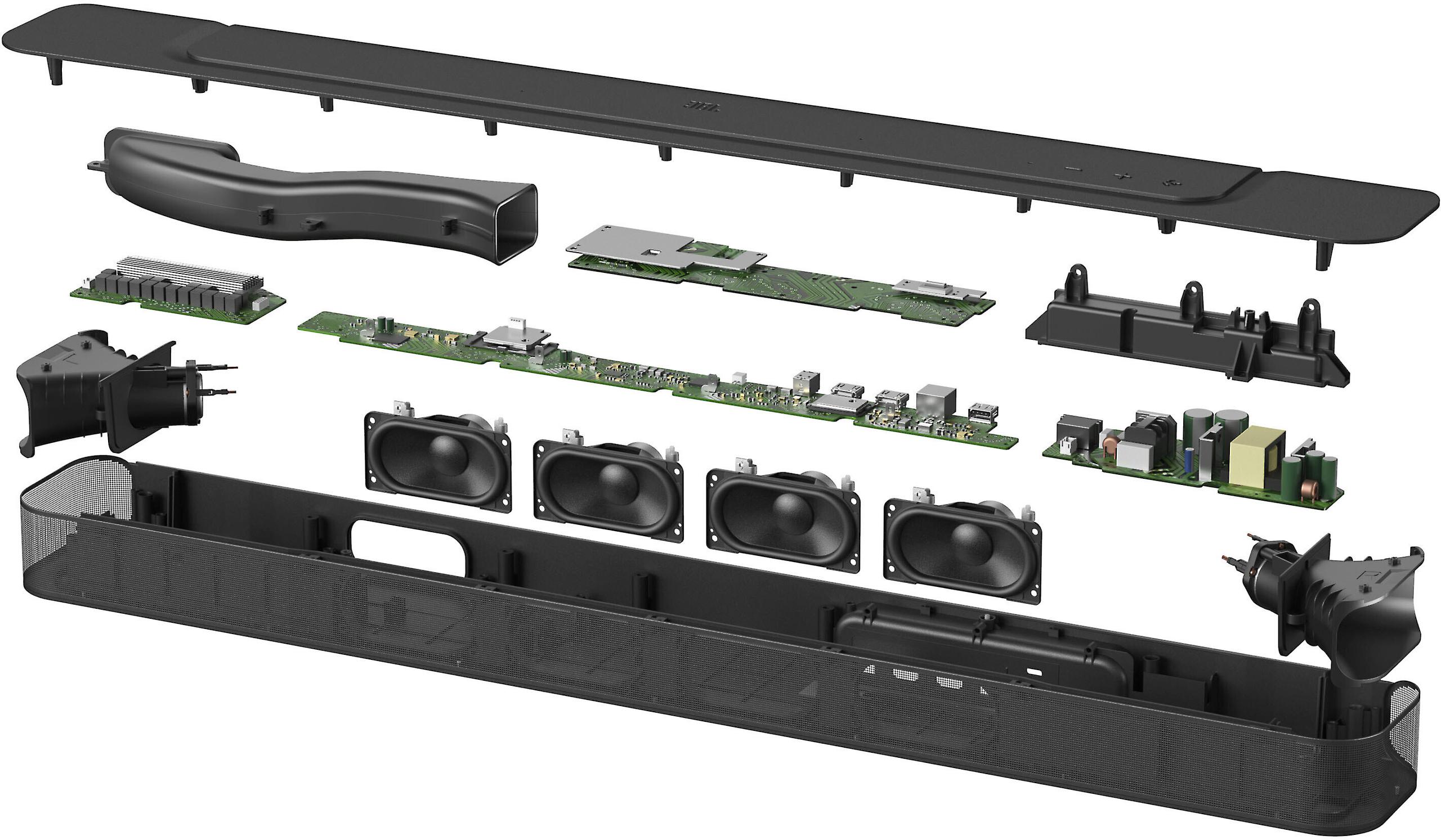
The JBL Bar 300 takes the opposite approach: instead of more physical speakers, it uses advanced processing to create the illusion of surround sound from a single bar. This isn't new technology – virtual surround has existed for years – but JBL's implementation is particularly sophisticated.
The MultiBeam technology essentially tricks your brain into hearing sounds coming from directions where no speakers exist. It does this by carefully controlling the timing, phase, and frequency content of the audio sent to different drivers within the bar. When done well, you can genuinely hear helicopters flying overhead or footsteps creeping up behind you, even though all the sound originates from in front of you.
More importantly, the JBL Bar 300 supports true Dolby Atmos processing. Dolby Atmos isn't just a marketing buzzword – it represents a fundamental shift in how audio content is created and reproduced. Instead of mixing sound into traditional channels (left, right, center, etc.), Atmos treats sounds as objects in three-dimensional space. A helicopter isn't just "in the left surround channel" – it has specific coordinates that can move smoothly through your room as the scene progresses.
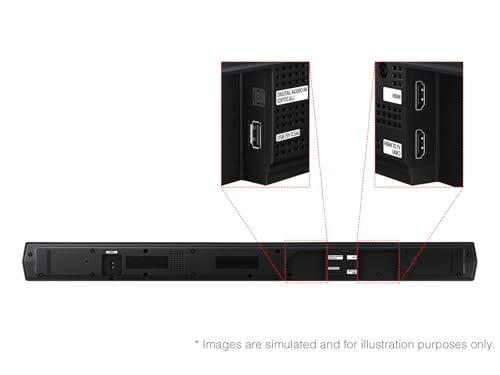
Here's where the philosophical differences become most apparent. The Samsung HW-B630F includes HDMI 1.4 with ARC (Audio Return Channel), optical digital input, and Bluetooth 4.2. These connections work fine, but they're distinctly last-generation technology.
HDMI 1.4 means no 4K video pass-through – you'll need to connect 4K sources directly to your TV and send audio back to the soundbar via ARC. ARC itself is limited to compressed audio formats, so you won't get the full benefit of lossless Dolby TrueHD or DTS-HD Master Audio from Blu-ray discs. Bluetooth 4.2 works but has shorter range and less reliable connections than newer versions.
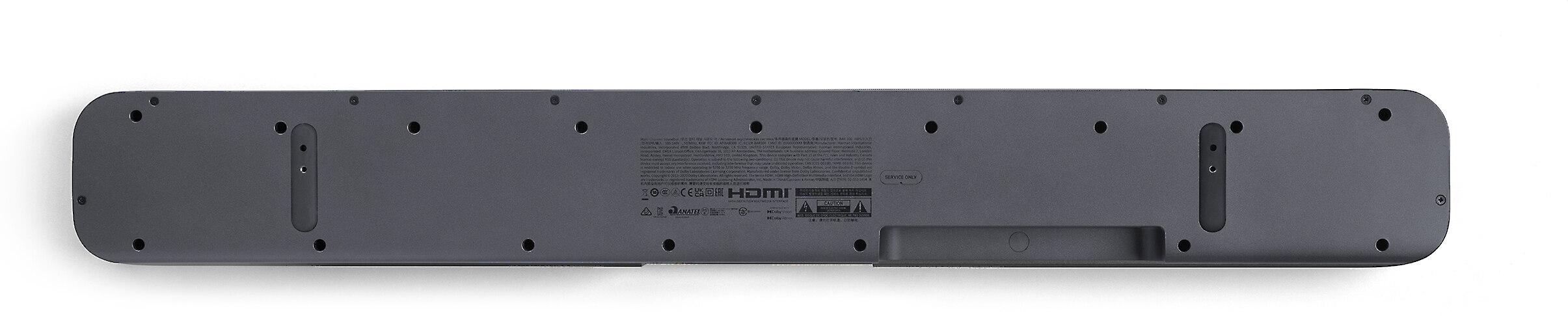
The JBL Bar 300 feels like it was designed for 2025 and beyond. HDMI eARC (enhanced Audio Return Channel) supports much higher bandwidth, enabling uncompressed audio formats and even Dolby Atmos over a single cable. The 4K HDR pass-through with HDCP 2.2 support means you can route your Apple TV or PlayStation 5 through the soundbar without losing video quality.
But the real differentiator is Wi-Fi connectivity. The JBL Bar 300 supports AirPlay 2, Chromecast built-in, and Spotify Connect. This transforms it from a simple TV audio upgrade into a proper streaming music system. You can start a Spotify playlist on your phone and hand it off to the soundbar, or ask Siri to play music directly without involving your TV at all.
This is where the Samsung HW-B630F shows its strength. A 6-inch dedicated subwoofer in an 11-pound cabinet simply moves more air than any built-in bass system can manage. During the opening sequence of a Marvel movie, those earth-shaking explosions have genuine weight and impact that you feel in your chest.
The wireless connection means you can place the subwoofer optimally – perhaps behind your couch or in a corner where room acoustics naturally amplify bass. This flexibility often results in better bass response than all-in-one designs where the bass drivers are fixed in position.
The JBL Bar 300 includes built-in bass ports and dedicated low-frequency drivers, but physics is physics. Without the air volume and driver size of a separate subwoofer, it simply can't match the low-end authority of the Samsung HW-B630F. In smaller rooms (under 200 square feet), this limitation might not matter much. In larger spaces or for bass-heavy content, it becomes noticeable.
The Samsung HW-B630F's dedicated center channel provides a measurable advantage for dialogue-heavy content. When multiple characters speak simultaneously, or when dialogue competes with background music and effects, that physical center speaker helps voices remain intelligible. The Voice Enhance mode further optimizes the center channel's frequency response for human speech patterns.
However, the JBL Bar 300 isn't helpless here. Its PureVoice technology uses advanced processing to identify and enhance dialogue frequencies. While it can't match the precision of a dedicated center speaker, it's surprisingly effective – especially when combined with Dolby Atmos processing that can spatially separate dialogue from other sound elements.
This category represents the biggest philosophical divide. The Samsung HW-B630F uses DTS Virtual:X to create width and some height effects, but it's fundamentally limited by its three-speaker front array. The processing does create a soundstage wider than the physical soundbar, but true surround effects remain elusive.
The JBL Bar 300's Dolby Atmos support changes the game entirely. When fed proper Atmos content from Netflix, Disney+, or 4K Blu-ray, it creates convincing overhead effects and precise object placement. Rain sounds like it's falling from above, aircraft fly realistic trajectories across your room, and ambient sounds envelope you from multiple directions.
The effectiveness varies significantly with room size and shape. Irregular rooms, high ceilings, or excessive soft furnishings can interfere with the acoustic reflections that make virtual surround work. But in a typical living room with standard 8-9 foot ceilings, the effect can be genuinely impressive.
Room dimensions dramatically affect soundbar performance, but in opposite ways for these two models. The Samsung HW-B630F scales up beautifully. Its wireless subwoofer maintains authority in larger rooms, and the physical drivers project sound effectively across greater distances. The dedicated center channel remains clear even when you're sitting off to one side.
The JBL Bar 300 works best in smaller, acoustically controlled environments. Virtual surround processing relies on predictable wall reflections and listener positioning. In a perfectly rectangular living room with the soundbar centered below a wall-mounted TV, the MultiBeam technology can create remarkably convincing surround effects. But add an open kitchen, vaulted ceilings, or irregular furniture placement, and the illusion breaks down.
Different content types reveal each soundbar's strengths and weaknesses. For traditional TV viewing – news, sitcoms, dramas – the Samsung HW-B630F's dialogue clarity and straightforward audio processing provide consistent results. The dedicated center channel ensures you never miss important dialogue, regardless of the source quality.
Movie content, particularly modern blockbusters mixed for Dolby Atmos, heavily favors the JBL Bar 300. The difference becomes stark when watching something like Top Gun: Maverick or Dune on Netflix. Jet engines sweep convincingly overhead, atmospheric sounds create genuine immersion, and the overall experience feels significantly more three-dimensional.
Music playback tells yet another story. The Samsung HW-B630F's subwoofer can overwhelm musical content, requiring careful level adjustment or switching to a dedicated music mode. The JBL Bar 300's more balanced approach often sounds more natural for stereo music, especially when streaming high-quality sources via Wi-Fi rather than Bluetooth.
Modern gaming consoles output sophisticated audio that can stress soundbar processing systems. The Samsung HW-B630F includes a dedicated Game Mode that optimizes for directional audio cues – helpful for competitive gaming where hearing enemy footsteps or reload sounds provides tactical advantages. The physical center channel also helps with game dialogue and narrative elements.
The JBL Bar 300's Dolby Atmos processing can create more immersive gaming experiences in compatible titles. Games like Assassin's Creed or Call of Duty that support Atmos mixing place environmental sounds more convincingly in 3D space. However, the processing latency can occasionally create slight audio delays that competitive gamers might find distracting.
Technology longevity differs significantly between these approaches. The Samsung HW-B630F's simpler technology stack means fewer potential failure points and more predictable long-term performance. HDMI ARC and optical connections will remain relevant for years, and the physical audio benefits don't depend on software updates or processing algorithms.
The JBL Bar 300 offers more future-proofing through its modern connectivity and software-based features. HDMI eARC support ensures compatibility with next-generation audio formats, while Wi-Fi connectivity enables new streaming services and features via software updates. However, this complexity also introduces more potential points of failure.
Both soundbars support expansion options, but in different ways. The Samsung HW-B630F can add wireless rear speakers via Samsung's optional surround kit, creating a true 5.1 system. The JBL Bar 300 integrates into JBL's broader ecosystem, potentially connecting with other JBL speakers for multi-room audio.
Choose the Samsung HW-B630F if you prioritize fundamental audio quality over advanced features. Its dedicated subwoofer and center channel deliver measurable improvements for dialogue clarity and bass impact that don't depend on room acoustics or content compatibility. The simpler technology and lower price point make it excellent value for traditional TV watching, gaming, and anyone with larger rooms that demand substantial audio authority.
The JBL Bar 300 makes sense if you want the most advanced audio experience possible from a single-bar solution. Dolby Atmos support and sophisticated connectivity options provide genuine immersion and future-proofing that justify the premium pricing. It's ideal for smaller rooms where virtual surround processing works effectively, and for users who stream content frequently and want integrated music capabilities.
Ultimately, both represent excellent value in their respective approaches to mid-range audio enhancement. The Samsung HW-B630F delivers traditional home theater benefits with proven technology and straightforward operation. The JBL Bar 300 pushes the boundaries of what's possible from a compact soundbar through advanced processing and modern connectivity.
Your room size, content preferences, and technology comfort level should guide the decision more than absolute performance metrics. Both will dramatically improve your audio experience over TV speakers – they just do it in fundamentally different ways.
| Samsung HW-B630F B-Series 3.1ch Soundbar System | JBL Bar 300 5.0 Soundbar |
|---|---|
| Channel Configuration - Determines audio clarity and bass performance | |
| True 3.1 channels with dedicated center speaker + wireless subwoofer | Virtual 5.0 channels from single bar (no separate subwoofer) |
| Dolby Atmos Support - Essential for immersive 3D audio from modern streaming content | |
| No Dolby Atmos (DTS Virtual:X only) | Yes, full Dolby Atmos with MultiBeam technology |
| Bass Performance - Critical for action movies and music | |
| 6" wireless subwoofer in 11 lb ported cabinet | Built-in bass ports only (adequate for small rooms) |
| HDMI Connectivity - Affects video quality and audio format support | |
| HDMI 1.4 with ARC (1080p pass-through only) | HDMI eARC with 4K HDR pass-through |
| Streaming Features - Important for music playback and modern convenience | |
| Bluetooth 4.2 only (no Wi-Fi, AirPlay, or Spotify Connect) | Built-in Wi-Fi with AirPlay 2, Chromecast, Spotify Connect |
| Dialogue Clarity - Crucial for TV shows and movies | |
| Dedicated center channel with Voice Enhance mode | PureVoice processing with virtual center channel |
| Room Size Compatibility - Determines optimal placement and performance | |
| Best for medium to large rooms (200+ sq ft) | Optimized for smaller rooms (under 200 sq ft) |
| Setup Complexity - Affects ease of installation and daily use | |
| Requires subwoofer placement but simpler connectivity | Single bar setup but more complex calibration options |
| Dimensions & Weight - Important for TV stand compatibility | |
| Soundbar: 33.9" W × 2.3" H, 4.9 lbs + 11 lb subwoofer | Single bar: ~32" W × 2.2" H, 5.5 lbs total |
| Gaming Features - Valuable for console gaming optimization | |
| Dedicated Game Mode with directional audio enhancement | Dolby Atmos gaming support (may have slight latency) |
| Upgrade Path - Future expansion possibilities | |
| Compatible with Samsung wireless rear speaker kit for 5.1 | Integrates with JBL multi-room ecosystem |
| Value Proposition - Best use case for the investment | |
| Maximum physical audio performance per dollar | Advanced features and future-proofing in compact design |
The Samsung HW-B630F has a significant advantage for dialogue clarity thanks to its dedicated center channel speaker. This physical center driver is specifically tuned for human voices, making it easier to hear conversations even during action scenes. The JBL Bar 300 uses PureVoice processing to enhance dialogue, but it can't match the precision of a dedicated center speaker for speech clarity.
The Samsung HW-B630F includes a wireless subwoofer with a 6-inch driver that delivers substantially more bass impact than the JBL Bar 300's built-in bass ports. If you watch action movies, play bass-heavy music, or have a room larger than 200 square feet, the dedicated subwoofer makes a noticeable difference in low-frequency performance.
Only the JBL Bar 300 supports true Dolby Atmos processing with its MultiBeam technology. This creates overhead sound effects and 3D audio placement that makes movies more immersive. The Samsung HW-B630F uses DTS Virtual:X for some surround effects but doesn't support Dolby Atmos, which is increasingly common in streaming content and Blu-ray movies.
The Samsung HW-B630F's 3.1 configuration means three physical speakers (left, center, right) plus a separate subwoofer. The JBL Bar 300's 5.0 setup simulates five channels (left, center, right, surround left, surround right) using virtual processing from a single soundbar. Physical channels generally provide more reliable performance, while virtual channels can create more immersive effects when they work properly.
The JBL Bar 300 is superior for music streaming with built-in Wi-Fi, AirPlay 2, Chromecast, and Spotify Connect. You can stream directly from apps without using your TV. The Samsung HW-B630F only offers Bluetooth connectivity, which provides lower audio quality and requires your phone or device to remain connected.
The JBL Bar 300 supports 4K HDR pass-through, allowing you to connect gaming consoles or streaming devices directly to the soundbar without losing video quality. The Samsung HW-B630F only supports 1080p pass-through, so you'll need to connect 4K sources directly to your TV and use audio return channel for sound.
The Samsung HW-B630F performs better in larger rooms thanks to its wireless subwoofer that maintains bass authority across greater distances. The physical speakers also project sound more effectively in spacious areas. The JBL Bar 300's virtual surround processing works best in smaller, acoustically controlled rooms where wall reflections are predictable.
Both offer gaming benefits but in different ways. The Samsung HW-B630F includes a dedicated Game Mode that enhances directional audio cues for competitive gaming. The JBL Bar 300 provides more immersive gaming experiences with Dolby Atmos support in compatible games, though it may have slight processing latency that some competitive gamers notice.
The JBL Bar 300 has a simpler physical setup with just one component, but its Wi-Fi connectivity and calibration options can make initial configuration more complex. The Samsung HW-B630F requires placing a wireless subwoofer but has more straightforward connectivity with basic HDMI ARC or optical connections.
The Samsung HW-B630F can be expanded with Samsung's wireless rear speaker kit to create a true 5.1 surround system. The JBL Bar 300 can integrate with other JBL speakers for multi-room audio but doesn't support discrete rear surround speakers. Consider your future upgrade plans when choosing between these models.
The Samsung HW-B630F typically costs less while including a dedicated subwoofer, making it excellent value for traditional home theater use. The JBL Bar 300 commands a premium for Dolby Atmos support and advanced streaming features, which may justify the higher cost if you prioritize modern connectivity and immersive audio formats.
The Samsung HW-B630F excels at fundamental audio improvements with clear dialogue and powerful bass from physical drivers. The JBL Bar 300 focuses on advanced processing to create more immersive surround effects and 3D audio placement. Choose based on whether you prioritize reliable physical performance or cutting-edge virtual surround technology.
We've done our best to create useful and informative comparisons to help you decide what product to buy. Our research uses advanced automated methods to create this comparison and perfection is not possible - please contact us for corrections or questions. These are the sites we've researched in the creation of this article: samsung.com - bhphotovideo.com - crutchfield.com - youtube.com - bestproducts.com - videoandaudiocenter.com - pcrichard.com - bhphotovideo.com - samsung.com - youtube.com - requiremints.com - karlsonline.com - crutchfield.com - youtube.com - donstv.com - samsung.com - bhphotovideo.com - youtube.com - youtube.com - crutchfield.com - costco.ca - rtings.com - crutchfield.com - accio.com - bhphotovideo.com - manuals.plus - samsung.com - saraappliance.com - whathifi.com - safeandsoundhq.com - youtube.com - cnet.com - mm.jbl.com - jbl.com - bestbuy.com - support.jbl.com - dell.com - walmart.com

Privacy Policy
Terms and Conditions - Affiliate Policy
Home Security
© Copyright 2008-2026.
11816 Inwood Rd #1211, Dallas, TX 75244