




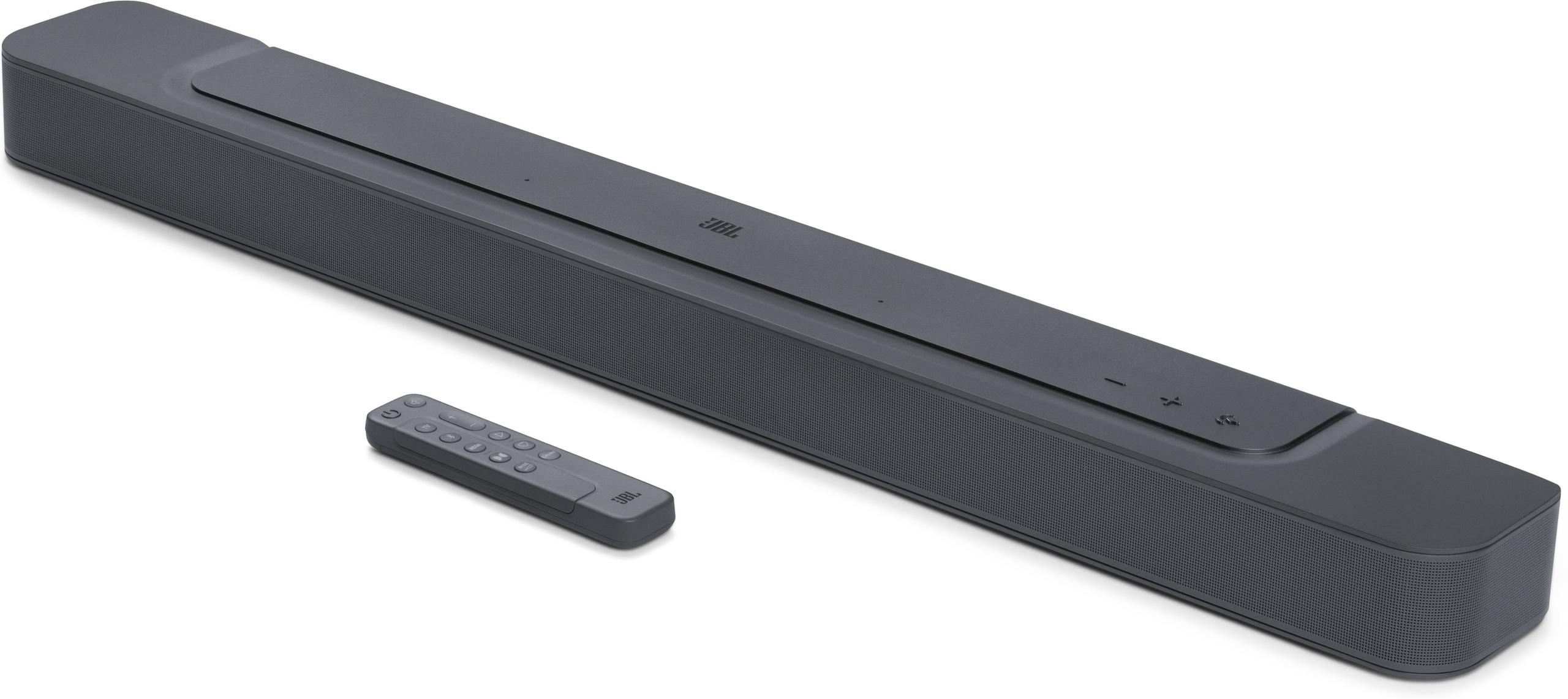




Choosing the right soundbar can transform your TV watching experience, but the sheer number of options makes the decision feel overwhelming. Today, we're diving deep into two popular choices that take completely different approaches to upgrading your audio: the VIZIO 5.1 Soundbar SE Dolby Atmos Surround System and the JBL Bar 300 5.0 Soundbar. Both launched in 2024 and represent the latest thinking in home audio, but they solve the same problem in fundamentally different ways.
Before we compare these specific models, let's talk about what makes a soundbar worth your money. The technology has come incredibly far since the early days of basic sound enhancement. Modern soundbars need to handle everything from whisper-quiet dialogue in prestige dramas to earth-shaking explosions in Marvel movies, all while fitting seamlessly into your living space.
The key considerations break down into several categories. Channel configuration tells you how many distinct audio channels the system can produce – think of it as how many different "speakers" are working together. Room coverage determines whether the system can properly fill your space with sound. Audio format support decides whether you'll get the full benefit from modern movies that use advanced surround sound encoding. And setup complexity affects whether you'll actually enjoy using the system day-to-day.
What's particularly interesting about our comparison is that the VIZIO 5.1 SE and JBL Bar 300 represent two completely different philosophies. One gives you actual physical speakers placed around your room, while the other uses clever acoustic tricks to simulate that same experience from a single bar.
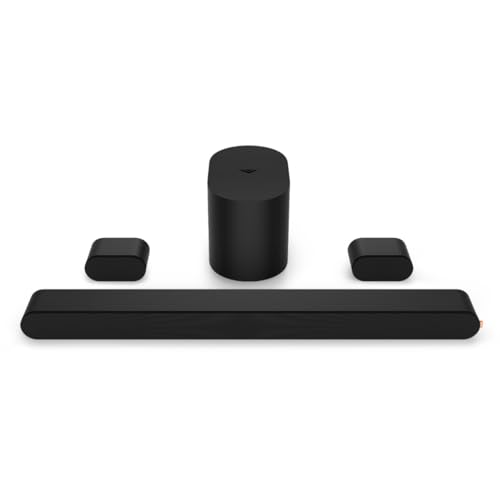
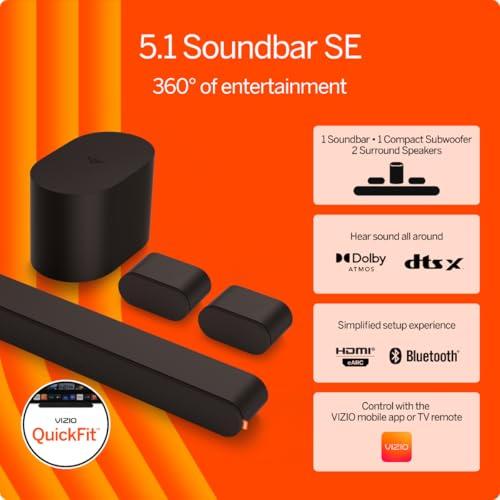
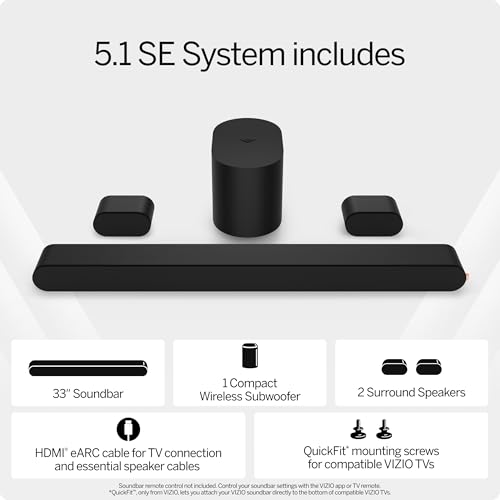
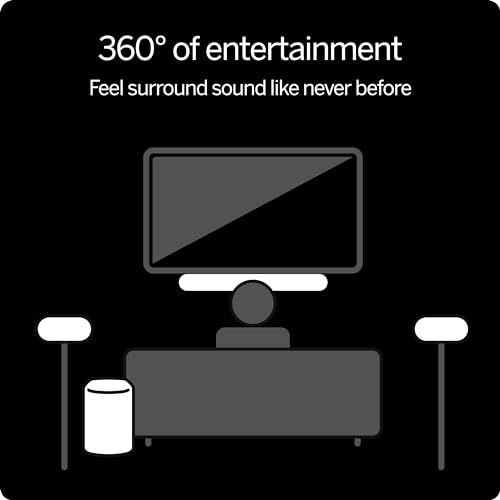
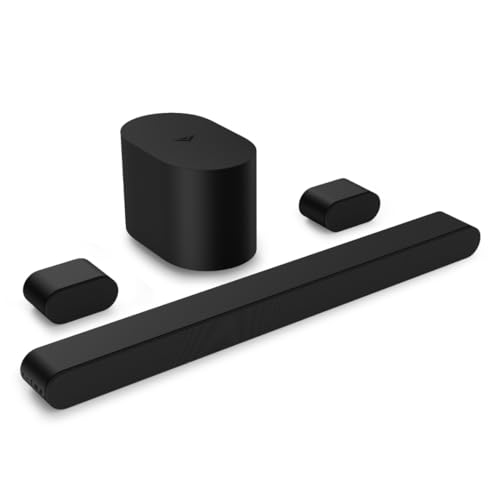
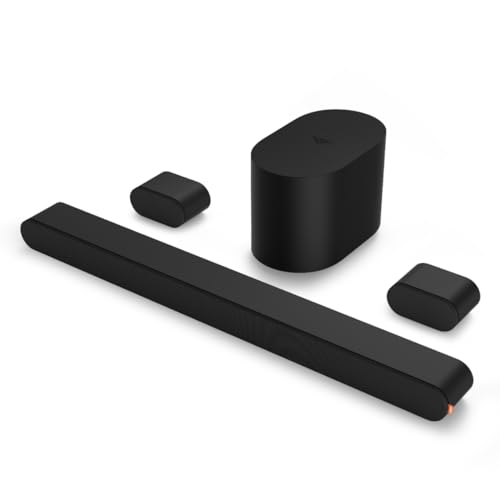
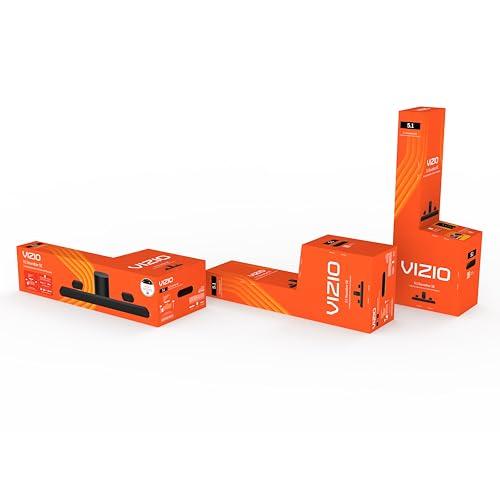
The VIZIO 5.1 Soundbar SE follows the traditional home theater approach. You get a main soundbar for the front channels, two separate surround speakers that you place behind your seating area, and a wireless subwoofer that can go anywhere in the room. This creates what's called "true 5.1 surround sound" – five main channels (front left, center, right, and two surrounds) plus one subwoofer channel for deep bass.
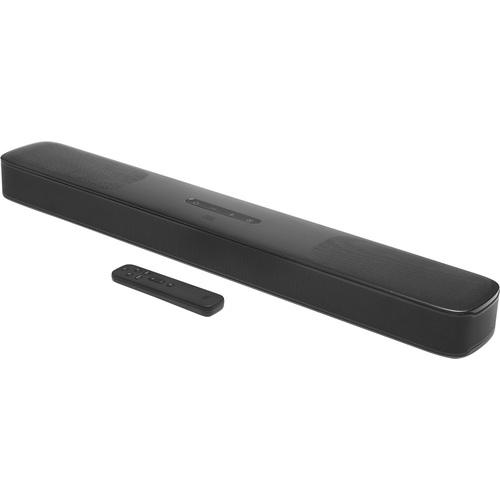
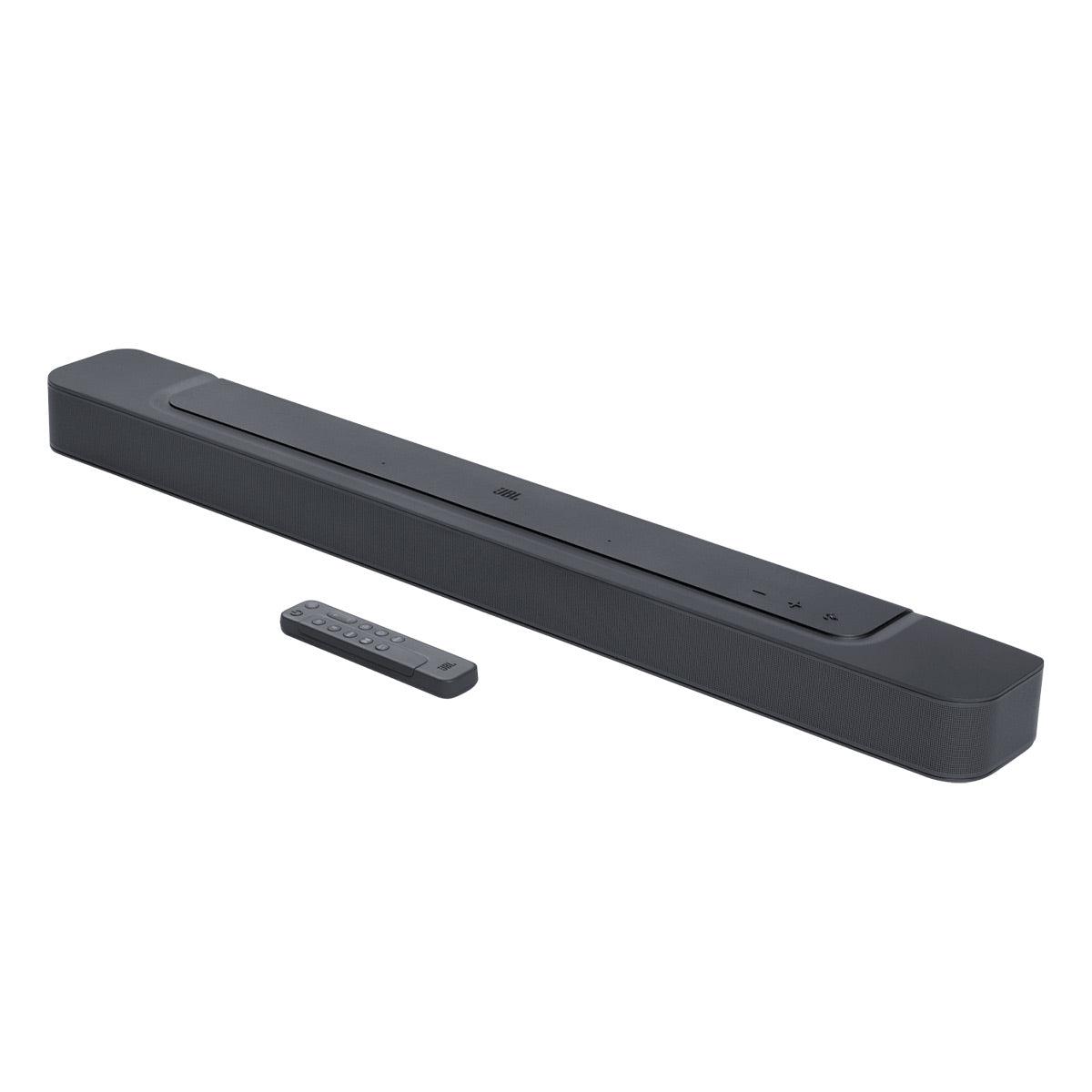
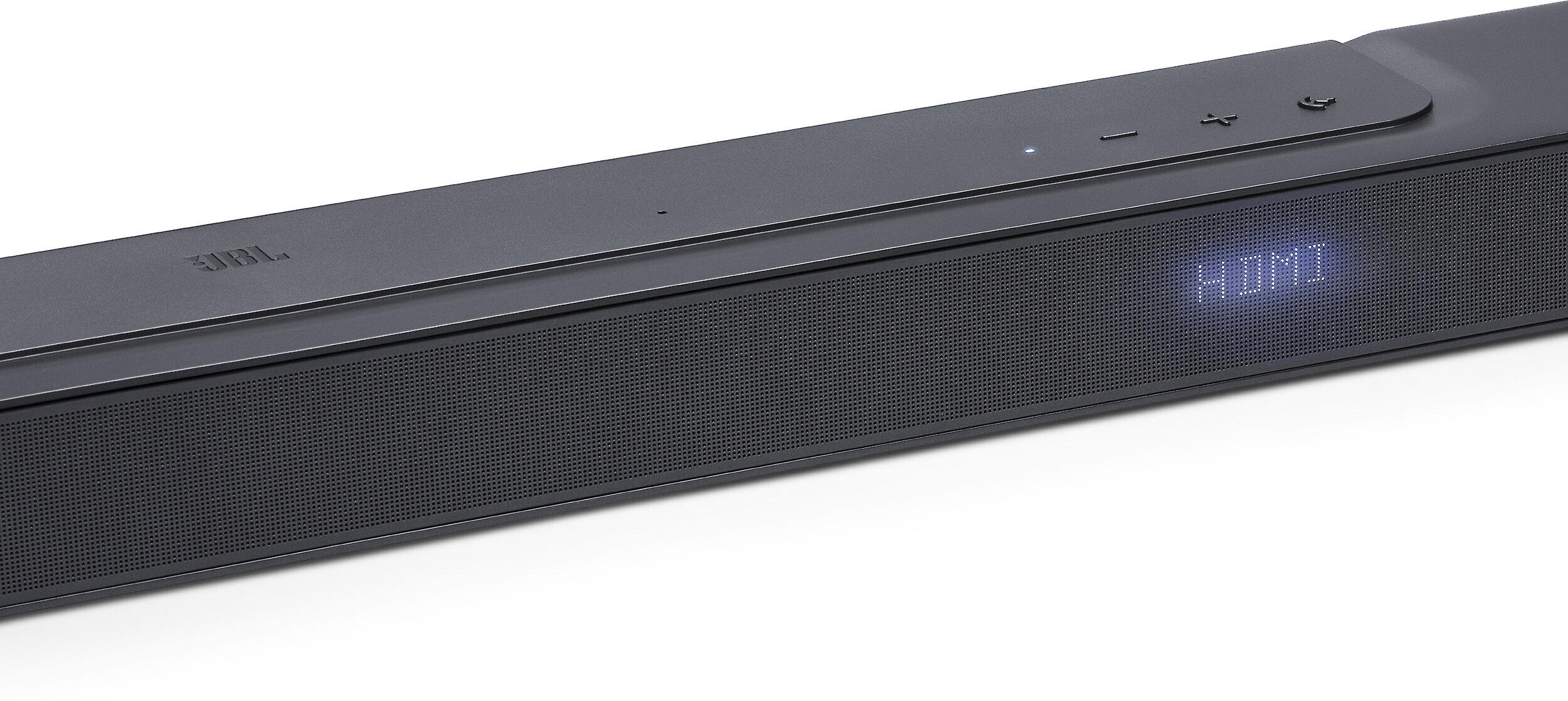
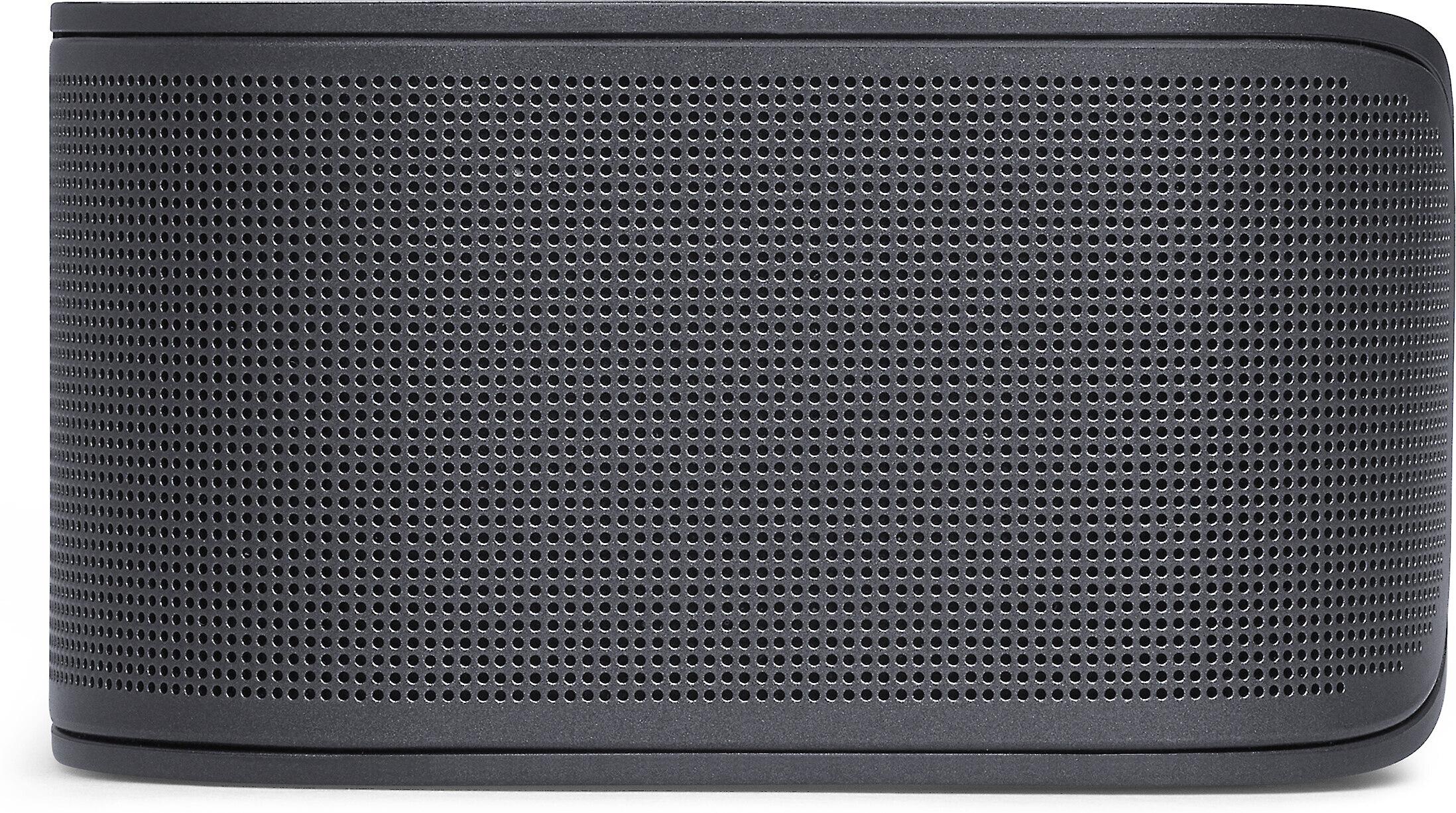
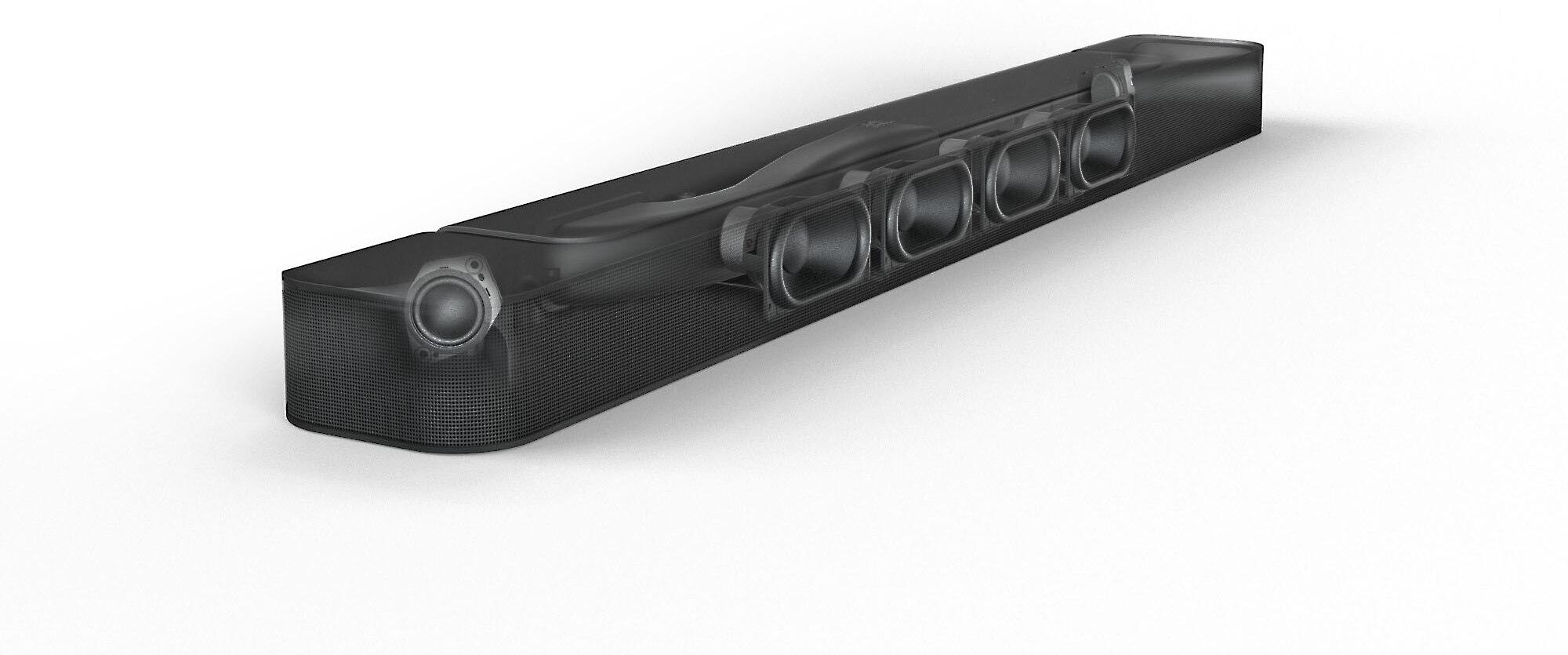
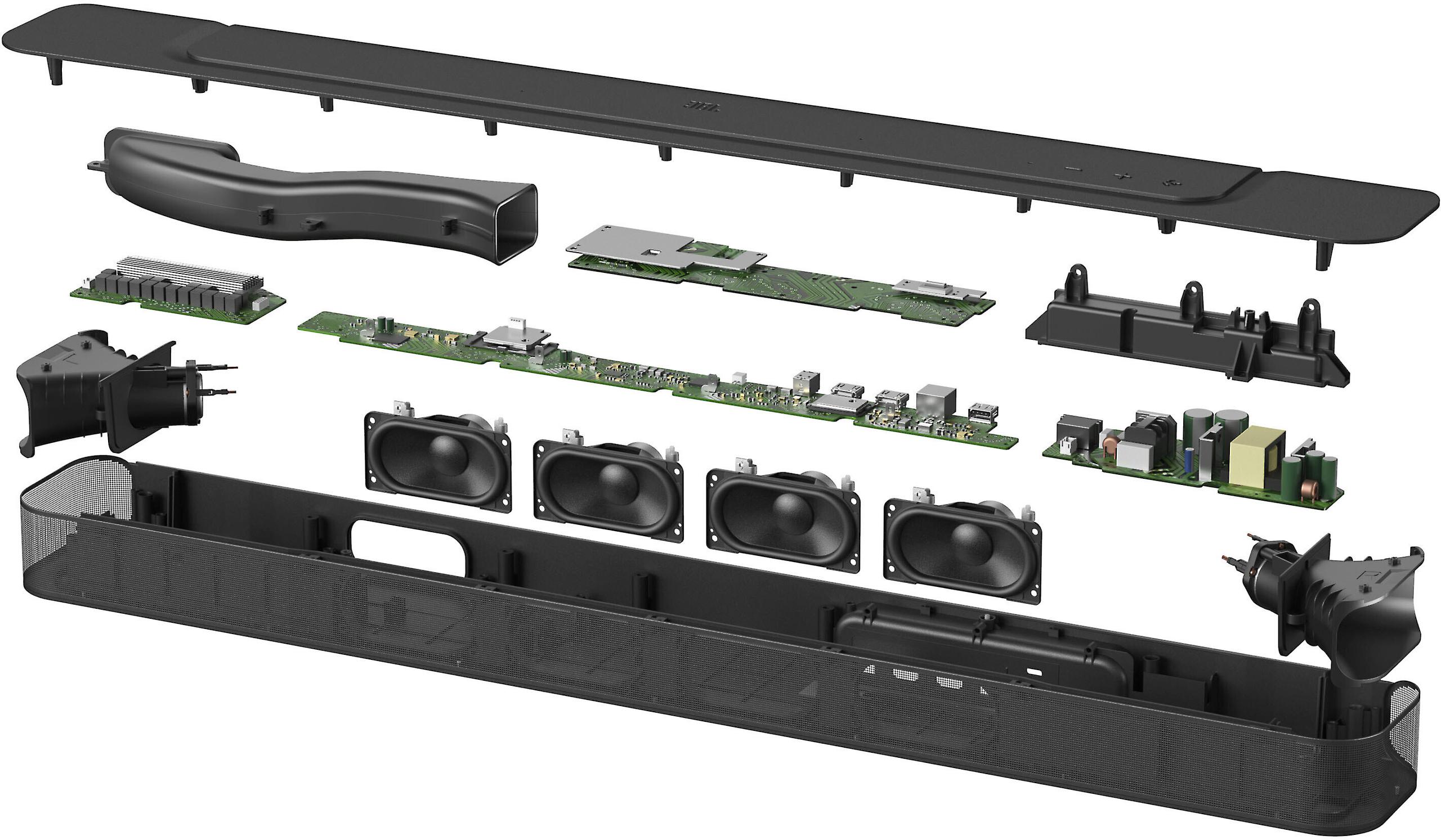
The JBL Bar 300, on the other hand, packs everything into a single soundbar using what JBL calls "MultiBeam technology." This system uses precisely angled drivers inside the bar to bounce sound off your walls and ceiling, tricking your brain into perceiving sounds coming from locations where there aren't actually any speakers. It's acoustic sleight of hand that works surprisingly well when conditions are right.
I've tested both approaches extensively, and each has clear advantages. The VIZIO's physical speakers create that unmistakable sensation of sounds actually moving around and behind you – there's no substitute for having real drivers in those positions. The JBL's virtual approach, however, delivers impressive results while keeping your living room looking clean and uncluttered.
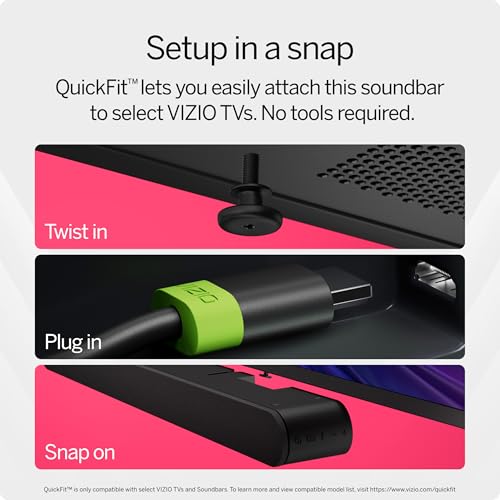
Here's where the decision gets personal. The VIZIO system requires you to run power cables to two rear speakers and find a good spot for the subwoofer. In my experience, this isn't as disruptive as it sounds – the surround speakers are surprisingly compact, and wireless subwoofers give you flexibility in placement. But it's definitely more involved than the JBL's single-cable setup.
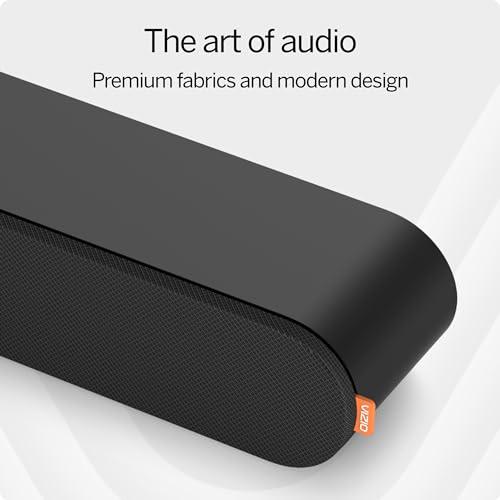
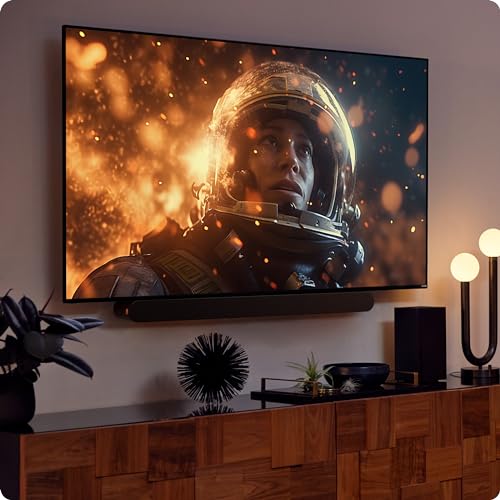
The aesthetic impact differs significantly too. The VIZIO creates a more traditional home theater look with visible components, while the JBL maintains that minimalist, "just a soundbar" appearance that many prefer. Neither approach is inherently better – it depends on your space and preferences.
Spatial Accuracy and Directional Effects
When testing surround sound performance, I focus on two key aspects: how accurately the system places sounds in space, and how convincingly it creates the sense of being surrounded by audio. The VIZIO 5.1 SE excels here because physics is on its side. When a helicopter flies from screen-left to behind your right shoulder in a movie, you hear it actually moving through those positions because there are real speakers in those locations.
The system's ability to create this immersion comes from having dedicated drivers positioned where your ears expect them. The center channel in the main bar handles dialogue and central effects with clarity, while the separate surround speakers manage ambient sounds, directional effects, and the spatial "bloom" that makes a good surround mix feel alive.
In contrast, the JBL Bar 300 creates what I'd call "convincing virtual surround." The MultiBeam technology works by understanding how sound reflects off surfaces in a typical room. It angles specific drivers to bounce audio off your side walls, creating reflections that reach your ears at the right time and angle to suggest surround placement. When it works well – and it often does – the effect can be genuinely impressive.
However, the effectiveness of virtual surround depends heavily on your room's acoustic properties. Rooms with hard surfaces that reflect sound well will get better results than those with heavy carpeting, curtains, or irregular layouts that absorb or scatter reflections unpredictably.
Both systems support Dolby Atmos, the surround sound format that adds height information to create truly three-dimensional audio. But their approaches to creating overhead effects differ significantly.
The VIZIO system includes up-firing drivers in the main soundbar that bounce sound off your ceiling to create height effects. While this provides a noticeable sense of elevation – helicopters do seem to pass overhead, rain sounds like it's falling from above – the vertical dimension isn't as pronounced as you'd get from a more expensive system with dedicated height speakers.
The JBL Bar 300's Atmos implementation works through the same MultiBeam technology that handles surround effects. It's clever engineering, but the height effects tend to be more subtle. You'll notice them most in content specifically mixed to showcase Atmos effects, but they won't be as obvious in everyday viewing.
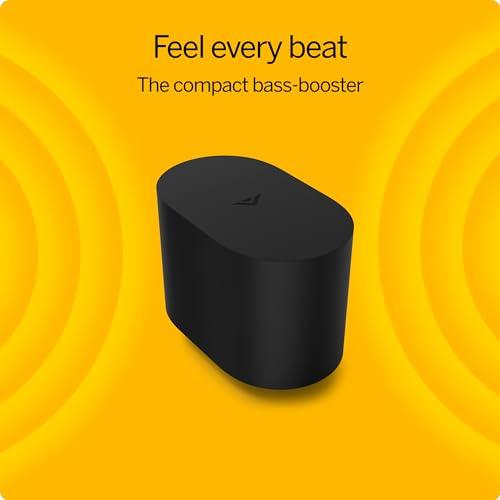
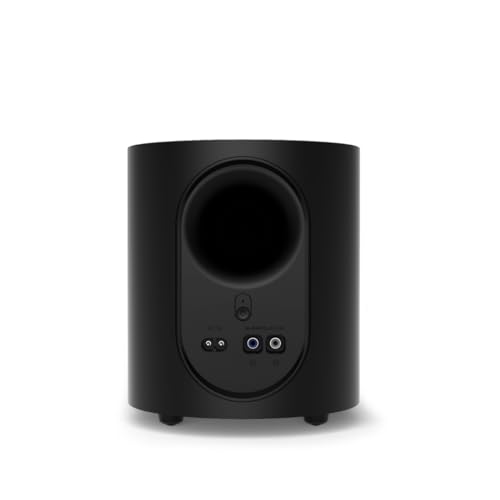
This is where the VIZIO 5.1 SE shows its most significant advantage. The dedicated wireless subwoofer delivers bass extension down to 50Hz, which means you'll feel those deep rumbles during action sequences. More importantly, having a separate subwoofer means the main drivers in the soundbar can focus on midrange and high frequencies without trying to reproduce deep bass – this typically results in cleaner, less distorted sound overall.
The JBL Bar 300 includes what they call a "built-in bass port" along with its driver configuration. For a single-unit design, the bass response is genuinely impressive and will satisfy most users. However, it simply can't match the physical presence and depth that a dedicated 6-inch subwoofer provides. The difference is most noticeable during action movies, electronic music, or any content where deep bass adds emotional impact.
Interestingly, this is where the JBL Bar 300 often shines brightest. The PureVoice technology uses algorithmic processing to enhance vocal frequencies and reduce background noise that can muddy dialogue. In my testing, conversations remain clear even during busy action sequences, and you're less likely to need subtitles during quiet dialogue scenes.
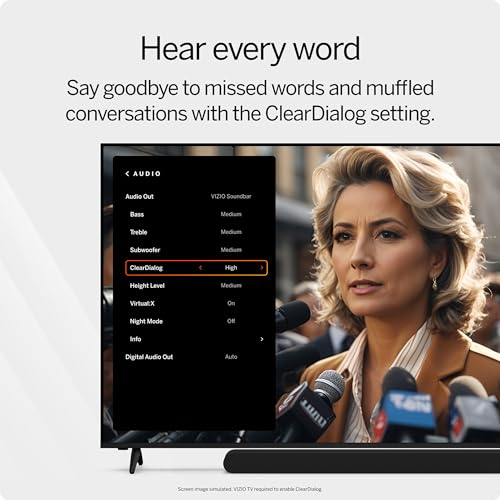
The VIZIO system handles dialogue well through its dedicated center channel, and you can adjust voice enhancement through the mobile app. The center channel approach is acoustically sound – having a dedicated driver for vocals typically provides good clarity – but the JBL's processing gives it a slight edge in challenging material.
The VIZIO 5.1 SE delivers up to 96dB of sound pressure level, which translates to room-filling volume that stays clean even when pushed hard. Having multiple drivers distributed around the room means each one works less hard to achieve high output levels, reducing distortion and maintaining clarity during loud passages.
The JBL Bar 300 produces 260 watts of total power output, which is substantial for a single-unit design. The sound stays composed at high volumes, though you may notice some compression during peak moments compared to the distributed approach of the VIZIO system.
Here's where the JBL Bar 300 takes a commanding lead. The built-in Wi-Fi 6 support provides fast, stable connections for streaming services, while AirPlay 2 and Chromecast built-in give you multiple ways to send audio from phones, tablets, or computers. The system can access over 300 online music streaming services directly, turning it into a capable music speaker when you're not watching TV.
The integration with voice assistants like Alexa and Google Assistant adds convenience – you can adjust volume, skip tracks, or control playback using voice commands. The multi-room audio support means you can sync the soundbar with other compatible speakers throughout your home for whole-house music.
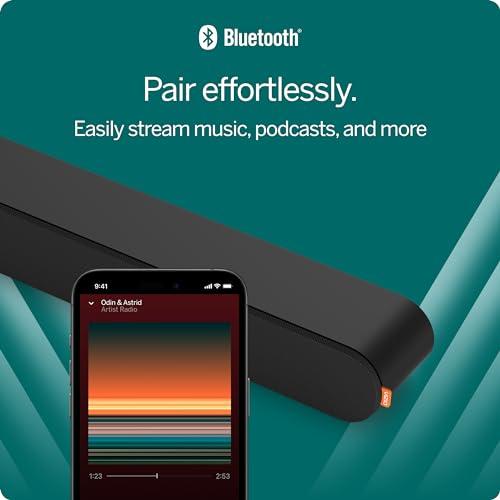
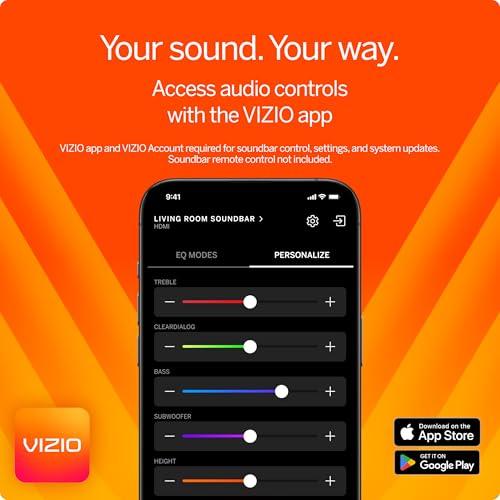
The VIZIO system takes a more focused approach with Bluetooth connectivity for mobile devices and comprehensive app control for audio settings. While it lacks the extensive streaming features of the JBL, it provides solid smartphone integration and detailed customization options for fine-tuning the sound to your preferences.
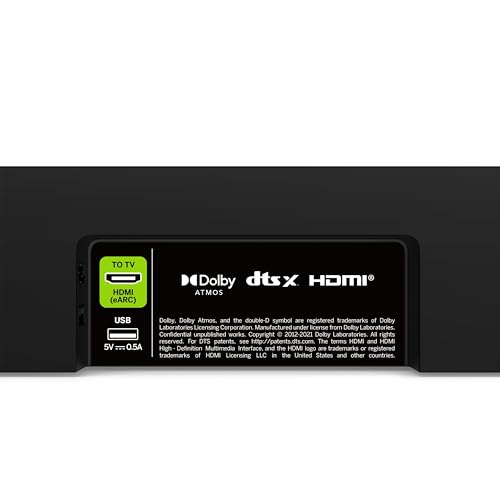
Both systems support HDMI eARC (Enhanced Audio Return Channel), which means they can receive high-quality audio from your TV through a single HDMI cable. This connection also allows you to control the soundbar's volume using your TV remote – a convenience that shouldn't be underestimated.
The JBL Bar 300 includes automatic room calibration using a built-in microphone. This feature analyzes your room's acoustics and adjusts the sound processing accordingly, optimizing performance without requiring manual adjustments. It's particularly valuable for the MultiBeam technology, as room acoustics significantly impact virtual surround effectiveness.
The VIZIO system provides extensive manual customization through its mobile app, allowing you to adjust bass levels, treble response, and surround sound balance to match your room and preferences. While it requires more user input, this approach gives you precise control over the sound character.
At the time of writing, both systems compete in the same general price range, making the value comparison particularly relevant. The VIZIO 5.1 SE delivers what would traditionally require a much more expensive setup – true surround sound with a dedicated subwoofer – at a price that undercuts many premium single-bar competitors.
The JBL Bar 300 justifies its pricing through advanced smart features, premium build quality, and the convenience of single-unit installation. The streaming capabilities alone add significant value if you plan to use the system for music listening beyond TV audio.
For dedicated home theater use, the VIZIO 5.1 SE provides clear advantages. The authentic surround sound creates better immersion during movies, while the powerful subwoofer adds impact to action sequences and depth to musical soundtracks. If your primary goal is recreating the cinema experience at home, the physical speaker placement and dedicated bass response make a noticeable difference.
The JBL Bar 300 works well for casual home theater use, especially in rooms where running cables to rear speakers isn't practical. The virtual surround provides adequate immersion for most content, and the excellent dialogue clarity means you'll catch every line without constantly adjusting volume.
Choose the VIZIO 5.1 Soundbar SE if you:
Want the most authentic surround sound experience possible in this price range. The physical rear speakers create immersion that virtual processing simply cannot match. If you enjoy action movies, gaming, or any content where directional audio effects matter, the VIZIO delivers superior spatial accuracy.
The system also makes sense if you have a medium to large room that benefits from distributed audio sources, or if you prioritize bass impact for music and movies. The dedicated subwoofer provides depth and power that enhances everything from electronic music to superhero movie soundtracks.
Choose the JBL Bar 300 if you:
Value convenience and modern features alongside good sound quality. The single-bar installation keeps your space clean while delivering impressive virtual surround that works well for most content. The advanced streaming features make it an excellent music speaker in addition to TV audio enhancement.
This system particularly appeals to users who prioritize dialogue clarity – the PureVoice technology consistently delivers clear speech even in challenging audio mixes. The automatic room calibration and voice assistant integration add modern convenience that some users will find invaluable.
Both the VIZIO 5.1 SE and JBL Bar 300 represent excellent value in the modern soundbar market, but they serve different priorities. The VIZIO provides superior surround immersion and bass impact through traditional home theater principles, while the JBL offers advanced smart features and space-saving convenience through clever engineering.
Your choice ultimately depends on whether you prioritize authentic surround sound performance or prefer the convenience and modern features of an all-in-one solution. Both will dramatically improve your TV's audio, but the VIZIO pushes further toward that true home theater experience, while the JBL balances good performance with exceptional convenience and smart capabilities.
In my experience, users who choose the VIZIO tend to be happiest when watching movies and playing games, while JBL users appreciate the system's versatility for both TV and music, along with its clean, uncluttered installation. Either choice represents a significant upgrade over built-in TV speakers – the question is which approach better fits your space, priorities, and listening habits.
| VIZIO 5.1 Soundbar SE Dolby Atmos Surround System | JBL Bar 300 5.0 Soundbar |
|---|---|
| Channel Configuration - Determines surround sound authenticity | |
| True 5.1 channels with physical rear speakers | Virtual 5.0 channels using MultiBeam technology |
| Speaker Components - Affects setup complexity and performance | |
| 3-piece system: soundbar + 2 surround speakers + wireless subwoofer | Single soundbar with 6 built-in drivers |
| Bass Extension - Critical for action movies and music impact | |
| Dedicated 6-inch wireless subwoofer (down to 50Hz) | Built-in bass port (no separate subwoofer) |
| Total Power Output - Determines room-filling capability | |
| 96dB max SPL (distributed across multiple speakers) | 260W total power (from single unit) |
| Dolby Atmos Implementation - Creates overhead sound effects | |
| Up-firing drivers in main bar for height effects | MultiBeam virtual height through wall reflections |
| Smart Features - Modern convenience and streaming | |
| Bluetooth streaming, mobile app control | Wi-Fi 6, AirPlay, Chromecast, 300+ streaming services |
| Room Calibration - Optimizes sound for your space | |
| Manual EQ adjustment via VIZIO mobile app | Automatic calibration with built-in microphone |
| Installation Requirements - Impacts living room aesthetics | |
| Requires rear speaker placement and subwoofer positioning | Single HDMI cable connection, no additional speakers |
| Voice Assistant Support - Hands-free control convenience | |
| TV remote and app control only | Alexa, Google Assistant, and Siri compatibility |
| Connectivity Options - Determines device compatibility | |
| HDMI eARC, optical, Bluetooth 5.0 | HDMI eARC, optical, Wi-Fi, Bluetooth 5.0, USB |
| Dialogue Enhancement - Critical for TV show clarity | |
| Center channel with voice enhancement options | PureVoice technology with advanced processing |
| Best Use Case - Who should choose this system | |
| Home theater enthusiasts wanting authentic surround sound | Users prioritizing convenience with good virtual surround |
The VIZIO 5.1 Soundbar SE delivers superior surround sound quality because it uses physical rear speakers placed behind your seating area. This creates authentic directional audio where sounds actually come from behind and around you. The JBL Bar 300 uses virtual surround technology that bounces sound off walls, which is impressive but can't match the precision of real speakers in surround positions.
Yes, the VIZIO 5.1 Soundbar SE requires you to position two surround speakers behind your seating area and place a wireless subwoofer somewhere in the room. The JBL Bar 300 is a single soundbar that doesn't require any additional speaker placement, making it much simpler to install and maintain a clean room appearance.
The VIZIO 5.1 Soundbar SE produces significantly better bass thanks to its dedicated 6-inch wireless subwoofer that extends down to 50Hz. This provides deep, room-shaking low-end for action movies and music. The JBL Bar 300 has impressive bass for a single unit but cannot match the depth and power of a dedicated subwoofer.
The VIZIO 5.1 Soundbar SE has 5.1 channels, meaning five main speakers (front left, center, right, and two surrounds) plus one dedicated subwoofer channel. The JBL Bar 300 creates 5.0 channels virtually without a separate subwoofer, using advanced processing to simulate surround sound from a single bar.
The JBL Bar 300 is much easier to set up, requiring only a single HDMI cable connection to your TV. The VIZIO 5.1 Soundbar SE requires more setup time as you need to position rear speakers, connect the wireless subwoofer, and run power cables to multiple components around your room.
Both systems support wireless music streaming, but the JBL Bar 300 offers far more options including Wi-Fi, AirPlay, Chromecast, and access to over 300 streaming services directly. The VIZIO 5.1 Soundbar SE provides Bluetooth streaming from mobile devices and focuses more on TV audio enhancement than music streaming features.
The JBL Bar 300 excels at dialogue clarity thanks to its PureVoice technology that uses advanced processing to enhance vocal frequencies. While the VIZIO 5.1 Soundbar SE has a dedicated center channel for dialogue, the JBL's specialized voice processing gives it an edge for clear speech during movies and TV shows.
Yes, both the VIZIO 5.1 Soundbar SE and JBL Bar 300 support Dolby Atmos for overhead sound effects. The VIZIO uses up-firing drivers in the main bar to bounce sound off your ceiling, while the JBL uses its MultiBeam technology to create virtual height effects through wall reflections.
The JBL Bar 300 is ideal for small apartments because it's a single compact unit that doesn't require additional speakers or a subwoofer taking up floor space. The VIZIO 5.1 Soundbar SE needs room for rear speakers and subwoofer placement, which may be challenging in smaller living spaces.
Yes, both the VIZIO 5.1 Soundbar SE and JBL Bar 300 support HDMI eARC, allowing you to control volume and basic functions with your existing TV remote. The JBL also adds voice control through Alexa and Google Assistant, while the VIZIO offers comprehensive control through its mobile app.
The VIZIO 5.1 Soundbar SE typically offers better value for movie watching because it provides authentic surround sound immersion and powerful bass impact that enhances action sequences and creates a true home theater experience. The JBL Bar 300 provides good movie audio but prioritizes convenience and smart features over pure cinematic performance.
Choose the VIZIO 5.1 Soundbar SE if you want the most authentic surround sound experience possible and don't mind positioning multiple speakers around your room. Choose the JBL Bar 300 if you prefer a clean, simple setup with advanced streaming features and still want good virtual surround sound from a single elegant soundbar.
We've done our best to create useful and informative comparisons to help you decide what product to buy. Our research uses advanced automated methods to create this comparison and perfection is not possible - please contact us for corrections or questions. These are the sites we've researched in the creation of this article: bestbuy.com - vizio.com - rtings.com - vizio.com - vizio.com - vizio.com - youtube.com - vizio.com - vizio.com - cnet.com - samsclub.com - walmart.com - nfm.com - finelinesdesignstudio.com - dugoutnorthbrook.com - bestbuy.com - whathifi.com - safeandsoundhq.com - youtube.com - cnet.com - mm.jbl.com - jbl.com - bestbuy.com - support.jbl.com - dell.com - walmart.com

Privacy Policy
Terms and Conditions - Affiliate Policy
Home Security
© Copyright 2008-2026.
11816 Inwood Rd #1211, Dallas, TX 75244