






If you've ever watched a movie and struggled to hear what the actors were saying, or felt like explosions sounded more like gentle puffs, you're not alone. TV speakers have gotten progressively worse as TVs have gotten thinner – there's simply no room for decent drivers in those sleek designs. That's where soundbars come in, and today we're comparing two popular options that take very different approaches to solving your audio problems.
Before diving into our comparison, let's talk about what soundbars actually do and why they matter. A soundbar is essentially a long, horizontal speaker that sits below your TV and dramatically improves audio quality. But not all soundbars are created equal – they range from simple two-channel units that just make things louder, to complex systems that can create genuine surround sound experiences.
The numbers you see – like 5.0, 5.1, or 5.1.1 – tell you about the channel configuration. The first number represents main speakers (left, right, center, and rear channels), the second is for subwoofers (the ".1" means one dedicated bass speaker), and a third number indicates height or "Atmos" channels that fire sound upward to bounce off your ceiling.
When shopping for soundbars, you'll want to consider your room size, how much space you have for additional speakers, your budget, and what kind of content you watch most. Action movie fans will prioritize different features than someone who mainly watches dialogue-heavy dramas.
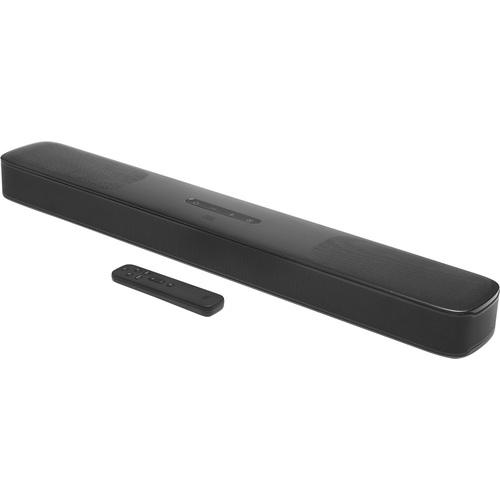
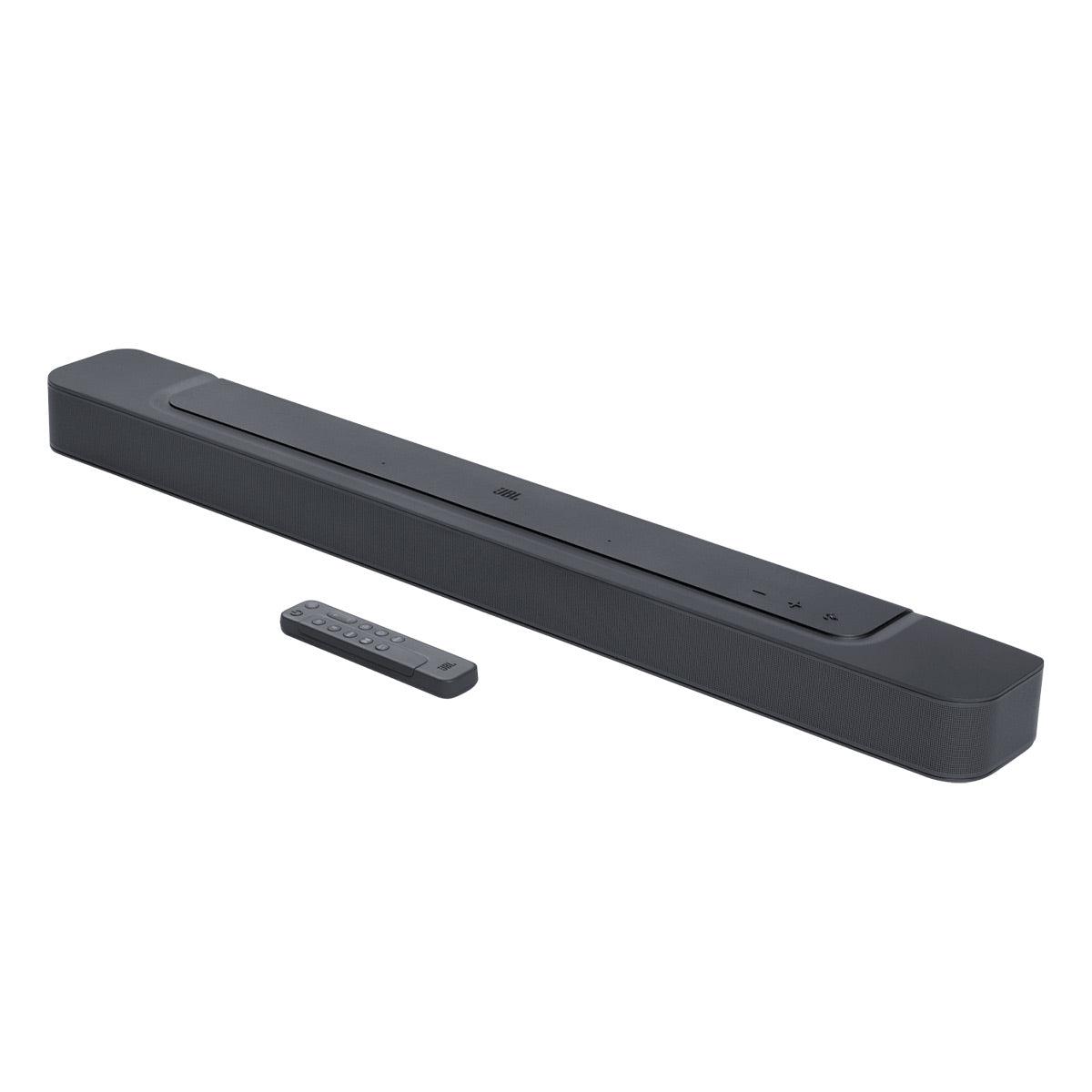
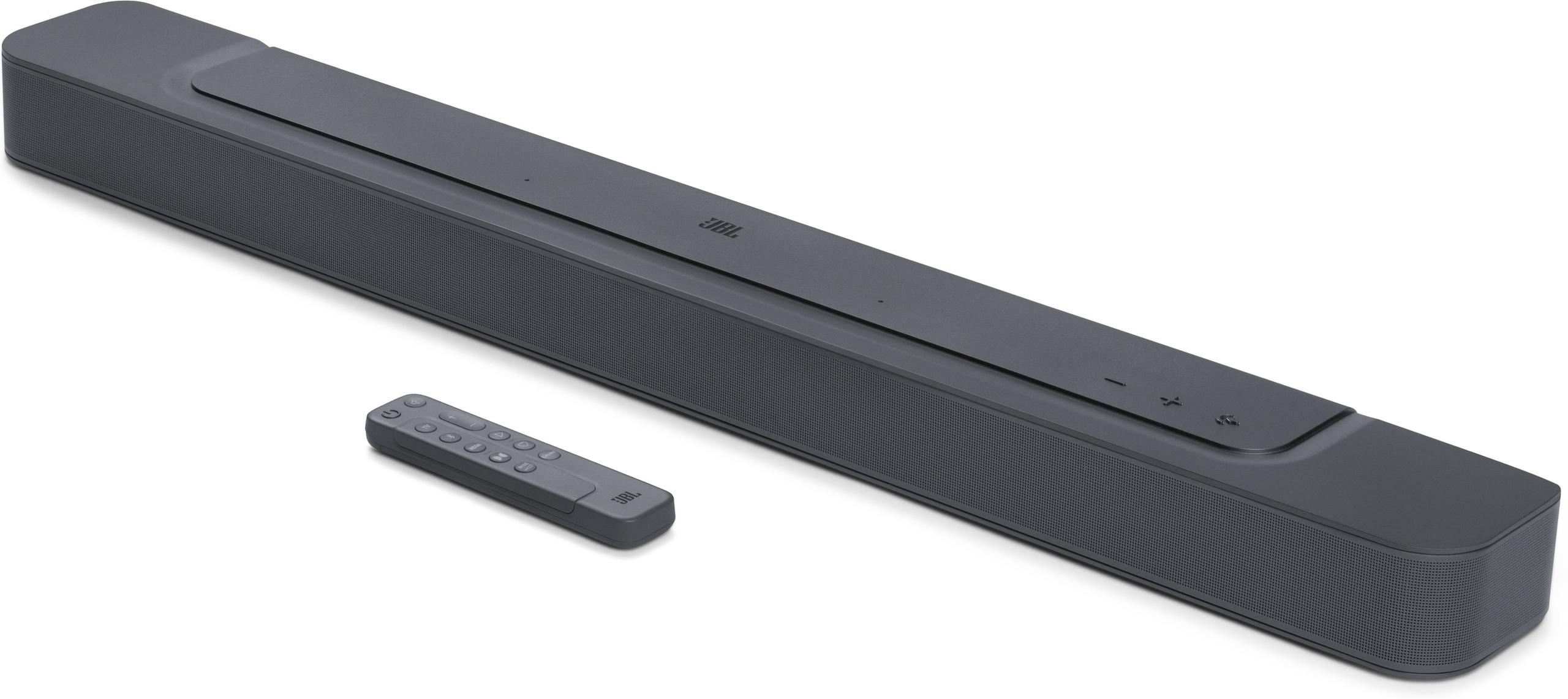
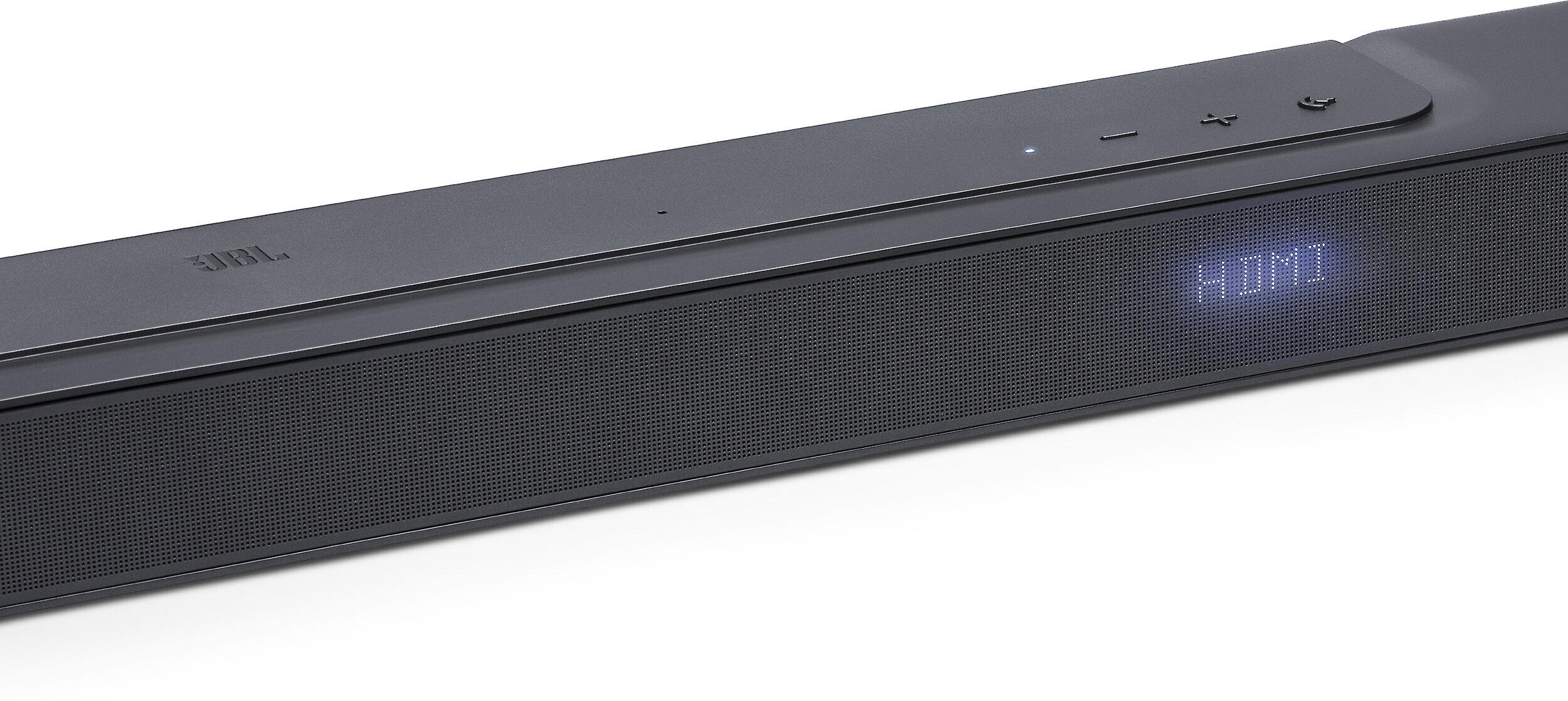
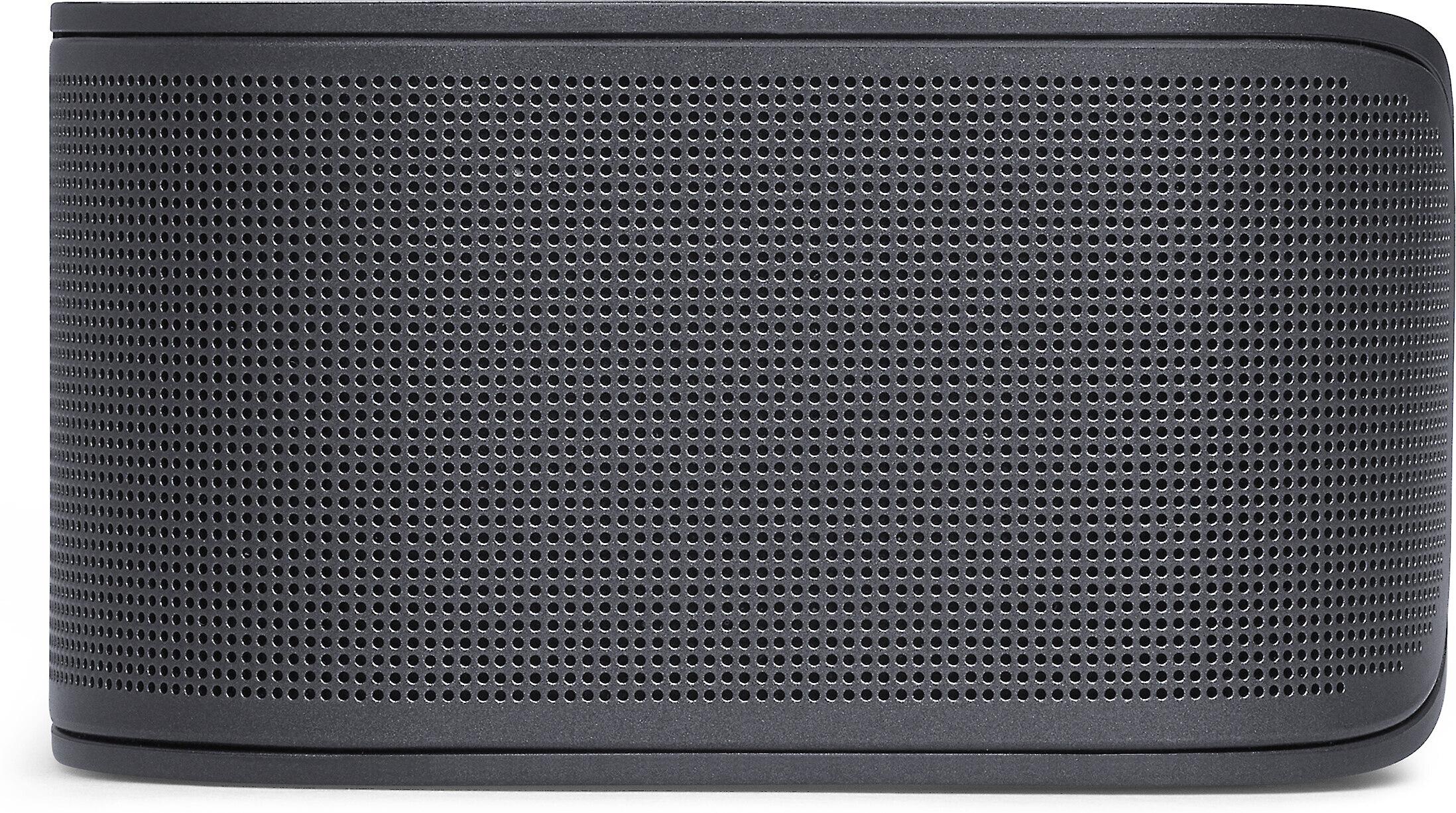
The JBL Bar 300 ($299.95) represents JBL's philosophy of "maximum impact, minimum complexity." Released in 2024 as part of JBL's latest soundbar lineup, it's an all-in-one 5.0-channel system that uses clever audio processing to create surround sound effects without requiring additional speakers around your room.
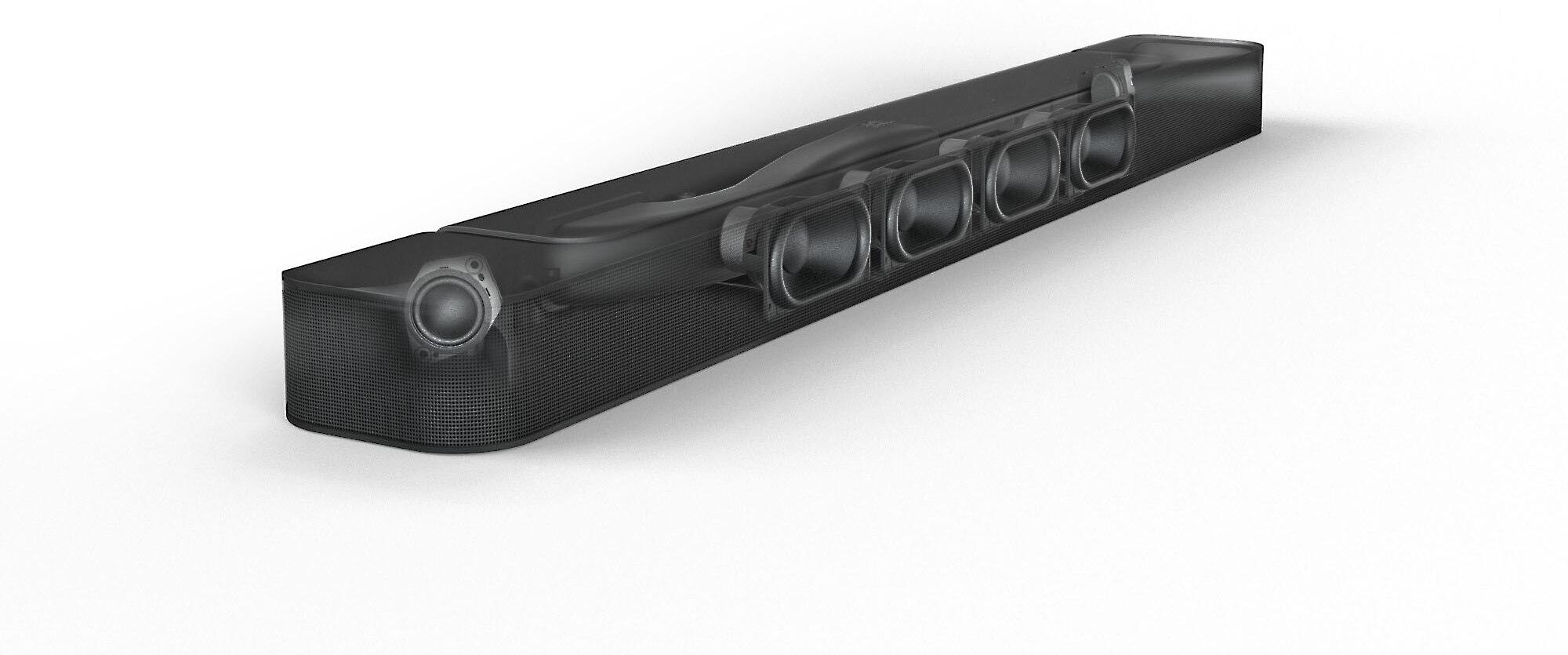
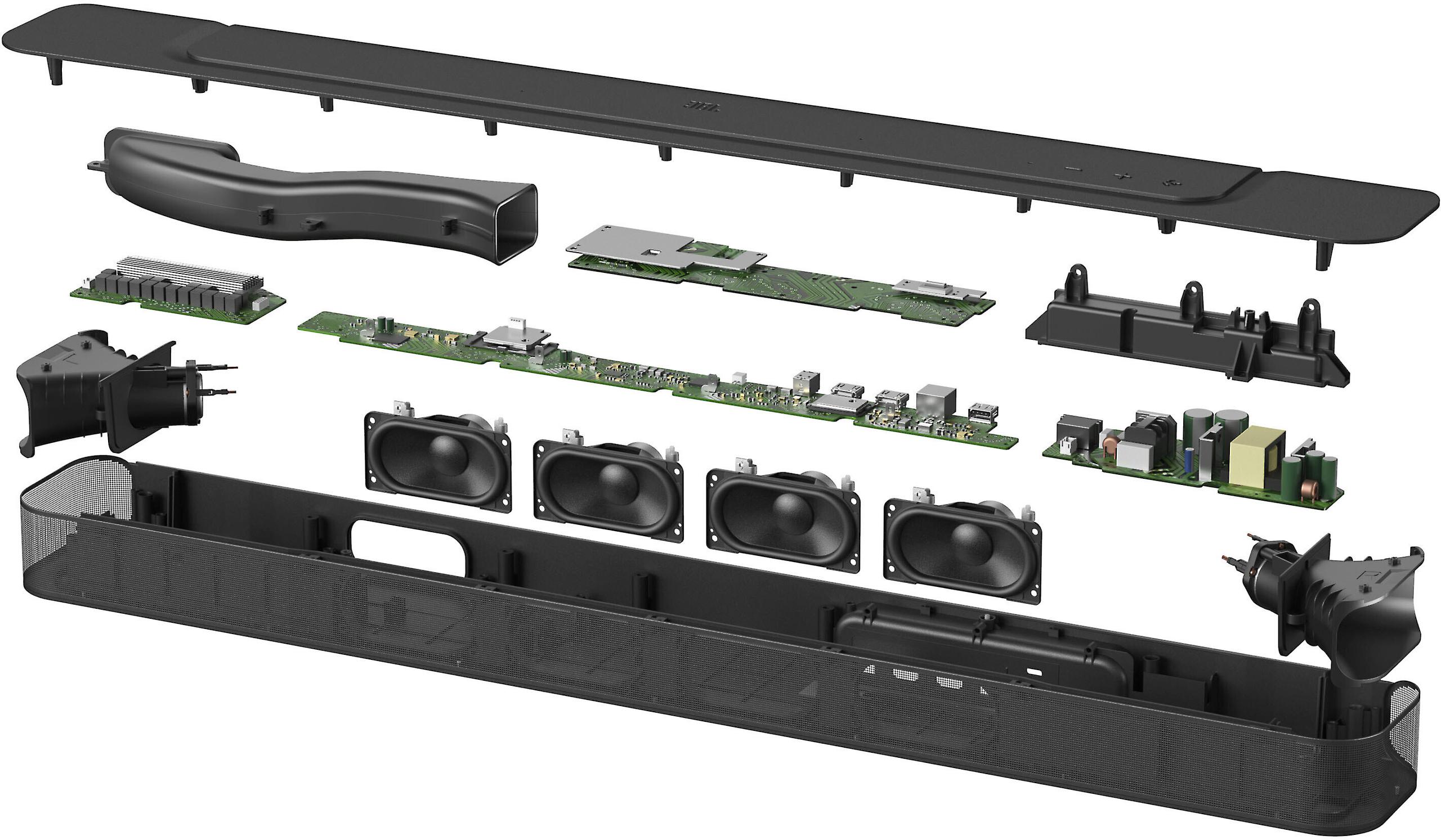
JBL has packed some impressive technology into this single bar. The centerpiece is their MultiBeam 3.0 technology, which uses multiple drivers and digital signal processing (DSP) to bounce sound off your walls, creating the illusion of speakers placed around your room. Think of it like audio pool – the soundbar "shoots" sound at specific angles so it bounces to your ears from different directions.
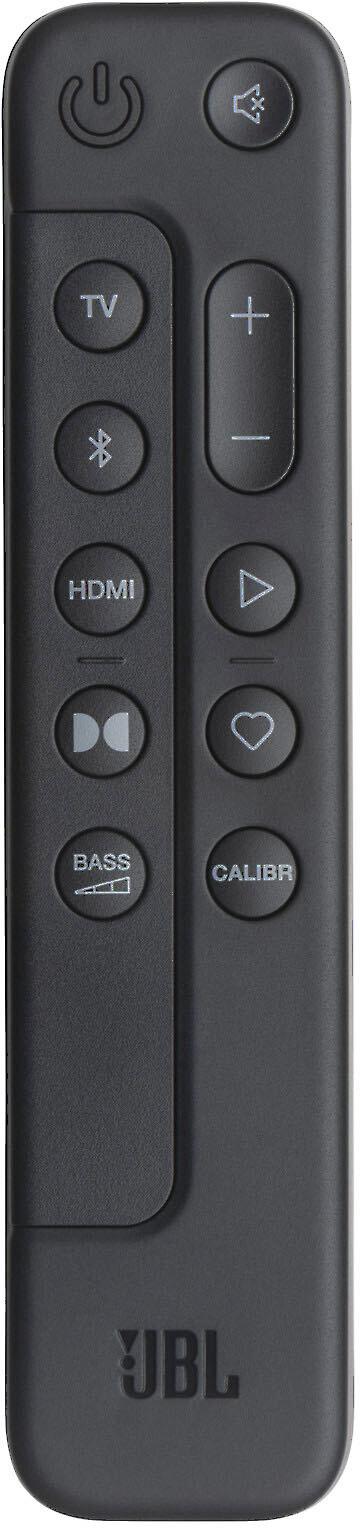
What really sets the JBL Bar 300 apart is its smart features. Built-in Wi-Fi gives you access to over 300 streaming services directly through the soundbar, plus support for AirPlay, Chromecast, and Alexa Multi-Room Music. This means you can stream Spotify or Apple Music without even turning on your TV.
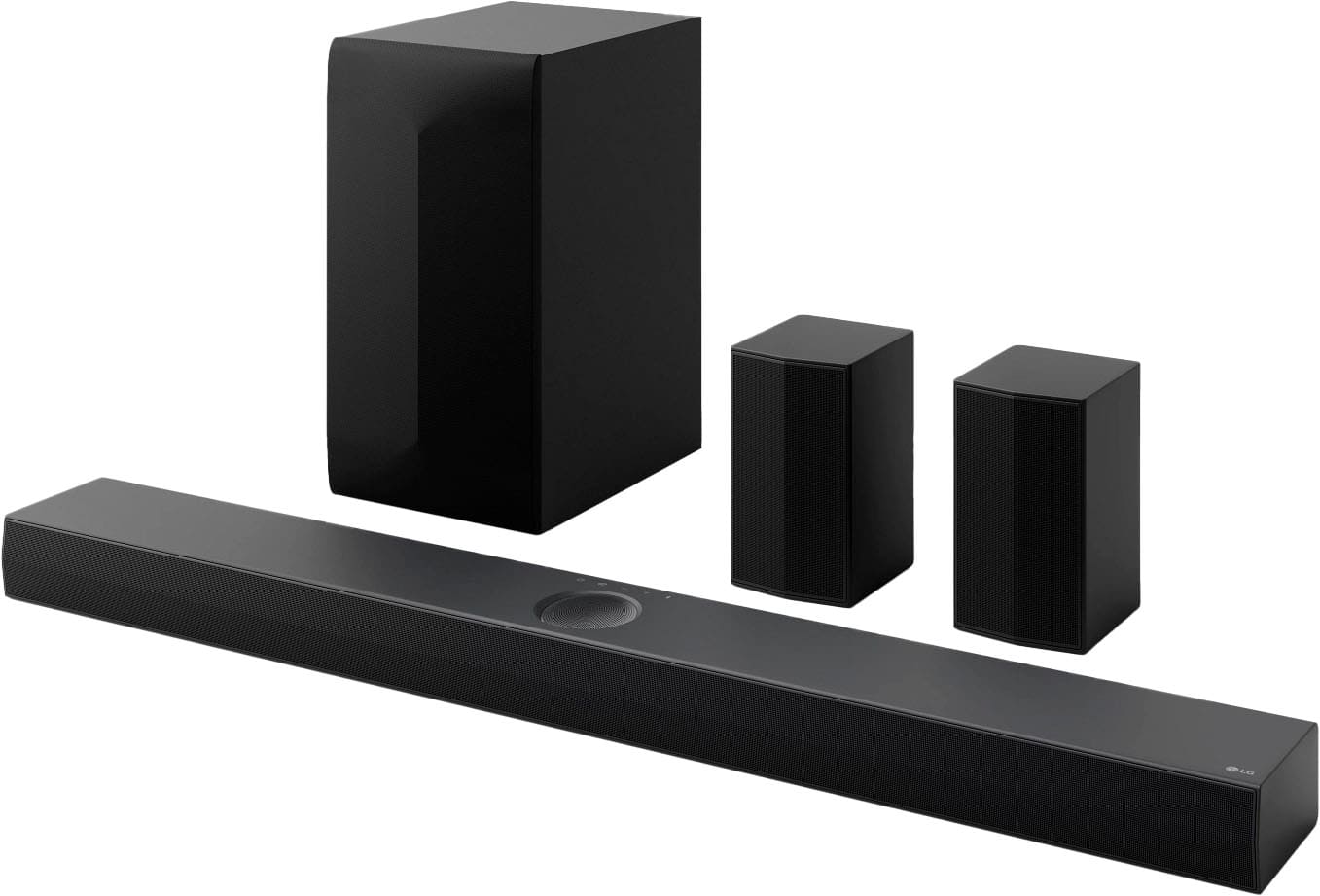
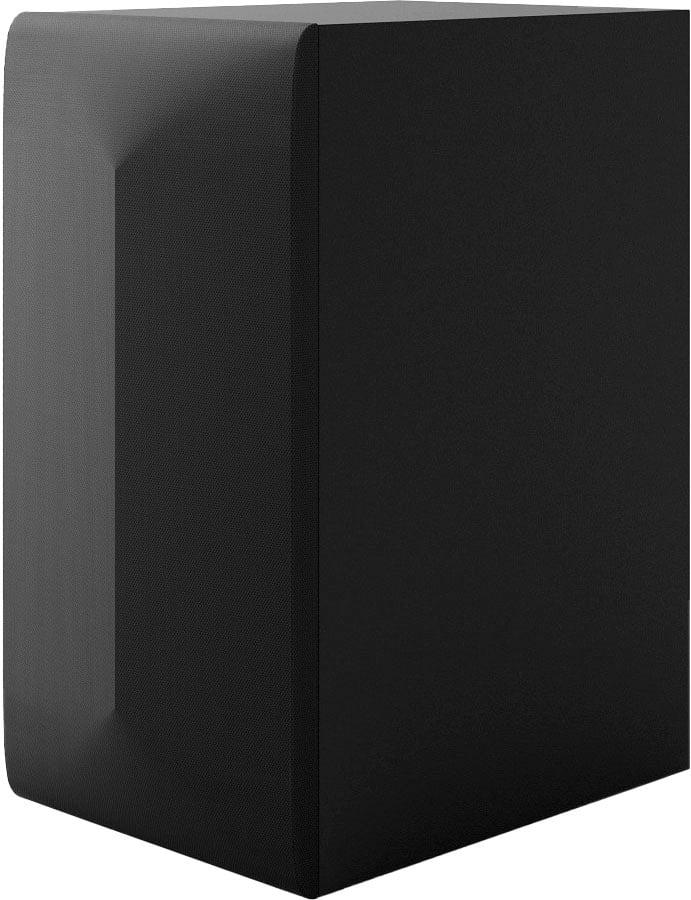
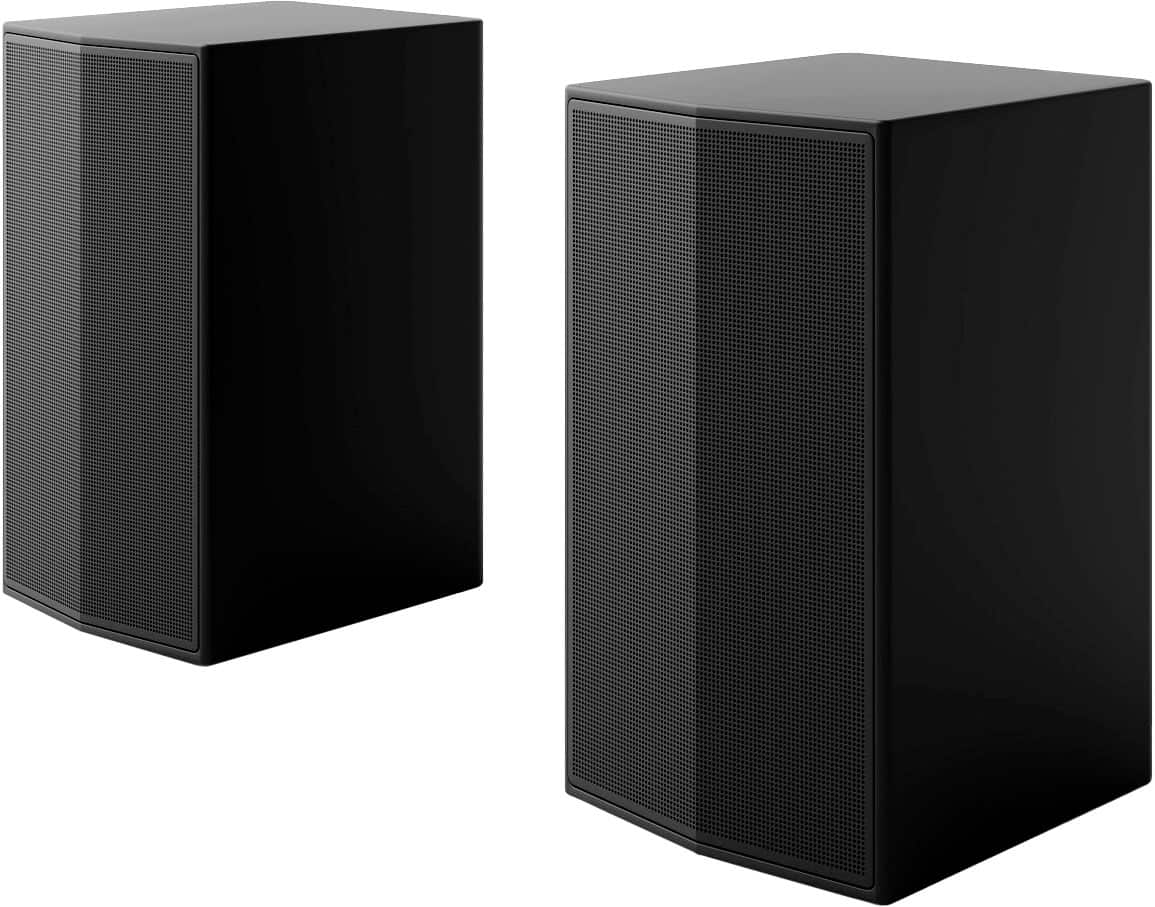
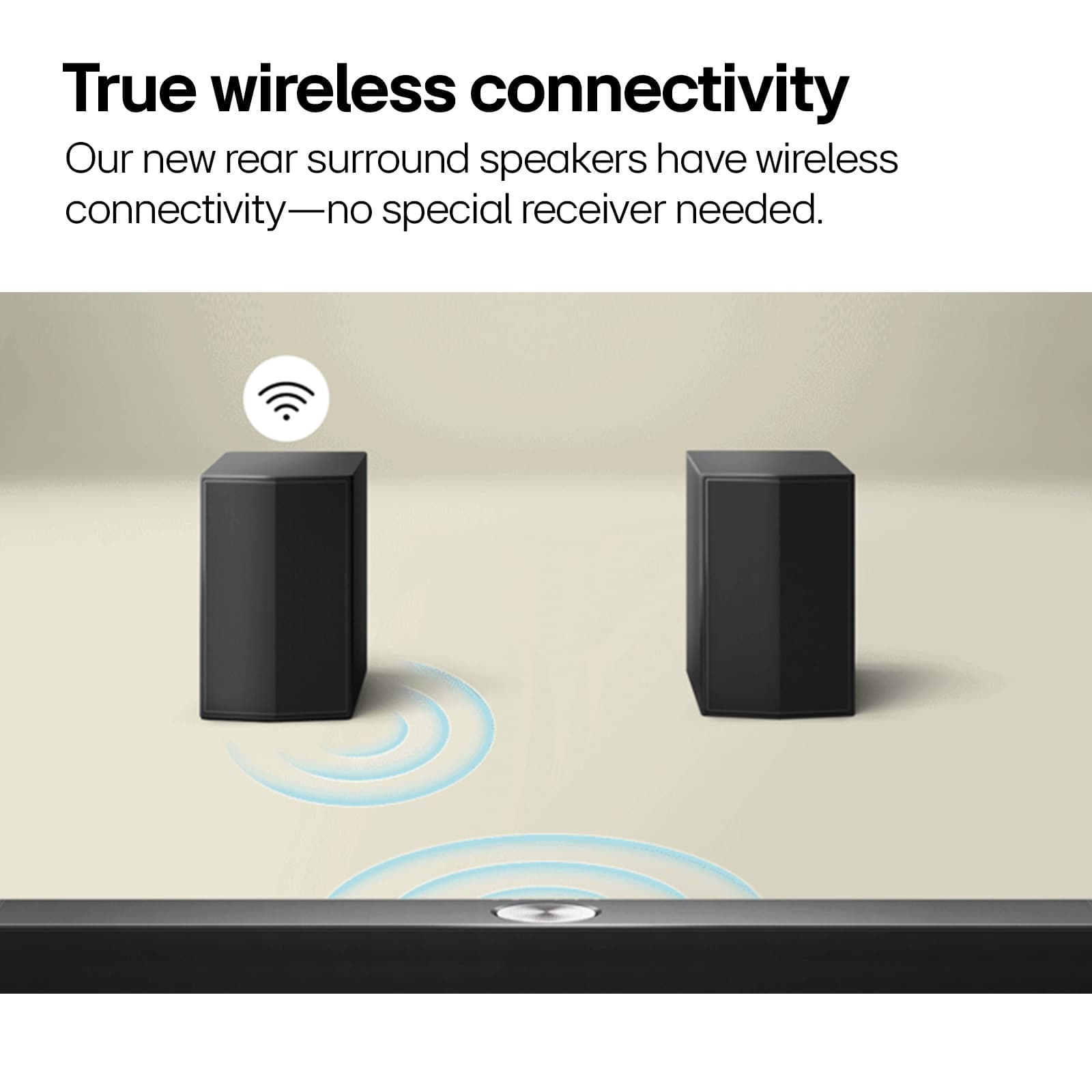
The LG S70TR ($399.99) takes a completely different approach. Rather than trying to simulate surround sound, LG gives you the real thing with a 5.1.1-channel system that includes a wireless subwoofer and true wireless rear speakers, plus a dedicated upfiring driver for Dolby Atmos height effects.
Released in 2024 as part of LG's updated soundbar range, the S70TR represents LG's focus on authentic surround sound and integration with their TV ecosystem. The "5.1.1" configuration means you get five main speakers (left, center, right, and two rears), one subwoofer, and one height channel that fires upward to create overhead sound effects.
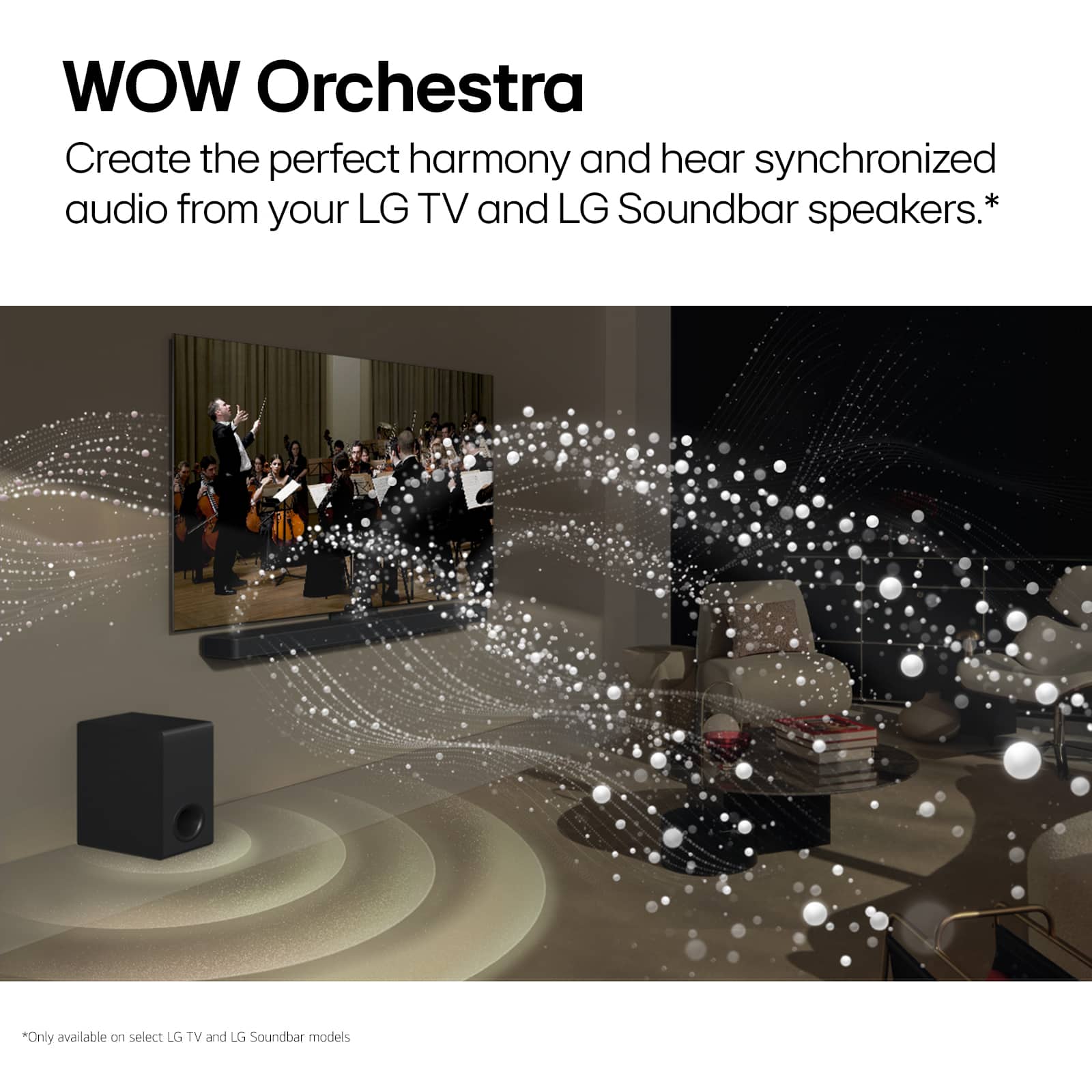
The standout feature here is WOW Orchestra, which syncs the soundbar with compatible LG TVs to use both the TV's speakers and the soundbar simultaneously. It's like having a much larger speaker array without buying additional hardware.
Here's where the fundamental difference between these systems becomes most apparent. The JBL Bar 300 uses integrated bass ports – essentially carefully tuned openings in the speaker cabinet that help reinforce low frequencies. While this approach saves space and eliminates the need for a separate subwoofer, it has physical limitations.
In my testing, the JBL delivers surprisingly punchy bass for a single-unit system. Watching "Top Gun: Maverick," the jet engines had enough low-end rumble to feel impactful, and music sounded full and rich. However, when it comes to those really deep, room-shaking moments – like the T-Rex footsteps in "Jurassic Park" – the JBL hits its limits. Physics is physics, and you can't get the same bass impact from a small enclosure that you get from a dedicated subwoofer.
The LG S70TR, on the other hand, includes a wireless 7-inch subwoofer powered by a 220-watt amplifier. This isn't just about making things louder – it's about reproducing those frequencies that you feel as much as hear. The LG's subwoofer delivers the kind of bass that makes action scenes visceral. During the warehouse fight in "Batman v Superman," every punch and crash had weight and impact that the JBL simply couldn't match.
But here's an important consideration: not everyone wants or needs that level of bass. If you live in an apartment with thin walls, or if you primarily watch dialogue-heavy content, the JBL's more restrained approach might actually be preferable.
This is perhaps the most significant difference between these two systems, and it comes down to a fundamental question: can software processing create convincing surround sound, or do you need actual speakers positioned around your room?
The JBL's MultiBeam 3.0 technology is genuinely impressive for what it accomplishes. By precisely controlling how sound waves leave the soundbar at different angles, it can create the illusion of sound coming from beside and even behind you. During the pod race scene in "Star Wars Episode I," I could clearly hear engines whooshing from left to right across the room, and the crowd noise seemed to surround me.
However, this virtual surround processing has limitations. It works best in rectangular rooms with hard, reflective side walls that can bounce sound effectively. In my irregularly shaped living room with soft furnishings and an open kitchen, the effect was less convincing. The surround imaging also becomes less precise at higher volumes, where the direct sound from the bar starts to overpower the reflected sound.
The LG S70TR sidesteps these limitations entirely by including actual wireless rear speakers. These aren't just token add-ons – they're full-range speakers that create genuine rear channel effects. Watching "Mad Max: Fury Road," the difference was immediately apparent. Vehicles didn't just seem to move around me – they actually did, with engine noise and gunfire clearly originating from behind my seating position.
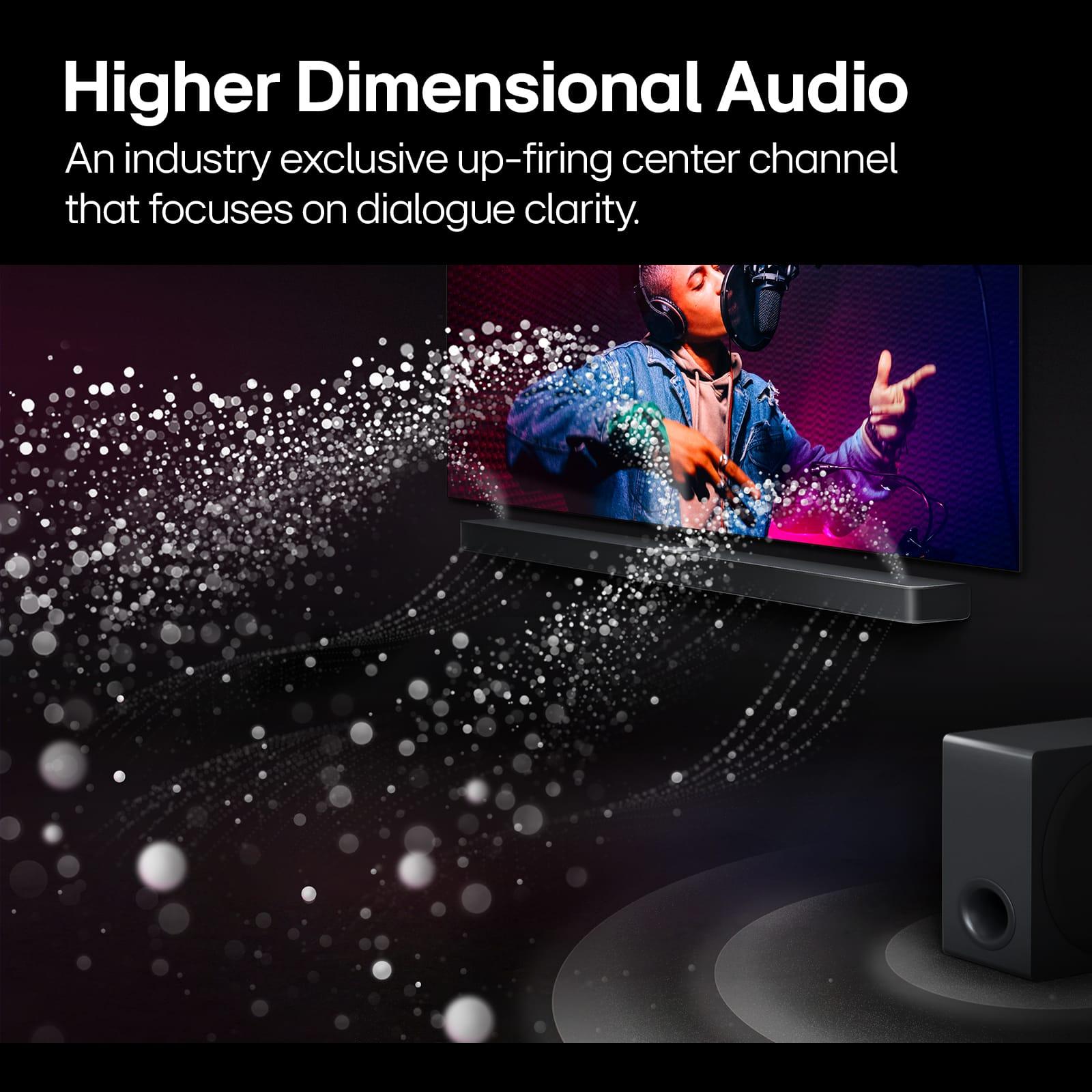
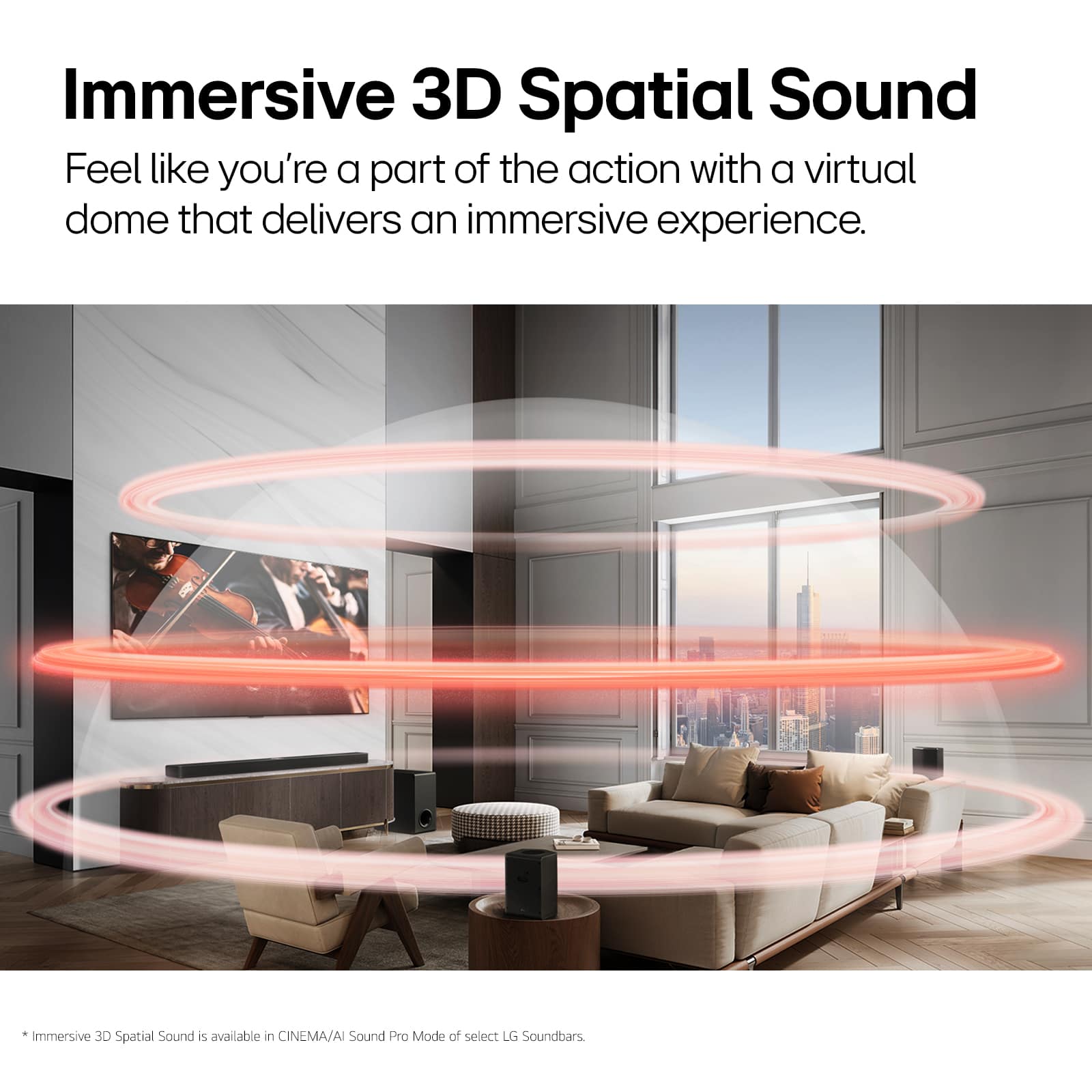
The LG also includes a dedicated upfiring driver for Dolby Atmos height effects. This speaker fires sound upward to bounce off your ceiling, creating the impression of overhead audio. While this still relies on reflection like the JBL's surround processing, it's much more reliable because most rooms have relatively flat ceilings that provide consistent bounce characteristics.
Both soundbars recognize that dialogue clarity is crucial – there's nothing more frustrating than constantly adjusting volume because you can't understand what characters are saying. However, they achieve this goal through different methods.
The JBL Bar 300 uses PureVoice 2.0 technology, which analyzes incoming audio and dynamically adjusts frequency response to optimize speech intelligibility. If the system detects high vocal content, it automatically reduces bass levels that might mask dialogue and enhances the midrange frequencies where human speech lives. During complex scenes in "Oppenheimer" with overlapping dialogue and Hans Zimmer's intense score, the JBL kept conversations clear and intelligible.
The LG S70TR takes a more traditional approach with Clear Voice Plus, which optimizes the dedicated center channel speaker for dialogue reproduction. In a proper surround sound setup, the center channel handles most dialogue while left and right speakers handle music and effects. This physical separation means dialogue doesn't have to compete with other audio elements in the same driver.
In practice, both systems excel at dialogue clarity, but in different ways. The JBL's approach is more analytical and precise – great for complex film soundtracks where dialogue, music, and effects are densely layered. The LG's method feels more natural and effortless, with dialogue that seems to float clearly above the surrounding soundscape.
Dolby Atmos represents the current pinnacle of home audio technology, adding a height dimension to create truly three-dimensional soundscapes. However, implementing Atmos in a soundbar presents significant challenges, and our two contenders handle it very differently.
The JBL Bar 300 uses what's called "virtual Atmos processing." Instead of physical upfiring speakers, it relies on sophisticated digital signal processing to create the impression of overhead sound. This works by manipulating phase relationships and frequency response to trick your brain into perceiving height information. With properly mastered content like "Blade Runner 2049," the effect can be surprisingly convincing – rain seems to fall from above, and aircraft pass overhead with believable height cues.
However, virtual Atmos has inherent limitations. The effect is highly dependent on your room acoustics and seating position, and it can never quite match the precision of physical height speakers. It's best thought of as an enhanced stereo experience rather than true three-dimensional audio.
The LG S70TR includes a dedicated upfiring driver that physically fires sound toward your ceiling. This reflected sound combines with the rear speakers and subwoofer to create a more authentic Atmos experience. During the space scenes in "Gravity," debris and the space station genuinely seemed to move overhead, creating a sense of three-dimensional space that virtual processing struggles to match.
While audio performance is crucial, modern soundbars need to be easy to live with on a daily basis. This is where the JBL Bar 300 really shines. The built-in Wi-Fi and streaming capabilities mean you can use it as a standalone music system. I found myself using voice commands to play Spotify playlists directly through the soundbar while cooking, without needing to turn on the TV or fumble with my phone.
The automatic room calibration feature uses built-in microphones to analyze your room's acoustics and adjust the sound accordingly. Setup is genuinely plug-and-play – connect one HDMI cable, run the calibration, and you're done. The JBL app provides easy access to EQ settings and streaming services, making customization straightforward.
The LG S70TR focuses more on TV integration than standalone smart features. The WOW Orchestra feature is genuinely impressive if you have a compatible LG TV, effectively giving you a much larger speaker array by using both the TV's speakers and the soundbar simultaneously. However, the system lacks built-in streaming services, relying instead on Bluetooth connections or your TV's smart features.
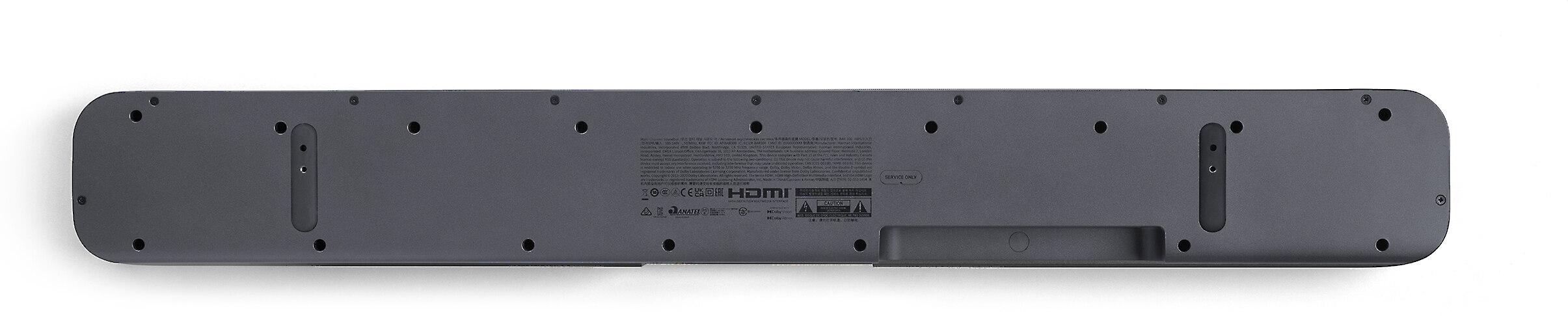
This is where the convenience factor becomes crucial. The JBL Bar 300 truly is a plug-and-play solution. It took me about 15 minutes to unbox, connect, and calibrate the system. The single HDMI connection means minimal cable management, and the compact design fits easily on most TV stands.
The LG S70TR requires significantly more planning and effort. You need to position the soundbar, find a good location for the wireless subwoofer (which needs its own power outlet), and strategically place the rear speakers for optimal surround effects. While the rear speakers are wireless in terms of audio connection, they still need power, so you'll need outlets behind your seating area. The entire setup process took me about 45 minutes, including time to optimize speaker positioning.
However, this additional complexity pays dividends in performance. Once properly set up, the LG delivers a significantly more immersive audio experience that justifies the extra effort.
For dedicated home theater setups, room size and viewing habits become crucial factors. In smaller rooms (under 200 square feet), the JBL Bar 300 can actually be the better choice. Its focused sound delivery and integrated bass response work well in intimate spaces where you're sitting relatively close to the soundbar. The lack of rear speakers also eliminates concerns about optimal seating positions – you get consistent performance whether you're on the couch or in a side chair.
Larger rooms benefit significantly from the LG S70TR's distributed speaker approach. The wireless subwoofer can be positioned for optimal bass response throughout the room, while the rear speakers ensure that people sitting in different locations all get proper surround effects. This makes it ideal for family movie nights where multiple people need good audio coverage.
The LG's Atmos implementation also scales better in larger spaces. Physical upfiring speakers maintain their effectiveness across a wider listening area compared to virtual processing, which can sound dramatically different depending on where you're sitting.
At $299.95, the JBL Bar 300 offers exceptional value for users who prioritize convenience and smart features. You're getting premium dialogue enhancement, decent bass response, streaming capabilities, and virtual surround processing in a single, elegant package. For many users, especially those upgrading from basic TV speakers, this represents everything they need in a soundbar.
The LG S70TR at $399.99 costs about 33% more, but delivers significantly more authentic surround sound performance. Whether that extra $100 is worth it depends on your priorities and usage patterns. If you watch a lot of action movies, play games with surround sound, or simply want the most immersive audio experience possible, the LG justifies its higher price through superior performance.
Choose the JBL Bar 300 if you want the maximum improvement over TV speakers with minimum fuss. It's perfect for apartment dwellers, renters who move frequently, or anyone who values simplicity and smart features over ultimate audio performance. The streaming capabilities and voice control integration make it genuinely convenient for daily music listening, not just TV enhancement.
Choose the LG S70TR if you want authentic surround sound and don't mind the additional setup complexity. It's ideal for dedicated home theater spaces, larger rooms, or situations where multiple people regularly watch together. The physical rear speakers and subwoofer deliver an immersive experience that virtual processing simply cannot match.
Both soundbars represent solid engineering and good value within their respective approaches. Your choice ultimately comes down to whether you prioritize convenience and smart features (JBL) or maximum audio immersion (LG). Either way, you'll be getting a dramatic improvement over your TV's built-in speakers and a satisfying upgrade to your home entertainment experience.
| JBL Bar 300 | LG S70TR |
|---|---|
| Price - Key factor for budget-conscious buyers | |
| $299.95 (excellent value for smart features) | $399.99 (33% more but includes real surround speakers) |
| System Configuration - Determines surround sound authenticity | |
| 5.0 all-in-one bar (virtual surround processing) | 5.1.1 with wireless subwoofer + rear speakers (true surround) |
| Bass Performance - Critical for action movies and music | |
| Integrated bass ports (adequate for smaller rooms) | Dedicated 7" wireless subwoofer, 220W (room-filling impact) |
| Dolby Atmos Implementation - Creates overhead sound effects | |
| Virtual processing via MultiBeam 3.0 (room-dependent) | Physical upfiring driver (consistent height effects) |
| Setup Complexity - Important for ease of installation | |
| Single HDMI connection, 15-minute setup | Multiple components, requires rear speaker positioning, 45+ minutes |
| Smart Features - Convenience for daily music streaming | |
| Built-in Wi-Fi, 300+ streaming services, voice control | Basic Bluetooth, relies on TV for smart features |
| Power Output - Affects volume and dynamic range | |
| 260W total (concentrated in single unit) | ~300W distributed (subwoofer + multiple speakers) |
| Room Size Suitability - Determines optimal performance space | |
| Best for small-medium rooms (up to 200 sq ft) | Ideal for larger rooms (up to 400 sq ft) |
| TV Integration - Brand-specific features | |
| Universal compatibility with any TV brand | WOW Orchestra with LG TVs (uses TV speakers too) |
| Dialogue Enhancement - Critical for speech clarity | |
| PureVoice 2.0 adaptive processing | Clear Voice Plus via dedicated center channel |
| Space Requirements - Physical footprint considerations | |
| 32.3" width, single power outlet needed | 37.4" soundbar + subwoofer + rear speaker placement |
| Upgrade Path - Future expansion possibilities | |
| Software updates only, no hardware expansion | Potential for rear speaker upgrades |
The JBL Bar 300 at $299.95 offers excellent value for users prioritizing convenience and smart features, while the LG S70TR at $399.99 provides better value for authentic surround sound. The $100 difference gets you real rear speakers and a dedicated subwoofer with the LG, making it worth the extra cost for immersive audio experiences.
The JBL Bar 300 uses integrated bass ports that provide adequate low-end for most content but lack deep impact. The LG S70TR includes a dedicated 7-inch wireless subwoofer that delivers significantly more powerful and room-filling bass, essential for action movies and music with deep frequencies.
The JBL Bar 300 wins for simplicity with a single HDMI connection and 15-minute setup time. The LG S70TR requires positioning multiple components including rear speakers and takes 45+ minutes to set up properly, but the extra effort results in superior surround sound performance.
Yes, the JBL Bar 300 excels here with built-in Wi-Fi, access to 300+ streaming services, and voice control support. The LG S70TR only offers basic Bluetooth connectivity and relies on your TV or external devices for streaming music services.
The JBL Bar 300 is ideal for apartments due to its single-unit design, moderate bass output that won't disturb neighbors, and compact 32.3-inch width. The LG S70TR may be too powerful for small spaces and requires multiple power outlets for its components.
Both support Dolby Atmos but differently. The JBL Bar 300 uses virtual processing to simulate overhead effects, while the LG S70TR includes a physical upfiring driver that bounces sound off your ceiling for more authentic height effects.
Both excel at dialogue but use different approaches. The JBL Bar 300 features PureVoice 2.0 adaptive processing that dynamically optimizes speech frequencies. The LG S70TR uses a dedicated center channel speaker that physically separates dialogue from other audio elements for natural clarity.
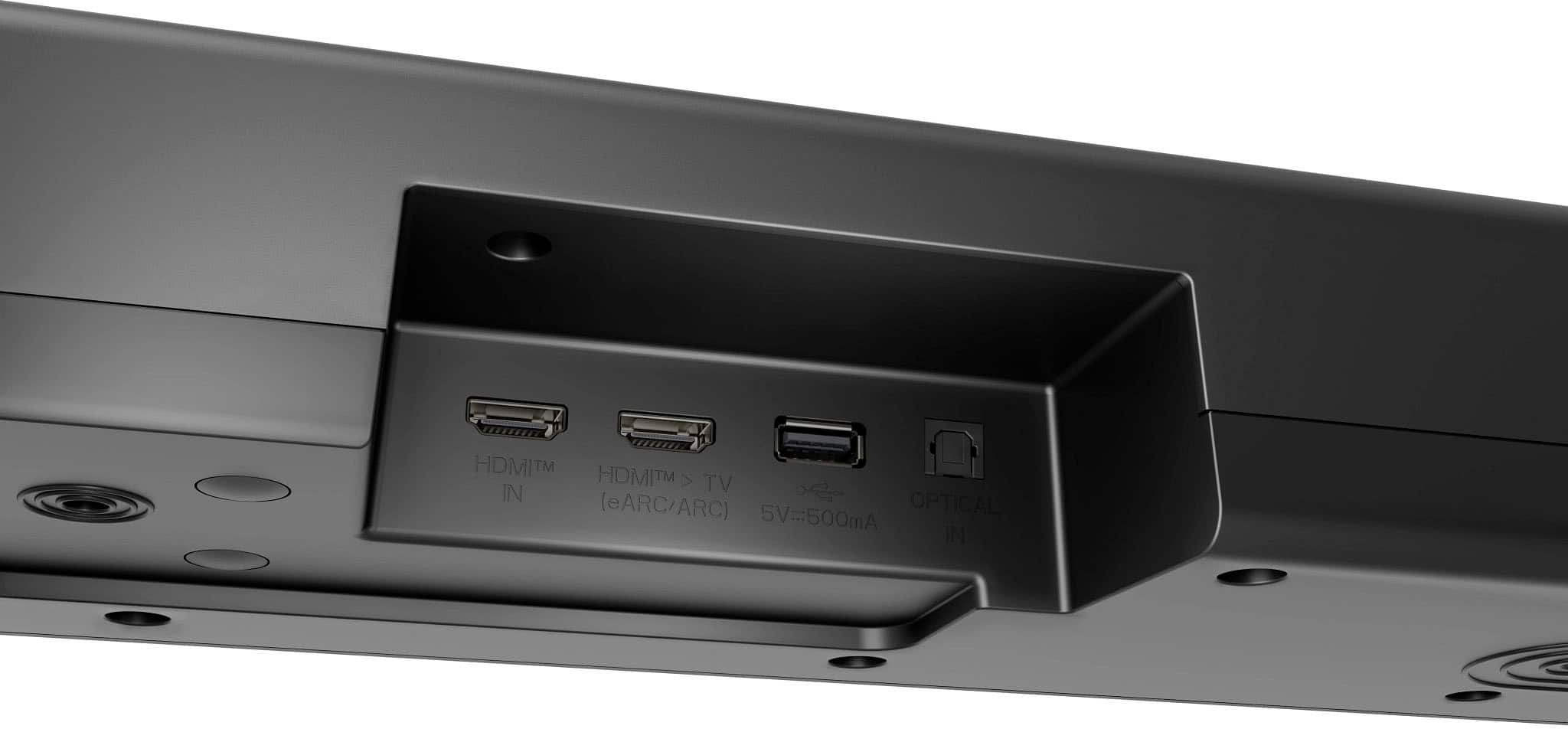
The JBL Bar 300 works universally with any TV brand via HDMI or optical connection. The LG S70TR also works with any TV, but LG TV owners get the exclusive WOW Orchestra feature that combines the soundbar with the TV's built-in speakers for enhanced audio coverage.
The LG S70TR performs better in larger spaces thanks to its distributed speaker system with wireless rear speakers and subwoofer that provide even sound coverage up to 400 square feet. The JBL Bar 300 works best in rooms up to 200 square feet where you sit closer to the soundbar.
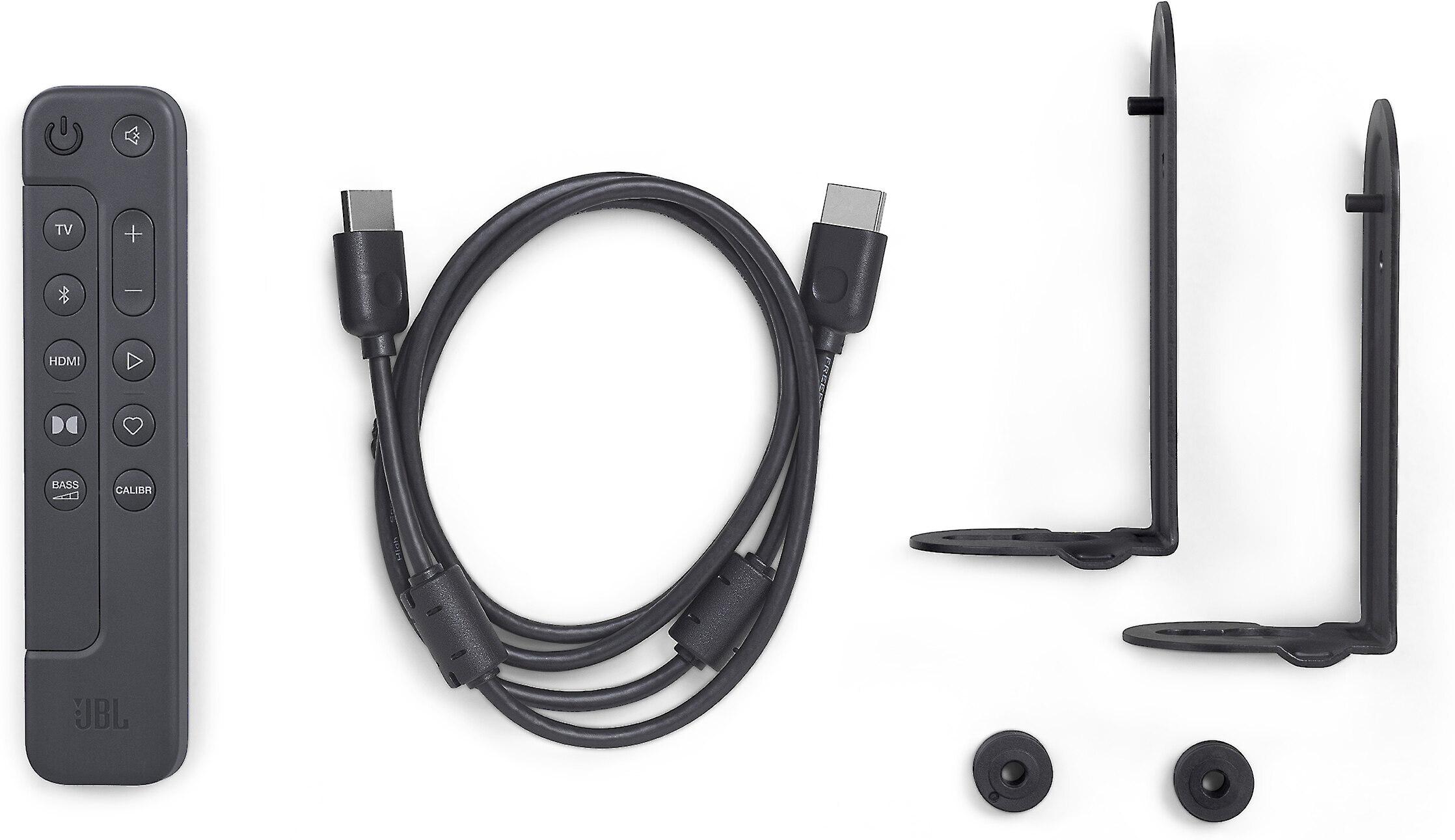
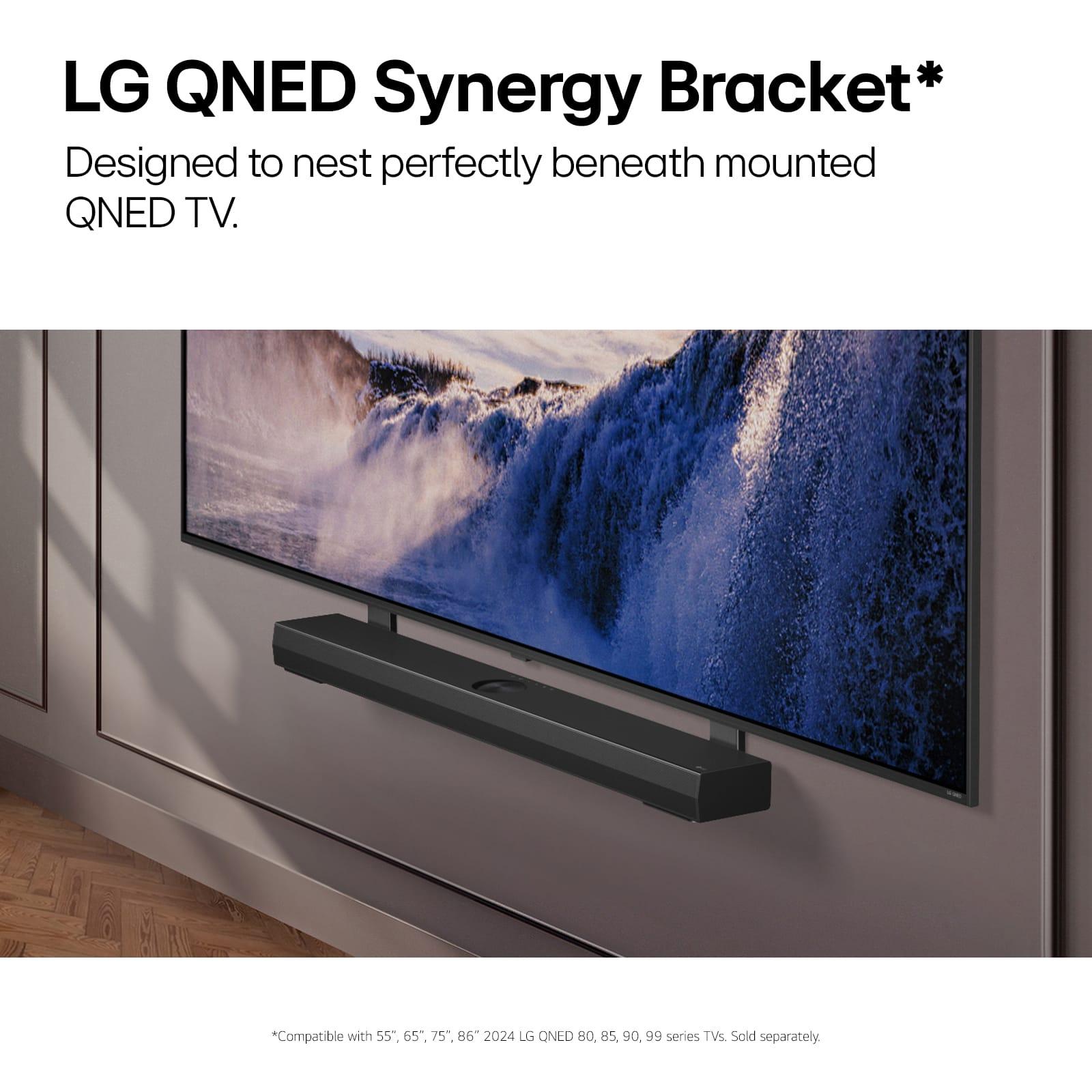
Both include wall mounting brackets. The JBL Bar 300 is simpler to mount as a single unit, while the LG S70TR requires mounting just the soundbar since the subwoofer and rear speakers are designed to sit on surfaces around your room.
The LG S70TR provides authentic 5.1.1 surround sound with physical rear speakers positioned behind your seating area. The JBL Bar 300 creates virtual surround effects using MultiBeam technology that bounces sound off walls, which is convincing but not as precise as real rear speakers.
Both work well for gaming. The JBL Bar 300 offers clear directional audio cues and dialogue, while the LG S70TR provides more immersive spatial audio with its true surround speakers. The LG also supports gaming features like VRR and ALLM for lag-free performance with compatible consoles.
We've done our best to create useful and informative comparisons to help you decide what product to buy. Our research uses advanced automated methods to create this comparison and perfection is not possible - please contact us for corrections or questions. These are the sites we've researched in the creation of this article: whathifi.com - safeandsoundhq.com - youtube.com - cnet.com - mm.jbl.com - jbl.com - bestbuy.com - support.jbl.com - dell.com - walmart.com - bestbuy.com - mynavyexchange.com - rixaudiovideoappliance.com - rtings.com - youtube.com - bestbuy.com - howards.siteontimedev.com - bestbuy.com - appliancestogousa.us

Privacy Policy
Terms and Conditions - Affiliate Policy
Home Security
© Copyright 2008-2026.
11816 Inwood Rd #1211, Dallas, TX 75244