

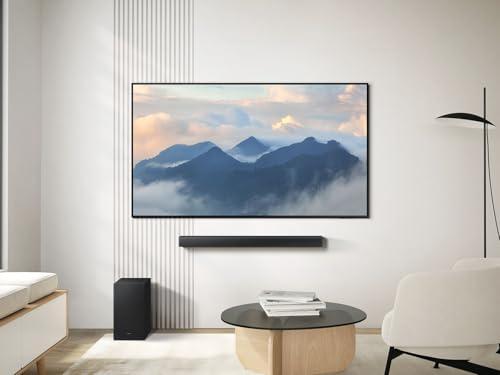
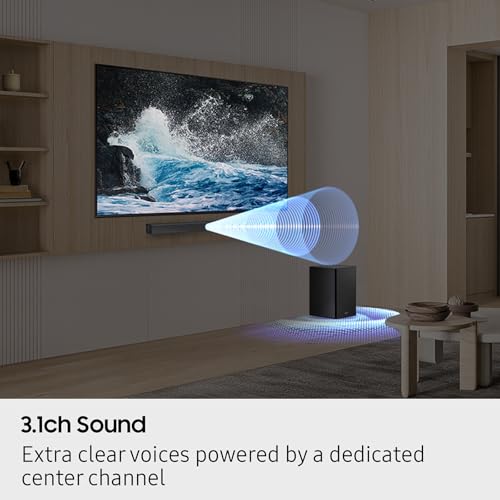

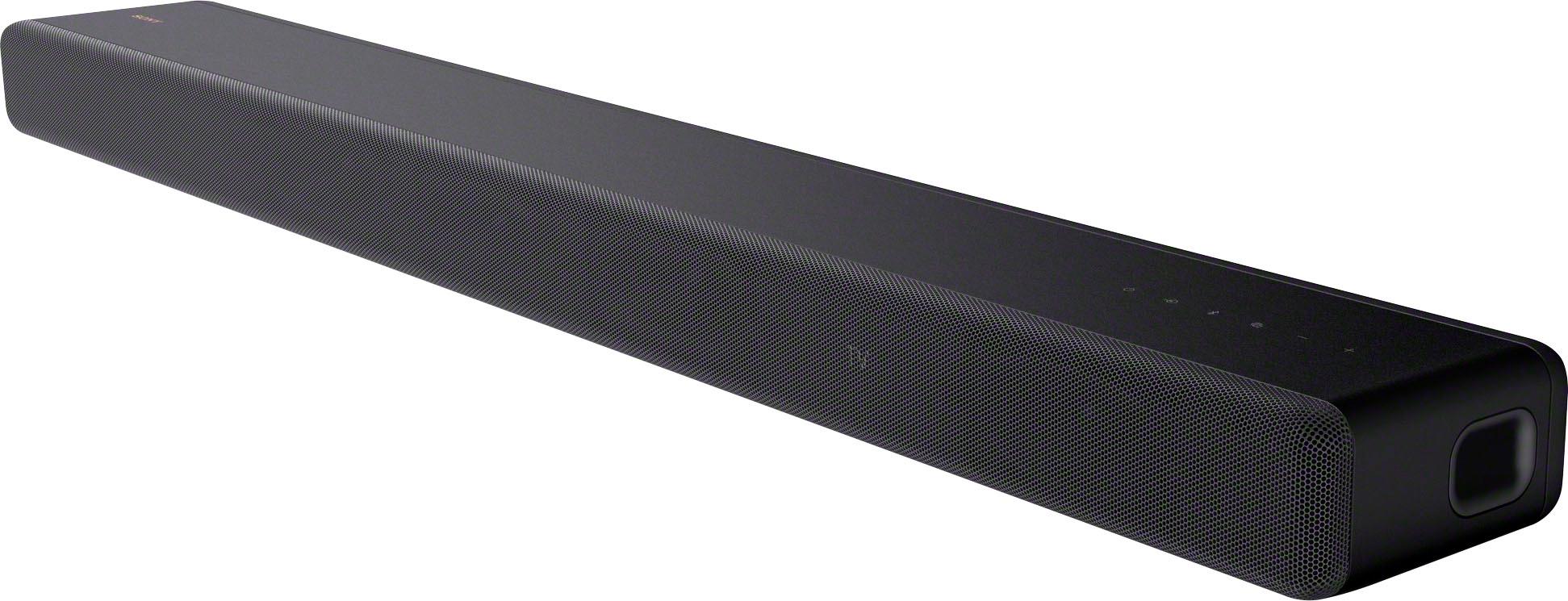
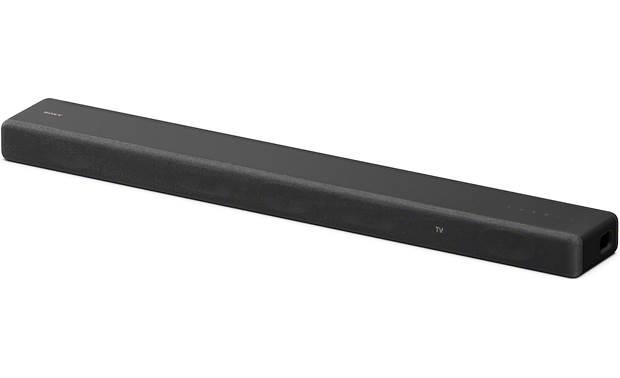

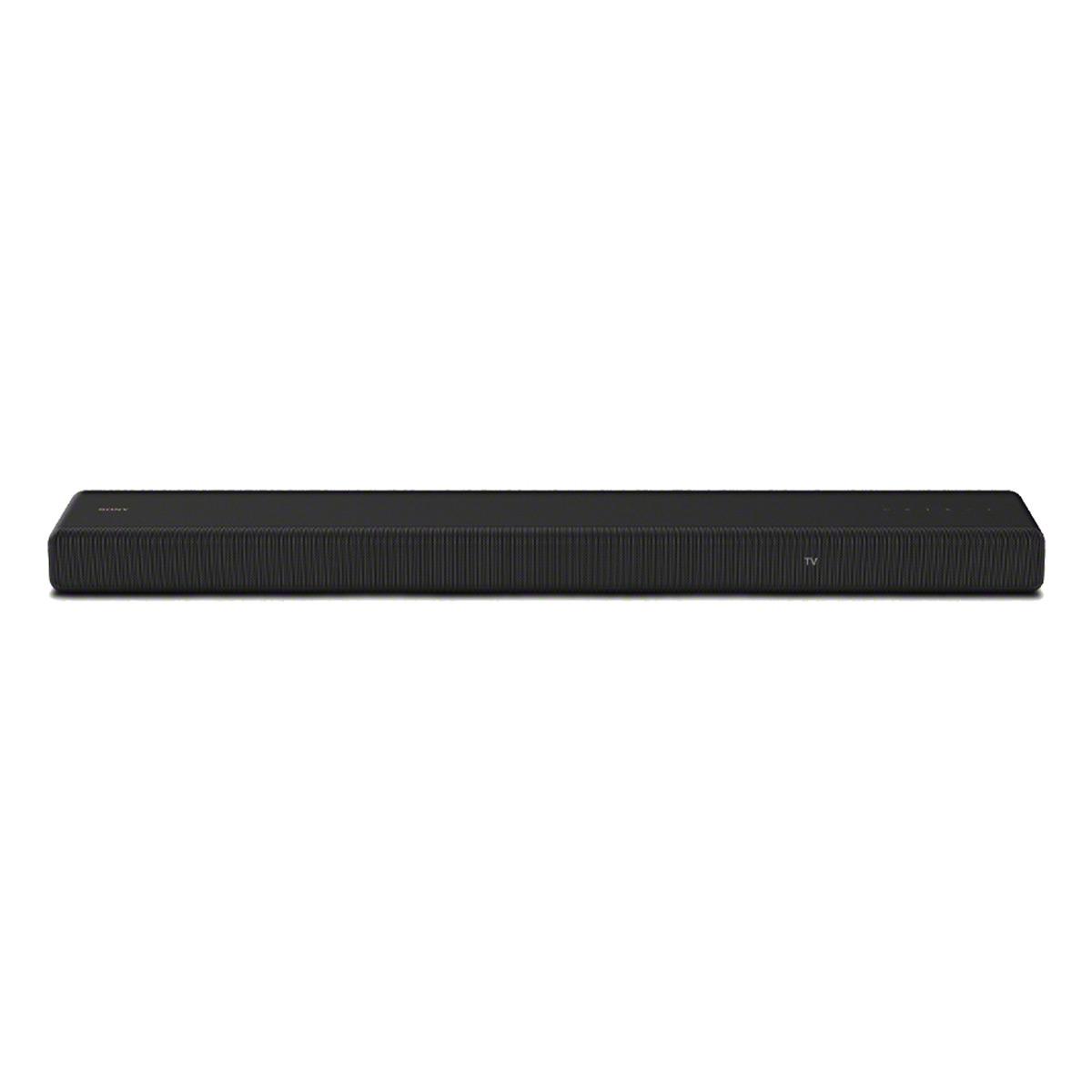
When your TV's tiny speakers just aren't cutting it anymore, a 3.1 channel soundbar offers one of the most practical upgrades you can make. These systems hit a sweet spot—they're more sophisticated than basic 2.0 soundbars but less complex than full surround sound setups. The "3.1" means you get three front channels (left, right, and center) plus a dedicated subwoofer channel for bass.
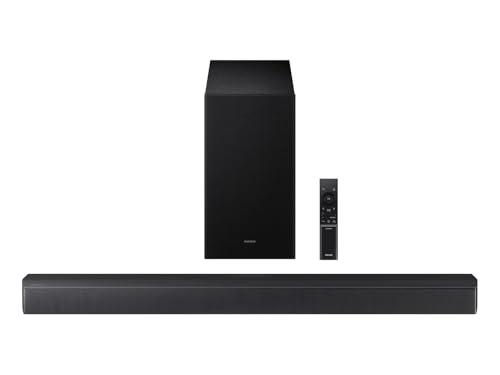
Two compelling options that have caught our attention are the Samsung HW-B630F B-Series and the Sony HT-A3000. Both launched around 2022-2023, representing the latest thinking in affordable home theater audio. But they take notably different approaches to solving the same problem: making your movies, shows, and games sound dramatically better than they do through your TV's speakers.
After researching expert reviews and user feedback extensively, we've found these models represent two distinct philosophies in soundbar design. The Samsung HW-B630F takes a traditional approach with a separate wireless subwoofer and focuses on delivering strong fundamentals at an attractive price point. The Sony HT-A3000, meanwhile, packs everything into one sleek unit while emphasizing advanced audio processing and smart features.
Before diving into specifics, it's worth understanding why 3.1 soundbars have become so popular. The dedicated center channel is the game-changer here—it handles dialogue separately from music and effects. This means when someone's talking on screen, their voice comes from a speaker designed specifically for speech clarity, rather than being mixed in with explosions and background music.
The subwoofer (that's the ".1") handles everything below about 120Hz, which includes the rumble of engines, explosions, and the foundation of musical bass lines. Some soundbars build this subwoofer right into the main unit, while others use a separate box that connects wirelessly.
Both approaches have merit, but they create different experiences in your living room. Our research suggests that separate subwoofers generally produce more powerful bass since they're not constrained by the soundbar's slim profile. However, all-in-one designs offer convenience and often include more sophisticated processing to compensate for their physical limitations.
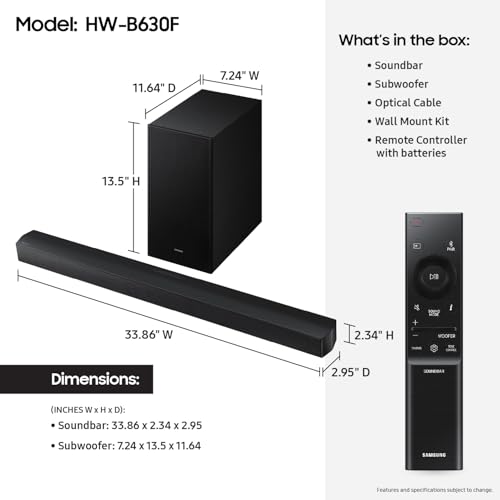
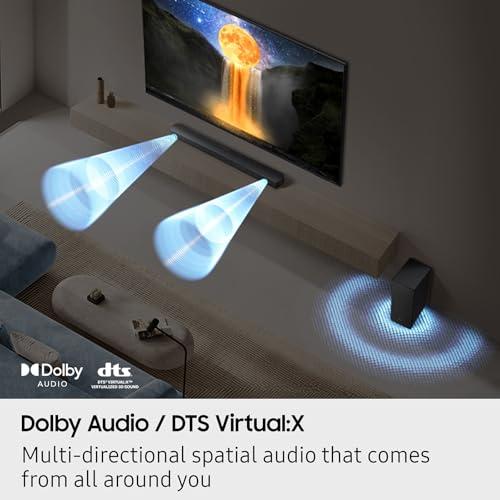
The Samsung HW-B630F represents the traditional school of thought. It includes a separate wireless subwoofer that you can place wherever it sounds best in your room. This 6-inch driver in a bass-reflex enclosure (meaning it has a port to enhance low-frequency output) can move serious air and deliver the kind of chest-thumping bass that makes action movies feel visceral.
Samsung has equipped this system with practical features that address real-world use cases. The Adaptive Sound mode analyzes what you're watching and automatically adjusts the audio—boosting dialogue during quiet dramatic scenes or emphasizing effects during action sequences. For gamers, there's a dedicated Game Pro mode that enhances positional audio cues, helping you locate footsteps or gunfire more precisely.
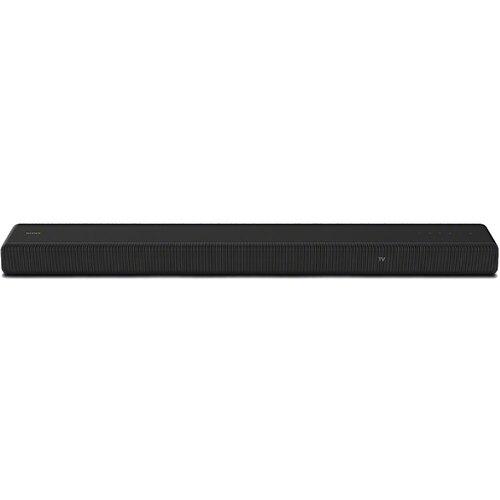
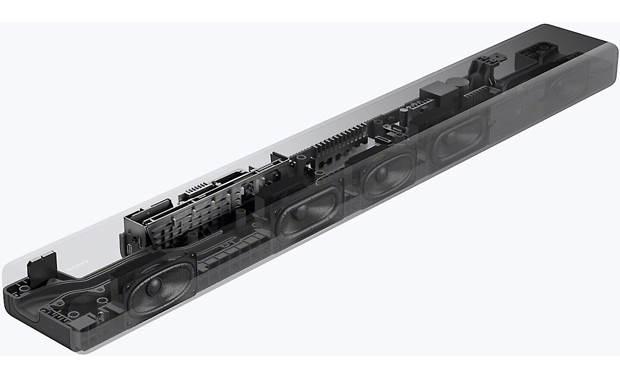
The Sony HT-A3000, by contrast, embodies the modern all-in-one philosophy. Instead of one large subwoofer, it uses dual smaller subwoofers built into the main unit. Sony's engineers have compensated for this size constraint through sophisticated digital signal processing (DSP)—essentially using computer algorithms to enhance and optimize the sound.
Sony's approach shines in its audio processing capabilities. The HT-A3000 supports true Dolby Atmos, a format that places sounds in three-dimensional space around you, including overhead. While it doesn't have upward-firing drivers like premium Atmos soundbars, Sony's Vertical Surround Engine uses psychoacoustic tricks to create the impression of height in the sound field.
Since most of us spend more time watching TV shows and movies than listening to music through our soundbars, dialogue clarity often determines whether you'll be happy with your purchase. Both systems excel here, but in different ways.
The Samsung HW-B630F takes a straightforward approach with its dedicated center channel driver. Samsung has tuned this speaker specifically for human voice frequencies, and the Voice Enhance mode further emphasizes the frequency range where speech clarity matters most. User reviews consistently praise how this system makes dialogue pop forward in the mix, even during complex action scenes.
The Night Mode deserves special mention—it compresses the dynamic range so explosions don't wake the neighbors while keeping whispered dialogue audible. This feature has become essential for apartment living and late-night viewing.
Sony's approach with the HT-A3000 is more sophisticated. Its Sound Field Optimization uses built-in microphones to measure your room's acoustics and adjust the audio processing accordingly. This means the center channel performance adapts to whether you have hard floors and bare walls (which create reflections) or soft furnishings that absorb sound.
From our research into user experiences, both systems handle dialogue well, but the Sony tends to excel with complex movie soundtracks where multiple audio elements compete for attention. The Samsung shines with straightforward TV viewing and streaming content.
This is where the philosophical differences between these systems become most apparent. The Samsung HW-B630F's separate subwoofer simply moves more air. That 6-inch driver in its ported enclosure can shake your couch in ways that built-in subwoofers struggle to match.
User feedback consistently highlights the Samsung's bass impact for action movies and music. The Bass Boost mode takes things even further, emphasizing the frequencies that make explosions feel visceral and music feel punchy. If you're coming from TV speakers, the difference will be dramatic.
The Sony HT-A3000's dual built-in subwoofers take a more refined approach. While they can't match the Samsung's raw output, they integrate more seamlessly with the other speakers. Sony's room correction ensures the bass doesn't overwhelm smaller spaces, and the digital processing helps maintain clarity even when the bass is working hard.
Our research suggests the Sony works better in apartments or smaller rooms where overpowering bass becomes a problem. The Samsung excels in larger spaces where you want to feel the impact of what you're watching.
Modern soundbars use digital processing to create the impression of surround sound from speakers that are all in front of you. Both systems do this, but with very different levels of sophistication.
The Samsung HW-B630F uses DTS Virtual:X, which takes multichannel audio and uses psychoacoustic processing to make sounds appear wider and slightly higher than the soundbar itself. The Surround Sound Expansion mode stretches the soundstage beyond the bar's physical boundaries, creating a more enveloping experience than stereo speakers.
While effective for general TV viewing, this virtual surround processing has limitations. Complex action scenes can become muddled, and the height effects are subtle compared to dedicated Atmos systems.
The Sony HT-A3000 represents a significant step up in surround processing sophistication. Its Dolby Atmos support means it can decode object-based audio tracks where sounds are positioned in three-dimensional space. The Vertical Surround Engine creates surprisingly convincing height effects without any upward-firing speakers.
Sony's S-Force Pro Front Surround technology has matured significantly since earlier generations. User reviews often mention being surprised by how wide and tall the soundstage feels, with effects seeming to come from well beyond the soundbar's physical position.
For movie enthusiasts who watch a lot of Atmos content (available on most streaming services and Blu-rays), the Sony delivers a noticeably more immersive experience.
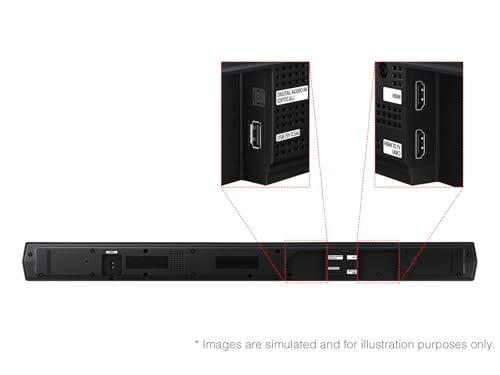
This is perhaps where the products diverge most dramatically. The Samsung HW-B630F focuses on essential connections done well. HDMI ARC handles audio from your TV, optical digital provides a backup connection, and Bluetooth lets you stream music from your phone. The multi-device Bluetooth pairing is handy—you can have two phones connected simultaneously.
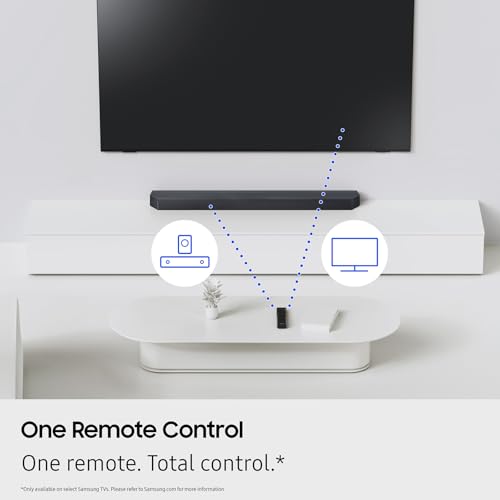
Samsung's One Remote Control integration with Samsung TVs is genuinely useful, letting you control the soundbar with your TV remote. The system powers on automatically when your TV turns on and adjusts volume seamlessly.
The Sony HT-A3000 enters smart speaker territory with built-in Wi-Fi, Chromecast, AirPlay 2, and Spotify Connect. This means you can stream music directly without going through your phone's Bluetooth, often with better audio quality. The LDAC Bluetooth codec, when used with compatible Android devices, delivers near-CD quality wireless audio.
Sony's HDMI eARC support (enhanced Audio Return Channel) can handle lossless audio formats that regular ARC cannot, though you need a compatible TV to take advantage of this. The voice assistant compatibility means you can control playback with Google Assistant or Alexa commands.
Both systems offer paths to more sophisticated setups, but Sony provides more flexibility. The Samsung HW-B630F can add Samsung's wireless rear speakers to create a 5.1 system, though this significantly increases the total cost.
The Sony HT-A3000 offers more comprehensive expandability. You can add Sony's wireless rear speakers for true surround sound, plus an additional wireless subwoofer if you need more bass impact. The 360 Spatial Sound Mapping feature, when combined with rear speakers, creates phantom speakers throughout your room for an unusually immersive experience.
Sony's Sound Field Optimization continues working as you add components, automatically adjusting the entire system's performance to maintain proper balance.
At the time of writing, the Samsung HW-B630F typically costs significantly less than the Sony HT-A3000—often $100-150 less for the complete system. This price difference raises important questions about value.
The Samsung delivers about 80% of the Sony's performance at roughly 70% of the price, making it an excellent value for straightforward TV audio improvement. If your primary goal is making dialogue clearer and adding meaningful bass to your TV viewing, the Samsung accomplishes this beautifully without complexity or premium pricing.
The Sony's higher price brings genuinely advanced features that matter for certain use cases. If you watch a lot of movies with Atmos soundtracks, frequently stream music, or plan to expand your system over time, the additional cost becomes easier to justify.
Choose the Samsung HW-B630F if you want the most straightforward path to significantly better TV audio. It's ideal for smaller budgets, larger rooms where you can take advantage of the powerful bass, and situations where you primarily watch TV shows and streaming content. Gamers will appreciate the dedicated gaming modes, and Samsung TV owners benefit from seamless integration.
The Samsung also makes sense if you prefer physical controls and don't need smart features. Some users find app-based audio systems unnecessarily complex, and the Samsung's traditional approach appeals to those who want their soundbar to just work without ongoing maintenance or updates.
Choose the Sony HT-A3000 if you're willing to pay more for advanced processing and future flexibility. It's better suited for serious movie watching, especially if you have Atmos content in your viewing diet. The smart features and high-quality streaming capabilities make it function almost like a premium smart speaker in addition to a soundbar.
The Sony also works better in challenging acoustic environments. Its room correction and sophisticated processing help it adapt to difficult spaces where simpler soundbars might struggle.
Both soundbars represent solid engineering approaches to improving TV audio, but they serve different priorities. The Samsung HW-B630F excels at delivering fundamental soundbar benefits—clear dialogue and impactful bass—at an attractive price point. It's a classic example of focusing resources on core performance rather than feature breadth.
The Sony HT-A3000 demonstrates how advanced digital signal processing can overcome physical constraints while adding genuine smart speaker functionality. It's more expensive, but the additional capabilities make it feel more like a long-term investment than a simple TV accessory.
For most people upgrading from TV speakers, either choice will feel transformational. The decision ultimately comes down to whether you value the Samsung's raw bass impact and value pricing, or the Sony's sophisticated processing and comprehensive feature set. Both will make your movies sound dramatically better than they do today—just through different engineering philosophies.
| Samsung HW-B630F B-Series 3.1ch Soundbar System | Sony HT-A3000 3.1ch Dolby Atmos Soundbar |
|---|---|
| Channel Configuration - Foundation of soundbar performance | |
| 3.1 channels with separate wireless subwoofer | 3.1 channels with dual built-in subwoofers |
| Audio Format Support - Determines compatibility with premium content | |
| Dolby Audio, DTS Virtual:X (virtual surround only) | Dolby Atmos, DTS:X (true object-based 3D audio) |
| Subwoofer Design - Major factor in bass impact and room placement | |
| 6" wireless subwoofer with bass-reflex port (powerful, flexible placement) | Dual 4.375" x 1.8125" built-in subwoofers (space-saving, integrated) |
| HDMI Features - Critical for TV integration and audio quality | |
| HDMI 1.4 ARC only (compressed audio formats) | HDMI eARC (lossless audio, future-proof) |
| Smart Features - Convenience and streaming capabilities | |
| Bluetooth 4.2, USB playback (basic wireless audio) | Wi-Fi, Chromecast, AirPlay 2, Spotify Connect, voice assistants |
| Room Optimization - How well it adapts to your space | |
| Manual EQ adjustments, adaptive sound modes | Built-in microphones with automatic Sound Field Optimization |
| Gaming Features - Important for console users | |
| Dedicated Game Pro mode with positional audio enhancement | Standard gaming performance, no dedicated modes |
| Expandability - Future upgrade potential | |
| Compatible with Samsung wireless rear speakers only | Compatible with Sony wireless rears and additional subwoofers |
| Physical Design - Space requirements and aesthetics | |
| Traditional bar + separate sub (requires subwoofer placement) | All-in-one compact design (single unit simplicity) |
| TV Integration - Ease of use with your television | |
| Samsung One Remote Control, HDMI CEC | Sony BRAVIA integration, advanced TV remote control |
| Dialogue Enhancement - Critical for TV and movie watching | |
| Voice Enhance mode, dedicated center channel tuning | Advanced center processing with room correction integration |
| Bluetooth Quality - Wireless audio performance | |
| Bluetooth 4.2 with multi-device pairing (standard quality) | Bluetooth 5.0 with LDAC codec (near-CD quality on compatible devices) |
| Value Proposition - Performance per dollar spent | |
| Excellent fundamentals at budget-friendly price point | Premium features and processing justify higher cost |
The Samsung HW-B630F typically offers better value for budget-conscious buyers, delivering strong fundamental performance at a lower price point. The Sony HT-A3000 costs more but justifies the premium with advanced Dolby Atmos processing, smart features, and superior expandability options.
The key difference is approach: the Samsung HW-B630F uses a traditional separate wireless subwoofer for powerful bass, while the Sony HT-A3000 packs dual subwoofers into an all-in-one design with advanced audio processing and smart streaming features.
The Samsung HW-B630F delivers more powerful bass thanks to its dedicated 6-inch wireless subwoofer that can be placed anywhere in your room. The Sony HT-A3000 has respectable bass from its built-in dual subwoofers but can't match the raw impact of Samsung's separate sub.
Only the Sony HT-A3000 supports true Dolby Atmos decoding with virtual height processing. The Samsung HW-B630F supports Dolby Audio and DTS Virtual:X but cannot decode Atmos content, limiting its 3D audio capabilities.
The Samsung HW-B630F is specifically optimized for gaming with its dedicated Game Pro mode that enhances positional audio cues and reduces audio lag. The Sony HT-A3000 works well for gaming but lacks dedicated gaming-focused features.
The Sony HT-A3000 is packed with smart features including Wi-Fi, Chromecast, AirPlay 2, Spotify Connect, and voice assistant support. The Samsung HW-B630F keeps it simple with basic Bluetooth connectivity and USB playback, focusing on core audio performance over smart features.
The Sony HT-A3000 is ideal for small spaces due to its compact all-in-one design and built-in room optimization that prevents bass from overwhelming small rooms. The Samsung HW-B630F requires space for a separate subwoofer and may produce too much bass for very small spaces.
Both can be expanded, but the Sony HT-A3000 offers more flexibility with compatible wireless rear speakers and additional subwoofers from Sony's ecosystem. The Samsung HW-B630F can add Samsung's wireless rear speakers but has fewer expansion options overall.
Both excel at dialogue clarity, but in different ways. The Samsung HW-B630F uses a dedicated center channel with Voice Enhance mode for crystal-clear speech. The Sony HT-A3000 combines advanced center channel processing with room correction for optimized dialogue performance in any space.
The Samsung HW-B630F offers essential connections with HDMI ARC, optical input, and basic Bluetooth. The Sony HT-A3000 provides premium connectivity including HDMI eARC for lossless audio, high-quality LDAC Bluetooth, and comprehensive streaming options.
The Samsung HW-B630F offers simpler plug-and-play setup with traditional remote control and automatic TV integration for Samsung TVs. The Sony HT-A3000 has more setup options due to its smart features and room calibration, which some users may find more complex initially.
For serious home theater use, the Sony HT-A3000 is the better choice with true Dolby Atmos support, advanced room optimization, and superior expandability for future surround sound upgrades. The Samsung HW-B630F works well for casual movie watching but lacks the processing sophistication for premium home theater experiences.
We've done our best to create useful and informative comparisons to help you decide what product to buy. Our research uses advanced automated methods to create this comparison and perfection is not possible - please contact us for corrections or questions. These are the sites we've researched in the creation of this article: samsung.com - bhphotovideo.com - crutchfield.com - youtube.com - bestproducts.com - videoandaudiocenter.com - pcrichard.com - bhphotovideo.com - samsung.com - youtube.com - requiremints.com - karlsonline.com - crutchfield.com - youtube.com - donstv.com - samsung.com - bhphotovideo.com - youtube.com - youtube.com - crutchfield.com - costco.ca - rtings.com - crutchfield.com - accio.com - bhphotovideo.com - manuals.plus - samsung.com - saraappliance.com - rtings.com - electronics.sony.com - crutchfield.com - store.sony.com.au - digitaltrends.com - videoandaudiocenter.com - abt.com - sony.com - merlinstv.com - crutchfield.com - youtube.com

Privacy Policy
Terms and Conditions - Affiliate Policy
Home Security
© Copyright 2008-2026.
11816 Inwood Rd #1211, Dallas, TX 75244