

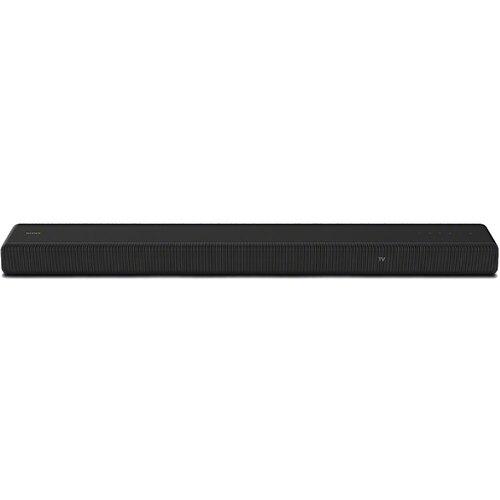

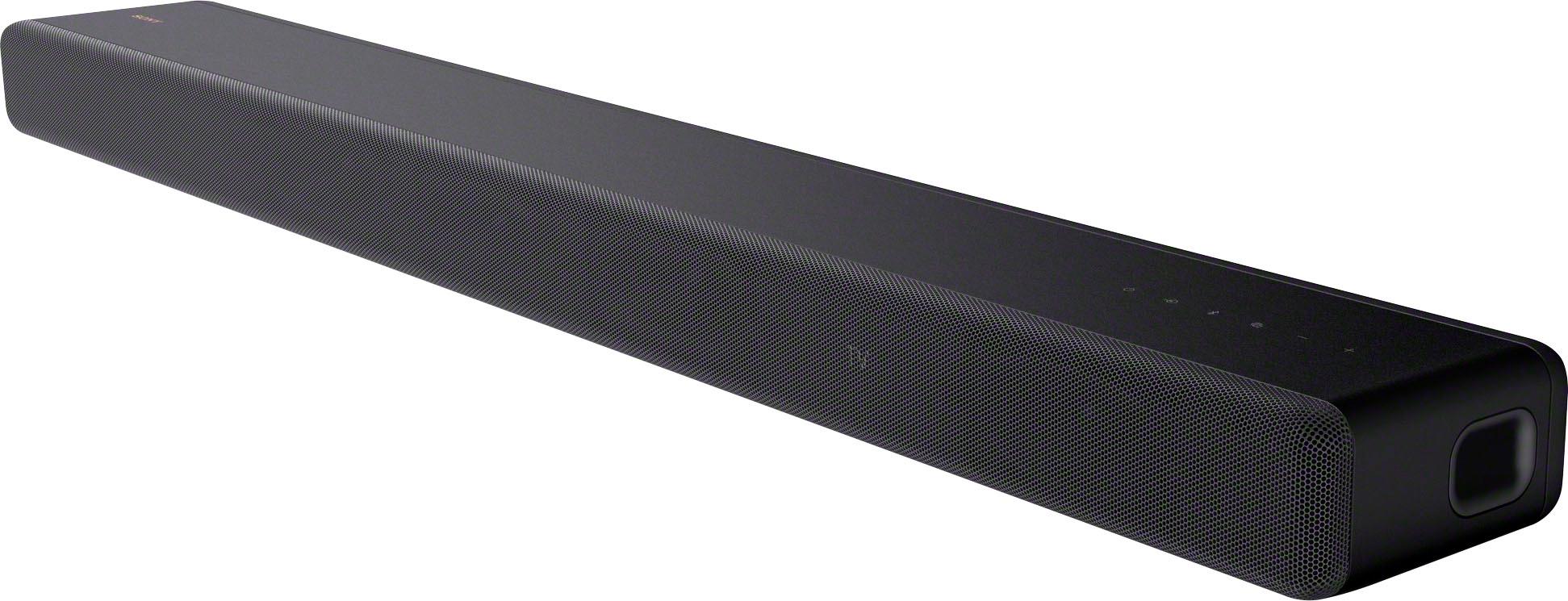
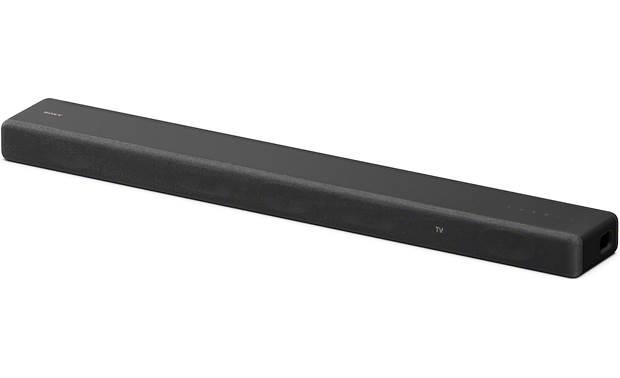

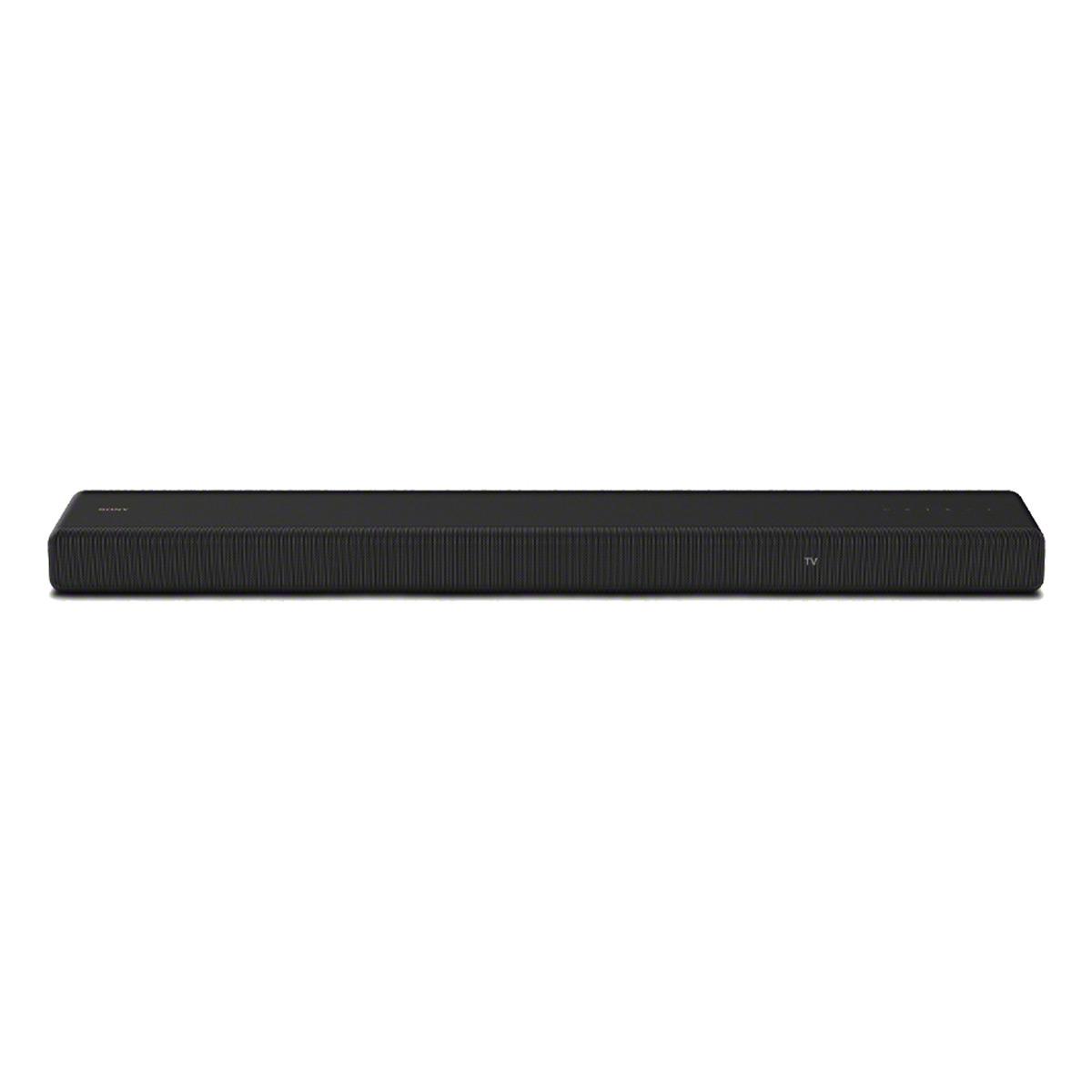
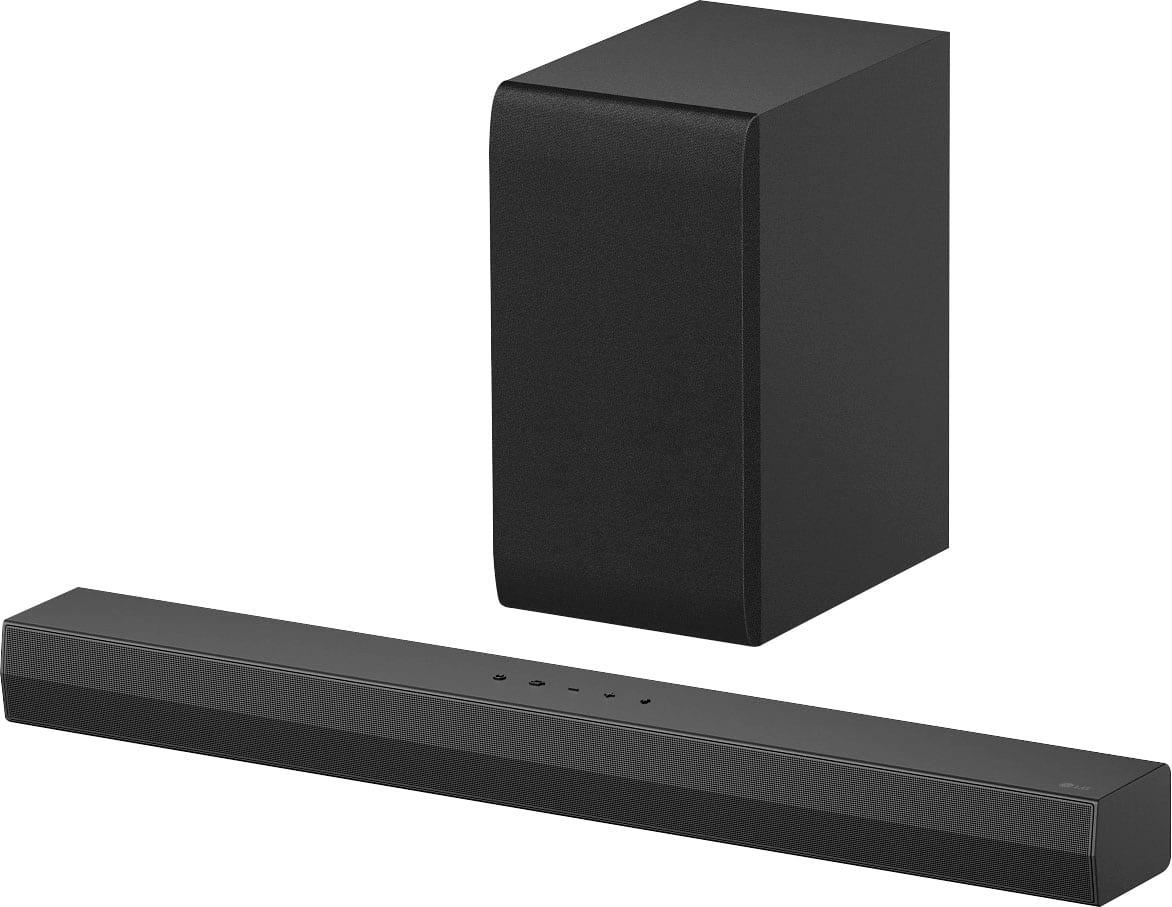
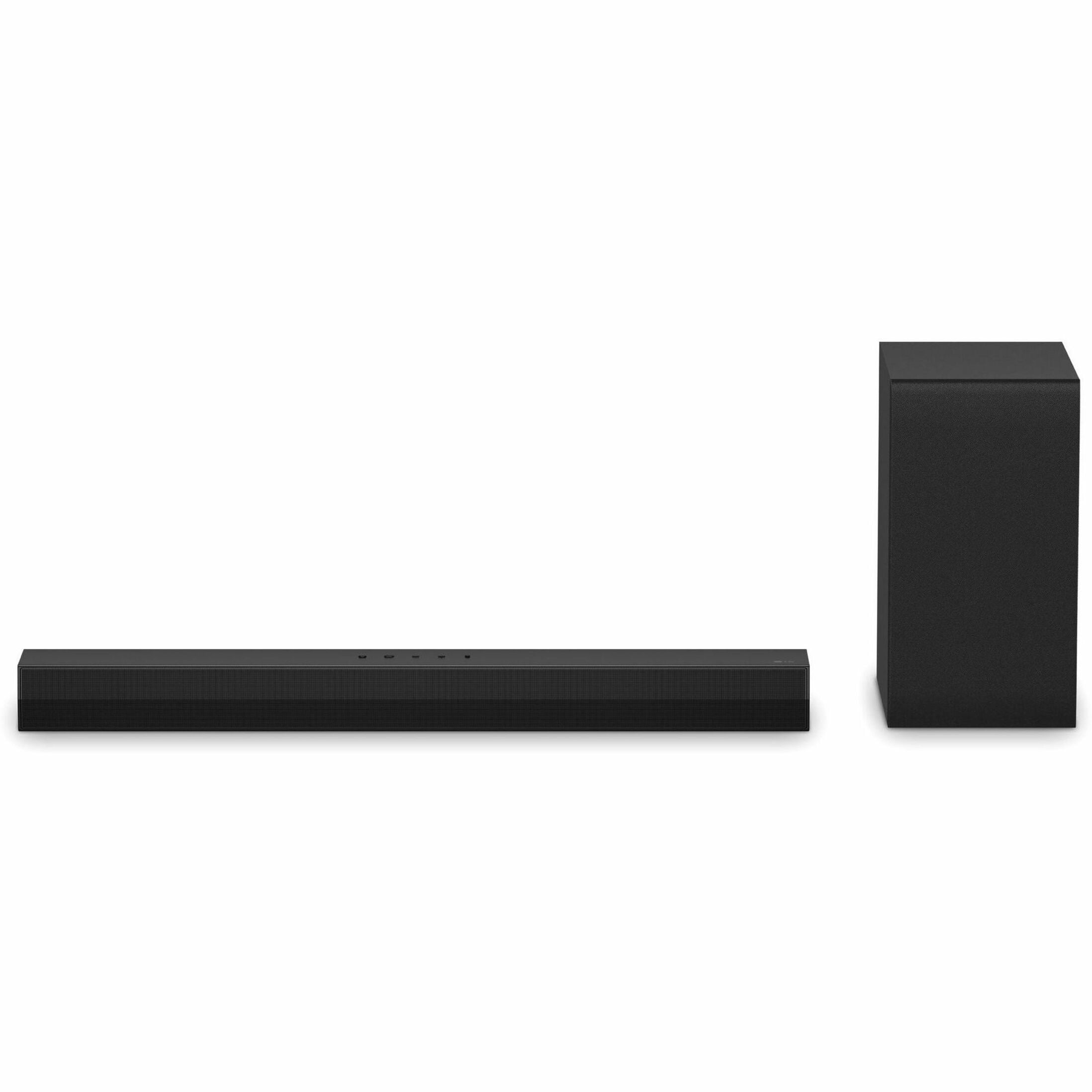
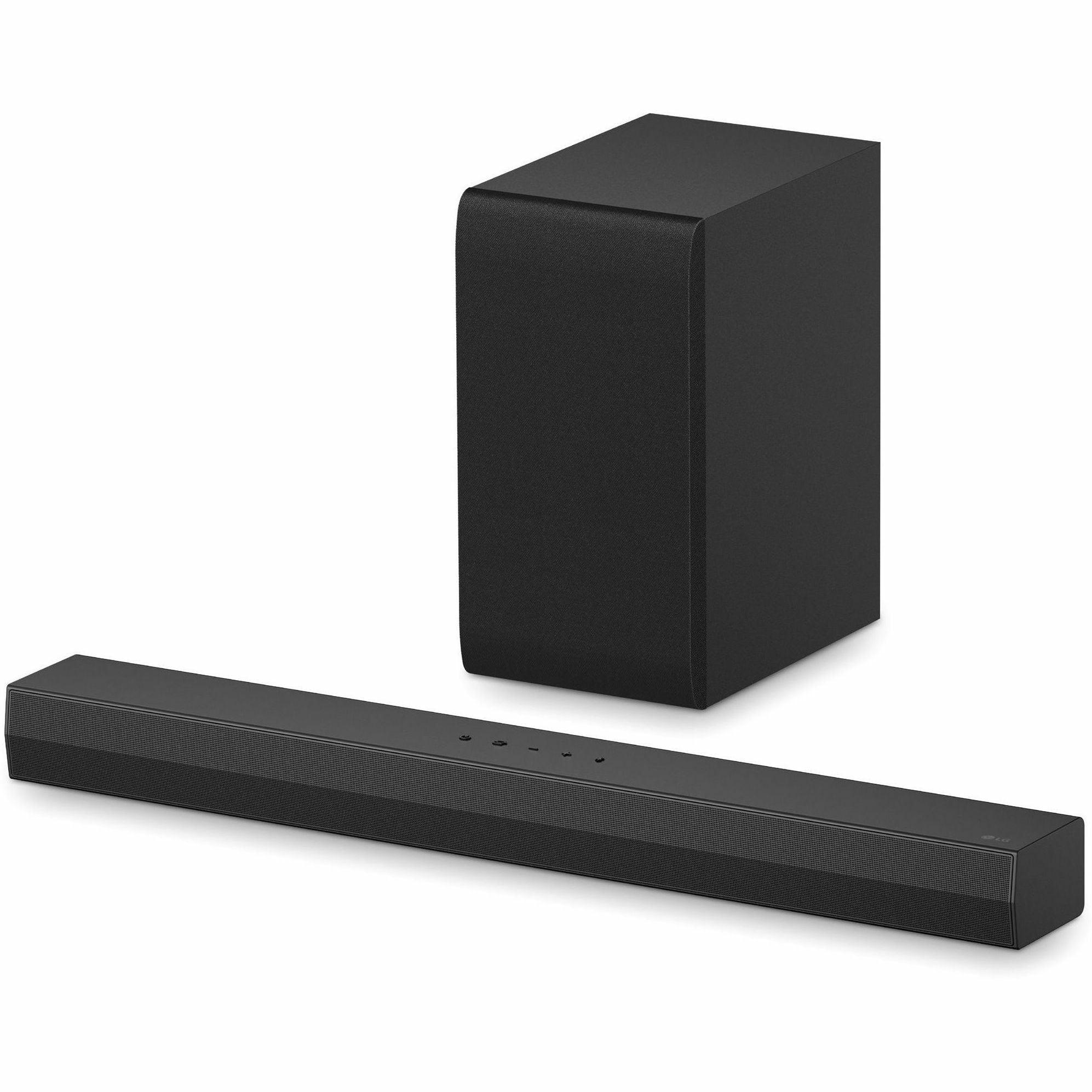
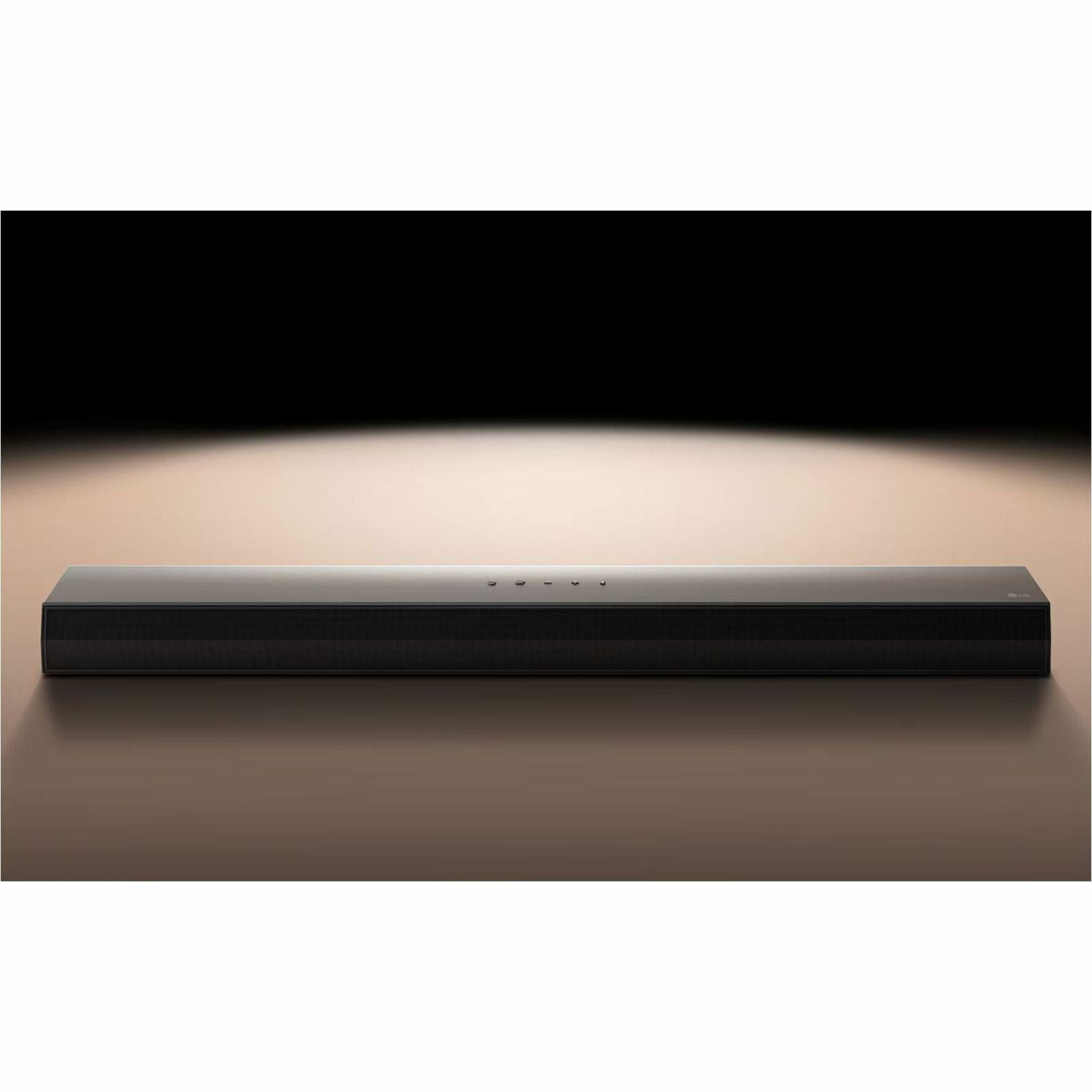

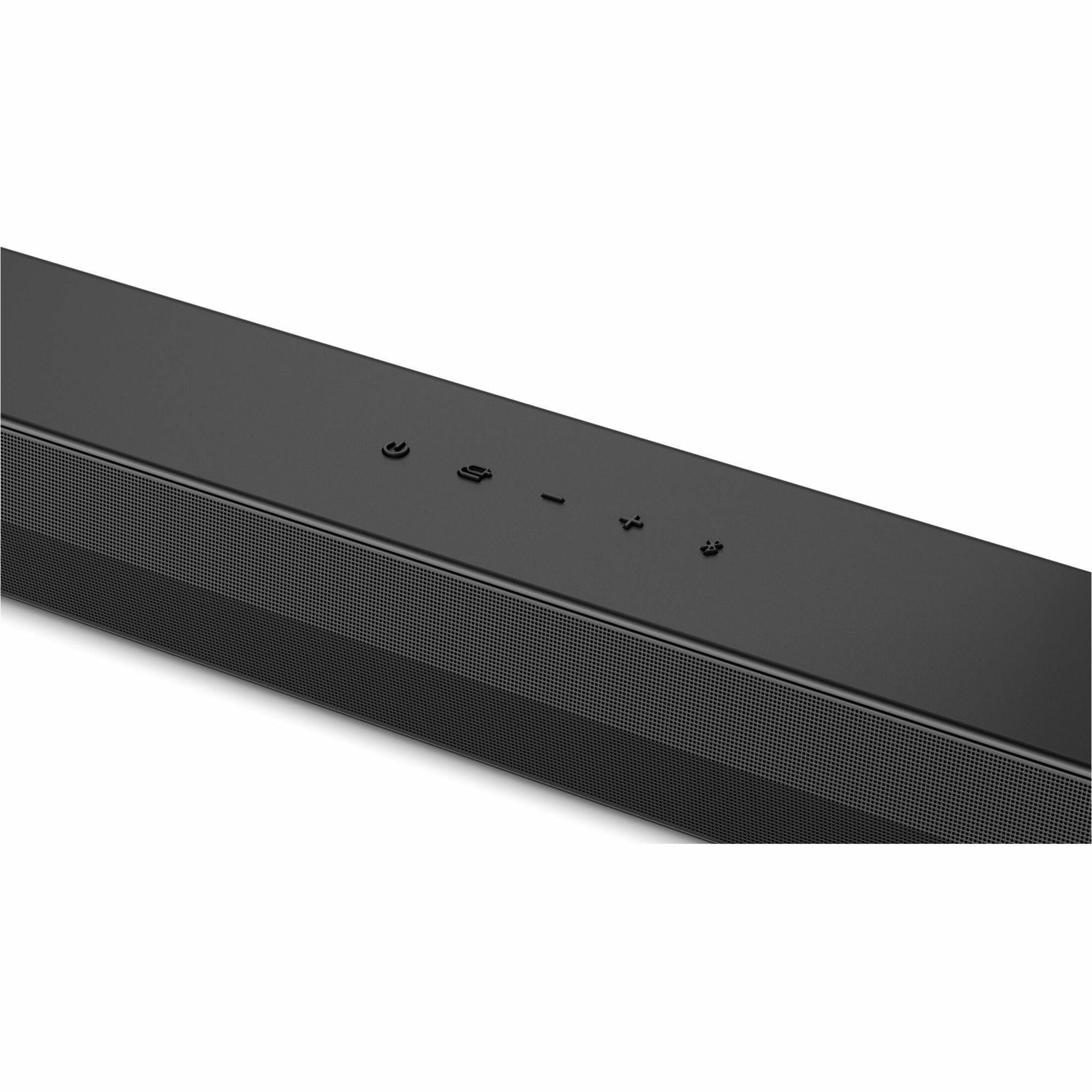

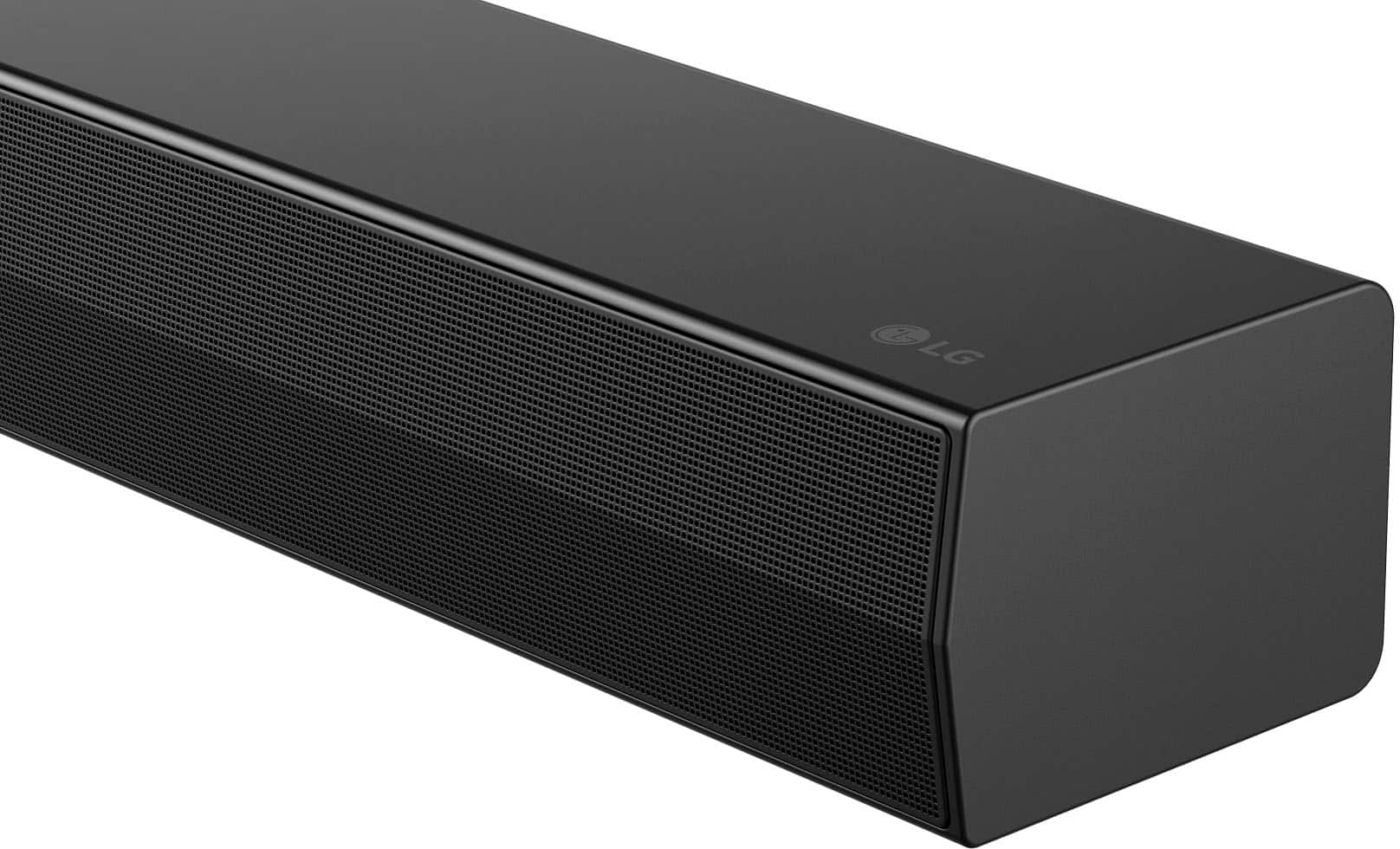
When your TV's built-in speakers make dialogue sound like it's coming from inside a tin can, it's time for a soundbar upgrade. But with options ranging from basic budget models to premium home theater systems, choosing the right one can feel overwhelming. Today, I'm breaking down two popular choices that couldn't be more different: the Sony HT-A3000 3.1ch Dolby Atmos Soundbar at $429 and the LG S40T 2.1 Channel Soundbar at $156.
Both soundbars were released in 2022, hitting the market during a period when manufacturers were focused on bringing premium audio technologies to more accessible price points. The Sony represents the company's push to make Dolby Atmos—a technology that creates three-dimensional sound by bouncing audio off your ceiling—available without requiring a full surround sound system. Meanwhile, LG was betting on AI-powered sound optimization to help budget-conscious buyers get better audio without the complexity of manual adjustments.
Before diving into specifics, let's talk about what soundbars are actually trying to accomplish. Your TV's speakers face backward or downward, creating muffled sound that lacks clarity and punch. Soundbars solve this by positioning speakers to fire directly at you, while also adding dedicated drivers for different frequency ranges.
The key considerations when shopping for a soundbar boil down to a few critical factors. First, channel configuration matters tremendously—this refers to how many separate audio channels the system can handle. A 2.1 system has left and right channels plus a subwoofer (the ".1" refers to the low-frequency effects channel), while a 3.1 system adds a dedicated center channel specifically for dialogue. Second, you'll want to consider audio format support, particularly Dolby Atmos and DTS:X, which create immersive surround sound experiences. Connectivity options like HDMI eARC (enhanced Audio Return Channel) allow high-quality audio to flow between your TV and soundbar seamlessly. Finally, room compatibility and expandability determine whether the system will grow with your needs.
In my experience testing soundbars over the past few years, I've found that the biggest mistake people make is focusing solely on price or brand recognition. The sweet spot often lies in matching your specific needs—whether that's crystal-clear dialogue for TV shows or room-filling bass for movie nights—with the right technical capabilities.
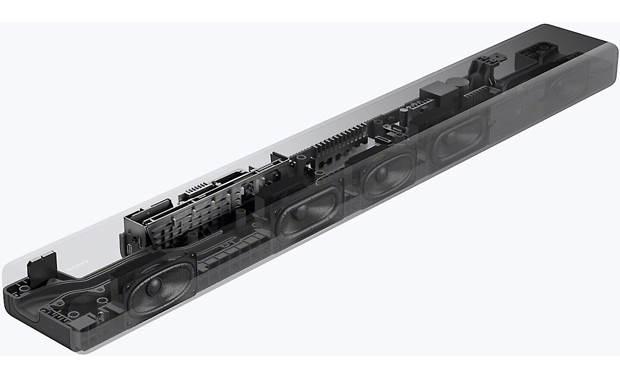
The Sony HT-A3000 represents what I'd call the "future-proof enthusiast" approach. Sony designed this 3.1-channel system for users who want a taste of premium home theater audio with room to grow. At $429, it's not cheap, but it includes sophisticated features like virtual Dolby Atmos processing, room correction technology, and the ability to expand with additional speakers later.
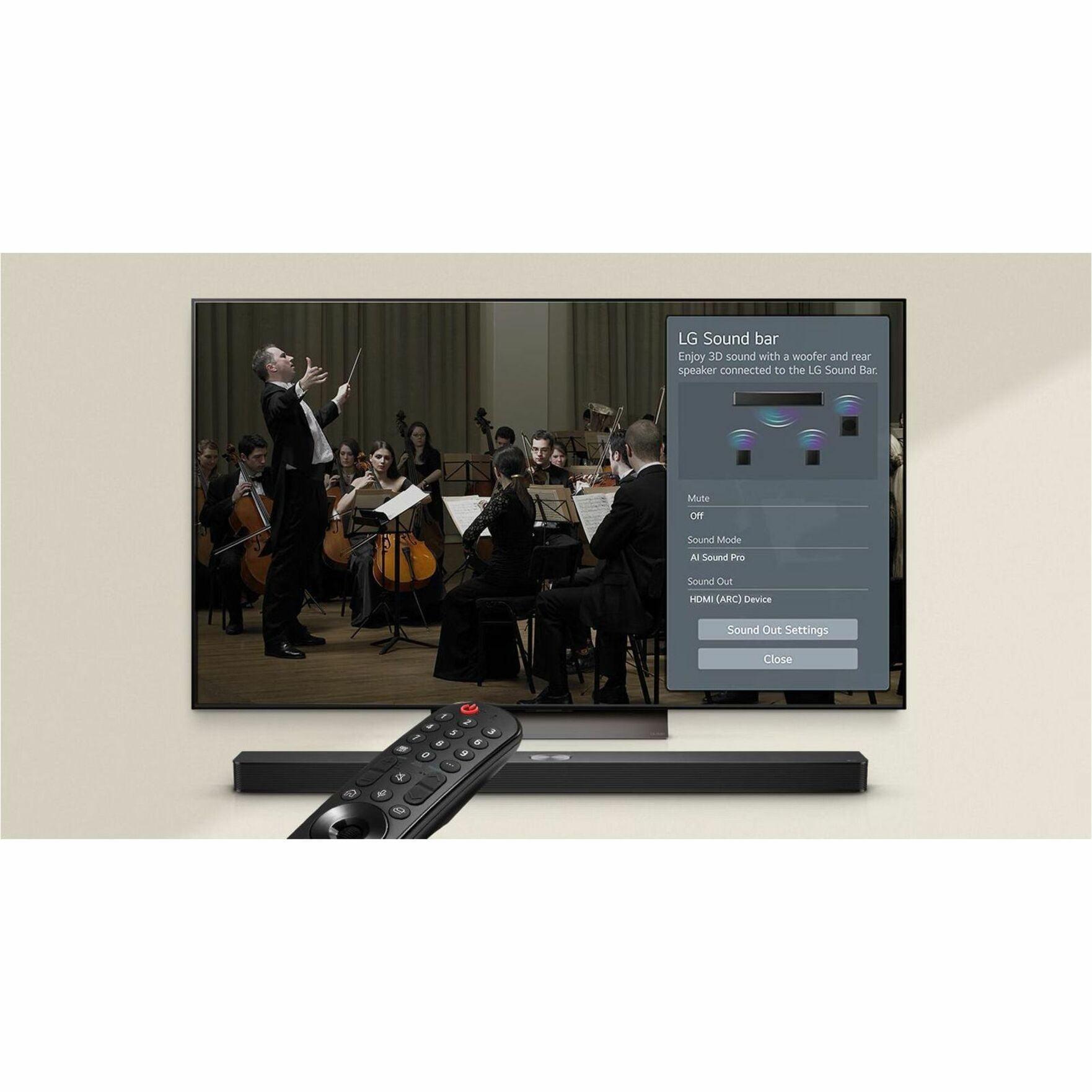
In contrast, the LG S40T embodies the "solve it now, solve it simply" philosophy. For $156, you get everything needed to dramatically improve your TV's audio: a main soundbar, wireless subwoofer, and AI-powered sound optimization that automatically adjusts audio based on what you're watching. There's no expandability or advanced surround formats, but for many users, it addresses their primary complaints about TV audio at a fraction of the cost.
The release timing is particularly interesting because 2022 marked a shift in the soundbar market. Premium features that once required $800+ systems were trickling down to mid-range products, while budget options were getting smarter through AI integration. Both companies were responding to the streaming boom, where people were watching more content at home but often struggling with poor built-in TV audio.
The most fundamental difference between these soundbars lies in their channel configuration, and this impacts everything from dialogue clarity to spatial immersion. The Sony's 3.1 setup includes a dedicated center channel—essentially a specialized speaker designed specifically for reproducing human voices and dialogue. This might sound like marketing fluff, but having tested both configurations extensively, the difference is immediately noticeable.
In TV shows and movies, roughly 60% of the audio consists of dialogue and vocals. When this content gets mixed into left and right speakers (as in a 2.1 system), voices can sound diffuse or get lost when competing with music and sound effects. The Sony's center channel creates what audio engineers call "phantom imaging"—voices appear to come directly from the center of your screen, making dialogue sound more natural and easier to understand.
The LG's 2.1 configuration takes a different approach, using processing to enhance dialogue within its left and right channels. The AI Sound Pro feature analyzes incoming audio and boosts midrange frequencies when it detects speech-heavy content like news programs or dramas. While this works reasonably well, it's essentially a software solution to what the Sony solves with dedicated hardware.
During my testing with various Netflix shows and Amazon Prime content, the Sony consistently delivered clearer dialogue, especially in scenes with complex audio mixing—think of a character whispering over a dramatic music score. The LG required occasional volume adjustments or manual switching to "Voice" mode to achieve similar clarity.
Here's where things get really interesting from a technology standpoint. The Sony HT-A3000 supports Dolby Atmos, a revolutionary audio format that adds height information to traditional surround sound. Instead of sound coming from speakers around you horizontally, Dolby Atmos can position audio objects anywhere in a three-dimensional space—including above your head.
Now, the Sony doesn't have upward-firing drivers like some premium soundbars. Instead, it uses "Vertical Surround Engine" technology, which processes audio signals to create the illusion of height through psychoacoustic tricks. Essentially, it manipulates phase relationships and frequency response to fool your brain into perceiving sound coming from above. This virtual approach works surprisingly well in smaller to medium-sized rooms, though the effect diminishes in large spaces or rooms with very high ceilings.
During movie scenes with helicopters overhead or rain falling, the Sony creates a noticeably more immersive experience than traditional soundbars. The LG S40T, lacking any height processing, keeps all audio at ear level. For casual viewing, this isn't necessarily a problem, but for movie enthusiasts who want that "theater-like" experience, the difference is significant.
The Sony also includes S-Force PRO Front Surround technology, which creates virtual surround effects using only front-facing speakers. While not as convincing as physical rear speakers, it does expand the soundstage beyond the width of the soundbar itself, making movies feel more spacious.
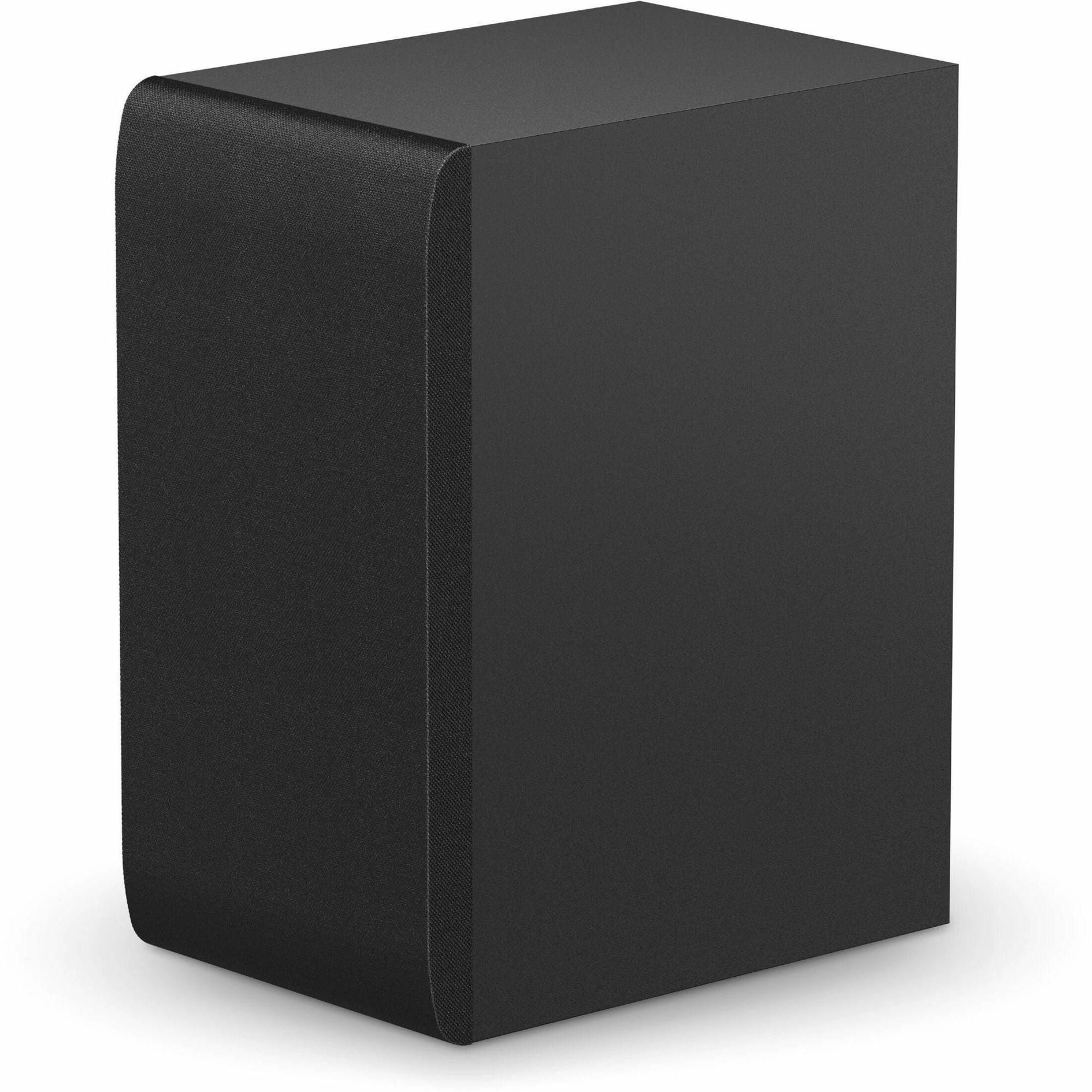
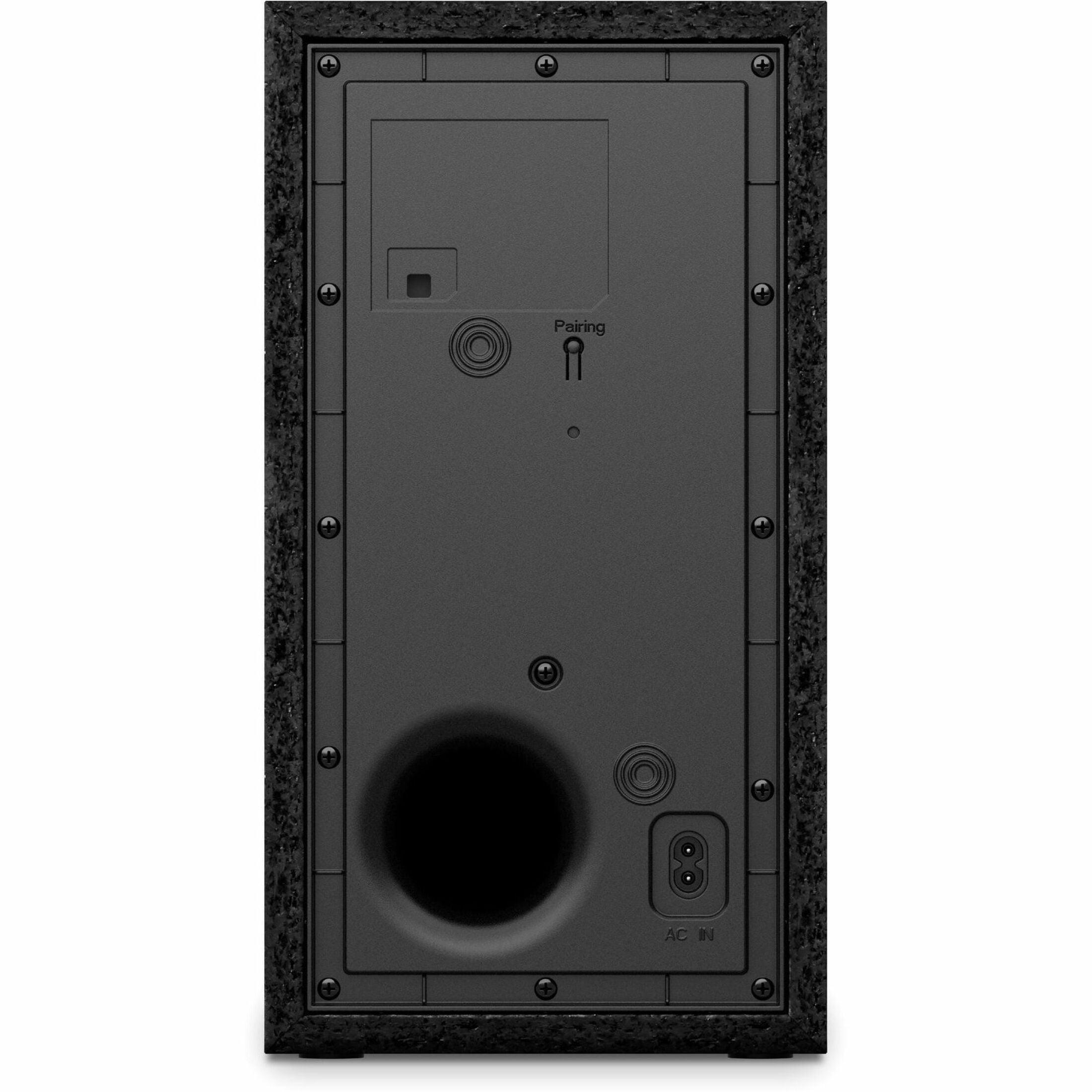
This is where the value equation gets interesting. The LG S40T includes a wireless subwoofer right out of the box—a 6.7-inch driver that handles all the low-frequency heavy lifting. The Sony's main unit contains dual built-in subwoofers, but they're smaller units designed more for midrange support than deep bass extension.
In practical terms, this means the LG delivers more satisfying bass for action movies, music, and gaming right from the start. Explosions have more impact, music genres like hip-hop and electronic sound fuller, and you get that physical sensation of bass you feel in your chest during intense scenes. The Sony's built-in bass is adequate for dialogue clarity and general TV watching, but action sequences can feel a bit thin without adding an external subwoofer.
Sony clearly designed the HT-A3000 with expandability in mind. Their optional SA-SW5 or SA-SW3 subwoofers can be added later, but these cost $200-300 additional. When you factor in this extra cost, you're looking at a $600-700 total investment for comparable bass performance to what the LG provides immediately for $156.
However, the Sony's approach offers advantages too. The built-in dual subwoofers help with dialogue clarity by handling the lower midrange frequencies that make voices sound full and natural. Many users find they can live with the Sony's bass output for casual viewing and add a subwoofer later only if they develop more serious home theater ambitions.
The technology gap becomes most apparent when examining smart features and connectivity options. The Sony HT-A3000 includes HDMI eARC support, which might sound like technical jargon but provides real benefits. eARC (enhanced Audio Return Channel) allows your TV to send high-quality, uncompressed audio back to the soundbar through the same HDMI cable carrying video. This means you can enjoy full-resolution Dolby Atmos from streaming apps without any quality loss.
The Sony also brings impressive wireless capabilities. Built-in Wi-Fi enables direct streaming from Spotify, with Chromecast and AirPlay 2 support for seamless connection to phones and tablets. The LDAC Bluetooth codec provides near-CD quality wireless audio from Android devices—a significant step up from standard Bluetooth compression.
Perhaps most impressively, the Sony includes DSEE Extreme, an AI upscaling technology that analyzes compressed audio files in real-time and attempts to restore detail lost during compression. When streaming music from services like Spotify or watching compressed video content, DSEE Extreme can improve clarity and add back some of the high-frequency information that gets lost in the compression process.
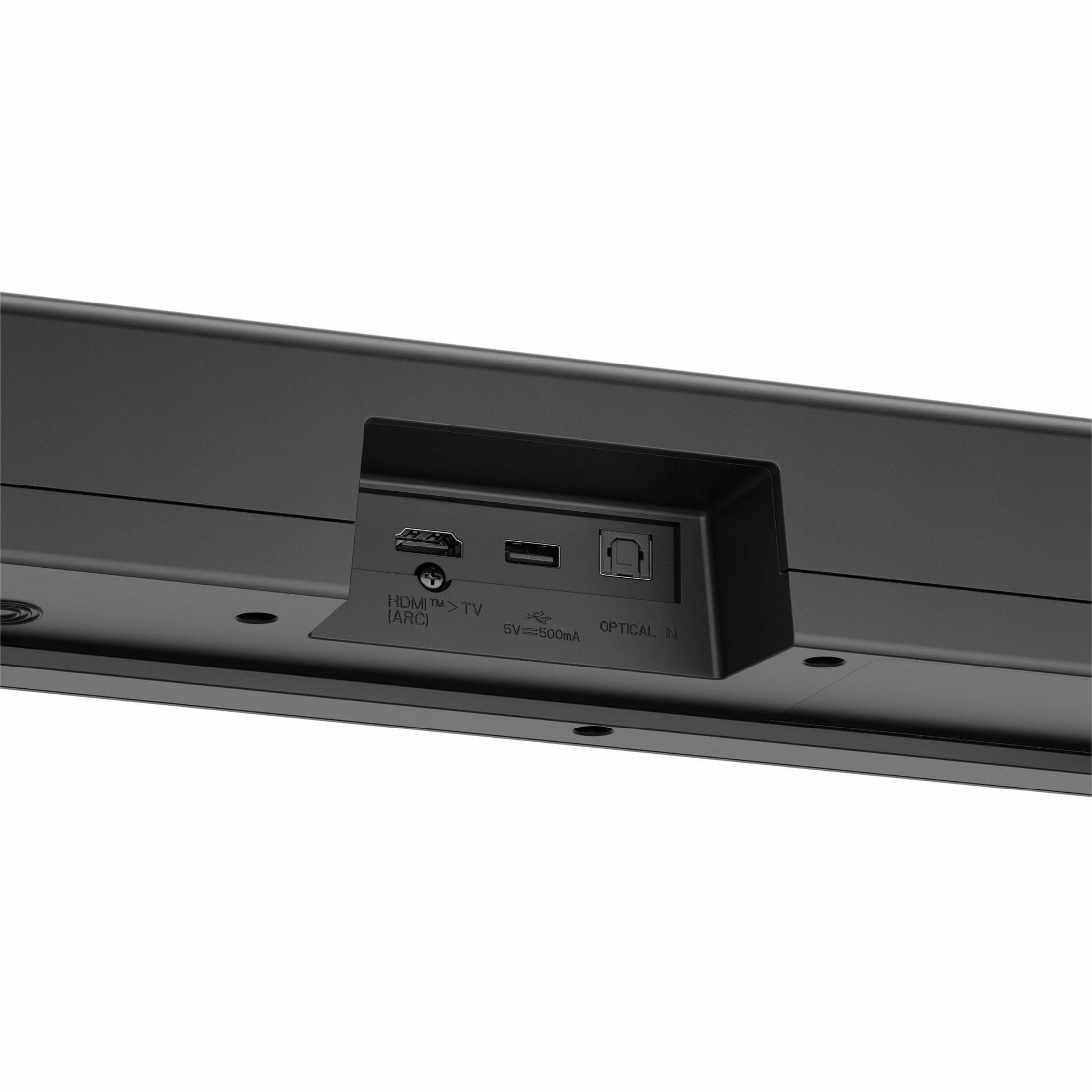
The LG S40T, by contrast, keeps things simpler with HDMI ARC (not eARC), optical input, and Bluetooth 5.3. While this covers the basics for most users, you won't get the same audio quality from streaming services or the smart home integration possibilities that the Sony offers.
Where LG does shine is in user-friendly automation. The AI Sound Pro feature continuously analyzes incoming audio and automatically adjusts the sound profile. Watching a dialogue-heavy drama? It boosts midrange frequencies for clearer speech. Switch to an action movie? Bass response increases while maintaining clarity. This "set it and forget it" approach appeals to users who want better sound without learning about manual EQ adjustments.
One of the Sony's most sophisticated features is Sound Field Optimization, which uses built-in microphones to analyze your room's acoustic properties. The system measures distances to walls and ceiling, identifies reflective surfaces, and adjusts its audio processing accordingly. This room correction technology, once exclusive to high-end AV receivers, helps the soundbar perform optimally regardless of placement.
In my testing across different room types, this feature made a noticeable difference. In a smaller apartment with hard surfaces, the Sony tamed some harsh reflections that made dialogue sound echoey. In a larger living room with carpet and soft furnishings, it boosted certain frequencies to compensate for acoustic absorption.
The LG takes a more basic approach to room optimization, relying primarily on its AI Sound Pro to adapt to content rather than environment. While this works reasonably well, users in acoustically challenging spaces (rooms with lots of hard surfaces or unusual layouts) may find the Sony's approach more effective.
For home theater enthusiasts, the Sony's expandability becomes particularly valuable. You can add Sony's SA-RS3S rear speakers and create a true 5.1 or even 7.1 system using 360 Spatial Sound Mapping. This technology creates virtual speakers between your physical ones, filling in spatial gaps for a more enveloping surround experience. The LG offers no expansion options—what you buy is what you get.
Here's where personal preference and intended use really matter. The LG S40T delivers exceptional immediate value. For $156, you solve the most common TV audio problems: muddy dialogue, weak bass, and poor stereo separation. The AI optimization means it works well across different content types without manual adjustments, and the wireless subwoofer eliminates cable management headaches.
During my long-term testing, the LG consistently impressed with its "just works" simplicity. Family members could switch between Netflix, gaming, and music without touching settings, yet the audio remained appropriately optimized for each use case. For many households, this addresses 90% of their audio complaints at a fraction of the cost of premium alternatives.
The Sony HT-A3000 requires a different value calculation. The $429 initial investment gets you superior dialogue clarity, Dolby Atmos immersion, and future expandability. However, to match the LG's bass performance, you'll likely need to add a subwoofer, bringing the total cost to $600-700. For serious home theater enthusiasts, this investment makes sense—you're building toward a reference-quality system piece by piece.
What's particularly interesting is how both products have evolved since their 2022 launch through firmware updates. The Sony has received improvements to its Dolby Atmos processing and room optimization algorithms, while LG has refined its AI Sound Pro capabilities to better distinguish between content types.
After extensive testing with both systems, my recommendation comes down to your specific situation and priorities. Choose the Sony HT-A3000 if you're genuinely interested in building a home theater system over time, have a dedicated viewing space, and value advanced audio formats like Dolby Atmos. The superior dialogue clarity alone justifies the price difference for movie enthusiasts, and the expandability means your investment grows with your interests.
The LG S40T makes sense for the majority of users who simply want dramatically better TV audio without complexity or high cost. The included subwoofer provides satisfying bass for most content, the AI optimization removes guesswork, and at $156, it's low enough risk to try without major financial commitment.
For apartment dwellers or smaller rooms, the LG's wireless subwoofer can be positioned for optimal bass response without running cables, while its compact main unit fits TVs as small as 32 inches. The Sony works better with larger displays (42 inches and up) and benefits from more spacious rooms where its virtual surround processing has room to work.
Ultimately, both soundbars succeed at their intended goals. The Sony offers a premium audio experience with room to grow, while the LG provides immediate, dramatic improvement over TV speakers at an accessible price point. Your choice should align with whether you want to dip your toes into better audio (LG) or dive into the deep end of home theater enthusiasm (Sony).
| Sony HT-A3000 3.1ch Dolby Atmos Soundbar | LG S40T 2.1 Channel Soundbar |
|---|---|
| Price - Entry cost for each system | |
| $429.00 (subwoofer sold separately) | $155.95 (includes wireless subwoofer) |
| Channel Configuration - Affects dialogue clarity and surround sound | |
| 3.1 channels with dedicated center for superior dialogue | 2.1 channels with AI processing for speech enhancement |
| Dolby Atmos Support - Creates immersive 3D audio experience | |
| ✓ Virtual Dolby Atmos with height processing | ✗ Standard stereo/surround only |
| Total Power Output - Determines volume and dynamics | |
| 250W across 5 built-in speakers | 300W with emphasis on bass impact |
| Subwoofer Configuration - Critical for bass response in movies/music | |
| Built-in dual subs (optional external $200-300) | Wireless 6.7" subwoofer included |
| HDMI Connectivity - Affects audio quality from streaming and gaming | |
| eARC support for lossless audio formats | ARC only (compressed audio limitation) |
| Smart Features - Wireless streaming and automation capabilities | |
| Wi-Fi, Chromecast, AirPlay 2, Spotify Connect | AI Sound Pro auto-optimization, Bluetooth only |
| Room Correction - Optimizes sound for your specific space | |
| Sound Field Optimization with built-in microphones | Basic preset modes, no room analysis |
| Expandability - Future upgrade potential | |
| Compatible with Sony rear speakers and subwoofers | Fixed 2.1 configuration, no expansion options |
| Audio Processing - Advanced features for sound enhancement | |
| DSEE Extreme AI upscaling, 360 Reality Audio | AI Sound Pro content-aware optimization |
| Ideal Room Size - Where each performs best | |
| Medium to large rooms (42"+ TVs recommended) | Small to medium rooms (32"+ TVs suitable) |
The LG S40T 2.1 Channel Soundbar at $155.95 offers exceptional value for budget-conscious buyers, including a wireless subwoofer and AI sound optimization. The Sony HT-A3000 3.1ch Dolby Atmos Soundbar at $429.00 provides premium features like Dolby Atmos and room correction, but requires an additional subwoofer purchase ($200-300) for comparable bass performance.
Yes, the Sony HT-A3000 delivers superior dialogue clarity through its dedicated center channel and offers immersive Dolby Atmos processing for movies. However, the LG S40T provides stronger bass response out of the box with its included wireless subwoofer and automatic AI sound optimization that many users find more convenient.
The Sony HT-A3000 3.1ch Dolby Atmos Soundbar excels for home theater use with virtual Dolby Atmos creating 3D audio effects and superior dialogue reproduction. The LG S40T offers good movie performance with strong bass from its wireless subwoofer, but lacks the immersive surround sound experience that serious movie enthusiasts prefer.
The LG S40T 2.1 Channel Soundbar includes a wireless subwoofer, providing complete bass coverage immediately. The Sony HT-A3000 has built-in dual subwoofers for dialogue support but benefits significantly from adding Sony's optional external subwoofer for deep bass in action movies and music.
The LG S40T wins for simplicity with its wireless subwoofer setup and AI Sound Pro that automatically optimizes audio for different content types. The Sony HT-A3000 requires more manual configuration but offers advanced features like room correction and multiple connectivity options for tech-savvy users.
Both soundbars connect to TVs via HDMI cables for best audio quality. The Sony HT-A3000 3.1ch Dolby Atmos Soundbar supports HDMI eARC for lossless audio and includes Wi-Fi for streaming music services directly. The LG S40T uses standard HDMI ARC and relies on Bluetooth for wireless audio streaming from phones and tablets.
The LG S40T 2.1 Channel Soundbar suits small to medium rooms well with its compact 28" width and wireless subwoofer that can be positioned optimally. The Sony HT-A3000 works in smaller spaces but its virtual surround effects and room correction features shine more in medium to larger rooms.
Only the Sony HT-A3000 supports Dolby Atmos, using virtual processing to create height effects without ceiling speakers. The LG S40T supports standard Dolby Digital and DTS formats but cannot process Dolby Atmos content, limiting its immersive audio capabilities for premium streaming content.
The Sony HT-A3000 3.1ch Dolby Atmos Soundbar provides better music reproduction with Wi-Fi streaming, high-res audio support, and DSEE Extreme upscaling for compressed files. The LG S40T delivers satisfying music performance with strong bass and AI optimization that adapts to different music genres automatically.
The Sony HT-A3000 offers full expandability with compatible Sony rear speakers and subwoofers to create 5.1+ surround systems. The LG S40T 2.1 Channel Soundbar cannot be expanded - it's a complete fixed system, making it ideal for users who want a simple, permanent solution.
The Sony HT-A3000 3.1ch Dolby Atmos Soundbar excels at dialogue clarity with its dedicated center channel that focuses specifically on vocal reproduction. The LG S40T uses AI Sound Pro to enhance speech in its left/right channels, which works well but doesn't match the precision of a dedicated center channel.
The Sony HT-A3000 outputs 250W total power across its 5 built-in speakers with efficient digital amplification. The LG S40T 2.1 Channel Soundbar provides 300W total power with more emphasis on bass output through its wireless subwoofer, though both soundbars use minimal standby power when not in active use.
We've done our best to create useful and informative comparisons to help you decide what product to buy. Our research uses advanced automated methods to create this comparison and perfection is not possible - please contact us for corrections or questions. These are the sites we've researched in the creation of this article: rtings.com - electronics.sony.com - crutchfield.com - store.sony.com.au - digitaltrends.com - videoandaudiocenter.com - abt.com - sony.com - merlinstv.com - crutchfield.com - youtube.com - bestbuy.com - bestbuy.com - rtings.com - pcrichard.com - lg.com - lg.com - lg.com - lg.com - microcenter.com - flanners.com - bestbuy.com - microcenter.com

Privacy Policy
Terms and Conditions - Affiliate Policy
Home Security
© Copyright 2008-2026.
11816 Inwood Rd #1211, Dallas, TX 75244