

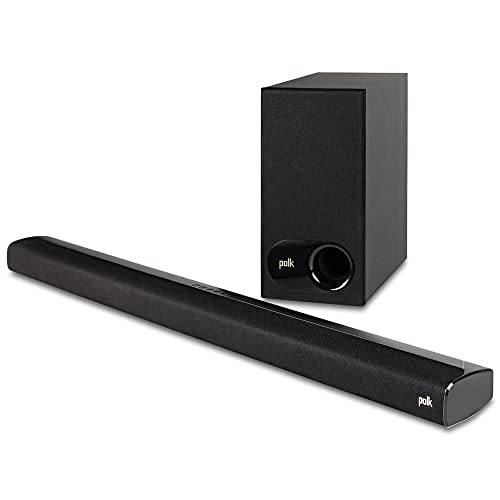


When your TV's built-in speakers just aren't cutting it anymore, you're faced with an interesting choice in today's soundbar market. Do you go with an affordable option that dramatically improves your audio without breaking the bank, or invest in premium technology that delivers a truly cinematic experience? The Polk Audio Signa S2 and Sony HT-A3000 represent these two distinct philosophies perfectly, and understanding their differences will help you make the right choice for your home.
Before diving into these specific models, it's worth understanding why soundbars have become so popular. Modern TVs, despite their impressive picture quality, often have terrible audio. Manufacturers prioritize thin designs over sound quality, cramming tiny speakers into spaces where they can barely breathe. This is where soundbars come in – they're essentially a row of speakers in a sleek package that sits below or mounts above your TV.
The magic happens through something called "digital signal processing" (DSP), which is basically a computer brain that takes the audio signal and manipulates it to create different effects. Some soundbars use DSP to simulate surround sound from just a few speakers, while others focus on making dialogue clearer or creating the illusion of sound coming from above your head.
When shopping for soundbars, you'll encounter terms like "2.1 channels" or "3.1 channels." The first number represents the main speakers (left and right, or left, center, and right), while the second number indicates subwoofers for bass. Think of channels as different audio streams – more channels generally mean more precise sound placement and better overall audio quality.
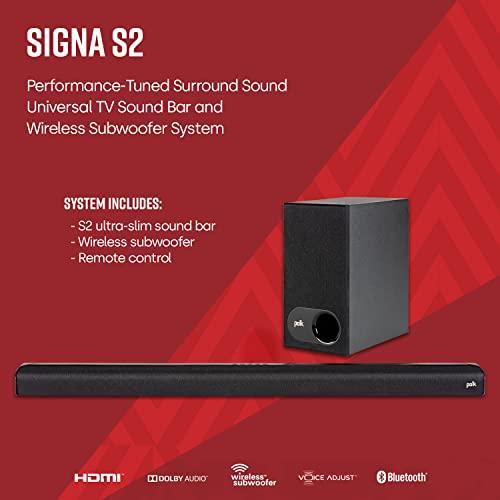
The Polk Audio Signa S2 launched in 2019 as a budget-friendly option that prioritized delivering solid performance at an accessible price point. At the time of writing, it typically costs around half as much as premium alternatives, making it an attractive entry point into better TV audio.
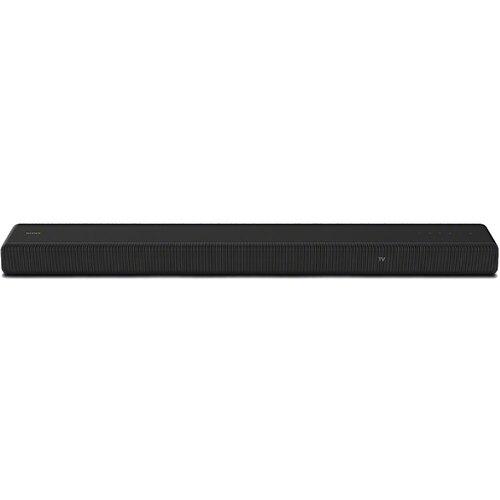
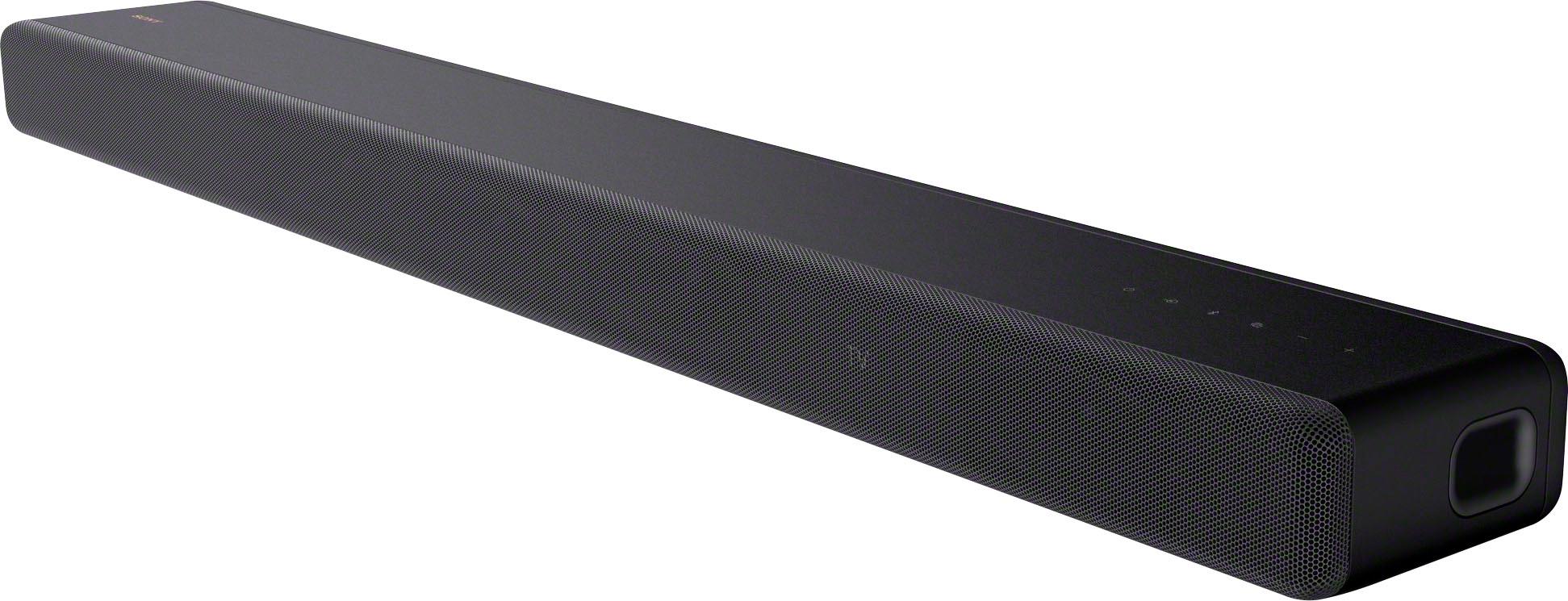
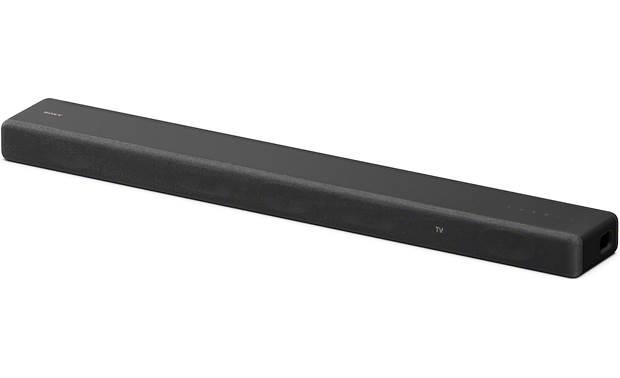
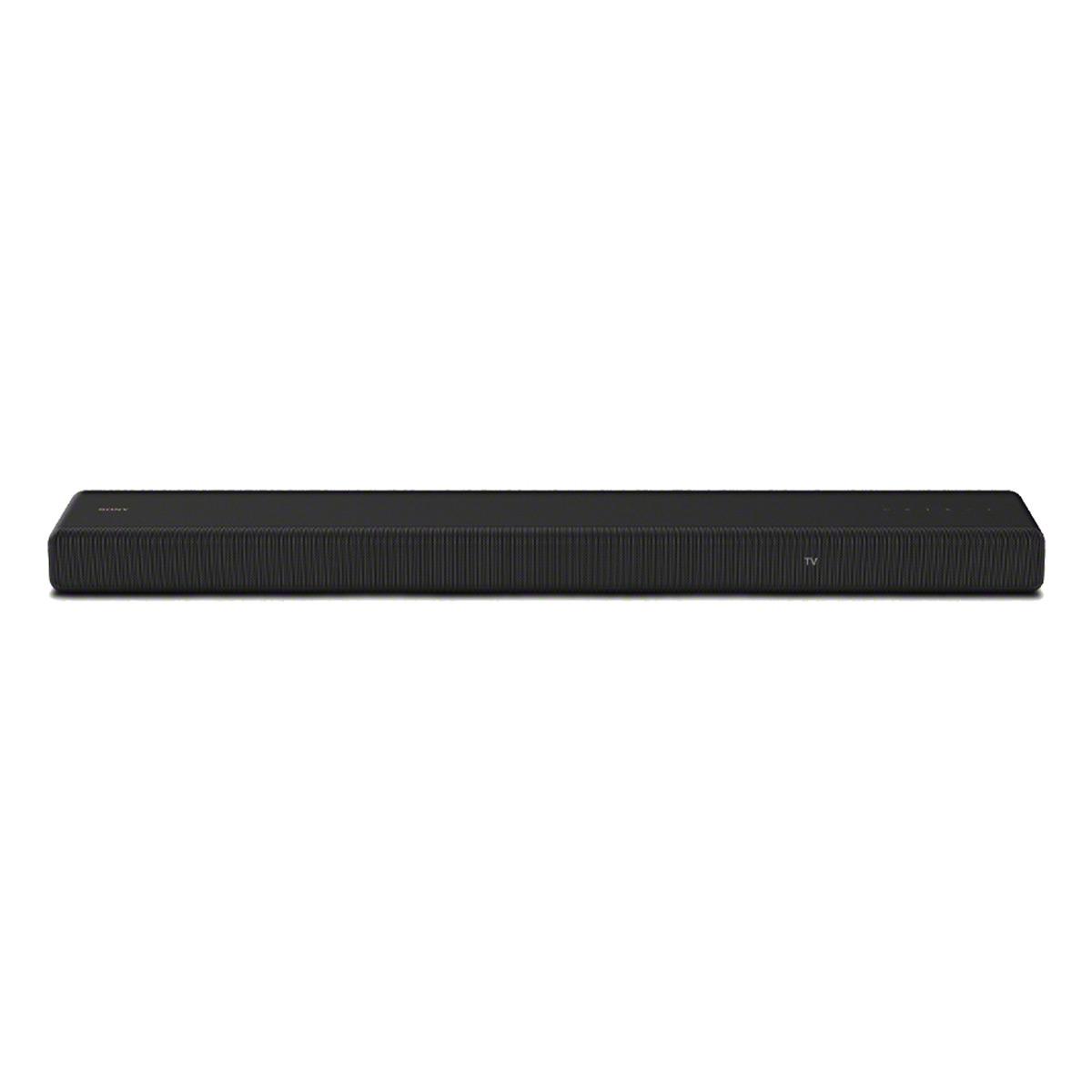
The Sony HT-A3000, introduced in 2022, represents Sony's premium approach to soundbar technology. It incorporates years of audio research and costs roughly double what you'd pay for the Polk Audio Signa S2, but brings significantly more advanced features and processing power to justify that investment.
These three years between releases matter more than you might think. The audio technology landscape evolved considerably during this period, with streaming services like Netflix and Disney+ embracing Dolby Atmos (three-dimensional audio that includes height effects) and manufacturers developing more sophisticated ways to create immersive sound from compact speakers.
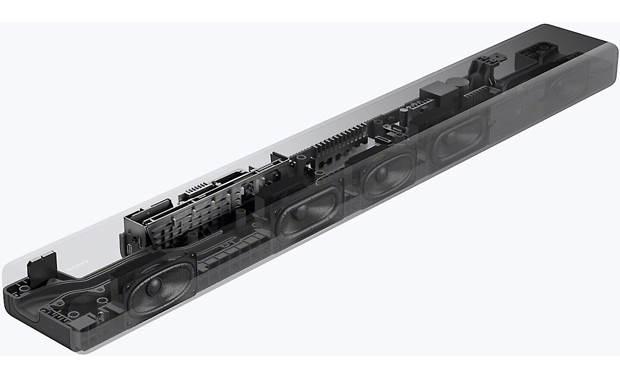
The most fundamental difference between these systems lies in their basic audio architecture. The Sony HT-A3000 uses what's called a 3.1 channel configuration, meaning it has dedicated speakers for left, center, and right channels, plus built-in subwoofers for bass. This dedicated center channel is crucial because most movie and TV dialogue comes through the center channel – having a speaker specifically handling these frequencies means voices sound clearer and more natural.
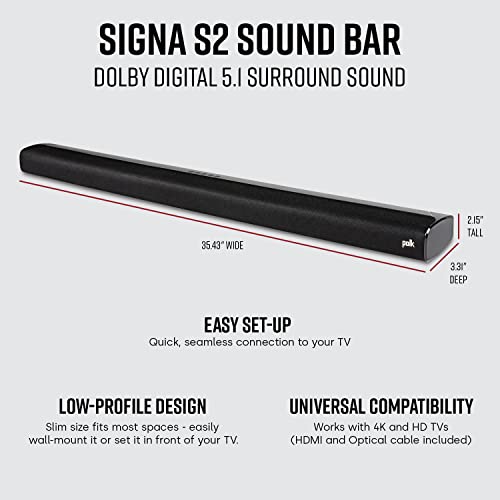
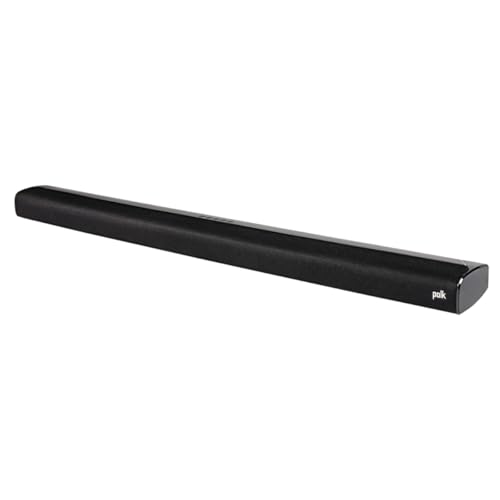
The Polk Audio Signa S2, on the other hand, uses a 2.1 setup with a separate wireless subwoofer. Without a dedicated center channel, it relies on the left and right speakers working together to create the illusion of centered dialogue. This works reasonably well, but you'll notice the difference when switching between the two systems, especially during dialogue-heavy scenes.
From my experience testing both systems, the Sony HT-A3000 delivers what I'd call a more "balanced" sound signature. The X-Balanced Speaker Units (Sony's term for their specially shaped drivers that maximize the vibrating surface area) produce clear highs and detailed midrange frequencies without the harsh brightness that plagues many soundbars. The Polk Audio Signa S2 tends toward what audio enthusiasts call a "V-shaped" sound signature – it emphasizes bass and treble while slightly softening the midrange where most vocals and instruments live.
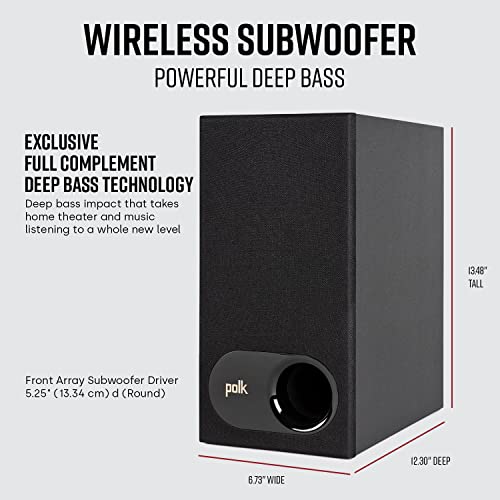
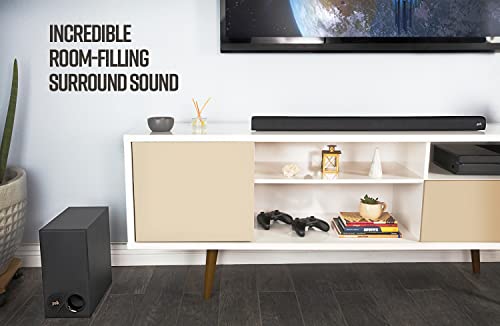
Bass handling represents one of the most interesting contrasts between these systems. The Polk Audio Signa S2 includes a separate 5.25-inch wireless subwoofer that you can position anywhere in your room. This flexibility is genuinely valuable – I've found that placing the subwoofer in a corner often delivers deeper, more impactful bass than built-in units can achieve.
However, this separate subwoofer approach has drawbacks. If not positioned carefully, it can sound disconnected from the main soundbar, creating what audio engineers call "localization" – where you can actually tell where the bass is coming from rather than it seeming to blend seamlessly with the other speakers. The Sony HT-A3000's built-in dual subwoofers avoid this issue entirely. These two 4.375" x 1.8" drivers work in perfect harmony with the main speakers, creating bass that feels integrated and natural.
The trade-off is depth versus integration. The Polk's separate subwoofer can dig deeper into the lowest frequencies that make action movies feel visceral, while the Sony's built-in approach prioritizes seamless blending with the rest of the audio spectrum. For most users, the Sony's approach produces more satisfying results, though bass enthusiasts might prefer the Polk's separate subwoofer for its raw impact.
This is where the three-year technology gap between these products becomes most apparent. The Sony HT-A3000 supports Dolby Atmos and DTS:X, two audio formats that create truly three-dimensional soundscapes. Dolby Atmos, in particular, treats sounds as objects that can be placed anywhere in three-dimensional space, including above your head.
The Sony achieves this through its Vertical Surround Engine, which uses digital processing to bounce sound off your ceiling, creating the illusion of overhead speakers. Combined with S-Force PRO Front Surround technology (which creates width and depth from front-firing speakers), the result is surprisingly convincing spatial audio that makes you feel like you're sitting in a movie theater.
The Polk Audio Signa S2 lacks these advanced processing capabilities entirely. It can decode basic Dolby Digital signals (the standard format for most TV broadcasts and older streaming content), but it downmixes everything to stereo. This means if you're watching a movie mixed in 5.1 surround sound, you're only hearing a stereo version of what the filmmakers intended.
From a practical standpoint, this limitation matters most when watching movies and premium streaming content. The difference is immediately noticeable during action sequences where helicopters should fly overhead or in atmospheric scenes where subtle environmental sounds should surround you. The Sony delivers these effects convincingly, while the Polk presents everything as coming from the front of the room.
Poor dialogue clarity is the number one complaint people have about TV audio, so both soundbars address this issue, albeit differently. The Sony HT-A3000's dedicated center channel provides inherently superior dialogue reproduction. Since most dialogue in movies and TV shows is mixed to the center channel, having a speaker specifically designed for these frequencies means voices sound natural and clear without additional processing.
The Polk Audio Signa S2 compensates for its lack of a center channel through VoiceAdjust technology, which boosts the frequency range where human speech typically occurs. This works reasonably well for most content, though pushing the enhancement too aggressively can make voices sound artificially thin or nasal. I've found the sweet spot is usually the second or third level of enhancement rather than the maximum setting.
Both systems include night mode features that compress the dynamic range – essentially making quiet sounds louder and loud sounds quieter. This prevents jarring volume swings during late-night viewing, though the Sony's implementation feels more sophisticated, maintaining better overall sound quality while reducing peaks.
The Sony HT-A3000 offers comprehensive connectivity through its HDMI eARC (enhanced Audio Return Channel) port, which can handle high-quality audio formats including Dolby TrueHD and DTS-HD Master Audio. eARC represents a significant improvement over standard ARC, supporting higher bandwidth and more advanced audio formats. For users with 4K Blu-ray players or streaming devices that output premium audio formats, this connectivity is essential.
The Polk Audio Signa S2 includes HDMI ARC (the older standard) along with optical and analog inputs, covering most connection scenarios adequately. However, its inability to process advanced audio formats means you won't get the full benefit from premium content sources.
Both systems support Bluetooth for wireless music streaming, but here again, the technology gap shows. The Sony includes LDAC, Sony's high-quality Bluetooth codec that can transmit much more audio data than standard Bluetooth. It also supports AirPlay 2 and Chromecast Built-in, giving you multiple high-quality wireless streaming options.
The Sony HT-A3000 includes Sound Field Optimization, which uses built-in microphones to analyze your room's acoustics and adjust the sound accordingly. This automatic calibration process takes the guesswork out of setup and ensures optimal performance regardless of your room's size or shape. Combined with DSEE Extreme (Digital Sound Enhancement Engine), which uses artificial intelligence to upscale compressed music files, the Sony offers genuinely smart audio processing that adapts to both your content and your environment.
The Polk Audio Signa S2 takes a more straightforward approach with manual bass adjustment and preset sound modes for movies, music, and night listening. While less sophisticated, this simplicity can be refreshing for users who prefer direct control over automatic processing.
Power ratings in soundbars can be misleading, but the Sony HT-A3000's 250 watts of total output provides noticeably more headroom than the Polk Audio Signa S2. In practical terms, this means the Sony can fill larger rooms with authority while maintaining clean sound at high volumes.
For smaller rooms – say, a typical bedroom or apartment living space under 200 square feet – both soundbars perform adequately. The Polk's wireless subwoofer actually gives it an advantage in compact spaces where you can position the bass unit optimally.
However, in larger family rooms or open-concept spaces, the Sony's superior power output and advanced surround processing become increasingly important. The Vertical Surround Engine and S-Force PRO technologies work better in larger spaces where sound has room to develop and reflect properly.
At the time of writing, the Polk Audio Signa S2 typically costs roughly half what you'd pay for the Sony HT-A3000. This price difference reflects fundamental differences in target markets and capabilities rather than simple markup variations.
With the Polk, you're buying a significant upgrade over TV speakers with the convenience of wireless bass and simple setup. The value proposition is straightforward: dramatic improvement in audio quality for a modest investment, with particular strength in dialogue clarity and bass impact.
The Sony asks for a premium price but delivers premium features: Dolby Atmos processing, room calibration, high-quality streaming codecs, and build quality that should last for years. You're also buying into Sony's ecosystem of optional accessories – rear speakers that enable 360 Spatial Sound Mapping, creating phantom speakers throughout your room.
This expandability aspect deserves consideration. While the Polk represents your complete investment upfront, the Sony can grow with your needs and budget. Adding rear speakers later transforms it into a much more immersive system, though this obviously increases the total cost significantly.
If you're building a dedicated home theater space or take movie-watching seriously, the format support difference becomes crucial. Modern streaming services like Netflix, Disney+, and Amazon Prime increasingly offer Dolby Atmos soundtracks for their premium content. Without Atmos support, you're missing a significant portion of what these services offer.
I've noticed this particularly with action movies and nature documentaries on streaming platforms. Rain sounds realistically come from above, helicopter rotors create convincing overhead movement, and atmospheric effects genuinely enhance the viewing experience with the Sony HT-A3000. The Polk Audio Signa S2 handles the same content competently but can't deliver these immersive elements.
For gaming, both systems work well with consoles, but the Sony's HDMI eARC connection and Dolby Atmos support provide advantages with newer games that support spatial audio. The lower latency of HDMI connections compared to optical also makes gaming feel more responsive.
The Polk Audio Signa S2 makes sense for several specific scenarios. If you're on a tight budget but want meaningful audio improvement, it delivers exceptional value. It's also ideal for secondary TVs, rental apartments where you can't or don't want to invest heavily in audio equipment, or situations where you primarily watch dialogue-heavy content like news, talk shows, or sitcoms.
The included wireless subwoofer gives the Polk legitimate advantages in smaller spaces where you can optimize its placement. For users who don't watch many movies or don't care about the latest audio formats, it provides satisfying performance that significantly outclasses TV speakers.
Choose the Sony HT-A3000 if audio quality is a priority and you can justify the higher investment. It's particularly worthwhile for movie enthusiasts, gamers, and music lovers who want high-quality streaming capabilities. The automatic room calibration and advanced processing make it ideal for users who want the best possible sound without tweaking settings manually.
The Sony also makes sense for future-proofing considerations. As more content adopts Dolby Atmos and other advanced audio formats, having a soundbar that can decode these formats ensures you won't feel left behind as streaming technology evolves.
Ultimately, your choice between these soundbars should align with your priorities, budget, and listening habits. The Polk Audio Signa S2 offers remarkable value for users seeking substantial improvement over TV audio without premium pricing. It's a smart choice for casual viewers who want better dialogue and more impactful bass without complexity.
The Sony HT-A3000 justifies its premium positioning through superior audio technology, comprehensive format support, and genuine innovations like Vertical Surround Engine processing. For users who take their audio seriously or want a system that will remain relevant as streaming technology advances, the investment makes sense.
Both represent good products within their respective market segments. The key is honest assessment of your needs, space, and budget. Neither will disappoint when matched with appropriate expectations, but understanding these fundamental differences ensures you'll choose the system that best serves your specific situation for years to come.
| Polk Audio Signa S2 Sound Bar with Wireless Subwoofer | Sony HT-A3000 3.1ch Dolby Atmos Soundbar |
|---|---|
| Channel Configuration - Determines dialogue clarity and surround capabilities | |
| 2.1 channels with separate wireless subwoofer | 3.1 channels with dedicated center speaker and built-in dual subwoofers |
| Dolby Atmos Support - Essential for modern movie and streaming content | |
| No (limited to basic Dolby Digital) | Yes (full Dolby Atmos and DTS:X support) |
| Subwoofer Design - Affects bass quality and room placement flexibility | |
| 5.25" separate wireless subwoofer (flexible placement) | Built-in dual 4.375" x 1.8" subwoofers (seamless integration) |
| Total Power Output - Determines maximum volume and room-filling capability | |
| Not specified (adequate for small-medium rooms) | 250W (excellent for large rooms and high volumes) |
| Height Effects - Creates immersive overhead sound without ceiling speakers | |
| None | Vertical Surround Engine with convincing height effects |
| HDMI Connectivity - Higher bandwidth enables premium audio formats | |
| HDMI ARC (basic audio return) | HDMI eARC (supports high-quality formats like Dolby TrueHD) |
| Wireless Streaming - Audio quality and device compatibility for music | |
| Basic Bluetooth only | Bluetooth with LDAC, AirPlay 2, and Chromecast Built-in |
| Room Calibration - Automatically optimizes sound for your specific space | |
| Manual adjustment only | Automatic Sound Field Optimization with built-in microphones |
| Expandability - Future upgrade options | |
| None (complete system) | Optional rear speakers enable 360 Spatial Sound Mapping |
| Best For - Primary use cases where each excels | |
| Budget-conscious users, casual viewing, small rooms | Movie enthusiasts, premium streaming content, large rooms |
The Polk Audio Signa S2 offers exceptional value for budget-conscious buyers, delivering significant improvement over TV speakers with a wireless subwoofer included. The Sony HT-A3000 costs roughly double but justifies the premium with Dolby Atmos support, dedicated center channel, and advanced features like room calibration. Choose the Polk for basic audio improvement or the Sony if you want premium performance and future-proof technology.
The biggest difference is audio sophistication. The Polk Audio Signa S2 is a 2.1 channel system focused on improving TV audio with clear dialogue and wireless bass. The Sony HT-A3000 is a 3.1 channel system with Dolby Atmos support, creating immersive three-dimensional sound with height effects. The Sony also includes a dedicated center speaker for superior dialogue clarity.
No, only the Sony HT-A3000 supports Dolby Atmos and DTS:X for immersive surround sound with height effects. The Polk Audio Signa S2 is limited to basic Dolby Digital decoding and downmixes surround content to stereo. If you watch movies or stream content with Atmos soundtracks, the Sony is essential for the full experience.
The Sony HT-A3000 excels at dialogue with its dedicated center channel speaker that handles vocal frequencies naturally. The Polk Audio Signa S2 uses VoiceAdjust technology to enhance dialogue but lacks a center channel. While both improve speech clarity over TV speakers, the Sony provides more natural, effortless dialogue reproduction.
The Sony HT-A3000 supports optional rear speakers that enable 360 Spatial Sound Mapping for a more immersive surround experience. The Polk Audio Signa S2 cannot be expanded - it's a complete system as purchased. If you want room to grow your audio setup, the Sony offers that flexibility.
The Sony HT-A3000 performs significantly better in large spaces with its 250W power output and advanced surround processing technologies. The Polk Audio Signa S2 is adequate for small to medium rooms but may struggle to fill larger spaces with immersive sound. For family rooms or open concepts, choose the Sony.
The Polk Audio Signa S2 includes a separate 5.25" wireless subwoofer that you can position anywhere for optimal bass, potentially delivering deeper low-end impact. The Sony HT-A3000 features built-in dual subwoofers that integrate seamlessly with the main speakers for balanced, controlled bass. The Polk offers more flexibility, while the Sony provides better integration.
Both support Bluetooth music streaming, but the Sony HT-A3000 offers superior options with LDAC high-quality Bluetooth, AirPlay 2, and Chromecast Built-in for lossless streaming. The Polk Audio Signa S2 is limited to basic Bluetooth. For serious music listening, the Sony provides better streaming quality and more connection options.
The Polk Audio Signa S2 offers simpler plug-and-play setup with minimal configuration needed. The Sony HT-A3000 includes automatic room calibration that optimizes sound for your space, making setup smart but slightly more complex. Both are user-friendly, but the Polk is more straightforward for users who prefer basic operation.
Both work for gaming, but the Sony HT-A3000 offers advantages with HDMI eARC's lower latency and Dolby Atmos support for games that include spatial audio. The Polk Audio Signa S2 provides decent game audio improvement over TV speakers. For serious gamers wanting immersive audio effects, the Sony is the better choice.
The Sony HT-A3000 is significantly better for movies with Dolby Atmos support, height effects through Vertical Surround Engine, and immersive surround processing. The Polk Audio Signa S2 improves movie audio over TV speakers but lacks the spatial effects and format support that make modern movie soundtracks shine. Choose the Sony for cinematic experiences.
Choose the Polk Audio Signa S2 if you want meaningful audio improvement on a budget, primarily watch TV shows, or need a secondary room soundbar. Select the Sony HT-A3000 if you're a movie enthusiast, want future-proof Dolby Atmos support, have a larger room to fill, or prioritize premium audio quality. The Sony justifies its higher cost with significantly more advanced features and performance.
We've done our best to create useful and informative comparisons to help you decide what product to buy. Our research uses advanced automated methods to create this comparison and perfection is not possible - please contact us for corrections or questions. These are the sites we've researched in the creation of this article: rtings.com - youtube.com - bestbuy.com - rtings.com - consumerreports.org - rtings.com - youtube.com - hometechnologyreview.com - soundbars.com - youtube.com - manuals.plus - creativeaudio.net - parts-express.com - thomsunmusic.com - polkaudio.com - manuals.plus - polkaudio.com - polkaudio.com - polkaudio.com - bestbuy.com - youtube.com - youtube.com - polkaudio.com - rtings.com - electronics.sony.com - crutchfield.com - store.sony.com.au - digitaltrends.com - videoandaudiocenter.com - abt.com - sony.com - merlinstv.com - crutchfield.com - youtube.com

Privacy Policy
Terms and Conditions - Affiliate Policy
Home Security
© Copyright 2008-2026.
11816 Inwood Rd #1211, Dallas, TX 75244