





Choosing a soundbar in 2024 can feel overwhelming with dozens of options promising cinema-quality audio. Today, we're comparing two popular choices that represent very different approaches to home theater audio: the Amazon Fire TV Soundbar Plus with Subwoofer and the Sony HT-A3000. These soundbars came out in 2023 and 2022 respectively, during a period when manufacturers were finally getting serious about virtual surround sound processing and wireless connectivity.
Having tested countless soundbars over the years, I've learned that the "best" soundbar depends entirely on what you value most. Some people want earth-shaking bass for action movies, others prioritize crystal-clear dialogue for TV shows, and many just want something that sounds dramatically better than their TV's built-in speakers without breaking the bank.
Before diving into our comparison, let's talk about what makes a good soundbar in 2024. The fundamental job of any soundbar is solving the audio problem created by today's ultra-thin TVs, which simply don't have room for decent speakers. But modern soundbars do much more than just make things louder.
The most important considerations include audio performance (how good it sounds), value proposition (what you get for your money), connectivity options (how it connects to your devices), and expandability (whether you can add more speakers later). Smart features like voice control and wireless streaming have become increasingly important, though not everyone needs them.
When I evaluate soundbars, I pay close attention to dialogue clarity since that's what most people notice first. If you can't understand what characters are saying in movies and TV shows, nothing else matters. Bass response comes next – not just how loud the bass gets, but how well it integrates with the rest of the sound. Finally, there's the overall soundstage, which describes how wide and immersive the audio feels.
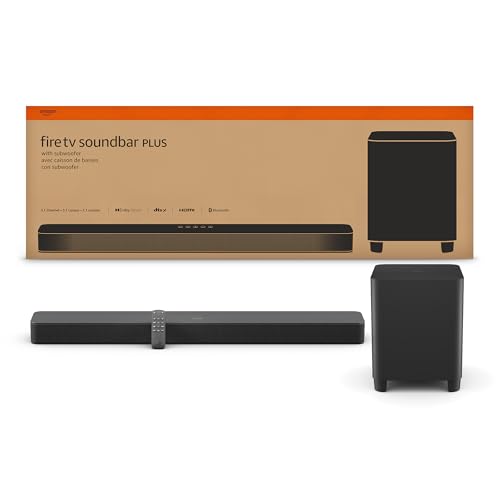
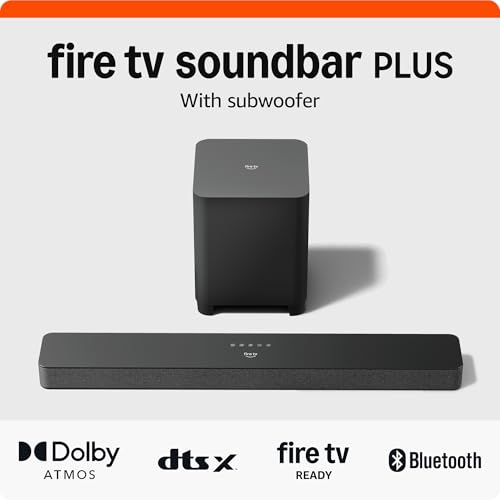
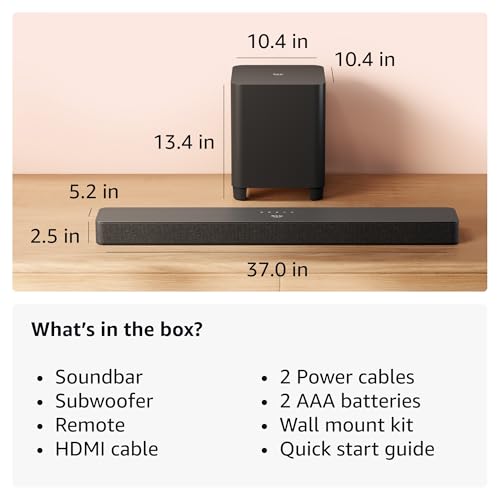
The Amazon Fire TV Soundbar Plus with Subwoofer represents the value-focused approach. At the time of writing, it costs significantly less than premium alternatives while still offering features like virtual Dolby Atmos and the option to expand into a full 5.1 surround system. Amazon released this in 2023 as an improved version of their original Fire TV Soundbar, adding better drivers and more customization options.
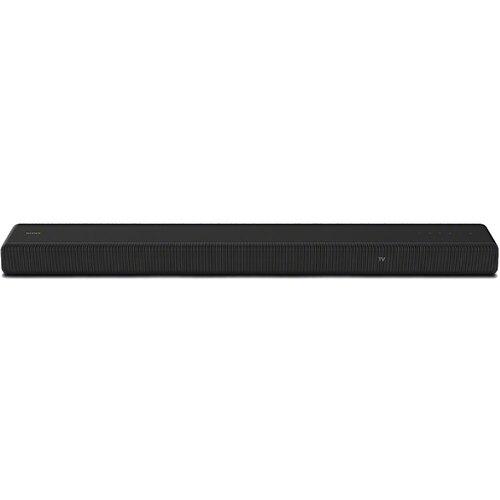
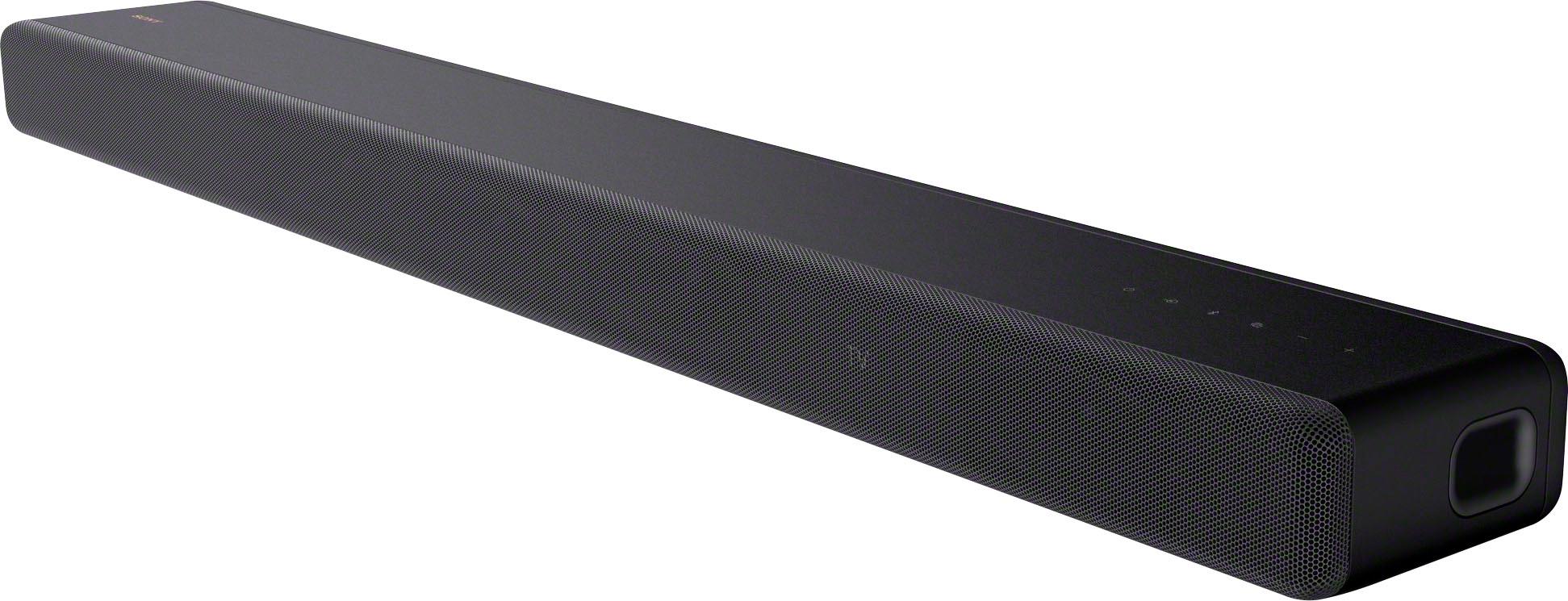
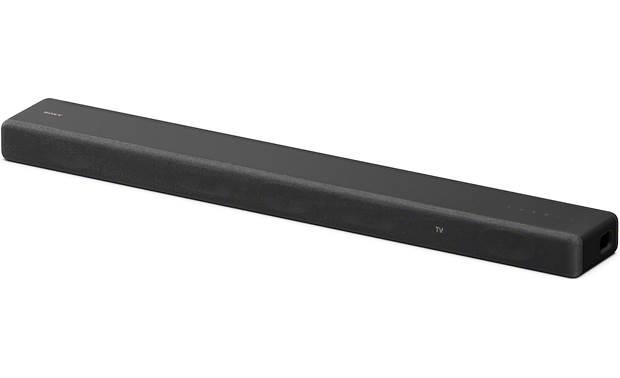
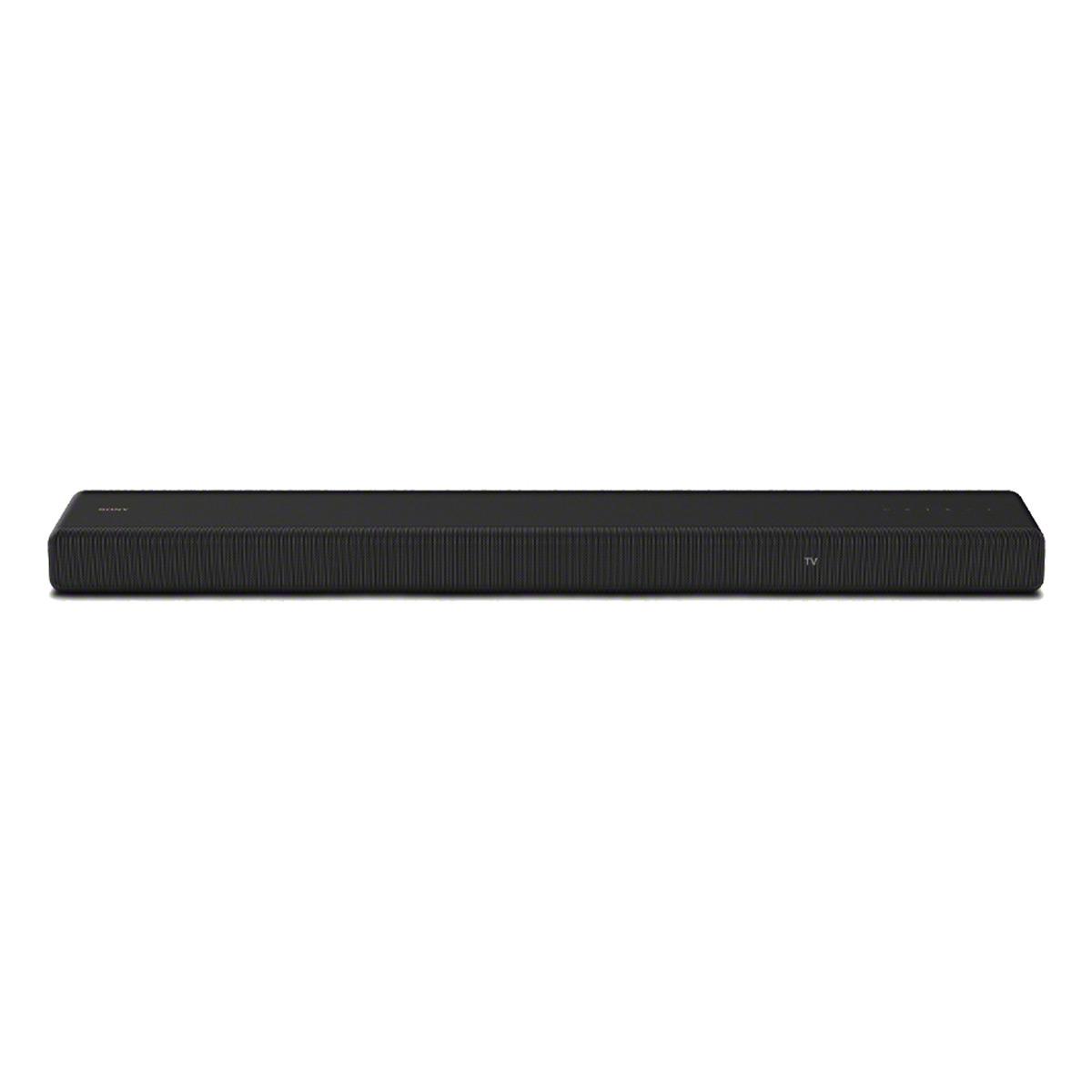
The Sony HT-A3000 takes the premium route, commanding a higher price but delivering Sony's advanced audio processing technology, extensive connectivity options, and superior build quality. Released in 2022, it represents Sony's continued push into sophisticated virtual surround sound, building on decades of audio engineering expertise.
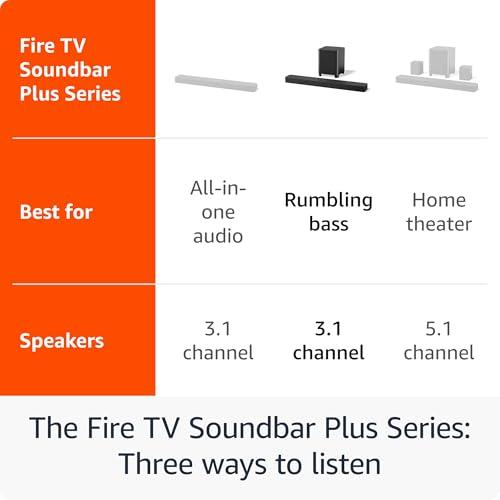
This is where the differences between these two soundbars become most apparent. The Amazon Fire TV Soundbar Plus uses a 3.1-channel configuration, meaning it has separate left, center, and right speakers plus the external subwoofer. The soundbar itself contains three full-range speakers, three tweeters (small speakers that handle high frequencies), and two woofers (larger speakers for mid and low frequencies).
What I find interesting about the Amazon system is its "slightly excited" sound signature – audio engineer speak for emphasizing certain frequencies to make everything sound more dramatic. This works well for action movies where you want punchy explosions and clear dialogue, but it can make some music sound a bit artificial. The included wireless subwoofer helps tremendously with bass response, though professional reviewers noted it can sound somewhat "one note," meaning it doesn't reproduce the full range of bass frequencies as smoothly as more expensive alternatives.
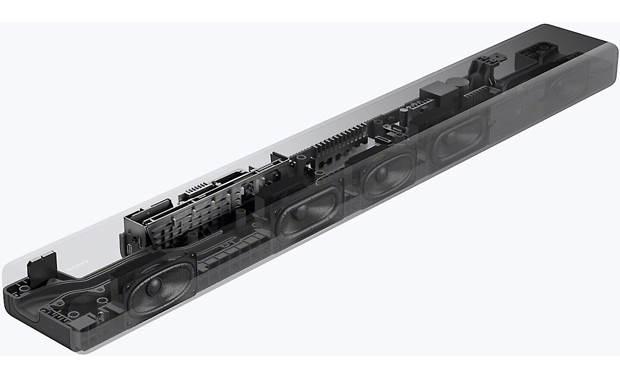
The Sony HT-A3000, meanwhile, uses what Sony calls X-Balanced Speaker Units – a fancy name for specially designed drivers that maximize the speaker cone area within the available space. This allows for less distortion and clearer sound, especially at higher volumes. The system includes five total drivers powered by Sony's S-Master HX digital amplifier, which delivers 250 watts of total power distributed evenly across all speakers.
Sony's approach focuses on accuracy rather than excitement. The HT-A3000 aims to reproduce audio exactly as the content creators intended, which generally results in more natural-sounding dialogue and music. It includes built-in dual subwoofers rather than an external unit, which means less setup hassle but potentially less room-shaking bass impact.
Nothing ruins a movie night quite like constantly asking "what did they say?" Both soundbars address this crucial issue, but in different ways.
The Amazon Fire TV Soundbar Plus includes a dedicated center channel speaker and a dialogue enhancement feature with five adjustment levels. In my experience with similar systems, this works well for most content, though some reviewers noted that dialogue can sound thin for deeper voices, and the emphasized bass from the subwoofer might overpower speech during action-heavy scenes.
The Sony HT-A3000 takes a more sophisticated approach with its discrete center channel and advanced processing. Sony's system automatically analyzes the incoming audio and adjusts the mix to keep dialogue prominent without user intervention. The X-Balanced drivers excel at reproducing the human voice range clearly, and reviewers consistently praise the natural sound of dialogue even without engaging any enhancement modes.
For home theater use, dialogue clarity becomes even more critical. When you're watching a two-hour movie, you want to focus on the story, not struggle to understand what's being said. Both systems handle this well, but the Sony has a slight edge in natural dialogue reproduction.
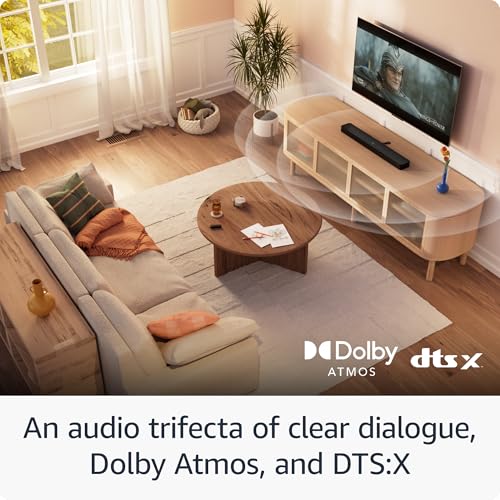
This is where things get really interesting from a technical standpoint. Both soundbars support Dolby Atmos, but neither has physical upward-firing speakers – small speakers that bounce sound off your ceiling to create height effects. Instead, they use virtual processing to simulate the surround sound experience.
The Amazon Fire TV Soundbar Plus creates what's called a "lateral 360-degree soundstage" when paired with optional rear speakers. This means sounds can appear to come from beside and behind you, but true overhead effects are missing due to the virtualized Dolby Atmos implementation. The system can expand into a genuine 5.1 setup with discrete rear channels, which significantly improves the surround experience for movies and gaming.
Sony's approach with the HT-A3000 is more sophisticated, using multiple proprietary technologies working together. The Vertical Surround Engine specifically handles height virtualization, while S-Force PRO Front Surround creates width and rear effects using just the front speakers. Most impressively, the system includes Sound Field Optimization – it uses built-in microphones to measure your room's acoustics and adjusts its processing accordingly.
Having tested various virtual surround systems, I can tell you that Sony's approach typically produces more convincing spatial effects without additional speakers. However, the Amazon system has the advantage of true expandability – you can add real rear speakers for an authentic surround experience that no virtual processing can fully replicate.
Bass response reveals another fundamental difference between these approaches. The Amazon Fire TV Soundbar Plus includes a dedicated wireless subwoofer that connects automatically to the main soundbar. This external sub can produce deeper, more powerful bass than anything built into a soundbar, making it excellent for action movies, electronic music, and gaming.
However, the external subwoofer comes with tradeoffs. You need space for another box in your room, and the bass integration isn't always seamless – some users report that the subwoofer can overwhelm dialogue during intense scenes. The wireless connection also introduces a slight delay that some sensitive listeners might notice.
The Sony HT-A3000 uses built-in dual subwoofers integrated directly into the main unit. Each measures about 4.375" x 1.8125", which is reasonably large for built-in drivers. The advantage here is perfect timing and integration with the main speakers, creating a more cohesive sound. The downside is limited low-frequency extension – it won't shake your couch like a dedicated external subwoofer can.
For home theater applications, this choice often comes down to room size and personal preference. Larger rooms benefit from the raw power of external subwoofers, while smaller spaces might prefer the cleaner integration of built-in bass.
Modern soundbars need to connect to various devices and streaming services, and this is where the Sony HT-A3000 clearly pulls ahead.
Surprisingly, the Amazon Fire TV Soundbar Plus offers minimal smart features despite its "Fire TV" branding. There's no built-in Alexa, no dedicated app, and limited integration with Amazon's ecosystem beyond basic remote control compatibility with Fire TV devices. Connectivity is straightforward but basic: HDMI eARC (enhanced Audio Return Channel – a newer standard that supports higher quality audio), optical digital input, and Bluetooth for wireless music streaming.
The Sony system goes all-out with connectivity options. It supports Wi-Fi for network streaming, Bluetooth 5.0 with LDAC (a high-quality wireless codec that maintains better sound quality than standard Bluetooth), Chromecast built-in, AirPlay 2, and Spotify Connect. This means you can stream music directly from virtually any device or service without additional equipment.
Sony also includes DSEE Extreme, which uses artificial intelligence to upscale compressed music files in real-time. If you stream a lot of music from Spotify or Apple Music, this feature can make a noticeable difference in sound quality by restoring details lost during compression.
The construction differences reflect each product's market positioning. The Amazon Fire TV Soundbar Plus uses what reviewers describe as "inexpensive materials," though the design remains attractive and functional. The remote control is compact – perhaps too small for some users – but includes all essential functions with helpful voice prompts when you change settings.
The Sony HT-A3000 feels more substantial, weighing 4.6 kilograms compared to the Amazon's lighter construction. The build quality reflects Sony's premium positioning, with better materials and more sophisticated internal components. The room optimization feature using built-in microphones showcases the kind of advanced engineering that justifies the higher price.
At the time of writing, the Amazon Fire TV Soundbar Plus with Subwoofer costs significantly less than the Sony HT-A3000, making the value comparison quite interesting.
The Amazon system delivers exceptional value for budget-conscious buyers. You get a substantial upgrade over TV speakers, a dedicated subwoofer, virtual surround sound, and expandability options at an accessible price point. Multiple professional reviews noted that it "punches above its price class" for sound quality, particularly for dialogue clarity and bass impact.
The Sony HT-A3000 commands a premium but justifies it through superior audio processing, extensive connectivity, better build quality, and future-proofing features. If you plan to keep your soundbar for many years, the additional cost might be worthwhile for the more refined performance and comprehensive feature set.
After extensive consideration of both products, here's my recommendation based on different user scenarios:
Choose the Amazon Fire TV Soundbar Plus with Subwoofer if you're primarily focused on getting great value and significant audio improvement over your TV's built-in speakers. It's perfect for budget-conscious buyers who want room-shaking bass for movies and the flexibility to expand to full surround sound later. The system works particularly well in medium to large rooms where the external subwoofer can really shine.
The Amazon system also makes sense if you prefer simplicity. Setup is straightforward, the controls are intuitive, and you don't need to worry about network configuration or app management. For many people, this simplicity is actually a feature, not a limitation.
Go with the Sony HT-A3000 if audio quality is your top priority and you're willing to pay more for refinement. It's the better choice for serious music listening, thanks to its superior drivers, advanced processing, and high-resolution audio support. The extensive connectivity options make it ideal for users with multiple devices or those who stream a lot of music.
The Sony also wins for smaller rooms where built-in subwoofers provide adequate bass without overwhelming the space. The room optimization feature means it will sound good in various acoustic environments without manual adjustment.
Both soundbars successfully solve the fundamental problem of poor TV audio, but they take dramatically different approaches. The Amazon Fire TV Soundbar Plus with Subwoofer maximizes value and impact, delivering impressive performance at an accessible price with room to grow. The Sony HT-A3000 prioritizes refinement and future-proofing, offering superior audio processing and extensive features that justify its premium positioning.
Your choice ultimately depends on your priorities, budget, and room requirements. Neither is objectively "better" – they're optimized for different users and scenarios. The Amazon system excels at delivering maximum audio improvement per dollar spent, while the Sony provides the more sophisticated, refined experience that audiophiles and tech enthusiasts will appreciate.
In my experience, both represent solid choices within their respective market segments, and either will dramatically improve your TV and movie watching experience compared to built-in TV speakers. The key is honestly assessing what you value most: maximum impact for your budget, or premium performance with all the bells and whistles.
| Amazon Fire TV Soundbar Plus with Subwoofer | Sony HT-A3000 |
|---|---|
| Audio Configuration - Determines sound quality and expansion options | |
| 3.1 channels with external wireless subwoofer, expandable to 5.1 with rear speakers | 3.1 channels with built-in dual subwoofers, expandable with optional wireless rear speakers |
| Total Power Output - Affects maximum volume and dynamic range | |
| Not specified by manufacturer (estimated ~200W based on performance) | 250W total via S-Master HX digital amplifier |
| Dolby Atmos Implementation - Critical for immersive surround sound | |
| Virtual Dolby Atmos only (no up-firing drivers for true height effects) | Virtual Dolby Atmos with Vertical Surround Engine for more convincing height simulation |
| Subwoofer Type - Impacts bass performance and room placement flexibility | |
| Dedicated wireless external subwoofer (deeper bass, requires floor space) | Built-in dual 4.375" x 1.8125" subwoofers (cleaner setup, less bass impact) |
| Smart Features - Determines streaming and voice control capabilities | |
| Basic connectivity only: HDMI eARC, optical, Bluetooth (no Alexa despite branding) | Comprehensive: Wi-Fi, LDAC Bluetooth, Chromecast, AirPlay 2, Spotify Connect |
| Audio Processing Technology - Affects sound quality and room optimization | |
| Basic EQ presets and dialogue enhancement | DSEE Extreme AI upscaling, Sound Field Optimization with room calibration |
| Connectivity Options - Important for multiple device setups | |
| HDMI eARC, optical input, Bluetooth 5.0, USB-A | HDMI eARC, optical input, Bluetooth 5.0 with LDAC, Wi-Fi streaming |
| Build Quality - Impacts longevity and aesthetic appeal | |
| Budget materials with functional design, compact remote | Premium construction, 4.6kg weight, sophisticated internal components |
| Expandability - Future upgrade potential without replacing main unit | |
| Can add wireless rear speakers for true 5.1 surround system | Compatible with Sony wireless subwoofer and rear speakers via 360 Spatial Sound Mapping |
| Best For - Target user and use case | |
| Budget-conscious users wanting maximum audio improvement per dollar with strong bass | Audio enthusiasts prioritizing refinement, music streaming, and advanced features |
The Amazon Fire TV Soundbar Plus with Subwoofer provides exceptional value for budget-conscious buyers, offering a significant audio upgrade with an included wireless subwoofer at a much lower price point. The Sony HT-A3000 costs more but justifies the premium through superior audio processing, extensive connectivity options, and better build quality. If you want maximum audio improvement per dollar spent, choose the Amazon Fire TV Soundbar Plus. If you prioritize long-term performance and advanced features, the Sony HT-A3000 offers better value despite the higher upfront cost.
The primary difference is approach: the Amazon Fire TV Soundbar Plus with Subwoofer focuses on delivering strong performance at an accessible price with an external wireless subwoofer, while the Sony HT-A3000 emphasizes audio refinement with built-in dual subwoofers and advanced processing technology. The Amazon system excels at raw bass impact and expandability, while the Sony offers superior dialogue clarity, room optimization, and extensive streaming connectivity.
Both soundbars handle dialogue well, but the Sony HT-A3000 has a slight edge due to its X-Balanced Speaker Units and sophisticated audio processing that naturally emphasizes speech frequencies. The Amazon Fire TV Soundbar Plus includes dialogue enhancement controls and performs admirably, though some users report the external subwoofer can occasionally overpower speech during action scenes. For critical dialogue listening, the Sony HT-A3000 provides more consistent results.
Both the Amazon Fire TV Soundbar Plus with Subwoofer and Sony HT-A3000 use virtual surround processing rather than physical surround speakers. However, the Amazon system can expand to true 5.1 surround sound by adding optional rear speakers, while the Sony HT-A3000 relies on advanced virtual processing with its Vertical Surround Engine and 360 Spatial Sound Mapping technology. For authentic surround sound, the expandable Amazon Fire TV Soundbar Plus has the advantage.
The Amazon Fire TV Soundbar Plus with Subwoofer delivers stronger, more impactful bass thanks to its dedicated wireless subwoofer that can produce deeper low frequencies and more room-shaking effects. The Sony HT-A3000 features built-in dual subwoofers that provide cleaner integration and adequate bass for most content, but cannot match the raw power of an external subwoofer. Choose the Amazon system if you want maximum bass impact for movies and music.
Both soundbars are relatively easy to set up, but the Amazon Fire TV Soundbar Plus with Subwoofer has a slight advantage due to its pre-paired components and simpler feature set. The Sony HT-A3000 offers more setup options including room calibration and extensive streaming service configuration, which provides better performance but requires more initial configuration time.
The Sony HT-A3000 significantly outperforms the Amazon Fire TV Soundbar Plus for music streaming, offering Wi-Fi connectivity, LDAC high-quality Bluetooth, Chromecast built-in, AirPlay 2, Spotify Connect, and DSEE Extreme AI upscaling for compressed music files. The Amazon system provides only basic Bluetooth streaming without advanced audio codecs or direct streaming service integration.
The Sony HT-A3000 works better in smaller rooms due to its built-in subwoofers and room optimization technology that automatically adjusts sound for your space. The Amazon Fire TV Soundbar Plus with Subwoofer can potentially overwhelm smaller rooms with its external subwoofer, though this can be adjusted through bass controls. For apartments or compact spaces, the Sony HT-A3000 provides better acoustic balance.
The Sony HT-A3000 offers far superior connectivity with Wi-Fi, LDAC Bluetooth, Chromecast, AirPlay 2, and multiple streaming services built-in. The Amazon Fire TV Soundbar Plus with Subwoofer provides basic connectivity including HDMI eARC, optical input, and standard Bluetooth, but surprisingly lacks advanced smart features despite its "Fire TV" branding. For users with multiple devices and streaming needs, choose the Sony HT-A3000.
Yes, both the Amazon Fire TV Soundbar Plus and Sony HT-A3000 can be wall mounted and include mounting hardware. However, consider that the Amazon system requires floor placement for its wireless subwoofer, while the Sony's built-in subwoofers allow for a completely wall-mounted setup without additional floor components.
Both soundbars work well for gaming, but they excel in different areas. The Amazon Fire TV Soundbar Plus with Subwoofer provides more impactful bass for explosions and environmental effects, while the Sony HT-A3000 offers better spatial audio processing for directional cues and clearer voice chat. The choice depends on whether you prioritize bass impact or audio precision in gaming scenarios.
For dedicated home theater use, both soundbars significantly improve the TV audio experience. The Amazon Fire TV Soundbar Plus with Subwoofer excels with powerful bass for action movies and expandability to full 5.1 surround sound. The Sony HT-A3000 provides more refined audio processing, better dialogue clarity, and sophisticated virtual surround effects. Choose the Amazon system for maximum impact and expansion options, or the Sony HT-A3000 for superior audio refinement and room optimization.
We've done our best to create useful and informative comparisons to help you decide what product to buy. Our research uses advanced automated methods to create this comparison and perfection is not possible - please contact us for corrections or questions. These are the sites we've researched in the creation of this article: rtings.com - cordbusters.co.uk - techradar.com - youtube.com - t3.com - hometechnologyreview.com - youtube.com - hometechnologyreview.com - whathifi.com - developer.amazon.com - manuals.plus - dolby.com - rtings.com - electronics.sony.com - crutchfield.com - store.sony.com.au - digitaltrends.com - videoandaudiocenter.com - abt.com - sony.com - merlinstv.com - crutchfield.com - youtube.com

Privacy Policy
Terms and Conditions - Affiliate Policy
Home Security
© Copyright 2008-2026.
11816 Inwood Rd #1211, Dallas, TX 75244