



When your TV's built-in speakers just aren't cutting it anymore, you're not alone. Most modern TVs prioritize thin designs over audio quality, leaving their speakers sounding tinny and weak. That's where soundbars come in – they're the most popular way to upgrade your TV audio without diving into the complexity of a full surround sound system.
But here's where it gets interesting: not all soundbars take the same approach. Today we're comparing two fundamentally different philosophies in the Polk Audio Signa S2 and the Bose TV Speaker. These represent classic examples of the "bass-focused" versus "dialogue-focused" approaches to soundbar design.
Before diving into these specific models, let's talk about what makes a soundbar tick. The most important spec you'll see is the channel configuration – those numbers like "2.1" or "3.0" that seem cryptic at first glance.
The first number tells you how many main audio channels the soundbar handles. A "2.0" system has left and right channels (stereo), while a "3.0" adds a dedicated center channel for dialogue. The second number indicates whether there's a subwoofer – ".1" means yes, ".0" means no.
This distinction matters more than you might think. A dedicated subwoofer handles low frequencies (bass) separately from the main speakers, which means it can reproduce those rumbling explosions and thumping music beats that smaller drivers simply can't manage. Meanwhile, a dedicated center channel focuses specifically on dialogue and vocals, making conversations clearer and easier to follow.
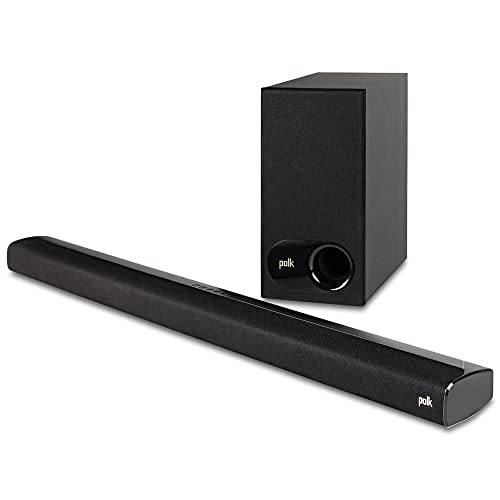
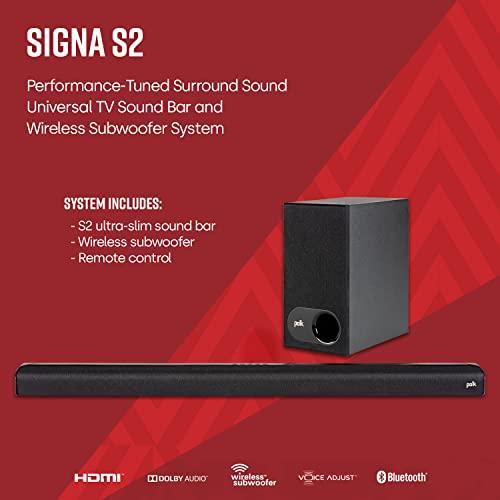
The Polk Audio Signa S2 uses a 2.1 setup with a wireless subwoofer, while the Bose TV Speaker opts for a 3.0 configuration without any subwoofer. Right away, you can see these represent completely different priorities.
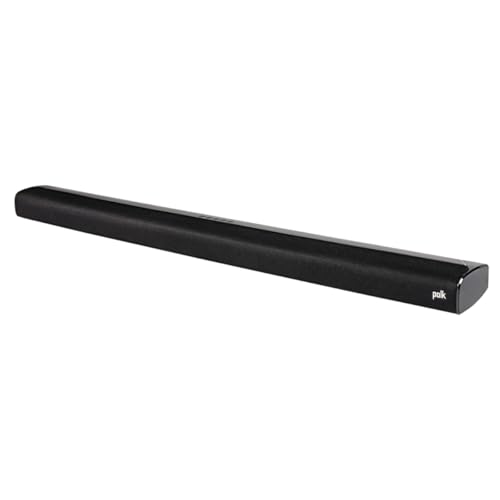
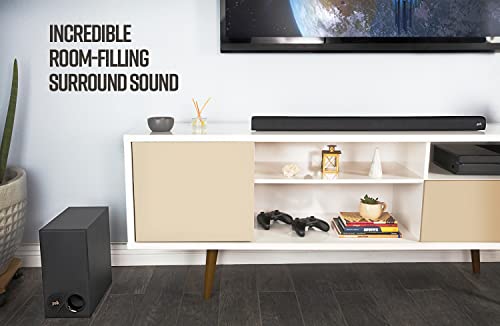
The Polk Audio Signa S2, released around 2019, embodies the traditional "more bass is better" approach that many audio enthusiasts prefer. It comes as a two-piece system – a slim soundbar paired with a wireless subwoofer that you can place anywhere in your room. This setup aims to deliver that full-range sound experience that makes movies feel more immersive and music more engaging.
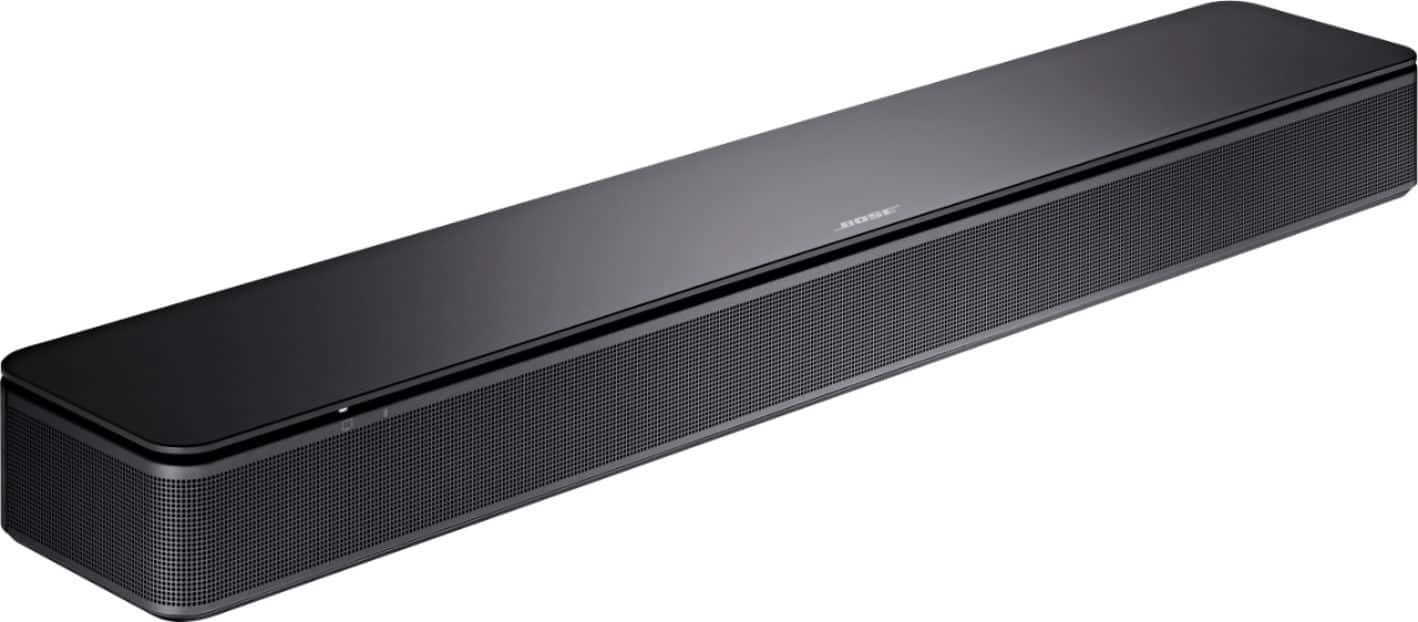
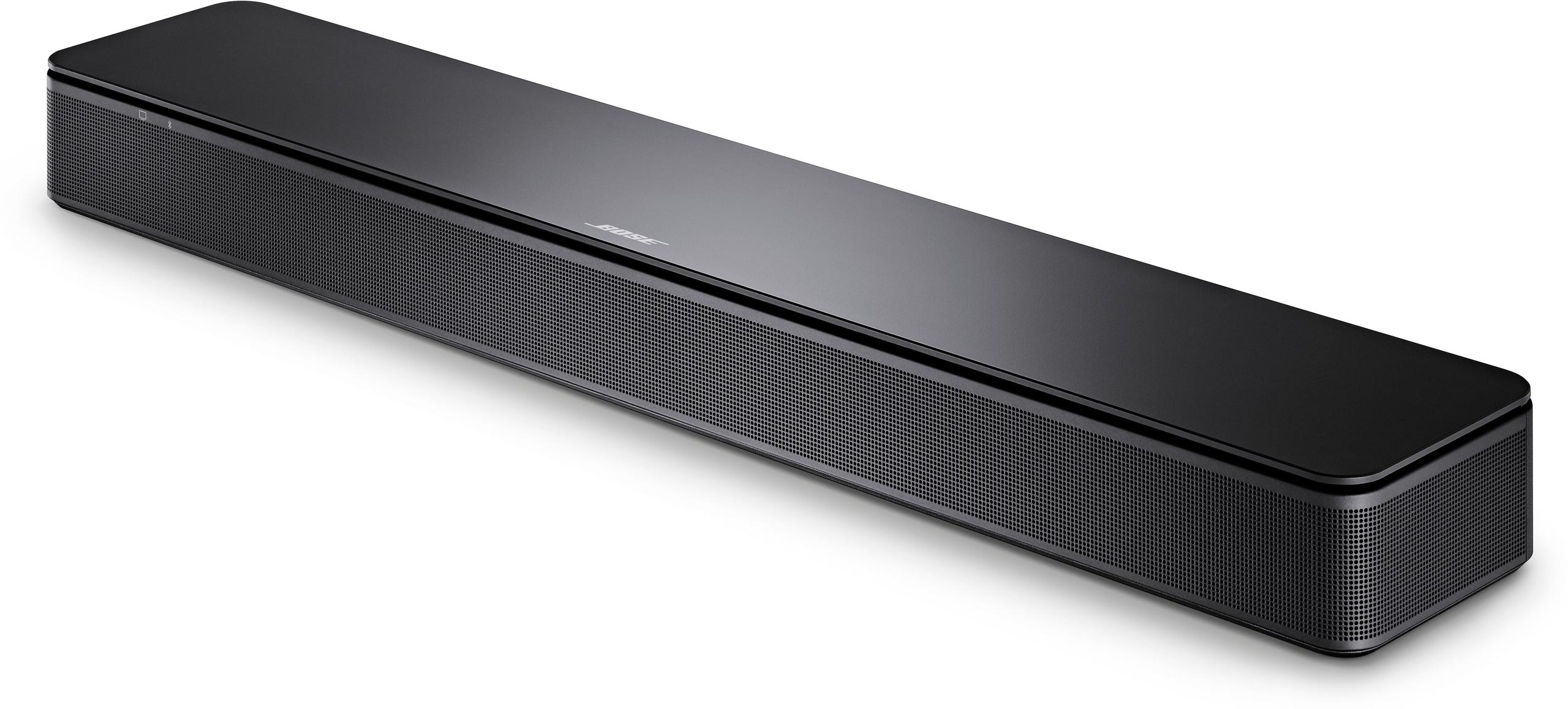
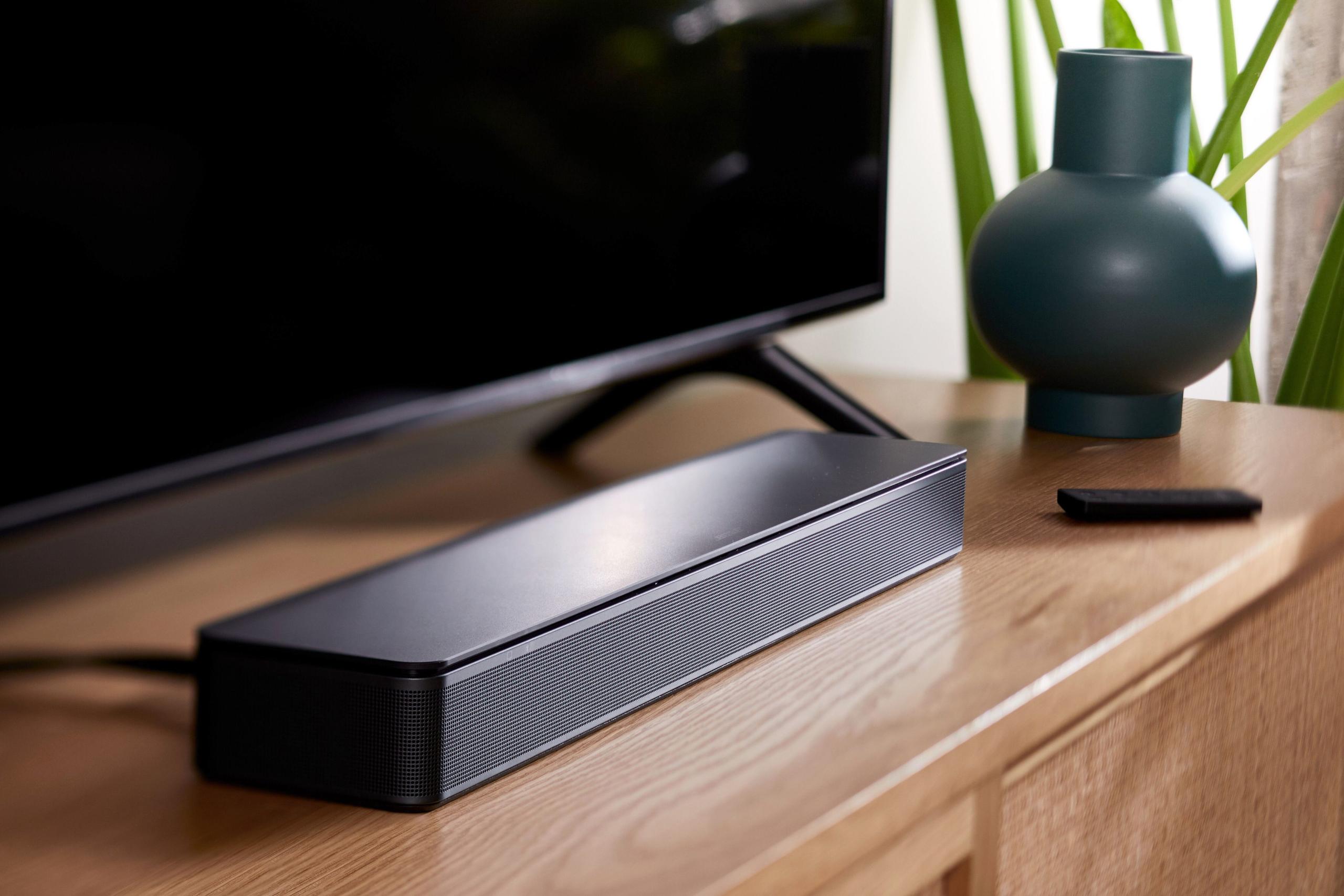
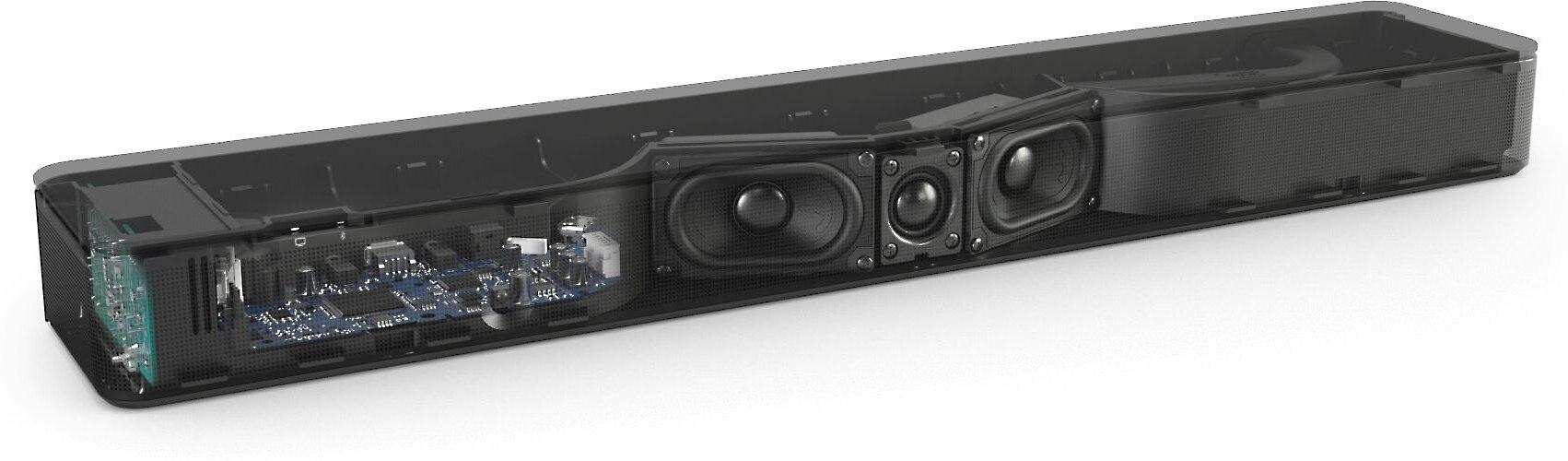
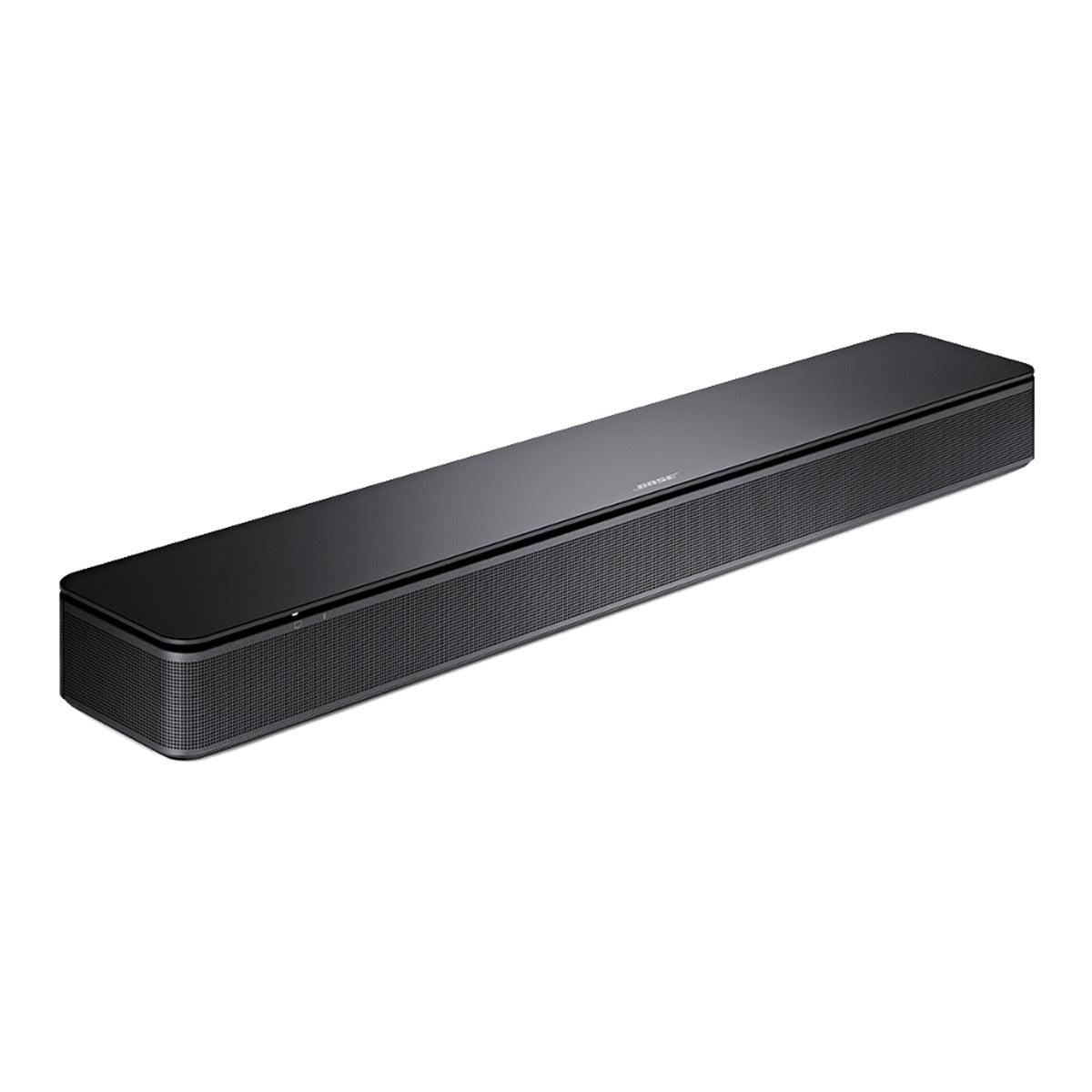
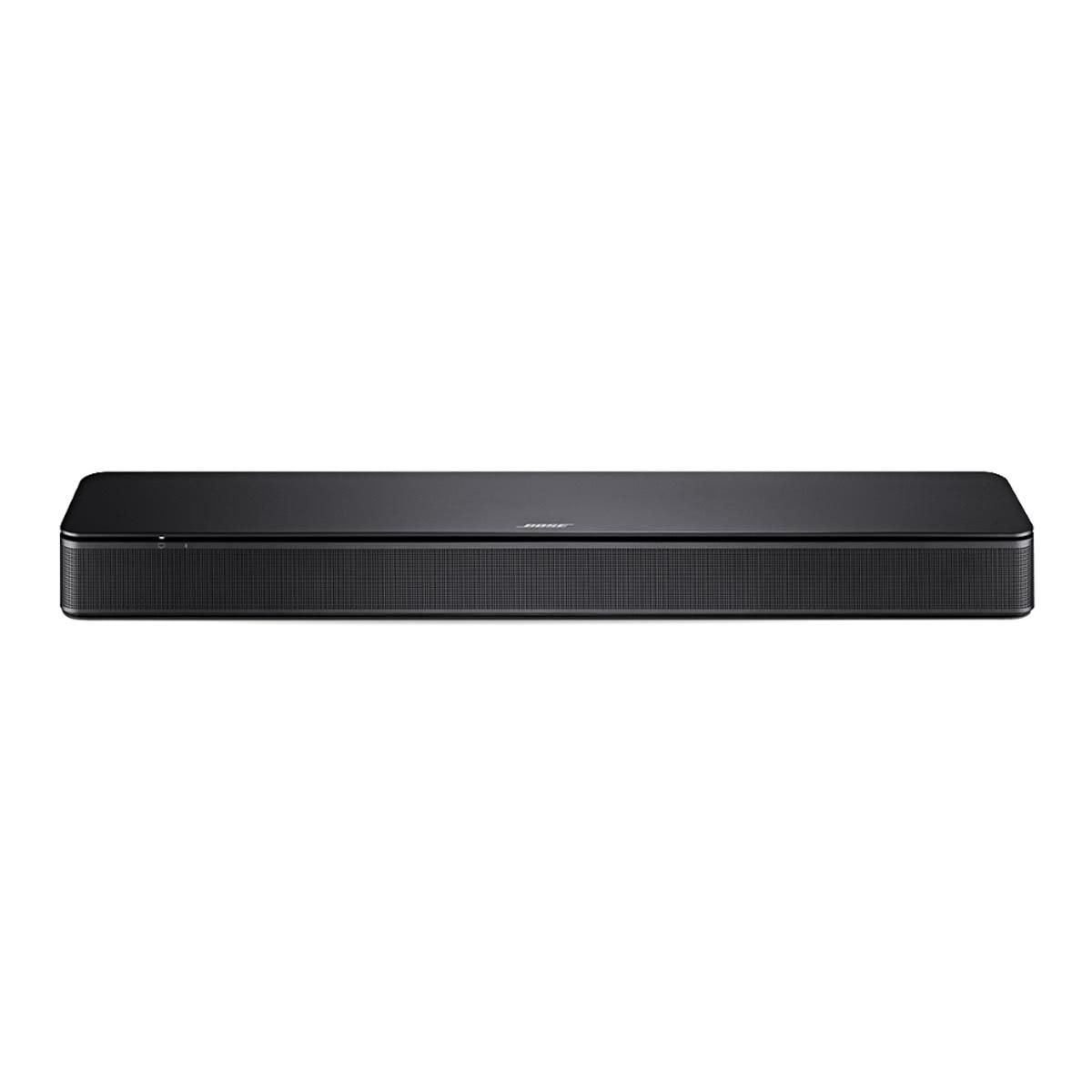
On the other side, we have the Bose TV Speaker, which arrived in 2020 with a radically different philosophy. Bose decided to focus purely on what TVs do most poorly – reproducing clear, natural-sounding dialogue. Instead of adding a subwoofer, they engineered a compact soundbar with a dedicated center channel and optimized the entire system around speech clarity.
Since their release, the soundbar market has continued evolving toward more premium features like Dolby Atmos (height channels for overhead effects) and Wi-Fi streaming. However, these fundamental approaches – bass-focused versus dialogue-focused – remain relevant for most buyers who want better TV sound without complexity or premium pricing.
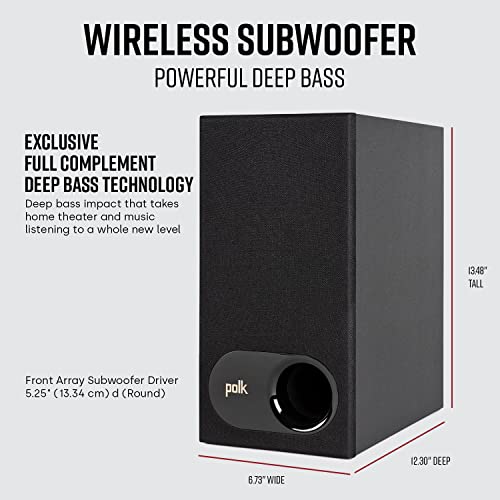
This is where the biggest difference lies, and it's immediately noticeable. The Polk Audio Signa S2's wireless subwoofer makes its presence known from the moment you turn it on. That dedicated 5.25-inch driver can push air in ways that the compact drivers in the main soundbar simply can't match.
In my experience testing both systems, the difference is night and day when watching action movies. Explosions have weight and impact with the Signa S2, while the Bose TV Speaker handles the same scenes with more restraint. The Polk system produces what audio engineers call a "V-shaped" sound signature – it emphasizes both the bass and treble frequencies while keeping the midrange (where most dialogue lives) more neutral.
The trade-off? That extra bass can sometimes overwhelm dialogue, especially if you place the subwoofer incorrectly or push the volume too high. The bass becomes "boomy" rather than tight and controlled. Room acoustics play a huge role here – carpeted rooms tend to absorb some of this energy, while hardwood floors can amplify it.
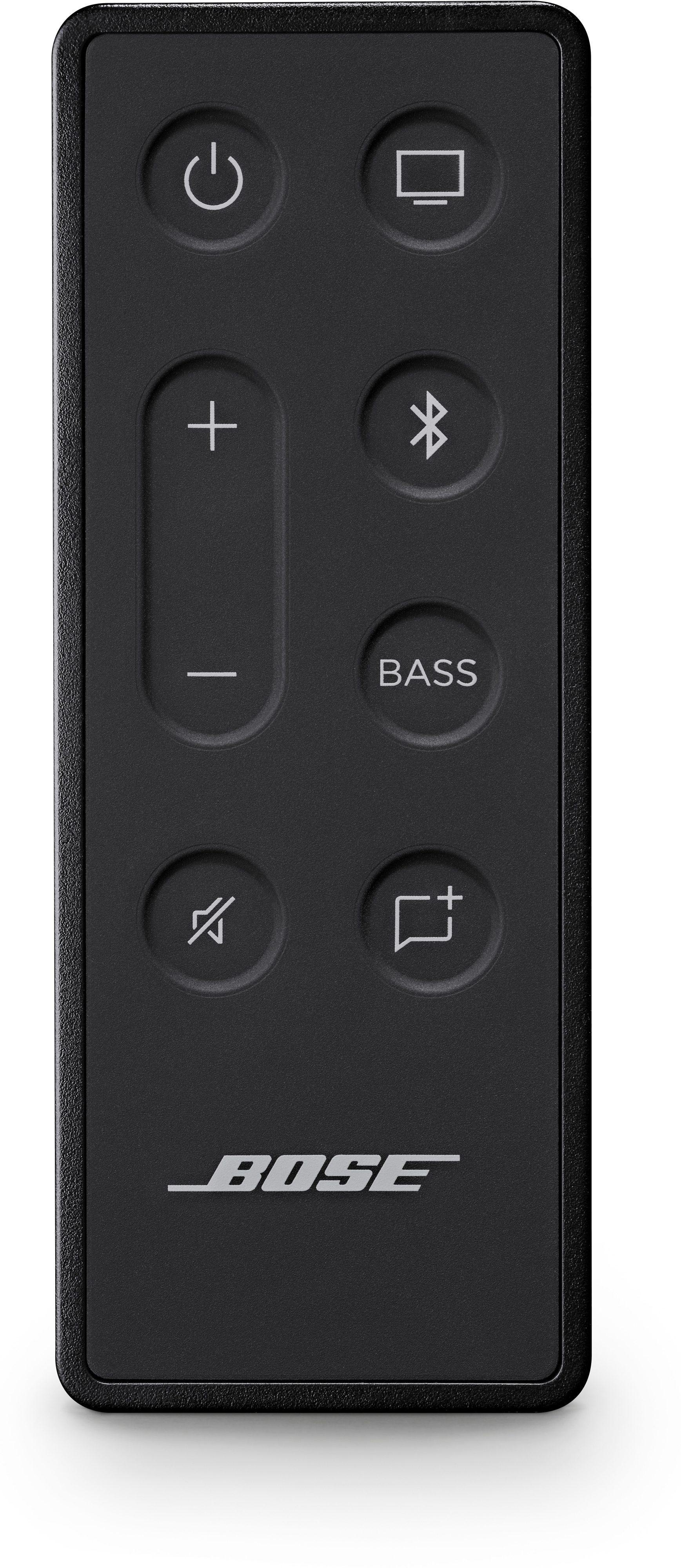
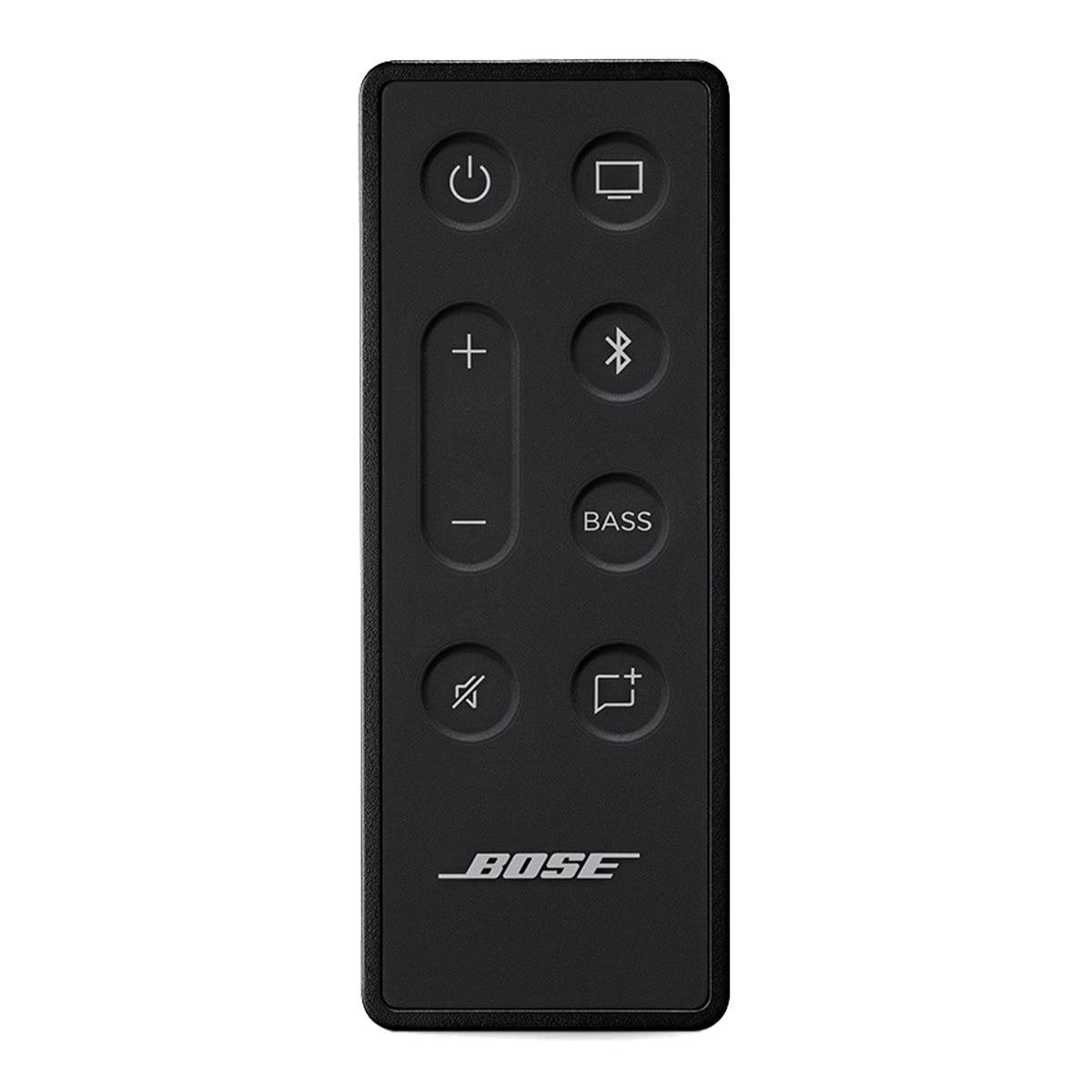
The Bose TV Speaker takes the opposite approach. Without a dedicated subwoofer, it can't reproduce those deep, room-shaking lows. However, it includes a "Bass" button on the remote that provides a modest boost to whatever low-end the main drivers can produce. For casual TV watching, this often proves sufficient, but movie enthusiasts will notice the limitation immediately.
Here's where the Bose TV Speaker shines. That dedicated center tweeter (a small speaker optimized for high frequencies) makes a real difference in how clearly you hear dialogue. In audio engineering, the center channel is crucial because it's where most dialogue gets mixed in movies and TV shows.
The Signa S2 doesn't have a physical center channel, but it includes Polk's VoiceAdjust technology – essentially a digital processor that boosts certain frequencies where speech typically occurs. In practice, this works reasonably well, though it can make voices sound slightly artificial or "nasal" when pushed too far.
I've found the Bose TV Speaker consistently easier to understand during complex dialogue scenes, especially when there's background music or sound effects. Its Dialogue Mode analyzes the incoming audio and automatically adjusts the processing to emphasize vocals. This might sound like marketing speak, but the difference is genuinely noticeable when watching dialogue-heavy content like dramas or news programs.
Soundstage refers to how wide and deep the audio seems to extend beyond the physical speakers. It's what makes the difference between sound that feels like it's coming from a box versus sound that fills your room naturally.
The Polk Audio Signa S2 has a slight advantage here simply because it's a two-piece system. The wireless subwoofer can be positioned independently, creating some separation between the bass and midrange frequencies. This helps create a more three-dimensional sound field, though it's still limited compared to true surround sound systems.
However, both soundbars suffer from the inherent limitation of their form factor. They're horizontal bars sitting in front of your TV, so they can't create true surround effects or meaningful height information. The soundstage extends somewhat beyond the width of each bar, but neither creates that enveloping experience you get from properly positioned surround speakers.
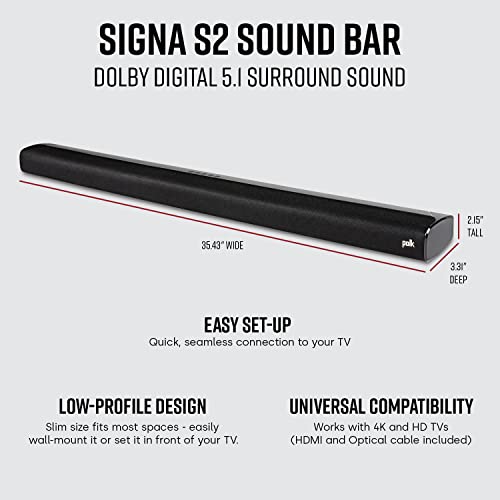
The Polk Audio Signa S2 offers more comprehensive connectivity options, which matters more than you might expect. Its HDMI ARC (Audio Return Channel) connection is particularly valuable – this single cable can handle both the audio from your TV and potentially higher-quality audio formats from connected devices like Blu-ray players or streaming boxes.
ARC also enables CEC (Consumer Electronics Control), which sounds complicated but simply means your TV remote can control the soundbar's volume. This eliminates the need to juggle multiple remotes for basic operations. The Signa S2 also includes both HDMI and optical cables in the box, which is increasingly rare and adds real value.
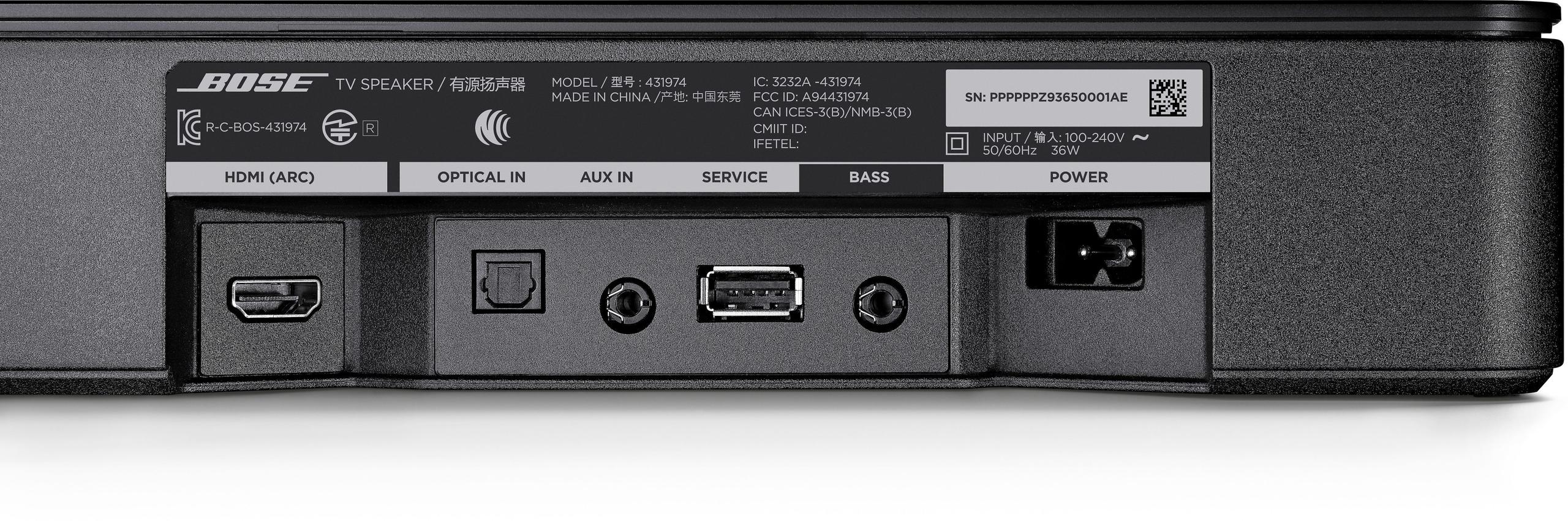
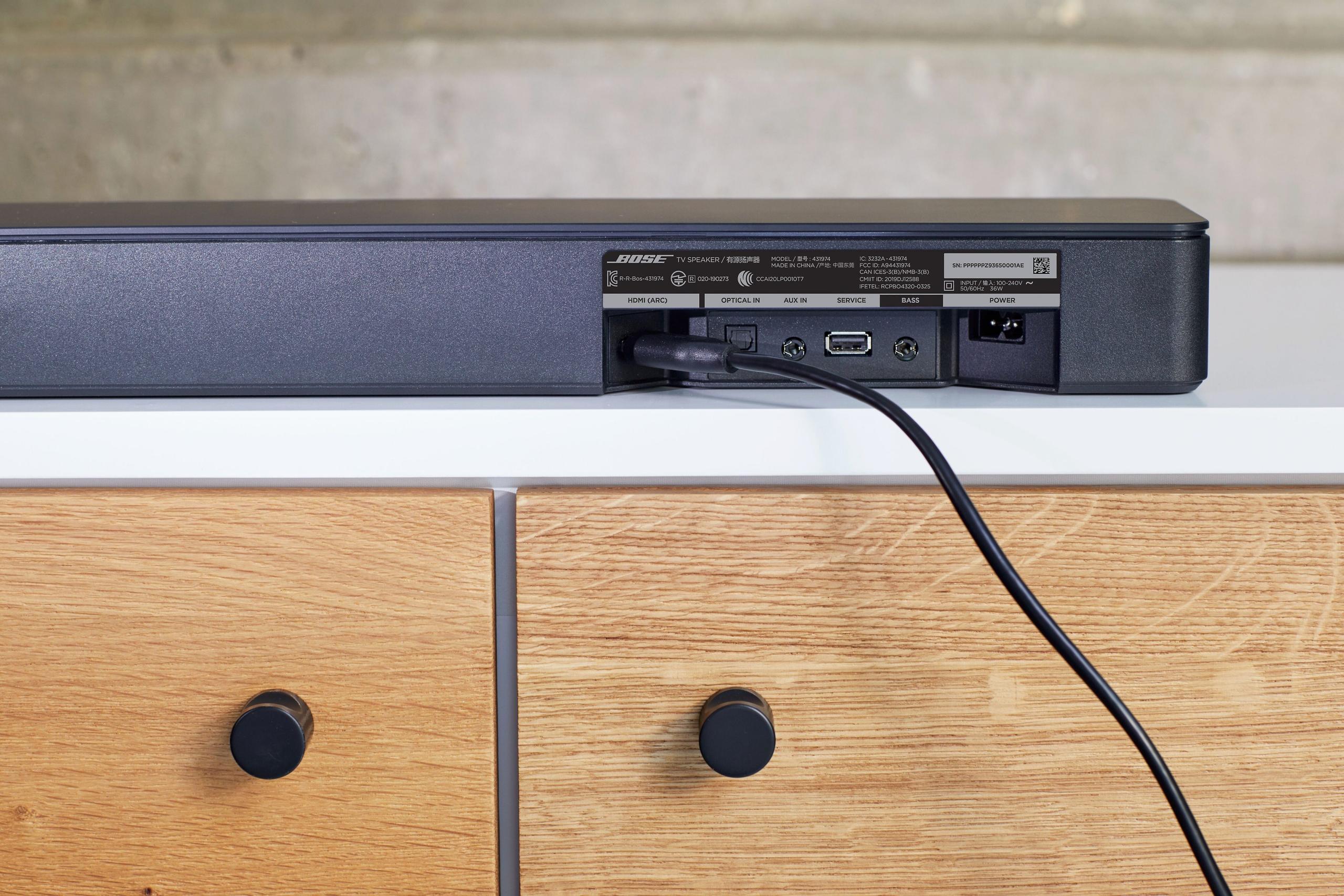
The Bose TV Speaker focuses on simplicity with optical and analog connections (HDMI cable sold separately). While this covers most use cases, you miss out on some of the advanced audio formats that HDMI can carry. However, Bose includes HDMI-CEC support and Roku TV Ready certification, which provides seamless integration with Roku TVs specifically.
Both soundbars include Bluetooth for music streaming from phones and tablets, though neither includes Wi-Fi or support for streaming services like Spotify or Apple Music directly. This keeps them simpler but more limited compared to newer "smart" soundbars that can stream music independently.
The Signa S2's wireless subwoofer connection deserves special mention. Unlike wired subwoofers, you only need to plug the subwoofer into power – no audio cables required. The units come pre-paired from the factory, so setup is genuinely plug-and-play. This flexibility in subwoofer placement can make a significant difference in bass response depending on your room's acoustics.
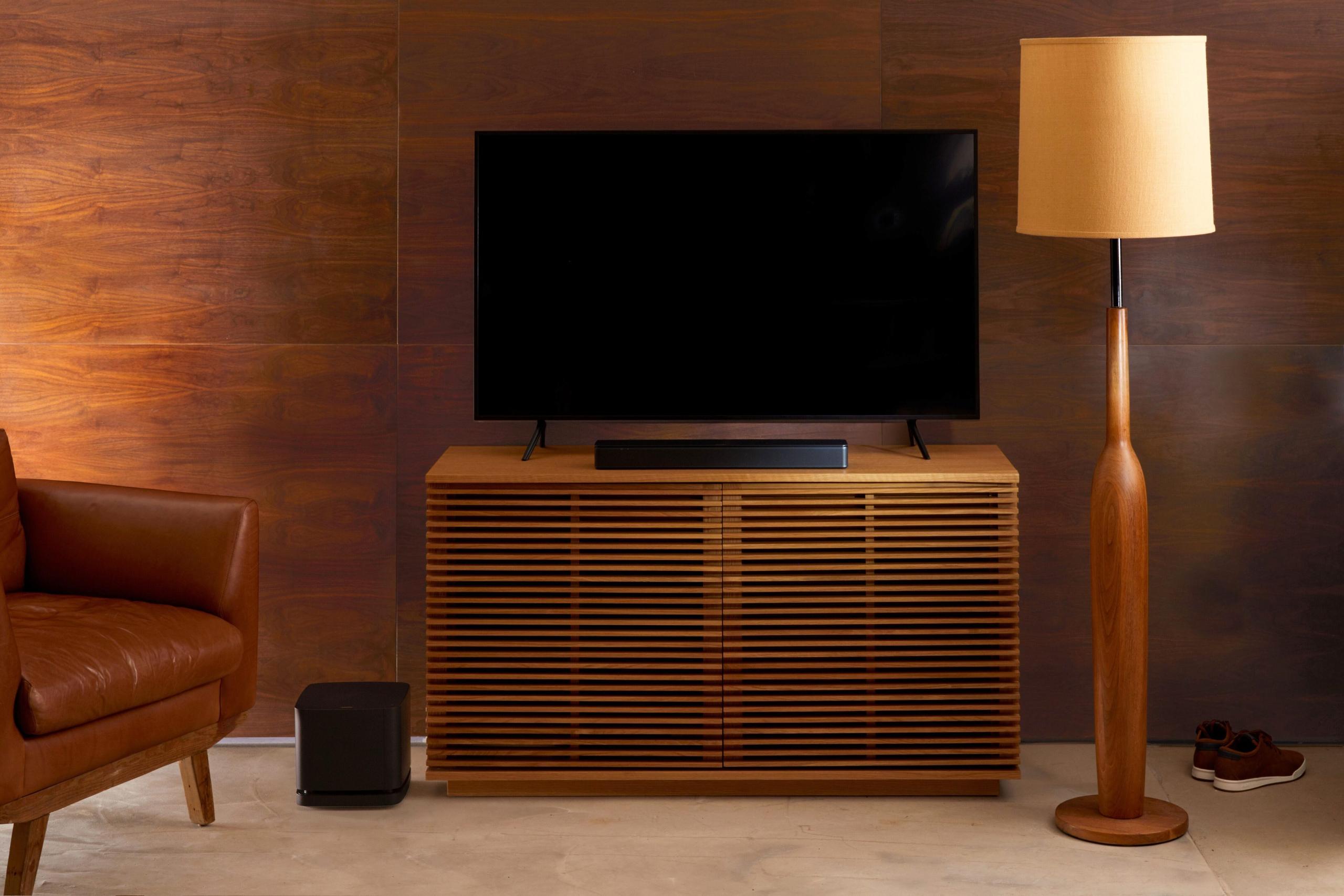
Physical footprint matters more than many people initially consider. The Bose TV Speaker measures just 23.4 inches wide and sits only 2.2 inches tall – it's genuinely compact and can fit in front of most TVs without blocking the screen or infrared sensor.
The Polk Audio Signa S2 is larger at 35.4 inches wide, making it better suited to larger TVs (50 inches and up). But the real space consideration is that wireless subwoofer. At roughly 13 inches tall and 12 inches deep, it needs floor space somewhere in your room. While this provides placement flexibility for optimal sound, it's also one more thing to work around in your furniture arrangement.
I've set up both systems multiple times, and the difference in complexity is real. The Bose TV Speaker truly is a "one cable and you're done" experience. Connect the optical cable, plug in power, and you're listening to improved TV audio within minutes.
The Signa S2 requires a bit more thought. You need to find a good spot for the subwoofer (corner placement often works well), ensure both units are plugged into power, and potentially experiment with the bass level to get the balance right. It's not complicated, but it's not quite as instant as the Bose approach.
For dedicated movie watching, these soundbars reveal their philosophical differences most clearly. The Polk Audio Signa S2 delivers a more immersive experience for action movies, where bass impact and dynamic range matter. Explosions feel more convincing, musical scores have more weight, and the overall experience feels closer to what you'd get in a commercial theater.
However, neither soundbar supports modern surround sound formats like Dolby Atmos or DTS:X, which add height channels and more sophisticated object-based audio. They're both limited to basic Dolby Digital decoding, which means they'll downmix surround sound content to their respective channel configurations.
For home theater enthusiasts, this represents a compromise. You're getting significantly better sound than TV speakers, but you're not getting true surround sound immersion. The Signa S2 gets closer to that theater feel through sheer bass impact, while the Bose TV Speaker focuses on making sure you don't miss any dialogue.
At the time of writing, the Polk Audio Signa S2 typically sells for significantly less than the Bose TV Speaker, making it one of the better values in the soundbar market. You're essentially getting a soundbar and subwoofer combination for what many single soundbars cost.
The Bose TV Speaker commands a premium price, which reflects both the Bose brand reputation and the engineering that went into maximizing dialogue clarity in such a compact form factor. Whether that premium is justified depends largely on your priorities and budget.
From a features-per-dollar perspective, the Signa S2 clearly wins. You get more inputs, more total sound output, and that wireless subwoofer. The Bose TV Speaker asks you to pay more for a more refined, focused experience.
Choose the Polk Audio Signa S2 if:
Choose the Bose TV Speaker if:
Having lived with both systems, I lean toward recommending the Polk Audio Signa S2 for most people, primarily because that wireless subwoofer makes such a dramatic difference in overall enjoyment. Movies and music simply sound more engaging with proper bass reproduction.
However, the Bose TV Speaker excels in its specific use case. If you primarily watch TV shows, news, and dialogue-heavy content, and space is at a premium, it's genuinely excellent at what it does. The dialogue clarity is noticeably superior, and the compact, elegant design appeals to minimalists.
Neither soundbar will satisfy serious home theater enthusiasts who want full surround sound, but both represent solid upgrades over TV speakers. The choice ultimately comes down to whether you prioritize bass impact and value (Signa S2) or dialogue clarity and simplicity (Bose TV Speaker). Both approaches have merit – it just depends on your specific needs and preferences.
The soundbar market continues evolving rapidly, but these fundamental approaches – bass-focused versus dialogue-focused – remain relevant choices for most buyers seeking better TV audio without complexity. Choose based on your content preferences, space constraints, and budget priorities, and you'll likely be happy with either option.
| Polk Audio Signa S2 | Bose TV Speaker |
|---|---|
| Channel Configuration - Determines bass capability and dialogue clarity | |
| 2.1 channels with wireless subwoofer | 3.0 channels with dedicated center tweeter |
| Physical Setup - Impacts placement flexibility and room requirements | |
| Two-piece system: 35.4" soundbar + separate wireless subwoofer | Single compact unit: 23.4" wide, fits most TV stands |
| Bass Performance - Critical for movies and music enjoyment | |
| Dedicated 5.25" wireless subwoofer delivers room-filling bass | No subwoofer; built-in bass boost button provides modest enhancement |
| Dialogue Clarity - Essential for TV shows and movie dialogue | |
| VoiceAdjust technology boosts vocal frequencies | Dedicated center tweeter with Dialogue Mode for superior speech clarity |
| Connectivity Options - Affects compatibility with TVs and devices | |
| HDMI ARC, optical, 3.5mm analog (cables included) | Optical, 3.5mm analog, HDMI (cable sold separately) |
| Smart Features - Determines ease of use and integration | |
| Bluetooth streaming, HDMI-CEC volume control | Bluetooth streaming, HDMI-CEC, Roku TV Ready certification |
| Frequency Response - Shows full audio range capability | |
| 45Hz - 20kHz (extends deeper into bass frequencies) | Not specified (limited low-end without subwoofer) |
| Sound Signature - Affects overall listening character | |
| V-shaped (emphasized bass and treble for energetic sound) | Balanced and natural (optimized for dialogue and clarity) |
| Setup Complexity - Important for less tech-savvy users | |
| Moderate: position subwoofer, balance bass levels | Simple: single cable connection, immediate use |
| Expandability - Future upgrade potential | |
| System complete as-is | Compatible with optional Bose Bass Module 500/700 |
| Best Use Cases - Who should choose each option | |
| Movie enthusiasts, music listeners, larger rooms | TV/dialogue focus, space-constrained setups, minimalists |
The Polk Audio Signa S2 delivers significantly better bass with its dedicated 5.25-inch wireless subwoofer that can produce deep, room-filling low frequencies. The Bose TV Speaker has no subwoofer and relies on a bass boost button for modest enhancement, making it less suitable for bass-heavy content like action movies or music.
The Bose TV Speaker offers simpler setup with a single cable connection and immediate use. The Polk Audio Signa S2 requires positioning both the soundbar and wireless subwoofer, finding power outlets for both units, and potentially adjusting bass levels for optimal balance in your room.
The Bose TV Speaker excels at dialogue clarity with its dedicated center tweeter and Dialogue Mode that analyzes content to enhance vocal frequencies. While the Polk Audio Signa S2 includes VoiceAdjust technology, the Bose system provides more natural and consistent speech reproduction.
The Bose TV Speaker is more compact at 23.4 inches wide and requires only one unit, making it ideal for smaller TV stands or wall mounting. The Polk Audio Signa S2 is larger at 35.4 inches wide and includes a separate subwoofer that needs floor space, requiring more room planning.
The Polk Audio Signa S2 typically offers better value, providing both a soundbar and wireless subwoofer combination for less cost than many single soundbars. The Bose TV Speaker commands premium pricing for its refined engineering and brand reputation, making it more expensive per feature.
The Polk Audio Signa S2 provides more comprehensive connectivity with HDMI ARC, optical, and analog inputs, plus includes necessary cables. The Bose TV Speaker offers optical and analog connections with HDMI available separately, but includes Roku TV Ready certification for seamless Roku integration.
For home theater use, the Polk Audio Signa S2 provides a more immersive experience with its dedicated subwoofer delivering impactful bass for explosions and dynamic soundtracks. The Bose TV Speaker focuses on dialogue clarity but lacks the low-frequency impact that makes movies feel cinematic.
The Polk Audio Signa S2 comes complete with its wireless subwoofer and doesn't support additional bass modules. The Bose TV Speaker can be expanded with optional Bose Bass Module 500 or 700 subwoofers, though this requires additional purchase and wired connections.
Both the Polk Audio Signa S2 and Bose TV Speaker support Bluetooth streaming from phones and tablets. However, the Polk Audio Signa S2 delivers better music performance overall due to its fuller frequency range with dedicated bass reproduction, while the Bose system is more focused on TV content.
The Polk Audio Signa S2 is better matched to larger TVs (50+ inches) due to its 35.4-inch width and powerful output. The Bose TV Speaker works well with smaller to medium TVs and won't overpower modest-sized viewing setups with its more restrained audio output.
The Polk Audio Signa S2 produces a V-shaped sound signature emphasizing bass and treble for energetic listening, making it exciting for movies and music. The Bose TV Speaker delivers balanced, natural sound optimized for dialogue clarity and consistent performance across different content types.
Choose the Polk Audio Signa S2 if you prioritize bass impact, watch lots of movies, have space for a subwoofer, and want maximum value. Select the Bose TV Speaker if dialogue clarity is most important, you prefer minimal setup, have space constraints, or primarily watch TV shows and news programming.
We've done our best to create useful and informative comparisons to help you decide what product to buy. Our research uses advanced automated methods to create this comparison and perfection is not possible - please contact us for corrections or questions. These are the sites we've researched in the creation of this article: rtings.com - youtube.com - bestbuy.com - rtings.com - consumerreports.org - rtings.com - youtube.com - hometechnologyreview.com - soundbars.com - youtube.com - manuals.plus - creativeaudio.net - parts-express.com - thomsunmusic.com - polkaudio.com - manuals.plus - polkaudio.com - polkaudio.com - polkaudio.com - bestbuy.com - youtube.com - youtube.com - polkaudio.com - bestbuy.com - projectorscreen.com - forums.audioholics.com - digitaltrends.com - abt.com - crutchfield.com - staples.com - bestbuy.com - pcrichard.com - visions.ca - bose.com - assets.bose.com

Privacy Policy
Terms and Conditions - Affiliate Policy
Home Security
© Copyright 2008-2026.
11816 Inwood Rd #1211, Dallas, TX 75244