


If you're tired of straining to hear dialogue over your TV's weak built-in speakers, you're probably considering a soundbar upgrade. The challenge is figuring out which approach works best for your space and budget. Today we're comparing two popular options that take very different paths to better TV audio: the Samsung HW-C450 with its dedicated wireless subwoofer system, and the Bose TV Speaker with its compact all-in-one design.
Both soundbars launched around 2020-2021, targeting the entry-to-mid-level market where most people shop for their first soundbar upgrade. Since their release, the soundbar market has continued evolving with more emphasis on wireless connectivity, smart features, and virtual surround processing – technologies both these models incorporate in different ways.
Before diving into specifics, it's worth understanding what separates a great soundbar from a mediocre one. The most important factors are dialogue clarity, bass response, maximum volume without distortion, and soundstage width (how spread out the audio feels).
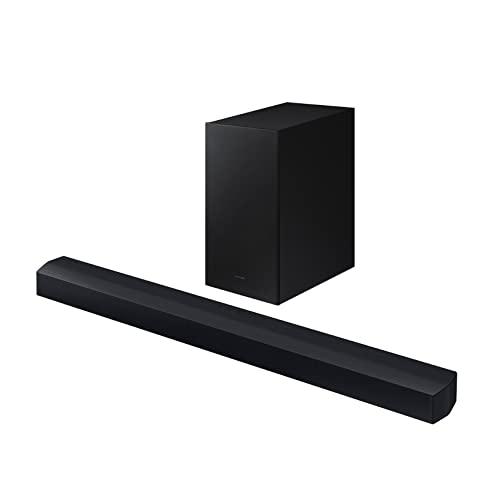
Channel configuration matters too – this refers to how many separate audio channels a soundbar can handle. A 2.1 system like the Samsung HW-C450 has left and right channels plus a dedicated subwoofer channel for bass. The Bose TV Speaker is technically a 2.0 system (no separate subwoofer) but includes processing that simulates additional channels.
The key insight from our research across user reviews and expert testing is that bass response often determines whether someone loves or merely tolerates their soundbar. Deep, controlled bass transforms action movies and makes music more engaging, but it requires either larger drivers or a dedicated subwoofer to do properly.
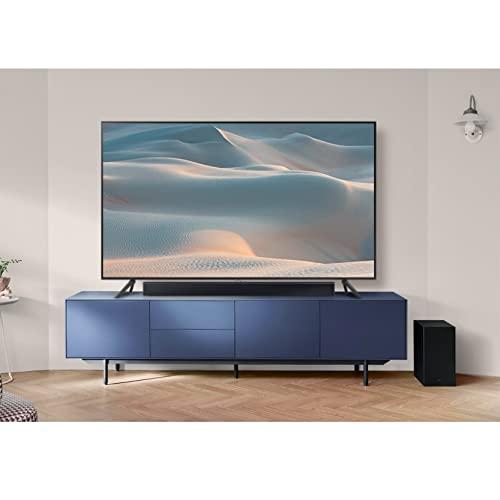
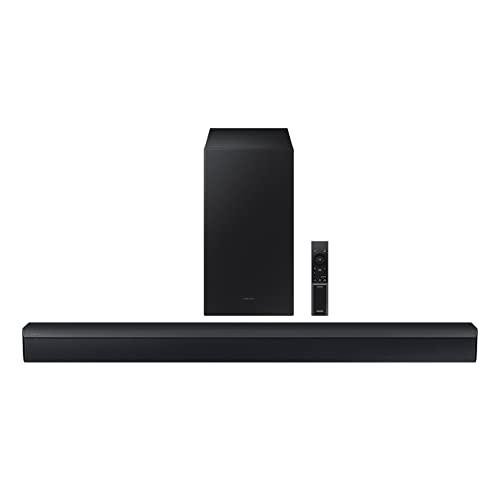
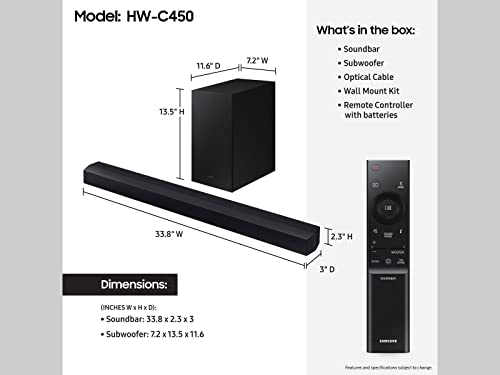
The Samsung HW-C450 takes the "more hardware equals better sound" approach. This 2.1-channel system includes a slim soundbar with two speakers plus a separate wireless subwoofer that handles all the low-frequency work. At 300 watts total power (80W for the bar, 220W for the subwoofer), it's designed to fill medium to large rooms with impactful audio.
Samsung loaded this model with DTS Virtual:X processing, which uses psychoacoustic tricks to make two physical speakers sound like surround sound is coming from multiple directions. It's not true surround sound – you need actual rear speakers for that – but the processing analyzes audio signals and delays certain frequencies to create the illusion of height and depth effects.
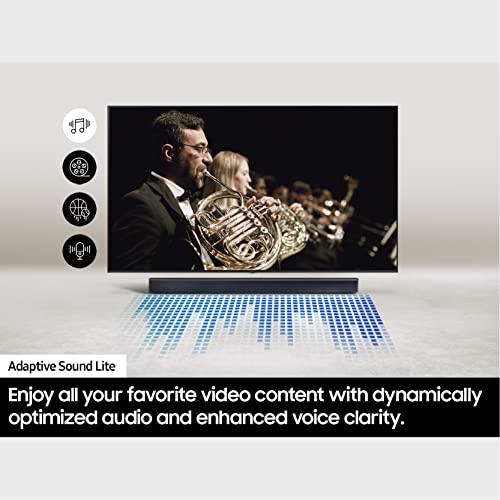
The system also includes Adaptive Sound Lite, which automatically adjusts the audio profile based on what you're watching. If you switch from a quiet drama to an action movie, it boosts bass and adjusts the frequency response accordingly. Game Mode provides another preset that emphasizes directional audio cues – helpful for hearing enemy footsteps in competitive gaming.
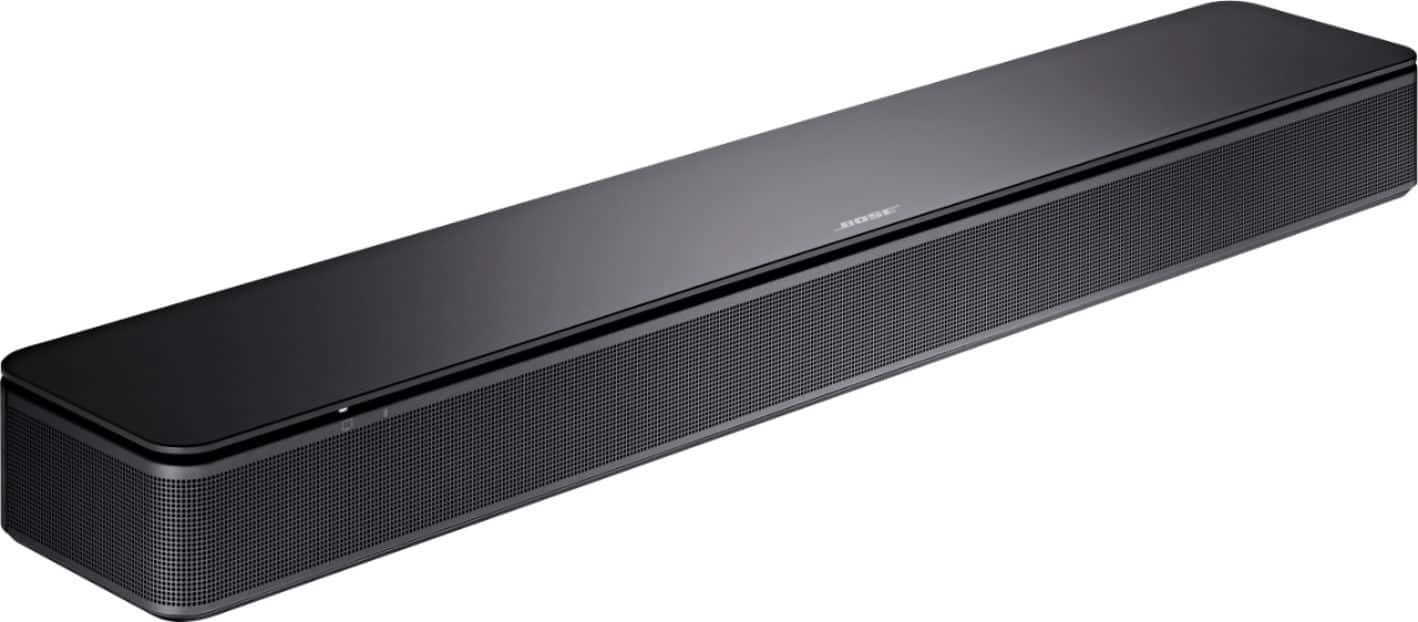
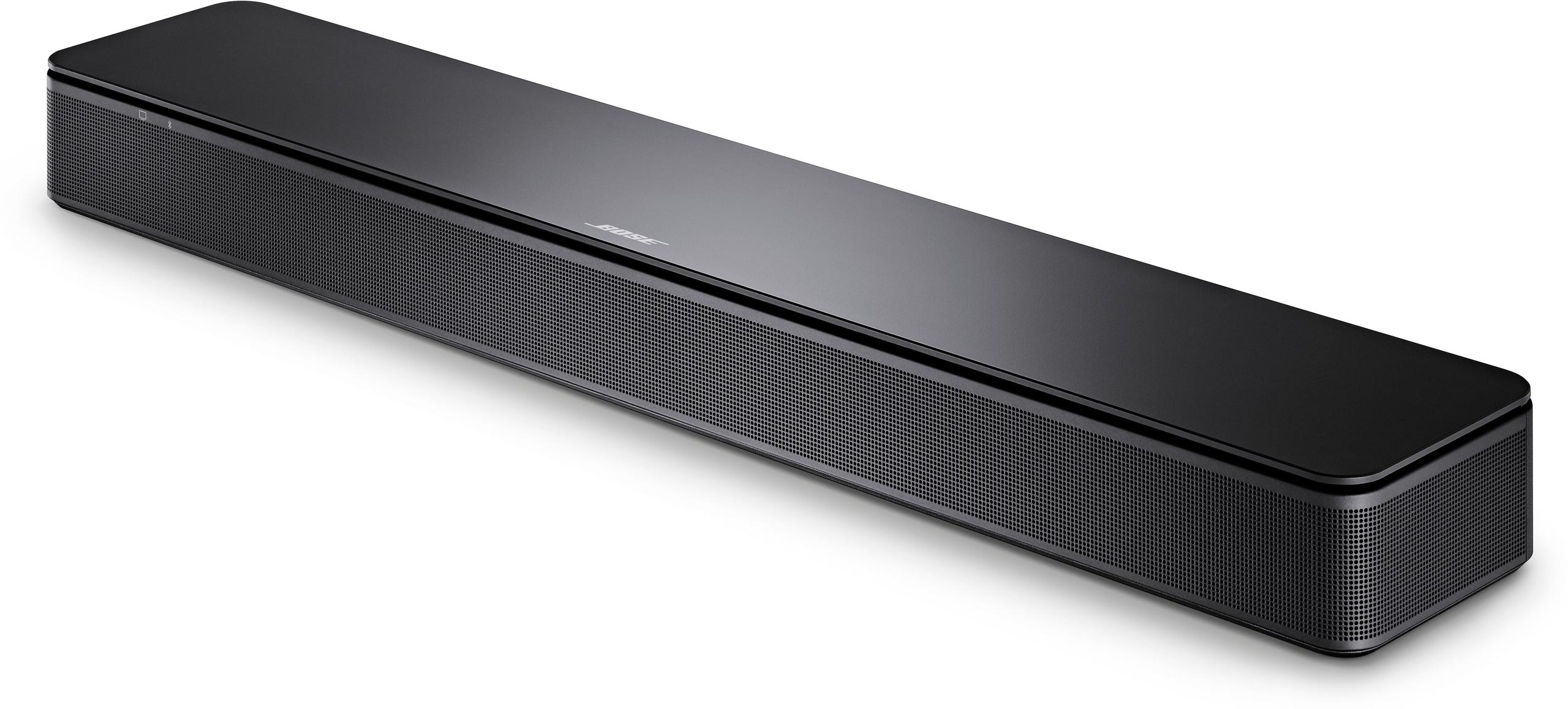
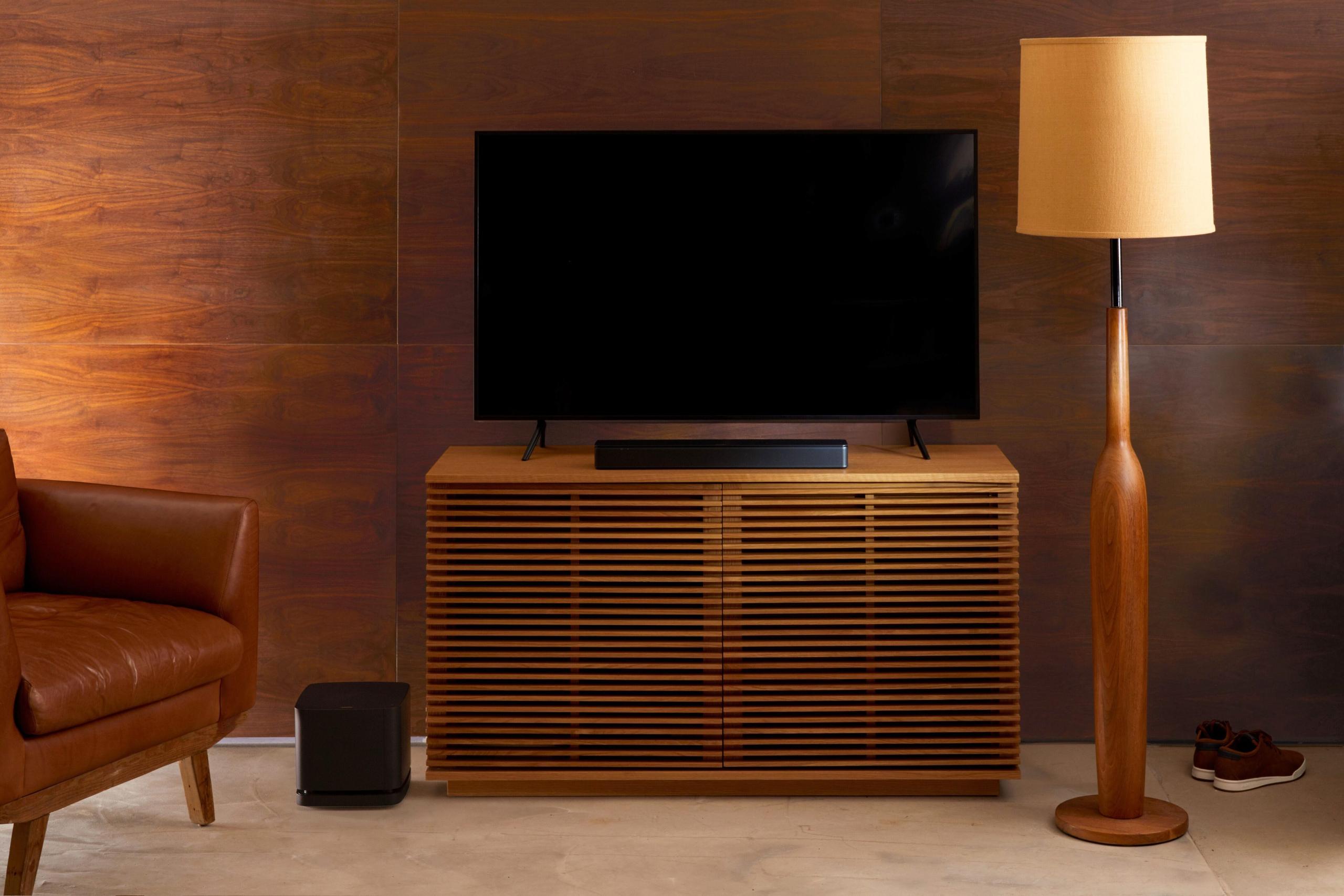
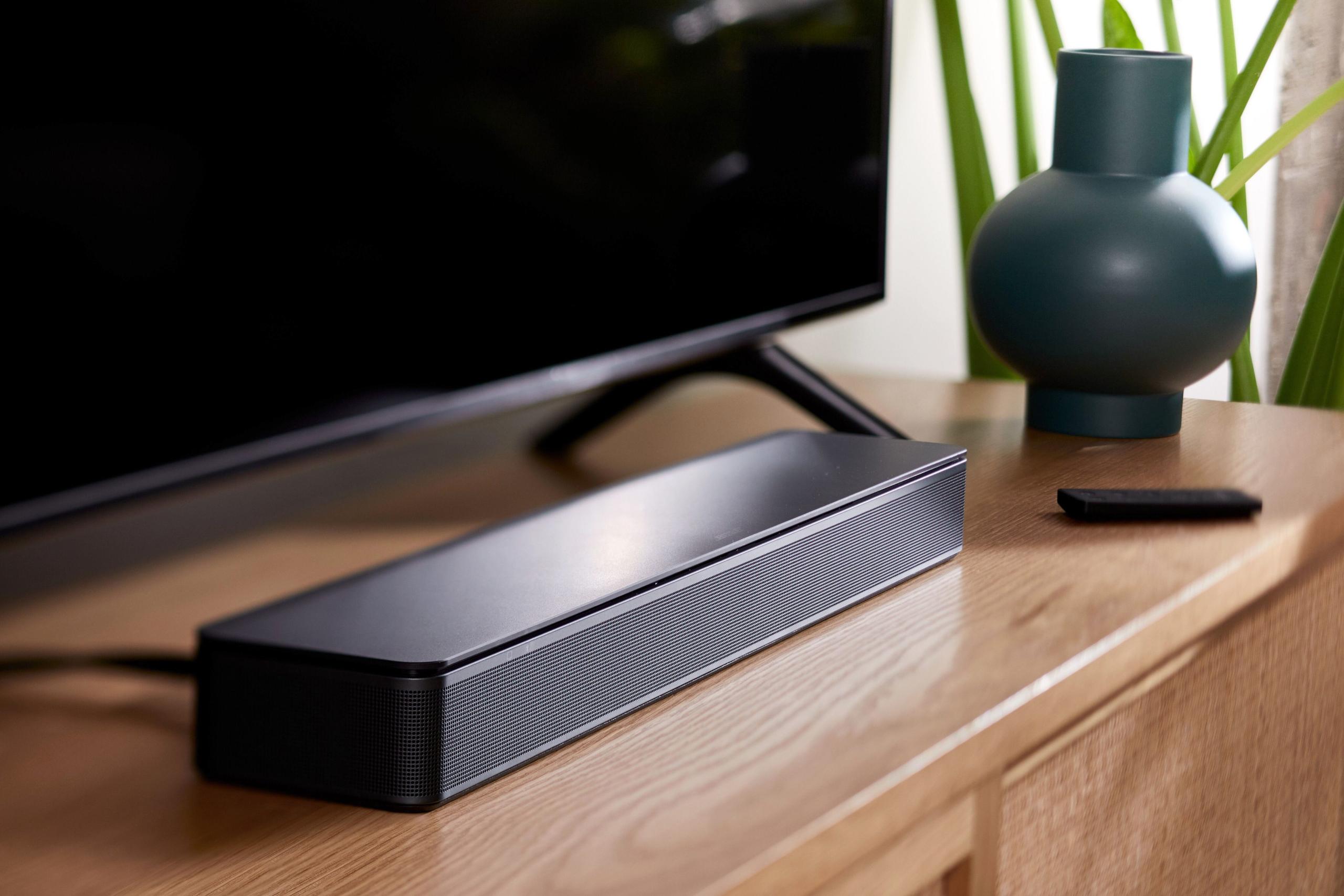
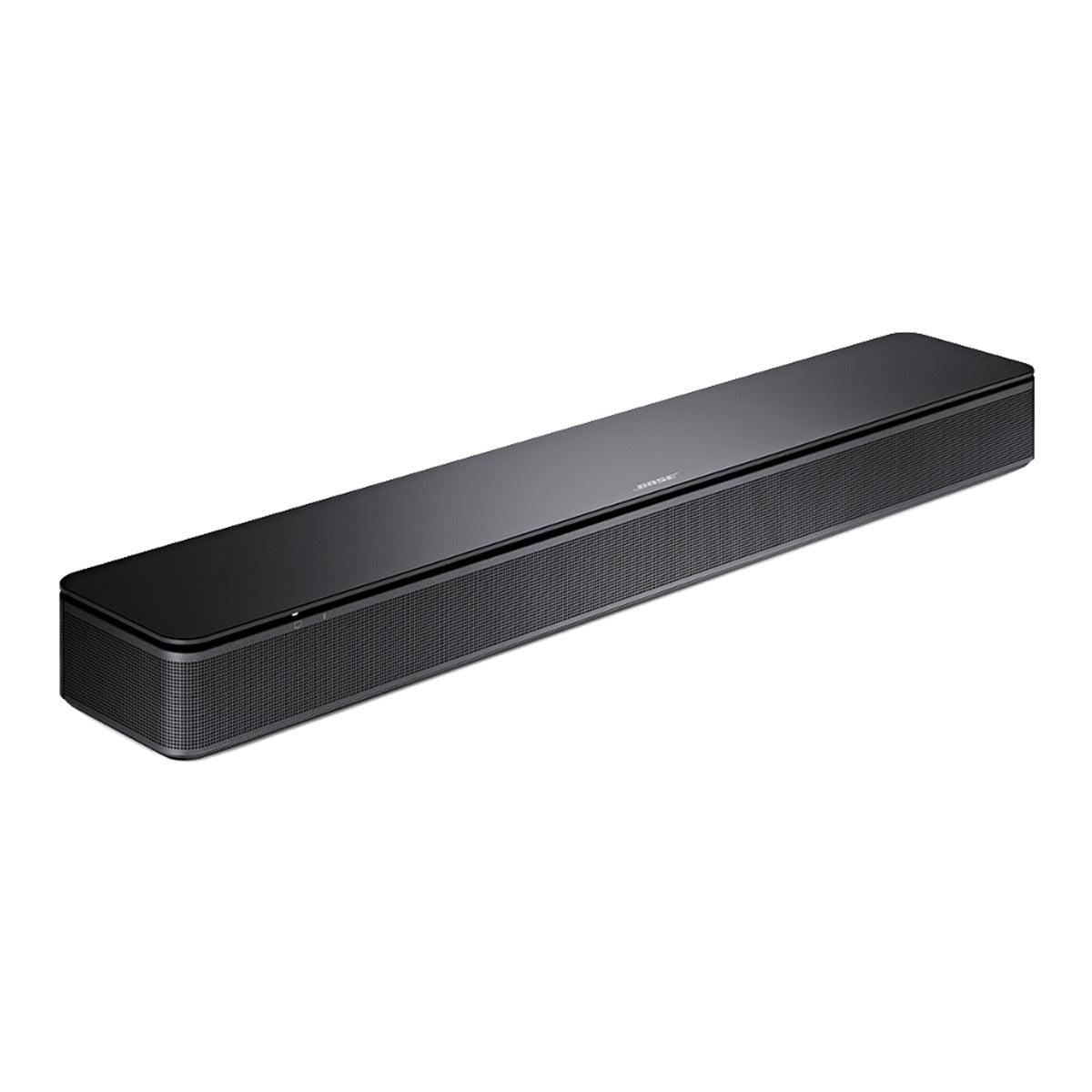
The Bose TV Speaker represents a completely different philosophy. Rather than adding more speakers, Bose focused on making a single compact unit perform as well as possible. This approach reflects the company's long-standing expertise in making small speakers sound bigger than they should.
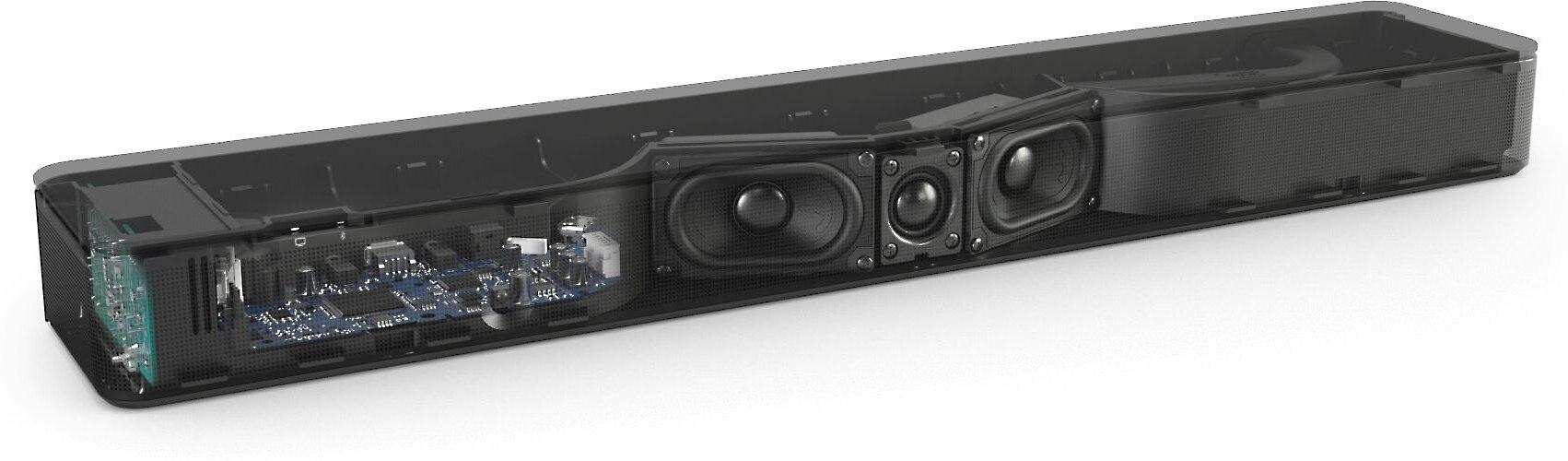
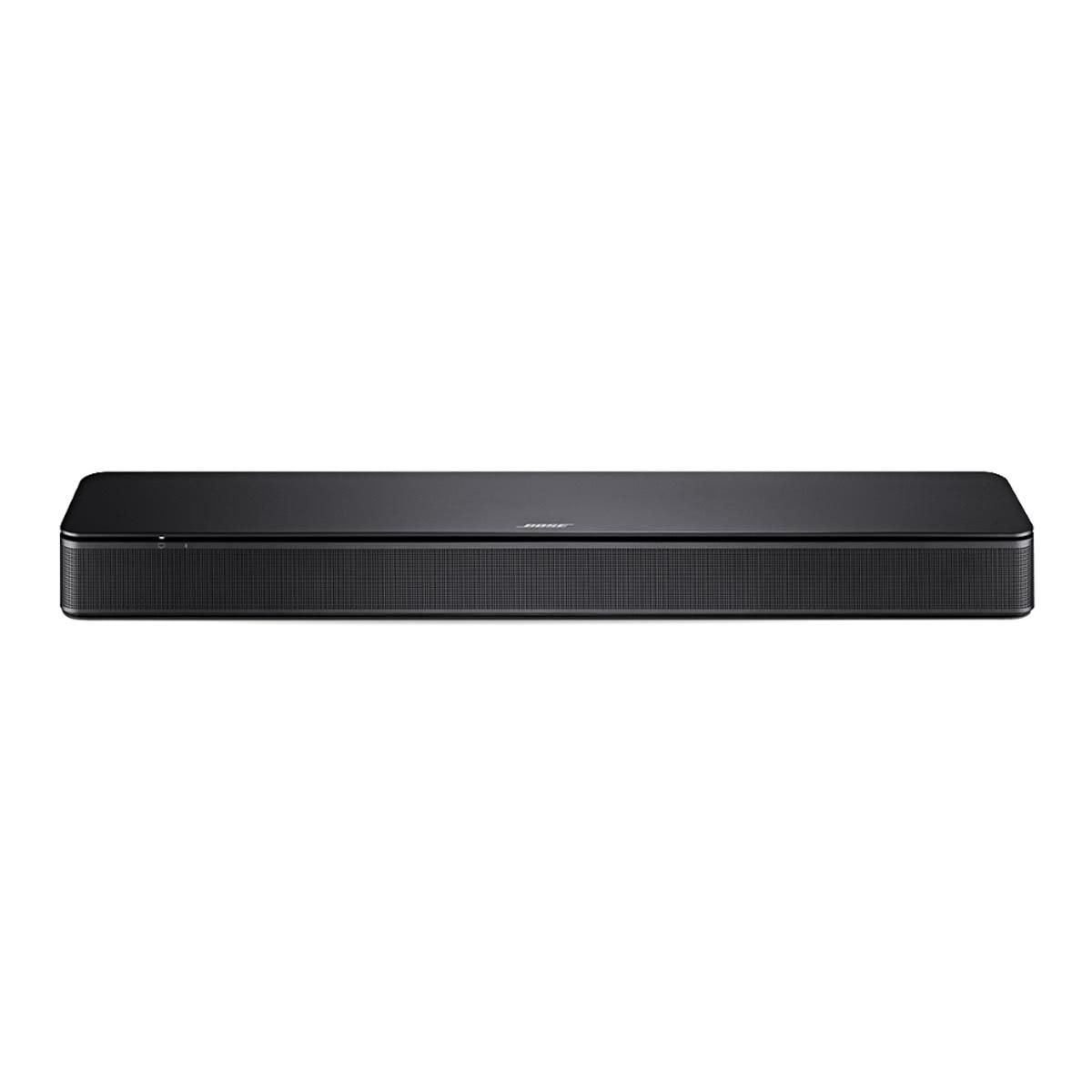
The key innovation here is the angled driver arrangement. Two full-range speakers are positioned at slight angles to create a wider soundstage, while a center tweeter (a small speaker designed for high frequencies) focuses specifically on dialogue clarity. This three-driver setup fits in a soundbar that's just 2.2 inches tall – small enough to fit almost anywhere.
The Bose TV Speaker includes a dedicated Dialogue Mode that analyzes incoming audio and boosts vocal frequencies in real-time. This isn't just a simple EQ adjustment; the system actively identifies speech patterns and enhances them while keeping background effects at appropriate levels. For people who struggle to understand dialogue in movies, this can be transformative.
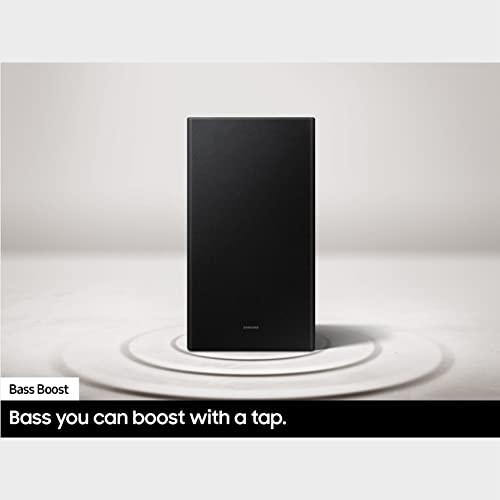
This is where the Samsung HW-C450 demonstrates its most significant advantage. The wireless subwoofer uses a 6-inch driver in a ported enclosure, which allows it to move more air and produce frequencies as low as 40Hz. In practical terms, this means you'll feel the rumble of explosions, the thump of bass lines in music, and the low-frequency effects that make action scenes engaging.
User reviews consistently highlight that the Samsung's bass is noticeable enough to be heard in adjacent rooms – something that speaks to both its power and potential annoyance to neighbors. The Bass Boost mode pushes this even further, though our research suggests this setting can become overwhelming for dialogue-heavy content.
The Bose TV Speaker, constrained by its compact design, simply cannot match this low-frequency extension. While Bose's engineering maximizes what's possible from small drivers, physics ultimately limits how much bass a 2.2-inch tall soundbar can produce. The system does include a bass adjustment control, and users report that maxing this setting provides noticeable improvement, but it's still fundamentally limited compared to a dedicated subwoofer.
For context, most TV speakers struggle to reproduce frequencies below 200Hz effectively. The Samsung HW-C450 extends this down to around 40Hz, while the Bose TV Speaker likely manages around 80-100Hz – a significant difference that affects everything from movie explosions to music reproduction.
Dialogue clarity represents the Bose TV Speaker's strongest advantage. The dedicated center tweeter, combined with Dialogue Mode processing, creates exceptional speech intelligibility. This matters more than many people realize – poor dialogue clarity is often why people give up on soundbars and return to using subtitles.
The Bose approach works because human speech occupies specific frequency ranges (roughly 85Hz to 255Hz for fundamental frequencies, with important consonants extending much higher). By dedicating processing power and a specific driver to these frequencies, the Bose TV Speaker can make voices cut through background music and effects more effectively.
The Samsung HW-C450 addresses dialogue through its Voice Enhance mode and Adaptive Sound Lite processing, but this is part of a broader feature set rather than the primary focus. User feedback suggests the Samsung handles dialogue well, but not with the specialized clarity that the Bose achieves.
Maximum clean volume often determines whether a soundbar works in larger spaces. The Samsung HW-C450's 300-watt power rating translates to higher volume capability with less distortion. Users report excellent performance even at high volumes during gaming sessions and action movies.
Dynamic range – the difference between the quietest and loudest sounds a system can produce – also favors the Samsung. The separate subwoofer handles bass independently, allowing the main speakers to focus on midrange and treble without distortion. This separation enables the system to reproduce both whispered dialogue and explosive effects without compromising either.
The Bose TV Speaker has lower power output, making it better suited for smaller rooms and moderate listening levels. However, Bose's compression algorithms help maintain dialogue clarity even at higher volumes, partially compensating for the power limitation.
Soundstage width – how spread out the audio feels – represents another key difference. The Samsung HW-C450's DTS Virtual:X processing creates a notably wider and more immersive presentation. While it can't match true surround sound systems, the processing does create convincing effects for movie watching.
The Bose TV Speaker uses its angled drivers to create width, but the effect is more subtle and natural-sounding. Some users prefer this approach, finding virtual surround processing artificial or inconsistent depending on content.
The Samsung HW-C450 requires positioning both the soundbar and subwoofer, though the wireless connection between them simplifies cable management. The subwoofer pairs automatically when powered on, and the whole system can be running within minutes using either the included optical cable or Bluetooth connection.
One limitation we discovered in user feedback is the lack of HDMI connectivity on the Samsung HW-C450. This means you can't use advanced features like HDMI-CEC (which allows your TV remote to control the soundbar) or pass through 4K video signals. You're limited to optical audio or Bluetooth, which cover most use cases but aren't as convenient as single-cable HDMI solutions.
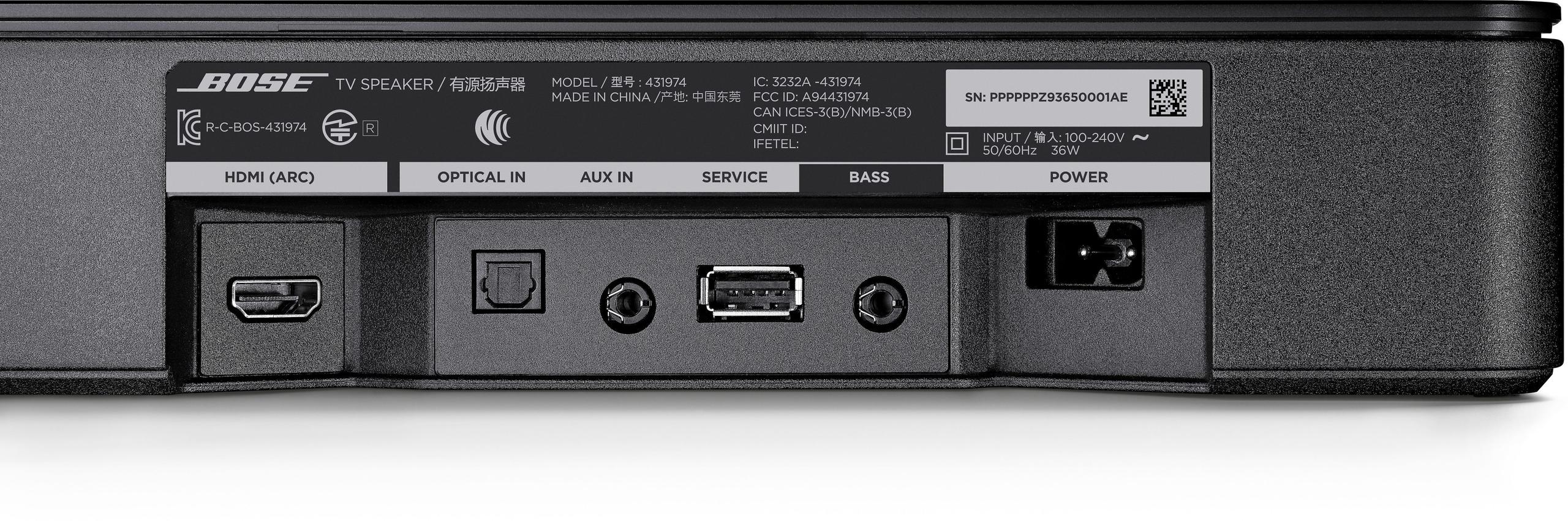
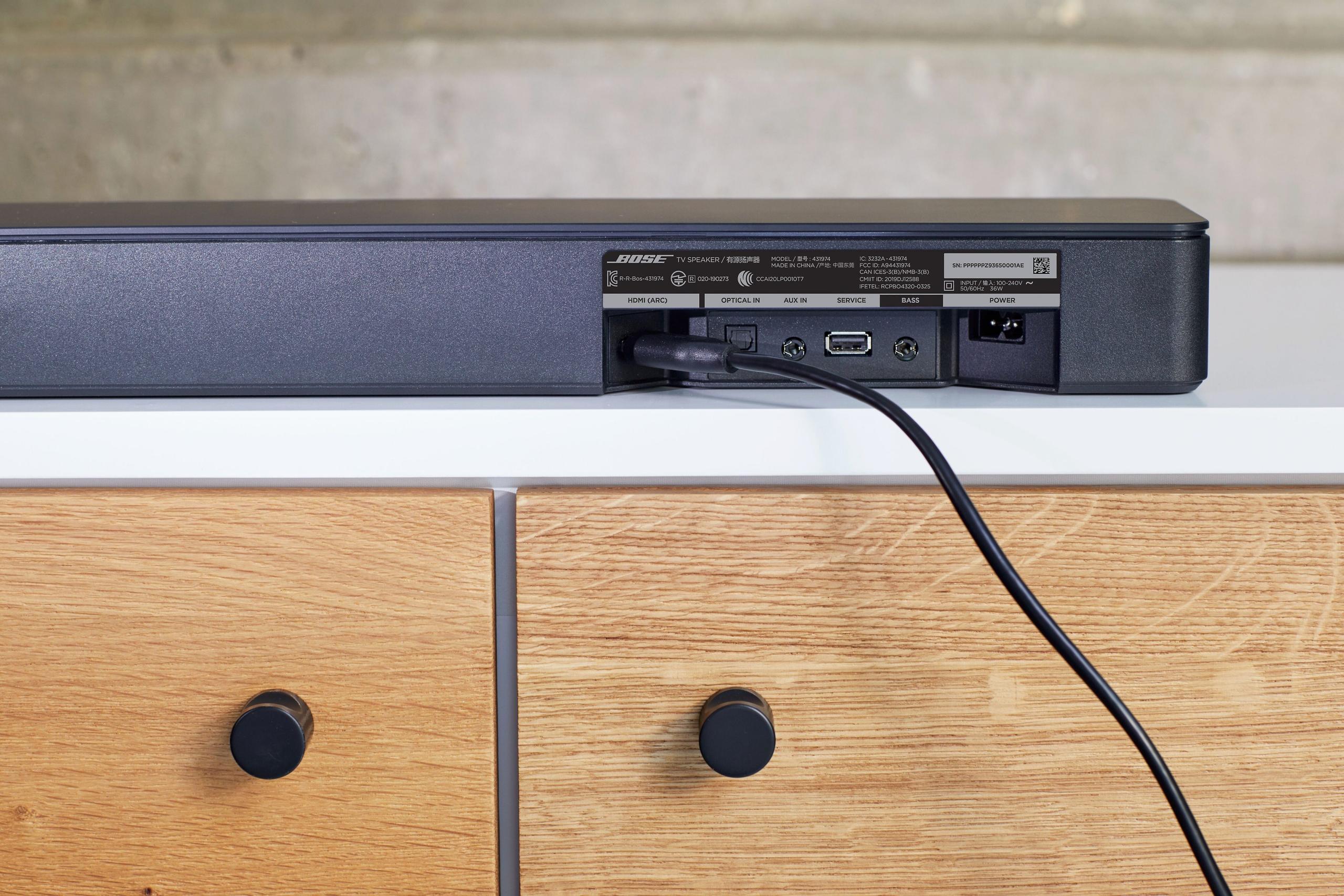
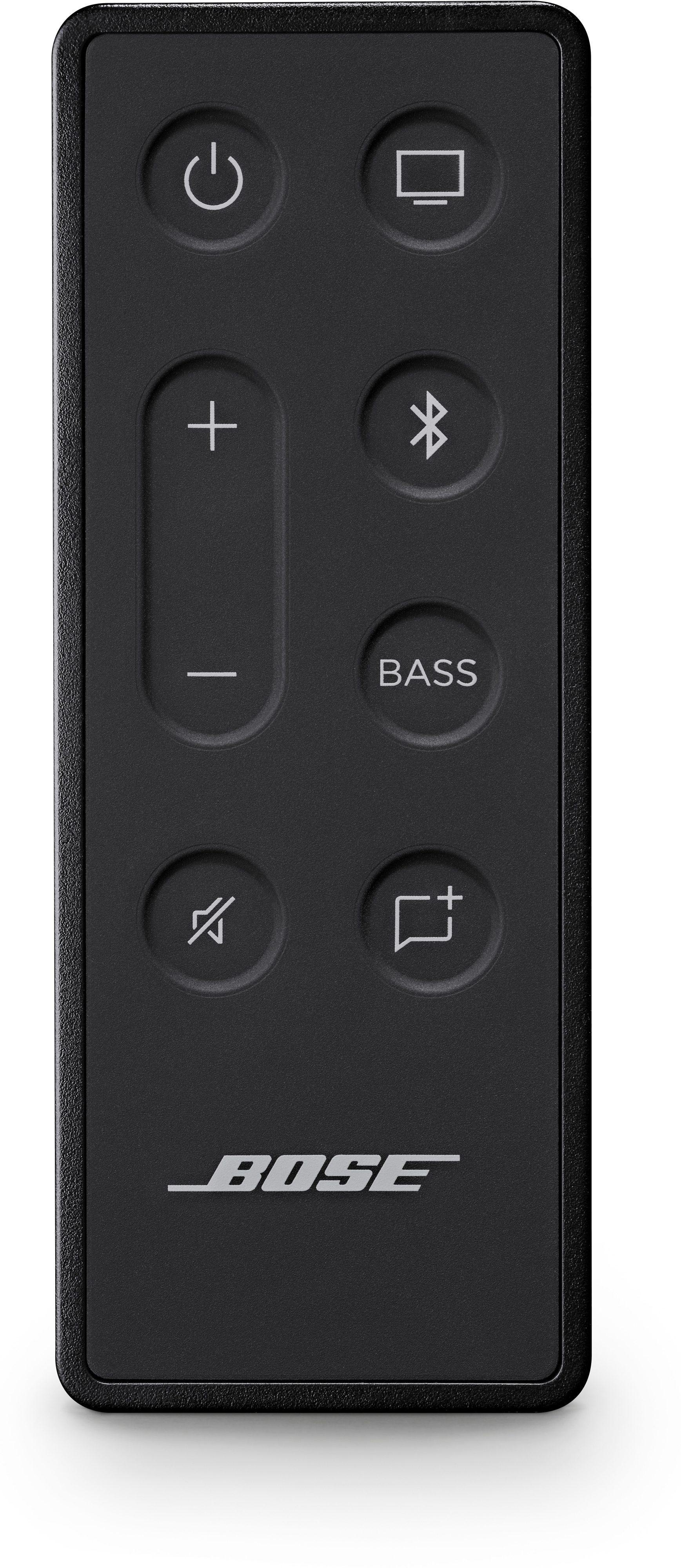
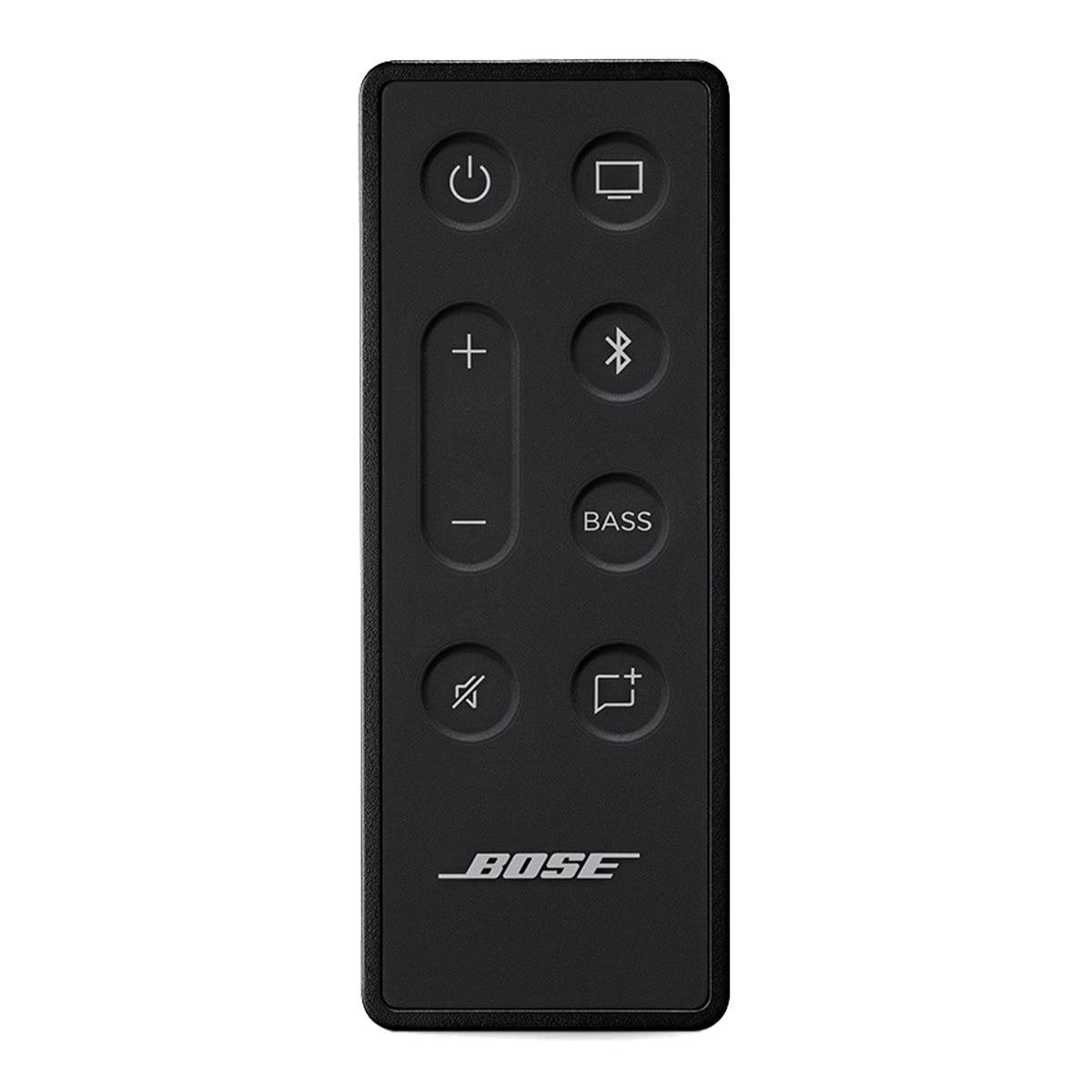
The Bose TV Speaker includes HDMI ARC (Audio Return Channel), enabling single-cable connection and TV remote control integration. This represents a significant convenience advantage, especially for users who want to minimize remote clutter. The system is also Roku TV Ready certified, providing seamless integration with Roku TVs.
The Samsung HW-C450 offers more extensive customization options. Multiple EQ presets, adjustable bass levels, and various sound modes (Standard, Surround Sound Expansion, Game, Adaptive Sound Lite) provide flexibility for different content types and preferences.
Gaming represents a particular strength for the Samsung. Game Mode adjusts processing to reduce audio delay and emphasizes directional cues – important for competitive gaming where hearing enemy movements provides strategic advantage. The powerful bass also enhances the impact of in-game effects.
The Bose TV Speaker takes a simpler approach with fewer but more refined adjustments. Dialogue Mode, bass control, and Bluetooth connectivity cover the essential features without overwhelming users with options. This simplicity appeals to people who want immediate improvement without configuration complexity.
At the time of writing, the Samsung HW-C450 typically costs about $50 less than the Bose TV Speaker, while including significantly more hardware – specifically, a dedicated subwoofer that would cost over $100 if purchased separately. This represents exceptional value from a pure audio performance perspective.
The price premium for the Bose TV Speaker reflects several factors: brand reputation, premium build quality, compact design engineering, and specialized dialogue processing. Whether these advantages justify the higher cost depends on your priorities and space constraints.
For home theater applications, the Samsung HW-C450 provides more of the cinematic experience most people seek. The dedicated subwoofer enables the kind of bass response that makes action movies engaging, while DTS Virtual:X processing adds spatial effects that enhance immersion.
You want maximum audio performance for your investment. The combination of 300-watt power, dedicated subwoofer, and advanced processing features delivers genuinely cinematic sound that transforms TV watching and gaming experiences. This soundbar excels for people who watch action movies, play games, or listen to music through their TV system.
The Samsung HW-C450 also makes sense for medium to large rooms where higher volume capability matters. If you host movie nights or want sound that fills a spacious living room, the extra power and bass extension prove their worth.
Budget-conscious buyers who still want premium features will appreciate Samsung's approach of packing maximum hardware value into an affordable package. You're getting subwoofer performance and virtual surround processing that typically costs significantly more from other brands.
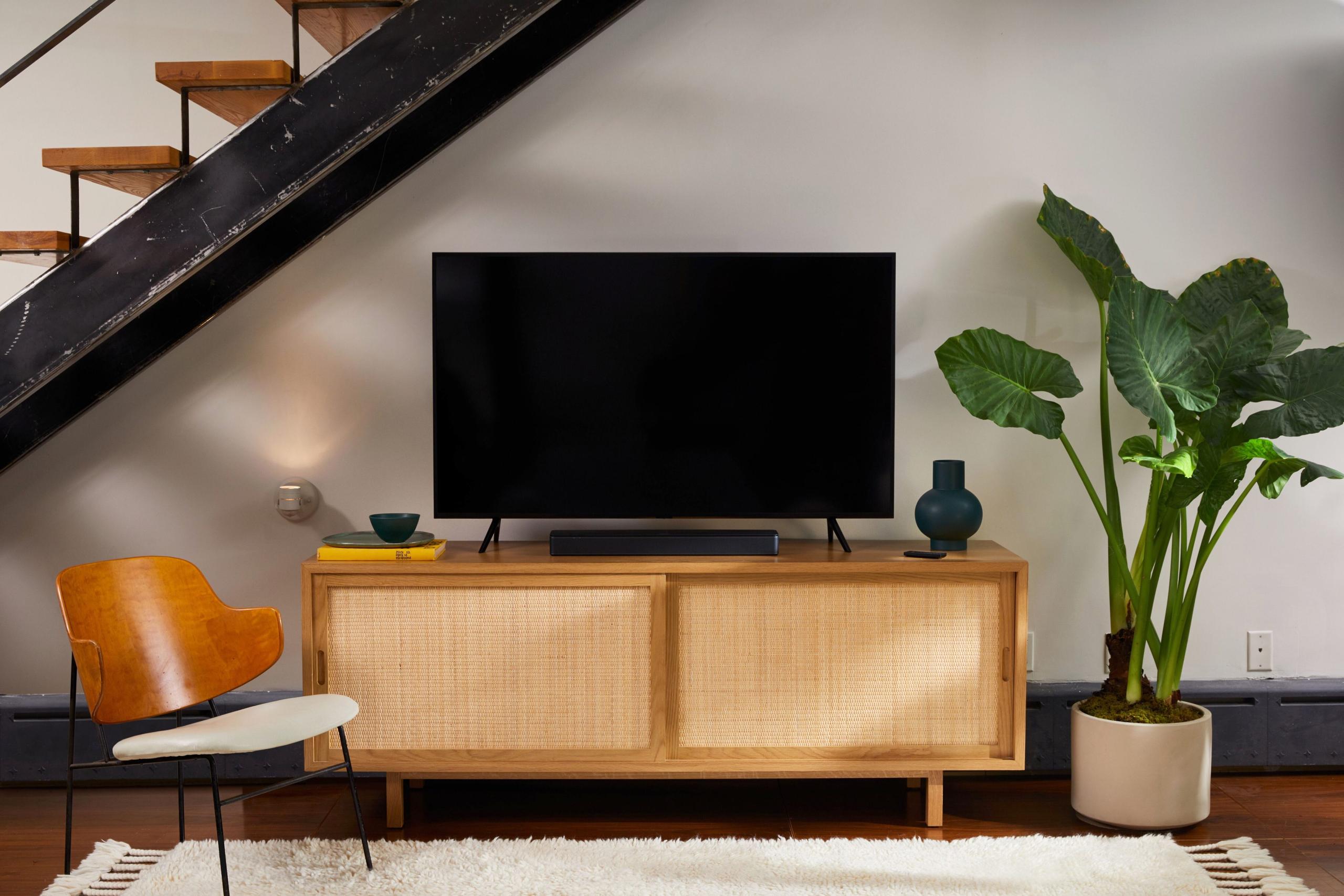
Space constraints drive your decision-making. The ultra-compact design fits anywhere without dominating your entertainment center or requiring subwoofer placement consideration. For apartments, bedrooms, or minimalist setups, this advantage often outweighs other factors.
Dialogue clarity takes priority over bass impact. If you primarily watch TV shows, news, documentaries, or dialogue-heavy movies, the Bose TV Speaker's specialized processing provides noticeable benefits. Older viewers or those with hearing challenges often prefer this focused approach.
You value simplicity and elegant integration over maximum features. The single-unit design, HDMI ARC connectivity, and streamlined controls appeal to users who want immediate improvement without complexity or configuration.
Both soundbars successfully address the fundamental problem of weak TV speakers, but they do so through very different approaches. The Samsung HW-C450 delivers substantially more audio performance per dollar, making it the clear choice for anyone seeking maximum value and cinematic sound quality.
The Bose TV Speaker commands a premium for its compact elegance and specialized dialogue processing, making it ideal for space-constrained installations where simplicity and speech clarity matter most.
For most people upgrading from TV speakers, the Samsung HW-C450 provides a more dramatic and satisfying improvement. The dedicated subwoofer alone transforms the viewing experience in ways that compact soundbars simply cannot match, regardless of brand engineering expertise.
However, if your living situation demands an ultra-compact solution, or if dialogue clarity represents your primary concern, the Bose TV Speaker delivers specialized performance that justifies its premium pricing within those constraints.
The soundbar market continues evolving rapidly, but these fundamental trade-offs between size, performance, and value remain consistent. Understanding your priorities and space requirements will guide you toward the right choice for your specific situation.
| Samsung HW-C450 | Bose TV Speaker |
|---|---|
| Channel Configuration - Determines bass capability and overall sound quality | |
| 2.1-channel with wireless subwoofer | 2.0-channel all-in-one design |
| Total Power Output - Higher wattage means louder volumes and better dynamics | |
| 300W (80W soundbar + 220W subwoofer) | Lower power output (exact wattage not specified) |
| Bass Response - Critical for movies, music, and immersive audio | |
| Dedicated 6" wireless subwoofer extends to ~40Hz | Limited to small drivers, estimated ~80-100Hz |
| Physical Footprint - Consider your available space and aesthetic preferences | |
| Larger system requiring soundbar + subwoofer placement | Ultra-compact single unit (23.4" x 2.2" x 4") |
| HDMI Connectivity - Enables TV remote control and simplifies setup | |
| No HDMI (optical and Bluetooth only) | HDMI ARC included for better TV integration |
| Advanced Audio Processing - Creates virtual surround and enhanced dialogue | |
| DTS Virtual:X, Adaptive Sound Lite, Game Mode | Dialogue Mode with center tweeter focus |
| Sound Customization - More options mean better ability to tune to your preferences | |
| Multiple EQ presets, Bass Boost, various sound modes | Simple bass adjustment and Dialogue Mode |
| Gaming Features - Important for console and PC gaming experiences | |
| Dedicated Game Mode with directional audio enhancement | Standard audio processing only |
| Setup Complexity - Consider your comfort level with audio equipment | |
| Requires positioning both units, wireless pairing | Single-unit plug-and-play installation |
| Build Quality and Design - Affects longevity and visual integration | |
| Budget-focused plastic construction | Premium Bose build quality and materials |
| Best Use Cases - Choose based on your primary audio needs | |
| Movies, gaming, music, larger rooms | TV shows, dialogue-heavy content, small spaces |
The Samsung HW-C450 delivers significantly better bass performance thanks to its dedicated wireless subwoofer with a 6-inch driver. This separate subwoofer can produce deep, impactful bass that you'll feel during action movies and music. The Bose TV Speaker lacks a subwoofer and relies on small built-in drivers, which limits its bass extension and impact.
The Bose TV Speaker is much more compact as a single unit measuring 23.4" x 2.2" x 4", making it ideal for small spaces. The Samsung HW-C450 requires space for both the soundbar and a separate wireless subwoofer, creating a larger overall footprint but delivering more powerful audio performance.
The Bose TV Speaker offers simpler setup as a single unit with HDMI ARC connectivity, allowing one-cable connection and TV remote control. The Samsung HW-C450 requires positioning both the soundbar and subwoofer, though the wireless connection between them is automatic and setup typically takes just a few minutes.
Both soundbars improve dialogue clarity over TV speakers. The Bose TV Speaker excels here with its dedicated center tweeter and specialized Dialogue Mode that actively enhances speech frequencies. The Samsung HW-C450 includes Voice Enhance mode and performs well for dialogue, though it's designed more as an all-around entertainment system.
The Samsung HW-C450 is superior for gaming with its dedicated Game Mode that reduces audio delay and emphasizes directional cues for competitive advantage. The powerful subwoofer also enhances the impact of in-game effects. The Bose TV Speaker doesn't include specialized gaming features.
The Bose TV Speaker includes HDMI ARC, optical input, 3.5mm analog input, and Bluetooth connectivity. The Samsung HW-C450 offers optical input, USB playback, and Bluetooth, but notably lacks HDMI connectivity, which means no TV remote control integration.
The Samsung HW-C450 typically offers better value, providing a complete 2.1-channel system with wireless subwoofer, 300W power, and advanced features like DTS Virtual:X processing. The Bose TV Speaker commands a premium for its compact design and brand reputation but includes less audio hardware.
The Samsung HW-C450 uses DTS Virtual:X technology to create 3D surround sound effects from its 2.1-channel setup, providing a more immersive experience for movies. The Bose TV Speaker uses angled drivers for wider sound but doesn't include dedicated virtual surround processing.
The Bose TV Speaker is ideal for small spaces due to its ultra-compact single-unit design that fits almost anywhere without requiring subwoofer placement. The Samsung HW-C450 needs space for both components and may produce too much bass for close neighbors in apartment settings.
Yes, both the Samsung HW-C450 and Bose TV Speaker can be wall mounted. The Bose TV Speaker is easier to wall mount due to its single compact unit, while the Samsung HW-C450 requires mounting the soundbar and finding floor or shelf space for the wireless subwoofer.
The Samsung HW-C450 is better suited for home theater use with its powerful 300W output, dedicated subwoofer for deep bass, and DTS Virtual:X processing for immersive surround effects. It delivers the cinematic experience most people want for movie nights. The Bose TV Speaker focuses more on dialogue clarity and simplicity.
The Samsung HW-C450 offers extensive customization with multiple EQ presets, Bass Boost mode, Game Mode, Surround Sound Expansion, and Adaptive Sound Lite. The Bose TV Speaker keeps things simple with Dialogue Mode and basic bass adjustment controls, appealing to users who prefer minimal configuration.
We've done our best to create useful and informative comparisons to help you decide what product to buy. Our research uses advanced automated methods to create this comparison and perfection is not possible - please contact us for corrections or questions. These are the sites we've researched in the creation of this article: e-catalog.com - alibaba.com - smart.dhgate.com - greentoe.com - requiremints.com - versus.com - bhphotovideo.com - rtings.com - soundmachine.com.mt - samsung.com - samsung.com - youtube.com - bhphotovideo.com - newegg.com - images.samsung.com - bestbuy.com - samsung.com - youtube.com - jsappliance.com - gadgetsleo.com - youtube.com - saraappliance.com - walmart.com - bestbuy.com - projectorscreen.com - forums.audioholics.com - digitaltrends.com - abt.com - crutchfield.com - staples.com - bestbuy.com - pcrichard.com - visions.ca - bose.com - assets.bose.com

Privacy Policy
Terms and Conditions - Affiliate Policy
Home Security
© Copyright 2008-2026.
11816 Inwood Rd #1211, Dallas, TX 75244